Google+

contact us

Use the form on the right to contact us.

Day or Night, we are here to serve you. Leave your plumbing problem to us.


Tinley Park, IL

(708)845-7922

Residential and Commercial plumbers and plumbing contractors available in Orland Park, Tinley Park, Oak Lawn, Palos Heights, Midlothian, Oak Forest, Homer Glen, Mokena, Frankfort, and the surrounding Chicago South Suburbs. Emergency plumbers.

copper water lines.jpg

Kevin Szabo Jr Plumbing Blog

Kevin Szabo Jr Plumbing is Tinley Park, Orland Park, Oak Forest, Midlothian, Orland Hill, Homer Glen, Mokena, Frankfort, Crestwood, Palos Heights, Oak Lawn, local plumber. Read our blog for advice, tips, a good laugh, and basic home improvement.

**We are moving our old blog to our new and improved website. Too see all our posts visit kevinszabojrplumbing.blogspot.com

Filtering by Category: December

3 Simple Tips to Prevent Basement Flooding

RH Business Marketing Solutions

thumbnail.jpeg

Floods are never fun, especially when they happen inside closed spaces like basements. Can you imagine the horror of cleaning up endless puddles of muddy water underground? Well, from what we’ve read, it’s not something you want to happen in your home.

Despite extreme preparation, floods can happen anytime and anywhere. They can happen because of water seeping in from storms, leaky pipes, or because your washing machine started leaking. Water might seem easy to clean up. You only need a mop and a bucket. However, cleaning it over and over again is just a temporary solution. 

The most effective way to prevent flooding isn’t to stop it from happening at all but to lessen the damage and do our best to decrease the chances of it happening. So, how can you prevent your basement from flooding? Although the first thought that comes to your mind might be to call a professional, we believe there are several things you can do at home by yourself.

If you haven’t experienced flooding in your basement, there’s no harm in learning about what you can do if it happens. Here are a few things to do to avoid getting water in your basement.

Watch what you flush

Our toilets may seem powerful and it seems like we can throw pretty much anything down the drain. However, they can only take so much. To keep water out of your basement, try keeping an eye on what your flushing down the toilet. There are a lot of resources available that tell you which things shouldn’t be flushed. 

Avoid heavy water usage

Sometimes we use a lot more water than needed. During sunny days, it won’t be an issue to take long showers and do bigger loads of laundry. However, we advise you to avoid using too much water during heavy rainfall. Using too much water can overload the sewer system since it’s already working so hard to get rid of the water from the rainfall.

Inspect your home regularly

Put aside some time every month to inspect your home for cracks and leaks. Most of the time, the source of water can come from leaky pipes or foundation cracks. Foundation can break down throughout the years and lead to cracks. 

If you catch any leaks or cracks early on, they will be much easier to seal since they’re smaller in size. Detecting leaks can be tricky. The key is to check your gutters, sump pump, weeping tiles, pipes, and any drainage systems in your home to make sure there are no leaks or blockages. If the leaks get too big, you’ll have to call in a professional plumber.

Wrapping Up

Most of the time, the damage from flooding can be controlled through maintenance and care. Although the best thing you can do is call a professional, there are times and instances where we can deal with the issue on our own. 
The most important thing is to keep an eye out and try to catch leaks or cracks as soon as you can because the longer you leave them, the worse they can get. Leaks and cracks can lead to severe water damage and even mold growth. So, it’s better to be prepared and prevent problems when you can.

Guest Contributor: Diana R

Illustration: Alexander Painter

Related Post: Best Dehumidifiers for Basements
5 Plumbing Tips For Winter

RH Business Marketing Solutions

Once the cold air comes, you’re more likely to have plumbing problems if you’re not regularly inspecting your pipes and staying on top of maintenance. Some common Winter plumbing problems are clogged/frozen drains, water heaters go out, burst pipes, etc. The list is endless, which is why it’s a great idea to stay on top of your plumbing with regular maintenance and taking precautionary measures.

  • If you plan on being gone for long hours of the day or for a couple of days, do not set your thermometer lower than 55 degrees. Going lower than 55 degrees you are risking your pipes, they can potentially freeze.

  • If you have any pipes that are showing, whether it’s showing inside or outside of your house, you should insulate it. This goes for your home, attic, garage or any other areas you have that won’t be heated. A cheap DIY for this is to take a pool noodle and slice it in half and wrap it around the pipes. Cost efficient and will end up helping your pipes.

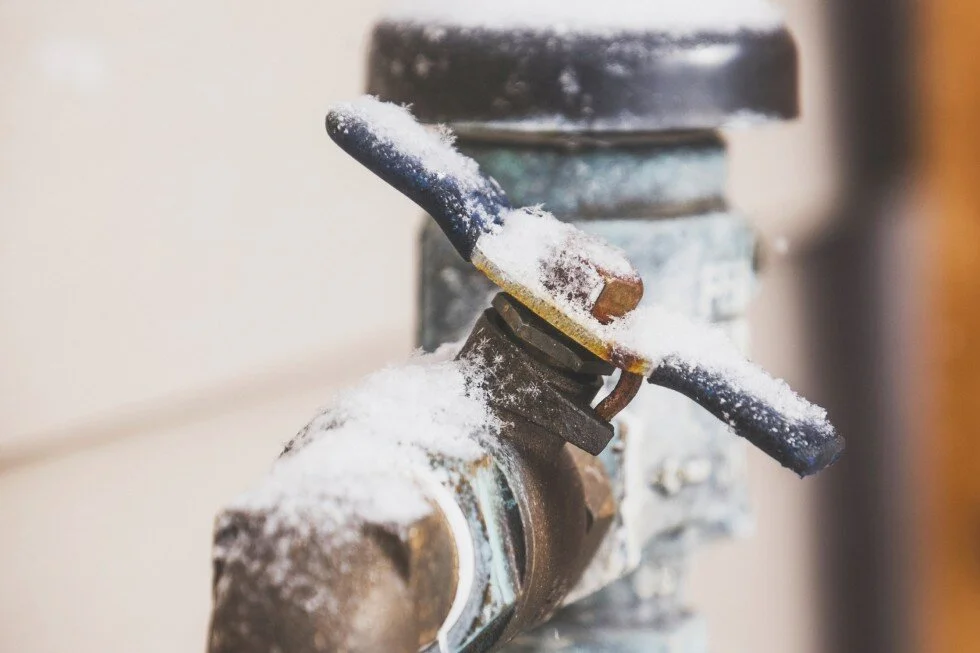
  • If the temperature ever goes below freezing, make sure you create a drip from the faucets in your house. You will want to do this for all faucets, not just one. Better safe than sorry. Even if the water were to freeze, having the drip keeps water flowing and will prevent a burst pipe.

  • Open up your cabinets or crack them to let warmth flow in to help provide warm air to the pipes under the sink.

  • Seal any type of cracks near windows and doors to prevent cold air from coming in. Preventing it from coming in will prevent it reaching the pipes located inside of your house.

Guest Contributor: Tiffany Powell

Things That You Can Store Inside A Storage Unit

RH Business Marketing Solutions

Things That You Can Store Inside A Storage Unit.jpg

A storage unit is a structure built for storing items and is usually rented to tenants. Storage is a need that many of us require to give us convenience at home or work. It helps in organizing and spacing, two related factors that affect our everyday lives.

There are many circumstances where renting self-storage can help immensely, but typical reasons include moving and delivery. It supports the logistical needs that arise in those types of situations. Temporary and alternative storage options where you can keep valuables and other assets safe and sound.

If such needs occur in your life, you can rely on storage units for aid. Without prior experience of usage, you may be thinking about what kind of items are usually placed in storage facilities? In this article, you’ll know as it talks about the things you can store inside a storage unit.

Seasonal items

Self-storage is perfect for keeping things that are not essential for everyday use. Those are the so-called seasonal items that you mostly keep inside boxes or containers for months, for some, even years. To avoid consuming space that you can use for additional storage at home or your workplace, you can turn to self-storage.

Common seasonal items that can be placed in a storage unit range from clothes, accessories, holiday decorations, and other seasonal equipment. Big tents for family camping trips or a tall Christmas tree that takes up space in your garage or workshop can be fitted inside your rented storage unit. Old but still fashionable hand-me-down clothes that you only wear for special occasions can also be kept in one, which will open up space for new clothes.

Documents and files

These documents and files don’t only include the ones you deal with at work, but also those for your properties. Keeping a ton of paper can quickly clutter your surroundings, so it’s better if you just keep them all in one place. It’s better for businesses to keep them near your offices; e.g., if your office is in the Philippines, it’s better to find and rent storage in Manila in the nation’s capital.

A storage unit is one of the best places to keep important but non-essential files like item warranties and other financial documents. Prevent clutter and save more space at your workplace or drawers and cabinets at home by renting one to keep those files. Besides that, you also get to organize those files and find them easily.

Electronics and appliances

When it comes to electronics such as gadgets, you can’t easily throw those away, and many of them can still be recycled or sold. The same principle also applies to appliances, which can be repurposed with a little creativity. The best way to address these items is to keep them in storage.

Instead of keeping them in an area at your house where they’ll only consume usable space, putting them inside a self-storage unit is ideal. It’s beneficial if you’re moving to a new residence. If your gadgets and appliances are still functional, you may temporarily stow them away until they serve a purpose again or you feel like using them.

Furniture and art pieces

You can also store furniture inside a storage unit. It only fits since furniture pieces are typically bulky, and you won’t need all that you own. It’s an obvious and easy way to make more room at home.

If you have many art pieces in your possession but only have enough wall space for some decorations, you can temporarily keep them in self-storage. You can make up your mind if you want to sell them or keep them while they stay safe inside one.

Final words

These are only some of the typical stuff that you can store in self-storage like other people. If you decide wisely and use the rental space efficiently, you can add more room at home or your workplace by temporarily storing them inside a unit.

WR.jpg

Author’s Bio:

William Ross worked for a storage and logistics company before he finally decided he wanted to pursue his writing career. Today, he writes about the importance of storage facilities and organization, and how this will be the future of the storehouse industry.


DIY Survival Skills: 7 Reasons Why You Should Know How to Weld!

RH Business Marketing Solutions

We are quickly moving into a world where people are willing to learn a new skillset for DIY projects. It is not every time that you can afford to hire a professional to carry out any improvement projects in your home. 

Being handy with tools will save you both time and money. One of the most practical skills anyone can learn to help them prepared for anything welding. Interestingly, the best welder for beginners is surprisingly cheaper than most people think. 

While it may seem like a hard skill to learn, welding might not be a challenge for some individuals. Besides, it will equip you with lifelong skills for different survival situations. 

Here are 7 reasons why you should know how to weld:

1. Variety of Real-Life Applications

Welding offers a variety of applications, be it at home or at work. Welding is a versatile field that applies in several industries, from automotive to construction, mechanical, shipping, and even basic home activities like building a BBQ smoker. 

2. DIY Projects 

Rather than relying on a contractor to spruce up your space, you can easily do DIY projects at your own pace using your welding skills. These skills will come in handy whether you want to fix a broken window or change the broken materials within your property. 

Moreover, it will definitely save you money that you would have paid an established welder to eventually do.

3. Understanding the Process 

Managing a DIY project that involves melting metals requires more than just theoretical knowledge. You need to understand the multi process of welding and the necessary tools for a perfect job. 

If you learn how to weld, you will start to understand what’s required to work on any DIY welding projects. It also gives you a better perspective on time management and costs for different welding projects.

4. Learning New Skills

An extra set of skills never hurt anyone, and welding ranks up as one of the survival skills that’s most practical to learn. There are different welding techniques, each with its benefits and applications. Knowing more than one of these techniques will improve your skill set, making you more versatile in the field.

When not using the skill to improve your home's condition, you can use it to help your loved ones spruce up their homes, too.

welding-1209208_640 (1).jpg

5. Starting a Business 

Speaking of which, knowing how to weld can be a great source of income. Using your welding skills to help your loved ones is nice, but if you are strapped for cash, need an extra income source, or need a new career path, welding could be the source of that income. 

According to Indeed, the average hourly rate for a welder is $17.90 in the US. That would be roughly $358.00 per month if you dedicated at least 5 hours per week of work. You do not even need to rent a workspace. Your home garage can convert into a home workshop, or you can have a mobile business. 

You can also start a business to teach fellow enthusiasts how to weld through online platforms like blog posts and YouTube videos.

6. Travel Opportunities 

If you love to travel, welding offers plenty of opportunities. Most welding jobs require one to work on-site, meaning traveling from one town to another or even changing states and countries. All you need are the necessary skills and experiences to impress a potential employer, and you’ll get a job and the benefit of a unique travel opportunity.

7. Building a Hobby

For a person who loves creating stuff and running around with ideas, welding can be a great avenue to explore your passions. This could grow into a reliable hobby that provides you an escape space to be by yourself.

Hobbies give us opportunities to challenge ourselves, relieve some stress, stay in the moment, and even learn new things about ourselves. Why not do it with welding and learning a survival skill that you can always depend on in the future?

If you are looking for a challenge, a new hobby, or a side gig to learn, consider taking up welding. It comes with various survival skills, like learning how to fix different items, expands your skillset, and even contributes to a wide variety of money-making opportunities. 


BIO

Hi, my name is Gregory! I have been welding practically all of my life and love it. I like to write about my experiences and help other people become welders. You can learn more about me and my journey at https://www.cromweld.com/


Plumbing 101: Tips Everyone Needs to Know

RH Business Marketing Solutions

Plumbing 101: Tips Everyone Needs to Know

Because of the many people occupying commercial buildings, the systems need to function as well correctly. You have different building systems such as electrical wires, plumbing pipes, breaker boxes, etc. You need to have these taken care of most of the time to ensure it won’t cause problems for the people inside the building. 

One part of the building you should keep an eye out for most of the time is the plumbing system. This system supplies water to different parts of the building and assists in draining out the used liquid. You might find it challenging to maintain them because of how complex the entire system is. However, you don’t have to fret because you can follow a few tips and prevent any mishaps from happening. 

Don’t Leave Any Plumbing Issue Unturned

Even if the plumbing issue isn’t too grave, you still have to fix it to ensure it won’t become a severe problem. The best way to resolve all kinds of plumbing issues is to fix them as early as possible. An example is when a minor water leak from water pipes can cause damage its nearest surface, such as ceilings or walls. Another advantage of repairing plumbing issues as early as possible is you won’t have to suffer costly water bills. 

Watch Out for Blocked Drains

People use your building’s restrooms daily, so there’s a possibility that it may clog up at some point. You should have your cleaners inspect the toilet every day. A clogged drain can make dirty water go back up, causing the bathroom and sink drain to get messy. You wouldn’t want this happening, especially when you have a commercial building that’s filled with tons of people every day. To prevent any drains from getting clogged, you need to impose strict rules such as avoid throwing hygiene products in toilet bowls or avoid throwing leftover food in the sink. Once you implement these rules around your building, you can expect less clogged drains from happening in the long run. 

Be Wary When Drilling On Surfaces

You can usually find plumbing pipes behind walls, ceiling, and floor surfaces. In some cases, you need to install wall-mounted shelves in the office, so you hire a contractor to get it done. As they are drilling, they might accidentally hit plumbing pipes. Most of the time, professional contractors need to inspect what’s behind the surface before starting the drilling process. Damaging the pipes isn’t a situation you would not want to happen because it can disturb employees working, causing an abrupt halt to the company’s business. 

MRR-BlogGraphic-FindMyWaterShutoffValve.jpg

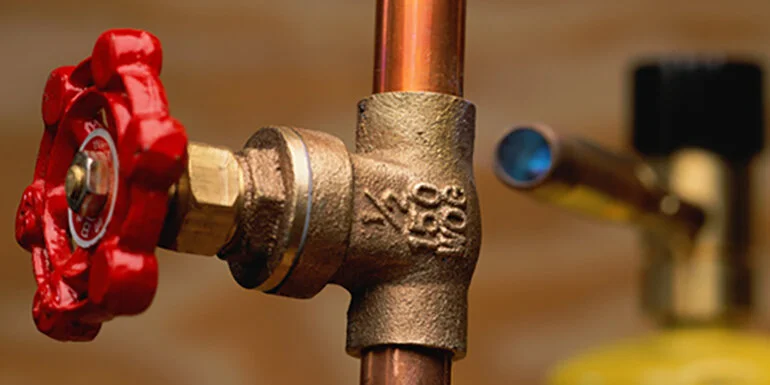
Know Where the Shut-Off Valves are Located

In the event of a plumbing problem, you might need to turn off the shut-off valve to prevent water from further spilling. You have to know where your building’s shut-off valves are because your maintenance personnel might not be able to react to the plumbing problem right away. You can even give your employees a heads-up where to locate the shut-off valves so that they know what to do when the time comes. 

Gaining access to several parts of the plumbing system is difficult, especially if they’re behind hard surfaces. To ensure maintenance personnel can access the plumbing system with ease, you need to install an aluminum insulated access door. It will help protect plumbing systems whenever accidents occur inside your building, like fires. 

Guest Contributor: Chris Jackson

How to Check for Plumbing Problems Before Buying a House

RH Business Marketing Solutions

To make sure everything is in order before deciding to buy the house you like, check for plumbing problems. Here is how.

How to check for plumbing problems before buying a house

Imagine moving into the home of your dreams. It wasn't easy to find it, especially considering the financial impact of a decision as big as this one. You designed the interior just the way you want, and just when you thought you could relax, you notice water leaking. The seller had managed to hide a critical thing. The property comes with some significant plumbing issues, more severe than the clogged sink drains. Since it's hard to discover these issues during a casual house inspection, you need to pay extra attention to notice them. Here's how to check for plumbing problems before you buy a house.

Address potential difficulties immediately.

Address potential difficulties immediately.

Check for plumbing problems and prevent troubles down the road

So, you have gone through the process of buying a house, and you have done everything in your power to make sure everything goes smoothly during moving in. However, you might not have noticed a small plumbing issue that could potentially become a lot more serious in the future. Therefore, checking for pipe problems and dealing with them right away can save you from the inconvenience and a considerable expense. What follows are the things you should check before you make the final decision.

Water and drain lines

It makes sense that water and drain lines are one of the first things to check. Try to find the signs of corrosion on drain lines. This issue might not be the most common, but it can cause a problem. Also, you should check the water lines that you can see for leaks and discoloration. Look under the sink in the kitchen and try to see what these pipes look like. Turn on the faucets and see if the drainage speed is alright. You can even check the water lines that aren't visible. Examine if there are any water stains on the walls or the ceiling. Moldy spots might also be a sign of the same problem. While it's not too expensive to fix leaky pipes, per se, the expenses of repairing the damage can add up.

Fixing the damage is not cheap.

Fixing the damage is not cheap.

Sewer line

There can be several problems that are related to sewer lines. That's why it's good to have a professional look at it, all the way to the street. It wouldn't be wrong to run a video camera through the line to identify any potential trouble. Clogs, corrosion, or tree roots can lead to problematic smelly issues. However, similar problems might happen due to stinky plumbing, so make sure to check everything if you want to enjoy the pleasant smell of your new home.

Water hardness

When searching for an ideal location for your new home, you'll consider multiple factors. After all, you want to find an area you will enjoy living in, so you need to consider every little thing. And one of the things you will probably neglect to check is the water hardness in their area of your interest. This can have a significant impact on your kidneys but also your pipework. A scale buildup in the pipework can lead to low water pressure and clogs. Look for the sign of scale on the edges of the taps, as they're the result of hard water. You can notice the signs of scale buildup on the exterior of the fixtures. These consequences might become more severe down the road as they might require costly plumbing repairs. On a more positive note, this will allow you some negotiating room. You can try to reduce the price.

Water supply

What you do not want when moving into a dream house is to pay for new supply pipes, in addition to all of the other expenses. So inquire about them. Ask about their age and material to understand how long you can go until replacing them. If the pipes are made from polybutylene or galvanized steel, there's a good chance the replacement is necessary.

Ask about the age of the heater

You should know the age of the water heater in the house. As they usually last about ten years, this information will reveal if the heater will need replacing soon. Also, make sure to assess how much damage potential leaks could cause, keeping in mind the water heater position.

Water pressure

The low water pressure might not seem like the biggest problem, but it's an inconvenience you definitely don't want to deal with. Water pressure that's too high could damage the appliances, starting with the water heater. The best way to test this is to use a pressure gauge to give you a pressure reading. It will tell you if some pipes need unclogging.

One way to check the water pressure.

One way to check the water pressure.

Check for the signs of water damage

Signs of water damage indicate that there are problems you need to address. These signs can either be obvious or hidden, so you might need to look at every corner of the house to find them. It can be warping, mold, brown stains on the ceiling or walls. Check the toilet and visible pipes. Then check the places where pipes are hidden in walls, in every room you can. Also, pay attention to how the toilet smells. Strong artificial smells might be an attempt to hide a problem. Noticing any sign of similar problems might uncover an issue that can go from a minor inconvenience to a serious problem. Either way, it's good to be aware of it before you buy the property.

Winterized pipes

If you're thinking about buying a house in an area with cold winters, winter maintenance is going to become a part of your annual routine. However, right now, it's necessary to check if the plumbing system was built to handle harsher conditions. Pipes need to be wrapped and insulated. If your house uses well water, the well should also be protected from extreme weather conditions. 

Thorough check

A thorough check is necessary to get a clear indication of the state of the plumbing. Also, this will give you information about the potential costs involved in resolving the possible issues. It might be a good idea to have an experienced plumber check for plumbing problems before you make the purchase, just to be safe.


Guest Contributor: Sophia Perry

A Look At Plumber’s Advice On Buying Water Heaters With a Good Life Span

RH Business Marketing Solutions

A look at plumber’s advice on buying water heaters with a good life span

For places with extreme weather conditions characterized by changing temperature, it is advisable to use good water heaters. Most people like winter, but it comes with a lot of other difficulties. Nonetheless, the chilly winter season necessitates investing in water heaters to enable your shivering body to get some warmth. In this case, the decision to buy a water heater relies on some basic questions which you must discuss with your plumber.

An electric water heater has an electric heating unit connected to a 220 Volt circuit. The current in the wire is allowed to pass through the electrical resistance heating component fixed in the tank for heating the water. Moreover, the power gets delivered through a thermostat that controls the temperature of the water. 

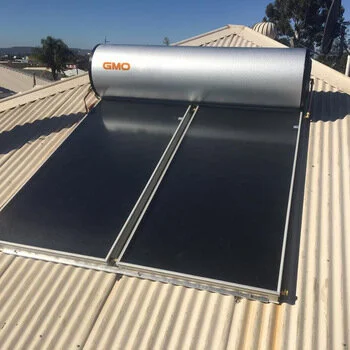
The life span of the right water heater usually is eight to twelve years. However, how you use it also determines its life. In recent times, plumbers advised budget-friendly solar water heaters. These water heaters work on the principle of forced circulation and the thermosyphon process. The ETC solar water heater element is solar collectors in the form of tubes and storage tanks. You can seek advice from a plumber to help you buy the right water heater for your home or office. 

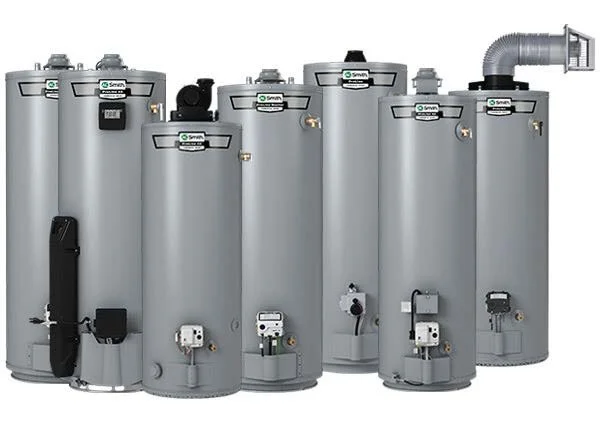
The different types of water heaters available in the market that have a good life span: 

Typically water heaters last for a long time, but if you notice any burning smell or unpleasant noise, then you should consult a plumber and change your unit.

Storage water heaters: These water heaters have a capacity of six liters and above and are the classic and most basic form of water heater used for domestic purposes. They are known by the name because there is a storage tank installed inside the appliance. Moreover, it can store hot water for a significant amount of time, even in the absence of electricity, thereby allowing for usage whenever required. Furthermore, the category gets further divided into specific products, which encompass steamer series, steamer plus MS, crystal plus, etc. They have an adequate storage capacity and last for a long time.  

Instant water heaters: These water heaters are high powered appliances which heat water immediately. They are suitable for small bathrooms and kitchens and are very compact in their appearance. Moreover, there are multiple variables; thus, you may do some research before investment. It gets quickly repaired by plumbers. 

Solar water heaters: as mentioned earlier solar water heaters are environment-friendly and an economical option. They usually convert renewable solar energy by using solar thermal collectors into heat. There are different variations in the market; you can choose one depending on your budget and requirement. It is quite a favorite among plumbers because it is a handy heater. 

Immersion rods: the most widely used form of water heaters are immersion rods, which are available cheaper than other alternatives. Moreover, they are handy and a useful method for heating water. They come in compactible size. You can easily accommodate them in your bathroom and kitchen. These immersion rods are a durable option for many. It is quite useful in providing quick heating, and they also come with an indicator light that shows the ideal level of water. It is essential to fill the container with a prescribed water level to avoid accidents. Plumbers do not suggest buying this as it can cause many accidents if not given proper attention though they have a good life. 

Plumbers believe that water heaters are essential equipment for places with a severe cold. While buying a water heater, some specific factors need consideration, which encompasses the size of the family, after-sales services, energy efficiency, type of water, water heater style, pressure pump compatibility, average water heater lifespan, and many more. Discuss these critical factors with your plumber who can help you make a smart purchase; however, you may invest after finding out each variant's key features and life span to avoid going wrong. 

Guest Contributor: Sujain Thomas

Tips to Avoid Common Heating Problems This Winter

RH Business Marketing Solutions

IMG_0734.jpeg

Tips to Avoid Common Heating Problems This Winter 

They say winter is the most magical time of the year, but is that still so if your heater breaks down? There’s nothing more troublesome than going through the cold months with a faulty heating system. Sure, it’s nice to watch the snow falling and feel the cold breeze once in a while, but it’s a different story when you’re looking forward to a cozy night at home only to find your heater fail you.

Keeping your home warm over the winter months is not only essential to your comfort but your health as well. The drop in temperature can affect your immune system and make your body more vulnerable to sickness and infections. That said, it is imperative that you take the time to make sure that your heater works well before the colder days hit.

How To Keep Your Heater Working Smoothly 

Schedule regular heater maintenance

Nobody will ever do it better than the pros. Make it a point to schedule a heater tune-up before winter starts and another when it’s over. Having your heater cleaned and checked by professionals will extend its life and give you peace of mind throughout the season.

Make sure the pilot light is on

Checking if the pilot light on your furnace is lit should be one of the first things on your list when preparing for the cold days ahead. This is a fairly simple task, and the steps on how to do it should be on your user's manual.

Clean your heater and perform a visual inspection

Wipe the dust off your heater and clean or replace dirty filters. Also, give your heater a visual once-over to ensure that all parts are intact. Check the wires closely for any signs of damage or fraying. If you see something wrong with the wirings, get in touch with an electrician as soon as possible.

Watch out for weird noises

As you clean your heater, turn it on and listen for any odd noises. Any weird or gurgling sounds could mean that there's a leak, a crack, or some other problem within. Holes in the heater can be dangerous and should be addressed by an HVAC professional immediately.

Give your heater a trial run

Lastly, do a trial run. Turn your heater on for about 10 to 20 minutes to make sure that the system is generating the expected level of heat. This will assure you that your heater is in prime condition and will work like new when you need it to.

Guest Contributor, Michelle West

How to Navigate a Flooded Apartment

RH Business Marketing Solutions

IMG_0733.jpeg

How to Navigate a Flooded Apartment

No one wants to deal with a flooded apartment. Unfortunately, it’s sometimes unavoidable. Knowing what to do if such an incident happens is important.

You’ll hopefully never have to use these tips. That said, if your apartment ever does flood, keep the following points in mind.

Protect Yourself First

This point actually has more to do with preparing for a flood. The whole experience will be a lot less stressful if you’re prepared with renters insurance.

If your apartment floods, renters insurance might cover it. Most plans are very affordable, costing about the same as a few cups of coffee per month.

It’s also important to look for early warning signs. Identify them, and you may be able to prevent a flood.

Regularly check plumbing appliances for signs of leaks. After rain, check for leaking surfaces. Alert the landlord as soon as you spot a problem.

Protect Belongings During the Flood

Obviously, during a major weather-related flood, you need to get to a safe place.

Not all apartment floods are major, though. Some result from internal plumbing issues. During minor flooding, get valuable items away from the water as soon as possible. You might even prepare ahead of time by finding a place nearby where you could store your belongings in case of a flood. Perhaps a friendly neighbor would let you keep your valuables in their apartment should the need ever arise.

Once you’ve secured your belongings, alert the landlord. You might be able to stop the leak yourself as you wait for them to send a professional. However, if the flooding is substantial, don’t go into the apartment until the utility company has disconnected the electricity.

Addressing Post-Flood Damage

The process of handling the aftermath of an apartment flood will vary on a case-by-case basis. Different regions simply have different laws and regulations.

In general, though, your landlord’s insurance will only cover the building itself and any features of the apartment they provided. It will not cover your personal belongings if they are damaged in a flood.

True, there are circumstances in which the landlord may be found liable. Perhaps the flood resulted from an issue you had previously informed them about. If they failed to address it in a timely manner despite numerous reminders, they might be responsible for covering damage to your belongings.

That said, this usually isn’t the case. This is another reason to have renters insurance. You’ll avoid dire financial circumstances if you have a policy. Renters insurance could also help with relocation costs if flooding makes the apartment uninhabitable.

Depending on the degree of damage and the cause of the flood, you might be able to terminate your lease without any repercussions. Some landlords are also willing to let tenants relocate to similar units within their properties.

Investigate your options immediately after a flood. Again, the specific laws that apply vary from one region to another. Protect yourself ahead of time with renters insurance, and you could avoid a lot of headaches if the applicable laws don’t favor tenants in these situations.

Guest Contributor, Armand Levitz

How to Install a Ventilation Fan in Your Bathroom

RH Business Marketing Solutions

IMG_0732.jpeg

How to Install a Ventilation Fan in Your Bathroom

Your bathroom is the one room in your home that is constantly under assault from a variety of sources. Harsh chemical cleaners, steamy showers and the remnants of last night’s Mexican entrees all need a way out and vent fans can do just that.

While the odor of a recently used restroom is definitely something we want to get rid of, the more important factor in installing a ventilation fan is evacuating the steam and water vapor created from baths and showers. 

This moisture, if left unaddressed can cause floors to bow, caulking to degrade, and mold to grow in our bathrooms, leaving us with costly repairs and unsightly walls, floors and ceilings. 

When you’re ready to start keeping your bathroom dry, here’s how to do it. 

Selecting a Ventilation Fan

Finding the right fan for your bathroom is an easy process, but an important one. When considering which fan fits your needs, consider the following. 

● Square footage. Fans are designated by the CFM (cubic feet per minute) of air that they move. You’ll want a fan that has at least one CFM for every square foot of your bathroom. Find square footage by multiplying the length of a room by its width. 

● Features. It may sound silly, but this is the 21st century, even our ventilation fans come with features and options now. Modern fans can commonly be equipped with a built in light, a heater, humidity sensor, motion detector, night light and even Bluetooth speakers. 

● Install options. Vent fans can be installed with or without attic access, on the ceiling or walls, and with or without cutting into the wall material. Figure out which option suits you best and pick a fan to match. 

The Tools

Installing a vent fan is a diy task that most homeowners can take on. However, you will need a few tools. 

● A drill with bits and drivers

● Screws

● Flathead and phillips screwdrivers

● Utility knife

● Jigsaw or drywall saw

● Respirator and eye protection

● Duct tape

● Wire cutters and crimpers

● Assorted electrical connectors (may be included with fan)

Time to Get Started

Once you’ve selected the right fan and have assembled the tools, you’re ready to get going. First, determine where your fan will be installed and gain access to that area. If you’ll be venting the fan through the ceiling, you’ll need to be able to get into the attic. 

Drill a Reference Hole

Find a suitable position on the ceiling, ideally between the shower and the toilet, and drill a reference hole through to the attic. A 3/8” bit is big enough for this. 

Measure the vent fan housing and note it on a piece of paper, you’ll need this next. 

Now, climb into the attic and locate your reference hole. Clear away any debris, insulation, or stored objects from the area. Using the measurement you just took, locate the final position of the fan between two joists nearest your hole. 

Note that position in relation to your reference hole so you can transfer that to the ceiling back in the bathroom. 

Mark the Layout in the Bathroom

Back in the bathroom, measure the inside dimension of the fan’s intake. 

Using your reference hole and the notes you made in the attic, transfer the measurements from the attic to the ceiling and use a square to mark out the intake port on the ceiling. 

Cut the Hole

Using the saw you have on hand, cut along the lines you just drew for you intake port. Be sure to wear your airway and eye protection and support the cut-out piece so that it doesn’t rip drywall paper from the ceiling as you finish the cut. 

Drop in Your Fan

Now, head back into the attic with your vent fan. Attach a 90-degree elbow to the outlet port of the fan and secure it with duct tape (preferably foil duct tape).

Remove the knock out panel and attach applicable wiring (you may need an electrician for this portion).

Attach the metal brackets to the fan at the designated points. 

Drop the fan into position, through your ceiling hole 

Secure the Fan

Using the drill and 1 ½” drywall screws, secure the brackets to the joists. 

Slide the flexible ducting over the elbow you installed and secure in place with foil tape. 

Cut Your Vent Hole

All exhaust fans need to be vented to the outdoors. Never allow a fan to blow into the attic or other space, this will cause mold and water damage as the steam condenses into water. 

Locate a spot on the inside of the roof close to your vent fan. Using a hole saw sized to the cap kit, cut a hole through the roof to the outside. 

Connect Your Flexible Hose

Once you’ve cut your hole, make your way onto the roof and locate the opening. Using the cap or vent kit, place the cap in position and secure it according to the instructions provided.

The SheltonRoofing.com information guide says that while you’re up there, check out the condition of your roof. Aging and disheveled roofs cause homeowners a multitude of problems and can be extremely costly if they fail.

Back in the attic, connect the other end of your flexible hose to the cap or vent kit and secure it with foil tape. You may also need to fill any gaps around your ceiling hole with spray foam or caulking. 

Give it Power

Ensure that power to the wiring you’ll be using is disconnected. 

In the bathroom, expose the blower motor and its wiring. 

Make the applicable connections using the wiring diagram provided in the fan kit. If you’re uncomfortable with home wiring, consider hiring an electrician. 

Secure all wiring and attach the ground. Cover the blower motor and turn on power to the fan. If it comes on, you’re good to go. 

Finishing Up

Replace the cover to the vent fan and secure it in place. Caulk or silicone any gaps between the fan and ceiling. 

Retest the operation and that’s it, you’re in the venting business.

An exhaust fan makes an excellent addition to any bathroom and removes the water and odor vapors that can cause you bathroom headaches for years to come. With this guide, we hope you can get a new vent fan installed in no time!

Guest Contributor, Tom Masters