Google+

contact us

Use the form on the right to contact us.

Day or Night, we are here to serve you. Leave your plumbing problem to us.


Tinley Park, IL

(708)845-7922

Residential and Commercial plumbers and plumbing contractors available in Orland Park, Tinley Park, Oak Lawn, Palos Heights, Midlothian, Oak Forest, Homer Glen, Mokena, Frankfort, and the surrounding Chicago South Suburbs. Emergency plumbers.

copper water lines.jpg

Kevin Szabo Jr Plumbing Blog

Kevin Szabo Jr Plumbing is Tinley Park, Orland Park, Oak Forest, Midlothian, Orland Hill, Homer Glen, Mokena, Frankfort, Crestwood, Palos Heights, Oak Lawn, local plumber. Read our blog for advice, tips, a good laugh, and basic home improvement.

**We are moving our old blog to our new and improved website. Too see all our posts visit kevinszabojrplumbing.blogspot.com

A Simple Guide to A Contemporary Bathroom Design

Rona Regan

A Simple Guide to A Contemporary Bathroom Design

In the last couple of years, many people have decided to adopt the contemporary design and turn their homes in true modernistic havens. This style is praised for its simplicity, sleekness, as well as the utter minimalism which is characteristic of these types of spaces. Introducing the modern approach to the bathroom area is one of the most appealing ventures and can be done quite easily in a few simple steps. Although the contemporary approach doesn’t require too much decoration, achieving the desired look can be somewhat challenging. That being said, we’ve prepared this simple guide that’ll help you create the perfect modern bathroom in your home.

Shapes and Sizes

Even though it’s possible to achieve the modern design in a smaller-sized bathroom, this style usually requires a more spacious setting. Extensive settings are quite typical for contemporary styled bathrooms, which is why many people opt for an open-bathroom design in order to get more spacious surroundings. Aside from the size of the space, modern design is also characterized by the use of angular shapes, clean lines and straight edges. Curvy, round and elliptical shapes won’t find any use in the contemporary bathroom, so when choosing the perfect look, make sure to rely on acute-angled shapes.

The Color Palette

Another quite distinguishable feature of the modern design is that it doesn’t use much color in its approach. Neutral hues like black, white and grey are the most commonly used colors in contemporary design, while the absence of patterns and colorful details is quite desirable. Creating contrasts using black and white helps with achieving that elegant vibe, while implementing different shades of grey and sometimes even brown can be used to break the monotony of the space. Some individuals like to break the sequence and the gloomy ambience by placing greenery or a focal point in a specific color.

Illumination

Lighting plays a major role in contemporary design and is used excessively as a way of obtaining the desired look. Pendants lights, as well as recessed lighting is commonly used in modern bathrooms, while introducing natural light has become an attractive feature in bathroom settings. For this reason, skylights have gained a lot of popularity over the years, as an effective and stylish solution for opening up the bathroom to sunlight. Keeping in mind the importance of shapes and structure in modern design, it’s also quite important to follow a certain sequence when installing the lighting.

Simplicity Is the Key

When all is said and done, there’s only grand design and the use of decorations in the space to consider. Given the fact that modern design is closely related to the minimalistic design, which is known for its absence of ornamentation and a generally sleek and plain look, it’s easy to conclude that the contemporary bathroom doesn’t require too much attention in this sphere. A few plants in angular containers or a similarly styled laundry basket are sufficient, while you can always decide to leave the pipes exposed in order to achieve a more industrial or rough-lux look. According to a professional plumber from Melbourne, this can cause some piping problems, especially during winter, so it’s crucial to maintain the plumbing systems regularly and properly.

Introducing the contemporary design into your home will help you create a distinguished, sleek and glamorous setting. The desired look should be simple before anything, so make sure not to go overboard with excessive details. The goal is to create seemingly effortless surroundings with a somewhat sterile and impersonal ambience which will, at the same time, manage to capture the essence of your personality.

Guest Contributor, Diana Smith

The Harm of Hard Water

RH Business Marketing Solutions

Hard Water

Hard water is a term that makes many people shudder. It brings up the hassle of dealing with a film on glasses, hard-to-clean tubs, and an odd taste when drinking. A U.S. geological study discovered that more than 85 percent of people have some degree of “hard” water in their homes. Before you can tackle your issues with hard water, it helps to understand what defines water as being hard. The hardness of water is measured in grains of mineral per gallon, with levels of 3.5 GPG or more qualifying the water source as hard.

What Is Hard Water?

Hard water is water that has absorbed minerals as it passes through rocks in high concentration. Elements such as copper, iron, and manganese are found in small amounts, while calcium and magnesium are found in higher concentrations. Hard water causes multiple concerns because it negatively affects plumbing, appliances, grooming, and taste.

Laundry

Hard water makes clothes feel scratchy and look dingy. The water can damage fibers in your clothes and cause them to wear out much faster than they should. People with hard water have to use more detergent to get it to create suds, which increases the amount of residue being left on your clothes.

Dishwashers

Minerals accumulate inside your dishwasher and leave behind a filmy residue on dishes. This residue, called lime scale, is a combination of what is left behind when magnesium and calcium are heated. It coats dishes and the interior components of your dishwasher. The extra heat given off by the hot dishwater releases the minerals faster and makes it harder to clean your dishes. It also reduces the visual appeal of your dishes.

Plumbing

Hard water is definitely rough on your entire home’s plumbing system. These minerals accumulate around plumbing fixtures, reduce the flow of water and create deposits that are difficult, if not impossible, to get rid of. The film places additional stress on the fixtures and plumbing. No matter how much elbow grease you apply, sometimes the deposits want to make themselves a permanent part of your fixture. They accumulate in the pipes, creating clogs and being a costly and large nuisance for maintenance.

Personal Hygiene

Minerals in the water also affect your hair and skin when bathing or showering. The residue accumulates on your skin and can leave it feeling dry, itchy and irritated. You also have to use more shampoo and body wash than normal. This creates a total nightmare for your hair and skin and leaves it looking dull and is harder to maintain than if your hair wasn’t exposed to the minerals on a regular basis.

Drinking Quality

Hard water isn’t harmful to drink, but it might not taste the best because the presence of the minerals can affect its taste. Coffee pots tend to have a significantly shorter lifespan in homes with hard water due to deposit accumulation.

Solutions for Hard Water

If you do have hard water you can use a water-conditioning product or install a softener for your home. You can also tackle residue by cleaning with plain white vinegar and running it through your appliances.

Hard water is not only an annoyance but also a huge financial burden. It affects clothes, appliances, plumbing and skin. If you think you’re suffering from issues related to hard water, there are options for you to remedy them.

Charlie Teschner started MESA Plumbing, Heating, and Cooling in 1982. Charlie has a journeyman and master plumber’s license. He was raised with a strong work ethic and he now applies those values to tasks such as Longmont, CO heating repair.

For a more in depth guide about hard water, check out this website!

Guest Contributor, Charlie Teschner

Why It’s Important to Respect the Bathroom of a Restaurant You’re Visiting?

Rona Regan

Why It’s Important to Respect the Bathroom of a Business You’re Visiting?

Have you ever visited a restaurant and used their restroom? Most people treat the restroom with respect. Unfortunately, there are a couple people who don’t. It’s sad. Patrons who disrespect public restrooms aren’t thinking about the other guests who are about to use the facility. You’re a guest. You wouldn’t do that at your mother’s house, or a friend’s house, why would you disrespect a bathroom which you’re a guest in?

We go out to eat because we work hard and deserve a night out, or because we don’t have time to cook. Everyone has their own reason to visiting a restaurant. It’s great. You’re enjoying the food, you’re enjoying the company, the cocktails, and the ambiance usually makes everything better. You stop at the restroom after dinner and at times, the mess in the restroom can completely turn you off to the place. Yes, it’s not their fault. There are patrons who make giant messes and don’t care. How is it, that some restaurants invest so much time on the front of the house, but completely forget to maintain one of their biggest priorities? The restroom!

It is important to treat the bathroom with respect, because you are sharing it with everyone else. The person that follows after you’ve left the bathroom has to deal with the mess you’ve made. It’s not fair to them. What did they do to you? They have just as much right to a clean bathroom.

Let’s say you had a horrible experience with the establishment, does that grant you the right to mistreat the restroom? Of course not. Please speak with management if you have an issue that needs to be resolved.

Please respect the restaurant’s bathroom and other patrons. Remember, most people go out to eat to enjoy themselves and have a great time all around. They deserve to have a good experience. 

To Restaurant Owners/Managers:

Tips To Encourage Customers To Treat Your Bathroom With Respect

Supervision- Make sure you have a set schedule for staff to check the bathroom and quick clean up. Wipe down sink counter, pick up paper towels left behind, and make sure each stall has toilet paper. Have it posted on the wall in the bathroom to show you are maintaining the cleanliness of the bathroom.

Notice- Hang a sign that tells patrons to “Please Respect Our Bathroom”. It will remind patrons that they are guests. You could also have a sign that says to “Notify Management If Anything Is Missing”.

Amenities- Please provide soap, toilet paper, towels, hand towels, small garbage cans in each stall and a larger garbage can in the main bathroom area. If you’re feeling extra generous add a “Guest Basket” in the women’s bathroom that includes: feminine pads, tampons, tissues, baby wipes, and lotion. 

Create a Perfect Vintage-Style Bathroom

Rona Regan

Create a Perfect Vintage-Style Bathroom


Vintage design can perfectly adorn small spaces. The amalgamation of classy colors and old-fashioned materials will create an excellent ambiance you’ll adore. Mix shabby chic with stylish to achieve a perfect contrast that’ll make your bathroom truly unique. In the sea of diverse flooring, colors, fixtures and accessories, combine those that’ll work best in your vintage bathroom.

Flooring

You can’t have a vintage design without hardwood flooring. It was one of the earliest and most popular choices for bathroom floors. When deciding on the wood floor, it’s recommended you go for a highly-polished wood, so you can clean it easily. It would be a great idea to oil, shellac, or wax the wooden floor, fill all the cracks, and keep it dry. For those who don’t find wood that appealing, a marble-print tile is the perfect alternative. Furthermore, hexagonal white tiles or a mixture of bright shades would look very chic in a vintage bathroom.

Colors

Ivory or pure white shade makes one of the best color choices for a vintage ambiance. Have towels, bath mats, shower curtains, and other accessories in either white, black, grey or some other neutral hue. If you want to achieve a clean and flawless look, consider combining light and neutral shades. 

If you want to bring more dynamics in the space, add complementary colors to the existing ones in your bathroom. The colors opposite from each other on the color wheel are complementary, so feel free to experiment and see which would work best for your space.

A vintage-inspired bathroom would look fabulous in a warm yellow shade. A deep rich shade of yellow is the perfect choice when you want to transform a small bathroom into a really elegant space. To create the more sophisticated look, incorporate a deep gold shade into an entire design. Finally, yellow ochre, mustard, or saffron shade will add an earthy feel to the entire bathroom.

Decoration

Vintage bathroom furniture is key if you want to achieve the vintage style. Turn a vintage dresser into a bathroom vanity and create a unique piece of furniture for your bathroom. Additionally, use vintage chairs to display towels and you’ll also get that retro look in a modern bathroom. Furthermore, a vintage ladder can also be a great place to put towels and it will be a one-of-a-kind piece of bathroom furniture. Finally, instead of using cabinets, store the bathroom supplies on polished wooden or marble shelves.

Fixtures

When you say vintage, we think claw-foot tub. With its classic design, it will quickly create the retro look in your home. Furthermore, a pedestal sink is the perfect match for a claw-foot tub, and an excellent alternative to a vanity unity. For a bit of extra vintage touch install bronze-colored towel rails and taps. An emergency plumber from Melbourne advises that if anything goes wrong during your work, you should ask for professional help.

Lighting fixtures play a major part in the bathroom, so choose wisely. Consider ceiling lights and recessed lighting fixtures. A wall sconce will provide the perfect amount of light for the vanity area. If you want to give your bathroom special charm, invest in vintage bath lighting sconces. Combine various lighting fixtures to reduce shadows and create as much light in the bathroom as possible. 

Vintage design can be a great upgrade for our bathroom. You can never go wrong with vintage, since it is timeless and easiest to modify. You can always find some old-fashioned piece of furniture in your home, or get it from your friends, so creating a vintage home wouldn’t require much effort. Incorporate some of these ideas into your bathroom design, and you can create the ultimate vintage oasis in your home in no time.

Guest Contributor, Diana Smith


9 Things In Your Crawl Space You Should Know About

Rona Regan

How Homeowners Can Easily Maintain Their Crawl Space

Few of us have a desire to go exploring in the dark recesses of our crawl space. Why would we? Cobwebs, dirt, dust, and ductwork is all that there is to greet us — well, hopefully. Additionally, most crawl spaces leave little space to move around, much less walk.

Unfortunately, this lack of easy accessibility causes many homeowners to ignore their crawl space area entirely — a mistake that can sometimes cost them thousands of dollars later on.

There are 9 common things that every homeowner should know to keep an eye out for when it comes to maintaining their crawl space area. We’ve got a list of them for you — along with what you should do when you encounter each one.

Keeping your crawl space clean

1. Dirt

Most homeowners in the Greater Seattle area have bare dirt or exposed rock ground as the floor of their crawl space area. Sometimes homes may have had a vapor barrier or insulation installed years before, of which pieces still remain. While there isn’t much harm in dirt itself, there are issues that come along with exposed dirt floor in the crawl space.


What to do about dirt:

Install a vapor barrier. These help prevent moisture and condensation coming up out of the dirt and into the air of your crawl space. Thanks to the Stack Effect, the air of your crawl space is suctioned up into the rest of your home. In fact, up to 40% of your air circulating through your house has come from your crawl space!

Vapor barriers are comprised of thick plastic sheets laid across the floor and secured with stakes or tape. They contribute to lessened moisture build-up as well as helping your home air stay clean. If you can see dirt in your crawl space, it’s best that you have a professional come in to install a vapor barrier as soon as possible.

2. Ductwork

Many home appliances run through the crawl space area. The accompanying ductwork is usually exposed. Washers and dryer ducts are all commonly found running along the ceiling of the crawl space on their way to your home exterior or to external holding tanks. The ductwork for your homes HVAC system will also typically be found down here.

What to do about ductwork:

There’s nothing wrong with having ductwork running through your crawl space, but it does need to be properly insulated. If HVAC ductwork is not insulated, you run the risk of wasting energy and increasing the cost of heating and cooling your home. Additionally, the changes in temperature can encourage excess moisture and mold development. All this heat and moisture attracts pests, who in turn can damage your ductwork and insulation while diminishing the air quality of your home.

Yeah - big ramifications to such a simple issue.

If you’ve got uninsulated ductwork in your crawl space, the best thing to do is to call a professional crawl space team to come in and install insulation. Insulate the ductwork incorrectly, and you’ll have all the exact same issues as if you hadn’t insulated at all — possibly worse! Ductwork and pipe insulation isn’t a DIY job, so find a reliable, affordable local business to come in and help you out.

3. Plumbing Pipes

Just like ductwork, most homes have at least a few lines of plumbing that run through their crawl space on their way to the septic tank or sewer system. These pipes are usually heavy duty and seemingly impervious to threat — unless it’s from a clogged drain.

But plumbing lines can actually create a pretty poor crawl space environment very quickly. Changes in temperature thanks to water flowing through them and the seasonal temperature changes can cause condensation on the pipes, especially during the coldest and warmest months of the year. This condensation can easily lead to mold infestations if not dealt with properly.

What to do about plumbing:

Call in the experts! A good crawl space cleaning team will insulate and wrap your ductwork and plumbing pipes all in one go. This insulation has to be done carefully, however, as trapping moisture against the pipes can still lead to mold growth and possible damage to your pipes. Be sure you work with a crew who knows what to wrap, how, and when.

4. Electrical Wiring

Wiring sometimes dangles like spider webs from a poorly kept crawl space. These cables and wires usually run along beams as they supply energy to various areas of your home. All you need to do is make sure these wires are protected from the gnawing teeth of mice and rats.

What to do about wiring:

Tack electrical wiring snugly against the beams with nail-in cable clips. Ideally, these electrical cables would lay underneath your crawl space insulation. This keeps them out of easy reach from any crawl space invaders who have made it into your home.

5. Drain and Pumps

Some crawl spaces have been installed with a drain or pump system. In most cases, the pump is a sump pump, designed to carry excess water away from the home in the event of a flood. Drains would have been installed for the same purpose, usually draining the water to a culvert, septic tank, or sewer system.

What to do about a drain:

Do not ever cover a drain or pump! These devices should be left open so that when water does gather, it can be easily drained away. You should occasionally check on pumps and drains to ensure they are still in working order – after all, a plugged drain will not do you any good when a flood occurs. Sooner, in this case, is always better than later.

6. Vents

Most crawl spaces are equipped with multiple vents along the bottom or top of the walls. These vents allow air movement through your crawl space.

What to do about vents:

Do not block your crawl space vents! Many homeowners mistakenly think that by blocking these vents, they’ll help keep their crawl space warmer/cooler. These vents are actually very important in allowing proper ventilation. Check that the mesh of the vents is secure and without holes. The mesh should be fine enough to prevent insects from squeezing through, yet still allow for air movement.

7. Exposed Beams

The beams in your crawl space are what keep your home standing. These foundational beams run vertically and horizontally throughout your home. Ensuring that these are in good shape is a hugely important part of keeping your home safe.

What to do about exposed beams:

Leave them be! Do not ever cut out beams or boards that are ‘in your way’. However unimportant they may seem to you, these are actually vital in the stability of your home. What you can do is once a year or after a flood check these beams for any signs of decay, termite damage, or cracking.

8. Dirty or Damaged Insulation

Insulation is one of the most vital aspects of your crawl space. You can lose up to 45% of your home’s energy through non-insulated crawl spaces. If your crawl space features dirty, ragged or limited insulation, you’re probably wasting a lot of money each month on your heating bills. Additionally, crawl spaces with dirty insulation are more likely to encourage mold growth and attract insects, rodents, and other bothersome pests.

What to do about insulation:

Replace it. Ensuring your crawl space is well-insulated is definitely worth the investment. Not only will you be keeping your energy bills lower and your home more comfortable, you’ll also be deterring pests and lessening the chances of mold and mildew growth. Some homeowners see up to 30% reduction in energy bills following the installation of insulation in the crawl space. It’s easy to see how a crawl space cleanout can rapidly pay for itself.

9. Pests

Most crawl spaces will have some vermin — especially those that have not been maintained. The dark, warm area naturally attracts pests of all sorts, including mice, rats, squirrels, snakes, spiders, ants, beetles, termites, and many more types of pests.

What to do about crawl space pests:

Getting these pesky invaders out of your home can be challenging. For some DIY-ers, home remedies and traps will do the trick. (If that’s you, here are some handy resources on how to remove rodents and snakes from your crawl space). For large-scale, persistent invasions or for those homeowners who prefer to have the issue dealt with professionally.

After the pests are eradicated, it’s time to clean up the mess. Rodents and some types of insects can leave quite a mess behind. Chewed insulation, ripped vapor barriers, feces, and carcasses all need to be removed. In most cases, it’s better to leave the reparation job up to the professionals.

Featured images:
  •   I'm the marketing manager for Clean Crawls, a Pacific Northwest crawl space cleaning & insulation company. At home I love to spend time with my wife, 4 children, and golf. At work, I help connect my clients to their customers through content that helps people solve problems. 

Guest Contributor, CleanCrawls.com

What Do You Do If You Run Out Of Toilet Paper In A Public Restroom?

Rona Regan

What do you do if you run out of toilet paper in a public restroom? 

It’s not your day. Nothing seems to go right. Your boss is on your butt about God knows what. You couldn’t get any sleep last night, because your spouse’s snoring is so bad that you’re considering committing murder, something simple not too messy. So, you decide to run to Dunkin Donuts, because coffee just makes everything better, after catching your breath you ask the nice lady for a large coffee. She looks at you, she can tell this isn’t your day.

“Sir, we are making a fresh batch as we speak. Unfortunately, two of our machines are down”.

“Oh no, how could this happen? How does Dunkin Donuts actually run out of coffee?”

As I originally said, it’s not your day. You go on to work and get nothing done because you can’t function correctly. As you’re trying to wrap up your day you run into the bathroom and do your duty. You are in such a rush that you aren’t paying attention. Disastrously, there isn't any toilet paper. Ouch! You start to panic. 

What are you supposed to do? Look around, what would Macgyver do?

1.     Neighbor- if there's someone in the stall next to you, ask them to spare some toilet paper. If there's anybody in the bathroom, hopefully washing their hands, asked them to grab you a roll from the other stall. 

2.     Empty Bathroom- if the restroom is empty, get up, and hurry over to the next stall before someone sees you with your pants down. 

3.     Phone a Friend- if you're at a work/restaurant/bar, more than likely you're with someone. Use your life line, they might give you crap about it, but who cares. You need that toilet paper.

4.     Call the Establishment- If you’re at work, someone must be around to help. If you’re out at a restaurant, call the host and tell them what’s going on. They will come save the day. They might even feel bad for you and offer you a beer on the house. 

5.     Purse/Wallet- look inside your purse or wallet for napkins, tissues, receipts, business cards, if you're desperate use some singles. 

6.     Socks- use one sock to wipe and the other one to wrap and toss away. Don't you dare flush it. 

7.     Underwear- would you rather have underwear on or a clean bum? 

8.     Scarf/Gloves/Hat- this is a hit or miss. Depending on weather, if you’re wearing any of it.

9.     Extra Shirt- depending on the season, you might have an extra shirt on. Cut your losses and use it.

10.  Toilet Paper Cardboard- this will hurt, but it seems like you have no other option. I don't even think this will work, but you're obviously somewhere were you're not wearing socks, underwear, or have an extra shirt. For the first time in your life, you're using the bathroom without your phone. You don't have any friends and nothing is going your way. 

If you're a guest at someone's house, please just swallow your pride and ask for toilet paper. If they don't have any, ask for newspaper. No matter what, your day can’t get any worse. 

Water Heater: How to Put Your Name on It

Rona Regan

Water Heater: How to Put Your Name on It

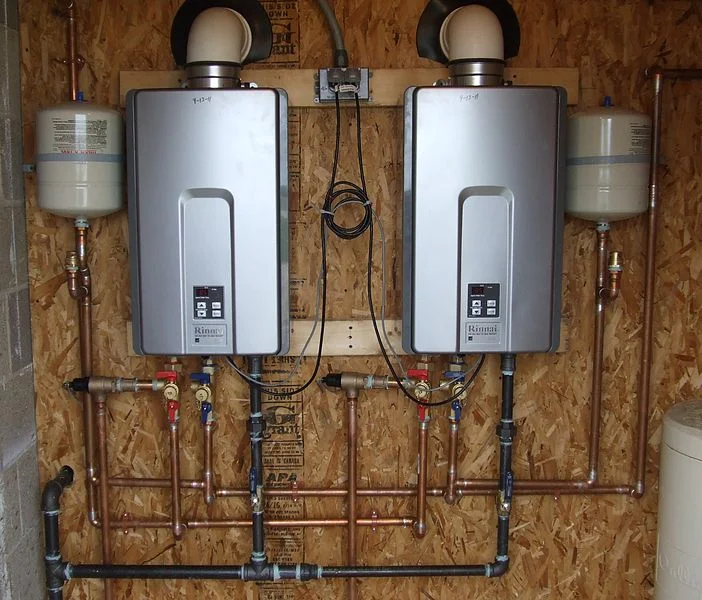
Before making a decision about the water heater for your home, you first need to define your needs. This means determining exactly how much water you use on a daily basis and how much of it needs to be heated. Then, you should start researching various types of available fuels, costs of installation and maintenance and how energy efficient the device is. In order to help you with making this major decision, here are some tips and valuable information.

Available Types

Honestly there are plenty of types of heaters. There are the traditional water heaters with a tank of hot water. Also, there are the ones with no tank, but with direct water heating. Additionally, there are the types of water heaters that use ambient heat or the heating system of your home to heat the water, or you can use solar and any other indirect water heaters. However, your choice of water heaters will depend on the system you already have installed or the space you have available for the tank.

How to Choose the Best?

The first step towards making a good decision is considering the fuel type. The type of fuel of the heater will further determine the type of heater, its cost of installation, maintenance and running. Also, the fuel will determine the size of the heater. Additionally, the size and type will be determined according to the amount of hot water it can produce for your whole family, but it shouldn’t produce way too much of it. What’s more, you want to choose an energy efficient water heater. Make a list of heaters you’re taking into consideration. Then, compare them and finally choose the one that requires the least energy, but make sure it meets all of your demands. However, don’t forget about your set budget, because you have to bear in mind the operating costs.

Gas Heaters

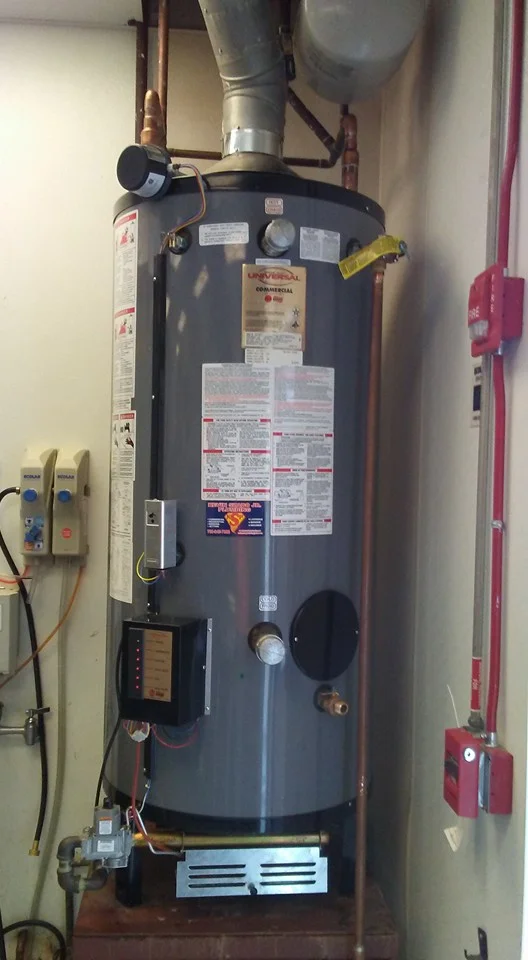
Natural gas heaters are widely available and you can use them according to your available space. If you have enough available space and your hot water demands are high, you can easily opt for Rheem gas hot water heater unit. However, if you are running short on space there are tankless ones as well. Another alternative is using the space heating system you already have installed to heat the water.

Electrical Heaters

Just like gas water heaters, electrical ones are popular and available even in remote areas. Traditionally, these heaters feature a tank, but there are types without it, too. However, if you don’t have enough space for the tank, but you don’t need it to run for hours every day, you should opt for a tankless option. Even though they can consume plenty of energy when running, you will use them only when needed, which automatically means you won’t be wasting energy. In the end, you should consult with a professional about the capacity and power supply, since these appliances have some special requirements.

Other Sources

Besides electricity and natural gas, there is geothermal energy as another source. This method of providing energy is increasing in its popularity, but you can use it only if you already have a geothermal heat pump installed to control the temperature in your home. If you consider installing it only for water heating purposes, you probably shouldn’t do so, since it’s not economical. Another option is the solar energy and this source is perfect for the areas with a lot of sunshine.

The type of fuel and your budget are the biggest factors that will affect your choice of the water heater. You ought to do your research first, thoroughly, and then make a decision. Buying a cheaper heater my save you money, but it might not be as energy efficient as the more expensive ones; but then again you shouldn’t buy the most expensive ones because you have to think about the maintenance, installation and operating costs.

Guest Contributor, Lillian Connors

Winter Plumbing Tips

Rona Regan

Winter Plumbing Tips

Now that winter is upon us, these Winter maintenance tips will help keep your home safe, warm and dry during winter and the holidays.

·       Begin by inspecting your pipes to ensure there is no frost or ice built up or cracks. Applying weather stripping to your doorways, windows, crawl spaces, attics, garage, under kitchen and basement cabinets, and basement openings is a smart way to conserve energy, save money on your energy bill, and keep your home warm during the colder months.

·       Insulating pipes including those is a great way to prevent pipes from freezing and while having your pipes professionally insulated is the best long-term solution you can also wrap them with blankets or rags during extremely cold weather to help keep them warm. You could also purchase insulating tape or foam padding sleeves from your local home center.

·       To prevent a pipe from freezing you should run the faucets in your home each day which prevents ice from building up.

·       If you have a pipe that is already frozen you can use a non-flammable heat source such as a hair dryer or a space heater (heat lamp). If have a pipe is completely frozen having just a trickle of water running through it for a few minutes will cause it to burst when it reaches above 3,000 PSI.

·       Outdoor plumbing will be the first to freeze so it's important to shut off the main supply valve, drain the hoses, and disconnect them so they don't trap water and crack.

·       Allow heat to distribute by keeping kitchen sink doors and cabinet doors open and keep the temperature in your home at 61°F if you leave on vacation.

·       Prevent freezing by running the water from all of the valves in the household from time to time throughout the winter.

·       Professional interior or exterior basement waterproofing is a terrific option to consider should you want the best, long-term solution to prevent water damage and flooding in your basement.

Holiday Plumbing Tips

·       Using the dishwasher or washing machine during in the evening will help conserve water and maintain water pressure for the guests in your home.

·       Prevent flushing food down the drain that will expand such as rice in order to help prevent them from becoming clogged.

·       Spread out showers during the day with at least ten-minute intervals and you will maintain water pressure as well as ensure everyone gets a hot shower.

·       Educate house guests not to flush unwelcome products down the drain such as facial scrubbers, hair, or feminine products.

·       Don't pour fats, oils, or grease down the drain in the kitchen because they solidify which clogs the pipes.

·       Don't place bones, peels, or anything that is tough to grind such as stringy or fibrous materials down the garburator because they will damage the device.

·       Increase the water pressure to your shower head by holding a plastic bag over it containing vinegar for the night with a twist tie which will loosen any mineral deposits which have built up so they can be gently scrubbed off with an old toothbrush.

Anytime you'd like professional plumbing assistance, call your local plumbers at to help weatherproof your home so that you can be sure that your family is kept warm and dry during extreme winter weather. We will be glad to help!

Guest Contributor, David Scott

The Essentials of Rainwater Harvesting

Rona Regan

The Essentials of Rainwater Harvesting

The idea behind rainwater harvesting is pretty simple: rain falls, it is collected, stored and used at a later date. With the advent of new technology, new filters and purification systems, there is a great opportunity for wide-spread daily application of rainwater harvesting. Not only is it used as a sustainable way of irrigation, but it is also used in industry, as well as for our daily needs at home. To truly understand how it all comes together, here is the essential lowdown on rainwater harvesting.

Where to Collect

Collecting rainwater can be achieved from almost any surface, but roofs are by far the best catchment option. Roofs turnout the largest amount of quality water in an efficient and cost-effective way. The quality of water, however, depends on the type of roofing material, and the amount of debris. Inert roofing materials, like terra cotta and stone tiles, and elastomeric membranes, together with a pre-filtration system, churn out water that is fit for irrigation and external usage. Suitable filtration and a post treatment system are a necessity when collecting rainwater for internal use, like drinking, and washing.

How to Harvest

The actual harvesting process of rainwater depends on the transfer system. The water is transferred to the usual drainage installations of your facility. The most cost-effective harvesting systems use available gutters and downspouts to collect rain into a container. With an addition of a gutter cap system, they also serve as pre-filtration, which can reduce maintenance costs.

Storage Considerations

When harvesting rainwater, you need strong and capacious water cartage tanks, which are able to store large amounts of water. These containers can range from 55 gallons to 10,000 gallons, but all of them need to be structurally strong in order to support the weight of the water. To maximize efficiency, the downspout needs to be directed to a central location, where the cartage tanks are placed. However, the tanks should never be placed near utility services or septic tanks, as not to contaminate the water.

How to Make Rainwater Fit for Drinking

Before you are able to drink water from a water harvest tank, it first needs to pass through several levels of filtration. The first one is the pre-filtration system which gets rid of the largest debris before exiting the downspout. Before entering the storage unit, it passes through a second, finer filter, which further cleans the water of contaminants. The final step includes a chemical, filtration treatment. Even though it goes through the filtration system, you should always measure and inspect the quality of water before using it.

Key Benefits

The advantages of rainwater harvesting are numerous. In places like India, rainwater is propagated as the best alternative to ground-water irrigation, aiding farmers during dry seasons. Both in agriculture and industry, it provides access to an available and regulated water supply that is more cost effective and better for the environment than other, more conventional sources. Depending on the size of your home and storage tank, rainwater can also provide you with enough water to supply your annual demand at home, as well. Although the initial investment comes at a big cost, the later filtration and maintenance costs are only a fraction of the conventional method of water supply.

In the end, we need to remember that, for a long time, people have been collecting rainwater in areas of the world where water was scarce. Only now, when we are constantly reminded of our impact on the planet, do we realize its full potential. Providing us with a sustainable and renewable supply of water that can minimize our environmental footprint for a fraction of the cost of alternative sources, harvesting rainwater is a smart and conscious choice to make.

Guest Contributor, Lillian Connors


Causes Of Plumbing Emergencies And What To Do When They Occur

Rona Regan

Causes of Plumbing Emergencies and What to do When They Occur

The worst nightmare of any homeowner is having a plumbing emergency. They can create havoc at your home and you may not know what to do at that time. You can take certain steps to minimize the problem or call and emergency plumber at the earliest to help you. 

Causes of Plumbing Emergencies

Plumbing emergencies are caused due to a variety of reasons. Some of them are listed below to help you realize that you need to do something about it, or call the emergency plumber ASAP:

a)    Clogged sinks or drains: When the drain or the sink refuses to drain out or drains out slowly, it could result in you having to call an emergency plumber. This is due to the fact that if the drain is clogged severely, the water flow may stop completely.

b)   Clogged toilet: When the toilet makes strange noises, refuses to flush or leaks, there is a possibility that an emergency plumber will be required.

c)    Clogged bathtubs and shower drains: These result in water rising to the ankles and in some cases there may be strange gurgling sounds heard. This is due to the buildup of hair and soap scum.

d)   Leaky faucets and toilets: These not only are annoying but they also increase the water bills, cause rust formation and foster the growth of mold.

e)    Leaking water heaters: When there is a leak to the hot water supply not only will you waste a lot of power on water heating but also it could cause property damage. In such cases, the valves can be replaced easily but if the valves of the heater have rusted, then a new water heater will be needed.

f)    Leaking washing machine hose: These sometimes crack or bulge behind the washer. If they are not attended to, it could lead to rust and mold.

g)   Burst pipes: Due to freezing and thawing, the pipes that are exposed burst in time and this would need the pipe to be replaced.

h)   No hot water: This happens when the heater malfunctions or there are issues with the electrical circuit or even plumbing leaks.

i)     Sewer system backup: These cause bad odors from clogged drains, toilets that gurgle and water which pools on the basement floor drains.

What to do During a Plumbing Emergency

The first step you could take is to call an emergency plumber at the earliest. However, you too could take some steps to minimize the damage done to your home. Here are tips and steps you could follow in addition to calling an emergency plumber, when you have a plumbing emergency:

a)    The main valve should be shut off in cases of leaks.

b)   The water heater should be turned off by switching the gas water heater switch to a pilot position.

c)    The isolation valves will stop the water flowing to the particular fixture while allowing the water to service the rest of the house when the leak is being attended to.

d)   If a supply tube has broken and is the problem which is causing the leak, a blind cap should be screwed in so the leak can be sealed off till it is fixed.

e)    When the ferrules in the supply tube are dented or scratched, there will be water leakage. In such cases, Teflon tape should be used till permanent repairs are undertaken.

f)    Duct tape or sealing tape for pipes can reduce the leak in the crack of a pipe. This however is a temporary measure.

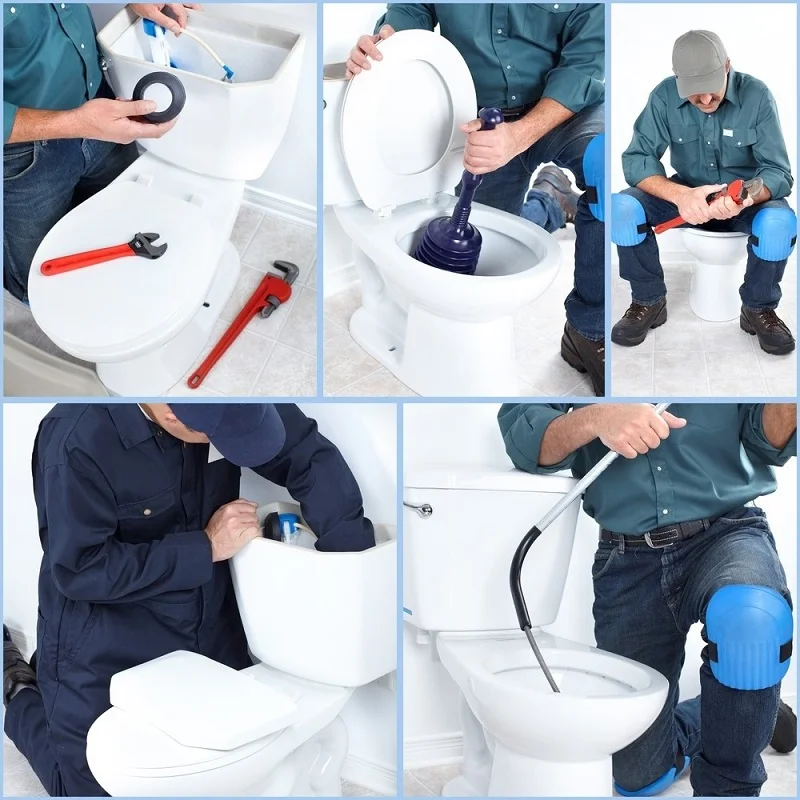
g)   A cup plunger can be used for unclogging bath tubs, showers as well as sinks. Forced cup plungers are good for toilets or kitchen sinks.

h)   When the kitchen sink is unclogged, a second plunger should be used to cover the other drain and so more force is obtained to remove the clog.

i)     Toilets can be unclogged using a forced cup plunger.

Bathtub clogs can be removed by removing the chrome cap. When this is done the drain is visible and you can see the clog. Then you need to use the plunger to unclog, and the second plunger is used to plug the overflow of the tub.

These steps can be carried out when there is an emergency and when you cannot wait for the emergency plumber to arrive. However, meanwhile contact the emergency plumber so that he can check the plumbing for further issues and resolve it permanently and you can be care free.

Guest Contributor, Mary Mathis