Google+

contact us

Use the form on the right to contact us.

Day or Night, we are here to serve you. Leave your plumbing problem to us.


Tinley Park, IL

(708)845-7922

Residential and Commercial plumbers and plumbing contractors available in Orland Park, Tinley Park, Oak Lawn, Palos Heights, Midlothian, Oak Forest, Homer Glen, Mokena, Frankfort, and the surrounding Chicago South Suburbs. Emergency plumbers.

copper water lines.jpg

Kevin Szabo Jr Plumbing Blog

Kevin Szabo Jr Plumbing is Tinley Park, Orland Park, Oak Forest, Midlothian, Orland Hill, Homer Glen, Mokena, Frankfort, Crestwood, Palos Heights, Oak Lawn, local plumber. Read our blog for advice, tips, a good laugh, and basic home improvement.

**We are moving our old blog to our new and improved website. Too see all our posts visit kevinszabojrplumbing.blogspot.com

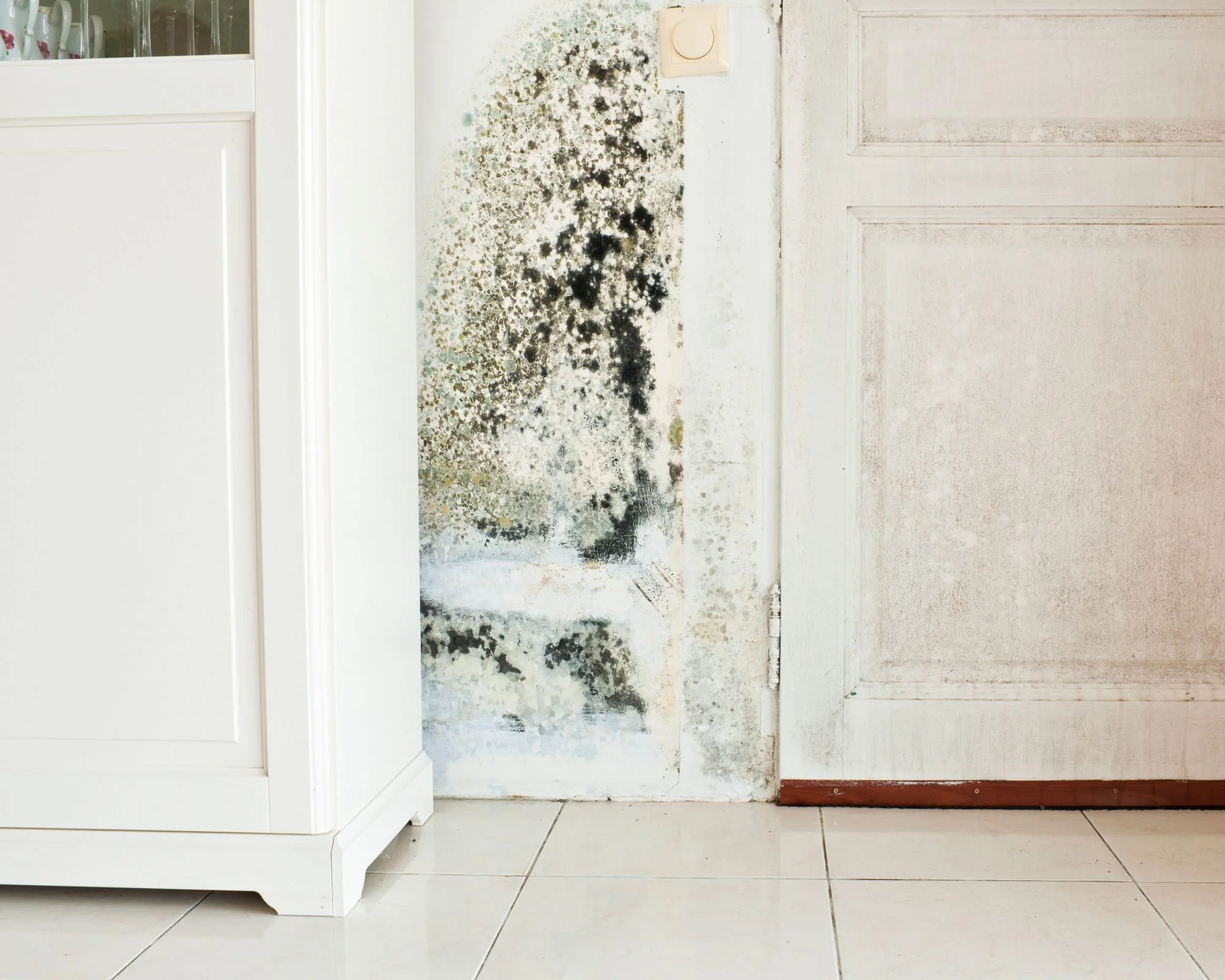
How dangerous can mold be for your house?

RH Business Marketing Solutions

If you have mold in your house, your eyes, lungs, and skin will suffer. Here's what to look for if you have a mold problem.

What is mold?

Mold is a type of fungus that can grow anywhere, indoors or outdoors. It thrives in warm and humid areas, like bathrooms and basements. Mold growth is usually caused by excessive moisture from water leaks or high humidity levels in the home.


How can mold affect your health?

Mold spores can be a serious health hazard because they produce allergens and irritants that can cause allergic reactions or asthma attacks. The effects of mold can range from mild to severe, depending on the type of mold and how much exposure you have to it.

Mold can damage your house by causing discoloration, rot, and structural damage. Mold can grow 48 hours after a water leak, so it's best to address the issue as soon as you notice it.

If you have mold in your house, take steps to get rid of it quickly. Hiring a professional specializing in mold removal and remediation is a good idea. They can safely remove mold from your home without putting anyone at risk. If you are around NY, Talk to mold remediation Brooklyn NY; they can give you a free quote about the job.

Where in the house do molds usually grow?

 Mold tends to grow in damp, dark places like bathrooms and basements. Areas that have experienced water damage or leaks are susceptible to mold growth. If you suspect you have a mold problem, look for it around windowsills, doors, attics, and other places where moisture can accumulate.

5 Ways to prevent mold growth in my home?


1. Keep humidity levels low:

Molds thrive in warm, humid environments. Keep the indoor humidity level below 50 percent to prevent mold growth, and use a dehumidifier if necessary.


2. Fix water leaks:

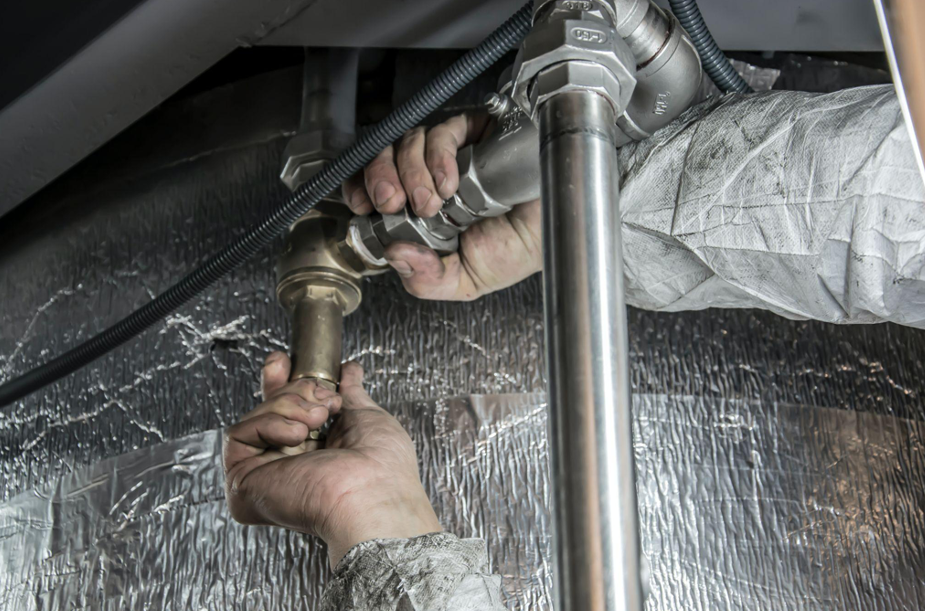
Check all areas of your home for any signs of water damage or leaking pipes, and get them fixed as soon as possible. Local help from your plumber will do the work.


3. Clean and repair HVAC systems:

Ensure your air conditioning and heating vents are clean, in good condition, and don’t have any cracks or leaks. Have them regularly checked for signs of mold growth or water damage.


4. Monitor areas prone to moisture:

Pay special attention to bathrooms and basements where moisture levels tend to be higher. Make sure they are properly ventilated and clean.


5. Use mold-resistant materials:

When remodeling a home, use mold-resistant materials like vinyl siding, treated lumber, and waterproof grout.


How much will you have to pay for mold removal?

The cost of mold removal will depend on the problem's extent and the affected area's size. It can range from a couple of hundred dollars to thousands, depending on how large an area needs to be treated. To avoid any major costs, it is best to address any water damage or leaks as soon as possible to prevent mold growth in the first place. In South Florida, where humidity can be a concern, timely consultation with a trusted mold removal service provider can be a crucial step in safeguarding your home.


Conclusion 

Mold can cause serious health problems and damage your house if left unchecked. These tips can help prevent mold growth in your home and keep you and your family safe. If you find signs of mold, contact a professional immediately to assess and remove the problem properly. You can protect yourself and your home from dangerous mold by taking the right steps.

Guest Contributor: Ivy Grayson 

6 Ways You Can Protect Your Commercial Real Estate From Wear And Tear

RH Business Marketing Solutions

Commercial real estate is a big investment. And like any investment, you want to protect it from wear and tear. There are a number of ways you can do this, from regular maintenance to investing in the right insurance. In this blog post, we will explore 6 ways you can protect your commercial real estate from wear and tear.

Maintain your property

As a commercial real estate owner, you have a responsibility to maintain your property and keep it in good condition. There are a number of ways you can do this. For starters, you should regularly inspect your property to identify any potential problems or issues. You should also perform regular maintenance tasks, such as mowing the lawn, cleaning the gutters, and painting the exterior. In addition, you should keep your property clean and tidy at all times. Make sure that your roof coating is in excellent condition, and that your windows are clean and free of cracks. By taking these steps, you can help ensure that your property is well-maintained and attractive to potential tenants.

Keep your property well-lit

One of the best ways you can protect your commercial real estate from wear and tear is by keeping your property well-lit. This will deter crime and make it easier to identify any potential problems. Be sure to keep the exterior of your building well-lit, as well as all common areas and parking lots. Additionally, if you have any vacant units or offices, be sure to turn on the lights to help deter trespassers.

Another important area to keep well-lit is your parking lot. If you own commercial real estate with a parking lot, it’s imperative that you keep an eye on it and make sure it’s well-lit and free of debris. This will help deter crime and make it easier for your tenants and customers to safely park their vehicles. Be sure to clear snow and ice from sidewalks and parking spaces to prevent slip-and-fall accidents as well.

Install security cameras

If you want to protect your commercial real estate from wear and tear, one of the best things you can do is install security cameras. Security cameras can help deter crime and vandalism, and they can also help you keep an eye on your property 24/7. When choosing security cameras for your commercial property, be sure to choose ones that are high-quality and weatherproof. You should also consider getting security cameras that offer night vision and remote viewing capabilities.

Hire a security guard

If you own commercial real estate, it's important to do everything you can to protect your investment. One way to do this is to hire a security guard. A security guard can help deter crime and keep an eye on your property. They can also provide a presence that makes people feel safe. Keep in mind that security guards are not law enforcement officers and cannot make arrests.

Limit access to your property

One way you can protect your commercial real estate from wear and tear is by limiting access to it. You can do this by ensuring that only authorized personnel have keys to the premises, or by using keycards or other security measures. This will help to prevent unauthorized people from coming onto your property and causing damage. Not only that, but it will also help to deter crime, as criminals are less likely to target a property that is difficult to access.

Keep your property clean and tidy

It's important to keep your commercial real estate property clean and tidy. A well-maintained property will not only look better, but it will also be easier to keep track of maintenance and repair issues. Here are some tips for keeping your property in tip-top shape:

1. Schedule regular cleaning and maintenance days. Make sure to schedule enough time for thorough cleaning of the entire property, inside and out.

2. Inspect the property regularly. Walk around the perimeter and check for any signs of damage or wear and tear. Take note of anything that needs to be repaired or replaced.

3. Be proactive about repairs. If you see something that needs to be fixed, don't wait - take care of it right away. The sooner you fix small problems, the less likely they are to turn into big ones.

4. Keep an eye on the landscaping. Make sure the lawn is mowed and the shrubs are trimmed on a regular basis. Remove any dead leaves or debris as soon as possible.

Keep in mind that first impressions count. A well-maintained property will make a good impression on potential tenants and customers.

While there is no way to completely prevent wear and tear on your commercial real estate, there are steps you can take to protect it. By following the tips in this article, you can help prolong the life of your property and keep it looking its best for years to come.

How To Use Social Media For Your HVAC or Plumbing Business

RH Business Marketing Solutions

Introduction

If you're looking to grow your HVAC or plumbing business, you have a lot of options available to you. You can hire an advertising agency, buy ads in local magazines or newspapers, create your own videos, put up billboards around town...the list goes on and on. But if you're looking for a way to grow your business that costs less than all that but is still effective and efficient, it's time to consider social media marketing.

Social media has grown tremendously over the last few years as more businesses and individuals are realizing its benefits. In fact, 83 percent of small businesses say they use social media for marketing purposes (according to Our Social Times). And considering how many people across the world use these platforms every day (Facebook alone has more than 2 billion active users), it's no wonder why so many HVAC companies are turning towards these sites as a way to reach potential customers and grow their revenue streams!

Social media is a great platform for you to educate your customers

Social media is a great platform for you to educate your customers. You can use it to explain how your HVAC or plumbing business works and what makes it different from other companies in the area. You can also share examples of the work that you do, explain how you are helping people, and show off some of your company cultures.

Here are just a few ways that social media helps educate consumers:

●      It helps them learn about what products or services exist in their market so they know exactly what they're looking for when they come across them on Google (which happens often).

●      It shows off examples of work done by professionals so potential customers know exactly what kind of quality product/service they'll get if they choose one particular business over another one nearby.

●      It generates reviews and referrals by giving customers an incentive (in this case, sharing their experience) for doing so online; it also gives businesses' websites traffic as people click through links from Facebook posts or tweets onto these pages."

Social media can help you stay in touch with your customers

Social media is the perfect way to stay in touch with your customers. You can use it to get feedback from them and keep them up-to-date on industry news. This will help you learn about new products and services that your customers want, and it will also give you an opportunity to respond quickly if there are any issues with your services.

Social media helps you build trust and credibility

Social media is a great way for you to show off your company culture. If people like what they see, they’re more likely to trust and work with you.

Social media can also help you stay in touch with customers after the job is done. You can post pictures of their new equipment or building, or even just check in on how things are going over time and offer support when needed. This will help build loyalty, which leads to repeat business—and referrals!

Finally, social media helps build trust and credibility by allowing people who may not have heard of you yet (or know anyone who has) to get a glimpse into your business practices. They can see that “this guy seems legit” or “this woman isn’t hiding anything from us." This helps generate leads from new clients who never would have reached out otherwise because there was an air of mystery around what happens behind closed doors at HVAC companies/plumbing businesses—but not anymore!

Social media helps you generate leads for HVAC business

Social media can help you generate leads. It's an excellent way to find people who are interested in your business and its products, services, or both. You can use social media to promote events such as seminars or training classes for HVAC technicians. You may also want to create an ad campaign that targets potential customers by posting it on the HVAC industry Facebook page. If a potential customer searches for something related to your industry on Google, you might want to make sure that your company's website appears at the top of their search results page so they will click through and become a lead for sales!

You can use social media to show off your company culture

Social media is a great way to show off your company culture. When potential customers see that you have a fun, laid-back office environment and your employees are all smiling, it makes them feel like they’d fit right in. You can also use social media to showcase the projects you’ve completed or what you do best.

If your HVAC or plumbing business doesn’t have an office yet, don’t worry! Show off photos of where you work from home or how many different locations you travel to during the day. You can post animated GIFs of your staff members. This is a fun way and follows the latest trends to create engagement. Use a free GIF compressor so you can easily post them on your social media.

Create video content about your HVAC projects

Video marketing is a great way to share information with potential customers. It's also a great way to show off your HVAC projects and get new clients.

Video helps people understand what they're getting into when they hire an HVAC contractor for their project. Video content about your HVAC projects can show the before and after results of your projects

HVAC projects are a great way for you to share your knowledge with potential customers. You can show them how a new furnace or air conditioner works and how it can save them money on their utility bills. You can also show them how you install the unit and how easy it is to program the thermostat so that they don't have to do it themselves.

You can create videos about other aspects of your business too, such as:

- How long does it take to install an HVAC system?

- What type of materials do we use?

- How do we handle different types of homes and buildings?

- What kind of tools do you use?

Simple tips for creating Video content

1. Use a conversational tone. Your videos should be informal, friendly, and engaging so that they're more likely to be shared with others on social media channels like Facebook, Twitter, and LinkedIn.

2. Make sure the video is relevant to your audience's needs and interests. People are more likely to watch and share content that is relevant to their needs and interests.

3. Keep it short — under two minutes if possible. Social media users have short attention spans, so keep your videos short enough so people don't lose interest while watching them in their feeds or while browsing through their news feeds on mobile devices

4. Make sure you have an awesome title! You want this to be clear and descriptive so people can quickly tell what your video is about once they see it in their news feed (i.e., “How To Fix A Leaky Window”)

5.) Make sure your videos are mobile-friendly- The video must be of high quality if you want your audience to appreciate it. Reduce file size without sacrificing quality by using a video compressor. Making it a mobile friend will reach wider audiences, since most people are using phones an MP4 compressor will definitely help.

Here are some samples:

HOW TO DO HVAC SYSTEM MAINTENANCE AND SAVE MONEY !!

A day in the life of a Service Plumber (#1)

6 Lessons I Learned as a Plumbing Apprentice

Conclusion

Social media is a great way for you to connect with your customers, but it's important to remember that it should be used as part of an overall marketing strategy. Don't just focus on social media and let other areas of your business fall by the wayside. Make sure you're using all of these tools together so they work well together, rather than separately.

Guest Contributor: Ronie Salazar

6 Tips To Help You Get Over The Hot Summer Days

RH Business Marketing Solutions

Summertime can be a lot of fun, but it can also be really hot! If you're like me, you probably don't enjoy the heat very much. Luckily, there are some things that you can do to help make the summer days a little more bearable. In this blog post, we will discuss six tips that will help you beat the heat and enjoy summertime!

1. Get your HVAC system checked and serviced

A clean and efficient HVAC system is essential for keeping your home cool during the summer months. Make sure to get your system checked by a professional before summer starts so that it's running as efficiently as possible. Namely, the experts from hvacsantaclarita.net say that regular maintenance and checks can prevent future problems that might arise from the hot climate and increased usage of your HVAC system. You want to make sure your system is working properly to keep your home cool and comfortable during the summer.

Make it a habit to regularly check on your HVAC system to ensure it is running efficiently and effectively. If you are not able to do the necessary checks yourself, it is best to call a professional.

2. Wear Lightweight and Breathable Clothing

Choose lightweight, breathable clothing when the temperatures rise. This will help your body stay cool and prevent it from overheating. Avoid wearing tight-fitting clothes and opt for light colors instead of dark ones, as they reflect sunlight better. 

Moreover, try to wear natural fabrics such as cotton and linen, which are more breathable than synthetic materials. You can also layer your clothes to adjust to the changing temperatures throughout the day. Namely, the heaviness of the layers can be adjusted as needed so that you don’t get too hot. 

3. Find Cool Places to Hang Out

Look for places that are cooler than your home or workplace during the hot days of summer. This could include public swimming pools, parks with shade trees, and air-conditioned indoor areas. These locations will help you stay cool while still having fun in the sun. If possible, try to visit these places during the cooler parts of the day. For instance, if you live in the city, you may be able to find an area with a lot of trees and tall buildings that will block out the direct sunlight. This can provide a much-needed reprieve from the heat during peak hours.

4. Use Cooling Devices

There are many cooling products on the market that can help you beat the heat. These include air conditioners, fans, and misting systems. If you don't own any of these devices, look for shops or malls that have them available. When purchasing a cooling device, make sure to get the right size for your space and the best energy efficiency rating. Having a reliable cooling device will make a big difference in your comfort levels on hot summer days.

Perhaps you can try a cooling neck wrap or a reusable ice pack to help you beat the heat. Otherwise, make sure to utilize the cooling devices you already have in your home. For instance, an oscillating fan can provide a nice breeze on hot days and help to distribute the cool air from your air conditioner more evenly.

5. Take Cool Showers or Baths

Taking a cool shower or bath can help your body cool down during hot days. You can also use cold compresses or ice packs to lower your body temperature if needed. The key is to keep your body cool and hydrated.

A good tip for your shower is to switch between cooler and warmer temperatures during your shower. This will help activate your body's cooling mechanism, making you feel more comfortable in hot weather. Once you are done, be sure to dry off with a towel or fan as soon as possible.

6. Eat Light and Cool Foods

Eating light and cool foods like salads, fruits, and smoothies can help your body stay cool during the summer. Avoid eating heavy or spicy dishes as they may make you feel hotter. The same goes for drinks—choose lighter beverages like water, tea, and fresh juice over alcohol or caffeine.

On the other hand, if you do eat a heavy meal during hot weather, try to balance it out with lighter snacks throughout the day.

These are just a few tips to help you beat the heat this summer. With these strategies in mind, you'll be sure to enjoy some cooler days during the warmer months! Remember to stay safe and practice social distancing while out in public. Hopefully, these tips will help you avoid feeling too hot this summer!


Professional Real Estate Photography Equipment to Assist You

RH Business Marketing Solutions

You cannot expect some outstanding photos without using quality photography equipment or gear. That's right; quality and appropriate gear are like oxygen for any aspiring photographer.

And when it comes to real estate photography, using the right camera, lens, tripod, and other gear are mandatory. Alongside these, you’ll need many other pieces of photography gear, like a drone, a tripod head, a filter, and so on, to make your work exceptional.

Wondering how to choose the best from a large number of available manufacturers and models? Don't stress, and just follow this article. Here you’ll get a comprehensive guide to choosing real estate photography equipment to assist you.

Professional Real Estate Photography Equipment to Assist You

Let me get this straight: you don't need a bunch of photography gear for real-estate photography. That's right. With a few basic tools, you can deliver professional-level output in the real estate photography business.

Learn about the photography equipment that will assist you in your real estate photography business:

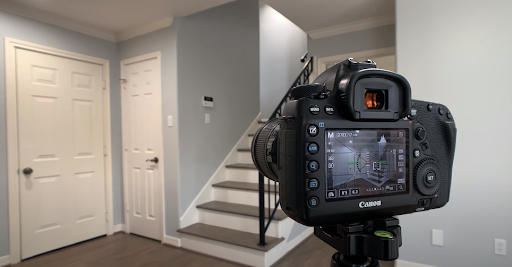
1. Camera:

Getting the best camera based on your budget should be your first priority. However, always consider two things when choosing a camera for any photography business:

  • Get the best camera that fits your budget

  • And always make sure you’re getting a camera with a large full-frame sensor and a 1:1 ratio

When you get a camera that meets the second requirement, that will be perfect for your real estate photography. Choosing a camera with a large full-frame sensor and a 1:1 ratio will give you excellent shots when you use your camera with a wide-angle lens.

However, you also need to make sure some other features on your camera, such as: 

  • Shutter speed

  • Aperture

  • ISO manually

Here are some camera models that meet all the requirements:

  • Canon EOS 6D Mark II 

  • Canon EOS 5D Mark IV

  • Nikon D850

  • Nikon D750

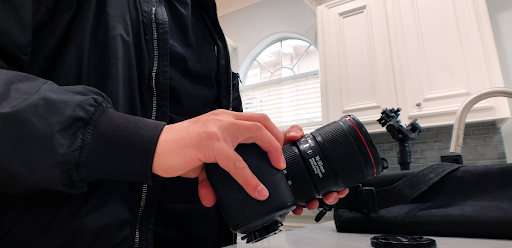
2. Lens:

Right after the camera, the second thing you’ll need is the perfect lens that will give you the perfect real-estate photography shot. Well, instead of other types of lenses, go for a wide-angle lens, and also ensure that the lens features around 12-24mm or 10-22mm or more of the lens.

You must go for a wide-angle lens because it makes a tight space look spacious or vast. And when it’s about the lens speed, make sure the camera has f/2.8, f/4, or f/8. However, f/2.8 or 4 is a good camera setting for real estate photography.  

Here are some of the lenses that you can try:

  • Sony 16-35mm Vario-Tessar T FE F4

  • Canon EF-S 10-18mm f/4.5-5.6 

  • Nikon AF-S NIKKOR 14-24mm f/2.8

  • Canon TS-E 24mm f/3.5L II Tilt-Shift

3. Tripod:

After a camera and lens, the very next thing you need to have is a tripod. When it’s about still photography, then the use of a tripod is mandatory. This equipment helps to maintain the best shot and avoid camera shake issues. 

However, you won’t need to get a super expensive tripod for your real estate photography business, and any affordable tripod will be good enough. Well, I’ll recommend that you buy Manfrotto 190X, it is affordable, portable, high-build quality, and offers a variety of angles. 

And if you want to learn more about this tripod, you can check this tripod’s review at gottapics.

4. Tripod Head:

When it’s about casual photography, a tripod head is not that essential. But if you’re doing real estate photography, then this equipment can be handy. Here are some of the benefits that you’ll get by using a tripod head for your photography: 

  • More accurate stability

  • It’ll ensure a more well-thought-out composition for better pictures.

  • Enhanced HDR photography

  • Make your framing process effortless.

These are some of the basic benefits that you’ll get from using a tripod head for your photography. However, if you need suggestions, then I’ll suggest you get one of these: 

  • Benro GX35 Low-profile Ballhead

  • RRS BH-55

  • ProMediaGear BH1

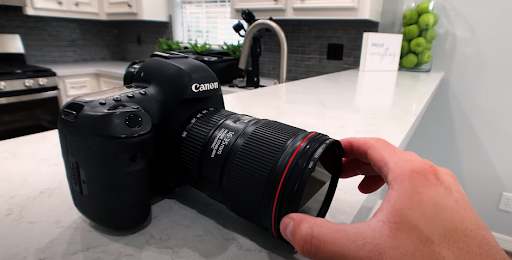
5. Polarizing Filter:

When it’s about getting an enhanced photograph with no haze or reflection, then using a filter is a must. You can go for a polarizing filter, and here are some benefits that you’ll get by using a polarizing filter for your real estate photography:

  • There will be no haze in your photos

  • Get optimal color saturation

  • Get rid of reflection issues

  • Balanced and accurate exposures

If you have never used a filter before, then try this for real-estate photography; trust me, you’ll never regret it.

6. Flash Trigger:

Flash triggers are something that all professional photographers use for bright, excellent, and high-end results. And you can also go for that to enhance your real-estate photography. However, you may not believe that most professional photographers use multiple flash triggers to get excellent output.

7. Drone:

Last but certainly not least, it’ll always be a good idea to have a drone for real-estate photography. It’ll help you reach the tight space as well as get a full view of your client’s house or your project.

Whenever you’re getting a drone, always make sure that the drone has a quality battery and good resolution. Many photographers will say it’s an extra cost, but trust me, once you start using a drone, there is no going back.

Note: If you want, you can add a lot more tools or equipment to make your photography effortless. But, I believe, all the included photography gear is good enough for an ultimate real-estate photography shoot.

Final Thoughts

Starting or earning a decent amount of money on real estate photography is not tough; what is tough is the equipment selection. But, the fun fact is that I’ve made the difficult task easy for you. 

Throughout this article, I’ve discussed all the necessary tools or equipment that you’ll need for real estate photography. So make sure you have all these gear before jumping into your business. 

Here I have shown only the necessary tools, but it is up to you which brand of product you want to use. So, choose your player correctly, use your strategies to take great shots, and succeed.

Guest Contributor: Lisa Winger

Useful Tips To Know Before Renovating Your Garden

RH Business Marketing Solutions

If you're planning on renovating your garden, there are a few things you should keep in mind to ensure the process goes smoothly. It's important to have a clear vision of what you want your garden to look like before you start making any changes, as this will help you avoid costly mistakes. Here are some useful tips to know before renovating your garden.

1. It's important to keep out pests and small animals

Be sure to cover any exposed food and put away any tools or equipment that could be used as a hiding place for pests. Additionally, consider using pest control products to keep your garden free of pests. By placing a stainless steel wire mesh around the perimeter of your garden, you can keep out rabbits, moles, and other small animals that might dig up your plants. It's also important to remove any sources of water that could attract pests, such as standing water or puddles. Also, be sure to clean up any fallen leaves or debris, as these can provide food and shelter for pests.

2. Choose the right plants for your garden

When selecting plants for your garden, it's important to consider the climate and soil type in your area. You'll also want to choose plants that are appropriate for the amount of sun or shade your garden receives. Be sure to research each plant before you add it to your garden to ensure it will thrive in your specific conditions. Also, consider adding native plants to your garden, as these are typically easier to care for and require less maintenance. While it's important to choose the right plants, don't be afraid to experiment with new varieties to find what works best for you.

3. Add some mulch to your garden

Mulch is a great way to add nutrients to your soil and help protect your plants. It can also help prevent weeds from taking over your garden. Be sure to choose the right type of mulch for your plants, as some varieties can be harmful if used incorrectly. Also, make sure to apply a layer of mulch that's at least two inches thick. If you're using organic mulch, such as wood chips or straw, you'll need to reapply it every few months. It's also important to keep mulch away from the base of your plants, as it can cause them to rot.

4. Water your plants regularly

Water is essential for the health of your plants, so be sure to water them regularly. Depending on the type of plants you have, you'll need to water them more or less frequently. Be sure to check the soil before watering to make sure it's not too wet or dry. Additionally, consider using a drip irrigation system to help conserve water and reduce your water bill. If you're using a hose to water your plants, be sure to use a nozzle to avoid wasting water. It's also a good idea to water your plants in the morning so they have time to dry off before nightfall.

5. Fertilize your plants

Fertilizers can help your plants grow strong and healthy. Be sure to choose a fertilizer that's appropriate for the type of plants you're growing. Also, follow the directions on the fertilizer package carefully to avoid over or under-fertilizing your plants. Generally, it's best to fertilize your plants every few weeks during the growing season. This will vary depending on the type of fertilizer you're using, so be sure to read the instructions carefully. It's also important to avoid using too much fertilizer, as this can harm your plants.

6. Prune your plants

Pruning is an important part of plant maintenance. By pruning your plants, you can encourage new growth, remove diseased or damaged leaves, and improve the overall appearance of your plants. Be sure to research the proper pruning techniques for the type of plant you're working with. You'll also want to avoid pruning during the hottest part of the day, as this can damage the plant. Also, be sure to sterilize your pruning tools before and after use to avoid spreading the disease. If you're not sure how to prune your plants, consider hiring a professional.

Renovating your garden can be a great way to add value to your home and improve your curb appeal. However, it's important to do your research before you get started. It's also a good idea to consult with a professional to get the most from your garden renovation. By following these tips, you can ensure that your garden is beautiful and functional for years to come.


Energy Efficient HVAC Solutions: An All-In-One Guide

RH Business Marketing Solutions

Your HVAC system is one of the biggest energy consumers in your home, so it makes sense to invest in making it as efficient as possible. There are a few different ways to make your HVAC system more energy efficient, and the best solution for you will depend on your specific needs and situation.

The trick, however, is knowing what those needs and situations are in the first place. This comprehensive guide will help you learn everything you need about energy-efficient HVAC solutions to make the best decision for your home.

Lowering the Set Point of Your Thermostat

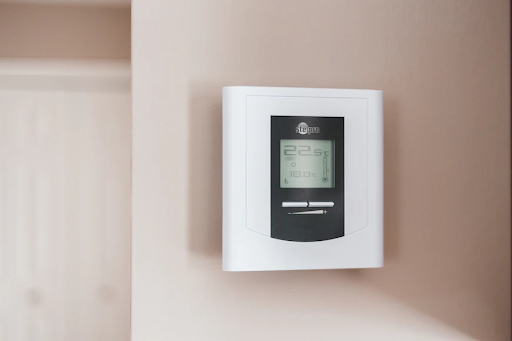
This will cause your system to run less often and use less energy. Just be sure not to lower the temperature too much, or you may feel uncomfortable. Most experts recommend setting your thermostat to 68 degrees in the winter and 78 degrees in the summer, but you may need to experiment a bit to find the perfect setting for your home.

If you want more control over your HVAC system's energy efficiency, consider investing in a programmable thermostat. These devices allow you to set different temperature settings for different times of the day so that your system only runs when needed. 

Think of Insulation

Another way to make your HVAC system more energy efficient is to ensure that your home is adequately insulated. This will help keep the temperature inside your home consistent and reduce the work required by your HVAC system to maintain a comfortable environment.

There are a few different types of insulation, so you'll need to choose the one that best suits your needs. Fiberglass insulation is an excellent all-around choice, but if you're looking for something more environmentally friendly, consider cellulose insulation. The All Insulation & HVAC Supplies team explains that quality is everything regarding these products. Consider also that you'll likely need less of it due to its higher R-value. This will save you money in the long run.

Upgrade Your HVAC System

If your HVAC system is over ten years old, it's time to upgrade to a newer, more energy-efficient model. Newer HVAC systems are much more efficient than older ones, so this is a great way to reduce energy consumption.

When you're shopping for a new HVAC system, be sure to look for one that has the ENERGY STAR label. This means it meets strict energy efficiency guidelines the US Environmental Protection Agency set.

Get Regular Maintenance

One of the best ways to keep your HVAC system running efficiently is to be active in maintenance. This will help to identify any potential problems before they cause your system to break down and can also help you spot any areas where your system isn't running as efficiently as it could be.

Your HVAC technician can clean your system, lubricate moving parts, and check for leaks or other problems. This regular maintenance will go a long way towards keeping your system running smoothly and reducing energy consumption.

You can make your HVAC system more energy efficient in several ways. By learning about the different options, you can find the best solution for your needs and save money on your energy bills.

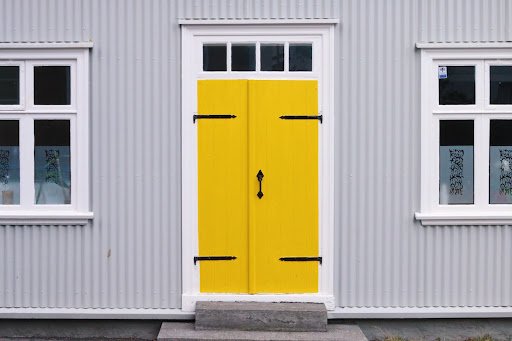
Choosing High-quality Doors for Your Home: Top Facts You Should Know

RH Business Marketing Solutions

Choosing the right doors for your home is an important decision. Not only do they need to look good, but they also need to be functional and fit your needs. With so many different types, styles, and materials on the market, it can be overwhelming to try and choose the right one. But don't worry, we're here to help. There are a few things you need to take into consideration when choosing doors for your home. And in this article, we will go over everything you need to know.

The Type Of Door

The first thing you need to do is decide what type of door you need. There are entry doors, interior doors, and exterior doors. Entry doors are the most important as they are the ones that provide security and protection from the elements. Interior doors separate the different rooms in your home and can be made from a variety of materials. And exterior doors are the ones that lead to the outside of your home. You will need to look at the common door knob types when you are making your decision. Plus, you should also think about the door frame and the type of material it is made from.

The Purpose Of The Door

The next thing you need to think about is what the door will be used for. If it is an entry door, then security and weatherproofing are going to be your main concerns. For interior doors, you will want to make sure that they are durable and can withstand a lot of wear and tear. And for exterior doors, you will need to make sure that they are sturdy and can withstand the elements.

The Size Of The Door

Another important factor to consider is the size of the door. You need to make sure that the door is big enough to fit your needs. If it is an entry door, then you need to make sure that it is big enough to fit your furniture. And if it is an exterior door, then you need to make sure that it is big enough to fit your car.

The Style Of The Door

After you have decided on the type of door, you need to decide on the style. There are many different styles to choose from, so take your time and look at all of your options. Some common styles include traditional, contemporary, and rustic. There are also different types of doors, such as barn doors, pocket doors, bi-fold doors, and sliding doors. Each type has its own set of pros and cons that you need to consider before making a decision. Barn doors, for example, are very popular right now but they can be expensive. Pocket doors are a great space-saving option but they can be difficult to install. Bi-fold doors are a great option for large openings but they can be expensive. And sliding doors are a great option for small spaces but they can be difficult to keep clean.

The Material Of The Door

Another thing you need to think about is the material of the door. There are many different materials to choose from, such as wood, steel, glass, and fiberglass. Each material has its own set of pros and cons that you need to consider before making a decision. Wood doors are the most popular type of door but they can be expensive. Steel doors are very durable but they can rust over time. Glass doors are great for letting in natural light but they can be fragile. And fiberglass doors are a great alternative to wood doors but they can be difficult to paint.

Custom Or Pre-made Doors

There are two main types of doors - custom doors and pre-made doors. Custom doors are made to order, according to your specifications. Pre-made doors are mass-produced and may not fit your door frame perfectly. If you want a door that is truly unique, or if you have an unusual door frame, then custom doors are the way to go. You'll be able to choose the materials, the style, the finish, and the hardware. If you're looking for a more affordable option, or if you need a door quickly, then pre-made doors are a good choice.

The Price Of The Door

Another thing you need to think about is the price of the door. Doors can range in price from a few hundred dollars to several thousand dollars. If you are on a budget, then you may want to consider pre-made doors. If you have more money to spend, then you can go for custom doors. And when it comes to material, wood doors are usually the most expensive, followed by steel doors. Glass doors and fiberglass doors are usually the least expensive.

How To Choose The Right Doors For Your Home

Now that you know the different factors to consider when choosing doors, it's time to start shopping. To find the right doors for your home, you need to first decide on the type of door, the style of door, and the material of the door. Then you need to decide on the size of the door and the price. And finally, you need to decide on the custom or pre-made option. With all of these factors in mind, you should be able to find the perfect doors for your home. If you're on a budget, then you may want to consider pre-made doors. If you have more money to spend, then you can go for custom doors. Choose a style that fits your home, and don't be afraid to mix and match. 

There are many things to think about when you are looking for new doors for your home. You need to decide what style of door you want, what material the door should be made out of, how big the door should be, and how much you are willing to spend. You also need to decide if you want a custom door or a pre-made door. With all of these factors in mind, you should be able to find the perfect doors for your home.

Advice for Someone Wanting to Protect Outdoor Furniture

RH Business Marketing Solutions

Just like interior furniture, your outdoor furniture has to be protected. When you purchase furniture, you hope it will hold up for a while. Everyone would like to spend money on a solid material with a long lifespan guarantee. Additionally, the longer something lasts, the less often you have to replace it, making it more manageable if it can last at least as long as you. It would be beneficial if you attended to your patio to shield it from the elements, rain or shine.

Let's look at some of the most outstanding advice to follow for safeguarding your furniture:

Application of Furniture Protector

For patios of all shapes and sizes, a furniture cover is created to safeguard it in case it is exposed to severe weather. For instance, applying furniture protection to your patio can prevent it from rusting. Similar to this, a tan mesh tarpcovering the wooden furniture shields it from the sun's damaging rays during hot weather.

Using Covers

When you are not using the furniture, it is crucial to cover it. Some people store it in a storage room when the terrace is unused. You may purchase coverings, however, if you need a storage space or find it difficult to drag it back out every time you're done using it. Outdoor furniture enhances the aesthetic of your living area. To preserve the patio's attractiveness, coverings should be employed. You should also select some gorgeous black outdoor chairs to install in your yard.

Include a Sealer

Using some sealer to finish any wooden outdoor furniture is essential. Unfinished wood may gradually warp and split if left outside; this can happen if the wood is exposed to rain, sunlight, and UV radiation. Wood may be finished in various ways, but the most popular ones are oils, varnish, urethane, or epoxy with external varnish. The kind of finish you pick will determine how much time, work, and how often the wood has to be treated.

The furnishings will need treatment once a year with wood oil. Depending on how many coatings are used, varnish or urethane may last up to three years, although it does take more time. Epoxy is the most resilient but requires the most outstanding work. Applying a finish for an afternoon or two is well worth the effort if you buy outdoor patio furniture that is not prepped.

Maintain it in the Shade

Occasionally, covering the patio is insufficient, and you want to take further precautions. You may keep it in the shade in this situation. Keeping the furniture in the shade will shield it from rain, sweltering heat, snowfall, and other harsh weather conditions while protecting it from grime. Some individuals erect seats in the shade because of unexpected changes in the weather.

Think About Placement

You should consider where the furniture is situated in your backyard or the patio or deck if you have outdoor furniture that can survive harm from rain or UV radiation. To keep furniture as dry as possible, position it wherever feasible under an awning or roof. Additionally, by doing this, they will devote the maximum amount of time to the shade. Further, consider positioning furniture against a north-facing wall or another location of your house that receives the least amount of sunlight.

Think Ahead

Despite the most significant efforts of weather forecasts, it may still be difficult to anticipate when or how much it will rain or how long the sun will be out. However, make it a practice to monitor the weather and keep an eye out for any impending downpours. In any case, you should consider the weather while making outside activity plans.

If you know in advance that it will rain, you will have ample time to cover the furniture, relocate it under an umbrella, or store it in the garage. Try to arrange some time to clean your furnishings and prepare the things for each season; at the very least, we all know when spring and summer officially begin.

Conclusion

Additionally, pricey outdoor furniture is something you can avoid losing in a few months or years. You will have to take care of it to keep it with you for longer. Please take the necessary precautions to shield it from anything that can cause harm to maintain its natural color and brilliance.

Guest Contributor: Hannah Boothe

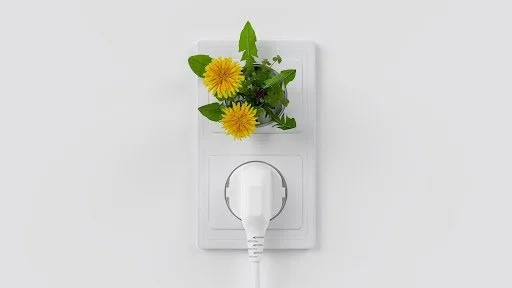
4 Tips to Help You Protect Kids & Pets From Electrical Outlets at Home

RH Business Marketing Solutions

Are you looking for ways to help protect your kids and pets from electrical outlets at home? Electrical outlets are a necessary part of our lives but can also be dangerous if not used properly. Every year, there are reports of children and pets being injured or even killed after coming into contact with electrical outlets. This blog post will discuss four tips to help protect your kids and pets from electrical outlets at home. Let's get to the list.

Use Socket Covers

One of the best ways to help protect your kids and pets from electrical outlets at home is to use socket covers. As seen on these Sleek Socket's products, the covers come in different sizes and make, providing a safe and secure way to keep your outlets covered. They work by covering up the electrical sockets so that children and pets cannot come into contact with them. This is a great way to help prevent accidents.

When choosing socket covers, it is important to ensure they fit snugly into the outlet. You don't want too loose covers, as this could create a gap that kids or pets could get their fingers or teeth into. In addition, make sure to choose covers made from durable materials. This will help ensure they last long and can withstand wear and tear. Be sure to also buy quality products from a reputable company.

Baby Proof Cords on the Floor

Another tip to help protect your kids and pets from electrical outlets at home is to have baby-proof cords on the floor. This means keeping cords out of reach or hidden away so that kids and pets cannot come into contact with them. One way to do this is to use cord shorteners. These products work by wrapping around cords and making them shorter. This helps to keep cords off the floor and out of reach.

In addition, you can use cord covers to hide ducts and wires in your home. These products work by covering the cord so that it is not exposed. This helps to prevent kids and pets from coming into contact with the cord and getting injured. If possible, try to choose cord covers made from durable materials that are easy to install.

Keep Electrical Devices Out of Reach

Another way to prevent kids and pets from getting injured is to keep electrical devices and appliances out of reach. This means making sure cords and plugs are not within reach. In addition, it is important to keep all electrical devices away from water. This includes putting away laptops, phones, and other devices when they are not in use.

Besides this, ensure that the kids are not left alone where there are sockets and electrical devices. For instance, ensure that there are no sockets or wires in their bedroom or where they play. This will help reduce the risk of accidents.

Use Electrical Outlet Plates

If you have outlets that are not being used, it is important to cover them up with electrical outlet plates. This helps to prevent kids and pets from coming into contact with the outlet and getting injured. In addition, using outlet plates can help improve your home's look.

When choosing electrical outlet plates, it is important to make sure they are made from durable materials. In addition, be sure to choose plates that fit snugly into the outlet. This will help ensure they stay in place and do not come loose.

These six tips will help protect your kids and pets from electrical outlets at home. By using socket covers, cord shorteners, and outlet plates, you can help prevent accidents. In addition, it is important to keep all electrical devices out of reach and away from water. Taking these precautions can help keep your kids and pets safe from harm.