Google+

contact us

Use the form on the right to contact us.

Day or Night, we are here to serve you. Leave your plumbing problem to us.


Tinley Park, IL

(708)845-7922

Residential and Commercial plumbers and plumbing contractors available in Orland Park, Tinley Park, Oak Lawn, Palos Heights, Midlothian, Oak Forest, Homer Glen, Mokena, Frankfort, and the surrounding Chicago South Suburbs. Emergency plumbers.

copper water lines.jpg

Kevin Szabo Jr Plumbing Blog

Kevin Szabo Jr Plumbing is Tinley Park, Orland Park, Oak Forest, Midlothian, Orland Hill, Homer Glen, Mokena, Frankfort, Crestwood, Palos Heights, Oak Lawn, local plumber. Read our blog for advice, tips, a good laugh, and basic home improvement.

**We are moving our old blog to our new and improved website. Too see all our posts visit kevinszabojrplumbing.blogspot.com

9 Steps to Building a Tennis Court in Your Home

RH Business Marketing Solutions

If you’re one of those people who love a good game of tennis, but you’d like to play in the privacy of your home, you can achieve that by building a tennis court. If this idea sounds like a dream come true, let’s see which steps you need to take to ensure your dream doesn’t end up in a nightmare.

Learn about rules and regulations

The first step in any project is learning about rules and regulations. Are you allowed to build a tennis court in your background? Do you need permission or a specific permit? Are there any specifics you need to adhere to? All of these questions will save you a lot of time and stress. The worst thing that can happen is that you have to halt construction because you’re missing a permit. So, ensure your project is in line with rules and regulations.

The budget and the cost

Before you start, you need to have a budget in mind. To have one, you need to learn about the cost of building a tennis court. The cost can be as high as one hundred thousand dollars, so ensure you know the range cost. To determine the budget, write a list of things you have to do in terms of construction, material, accessories and manual work. You’ll have a rough outline of costs which you’ll later use to determine your budget.

Make a plan

Next, make a plan of action so you’ll know which step happens first. From finding the people who can supply you with everything you need to prepare the surface for construction, there are many steps you need to include in your plan. Since things don’t always go according to plan, at least you’ll know how to adjust your strategy to make room for the changes.

Measure

Can you even fit a tennis court on your property? The only way you’ll know is to measure your property. Before any construction work, you must ensure your space is big enough to accommodate a tennis court. You should also consider the terrain, the direction and the additional space around the court needed for benches and anything else that will be built in the future.

Make a list of accessories you’ll need

The planning process also requires you to think about all the accessories you’ll need. With the right accessories like the energy-efficient tennis lights, quality tennis net, fencing, seating area, seating area for players with appropriate shade, and the list goes on. Maybe your tennis court has to be shielded from curious eyes, so think about privacy solutions like windscreens. When you know how many accessories you’ll need, you’ll include these in your cost estimate and ensure your budget can cover them.

Choose the right lights

If you want to play tennis whenever you feel like it, make sure you have the right playing conditions. If you want to play in the evening or don’t interrupt your game just because the sun is going down, think about lighting solutions. Energy-efficient tennis lights are a necessity if you want to play tennis in different conditions and at times of the day. The best choice would be to get led lights because of their energy efficiency, fast lighting time and long service life.

Think about the sun's direction

First, you need to choose the area for your tennis court. Secondly and most importantly, you need to determine the direction of sunlight. If the sun’s direction creates difficult playing conditions where one player is under direct sunlight, you’ll have to change your initial spot. Ideally, the tennis court will be positioned from north to south, so neither one of the players will have direct sunlight.

Choose the right surface

Choosing the right tennis court surface is your next step. You may choose a surface based on your budget. You can also take into consideration the amount of maintenance it might need and the cost of installation. You can also make your decision based on the longevity of the surface and the warranty length. You may choose between real and artificial grass surfaces, hardcourt, clay surfaces and hard surfaces. There’s a variety of choices, so ensure you know the pros and cons of each one, the cost and the maintenance requirements.

Add appropriate barriers

You also need to think about tennis court fencing, because these provide a safe environment and also create a barrier. The only way to stop a ball from flying out in your neighbour's backyard is to install proper fencing. You may also consider installing windscreens, especially if you want to increase your privacy and prevent balls from getting stuck in the fence. Since fencing is the last step in tennis court construction and installation, you’ll have time to analyze your options and make the right choices.

Conclusion

As you can see, there’s a list of steps you have to take to ensure your dream of having a personal tennis court becomes a reality. It all starts with having a plan, researching costs, obtaining the right permits and teaming up with the professionals.

Guest Contributor: Mike Parsons

How To Know When Is It Time To Hire A Contractor?

RH Business Marketing Solutions

Are you thinking about hiring a contractor? If so, you're not alone. Many homeowners choose to hire contractors to help with home repairs and improvement projects. However, it's important to make sure that you're hiring the right contractor for the job. In this blog post, we will discuss some of the signs that it might be time to hire a contractor. We'll also provide some tips on how to find the best contractor for your project. So, whether you're thinking about hiring a contractor or you're already in the process of hiring one, be sure to read on.

Roofing Should Be Fixed By Professionals 

One of the first signs that it might be time to hire a contractor is if you need to fix your roof. While many homeowners are capable of fixing small leaks or patching holes, more extensive roof damage should be left to the professionals. Not only will qualified roofers have the necessary tools and experience to fix your roof properly, but they will also be able to work around potential hazards, such as power lines and high winds. In addition, a qualified contractor will be able to provide you with a warranty on their work, which can give you peace of mind in knowing that your roof is in good hands.

Your Home Needs Major Repairs 

Another sign that it might be time to hire a contractor is if your home needs major repairs. If your home is in need of a new roof, foundation repairs, or any other major repair, it's best to hire a contractor to handle the job. Not only will they be able to get the job done right, but they will also be able to do it in a timely manner. In addition, if you try to tackle a major repair yourself, you could end up doing more harm than good.

You're Planning a Large Renovation

If you're planning a large house renovation, such as an addition or a complete gut renovation, it's definitely time to hire a contractor. These types of projects are complex and require a lot of coordination between different trades. A contractor will be able to manage the project from start to finish, which will save you a lot of stress and headache.

You're Not Sure How to Proceed 

If you're not sure how to proceed with your renovation, it's a good idea to hire a contractor. They will be able to assess your situation and give you some advice on the best course of action. Even if you ultimately decide to do the work yourself, it's helpful to have a professional opinion to guide you.

You Don't Feel Confident Doing the Work 

If you don't feel confident doing the work, it's best to hire a contractor. They have the experience and knowledge to get the job done right, so you don't have to worry about making mistakes.

Hiring contractors can be a great way to get your home repairs and improvement projects done quickly and efficiently. So, if you're thinking about hiring a contractor, be sure to keep an eye out for the signs that it might be time to do so. In addition, when you're ready to hire a contractor, be sure to follow our tips on how to find the best one for your needs. With a little bit of research and due diligence, you can be sure that you're hiring the right contractor for the job.

6 Ways to Make Your Backyard Super Kid-Friendly

RH Business Marketing Solutions

With children in the household, the backyard effectively becomes their kingdom. More than a relaxing area for the adults and guests, it inevitably turns into a playground and a place to explore. That being so, here are six tried-and-true ways to turn your backyard into a real children’s heaven.

Hang up some swings

Swings are a quintessential element of any kid-friendly backyard. They are fun to play on, low-maintenance, and great as a resting spot too. If you have a sturdy tree, or space to install a proper frame, make sure to hang a few.

You have several options that are proven favourites. You could install traditional swings with wooden seats. You might opt for reusing old vehicle tires. For extra creativity points, use old chairs instead. Paint them the kids’ favourite colours and secure them with strong rope or chains.

Set up a home camp

Backyard adventures will never go out of style. Build a home base campsite to get that feeling even if your kids are too young for proper camping trips. It’s an excellent way to introduce them to the great outdoors while still staying safe.

Find a nice, level spot in the yard to set up a tent. Alternatively, build a teepee for a more permanent nook. Involve your kids in the process and teach them what part serves what purpose in real tents or teepees.

For extra flair, consider an outdoors table and home fire pit. Just be aware of the legislation: for instance, Australia has some specific restrictions on outdoor burning, air pollution, and the like. Take the time to check if a backyard fire pit is legal in your area and make sure you comply with relevant fire safety regulations.

Make it a natural space

The best backyard play areas are simple and natural. Before installing any equipment, lay some proper turf. There are professional lawn mowing and gardening services that can help you with the labour or just with expert advice. A quality lawn can withstand all the stomping, trampling, balls, etc. It also provides a soft landing and a cosy surface to lounge on.

Utilise tree stumps, stepping stones, driftwood, and pruning waste. Turn them into natural seating areas, cool paths, obstacle courses, etc. challenge the children to craft things out of leftover branches and twigs.

Plant a sensory garden

You can make an amazingly stimulating space - or, conversely, a calming area for a child that has sensory processing issues. Consider sight, smell, sound, and texture.

Grow bright flowers or multicoloured leafy shrubs for visual stimulation, or choose muted greens for a calming effect. Position long-bladed decorative grasses where they can rustle in the breeze. Consider plants that will yield rattling seed pods, like poppies.

Plant sage, aloes, or lamb’s ear to stimulate the kids’ sense of touch. Tickle their noses with fragrant flowers, and include taste in the mix by growing herbs like mint or easy fruit like strawberries.

Build a treehouse

Treehouses are a staple favourite around the world for kids and adults alike. In fact, in Australia, they’re a whole genre of home architecture. Your kids will love a mini-home all their own.

Treehouses are great fun as well as helpful in child development. Climbing around and encouraging creative play scenarios fosters the development of your kids’ gross and fine motor skills, overall imagination, cooperation, and affinity for the natural world.

Provide fun shelter

Seeing as hot summers are peak season for children’s play, you want to provide adequate shade in your backyard. Trees are always a good choice. If you have none, and can’t really wait for new ones to grow, consider installing some attractive alternatives.

Pergolas, canopies, and colourful umbrellas are universally enjoyable. Bolster them with pretty vines or appealing designs. To make the kids more likely to stay in the spot, include a sandbox, swing, or play table. An appealing shelter will also get your kids outside for fresh air on rainy days.

Making a backyard kid-friendly comes down to purposeful planning. Lay good turf and use natural materials to make it safe for all the tumbles and scrapes. Install some good shades and choose plants that will suit your kids’ sensory preferences. Staples like treehouses and swings always go over well, and you can even make a backyard campsite for extra adventure.

Guest Contributor: Diana Smith

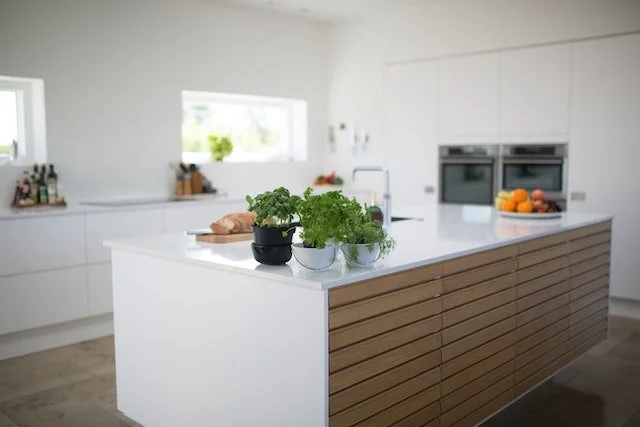
How To Transform Your Outdated Kitchen

RH Business Marketing Solutions

If you are getting bored with the way your kitchen looks, it might be time to change things up and give it an upgrade. The kitchen is where we spend so much time every day, so making sure that it feels like a welcoming space for cooking and baking makes all the difference. Here are some ways to transform your outdated kitchen into something new.

Essential Kitchen Upgrades

A brand-new stove and oven are an excellent upgrade for any kitchen. This will instantly make the room feel more updated without breaking the bank too much.

A new microwave is a good investment as well. We keep microwaves for so long, we often forget to change them out when it’s time. The old one might not look bad but having a new one will bring character to the kitchen.

A new set of pots and pans will date your kitchen instantly. This is an affordable way to make an upgrade for not a lot of money.

Going from wood cabinet doors to glass cabinet doors instantly makes your kitchen look newer and cleaner.

Why Remodel Your Kitchen?

A bright, cheerful kitchen can make you always want to cook. Not only can this motivate you to cook more often, but it can also make it feel like a more enjoyable place to be in.

Kitchen upgrades will also instantly make your kitchen look cleaner and newer than it used to look. It is the ultimate upgrade for curb appeal.

It is easy to upgrade your kitchen layout, which gives you room for more things, too hence making it easier to get more organized and keep things clean.

Tips on Transforming Your Outdated Kitchen

Painting

Painting is an excellent way of transforming your kitchen layout. You can hire kitchen remodeling services to help paint the walls and the cabinets to give them a whole new look. When updating your kitchen, try using one of the most recent trendy colors to give it a new look. For example, adding a pale blue on all the walls will instantly make your room feel more updated and classier.

Taking Out The Old and Putting in The New

A great way to make a kitchen feel brand new is to replace all appliances. This includes a new stove, microwave, sink, and faucet. If you want to get fancy, you can even replace the flooring. Replacing the kitchen cabinet doors is an easy upgrade that makes a big difference in modernizing your kitchen. You can also replace your countertops with something more modern.

Remodel Your Kitchen To Better Suit Your Needs

If you have a small kitchen, consider removing the countertops and installing a new surface. This will give you more room to spread out and make the layout less cluttered. This is also an easy upgrade if you want it to look nicer. You can add an island to your kitchen if you have the counter space. This will give you another surface to spread out on and make it look modern.

Adding Pendant Lights or Track Lighting

One of the easiest ways to update your kitchen is to add more natural light. This is a great way to make it feel more modern. You can also add accent lights for your ceiling. These are much more expensive than adding pendant lighting, but they will give your whole room a new look that you will love.

Adding Decorative Pieces

Adding some decorative items, such as new wall hangings in your kitchen, can instantly make it seem more modern and add a pop of color.


Here are a few decor ideas:

●      A vase of flowers or a cute centerpiece can easily personalize your kitchen and make it feel more like your own.

●      You can hang a lovely chandelier over the table or island!

●      A wall shelf is another great way to add more character to your kitchen. You can put pictures, picture frames, or any decorative item on this shelf.

●      If you have a big wall in your kitchen, you can add some wall art that's super modern and sure to stand out.

Conclusion

Making your kitchen a place you love cooking is an easy way to add more life to your home. It is certainly something that you can do yourself, and the results will be excellent. Think about how you can make your kitchen feel like a friendlier space while cooking. It is definitely worth the investment.

Guest Contributor: Tracie Johnson

How to Keep Your Valuables Safe & Protected at Home

RH Business Marketing Solutions

No one is immune to burglaries, and it's always a good idea to be careful to protect your home and belongings. Below are some ideas to help keep your valuables safe and protected at home. Implement these measures today and help reduce your risk of being the victim of a burglary.

1. Make Your Home Less Attractive to Burglars

There are a number of ways to burglar-proof your home. One is to install outdoor lighting. This will deter burglars from trying to break in, as they don't want to be seen. Additionally, you can trim back any bushes or trees that provide hiding spots for burglars.

You should lock all doors and windows when you leave your home, even if you're going out for a short period. And, if you have a garage, ensure to lock the door when you're not using it.

2. Invest in Smart Technology

Investing in smart technology is one of the smartest ways to protect your valuables. Many products on the market can help you keep an eye on your belongings, even when you're not home. Consider investing in a home security system with cameras and sensors. You can also purchase devices that will allow you to remotely monitor your home, such as a doorbell camera or a Smart Lock.

You can also invest in a reliable safe for your home that can only be opened with your fingerprint or a lock box connected to the internet so you can track who opens it.

3. Insure Them Against Losses

Another good way to protect your valuables is to insure them against loss. This will ensure that you're compensated if they're stolen or damaged. Many homeowners’ insurance policies cover valuable items, but you may need additional coverage for high-value items.

For example, for jewelry, you should consider getting jewelry insurance. It's a specific type of insurance that covers the loss or damage of jewelry, watches, and other precious items. With it, you'll have the assurance that your belongings are safe.

4. Keep an Inventory

Another good way to protect your valuables is to keep an inventory of them. This will help you track what you have and where it's located. It will also come in handy if your home is ever burglarized, as you'll be able to provide the police with a list of what was stolen.

An inventory can also be helpful for insurance, as it will give you a record of what needs to be replaced in the event of a loss. Additionally, taking photos or videos of your valuables can also be helpful. This way, if they're ever stolen, you'll have a visual record of them to provide to the police.

5. Be Smart About Social Media

If you use social media, be smart about it. Don't post photos or status updates that announce you're going on vacation or away for an extended period of time. This is like inviting burglars into your home.

Additionally, avoid posting photos or videos of your valuables. This could give someone ideas about what to target if they break into your home. And, if you post photos of yourself wearing expensive jewelry or watches, you're essentially advertising to potential thieves that you have valuable items worth stealing. So, be smart about what you post on social media and keep your valuables safe.

6. Get to Know Your Neighbors

Knowing your neighbors can be a great way to protect your valuables. If you have good relationships with those around you, they're more likely to look out for suspicious activity. They may also be more likely to report something to the police if they see something suspicious at your home.

Additionally, you can create or join a neighborhood watch program. This group of people works together to monitor activities in their neighborhood and look out for any suspicious behavior. If you're part of a neighborhood watch, you can rest assured knowing someone will look out for you even when you're not there.

Conclusion

Protecting your valuables is important. You can keep them safe in many ways, such as investing in smart technology, insuring them against loss, and keeping an inventory. Additionally, be smart about social media and get to know your neighbors. Taking these precautions can help ensure that your valuables are well-protected.

Guest Contributor: Regina Thomas

Pros and Cons of Buying an As-Is Home

RH Business Marketing Solutions

While searching for a new house to purchase for yourself, you might have come across an "as-is" label on a few listed homes. This may sound like a red flag to you as a homebuyer, but it might not always mean it is.

There are plenty of reasons why people put their homes up for sale as "as-is", and not all of them mean that the deal is bad. Making sure to find out why the house owner is selling the house as-is is essential if you want to find a good deal. Let's discuss the topic of buying an as-is home in more detail. 

What does it mean when a house is sold "as-is"?

This label indicates that something is wrong with the house. The house seller will most often state what the issues with the house are. However, there is also a chance of other problems with the house. And this can be something not even the owner knows about.

You can find a plethora of texts online about making your home more attractive when selling. Most of them involve minor fixes that do much for the house's curb appeal. However, some homeowners don't want to or simply can't invest in the necessary repairs. This is when they state that their house is being sold as-is.

The house is being sold in its current state with all its flaws. Some homeowners don't like repairing the property they just bought, while others see it as an opportunity. While the housing market usually involves a lot of haggling about the price, with as-is homes, it is usually a fixed 'take-it-or-leave-it' price.

Tips for buying an as-is house

When checking out such a house, you will need a proper inspection to identify all its issues. There are plenty of issues a house can have. Hiring professional help to inspect the house will give you a much better estimate of its value and stronger arguments for its price. Once everything is on paper, you can see whether the house is worth it.

Sometimes, the label "as-is" is only related to some parts of the house. And while most of the house may seem in good shape, some parts may not be. For example, there could be a problem with the garage, the basement, the roof, etc. In this case, the repair costs will be much lower or even negligible if the rest of the house is worth the price.

Nevertheless, homebuying is often quite time-demanding and stressful. On top of that, moving just adds another layer of worries. To ensure a comfortable experience before you move, consider preparing and labeling everything for the move. Reducing moving stress before the big day will help you think with a clearer head and be ready to settle into your new home.

The pros of buying an as-is home

So, what benefits do you get when buying a house not in top shape? Is it worth the price? The answer is – it depends. It most definitely can be an incredible deal if you find an affordable home with a few minor repairs needed.

The house will be cheaper than everything else you'll find on the market that is in top shape. In addition, the transaction will go much quicker. The negotiations over the contract details and the purchase agreement are fast, and you'll be able to get the house in a shorter time.

The experts at divinemoving.com say that another benefit of buying an as-is home is that you will be left with a better renovation budget. When purchasing a new home at a much higher price, you won't be left with enough funds to make any changes to the house. This way, with the as-is home, you can have a budget set for renovations.

As a bonus, the competition will be much lower. Unserious buyers will generally avoid as-is homes, leaving you without the worry that you will rush in your search. Additionally, the chances of someone entering a bidding duel with you or snatching the house right under your nose are much lower.

The cons of buying an as-is home

There might be some significant hidden issues with the house. Some of them might be hazardous to your health, even. Getting rid of such problems can come at a great money and time investment. A thorough home inspection is essential when considering buying such a house. Not only will it save you money, but also because it may potentially be bad for your health. Just imagine if you purchased a home, moved in, and discovered a mold problem in the basement or pests in one of the hidden corners of the room.

Another con is that the sellers will generally set a non-negotiable price. They won't be open to counter-offers or contract negotiations. Therefore, the price you see will most often remain as such. Many house owners do this to filter away the buyers who are not serious about purchasing the house. They want to sell their home as soon as possible, hence why they posted it on the market "as-is" in the first place.

Final thoughts

An as-is house can be a great find with a bit of luck. What is most important is to ask as many questions about the place as possible. It would be best to have it inspected thoroughly for all the flaws. The house may have some significant issues that require professional help to fix. Consider hiring a house inspector and a good buying agent. They will help you make the right decision and avoid losing money in the long run.

However, that is not usually the case. Some houses are in great shape for the most part, with only some features in an "as-is" state. Although the price might not be as flexible, you can get a house at a bargain and have a leftover budget for renovations. Now you know all the pros and cons of buying an as-is home.

Guest Contributor: Sophia Perry

Garage Organization Guide

RH Business Marketing Solutions

If you’re like most people, your garage is purely functional. It serves as a catch-all storage unit for whatever you don’t use every day. This means you might have stacks of boxes filled with clothing to be given to charity, random holiday decorations, camping gear, sports equipment for your kids, etc. The problem is that over time, this space can be overrun with clutter, ironically making your garage less functional than even a storage locker would be. In many cases, the garage has become so filled with stuff that cars have to be parked on the driveway or in the street.

If all this sounds too familiar for comfort, don’t worry. Even the most unruly of spaces can be whipped into shape with the right plan, some patience and a little elbow grease. Here are some tips and tricks you can use to transform your garage from a mess into a marvel.


Start With Measuring Your Space

Before you start moving things around, get an accurate measurement of the dimensions of your garage. This should include the height from floor to ceiling. Knowing exactly how much room you have to work with will be essential for many of the techniques outlined here.


Keep the Floor Clear

The floor of your garage should be kept as free from clutter as possible. Not only does this prevent tripping hazards, but it also means your belongings can be protected from oil spills, melting snow, leaks and vermin. Whether you use shelving, hooks, pegboards or a combination of methods, you want to make sure you leave as little touching the floor as possible.


Group Similar Items Together

It seems like an obvious tip, but many people find it difficult to keep items used together grouped together in the same space or container. For instance, if you have a badminton net, rackets and shuttlecocks, they should all be on the same shelf. It will save you from wasting time digging around every corner of your garage looking for the drill bits because they weren’t right next to your power drill.


Label Everything

Storage bins and tubs hold a lot of stuff, and if you’re not careful when putting things away you could end up with a different kind of mess on your hands. Rather than spend hours digging through these bins looking for the one item you need, take the time to label each bin with a general description of what’s inside. If you’re looking for a particular string of holiday lights, for example, it helps to know that you only need to open the bin labeled “Holiday Lights” instead of going on the world’s worst treasure hunt.


Use a Mix of Open and Closed Storage

 Not everything should be put on a shelf or closed up in a cabinet. This is why when planning out your storage options, you should use a combination of the two types. It provides you with protection for items that might need to be kept away from the elements or out of reach from little hands, as well as provide easy access to other items that you use all the time.


Dedicate a Space for a Workbench

Even if you’re not exactly the handy type, you at least need a special corner of your garage where your tools can be found. A simple countertop gives you an area for fixing things without worrying about messing up your kitchen table.


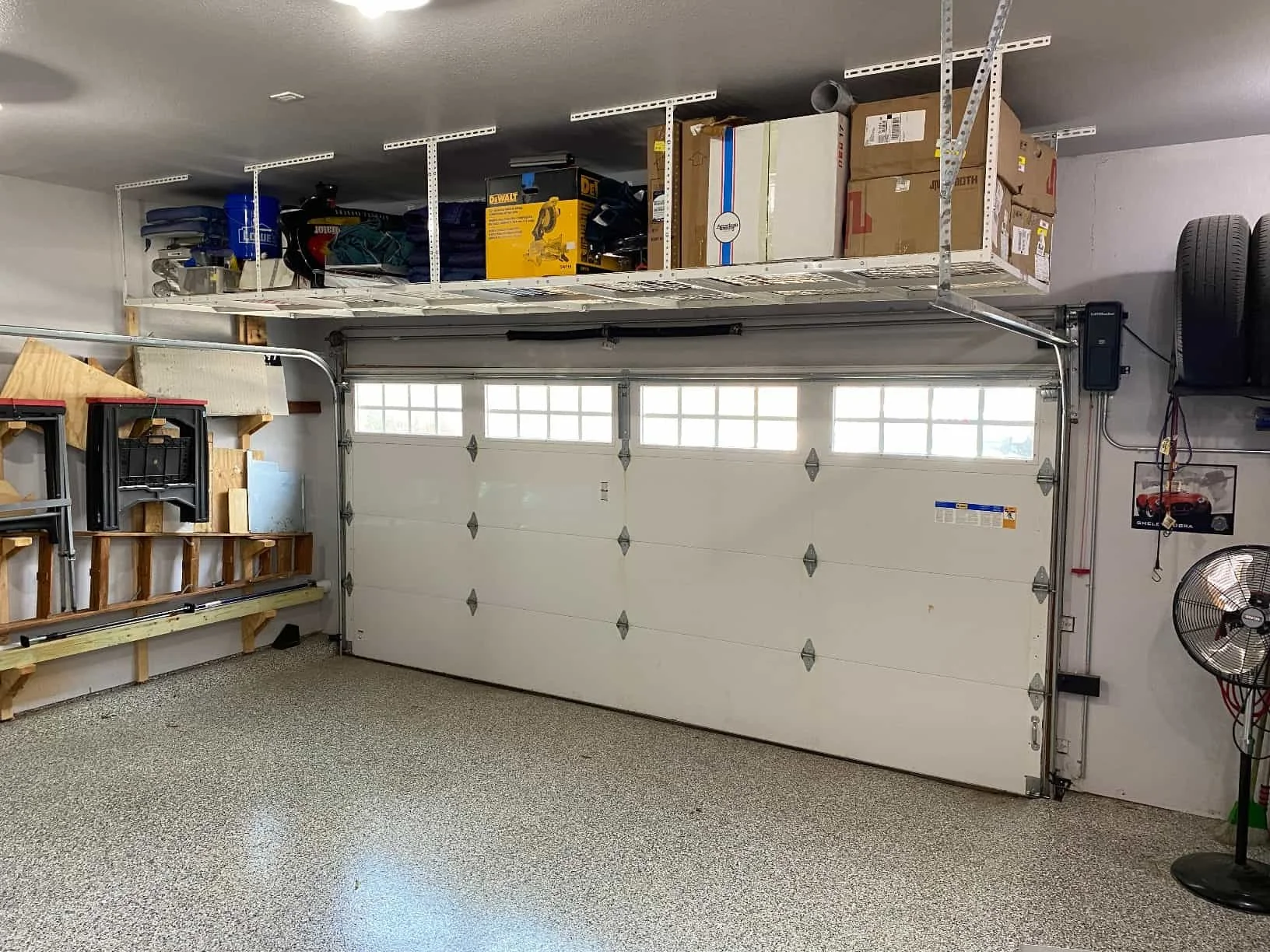
Hang Shelving From the Ceiling  

You have more room in your garage than you might think. Suspending a shelf from your ceiling makes a great, out-of-the-way place to stash things you might only use once or twice a year, including shop vacs, folding chairs or your artificial Christmas tree. These can free up more space along your walls and cut down on cluttered areas.

Once you get your garage organized, you’ll find it’s much easier to find what you’re looking for and keep everything nice and neat. Whether you follow these ideas to the letter or just use them as a springboard for your own organization system, you’ll be glad you took the time to do it.


Author bio: Sydney Hamilton currently serves as Senior Director of Digital Marketing with The Container Store. Her team’s mission is to improve lives through the power of organization. With over a decade of experience in retail, travel and hospitality marketing, she enjoys the constant growth and challenge this industry brings.

Tips for Moving With Pets

RH Business Marketing Solutions

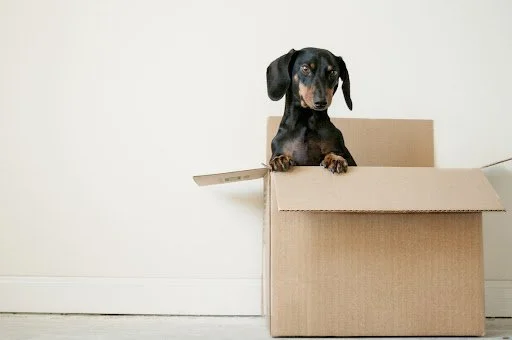
Are you moving houses soon? Have you been wondering how you will manage to get your pet to your new home? Well, you are certainly not the only one to face this challenge, but it doesn't mean that there isn't a way. 

Your pet's relocation to another house is no simple task, it takes a lot of work, but once it's done, there will be a positive change in your pet.

Moving with pets can certainly be cumbersome and stressful for you and your pet, but if you prepare for it in the right way, it will make the transition for everyone smoother, stress-free, and rewarding.

Keep on reading some tips that you should follow the next time you move with pets.

Packing up Pet Belongings

Wh you are relocating with pets, start by creating a list of your pet's essential items, such as food, bowls, bedding, toys, and medications.

You'll also need to gather other items like vaccination records and proof of rabies vaccination. It's also a good idea to have a pet first-aid kit on hand in case of any accidents or illnesses.

Once you have everything together, pack it up in an easily accessible spot. On moving day, make sure to keep your pet's essentials with you, rather than packed in a box. This will help reduce your pet's stress and make the transition smoother.

When you arrive at your new home, set up your pet's things in their new room right away. This will help them feel at home and make the transition easier.

Moving Tips

Choose pet-friendly home movers especially when you are moving long distances. Some moving companies do not allow pets on their trucks or in their storage facilities. Be sure to ask about your company's policy before you book your move.

When you are driving with your pet, be sure to stop frequently for breaks. This will allow your pet to stretch its legs and use the bathroom.

Keep your pet calm. The move can be stressful for your pet, so it is important to keep them calm. This may include playing calming music or keeping them in a quiet room during the packing and moving process.

Make New Home Pet-Friendly

Making sure your new home is pet-friendly means no dangerous chemicals or plants, and plenty of space to run around. Get your pet acclimated to the new space gradually. If possible, visit the new home with your pet before the move and let them explore.

Introduce your pets slowly to their new surroundings, and give them plenty of time to adjust. Make sure your pet has a safe, quiet space to retreat to if they need some time to adjust. This could be a crate or a designated room in the house.

You can also establish rules and routines as soon as possible. This will help your pet feel comfortable and secure in its new surroundings. Be patient with your pet and offer lots of love and reassurance. They are likely feeling just as stressed as you are and just need some time to adjust.

Settling Into a Routine 

One of the first things you should do when you move to a new place is to create a routine for you and your dog. Try to keep mealtimes and walks at similar times each day.

If possible, create a small space for your dog that is theirs and contains their bed, toys, food, and water. This will help your dog feel comfortable and settled in the new place.

Be patient with your dog as they adjust to the new surroundings and take plenty of time to show them around the new neighborhood.

Dealing With Pet-Related Stress

First, be sure to research the new area you'll be moving to and make sure there are resources available for your pet by reading online reviews. Also, start packing early and try to create a comfortable and familiar space for your pet to stay in during the move.

Be sure to pack their favorite toys and treats, and make sure their bedding is comfortable. Finally, try to keep your pet's routine as normal as possible during the move and ask for help from friends or family if needed.

Managing Mealtimes 

Feed your pet at the same time each day as this will help them get into a routine and know when to expect their next meal. If you have multiple pets, feed them in separate areas to prevent fights and help them all to eat their food.

Make sure your pet has access to fresh water at all times. Avoid table scraps as pets should eat specially-formulated food to maintain their health. Lastly, store pet food in a secure, dry place as this will prevent your pet from getting into it and getting sick.

Pets' Health and Safety in Mind During the Move

Before the move, update your pet's ID tags and microchip information with your new address and contact information. This will help ensure that they can be returned to you if they happen to get lost during the move. 

If possible, travel with your pets in the car rather than shipping them via plane or cargo. This will minimize their stress and allow you to keep an eye on them. 

Keep an eye on your pet for any signs of stress or anxiety. If you notice any changes in behavior, consult your veterinarian.

Finally, give yourself and your pet some time to adjust to the new home. Dogs and cats may need a few days to feel comfortable exploring their new surroundings.

Easy and Effective Tips for Moving With Pets

Pets are family, too. So when it comes time to move, don't forget to include them in your plans. If your looking to make moving with pets as seamless as possible, following these tips will help make the process run smoothly.

Be sure to give your pet ample time to adjust to their new surroundings and keep a close eye on their behavior to ensure they are adapting well. Follow the tips in this guide and your pets will be moving with you in no time!

Did you enjoy this article? If you do, be sure to check out more on our blog! 


14 Tips for Home Improvement That Will Make Your House Look Like New!

RH Business Marketing Solutions

You finally got moved into a new house, used professionals to get the job done, and now it’s time to tackle some home improvement projects on your new home. Maybe you used professionals to make your move easy, like Montway auto transport for your car shipping, and professional movers to make the long-distance packing and moving easier. 

Now that you’re in your new home, maybe you want to save some money and get your hands dirty on some great home improvement projects that will leave your house looking like new. If you're not sure where to start, here are a few helpful tips.

First, take a look around your new home and make a list of the projects you want to tackle. Once you've made your list, you can start to research the cost of each project and whether or not you need to hire a professional. 

For example, if you're planning on painting your kitchen, that's a project you can likely do on your own. However, if you're planning on gutting and remodeling your kitchen, that's a project you'll need to hire professionals for.

In addition to researching the cost of each project, it's also important to consider the timeline. Some home improvement projects can be completed relatively quickly, while others may take months or even years to complete. 

Finally, once you've made your list of projects and researched the cost and timeline for each one, it's time to start making some decisions. Once you have all the information you need, you can make an informed decision about which projects to tackle first. 

 Keep reading for 14 tips that will help you get started:

1. Start with a fresh coat of paint

Paint is one of the quickest and easiest ways to give any room in your house a facelift. When choosing paint colors, opt for light and neutral hues. Not only will they make your space appear larger and more airy, but they'll also be easier to match with existing furniture and décor.

2. Get rid of clutter

Clutter can make even the most well-appointed rooms look small and cramped. Take some time to go through each room in your house and get rid of anything you don't need or use anymore. Once you've decluttered, take things a step further by investing in some stylish storage solutions to help keep things organized.

3. Let in some light

Natural light has a way of making even the smallest spaces feel more open and inviting. If you're dealing with dark, dreary rooms, try hanging sheer curtains or adding reflective surfaces like mirrors to help brighten things up.

4. Update your hardware

One of the easiest ways to give your home a mini makeover is to simply swap out old hardware like doorknobs, cabinet pulls, and light fixtures for new ones. This is a relatively inexpensive project that can have a big impact on the overall look and feel of your home.

5. Give your furniture a facelift

If you're tired of looking at the same old furniture day after day, there's no need to go out and buy all new pieces. Instead, try giving what you already have a fresh new look with a coat of paint or some new slipcovers. Even old tables can benefit from a sturdier, more contemporary table legs upgrade. The possibilities are endless if you let your creativity fly.

6. Add some greenery

Plants are not only beautiful, but they also help purify the air in your home—a major bonus if you live in an urban area where air pollution is common. Place plants near windows so they can get plenty of sunlight and water them regularly to keep them healthy (and looking their best).

7. Hang some artwork

Artwork is a great way to add personality to any room. If you don't want to spend a lot of money on pieces, try framing some of your favorite prints or posters. You can also get creative and make your own artwork using things like washi tape, fabric scraps, and old jewelry.

8. Change up your window treatments

Window treatments are another easy and affordable way to instantly transform the look of any room. If you don't like the curtains or blinds you currently have, try swapping them out for something new. You can even get creative and make your own window treatments using things like lace doilies or burlap sacks.

9. Add some colorful throw pillows

Throw pillows are an easy way to inject some color and personality into any room. They're also great for making your space more cozy and inviting. When shopping for throw pillows, look for ones that are made from durable fabrics like cotton or linen.

10. Swap out old lightbulbs

Old, yellowed lightbulbs can make even the nicest homes look dated and dingy. Give your place a fresh new look by swapping out those old bulbs for some new, energy-efficient ones. Not only will they make your home look better, but they'll also help you save money on your energy bill.

11. Wash your walls

Washing your walls may not seem like much, but it can make a huge difference in the overall appearance of your home. If your walls are looking particularly grimy, you may want to consider hiring a professional to clean them for you.

12. Clean your carpets

Carpets can accumulate a lot of dirt, dust, and other debris over time. Not only is this unsightly, but it can also be dangerous for your family if someone has allergies or asthma. To keep your carpets looking their best, vacuum them regularly and have them professionally cleaned every few months.

13. Polish your floors

Dull, lifeless floors can make even the nicest homes look drab. If your floors could use a little TLC, try polishing them with a high-quality floor polish. This will not only make them look better, but it will also help protect them from wear and tear.

14. Get ready for winter

There are a few simple things you can do to make your home cozy and ready for winter

First, take a look at your windows and doors. Make sure that they are properly sealed so that heat doesn't escape and cold drafts don't come in. You might also want to invest in some heavy curtains or blinds to help keep the heat in. 

Next, take a look at your heating system. If it's been a while since you've had it serviced, now is a good time to do that. You should also make sure that you have plenty of warm blankets on hand to snuggle up with when the temperature really starts to plummet. 

With just a few simple changes, you can transform your home into somewhere you're proud to show off—without breaking the bank! Give these 14 tips for budget-friendly home improvement a try today and see how quickly your house starts looking like new again.

Guest Contributor: Vanessa Paige

How to Rent a Retail Property for Your Business

RH Business Marketing Solutions


How to Rent a Retail Property for Your Business

Whether you’re opening a new business, looking to expand into a bigger space, or ready to sign a new lease, locating retail space for lease requires careful research and skilled negotiations.

Making the right choice increases your chances of long-term success. However, if you go for a bargain-priced space, business may suffer. 

While shopping for new retail commercial space may appear similar to a residential rental, there are major differences. We’ll go into these further later in this article.

In the meantime, here’s the best place to begin your search for retail space for lease.

Determine Your Business Requirements

As you’re already aware, what works for one retail business won’t work for another. Therefore, you’ll need to determine the best location before you begin viewing rental spaces for lease.

  • If you’re opening a bargain outlet, customers probably won’t mind going out of their way in search of a deal.

  • If you’re selling five-figure entertainment systems or designer footwear, customers will expect you to be neighbors with similar businesses.

  • Opening a franchise? Network with other franchise owners regarding space and location requirements.

If you’re expanding or relocating an existing business, consider your regular customers’ shopping habits. Will your new location be convenient to them? Doing this can help build loyalty, something particularly valuable in today’s shopping environment. 

Next, you’ll want to look at retail lease prices in the areas you’ve chosen, and determine what’s truly affordable in the long run.

Triple-Net Leases and Other Costs

If you’ve been searching for your first retail rental, you may have noticed the acronym NNN following a space’s square foot price. This isn’t an acronym: It’s short for “triple-net” lease. 

This means that you’ll be paying more than a basic, square foot rental rate. Your lease will probably contain some, or all, of the following costs:

  • Property taxes are part of commercial real estate (CRE) ownership. A triple-net NNN lease will include your retail space’s share of these taxes. Since your landlord has no control over tax rates, this isn’t a negotiable number.

  • Property insurance is another non-negotiable part of your lease. Depending on your business, you may need to provide proof of insurance to qualify for tenancy.

  • Liability and worker’s compensation insurance, while usually not part of your rent, is still a requirement for a retail business. Your landlord may want to see proof of coverage.

The following costs may or may not be in your lease, as they’re usually limited to retail space within a multi-tenant building.

Upkeep of Communal Areas

CAM, or Common Area Maintenance, are fees charged to maintain shared or “common” spaces. Some examples include:

You may be able to negotiate your CAM fees, especially if your retail space is one of the smaller ones in the building, if your business is far away from the landscaping, or if you’re allowed fewer reserved parking spaces than others.

Utilities

Utility bills may also be a cost that’s not included in your base rental rate. Like a residential property, you’ll be paying for your retail space’s electrical, HVAC and water bills. 

Depending on your business, you may have other utility costs, such as:

  • Specialized lighting for displays, especially if you’re opening a boutique-type business.

  • Power-intensive fixtures, such as kitchen utilities within a cafe or restaurant.

Researching your future utility bills can be tricky, and you may have to depend on estimates. 

Now that we’ve reviewed costs that are included in most retail lease agreements, here are some additional costs to consider.

Preparing for Your Opening

While you may be lucky and find a retail space that requires minimal effort to make it your own, most will need some remodeling. This is called a build-out

Costs for a typical build-out are sometimes reimbursed by the landlord. This is done with a Tenant Improvement Allowance, or TIA. These are usually calculated on a square foot basis. 

Here’s an example: 

If you leased a 4,000 square foot retail space, and you negotiate a $20.00 per square foot improvement allowance, your landlord would agree to cover $80,000 of the costs of your build-out.

Keep in mind that you’ll pay the costs of the build-out when work is performed before you open for business. Ask your landlord if you can defer your initial rent payments until you’ve been open for business for a while. 

Feeling a bit overwhelmed by these costs and details? You may be best off working with a commercial real estate (CRE) broker.

Retail CRE Broker Benefits

First and foremost, a CRE broker spends 100% of their time negotiating leases for clients. This means that, when you decide to enlist the services of a broker, you’ll benefit from their experience.

Other reasons to work with a broker include:

  • Local networking skills. This is especially important if you’re unfamiliar with your new neighborhood. A broker will be familiar with much more than the current market atmosphere. Brokers are often aware of future changes, such as the arrival of a new residential subdivision or major highway, that could bring more business your way.

  • Networking connections. Brokers spend a big portion of their working hours with other retail tenants and their landlords. This means that a broker may know about the ideal retail space for your business before it hits the market. 

A savvy CRE broker will also refer you to local attorneys, contractors and businesses related to your own. 

Earlier in 2022, data showed that over 50% of consumers were comfortable returning to traditional, bricks-and-mortar retail stores. 

In addition, more retailers have found that adding services that enable consumers to pick up retail goods after ordering online have increased their profits.

Do your research, consider working with a CRE broker, and good luck finding your perfect retail space for lease in Illinois!