Google+

contact us

Use the form on the right to contact us.

Day or Night, we are here to serve you. Leave your plumbing problem to us.


Tinley Park, IL

(708)845-7922

Residential and Commercial plumbers and plumbing contractors available in Orland Park, Tinley Park, Oak Lawn, Palos Heights, Midlothian, Oak Forest, Homer Glen, Mokena, Frankfort, and the surrounding Chicago South Suburbs. Emergency plumbers.

copper water lines.jpg

Kevin Szabo Jr Plumbing Blog

Kevin Szabo Jr Plumbing is Tinley Park, Orland Park, Oak Forest, Midlothian, Orland Hill, Homer Glen, Mokena, Frankfort, Crestwood, Palos Heights, Oak Lawn, local plumber. Read our blog for advice, tips, a good laugh, and basic home improvement.

**We are moving our old blog to our new and improved website. Too see all our posts visit kevinszabojrplumbing.blogspot.com

7 Tips to Prepare for The Unexpected During Home Renovations

RH Business Marketing Solutions

You set your sights on your dream house renovations this year, but the problem is you do not know where and how to start. You are not alone because several homeowners go into the entire process clueless of what to expect. It is only at the end of the project and has suffered through renovation mishaps that you regret not planning for it. This article will help you prepare for the unexpected when you push through with your home remodeling.

Why Renovate Your Home

Homeowners always want to have their homes in tip-top shape. It is not surprising that many of them prefer to have home renovations for several reasons. If you are thinking of the whys of home improvements, you can continue reading to find out.

Increase Your Enjoyment or Comfort of Your House

Your comfort and enjoyment are your top priorities. However, you may have overlooked these factors because your ultimate desire is to increase your home's future sales price. If it is your primary reason, you will end up living in a showroom and not a home. You can design your house improvements around your comfort and enjoyment.

Correct a Safety Issue

You cannot put off home renovation projects that involve roof leaks, electrical problems, or foundation cracks. Fixing them can prevent catastrophic loss and keep you and your family safe.

Boost Your Home’s Value

You can plan on renovating your home if you wish to sell it in a few years. You may decide to update the bathroom or kitchen, replace the front door, and open up the primary living space. 

Enhance Your House’s Function

Your growing family may need a second bathroom or more living space to make life easier for everyone. You may prefer to have a patio or deck for outdoor entertaining. Renovating can help increase home functions; as long as your planned upgrades do not decrease usable space or hurt the home’s value.

Make the Home More Efficient

Your house may need added insulation, a heat pump, or new windows. Some improvements reduce energy costs. Efficient homes attract more buyers if you wish to sell yours because they know that these fixtures will lower their electricity costs once they live in your house.

Refurbish Your Home’s Style

An outdated home is less attractive to buyers. Some homeowners decide to update their home’s style on a whim, but you can opt for timeless styles that evoke sophistication.

Prepare the Home for Selling

If your primary goal is to sell your home, you must make the appropriate choices to make it more saleable. Your upgrades must add value and fix any functional or cosmetic issues. You may choose neutral colors to prepare your home for resale.

Preparing for the Unexpected in Home Renovations

Home renovations are expensive, messy, and time-consuming. You may face an unexpected setback that will increase the remodeling costs even higher. These problems can put a big dent in your budget and cause you headaches. As a homeowner, what will you do these problems creep up? Here are the top seven tips to help you.

Ask for Recommendations and Have Rules

Setting and sticking to your budget is vital, and you must tell your contractor that you do not have any wiggle room. You may talk to them about your expectations. It may be challenging to find a contractor, so you must ask for recommendations from friends, family, neighbors, and local real estate agents. You must ask about the contractor’s experience, costs, and timelines.

Create a Plan and Set a Buffer

Remodeling projects tend to go over budget because homeowners change their minds or do not know what to do when unexpected issues arise. You must have at least a 10% contingency fund in your budget for emergencies. Moreover, you must know what you want and relate it to your contractor for a closer estimate of costs before construction begins.

Be Prepared

A 20% - 30% buffer on top of the final bid can avoid any budgetary issues. Setting an unachievable low-budget project will only force your contractor to cut costs that may cause the quality to suffer.

Include Benchmarks

Homeowners must have clear timetables for each project step and add them into the contractor’s standard contract. You must ensure that your contractor follows them and penalize them if they fail to meet the schedules.

Be Patient and Disciplined

If you plan to have home renovations, you must ask for bids from three contractors and add them to get the total cost. Some contractors want to get you as a client, but a lack of discipline and patience can result in many issues. You must create a well-defined scope of work, pick a reputable contractor, choose the specifications or materials upfront, and you may reduce the cost by one-third. You will only add two bids to compute the total amount of money you must spend on your project.

Be Definite

Home renovations will cost more than the original contractor’s quote; thus, you must be specific about your requirements. The contract must include everything you want, including the materials. Buying an expensive tile may cause you thousands of dollars more. Moreover, you must be confident about your decisions to avoid adding minor projects along the way that can delay completion and increase costs. 

Research, Plan and Minimize Changes

Home improvements require appropriate preparation. If you do not prepare for it, you will experience financial pain and heartache. It is better to spend time on research and planning. Common issues include no-show subcontractors, price fluctuation for materials, city code surprises, and omissions. You must know your preferred materials and reduce the changes you want midstream because they will be your source of budget busters.

Final Thoughts

Whatever your reason for home renovation, you must prepare for the unexpected occurrences that may wreak havoc on your project and budget. However, with the tips highlighted in this article, you can better prepare for any issue or problem.

About the Author

Charlie Svensson is one prolific and engaging freelance writer providing an assignment writing service  service for Essaymama. He is fast becoming a favorite because of his skills in blogging and content writing. Charlie writes about education, marketing, motivation blogging, social media, SEO, and self-growth. He can adapt his skills in writing a case study efficiently to reach diverse audiences.

Tips on How to Smart Up Your Home

RH Business Marketing Solutions

Creating a smart home today is not a difficult or super expensive task. With so many gadgets with smart abilities on the market, you can basically turn every piece of tech into a smart device. And don’t think you have to go overboard with devices—you can make your home as smart as you want it to be. If you want to create an easy-to-handle smart setup, here are a few tips and gadgets you must add to your home:

Hire a digital assistant

One of the first steps you can take towards living in a smart home is to find a virtual assistant. Assistants like Google Home and Amazon Echo are very popular and affordable today. These assistants will help you with your smart devices and provide you with a world of information and comfort. You can just say “OK Google, play music” and enjoy! Once you settle on a virtual assistant, make sure all the rest of your smart devices are compatible with your assistant.

Smart up your plugs

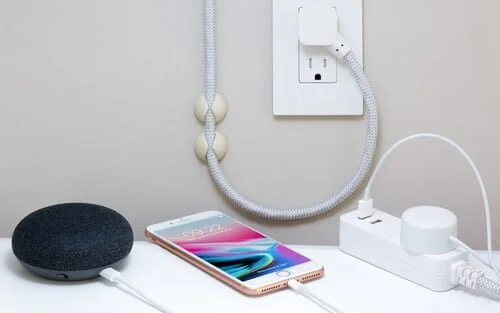
Another easy step to turn your home into a smart abode is to invest in smart plugs. These plugs look just like your regular plugs, but with a twist. They are also very affordable, some even cost as little as $15. They come with an app that allows you to turn on or off remotely whatever you have plugged into your plugs or use voice commands if you’re at home. If you forgot to turn off your iron, you can just do that from miles away, no more nasty surprises. You can also create schedules for turning on and off of your devices, like your coffee machine! Some smart plugs are resistant to elements, so you can even use them outside for controlling your holiday lights or patio lights.

Boost security with smart gadgets

Your safety at home deserves extra attention, so consider adding a few safety gadgets to your smart setup. You can look into a practical smart home system that includes cameras, plugs, motion sensors and door/window sensors. The cameras are wireless and practical, with a clear image and night vision and your sensors will ensure no one comes unnoticed into your property. If you combine your smart home system kit (cameras, plugs and sensors) with a smart doorbell and lock, you will provide everyone in your family with ultimate safety. Plus, there will be no more instances of getting locked out of your house if you lose or forget keys!

Ensure smart temperature control

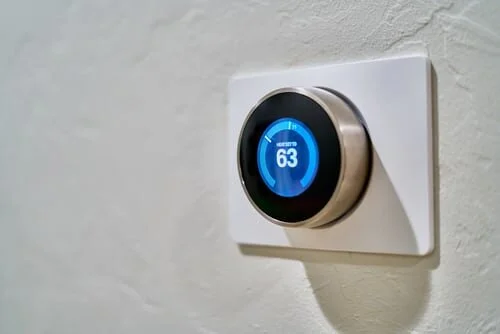
If you want to be smart and energy efficient at the same time, a smart thermostat will be a great addition to your home. This thermostat will monitor your energy use, follow your heating and cooling patterns at home and automatically adjust the temperature based on your habits and needs. This gadget provides you with many benefits so you can adjust the temperature and monitor your energy usage, so you can cut back your waste and become greener and richer. There are many smart thermostats on the market, so read some reviews and pick the one that fits your lifestyle and home the best.

Install smart lighting

How cool is to walk into your home, say “Alexa, I’m home” and watch as your lights go on. With smart lighting, you can program which lights go off once you say your greetings. These lights also allow you to dim and change the colors of your lights. The best thing? Smart lighting can be controlled with an app so you can manage your lighting even when you’re away from home. This is great if you want to boost safety at home and make it seem like there’s someone present when you’re on vacation or a business trip.

Smart irrigation

Smart gardens have so many options, but if you have some budget left, smart irrigation systems are worth mentioning. These systems connect to your existing irrigation system and give it intelligence like access to the weather forecast and watering requirements, so they provide your lawn and plants with all the water they need and not a touch more.

Having a smart home can not only be fun but also very practical. You will improve safety, comfort and resource savings, so you can become a true green and homely household. Plus, playing with these gadgets is super fun, especially if you’re a geek!

Guest Contributor: Diana Smith

Everything You Need to Know About a Clogged Laundry Drain

RH Business Marketing Solutions

Photo by Ksenia Chernaya from Pexels

Photo by Ksenia Chernaya from Pexels

Like any household drain or sink, a laundry drain is also susceptible to being clogged. If you notice the water is draining slowly in your washing machine or the laundry room floor in general, it is in dire need of immediate action. The drain of the washing machine is likely to overflow when it is obstructed. 

It is immensely frustrating to deal with the spilling of dirty laundry water during a wash cycle caused by a blocked drain. The drainage can be congested by anything. It can either be due to the accumulation of excess lint or the build-up of bacterial sludge.

It is easier to take precautionary measures rather than being exasperated by the consequences of a clogged drain. If your laundry drainage is already jammed, try to fix it yourself before calling a plumbing expert.

This article will discuss everything you need to know about clogged laundry drains.

Causes of Blocked Laundry Drains

It is best to do your research online and know what you have to deal with. For useful insights and plumbing tips, click here. There is a lot of tiny debris left behind after washing a load of laundry.

Some bits are also naked to the eye. There are other sorts of causes, such as a malfunctioning duct or poor quality of water. 

Laundry Detergent

There are some varieties of detergents and soaps that leave residue in the pipes. These drained soapy liquids can also form as lining inside the ducts. This accumulation is also quite sticky and can trap lots of minuscule bits like lint, hair, and microfibers, which leads to the buildup of a gunky mass that obstructs the flow of the drainage, clogging the laundry drain.

Lint

Lint is infamous for being unappealing and one of the major causes of hygiene issues. Besides hurting the aesthetics and being the main cause of dust bunny formation, this fabric fuzz can also be the culprit of drain blockage.

From the washing machine and the dryer, lint from clothes flow towards the drain and clump together. Upon clumping together, it can form a lump in the drain entry and cause a severe clog. As mentioned earlier, it can also get easily trapped by any sticky residue in the drainage pipes.

Debris

The washing machine can go through a lot. Everyone who does laundry is well aware of the debris that is left behind when doing a load. The debris can vary from bits of tissue paper, loose change, or even a forgotten piece of candy in the pockets.

If you have children or a member of the house who does a lot of outdoor activities, their clothes often contain gritty sand particles, dust, and even mud. Hair from the clothing pieces is also another contributing factor. This debris exits through the machine’s hose.

A build-up of debris can arise if the liquid detergent is not properly washed away. The debris can also collect if the force of the water is not sufficient enough to wash them away. Large-sized debris can also cause a backflow by blocking the drains. 

Hard Water

Water that has high mineral content is known as hard water. If the water supplied to your household contains various minerals like calcium and magnesium, the bases of the detergents are less likely to be dissolved. Cleaning liquids and detergents do not dissolve easily in hard water.

This causes precipitation or residue of the washing solvents in the ducts, leading to the obstruction of the drainage flow. Thus, the debacle of the clogged drain will arise.

How to Prevent a Clogged Drain

It is always easier to take preventive measures regularly rather than ruining your day by what ensues after a clogged drain. No one likes to get their hands dunked in mucky water and having to touch questionable slimy bits.

Besides avoiding a plumbing catastrophe, precautions will also save your time, energy, and other valuable resources. Some small precautionary steps can go a long way.

Install a Lint Trap

Lint catcher or lint traps are affordable and can be easily installed into a washing machine. The trap will catch the loose lint and prevent it from reaching the drain. When they are not reaching the drain, they will not block the drainage.

Just do not forget to clean the lint catcher at least once a month. Chuck away the collected lint into the bin. Avoid getting rid of them through the sink as it will give rise to drain blockage, defeating the whole purpose.

Alternatively, you can also attach a hair catcher over the drain to stop the tiny bits from entering and congesting it. Ensure that you remove the residual debris after finishing a load of laundry.

Resolve Hard Water Issues
If you find out that the main cause of your drain blockage is the high content of minerals in your water, then it is best to correct it. The Indian subcontinent has used Fitkari for thousands of years to fix the water quality and purify it.

Fitkari is more commonly known as alum. It removes minerals like calcium, iron, magnesium, etc. Placing a piece of the alum at the end of the water spout will do the trick. You can also use various commercial water softeners to treat hard water.

Ways to Unclog Laundry Drains

If you failed to take the preventive steps or it’s simply too late to adopt the precautionary practices and now you are facing the predicament of a blocked drain, here are some DIY solutions you can try. 

Drain Cleaner

Before buying a drain cleaner, read the details on the package. Opt for the one that is suitable for the type of laundry drain you have. Simply follow the instructions on the packaging and let it do its magic.

Rinsing the Drain

To begin, fill a bucket or pail halfway with hot water. After that, add the baking soda to that same heated water and completely mix it in. Remove the drain pipe from the washing machine and use a funnel to slowly pour the hot liquid down the drain.

Wait for a while and check whether the water drains when you turn on the water tap. Do not dunk all the hot water at once as the potential splashback is hazardous. Further, it can also erode the non-heat-resistant pipes.

Use a Drain Snake

A drain snake is a great device to unclog a blocked drain. Open the drain top and slide in the drain snake as far as possible. You will know and can feel the blockage with the wire. Rotate the snake and go back and forth to dislodge the obstruction.

Call a Plumber

If all else fails or you simply do not have the time to fix it, call a plumbing professional and let him do his thing. This will also save time and energy without causing any harm to the pipes and appliances.

Final Words

Clogged drains are one of the most common residential plumbing issues. No one likes to deal with the disgusting clogged drains or the fiasco it ensues. It is best to take preventive measures to save your money and time. You can try to fix the blocked drains yourself. However, if all your attempts seem to go futile, definitely call a plumber.

Guest Contributor: Danial

7 Things You Have to Check in Your House Before Rolling into an Autumn Season

RH Business Marketing Solutions

When we talk of the autumn season, some of the things that come to most peoples’ minds include carved pumpkins, yellow-orange foliage, and the smell of cinnamon. Adults enjoy spending most of their time outdoors having some fresh air while children go out to take pictures and swap skateboards. This fall, you don’t have to think of buying Halloween candy or pencil cases only. You need to prepare your house to keep it safe and warm for the next several months. In this post, we are going to share with you seven things that you have to check in your house before rolling into the autumn season. Let’s get started!

1. Prepare for falling leaves

Watching the leaves turning from deep green to sunset yellow is one of the top highlights in fall. You need to start preparing to rake up the fallen leaves on your property. If mulching or composting the leaves is your preferred style, you don’t have to worry about this. However, if you want to remove them from your lawn or yard, you’ll need to invest in the right tools. You’ll need a good rake, spade, and wheelbarrow to clear the leaves and save time. To remove the growing pile, always remember to stock up on huge bags.

2. Branch out

As the weather gets colder and winds start getting stronger, aging trees can pose a huge threat. If such a tree has its branches over your home, you’ll need to cut them to reduce accidents and the risk of damage. If branches fall on your property, the damage can either be minor or severe. Light branches can shatter windows or damaged shingles while heavy ones might block gutters, or damage your roof. You need to look at the trees around your property and inspect for weaknesses. Start trimming the trees strategically when they start getting close to your house. Hire a professional or use the right tools to eliminate branches that get too close to your house or those that pose a risk of falling.

3. Clear your gutters

You need to inspect your roof before the season and remove any branches or leaves that may have accumulated there. As the leaves pile up and fall in your yard, you should remember that the same is happening on your roof. If you don’t clear out the leaves on time, they will affect water drainage and create a dam of water. Still water can damage the exterior surface of your roof. And this can spread to the inside of your house thus promoting the growth of mold and mildew. Always check your rain-gutters and drainage systems to ensure that nothing blocks them.

4. Repair roof leaks

Minor roof leaks can become a huge problem especially when temperatures start dropping. Snow or frozen water will increase the risk of water damage. Therefore, you need to climb up your roof and inspect it thoroughly. Check for any signs of damage especially on the valleys and ridges. Look at the chimneys and vents too. A small amount of effort can save you thousands of dollars in the long run.

5. Work on your lawn

As the weather gradually turns colder some individuals will feel relieved because they won’t have to mow or clean their lawn again till spring. In most cases, this is usually true. You won't have lots of responsibilities when it comes to taking care of your lawn. However, before you start locking yourself in, you need to fertilize your lawn. Start by spreading a layer of ground freeze to ensure that your lawn grows green in the spring. This is one of the best ways to start the spring season. You can also save a lot of money by winterizing your sprinkler system.

6. Fill the cracks around your property

The growing roots might have damaged the walkway or driveway. It’s important to take a couple of minutes to walk around your property and check if the pavers and concrete have become uneven or loose. This simple task can prevent hazards throughout different seasons of the year, especially in icy or wet weather. No matter how small the crack is, if you spot and fill it before winter, you’ll have a chance to prevent water from getting in and freezing. This can lead to more cracks and damages which will be expensive to repair.

7. Prepare to heat things up

You need to inspect the equipment that heats your home and perform routine maintenance before winter. If you use a heater, you can hire a professional to inspect for you. And ensure that it is working safely and efficiently. A heater that leaks will not only waste energy but also fill your house with dangerous poisonous air. You should never sacrifice the quality of indoor air for anything. This is especially true during the winter season.

Bonus Tips:

Change the air filter

The air filter in your property should be changed regularly. While most homeowners neglect or forget to change the air filter, fall is the best time to look at all the filters in your home and change them if necessary. Doing this will not only improve the quality of air in your house but also increase the efficiency levels of your furnace. If you have started taking note of whines and screeches from the belt or erratic sounds from the furnace, you’ll need to inspect it for burner problems, blockages, or thermostat issues. You should do this during fall instead of waiting till the winter season.

Inspect the chimney

If you use a chimney to heat your home during the cold season, you’ll need to inspect it during fall to ensure that there are no venting problems or blockages. Clean, sweep, and clear the chimney before you start a fire in your house. If you are on a budget, you should consider including an energy-efficient fireplace to heat all your rooms. Conducting routine checks during fall will help you save time and money and avoid inconveniences.

Conclusion

Before rolling into the autumn season, there are a lot of things that you need to check around your property to minimize hazards and save money. While these tasks seem intimidating, they are as easy as a pumpkin (well, much easier). You can also delegate some of these tasks to professionals.

Author Bio:

Leon Collier is a blogger and academic writer from the UK who works with Write my essay UK and offers a writing service. He likes trying new subjects and is always focused on proving his worth as a writer in new and challenging writing areas. His hobbies are reading books and playing tabletop games with his friends. You can reach him via Twitter @LeonCollier12.

Photo by Weston MacKinnon on Unsplash 

Benefits of Hiring a Professional Plumber

RH Business Marketing Solutions

Benefits of Hiring a Professional Plumber

Any building will experience plumbing problems even if it has the best plumbing system. Plumbing issues can happen due to many things, such as lack of maintenance or accidents made by previous plumbers. No matter what plumbing issue you have, you need to rely on your plumbing contractor's skills to fix them back working again. 

Building owners usually have a plumbing contractor that they can contact anytime they run into serious plumbing issues that can cause inconveniences to the building tenants. If you still don't think you need a plumbing contractor, you miss out on many benefits. 

Benefit #1: Acquire Expert Plumbing Services

Other commercial building owners do the plumbing work on their own because they think they can fix them. In some cases, they end up making things worse because of their lack of plumbing experience. Contact a professional plumber instead of doing it independently or having another inexperienced person fix the plumbing issue. 

You can trust them to fix all kinds of repairs on your plumbing system. They can also fix problems faster than usual, ensuring everyone within the building can utilize the plumbing system right away. If you're looking for a plumbing contractor, make sure you find one with years of working experience because there's a big chance they've encountered severe plumbing problems. 


Benefit #2: Save Valuable Money and Time

One other benefit of hiring professional plumbing contractors is you don't waste time and money. When you have a severe plumbing issue, you need it fixed as quickly as possible because you have building tenants using your commercial building's bathrooms, toilets, faucets, and other plumbing fixtures. 

Fortunately, a plumbing contractor can fix it properly, saving you tons of money and time. Hiring someone other than a reliable plumber will always cost you because they might worsen the issue instead of fixing it. And since they couldn't fix it, you'll need to find another plumber who can fix it before you start receiving complaints from your tenants that some of your plumbing fixtures aren't working. 

Note that there are some plumbing issues you need to fix quickly, like a clogged toilet. No one can use a clogged toilet because it's dirty and can cause a mess in the bathroom. Your cleaning personnel will have more work on their hands, and they might have other areas to clean and take care of besides the bathroom. 

Benefit #3: Complete Plumbing Tools and Equipment

A plumber cannot provide the necessary plumbing services without their handy tools and equipment. A professional plumber will always have them by their side whenever clients contact them to do some plumbing work. Besides bringing the essential plumbing tools, they also need to learn how to use them properly. 

Other inexperienced plumbers don't know when to use specific plumbing tools, which clients don't want. Any reliable plumbing contractor will have a high level of experience in using tools, equipment and figuring out how to operate things like louvered access doors and panels

Benefit #4: Great Knowledge with Building and Plumbing Codes

Some plumbers don't know about building and plumbing codes that they often forget to follow them. That can lead to the building getting expensive sanctions and penalties, and you don't want that happening to your commercial building. If you need a plumber, look for one with extensive knowledge about plumbing and building codes. 

Avoid hiring inexperienced plumbers even if they offer their services cheap because there's a big chance they don't know a lot about plumbing and building codes. And if you plan on selling your commercial building in the long run, you will have a tough time doing so because of the different codes your plumber forgot to follow. 

Benefit #5: Fix Any Plumbing Problem

The most exciting benefit about hiring professional plumbers is their ability to fix all kinds of plumbing issues. Whether it's a leaking water pipe or a damaged drainage system, expect them to repair it in no time. They utilize their years of plumbing experience to figure their way out of every situation, ensuring quality plumbing services to their clients. If you've already found a professional plumber, make sure you keep them close because you'll never know when you need to call them. 

You can never go wrong with a trustworthy plumbing contractor to fix your plumbing problems. Research plumbers to ensure they won't waste your time and money.

Guest Contributor: Chris Jackson

Different Types of Plumbing Tools: A List For Plumber

RH Business Marketing Solutions

You can find many plumbing contractors all around the US because of the need for quality plumbing services, and many people are starting plumbing businesses nowadays. Whether it's a residential, commercial, or industrial building, plumbers play a vital role in maintaining a structure's plumbing system. Without them, expect back-flowing drainages, weak running faucet waters, and stinky toilet bowls. 

Before you become a plumber, you must undergo extensive training and apprenticeship with another veteran plumber. You also need to know the different plumbing tools because you can't get any work done without them. Most people will know some plumbing tools, while there are some that you might know about for the first time. 

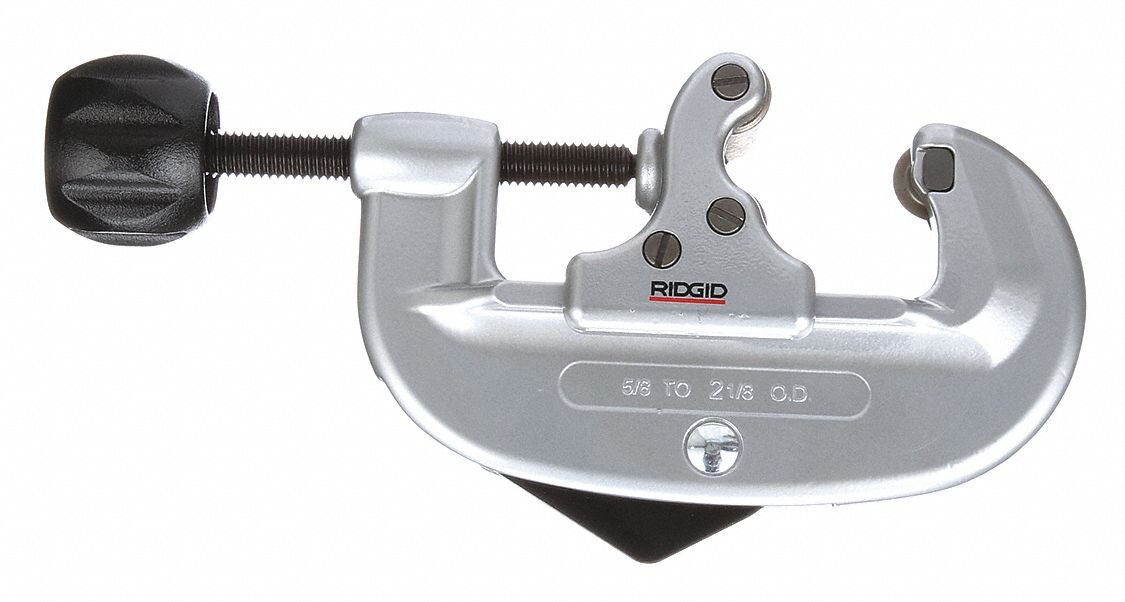
Tool #1: Tubing Cutters

One tool that plumbers use to cut pipes is tubing cutters. They use it to mostly cut plastic tubing, with each one having independent cutting ranges. You can mostly find plastic tubing inside buildings since they stay protected against harsh weather elements. 

Tool #2: Hacksaw

The hacksaw is an essential tool for plumbers to make precise cuts with plastic or metal pipes. Using anything other than a hacksaw will make the cut rough or imprecise, and that can cause problems when interconnecting pipes. The hacksaw's blade can also cut through any bolt, nut, or screws besides plastic tubing. 

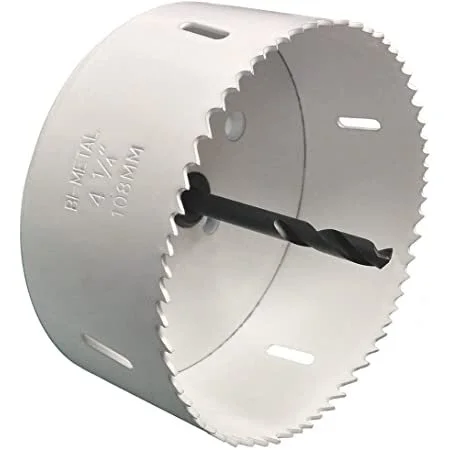
Tool #3: Hole Saw

At one point, plumbers need to cut through surfaces and use the opening to let plumbing pipes pass through the other side. Creating holes can become a challenge, especially when faced with a hard surface like concrete tiles or drywall. Fortunately, plumbers can use a hole saw kit to create holes easily. There are different types of hole saw kits that can drill specific surfaces, creating a perfect hole. 

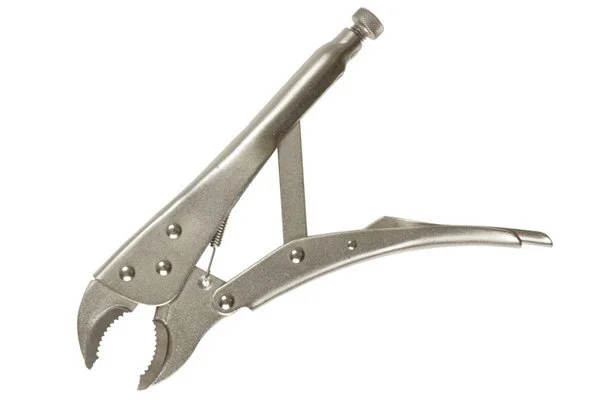
Tool #4: Mole Grips

Some plumbing work requires extensive metal pipe welding to accommodate the structure's plumbing system. Note that you cannot directly hold metal pipes while welding them, so mole grips are the best tool to use. They have an adjustable jaw that you can lock into place on pipes to hold it firmly. It should make welding pipes easier since the mole grips can keep two pipes locked together. 

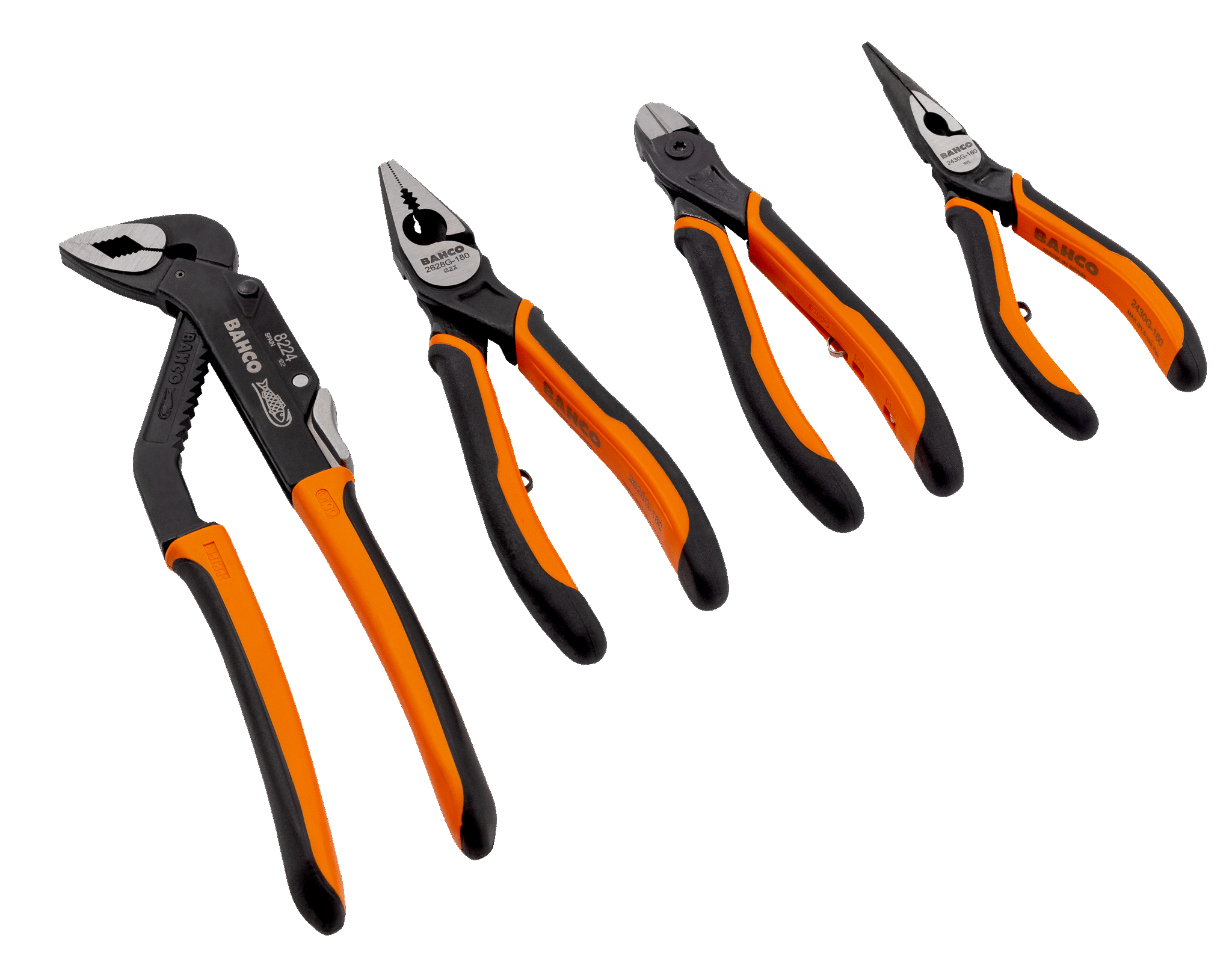
Tool #5: Pliers

Another essential tool that should never leave a plumber's side is the pliers. If you encounter a tight bolt that wrenches can't remove, pliers can remove them without a problem. Besides using it to loosen bolts, they work great in bending thin metal wires and even hold two or three thin metal sheets together. 

Tool #6: Tube and Pipe Benders

Mole grips can only grip some surfaces, but plumbers never use them to bend metal pipes because they are too tough to bend without tube and pipe benders. Pipe benders are perfect whenever you need to bend straight metal pipes into specific angles. It's better than traveling to a machine shop and using a bending machine on the metal pipes. 

Tool #7: Plumber's Torch

After cutting and bending two metal pipes, you need to find a way to connect them. That's where the plumber's torch comes into play. It's a handheld blowtorch that plumbers use to connect or seal new piping for replacements or installs. Note that you can't use the plumber's torch on plumbing components behind specific surfaces unless it has a fire-rated access panel for plaster on the wall. 

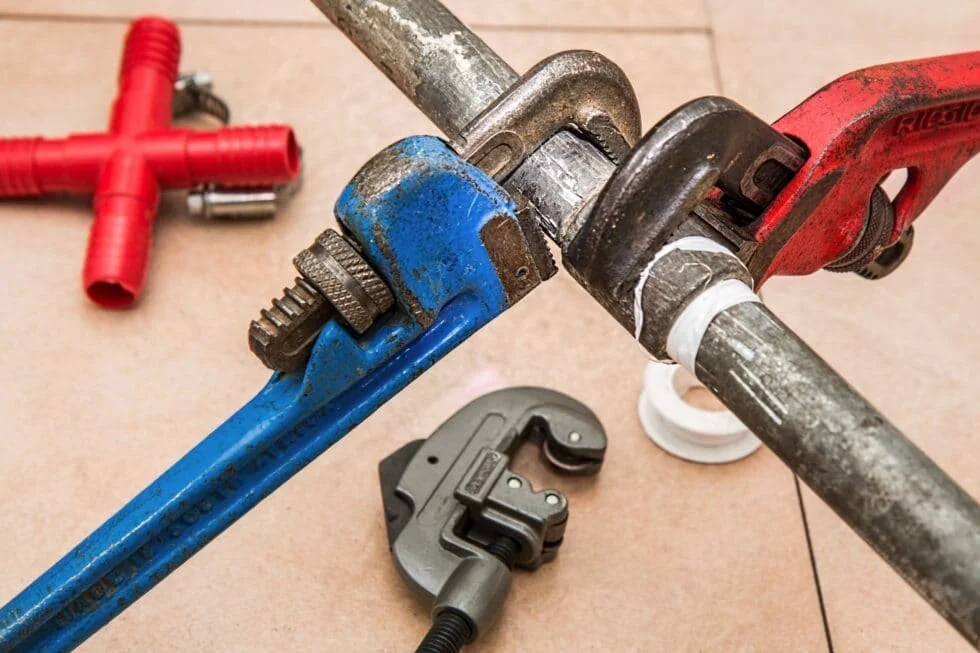
Tool #8: Thread Sealing Tape

Also known as the Plumber's Tape, you use it on cracked or leaking pipes to prevent water from gushing out. What makes the plumber's tape excellent is that it will stick even when there's water leaking out of the pipes. They create a tight seal better than tying rubber around the leaking area. 

The plumbing tools mentioned above are only some of the many you need for every plumbing job. There are still others you need to learn about if you want to become a successful plumbing contractor.


Guest Contributor: Chris Jackson

You Must Avoid These 4 Amateur Upholstery Mistakes

RH Business Marketing Solutions

The easiest way to transform the interiors of your house is to upgrade the furniture. But isn’t that a tad too expensive? 

What if I tell you that you can do exactly that but without carving a hole in your pocket? 

Reupholstery is an effective way to revamp your house and get rid of your old and worn out furniture. You can find professional upholsterers who can help you redesign the interiors of your house or take on a DIY project. While professionals bring you years of expertise and the right tools, DIY is somewhat a challenge. Either way, you will be able to get an upgrade at a fraction of the price you would have spent on purchasing new furniture. 

There are a number of Youtube videos that can help you but it is not as easy as it seems. While they can assist you gear up for the job, the techniques and suggestions shared are sometimes inconsistent which leads to mistakes. Don’t worry! We will help you. 

Here are some common amateur upholstery mistakes that you must avoid. 

Use the Right Tools

The first step to upholstery is getting the right tools for the job. The most common rookie mistake is using the wrong tools. While purchasing the necessary tools may seem an expense but it will be worth it. In other words, you need a staple remover to reupholster otherwise you will end up doing the job in double the time. So, prioritize - time is more important for you or a little money. 

To put things into perspective, just like any other DIY project, why do you want to use a sword when you have a gun?

Compromising the Quality

Restoring the interiors of the house is always exciting. We all want our house to look presentable. While reupholstery is an effective alternative to purchasing expensive furniture, there are several things you need to take when taking up this job. One of which is ensuring that you do not compromise the quality. 

Chiefly, the purpose of upholstering is to make your room and furniture look the best wherever it is placed. Most people fall into the trap of budgeting and end up compromising the quality of the fabric. In the end, you should understand that the whole purpose of upholstery is to renew your old furniture. And you do not want to do that with poor quality fabric. 

While being economical is something that we will not hold against you as in most circumstances it works best, it is not the best option in this case. In other words, when you are restoring your old furniture, you do not want low quality fabrics which will not hold their ground in a few years. Then what is even the point of upholstering? Low quality fabrics lose color and get worn out easily. That means for a little more money, you can purchase premium fabric which will make you design your dream furniture without any hassles. 

Do Not Fall for Trends

In an attempt to remain updated with the latest trends in the world of furniture and interior design, do not go overboard with unwanted items. Simple is the new beautiful. Sober is the way forward, so do not overburden yourself with over the top items. Instead, reupholster your furniture and suit it with the style that suits you. 

Most people get overwhelmed with the trending designs and try to replicate it in their homes. That does not always work well. Rather it is best to go with what you like and what resonates with your personality. This will help you create a timeless decor that you always wanted. 

Living on False Hope

There is one thing worse than losing good furniture is keeping it even after it has worned out a little too much. There is no point trying to prolong the life of already dying furniture. You are just wasting your time and effort on something that just won’t work. If not today, it will die tomorrow. You must realise that they have finally reached the end of their useful life. 

Also, avoid purchasing furniture from garage sales or thrift stores. There is a reason why they were being sold at those places in the first place. Which is precisely why you must avoid the upholstery mistake of trying to make them look presentable. But if you do want to purchase it from such places, begin by thoroughly inspecting the used piece before you invest too much in revitalizing it. 

Do not just skim through the surface of the furniture but take a hard look at its underside. If you see something wobbling and dangling, the best thing to do is to avoid putting down any money for the purchase. Instead, in that case it is better to invest and purchase new furniture

Conclusion

If you enjoy upholstery and want to practise restoring your old furniture, you must avoid the aforementioned mistakes. We do not want you to make such costly mistakes. Precisely why we drafted this guide. In case, if your DIY project seems too much, you can always have professionals help you with it. Rest assured, your house will look as elegant as you wanted it to be. Isn’t that all what you want? 

So, do not settle for factory grade material when you can make your own and that too at a fraction of the cost. 

Share with us your experience in the comment section below.


Guest Contributor:

4 Top Tips in Redesigning Your Living Room as Your Workspace Extension

RH Business Marketing Solutions

You’re working diligently to finish your project by the deadline while your kids take a Zoom class in the other corner of the room—your partner walks in to bring them snacks while your dog follows the scent of food. You look around flustered, knowing that sharing the existing home office with your entire family just isn’t sustainable.

It’s okay—imagine this: the ample space in your living room gets redesigned for either you or the kids to work or study in peace. You can shift your furniture creatively, which allows for the inclusion of a workspace extension. Not only is it functional, but it also fits your overall aesthetic. Below, we share the top four tips for redesigning your living room as your workspace extension.


1. Make Use of a Corner

When the rest of your living room is already packed with furniture or you’re working with limited square footage in an apartment, make one corner your workspace extension—preferably by a window to invite natural light in while you work. By using a corner, you create an obvious separation between your living area and your working area.

 When choosing the desk for this space, ensure it matches the rest of your living room décor to create a seamless design. To top it off, create a gallery wall just above your desk, using elements from the rest of your living room—for example, if you’ve opted for a chic appearance throughout, use black and white prints in gold or silver frames. If you’ve opted for a more bohemian and artsy vibe, create a gallery of your favorite art prints in funky frames.


2. Use an Open Wall

If you can rearrange your couches or if you have the budget to replace them altogether, you can create a workspace along an open wall. Before you jump the gun and buy a new desk or couch, take out your measuring tape. The best couches are the ones that fit perfectly into your available space. When you’ve mapped out where your furniture is going to be placed, you can begin working with the open wall.

 Using this redesign is ideal if you have multiple kiddos who need workspaces, as you can line the wall with a long desk and set up multiple workstations. Add floating shelves above each individual workspace to create a streamlined, balanced look and you’ll have a clearly divided, yet congruent appearance in your living room space. While you’re at it, make sure you’re incorporating mindful and comfortable touches that help to improve mood and keep energy levels up.


3. Create Your Own Cubicle

To create the feel of a separate office space in your living room, you can use makeshift walls that double as décor and storage space with the use of a tall cubby bookshelf. Open cubbies mean you can place books or other decorations facing either direction, which unites the two spaces, rather than appearing awkward and blocking off the natural flow of your living room.

 With this approach, you can create an entirely new office, rather than just an extension, and can use an L-shaped desk to create an open square within which you work. Incorporate additional design elements to complement the living area, like house plants of varying shapes and sizes. You’ll add life to the room neutrally, and it'll feel inviting, both for work and for lounge time with friends and family.

4. Use the Space Behind Your Couch

If you’re dreading the thought of giving up a precious part of your living room for a practical addition that seems to cut into the space you share with guests, don’t worry. Try a modular sofa in an outdoor-friendly fabric to accommodate all of your guests. Simply use the space behind your couch to set up your workstation. By layering your furniture like this, you create a simple workspace that doesn’t interrupt the rest of your hosting area. You can still enjoy football watch parties without feeling cramped.

Use a slender desk that tucks behind the back of the couch nicely, add an area rug to outline the workstation, and include a desk lamp for adequate lighting. Leave an open space for your laptop and layer additional décor on the other side of the desk, like a couple of books alongside an elegant orchid.

With the tips outlined above, you can have the best of both worlds—a workstation that gets you in the zone for ultimate productivity and a spacious living area that doesn’t feel crowded by the addition of a workspace extension. All it takes is a little imagination and creativity to envision a new design for your living room and once you’ve landed on just the right touches, you’ll be amazed by how great it all comes together. Tell us about your new vision for your living room! What tips do you plan to incorporate?

Guest Contributor: Kiley Morrow

The best apps to control your air conditioner from your smartphone

RH Business Marketing Solutions

Ice Blast >> The best apps to control your air conditioner from your smartphone

There are a lot of benefits of controlling your air conditioner from your smartphone. The main advantage is that you can set the right temperature before arriving home. By doing this, the moment you enter your home you will find that the temperature is exactly how you wanted it.

Furthermore, you will be able to turn off your air conditioner if you forgot about it when you left home. Also, you can control when you are in other rooms of the house where you cannot control it directly with the remote. Similarly, if you are lying in bed and want to warm up the lounge, you can! You can even customize the power of your unit to save energy.

Another great advantage is that you can control your air conditioning in situations where your aircon control doesn’t work properly. Also, you won’t have to remember what the settings are that you like the most when it comes to temperature control – in the app, you can save these parameters and access the temperature you like with just one click.

In this article we will discuss several apps that can help you control your air conditioner in the best way possible. Also some of them include other features that can be helpful when it comes to comfort and utility.

Air conditioner remote control apps

In the Play Store or App Store, many remote control apps work with many different devices. You just have to make sure the app you want to download is supported by your phone. Also you need to make sure that your brand of air conditioner is compatible with the specific app. After making sure of those two things, you can start downloading the app.

The first app we will show you is called ASmart Remote IR. It is compatible with the most popular brands of air conditioners and it is very easy to use. The first thing you have to do after installing is clicking on the “+” button to add a new device and select the air conditioning brand you have.

The functions you have are turn on, turn off, increase, or decrease the temperature. Also, you can save your settings for quick access to the temperature you like the most. Furthermore, you can use this app with other appliances in your house.

2. Tado Smart Air Conditioner App

The Tado Smart Air Conditioner App helps you control your heating devices as well as your air conditioner easier than ever. This app helps you make your home air conditioner more intuitive. It can connect using an infrared connection which helps you even connect with old air conditioners.

This app works based on your preferred settings. So this means you can turn it off when nobody’s home, lower the fan setting, or even put it in quiet mode. Also, it acts as a remote control for your air conditioner, which means that you can change the temperature from your bed or your couch without having to stand up.

3. AirTouch

The AirTouch app is not only a remote control but it has a monitoring system that will help you manage your home’s temperature in the best way possible.

It will help you turn your air conditioner on and off, change and monitor setpoint temperatures, use alerts to know when to perform specific actions, change your aircon from heat, cool, fan, or automatic (if it has these options) and control from 1 to 4 air conditioners.

This app is one of the most complete ones out in the market. Also it is really easy to set up and understand. However, it does require AirTouch components being installed as part of your air conditioning and/or zoning system.

4. Cielo Home – Smart AC App

The Cielo Home App adds a lot of convenience to your daily life as this gives you the best user experience matched with automation and control.

This app provides you with global control as you can control your aircon from anywhere in the world. It also gives you a usage history, which means that it saves your usage patterns and helps you achieve saving goals.

You also have access to weekly scheduling where you can schedule your desired air conditioner settings at any time. Finally, it helps you keep track of your air conditioner air filter cleanliness so you can be aware of when to give maintenance to your air conditioner.

5. Ambi Climate

The final app on this list is the Ambi Climate app. The best feature of the Ambi Climate App is that it has a great ability to record all the actions that you perform with your air conditioner. Also, it analyses and acts on the information you give to the app.

In this way, this app will know and internalise the settings that you like the most and will build a profile based on your habits and preferences. So, it mainly saves you time by knowing what air conditioner settings you prefer according to the outside climate, the day, and the time.

Also, you can use this app to set specific levels of temperature and humidity when you are not home.  This keeps things under control, ready for your return home.

Remember that when you use an app for your air conditioner you can save a lot of money from energy usage. This is because when you leave your air conditioner running after you leave home there is nothing you can do about it. This situation represents a waste of energy, and therefore money.

On the other hand, if you have an app where you can control your air conditioner from wherever you are, then it is easy to turn off your air conditioner when you are not home.

At this point, you may be wondering if having any of these apps is worth it. The answer is yes. You have seen all the advantages they have, so do not discard the idea of downloading any of these apps without considering them first.

You need to know that all of these apps are different because they solve slightly different problems, and they execute their functions differently. So, it is up to you to decide which one works best for your needs.

Guest Contributor: https://iceblast.com.au/best-apps-to-control-air-conditioner-from-smartphone/

Top 5 Most Popular Home Renovation Apps

RH Business Marketing Solutions

Top 5 Most Popular Home Renovation Apps

If you found yourself looking for reasons to stay indoors, look no further. With the pandemic giving us all so many reasons to stay home, there’s no better time to make our homes look and feel a whole lot nicer. With more restricted access to pre-Covid activities, working on personal projects and DIY home remodeling apps have skyrocketed.  

With so many options of what to do, the hardest part might just be deciding on what you want to do first. From installing new light fixtures in the dining room, repainting the bedroom, or revamping your kitchen, there are so many fun and creative ways to make your home feel more like home. 

With modern technology here to help make our lives easier, there’s no telling what you can do. 

Luckily, whether you are thinking of doing a major renovation or just thinking about adding in some essential pieces of furniture for your garden, the following top rated apps have got you covered. 

Top 5 Home Renovation Apps 

1. Houzz

Voted the number one app for home renovations, Houzz is your one-stop shop for all things interior design and gardening needs. This app not only generates suggestions based on your stylistic preferences, but it also shows you through a virtual display of what each change would look like in your home. Not satisfied yet? You can even work with a professional to make sure all your creative ideas are being addressed.

2. iScape

Thinking about redoing your backyard? How about planting some fresh flowers to frame the front of the driveway? As the most trending app for landscaping, this app does everything from offering environmentally friendly suggestions on how to maintain your lawn, to allowing you to hire a gardener.  

3. Chairish 

Care about sustainable consumption, and love a little piece of vintage furniture? Looking to add in some new statement pieces, but looking to stay on the frugal side of things? With Chairish, you can browse through pages and pages of unique, thrifty, customized finds. 

4. Magicplan

Do you ever wish you could just wave a magic wand and get exactly what you want? Well this might be your chance. With magicplan, you can scan any area of your house with your phone’s camera to recreate an entirely virtual display of exactly what your next big idea could look like. 

After the floorplan is locked and loaded, not only can you draw directly in the app, but you also have the ability to calculate what an estimated cost of your project would come out to! 

DIY projects and homeowners insurance

Did you know that each state has different local guidelines on home improvement, some of which might even include certain deals, discounts, or refunds? For more information, check out Illinois’ homeowners insurance guidelines. 

No matter how big or small of a size your DIY home design renovation project is, there’s a good chance you might just raise your property value. If you do something to your house, condo, or apartment, make sure you talk to your insurance providers, so that they can give you the right plan for your new and improved home. 


Guest Contributor: Sarah Hollenbeck