Google+

contact us

Use the form on the right to contact us.

Day or Night, we are here to serve you. Leave your plumbing problem to us.


Tinley Park, IL

(708)845-7922

Residential and Commercial plumbers and plumbing contractors available in Orland Park, Tinley Park, Oak Lawn, Palos Heights, Midlothian, Oak Forest, Homer Glen, Mokena, Frankfort, and the surrounding Chicago South Suburbs. Emergency plumbers.

copper water lines.jpg

Kevin Szabo Jr Plumbing Blog

Kevin Szabo Jr Plumbing is Tinley Park, Orland Park, Oak Forest, Midlothian, Orland Hill, Homer Glen, Mokena, Frankfort, Crestwood, Palos Heights, Oak Lawn, local plumber. Read our blog for advice, tips, a good laugh, and basic home improvement.

**We are moving our old blog to our new and improved website. Too see all our posts visit kevinszabojrplumbing.blogspot.com

Tools Used by Diy Experts When They Have Less Gardening Experience?

RH Business Marketing Solutions
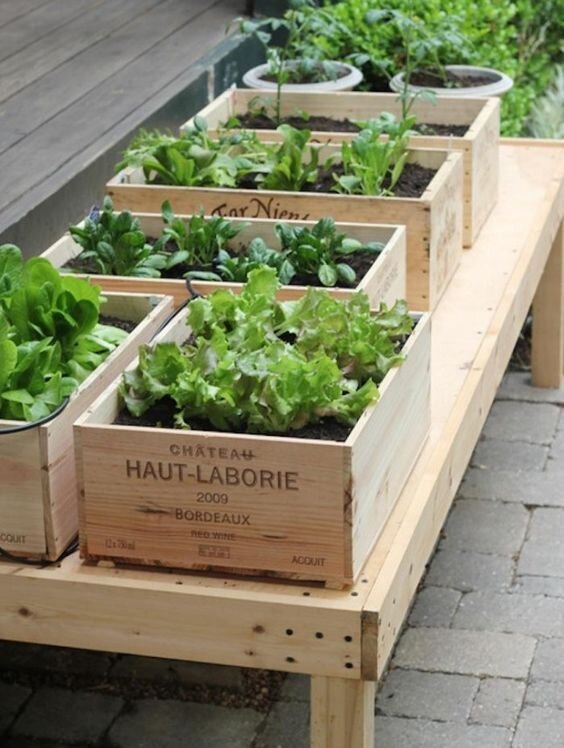
Gardening Spring 2020.jpg

Tools Used by Diy Experts When They Have Less Gardening Experience?

Everyday gardening could be a challenge if you have to call for a handyman to fix or maintain your garden. Thanks to the DIY experts who know how to save money and yet keeping the yard look beautiful always. These DIY handyman gardening tools can save you ample money that you can use on other activities. Perhaps, getting more plants would be an amazing idea for a healthier life.

Take a quick read of this article as we have listed some of the best gardening tools recommended by the precioushandyman.com or DIY experts. These tools come handy when you have lesser experience in gardening and do not wish to experiment on anything with little knowledge.

Tools Used by DIY Experts

1. Gardening gloves:

No task is possible without proper gardening gloves especially with less experience. You cannot afford to face any injury by sharp gardening tools or objects thus, buying a pair of gardening tools will cost you less and save more than on injuries.

2. Shovel:

Shovel is made with some amazing creative ideas too online. You may wish to check some videos by the DIY experts. Shovels could be of different types such as post hole diggers, drain spades, digging shovels, scoop shovels, etc.… Based on your requirement you may buy a shovel within your budget. These come handy as you cannot afford to dig every pot of plant or portion of your grass with a knife.

3. Hose:

No DIY activity works without a watering hose. Watering is more comfortable with the help of a good basic hose. Depending on the garden size, you may buy the tool to water plants. You can cover a larger area than otherwise by bringing a watering hose in your garden. Getting the right nozzle will further help you to reach extra and difficult areas too.

4. Rake:

Rake could be built of metal, plastic, or bamboo. Metal rakes are most preferred by DIY experts for longer durability and quality. You can also choose an adjustable rake to make life easier with gardening. Rakes are one of the most essential tools for gardening especially for beginners. The purpose of buying these is to collect piles of leaves with ease and comfort. The different types of rakes are, lawn rakes, shrub rakes, hand rake, and thatch rake. 

5. Wheel barrow:

Wheel barrows are essential if you have unwanted soil that needs to be moved around from your garden. These come handy to settle compost in the garden bed areas. There are some maintenance tips that need to be followed if you go for a traditional wheel barrow. You may find the basic tips along with the product or you can check these online. Choose a wheelbarrow that you can easily move especially after loading it.

Few other tools that come handy for gardening beginners as suggested by DIY experts are watering can, watering wand, Hoe, garden fork, Loppers, and some small tools. Hope you are all set to settle the beauty of your garden with these cost saving tools. 

 Guest Contributor, Maninder Singh
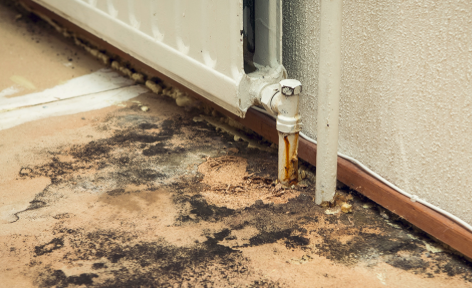
How to Prevent Mold from Growing in Your Basement

RH Business Marketing Solutions

Screen Shot 2020-05-11 at 1.13.48 PM.png

How to Prevent Mold from Growing in Your BasementHow to Prevent Mold from Growing in Your Basement

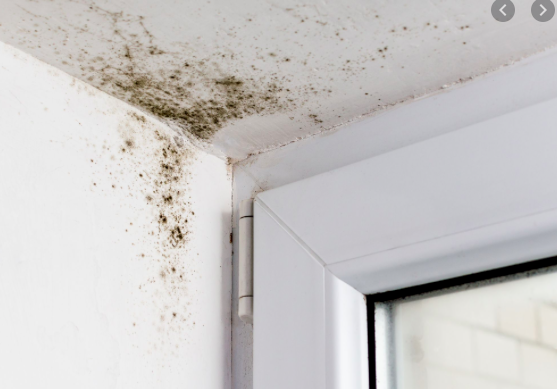
Mold can grow anywhere in your home, but it thrives in dark, damp conditions. It's those conditions that make your basement the perfect breeding ground for mold. Once mold spores begin to develop and spread, they can be very challenging to remove. To prevent basement mold growth, follow these simple tips:

Reduce moisture and seal off areas that could allow water to enter the basement, like foundation cracks, leaking pipes, and doors and windows.

Examine your sump pump. A sump pump is designed to collect excess water and redirect it away from your home, but if it fails, your basement could flood, leading to water damage and mold growth. 


Screen Shot 2020-05-11 at 1.14.08 PM.png

Install the right flooring. Mold grows easily in carpet, which soaks up moisture and is difficult to clean. When it comes to flooring, choose a washable surface, like ceramic or vinyl. 

Perform exterior waterproofing. Plan your landscaping around basement flood prevention, position gutter downspouts away from the home, and clean your gutters regularly. 

Declutter your basement to eliminate congestion that blocks air from flowing freely throughout the space.

Insulate your basement, including pipes, walls, and windows to prevent condensation and to lower humidity.

Keep plants and wood upstairs. Mold feeds on organic materials, so keep greenery and wood in spaces where dry air flows freely.


Install proper ventilation. If your laundry room is in your basement, make sure your washer and dryer have proper ventilation. The steam produced by these appliances will otherwise have nowhere to escape and your ceiling and walls will trap moisture.

Guest Contributor: Austin Werner

Top Causes of Sewer Line Clogs and Ways to Prevent Them in Your Home

RH Business Marketing Solutions

Screen Shot 2020-05-06 at 2.15.44 PM.png

Top Causes of Sewer Line Clogs and Ways to Prevent Them in Your Home

When your home’s sewer line is working like normal, it’s more than easy to just forget about it. Out-of-sight, out-of-mind. A clogged sewer line, however, spells major trouble for your home. This problem not only prevents you from using your kitchen sink, showers, and toilets, but can result in a disastrous—and expensive—sewer line backup. Here’s what you should know about the common causes of sewer line issues and why you should call a plumbing professional for drain cleaning services if you suspect your home has a sewer line clog.

What are the common causes of sewer line clogs?

Overall, clogs represent more than half of all drain failure issues, and most clogs are caused by the homeowner. Clogs form steadily over time as grease, oil, and other food waste becomes trapped deep in the sewer line and begins to accumulate. This messy situation is only made worse by homeowners who put trash—including “flushable” wipes—down the toilet. Eventually, this will clog the line partially, and then fully. When that happens, the wastewater from your home has nowhere to go but up. 

This kind of problem needs immediate attention because if it persists, it can cause severe water damage and affect the entire family's health.

In some cases, sewer line clogs are caused by tree roots or a sunken length of pipe. In the former scenario, the thirsty roots—detecting a small leak or fissure in the buried line—grow toward it. Eventually, with enough time, these roots will envelope and break into the line, forming a hardy blockage that prevents wastewater from exiting the system into the municipal sewer. Finally, a sunken pipe is a part of the sewer line that is no longer level with the rest of it. The entirety of the line is slightly angled so that the part connected to the home is higher than the line connected to the sewer. This allows gravity to carry water and waste more efficiently. A sunken line disrupts this gravity-based system and allows wastewater and material to get stuck.

When your toilet backs up, you may be unable to use it. Not to mention the awful smell that could pollute your entire home that may pose health risks to your family. And when it becomes uncontrollable, it might seep onto your wooden floors and carpet and cause serious water damage.

If the blockage is found at the perimeter drainage system of your home, you would need an expert plumber to have the perimeter drain circling your home unclogged. This is a tedious and labor-intensive process that you can’t do alone.

These drain failure issues apply to both sewer lines attached to municipal sewer systems and to personal septic systems. Most Americans have a system attached to a municipal sewer, so sending items down the drain that can cause a clog may affect more than just your home.

Dangers of a damaged sewer system

A damaged or clogged sewer line can be a costly repair. First, if you have had any sewer backup into your home, you will need extensive water damage repair and, potentially, mold remediation. Then, you’ll need to have the line itself cleared of the clog and repaired. In total, this can cost you thousands of dollars.

If gray water goes into your carpets, you don’t have a choice but to replace it if not attended to within 48 hours. Strict regulations are imposed on this since a serious health risk is involved. 

Suppose you have wooden floors; the dirty water may seep into hard-to-reach corners that, when unnoticed, might encourage the growth of mold. Family members sensitive to mold might suffer from serious allergy attacks and upper respiratory infections. This can cause hospitalization and huge medical bills, not to mention the cost of floor replacement.

If you suspect that you may have a clog forming in your sewer line, now is the time to act. Call a local plumbing professional in your area and have them out for a sewer camera inspection. Using an endoscopic snake tool with a tiny camera attached to the end, the plumber will be able to feed the line deep into the drain and see into the sewer line. As the feed travels through the sewer line, they’ll be able to spot any clogs that are forming, or any leaks in the line. This preventative service is only a small fraction of the cost of a sewer backup, so, for most homeowners, it’s well-worth the peace of mind.

In the event you do have a partial or full sewer line clog, your plumber will provide you with several options for clearing the clog. This may include using a hydrojet to blast out the debris from the line. Or, a plumber may elect to use a specialized snake tool that can cut through the blockage and clear it out.

If you do have a cracked or damaged sewer line, talk to your plumber about trenchless repairs. Most plumbers have equipment today that allows them to replace the line without having to dig the entire thing up. One of the most common methods for doing this involves feeding the new line (with a slightly smaller diameter) into the older one. 

What waste can lead to a clog?

What kind of debris causes a clog? Here are the most common culprits that build up in your line and slow or stop your water drainage:

  • Flour

  • Rice

  • Eggshells

  • Coffee grounds

  • Grease, fat, and oil

These items mix with water to create a slurry or sludge that sticks to the walls of your drain lines. Over time, this can create a complete clog that causes your sink to overflow. There are many other materials—both organic and non-organic—that can accelerate the growth of a clog. This includes orange rinds, hair, flushable wipes, paper towels, hygiene products, and more. The central lesson here is this: if you want to prevent sewer line issues, avoid flushing or putting any of these items down the drain. Put them in the trash instead. When it comes to cooking oil and grease, pour it in a disposable glass jar to cool and solidify. Then, you can throw it away.

Professional solutions

Don’t let a minor clog create a major headache. Contact a local professional for drain cleaning services and help with your sewer line. To learn more about sewer line issues and how they can be prevented, check out this new infographic .

How to Take Good Care of Your Drains.png
Guest Contributor: Amanda Lee

Guest Contributor: Amanda Lee

A Simple Guide to Creating a Cool Summer Garden

RH Business Marketing Solutions

Screen Shot 2020-05-04 at 3.54.09 PM.png

A Simple Guide to Creating a Cool Summer Garden


Description: Seriously, how do you keep your garden cool during hot summer months? The heat can turn your moments of relaxation into uncomfortable hours of sweating and getting sunburned. So what can you do about it? Start by checking out our simple garden ideas.


Screen Shot 2020-05-04 at 3.54.09 PM.png


Summer is coming and the warm months are perfect for parties and relaxation out in the garden. But the intense sunlight can also turn your barbecues and gatherings into a nightmare. Nobody likes to heal their sunburn the next day. So what's the solution? Should you take your festivities inside? Not necessarily. Check out our creative garden ideas to prepare your oasis for the heat. 


1. Relaxing Water Elements 


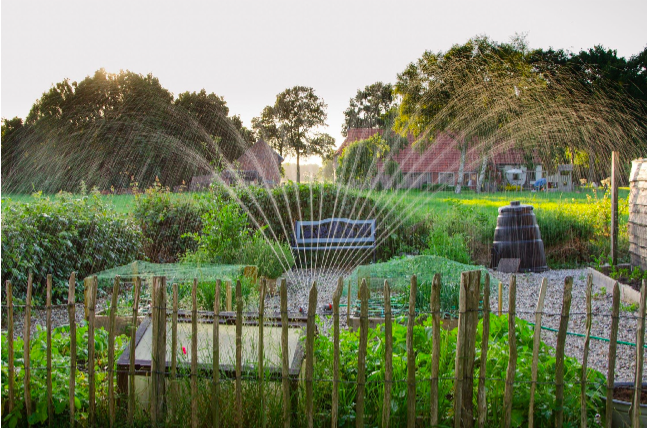
Misting systems are great to relieve some of the stress from the heat. If you're looking for fairy garden ideas, you might want to consider installing a little pond. Other great small garden ideas are little fountains that add atmosphere to your garden and attract butterflies and birds. The best part is that the flowing water can ease your stress levels simply with its sound. Backyard garden ideas for cooling the air can be something as simple as installing an oscillating sprinkler. The kids are going to love it. 

Water also creates a perfect environment for plants to grow. When the weather gets cooler after summer, you can even plant some trees for the future. These will be excellent cover from light. But let's look at some items for protection that you can start using right away. 


2. Garden Ideas for Extra Shade

If your garden doesn't have a leafy tree to protect you from the blazing sun, you still have plenty of options to create some cover. The most simple solution is to get a patio umbrella. You can use it to cover your favorite place in the garden. The colorful umbrellas will liven up your garden. Use some lawn edgers to trim around the flowerbeds and your garden will be ready to host even formal dinner parties. 


But if you have some spare time, you can also put up something more complex for a shade. What are we talking about? A pergola! Put some honeysuckle vines growing on it and soon you'll have a nice cool shade in your backyard. A pergola covered with beautiful vines is also a neat choice for flower garden ideas. 

If you love building and it comes easy to you, we'd recommend you to put up the ultimate shelter from the beams. 


3. Screen House - for the Ambitious Ones


What is the ultimate cover from the sun? It's the stand-alone screen house. To build one, make sure you follow a detailed plan for your project. The cool part is that you can design the screen house to look exactly like you want. The design options are limitless. 

Here's another reason to put up a screen house: it will keep the pests away from your vegetable garden. If you've been looking for some vegetable garden ideas, don't forget to start with building protection for it. 

Conclusion

Summer months can get hot and to fully enjoy your garden, you need to get prepared for the heat. Add some water to your garden, create shades, and if you have enough time, put up a screen house. June is not far anymore, so best get started with creating your cool summer garden now. 

What did you think of our tips for keeping your garden cool? Did we give you some new ideas on how to improve your garden? Got a great tip of your own? Leave comments below, we'd love to know about your gardening experiences. Your opinion is important to us! 


Author's Bio: 

Malcolm Cano is a professional florist and hobby gardener. He loves spending time building his little backyard garden. It has a calming effect on his similar to meditation.  As a dad, he really appreciates making parenting easier with his tips. Also, he had a lot of home improvement ideas to share. Over the years Malcolm has discovered lots of gardening hacks and loves to share these in blog posts.

Guest Contributor: Malcolm Cano


Dehumidifier For Your Home. Worth It?

RH Business Marketing Solutions

image.png

Dehumidifier For Your Home. Worth It?

There are multiple devices that you can use to stay healthy. In this area, one of the most popular options is a dehumidifier. These compact devices can be placed around the house, allowing you to control the amount of moisture in the air. But, are they worth the investment? Let’s take a closer look at this issue, evaluating the benefits that a dehumidifier might be able to provide. 

Prevent Mold And Bacterial Growth

One of the biggest reasons why people choose to install a dehumidifier is to prevent the growth of mold. These have a big impact on your health if you breathe the spores in. For example, mold spores have been known to become attached to the lungs, causing breathing difficulties. This is especially dangerous for people who have breathing problems. This will also reduce the odors that can accompany a mold infestation, like the stench of something rotting. 

There are several reasons why mold and bacteria might grow inside your house. However, the biggest risk is a damp area. Too much moisture in the air could provide the perfect environment for the mold spores to land and grow. By using a dehumidifier, you’ll be able to better control the moisture content in the air. This will ensure that you don’t give the mold spores a chance to grow. 

Protect Your Household Items

Another potential benefit of installing the dehumidifier is ensuring that you are protecting your household items. If the moisture levels are too high, you might notice that your property is starting to rust faster. This can cause jagged edges to develop, with the potential for you to scratch yourself when you touch them. It can also cause the item to start to lose structural integrity. As a result, you’ll need to replace rusted items. 

It’s also possible that the high moisture content in the air could also start to its toll on electronic equipment. In some cases, it might be able to penetrate through the circuit board, causing potential problems. Using a dehumidifier will be able to prevent these problems. Because you won’t have to replace household items as frequently, you might be able to save yourself some money in the long term. 

image-3.png

Save Money On Air Conditioning Costs

While high-end dehumidifiers can represent a significant investment, they might also be a great way of saving you money. This is especially true when considering air conditioning costs. When the air conditioning systems are working in a highly humid environment, it needs to both heat or cool the air, while removing the moist air. By using a dehumidifier, your air conditioner won’t need to use as much electricity to create a pleasant environment in your home. As a result, you’ll be able to save a lot of money. 

Breathe More Comfortably

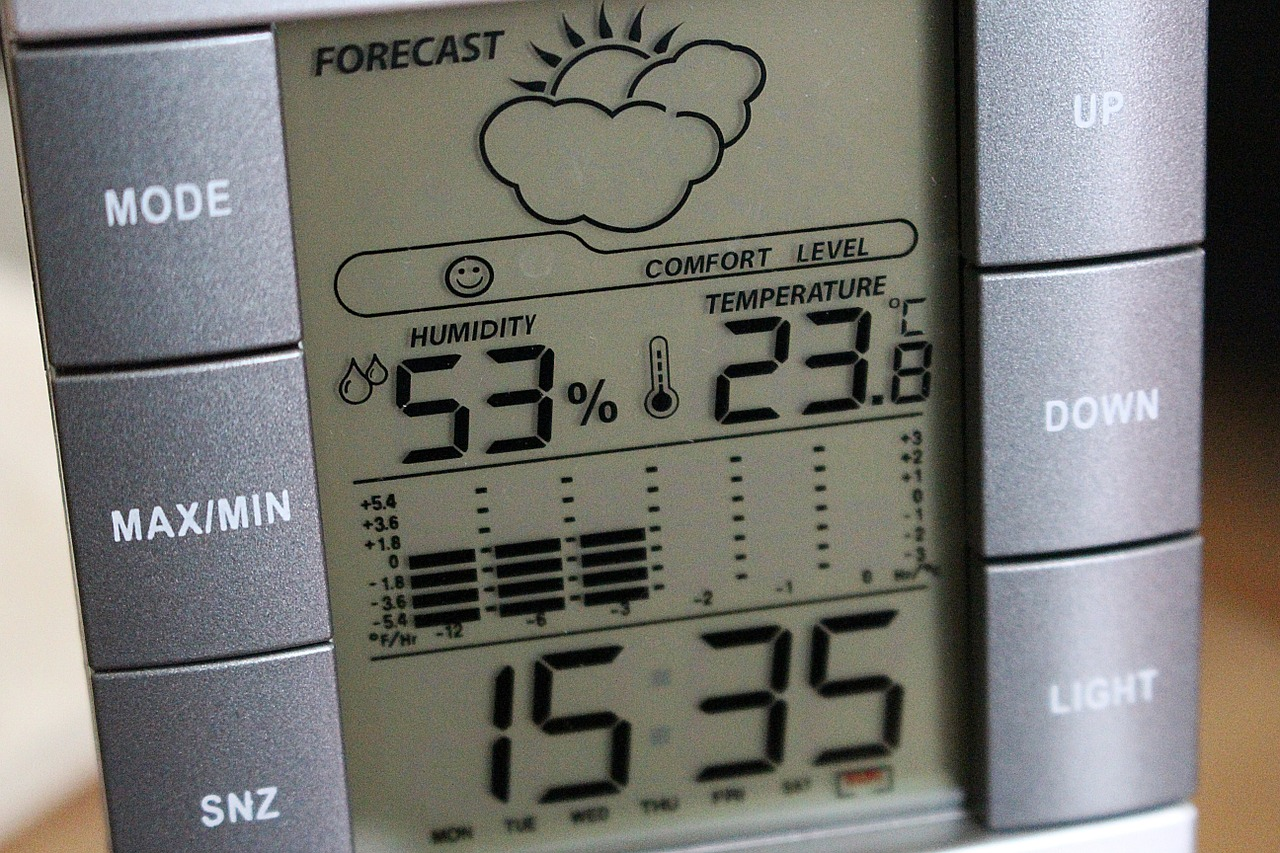
Controlling the moisture levels in the air will determine how easy it is for you to breathe. You need to have enough moisture to form a layer of mucus in the nose. However, if the air is too moist, it becomes dense, this makes it harder for you to breathe. When you have a dehumidifier, you’ll be able to monitor the moisture level in the area. When it starts to get too thick, it will be able to automatically switch on, and bring the moisture levels down again. 

image-2.png

Reduce Skin Irritation

High humidity levels might also be linked to skin irritation. When the moisture levels get too high, it can cause you to produce more sweat and other natural oils. As a result, your pores become blocked. By keeping the moisture levels in check, you’ll be able to prevent this from occurring. 

Conclusion

Hopefully, you now have a better idea of some of the reasons why people choose to get a dehumidifier for their homes. These can be a great way to protect your property from damage and improve your health. There are dozens of models for you to choose from, so you can find the one that’s best suited for you. To help you choose the right one, you can use these excellent dehumidifiers with pump review So, pick a great dehumidifier today and take care of your home and health. 

Guest Contributor: Madeline Stokes

 8 Ways to Add Color and Vibrance to Your Home

RH Business Marketing Solutions

Screen Shot 2020-04-23 at 1.06.58 PM.png

 8 Ways to Add Color and Vibrance to Your Home


Looking for creative new ways to add colour and liveliness to your home? Expensive remodels, and excessive paint jobs are not the only way of making your home vibrant and beautiful. The process of turning your house into a bright and vibrant space can be extremely rewarding, but it never hurts to have some pointers. We have handpicked our favorite bright ideas to help you turn the home of your dreams into a reality.


The Little Things

In life it helps not to sweat the small stuff, but when it comes to adding colour to your home, small touches can have a huge effect. Adding splashes of color to existing furniture, for example, can be a simple and cost-efficient way to liven up your living area. Get some colorful pillows to brighten up a dull chair or a throw-rug to bring new colour to an old couch.


Paint Smart

It can be a little counter-intuitive, but white walls can be much more effective than loud, paint jobs. White walls reflect all light sources, both natural and fixed, highlighting the colors you have. That doesn't mean you can't make the most of a splash of color. Painting the focal point of your living space to create a feature wall can be a great way to add color. 


Go Green

Don't underestimate the power of bringing nature inside. Natural greenery is a great way to liven up a house and make it feel vibrant. Little touches like a plant in a corner or on a bench can make a huge difference. Likewise, making sure your garden is looking lush can be a great way to brighten up your home from the outside in. 


Furniture

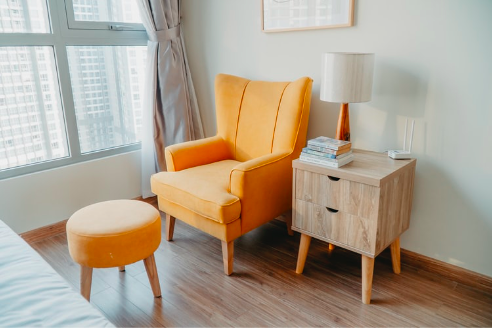
Furniture gives character to our houses and makes our homes feel unique. Furniture can also be a great way to brighten up your living spaces. Consider a few new additions to make your home feel young again. A colourful new armchair or a set of vibrant new stools can be a great way to breathe life into your home with a splash of colour.


Don't Forget the Exterior

Brighten up your house from the outside in with a new lick of paint. Old exterior paint jobs can make a home feel tired and old. A fresh paint-job, even if it's just a white coat or a touch-up, can instantly make a house feel vibrant and new. First impressions count. Make sure you are doing everything you can to make your exterior just as beautiful as your interior. 


Lighting

Making sure your lighting is optimal is one of the most important things you can do to add colour to your home. There are plenty of ways to do this, but first, make sure that your fixed lighting is up to standard. Replacing light bulbs and cleaning light fixtures and shade can be a great way to make the colours of your home stand out. Likewise, installing lighting fixtures in key locations over a dining room table, for instance, can be a great way to make a room pop. Secondly, be sure that you are making the most of your natural light as well. Cleaning windows can be a simple yet effective way of letting that precious natural light in. Curtains can also make a room look dark and moody, consider a switch to blinds to lighten up your home. 


Consider Colourful Upgrades

Update your kitchenware with new colorful additions. Many companies now offer vivid and vibrant colours for everyday appliances, and it can be a great way to add a splash of colour to a dull kitchen counter. So, if your kettle is on the fritz, consider a colourful new addition to your kitchen to breathe new life into your cooking space.


Keep it Clean

Cleaning up clutter is another simple way to make sure your home feels vibrant and fresh. Messy benches and cluttered corners make our living space feel small and dull. Cleaning up the clutter will accentuate your colour choices and make your home feel bright again. Same goes for your backyard, make sure garden tools are off the ground, and your outdoor area is clean and tidy. If you need more space, consider going vertical. Hang tools on an unused fence or the inside of a shed door. Never underestimate the power of a clean home. A clean house will instantly make your entire home feel brighter.


Breathing a bit of vibrance and colour can be as simple as focusing on a few new additions while taking advantage of colours you already have. Every home is different, but with a bit of work, adding color to your home can be a fun and enjoyable task. Get started now, and the home of your dreams will be closer than ever. 


Author bio:

Harper is a freelance content writer based in Auckland, New Zealand. On her days off, you’ll often find her binge-watching home improvement shows or working on a new DIY project. Check out more of her published pieces on Tumblr.


Guest Contributor: Harper Reid

The Best Home Improvements to Make During Winter Months

RH Business Marketing Solutions

The Best Home Improvements.jpg

The Best Home Improvements to Make During Winter Months

Winter may not sound like the ideal time to get renovations done around the house, but if you’re home and avoiding the cold weather, it can be a great way to pass the time. If you’re choosing to sell your home soon, many people will be home shopping during winter, so it’s great to be prepared for shoppers ready to put in an offer. Here are some of the best home improvements to make during the winter months. 

A Fresh Coat of Paint

An updated color on your walls can change the whole atmosphere of your home. Not only does it look great, but a rich neutral tone can be a helpful tool when selling your home. Sure, having hot pink walls may feel fabulous for your style, but it could potentially be off putting for those viewing your home. Switching out your personal touch for a neutral brown, tan, or grey can help possible buyers envision themselves in your space. You might even get a discounted price on your new paint because of the season. 

Update Your Cabinets

A new stain, a coat of paint, or even just new hardware can bring new life to your cabinets. It can change the whole vibe of your kitchen space, and make you fall in love again. This update can be relatively inexpensive and make a significant impact on your kitchen. New hardware pieces can easily be purchased on Amazon and be delivered straight to your doorstep, so you don’t even have to leave the house and brave the cold. 

Check on Your Insulation

The summer might not be the best time to check how well your windows and doors are insulated because of the heat. During the winter, you can feel the chill coming through anywhere that isn’t well insulated. Recaulking or resealing these gaps is essential for your heating system in your home and keeping your heating bills to a minimum. This is one of the easier ways to keep your home warmer during the winter months. 

Replace your Flooring

The winter months are the perfect opportunity to replace your flooring. While this can be a more significant project than just a simple update, it’s one that can make a big difference in the look of your home and really increase its value. If you live in a place with harsh winters, hardwood floors can get damaged easily and be continuously soiled. They can also maintain a cold temperature. You can put down new carpet to alleviate these issues or a lovely laminate flooring that looks high-end and beautiful. Rooms like the kitchen, your bedrooms and bathrooms can be the best rooms to tackle for a flooring project. 

Little Maintenance Tasks

Things like changing your smoke detector batteries, checking on your furnace filter, changing all your light bulbs are things that we know we need to do, but often forget. Doing a deep clean and organizing your garage or closets are significant tasks to tackle as well, mainly if you’re selling your home. 


Keeping yourself productive during the winter months can help you feel better overall, especially if you’re stuck in a long and harsh winter. It’s also great for your home’s resale value. Winter might be the best time to buy a home, so it’s an excellent idea to be prepared!

Guest Contributor: Lydia Boudreau

Searching for an Accessible Home? 5 Tips for House Hunting

RH Business Marketing Solutions

Searching for an Accessible Home? 5 Tips for House Hunting

Are you a first-time homebuyer with a disability or a senior looking to move into a new house? If you’ve decided that homeownership is right for you, but you don’t know how to find an accessible home, you might be wondering where to begin. If you’re about to start house hunting, you may be confused about what steps you need to take to find the perfect accessible home. By following these tips, you’ll be able to buy — and modify — the right home for you. 

First Steps

The first steps of your journey to homeownership will involve going over your financial portfolio and credit report, working with a lender to get pre-approved for a mortgage, and deciding how much of your savings you can realistically put towards a down payment. In addition to these important tasks, you should consider which accommodations your future home will likely need and begin budgeting accordingly. If you wish to seek assistance from organizations that help people with disabilities secure appropriate housing, now is the time to reach out. 

Finding a House

By partnering up with a real estate agent who has helped other clients find accessible homes, you can attend promising open houses. Pro Agent Solutions recommends being friendly and personable with the seller’s agent to make a good impression.

You might fall in love with a quaint, older home you see advertised, but this generally isn’t the best choice when you’re looking for an accessible property. You will have an easier time modifying a recently constructed home, and finding space for all of the fixtures and tools you need is simpler in a larger house with an open floor plan. 

Check Systems

Before you make your big move, you need to make sure that all of the essential systems in your home are working properly. For someone with a disability, a maintenance issue can be extremely inconvenient or even dangerous. 

During your home inspection, ensure that there are no minor plumbing leaks and that there are no problems with the water flow from sinks, toilets, or showers. Check on your HVAC system, too; you don’t want to live in a home with poor air quality, which could irritate allergies or exacerbate other medical conditions. Your electrical system should also be thoroughly inspected, as a loss of electricity could render essential medical devices useless. 

Install Wood Flooring

Does your new home have carpeting? Time to tear it up and install wood flooring instead, which is a safer option for people with mobility aids. Cleaning and maintenance are simpler with wood floors, and the fact that wood flooring increases your property value is a nice bonus.

To budget for flooring installation, you’ll need to figure out the cost of furniture removal, subfloor repairs, and flooring disposal first. Next, it’s time to decide on your preferred material. Pine and bamboo are on the cheaper side, while exotic and engineered woods will cost you more. Expect to pay about $2 to $6 per square foot of materials for a traditional hardwood like red oak, while an engineered wood like maple would cost about $10 to $11 per square foot. 

DIY Upgrades

You don’t have to pay contractors for all of your projects! Why not try some DIY upgrades? For instance, a loved one with a tool kit could install grab bars where necessary; according to Interim Healthcare, they will cost between $15 to $30 from your local hardware store.

Looking for more simple projects? Come up with convenient storage solutions for cords and chargers in each room so that you don’t trip. And for a quick fix, you can also utilize a temporary wheelchair ramp at your door before installing a permanent one. 

Finding an accessible home in your local real estate market can be challenging. Chances are, you’ll need to be ready to go forward with several remodeling projects before you move in. But if you’re prepared and informed, there’s nothing standing in the way of finding your dream home.

Guest Contributor: Patrick Young

Mold Removal: When To Call A Pro

RH Business Marketing Solutions

Screen Shot 2020-04-13 at 10.51.48 AM.png

Mold Removal: When To Call A Pro?

It’s only right to be alarmed once you see mold forming in certain areas of your home. After all, mold is unsightly, it can smell awful, and worse, certain types can make you sick. You need to get rid of mold right away, because it can only get worse if you ignore it.

Mold is easy enough to take care of once you detect it early. You can fix the mold problem yourself, but there are situations when you will need to call in mold remediation professionals.

Facts About Mold

For home and business owners, mold is nothing more than a nuisance, and they will be right. However, mold is an entirely different thing for the ecosystem. Mold is a fungus that helps break down dead leaves, plants, trees, and other biological matter.

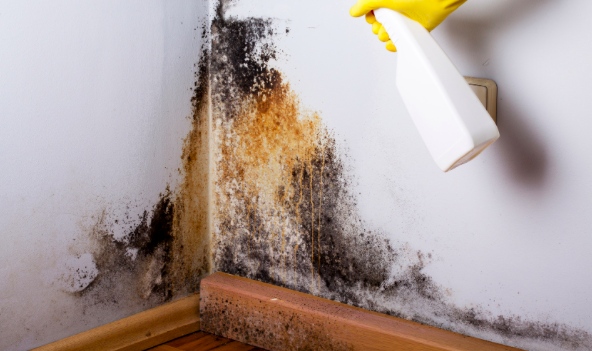
Mold only becomes a bother when they form inside our homes and buildings. Then again, if the moisture levels in your property are high, it’s but normal for mold to form since the fungus thrives in damp areas.

The bathroom, for example, is a favorite place for mold. If your bathroom has poor ventilation, it’s very likely for mold to form on its floors, walls, and shower curtains.

The basement is also a place where mold formation is common, as the presence of water heater tanks and sump pumps there contributes to making it a damp and humid environment.

Plumbing issues like leaking pipes inside walls can also cause mold to form. Fail to notice such a leak early, and an entire mold colony will likely form on that wall within a short period.

What Mold Looks and Smells Like

Mold can look like a fuzzy patch, a slimy spot, or a slick film on surfaces, and they come in a wide variety of colors. According to experts, the colors produced by molds can vary according to region. In the Pacific Northwest, for example, blue and green mold are common. In South America, on the other hand, orange is a more prevalent color. Mold can also be purple, white, brown, yellow, or black.

Mold typically gives off a musty smell, so if your nose detects the slightest bit of mustiness, there is a high possibility that the fungus has already invaded your property.

Health Issues Mold Can Cause

Considering that our homes and businesses will always have more humid than usual spots, it’s entirely possible that we already have mold spores flying around. For all we know, we may be inhaling them unknowingly, but it shouldn’t be a problem if it’s in small amounts, and you’re not allergic to mold. What would make you sick is if you inhale them in larger quantities. Sneezing and coughing fits, red, itchy, and watery eyes, and skin rashes are symptoms of an allergic reaction to mold.

In severe cases, exposure to mold can trigger breathing difficulties or even an asthma attack, both of which should be given immediate medical attention.

DIY Mold Removal

When your mold problem only occupies a small and limited area, you can easily deal with it yourself. There are commercial mold removers on the market, but if you want a safe, effective, and cheap way of removing mold, look no further than your kitchen cabinet.

Vinegar is very good for removing mold, as it kills 80% of mold species. It may also be the safest mold remover out there. It’s safer than other home mold solutions like bleach, hydrogen peroxide, borax, and ammonia.

All you have to do is put vinegar in a spray bottle, and apply it on walls, floors, and other surfaces affected by mold. Rinse the vinegar off after an hour. Reapply vinegar every few days to keep mold from coming back.

When To Call A Pro

Some mold problems are far too big and complicated for DIY mold removal. Vinegar won’t do any good if the affected area is at least 10 square feet. A spray bottle also won’t cut it if you had to reach mold growth behind drywall, sub-flooring, and other hard-to-reach places.

When you’ve got a nasty mold problem, you may have no other choice but to bring in mold removal professionals.

Those who are pros at removing mold don’t just expertly pinpoint areas with excess moisture, identify mold colonies, and clean them off surfaces. They also restore mold-damaged parts of your property to the way they were, and take steps and give you advice to ensure that mold will never return.

Call mold removal professionals now if your mold problem is too big to handle so it doesn’t get any worse.

Guest Contributor: Rachel Anderson

Why Residential and Commercial Plumbing is Important Now More than Ever

RH Business Marketing Solutions

Screen Shot 2020-04-07 at 4.04.27 PM.png

Why Residential and Commercial Plumbing is Important Now More than Ever

If the current pandemic has taught us anything, it has taught us to be grateful for advances in indoor plumbing and the ability to wash our hands as many times a day as we want. The coronavirus is a pandemic created by a virus that we don’t know a lot about. But the one thing we do know is that transmission can be prevented by social distancing along with rigorous and thorough hand-washing. Here are some of the ways plumbing is going to help us wrangle the current crisis:

Well-Functioning Plumbing Protects Our Families

The reason a well functioning plumbing system is so crucial now is because of the numbers: we know that current data suggests that every person who gets it is likely to infect two more people. 

While other diseases have a higher death rate, they haven’t had the extreme effects on the world as the coronavirus. They also didn’t have such successful, single-function protection, the success of which is determined by the ones who do--or do not--stand at the sink, soap bar in hand, and lather up every tiny crease in and around each palm, knuckle, and phalange to the tune of ‘Happy Birthday.’ 

Plumbing Relieves Fear

Our plumbing system has gone beyond basic hygiene and the capacity to help keep us calmer. People like to feel like they’re doing their part to protect themselves or prepare. (That’s part of the reason for the toilet paper shortage.) The sink and faucet are now an essential part of personal and community health and safety. All we have to do is use soap and water and wash away our fear in a swirl of soap and dead germs down the drain. 

Beyond Residential Plumbing

Commercial plumbing also represents a framework for stopping contagion on many levels. Soap and running water that safely drains away is an even greater tool than any current immunizations or antibiotics. All over the world, medical professionals and facilities are doing their part by responding to the heightened need of patients for proper washing of hands, and by keeping facilities clean to lower the reinfection rate.

All Clean on the Home Front

Families are protecting themselves and their homes, too. Washing machines and dishwashers take cleaning to the next level by keeping clothes and dishes out of the realm of contagion. The CDC recommends washing all frequently-used surfaces thoroughly with a regular household detergent and water. These measures are slowing contagion and keeping home quarantine areas safe.

Say ‘no’ to Wet Wipes

Wet wipes are the bane of every plumbing system. When the makers of wet wipes optimistically tout them as ‘flushable,’ you can bet they meant they are flushable in a home where no one minds if the plumbing backs up. Unfortunately, the problem has extended to municipalities, who are warning residents that the toilet paper crisis will turn into a municipal wastewater nightmare unless residents curb their wet wipe flushing. A trash can beside the commode can hold used wipes, an inconvenience until one recognizes that it is saving the cost of an emergency plumbing clog caused by flushing wet wipes.

Thanks to the current state of affairs, it could be said without hubris that residential plumbing is crucial to the stop of the spread of coronavirus. We are all doing our part. Social distancing has become part of American life for the time being. The only other thing we have to do is keep washing our hands!

Plumbers aren’t on the front lines of treating the sick. But, we are on the front lines of preventing the spread of this prolific virus whenever we do a plumbing repair. While the exterminators and painters are limiting themselves to exterior work, we plumbers are still on call to keep the plumbing functional and maintain a family’s ability to protect their health. 


About the Author: Richa is a content writer specializing in plumbing and HVAC related topics. This article is written by her for King Plumbing, Heating and AC – Mesa’s top rated plumbing and HVAC company

Guest Contributor: Richa Khandelwal