Google+

contact us

Use the form on the right to contact us.

Day or Night, we are here to serve you. Leave your plumbing problem to us.


Tinley Park, IL

(708)845-7922

Residential and Commercial plumbers and plumbing contractors available in Orland Park, Tinley Park, Oak Lawn, Palos Heights, Midlothian, Oak Forest, Homer Glen, Mokena, Frankfort, and the surrounding Chicago South Suburbs. Emergency plumbers.

copper water lines.jpg

Kevin Szabo Jr Plumbing Blog

Kevin Szabo Jr Plumbing is Tinley Park, Orland Park, Oak Forest, Midlothian, Orland Hill, Homer Glen, Mokena, Frankfort, Crestwood, Palos Heights, Oak Lawn, local plumber. Read our blog for advice, tips, a good laugh, and basic home improvement.

**We are moving our old blog to our new and improved website. Too see all our posts visit kevinszabojrplumbing.blogspot.com

Filtering by Category: May

Closet Cleaning Tips

RH Business Marketing Solutions

One room that always seems to need more space is the closet. As seasons change, wardrobes expand, and more items gain sentimental value, the closet can get pretty full. It can be difficult to maintain an organized system that keeps everything neat and tidy. On the days when a clean-out can’t be avoided, try some of these steps to achieve a pristine closet.

Tackling the Tower of Stuff

Cleaning a closet is sometimes a huge task because it involves going through piles of belongings, as well as dusting the surfaces and cleaning the floor. Plus, there’s the emotional struggle: You’re more likely to keep a certain item if there’s sentimental value attached to it. Though that “just in case” event may seem plausible, holding on to unnecessary pieces will only make the clutter worse. Here are a few things that you should consider donating during a clean-out:

  • Duplicate items

  • Clothing that doesn’t fit

  • Tattered undergarments

  • Promotional t-shirts, hats and bags

  • Items that will probably never get repaired

Storing ripped, shrunken, outdated, and logo-covered items doesn’t do a closet much good. Once you know what not to keep, it should be easier to start building a wardrobe that gets the most use.

Getting Started

What sets many people back in the clean-out process are the feelings of nostalgia, distraction, or discouragement along the way. When it’s to start, work as quickly as possible with minimal breaks so as not to have too much time to talk yourself out of filling the donation box. Although it’s okay to appreciate items and how they have served you in the past, remember the mission and keep working.

1. Take everything out. Don’t underestimate the power of a clean slate. Set aside a weekend to tackle the project piece by piece. If you complete a full inspection of the available space, you should be better equipped to find a place for everything. Wipe down surfaces, sweep away the cobwebs, and you’ll be surprised to find a new perspective once everything is clean.

2. Get rid of unused items. There is probably a collection of articles in the closet that get rotated regularly throughout the year. If you wear or use it regularly, keep it. For everything else, a good rule of thumb is to use the six months treatment: If it hasn’t been worn or used in the past six months, get rid of it. If it is in good condition, donate it.

3. Add storage solutions. There are hundreds of products and storage systems designed to prevent clutter in the closet. Whether it’s a rolling rack, flocked hangers, clear containers, shelves, or drawers, implementing some additional structure can help keep your space tidy after the job is done. Just make sure to maintain it long-term.

4. Color coordinate. Organizing by color allows for better visibility of shade varieties. It can also prevent you from buying duplicates, encourage you to expand into other hues, and add an aesthetically pleasing perspective. You’re also more likely to control the organization easily if clothes get put away with their appropriate color.

5. Group accessories together. Small jewelry, scarves, ties, shoes, and hats often get lost in a tightly packed closet. To avoid losing these smaller items, group them together and buy a jewelry box, drawer separators, or over-the-door organizers to keep valuables and accessories in one place.

6. Flip hangers. Whether it’s a blouse that fits just right or a trusty pair of jeans, that go-to clothing item could leave the rest of the wardrobe abandoned in the back. To combat this issue, try this trick: Turn each hanger the opposite way in the closet. After wearing an item of clothing, flip the hanger back to its regular position. Whatever is left backward after a predetermined time gets donated.

It can be a struggle to downsize a closet and sustain its cleanliness and efficiency. Once a few systems are set in place, however, it could help prevent unnecessary shopping, broken or lost items, and another major clean-out. After eliminating some of the dead weight that was tucked away, chances are you’ll feel better about filling the closet with garments that make you happy.

AUTHOR BIO: Tom Happ is President of Closet Works, the parent company of CLOSETS.COM. Happ and his team of more than 100 employees use their vast experience in the closet and organization industry to design, manufacture and deliver custom storage solutions to homeowners throughout North America.

Outdoor Showers Are a Must This Summer

RH Business Marketing Solutions

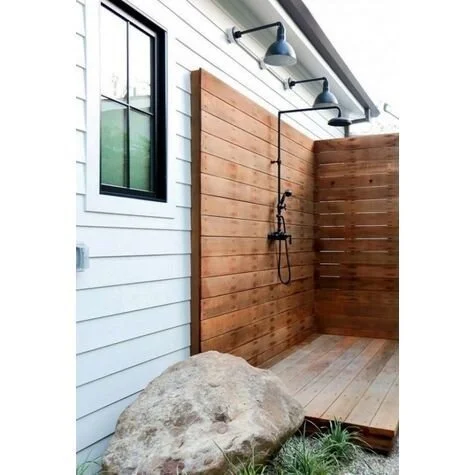
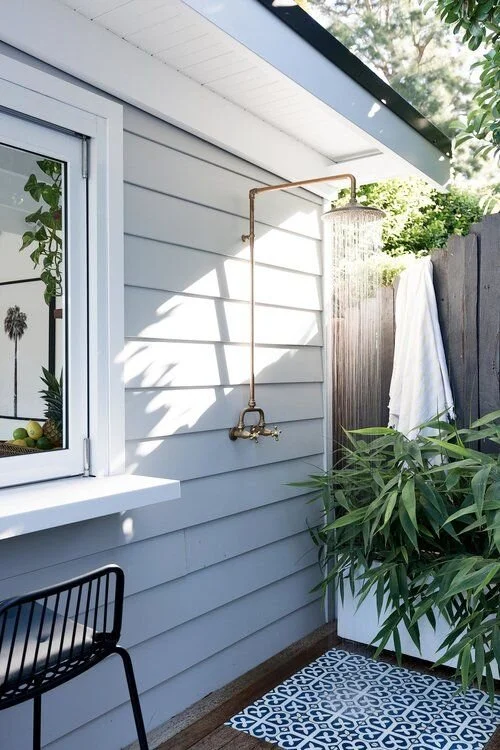
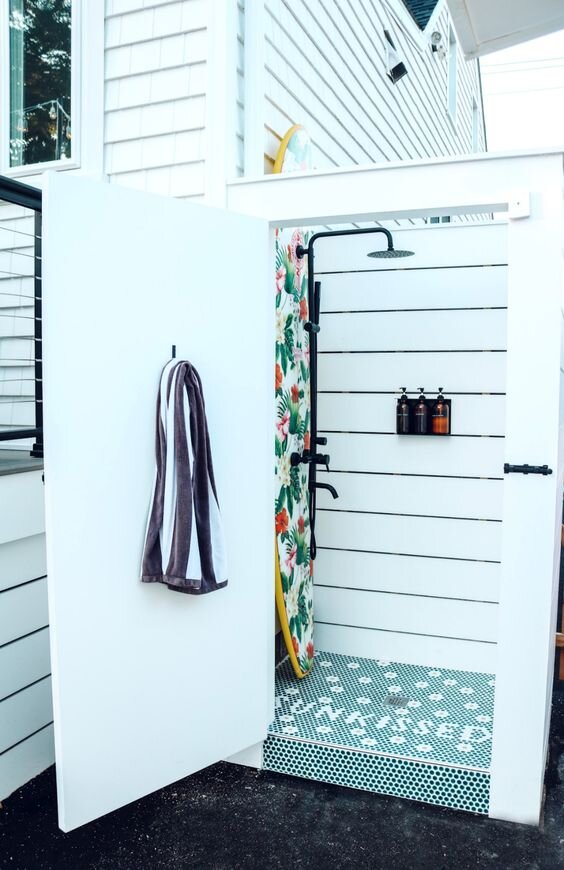
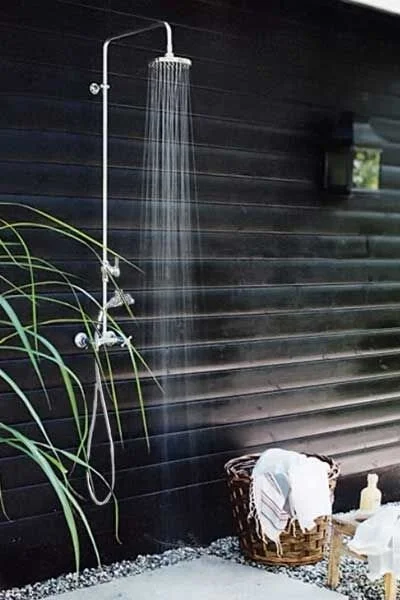
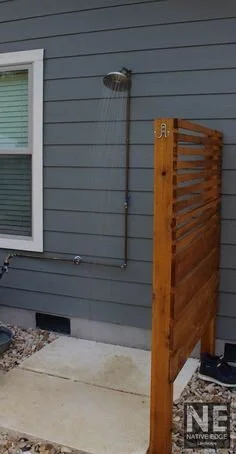
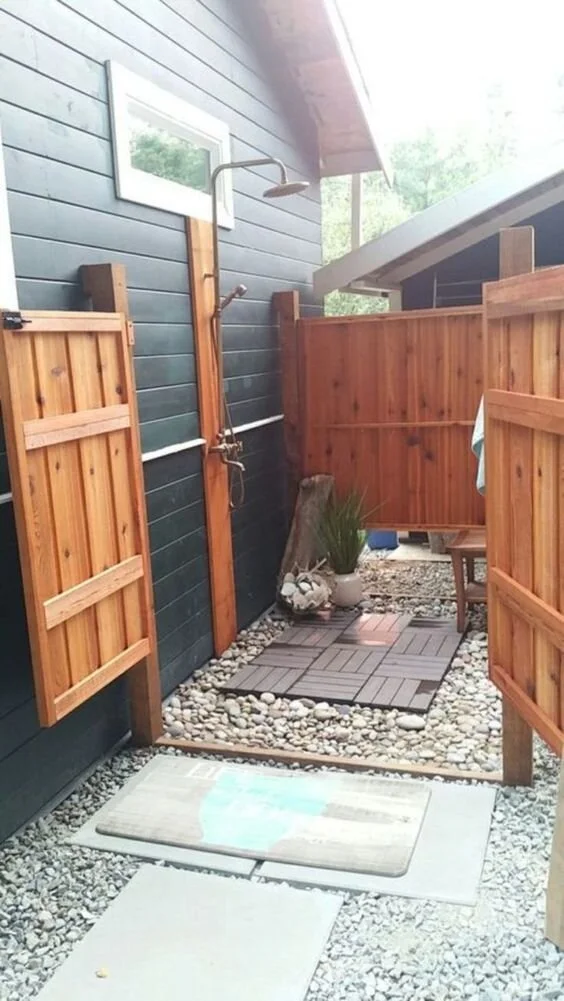
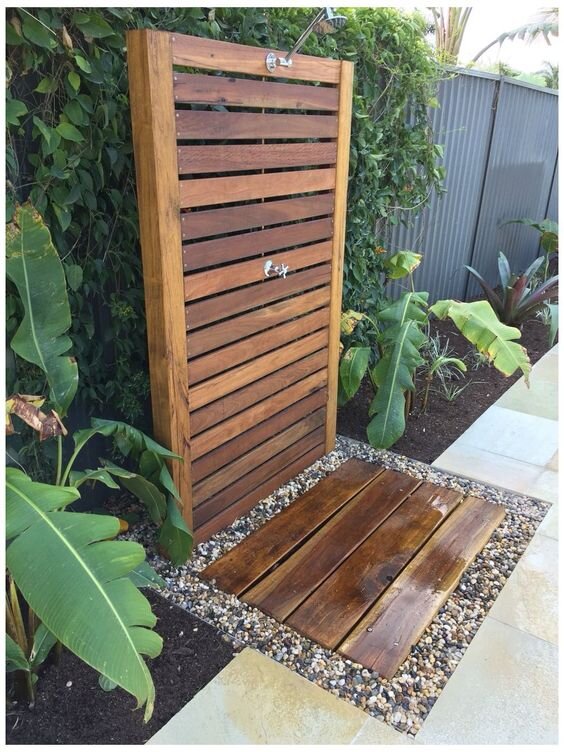
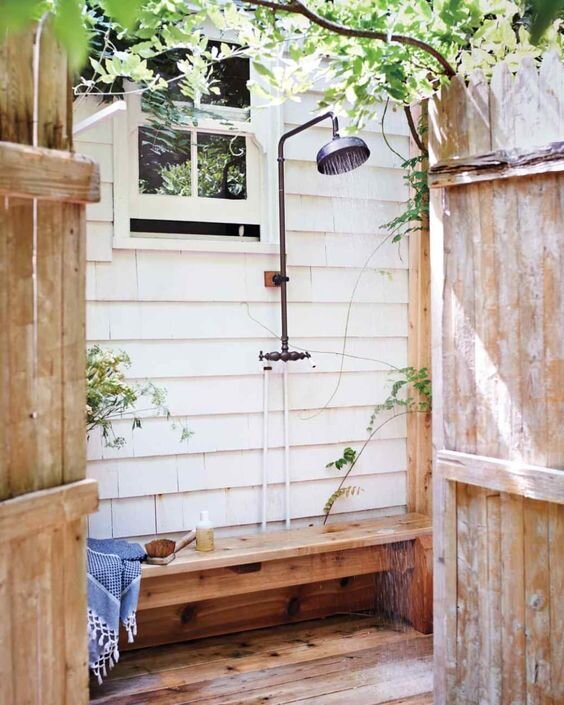
There are plenty of good reasons to get an outdoor shower, and very few, if any, reasons why you should not get an outdoor shower. They can be whatever you want it to be, luxurious, simple, rustic, the sky is the limit when you have an outdoor shower. They’re practical and can be used to wash off sand from the beach, rinse of chlorine from a pool, or just to shower at night to gaze at the stars. Here are some of the best outdoor showers we’ve seen lately that range from simple to complex.

6 Tips for Dealing with Rental Property Maintenance in a Fast and Efficient Manner

RH Business Marketing Solutions

Rental properties have always been seen as a good, reliable investment and for a good reason too. People will always need housing, and keeping in mind the constant growth of population and migrations from rural to urban areas, the value of real estate won’t see considerable drops in any foreseeable future.

However, we should keep in mind that rental properties are not money-printing factories. Staying competitive and making money requires that you need to put a lot of effort into maintenance and keeping your investment in good shape.

Here, we are going to take a look at some of the ways you can perform this responsible task with as little time, money, and effort as possible.

Establish transparent communication

Once the tenants move into your property, the vast majority of inspection and maintenance duties will fall on the shoulders of your tenants. If you clearly communicate that you care about keeping the property in good shape, your tenants will also take the issue much more seriously. But you have to remember this is a two-way street, and trust is built on trust. When the tenants file a complaint, you need to be quick to react. Also, try not to appear intimidating. Tenants that are not comfortable with the landlords tend to postpone their reports until minor issues blow up into big and expensive problems.

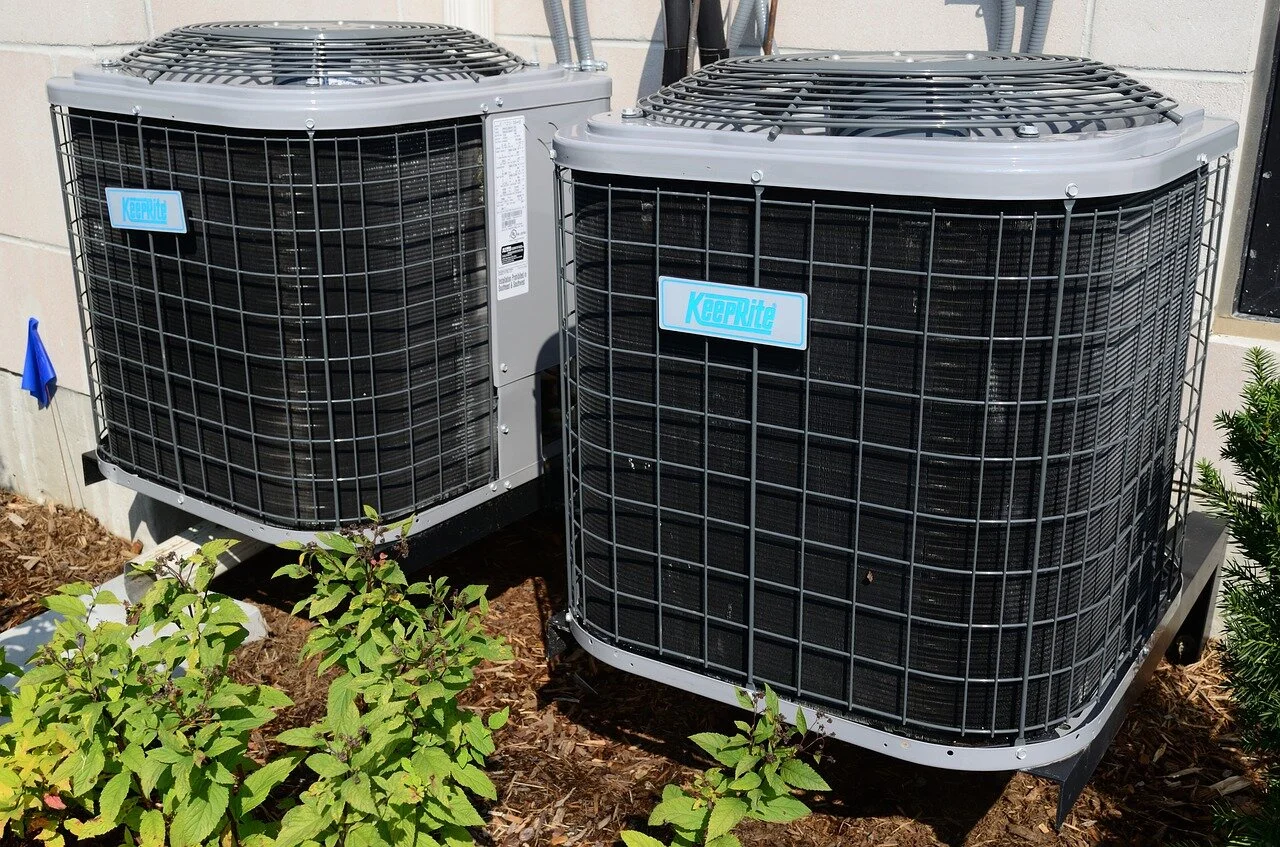
Test your HVAC system

One of the main issues with HVAC systems is that they stretch throughout the entire property. Even the most minor problems may force you to tear down the walls and undergo expensive repairs. Therefore, your main goal should be prevention. With that in mind, you should do your best to perform regular HVAC checkups that should consist of the basics like resetting the system, checking the air filters and replacing them when necessary, checking furnaces and AC wires, making sure the thermostat is in proper heating and cooling mode. All these steps are well within reach of an average landlord. 

Audit the property for leaks

Water leaks are probably some of the biggest problems you can face as a landlord. In their initial stages, they are notoriously hard to identify, and the devastation they cause if left unchecked is measured in hundreds of dollars. That is why you need to identify potential design flaws and leak issues of your property as early as possible and set up contingencies as early as possible. Fortunately, we can see a number of companies like Australia's Detec NSW that are expanding their services to electronic leak detection (ELD) and other measures that keep maintenance costs at the bare minimum.

Do it yourself whenever you can

Small maintenance issues like faulty doorknobs and broken light switches are like flue – it's not really a question of whether you are going to catch them or not but rather when. Since they are so frequent, they tend to stack up and create some glaring and noticeable expenses. The thing that makes this situation even worse is that 90% of problems like leaky faucets and painting chores can easily be solved with your own resources. So take some time to learn a couple of simple DIY home repair or improvement projects and stop paying the hired labor for the fixes that are within your skill reach. 

Embrace standardization and automation

These methods are keeping maintenance as simple and streamlined as it gets. For instance, easy standardization can be accomplished by always choosing the same proven brands, appliances, hardware, and repair services. This way, you will always know how much money you have at your disposal as well as have an idea about the expected repair time frame. Automation largely falls into the playing field of the modern rental property management software platforms like Buildium that do a great job at streamlining processes like rent collection, sorting through the report tickets, etc.

Set the baseline for the condition of your property

Otherwise, neither you nor tenants will have a clear idea when repairs need to be performed, when, or how. This is the other side of the standardization coin that removes any uncertainties from the property management process – standardization will offer solutions for various problems, regular baseline checkups will tell you when you need to apply them. Provide your new tenants with comprehensive to-do lists they need to go through at the end of each month, make sure they have efficient channels to report the problems, and you will cut a majority of issues right in their root.

Wrapping up

These few tips make only a portion of the puzzle we know as rental property management, but they should give you some general idea about the steps you should take to keep your investments in good shape and competitive. Earning money off real estate may be reliable, but it's far from effortless. Fast and efficient property management is what gives you the edge in this business and allows you to outmaneuver the competitors.

About the author: Mike Johnston is an avid blogging enthusiast and experienced freelance writer. He’s a regular contributor to numerous online publications where he writes about real estate, construction, home improvement, and interior design.

How To Pack Up Your Bathroom For A Move

RH Business Marketing Solutions

Bathrooms are typically the smallest rooms in your home. For this reason, you may think they are the easiest to pack during a move. However, the bathroom is an area of the house where many fragile and breakable items are stored, from cosmetics and cleaning products to opened shampoo bottles and wet bars of soap. 

Many toiletries are housed in glass bottles, jars and other types of containers that have potential spill and breakage risks, which poses a packing challenge. Cramming these items into one box could leave you with a soapy mess. Read on to learn how to properly pack your bathroom for a smooth relocation. 

1. Sort Your Belongings

Packing your powder room by pulling out one item at a time from different areas of the room can be time consuming and overwhelming. For this reason, sorting belongings first can make the process easier. Begin by pulling items from the cabinets, drawers and shelves and group them into these categories: 

  • Appliances (curling irons, hair dryers, straighteners)

  • Cleaning supplies

  • Cosmetics

  • Haircare products

  • Medications/prescriptions

  • Miscellaneous items (candles, decorations, etc.)

  • Toiletries (toothbrush, toothpaste, deodorant)

  • Towels and linens

2. Purge Old or Unwanted Items 

Before packing your sorted belongings, take the time to get rid of any toiletries that aren’t being used. Toss any old medications, empty shampoo or conditioner bottles, old cosmetics and other products that are no longer useful. If you have duplicates of a product, consider selling or donating them. 

3. Pack With Purpose

After sorting and purging, it’s time to pack. Keep everyday items, medications and essential toiletries with you during the move. That way, you’ll have easy access to your products without having to hunt through various boxes. One way you can accomplish this is by having everyone in your home pack a small bathroom essentials bag to be kept within easy reach. Consider packing first aid products into a small container separate from the main boxes and kept nearby. That way, you’ll be able to locate it quickly in an emergency. 

Next, pack the remaining items from each category into labeled boxes. To prevent leaks and spills from liquid bottles, place the products into Ziploc bags before packing into boxes. For larger bottles, consider removing the pump and sealing the opening with a piece of plastic wrap. 

4. Protect Fragile Items 

Bubble wrap, towels and linens come in handy for packing glass bottles and even the bathroom mirror. These materials add great padding without extra weight. Consider padding the bottoms of boxes with bathroom towels or bubble wrap, too. You can also use leftover cardboard pieces to prevent items from touching or becoming damaged. 

5. Pack Cleaning Supplies Separately 

If you decide to use a moving company, it’s important to note that some bathroom chemical cleaning products are forbidden on moving trucks. This is because they are considered hazardous cargo. You may have to pack the cleaning supplies in a separate container and move them yourself. If they are old or no longer useful, they can be disposed of in a responsible way. 

Additional Tips

  • Don’t leave shaving razors and any other sharp objects uncovered. Safely pack these items and store them in smaller boxes placed inside larger containers. This can help you avoid potential injury when unpacking.

  • Remove attachments, cords and adapters for personal appliances and wrap separately.

  • Be sure to leave a roll of toilet paper, soap and hand towel in the bathroom to use until the final exit.

Packing your bathroom efficiently for a move takes time and the right moving strategy. However, with proper organization and packing of delicate materials, the moving process can be accomplished easily. 


Author bio: Brian Slater is the founder and President of New City Moving, a moving company in Chicago. Slater has more than 10 years of experience in the industry and focuses on providing top-notch customer service as well as a stress-free moving environment.


7 Decorating Tips for Giving Your Home a Summer Refresh

RH Business Marketing Solutions

Summer is the perfect time to spruce up your home! With the kids on a break, you want your space to feel more comfortable. Plus, you want to have an inviting atmosphere for all your social events and holiday celebrations. Consider these tips to give your home that fresh summer look.

1. Let the Light In

One of the easiest and most cost-effective decorating options is simply opening your windows. This brings in natural light and cools down your house on warmer days. Additional light can also make your home feel more open. Mirrors are another good surface to reflect light from. Consider placing them in poorly lit areas like entryways. Another alternative is to add roller shutters to help keep light out when it’s night for privacy, but still bright and airy in the day time.

2. Put Out Scented Candles

Candles are an excellent way to freshen up your home and showcase your unique style. They are also an additional source of light. Consider placing them in your bathroom, on your bedside table, or on top of your fireplace.

Here are some seasonal scents to try out:

  • Sea salt

  • Grapefruit

  • Pink citrus

  • Cedarwood

  • Floral scents


3. Hang Artwork

Decorate your wall with summer-themed artwork! Consider hanging photographs or paintings of the beach and ocean landscapes. This way, you can have a view of the water without ever leaving your home. Paintings lined up along the walls create an illusion of depth, making the space feel more expansive.

When decorating your bedroom, consider putting the artwork directly over your bed or on the opposite wall. Go for larger-sized pieces and hang them at eye level. For the frames, remember that simpler is better. You want the picture to be the main focus.

4. Use Natural Textures

When picking out decor for your walls, consider pieces with natural material. Natural fibers, such as seagrass, are an excellent option for rugs. They help give your space a more relaxed feel. The material is also durable, versatile, environmentally friendly, and cost-effective.

Wood is another natural material that can bring in that summer vibe. Consider picking more light-colored tones, such as maple, for your furniture pieces. Add wooden tables or cabinets to create a beach house atmosphere.

Besides its natural beauty, wood has other benefits, too. It’s a durable and insulating material that is sustainable.

5. Incorporate Woven Patterns

Woven patterns are typically seen in tropical areas. Raffia is becoming a trendy material in home design. It’s a type of palm native to Africa. Consider adding some raffia-style furniture to create a more natural, outdoorsy feel.

This material works well for chairs and light fixtures. Woven baskets are also a great way to increase your storage while keeping that summer vibe.

6. Add Clear Pieces

Decor made from transparent material, like glass and acrylic, creates an airier vibe. Since it reflects the light, it makes the room feel more open and inviting. Consider adding a glass coffee table or dining room table. The material also blends into your design, making the area less visually cluttered.

7. Decorate With Lighter Colors

White and blue is a good combo for your wall paint and trim. Having lighter colors provides you with a sense of calmness. The blue can also remind you of ocean waves.

Consider using pastels, such as greens or pinks, for your accent pieces. Pillows and rugs are excellent options for incorporating that pop of color. Along with colors, stripes are fun patterns for your throw pillows or blankets.

To complete your beach-themed decor, consider adding a stylish folding beach chair in a matching color or pattern. It not only provides functional seating but also adds a touch of coastal charm to your space. Choose a chair with a sturdy frame and comfortable cushion to ensure maximum relaxation during those long summer days.

Decorate for Summer in Style

Summer is time to relax and soak up the sun. However, if you can’t get away, revamping your house can be the next best thing. To give your home a summer makeover, consider these decorating tips.

Guest Contributor: Rose Morrison

How to Keep Your Home Remodel On-Budget

RH Business Marketing Solutions

Whatever it is, the way you tell your story online can make all the difference.

Personalizing your house is one of the best parts of being a homeowner. You could replace your flooring for a new look or renovate an entire bathroom to improve its usability.

No matter what motivates your dream projects, this guide will teach you how to keep your home remodel on-budget. Work with your current savings to get the interior design and architecture you want without moving into a new home.

1. Look for Donated Supplies

Every project requires supplies. While walking through your local hardware store, you might worry about the fees adding up. Fresh pine planks or stainless steel light fixtures could eat through most of your budget before ever getting a contractor’s bid. If this starts to happen to you, don’t panic. It’s time to visit a donation center.

Many larger donation centers accept things like countertops, bathtubs, appliances, and even flooring. You could pick up everything you need at a fraction of the price. Use the extra money to expand your project or hire a bigger team to finish the job in a faster time frame.

2. Offer Your Skills

Sweat equity could keep your home remodel on-budget. It’s a term that describes the work you’ll do without getting paid. Even if a contractor says they can handle every step along the way, you could offer your skills whenever possible to cut down the final fees.

Offer to sweep the sawdust after an installation or get rid of the junk that piles up in your yard. Most cleanup fees result in an average of $662 for residential services, but you could save that cash by cleaning up with friends and family.

3. Get Multiple Bids

It’s always smart to get multiple bids from contractors before settling on a team. They’ll describe what they can do for your project and how long it will take for them to finish.

While talking about the potential timeline and hours required for the work, discuss all additional costs that could rack up during the job. The right contractor will prioritize your needs and work with your budget to create the results you want without breaking the bank.

4. Find Imitation Materials

Maybe you’ve spent years daydreaming about hardwood floors. You love the rich brown colors of mahogany and want to use the grained texture as an extra rustic element in your home.

When you finally start looking for mahogany flooring, it might be more expensive than you first thought. You can still get the appearance within your existing budget if you find imitation materials.

Linoleum is a perfect example of long-lasting flooring that can imitate almost anything. It’s easy to clean and economical for home remodeling projects. Talk with your contractor about other imitation materials specific to your project to find alternatives that work with your budget.

5. Start Planning Early

Some projects are smaller than others, but they can all require weeks or months to complete. It’s always wise to begin planning your renovation as soon as possible. Drawing the plan, finding materials, and everything in between might take months before the work starts, so talk with your contractor once you find the right team.

Your project lead or contractor will go over every potential cost and pitfall so you know what you’re getting into. You’ll end up with a manageable budget and timeline that works for both your personal life and your contractor’s schedule.

Keep Your Home Remodel On-Budget

Get the house of your dreams without ever packing a moving box. These tips reveal how to keep your home remodel on a budget so you can accomplish projects of all sizes without taking out a loan.

Whether you’re dreaming about new cabinetry, windows, or flooring, you’ll know you’re on the right track when your contractor works with you to minimize costs.

Guest Contributor: Rose Morrison

How to Prepare Your Home for Inclement Weather

RH Business Marketing Solutions

Weather patterns are often unpredictable, and unexpected storms can impact your home in many ways. Thunderstorms feature strong winds that can lift your shingles. Heavy rainfall can cause excess water to enter your home, leading to mold. 

This is why it is crucial to take preventive measures to keep your family safe. Here are some ways you can prepare your residence for any type of weather. 

1.Trim Your Trees

Make sure to cut any loose branches off your trees. During a storm, they can break off and hit your home’s exterior. Be sure to trim the trees closest to your residence. 

After a thunderstorm, it is a good idea to check on your trees. Remove any broken branches still attached, and smooth out any torn or ripped bark. Leave bare spots alone because overpruning can increase your tree’s vulnerability during a storm. 

2. Protect Your Doors

Make sure your doors can withstand heavy pressure from wind and rain. Consider adding a protective covering to your entryways. Storm shutters or high-impact glass are suitable options. Consider purchasing rolling shutters that also provide your home with insulation and privacy. 

To double-check the stability of the door, look for any missing screws or hinges. Be sure the threshold and door frame are secured. Think about adding a 1-inch deadbolt to your entryway to make it more wind-resistant. 

Your garage doors are also a valuable outdoor feature. They help shelter your vehicles from natural elements. Here are some ways to keep your garage doors protected:

  • Inspect your entryway: Look for any cracks, holes, dents or warping on the inside or outside of the door. Make sure there are no gaps between the door and the ground.


  • Replace weatherstripping: Check for any cracks, rips or falling adhesive. These are signs you may need to buy new parts.


  • Test your door: Make sure the door opens and closes smoothly. To prepare for a storm, arrange items in your garage at a reasonable distance from the door. Also, consider lubricating the moving parts and adjusting the track.

If you live in an area prone to hurricanes, consider the storm’s maximum wind speed and the roof’s height when purchasing a garage door. These factors help ensure it can withstand high wind pressure. 

3. Secure Outdoor Accessories

During a hurricane, strong winds can pick up loose patio furniture. Make sure to stabilize your outdoor accessories to save money on future repairs. Anchor them to a solid object using rope, chains or bungee cords. Also, consider bringing smaller items, such as deck chairs, inside.  

You’ll also want to secure your fence if you have one. Pieces can be torn off and carried around by the wind. Prevent this from occurring by reinforcing any loose posts or sections. 

4. Prepare Your Windows

Your windows protect against debris picked up during storms. Consider getting storm windows or shutters to add an extra layer of protection. 

Low-e storm windows are a good option because they are cost-effective and save energy. They come in a variety of materials, from plastic sheets to glass. The most common frame types are wood, aluminum and vinyl. 

Using plywood to cover windows is also a budget-friendly option. Make sure to keep any valuable items, such as photo albums, away from your windows to protect them from flooding. 

5. Clean Your Gutters

Excess debris and leaves inside your gutters can block water and prevent proper drainage. This accumulated water can leak inside your home, causing structural issues and mold. Heavy rainfall generates a quicker buildup of excess water. 

During the winter, collected liquid can freeze and cause additional problems. This is why it is important to clear your gutters regularly. 

Be Ready for Stormy Weather 

Thunderstorms and hurricanes can damage your home. To keep your residence in top condition, cover up exposed areas, secure or remove loose objects and clear out your gutters. These tips can keep your house protected and allow you to enjoy it for many years to come. 

Guest Contributor: Rose Morrison

Take a Breath: How to Improve the Air Quality in Your Home

RH Business Marketing Solutions

With Spring in full swing and Summer on deck, you might be tempted to throw open your windows and let the fresh air inside. You unlatch the window lock, slide open the pane and inhale deeply, which leads to watery eyes and a sputtering cough!

Whether it’s pollen or air pollutants, many Americans are sensitive to contaminants in the air. According to the New York Times, climate change is contributing to a more extended pollen season as well as an increase in the amount of pollen in the air. And, despite the lockdown in 2020, air pollutants in the U.S. rose 6.7% last year due to the devastating wildfires in California, Washington, and Oregon.

The COVID pandemic has brought a renewed focus toward improving indoor air quality, which, no doubt, helps reduce the transmission of COVID-19 but also helps reduce irritants in the air. There are marked health benefits to improving the quality of your home’s air that will stretch far beyond the COVID pandemic. Check out some of the steps Americans are taking to improve the quality of air in their home.

Clean Your Home Right

This seems like an obvious tip at first, but the way you clean your home matters. 

Don’t Use Traditional Dusters and Old Vacuums

Traditional feather dusters and similar cleaning tools don’t effectively pick up the dust, pollen, and spores found in many homes. Using them may, in fact, cause the allergens to spread around more easily. Old vacuums work in much the same way. They can pick up the larger visible particles, but allergens that are too small to see are just picked up and blown out the exhaust.

As strange as it is to say - vacuum technology has vastly improved over the years. Recently vacuum manufacturers have focused on filtering out those micro-pollutants. Using electrostatic filters, newer vacuums remove the pollutants too small to see by using an electric charge to attract them to the filter.

Be Mindful of What Needs Cleaning

So, you’ve dusted up hard surfaces and vacuumed any rugs. Cleaning complete! At least, it would be in a perfect world. Dust, pollen, and mold spores are more resilient than that. Textured surfaces of any kind - like wall art, plants, popcorn ceilings, or textured wallpapers can all allow pollutants to accumulate. Cloth items like sofas, upholstered chairs, bedclothes, hanging linens, and curtains are all heavily textured on the small scale and trap multitudes of pollutants.

Vacuum and scrub down sofas and upholstered furniture regularly. Also, make sure you frequently wash linens, curtains, and other cloth items that can trap pollutants.

Choose Minimalism Over Clutter

It is a mathematical fact that the more items you have in a given space, the larger the total surface area of that space becomes. Your home is not immune to this fact. The more items you have on shelves, the more furniture and other things you own that take up space, the more area pollutants have to accumulate. 

Cleaning a large amount of items is quite time-consuming. The best way to save some time and save yourself from allergies is to downsize and get rid of anything you don’t use or need.

Use Electrostatic Air Filters

If your home has a forced-air system, then changing the filters every few months is a must. When you do replace the filters, make sure they are electrostatic filters. Much like the electrostatic filters used in the vacuums mentioned above, these types of filters work the same way. They use an electric charge to trap micropollutants and prevent them from recirculating inside your entire home. 

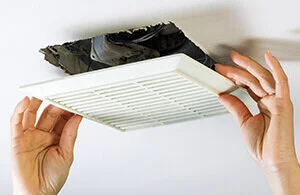
If you haven’t used electrostatic filters before and your ventilation system is older, you should consider having your vents cleaned. Over time, dust, mold, and other pollutants can accumulate to the sides of your ventilation shafts. This process snowballs like a clogged drain - a slight coating of dust will ultimately collect larger and larger layers.   

Invest in a Dehumidifier (Not An Ionic Air Purifier)

Ionic air purifiers have become a popular way to improve your home’s air quality, but in reality, multiple studies have shown these expensive devices do little to remove allergens and pollutants from the air. Air purifiers are advertised as fanless and noiseless, but it's the “fanlessness” that is at the heart of their ineffectiveness. Without the suction of a fan, not enough air can circulate between the charged plates. Instead, invest in a dehumidifier. 

Dehumidifiers can be used in dark and damp areas of your home to reduce moisture and prevent mold growth. If you have mold in one area of your house, there is a good chance you can find spores of it in other areas of your home. By using a dehumidifier in the dampest part of your house, you can reduce allergens and pollutants everywhere inside your home. 

Start Improving the Quality of Your Home’s Air

Instead of one quick fix, improving your home’s air quality can be achieved through many small steps that add up over time. Start cleaning your home the right way and make the necessary investments that will amount to excellent-quality air for you and your family.


About the Author

Jennifer Bell is a freelance writer, blogger, dog-enthusiast, and avid beachgoer operating out of Southern New Jersey. She writes for All American Plumbing, an HVAC company specializing in AC repair in Cherry Hill.

How Long Does It Take To Remove Mold?

RH Business Marketing Solutions

Homeowners and businesses struggling with recurring mold problems often ask mold remediation professionals – how long does it take to completely remove mold?

Well, there is no straightforward answer to this question.

Although both mold removal and mold remediation appear to be simple processes, they do require professional intervention with an experienced and licensed mold remediation specialist.

When Can a Mold Remediation Expert tell you about the Time it’d take to remove Mold?

When a mold removal & remediation specialist visits your property to examine a mold problem, he or she will first need to examine the problem to estimate the time it’d take to fix the problem.

Professional mold inspection typically includes the following:

  • Visual inspection of the entire home or place of business

  • Use of tools such as moisture meters and thermal imaging cameras

  • Air quality testing to estimate the concentration of mold spores in the indoor air

  • Mold swab test in order to determine the type of mold

Depending upon the severity of the mold issue at hand, your local mold inspector can recommend one or all of these inspection methods to estimate the extent and severity of your mold problem.

In most cases, mold inspections can be completed in around 1-2 hours.  In case the mold sample is sent for lab testing (which is usually done to determine the type of mold and whether it’s toxic), you may have to wait two to three business days for the test results. Certain species of mold can be toxic to everyone, including humans and pets.

After a thorough mold assessment, mold removal specialists can estimate the time required to complete mold removal.

How Long Does It Take to Remove Mold?

The time required to completely remove mold depends on several factors including but not limited to:

  • Location of the mold: Mold removal professionals will need more time to remove mold from hard-to-reach areas such as between the walls, around the crawl space, and inside the air ducts.

  • Severity of mold growth: Mold infestations turn severe with each passing week if left untreated. While you may have mold in just one area of your property at first, it can quickly spread to other areas of your home through airborne mold spores. These spores can colonize new surfaces, including floorboards, fabrics, air vents, etc.

  • Whether any demolition is required: There are occasions, when it may be necessary to replace or remove moldy materials to ensure the mold does not return. For instance, you cannot just apply an anti-mold solution over a moldy drywall and hope that it’d fix the problem.

  • Underlying causes: Mold thrives in moist or damp areas. So, if there is a hidden leak somewhere, you may have to deal with recurring mold problems. So, it is advisable to have the underlying causes of your mold problem investigated.

A mold removal professional can remove toxic black mold in your shower or kitchen in less than an hour with the right tools and solutions.

But, it may take several hours or even days to complete a mold removal job if the infestation is severe and the mold has begun growing in hidden areas such as on appliance seals or drip pans, under floor mats, on carpets or upholstery, around water heaters and boilers, beneath drywall or wallpaper, on plumbing and ductwork, around HVAC vents, on roof shingles, etc.

It is safe to assume that mold removal may take one to five business days. In most cases, mold removal teams can be in and out within one day.

Also Read: The Importance of Routine Plumbing Maintenance

The Mold Removal Process Determines the Time Needed to Remove Mold

A certified mold removal and remediation company will always follow a standard process to rid your property of mold.

After a thorough mold inspection (explained above), mold remediation professionals will prepare a detailed plan and consult you on how you want them to proceed.

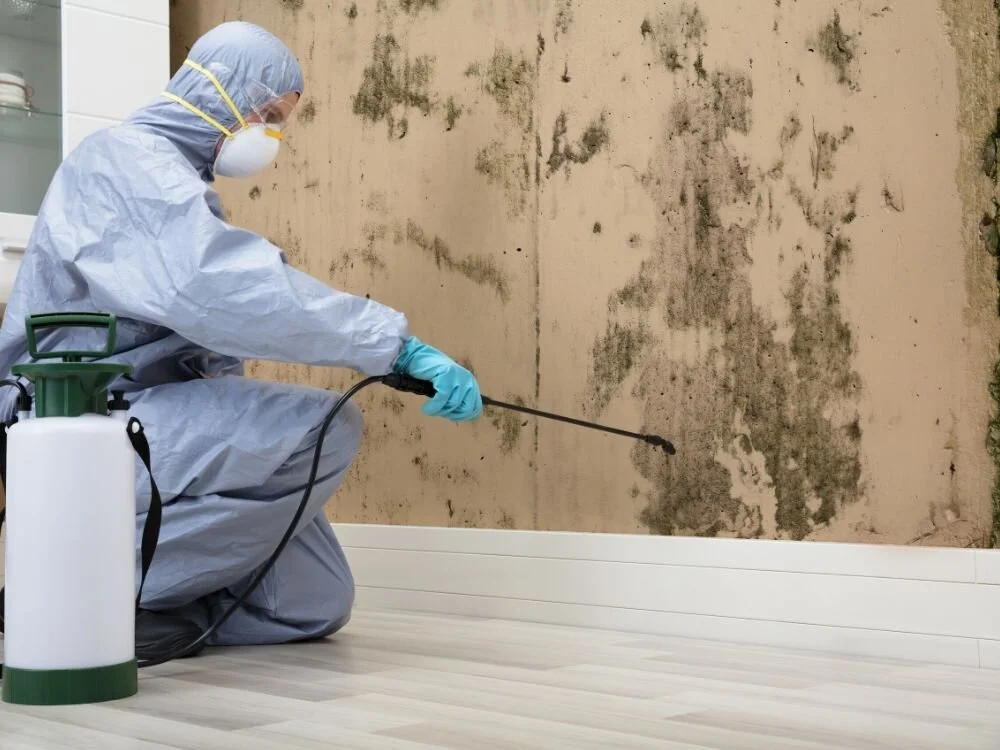
Ventilation and containment of the affected area is the first and most important step in the mold removal process. To make sure mold spores do not spread into other areas of your home or commercial facility, it is important to completely isolate the area. Besides thick plastic sheets, professionals often use devices such as dehumidifiers, air movers, and air scrubbers for containment.

Next, surfaces contaminated by mold colonies are cleaned and disinfected with the help of specialized solutions. At times, it may be necessary to completely discard moldy materials such as carpets, wallpaper, drywall, etc. as it may not be possible to completely clean them. In some cases, mold remediation professionals also use a special paint to encapsulate dry mold to prevent future mold growth.

Trained professionals will use personal protective equipment and state-of-the-art equipment to safely and quickly remove mold. All contaminated materials are discarded in air-tight plastic bags.

One Time Mold Removal May Not Guarantee Permanent Remediation

Keep in mind that one time mold removal rarely fixes the problem. Therefore, it is necessary to remediate the root cause of a mold problem.

What if there is a hidden leak somewhere in your plumbing, roof, basement, attic or basement?

If this is the case, you will need to get the leak identified and fixed. If you just remove mold but do not remedy the causes, you will have to deal with another mold infestation in the future.

Final Words

It’s understandable that you want to get rid of mold as quickly as possible.

Mold is not just unsightly. No, it does not just cause allergies.

It can even cause serious symptoms in children and adults with existing respiratory health issues. Therefore, it’s important that you focus on total mold remediation and not just one-time mold removal.

In any case, do not ignore a mold issue simply because you are too busy or do not want to spend money on professional mold removal. In the long run, you will only end up spending more money, both on mold removal and repairs that would be necessary to contain mold damage.

Guest Contributor: Jim and Dave Schuelke

What Can You Do With Pests Inside Your Duct Work

RH Business Marketing Solutions

The colder seasons are finally through, and we all know what that means – the pests are back in town. From cockroaches and spiders to oversized rats and rodents, the catalog of potential threats to your home and office space is virtually endless, so it’s best to be prepared than sorry.

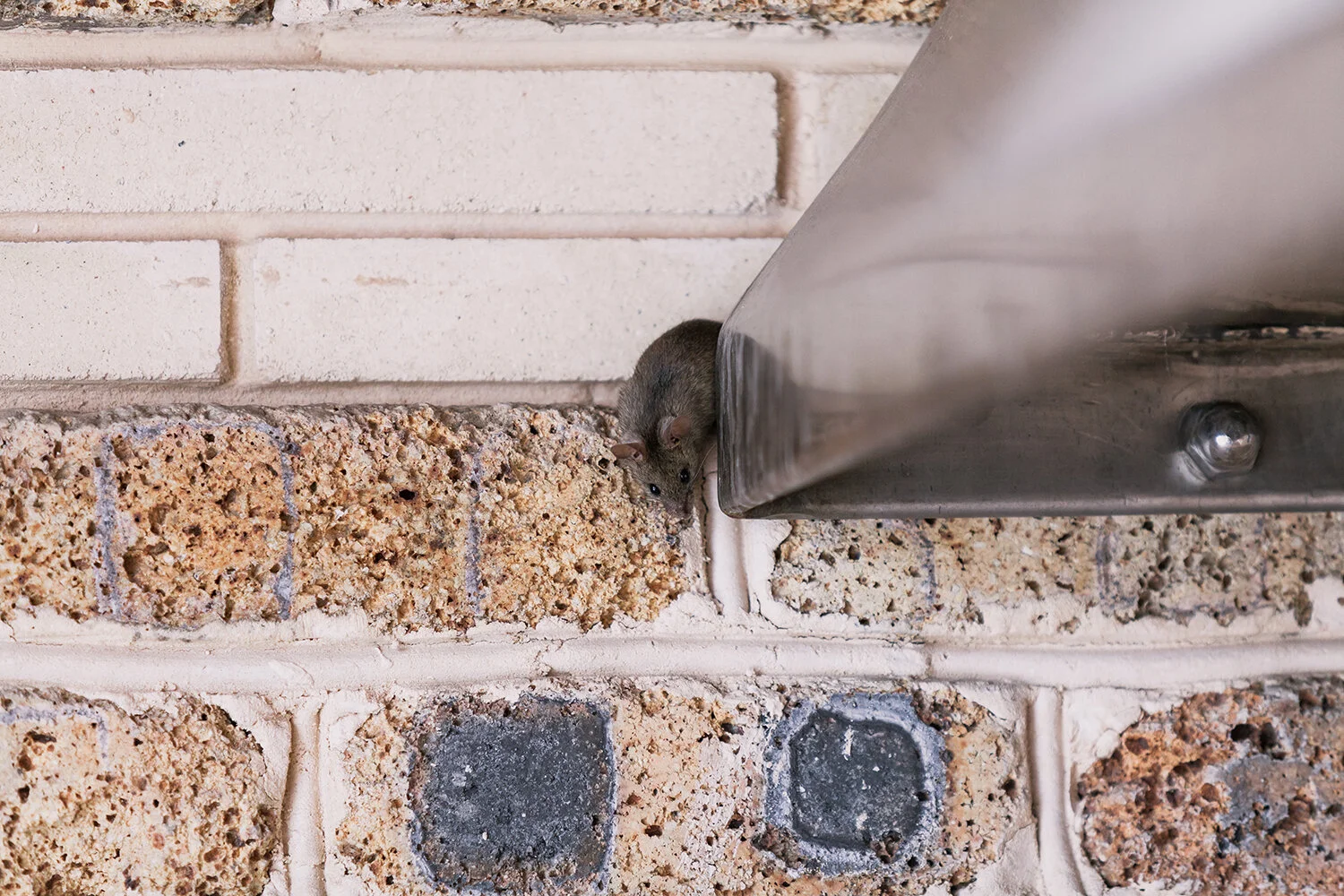
You can easily squat a roach or two if they’re gathering in your toilet; you can (relatively) easily spray a spider that’s made a nest on your ceiling. However, the scenario is a bit more complicated if a mouse finds its way into your ductwork.

Today we’ll be discussing a handful of options at your disposal when this happens, and of course, present a course of action that needs to be taken. Without any further ado, let’s dig in:

Don’t panic

Even though this is probably obvious to most, it’s imperative that you don’t panic when you hear a squeaky sound in your ductwork. Both insects and rodents are easy to scare, and that’s the last thing you want to do if you want to retain your upper hand over them.

As long as you know where the pests are, you’ll be able to deal with them. A scared pest will instinctively bounce in the opposite direction of your panicked noise, but they in most cases won’t actually leave.

Rats, in particular, are cunning to the extent where they will mask their presence until they start hearing normal chatter; cockroaches are more comfortable with darkness, so they’re more likely to run away if the lights of the room are on (or if you point a flashlight down the ductwork). Just remain calm and prepare your strategy.

Hire an exterminator

The most efficient way to get rid of any pests in your ductwork is to hire a professional exterminator to do the job. Veteran pest control agents are capable of making a quick judgment in terms of what you’re dealing with and how to get rid of the pests for good.

Normally, there are quite a few people who think that this is not the best way to do it, and there are a handful of pretty solid arguments heading their way – the exterminators need a while to gear up and come to your location, they’re strangers who will enter your house, and finally, they can be quite pricey.

However, these are people who are handling pests on a daily basis, who will unequivocally address the issue rapidly and with surgical precision. Given the vast array of things that can go wrong if you try to do it yourself without the know-how, this is the sure-fire way to kick the intruders from your ductwork.

Determine what type of pest has invaded your ductwork

If you’re opting for the DIY approach, the first and most important thing you should do is quickly (and as quietly as possible) determine what insect or animal resides in your ductwork. Multiple types of pesticides exist, and you will ultimately need a batch to eradicate the threat, be it furry or otherwise.

Now, the main problem is that most, if not all pests are generally scared, or at least remarkably responsive to lights, and that’s precisely what you will need to visually confirm the exact type of pest.

Using the flashlight is generally what most people would instinctively do, but it’s definitely not the best course of action for a variety of reasons. First and foremost, if you’re dealing with a rabid rodent, it may become aggressive and attack you if it’s close enough to the entry point of the ductwork.

Secondly, if there’s a handful of roaches, they may skitter away faster than you would be able to identify what sort of insect they are, especially if they’re considerably far away.

Ideally, you should resort to sound cues, but sadly not all pests are easy to give themselves away sonically. Mice and rats are quiet when they’re moving on floor tiles, but they’re fairly loud when they’re moving on sheet metal. Roaches and larger multi-legged insects aren’t terribly loud, but they’re easy to spot.

If you can’t determine the type of pest through sound cues, make sure that the ductwork’s hatch is closed and use a flashlight with the least number of lumens.

Use the appropriate pesticide

Now that you know the type of pest that is inhabiting your ductwork, it’s time to lure them closer to the hatch and essentially poison them. Even though this may not seem overly humane, people who’ve tried waiting for the storm to pass have only made the problem worse – pests breed rapidly.

There are a couple of ways you can resolve this issue – contact pesticides, ingested pesticides, and gas-type pesticides. Each of these types has its own set of benefits and drawbacks, so let’s have a quick look:

Contact pesticides

Pests absorb them by walking over them. They’re generally slower than other forms of poisons, and they’re the least effective way of clearing rodents. Your options as far as positioning the poison are limited to the hatch’s proximity, which even further reduces its effectiveness.

Chucking the contact poison through the hatch may be a viable option, although most pests would run away as you do. Fortunately, there’s barely anything edible inside the ductwork that pests could use as sustenance, so they’ll inevitably inspect the poison at some point.

Ingested pesticides  

Pests consume the poison by eating it. The main disadvantage of this pesticide is expensiveness, as only high-quality batches boast pest-luring qualities.

Essentially, if the pest isn’t attracted enough to eat the poison, it’s virtually useless. Even still, they’re considered more effective than contact pesticides when used in dark, narrow spaces such as ductwork.

Most ingested pesticides can be mixed with actual food, which is an excellent way of attracting pests that would otherwise ignore it.

Inhaled pesticides

Otherwise referred to as gas-type pesticides. They’re generally expensive and not recommended for areas where people live or work, as most are at least minorly hazardous to health. Better-quality gas pesticides are harmless but they leave a nasty odor behind.

This is arguably the most effective type of pesticide that can quickly eliminate even the largest nests of insects and rodents alongside any harmful herbs and fungi as collateral. However, most professionals argue that they should only be used as the last resort. We hope that this guide was useful to you and that you’ve learned something new on how to deal with pests inside your duct work. Stay safe and have a good one, guys!

Guest Contributor: Sue Harper