Google+

contact us

Use the form on the right to contact us.

Day or Night, we are here to serve you. Leave your plumbing problem to us.


Tinley Park, IL

(708)845-7922

Residential and Commercial plumbers and plumbing contractors available in Orland Park, Tinley Park, Oak Lawn, Palos Heights, Midlothian, Oak Forest, Homer Glen, Mokena, Frankfort, and the surrounding Chicago South Suburbs. Emergency plumbers.

copper water lines.jpg

Kevin Szabo Jr Plumbing Blog

Kevin Szabo Jr Plumbing is Tinley Park, Orland Park, Oak Forest, Midlothian, Orland Hill, Homer Glen, Mokena, Frankfort, Crestwood, Palos Heights, Oak Lawn, local plumber. Read our blog for advice, tips, a good laugh, and basic home improvement.

**We are moving our old blog to our new and improved website. Too see all our posts visit kevinszabojrplumbing.blogspot.com

6 Qualities to Look for in Gutter Experts for Your Home Installation

RH Business Marketing Solutions

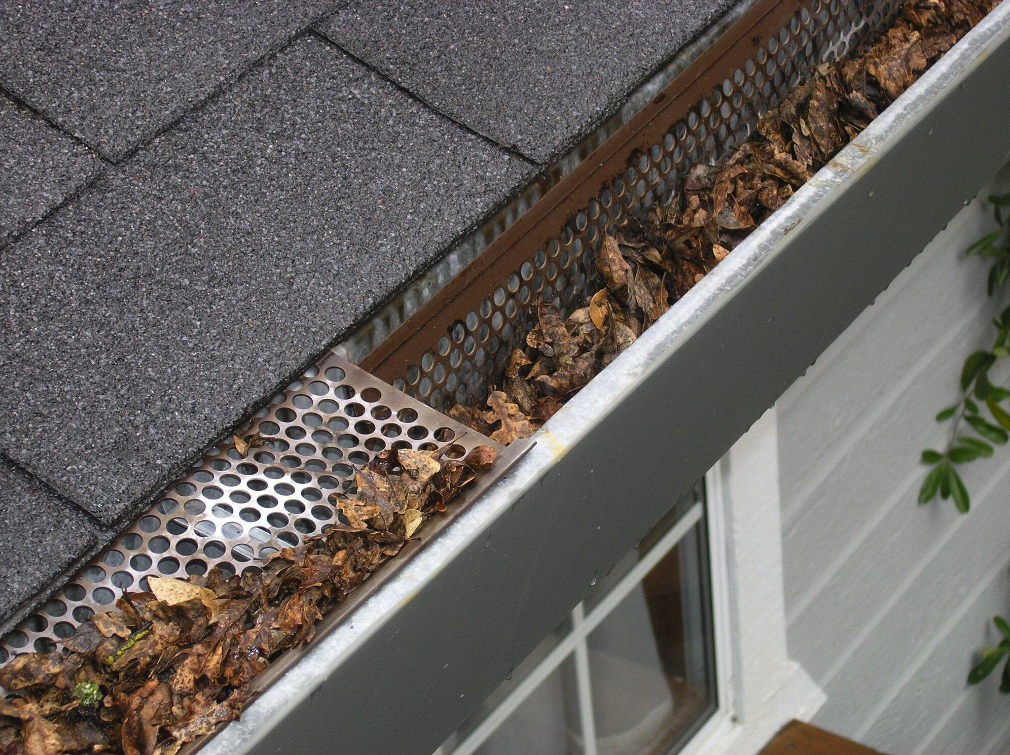
When it comes to home maintenance and improvement, gutters might not be the first thing that springs to mind. However, a well-installed and maintained gutter system is crucial for directing rainwater away from your home, thereby preventing a slew of potential damages.

Choosing the right gutter experts for installation or repairs is paramount to ensuring your home stays protected through the seasons. But what exactly should you look for in a gutter installation professional?

Here are six qualities that define top-notch gutter experts.

1. Experience

Experience is a beacon of trust and reliability. It speaks volumes about the gutter expert's ability to handle various situations that might arise during the installation process. Experienced professionals have honed their skills over years of practice, enabling them to deliver high-quality work efficiently.

They also have a deeper understanding of different gutter systems and materials. This allows them to recommend the best options for your home.

2. Expertise

Having experience is one thing, but having expertise is another. An expert in gutter installation possesses specialized knowledge and skills in their field. They keep up with the latest industry trends and techniques. Thus, ensuring that they can handle any gutter-related issue with precision and efficiency.

Look for professionals who have certifications or memberships in industry organizations, as this is a sign of their expertise.

3. Attention to Detail

Good gutter services pay attention to every detail, no matter how small it may seem. They take the time to thoroughly inspect your home's roof and overall structure before recommending the best gutter system for your specific needs. They also pay attention to the installation process, ensuring that every aspect is done correctly and efficiently.

4. High-Quality Workmanship

The quality of workmanship can make or break a gutter installation project. A top-notch gutter expert takes pride in their work and strives to deliver flawless results.

They use high-quality materials and advanced techniques to ensure that your gutter system is durable and effective in protecting your home. They also take the time to clean up after themselves, leaving your property in top condition.

5. Good Communication Skills

Communication is key to any successful project, and gutter installation is no exception. A good gutter expert should be able to communicate effectively with you, answering any questions or concerns you may have. They should also keep you updated on the progress of the project and address any issues promptly.

6. Excellent Customer Service

A great gutter expert should have excellent customer service skills. This means being friendly, professional, and respectful towards their clients. They should be willing to go above and beyond to ensure your satisfaction with their work and address any concerns you may have promptly.

Hire the Right Gutter Experts for Your Home Installation

When it comes to choosing the right gutter experts for your home installation, hiring professionals with these six essential qualities is crucial. Not only will they ensure the proper installation of your gutter system. They will also provide peace of mind knowing that your home is well-protected from potential damages caused by rainwater.

So take the time to carefully research and consider these qualities when selecting a gutter expert for your home. Your home deserves nothing less than the best!

If you wish to read more, visit our blog page. We have more!

Building a Solid Foundation: The Key Role of Concrete in Home Construction

RH Business Marketing Solutions

Every step matters when embarking on the journey of building a home, but few are as pivotal as laying the foundation. The concrete foundation of a house forms the bedrock upon which the entire structure rests, and it needs to be set properly, or the structural integrity of the house might be compromised. In this comprehensive guide, we delve deep into the significance of concrete foundations in home construction, exploring their types, construction process, challenges, and why getting this fundamental element right is paramount to the durability and longevity of your dream home.

Understanding the Essence of Concrete Foundations

Before delving into the intricate details of concrete foundations, it's essential to grasp the basics. A concrete foundation serves as the anchor upon which a building is constructed. It not only provides stability and even weight distribution but also acts as a barrier against moisture and soil movement. Typically, various types of concrete foundations are employed, including slab-on-grade, crawl space, and basement foundations. Each are tailored to suit different terrains, climates, and architectural preferences. To explore more about the importance of concrete foundations in home construction, click here. This pivotal step lays the groundwork for the durability and longevity of your dream home.

The Indispensable Role of a Sturdy Foundation

Picture building a house on shifting sand versus on solid bedrock. The former might seem convenient initially, but it lacks the stability and longevity that a well-constructed foundation offers. A robust concrete foundation ensures that your home remains structurally sound, capable of withstanding the test of time, and minimizing the risk of structural issues such as settling, cracking, or shifting. It's not merely about starting on the right foot; it's about ensuring the entire journey is smooth and secure.

The Step-by-Step Construction Process

Constructing a concrete foundation is a meticulous process that demands careful planning, precise execution, and adherence to building codes and regulations. Here's a breakdown of the typical steps involved:

  1. Site Preparation: Before pouring concrete, meticulous site preparation is imperative. The area must be cleared of debris, leveled, and properly compacted to ensure a stable base.

  2. Formwork Installation: Erecting wooden or metal forms to outline the shape and dimensions of the foundation is the next step. These forms contain the poured concrete and give it the desired shape.

  3. Reinforcement Placement: Enhancing the foundation's strength and durability involves strategically placing steel rebar or wire mesh within the formwork to reinforce the concrete.

  4. Concrete Pouring: Once the formwork and reinforcement are in place, concrete is poured into the designated area. Ensuring the concrete is of the right mix and consistency and pouring it evenly are crucial steps to prevent weak spots or air pockets.

  5. Curing: After pouring, allowing the concrete to cure and gain strength is vital. This process entails keeping the concrete moist and at the right temperature to prevent cracking and ensure optimal curing.

  6. Finishing: Once the concrete has sufficiently cured, any excess material is removed, and the surface is finished to achieve the desired texture and appearance.

Overcoming Challenges and Considering Factors

While concrete foundations offer unmatched durability and strength, they are not without challenges. Factors like soil composition, water table levels, and environmental conditions can influence the construction process and impact the foundation's performance. Additionally, poor workmanship, inadequate materials, or shortcuts in construction can compromise the integrity of the foundation, leading to costly repairs or structural issues down the line.

Investing Wisely in Quality

When it comes to building a home, cutting corners is never a prudent choice, especially when it comes to the foundation. Investing in quality materials, skilled labor, and professional guidance can save you time and money in the long run. For tasks like laying the foundation, considering concrete pump hire can ensure the job is done efficiently and accurately. Remember, the foundation is not just another component o  your home; it's the cornerstone upon which everything else is built.

Conclusion: A Lasting Legacy

In the grand scheme of home construction, the concrete foundation plays the fundamental role in stability, strength, and resilience. It may not be the most glamorous aspect of building a home, but its importance cannot be overstated. By understanding the significance of concrete foundations, embracing best practices in construction, and prioritizing quality, you lay the groundwork for a home that stands the test of time—a sanctuary where memories are made, laughter echoes, and dreams take flight. So, when it comes to building your dream home, remember to start from the ground up and build on a foundation that's as solid as your aspirations.

Troubleshooting Neon Lights: Common Issues and Solutions

RH Business Marketing Solutions

Everyone who sees a neon sign feels comforted and nostalgic because of its warm, familiar brightness. Picture a neon sign glowing brightly, illuminating the night with its beautiful colors. Neon signs can be used as more than just light decorations; they can illuminate a storefront, spruce up a bar, or create a retro atmosphere in your house. 

Nevertheless, proper maintenance is critical to prolonging its lifespan. Do you know how to keep your neon lights safe? What neon light maintenance tips have you applied? In this article, we will explore some common issues and solutions to your neon light. Furthermore, you will learn common maintenance tips to prolong your neon light.

Troubleshooting Neon Lights

Learning how to diagnose and correctly identify typical problems can keep your neon sign in good operating condition for several decades to come. Custom neon signs are often easy to install and maintain, but occasionally, like any electrical device, it could have a small issue. 

These issues are minor and simple to resolve, provided that the underlying cause can be identified, and appropriate safety measures are taken. Dim neon signs, flashing, or completely dark usually indicate electrical problems at hand. You need to become acquainted with your neon sign's internal wiring before you can begin troubleshooting it. You can then focus even more on resolving the specific problem at hand.

Flickering Lights

It’s common to see your neon lights flickering. In most cases, it is due to insufficient power or poor connection to the power source. Another reason you might experience flickering neon lights is because of broken or frayed wires. The best approach to troubleshooting a flickering neon light is to deal with the connection between the neon sign and the transformer. 

You should only undergo this repair if you have the necessary tools. Use a multimeter tool to check the voltage. Nevertheless, ensure the neon sign is not connected to a power source. Once you've completed the check, you can reconnect the power source to see if the flickering continues. If the lights continue to flicker after the connection has been reestablished, you may need to utilize a step-up transformer to ensure a high enough voltage is provided to the sign.

Dimmed lights

Another issue your neon light may exhibit is the light getting dimmer. The likely culprit is a leak within the glass tube. Furthermore, if there is a hole or crack within the tube, the neon gas will leak. Once the air fills the tube, it becomes hard to produce the needed ions to create the colorful, bright light it ought to display. In this situation, it's best to replace the neon light, as repairing it yourself might be difficult. 

Neon lights refuse to come up

A neon sign that completely fails to illuminate could be the worst-case situation. This is frequently the result of internal electrical issues, such as a malfunctioning tubing portion inside the sign or broken or shorted wire. 

Damaged or shorted wires cannot transfer voltage from the power source to the sign. Furthermore, a defective tubing part will cut off the power transmission throughout the sign. To get the sign working again, check and repair any damaged wires.

Buzzing Sound or noise

After using your neon light for years, it might start generating some sound or noise. Interestingly, it doesn't mean your sign won't work as properly as it should. Nevertheless, it indicates that you should call a professional to perform routine maintenance. In most cases, the buzzing sound is from the transformer.

Neon Light Maintenance Tips

Using neon signs is one unique method to advertise your company or give your interior design a little retro flair. However, routine maintenance is essential to maintaining your neon sign's attractive appearance and functionality. The following are essentials for neon sign maintenance tips that each owner must be aware of:

Cleaning Dust and Dirt

With prolonged usage, the neon light might accumulate a lot of dust and dirt, thereby reducing its brightness. To avoid such a situation, you should endeavor to clean regularly. You don't need any expensive products or items to perform this simple task. Take a soft brush or cloth to gently remove any dust or dirt from the light. Nevertheless, don't use any abrasive cleaner or harsh chemicals because they will damage the neon tube. 

Replace bad transformer

Another important neon light maintenance tip to adhere to is to replace any bad transformer. These transformers are the key components of neon light. With frequent usage, the lifespan tends to drop, resulting in the light not lighting up properly. Furthermore, it can also lead to flickering. Once you notice any of the two issues mentioned beforehand, consider replacing the transformer if you don't want further damage to your light.

Look at the neon tubes

Occasionally, neon tubes may fail or sustain damage, resulting in a faint or non-existent light display on the sign. To prevent additional damage, it's critical to have any tubes that show signs of wear and tear replaced as soon as possible. A qualified neon sign repair service can also replace any broken tubes to keep your neon sign operating properly.

Keep away from harsh weather

Among the most important neon light maintenance tips to implement is to keep the light from harsh weather. Even though neon signs are made to endure harsh conditions, severe weather can nonetheless destroy them. Keeping your sign covered during storms and other extreme weather conditions is crucial to shielding it from the elements. The sign can also be coated with a protective layer to help shield it from UV radiation and other environmental elements.

Monitor the Wiring 

An important aspect of your neon sign's operation is the wiring. After usage, the wiring connections can become loose, leading to the sign flickering, or not coming up. Before calling a professional, check the wiring unit is secure and tight. Nevertheless, if you notice something different, consult a professional to resolve the issue.

Hire Professionals 

You should allow the professionals to handle your neon signs issues. While troubleshooting neon lights is a good option, it can lead to other issues that damage the complete system. To preserve the neon tubes and the sign's beauty, professionals possess the skill and know-how necessary for installation or replacement.

A professional expert can detect minor problems before they develop into something bigger. A routine check can save you more than you can imagine. Frequent inspections may distinguish between a simple fix and a more involved neon sign restoration.

Can you repair a damaged Neon Sign?

Your neon sign might not be fixed for several reasons. If it was not constructed with high-quality parts, replacing the neon tube is a simpler solution than purchasing a new sign. 

Furthermore, replacing the neon tubes in your signs is a smart move because fixing malfunctioning neon signs and customizing their components to suit your needs can occasionally be time-consuming and expensive. 

It's also important to consider the age of the sign and the materials used to make the gas tube and glass. Older and damaged neon signs pose a risk because they could contain potentially harmful materials like lead and mercury. Because gas tubes are dangerous, some repair companies might not accept broken ones.

Summary

Neon signs are a distinctive and eye-catching marketing tool that you can use to advertise your company or give your interior design a little something extra. Frequent maintenance is essential to maintaining the functionality and aesthetic appeal of your neon sign. You can maintain your sign, clean it, fix frequent problems, and keep it safe from harm by using the neon light maintenance tips. Recall that you can preserve the brightness of your neon sign for many years by performing routine inspections and timely repairs.

Securing Digital Data: The Importance of Data Security and Construction Tips for Data Centres

RH Business Marketing Solutions

Data security centres are the backbone of modern digital infrastructure, housing critical information and providing the computational power behind numerous services we rely on daily. The construction and maintenance of these centres involve specialised knowledge, particularly in the areas of plumbing and construction. Properly addressing these aspects is crucial to maintaining the integrity, security, and functionality of data centres. This article outlines the key considerations plumbing and construction professionals must keep in mind when working on data security centres and highlights why data security is paramount.

In today's interconnected digital landscape, data security and encryption have become paramount. With cyber threats constantly evolving, safeguarding sensitive information is not just a priority but a necessity. Encryption ensures that even if data falls into the wrong hands, it remains unreadable and protected. However, managing encryption keys and certificates can be complex and cumbersome. This is where Certificate Management Solutions come into play, offering centralised control and automation for handling digital certificates across various platforms and devices. Integrating such solutions into businesses is crucial for maintaining data integrity, regulatory compliance, and ultimately, safeguarding the trust of customers and stakeholders in an increasingly data-driven world.

Ensuring Data Security During Construction Considerations:

1. Physical Security:

●      Surveillance Systems: Install comprehensive surveillance systems to monitor the premises and deter unauthorized access. Security cameras, motion detectors, and alarm systems are essential components.

●      Access Control: Implement strict access control measures, such as biometric scanners, security badges, and mantraps, to ensure that only authorized personnel can enter critical areas.

2. Cybersecurity Measures:

●      Although not directly related to construction and plumbing, understanding the importance of cybersecurity measures is crucial. Ensure that the physical infrastructure supports secure data transfer and storage by collaborating with IT professionals.

3. Site Selection and Building Design:

●      Location: The ideal location for a data center is one with a low risk of natural disasters such as floods and earthquakes, and away from potential man-made threats. Proximity to reliable power sources and network infrastructure is also crucial.

●      Building Materials: Use fire-resistant materials and ensure the structure can withstand physical attacks and environmental hazards. The building should incorporate robust security features, including secure entry points and restricted access zones.

4. Environmental Controls:

●      HVAC Systems: Proper Heating, Ventilation, and Air Conditioning systems are essential to maintain the optimal temperature and humidity levels for equipment. Redundancy in HVAC systems ensures that even if one system fails, the environment remains controlled.

●      Fire Suppression: Advanced fire suppression systems, such as clean agent systems, protect sensitive equipment without causing damage. These systems should be regularly inspected and maintained to ensure functionality.

5. Power and redundancy:

●      Uninterruptible Power Supply (UPS): Continuous power supply is critical. Implement UPS systems and backup generators to prevent downtime. Redundant power feeds and automatic transfer switches ensure uninterrupted power even during failures.

●      Electrical Systems: Use surge protectors and power conditioners to safeguard against electrical spikes and ensure clean power delivery to sensitive equipment.

The construction and maintenance of data security centers demand meticulous attention to detail, particularly in the areas of plumbing and construction. These facilities must be designed to withstand physical threats, environmental challenges, and operational failures to safeguard the critical data they house. By adhering to best practices and standards, plumbing and construction professionals play a vital role in ensuring the efficiency, security, and reliability of data centers. Ultimately, the integrity of our digital world depends on these foundational efforts, underscoring the importance of proper data security center construction and maintenance.

A Step-By-Step Guide to Designing Your Dream Outdoor Space

RH Business Marketing Solutions

Transforming your outdoor space into a personal haven that reflects your unique style and caters to your needs isn't just about throwing down some furniture. It requires a thoughtful plan that blends relaxation and entertainment seamlessly. Don't be discouraged by the size of your space; a sprawling backyard or a cozy balcony can be transformed into your dream retreat with a little strategic planning. This guide will walk you through the steps of creating the perfect outdoor oasis, one that's an extension of your personality and perfectly suited to your lifestyle.

Establish Your Purpose and Vision

Before diving headfirst into designing your outdoor space, take a beat to dream about how you see yourself using it. Do you picture it as a peaceful retreat for quiet evenings after work, a vibrant space for hosting unforgettable gatherings, or perhaps a natural extension of your indoor living area?

Having a clear idea of what you want this space to be will act as a guiding light for all your design choices. Think about your daily routines, hobbies you enjoy outdoors, and the overall mood you want to create.  Is it a cozy haven bursting with flowers, a sleek and modern patio, or maybe a rustic outdoor kitchen perfect for entertaining?

Evaluate Your Space and Establish a Budget

Before diving into design, take a good long look at your outdoor space.  What size of footprint are you dealing with?  How much natural light does it get throughout the day?  Are there any existing trees, slopes, or other features that could be incorporated into your plans?  Think about how much privacy you desire, what kind of views you'd like to enjoy, and how easily people will be able to move around the space. 

Once you have a clear picture of what you're working with, it's time to set a realistic budget. This approach will assist you in determining priorities and prevent exceeding your budget.  Think about allocating funds for landscaping, any hardscaping you might need, furniture, lighting, and any special features you have in mind.

Strategize the Layout and Functional Zones

A well-crafted landscape site plan serves as a blueprint for arranging plants, patios, walkways, and other eye-catching features. Imagine your backyard divided into designated zones for lounging, dining, cooking, gardening, or even games. Furniture and features will be arranged to flow seamlessly, making it easy to move around and connect with others.

Furniture and features will be arranged to make it easy to move around and chat with friends, all while feeling comfortable and stylish.  Think about adding things that will tantalize your senses, like a trickling water fountain, a cozy fire pit, fragrant flowers, or soft lighting. By thoughtfully evaluating pathways, seating arrangements, and captivating features, you can craft a space that exudes harmony and genuine allure. You can even play around with different layouts to make sure everything looks balanced and works well together, just like a beautiful piece of art.

Enhancing Your Outdoor Space with Beekeeping


In addition to transforming your outdoor space into a personal haven, consider incorporating beekeeping as a rewarding and environmentally beneficial hobby. Beekeeping not only contributes to the health of your local ecosystem by supporting pollination, but it also provides the opportunity to harvest your own honey. Start by researching local regulations and selecting a suitable location in your garden that receives ample sunlight and is protected from strong winds. Choose bee-friendly plants to enhance the habitat, and ensure you have the necessary equipment, such as a hive, protective gear, and tools for honey extraction. Additionally, during times when natural nectar sources are scarce, you can provide bee syrup to support your colony. By integrating beekeeping into your outdoor design, you can create a vibrant, productive, and sustainable environment that brings you closer to nature and enriches your outdoor experience.

Curate Appropriate Materials and Flora

Transforming your outdoor space into a low-effort haven of beauty starts with smart choices. The key lies in picking materials and plants that can thrive in your climate and match your style.  Think about natural stone or weather-resistant wood for a classic touch or explore modern options like composite decking and easy-care fabrics.

Durability, practicality, and ease of cleaning should be top priorities. Don't forget about the look and feel! Consider the color palette, texture, and slip resistance to create an inviting atmosphere. When selecting plants, embrace the local favorites! Native flora is perfectly adapted to your soil and weather, requiring less watering and fuss.

Infuse Personalized Accents and Final Flourishes

With the fundamentals in place, it's your opportunity to personalize your outdoor space and make it uniquely yours! Let your personality shine through with special touches that reflect your style. Colorful cushions, patterned rugs, and decorative accents will add pops of personality and tie the whole design together. Don't forget to embrace the beauty of nature – incorporate sculptures, artwork, or potted plants to create a charming and unique atmosphere.

As the sun sets, transform your haven into a magical evening retreat with outdoor lighting. String lights can illuminate walkways, while strategically placed fixtures can highlight architectural features. Finally, don't forget about practicality! Add shade structures like umbrellas or pergolas for hot days and incorporate storage solutions to keep everything organized.

Conclusion

Beginning on the transformation of your backyard into your envisioned outdoor haven is an exhilarating endeavor! It takes some planning, creativity, and a keen eye for detail, but the rewards are endless. Using this guide as a foundation, you have the freedom to tailor it to mirror your individual style and passions. This will help you create a haven that fosters peace, connection, and lasting memories.  Imagine soaking up the sun on a cozy patio or hosting lively gatherings under the twinkling stars.

Why Choose a Sectional Sofa for Your Living Room?

RH Business Marketing Solutions

Sectional sofas have become popular options for contemporary living rooms and for the right reasons. With their versatility and flexibility as well as their style and comfort, sectional sofas have many advantages that make them an excellent choice for any living room.

You might need one because of the following:

1. Sufficient Seating

Sectional sofas usually offer plenty of seating compared to conventional sofa sets or loveseats. This makes them ideal for homes where hosting guests or accommodating a large family is a priority. A sectional sofa can be used to establish a cozy seating space, which can accommodate all members of the family.

2. Style and Design

Apart from being practical, sectional sofas come in various styles and designs that would match any aesthetic taste. Your living room could have modern, contemporary, traditional, or eclectic décor but there is always a sectional sofa you can choose from. 

Different upholstery materials, colors, and configurations allow for creating an integrated stylish atmosphere in your living room. 

3. Comfort and Coziness

Sectional sofas are designed with comfort in mind; they provide a warm sitting area where people can relax or socialize together. Sectional sofas offer the best place to unwind through deep seats, plush cushions as well as spacious chaise longues after having spent a tiresome day in them. 

A sectional sofa is a perfect place for relaxing, even if you are the type of person who likes to lounge, take a nap or read while sitting. 

4. Space Division

Now in living spaces, a sectional sofa could serve as a division that separates the living room from other areas like the dining room or kitchen. They help define and organize space making it more visually appealing and usable.

5. Customization Options

Sectional sofa does offer variety of customization possibilities to fit your specific taste and needs such as the selection of fabric or material for upholstery, color or pattern type and even cushions firmness. 

Some manufacturers even allow customers to specify how deep should be seats or what configuration their sectionals must have for them to better fit into one’s house design. 

6. Entertainment and Media Accommodations

Sectional sofas may incorporate sections with cup holders or places where one can keep cups. They also have USB ports for charging devices from the comfort of a sofa. 

Sectional sofas may be designed specifically to enhance the home theater experience, such as reclining options, adjustable headrests or even built-in sound system. All these attributes convert it into an operational hub for entertainment or relaxation in living rooms.

7. Long-Term Investment

In many cases, selection of sectional sofas for living room is seen as long-term investment due to its durability and timeless looks. Well-made sectional sofas can go through years of use without getting damaged making it an economical and sustainable choice when furnishing your living space. 

By purchasing quality sectional sofas, you will be able to enjoy their style and comfort over the years thus eliminating the need for constant replacements or upgrades.

8. Unique Use of Space

It doesn't matter if you got a small living room or apartment. You still get to make that space more useful by the use of sectional sofas. These sofas maximize seating capacity and functionality.

All-in-one seating solutions are provided by a sectional sofa instead of several pieces like a love seat, chairs, and a sofa. The sectional sofa can therefore minimize the need for other furniture types. By doing this, it is possible to have an open and decongested living area which makes it feel bigger.

Wrap Up 

Sectional sofas remain one of the best things that you can choose for your living room due to their numerous advantages. The vest part is that you get to savor versatility, comfort, customization options, and adaptability among others. These sofas are designed to serve different lifestyles and layouts.

It doesn't matter if you need huge sitting places for guests; or just an entertainment zone, or even better yet, something classic that’s in shape of a lasting investment. In all that sectional sofa are all you need.

Even so, what you need more is a reliable manufacturer. This is the part where you now might want to consider Grado for the top most quality and long-lasting, esthetic seats.

DIY Home Improvement: Essential Skills Every Student Should Know

RH Business Marketing Solutions

As a student, living away from home often means dealing with the responsibilities of maintaining your own living space. Whether you’re in a dorm, a rented apartment, or even your own house, learning some basic DIY home improvement skills can save you time, money, and frustration. From fixing a leaky faucet to installing a new light fixture, these skills are not only practical but also empowering. Plus, knowing how to handle minor repairs can make your living space more comfortable and enjoyable.

You might think that home improvement is best left to professionals, but many tasks are surprisingly simple and can be tackled with a bit of guidance and the right tools. Plus, taking on DIY projects can be a rewarding and confidence-boosting experience. You’ll gain a sense of accomplishment and pride in your ability to solve problems and improve your living environment.

While it’s tempting to focus solely on your studies, consider the benefits of learning DIY skills. Not only do they make you more self-sufficient, but they also offer a productive way to take breaks from academic work. Imagine how satisfying it would be to fix something yourself instead of relying on others. Speaking of academic work, if you're feeling overwhelmed, there are original essays for sale that can help lighten your load while you take the time to develop new skills. Let’s now dive into DIY basics for students!

Mastering Basic Plumbing

One of the most useful skills you can learn is basic plumbing. Common issues like clogged drains, running toilets, and leaky faucets are easy to fix with a little know-how.

Fixing a Leaky Faucet

A leaky faucet is not only annoying but can also waste a significant amount of water. The most common cause is a worn-out washer. To fix it, turn off the water supply, disassemble the faucet, replace the washer, and reassemble. It’s a simple process that can be completed in under an hour.

Unclogging Drains

Clogged drains are another frequent problem. A plunger is often the first tool to try. If that doesn’t work, a drain snake or a mixture of baking soda and vinegar followed by hot water can usually do the trick. Regular maintenance, like using a drain cover, can prevent clogs from forming in the first place.

Basic Electrical Repairs

While some electrical repairs should be left to professionals, there are several minor tasks you can safely handle yourself.

Replacing a Light Fixture

If you want to change the look of a room, replacing a light fixture can make a big impact. Turn off the power at the circuit breaker, remove the old fixture, and follow the new fixture’s installation instructions. Make sure to double-check that the power is off before starting any electrical work.

Resetting Tripped Circuit Breakers

Understanding your home’s electrical panel is essential. If a circuit breaker trips, resetting it is simple: locate the tripped breaker (it will be in the middle position), switch it off, then turn it back on. If the breaker trips repeatedly, you might have a larger issue that requires professional attention.

HVAC Maintenance

Maintaining your heating, ventilation, and air conditioning (HVAC) system can improve efficiency and extend its lifespan.

Changing Air Filters

One of the easiest ways to maintain your HVAC system is by regularly changing the air filter. A clean filter improves air quality and helps the system run more efficiently. Check the filter every month and replace it if it looks dirty, typically every 1-3 months.

Thermostat Troubleshooting

If your heating or cooling system isn’t working correctly, the thermostat might be the culprit. Ensure it’s set to the correct mode and temperature. If it’s a programmable thermostat, check the settings and the battery. Sometimes, a simple reset can fix the problem.

Simple DIY Projects

Taking on small DIY projects can enhance your living space and give you a sense of accomplishment.

Painting a Room

Painting is a relatively easy and inexpensive way to transform a room. Choose a color, gather your supplies (paint, brushes, rollers, painter’s tape), and prepare the room by covering furniture and floors. Start with the edges and corners using a brush, then use a roller for the larger areas. Apply at least two coats for the best results.

Assembling Furniture

Many students find themselves buying flat-pack furniture that requires assembly. While the instructions can sometimes be confusing, taking your time and following each step carefully can make the process manageable. Lay out all the parts and tools before you start, and don’t hesitate to ask a friend for help if needed.

Building Confidence and Independence

Learning DIY skills is about more than just fixing things—it’s about building confidence and independence. As you become more proficient, you’ll find yourself tackling increasingly complex projects. Each success boosts your confidence and motivates you to take on new challenges.

Handling Emergencies

Knowing basic home improvement skills can also prepare you for emergencies. Whether it’s a burst pipe or a power outage, having the knowledge and tools to address the situation can prevent minor issues from becoming major problems. This preparedness can give you peace of mind and make you a more resilient and capable individual.

Building a DIY Toolkit

Having a well-stocked toolkit is essential for any DIY enthusiast. Start with the basics: a hammer, screwdrivers (both flathead and Phillips), a set of pliers, a tape measure, and an adjustable wrench. 

As you take on more projects, you can expand your toolkit to include items like a power drill, level, and utility knife. Investing in quality tools might seem expensive initially, but they will last longer and perform better than cheaper alternatives. A well-prepared toolkit ensures you have everything you need at your fingertips, making it easier to tackle any home improvement task that comes your way.

Final Thoughts

Learning DIY home improvement skills is a valuable investment in your future. Not only can these skills save you money and time, but they also empower you to take control of your living environment. 

From mastering basic plumbing and electrical repairs to maintaining your HVAC system and tackling simple DIY projects, the knowledge you gain will serve you well throughout your life. 

Plus, the sense of accomplishment and confidence that comes with successfully completing a project is unmatched. So, take the time to learn these essential skills and enjoy the benefits of a well-maintained and comfortable home!

Revitalize Your Pool Area With Stylish Rubber Surfacing Options

RH Business Marketing Solutions

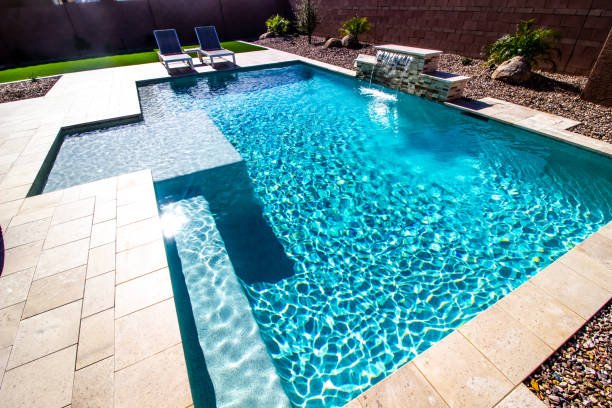
A swimming pool is a wonderful addition to the family backyard, especially in the hot summer months. A pool brings hours of joy to long days and warm nights, but it is important to keep up not just the pool itself but also the surrounding area for aesthetic appeal and safety. If you have a backyard pool and are looking for ways to revitalize this space for the summer while also adding some extra safety, consider rubber surfacing options. The surfacing area around the pool is one of the most crucial elements of a good swimming pool, adding potential for decorative and functional options. Consider some of the following points:


Benefits of Rubber Pool Decking

There are many reasons to consider adding rubber surfacing around your pool to revitalize the space.


Easy Maintenance

Rubber requires much less effort to maintain than concrete or tiles. Whereas other surfaces frequently require re-caulking or other sealant, rubber only needs the occasional hosing down with mild soap to stay looking new. It is also resistant to mold and mildew.


Slip resistanT

Perhaps one of the greatest advantages of a rubber pool surface area is the security that rubber surfaces offer against slips and falls. The best pool decks are slip-resistant when wet, and rubber is one of the best materials for this purpose.


Appearance

A synthetic material like rubber can come in a variety of different colors, textures, designs, or patterns. This means that no matter what your pool itself might look like, there is a rubber surface that matches the pool and the surrounding area and enhances its appearance.


Cost effective

At first glance, it might seem like rubber pool decking is more expensive than wood or concrete. However, in the long run, rubber is more durable and reduces the need for repairs and replacement. It is also much easier to repair in the event of damage.


Resistant to cracking 

Concrete and wood look great when they are first installed, but over time, between weathering and traffic, cracks and dents develop and become unsightly. Rubber surfaces, however, are more flexible, shock-absorbent, and resilient to harsh weather conditions.


Eco-friendly

Many companies that install rubber pool decking make use of recycled rubber when appropriate, making rubber decking an eco-friendly option for those who have concerns about the environment.


Stylish Options

Rubber is a very versatile material, and the availability of different colors and textures makes it useful for nearly any design choice. You can inset images, such as logos or custom designs, against lighter backgrounds, incorporate various texturing or designs into the overall layout, and choose from a variety of surfaces to suit nearly any pool style. If the area surrounding your pool is drab or dull, a brightly colored rubber surface can brighten up the space quite a bit. Reds and blues work great for sports complexes and workout areas, while greens and yellows add a bit of a tropical flair to a backyard. If you want to see what different surfaces and colors look like, head over to SoftRoc’s website and make use of their Color Blend Visualizer to see how your favorite colors match up!


Rubber vs. Concrete

There are many advantages to choosing a rubber pool surface over concrete. To begin, rubber is cooler and does not hold heat as well as concrete does. It can be rather annoying to get out of the pool after a refreshing dip only to have your bare feet stung by hot concrete. Rubber is far more slip-resistant than concrete, especially some forms of concrete that turn very slick when wet. Concrete usually comes in a flat gray color, and some concrete companies do not even offer the option to add color, while rubber allows for direct application in a variety of colors. Rubber expands and contracts easily in the summer heat, whereas concrete simply cracks over time. While concrete has its own benefits, rubber is far more durable and flexible.


Summer is approaching, so make sure your pool area is ready for fun by adding some safe and colorful surroundings to your drab pool decking.

Accessible Elegance: Stair Railing Options for Enhanced Mobility

RH Business Marketing Solutions

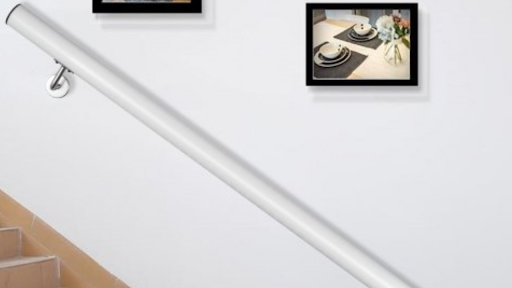
Stair railings are essential for improved mobility because they offer stability and support. Constantly providing support are continuous handrails, which are composed of sturdy materials such as stainless steel or wrought iron. Individuals with visual impairments benefit from contrasted colors or textures, and universal usability is ensured by adhering to accessibility guidelines. 

When considering stair railing options for enhanced mobility, prioritize both functionality and aesthetics. One elegant choice is a continuous handrail that smoothly follows the staircase's trajectory. This offers uninterrupted support, crucial for individuals with mobility challenges. Opt for sturdy materials like wrought iron or stainless steel, providing both durability and a timeless look.

Stair railings are a crucial component of inclusive design and better mobility because of features like illuminated handrails and interchangeable grip styles, which further improve accessibility. For added convenience, integrate features such as illuminated handrails or motion-activated lighting, aiding navigation in dimly lit environments.

Exploration of the Traditional Stair Railing Options

Conventional stair railing choices frequently conjure images of classic beauty and skill. Traditional railing designs are often made from classic materials.

1. Classic Wooden Railings

Traditional interior design is incomplete without classic wooden railings, which add warmth, charm, and adaptability. These railings, which are made of sturdy hardwoods like oak, maple, or mahogany, can have elaborate carvings or simple, uncomplicated lines. They can be stained or painted to match any color scheme, and they look great with a range of architectural styles, from simple cottages to sophisticated manors. Traditional wooden railings are a timeless option for staircases because they offer dependable support in addition to visual appeal.

2. Wrought Iron Railings

It is well known that wrought iron railings are strong, long-lasting, and aesthetically pleasing. They frequently enhance any space with a hint of sophistication and old-world charm in both indoor and outdoor settings. Wrought iron railings can complement a variety of architectural styles, from traditional to contemporary, with their intricate scrollwork, geometric patterns, or simple designs. These railings are a flexible option for improving any house or building because they provide both visual appeal and practical support, whether they are used to decorate fences, balconies, or staircases.

3. Ornate Designs and Historical Influences

Historical inspirations like Gothic, Baroque, or Victorian architecture are frequently used to create elaborate designs for wrought iron railings. These elaborate designs, which feature geometric shapes, scrolls, and floral patterns, highlight the artistry and craftsmanship of earlier times. These elaborate designs bring a touch of timeless beauty to any area, whether they are found adorning grand staircases in palaces or charming balconies in historic homes. They evoke a sense of nostalgia and elegance.

4. Contemporary Metal Railings

Modern metal railings, which frequently have straight lines and geometric shapes, are the epitome of elegant, minimalist design. These railings are made of materials like brushed nickel, aluminium, or stainless steel and have a contemporary look along with strength and usefulness. Their adaptability makes them a great fit for a range of architectural designs, including urban condos and industrial lofts. Whether utilised indoors or out, modern metal railings improve both form and function in any area by lending a sense of refinement and understated elegance.

5. Glass Panel Railings

Glass panel railings epitomise modern elegance with their transparent design that enhances spatial openness and light flow. These sleek railings, typically framed in stainless steel or aluminium, offer a minimalist aesthetic while providing safety and security. Ideal for contemporary interiors or exteriors, glass panel railings create a seamless blend of sophistication and functionality. Their clean lines and unobtrusive presence make them a popular choice for those seeking a stylish and visually appealing railing solution.

6. Cable Railings for a Sleek Look

Cable railings offer a sleek and contemporary aesthetic with their minimalist design and slim profiles. Consisting of horizontal or vertical cables tensioned between posts, these railings provide an unobstructed view while ensuring safety and stability. Often made from stainless steel or aluminium, cable railings are popular choices for modern homes, urban lofts, and commercial spaces. Their clean lines and understated elegance make them ideal for those seeking a stylish and minimalist railing option with a touch of sophistication.

7. Innovative Materials and Designs

Innovative materials and designs are revolutionising the world of stair railings, offering both functionality and aesthetic appeal. From eco-friendly composite materials to cutting-edge 3D printing technology, the possibilities are endless. Creative designs incorporate unique shapes, patterns, and textures, pushing the boundaries of traditional railing concepts. These advancements not only enhance visual interest but also prioritise sustainability and durability. With innovative materials and designs, stair railings become more than just safety features; they become statement pieces that elevate any space.

Smart Design, Easy Access: VEVOR Stair Railing Options for All

VEVOR provides a wide selection of stair railing solutions with clever design and convenient features to meet every need. These railings suit various environments and user preferences because they are expertly crafted to ensure safety, durability, and aesthetic appeal. VEVOR railings are designed to be easily accessed by people of all abilities, including those with mobility challenges. 

To guarantee simple navigation and support, their clever design incorporates features like height-adjustable options, comfortable grips, and seamless transitions. VEVOR places a high priority on simple installation techniques, making setup quick and easy without sacrificing functionality or quality. VEVOR stair railing options are ideal for residential, commercial, or public spaces because they are accessible, adaptable, and stylish, enabling everyone to have seamless and safe mobility experiences.

Final Talk 

The needs for stair railings include those related to accessibility, safety, and aesthetics. All users are guaranteed safety thanks to features like compliant height, comfortable grip, and strong construction. Different mobility needs are accommodated by accessibility features like height-adjustable surfaces and simple access points. Furthermore, options for material and design customisation enable a smooth integration with a variety of architectural styles. In the end, stair railings are crucial components that improve a staircase's overall aesthetic appeal as well as safety.

The Importance of a Well-Designed Plumbing Layout for Your Residential Property

RH Business Marketing Solutions

Introduction

A residential water supply and drainage system is built with a well-planned plumbing layout to be functional. To guarantee the best possible water distribution, pressure, and flow throughout the property, carefully positioning and sizing pipes, fixtures, valves, and drainage parts is essential. Water waste, leaks, low water pressure, and future expensive repairs or renovations are just a few of the problems that can arise from neglecting the significance of a well-planned plumbing layout.

This blog explores the components, influencing factors, advantages, typical errors, and optimization strategies of residential plumbing layout design, delving into its complexities. By comprehending the importance of a well-planned plumbing layout, builders and homeowners can make well-informed decisions that improve their residential properties' longevity, functionality, and efficiency.

Understanding the Components of a Plumbing System

To design a practical plumbing layout, it is crucial to understand the various components that make up a residential plumbing system:

Pipes: Materials and Sizing

Pipes are vital to a plumbing system, transporting water to and from fixtures. Selecting pipe material (e.g., copper, PVC, PEX) and appropriate sizing based on water need and pressure conditions are crucial to guaranteeing efficient water flow and minimizing friction losses.

Fixtures: Types and Placement

The ends of a plumbing system are fixtures, such as sinks, showers, toilets, and appliances. Their types, quantities, and strategic placement within the property impact water demand and drainage needs, influencing the overall layout design.

Valves: Control and Regulation

Valves are essential in controlling and regulating the plumbing system's water flow, pressure, and temperature. Proper valve placement and selection, such as shut-off, pressure-reducing, and backflow prevention, are necessary for efficient water management and maintenance.

Drainage Systems: Proper Venting and Slope

Effective drainage systems, including vents and correctly sloped pipes, prevent clogs, backups, and odor issues. Adequate venting and slope calculations based on fixture units and pipe diameters ensure smooth drainage and prevent potential water damage.

Factors Influencing Plumbing Layout Design

Several aspects must be evaluated when designing an optimal plumbing layout for a residential property:

Building Codes and Regulations

Local building codes and regulations dictate precise needs for plumbing system design, such as pipe sizing, fixture placement, venting, and drainage specifications. Compliance with these codes provides safety and functionality.

Property Size and Layout

The size and layout of the residential property, including the number of floors, fixture locations, and room configurations, significantly affect the plumbing design. Efficient layouts must account for these elements to reduce pipe runs, optimize water distribution, and facilitate maintenance accessibility.

Water Supply Source and Pressure

The water supply source (well or municipal) and its related pressure levels are critical in choosing pipe sizing, fixture selection, and the possible requirement for pressure-regulating devices within the plumbing layout.

Lifestyle and Usage Patterns

Homeowners' lifestyle and water usage habits, such as the number of occupants, extreme demand periods, and water-intensive appliances or fixtures, affect the all-around water demand and drainage needs, affecting the plumbing layout design.

Benefits of a Well-Designed Plumbing Layout

Investing in a precisely designed plumbing layout provides numerous benefits for residential properties:

Efficient Water Distribution

Proper pipe sizing and layout optimization guarantee efficient water distribution throughout the property, reducing pressure drops and delivering adequate flow to all fixtures and appliances.

Minimized Risk of Leakages and Water Damage

An accurately designed plumbing system with suitable pipe materials, fittings, and drainage components greatly decreases the risk of leaks, water damage, and associated repair costs.

Enhanced Water Pressure and Flow

Strategic fixture placement, pipe sizing, and layout design help maintain correct water pressure and flow rates, providing occupants with a comfortable and consistent water supply experience.

Improved Energy Efficiency

Efficient water distribution and decreased friction losses in a well-designed plumbing system can preserve energy by reducing the workload on water heaters and pumps.

Maintenance Ease and Cost Savings

Appropriate layout design with accessibility considerations facilitates easier maintenance, inspections, and repairs, reducing long-term costs and extending the plumbing system's lifespan.

Common Mistakes in Plumbing Layout Design

Avoiding common mistakes in plumbing layout design is critical to controlling costly issues and ensuring optimal system performance:

Inadequate Pipe Sizing

Undersized pipes can decrease water flow, cause pressure drops, and boost energy consumption, while oversized pipes can result in water stagnation and potential contamination problems.

Poor Fixture Placement

Unsuitable placement of fixtures, such as toilets or showers, can cause drainage problems, water hammer, and inefficient water distribution throughout the property.

Improper Ventilation

Insufficient venting or improperly sized vents can lead to slow draining, gurgling noises, and possible sewer gas entry into the living spaces.

Lack of Accessibility for Maintenance

Plumbing layouts that fail to evaluate accessibility for maintenance and repairs can result in costly and disruptive renovations or replacements in the future.

Strategies for Optimizing Residential Plumbing Layouts

To provide a well-designed and efficient plumbing layout, homeowners and builders should regard the following strategies:

Detailed Planning and Design

Collaborate with professional plumbing professionals or architects to design detailed plans regarding all relevant factors, such as building codes, property layout, water demand, and drainage needs.

Collaboration with Architects and Contractors

Encourage open communication and cooperation between architects, contractors, and plumbing experts during the design and construction stages to provide seamless integration and coordination of the plumbing layout with other building systems.

Utilization of Advanced CAD Software

Use advanced Computer-Aided Design (CAD) and Building Information Modeling (BIM) software to create precise 3D models, simulate water flow, and optimize the plumbing layout for efficiency and functionality.

Regular Inspections and Maintenance

Enforce a frequent inspection and maintenance plan to identify and handle any potential problems with the plumbing system, providing its longevity and optimal performance over time.

Conclusion

A well-designed plumbing layout is crucial to a functional and efficient residential property. Homeowners and builders can make informed decisions that improve water distribution, reduce leakages and water damage, enhance energy efficiency, and facilitate more effortless maintenance by comprehending the elements, affecting factors, benefits, and optimization strategies.

Prioritizing plumbing layout design during the planning and construction stages can save significant costs in the long run and contribute to the overall sustainability and longevity of the residential property. To ensure your plumbing system operates optimally, collaborate with experienced specialists, leverage advanced CAD software, and enforce regular inspections.

Connect with IndiaCADworks to outsource your plumbing layout design needs and guarantee a seamless and cost-effective solution tailored to your residential property needs.