Google+

contact us

Use the form on the right to contact us.

Day or Night, we are here to serve you. Leave your plumbing problem to us.


Tinley Park, IL

(708)845-7922

Residential and Commercial plumbers and plumbing contractors available in Orland Park, Tinley Park, Oak Lawn, Palos Heights, Midlothian, Oak Forest, Homer Glen, Mokena, Frankfort, and the surrounding Chicago South Suburbs. Emergency plumbers.

copper water lines.jpg

Kevin Szabo Jr Plumbing Blog

Kevin Szabo Jr Plumbing is Tinley Park, Orland Park, Oak Forest, Midlothian, Orland Hill, Homer Glen, Mokena, Frankfort, Crestwood, Palos Heights, Oak Lawn, local plumber. Read our blog for advice, tips, a good laugh, and basic home improvement.

**We are moving our old blog to our new and improved website. Too see all our posts visit kevinszabojrplumbing.blogspot.com

Enhance Your Retirement Living with Smart Home Upgrades

RH Business Marketing Solutions

Are you approaching retirement? Are mobility issues making daily tasks challenging at home? It might be time for some thoughtful home improvements. Whether you're considering renovations, downsizing, or a custom remodel, there are key features you should prioritize. Here's a glimpse into upgrades and features that can make your golden years safer and more comfortable.

Let's begin with one of the most crucial areas for senior living: the bathroom. Given its importance for daily routines and its potential for slips and falls, it's essential to create a safer environment. Consider installing a walk-in tub or a curbless shower with ample space for a chair. These modifications make bathing easier on aging bodies and reduce the risk of accidents. Don't forget to add grab bars and handrails for additional safety.

Other bathroom upgrades include nonslip floor tiles, raising the toilet seat to a comfortable height, and replacing knob-style faucets with lever-style ones. These changes enhance accessibility, especially as joints become stiffer with age.

Improving lighting throughout the house is another crucial safety measure. Diminished vision can increase the risk of falls and confusion. Opt for brighter yet indirect lighting to minimize glares and shadows, which can be hazardous. Consider switching to LED bulbs for longevity and energy efficiency.

Additional lighting recommendations include rocker-type light switches, night lights in key areas, and under-cabinet lighting in the kitchen. If feasible, incorporate larger windows, glass doors, or skylights to maximize natural light. Sunlight therapy has proven benefits for mental and physical well-being in old age.

With a significant portion of the population aging, there's a growing market for senior-friendly home features. As you plan for retirement, allocate resources to make your home safe, functional, and adaptable to aging challenges.

For more insights on designing your home for retirement, refer to the accompanying source.

Resources

https://houseplans.co/articles/planning-for-retirement-house-plans-for-seniors/

https://dengarden.com/safety/Home-Design-Ideas-for-Our-Old-Age


Infographic provided by Horseshoe Bay custom home builders, McKay Vassaur Custom Builders

Essential Home Maintenance Tasks When Moving House

RH Business Marketing Solutions

When transitioning to a new residence, essential home maintenance is paramount. A well-maintained home provides comfort and safety and prevents costly repairs down the line. By addressing maintenance tasks promptly, homeowners can safeguard against potential issues and prolong the lifespan of their property. Each aspect is important in maintaining a functional and secure living environment, from inspecting the roof and plumbing to checking electrical systems and appliances. Ignoring maintenance needs upon moving can lead to unexpected challenges and expenses. Therefore, prioritizing home maintenance during relocation is essential for a smooth transition and long-term satisfaction with the new home.

Inspecting the Roof is One of the Essential Home Maintenance Tasks

Upon moving into a new home, a thorough roof inspection is important. Start by visually examining the roof for missing or damaged shingles, which can lead to leaks and water damage. Check for any signs of sagging or unevenness, which may indicate underlying structural issues. Also, inspect the flashing around chimneys, vents, and skylights to verify they are securely sealed.

If it is safe, climbing onto the roof allows for a closer inspection of problem areas. Look for signs of wear or deterioration, such as cracked or curled shingles. Clear any debris, like leaves or branches, that could clog gutters and impede drainage. Promptly addressing roofing issues helps prevent costly water damage and prolongs the roof's life.

Prioritize regular inspections of your home's vital systems, including plumbing, electrical, and roofing

Inspecting Plumbing

Conducting a thorough plumbing system inspection upon moving into a new home is part of the essential home maintenance tasks. Begin by examining all visible pipes for leaks or signs of corrosion. Check under sinks, around toilets, and in the basement or crawl space for any water stains or dampness that could indicate leaks—test water pressure in sinks, showers, and toilets to ensure consistency throughout the house. Inspect faucets and showerheads for any signs of leaks or dripping. Flush toilets to verify they function properly and check for unusual sounds or slow drainage.

Also, inspect the water heater for signs of rust or leaks and check it is set to the appropriate temperature. Timely resolution of plumbing problems can avert water damage and guarantee the seamless functioning of the plumbing system in the newly purchased residence. That’s why you should always check for problems there.

Don’t get overwhelmed by packing and moving

Checking Smoke Detectors and Alarms

It is essential to prioritize the inspection of smoke detectors and carbon monoxide alarms upon moving into a new home. Begin by testing each detector to ensure it functions correctly and emits a loud alarm when triggered. If needed, replace the batteries in all detectors, checking they have sufficient power for optimal performance. Install new detectors in areas lacking coverage for comprehensive safety throughout the house.

In addition, inspect the detectors for any signs of damage or wear, such as yellowing or corrosion. Clean the detectors regularly to remove dust and debris that could interfere with their operation.

To further enhance your safety measures, carefully consider which items you should leave behind, especially if you're relocating over long distances. Old wooden furniture, for example, can pose significant risks, as it may be prone to catching fire. Moving such items can be challenging due to their weight and the potential hazards they present. Therefore, prioritizing safety and assessing and potentially disposing of these items before the move is advisable.

Cleaning and Maintaining Appliances

Prioritizing the cleaning and maintenance of appliances upon moving into a new home is essential. Begin by thoroughly cleaning the refrigerator, oven, dishwasher, and other appliances to remove dirt, grime, or food residue. Pay special attention to the interiors, exteriors, door seals, and gaskets. Inspect each appliance for any signs of wear or malfunction, such as broken seals, loose knobs, or unusual noises. Address any issues promptly by repairing or replacing damaged parts for optimal performance.

Also, check and clean the filters in appliances like range hoods and air purifiers to maintain efficient operation. Create a schedule for routine maintenance tasks, such as defrosting the freezer, descaling the coffee maker, and cleaning the lint trap in the dryer.

To stay proactive, keep a checklist of essential home maintenance tasks, including smoke detector checks and appliance cleaning.

Moving can pose risks to appliances, potentially leading to damage or malfunction. That is why you should seek help from professional movers whenever you relocate. For instance, with the assistance of Eagle Van Lines Moving & Storage, homeowners can guarantee the safety of their appliances throughout the relocation process. Their experienced movers employ careful handling techniques and use specialized equipment to secure appliances during transport. Also, their custom packaging solutions are tailored to the specific needs of each appliance, minimizing the risk of damage from bumps or jostles during transit. 

Inspecting Windows and Doors

It is also important to conduct a thorough inspection of windows and doors upon moving into a new home. Begin by examining the seals and weather-stripping around windows and doors for any signs of damage or wear. Replace any damaged seals to prevent drafts and improve energy efficiency. Check for proper operation of windows and doors and that they open, close, and lock securely. Inspect for any cracks or gaps in the frames that could compromise security or insulation.

At the same time, the condition of the window screens must be examined, and any tears or holes should be repaired. To detect airflow, test for drafts around windows and doors using a candle or incense stick. Addressing any issues with windows and doors helps maintain a comfortable and secure living environment in the new home while reducing energy costs.

Have a Well-Maintained Home 

Prioritizing essential home maintenance tasks when moving into a new house fuarantees a comfortable, safe, and functional living environment. From inspecting the roof and plumbing to checking smoke detectors and maintaining appliances, each aspect plays a crucial role in maintaining the home's overall condition. Addressing any issues on time can prevent costly repairs and potential hazards while prolonging the property's lifespan. By setting up a regular maintenance schedule and tackling tasks systematically, homeowners can stay on top of maintenance needs and enjoy peace of mind in their new home. Investing time and effort into home maintenance protects the property's value and enhances the quality of life for its occupants. Therefore, prioritizing home maintenance during the relocation process is essential for long-term satisfaction and well-being in the new home.

Water descalers vs water softeners

RH Business Marketing Solutions

A look at how they work and the benefits

Many of us are only too aware of the problems associated with hard water, which is one of the most common water problems. Whether it’s unsightly stains in the bathroom, scale build-up inside appliances, or dry skin, the problems can be irritating and costly.

Fortunately, there are ways you can stop such problems. To overcome hard water problems, you can choose between a water descaler and a water softener. As both devices work differently, we've compiled a comparison guide to help you decide which is best for your needs.

What is a water descaler?

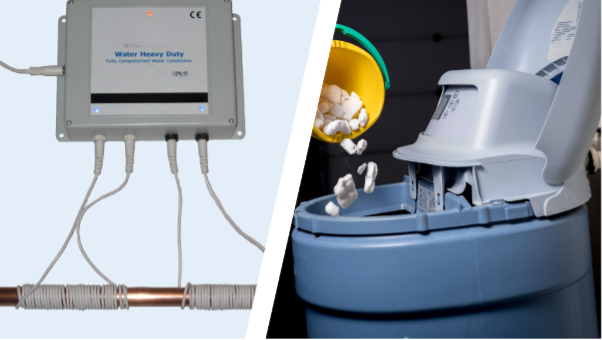
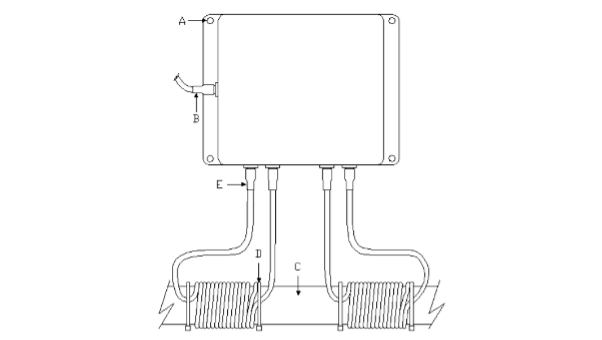
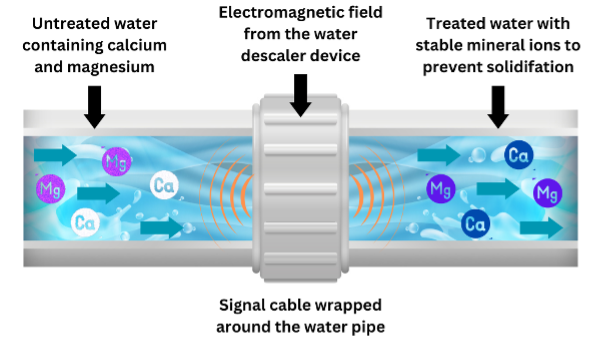
A water descaler is one of the devices you can use to prevent the problems of hard water. It is a small device connected to your main water inlet. The device is then connected to the main water pipe using wire coils.

A water descaler does not alter or change the water in any way. No chemicals are added to the water, and nothing is removed from the water. Instead, a water descaler seeks to disturb the behaviour of mineral ions.

Affecting the form of mineral ions prevents them from solidifying, preventing any scale build-up or deposits. Instead of minerals, such as calcium carbonate, forming to create thick solid deposits, the particles remain suspended in water.

How do water descalers work?

Work descalers work using an electromagnetic field. The coils of wire that are wrapped around your water pipe from the device emit a time-variant magnetic field. This magnetic field is passed through any inflowing water.

The calcium and magnesium ions are reformed as water flows through the electromagnetic field. The signal emitted from the water descaler is harmless to humans but is sufficiently tailored for optimal effect.

The device is powered by electricity from a main power supply. Most electronic water descalers use very little power to operate. Once installed, the device can be left to work without further operation or maintenance.

What are the benefits of water descalers?

Choosing a water descaler over a water softener can provide several benefits. Firstly, healthy calcium and magnesium minerals remain in the water. During the descaling process, no chemicals are added to the water.

Water descaler devices also require minimal setup and no maintenance or operation after that. Over time, they can help reduce existing scale deposits and build-ups. Also, the chemical composition of water remains unchanged.

Many of the common hard water problems can be mitigated using a water descaler. Limescale deposits do not form on water outlets and surfaces, pipes do not become clogged and affect your water pressure, and household appliances benefit from increased efficiency and a longer lifespan.

What are the drawbacks of water descalers?

However, there are some drawbacks to choosing a water descaler over a water softener. Firstly, the effects of hard water on skin and hair, such as eczema, may still be problematic, as minerals remain in the water. A water descaler also doesn’t soften water, meaning water doesn’t become ‘soft’.

As hard water minerals are left in the water, the soft and slick feel of soft water is not present. Also, the high mineral content could still cause hard water stains or marks. Water descalers are best suited for areas with slightly or moderately hard water levels.

What are water softeners?

Another method to reduce the problems associated with hard water is a water softener. Water softeners use a process called ion exchange to remove calcium and magnesium ions from the water. Unlike a water descaler, water is treated so it becomes soft.

Unlike water descalers, a water softener is a much larger device. Depending on the type of water softener, the device can be a tank or box. The softener is connected to the main water supply so all water can filter through.

Water softeners are filled with resin beads that help remove hard water minerals. A compartment holds salt, which is used to cleanse the resin beads after the softening process.

How do water softeners work?

Water descalers use an electromagnetic field, unlike water softeners, which use ion exchange. The ion exchange process replaces the hard water minerals with a different mineral, such as sodium or potassium.

As the tank is connected to the main water supply, all water is filtered through the softener before being available for use. Once the ion process has taken place, water flows back into your main water supply and is ready for use.

The resin beads need to be regularly washed (or regenerated) to allow the ion exchange process to take place. Salt and water are used to flush the resin beads to cleanse them of built-up hard water ions. During this time, the water supply is hard. The time of regeneration varies but can take time.

What are the benefits of water softeners?

The most significant benefit of a water softener over a water descaler is that it softens your water. For that reason, water softeners are suited for areas with very hard water supplies. Water is softened, and washing with soap and other detergents is easier.

A water softener also prevents the build-up of scale deposits inside pipes, appliances, and heating systems. Softened water also prevents unsightly water stains or marks around water outlets, such as taps, and on glass, such as drinking glasses.

What are the drawbacks of water softeners?

However, there are some drawbacks to water softeners that you should also consider. The water-softening process can sometimes leave a salty or metallic taste. The regeneration process also requires repurchasing salt or sodium, which can cost between £8 and £25 per bag.

Resin beads regularly require washing or regenerating to work effectively. The water used for the regeneration process ends up as wastewater. Compared to a water descaler, the operating costs are also higher; both power and water bills will increase.

Another drawback is that water softeners are less environmentally friendly than water descalers. That’s because water descalers use more power. Also, the salt used during the regeneration process can harm some wildlife.

The final verdict

Each individual's choice between a water softener and a water descaler will depend on their needs and what they want to achieve from such a device. Those suffering from skin conditions may benefit most from a water softener.

Alternatively, a water descaler would be a much more practical choice for those who want to retain the healthy minerals in hard water but prevent scale build-up, particularly if they want a low-hassle and easy-to-set-up solution.

You should also consider the long-term running costs of the devices. If you are looking for a cost-effective method to cut your expenses, a water descaler may be the best choice. However, if you want soft water, you’ll need to spend more each month operating the device.

The levels of hard water may also be a deciding factor. Areas with high hard water levels (anything over 200 milligrams per litre of hardness) would benefit better from a water softener. Areas with slightly or moderately hard water (between 60 and 200 mg/L) may find a water descaler sufficient.

We hope that our guide to water softeners and water descalers will help you make a decision. Remember that different makes and models offer various features that could affect your choice. Narrowing down between a descaler or a softener, though, can help streamline your search for a better and less problematic water supply!

Fire Safety Checklist for New Home Buyers

RH Business Marketing Solutions

Buying a new home is an exciting milestone in life, but amidst the joy of homeownership, it's crucial not to overlook one essential aspect: fire safety. Every year, countless homes are devastated by fires, leading to property damage, injuries, and even loss of life. As a new homeowner, it's your responsibility to ensure that your family and property are protected from this potential danger. In this comprehensive guide, we'll provide you with a fire safety checklist tailored specifically for new home buyers.

Understanding Fire Hazards

Before diving into specific safety measures, it's essential to understand the common fire hazards present in homes. Electrical malfunctions, kitchen mishaps, heating appliances, and even simple oversights like leaving candles unattended can lead to disastrous consequences. Awareness of these risks is the first step towards effective fire prevention.

Creating an Emergency Plan

One of the most critical aspects of fire safety is having a well-thought-out emergency plan in place. Sit down with your family members and discuss the fastest routes to exit each room in the house. Designate a meeting point outside, away from the home, where everyone can gather in the event of a fire. Regularly practice fire drills to ensure that everyone knows what to do in an emergency.

Installing Smoke Detectors

Smoke detectors are your first line of defense against fires, alerting you to potential danger before it escalates. Make sure to install smoke detectors on every level of your home, including inside bedrooms and near sleeping areas. Test them regularly and replace batteries at least once a year. Additionally, consider upgrading to interconnected smoke detectors, so if one alarm is triggered, they all sound.

Fire Extinguishers

While smoke detectors are essential for early detection, having fire extinguishers on hand can help you contain small fires before they spread. Make sure to have at least one fire extinguisher on each level of your home, with additional units in high-risk areas like the kitchen and garage. Familiarize yourself with the different types of fire extinguishers and their appropriate uses, such as Class A for ordinary combustibles and Class B for flammable liquids.

Kitchen Safety

The kitchen is one of the most common areas for fires to start, making kitchen safety practices crucial for every homeowner. Never leave cooking unattended, and keep flammable objects like dish towels and oven mitts away from heat sources. Invest in a kitchen fire extinguisher and a fire blanket for added protection. Regularly clean your stove and oven to prevent grease buildup, which can ignite and cause a fire.

Electrical Safety

Faulty wiring and overloaded circuits are significant contributors to residential fires. During the home buying process, have a qualified electrician inspect the electrical system to ensure it meets safety standards. Avoid using extension cords as permanent solutions and never overload outlets or power strips. If you notice any signs of electrical problems, such as flickering lights or sparking outlets, address them immediately.

Heating Safety

As temperatures drop, many homeowners rely on heating appliances to stay warm, but improper use can pose significant fire risks. Keep portable heaters at least three feet away from anything flammable, including furniture, curtains, and bedding. Schedule regular maintenance for your heating system, including furnace inspections and chimney cleanings, to ensure it operates safely and efficiently.

Candle Safety

Candles can create a cozy ambiance, but they also pose a significant fire hazard if not used carefully. Always place candles on stable, heat-resistant surfaces, away from flammable materials and drafts. Never leave candles burning unattended, and extinguish them before leaving the room or going to bed. Consider using flameless LED candles as a safer alternative, especially if you have pets or small children.

Children and Fire Safety

Educating children about fire safety is crucial for their well-being and the security of your home. Teach them the importance of never playing with matches or lighters and what to do if they encounter a fire. Install childproof locks on cabinets containing hazardous materials like cleaning products and lighters. Practice fire drills with your children so they know how to react in an emergency.

Pet Safety

Pets are beloved members of the family, but they can also inadvertently cause fires if left unsupervised. Keep candles, space heaters, and other potential hazards out of reach of curious pets. Invest in pet-specific fire safety products, such as window decals to alert firefighters to the presence of pets inside the home. Include your pets in your fire escape plan, ensuring that you have a plan for their evacuation in case of emergency.

Regular Inspections

Regular inspections are essential for maintaining a safe living environment and preventing potential fire hazards. Schedule annual inspections for your heating system, electrical wiring, and chimney. Check smoke detectors and fire extinguishers monthly to ensure they are in working condition. Keep an eye out for signs of wear and tear, such as frayed wires or corroded outlets, and address them promptly.

Community Resources

Take advantage of the resources available in your community to enhance your fire safety knowledge and preparedness. Contact your local fire department to inquire about fire safety workshops, CPR training, and home safety inspections. Many fire departments offer free smoke detectors and installation services to residents, helping ensure that every home is adequately protected.

Insurance Coverage

While prevention is key, it's also essential to be prepared for the unexpected by having adequate insurance coverage. Review your homeowner's insurance policy to understand what is and isn't covered in the event of a fire. Consider purchasing additional coverage for items like valuable possessions and temporary housing expenses. Keep a detailed inventory of your belongings to streamline the claims process in case of loss.

Conclusion

Residential Fire protection is a critical aspect of homeownership that should never be overlooked. By following the comprehensive checklist outlined in this guide, new home buyers can significantly reduce the risk of fire-related incidents and protect their families and property. Remember, prioritizing fire safety isn't just about being prepared for emergencies—it's about creating a secure and peace-of-mind environment for you and your loved ones.

The Benefits of Choosing Professional Seamless Gutter Installers

RH Business Marketing Solutions

Getting seamless gutters installed by the right people can make a huge difference in the look of your home. It's not about moving rainwater to other areas anymore.

Professional seamless gutter installers bring knowledge and accuracy to the job, which guarantees durability and performance. They know the little details of installation that people who do it themselves might miss. If you have the right team, you won't have to worry about leaks or damage.

It is important to protect your home with good gutters. Find out why hiring a professional to put up your seamless gutters is the best option.

Longevity and Durability

One of the best things about having professional seamless gutter installation is that it makes the gutters last longer. Professional installers use high-quality materials and precise methods to make sure that your gutters last for a long time and in all kinds of weather.

This investment will not only keep your home safe from water damage, but it will also keep you from having to fix or replace things as often. In the end, it's a cheap option that will keep your home safe for years to come.

Aesthetic Appeal

A big benefit of having a professional seamless gutter installation is that it looks better. Gutters that are professionally installed will blend in with the design of your home, making it look better overall.

Seamless gutters don't leak as easily as segmented gutters do, so they don't leave unsightly water stains on your siding or foundation. Hiring seamless gutter companies to do the installation will make sure that your home not only works well but also looks great.

Customization Options

When you want to make seamless gutters fit the style of your home perfectly, you can do a lot of different things. Your gutters will look great if you get seamless gutter contractors to match the color and style of the outside of your house.

You can change everything about it to fit your needs and tastes, from the materials used to the size. You can change a lot of things about your home, and it looks better, works better, and is safer overall.

Enhanced Protection

Better protection is the main benefit of having professional seamless gutters installed. With these gutters, rainwater is effectively managed, which lowers the risk of damage to the foundation, erosion of the landscaping, and flooding in the basement.

They keep water from building up, which also stops mold and pests from growing around the house. This level of protection will keep your property safe and dry, and it will also keep its value over time.

Efficient Installation

Hiring a professional seamless gutter installation company is the best way to make sure the job is done quickly and correctly. They know how to get the job done quickly so that it doesn't get in the way of your daily life too much.

Because they've done this before, they can also predict and avoid common installation problems, which makes the whole process go more smoothly. This efficiency not only saves time but also lowers the chance of mistakes, making sure the whole installation goes smoothly.

Cost-Effectiveness Over Time

It may seem expensive at first to hire professionals to put up your gutters, but it ends up being a good investment in the long run. A professionally installed system lasts longer and works better, so it doesn't need to be fixed or replaced as often.

Preventing water damage and other problems that come with it can also save you a lot of money on home maintenance. Overall, the money saved in the long run makes the initial investment worth it, so it was a smart financial choice.

Reduced Maintenance

Because of how they are made and how well they are installed, seamless gutters that were put up by professionals need less maintenance. Since there are no seams, there are fewer chances of leaks and clogs, so you don't have to clean it as often.

It saves time and keeps people from getting hurt when they fall off a ladder during maintenance work. In the end, seamless gutters are a good choice for long-term home care because they are safe and convenient for homeowners.

Expertise and Warranty

When you hire professionals to install seamless gutters, you're also investing in their knowledge and experience. These professionals will not only make sure the job is done right, but they can also give you good advice on how to keep your gutters in good shape.

A warranty is usually included with professional installations. This gives you peace of mind by covering any problems that might come up in the future. With professional help and warranty coverage, this is a smart investment in the safety and longevity of your home.

Increased Home Value

The value of your home goes up a lot when you hire professionals to install seamless gutters. People who are interested in buying a house like how these gutters make it look better from the street, require less upkeep, and protect better against water damage.

This change you made to your home not only makes it look better but also sets it apart as a premium property on the market. Ultimately, seamless gutters are a useful addition that will help you sell your home faster.

Compliance with Building Codes

Installing gutters by a professional makes sure that you follow the building codes in your area, which can be very different from one place to another. Installers with a lot of experience know about these rules and will make sure that your gutter system follows them.

This compliance not only keeps you out of trouble with the law but also makes sure that your installation meets safety standards. In the end, it protects your investment and makes sure that the structural parts of your property are in good shape.

Elevate Your Home with Professional Seamless Gutter Installers

Your home will benefit greatly from hiring professionals to install your seamless gutters. In addition to making sure the job is done correctly, these professionals also come up with new ideas that are perfect for your property. There are benefits to hiring seamless gutter installers, such as better protection, better looks, and long-term savings.

Beyond just keeping water out, they add to the overall value and appeal of your home. Hiring professional seamless gutter installers is, therefore, a smart and long-lasting choice for any homeowner.

Did you like this guide? Great! Please browse our website for more!

5 Mistakes To Avoid When Selecting An Asphalt Paving Contractor

RH Business Marketing Solutions

If you want a good result from your paving job, whether a new driveway, parking lot, or road, you need to hire the right asphalt paving company. But because they are in a hurry to finish the job, many homeowners make common mistakes that lead to unsatisfactory results and expensive fixes down the road.

It will also enable you to build a relationship that stands the test of time while saving you time and money. But picking a reputable asphalt contractor can seem like a challenging task. When choosing the perfect one, there are many factors to consider.

Here are some tips to help you find a professional asphalt paving company that reliably completes your projects.

1. Prematurely Making a Final Pick

Selecting an asphalt paving firm should require considerable thought and research. Make sure you investigate and compare several companies. Inquire about references, ask lots of questions, and get many quotes. Choosing hastily could lead to regrettable choices and subpar results.

Hence, it's essential to research before hiring any asphalt paving tacoma WA contractor. Ultimately, you want to ensure that your chosen company is of high quality and will deliver excellent results at a reasonable cost. The same is true when you're looking for asphalt paving contractors. Google search is the go-to tool for most people when searching for a local pavement contractor. 

2. Price-based Selection

Choosing a paving firm only because they gave you the lowest bid is a typical error people make. Though cost is quite important, if you ignore other factors, the cheapest option will come with subpar materials, shoddy workmanship, and a pavement that doesn't last long. Striking a balance between reasonable prices and excellent service is vital to achieving short- and long-term success.

Additionally, a contractor can quickly reduce the price of your project by not carrying insurance. This implies that you'll have to rely on your homeowner's policy in an accident or an injury to a worker on your driveway paving project. During the ensuing years, your home insurance premiums may rise or even quadruple. To get around this concealed charge, request insurance coverage from the paving company in advance.

3. Not Checking License and Insurance

Some homeowners don't bother to verify that the paving company they're considering has the required licensing and insurance. A valid license ensures the contractor complies with all applicable local laws and industry regulations.

As stated earlier, insurance policies, such as worker's compensation and liability insurance, shield you from potential responsibilities and accidents during the project. So, always verify any paving firm's license and insurance status before selecting it.

4. Skipping Extensively Written Quotes

When it comes to paving jobs, deals made over the phone are not safe. Failure to receive precise written quotes may result in misunderstandings about costs and the scope of work. So before you work with an asphalt paving business, ask them to send you a formal proposal.

The estimate should cover all costs, such as supplies, labor, and any extra services that will fall under the project. Outlining everything on paper helps keep everyone on the same page throughout the job and avoids misunderstandings. 

A careless estimator would overspecify just to be safe, increasing the price. Thus, it's essential to get an exact quote. You can trust accurate estimates from pavement contractors with several years in business.

Furthermore, remitting a down payment to any asphalt paving contractor is not advisable. Most material suppliers grant lines of credit to the most respectable asphalt paving businesses. Hence, there's a chance that a contractor may misappropriate the money if you deposit it with them. Even though it's sad, we've all heard of contractors who never delivered after receiving a down payment.

5. Disregarding Feedback and Reviews from Previous Customers

Reviews and feedback from former customers can tell you a lot about the paving provider's quality of service. Disregarding these reviews could mean you're overlooking warning signs or exceptional attributes of a company. Carefully review the positive and negative feedback before making a choice.

Referrals are another excellent resource for identifying reliable asphalt paving contractors. Your family members or neighbors who had work completed in their parking lot could help you. You should learn about the contractor they chose and why they picked this contractor. Even in this digital age, recommendations from friends and family still rank high when finding trustworthy contractors. 

Conclusion

It doesn't matter if you want asphalt or concrete paving; choosing pavement services helps minimize costs without diminishing the quality of the work. To avoid hassle, unnecessary expenses, and subpar work from an asphalt paving business, avoid the typical pitfalls of choosing one.

Instead, make an educated choice to entrust your paving project to skilled professionals who will produce a visually pleasing and long-lasting outcome. Remember, the pain of hiring the wrong individual is nothing compared to the long-term gain from a properly carried out asphalt paving project.

Walls with Wow: The Great Wallpaper vs. Paint Showdown

RH Business Marketing Solutions

As a professional house painter with over a decade of experience in Sydney, I've witnessed firsthand the transformative power of both wallpaper and paint. These two wall decor options have their unique strengths and weaknesses, and choosing between them can be a daunting task for homeowners and interior designers alike. In this comprehensive blog post, I'll break down the key factors to consider, drawing from my years of hands-on expertise in the field.

The Cost Conundrum: Wallpaper vs. Painting

Let's start with the elephant in the room: cost. When it comes to budget considerations, both wallpaper and paint can vary significantly in price depending on the materials and labor involved.

Breaking Down the Expenses

Wallpaper:

  • Materials: Wallpaper rolls can range from $20 to $200 or more per roll, depending on the pattern, texture, and quality.

  • Labor: Professional wallpaper installation typically costs between $3 to $7 per square foot, including preparation work and materials.

Painting:

  • Materials: High-quality interior paint can cost anywhere from $30 to $100 per gallon, depending on the brand and finish.

  • Labor: Professional painting services typically charge $2 to $6 per square foot, including prep work and materials.

It's important to note that these figures are rough estimates, and the actual cost can fluctuate based on factors such as room size, complexity of the job, and the Sydney-based contractor you hire.

Cost-Saving Tips

If you're on a tight budget, fear not! Here are some cost-saving tips for both wallpaper and painting:

Wallpaper:

  • Consider removable or temporary wallpaper options, which can be more affordable than permanent wallpaper.

  • Look for remnant rolls or end-of-line wallpaper at discounted prices.

  • Tackle the installation yourself as a DIY project (but be prepared for a steep learning curve).

Painting:

  • Purchase paint during sales or use coupons to score discounts.

  • Opt for lower-sheen paints, which tend to be more affordable than high-gloss finishes.

  • Tackle smaller rooms or accent walls as a DIY project to save on labor costs.

Ultimately, the cost difference between wallpaper and painting can vary greatly depending on your specific project and preferences. It's crucial to weigh the upfront costs against the longevity and maintenance requirements of each option.

Time and Effort: Which is Quicker?

When it comes to time and effort, both wallpaper installation and painting have their unique challenges. Let's dive into the nitty-gritty details:

Wallpaper Installation: A Labor of Love

Installing wallpaper is a meticulous and time-consuming process that requires a great deal of patience and precision. Here's a general breakdown of the steps involved:

  1. Surface preparation: Walls must be cleaned, repaired, and primed for optimal adhesion.

  2. Measuring and planning: Precise measurements are crucial to ensure proper pattern alignment and minimize waste.

  3. Cutting and pasting: Each strip of wallpaper must be carefully cut, pasted, and positioned on the wall.

  4. Smoothing and trimming: Air bubbles must be smoothed out, and excess wallpaper must be trimmed for a clean finish.

Depending on the room size and complexity, a professional wallpaper installation can take anywhere from one to three days or more.

Painting: A Quicker Transformation

While painting also requires preparation work, the application process itself is generally faster and more straightforward compared to wallpaper installation. Here's a typical timeline:

  1. Surface preparation: Walls are cleaned, repaired, and primed (if necessary).

  2. Taping and protecting: Baseboards, trim, and adjacent surfaces are taped off or covered.

  3. Painting: The paint is applied in one or two coats, depending on the desired coverage and finish.

  4. Clean-up: Tape and protective coverings are removed, and paint tools are cleaned.

A professional painting crew can typically complete a standard room in one to two days, depending on the size and complexity of the space.

The DIY Factor

For those who prefer a hands-on approach, both wallpaper installation and painting can be tackled as DIY projects. However, it's important to note that wallpaper installation is generally more challenging and time-consuming for beginners. Painting, on the other hand, can be a more forgiving DIY project, especially for smaller spaces or accent walls.

Design Versatility: Wallpaper or Paint?

When it comes to design versatility, both wallpaper and paint offer a wealth of options to suit any style or aesthetic preference. Let's explore the creative possibilities of each:

Wallpaper: A Canvas for Endless Patterns and Textures

Wallpaper manufacturers have embraced the power of design, offering a dizzying array of patterns, textures, and styles to choose from. From bold geometrics and whimsical florals to sleek metallics and rustic wood grains, the options are virtually limitless.

One of the greatest strengths of wallpaper is its ability to create a stunning focal point or add depth and dimension to a space. By strategically applying wallpaper to an accent wall or a specific area, you can instantly transform the ambiance and character of a room.

Paint: A Blank Canvas for Creativity

While paint may seem like a more simplistic option at first glance, it offers a blank canvas for unleashing your creativity. From bold color blocking and ombre walls to intricate stenciling and faux finishes, the possibilities are endless.

Paint also allows for greater flexibility and ease of updating. With a fresh coat of paint, you can completely transform the look and feel of a room without the hassle of removing existing wallpaper.

Mixing and Matching

Who says you have to choose just one? Many homeowners and designers are embracing the art of mixing and matching wallpaper and paint for a truly unique and personalized look. For example, you could accent a painted wall with a stunning wallpaper feature or use paint to create a complementary border or design element around a wallpapered area.

Durability and Maintenance: What Lasts Longer?

When it comes to longevity and maintenance, both wallpaper and paint have their strengths and weaknesses. Let's take a closer look:

Wallpaper: A Long-Lasting Investment

High-quality wallpaper, when properly installed and maintained, can last for years or even decades. Vinyl and non-woven wallpapers, in particular, are known for their durability and resistance to moisture, making them ideal for high-traffic areas or spaces with humidity exposure, like bathrooms.

However, it's important to note that wallpaper can be susceptible to peeling, bubbling, or discoloration if not installed correctly or if exposed to excessive moisture or sunlight.

Paint: A Renewed Canvas

While a well-applied paint job can last for several years, paint is generally considered a more temporary solution compared to wallpaper. Over time, paint can fade, chip, or peel, especially in high-traffic areas or rooms with significant moisture exposure.

That being said, regular touch-ups and fresh coats of paint can easily breathe new life into a space, making it a more cost-effective option for those who enjoy frequent updates or prefer a more temporary solution.

Maintenance and Cleaning

When it comes to maintenance and cleaning, both wallpaper and paint have their unique considerations:

Wallpaper:

  • Dry dusting or vacuuming with a soft brush attachment is recommended for regular cleaning.

  • Spot cleaning with a mild soap and water solution may be possible for certain types of wallpaper, but caution is advised to avoid damaging the surface.

  • Professional cleaning or replacement may be necessary for heavily soiled or damaged areas.

Paint:

  • Painted walls can generally be cleaned with a damp cloth or mild cleaning solution.

  • Touch-ups or repainting may be required for scuffs, stains, or areas with significant wear and tear.

  • Regular maintenance, such as cleaning and touch-ups, can extend the lifespan of a paint job.

It's important to follow the manufacturer's recommendations and use appropriate cleaning products for both wallpaper and paint to ensure their longevity and maintain their appearance.

Trend Watch: Wallpaper or Paint for 2024?

As a professional painter and interior design enthusiast, I always keep a close eye on the latest trends in wallpaper patterns and paint colors. Here's a glimpse into what's hot for 2024:

Wallpaper Trends

  • Bold botanicals: Lush, vibrant floral and botanical patterns are taking center stage, bringing a sense of natural beauty and whimsy to interiors.

  • Geometric and abstract: Clean lines, geometric shapes, and abstract patterns continue to be popular, offering a modern and contemporary vibe.

  • Textured wallpapers: Wallpapers with raised textures, embossed designs, or dimensional elements add depth and interest to walls.

  • Murals and statement walls: Large-scale murals and statement walls featuring intricate designs or scenic landscapes are making a comeback.

Paint Color Trends

  • Earthy tones: Warm, grounding colors like terracotta, sage green, and sandy beige are gaining popularity, reflecting a desire for natural, calming spaces.

  • Bold and moody: Deep, rich hues like emerald green, navy blue, and charcoal gray are being embraced for their dramatic and cozy appeal.

  • Soft pastels: Muted, pastel shades like blush pink, pale blue, and lavender offer a serene and soothing ambiance.

  • Accent walls: Accent walls in bold, contrasting colors are becoming a popular way to add depth and interest without overwhelming a space.

Whether you choose to embrace the latest wallpaper or paint trends, or stick to timeless classics, the key is to select colors and patterns that resonate with your personal style and create a space that truly feels like home.

Removable Wallpaper: A Game-Changer?

In recent years, the wallpaper industry has introduced a game-changing product: removable wallpaper. This innovative solution combines the visual impact of traditional wallpaper with the ease and flexibility of temporary wall coverings.

What is Removable Wallpaper?

Removable wallpaper, also known as temporary or peel-and-stick wallpaper, is designed to adhere to walls using a low-tack adhesive. Unlike traditional wallpaper, which requires professional installation and can be challenging to remove, removable wallpaper can be easily applied and removed without damaging the underlying wall surface.

Pros and Cons of Removable Wallpaper

Pros:

  • Easy installation and removal, making it a great option for renters or those who like to switch up their decor frequently.

  • Affordable and cost-effective compared to traditional wallpaper installation.

  • Wide range of patterns and designs available, including temporary murals and accent wall options.

  • Can be repositioned or removed without leaving residue or damaging walls.

Cons:

  • May not be as durable or long-lasting as traditional wallpaper or paint.

  • Seams and overlaps may be more visible, affecting the overall aesthetic.

  • Limited options for textured or dimensional wallpaper designs.

  • May not adhere well to rough or heavily textured walls.

Where to Use Removable Wallpaper

Removable wallpaper is an excellent choice for rental properties, temporary living spaces, or areas where you want the flexibility to change up the decor frequently. It's also a great option for accent walls, feature areas, or even creating unique designs on furniture or household items. 

As certified and licensed painters in Sydney, we've seen the rise in popularity of removable wallpaper firsthand. While it may not be a permanent solution, it offers a fun and affordable way to experiment with patterns and textures without the commitment of traditional wallpaper installation.

FAQs

As a professional painter, I've fielded countless questions from clients about wallpaper and paint. Here are some of the most frequently asked questions to help you make an informed decision:

Can I install wallpaper or paint myself, or should I hire a professional?

Both wallpaper installation and painting can be tackled as DIY projects, but they can be challenging and time-consuming, especially for larger spaces or complex designs. Hiring a professional ensures a flawless finish and can save you time and frustration in the long run. However, if you're confident in your DIY skills and have the patience and attention to detail, you can certainly attempt these projects yourself.

Can wallpaper be used in bathrooms or other moisture-prone areas?

Yes, certain types of wallpaper, such as vinyl or non-woven options, are designed to withstand moisture and humidity, making them suitable for bathrooms, laundry rooms, or kitchens. However, proper installation and ventilation are crucial to prevent issues like peeling or bubbling.

How long does a paint job typically last?

The longevity of a paint job depends on several factors, including the quality of the paint, the surface preparation, and the level of wear and tear in the space. In general, a high-quality paint job can last anywhere from 5 to 10 years or more with proper maintenance and touch-ups.

Can I mix and match wallpaper and paint in the same room?

Absolutely! Combining wallpaper and paint can create a unique and personalized look. You can use wallpaper as an accent wall or feature area, while painting the remaining walls in a complementary or contrasting color. The key is to ensure a cohesive color scheme and design aesthetic.

How do I clean and maintain wallpaper or painted walls?

For wallpaper, dry dusting or vacuuming with a soft brush attachment is recommended for regular cleaning. Spot cleaning with a mild soap and water solution may be possible for certain types of wallpaper, but caution is advised. For painted walls, a damp cloth or mild cleaning solution can generally be used, followed by touch-ups or repainting as needed.

Remember, if you have any specific questions or concerns, don't hesitate to reach out to a professional interior painter in Sydney. We're always happy to provide expert advice and guidance to help you achieve your desired look.

Whether you choose the bold patterns and textures of wallpaper or the versatility and creativity of paint, one thing is certain: both options have the power to transform your space and elevate your interior design.

Top 10 Home Improvement Contractors In Texas

RH Business Marketing Solutions

When it comes to home improvement, finding the right contractor is crucial. In Texas, there's no shortage of options, but selecting the best can be daunting. This guide aims to simplify your search by showcasing the top 10 home improvement contractors in the Lone Star State. Each of these companies has a proven track record of quality workmanship, customer satisfaction, and reliability.

Pick your contractor from this list of trusted experts.

1. Texas Elite Roofing Inc.

Texas Elite Roofing Inc. has established itself as a leader in the roofing industry, specializing in both residential and commercial roofing projects. Their expertise extends to a variety of roofing systems, including shingle, metal, and flat roofs. The company prides itself on its commitment to using high-quality materials and employing skilled craftsmen who are dedicated to ensuring each project is completed with precision and care. With a focus on customer satisfaction, Texas Elite Roofing Inc. offers comprehensive warranties and flexible financing options to meet the needs of their clients.

2. Window World of Texas

Window World of Texas is renowned for its high-quality window installation services, offering an extensive selection of styles, including double-hung, casement, and sliding windows. Their commitment to energy efficiency is evident in their use of cutting-edge technology and materials that meet strict energy standards. With a focus on customer service, Window World of Texas provides free in-home consultations and expert guidance to help clients choose the perfect windows for their homes. Their lifetime warranty ensures peace of mind for years to come.

3. All Star Construction, Inc.

With over four decades of experience, All Star Construction, Inc. has become a trusted name in home improvement, offering personalized solutions to meet the unique needs of each client. From elegant kitchen remodels to spacious room additions, their team of skilled professionals works tirelessly to ensure that every project reflects the client's vision and enhances the value of their home. All Star Construction, Inc. is committed to sustainability, using eco-friendly materials and practices whenever possible.

4. Erie Home

This contractor specializes in residential Erie Roof of San Antonio services, offering a range of options, including asphalt shingle, metal, and tile roofs. Their focus on durability and longevity ensures that each roof is built to withstand the harsh Texas weather. Erie Home is committed to transparency, providing clear and detailed estimates so clients know exactly what to expect. Their after-service support includes regular maintenance and prompt repairs to keep roofs in top condition.

5. ProTex Remodeling

ProTex Remodeling is known for its innovative approach to home improvement, offering custom solutions that blend aesthetics and functionality. Their design team works closely with clients to create spaces that reflect their personal style while maximizing the use of available space. From luxurious bathroom retreats to gourmet kitchens, ProTex Remodeling is dedicated to transforming homes into dream living spaces. They also offer eco-friendly options for clients looking to reduce their environmental impact.

6. Texas Remodel Team

Texas Remodel Team has a strong reputation for its ability to rejuvenate and modernize homes with its comprehensive remodeling services. Their approach is centered around understanding the client's vision and delivering results that not only meet but exceed expectations. With a keen eye for detail and a commitment to using top-quality materials, they ensure that each project adds beauty and value to the home. Texas Remodel Team also offers flexible financing options to make home remodeling accessible to a wider range of clients.

7. Better Built Enterprises

Better Built Enterprises is a trusted name in home renovations and repairs, known for its meticulous attention to detail and commitment to craftsmanship. Their range of services includes intricate tile work, custom cabinetry, and elegant hardwood flooring. The company values open communication with clients, ensuring that each project is tailored to their specific needs and preferences. Better Built Enterprises is dedicated to completing projects on time and within budget without compromising on quality.

8. Lone Star Home Remodeling

Lone Star Home Remodeling is a premier provider of custom home renovations, offering personalized services that cater to the individual needs of each client. Their expertise extends to creating functional and stylish outdoor living spaces, such as decks and patios, that enhance the enjoyment of the home. With a focus on client satisfaction, Lone Star Home Remodeling ensures a smooth and stress-free remodeling experience from start to finish. They are committed to delivering exceptional results that reflect the homeowner's unique style and personality.

9. Texas Home Improvement

Texas Home Improvement offers a wide range of home renovation services, with a focus on enhancing both the aesthetics and functionality of the home. Their team of experienced professionals is equipped to handle projects of all sizes, from minor repairs to major renovations. They are committed to using eco-friendly materials and practices, and their work is backed by a strong warranty for added peace of mind. Texas Home Improvement is dedicated to providing top-notch customer service and delivering results that exceed client expectations.

10. ABC Home & Commercial Services

ABC Home & Commercial Services is a comprehensive provider of home improvement and maintenance services known for its reliability and professionalism. Their services extend beyond traditional renovations to include pest control, lawn care, and pool maintenance, making them a one-stop shop for all home needs. With a focus on customer satisfaction, ABC Home & Commercial Services employs a team of certified professionals who are committed to delivering high-quality work and ensuring the safety and comfort of their clients' homes.

Conclusion

Choosing the right home improvement contractor can make all the difference in the success of your project. The top 10 contractors listed in this guide are known for their quality workmanship, reliability, and customer satisfaction. Whether you need roofing services, window installations, or a complete home renovation, these companies have the expertise and experience to bring your vision to life.

How to Deal With Very Common Bathroom Plumbing Problems

RH Business Marketing Solutions

As a homeowner, it is likely you will experience plumbing issues at some point. These could range from slow drains and toilet leakage to leaks which require professional plumbing assistance for repair.

However, some plumbing issues are within your reach to resolve on your own - here are a few of the more commonly occurring ones below. Obviously, more would appear during a larger home remodel project.

Clogged Drains

No one enjoys having to deal with clogged drains in their bathroom, where they can cause serious issues. Proper waste disposal and pipe maintenance can help avoid these clogs; it is also essential that individuals understand early warning signs that could indicate the development of one so it can be addressed promptly.

Clogged sink drains are usually caused by hair, soap scum or foreign objects that enter the drain and become wet in its path; when hair enters it clumps together into an obstruction in its path. Soap scum builds up inside pipes preventing water flow.

An effective method for unclogging drains is pouring baking soda followed by vinegar down your drain, followed by hot water rinsing. A wire drain snake may also help dislodge large clogs; chemical-based drain cleaners should always be avoided as these are more harmful than helpful, and could corrode pipes over time.

Leaky Pipes

Leaky pipes can cause irreparable damage to both your bathroom and home, so it is vital that any slow leaks be immediately fixed - this is especially true if they run beneath your sink or other exposed locations.

Water spots on your ceiling, walls or floor; stains on these surfaces; bubbling wallpaper or peeling paint; and sagging floors may all indicate this problem. In addition, you may hear dripping noises.

Leaks in pipes may be caused by loose connections, clogs or corrosion on P-traps. Tightening loose fittings should usually be straightforward while replacing damaged pipe systems requires specialist equipment and skills.

Submit to regular checks around your bathroom to identify signs of leaky pipes that could result in costly damage and flooding, including earthy or musty smells that could signal hidden mold growth behind toilets or pipes. Mold thrives in dark and moist places like this one and needs moisture and darkness in order to thrive.

Sewer Odours

Even though a bathroom may be the last place you expect to experience the pungent scent of sewerage, it can happen. It is important to identify its source and address it accordingly if this foul odor becomes an issue - air fresheners and fans might help, but airing out could reveal larger problems like sewer backup or broken seal on the toilet that require immediate action.

One common source of sewer odors in your home can be when the p-trap on your sink drain becomes dry. These u-shaped pipes collect water beneath your sink drain in order to block bad odours from entering, but when not used often enough, their contents evaporate and allow odors into your home. Running the water in either your sink or shower for one or two minutes should refill the p-trap and restore its ability to protect from sewer odors. A broken toilet wax ring may also allow these unpleasant aromas into your home - replacement may require professional plumber services.

Dripping Sink or Shower

Dripping bathroom faucets waste gallons of water each day, driving up your water bill and potentially causing serious water damage in the room below. To remedy it, switch off all water valves under the sink before unscrewing and unscrewing out the handle for drainpipe access and screwing out drainpipe. Take note of how nut and washer were originally installed so you can reassemble them correctly later.

Shower leaks can be just as problematic as bathtub leaks if left ignored for too long, leading to damaged floor boards and buckled ceiling drywall, as well as significant water damage and creating an ideal environment for mould growth.

A leaking shower can often be easily identified, leaving behind a wet spot on the wall. Use a small nail to probe this wet spot, and try hitting an electrical or plumbing stud by probing with it - then work between these studs to saw out an inspection hole to locate its source - potentially the leak!

Understanding The Implications Of A Blocked Toilet Drain And Strategies For Prevention

RH Business Marketing Solutions

Today, let's tread the less-trodden track, leaving the realm of plush upholstery and elegant vases behind to dive into a more terrestrial territory—your toilet drains. Sounds a bit grody? Perhaps. But is it an essential cog in maintaining a sanitary and efficient household? Absolutely!

When did you last think about your toilet drain? Not until it got blocked. That's what we thought. Keeping your drains clean and functional may not be the most exciting piece of the home-maintenance puzzle, but its significance is undeniable. This blog post will transform your perceptions about blocked toilet drain, their implications, and preventive measures.

Why should you bother about a mere toilet drain? Settle down with this post, and we guarantee that by the end, you'll be brimming with newfound respect and some pretty nifty tips for keeping blocked toilet drain at bay.

Catching It Early: Decoding The Signs Of A Blocked Drain

Understanding when your toilet drain is headed for trouble can save you time, money and stress. The telltale signs are subtle yet evident. Slow draining water, unusual noises, unpleasant odours, and frequent clogging—addresses these early signs can upend potential catastrophe.

Often these signs are berated as minor, ending up as an overlooked aspect in households. However, ignoring them would only incubate the actual problem into a draining predicament (pun intended), disrupting both financial and sanitary equilibrium of your abode.

Finally, unusual growth in your water bills can also point towards a possible blockage. Keep your senses keen for these checks on your checklist!

The Unseen Havoc: Potential Consequences Of Blocked Drains

Ever wondered about the Pandora’s Box a simple blocked drain can open? Firstly, it can initiate the breeding of bacteria, causing health hazards. There's also the risk of a sewage backup that can lead to dirty water seepage into your home.

Furthermore, overlooking a blocked drain could lead to plumbing system failure due to increased pressure. This could become a costly affair considering the intensive repair or installations required thereafter.

Lastly, it’s about aesthetics too! The foul smell and unsightly look can put an abrupt end to your flamboyant dinner parties or peaceful nights.

Culprits Behind Blocked Drains: What To Watch Out For

From flushing down inappropriate items to ignoring regular maintenance, numerous factors can contribute to blockages. Even your seemingly harmless hygiene products or kids’ toys could create a stubborn clog.

Hard water scale deposits can also constrict your pipelines over time, making flushing less efficient. Trees seeking moisture and nutrients can extend their root systems to plumbing lines, leading to blockages.

Let's also not forget the potential harm caused by dumping cooking oil or grease down the drain. These substances cool down and solidify, sticking to pipes causing severe blockages.

Clearing The Path: Steps To Unblock Your Toilet Drain

Before marching towards the store for chemical cleaners, try good old plunger or a plumber snake to dislodge blockages. Sounds too DIY? Professional help is always around the corner for stubborn clogs and endless peace of mind.

High pressure jetting is another solution to consider. The water forcefully washes away the blockages, leaving your drains squeaky clean.

For particularly stubborn blockages, pipe relining might be inevitable. It's the process of creating a 'pipe within a pipe' to restore the function of the drain.

Preemptive Strike: Preventing Blocked Drains

Prevention, they rightly said, is better than cure. Regular cleaning and inspection of your drains can avoid buildups that lead to blockages. Being cautious about what you’re flushing down is also imperative to maintaining the unobstructed flow.

If you’re living in an area with hard water, consider getting a water softener installed to control scale buildup. Regularly trimming tree roots around your sewer lines and avoiding dumping oils and grease into drains should also be in your preventive regimen.

Conclusion

It's time to bid adieu to nonchalant attitudes towards our unsung bathroom hero— the humble toilet drain. The damage of an ignored, blocked drain can spiral into an abyss of health hazards, eye-watering repair costs and an under-siege plumbing system. Implementing preventive measures and knowing when to seek professional help is the key to maintaining a hassle-free and efficiently running household.

You might not think much about it on a daily basis, but the rewards of a well-maintained drain are bountiful rewarding you with hygienic, smoothly functioning and a cost-effective home. So, remember, the next time you're flush with attention towards your home decor, spare a thought (and some time) for your indispensable toilet drain, will you?