Google+

contact us

Use the form on the right to contact us.

Day or Night, we are here to serve you. Leave your plumbing problem to us.


Tinley Park, IL

(708)845-7922

Residential and Commercial plumbers and plumbing contractors available in Orland Park, Tinley Park, Oak Lawn, Palos Heights, Midlothian, Oak Forest, Homer Glen, Mokena, Frankfort, and the surrounding Chicago South Suburbs. Emergency plumbers.

copper water lines.jpg

Kevin Szabo Jr Plumbing Blog

Kevin Szabo Jr Plumbing is Tinley Park, Orland Park, Oak Forest, Midlothian, Orland Hill, Homer Glen, Mokena, Frankfort, Crestwood, Palos Heights, Oak Lawn, local plumber. Read our blog for advice, tips, a good laugh, and basic home improvement.

**We are moving our old blog to our new and improved website. Too see all our posts visit kevinszabojrplumbing.blogspot.com

From Basement to Safe Space: Essentials and Extras for a Cozy Bunker

RH Business Marketing Solutions

Whether you're an avid prepper, a fan of apocalyptic fiction, or simply someone who enjoys the idea of a secure and comfortable space below ground, the journey from basement to bunker requires careful consideration of essentials and extras.

In this guide, we'll delve into the world of creating a cozy basement and the key components that make them both functional and inviting.

Practical Considerations: A Checklist Of Essential Elements

Structural Integrity

Before you transform your basement into a bunker, ensure its structural integrity. Reinforce walls and ceilings to withstand potential challenges and ensure your space has been properly waterproofed and damp-proofed.

Ventilation Systems

A cozy bunker is not just about protection; it's about maintaining a comfortable atmosphere. Proper ventilation is crucial for ensuring a steady flow of fresh air and preventing a stale, claustrophobic environment. Invest in efficient ventilation systems that can circulate air while maintaining security and ensure you have smoke and carbon monoxide detectorsinstalled too.

Emergency Power Supply

In the event of a power outage, having a reliable source of electricity is essential. Install backup generators or alternative power sources to keep essential systems running smoothly. This includes lighting, communication devices, and any other critical appliances.

Water Filtration and Storage

Access to clean water is a non-negotiable aspect of bunker living. Install a robust water filtration system and ensure an ample supply of stored water. Plan for both short-term emergencies and extended periods of isolation, making water storage a top priority.

Nutrient-Rich Food Storage

A well-stocked pantry is vital for sustaining yourself during extended periods underground. Stock up on non-perishable, nutrient-rich foods that can provide the sustenance needed for physical and mental well-being. Consider a combination of freeze-dried meals, canned goods, and other long-lasting provisions.

Designing Your Safe Haven: Extras for a Cozy Ambiance

Comfortable Furnishings

To truly transform your basement into a cozy bunker, invest in comfortable furnishings. Consider ergonomic seating, plush cushions, and warm blankets to create a welcoming atmosphere. Design the space with relaxation in mind, balancing functionality with aesthetics.

Multi-Functional Spaces

Make the most of limited space by designing multi-functional areas. Foldable furniture, hidden storage solutions, and adaptable spaces can maximize the utility of your bunker. This ensures that every square foot serves a purpose without sacrificing comfort.

Aesthetically Pleasing Lighting

Lighting plays a crucial role in setting the mood. Opt for warm, adjustable lighting options to create a cozy ambiance. LED lights with dimming capabilities allow you to control the intensity and transform your bunker from a practical space to a tranquil haven.

Entertainment Center

To maintain mental well-being during extended stays, integrate an entertainment center into your bunker. Consider a high-quality projector, flat-screen TV, and a collection of books, movies, and games. A well-equipped entertainment center can be a source of relaxation and distraction when needed.

Personalized Touches

Infuse your bunker with elements that reflect your personality and bring a sense of familiarity. Personalized decor, artwork, or family photos can turn your safe space into a true home away from home. These touches add a layer of comfort and connection to your surroundings.

Security Measures: Balancing Comfort with Safety

Advanced Surveillance Systems

While comfort is paramount, security cannot be overlooked. Implement advanced surveillance systems with cameras strategically placed both inside and outside the bunker. Access to real-time monitoring can provide peace of mind and early detection of potential threats.

Secure Entrances and Exits

Design secure entrances and reinforced exits equipped with biometric or keycard access systems. Ensure that these points are well-hidden to minimize the risk of unauthorized entry. A secure bunker is only as strong as its weakest point, so invest in top-notch security for all access points.

Communication Systems

Communication is key in an emergency. Install reliable communication systems, including radio transceivers and satellite phones, to stay connected with the outside world. Receiving updates and emergency broadcasts can be crucial for making informed decisions.

Emergency Escape Routes

No matter how secure your bunker is, emergency escape routes are necessary. Plan and implement alternative exits that lead to safe areas in case the primary entrance is compromised. Conduct regular drills to ensure everyone in the bunker is familiar with the escape routes and procedures.

Fire Suppression Systems

Fire can be a significant threat in an enclosed space. To mitigate the risk, install advanced fire suppression systems, such as sprinklers and fire extinguishers. Regular maintenance and training on fire safety protocols are essential for the well-being of everyone in the bunker.

Maintaining Mental Well-being: Added Extras for Long-Term Survival

Natural Light Simulation

Mimicking natural light cycles is crucial for regulating circadian rhythms and maintaining mental health. Incorporate light simulation systems that replicate the natural progression of daylight. This can help regulate sleep patterns and contribute to a sense of normalcy.

Exercise Facilities

Physical activity is vital for mental and physical well-being. Designate a space for exercise, incorporating equipment such as stationary bikes, resistance bands, or yoga mats. Regular exercise can alleviate stress and contribute to a positive mindset during extended periods of confinement.

Educational and Productive Activities

Keep your mind engaged with educational and productive activities. Stock up on books, educational materials, and hobby supplies to encourage learning and creativity. Establish a routine that includes time for both relaxation and personal growth.

Social Spaces

While a bunker may be a confined space, creating designated social areas is crucial for maintaining a sense of community. Consider common spaces where your fellow bunker inhabitants can gather, share meals, or engage in group activities. Human connection is a powerful factor in mental well-being.

Snacks & Beverages

If you have the space, your bunker should include a little more than the staple pantry items. You can stock up on long lasting snacks and beverages to ensure the time you spend there is as enjoyable as possible. If you’re part of a wine club, you may even want to convert a small corner into a cellar, as the cool, dark conditions are ideal for storing your best bottles.

From Basement to Safe Space

As you transform your basement into a cozy bunker, remember that balancing essentials with the extras and security with comfort requires careful planning and consideration. Your safe space needs to be exactly that, and it needs to have everything you need when expecting the unexpected.

12 Essential Tips for Maintaining Your Backyard

RH Business Marketing Solutions

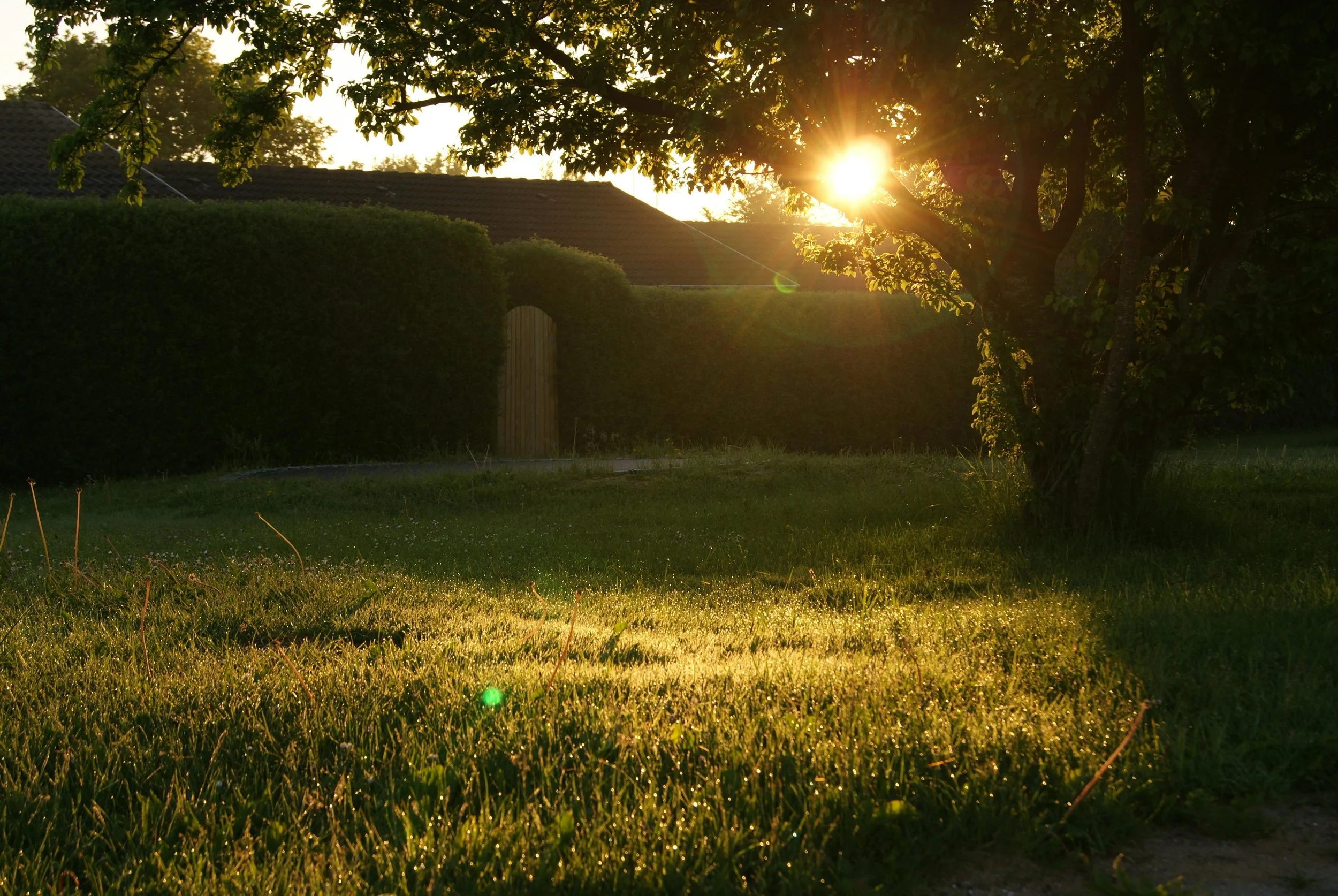
Maintaining a backyard in Baton Rouge, LA, goes beyond just keeping your outdoor space looking neat. It's about creating a serene retreat where you can relax and entertain, enhancing your home's curb appeal, and increasing property value. Whether you're a gardening novice or a seasoned landscaper, the following essential tips will help you keep your backyard in top condition.

1.   Regular Lawn Care

  • Mow your lawn regularly: Keep your grass cut to the recommended height for your specific type, which usually ranges from 2.5 to 3.5 inches, to promote healthy growth and deter pests.

  • Water your lawn wisely: Aim for deep, infrequent watering early in the morning to encourage deep root development and minimize evaporation.

  • Aerate your lawn annually: This allows nutrients, water, and air to penetrate built-up grass or lawn thatch, promoting a healthier lawn.

2.   Garden Maintenance

  • Weed diligently: Regularly removing weeds by hand or with tools ensures they don't compete with your plants for nutrients and water.

  • Prune and deadhead flowers: Cutting back spent blooms and dead branches not only tidies up your garden but also encourages more flowers and healthy growth.

  • Mulch garden beds: Apply a layer of mulch to retain moisture, regulate soil temperature, and reduce weed growth.

3.   Managing Tree Health and Safety

  • Inspect trees for damage or disease: Look for signs such as cracked branches, hollow trunks, or decay, which could indicate a need for care or removal.

  • Consult with professionals for tree removal: For trees that pose a safety risk, consider removing them. For tree removal Baton Rouge LA, offers a number of reliable services to safely and efficiently handle the task.

  • Regularly trim tree branches: Keep branches trimmed away from your home and electrical wires to prevent property damage and power issues.

4.   Pest Control

  • Identify and monitor for pests: Keep an eye out for common garden pests that could harm your plants, such as aphids, slugs, and beetles.

  • Use environmentally friendly pest control methods: Opt for natural repellents, beneficial insects, or organic pesticides to minimize harm to the ecosystem.

  • Regularly inspect plants for signs of infestation: Early detection and treatment are key to controlling pest populations.

5.   Fertilizing

  • Test your soil: Knowing your soil type and nutrient levels can help you choose the most effective fertilizer for your garden and lawn.

  • Follow the recommended fertilizing schedule: Over-fertilizing can harm your plants and the environment, so adhere to the suggested application rates and times.

  • Choose a slow-release or organic fertilizer: These options are better for the environment and your plants, providing nutrients over time rather than all at once.

6.   Seasonal Cleanup

  • Rake leaves in the fall: Removing fallen leaves prevents them from smothering your grass and creating a habitat for pests.

  • Prepare your garden for winter: Trim perennials, remove annuals, and cover sensitive plants to protect them from cold weather.

  • Clean up after storms: Promptly clearing away broken branches and debris can help prevent accidents and keep your backyard looking its best.

7.   Watering Systems

  • Invest in a drip irrigation system: This method delivers water directly to the roots, reducing waste and ensuring deep water penetration.

  • Check sprinklers regularly: Ensure your sprinkler system covers all parts of your lawn and garden evenly without wasting water on sidewalks or driveways.

  • Consider a rain barrel: Collecting rainwater is an eco-friendly and cost-effective way to water your garden.

8.   Landscape Design

  • Plan with maintenance in mind: Choose plants that are well-suited to your climate and soil type to reduce upkeep.

  • Incorporate native plants: Native species are more resilient and require less water and care than non-native varieties.

  • Create functional areas: Designate spaces for dining, gardening, and relaxation to enhance your backyard's usability and appeal.

9.   Outdoor Lighting

  • Illuminate pathways for safety: Use low-voltage lights along walkways to ensure safety and add aesthetic appeal at night.

  • Highlight garden features: Strategic lighting can accentuate landscape features like trees, sculptures, or water elements.

  • Opt for solar-powered lights: They're environmentally friendly and easy to install, without the need for wiring.

10.   Hardscaping Maintenance

  • Regularly inspect and repair patios and walkways: Look for cracks or uneven surfaces that may need fixing to prevent accidents.

  • Seal decks and wooden features: Applying a sealant every few years protects wood from weathering and extends its life.

  • Keep hardscaping clean: Power wash hardscape surfaces to remove dirt, grime, and moss to maintain their appearance and safety.

11.   Pool or Pond Care

  • Maintain water balance: Regular testing and adjustments of your pool or pond's pH, chlorine, and other chemical levels are crucial for water quality.

  • Clean filters and skimmers: Keeping these components clean ensures efficient operation and prevents damage.

  • Inspect and repair liners or structures: Address any leaks or damage promptly to prevent water loss and structural issues.

12.   Furniture and Accessory Upkeep

  • Clean outdoor furniture regularly: Use appropriate cleaners for different materials to prevent damage and keep furniture looking new.

  • Protect furniture with covers: During bad weather or the off-season, covering furniture can significantly extend its lifespan.

  • Refresh or replace cushions and fabrics: Sunlight and weather can fade and wear out fabrics, so consider refreshing them periodically to maintain your backyard's aesthetic.

Creating Your Outdoor Sanctuary

Maintaining a backyard is about much more than just aesthetics; it's about creating a functional, serene space that reflects your lifestyle and enhances your quality of life. By implementing the essential tips outlined above, you can enjoy a beautiful and manageable outdoor area year-round. From the basics of lawn care and garden maintenance to the nuances of hardscaping and outdoor furniture upkeep, each element plays a crucial role in the overall appeal and sustainability of your backyard.

Keep in mind that a well-maintained backyard is an ongoing commitment that requires attention to detail, a proactive approach to maintenance, and a willingness to adapt to changing conditions and needs. Whether you're enjoying a quiet evening alone under the stars, hosting a lively family gathering, or simply admiring the view from your window, the rewards of your hard work will be immeasurable. Make the most of the process of backyard maintenance by viewing it as an opportunity to engage with nature, express your creativity, and enhance your living space.

Choosing Which Type Of IBC Tote You Need

RH Business Marketing Solutions

It may seem like a job best left to the professionals to begin the path of choosing the ideal IBC tote, but worry not! We are here to help you sort through the plethora of choices and locate the tote that seems tailor-made for you.

Knowing the ins and outs of IBC totes is essential whether you're a seasoned industrial worker or taking on a project that calls for the secure storage and transportation of liquids or grains. In sectors including chemicals, food, medicines, and more, these containers are the unsung heroes of efficiency and safety.

We'll explore the world of IBC totes together in a friendly and straightforward manner, ensuring that you have all the information you need to make the best choice for your needs.

What is an IBC Tote?

IBC stands for Intermediate Bulk Container. Imagine it as a versatile, big container that's used for storing and transporting liquids and granulated substances. These totes are a favorite in industries like chemicals, food, and pharmaceuticals because they're super efficient and safe.

Types of IBC Totes

There are mainly two types of IBC totes: plastic and metal. Each has its own perks and best-use scenarios.

Plastic IBC Totes

Plastic IBC totes are the go-to for many because they're lightweight and resistant to corrosion. They're made from high-density polyethylene (HDPE), which is a fancy term for a really strong and durable type of plastic. These totes are perfect if you're dealing with water, chemicals, or any liquid that needs a clean and safe container.

Metal IBC Totes

Metal IBC totes are the tough guys in the tote world. They're usually made from stainless steel or carbon steel and are the best choice for high-temperature materials or flammable substances. If you're in an industry where strength and durability are top priorities, metal IBC totes are your best bet.

Choosing the Right Tote

Now, let's talk about how to pick the right IBC tote for your needs. Here are a few things to consider:

Material Compatibility

First up, think about what you'll be storing in the tote. You want to make sure the material of the tote is compatible with your product. For example, if you're storing a chemical that can react with metal, you'll want to go with a plastic tote.

Capacity

How much do you need to store or transport? IBC totes come in various sizes, typically ranging from 275 to 330 gallons. Pick the size that fits your quantity needs without going overboard.

Space and Handling

Consider the space you have available and how you'll be moving the tote around. Make sure you have the right equipment to handle and store the tote safely.

Reusability and Sustainability

Think about whether you'll be reusing the tote or if you need a disposable option. Reusable totes can be a more sustainable choice, saving you money and reducing waste in the long run.

Where to Find IBC Totes

Ready to pick out your IBC tote? Check out verdetrader.com. They offer a wide range of IBC totes, and their expert team can help you choose the perfect one for your needs.

Conclusion

Choosing the right IBC tote doesn't have to be complicated. By considering the material, capacity, and your specific needs, you can find the perfect tote to make your storage and transportation a breeze. Remember, the right tote is out there waiting for you, just like the perfect pair of shoes. Happy tote hunting!

Preserving Historical Elements of Your Home While Remodeling

RH Business Marketing Solutions

Starting your home makeover begins with learning its history. Knowing when your house was built, and its style, helps you plan your updates. This information lets you know which parts are important to keep, ensuring your home renovation ideas respect the home's original look. If you're looking to keep the old charm of your home while updating it, here are tips on how to do just that.


Listening to Your Home

As you update your home, keep an eye on its original style. Only some new things will fit in, and that's perfectly okay. The aim is to make your home suitable for today's needs while holding onto the unique features that give it its charm. This approach ensures your home remains both beloved and functional.


Preserving Unique Elements

The heart of your home's story lies in its unique features, such as original woodwork, distinctive tiles, or handcrafted details. Retaining these elements during renovations allows them to continue telling their stories, blending with any modern updates you add.


Balancing Function and Form

Making your home more livable doesn't mean you have to compromise on beauty. It's about finding smart ways to merge practicality with the aesthetics of the past. For example, updating the rooms to modern standards can be done to complement the house's original design. This balance between function and form is key to a successful renovation.


Choosing Timeless Designs

While trends may come and go, classic elegance endures. Selecting design elements and materials that echo your home's original era yet remain stylish ensures your space feels timeless and contemporary. This selection preserves your home's historical integrity while feeling current and welcoming.


Respecting the Original Layout

While it might be tempting to knock down walls to create a more open plan, consider how this might affect your home's historical integrity. Sometimes, the original layout, with its distinct rooms, has a charm worth preserving.

Instead, look for ways to enhance the flow of space without altering the basic structure. This could involve rethinking the use of existing rooms or subtly opening up spaces without significant structural changes.


Integrating Modern Comforts

Modernizing an old home with up-to-date conveniences, like efficient heating or reliable internet, requires finesse. Adding these features in a way that keeps them hidden preserves the historical look while making your home comfortable and practical.


Illuminating with Natural Light

Older homes were designed with something other than today's love for natural light in mind. Adding more windows or skylights can brighten up your home and highlight its architectural beauty. Strategic placements can transform your space into a brighter, more welcoming environment.


Connecting To Local Heritage

Drawing inspiration from your home's surroundings can add another layer to your renovation. Using locally sourced materials grounds your home in its environment and celebrates local craftsmanship and traditions. This connection to place enriches your home's story and contributes to preserving regional heritage.


Crafting Spaces for Today

Think about how you live in your home and what you need from it. Creating multifunctional spaces that can adapt to different activities is a way to modernize while respecting the home's original spirit. Room additions that serve as a home office, or reading nook by evening enhance functionality without compromising the home's historical charm.


Making Outdoor Spaces Better

Updating your home's outside areas is a great way to mix old and new. Adding things like gardens or places to sit that match the time your house was built makes the outside as nice as the inside. This keeps your home looking true to its history while making it more fun to use outside.


Consulting With Professionals

Discussing a renovation in a historic home can be complex. Taking advice from experts, like multi-family architects, is crucial for a successful update. They have the know-how to combine contemporary designs with traditional features, keeping your home's classic charm while making it fit for modern living.

Renovating a historic home blends its stories with your own. It creates a living space that honors its past while accommodating today's lifestyle. This journey transforms your home into a place where history and modernity coexist harmoniously.  

As you walk through this process, the key is to approach each decision carefully and consider the home's essence. The goal is to let your home's character shine through, complemented by contemporary conveniences, making it a beloved and functional space for years.

Remember, the most successful renovations let the home's unique story continue, enriched by the present and ready for the future.


Author Bio: Andrew Lemieux is a creative writer, poet, and content strategist. He is passionate about literature, food, wine, travel, and sports. In his spare time, he enjoys working on home projects and restoring the 1837 Greek Revival he and his wife own.

Unfiltered Truth: Do Shower Head Filters Really Work?

RH Business Marketing Solutions

It's estimated that nearly half of all city water is contaminated with polyfluorinated alkyl substances (aka forever chemicals). Many people are aware of the potential dangers of tap water and use filters for their drinking water.

However, one blind spot that large groups forget about is their shower water. The reality is that the chemicals in your shower water can harm you. One solution to this problem is shower head filters.

But do shower head filters work? In this guide, we'll explore the answer to this question so you can decide if you want to invest in this type of product.

What Are Shower Head Filters?

Though people don't know it, there is typically chlorine added to city water supplies to disinfect any germs present. In many ways, this chlorine is a good thing because it wipes out potential diseases.

However, it can be a problem for some people when they're showering. Aside from the odor, chlorine can also irritate some people's skin and hurt the quality of their hair.

That's why many people attach filters to their showerheads. These products filter out chlorine from the water. In some cases, they can filter out other contaminants, too, and work as a water softener.

Do Shower Head Filters Work?

The answer is yes, most shower head filters do work. However, the scope and effectiveness of the shower head ultimately depend on the specific model.

Any shower filter for chlorine water will usually be pretty effective even if it's low quality. However, that starts to change when it comes to removing other substances from the shower water.

In these cases, it's recommended that you put a little more money in to get a high-quality product that can filter multiple contaminants and chemicals found in water.

This is especially important if you know that your city's water supply has certain chemicals in it. For example, if you live in an area with a lot of heavy metals, you should look for a shower filter for hard water.

How to Find the Best Shower Head Filters for Your Needs

For some people, chlorine is the only thing they don't want in their shower water. However, if you're concerned about your health or live in an area with a contaminated water supply, you likely want more protection.

In these cases, look for high-quality shower head filters that filter out multiple chemicals. For example, these ProOne ProMax Shower Filters can filter out over two hundred chemicals and contaminants including fluoride, VOCs, heavy metals, chloroform, pesticides, herbicides, and SVCs (aka semi-volatile compounds).

In addition to checking a product's filtration capabilities, you should also read some reviews. This will give you a better idea of what the average person thinks of the product.

Appreciate Learning About Shower Head Filters? Keep Exploring

We hope this guide helped you answer the question, Do shower head filters work? As you can see, most shower head filters at least filter out chlorine.

However, if you want one that addresses other areas of concern when it comes to water contamination, you'll need to do your product research.

Want more advice like this? We have plenty of similar guides that can educate you on a wide array of topics if you keep reading today.

The Top 7 Benefits of Hiring Professional AC Cleaning Services

RH Business Marketing Solutions

When summer hits, everyone turns on their air conditioners to keep cool. But did you know that your AC needs regular cleaning to work its best? That's where AC cleaning services come in.

These services help make sure your air conditioner is clean and running smoothly. A clean AC can keep your home cooler and even save you money on energy bills. In this blog, we will discuss the top 7 benefits of hiring professional AC cleaning services.

1. Improved Air Quality

Having a clean AC does more than just keep your house cool, it also cleans the air you breathe. An AC service cleaner can remove dust and pollen that gets stuck in your system. When they clean your AC, they help keep the air in your home fresh and clean.

Clean air is really important for your health, especially if you have allergies or asthma. A professional AC cleaner can get rid of harmful stuff in the air. This means you and your family can breathe easier and feel better in your home. So, not only does AC cleaning keep you cool, but it also keeps you healthy.

By regularly cleaning your AC, you can reduce these allergens in your home and provide relief for those who suffer from allergies.

2. Reduced Energy Bills

Keeping your AC unit clean will surely make your energy bills go down. This is because when your AC is dirty, it has to work harder to cool your home. Signing up for HVAC maintenance plans can ensure your AC gets the care it needs to run smoothly.

A clean AC doesn't need to use as much energy to keep your house cool. That means you pay less money each month on your electricity bill. It's a simple way to save some cash just by making sure your AC is kept clean. It is better for the environment too, as using less energy helps reduce your carbon footprint.

3. Extended Lifespan of Your AC

Regularly cleaning your air conditioner can make it last longer. Think about it like this: when you keep it clean, especially using a ductless AC cleaning service, it doesn't have to work as hard. This means it can cool your house for many more summers.

Dirty AC units can break down more easily. Getting regular maintenance and cleaning will help catch any issues before they become big problems. This can save you a lot of money on costly repairs or even having to replace your unit entirely.

A well-maintained AC also has less wear and tear, which means you won't need to replace it as often. This not only saves you money but also helps reduce waste in the environment.

4. Prevents Mold Growth

When it's hot and humid, mold loves to grow in places like air conditioners. Using a window AC cleaning service helps keep mold away by cleaning out all the damp and dirty spots where mold likes to hide. This means your home stays healthier and smells better too.

Mold can cause serious health problems and damage to your home. By regularly cleaning your AC, you are preventing mold from growing and spreading throughout your house.

Mold can be bad for your health, causing things like coughing or itchy eyes, especially for people with allergies. A clean air conditioner helps stop mold from growing in the first place.

5. Improves Efficiency

Efficiency is key when it comes to your AC unit. A dirty AC has to work much harder, which means it's not running as efficiently as it could be. Cleaning your AC helps it to operate smoothly, using less energy to cool your home.

Regular maintenance and cleaning ensure that every part of your AC is working correctly. This not only helps in cooling your house more effectively but also reduces the strain on the unit. The result is a more efficient system that does its job without wasting energy.

By keeping your air conditioner clean, you're not just saving money on energy bills; you're also contributing to a greener planet.

6. Compliance with Warranty Requirements

Some AC units come with a warranty that requires you to keep up with regular maintenance and cleaning. If you hire HVAC services in Greater Northern VA area, they can make sure your AC gets the care it needs to meet those rules. This means if something goes wrong, you won't have to pay out of pocket because your warranty will still be good.

Sticking to these requirements isn't just about following rules; it's about saving money. When you keep your AC clean and maintained, you're making sure you won't have unexpected costs. You'll know your air conditioner will work great when you need it most, keeping you cool all summer.

7. Saves Time and Hassle

Dealing with a malfunctioning air conditioner in the middle of summer is a hassle no one wants to experience. Hiring professional AC cleaning services can prevent this scenario, saving you both time and effort. Instead of spending hours troubleshooting problems, you can relax knowing your AC is in good hands.

Professional cleaners have the expertise and tools to quickly clean your AC and ensure it's working at its best. This means you can spend more time enjoying a cool, comfortable home rather than dealing with AC repairs or replacements. It's an easy way to save yourself from unnecessary stress during the hot summer months.

This efficiency also extends to regular maintenance appointments. By scheduling routine AC cleanings, you can avoid unexpected breakdowns and keep your AC running smoothly all season long.

The Lasting Benefits of AC Cleaning Services

AC cleaning services are a smart choice for your home. They keep the air clean and save you money by making your AC work better. This means your AC will last longer too.

Hiring professionals to clean your AC is a simple way to take care of your home. You can feel good knowing you're doing something good for the planet. With all these benefits, it's clear that AC cleaning services are worth it. Make sure to schedule regular maintenance for your AC and enjoy a cooler cleaner home all summer long.

Did this article help you? If so, take a look at some of our other blog posts for more informative reads.

The Danger Of A Moldy Bathroom & How To Address It

RH Business Marketing Solutions


Infographic provided by JMP Plumbing, a provider of drain cleaning in Mckinney TX

Mold grows in damp, humid spaces. Knowing this, it should come as no surprise that it thrives in bathrooms. With heat, high humidity and plenty of food sources, these environments can be the perfect breeding grounds for all types of mold colonies once they’ve been established. If you’ve noticed a mold problem in your bathroom, the time to act is now. Below, we’ll go over why mold can be dangerous as well as how to get rid of it and stop it from coming back.


First, what makes mold dangerous? As members of the fungi kingdom, these diverse microorganisms reproduce via spores. When these spores are breathed in, the result could be a headache, rash or wide range of health issues depending on the type and your immune system. These can include respiratory- and allergy-related symptoms, such as itching, wheezing, runny nose, sneezing, watery eyes and difficulty breathing. Such symptoms are particularly harmful to people with respiratory conditions, allergies, acute illnesses or compromised immunity.[SS1] 


There are also certain toxigenic molds, such as Stachybotrys and Aspergillus[SS2] . These are very dangerous and potentially deadly, since they produce mycotoxins under the right conditions. Mold — especially black mold — can also be dangerous to pets, causing serious illnesses and even death in affected dogs.


Because of these dangers, it’s essential to eradicate mold whenever you find it. Of course, that may be easier said than done, as it grows in lots of places and commonly comes back after an initial cleaning. In the bathroom specifically, mold can be found under the cabinet sink, on the ceiling, behind the walls and inside the drain. It can even live in unwashed towels, shower curtains and rugs.


Fortunately, there are numerous ways to address a mold problem and prevent its return. One of the clearest routes is to provide plenty of ventilation. Steamy showers and closed spaces create a warm welcome for fungi. By running the exhaust fan while showering and after you’re done, it helps to cut down on moisture. If you don’t have one, keep a window or door open or utilize a dehumidifier to keep the room ventilated.


Other bathroom hygiene best practices include squeegeeing off the water and spraying down the shower after each use with a mold-killing cleaning solution. You can use a commercial product or make your own by filling a spray bottle with a solution of water and white vinegar or hydrogen peroxide. While deep cleanings are still necessary, these daily routines could kill mold before it has a chance to take root. If you have a serious mold problem that won’t go away or are concerned about toxicity, contact a professional remediator for help.


Want to learn more about maintaining a mold-free bathroom? Check out the accompanying resource for further information.

https://www.jmpplumbingservices.com/blog/how-to-clean-your-moldy-shower/

https://www.forbes.com/home-improvement/bathroom/ways-to-prevent-mold-in-bathrooms/#where_in_bathrooms_can_mold_grow_section

https://www.bustmold.com/resources/about-mold/where-to-look-for-mold/mold-in-shower/

 https://health.ri.gov/healthrisks/mold/

 https://health.ri.gov/healthrisks/mold/

6 Ways to Make Your Ocean View Real Estate Stand Out

RH Business Marketing Solutions

If you've recently decided to sell your beachfront property, you probably have lots of questions on how to highlight its unique desirability to make it as appealing as possible to prospective purchasers. Keep in mind that although many people dream of living on or near the beach, the current real estate market is as vast and varied as the ocean itself — and this can pose challenges to those trying to make their property stand up from the rest. Additionally, not all beachfront properties are not the same.


Types of Ocean View Real Estate

Beachfront Villas

These are typically situated at or very near the water's edge, with uninterrupted views and easy access to the ocean.


High-rise Oceanside Condos 

High-rise condos offer panoramic ocean views and a range of luxury amenities.


Seaside Cottages

These quaint options offer a cozy, quiet living experience that is ideal for those seeking a serene sanctuary.


Cliffside Homes

These homes are typically built on elevated land and offer dramatic, sweeping views of the ocean.

Although each of these property types will attract different kinds of buyers, there are nonetheless some common threads when it comes to making a seaside home stand out from the others.


How to Make Your Ocean View Real Estate Stand Out

1. Maximize the View

The view of the ocean is your property's biggest asset, so don't hesitate to make the most of it. Remember that real estate marketing hinges on making potential buyers imagine themselves happily living in the home, so even if the view is so stunning that it speaks for itself, elements such as a tastefully set dining room table right next to the window creates an inviting scene.


2. Create Outdoor Living Spaces

Whether you've got an acre or two of private beach or a small balcony, your outdoor living space of your beachfront property should be more than just an afterthought. Think outdoor fire pits with plenty of comfortable seating, outdoor kitchens, and landscaping that blends seamlessly with the surrounding natural beauty.

Although many people believe that it's hopeless to try to add ornamental plants to seaside locations because so few things grow well in sandy soils, you can grow pretty much everything from roses to small trees to culinary herb gardens in large outdoor containers. Even just a few will add appealing polish and texture to an otherwise naturalized landscape.


3. Introduce Luxury Amenities 

High-end amenities such as spa-quality bathrooms with huge tubs overlooking sweeping natural vistas, state-of-the-art gourmet kitchens, home theaters, a solarium, and even waterfront docks where owners can keep their own boats add both value and appeal to oceanfront properties. Think about the type of person most likely to be interested in living in your area — consider installing an outdoor playground if your location primarily attracts families, or a sophisticated outdoor entertainment area if your target demographic leans more toward professionals or retirees seeking a tranquil setting to relax, unwind, and socialize.


4. Incorporate Sustainable Upgrades

Sustainability is a growing trend in real estate that is showing no signs of slowing down anytime soon. Think about incorporating solar panels and eco-friendly appliances, and use sustainable building materials for any remodeling projects.


5. Highlight the Waterfront Lifestyle

Selling a beachfront property is as much about selling a lifestyle as selling a home. Emphasize the lifestyle of your particular beach community, whether it's serene living away from the hustle and bustle of urban environments, the adventure of water sports such as ocean fishing, or the social life available at local beach clubs.


6. Include Nautical Design Elements and Colors

Waterfront living is all about enjoying nature, so make sure your decor blends seamlessly with the views outside the windows. Use ocean colors such as blue, grays, and sandy neutrals. Most beachfront communities have thriving art scenes, so dress up the place with nautically themed work from a local gallery.


Other Ways to Make Your Beachfront Property Stand Out

Another way to enhance the appeal of your property to buyers is to offer virtual tours that allow interested parties to experience the space and the views from the privacy of their own homes. You should also partner with an experienced real estate agent who understands your community and the type of buyer most likely to be interested in purchasing your home. Be as flexible as possible when it comes to showings and open houses, and consider hiring a professional cleaning service to ensure that your home is putting its best foot forward.

Making your waterfront real estate stand out from the rest requires a blend of showcasing its natural assets, adding value through design and amenities, and offering the best possible customer service to prospective buyers.


Written by Taylor McKnight, Author for HG Christie

4 Key Things to Consider When It Comes to Home Safety

RH Business Marketing Solutions

In the sanctuary of our homes, safety should always be paramount. Whether you're a new homeowner or have lived in your residence for years, staying proactive about home safety is essential to protect yourself, your loved ones, and your property. From preventing accidents to deterring potential threats, here are four crucial factors to consider when it comes to ensuring the safety of your home:

1.   Effective Security Measures

Security measures form the first line of defense against intruders and unauthorized access to your home. Investing in a comprehensive security system can provide peace of mind and act as a deterrent to potential burglars. Consider installing a combination of security cameras, motion sensors, and smart locks to monitor activity both inside and outside your home.

Modern technology allows homeowners to remotely access their security systems through smartphones or computers, providing real-time updates and alerts. Additionally, visible signs indicating the presence of a security system can discourage intruders from attempting a break-in. Regularly updating passwords and ensuring software is up-to-date also helps to prevent hacking and unauthorized access to your security network.

Furthermore, don't overlook the importance of physical barriers such as sturdy doors and windows with secure locks. Reinforcing entry points with deadbolts and shatter-resistant glass adds an extra layer of protection against forced entry.

2.   Fire Safety Precautions

Fires pose a significant threat to homes and can result in devastating consequences if not adequately addressed. Prioritizing fire safety measures is crucial to minimizing risks and ensuring the well-being of occupants. Begin by installing smoke detectors on every level of your home and in key areas such as bedrooms and hallways. Test these detectors regularly and replace batteries as needed to maintain their functionality.

In addition to smoke detectors, equipping your home with fire extinguishers and having an evacuation plan in place are essential components of fire safety preparedness. Place fire extinguishers in easily accessible locations, such as the kitchen and garage, and familiarize yourself with their operation. Develop a clear evacuation plan that outlines escape routes and designated meeting points outside the home. Conducting regular fire drills with family members ensures everyone knows what to do in the event of a fire emergency. Furthermore, consider investing in fire-resistant materials for construction and furnishings within your home to help contain the spread of flames in the event of a fire.

3.   Preventing Accidental Injuries

Home safety encompasses more than just security and fire prevention—it also involves mitigating the risk of accidental injuries within the home. Identifying potential hazards and taking steps to address them can significantly reduce the likelihood of accidents occurring.

Start by conducting a thorough inspection of your home to identify any potential safety hazards. Common risks include slippery floors, loose electrical wiring, and unsecured furniture. Address these hazards promptly by installing non-slip mats in bathrooms and kitchens, securing electrical cords, and anchoring heavy furniture to walls to prevent tip-overs.

Furthermore, exercise caution when using household appliances and tools, following manufacturer guidelines and safety recommendations at all times. Keep cleaning products, medications, and other hazardous substances out of reach of children and pets, preferably stored in locked cabinets or high shelves. Educating household members about potential risks and implementing safety measures such as childproof locks and safety gates can help prevent accidents and injuries, particularly in households with young children or elderly residents.

4.   Maintaining Structural Integrity

A structurally sound home is essential for ensuring the safety and well-being of its occupants. Regular maintenance and inspections are key to identifying potential issues before they escalate into safety hazards. Schedule routine inspections of your home's structural components, including the roof, foundation, and plumbing system. Addressing minor issues such as leaks, cracks, and deteriorating materials promptly can prevent more significant problems from developing over time. Pay particular attention to areas prone to water damage, such as basements and bathrooms, as excess moisture can lead to mold growth and compromise the structural integrity of your home.  

Ensure proper ventilation and drainage in these areas to prevent moisture buildup. If you notice issues such as cracks, uneven settling, shifting, or sinking of the foundation, it's crucial to address them promptly. Seeking professional assistance for foundation repair can prevent further damage and ensure the stability of your home's structure. Don't hesitate to consult with experts in foundation repair to assess the extent of the problem and determine the appropriate course of action. By addressing foundation issues early on, you can protect your home from potential safety hazards and preserve its structural integrity for years to come.

Conclusion

In conclusion, ensuring the safety of your home requires a multifaceted approach that addresses various potential risks and hazards. By implementing effective security measures, prioritizing fire safety precautions, preventing accidental injuries, and maintaining the structural integrity of your home, you can create a secure and resilient living environment for you and your loved ones. Stay vigilant, stay proactive, and prioritize safety above all else.

7 Perfect Additions to Consider For Any Farm Property

RH Business Marketing Solutions

A farm can be a great investment for anyone who is looking to live off the land and provide quality food for others. Depending on the type of farm that you have, it's likely that you have various animals and equipment that all reside on your farm ground. If you're looking to be more productive or are just looking for a way to utilize your farm better, we're going to share with you seven perfect additions to consider.


Barndominum

One of the newest crazes that's catching on with farmers across the nation is the barndominum. This is a multi-use space where there are small living quarters and an open barn area. This allows necessary lodging for farmhands and still provides adequate barn space for animals or equipment storage. These can be constructed in all different sizes and styles to meet your individual needs.


Silos

Whether you have animals on the property or you harvest crops, silos can be a great addition to your farm. They can act as a storage container for all the grain that your animals consume. They can also be used to store crops until market prices hit a favorable amount. Instead of being stuck at only receiving the current market value for your crop as you harvest it, you have the option to hang onto it for longer to receive a higher profit margin. If you are in the agriculture field you definitely want to consider investing in a silo.


Greenhouse

A greenhouse can be a great addition to any farm as a place where you can invest time in growing some of your own foods in smaller quantities. You can even decide to get a larger-scale greenhouse and start growing to sell vegetables, fruits, and herbs to consumers. These glass or vinyl-coated fixtures allow you to enjoy fresh food all year round without having to go to the grocery store.


Pole Barn

One building that no farm can have too many of is a pole barn. Also known commonly as sheds, these helpful features provide necessary protection for things like equipment. Instead of leaving your equipment out in the elements, you can park them in pole barns. These structures are very versatile in use and can be constructed in all different sizes and styles. From a simple roof and open-sided construction to a fully enclosed feature, pole barns can be a great addition to any farmland.


Cabin

Investing in a new cabin for your farm provides many great benefits. It first serves the ability for your visiting relatives and friends to stay on your property without having to be confined to your main house. This privacy can be great when you need the space for an extra farmhand or two. A cabin can also serve the purpose of providing necessary lodging for those working on a particular part of the farm. This way, they don't have to consistently travel back and forth to the main house.


Workshop

Having a place to keep your tools, lumber, and supplies is a must to stay organized. All too often, farms don't have a centralized workshop, and tools get spread throughout various barns and sheds. Instead of spending half the day trying to find what you need, installing a workshop on your property can be a great investment. You'll not only know where your tools and extra supplies are, but you'll have adequate space to work on projects when necessary. This can be especially helpful on rainy days and during the blistering cold winter months.


Stable

Horses tend to be a staple in many farming communities. Whether it's traveling to a part of your property where your equipment won't go or just enjoying a smooth horseback ride, horses can always be a great contribution to your farm. Constructing a stable will ensure that they have a safe place to live, free from the outdoor elements. Even better, it will designate an area where you can keep their feed, grooming supplies, and so forth.


Things to Avoid

While all the above ideas can make perfect additions to your farm, there are some things that you should highly avoid. The first and most obvious is rundown buildings. Old barns or houses that have fallen into disrepair should be ripped down not only for safety reasons but also to enhance the value of your farmland.


Following this same trend, broken equipment that isn't going to be repaired shouldn't find its home on your property. Simply decide to sell or get rid of unused, broken equipment, as leaving it on your farm can be a real eyesore and a deduction of your overall property value.


Written by Hannah, Author for Hixwood


Infographic provided by K-Construction, a provider of large steel buildings in Kansas