Google+

contact us

Use the form on the right to contact us.

Day or Night, we are here to serve you. Leave your plumbing problem to us.


Tinley Park, IL

(708)845-7922

Residential and Commercial plumbers and plumbing contractors available in Orland Park, Tinley Park, Oak Lawn, Palos Heights, Midlothian, Oak Forest, Homer Glen, Mokena, Frankfort, and the surrounding Chicago South Suburbs. Emergency plumbers.

copper water lines.jpg

Kevin Szabo Jr Plumbing Blog

Kevin Szabo Jr Plumbing is Tinley Park, Orland Park, Oak Forest, Midlothian, Orland Hill, Homer Glen, Mokena, Frankfort, Crestwood, Palos Heights, Oak Lawn, local plumber. Read our blog for advice, tips, a good laugh, and basic home improvement.

**We are moving our old blog to our new and improved website. Too see all our posts visit kevinszabojrplumbing.blogspot.com

12 Space-Saving Secrets for Apartment Living

RH Business Marketing Solutions

Beulaville, NC, a charming town where community spirit meets the simplicity of small-town living, apartment dwellers find themselves at a crossroads of cozy comfort and the challenge of space management. As the door to your apartment closes behind you, the reality of maximizing limited square footage becomes as evident as the town's welcoming nature. This guide is crafted not just as a series of tips, but as a guide through making the most of your apartment space.

1.   Declutter Regularly

The key to spacious apartment living is decluttering. A clutter-free home not only feels welcoming but also larger and more open.

●      Adopt a less-is-more approach for household items.

●      Regularly sort through belongings to keep only those that serve a purpose or spark joy.

●      Prevent the buildup of unnecessary items to maintain a tidy, spacious living environment.

●      Focus on cherishing and making room for items that truly matter.

2.   Double-Duty Furniture

Furniture that multitasks is a game-changer in the world of apartment living. A bed with built-in drawers can replace a bulky dresser, while a coffee table that expands into a dining table can save the day when guests arrive. These pieces save space and also add to the functionality and aesthetics of your home. Investing in double-duty furniture means investing in the efficiency of your living space, making it both functional and stylish, without compromising on comfort.

3.   Utilize Vertical Space

The secret to unlocking the potential of your apartment lies not just on the ground but in the air. Vertical space, often overlooked, is ripe with possibilities for storage and decor. Tall shelving units can turn bare walls into storage havens, while hanging plants can bring life to unused corners. For items that are seldom used but too precious to part with, consider partnering with a local storage solution like Beulaville storage units. This helps keep your apartment organized and also ensures that your keepsakes are safe and out of the way, making room for daily life to flourish.

4.   Hidden Storage Solutions

The magic of hidden storage lies in its ability to conceal and organize simultaneously. Consider some of the following ideas:

●      Ottomans that double as storage boxes.

●      Beds with hidden compartments.

●      Sofas with built-in drawers that can effortlessly hide away linens, electronics, and more.

This strategy keeps your space tidy and clutter-free, making your apartment feel like a sanctuary of calm and order. Furniture with hidden storage is a clever ally in your quest for a spacious and organized home.

5.   Choose Light Colors

The transformative power of light colors in creating the illusion of space cannot be overstated. By painting walls in soft, pale hues and selecting furniture and decor in lighter shades, you can instantly make your apartment feel larger and more open. Light colors reflect and amplify natural light, enhancing the airy feel of your interior. This simple strategy brightens up your living space and also establishes a serene and welcoming atmosphere, making your apartment a place where you love to spend time.

6.   Multifunctional Rooms

In the world of apartment living, flexibility is key. Assigning multiple functions to a single room can significantly enhance the usability of your space. A corner of your living room can morph into a workspace during the day, then back into a cozy nook by evening. A bedroom might also host a fold-away exercise area. Dividing these spaces with curtains or screens can provide the flexibility to change their function with ease, adapting your home to your needs as they evolve throughout the day.

7.   Maximize Closet Space

A well-organized closet can feel like a breath of fresh air, making getting ready a pleasure rather than a chore.

●      Use closet organizers to enhance storage efficiency.

●      Install shelf dividers for neatly separated items.

●      Employ hanging racks to maximize vertical space.

●      Achieve a well-organized closet where there's a designated spot for each item.

By optimizing your closet space, you create room not just for your belongings but also for new possibilities and a smoother daily routine.

8.   Mirrors Create Illusion

Incorporating mirrors into your decor scheme serves a dual purpose: they are both decorative and a clever trick to make your apartment appear more spacious. Strategically placed mirrors can reflect light and views, effectively doubling the visual space of a room. Whether it’s a large floor mirror leaned against a wall, a mirrored closet door, or an arrangement of small decorative mirrors, they can open up your space in ways that are both surprising and delightful. This illusion of depth adds a layer of sophistication and expansiveness to even the most confined spaces.

9.   Foldable Furniture

Foldable furniture is a revelation for those seeking to maximize apartment living space. Pieces that can be collapsed and stored away when not in use—like Murphy beds, fold-down desks, and collapsible tables—provide the ultimate flexibility. This adaptability is especially useful in multi-use spaces, where the function of a room can change based on your daily needs. By choosing furniture that can disappear, you open up your floor plan, allowing for easier movement and multipurpose use of every area.

10.                 Use the Space Under Furniture

The space under beds, sofas, and other furniture often goes unnoticed, yet it offers valuable storage opportunities.

●      Employ storage bins, boxes, or custom drawers to maximize under-furniture space.

●      Store off-season clothing, extra bedding, or infrequently used items in this hidden space.

●      Keep these items out of sight but within easy reach to maintain organization.

This storage solution helps create a living area that is spacious, clean, and comfortable.

11.                 Lighting Matters

Lighting plays a pivotal role in defining the ambiance of your apartment. A well-lit space feels larger and more inviting, making effective lighting a key element in space-saving design. Mix different sources of light, such as overhead fixtures, floor lamps, and table lamps, to create layers of illumination that add depth and warmth to your space. Opting for sleek, modern fixtures can help conserve space while still providing ample light. Thoughtful placement of lighting can also highlight the room's best features and draw attention away from less desirable areas.

12.                 Plants for Freshness and Vibrancy

Introducing plants into your apartment decor not only adds a splash of color and life but also improves air quality and overall well-being. When floor space is limited, vertical gardens, wall-mounted planters, and hanging pots can bring greenery into your home without sacrificing valuable square footage. Choosing low-maintenance, indoor-friendly plants ensures that your green oasis thrives with minimal effort, adding vibrancy and a sense of nature to your urban living space.

Conclusion

Maximizing the potential of your apartment in Beulaville extends beyond mere functionality; it's about creating a home that reflects your personal style and meets your lifestyle needs. The strategies outlined—from making smart furniture choices to integrating plants and effective lighting—serve as a blueprint for transforming limited space into a place of comfort, style, and efficiency. Each solution offers a step toward realizing the full potential of apartment living, proving that even the smallest spaces can be tailored to offer immense satisfaction and joy.

Adding a Touch of Class to the Front of Your House

RH Business Marketing Solutions

Your home's exterior is the first aspect of your property that visitors see, and it sets the tone for what lies beyond. Whether you're welcoming guests or simply passing by, the front of your house speaks volumes about your style and attention to detail. By adding a touch of class to this crucial area, you can enhance your home's curb appeal and create a warm, inviting atmosphere.

Here are some tips to help you elevate the front of your house and make a lasting impression.

1. Upgrade Your Front Door

The front door is a focal point of your home's exterior and a prime opportunity to add elegance. Consider upgrading to a solid wood door with intricate detailing or a sleek, modern design. A fresh coat of paint in a bold color or classic shade can also breathe new life into your entryway.

Don't forget to update hardware like doorknobs, handles, and hinges for a polished finish. For a touch of sophistication at the front of your house, try GRP canopies.

2. Illuminate with Style

Proper lighting can enhance the beauty of your home's exterior while providing safety and security. Install elegant outdoor light fixtures that complement your home's architecture and add a touch of sophistication. Consider options such as sconces, lanterns, or pendant lights to create ambiance and illuminate pathways and entry points.

3. Landscaping Matters

Well-maintained landscaping can significantly enhance curb appeal and give your home a polished look. Invest in lush greenery, colorful flowers, and manicured shrubs to frame your entryway and add visual interest. Incorporate elements like potted plants, decorative rocks, or a water feature for added charm. Remember to keep pathways clear and neatly edged for a tidy appearance.

4. Define Your Entryway

Create a defined entryway that draws attention to your front door and welcomes guests with open arms. Add architectural elements like columns, arches, or a pergola to frame the entrance and create a sense of grandeur. Incorporate a stylish doormat, elegant house numbers, and decorative accents like planters or artwork to personalize the space and make it feel inviting.

5. Upgrade Your Mailbox

The mailbox, although frequently neglected, holds the potential to greatly enhance the charm of your home's exterior. Swap out that tired old mailbox for a chic, top-notch alternative that harmonizes with the overall aesthetic of your residence. Opt for a design that mirrors your unique taste, be it timeless, modern, or a blend of styles. Enhance its presentation by mounting it on an ornate post or incorporating landscaping elements around it, thereby amplifying its visual allure.

6. Keep It Clean and Tidy

Maintaining a clean and tidy exterior is essential for enhancing curb appeal and projecting a sense of pride in your home. Regularly sweep walkways, trim hedges, and remove debris from gutters and downspouts. Keep lawn and garden areas well-groomed, and consider pressure washing surfaces like driveways, sidewalks, and siding to remove dirt and grime.

Conclusion: Make a Lasting Impression

By incorporating these simple yet effective tips, you can add a touch of class to the front of your house and elevate its curb appeal. Whether you're updating your front door, enhancing your landscaping, or adding decorative accents, attention to detail makes all the difference. With a little effort and creativity, you can create a welcoming entrance that leaves a lasting impression on visitors and passersby alike.

Fixing a Leaky Outdoor Sprinkler: A Step-by-Step Guide

RH Business Marketing Solutions

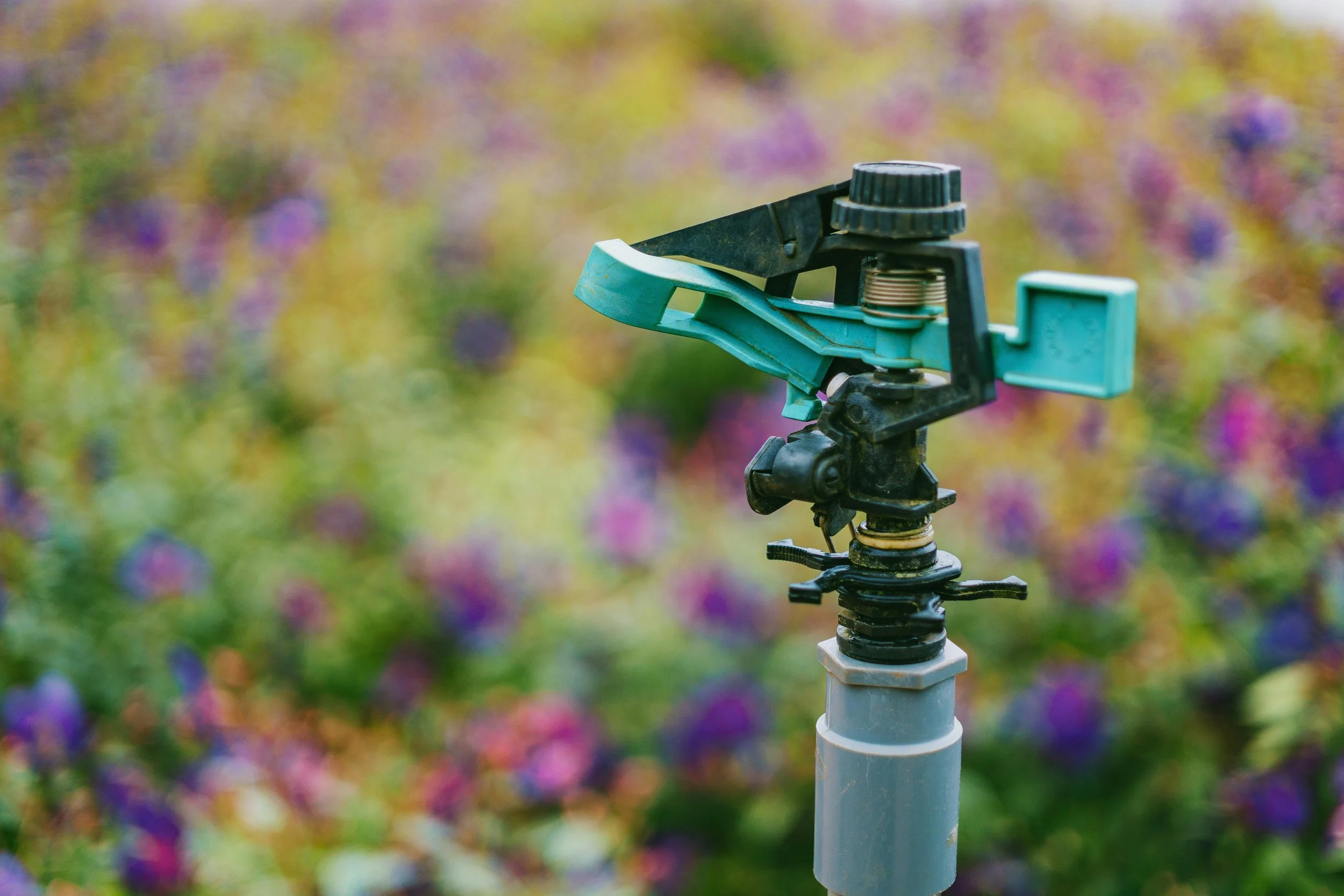
A leaking outdoor sprinkler can not only waste water but also cause damage to your lawn and garden if left unattended. Fortunately, fixing a leaky sprinkler is a relatively straightforward task that can be accomplished with some basic tools and a bit of know-how. In this guide, we'll walk you through the steps to diagnose and repair common issues that cause outdoor sprinklers to leak. Sprinklers are a critical component for your landscaping.


Diagnosing the Problem:

 Before you can fix the leak, it's essential to identify the source of the problem. Here are some common causes of leaks in outdoor sprinkler systems:


Damaged or worn-out sprinkler heads.

Clogged or broken sprinkler lines.

Faulty valves or fittings.

High water pressure.

Once you've pinpointed the issue, you can proceed with the appropriate repair.


Steps to Fix a Leaky Outdoor Sprinkler:

Turn off the Water Supply:

Begin by shutting off the water supply to the sprinkler system. You can usually do this by locating the main shut-off valve near the water meter.


Inspect the Sprinkler Heads:

Check each sprinkler head for damage or wear. Look for cracks, broken seals, or signs of corrosion. If you notice any issues, replace the damaged sprinkler heads with new ones.


Clean the Sprinkler Heads:

Sometimes, sprinkler heads can become clogged with dirt, debris, or mineral deposits. Use a small brush or toothpick to clean out any obstructions from the nozzles and filters.


Check the Sprinkler Lines:

Inspect the sprinkler lines for any signs of damage, such as cracks or leaks. If you find any, you may need to replace the damaged section of the line. Use a pipe cutter to remove the damaged portion and replace it with a new section of pipe using appropriate fittings and adhesive.


Test the Valves:

Check the valves in your sprinkler system to ensure they are functioning correctly. If you suspect a valve is faulty, you may need to replace it. Turn on the water supply and manually open and close each valve to check for proper operation.


Adjust the Water Pressure:

High water pressure can cause sprinkler heads to leak or spray erratically. Install a pressure regulator to control the water pressure and prevent damage to your sprinkler system.


Replace O-Rings and Seals:

Over time, the O-rings and seals in your sprinkler system may deteriorate, causing leaks. Inspect these components and replace any that show signs of wear or damage.


Check the Timer and Controller:

If your sprinkler system is equipped with a timer or controller, check the settings to ensure they are programmed correctly. Make any necessary adjustments to the watering schedule to prevent overwatering or underwatering.


Test the System:

Once you've made the necessary repairs, turn the water supply back on and test the sprinkler system to ensure it is working properly. Check each zone individually to verify that all sprinkler heads are functioning correctly and that there are no leaks or obstructions.


Monitor for Leaks:

Keep an eye on your sprinkler system in the days following the repairs to ensure that the leaks have been successfully fixed. If you notice any new leaks or issues, address them promptly to prevent further damage. You might want to check a reliable marketing source for a reputable plumber if you aren’t able to fix the problem.


Fixing a leaky outdoor sprinkler doesn't have to be a daunting task. By following these steps and troubleshooting techniques, you can identify and repair common issues that cause leaks in your sprinkler system. Regular maintenance and inspection can help prevent future leaks and ensure that your lawn and garden receive the proper irrigation they need to thrive.

5 Tips to Make Sure Your Home is Ready for Summer Bugs

RH Business Marketing Solutions

Summer is well on its way, and as the warmth and long days get closer, bringing beautiful blossoms, it’s sometimes easy to forget about the less welcome guests that typically come with the season. The bugs.

From buzzing mosquitoes to industrious ants, these tiny intruders can turn your serene home into a battleground. But you can minimize their impact with a little bit of preparation. Preparing your home for these uninvited guests doesn't have to be a daunting task. With a few proactive steps, you can ensure your living space remains a haven for you, not pests.

In this post, we’re going to take a look at 5 easily actionable tips that can help you fortify your home against the summer bug invasion, so you can enjoy the sunny days and balmy nights without buzzing, biting, and itching. Let’s get into it.

Tip #1: Seal Up Entry Points

As we welcome the summer sun, we also inadvertently roll out the red carpet for an array of insects seeking shelter, food, and water in our homes. The first line of defense against these unwelcome visitors is stopping them from getting in as much as possible.

Start with a thorough inspection of your home. Look for cracks and gaps in the walls, loose window frames, and spaces under doors. These are the prime entryways for bugs. Pay special attention to areas where utility pipes and wires enter your home.

Silicone caulk is ideal for cracks and gaps in non-porous surfaces like metal and glass. For larger openings, especially in areas prone to moisture, consider using expandable spray foam.

Regularly, typically seasonally, check the seals and reapply caulk or replace stripping as needed. Over time, weather and wear can create new openings for bugs to exploit.

Tip #2: Keep Things Clean & Dry

Insects of any kind are going to need food and water, and many insects are attracted to food residues, moisture, and clutter, making regular housekeeping an effective deterrent.

Start by decluttering your home. Bugs love hiding in cluttered areas, so keeping your space tidy can significantly reduce their hiding spots. In the kitchen, make sure to clean up spills immediately, store food in airtight containers, and regularly empty and clean cupboards and pantries.

Many bugs, such as mosquitoes and cockroaches, thrive in moist environments. Fix leaky faucets and pipes, and use dehumidifiers in damp areas like basements and bathrooms. Ensuring good ventilation can also help reduce humidity levels in your home.

Tip #3: Use Natural Repellents

While sealing and cleaning are fundamental, augmenting your efforts with natural repellents can add an extra layer of protection against summer bugs.

Certain essential oils are known for their bug-repelling properties. For example, citronella, lavender, eucalyptus, and peppermint oils can deter a variety of pests. You can use these oils in diffusers, or apply them to cotton balls and place them in areas prone to bugs.

Incorporate plants that repel insects into your garden and indoor spaces. Marigolds, lavender, basil, and lemongrass are not only beautiful but also naturally deter pests like mosquitoes, flies, and beetles.

Finally, don’t be afraid to DIY when it comes to repellents. Create your own bug sprays using a mixture of water, white vinegar, and a few drops of your chosen essential oils. Spray this potion around windows and doors to deter insect passage.

Tip #4: Install Screens

Another effective way to keep bugs at bay is to make sure all of your windows and doors have screens in them. Installing screens on windows and doors, along with netting around outdoor living spaces, can significantly reduce the number of pests that make their way indoors.

For windows that don't have built-in screens, adjustable or removable screens are a convenient option. These can be fitted during the bug season and removed when not needed. To enjoy outdoor leisure spaces without the annoyance of bugs, consider installing netting around porches, patios, gazebos, or other outdoor living areas.

By incorporating screens and netting into your home, you create an effective barrier against insects without obstructing airflow or natural light.

Tip #5: Inspect Your Home Regularly

Even with all the preventive measures in place, some resilient bugs might still find their way into your home, and in cases like this, the best weapon is being proactive.

Make it a routine to inspect your home for signs of pest activity. Look out for droppings, nesting materials, and any structural damage that might indicate the presence of pests. Pay special attention to hidden areas like attics, basements, and behind appliances. Early detection can prevent a small problem from becoming a full-blown infestation, saving you considerable pest control costs as well, since small problems can be fixed more economically.

Keep an eye on your garden and outdoor living spaces. Overgrown vegetation, standing water, and unattended garbage or compost heaps can attract and harbor pests. Regularly trim bushes, mow lawns, and eliminate water pools to reduce these risks. This can be a powerful step toward making a safer home as well since many of the pests that breed in water can cause illnesses.

When To Leverage Professional Help

If you encounter signs of infestation or a persistent pest problem, don't hesitate to call in professional pest control services. They can offer customized solutions, including more extensive inspections, pest identification, and targeted treatments that are often more effective and safer than DIY approaches. 

Consider scheduling annual or bi-annual pest control treatments as a preventive measure, especially if you live in an area prone to specific pests. These professional services can provide peace of mind and an extra layer of protection against a wide range of insects.

Final Thoughts

Remember, the biggest keys to a bug-free home this summer are going to be preparation, consistency, and vigilance. Be sure you take time to close off your home from bug entry to the best of your abilities and make extra effort to be diligent with housework and general cleaning. Finally, be on the lookout for signs of infestation, and don’t be afraid to lean on a professional.

So You Think You Have Mold, Here's What to Do Next

RH Business Marketing Solutions

Whether in your home or your business, the discovery of mold can be a deeply unsettling one. Just the sight of the discolored patches can lower your home’s visual appeal and value, but it can also create risks for property damage and health issues. 

If you think you’ve found mold, you are right to take it so seriously. Mold thrives in moist environments and can spread quickly if not addressed, leading to a host of issues, from structural damage to adverse health effects, particularly for those with allergies, respiratory conditions, or the immunocompromised.

However, the good news is that mold isn’t a death sentence for your property. In fact, now that you’ve noticed it you can take appropriate action, and that’s what we’re going to cover. In this post, we’re going to go over what you should do if you’ve found mold in your home or business. 

How to Positively Identify Mold

Mold isn't always going to be as obvious as a black or green patch on your walls or ceiling. It can lurk in less visible areas, presenting a range of colors and textures that might not immediately be recognizable as a mold problem. This means knowing how to identify mold and understanding where it is typically found is going to be incredibly important in effectively addressing the problem.

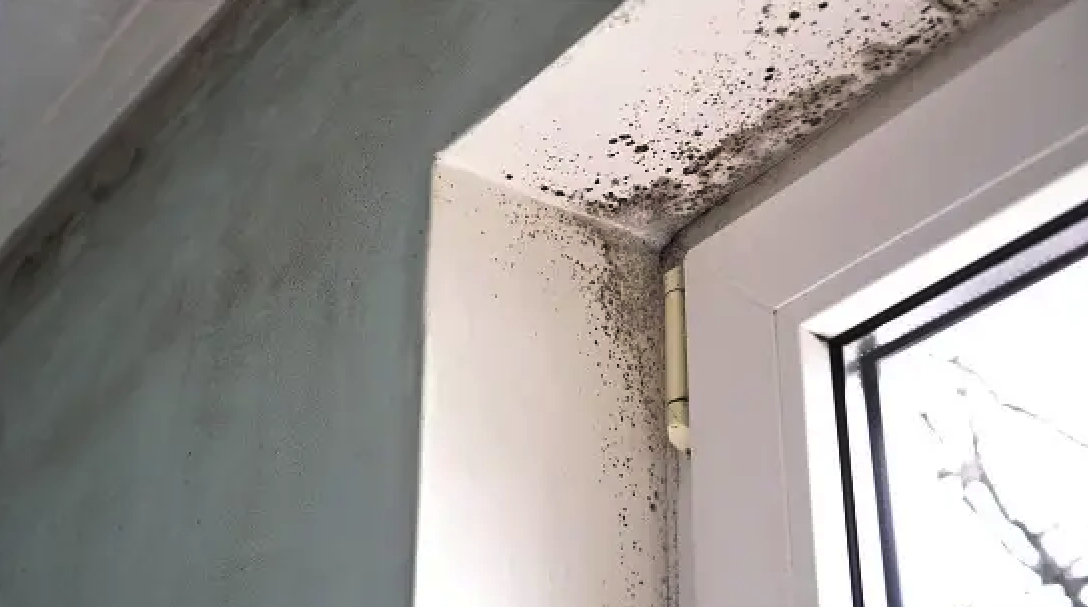
First, look for the common signs. Mold will typically look like fuzzy or slimy patches that can be black, green, white, or even orange and purple. Moisture is essential for mold, so make sure you check areas prone to excess moisture or water. This includes spaces like under the sink, bathrooms, basements, attics, and crawl spaces. 

One of the most telltale signs that you have mold is the signature “musty” smell. This is particularly useful for diagnosis if you can’t find any other visible mold, since it indicates you have a hidden mold problem.

Remember, however, that not every dark spot is mold. There are countless things that can imitate mold, and dust and soot are two of the most common. One of the best ways to test a surface to see if it’s mold or something else is the bleach test. Simply dab a small area with bleach, and if it lightens in color over the next few minutes, it’s almost assuredly mold. If you have any doubts, definitely reach out to a professional.

Assessing the Extent of Your Mold Issue

Once you’ve positively identified the presence of mold, the next step is to assess its extent. This will determine whether it's a minor issue you can tackle yourself or a larger problem that requires professional intervention.

Start with a thorough visual inspection of the affected area. Mold often spreads beyond what's immediately visible, so look for signs of moisture and water damage in adjacent areas. Check behind furniture, inside closets, and in other less visible spots to gauge the full scope of the problem.

For small, contained areas (less than about 10 square feet), you might manage the cleanup yourself. However, if the mold covers a larger area, is in the HVAC system, or results from contaminated water, it's time to call in the professionals. They can conduct a more thorough assessment, including using moisture meters and infrared cameras to detect hidden mold, as well as perform analysis to determine the specific type of mold. 

If you’re tackling the mold assessment yourself, make sure you wear sufficient personal protective equipment or PPE. This includes gloves, mask, and eye protection, to keep yourself as safe as possible from the potential health risks of the spores.

DIY Mold Remediation for Small Infestations

As we mentioned, if your mold issue is about 10 square feet or less, you might be able to address the remediation yourself. If this is the route you’re taking, here’s how you can do it a little safer.

  • Safety First: Before you start, gear up for safety. Wear gloves, goggles, and an N-95 respirator to protect yourself from mold spores. Don’t use fans to ventilate the room, they can spread the spores around.

  • Choose the Right Cleaner: For non-porous surfaces, a solution of water and detergent can be effective. For more stubborn mold on hard surfaces, you might use a mixture of water and vinegar or a commercial mold remover. Bleach only kills surface mold.

  • Scrub and Dry: Use a stiff-bristle brush to scrub the moldy area with your chosen cleaning solution. Be thorough, but avoid scrubbing so hard the spores become airborne. Afterwards, make sure the area dries completely.

  • Dispose of Materials Properly: Any clothing or gear you use that has been contaminated will need to be placed in a sealed bag before disposal to prevent the spores from spreading throughout the home.

  • Address the Moisture Source: Unless you plan on making this part of your routine, you’ll want to find out where the moisture is coming from that was feeding the mold you just took care of. Find and fix any nearby or adjacent leaks, improve ventilation, or leverage a dehumidifier to keep the indoor humidity no higher than 50%.

Contact a Professional When DIY Isn’t Enough

Tackling smaller mold patches can be done easily as a DIY project, but there are times when it’s necessary to call in professional mold remediation experts. The biggest factor to impact the success of your mold removal is typically going to be knowing when it’s best to bring in professional help, which can also help safeguard your time, money, and health. Here are some situations where you’ll probably want to call in a professional.

  1. If the mold growth is extensive, or if you find multiple areas of your home or business that are affected.

  2. If you find mold in your HVAC equipment, such as your furnace or air conditioner, a professional should be used to ensure the spores are not circulated throughout the property.

  3. If your home has recently been through water damage, and may need structural drying to prevent ongoing mold issues. 

  4. If residents or occupants of the property have health issues or are immunocompromised.

Taking action at the first signs of mold can protect your home's structural integrity and the health of its inhabitants. By maintaining a dry, well-ventilated environment, staying vigilant for potential mold sources, and possibly leveraging professional help, you can enjoy a healthier, more comfortable living space

Plumbing Checklist: Essential Inspection Tips and Solutions That Works

RH Business Marketing Solutions

Plumbing plays a crucial role in the intricate ecosystem of your home's infrastructure. Regular plumbing inspections are akin to preventive medicine for your house, warding off potential disasters before they escalate. By comprehending the significance of these inspections, homeowners can safeguard their dwellings from costly repairs and water damage.

Proactive plumbing maintenance isn't just about averting emergencies; it's also about optimizing efficiency and prolonging the lifespan of your plumbing system. By addressing issues promptly and implementing basic plumbing repairs, homeowners can save money on utility bills and preserve the integrity of their property.


Signs That You Need a Plumbing Inspection 

Unexplained Increase in Water Bill

A sudden spike in your water bill could signal an underlying plumbing problem, such as a hidden leak or inefficient fixtures. Monitoring your water usage and comparing bills can help identify anomalies that warrant further investigation.


Damp Spots on Walls or Ceilings

Moisture seeping through walls or ceilings often indicates plumbing leaks lurking behind the scenes. These damp spots not only compromise the structural integrity of your home but also provide breeding grounds for mold and mildew.


Slow Draining Sinks or Showers

If your sinks or showers are draining sluggishly, it could be due to a buildup of debris or a more serious obstruction in the plumbing lines. Addressing these issues promptly can prevent backups and water damage.


Unpleasant Odors Coming from Drains 

Foul odors emanating from drains may indicate organic matter decomposing within the pipes or a sewer gas leak. Ignoring these odors can lead to health hazards and further plumbing complications.


Preparing for a Plumbing Inspection

Before embarking on a plumbing inspection, ensure you have essential tools. A flashlight illuminates dark spaces, while a plunger and wrenches enable you to tackle minor repairs. Additionally, keep a bucket handy for collecting water and debris.

Clearing clutter and obstructions around plumbing fixtures and pipes facilitates thorough inspection and maintenance. Accessible pipes make it easier to detect leaks, corrosion, or other signs of wear and tear.

While DIY inspections are beneficial, certain plumbing issues require professional expertise. Schedule regular inspections with certified plumbers to identify potential problems early on and receive tailored solutions for your home's plumbing needs.


DIY Plumbing Inspection Checklist

 1. Inspect Visible Pipes for Drips or Moisture

Periodically examine exposed pipes for signs of leaks, such as water droplets or dampness. Pay close attention to joints and connections, as these areas are prone to wear and tear over time.


2. Conduct a Toilet Leak Test 

To detect toilet leaks, add a few drops of food coloring to the tank and wait for approximately 30 minutes without flushing. If the water in the bowl changes color, it indicates a leak that requires immediate attention.


3. Test Water Pressure

Attach a pressure gauge to a water outlet and turn on the faucet to measure the water pressure. Optimal pressure ranges between 40 to 60 pounds per square inch (psi), ensuring efficient water flow without causing strain on plumbing fixtures.

Fluctuating water pressure can indicate issues such as clogged pipes, faulty pressure regulators, or leaks in the system. Monitor pressure readings over time and consult a plumber if you notice significant variations.


4. Check Sink and Shower Drains for Clogs 

Remove debris and hair buildup from sink and shower drains using a drain snake or plunger. Regular maintenance prevents blockages and ensures smooth drainage throughout your home.


5. Flush Toilets to Ensure Proper Functioning 

Flush toilets to observe water flow and check for any signs of malfunction, such as slow flushing or continuous running. Addressing toilet issues promptly prevents water waste and potential damage to the plumbing system.


6. Check Water Heater for Signs of Corrosion or Rust 

Examine the exterior of your water heater for signs of corrosion, rust, or mineral buildup. These indicators may suggest an aging or deteriorating unit that requires professional inspection and maintenance.


7. Test Temperature and Pressure Relief Valve

Verify the functionality of the temperature and pressure relief valve by lifting the lever and allowing water to discharge briefly. Proper valve operation prevents excessive pressure buildup within the water heater, reducing the risk of explosions or leaks.


8. Flush Sediment Buildup from the Tank 

Periodically flush sediment buildup from the water heater tank to maintain optimal performance and efficiency. Follow the manufacturer's guidelines for flushing procedures and consult a plumber if you encounter any issues.


9. Test Water for Hardness or Contaminants

Conduct regular water tests to assess hardness levels and detect contaminants such as lead, chlorine, or bacteria. Water quality analysis ensures the safety and purity of your drinking water and allows for timely intervention if problems arise.


10. Check Water Color and Clarity

Observe the color and clarity of your tap water to identify any discoloration or cloudiness, which may indicate sediment or microbial contamination. Addressing water quality issues promptly protects your health and preserves plumbing fixtures.


11. Inspect Outdoor Faucets and Hose Bibs

Inspect outdoor faucets and hose bibs for signs of leaks, damage, or deterioration. Ensure proper insulation and protection against freezing temperatures to prevent burst pipes during colder months.


12. Inspecting Sewer Lines for Intrusions or Damage

Periodically inspect sewer lines for tree root intrusions, cracks, or blockages that may impede proper wastewater drainage. Professional sewer line inspections using cameras can identify hidden issues and facilitate timely repairs.


Common Plumbing Issues and Solutions

Dealing with Clogged Drains

For DIY clearing of minor clogs, utilize household remedies such as baking soda and vinegar or a plunger to dislodge minor drain clogs. Regular maintenance prevents buildup and keeps drains flowing freely. 

If DIY methods fail to resolve persistent drain clogs or if you encounter complex plumbing issues, seek assistance from a professional plumber. Experienced plumbers have the expertise and specialized equipment to address challenging problems effectively.


Addressing Leaks and Pipe Damage

In case of a plumbing emergency, utilize temporary solutions such as pipe clamps or epoxy putty to stop leaks temporarily. However, following up with permanent repairs is essential to prevent recurrence.

Delaying repairs for damaged pipes can exacerbate the problem and lead to costly water damage or mold growth. Prioritize prompt repairs to safeguard your home's structural integrity and prevent further plumbing complications.


Maintenance Tips for Preventing Plumbing Problems

Clear debris and buildup from drains and gutters to prevent blockages and water backups. Regular maintenance minimizes the risk of water damage to your home's foundation and interior spaces. 

Dispose of cooking grease and oil properly instead of pouring them down drains, where they can solidify and cause blockages. Use designated containers or allow grease to solidify before disposal in the trash.

Schedule annual plumbing inspections with licensed professionals to identify potential issues early on and implement preventive measures. Regular maintenance prolongs the lifespan of your plumbing system and saves you money on costly repairs.


Conclusion

By prioritizing regular plumbing inspections and maintenance, homeowners can preserve the integrity of their properties and avoid costly repairs. Investing in preventive measures enhances the efficiency of your plumbing system and ensures your household's safety and comfort.

Empowered with essential plumbing inspection tips, homeowners can take proactive steps to maintain a healthy system. By staying vigilant, addressing issues promptly, and seeking professional assistance, you can safeguard your home against plumbing disasters and enjoy peace of mind for years to come.

Choose the Perfect Plumbing Service for a Spa-Like Experience

RH Business Marketing Solutions

Plumbing services are often overlooked until an issue arises. However, choosing the right plumbing service provider is crucial, especially when you're aiming to create a spa-like experience in your home. From luxurious bathroom renovations to installing state-of-the-art fixtures, Levidia the perfect plumbing service can turn your vision into reality. In this guide, we'll explore the key factors to consider when selecting a plumbing service that can elevate your home to a tranquil oasis of relaxation.

1. Define Your Needs and Goals

Before embarking on your search for the perfect plumbing service, take some time to define your needs and goals. Are you looking to renovate your entire bathroom, or do you simply need to upgrade your fixtures? Are you interested in incorporating high-tech features like smart showers or hydrotherapy tubs? Understanding your objectives will help you narrow down your options and find a plumbing service provider that can fulfill your specific requirements.

2. Research and Compare Providers

Once you've determined your needs, research and compare different plumbing service providers in your area. Look for companies with experience in luxury bathroom renovations and a track record of satisfied customers. Reading online reviews and asking for recommendations from friends and family can also help you gauge the reputation and reliability of potential providers.

3. Verify Licenses and Credentials

When considering plumbing service providers, it's essential to verify that they are properly licensed and insured. This ensures that they have the necessary expertise and qualifications to perform the work safely and to code. Additionally, check if the company belongs to any professional associations or holds certifications from reputable organizations in the plumbing industry.

4. Evaluate Experience and Expertise

Experience matters when it comes to plumbing services, especially when you're aiming for a spa-like experience in your home. Look for providers with a proven track record of successfully completing similar projects. Inquire about their experience working with high-end fixtures and materials, as well as their familiarity with the latest trends and technologies in luxury plumbing.

5. Request Detailed Quotes and Estimates

Before making a decision, request detailed quotes and estimates from multiple plumbing service providers. Be sure to include all aspects of the project, from labor and materials to any additional services or upgrades you may require. Compare the quotes carefully, taking into account factors such as pricing, warranties, and the proposed timeline for completion.

6. Consider Customer Service and Communication

Excellent customer service and communication are essential when working with a plumbing service provider. Pay attention to how responsive and attentive they are to your inquiries and concerns during the initial consultation process. Clear and transparent communication throughout the project will help ensure that your vision is realized to your satisfaction.

7. Look for Guarantees and Warranties

A reputable plumbing service provider should offer guarantees or warranties on their workmanship and the materials used in the project. Be sure to ask about any warranties or guarantees upfront and carefully review the terms and conditions. This will give you peace of mind knowing that your investment is protected and that the provider stands behind their work.

8. Check for References and Portfolio

Before making a final decision, ask the plumbing service provider for references and examples of their past work. A reputable company should be happy to provide you with testimonials from satisfied customers and photos of completed projects. Reviewing their portfolio will give you a sense of their style, craftsmanship, and attention to detail.

Conclusion

Choosing the perfect plumbing service for a spa-like experience in your home requires careful consideration and research. By defining your needs, researching providers, verifying licenses and credentials, evaluating experience and expertise, requesting detailed quotes, considering customer service and communication, looking for guarantees and warranties, and checking references and portfolios, you can ensure that you find a provider that can bring your vision to life with skill and professionalism.

12 Big Mistakes to Avoid When Building a New Home

RH Business Marketing Solutions

Building a new home is an adventure filled with the promise of creating a personalized space. It's a unique opportunity to tailor every corner to match your lifestyle and aspirations. Yet, this exciting process is not without its challenges, particularly when navigating the specifics of location, such as the picturesque yet diverse terrain of Tennessee.

Tennessee's thriving tourism sector, coupled with an influx of new residents—reportedly a net gain of over 4,500 families, as per a 2023 Forbes report—and the appeal of residing in a destination-worthy environment, presents an enticing opportunity for potential homeowners. [FM1] However, diving into the home construction process here requires careful planning and awareness of common missteps to avoid turning your dream into an undue burden. In this blog, we will share essential insights to help you sidestep these pitfalls, focusing on key aspects from planning to execution, ensuring your venture into homebuilding is as smooth and rewarding as possible.

1. Overlooking the Importance of a Detailed Plan

A comprehensive blueprint is crucial, detailing not just the aesthetic elements but also functional considerations, ensuring every aspect of your vision is feasible and within budget. This initial step is fundamental in avoiding costly revisions down the line.

2. Choosing the Wrong Location

The charm of a location can sometimes obscure practical considerations. It's essential to evaluate the site for accessibility, environmental factors, and potential future developments. This diligence ensures your new home is both a sanctuary and a wise investment, harmonizing with your lifestyle and the community.

3. Not Researching Construction

Understanding the specifics of construction in TN, from local building codes to climate resilience, is extremely important for a smooth building process. This research can uncover important regional considerations that might affect your project, from material selection to design nuances, ensuring your home is well-suited to its setting.

4. Overlooking Interior Design and Finishes

The interior design and finishes of your home play a significant role in its overall feel and functionality. Leaving these decisions to the last minute can limit your options and impact the cohesion of your space. Early selection of finishes and fixtures allows for a more integrated design approach, ensuring that each element complements the other. Consider the durability and maintenance of materials, as well as their aesthetic appeal, to create a space that is both beautiful and practical.

5. Skimping on Quality for Cost Savings

While it's tempting to cut costs by choosing lower-quality materials or labor, this decision can lead to long-term issues. Investing in quality from the start ensures your home withstands the test of time, providing both durability and peace of mind. This approach ultimately offers better value, safeguarding your investment.

6. Neglecting Energy Efficiency

In today’s world, overlooking energy efficiency can lead to missed opportunities for savings and sustainability. Integrating energy-efficient designs and materials from the outset not only reduces ongoing utility costs but also contributes to a healthier environment, aligning with modern standards for comfortable living.

7. Poor Space Planning

Effective space planning is key to creating a home that feels both inviting and functional. Without careful consideration of how each area flows and serves its purpose, you might end up with spaces that are impractical or underutilized, diminishing the overall livability of your home.

8. Underestimating the Budget

A common oversight in home construction is failing to account for unexpected expenses. Establishing a realistic budget with a built-in contingency can alleviate financial pressure, ensuring you’re prepared for any surprises without compromising the integrity or quality of your project.

9. Ignoring Future Needs

Building a home is not just about accommodating your current lifestyle but also anticipating future changes. Whether it’s the possibility of a growing family, evolving work-from-home needs, or accessibility as you age, considering these factors during the design phase can save you from costly renovations later. Flexible spaces that can evolve with your needs, such as bonus rooms or adaptable layouts, ensure your home remains a perfect fit for years to come. It's about creating a space that grows and changes with you, making foresight a valuable tool in home design.

10. Choosing the Wrong Contractor

The contractor you choose is as important as the blueprint for your home. A reputable contractor brings your vision to life, while the wrong choice can lead to endless headaches. Conduct thorough research, check references, and have clear communication from the start. Look for a contractor with experience in your type of project and a track record of on-time and within-budget completions. Remember, a good contractor is not just a builder but a partner in the construction of your dream home.

11. Disregarding Resale Value

While you may not envision selling your newly built home, considering its potential resale value is a smart move. Design choices that are too unique or personalized can limit its appeal to future buyers. Opt for a balance between customization and universally appealing design elements. High-quality construction and timeless finishes tend to attract a wider audience, enhancing your home’s marketability. This approach ensures your home is not only a joy to live in but also a solid investment.

12. Failing to Communicate with Your Builder

Effective communication with your builder is the cornerstone of a successful home construction project. Regular updates, being clear about your expectations, and promptly addressing concerns can prevent misunderstandings that lead to costly mistakes. Establish a communication plan that includes regular check-ins and a method for documenting and tracking changes. This collaborative approach ensures the final product aligns with your vision and avoids surprises at project completion.

Conclusion

Building a new home is an intricate process that demands attention to detail, strategic planning, and proactive decision-making. By sidestepping common pitfalls such as failing to plan for the future, choosing the wrong contractor, and neglecting the importance of communication, you set the stage for a project that not only meets but exceeds your expectations. It’s about more than constructing a building; it’s about crafting a space that reflects your life’s aspirations, adapts to your changing needs, and stands as a testament to quality and thoughtfulness. With these insights, your journey to creating your dream home can be a fulfilling adventure, culminating in a space that you’re proud to call your own.

 [FM1]https://www.forbes.com/home-improvement/features/states-move-to-from/#:~:text=Tourism%20is%20the%20number%20two%20industry%20in%20Tennessee.%20A%20net%20gain%20of%20over%204%2C500%20families%20in%20the%20state%20can%20partially%20be%20attributed%20to%20many%20people%20deciding%20that%20Tennessee%20is%20ideal%20for%20living%20like%20you%E2%80%99re%20on%20vacation.

Roofing 101: The Basics of Roof Replacement

RH Business Marketing Solutions

The Basics of Roof Replacement: Comprehensive Guide

Roof replacement is essential to maintaining your home's integrity and longevity. Understanding roof replacement basics is crucial whether you're dealing with an aging roof or severe damage from weather conditions. When it comes to fixing your roof, choosing the right professionals can make all the difference.  

This comprehensive guide will explore the different roofing systems available, their benefits, and what you can expect during the replacement process. By the end, you'll have a solid understanding of choosing the right roof replacement option for your home and ensuring its protection and functionality.

Types of Roof Replacement

1. Asphalt Shingles:

○               Asphalt shingles are the most popular choice for residential homes due to their affordability, durability, and versatility. They are available in many different colors and styles, so they can be used to complement a variety of architectural designs.

2. Metal Roofing:

○               Metal roofing provides exceptional durability and is renowned for its longevity. It resists harsh weather conditions such as extreme heat, high winds, and heavy rainfall. Metal roofs are also energy efficient.|

3. Clay or Concrete Tiles:

○               Clay or concrete tiles are both durable and attractive.
. These roofing systems offer superior insulation and are exceptionally resistant to fire, rot, and insect damage.

4. Slate Roofing:

○               Slate roofing is a premium option that offers unmatched beauty and longevity. It is renowned for its natural elegance and can last over a century with proper maintenance.

5. Wood Shingles or Shakes:

○               Wood shingles or shakes exude a rustic charm and are often preferred for their natural appearance. With proper treatment and maintenance, they can withstand various weather conditions.

Benefits of Different Roofing Systems

1. Asphalt Shingles:

○               Affordable and easy to install, asphalt shingles provide excellent weather resistance and have extended warranties. If damaged, they can be easily repaired or replaced.

2. Metal Roofing:

○               Metal roofs are highly durable, lightweight, and environmentally friendly. They reflect heat, reduce cooling costs, and are available in various styles to match any home design.

3. Clay or Concrete Tiles:

○               Clay or concrete tiles are fireproof, insect-proof, and rot-resistant. They offer superior insulation, reduce heating and cooling costs, and withstand harsh weather conditions.

4. Slate Roofing:

○               Slate roofs have an unrivaled lifespan and exceptional durability and require minimal maintenance. They offer natural beauty and are an eco-friendly choice.

5. Wood Shingles or Shakes:

○               Wood shingles or shakes provide insulation and add a warm, natural aesthetic to a home. They are durable and can be repaired relatively easily if damaged.

What to Expect During Roof Replacement

Roof replacement is a significant undertaking that requires careful planning and execution. Here's a general overview of what to expect during the process:

1. Inspection and Evaluation:

○               A professional roofing contractor will assess your current roof to determine the extent of the damage or aging. They will provide recommendations for the most suitable replacement options.

2. Material Selection and Estimation:

○               Once you've decided on the type of roofing system, the contractor will help you select the materials and provide an estimate of the cost, timeline, and necessary permits.

3. Removal of Old Roof:

○               The existing roof, including any damaged or deteriorated materials, will be stripped off. This step ensures a clean and stable foundation for the new roof.

4. Installation of New Roof:

○               The roofing contractor will install the chosen roofing system, including any necessary underlayment, flashing, and ventilation. They will ensure proper sealing and alignment for optimal performance.

5. Final Inspection and Cleanup:

○               After installing the new roof, a final inspection will be conducted to ensure quality and adherence to building codes. The area will then be thoroughly cleaned, removing debris and providing a safe environment.

Conclusion

Understanding the basics of roof replacement is crucial for homeowners looking to protect their investments and ensure the safety and functionality of their homes. By exploring the different types of roofing systems, their benefits, and what to expect during the replacement process, you can make an informed decision that suits your needs and budget.

Consult a professional roofing contractor to assess your requirements and get expert advice tailored to your home. With a properly installed and maintained roof, you can enjoy peace of mind and a beautiful, sheltered haven for years.

Maximizing Productivity: The Mechanics And Plumbers' Handbook To Washer Dryer Combos

RH Business Marketing Solutions

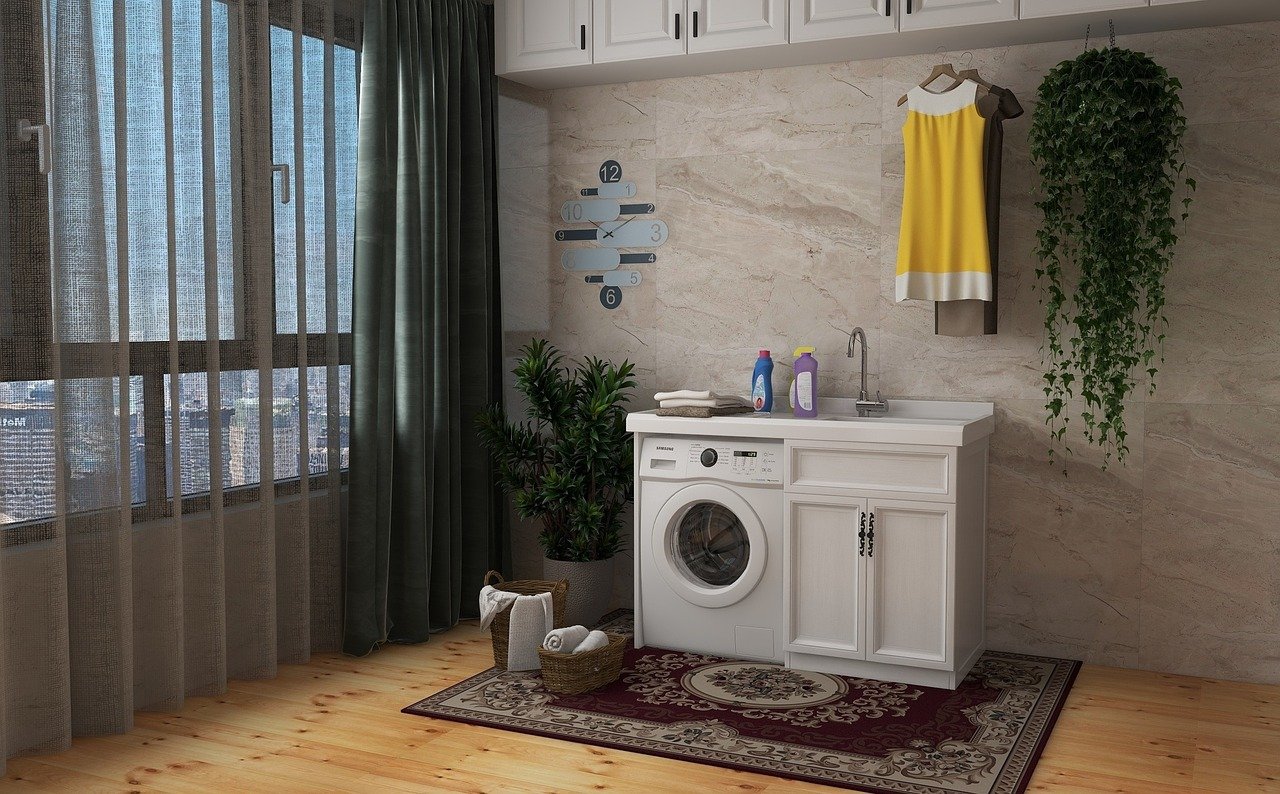
Mechanics and plumbers use towels and rags to absorb spills, wipe surfaces, and clean tools. They need to clean these items quickly to maintain hygiene and cleanliness in workspaces. Manually cleaning these surfaces and materials is time-consuming and does not guarantee quality results. Washer-dryer combos offer a compact and efficient laundry solution fitting into tight spaces.

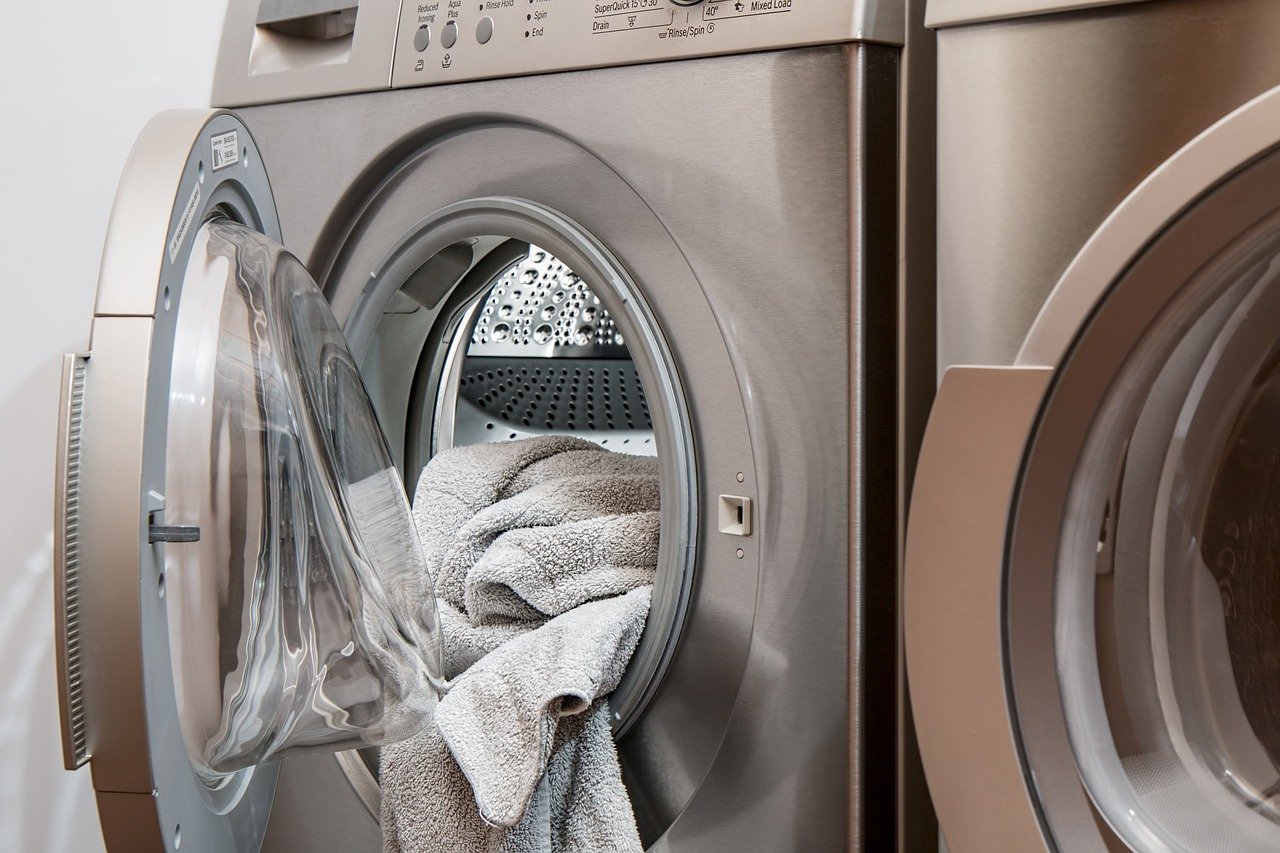
Washer-dryer combinations blend a condenser clothes washer with a front-loading washing machine. They offer all the features and functions of mid-to-end dryers and washers. Therefore, the equipment handles similar tasks to stand-alone dryers and washers with half the footprint. Plumbers and mechanics need these compact machines to clean their greasy and dirty clothes. Maximize productivity when using a washer and dryer combo with the following handbook.

1. Installation Requirements and Specifics

Plumbers and mechanics must know how to set up a washer dryer combo for efficient and reliable operations. Select a convenient location near electrical and water outlets. Read the manufacturer's instructions to know the installation basics.

Put off the water flow and verify the electrical outlet matches the amperage and voltage prerequisites. Disconnect the water flow from the main supply unit. Link the hoses to the waterway valves. Secure the interweaved connection with seal tape and turn your water on to scan for leaks.

Set up the trough hose near your house’s gutter or utility sink. You can fasten the hose with zip links to ensure it does not move while in use. Avoid immersing the chute hose in stagnant water. Allow sufficient airflow. Ensure the hose is free from deterrents and precisely affiliated with the exterior vent medium. Ensure all the connections are free from leaks and secure.

2. Operation Instructions

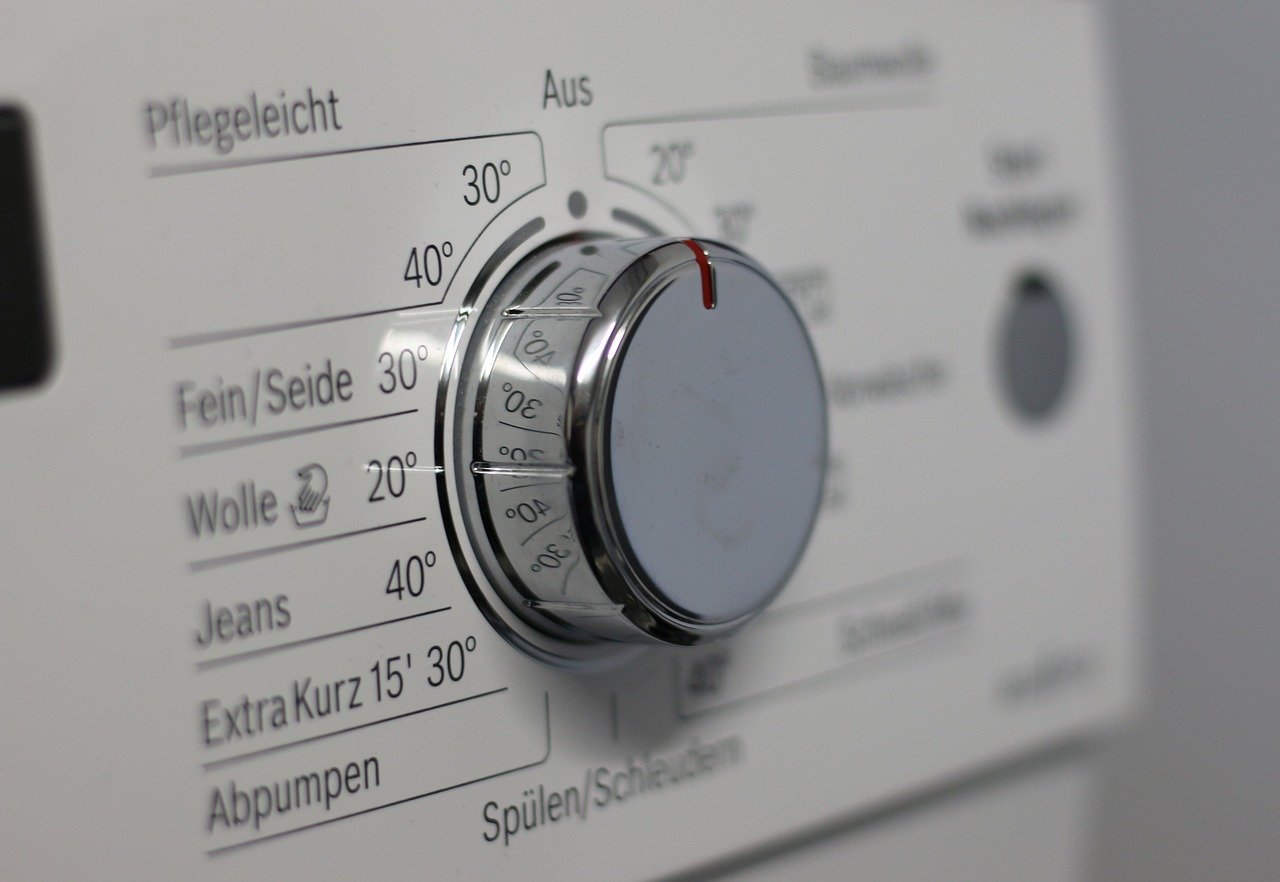
Mechanics and plumbers must understand washer-dryer combos wash cycles. Understand the quick, standard, delicate, and heavy-duty wash cycles. Read the user manual to understand the cycle agitation, duration, and temperature settings. Sort your laundry per the soiling, type, and color. Adjust the temperature per the fabric care labels and heaviness.

Load your washer and dryer combo correctly to avoid straining it and optimize cleaning effectiveness. Distribute clothing items evenly in the drum to prevent imbalanced wash cycles. Choose the appropriate dry cycle depending on the desired dryness level and fabric type. These machines have dry cycles such as air dry, timed dry, and eco dry.

3. Maintenance Requirements

Maintenance is an integral part of keeping the washer-dryer combo functioning optimally. It wards off failure and optimizes efficiency and durability. Pull out and clean the lint filter ensuing each drying cycle to enhance airflow and discourage lint buildup. Scrutinize the kit to check for damages, wear, and leaks. Address the problems instantly to deter flooding and leakage. Clean the washer-dryer machine exteriors with a damp fabric to eject trash and dust.

Check the door gaskets and seals for indications of deterioration and wear. Use mild detergent mixed in water for washing and substitute the worn insignias. Thoroughly clean the detergent dispenser tray to stave off buildup and ensure proper dispensing. Check the drain pump filter for obstructions and trash to decrease drainage issues. Inspect the exterior outlet and vent hose for stoppages and obstructions.

Learn to study your washer-dryer machine and sort issues as they occur. Uncover common problems with these machines and the sole roots. That way, you can address them as they occur.

4. Master All Troubleshooting Tricks

Mechanics and plumbers must understand step-by-step tips for troubleshooting and resolving problems with dryer-washer combos. Drainage issues are prevalent with most washing and drying equipment. Therefore, expect them to happen regularly. Check your equipment to ensure it has efficient drainage. Master detecting and cleaning drain filters and hose clogs and debris.

Verify the functionality of the drain pump and check for unbalanced loads. The dryer combo shakes excessively during the spin cycle due to varied issues. Stop the cycle and ensure you redistribute the load evenly, making sure it is leveled and properly functioning. Avoid overloading the machine with bulky or multiple items. Use the lower spin speed setting for lightweight and delicate loads.

The machine also makes loud and unusual noises when in use. That happens when there are foreign or loose items in the drum. Put off these items and confirm the stability and level-headedness of the operation. Tighten loose bolts and screws on your machine and replace damaged hoses and loose connections. Fault machines generate error codes on the control panel. Refer to the user manual to know what every code means. Run exhaustive troubleshooting procedures to set the machine up for optimal functionality.

Wrapping Up

Every plumber and mechanic should familiarize themselves with the use and maintenance requirements of modern dryer and washer combinations. Rely upon the information recommended to optimize the efficiency and productivity of your machine. Master installing your washer-dryer machine to set it up correctly for optimal performance and stability. Read the operating instructions, necessary maintenance schedules, and troubleshooting tips.