Google+

contact us

Use the form on the right to contact us.

Day or Night, we are here to serve you. Leave your plumbing problem to us.


Tinley Park, IL

(708)845-7922

Residential and Commercial plumbers and plumbing contractors available in Orland Park, Tinley Park, Oak Lawn, Palos Heights, Midlothian, Oak Forest, Homer Glen, Mokena, Frankfort, and the surrounding Chicago South Suburbs. Emergency plumbers.

copper water lines.jpg

Kevin Szabo Jr Plumbing Blog

Kevin Szabo Jr Plumbing is Tinley Park, Orland Park, Oak Forest, Midlothian, Orland Hill, Homer Glen, Mokena, Frankfort, Crestwood, Palos Heights, Oak Lawn, local plumber. Read our blog for advice, tips, a good laugh, and basic home improvement.

**We are moving our old blog to our new and improved website. Too see all our posts visit kevinszabojrplumbing.blogspot.com

Troubleshooting Tips from an Expert Appliance Repair Technician

RH Business Marketing Solutions

Every homeowner knows that a malfunctioning appliance can cause great inconvenience and distress. Dealing with an uncooperative appliance can be frustrating, whether it's a refrigerator that doesn't cool or a washing machine that refuses to spin. But what if you could tackle these issues confidently by yourself?

Read below to learn some tips from an expert appliance repair.

Safety First

Regarding expert appliance repair, safety is always the top priority. Before fixing any appliance, ensure you have unplugged or turned off the power supply. This will reduce the risk of electrocution and other potential hazards.

It's also essential to wear appropriate protective gear, such as gloves and goggles, to avoid injuries while working on an appliance. Keep your work area clean and free of any potential obstructions to prevent accidents.

Know Your Appliance

Before diving into the repair process, it's crucial to know the ins and outs of your appliance. This means familiarizing yourself with its make and model. You should also understand its essential functions and components.

By understanding your appliance well, you'll quickly identify the problem. This will help you determine which parts need to be replaced or fixed. This will save you time and effort in the long run.

An expert technician also advises keeping the appliance's manual and any relevant diagrams or schematics handy for reference.

Troubleshoot the Problem

Before jumping to conclusions and assuming you know what's wrong with your appliance, take the time to troubleshoot. This involves inspecting different appliance parts, checking for visible damage or loose connections, and using a voltage tester to detect electrical issues.

By troubleshooting, you'll be able to pinpoint the exact cause of the problem and determine the best course of action. This can save you from unnecessarily replacing parts or calling in a professional when it's not necessary.

Know When to Call a Professional

While some appliance repairs can be quickly done by yourself, others may require the expertise of a professional. It's important to know when to call repair services instead of attempting to fix the problem yourself.

If you're unsure about what's wrong with your appliance or lack the necessary skills and tools to fix it, it's best to leave it to the professionals. You can visit appliance repair services in Franklin. They have trained technicians who can quickly diagnose and fix appliance problems, giving you peace of mind and ensuring your appliance is in good hands.

Use the Right Tools

Using the right tools is essential for successful appliance repair. The last thing you want is to cause further damage by using the wrong tools or techniques. Ensure you have the equipment, such as a screwdriver, pliers, and a voltage tester for electrical appliances.

Investing in good quality tools that can withstand wear and tear is also recommended. These may be more expensive initially but will save you money in the long run as they will last longer and provide more efficient results.

Conducting an Expert Appliance Repair

Expert appliance repair takes knowledge, skills, and the right tools. By following these tips, you can confidently tackle any appliance issue that comes your way. Remember always to prioritize safety and know when it's time to call for professional help.

With the right approach, you'll save time and money and extend your appliances' lifespan. Happy repairing!

Visit our website for more like this.

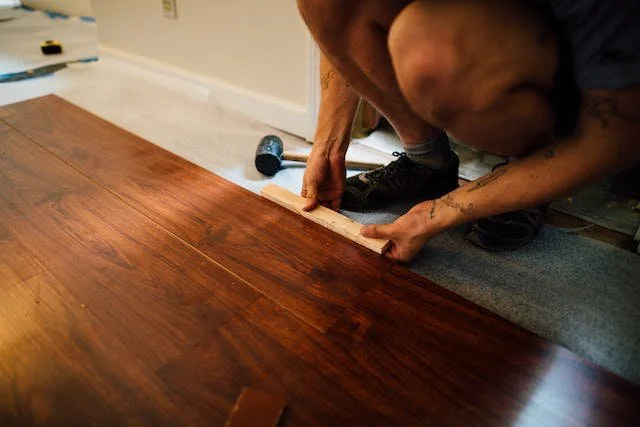
Weighing the Pros and Cons of Vinyl Plank Flooring

RH Business Marketing Solutions

VPF has experienced a surge in popularity in recent years, emerging as a preferred choice among homeowners seeking a harmonious blend of style, resilience, and cost-effectiveness. Like any flooring material, vinyl plank presents a unique set of advantages and disadvantages, pivotal for informed decision-making in selecting the ideal flooring solution for your home.

Advantages of VPF:

Affordability: Among its most compelling attributes, vinyl plank flooring stands out for its affordability relative to alternatives such as hardwood or stone. VPF offers a budget-friendly option without compromising on visual appeal or quality. This makes it an ideal choice for homeowners seeking value without sacrificing style or durability.

Design Versatility: VPF boasts an extensive range of designs, colors, and textures, empowering homeowners to actualize their desired aesthetic. Whether favoring the warmth of hardwood, the elegance of stone, or the modernity of tile, vinyl plank offers a spectrum of options to suit diverse tastes.

Durability: Celebrated for its durability, vinyl plank flooring (VPF) demonstrates exceptional resistance against scratches, stains, and water damage, making it an ideal selection for areas with heavy foot traffic and those susceptible to moisture, such as kitchens and bathrooms. Its ability to endure daily wear and tear emphasizes its durability as a flooring option.

Ease of Installation: VPF facilitates straightforward installation, particularly with prevalent methods such as click-and-lock or adhesive application. This simplicity not only expedites the installation process but also translates into cost savings, particularly for homeowners opting for do-it-yourself projects, thereby enhancing its appeal for those seeking convenience and affordability.

Low Maintenance: In stark contrast to certain flooring materials necessitating specialized cleaning regimens, VPF demands minimal maintenance. Routine sweeping and occasional mopping typically suffice to preserve its pristine appearance, enhancing its appeal for those seeking convenience and ease of upkeep in their homes, thereby offering a hassle-free solution for busy households.

Comfort Underfoot: Delivering a comfortable tactile experience, VPF offers a softer surface compared to hardwood or tile, enhancing not only comfort but also reducing fatigue, especially in environments where prolonged standing is frequent, such as kitchens. This added comfort can significantly improve the overall usability and enjoyment of your living space, making it a practical choice for areas where comfort is paramount.

Disadvantages of VPF:

Limited Eco-Friendliness: Despite notable strides towards environmental consciousness, VPF's synthetic composition renders it less eco-friendly compared to alternative materials. This factor may deter environmentally conscious consumers seeking greener flooring options, highlighting the importance of exploring sustainable alternatives to minimize ecological impact. It's essential to consider eco-friendly options that align with your values and contribute positively to environmental sustainability.

Lesser Longevity Compared to Hardwood: While esteemed for its durability, VPF may not match the longevity of hardwood under extensive wear and tear, highlighting the importance of considering lifestyle factors and usage patterns when selecting flooring materials. Selecting a flooring choice that matches your household's level of activity and maintenance preferences is crucial to ensure both satisfaction and durability in the long run.

Susceptibility to Fading: Prolonged exposure to direct sunlight can induce fading or discoloration in VPF, particularly in spaces with abundant natural light. Mitigative measures like implementing window treatments may be necessary to counteract this phenomenon and preserve the flooring's aesthetic appeal over time, ensuring its long-lasting beauty and functionality.

Synthetic Aesthetic: While adept at mimicking the appearance of natural materials like hardwood or stone, VPF may lack the authentic look and texture of its counterparts. Some homeowners may favor the genuine article over synthetic alternatives, valuing the unique character and feel that natural materials provide, thus considering this aspect when making their flooring choice.

Volatile Organic Compounds (VOCs): Certain VPF products may emit VOCs, contributing to indoor air pollution and posing health hazards, particularly for individuals with respiratory sensitivities. Prioritizing low-VOC or VOC-free options is crucial for mitigating potential health risks and ensuring a healthier indoor environment for your family. Additionally, consulting with flooring professionals can provide valuable insights into the most suitable options for your specific needs and concerns.

Vulnerability to Water Damage: Despite its water-resistant properties, VPF remains susceptible to water damage, particularly in instances of excessive moisture or flooding. Vigilance is warranted to prevent water infiltration into seams or beneath the planks, as proactive maintenance can significantly prolong its lifespan and preserve its integrity. Regular checks for any signs of water damage and prompt action in addressing leaks or spills can help maintain the flooring's longevity and minimize potential repair costs.

Conclusion

VPF offers affordability, durability, and versatile design options. However, it's crucial to weigh its drawbacks, such as environmental impact, longevity compared to natural materials, and potential health risks from VOC emissions. When deciding on VPF, consider personal preferences, budget, and its long-term effects on both your home and the environment.

How to Add Value to Your Home with Flooring

RH Business Marketing Solutions

Thinking of selling your home but want to add some more value to it before you do?

Although most homeowners focus on renovation projects, such as installing a new kitchen or landscaping the backyard, not many take the time to update the flooring.

So, what are the best flooring options for people wanting to add value to their homes? Let’s take a closer look.

Solid wood flooring

Solid wood flooring is one of the most sought-after types of flooring, offering durability, aesthetic appeal, and luxury. Although widely considered to be the most high-maintenance flooring material, solid wood is still hugely popular due to its stunning appearance.

In terms of value, it is estimated that solid wood flooring can add between 1-10% to the value of your home, meaning you could see a substantial return on investment if you choose this flooring type.

Engineered wood flooring

Engineered wood flooring is another type of flooring that is currently having its moment. More affordable than solid wood flooring, engineered wood is also easier to maintain and perfect for installing underfloor heating.

Although engineered wood flooring will not add as much value to your property as solid wood, it can still be highly effective at attracting buyers and can still add a healthy amount to your asking price. If you do want to use this type of flooring, you need to make sure you use a quality Boen Flooring Installer to lay your engineered wood.

LVT (luxury vinyl tiles)

Luxury vinyl tiles are known for their practicality, making them a popular choice for young families and people with pets. LVT flooring is also stylish and can be used in both modern and traditional properties alike.

LVT flooring is versatile and attractive and offers the authentic look of wood at a fraction of the price. While this type of flooring won’t add much to the value of your home, it is perfect for high-traffic areas of the home and can attract buyers who are looking for a practical and low-maintenance home that still looks the part.

Laminate flooring

Laminate flooring is one of the cheapest types of flooring, so it’s the ideal choice for home sellers who need to replace the flooring but are on a strict budget. You can find laminate flooring that mimics wood and stone, and both of these options can help make your home look more expensive than it is.

Again, this type of flooring won’t add much value to your home, but it is still a good investment as it can help you attract busy families who favor a clean and modern-looking home.

Final thoughts

If your current flooring has succumbed to wear and tear over the years, this can impact how easily you can sell your home and how likely you are to achieve the asking price.

For those with a bit more money to spend, solid wood flooring is the obvious choice, offering the greatest return on investment. However, for those on a tighter budget, both laminate and LT tiles are good options, delivering a low-maintenance and attractive finish.

How Long Does It Take to Remodel a Small Bathroom

RH Business Marketing Solutions

If you've decided to remodel your small bathroom, you've probably had this concept for quite a while.

When you're planning a redesign, you may be shocked at the period it takes to remodel a small bathroom, even though you may already picture yourself in the perfect space.

Estimating the time required for remodeling is critical because your bathroom needs to be functional as soon as possible.

Housemodify offers an in-depth study to remodel each stage of the house-building process.

Even if you have multiple bathrooms, leaving one unused might be quite inconvenient.

A bathroom remodeling project's length is determined by a variety of factors.

Factors Affecting the Remodelling Time for a Bathroom:

When it comes to remodeling a small bathroom, a variety of factors influence the length of the project.

Many things might go wrong and interrupt your goals, so make sure you carefully analyse each of these factors before getting started.

The time required to redesign your bathroom is determined by the following criteria.

Project Scope:

The scope of your project is an important aspect in determining how long it will take to remodel your small bathroom.

You should decide whether you want to fully change the arrangement of the bathroom or just do a cosmetic update.

Depending on the extent, a bathroom remodel might take anywhere from a few days to many months.

Materials:

The materials you choose for your bathroom remodeling might also affect the length of the project.

If the materials are widely available, the time will be reduced, but if you must use special-order fittings or imported items, the time to redesign your bathroom will be increased.

Contractor:

Finally, if you intend to undertake the job yourself, it may take months to find enough time to finish the renovation procedure.

However, the right remodeling contractor can reduce the duration to a few weeks.

Additionally, hiring an owner-operator contractor will be more cost-effective and sustainable in the long run.

How Long Will It Take to Remodel a Small Bathroom?

A modest bathroom redesign can not only make your bathroom more useful, but also improve its looks.

The average time to rebuild a small bathroom range from 23 days to two months.

If there are any unexpected events or delays in the delivery of items, the remodeling process may take longer.

This process can take up to 46 days to complete.

Small bathroom remodeling can be completed in a few steps, which will help you grasp the project timeframe.

The following are the steps involved.

Demolition:

The first step in a bathroom remodel is to demolish your old bathroom.

This includes removing existing fixtures and bathroom floors to make room for the new plan.

You can install structural beams and new windows at this time.

Sheeted walls, or even wood studs will be simpler to work with than full brick walls.

This phase may take two to three days to finish.

Rough carpentry:

Once the demolition is complete, you can begin rough carpentry.

You can skip this step if the underlying structure is in excellent condition.

The labor necessary for this step could take two days to complete.

Plumbing:

This is the stage of your bathroom remodel where you will include a plumber.

They will begin roughing in the floor and wall plumbing points.

This will offer you a plan for where everything will go in your bathroom.

This can take up to two days, but it may take longer if you intend to relocate the toilet or bathtub.

Electricity and insulation:

A team of electricians can install rough-in wiring for electrical outlets.

This entails running electrical lines but not connecting them, which could take 1-2 days to accomplish.

Insulating a small bathroom, which only has one or two walls, takes a few hours every day.

You may need to do insulation tests in some regions, which can slow down the procedure.

Drywall installation follows insulation installation.

This is a simple task that just takes one day.

However, drywall finishing includes applying a joint compound, allowing it to cure, and sanding can take an additional two days.

Paint the bathroom:

The next step is to paint the entire bathroom and give it a fresh appearance.

It's a rather simple procedure that takes approximately a day to complete.

Tile work:

If you wish to improve the appearance of your bathroom, you can install your preferred tiles.

This stage consists of laying the tiles and then drying them.

The procedure of adding tiles could take up to two days to complete.

Install cabinetry and trim in the bathroom once the layout is finalized.

This phase will not take long because the bathroom requires only a few cabinets.

Flooring:

The flooring for your bathroom remodel can also affect the time necessary for this stage.

A simple vinyl floor may simply need one morning to fix, however other flooring may require more time.

On average, flooring installation takes two days.

Hookups and Fixtures:

In this phase, you can install or relocate toilets, sinks, faucets, or any other fixtures in your little bathroom.

You will need two days to accomplish all the fixture-related work.

Conclusion:

To remodel your small bathroom remodel, consider adding a towel accumulation or other finishing touches.

Exploring the Joy of Handmade Mugs: What Sets Them Apart

RH Business Marketing Solutions

Have you discovered the charm of handcrafted mugs yet? Unlike mass-produced mugs, handmade mugs are carefully crafted by skilled artisans and made to be captivating with their unique beauty and personal connections.

Each mug showcases the artistry of its creator, featuring tailored details and eco-friendly methods. Handmade mugs have a genuine tangible appeal and allow for wide customization options. They enhance the entire dining experience by bringing in pleasure and respect for traditional methods.

Here are some of the aspects of handmade mugs that set them apart:

Distinctive Look

Handmade mugs exude a unique charm that is absent in mass-produced mugs. Crafted by skilled artisans, each mug possesses a distinct personality that reflects the creator's technique and style. These mugs, characterized by uneven curves and slight imperfections, offer a refreshing departure from the uniformity of factory-made rivals and promote individuality.

Personal Connection

Owning a handcrafted mug promotes a close relationship between the owner and the item. Due to their handcrafted nature, handmade mugs generate a sensation of unity that's rare in impersonal mass-produced mugs. Whether bought directly from the maker or given as a present by a close friend, a handmade mug adds a cozy, one-of-a-kind element to every drink.

Homemade Craftsmanship

You will easily notice the artistry and expertise of the people who make these mugs. These pieces, which demonstrate the commitment and skill of artists, are made by hand using labor-intensive techniques such as wheel throwing or construction. Utilizing handmade mugs brings a pleasant pleasure as each brushstroke, indentation, and glaze variance narrates a tale of painstaking artistry. If you want some of the best handcrafted mugs, you can check out Supper Club Mugs.

Options for Modifications

Having the ability to customize your handmade mug is one of its many delights. Custom designs created by artisans enable clients to customize their mugs to their tastes. Mugs are formed by hand in ways that the mass-produced versions cannot match, making them treasured items. Some customization options include adding initials, using particular colors, or designing distinctive forms.

Encouraging appreciation for craftsmanship

Buying handcrafted mugs encourages respect for traditional artistry and skilled craftsmanship. Supporting the artists contributes to the continued existence of long-standing skills and cultural legacy amidst widespread mass manufacturing. Through investing in handmade pottery, patrons contribute to safeguarding ancient practices, ensuring that you can relish the pleasure of possessing and utilizing exquisitely crafted mugs.

Sustainable Practices

Using handmade mugs is in line with eco-friendly consumption. Handmade pottery supports environmentally favorable ideals, unlike mass production, which frequently results in resource depletion and environmental deterioration. When reducing transportation-related carbon footprints, artisans highly choose materials acquired locally.

Improved Sensation

Handmade mugs offer more than just a pretty appearance; mugs also improve the drinking experience's sensory aspects. It enhances the consuming experience with a tangible element by carefully adjusting the taste and aroma of beverages through the porous nature of artisan ceramics.

Conclusion

Aside from their visual appeal, handmade mugs are unique because of the artisan’s craftsmanship, personal relationships, and ecological principles they uphold. These mugs are more than just containers for drinks; they're works of art with a wide range of sensations and encourage you to enjoy each drink mindfully.

Advanced Real Estate Investment: Ensuring Consistent Incomes and Steady Wealth

RH Business Marketing Solutions

Investing in real estate in a tech-evolving and cosmopolitan market has never been as strong as it is nowadays. Real estate investment ought to focus mainly on delivering optimal returns, without harsh fluctuations. In order to secure their financial future and amplify the profitability of various investment properties, real estate businesses need to employ smart strategies and practical techniques that would ensure success in the long run. Wealth accumulation and the steady flow of incomes are not so easy to achieve, but luckily not impossible. To help comprehend the various changes in the real estate market, here are some of the most advanced strategic approaches to ensure consistent incomes and stray wealth.

Stay away from debt and maximize cash flow

To endure and succeed in the evolving real estate market, your first step ought to be to ensure a secure cash flow. There are a few ways to achieve this, however, the easiest and proven way to ensure this is to increase rent on your properties. Also, there are some other inexpensive ways to maximize cash flow and one suggests making your property pet-friendly for a higher cost and always having sufficient equity. Staying away from debt would undoubtedly ensure having consistent income and even help you increase cash flow.

Conduct a thorough research

What every inspiring real estate agent should do is perform detailed research. For some enthusiastic real estate agents this is the very first step to ensuring quintessential investment. Never leave anything for chances, and to gain more wealth through the investment process aim to conduct a thorough research of the market to get a clear insight of how the national and international rental market functions. Ensure that you cover all the markets and do not neglect any feature even if it may sound unimportant. By performing detailed research, you would stay on top of your competitors, attract various new projects, and become acquainted with identifying new opportunities.

Analyze potential risks

The value of property may shift from location, country's improvement, market development and similar, however, one rule of thumb suggests staying away from investing in high-risk deals. Very often recognizing such high-risk deals can be rather challenging without a partnering agent that would help navigate you through the intricacies of property investment. If you were to utilize the help of trusted Hudson Property Agents, for instance, you would get a clear insight into thriving economies, get acquainted with the expanding markets, and know the most desirable living conditions that would help you increase your investment and get dynamic profit.

Opt for smart budgeting and enhance returns

Smart budgeting and financing are stand-alone terms in the real world, but in the real estate market, securing finances indicates identifying various lending options, whereas, smart budgeting entails minimizing expenses. The two go hand in hand, and if your idea is to ensure consistent incomes and steady wealth you have to craft a smart and comprehensive budget plan that involves the acquisition of all costs, maintenance fees, taxes, insurance, etc. only by comprising a smart financial plan and being ready for numerous unpredictable and unexpected financial burdens in the real estate world can you expect success.

Fluctuate your rental pricing

For most homeowners, the rental pricing plays a significant role in whether they would buy the property or not. For real estate agents, if buyers are reluctant to purchase a certain property it could be a red flag for your investment. Setting a high price is one of the most detrimental points since it may not mean that you would earn more, on the contrary, it may result in losing potential customers. Opt to diversify your rental pricing and to perfectly balance it with adaptive environmental outcomes. This indicated conducting monthly rent reviews, checking the market fluctuation rates, reading expert reviews, and then lastly adjusting the rental price so it fits the demand of the current real estate market flow.

Upgrade your portfolio

When potential buyers seek rental properties, they search and read about the offers and deals a real estate agent has to offer. Everything needs to be clearly pointed out and transparent in your real estate portfolio. However, in order to gain more profits and get a steady wealth, you ought to diversify your portfolio by stating all the versatile jobs you have done. Besides being an expert in selling and showcasing the property, a real estate agent should pinpoint all the completed successful endeavors, the relationship with the clients, the conditions that involve selling or buying property, and similar. Once you have composed a diverse portfolio, you will get more alluring offers and be able to stand out from the competitors.


Create adaptive rental prices, always remain open-minded for diversification and expansion, and aim to utilize strategic property upgrades all to advance the real estate investment. All the above-mentioned steps will enable you to secure your income and generate steady wealth.

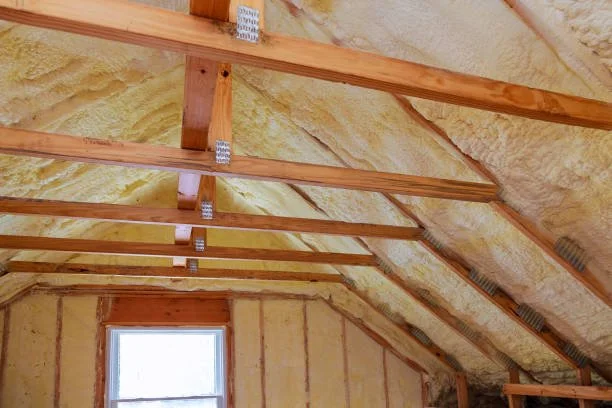
Five Reasons Why You Should Get Wall Insulation in 2024

RH Business Marketing Solutions

Are you thinking about getting wall insulation but not sure if the time and expense are worth it? It’s often overlooked in favor of loft and roof insulation, but there are so many reasons why you should invest in wall insulation in 2024.

From helping to reduce the cost of heating your home to providing comfort all year round, read on to discover five reasons why you should insulate your walls this year. Plus, how to get wall insulation for less!


1.   To help prevent condensation

Condensation is a problem in many homes in the United States, especially those that don’t have adequate insulation. Caused by excessive amounts of moisture, condensation can cause mold to grow, which in turn can harm the air quality within your home.

Wall insulation can help to prevent condensation from occurring, making your property a drier and healthier place to live. You can find out more about choosing the right wall insulation for your home and get help with free funding at Green Improve.


2.   To make your home more energy efficient

If you’re keen to do your bit for the environment and make your home a bit more energy efficient, you’ll be pleased to hear that wall insulation can help you to achieve this.

According to the experts, you lose between 18–25% of your home’s heat through the walls. This is if you don’t have wall insulation, of course. However, with insulation, this can be reduced to just 10%, helping you to cut down on your energy usage and reduce your home’s carbon footprint in the process.


3.   To heat and cool your home for less

Does your current energy bill send your heart rate through the roof? The cost of heating and cooling a home has never been higher, even if you take steps to carefully monitor your usage.

However, when you insulate the walls in your home, you actively reduce the heat transfer into and out of your home, helping to keep your energy bills low while simultaneously keeping your home at an optimal temperature.


4.   To keep your home comfortable

As mentioned briefly above, when you invest in wall insulation, it can help to regulate the temperature in your home. This means that during the summer months, you can keep your home cool and, when it gets colder, you can keep it warm without breaking the bank.

More specifically, in the summer, wall insulation works by trapping the cooler air inside and keeping the heat out, and, in the winter, it keeps cold air out and traps warmer air inside.


5.   To save money in the long term

Once you’ve insulated the walls in your home, there’s no maintenance required, which means you don’t need to worry about any additional expense or work. Most wall insulation products come with a lifetime guarantee, so when you insulate your home, you can enjoy peace of mind that it doesn’t need replacing.

Wall insulation should also be seen as an investment in your property as, if you plan to sell in the future, it will be seen as a major plus point.

The Top 5 Challenges That Come With Building a New Home

RH Business Marketing Solutions

Embarking on the journey of constructing a new home is an exhilarating endeavor, filled with aspirations of crafting the perfect haven tailored to one's desires. From meticulously selecting the ideal location to intricately designing every aspect according to personal preferences, the process offers limitless avenues for creativity and customization. Nevertheless, amidst the anticipation lies a myriad of significant challenges necessitating meticulous planning and adept management. This discourse delves into the top five hurdles encountered when undertaking the construction of a new home.

1. Effective Budget Management:

Foremost among the challenges in constructing a new home is adeptly managing the budget. From procuring land to covering construction expenses, material acquisitions, labor costs, and unforeseen expenditures, adhering to financial constraints demands scrupulous planning and continuous oversight. Establishing a pragmatic budget from the outset and judiciously allocating resources to each facet of the project is imperative.

Moreover, maintaining a contingency fund to cushion against unanticipated costs can mitigate financial strains, ensuring the project's progression without compromising quality or safety. This requires careful monitoring and adjustment throughout the construction process, as unforeseen expenses can arise at any stage, underscoring the importance of a flexible and adaptable financial strategy.

2. Navigating Regulatory Frameworks and Procuring Permits:

Navigating the labyrinth of building regulations, zoning ordinances, and acquiring requisite permits presents a daunting challenge for homeowners venturing into new construction endeavors. Each locality boasts its own array of regulations dictating construction practices, encompassing building codes, zoning stipulations, environmental directives, and permit prerequisites.  

Non-adherence to these mandates can culminate in costly delays, penalties, or even project cessation. Collaborating with seasoned architects, engineers, and contractors well-versed in local building statutes expedites the permitting process, guaranteeing compliance with pertinent laws and averting potential legal entanglements, thus ensuring a smoother project progression.

3. Selecting the Appropriate Contractor:

Pivotal to the success of any construction undertaking is the meticulous selection of a competent contractor—a task of heightened significance in new home construction. Navigating the plethora of options to pinpoint a reputable contractor adept at interpreting one's vision, fostering effective communication, and delivering superior craftsmanship poses a formidable challenge.

When embarking on a new home construction project in Colorado, collaborating with experienced Colorado architects ensures adherence to local building codes and the creation of spaces that harmonize with the state's breathtaking natural surroundings.

Thorough research, perusal of reviews, and validation of references aid homeowners in identifying potential contractors, evaluating their credentials, and assessing their track records. Additionally, soliciting multiple bids and scrutinizing proposals furnish valuable insights into pricing structures, timelines, and overall methodologies, empowering homeowners to make informed decisions that are instrumental in shaping the outcome of their dream home.

4. Efficient Timelines and Scheduling Management:

Effectively managing timelines and schedules constitutes another formidable challenge in new home construction endeavors. Construction delays may ensue from an array of factors, encompassing adverse weather conditions, material scarcities, labor disputes, permitting intricacies, and unanticipated alterations to project specifications.

Prudent project management, transparent communication, and regular progress updates are indispensable for adhering to schedules and circumventing delays. Setting realistic deadlines, delineating milestones, and fostering close collaboration with contractors and subcontractors foster a seamless project progression, ensuring adherence to timelines from inception to culmination.

This meticulous oversight is crucial for maintaining the project's momentum and averting costly setbacks, thereby safeguarding both the timeline and budgetary constraints.

5. Streamlining Design and Decision-Making Processes:

Navigating the labyrinth of design intricacies entails myriad decisions, spanning layout delineations, floor plan configurations, and the curation of materials, fixtures, and finishes. The plethora of choices may inundate homeowners, precipitating indecision or mid-construction alterations.

Cultivating a lucid vision from inception and collaborating closely with architects, designers, and contractors facilitates the realization of this vision.

Establishing a coherent design framework, crafting mood boards, prioritizing decisions consonant with budget and timeline constraints, and seeking expert advice expedite the design process, culminating in an end product reflective of personal preferences and aesthetic sensibilities.

This meticulous approach ensures that every aspect of the home aligns seamlessly with the homeowner's vision, creating a space that embodies both functionality and beauty.

Conclusion

Embarking on the endeavor of constructing a new home promises manifold rewards intermingled with formidable challenges. From budgetary constraints and regulatory compliance to contractor selection, timeline management, and design intricacies, the path to homeownership is replete with complexities demanding adept navigation. However, through meticulous planning, proactive communication, and collaborative engagement, homeowners can surmount these challenges, realizing their aspiration of fashioning a home that resonates with their individuality and fulfills their aspirations.

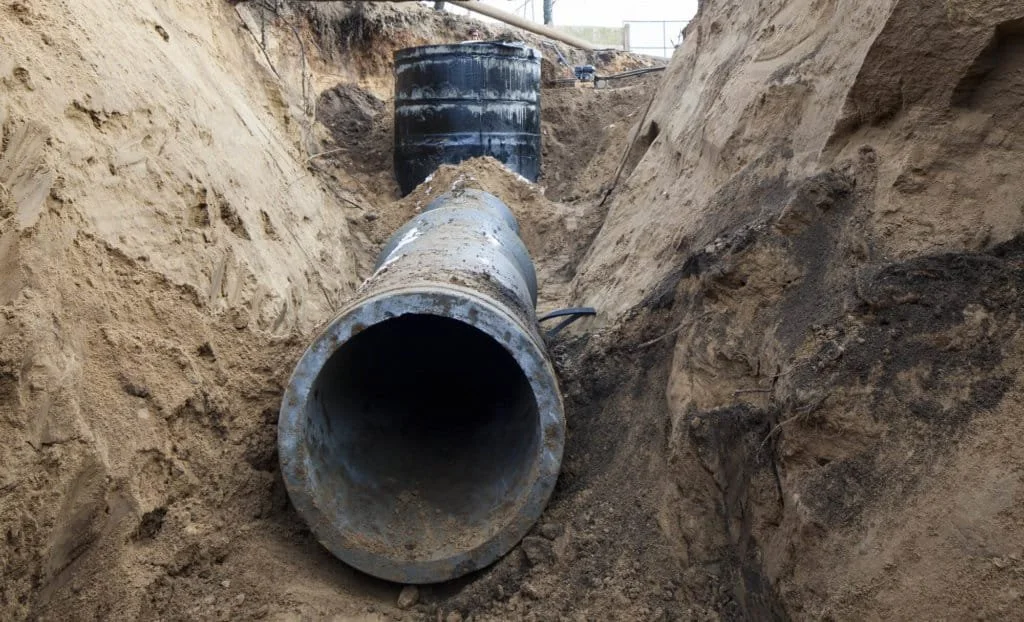
Revolutionizing the Guide to Sewer Line Repair

RH Business Marketing Solutions

Maintaining a nicely functioning sewer line is essential for the fitness and protection of any domestic or belongings. However, sewer line issues can arise suddenly, causing inconvenience, damage to belongings, and dangers to capacity health if left untreated. Understanding the common causes of sewer line harm, recognizing signs of issues, exploring restoration options, and enforcing preventive protection strategies are crucial for house owners and property managers to shield their plumbing infrastructure.

In this comprehensive guide to sewer line restoration, we will delve into the different factors contributing to sewer line damage, wear and tear, clogs, root intrusion, and ground shifting. 

We will observe the telltale signs of sewer line problems, persistent drain clogs, foul odors, sluggish drains, and unusual yard situations, to help homeowners discover and cope with troubles on time. Additionally, we will discover one-of-a-kind repair alternatives available, ranging from traditional dig and replace strategies to trenchless alternatives, hydro-jetting, and chemical treatments, outlining the blessings and considerations of each method.

We can Emphasize the significance of searching for professional help while coping with sewer line repair, highlighting the know-how, qualifications, and credentials to search for while hiring plumbing professionals. Practical advice on acquiring estimates, checking references, and speaking efficiently with plumbers may be provided to ensure an easy and hit restore process. Moreover, we can provide insights into preventive protection techniques, such as normal inspections, proper disposal practices, and tree root control, to assist house owners in decreasing the hazard of destiny sewer line troubles and extend the lifespan of their plumbing gadgets.

By equipping house owners and asset managers with the know-how, gear, and resources essential to successfully cope with sewer line troubles, this manual aims to empower people to maintain a wholesome and functional sewer system, ensuring the well-being and comfort of their households or tenants.

1. Understanding the Causes of Sewer Line Damage:

Sewer line harm can be attributed to a range of factors, with put-on and tear being one of the maximum common culprits. As sewer pipes age, they degrade due to constant publicity to water, waste, and environmental elements. This slow deterioration can result in cracks, corrosion, and weakened structural integrity over time. Additionally, clogs pose a full-size chance to sewer lines, as they hinder right drift and boom stress in the pipes. Materials like grease, hair, and non-biodegradable gadgets can collect and solidify, causing blockages that stress the pipes and can bring about damage.

Root intrusion is another well-known cause of sewer line harm, mainly in older houses with mature timber nearby. Tree roots are attracted to assets of moisture, and sewer strains offer a considerable delivery. As roots develop, they could penetrate joints, cracks, or susceptible points inside the pipes, searching for nutrients and water. This infiltration is not the most effective obstructing flow; however, it can also exert stress on the pipes, leading to cracks, breaks, or crumbling. Moreover, whether for herbal reasons like soil erosion or human activities such as construction, ground transferring can cause pressure on sewer lines. The earth's motion can bring about misalignment, bending, or maybe fracturing of the pipes, disrupting their capability and integrity.

2. Recognizing Signs of Sewer Line Issues:

Identifying capability sewer line problems early is vital for prompt intervention and mitigation of harm. One of the most obvious symptoms of sewer line troubles is continual drain clogs at some stage in the family. When more than one drain showcases gradual drainage or recurrent blockages despite trying to clean them, it often suggests a greater underlying problem inside the sewer gadget. Additionally, foul odors from drains or in the yard can indicate sewer gas leakage, which poses fitness dangers and calls for immediate attention. Slow drains in sinks, showers, or bathrooms may appear like minor inconveniences, but they can signify partial obstructions or imminent sewer line failure if left unaddressed.

Unusual backyard situations can also serve as red flags for sewer line issues, especially if there are visible signs of water accumulation or flower growth. Wet patches, sinkholes, or excessively lush grass regions above the sewer line may additionally endorse leaks or breaks within the pipe, with wastewater seeping into the soil and nourishing plant growth. Additionally, the presence of rodents or insects around the sewer gives a right of entry to points or within the backyard, which could imply a breach inside the sewer line, attracting pests looking for food and haven. By being vigilant and observant of those warning symptoms, house owners can proactively cope with sewer line problems before they enhance into luxurious and widespread upkeep.

3.  Exploring Repair Options:

When faced with sewer line troubles, owners have several repair alternatives to recall, with advantages and barriers. Traditional dig-and-update methods include excavating the affected place to access the damaged portion of the sewer line and changing it with new piping. While powerful, this technique may be challenging, work-extensive, disruptive, and luxurious, specifically if the sewer line runs underneath paved surfaces or landscaping. Alternatively, trenchless restore options offer a less invasive solution by utilizing specialized techniques to restore or update sewer lines with minimum excavation. Methods that include pipe lining involve inserting a bendy liner coated with epoxy resin into the existing pipe and inflating it to create a new, seamless indoor floor.

Pipe bursting is any other trenchless repair approach that involves breaking apart the old pipe while simultaneously putting a brand new one in its place. This approach is beneficial for critically broken or collapsed sewer strains, as it eliminates the need for widespread excavation and may often be finished faster than traditional dig-and-replace techniques. Hydro-jetting is a non-invasive sewer line renovation and repair method that uses high-pressure water jets to clean blockages, debris, and buildup from within the pipes. Hydro-jetting can do away with grease, scale, tree roots, and other obstructions by blasting water at excessive velocities, restoring proper float and functionality to the sewer line.

Chemical remedies are now and then used as a supplementary degree to deal with specific sewer line problems, organic blockages or root intrusion. These remedies typically use specialized chemical compounds or enzymatic solutions that smash down organic count, dissolve roots, or inhibit microbial boom in sewer pipes. While chemical treatments may be powerful in positive situations, they'll not continually provide a permanent solution, and their use should be cautiously considered to avoid potential damage to the surroundings or the plumbing system. Ultimately, the choice of restoration method will rely on different factors, including the extent of damage, accessibility of the sewer line, financial constraints, and homeowner alternatives.

4. Importance of Professional Assistance:

Given the complexity and potential risks related to sewer line repair, it is important to enlist the information of qualified plumbing professionals. Attempting to diagnose or repair sewer line problems without the vital information, competencies, and equipment can result in highly-priced mistakes and harm to the plumbing gadget and capability health risks. When hiring a plumber for sewer line restoration, owners should prioritize licensed, insured, and skilled specialists in managing sewer line troubles. Additionally, it is beneficial to reap a couple of estimates from one-of-a-kind plumbing groups to evaluate offerings offered, pricing, and timelines before you make a decision.

Seeking guidelines from friends, family, or online critiques can also help homeowners identify reputable plumbing experts with a track document of satisfactory workmanship and consumer pride. Furthermore, house owners must inquire about warranties or guarantees supplied by using the plumber for their restore offerings to ensure peace of mind and accountability in case of any issues publish-restore. Effective communication with the plumber is important for the repair method to talk about issues, clarify expectations, and live knowledgeable about the development and any sudden tendencies. By entrusting sewer line restoration to educated and authorized specialists, homeowners can minimize dangers, expedite the restoration process, and ensure long-lasting answers for their plumbing infrastructure.

5. Implementing Preventive Maintenance Strategies:

To mitigate the chance of future sewer line issues and prolong the lifespan of the plumbing gadget, homeowners can undertake preventive renovation practices. Regular inspections by qualified plumbers are critical for detecting early symptoms of sewer line troubles, including leaks, corrosion, or root intrusion, before they develop into major troubles. During inspections, plumbers might also use specialized gear and techniques, along with sewer cameras and smoke tests, to assess the sewer line's condition and pick out any capacity vulnerabilities. Based on the findings, homeowners can take proactive measures to promptly cope with minor troubles, preventing them from worsening through the years.
Proper disposal practices play an essential role in preserving sewer line fitness and stopping clogs or blockages. Homeowners should avoid flushing non-biodegradable objects, including wipes, paper towels, hygiene products, family chemical compounds, down drains, or lavatories, as those can accumulate and motivate obstructions in the sewer line. Similarly, extra grease, oil, or meal residues should be disposed of inside the trash instead of poured down kitchen sinks, as they can solidify and adhere to the indoor pipes, leading to clogs and buildup. Educating family members about accountable disposal behavior and imparting specified waste receptacles can help make those practices and minimize the risk of sewer line damage.

Tree root management is another crucial aspect of sewer line upkeep, especially for houses with mature timber near underground utilities. To save you from root intrusion into sewer lines, homeowners can strategically plant timber far from sewer line pathways or deploy physical obstacles, consisting of root limitations or metal mesh, across the pipes to deter root boom. Periodic root pruning

Frequently Asked Questions (FAQs)

1. How can I tell if my sewer line is broken?

Signs of sewer line harm include persistent drain clogs, foul odors, slow drains, and uncommon yard situations. If you see any of those signs, it is beneficial to have your sewer line inspected by a certified plumber to perceive the source of the hassle and determine the precise direction of movement for repair.

2. What reasons are sewer line blockages?

Sewer line blockages can result from different factors, such as the buildup of debris, grease, hair, and non-biodegradable gadgets. Additionally, tree roots searching for moisture and vitamins can infiltrate sewer traces, leading to blockages and harm to the pipes.

3. What are the repair alternatives for sewer line harm?

Repair options for sewer line damage vary from traditional dig and replace strategies to trenchless repair options, hydro-jetting, and chemical treatments. The choice of repair approach depends on factors, including the severity of the damage, accessibility of the sewer line, and financial considerations.

4. How much does sewer line restoration cost?

The cost of sewer line repair can vary broadly depending on elements, including the volume of damage, the selected repair approach, and nearby hard work rates. It's endorsed to gain a couple of estimates from legit plumbing specialists to evaluate fees and offerings offered earlier than intended with repairs.

5. Is trenchless sewer line restoration higher than conventional strategies?

Trenchless sewer line repair offers several blessings over conventional dig and update methods, such as minimum excavation, reduced disruption to landscaping and structures, and doubtlessly decreased charges. However, the suitability of trenchless restoration depends on elements, the situation of the sewer line, and the particular requirements of the restoration task.

6. Can I prevent sewer line damage?

Yes, preventive preservation measures, everyday inspections, proper disposal practices, and proactive tree root control can help limit the hazard of sewer line harm. By addressing capability problems early and adopting responsible behavior, homeowners can prolong the lifespan of their sewer traces and keep away from pricey repairs.

7. How do I select a reliable plumber for sewer line restoration?

When selecting a plumber for sewer line restoration, it is crucial not to forget factors including licensing, insurance, and experience handling sewer line problems. Additionally, ask for references from beyond clients and achieve a couple of estimates to evaluate prices and services offered. Effective communication and clear expertise in the repair procedure can ensure a hit outcome for your sewer line restoration mission.

Conclusion:

Maintaining a nicely functioning sewer line is vital for the general fitness and functionality of any property's plumbing machine. By expertise in the commonplace reasons for sewer line harm and recognizing the signs of capacity troubles, house owners and belongings managers can take proactive measures to cope with issues before they increase. Exploring numerous repair alternatives, searching for expert assistance when wished, and enforcing preventive protection techniques are critical steps in retaining the integrity of the sewer line and ultimately avoiding steeply-priced maintenance.

In addition, fostering open conversation with qualified plumbing experts and staying informed about the modern-day advancements in sewer line repair technology can empower individuals to make knowledgeable selections and ensure the efficacy of repair solutions. By prioritizing sewer line upkeep and making an investment in timely maintenance, house owners and property managers can revel in peace of thoughts knowing that their plumbing infrastructure is properly maintained, green, and capable of meeting their desires for future years.


Cross-Training in the Trades: How Plumbers Can Benefit from HVAC Certification

RH Business Marketing Solutions

The line between different skill sets is becoming increasingly blurred in the evolving landscape of the trades industry. Professionals recognize the immense benefits of diversifying their expertise, particularly in closely related fields such as plumbing and HVAC (Heating, Ventilation, and Air Conditioning). This integration of skills enhances job opportunities and equips tradespeople with a comprehensive understanding of home systems, making them invaluable assets to their clients and employers. This blog post delves into cross-training in the trades, focusing on how plumbers can significantly benefit from acquiring HVAC certification.

The Synergy Between Plumbing and HVAC

At first glance, plumbing and HVAC may seem like distinct disciplines within the broader home maintenance and construction category. However, a closer look reveals a synergistic relationship that underscores the importance of a holistic approach to these trades. For plumbers, venturing into the HVAC realm is an expansion of skills and a strategic move that aligns with the natural overlap between the two trades.

One cannot overlook the importance of Virginia HVAC licensing in this context. The certification process validates a professional's expertise and ensures adherence to the latest standards and practices in the HVAC industry. This certification is particularly crucial in states like Virginia, where regulations and requirements for HVAC technicians are stringent, reflecting the critical role these systems play in ensuring indoor comfort and safety.

Enhancing Professional Value

The primary benefit of HVAC certification for plumbers is considerably enhancing their professional value. By mastering both plumbing and HVAC systems, tradespeople can offer more comprehensive services to their clients. This dual expertise enables them to address various issues, from installing and repairing pipes to maintaining and troubleshooting heating and cooling systems. As a result, certified professionals often enjoy higher service demand, which can translate into increased job security and income potential.

Moreover, possessing skills in both trades allows for a more holistic approach to problem-solving. For instance, issues like water heater malfunctions or poor water pressure may have underlying causes related to HVAC systems, such as improper ventilation or airflow. A tradesperson proficient in both areas is better equipped to diagnose and resolve such interconnected problems, providing effective and efficient solutions.

Expanding Career Opportunities

HVAC certification opens up new career paths and opportunities for plumbers. With the growing emphasis on energy efficiency and green building practices, there is a rising demand for professionals who can design, install, and maintain eco-friendly plumbing and HVAC systems. Certified individuals may find opportunities in sectors prioritizing sustainability, such as residential construction, commercial building management, and government projects.

Additionally, the certification allows plumbers to venture into specialized areas of the HVAC industry, such as refrigeration, air quality control, and system design. These niches require specific knowledge and skills, offering the potential for further career growth and development.

Conclusion

Cross-training in the trades by acquiring HVAC certification is a strategic move for plumbers looking to enhance their professional value and expand their career opportunities. The synergy between plumbing and HVAC systems means that knowledge in both areas is beneficial and often essential for providing comprehensive services and solutions. With the importance of Virginia HVAC licensing and the growing demand for skilled tradespeople in energy-efficient and sustainable practices, now is an opportune time for plumbers to consider expanding their skill set.


By embracing the certification challenge, plumbers can set themselves apart in a competitive market, offering their clients a broader range of services and taking advantage of new career opportunities that come with being a multi-skilled tradesperson. In the end, cross-training benefits the individual plumber and contributes to the overall quality and efficiency of the trades industry, ensuring that professionals are well-equipped to meet the evolving needs of their communities.