Google+

contact us

Use the form on the right to contact us.

Day or Night, we are here to serve you. Leave your plumbing problem to us.


Tinley Park, IL

(708)845-7922

Residential and Commercial plumbers and plumbing contractors available in Orland Park, Tinley Park, Oak Lawn, Palos Heights, Midlothian, Oak Forest, Homer Glen, Mokena, Frankfort, and the surrounding Chicago South Suburbs. Emergency plumbers.

copper water lines.jpg

Kevin Szabo Jr Plumbing Blog

Kevin Szabo Jr Plumbing is Tinley Park, Orland Park, Oak Forest, Midlothian, Orland Hill, Homer Glen, Mokena, Frankfort, Crestwood, Palos Heights, Oak Lawn, local plumber. Read our blog for advice, tips, a good laugh, and basic home improvement.

**We are moving our old blog to our new and improved website. Too see all our posts visit kevinszabojrplumbing.blogspot.com

Nature’s Canvas: How Landscaping Transforms Outdoor Spaces

RH Business Marketing Solutions

The Art of Landscape Design

Landscapes—regardless of scale—have the ability to reflect both the history and culture of a given space. With a range of both social and health benefits, landscapes not only have visual appeal but also help to connect us with nature.

Landscape architecture focuses on the connection between human interaction and natural surroundings through various landscape design techniques and construction plans. Although not every space can accommodate extensive landscaping, nature still holds a rich and often collective understanding for everyone.

Well-designed landscapes can unify people through various means, such as:

●      Revealing shared human values and views of nature based on deep-seated philosophical beliefs.

●      Expressing long and intimate relationships between people and their natural environment.

●      Reflecting specific techniques of land use that guarantee and sustain biological diversity.

●      Acting as a social container and space to reflect deep social values, relationships, emotions, and memories.

Balance, Unity, and Proportion

The principles of landscape design allow you to create captivating outdoor spaces that incorporate a careful balance of aesthetic techniques and natural elements. When combined properly, these factors can transform any exterior into a harmonious and visually stunning oasis.

Balance

Balance refers to the process of ensuring that visual weight is distributed evenly throughout a space. Typically, landscape designers will accomplish this using one of two different methods: symmetry or asymmetry.  

Symmetrical balance involves creating a mirrored image that branches out from the middle on either side. Asymmetry, on the other hand, focuses on creating a balance between various elements, such as size, colour, and texture.

Unity

A landscape design won’t have the visual impact that you’re hoping for without some level of cohesion. Unity amongst the different elements not only ensures the space has a sense of harmony but also gives it an elevated visual appeal. Experts use repeated colours, shapes, and textures to help blend the entire design.

Proportion

An important aspect of landscape design that should not be overlooked is proportion. The scale (or size) of various elements about one another or the space as a whole can affect how we view things as one piece. In addition to the elements’ relationship to each other, you also want to consider how they will relate proportionally to the people in it and the surrounding environment.

Colour and Texture

What is plant texture?

In landscape design, plant texture refers to the perceived surface quality of a plant part in comparison to others. Typically, these are placed into one of three categories: coarse, medium, or fine.

Using a combination of different plant textures helps avoid monotony within the landscape design, while also drawing attention to specific elements. When effectively spaced out, textural contrasts can be mesmerizing, heightening the overall visual appeal.

Is colour scheme important?

Colour has the power to create mood, contrast, harmony, and interest in a landscape’s design. When selecting a colour scheme, it’s beneficial to consider your personal style choices, as well as the functional purpose behind the landscaping. Using a colour wheel or a palette generator can help a professional landscaping designer find complementary, analogous, or monochromatic colours that will offer the necessary visual impact.

Creating Harmony With Plants and Trees

Plants and trees are two of the most obvious elements in landscaping. They help shape the overall design and can enhance the other features within an outdoor area. Ranging from high-maintenance to low-maintenance, choosing the right plants for a given space is crucial for increasing the longevity of your landscape design.

To select suitable plants and trees for your project, consider the following steps:

1.   Plan before you plant

Before actually breaking ground on a new landscaping project, it’s important to plan ahead. Knowing the purpose behind a plant or tree can help you during the selection process.

Some reasons to consider foliage type include shade, beauty, food, privacy, and habitat. Once you know why you intend to include a specific type of plant or tree, then you can easily start looking for the right ones.

2.   Selecting your plants 

There are many factors to consider when picking the right plant or tree for your outdoor space. Not only do you need to think about the landscape design, but also the type of environment you are working with. Three key factors to keep in mind when selecting your plant or tree are sun exposure, location, and moisture.

Ultimately, finding suitable plants for your landscape design and placing them strategically within the outdoor space helps create a better sense of harmony throughout.

Enhancing Structure and Functionality With Hardscaping

Hardscaping refers to brickwork, pathways, or walkways that are incorporated into a landscape’s design. Similar to the plant-selection process, the choice of materials for your hardscape will depend on several factors including budget, design theme, and environmental surroundings.

Choosing the correct hardscape can be made easier by defining the spaces within the landscape where you intend to install it. For example, the materials for an entryway may vary from those used to create a walkway or seating area.

Although hardscapes are not an essential aspect of landscape design, they can offer an additional element that enhances the overall aesthetic appeal and functionality of the space. A well-designed hardscape not only provides a practical means of traversing through an outdoor area but also serves as an important design element.

The benefits of installing a hardscape in your landscape design include:

●      Creating a focal point within the landscape design

●      Providing a designated route for foot traffic

●      Customization to suit the overall theme and style of the landscape design

●      Producing a sense of rhythm and flow within the landscape

●      Offering an opportunity to incorporate additional elements into the landscape design

How to Select the Right Water Feature

The choice of water feature is typically determined by a few different factors, such as available space and its intended contribution within the space. When looking to include a water feature in your landscape design, it’s important to consider how it will blend in with the rest of the elements. Creating harmony throughout is essential for maintaining impactful visual appeal.

Location is also important to think about, such as whether the water feature is going to be a focal point or intended to fade into the background. Proximity to other elements within the landscape design—like seating areas or shrubbery—will influence how it adds to the overall space.

Some water feature options to consider are:

●      Fountains

●      Ponds

●      Waterfalls

●      Bubblers

●      Naturalistic pieces

●      Architectural additions

●      Stand-alone structures

●      Pools and spas

Sustainability and Eco-Friendly Landscaping

Landscaping doesn’t have to only benefit the visual appeal of your outdoor space. During the design process, you can find unique ways to build sustainable elements that help improve your environmental impact.

One example is rainwater harvesting, which is the practice of strategically collecting rainwater in order to repurpose it later. This can involve installing a rain barrel or cistern to catch and store rainwater to use later. It could also mean slowing and redirecting rainwater to a greenspace where it will infiltrate the soil and be stored for immediate use by plants.

Effectively implementing strategies like this into your landscape design will not only help the nearby environment but also reduce the likelihood of other issues such as overwatering. This contributes to your landscape’s growth and to water conservation efforts, too.

The extent to which you can apply sustainable methods depends greatly on factors like soil type, soil health, climate, sun exposure, slope, budget, and ability to regularly maintain the space.

Rainwater Harvesting and Native Plants

Designing a rainwater system for your outdoor space can help better facilitate infiltration and evapotranspiration, as well as offer natural pollutant filtering. By redirecting or repurposing rainwater strategically, deep-rooted native plants (such as perennials, shrubs, sedges, and ornamental grasses) can thrive longer. Providing increased water penetration for plant roots ensures they will grow more effectively without requiring additional manual maintenance.

When designing a new landscape, it’s crucial to develop a well-conceived plan that includes keen observations about the native plants that are already thriving in the space, existing soil conditions, drainage sources, weather conditions, and changes to climate over time. These factors will inform you about the specific needs of your plants and trees, ensuring the correct systems are put in place.

Maintenance and Long-Term Care

Designing a sustainable, aesthetically appealing landscape is only the tip of the iceberg when it comes to landscaping. Once the groundwork has been laid, it’s important to practice regular maintenance on the space in order to upkeep the appearance of your plants and trees.

Consider these tips for ensuring a long-term functional landscape design:

1.   Have a clear vision 

Establishing exactly how you want your landscape design to look and feel makes it easier to maintain that image over time. Whether you’re looking to create as much shade as possible for the space, or maintaining a clean-cut, colourful landscape, it’s important to have a goal in mind.

2.   Consider landscape maturity

Landscape design often starts with young plants and trees that will eventually grow into maturity under regular conditions. Envisioning what the space will look like over time helps make it easier to develop a long-term plan for maintaining the design and making adjustments as needed.

3.   Prepare for changing property conditions

Weather and changing conditions are both important factors to consider when developing a long-term plan for maintenance. One solution for extending the life of your landscape design is incorporating a good balance of plants and trees that can adapt to diverse conditions.

4.   Commit to landscape maintenance

There’s no way around it: maintaining an outdoor landscape is the only way to guarantee your vision continues to grow and remain healthy. Neglecting to trim certain plants or trees could affect the growth of other nearby plant life, while grass or other shrubs may die if not properly looked after. This could result in additional costs involved in replanting.

The Power of Sustainable Landscaping

Landscaping has the power to rebuild a sustainable relationship between humans and nature by interlacing the two worlds. Combining functionality and aesthetic design with sustainability allows you to transform an outdoor space into an environmentally friendly oasis.

How Waste Bin Disposal Services Recycle and Upcycle Junk

RH Business Marketing Solutions

It’s a fact that much of our day-to-day lives revolve around consumption. As a result, when someone eats a candy bar, for example, they are left with the wrap. Similarly, someone else may have many empty boxes in the garage from moving places. Regardless, we are responsible for disposing of such items using the proper methods.

This is where waste management comes into play. Waste management is about handling various types of waste using a range of recycling options. It is also the act of repurposing garbage into something useful. Managing waste the right way can impact positively on the environment and also improve human health.

If you find waste disposal difficult for certain items, you can contact waste bin disposal services for assistance. Waste bin disposal services are helpful in decluttering houses, offices, and construction sites, and generally have a positive impact on the environment.

How Waste Bin Disposal Services Work

A waste bin disposal service involves collecting, organizing, processing, and recycling waste. It is also a practical service that relieves you of the burden of waste removal. Instead of ordering a waste bin and having to find where or how to dispose of various items, a waste bin disposal service does all that for you.

They also offer larger spaces if you need to get rid of large items that wouldn’t fit in a regular bin. It is the work of a waste bin service to organize waste, selecting what categories each item falls in. For example, food scraps and paper products in the bin are labelled as organic waste, useful as soil fertilizers and in biogas production. 

While a waste bin service helps you dispose of garbage, sorting is your duty. There are different ways to sort waste. This process makes it much easier for the disposal company to know whether to get rid of something or recycle it. When sorting items, you should put organic waste in green bins, recyclable products such as glass bottles in blue bins, and garbage such as electronics in black bins.

Recycling: Turning Waste Into New Resources

Recycling is the process of turning waste materials into new products and materials. It often involves the retrieval of energy from what is seemingly trash. Furthermore, the recycling of waste material is dependent on the ability to regain its initial qualities.

Disposing of recyclable waste in the blue bin aids recycling and reduces the incidence of waste disposal companies throwing recyclable products such as glass or electronics into landfills. Also, disposing of recyclable waste like hard drives or old phones can harm the environment. These devices contain harmful substances like mercury, lead, and cadmium.

For this reason, it is necessary to put the right waste item in the correct bin. This process allows the dumpster rental service to do its work properly, carrying every waste product to its designated spot.

Upcycling: Giving New Life to Discarded Items

Upcycling is the process of creating something entirely new from an old item by repairing, refurbishing, or reusing it to increase its value. Simply, upcycling is taking something old and creatively turning it into a new item.

It also supports a circular economy where products or materials are reused and regenerated as a means of continuing production in an environmentally stable way. Because of upcycling, people can use one purchased item repeatedly rather than throw it away after just one use.

Below are some environmental benefits of upcycling items with a dumpster rental:

●      Reduces the extraction of natural resources: Upcycling reduces raw material extraction to create new items. For example, upcycling old car tires to create a portable chair for your living room can save on old-growth forest trees.

●      Fewer carbon emissions: Since upcycling does not require building a product from scratch, there will be less manufacturing, leading to fewer carbon emissions from factories.

●      Minimizes landfill waste: If everyone decides to start upcycling, there will be less landfill waste. Rather than throw old items away, everyone would look for ways to turn the product into something different.

Collaborating for a Greener Future

For the advancement of the environment, waste bin services and recycling/upcycling organizations have to collaborate. Consequently, a waste bin service handles the transportation waste, whereas recycling agencies handle the recycling or upcycling department.

An excellent way to get communities to get rid of waste correctly is by teaching them about how the environment can be affected by improper waste disposal. This can be done by creating informative materials about how and where to dispose of or recycle various items.

Another way to encourage the general population is by teaching them to label and place waste bins strategically. This way, people learn to sort their waste before throwing it in the correct bin. Organizations can partner with waste bin companies to pick up, sort, and recycle items for disposal.

The Positive Impact of Waste Bin Disposal Services 

Using waste bin disposal services has multiple advantages. First, they are experts, and this will be reflected in how they sort garbage and dispose of it. Disposing of waste in the right way has some key benefits including:

Environmental Effects

How you dispose of waste is first evident in the environment. It is the environment that determines the state of well-being of humans. So, it is essential to dispose of waste properly. If recyclable items like electronics are thrown into landfills originally meant for trash, then burning the field can produce greenhouse gasses, thus polluting the environment.

Health Effects

The air we breathe, the water we use, and our general environment are major determinants of our health status. If you live in areas without proper waste handling, there is a high chance that your health will be compromised.

Economic Effects

Recycling and upcycling are great ways to boost the economic growth of a community. Continuously looking for old items and upcycling them to create new things means that governments and businesses would not need to purchase new materials overseas, thus reducing spending.

Make Recycling Easy With a Waste Disposal Service

A reliable waste disposal service is essential for seamless disposal and recycling. It also protects your environment and holds immense potential to drive sustainable practices and environmental conservation.

However, it is necessary to consider various factors, including licensing, pricing, experience, dependability, qualifications, transparency, and customer service before choosing the proper waste disposal service for your needs.

Avoiding Winter Plumbing Disasters: Tips to Prevent Frozen Pipes

RH Business Marketing Solutions

Understanding the Risks of Frozen Pipes

When water freezes, it expands, meaning that frozen pipes can become dangerous very quickly. In the event a plumbing system freezes, the pipes are forced to contain a solid larger than the circumference of the material itself. The build-up of pressure results in the pipes bursting, allowing water to run freely within the home.

Considering the speed at which water typically flows within a home plumbing system, the damage can spread quickly throughout every level. These types of repairs are often very time-consuming and costly, requiring extensive restoration as soon as possible. The longer that water damage is left untreated, the worse it becomes, leading to mould or mildew growth.

Signs to look for if you suspect the pipes have frozen are as follows:

●      No water: A complete lack of water coming from your pipes could be an indicator that the supply has frozen solid.

●      Smells coming from the drain: Frozen ice inside your pipes will block any particles from food, grease, or waste that you drain, causing the space to smell foul.

●      Visible frost: Exposed pipes may show signs of frost build-up on the exterior, indicating that the water inside has frozen.

●      Water damage: A burst pipe can allow a large amount of water to pour into your home, causing flooding and/or structural damage.

Choosing the Right Insulation Materials 

Selecting the right pipe insulation for your home depends significantly on the thickness of your walls. A good rule of thumb is to choose insulation that is thick enough to protect the pipes without struggling to fit around them.

Typically, pipe insulation with a greater wall thickness has better thermal properties than those with a thinner wall. While installing the insulation around your pipes, you want to make sure that any gaps between the sections are closed in order to maintain optimal performance.

Generally, the bigger the pipe is, the thicker the insulation needs to be. This is because the larger surface area requires more protection against heat loss. However, if you are looking to prevent frost build-up, then the opposite becomes true. A smaller pipe is more likely to freeze faster than a larger one; therefore, it requires thicker installation to maintain heat retention.

Sealing and Waterproofing Your Home

1.   Install foam outlet and switch sealers on exterior walls

Switches and outlets on the exterior walls of your house are notorious for allowing air to leak through them. An easy preventative measure to stop this is installing foam outlets and switch sealers that rest between the outlet or switch and its cover plate. The foam gasket seals the gaps around the device, stopping air from leaking through and helping retain warm air within the space.

2.   Install a door sweep at the entry door

To prevent cool air from seeping through the entry door into your home, consider installing a door sweep on the bottom inside portion. Depending on the type of door sweep you choose, it may need to be screwed in place or applied using adhesive tape.

3.   Install weather stripping around the windows and entry door

Replacing old or cracked caulking around your windows helps ensure that warm air is properly retained within your home. Another option is to apply a layer of transparent sealant tape to cover any holes or cracks, while still maintaining the existing layer of caulking. Self-adhesive strips of foam weather-stripping can also be used to cover any noticeable gaps around the entry door.

Maintaining a Consistent Indoor Temperature

Clean the Air Ducts 

Leaks inside your air ducts mean that cool air will not travel consistently throughout the home. This results in uneven cooling, making some areas vary in temperature compared to others.

In addition, dirty ducts have the potential to decrease efficiency and prevent strong airflow within the entire system. Both leaking and dirty air ducts can raise your energy bills drastically over time.

Turn on the AC Fan

Although it may seem counterintuitive, keeping your HVAC fan on is beneficial to proper air flow within a home. The HVAC fan allows cool air to consistently and evenly circulate throughout the space, even after the air conditioner has completed a full cycle. This process helps maintain consistent temperatures in every room.

Adjust the Air Vents

Redirecting your air vents—or partially closing others—can be an easy fix for uneven cooling. Also, ensure that the vents aren’t unintentionally blocked by furniture or other household products. If you experience any trouble, then it’s recommended to have a professional check to see if the vents and/or filters are clogged with debris.

Preparing Your Plumbing Before Winter

1.   Winterizing outdoor faucets

Winterizing your outdoor faucets is a crucial step in preventing serious damage to your plumbing system. Any water remaining in your outdoor faucets runs the risk of freezing during the winter. If this happens, then it could result in the build-up of pressure, causing a pipe to burst.

2.   Insulate your pipes 

Any exposed pipes (such as in the garage, crawl space, or attic) should be wrapped in insulation foam, heat tape, or newspaper. Not only will this help prevent freezing, but it also minimizes the risk of wasting hot water, resulting in the added benefit of cost savings.

As well, drain cleaning in Toronto can help ensure your pipes are prepared for the winter, removing any built-up debris or grease that could prevent effective heat retention.

3.   Locate your water main

Prior to the winter season, it’s important to review where the main water source is and how to effectively shut it off. In the event that your pipes freeze, knowing exactly where the water main is located will be crucial for preventing extensive water damage throughout the house.

Emergency Measures and Thawing Techniques

Heat Gun

A heat gun is a tool that emits heat at up to 1000 degrees Fahrenheit. Although this is an effective solution for melting ice or frost build-up, it also runs the risk of causing fire damage if not used and/or stored properly. Before purchasing a heat gun, it is important to learn about the necessary safety precautions.

Warm Rags

Rubbing a frozen pipe with warm water-soaked rags can help to gradually melt the ice inside. Once the rag begins to cool down, continue the rubbing process with another hot one, ensuring you do not lose momentum. This can sometimes take a while to work; however, it will eventually get the water flowing again.

Hair Dryer

The heat from a hair dryer is often strong enough to slowly thaw a pipe once it has frozen, either fully or partially. With frozen pipes, time is valuable, so the sooner you begin defrosting, the better.

Be Prepared for Winter

Prevention is the number one solution for preparing your home and plumbing system for the winter. Don’t wait until the last minute to begin implementing the necessary steps for home winterization. If you are unsure where to start, contact a professional who can help point you in the right direction.

How Pest Control Services Can Improve Workplace Productivity

RH Business Marketing Solutions

Creating a conducive and productive work environment is a top priority for businesses, and one often overlooked aspect that significantly influences productivity is pest control. Pests in the workplace can lead to various disruptions, affecting employee morale, health, and overall efficiency. Understanding the importance of professional pest control in Pima County is critical to fostering a thriving and pest-free workplace.

Employee Well-being and Morale

A workplace free from pests contributes to employees' overall well-being and morale. Seeing pests like rodents or insects can create stress and discomfort among staff members, negatively impacting their job satisfaction and focus on tasks.

·       Reduced Distractions: Pests can be a significant distraction in the workplace. Employees may find it challenging to concentrate on their work when faced with pests, leading to decreased productivity.

·       Improved Morale: A clean and pest-free environment promotes a positive atmosphere, boosting employee morale. When employees feel comfortable in their workspace, they are more likely to approach their tasks with enthusiasm and dedication.

Health and Safety

Pests pose potential health risks to employees, making it crucial for businesses to prioritize pest control in the workplace. Professional pest control services are instrumental in maintaining a healthy workplace, where specific pests may thrive due to the climate.

·       Prevention of Disease: Pests can carry diseases and allergens that pose health risks to employees. Implementing pest control measures helps prevent the spread of illnesses and ensures a safe working environment.

·       Enhanced Hygiene Standards: Regular pest control contributes to maintaining high hygiene standards in the workplace. Clean and sanitized areas prevent pests and create a healthier environment for employees.

Operational Efficiency

Pest infestations can disrupt daily operations and lead to significant downtime. Professional pest control services are crucial in maintaining operational efficiency and preventing potential setbacks.

·       Preventing Property Damage: Certain pests, such as termites, can cause structural damage to the workplace. Timely pest controls interventions help prevent property damage, avoiding costly repairs and downtime.

·       Avoiding Inventory Loss: Businesses in various industries may store inventory or supplies on-site. Pests can damage or contaminate these items, leading to inventory loss. Pest control measures safeguard against such losses.

Proactive Pest Management

Rather than reacting to pest problems, proactive pest management is a crucial strategy for businesses looking to enhance workplace productivity.

·       Regular Inspections: Implementing routine pest inspections allows for the early detection of potential issues. Addressing problems at an earlier stage minimizes disruptions and ensures swift resolution.

·       Integrated Pest Management (IPM): Adopting an Integrated Pest Management approach involves a combination of preventive measures, monitoring, and targeted interventions. This holistic strategy ensures comprehensive pest control, promoting a pest-free workplace.

Conclusion

Professional pest control services are vital in improving workplace productivity by creating a clean, safe, and comfortable environment for employees. Businesses in Pima County and beyond can benefit from investing in proactive pest management, reducing distractions, promoting employee well-being, and safeguarding against potential health risks and operational disruptions. By prioritizing pest control, businesses can foster a positive work culture that enhances productivity and contributes to the organization’s overall success. Websites like https://www.commercial-pestcontrol.com/offer Professional pest control services for pest control.

What to Do When the Plunger Won't Save Your Toilet: A Guide to Regaining Plumbing Bliss

RH Business Marketing Solutions

The rhythmic plunge-plunge-plunge echoing through your bathroom, punctuated by frustrated sighs and mounting anxiety – the battle with a clogged toilet is a rite of passage we all face (and dread). We arm ourselves with the trusty plunger, our DIY knight in shining armor, only to find our valiant efforts met with stubborn resistance. Fear not, fellow warriors of the bathroom! This guide delves into the depths of your plumbing woes, offering practical solutions when the plunger surrenders defeat.

Picture Sarah, a busy professional in Denver, whose morning routine takes a nosedive when her toilet declares war. Plunging seems like a logical first step, but her weapon bounces back harmlessly, the water level rising mockingly. Frustration sets in, threatening to derail her entire day. This relatable scenario, echoed by countless homeowners across the country, highlights the importance of knowing what to do when the plunger throws in the towel.

Beyond the Plunger:

So, you've plunged until your arm feels like jelly, yet the water remains defiantly stagnant. Don't despair! Here are your next steps:

  • Identify the Culprit: Knowing the cause of the clog is crucial. Was it an overzealous flush of toilet paper? A rogue toy flushed down the drain? Identifying the source can help determine the best course of action.

  • The Hot Water Trick: Hot water can sometimes loosen mild clogs caused by grease or soap scum. Try pouring a pot of hot water (not boiling!) into the bowl and let it sit for 15-20 minutes before flushing.

  • Baking Soda and Vinegar Fix: This classic DIY duo creates a fizzy reaction that can break down mild clogs. Combine half a cup of baking soda with one cup of vinegar, let it bubble for a few minutes, then flush.

  • The Plumbing Snake: For more stubborn clogs, consider a plumbing snake, a long, flexible cable that can reach deep into the drain and snag the offending obstruction. Plumbers often use professional-grade snakes, but basic versions are available at most hardware stores.

  • Call in the Reinforcements: If all else fails, it's time to wave the white flag and call your local plumber. Clogged toilets can be caused by deeper issues like tree roots in the sewer line or damaged pipes, requiring professional expertise and tools to resolve.

A Colorado Statistic:

A recent survey by the Colorado Association of Master Plumbers revealed that over 40% of homeowners attempt to fix a clogged toilet themselves before calling a plumber. While DIY can be satisfying, knowing when to seek professional help can save you time, money, and potential plumbing disasters.

Preventing Future Blockades:

An ounce of prevention is worth a pound (or should we say, a gallon) of cure. Here are some tips to keep your toilet flowing smoothly:

  • Limit flushable items: Resist the urge to flush anything but toilet paper and human waste. Coffee grounds, paper towels, and even dental floss can wreak havoc on your pipes.

  • Regular maintenance: Pour a cup of vinegar into the toilet bowl weekly to prevent buildup and freshen things up.

  • Invest in a quality plunger: A sturdy, well-designed plunger can be your first line of defense against minor clogs.

You should talk to a professional first. There are many amazing plumbers with 15+ years of experience, such as Stashluk.

Regaining Your Plumbing Serenity:

By understanding the options beyond the plunger, knowing when to seek professional help, and practicing preventative measures, you can transform your toilet from a potential battleground into a reliable ally in the ongoing war against plumbing woes. Remember, a happy toilet equals a happy homeowner, so arm yourself with knowledge, keep calm, and flush with confidence!

FAQs:

  • What should I do if my toilet overflows?

    • Turn off the water supply valve behind the toilet immediately to prevent further flooding. Then, call a plumber as soon as possible to address the cause and clean up the mess.

  • Is it safe to use a chemical drain cleaner?

    • Chemical drain cleaners can be corrosive and damage your pipes. Use them as a last resort and only with caution, following the manufacturer's instructions carefully.

  • How much does it typically cost to have a plumber fix a clogged toilet?

    • The cost can vary depending on the severity of the clog and the location. Expect to pay anywhere from $50 to $200 or more for a basic service call.

Remember, knowledge is power when it comes to plumbing. By equipping yourself with the right information and taking proactive steps, you can navigate the sometimes-turbulent waters of toilet troubles with aplomb and ensure your bathroom remains a haven of peace and (reliable) flushing bliss.

The Importance of Backflow Testing for Your Property

RH Business Marketing Solutions

Ensuring the safety and quality of your property's water supply is a crucial responsibility for any homeowner or property manager. Backflow inspection is one component of this duty that is frequently disregarded. This process plays a vital role in preventing contamination of the clean water supply and safeguarding the health of those who rely on it. Let's delve into why backflow examination is essential and how it benefits your property and community.

Understanding Backflow:

Backflow examination is a vital process that ensures the safety of your property's water supply. It involves examining the plumbing system to detect any potential backflow, where water flows in the opposite direction than intended. This reversal can lead to contamination of the clean water supply, posing health risks to individuals consuming the water. By conducting regular backflow examination, you can identify and address any issues promptly, maintaining the integrity of your plumbing system and ensuring the quality of your drinking water. Understanding the importance of backflow examination empowers property owners to take proactive measures to safeguard their water supply and the well-being of those who rely on it.

Protecting Water Quality

Backflow prevention plays a crucial role in this process by preventing contaminants from entering the clean water system. Contamination can occur when there is a reversal of water flow, allowing substances such as chemicals, bacteria, or other pollutants to infiltrate the drinking water. Regular backflow testing helps to identify any potential risks and ensures that proper measures are in place to maintain the purity of the water. By prioritizing water quality protection, property owners contribute to the overall well-being of their community and minimize the potential for waterborne illnesses and health hazards.

Compliance with Regulations

Ensuring compliance with regulations regarding backflow prevention is essential for property owners to meet legal requirements and uphold public health standards. Local authorities often mandate regular backflow examination to verify that plumbing systems are adequately safeguarded against potential contamination risks. By adhering to these regulations, property owners demonstrate their commitment to maintaining the integrity of the water supply and protecting the well-being of the community. It is crucial to maintain current regulatory obligations because noncompliance with backflow examination requirements can lead to penalties, fines, or even legal ramifications.

Preventing Health Risks

Preventing health risks through regular backflow examination is essential for safeguarding the well-being of individuals who rely on the water supply. By conducting routine testing, property owners can detect and mitigate potential backflow incidents before they pose a risk to public health. This proactive approach helps ensure that the water remains safe for consumption, reducing the likelihood of individuals contracting illnesses or experiencing adverse health effects due to contaminated water. Prioritizing backflow prevention is, therefore, crucial for maintaining a healthy environment and minimizing health risks associated with water contamination.

Maintaining System Integrity

Backflow incidents can put undue stress on the plumbing infrastructure, potentially leading to leaks, pipe bursts, or other malfunctions. Property owners can find and fix any flaws or vulnerabilities in the system before they become bigger problems by testing the system on a regular basis. This proactive maintenance approach helps prolong the lifespan of the plumbing system, reduces the likelihood of disruptive breakdowns, and ultimately saves money on repair and replacement costs. Prioritizing system integrity through backflow examination ensures that the plumbing infrastructure operates smoothly, delivering a reliable water supply to meet the needs of the property and its occupants.

Peace of Mind

Knowing that the plumbing system is equipped with effective backflow prevention measures and undergoes routine testing provides reassurance that the water remains clean and uncontaminated. This peace of mind extends to the well-being of occupants and the broader community, as potential health risks associated with waterborne contaminants are minimized. By prioritizing backflow examination, property owners can rest assured that they are taking proactive steps to maintain a healthy environment and protect the integrity of their plumbing system, thus fostering a sense of security and peace of mind for themselves and those who depend on the water supply.

Conclusion

By conducting regular testing, you can identify and address potential backflow risks, safeguarding against contamination and protecting the health of yourself, your family, and your community. Furthermore, adhering to legislation guarantees that you fulfill legal obligations and keep out of trouble. Investing in backflow examination provides peace of mind, knowing that your plumbing system is functioning effectively and your water remains clean and safe for consumption.

Must-Have Kitchen Accessories: Elevate Your Cooking Experience

RH Business Marketing Solutions

Kitchen accessories enhance your culinary experience and bring style and functionality to your cooking space. The right tools can transform your kitchen into a haven for creative cooking. From innovative gadgets that simplify meal prep to elegant utensils that add sophistication, this list will introduce you to the must-have kitchen gadgets and accessories to elevate your cooking experience.


1.  Smart Organizers

In a modern kitchen, organization is key. Smart organizers, such as adjustable drawer dividers, help neatly categorize cutlery, utensils, and small kitchen gadgets. Under-shelf baskets are great for maximizing vertical space in cabinets and ideal for storing everything from dish towels to plates. These organizers are practical and aesthetically pleasing, keeping your kitchen clutter-free and streamlined.

2.  Digital Measuring Tools

Accuracy is crucial in the kitchen. Digital measuring tools, including electronic scales and measuring spoons, offer precise readings so you can create the perfect recipes. They are particularly useful in baking where exact measurements can make or break a dish. These tools often feature easy-to-read displays and can switch between various measurement units.


3.  High-Quality Cookware

Investing in high-quality cookware, such as non-stick pans and durable pots, can revolutionize your cooking. These items provide even heat distribution, are easier to clean, and can withstand the rigorous demands of daily use. This makes them a worthwhile addition to any kitchen.


4.  Silicone Baking Mats

Silicone baking mats are a game changer for bakers everywhere. Reusable and non-stick, they eliminate the need for parchment paper or greasing trays, ensuring an effortless release of baked goods and a simpler cleaning process.


5.  Adjustable Rolling Pin

An adjustable rolling pin is a gem among modern kitchen accessories. It’s great for bakers aiming for consistent dough thickness. With its removable rings for varying levels, it ensures uniformity. This is essential in baking perfectly even cookies, pie crusts, and pastries. This tool perfectly combines traditional baking with the precision of modern accessories, making it a key item for any baker.


6.  Herb and Spice Grinders

Freshly ground herbs and spices can elevate any dish. Herb and spice grinders allow you to enjoy these ingredients' full flavor and aroma, whether you’re garnishing a dish or infusing a sauce.


7.  Magnetic Knife Strips

A magnetic knife strip is an effective space-saving solution and adds a touch of modernity to your kitchen. It keeps knives easily accessible and safely stored while displaying them in a visually appealing way.


8.  Instant-Read Thermometer

This tool is crucial for ensuring the safety and perfection of your cooked meals. An instant-read thermometer gives you a quick and accurate reading, taking the guesswork out of cooking meats and other temperature-sensitive dishes.


9.  Collapsible Colanders and Strainers

Collapsible colanders and strainers are space-saving and practical, perfect for kitchens with limited storage. Ideal for rinsing vegetables, draining pasta, or washing fruit, these accessories can be expanded for use and then easily collapsed and stored away, freeing up valuable kitchen space.


10.  Cast Iron Skillet

The cast iron skillet is a timeless addition renowned for its versatility and durability. It heats evenly and holds heat well, making it perfect for a variety of recipes. It can be used for frying, sauteing, baking, and more. With the right maintenance, a cast iron skillet can be a kitchen staple for life.


11.               Silicone Utensil Set

Silicone utensils are gentle on cookware surfaces yet durable and heat-resistant. A set typically includes spoons, spatulas, and ladles, essential for stirring, flipping, and serving. These silicone utensils are easy to clean and useful for everyday cooking.


12.               Electric Pressure Cooker

An electric pressure cooker is a modern-day wonder, significantly reducing cooking times for various dishes. From stews and soups to grains and meats, this device cooks food under pressure, preserving nutrients and flavors while being incredibly energy-efficient.


13.               Glass Food Storage Containers

Glass food storage containers are essential for an organized and sustainable kitchen. They are perfect for prepping, storing leftovers, and even reheating meals. Their transparent design allows easy identification of their contents, and their airtight seals keep food fresh for longer.

14.  Over-the-Sink Cutting Board

Designed to fit snugly over your sink, it provides a sturdy cutting surface, allowing you to easily sweep the trimmings into the sink for disposal or washing. Some models come with built-in colanders or food containers, enhancing prep efficiency. This cutting board is especially useful in smaller kitchens, where counter space is a premium.


15.  Touchless Kitchen Faucet

A touchless kitchen faucet adds a high-tech, hygienic convenience to your kitchen. With a simple motion, you can activate the water flow, making it easier and sanitary when your hands are dirty or full. These faucets often come with features like adjustable spray patterns and temperature controls.


Mastering Your Kitchen Space

This guide on must-have kitchen accessories highlights practical, innovative tools that improve cooking efficiency and organization. Items like smart organizers, durable cookware, and precision digital tools are crucial for any kitchen. Modern gadgets like touchless faucets and adjustable rolling pins offer both convenience and versatility. Overall, these accessories are designed to make cooking easier and more streamlined for everyone.

Solving Common Plumbing Puzzles with Ease

RH Business Marketing Solutions

Plumbing problems are inevitable, whether it's a leaky faucet, a clogged drain, or a malfunctioning water heater. As homeowners, we often find ourselves facing these challenges, sometimes without knowing where to turn for help. Fortunately, with the advent of white label digital marketing solutions, plumbers can now solve these common puzzles with ease, reaching a wider audience and effectively addressing their clients' needs. In this article, we'll explore how white label digital marketing can revolutionize the plumbing industry and provide practical tips for plumbers to leverage this powerful tool.

Understanding White Label Digital Marketing:

Before delving into its application in the plumbing industry, let's first understand what white label digital marketing entails. Essentially, white label digital marketing involves outsourcing marketing services from a third-party provider and rebranding them as your own. This allows businesses, such as plumbing companies, to benefit from expert marketing strategies without the hassle of developing them in-house. With white label solutions, plumbers can access a range of services, including website development, White Label SEO, content marketing, social media management, and more, tailored to their specific needs.

Addressing Common Plumbing Puzzles:

Now, let's explore how white label digital marketing can help plumbers solve some of the most common puzzles they encounter:

1.     Leaky Faucets: Leaky faucets are not only annoying but also wasteful. With white label digital marketing, plumbers can create informative blog posts or videos detailing the causes of leaky faucets and offering DIY solutions. Additionally, targeted email campaigns can remind homeowners of the importance of timely faucet repairs and prompt them to schedule an appointment with the plumbing company.

2.     Clogged Drains: Clogged drains are another prevalent issue faced by homeowners. Plumbers can utilize white label digital marketing to create engaging content on drain maintenance tips, such as avoiding pouring grease down the sink or using hair catchers in the shower. By sharing these resources on social media platforms or through email newsletters, plumbers can position themselves as trusted experts in drain care and attract more clients.

3.     Water Heater Malfunctions: Water heater malfunctions can disrupt daily routines and cause inconvenience to homeowners. Through white label digital marketing, plumbers can showcase their expertise in diagnosing and repairing water heater problems. They can create informative videos demonstrating common issues, such as pilot light failure or sediment buildup, and offering step-by-step solutions. By optimizing these videos for search engines, plumbers can increase their visibility online and attract clients searching for water heater repair services.

Leveraging White Label Digital Marketing Solutions:

Incorporating white label digital marketing into their business strategy can offer plumbers several benefits:

1.     Customizable Solutions: White label digital marketing providers offer customizable solutions tailored to the unique needs and goals of plumbing businesses. Whether it's creating a mobile-responsive website, optimizing content for local search, or managing online advertising campaigns, plumbers can select the services that align with their objectives.

2.     Access to Expertise: White label digital marketing agencies employ experienced professionals who specialize in various aspects of online marketing, including SEO specialists, content writers, graphic designers, and social media managers. By partnering with these agencies, plumbers gain access to a diverse pool of talent without the need for extensive hiring or training.

3.     Data-Driven Insights: Digital marketing platforms provide valuable insights into customer behavior, preferences, and market trends. Plumbers can leverage analytics tools to track website traffic, monitor campaign performance, and identify areas for improvement. By analyzing these data points, plumbers can make informed decisions and refine their marketing strategies for better results.

4.     Scalability: As plumbing businesses grow and evolve, their marketing needs may change. White label digital marketing solutions offer scalability, allowing plumbers to scale up or down their marketing efforts as needed. Whether it's expanding into new service areas, launching seasonal promotions, or targeting specific demographics, plumbers can adjust their marketing strategy accordingly with the support of their white label partner.

5.     Email Marketing Campaigns: Email marketing remains one of the most cost-effective and direct ways to communicate with both existing and potential clients. Plumbers can utilize white label digital marketing services to design visually appealing email templates, segment their email lists based on client preferences and demographics, and automate personalized email campaigns. Whether it's sending out newsletters with seasonal maintenance tips, promotional offers, or reminders for routine plumbing inspections, email marketing helps plumbers stay top-of-mind and nurture relationships with their audience over time.

6.     Online Reputation Management: Building and maintaining a positive online reputation is crucial for plumbers, as prospective clients often rely on reviews and testimonials when choosing a service provider. White label digital marketing agencies can assist plumbers in monitoring their online reputation across various platforms, responding to reviews promptly, and implementing strategies to encourage satisfied clients to leave positive feedback. By showcasing their commitment to customer satisfaction and addressing any negative feedback professionally, plumbers can enhance their credibility and attract more clients in the long run.

7.     Video Marketing: Video content continues to gain popularity across digital platforms, offering plumbers a dynamic way to showcase their expertise and connect with their audience on a personal level. With the assistance of white label digital marketing experts, plumbers can create engaging video content, such as tutorials, behind-the-scenes footage, customer testimonials, and virtual property walkthroughs. By leveraging platforms like YouTube, social media channels, and their website, plumbers can reach a wider audience, drive engagement, and establish themselves as trusted authorities in the plumbing industry.

8.     Mobile Optimization: With the increasing use of smartphones and mobile devices, it's essential for plumbers to ensure that their digital assets are optimized for mobile viewing and functionality. White label digital marketing agencies can help plumbers create responsive websites that adapt seamlessly to different screen sizes and resolutions, ensuring a positive user experience for visitors on mobile devices. Additionally, plumbers can invest in mobile-friendly features such as click-to-call buttons, online appointment scheduling, and interactive chatbots to streamline communication and facilitate conversions on mobile platforms.

9.     Strategic Partnerships and Collaborations: White label digital marketing opens up opportunities for plumbers to collaborate with other businesses and industry influencers to expand their reach and attract new clients. Whether it's partnering with home renovation contractors, real estate agents, or interior designers, plumbers can cross-promote each other's services, share valuable content, and tap into each other's networks for referrals. By leveraging the power of strategic partnerships, plumbers can amplify their marketing efforts and establish mutually beneficial relationships within their local community.

Conclusion:

In conclusion, white label digital marketing offers a myriad of opportunities for plumbers to solve common plumbing puzzles with ease. By leveraging digital platforms and outsourcing marketing services, plumbers can enhance their online presence, attract more clients, and establish themselves as industry leaders. Whether it's addressing leaky faucets, clogged drains, or water heater malfunctions, white label digital marketing solutions provide the tools and strategies needed to navigate the complexities of the plumbing industry successfully. Embracing these solutions can propel plumbing businesses to new heights of success in today's competitive market landscape.

Decoding The Compatibility Of Your Roof With Solar Panels

RH Business Marketing Solutions

Are you considering joining the green revolution and harnessing the power of the sun to fuel your home? With the rising popularity of sustainable energy solutions, installing solar panels on residential and commercial properties has become increasingly common.

In locations like Melbourne, where commercial solar Melbourne initiatives are gaining momentum, the question on everyone's mind is: Is your roof suitable for solar panels?


Let’s dive into the details and determine if solar is the right fit for your home.

Understanding the Basics:

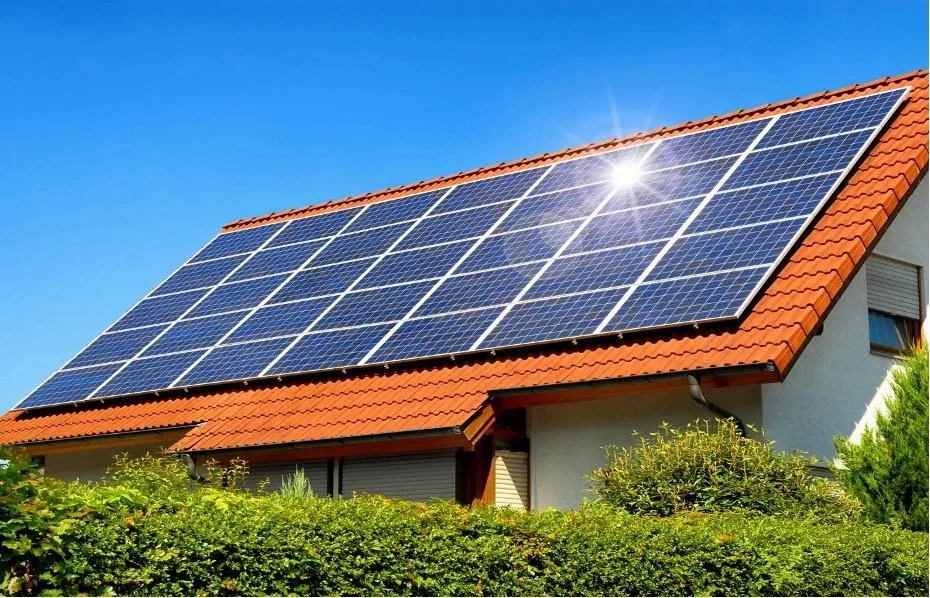
Solar roof panels, also known as solar panels or solar photovoltaic (PV) systems, are devices that convert sunlight into electricity. These panels are typically installed on rooftops to capture the maximum amount of sunlight throughout the day. Integrating solar technology with roofing structures has significantly transformed the approach to powering residences, offering an environmentally conscious alternative to conventional energy sources.

Assessing Your Roof's Suitability:

Before diving headfirst into the world of solar, it's crucial to assess whether your roof is suitable for installing solar panels. Here are some key factors to consider that will help you assess your roof effectively:


●     Orientation and Tilt:

Solar panels are most effective when facing south, as they receive the maximum sunlight exposure. However, you should know that the east or west-facing roofs can still be viable. Additionally, the tilt angle plays a role, and a professional installer can help determine the optimal configuration for your location.


●     Roof Material and Condition:

The type and condition of your roof are essential considerations. While solar panel roofing can be installed on various materials, such as asphalt shingles, metal, or tile, the roof's structural integrity is crucial. Thus, ensure your roof is in good condition to support the additional weight of solar panels.


●     Shade Analysis:

Assess the level of shading your roof receives throughout the day. Excessive shade from trees or nearby structures can significantly reduce the efficiency of solar panels. Consider pruning trees or adjusting the panel placement to maximise sunlight exposure.


●     Local Regulations and Permits:

Check with local authorities and obtain necessary permits before proceeding with the process of installing solar panels on the roof. This is because some areas may have specific regulations regarding the placement and appearance of solar panels.


Installation Process:

 Once you've determined that your roof is a suitable candidate for solar panels, the next step is understanding the installation process. Remember, hiring a reputable installer is crucial for a successful solar panel on a roof project. The process typically involves:

●     Site Assessment: 

A professional installer will thoroughly assess your property, considering all relevant factors, including sun exposure, roof conditions, and local regulations. This will help them to install solar panels on the roofeffectively.


●     Design and Proposal:

Based on the assessment, the installer will create a customised solar panel and roofing design, complete with a proposal outlining the project's scope, costs, and potential energy savings.


●     Permitting:

The installer will handle the necessary permits and paperwork, ensuring compliance with local regulations.


●     Installation:

The actual installation involves mounting the solar panels on your roof, connecting them to the electrical system, and implementing any additional components, such as inverters or battery storage.


●     Monitoring and Maintenance:

After installation, your solar panel system will be monitored to ensure optimal performance. Regular maintenance is minimal, typically involving occasional cleaning and inspections.


Conclusion:

In the era of environmental consciousness and sustainability, installing solar panels on your roof can be a rewarding investment. Moreover, as commercial solar initiatives gain traction in locations like Melbourne, homeowners are increasingly exploring the benefits of solar and roofing synergy.

Assessing your roof's suitability, understanding the installation process, and choosing a reliable installer are crucial steps in making an informed decision. So, take the first step towards a greener future by exploring whether solar is the right fit for your home.

Creating a Low-Maintenance Garden for Busy Homeowners

RH Business Marketing Solutions

With today's fast-paced environment, the luxury of time is something many of us can scarcely afford, especially when it comes to the upkeep of our homes. For those of us, where the climate can vary from the sun-baked coasts to the chilly highlands, crafting a garden that requires minimal maintenance while still providing a lush, inviting outdoor space can seem like a daunting task. However, with a bit of planning and some clever choices, it's entirely possible to create a stunning garden that won't demand your every free moment.

Let's dive into how you can establish a low-maintenance garden that suits the busy homeowner's lifestyle.

1. Plan Your Space Wisely

Before you so much as lift a spade, planning is crucial. Consider the layout of your garden and how you can best utilise the space. Think about areas that get full sun versus those in the shade and plan your plantings accordingly. Incorporating native Australian plants is a smart move as they're adapted to the local climate and generally require less water and care. Plants like the hardy kangaroo paw or the vibrant bottlebrush not only add a splash of colour but also thrive with minimal fuss.

2. Choose the Right Plants

Selecting the right plants is the cornerstone of a low-maintenance garden. Opt for species that are drought-resistant and can thrive in your local climate without the need for constant watering, fertilising, or pruning. Succulents, for example, are not only trendy but incredibly forgiving, requiring very little water. Grasses like Lomandra or Dianella provide texture and movement and are virtually carefree once established. Remember, the goal is to choose plants that will allow you to enjoy your garden, not become a slave to it.

3. The Role of Metal Garden Edging

Metal garden edging is a game-changer for busy homeowners. It offers a crisp, clean look that defines garden beds, paths, and lawns, creating a visually appealing boundary that’s both functional and stylish. Besides its aesthetic appeal, metal edging is incredibly durable and can withstand extreme weather conditions without rusting or degrading. Its ease of installation and minimal upkeep make it an ideal choice for delineating different areas of your garden, keeping it neat with very little effort.

4. Efficient Irrigation and Correct Plumbing

A well-planned irrigation system, ideally with a drip line, ensures water is delivered directly to the base of each plant, minimizing waste and ensuring deep water penetration. Incorporating a correct plumbing system into your garden design is crucial. This includes not only irrigation but also proper drainage to prevent waterlogging, which can damage plant roots and hardscape materials. Automated watering systems with timers can further simplify garden maintenance, ensuring your plants receive the right amount of water even when you're away.

5. Opt for Perennials Over Annuals

While annuals can add a pop of colour to your garden, they require replanting each year, which can be time-consuming. Perennials, on the other hand, come back year after year, making them a more practical choice for the time-strapped gardener. Incorporating a mix of perennials that bloom at different times of the year can ensure your garden remains vibrant across the seasons with minimal intervention.

6. Use Pots and Containers

Pots and containers offer flexibility in garden design and are inherently low-maintenance. They're ideal for busy homeowners as they can be moved to suit changing light conditions, and their contained environment makes it easier to control soil quality and moisture levels. Plus, pots limit the growth of plants, reducing the need for pruning. Choose self-watering containers for an even more carefree approach.

7. Implement Hardscaping

Incorporating elements of hardscaping – such as paving, stones, and gravel – can significantly reduce the area of your garden that requires active maintenance. Paths, patios, and decking not only add structure and aesthetic appeal but also eliminate the need for mowing, watering, and other gardening chores. Strategic placement of these features can transform your outdoor space into a stylish, low-maintenance haven.

8. Automate Where Possible

Technology can be a powerful ally in the quest for a low-maintenance garden. Automated irrigation systems have already been mentioned, but consider also the benefits of robotic lawn mowers or solar-powered lights. These gadgets can save time and energy, allowing you to enjoy your garden rather than toil in it.

9. Emphasize Quality Over Quantity

When selecting tools, materials, and plants for your garden, opting for quality can reduce long-term maintenance. High-quality tools that last longer and perform better can make garden tasks more efficient and less frequent. Similarly, choosing premium plants from reputable nurseries can ensure they are disease-resistant and well-suited to your local environment, reducing the need for replacements.

10. Accept a Bit of Imperfection

Finally, embracing a more relaxed approach to your garden can be liberating. A perfectly manicured garden requires constant attention. Allowing your garden to grow a little wilder, embracing the natural beauty of plants, and accepting the odd weed can significantly reduce the pressure to maintain a pristine outdoor space.

11. Embrace Mulching

Mulch is a gardener's best friend, particularly if you're looking to reduce maintenance. Applying a generous layer of mulch around your plants helps retain soil moisture, suppress weeds, and add nutrients to the soil as it breaks down. Organic mulches like bark chips or straw not only perform these vital functions but also enhance your garden's aesthetic. By incorporating mulch into your garden design, you'll save countless hours that would otherwise be spent weeding and watering.

Creating a low-maintenance garden doesn't mean sacrificing beauty or enjoyment. With thoughtful planning, the right plant choices, and the incorporation of modern conveniences, you can design a garden that is both stunning and suited to a busy lifestyle. Whether you're a seasoned gardener or just starting, these tips can help you achieve a garden that enriches your home and life, without demanding all your free time. Enjoy the process, and soon you'll have an outdoor space that's not only a joy to behold but a breeze to care for.