Google+

contact us

Use the form on the right to contact us.

Day or Night, we are here to serve you. Leave your plumbing problem to us.


Tinley Park, IL

(708)845-7922

Residential and Commercial plumbers and plumbing contractors available in Orland Park, Tinley Park, Oak Lawn, Palos Heights, Midlothian, Oak Forest, Homer Glen, Mokena, Frankfort, and the surrounding Chicago South Suburbs. Emergency plumbers.

copper water lines.jpg

Kevin Szabo Jr Plumbing Blog

Kevin Szabo Jr Plumbing is Tinley Park, Orland Park, Oak Forest, Midlothian, Orland Hill, Homer Glen, Mokena, Frankfort, Crestwood, Palos Heights, Oak Lawn, local plumber. Read our blog for advice, tips, a good laugh, and basic home improvement.

**We are moving our old blog to our new and improved website. Too see all our posts visit kevinszabojrplumbing.blogspot.com

Journey in Comfort: The Best Roof Racks and Propane Water Heaters for Campers

RH Business Marketing Solutions

Camping is an adventure that offers an escape from the mundane routines of daily life. To ensure a smooth and comfortable journey, it's essential to equip your camper with the right gear. Two such indispensable items are roof racks and propane water heaters. This article will explore the best options for roof racks and camper propane water heaters, ensuring your next outdoor excursion is both comfortable and convenient.

Roof Racks for Campers

When it comes to preparing for a camping trip, one of the essential considerations is how to efficiently pack and transport your gear. Roof racks for campers are a game-changer in this regard, offering additional storage space while ensuring the safety and security of your belongings. This article delves into the world of roof racks specifically designed for campers, covering everything from the importance of quality to the best models available in the market.

Why Quality Matters

Investing in a high-quality roof rack is not just about having more space. It’s about safety and durability. A robust roof rack should withstand various weather conditions and rough terrains, ensuring that your gear stays securely in place. The right roof rack also minimizes the risk of damage to your vehicle and the load it carries.

Top Picks for Durability and Versatility

When selecting a roof rack, there are several key factors to consider: the weight capacity, ease of installation, compatibility with your camper, and the material it's made from. Aluminum racks are popular due to their lightweight and rust-resistant properties, while steel racks are lauded for their strength. One of the top brands known for its durability and versatility is BougeRV. This brand offers a range of products that cater to different needs, whether you’re carrying kayaks, bikes, or just extra camping gear.

Maximizing Storage and Accessibility

The right roof rack not only adds more space but also improves the accessibility of your gear. Features like side-loading or sliding mechanisms can make a significant difference in how easily you can load and unload your items. Moreover, some racks are designed with aerodynamics in mind, which can help in reducing fuel consumption and noise during travel.

Propane Water Heaters for Campers

When embarking on a camping adventure, the comfort of having access to hot water cannot be overstated. Whether for cooking, cleaning, or a warm shower, a propane water heater is an essential component of a well-equipped camper. In this article, we explore the realm of propane water heaters for campers, discussing their benefits, features to consider, and some of the best models available on the market.

The Convenience of Hot Water on the Go

The primary benefit of a propane water heater in a camping setup is the convenience it offers. Unlike traditional methods that require building a fire or using a stove, a propane water heater provides instant hot water with minimal effort. This not only saves time but also adds a level of comfort and luxury to your camping experience, especially in colder climates or during winter camping.

Choosing the Right Propane Water Heater

When selecting a propane water heater for your camper, there are several key factors to consider:

  • Capacity: The size of the water heater will determine how much hot water you can use at a time. Common capacities range from 6 to 10 gallons, suitable for different needs and sizes of campers.

  • Energy Efficiency: Look for models that are energy-efficient to maximize fuel conservation.

  • Safety Features: Safety is paramount. Choose water heaters with features like overheat protection, automatic shut-off, and flame failure protection.

  • Size and Weight: Consider the physical dimensions and weight of the water heater, especially if space is a premium in your camper.

  • The Convenience of Hot Water on the Go
    The luxury of having hot water while camping cannot be overstated. We'll delve into why a camper propane water heater is a game-changer for your outdoor adventures.

  • Best Models for Reliability and Efficiency
    Discover the top models of propane water heaters that are known for their reliability and efficiency, making them perfect for any camping trip.

Combining Roof Racks and Propane Water Heaters

  • Maximizing Space and Comfort
    Learn how to effectively combine roof racks and propane water heaters to maximize space and comfort in your camper.

  • Installation Tips and Safety Considerations
    We provide essential tips on the safe installation of these accessories and discuss important safety considerations to keep in mind.

Maintenance and Care

  • Ensuring Longevity of Roof Racks
    Regular maintenance tips to prolong the life of your roof racks are covered, ensuring they remain in top condition for years to come.

  • Keeping Your Propane Water Heater in Top Condition
    We share expert advice on maintaining your propane water heater to ensure it operates efficiently and safely.

Conclusion

In conclusion, the right roof racks and propane water heaters can significantly enhance your camping experience. By considering the aspects discussed in this article, you can ensure a journey filled with comfort and convenience.

Rat and Mouse Extermination in Commercial Buildings: Strategies for Preventing Business Disruption

RH Business Marketing Solutions

Rats and mice, unwelcome guests in any setting, can wreak havoc when they infiltrate commercial buildings. Beyond the physical damage they cause, the mere presence of these rodents poses health risks and can disrupt business operations. This article will explore practical strategies for rat and mouse extermination in commercial buildings, emphasizing the importance of preventing business disruption.

1. Prompt Identification of Infestations:

Timely identification plays a crucial role in minimizing the impact of rodent infestations on commercial buildings. Engaging in routine inspections conducted by trained professionals, such as those available at https://www.miceexterminator.org/, facilitates the prompt recognition of signs like droppings, gnaw marks, and nests. Taking swift action at the first indication of rodent activity is paramount in preventing the infestation from escalating and safeguarding the business environment.

2. Professional Extermination Services:

Engaging the services of professional exterminators experienced in commercial settings is essential. These experts can assess the extent of the infestation, develop a tailored extermination plan, and execute it efficiently. Professional services ensure thorough treatment, reducing the risk of recurrence and minimizing business disruption.

3. Strategic Placement of Traps and Baits:

Strategically placing traps and baits is an effective method for controlling rodent populations. However, proper placement is crucial to maintain daily operations. Professionals can strategically position these tools in areas where rodents are likely to frequent while minimizing their impact on business activities.

4. Exclusion Practices:

Implementing exclusion practices is crucial for preventing rodents from re-entering commercial buildings. Identify and seal potential entry points, including gaps around doors, windows, utility lines, and vents. Exclusion measures should be part of routine maintenance to protect against future infestations.

5. Employee Education:

Educate employees about the signs of rodent infestations and the importance of reporting them promptly. Establish clear communication channels for reporting any indications of rodent activity. The proactive involvement of employees contributes to early detection and minimizes the risk of business disruption.

6. Sanitation Measures:

Maintain high sanitation standards to reduce attractants for rodents. Regularly clean common areas, kitchens, and storage spaces. Store food in sealed containers and promptly dispose of waste. A clean environment not only deters rodents but also contributes to the overall health and well-being of the commercial space.

7. Collaboration with Pest Control Professionals:

Foster an ongoing collaboration with pest control professionals to monitor and address potential rodent issues. Scheduled inspections and treatments can be coordinated during non-business hours to minimize disruption. Establishing a long-term relationship with a reliable pest control service ensures a proactive and practical approach to rodent control.

8. Consideration of Business Hours:

When implementing rodent control measures, consider the operational hours of the business. Schedule treatments and inspections during minimal activity to reduce interference with daily operations. This thoughtful approach helps balance effective pest control and uninterrupted business activities.

9. Communication with Stakeholders:

Transparent communication with stakeholders, including employees, clients, and vendors, is crucial during rodent extermination. Informing relevant parties about the steps to address the issue and the preventive measures helps manage expectations and maintain trust.

10. Ongoing Monitoring and Prevention:

Following successful extermination, it remains crucial to prioritize ongoing monitoring and prevention efforts. Consistently evaluate the effectiveness of exclusion measures, sanitation practices, and pest control strategies. Adopting a proactive and vigilant approach, especially with expert rat control Charleston WV guarantees protection against potential future rodent infestations.

Conclusion:

Addressing rat and mouse infestations in commercial buildings requires a strategic and proactive approach. Businesses can minimise the risk of disruption by prioritizing early identification, engaging professional extermination services, implementing exclusion practices, and fostering employee awareness. Consistent collaboration with pest control professionals and a commitment to ongoing prevention measures are crucial to ensuring a rodent-free and smoothly operating commercial space.

The Top Safety Measures for Industrial Painters

RH Business Marketing Solutions

Have you ever thought about how industrial painters stay safe?

They work high up and handle tricky chemicals. It's a tough job! But with the right safety steps, they can avoid hazards.

Read on as we take a look at the top safety measures every industrial painter needs to follow. This will keep them, and their workmates, safe on the job.

Personal Protective Equipment

One big rule for safety is wearing the right personal protective equipment. Think helmets, masks, and gloves. They shield painters from head to toe.

Helmets keep their heads safe from things that might fall. Masks stop them from breathing in bad fumes. Gloves protect their hands from harsh chemicals.

Having Personal protective equipment like going into battle with the best armor. Every painter should dress up in this important gear before they start working. It's a simple way to stay out of harm's way.

Fall Prevention Strategies

Working high up is part of the job for painters. They need to stay safe up there. Anchors, harnesses, and safety nets are key. These tools help stop falls.

Each painter must be tied to an anchor. Then, if they slip, they won't fall far. Harnesses should be snug and comfy.

Safety nets catch painters if they do fall. It's important to check this gear. It must be in good shape to work right.

Painters should never skip this. It's how they make sure they go home safe every day.

Proper Ventilation Systems

Good air matters a lot when painting. This is where proper ventilation comes in. It sucks out toxic fumes and brings in fresh air.

Think of it as the lungs of the paint area. Machines that pull out bad air keep painters breathing easy. Big fans also help blow away harmful gases.

Every painting spot needs these fans and vent machines. They make sure painters are not breathing stuff that can make them sick. It's a must-do for health and safety.

Chemical Handling Protocols

Handling chemicals is serious work. Painters must know what they're using. They should read labels and learn about what's in each can.

Rules are there to help them use chemicals right. They wear gloves and suits to keep their skin safe. Goggles are a must to protect the eyes.

There should be a place to wash off if they get splashed. This helps wash away chemicals fast. Plus, they should never mix stuff that the can says not to as this can be hazardous.

Equipment Maintenance Checks

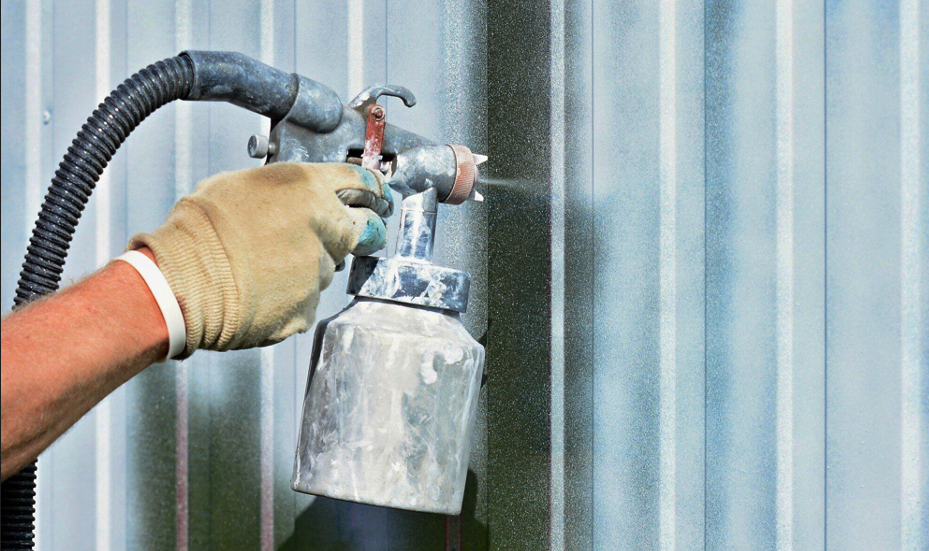
Regular checks on painting gear keep everyone safe. This means looking over ladders, brushes, and sprayers. If something gets broken, it can be a big risk.

So painters must check their tools before they start. Ladders need to be strong and stable. Brushes and rollers should be in good shape, and sprayers must work right.

If the gear passes the check, then work can begin. This careful look at equipment is a safety step that they shouldn't skip. It's like a promise that the tools will do their job well and keep painters from getting hurt.

Fire Risk Mitigation

Fire is a big danger for painters, especially when they work with flammable stuff. To fight this risk, they need fire prevention measures and the right tools.

Painters keep their work area clean from anything that can burn. It's smart to have everything in order. That way, things don't catch fire easily.

They also use non-spark tools as these keep sparks from starting a fire. Every paint place should have a fire extinguisher. It must be easy to get to in an emergency.

Painters learn how to use it, just in case. They also know where the exits are. This helps them leave fast if a fire starts.

Regular Safety Training

Knowledge is power, especially when it comes to safety. Regular safety training is essential for industrial painters to stay on top of their game. These sessions teach them new techniques and remind them of important rules.

During training, painters learn about using equipment safely and what to do in emergencies. They get to practice drills, like putting out fires and first aid. This keeps their skills sharp for the real thing.

They also learn about new painting products and the right way to handle them. This makes sure that everyone understands the dangers and knows how to avoid them.

Training isn't a one-time thing. Painters have to keep learning to keep up with new safety standards. It's all about making sure they go home to their families without any injuries.

Emergency Response Planning

Having a solid emergency response plan is key for industrial painters. This plan tells them what to do if something goes wrong.

Say a fire starts, or someone gets hurt. The plan helps people act fast. Each painter should know the plan well.

The plan will have steps to deal with all sorts of emergencies. It may say where to go if you must leave in a hurry. It will show who to call for help.

All painters should learn the emergency plan. They should do drills to practice, so everyone knows what to do by heart. If you're in the area, get in touch with a House Painter in Longmont to learn more about how they respond to emergencies.

Workspace Ergonomic Practices

Creating a workspace that feels good for the body is what ergonomics is all about. For industrial painters, not hurting their muscles and joints is important. They should set up their work area so they can stand and move in a way that feels right.

This means keeping tools where they can reach them easily. They should not have to stretch too far or twist their body in odd ways.

Good lighting is also a must. It helps them see well without having to strain their eyes.

When painters feel comfy, they can do a better job and not get hurt. Each painter's health is key to keeping the whole work team going strong.

Industrial Painters Should Keep These Safety Measures in Mind

The safety of industrial painters is incredibly important. They have a big job and working safely means they can keep doing it well. With these safety measures, industrial painters can protect themselves every single day.

This isn't just good for the painters; it's also good for their friends at work and their families at home. So remember, staying safe isn't just a part of the job - it's the key to doing it right.

We hope you found this article helpful. Keep reading our blog for more helpful tips and advice.

What is a Leach Field?

RH Business Marketing Solutions

A leach field, also known as a drain field or septic field, is a crucial component of a septic system used in areas without centralized sewer systems. It is where the final treatment and dispersal of the effluent (wastewater) from the septic tank occur. Understanding the structure, function, and maintenance of a leach field can help in ensuring the effective and safe treatment of household wastewater, thereby protecting public health and the environment.

New homeowners might ask this question: what is a leach field? And how does it work?

How does a leach field work?

A leach field works by distributing effluent (liquid wastewater) from the septic tank through a series of perforated pipes laid in gravel-filled trenches or beds. The effluent slowly seeps out of these pipes, filters through the gravel layer, and then percolates through the soil. During this percolation process, the soil acts as a natural filter, removing harmful bacteria, viruses, and nutrients from the wastewater. Physical, chemical, and biological processes within the soil treat the effluent effectively before it eventually reaches the groundwater, ensuring that it is sufficiently clean and does not pose a risk to public health or the environment.

What are the signs of a failing leach field?

Signs of a failing leach field can include:

●      Soggy Ground or Standing Water: The area over the leach field becomes waterlogged or soggy, especially after heavy rain, indicating that the field is not absorbing effluent properly.

●      Bad Odors: Unpleasant sewage odors emanating from the septic leach field area can indicate that effluent is surfacing, due to clogging or overloading of the field.

●      Slow Drains or Sewage Backups: Slow-moving drains throughout the house or sewage backups can signal that the leach field is not effectively dispersing the wastewater, causing it to back up through the system.

●      Lush Vegetation: Excessively green or lush grass over the leach field compared to other areas of the yard can indicate that the effluent is not percolating through the soil as intended, providing excess nutrients to the grass above.

●      High Nitrate Levels in Well Water: Elevated nitrate levels in nearby well water can be a sign of effluent from a failing leach field contaminating the groundwater.

How long does a leach field last?

The lifespan of a leach field can vary significantly depending on several factors, including the soil type, the size and design of the field, the amount and type of wastewater being processed, and how well the system is maintained. On average, a properly designed, installed, and maintained leach field can last for 20 to 30 years or more. Regular maintenance, such as pumping the septic tank every 3 to 5 years and avoiding practices that can damage the field, can help extend its lifespan.

Can you repair a leach field?

Repairing a leach field is possible, but the approach depends on the cause and extent of the failure. For minor issues, such as slight clogging or partial system failure, interventions may include:

●      Pumping the Septic Tank: Removing solids that may have escaped into the leach field.

●      High-Pressure Water Jetting: Clearing out the pipes within the leach field to remove clogs.

●      Adding Bacteria or Enzymes: Introducing additives to help break down solids and unclog the system, though the effectiveness of this method is debated among professionals. For more severe issues, more extensive repairs or even a complete replacement of the leach field may be necessary. This could involve installing additional lines, creating a new leach field in a different location, or employing advanced treatment systems to reduce the load on the field.

Can you drive or build over a leach field?

It is generally not recommended to drive over or build structures over a leach field. Heavy vehicles or construction can compact the soil and damage the pipes, reducing the field's ability to absorb and treat wastewater. Additionally, impervious surfaces, such as driveways or buildings, can prevent rainwater from evaporating or soaking into the ground, potentially leading to waterlogging of the field. If you must use the area above a leach field for light activities, ensure that it is only for purposes that do not impact the soil's absorption ability, like light gardening or landscaping with shallow-rooted plants.

Understanding Leach Fields

Structure and Design

A leach field consists of a series of trenches or a bed lined with gravel or coarse sand and buried one to three feet below the ground's surface. Perforated pipes are laid in these trenches to distribute the effluent from the septic tank slowly over a large area. The wastewater percolates through the gravel or sand and into the soil below, where treatment occurs through physical, chemical, and biological processes.

Function and Treatment Process

The primary function of a leach field is to safely disperse and treat effluent from the septic tank. As the wastewater filters through the layers of soil, harmful bacteria, viruses, and nutrients are removed or neutralized. This process effectively treats the effluent before it reaches groundwater or surface water bodies, thereby preventing pollution and protecting water quality.

Key Components of a Leach Field

Perforated Distribution Pipes

These pipes distribute the effluent evenly throughout the leach field. They are designed with small holes or slots that allow the wastewater to trickle out slowly, ensuring that the field is not overloaded and that the effluent is effectively dispersed.

Gravel or Sand Layer

The gravel or sand layer supports the distribution pipes and facilitates the initial filtration of the effluent. This layer prevents the surrounding soil from clogging the perforations in the pipes and ensures an even distribution of wastewater over the field.

Soil

The soil beneath the leach field is the most critical component for the treatment of the effluent. It acts as a natural filter, removing pathogens, organic matter, and nutrients from the wastewater through microbial action and physical absorption.

Maintenance and Care

Regular Inspections and Pumping

Regular inspections and periodic pumping of the septic tank are essential to prevent solids from escaping into the leach field, which can lead to clogging and system failure.

Proper Landscaping

The area above the leach field should be landscaped to prevent erosion and surface water runoff. It is essential to avoid planting deep-rooted trees or shrubs near the field, as roots can damage the pipes and reduce the system's effectiveness.

Avoiding Overloading

Conserving water and avoiding the disposal of harmful chemicals and non-biodegradable materials down the drain can help prevent the overloading and contamination of the leach field.

Conclusion

A leach field is a vital component of a septic system, ensuring the safe and effective treatment of household wastewater in areas without access to municipal sewer services. Proper design, installation, and maintenance are essential for the longevity and efficiency of a leach field, thereby safeguarding public health and the environment.

Essential Basement Waterproofing Tips for a Dry and Healthy Home

RH Business Marketing Solutions

A wet or damp basement can be a source of major frustration and problems in any home. Excess moisture creates an unpleasant environment and poses risks of structural damage, mold growth, irritation from musty smells, and potential health issues. Thankfully, you can transform that troublesome space into a dry, livable basement with proactive waterproofing and moisture control methods.

With the right approach, you can improve the air quality in your home, protect its foundation and valuables, and even gain valuable living or storage space.

Understanding the Need for Basement Waterproofing

Before exploring basement waterproofing solutions, it’s important to understand what causes wet basements in the first place. Several common culprits allow moisture intrusion and accumulation:

  • Foundation Cracks and Leaks: Over time, a home’s foundation can develop cracks in the concrete or blocks, allowing water seepage from the surrounding soil. This is especially common with older homes or foundations that have shifted over the years.

  • Poor Drainage Systems: Inadequate drainage around the home, such as improper grading, leaky gutters, or lack of catch basins, can lead to flooding. This overwhelms the foundation and allows water ingress.

  • High Water Table: In some areas, the groundwater level may naturally sit close to the surface, making basements prone to flooding. Seasonal changes also affect this.

  • Penetrations or Openings: Plumbing, ductwork, wiring, and other utilities that penetrate the foundation walls can create openings for water if not properly sealed.

  • Interior Leaks: Leaky appliances, plumbing fixtures, or pipes within the basement itself can release significant moisture over time.

The Importance of Basement Waterproofing

A damp or flooded basement is not just an inconvenience; it can lead to severe consequences for your home and your family's health. Here's why waterproofing your basement should be a priority:

  • Preventing Structural Damage: Chronic moisture encourages the growth of mold, mildew, and wood rot, which compromises structural integrity. It also erodes concrete and corrodes metals over time.

  • Mold and Mildew Prevention: Excess moisture feeds the spread of hazardous molds and fungi. This contaminates indoor air and surfaces, posing respiratory risks.

  • Protecting Valuables and Appliances: From stored possessions to furnaces and water heaters, a wet basement puts many valuables at risk of water damage or electrical issues.

  • Pest Deterrence: Musty basements attract pests like termites, ants, cockroaches, and silverfish, which can infiltrate and damage other areas of the home.

  • Odor Control: Standing water and dampness create unpleasant, lingering odors of mildew and stagnation throughout the home.

  • Improved Air Quality: Waterproofing helps purge unhealthy spores, gases, and particles from the home’s air.

  • Added Living Space: A dry, conditioned basement adds valuable living area or storage space.

Types of Basement Waterproofing

There are several types of basement waterproofing methods, each with its own advantages and disadvantages. Here are some of the most common methods:

Interior Waterproofing

Interior basement waterproofing seals the interior walls and flooring surfaces to prevent moisture penetration or accumulation. Common techniques include:

  • Interior foundation coatings

  • Waterproof paints/epoxies

  • Polyethylene vapor barriers

  • Waterproof flooring membranes

Interior waterproofing is less disruptive and costly than exterior solutions. However, it is vulnerable to damage over time and cannot address exterior water pressure or stop leaks at their source.

Exterior Waterproofing

Exterior waterproofing seals the outer foundation walls, footing drains, and other areas to block moisture from the surrounding soil. Popular exterior methods include:

  • Exterior foundation coatings

  • Waterproofing compounds

  • Drainage boards

  • Rubber membranes

Though more costly and disruptive, exterior waterproofing is very effective and durable and relieves wall hydrostatic pressure.

French Drain

A French drain is an underground drainage system of perforated pipes and gravel installed around the exterior perimeter of a basement. It intercepts groundwater and channels it away through gravity.

Though passive and low-maintenance, a French drain can only sometimes handle heavy water flows alone during storms or spring thaw. It should couple with solid foundation waterproofing.

Sump Pump

Sump pumps actively collect and discharge water that manages to penetrate the basement interior via floor and perimeter wall drains flowing to the sump pit.

They provide emergency relief from interior flooding when foundational waterproofing fails. However, sump pumps cannot solve the root issue and only remove water after it has already infiltrated your basement.

Choosing the Right Waterproofing Method

Choosing the right waterproofing method depends on several factors, including the water problem's severity, the home's age, and the budget. Here are some things to consider when choosing a waterproofing method:

The severity of the Water Problem

The intensity of flooding or seepage issues determines what level of waterproofing is necessary. Minor dampness may need simple interior coatings. However, anything beyond superficial condensation or minor leaks requires sealing exterior walls to relieve water pressure.

Age of the Home

A newer home may only have minor foundation cracking that allows moisture, warranting affordable interior patching. On the other hand, an old, shifting foundation with major cracks requires extensive exterior excavation and sealing.

Budget

Interior waterproofing presents an affordable, convenient option for manageable moisture, while exterior processes provide optimal protection despite higher costs. Additionally, water issues left unaddressed lead to exponential damage over time. Though extensive exterior repairs seem costly upfront, they can save money in the long run by preventing deterioration and safety hazards. Evaluate how much you can invest now versus continual maintenance and repairs later.

Consulting a professional contractor is the best way to evaluate your unique situation and determine the ideal long-term solution. With the right waterproofing plan, you can permanently resolve moisture issues for a clean, dry, usable space.

Conclusion

Through proactive waterproofing, a dry, healthy basement is within reach. While the prospect of excavating foundations and installing drainage systems may seem daunting, the long-term benefits for your home make basement waterproofing a wise investment. Not only will a waterproofed basement prevent everyday annoyances like musty odors or flooded floors, but more importantly, it preserves your home's structural integrity and livability for years to come.

Consult professional basement waterproofing experts to evaluate your foundation’s unique flooding causes and challenges. With their insights and solutions perfectly matched to your specific needs, you can confidently address stubborn moisture issues through interior sealants, exterior barriers, improved drainage, sump pumps, or a strategic combination selected just for you. With diligence and the right waterproofing plan, you can transform your basement from a source of headaches into a dry, usable living space.

The Benefits of Integrating Solar Panels Into Your HVAC & Plumbing System

RH Business Marketing Solutions

In an era of growing consciousness toward sustainable living, consumers are always looking for sustainable, eco-friendly services. Solar power integration is usually a commendable front runner here. 

Even in the services like plumbing or HVAC market, the demand for solar-powered integration is high. That’s why service professionals, including the HVAC service providers should keep up with that demand.

But why should you be going with these trends such as integrating solar panels into the HVAC and plumbing systems? 

If you’re confused about incorporating this option into your service offerings, it’s high time you learn about the benefits you can get by opting for solar powered energy.

Continue reading to learn more about the rise of solar energy in the HVAC and plumbing systems and the top benefits you might get to enjoy!

The Rise of Solar Technology in the HVAC and Plumbing Space

Many trade industries, especially residential real estate and home services have been taken by the storm that is the rise of solar technology - looting those solar-powered heaters or air conditioning systems. 

Statistics show the solar industry reached approximately 3.2 million residential installations in the USA alone by the end of 2021, with growth expected to be more than 3 times by 2030.

This sudden boost in solar power installation comes at a time when consumers are continuously looking for cost-effective and eco-friendly plumbing and HVAC solutions for their residents. 

What has driven the need for a sustainable power system is actually the traditional HVAC and plumbing systems- which are powered by expensive, and environmentally harmful fossil fuels. 

Unlike the traditional power system, solar power is a sustainable and clean energy source, making it a better choice for professionals to go for. However, there are certain solar certifications and licensing requirements that need to be adhered to by those services.

You can make the process easier by partnering with certified solar professionals. Also, there are reputed companies like Effective Home, which is an expert in installing solar HVAC and plumbing systems, maintenance, and repair.

4 Benefits of Integrating Solar Power Into HVAC and Plumbing Systems

Whether you’re installing it for your home or planning to make it a new service offering, it’s important to know what benefits it will bring to you. Some of the amazing benefits you can get by integrating solar power into your HVAC or plumbing systems are:

Save on Energy Costs

Most people may not show interest at the beginning since the upfront cost for the solar installation is a bit high. 

But, look at the bright side. 

Solar powered systems are known for making the home energy efficient. When your HVAC or plumbing systems are run by solar power, the energy loss will be less than the traditional systems. It means you can eventually save big on your energy bills.

In fact, by installing solar panels on your home, you can easily save upto $25,500 to $33,000 on energy during the lifespan of your system. 

However, the cost saving depends on a lot of factors such as the size of the solar panels you purchased, the size of your home, whether your entire house is run by solar power, or you’re just using it to power your plumbing and HVAC systems, etc. 

Besides, the utility rates and seasonal expenses will vary from state to state, or country to country. So, you need to do a bit of research before you find out how much you’re going to save.

No matter what the amount is, it’s definitely better than what you had to pay for the traditional system.

Reduces Carbon Footprint

In 2021, the Environmental Protection Agency (EPA) reported a shocking 13% of greenhouse gas emissions originating from residential and commercial sectors. The primary culprits were the utilization of fossil fuels like natural gas and coal for heating, refrigeration, and cooling. This reliance on non-renewable energy sources contributes significantly to carbon emissions, exacerbating global warming and air pollution issues.

The HVAC and the plumbing systems have been notorious for their appetite for energy. Integrating them with solar-powered energy can be a transformative solution poised to revolutionize household energy consumption. By seamlessly replacing fossil fuel-derived power with solar-generated electricity, homes can witness a substantial reduction in their carbon footprint. 

The key lies in harnessing the limitless potential of solar energy, a sustainable and clean power source that perpetually rejuvenates without depleting precious resources.

The operation of solar panels is pretty simple - converting solar power into energy. This simplicity has made it one of the most sustainable choices among homeowners. Since fossil fuels are losing popularity due to their adverse environmental effects, solar power now stands as a beacon of hope. 

The appeal of solar energy extends beyond its immediate impact on individual households. It addresses broader concerns related to global warming, offering a tangible way to fight climate change. By embracing solar integration, you can contribute to a collective effort to reduce dependency on finite fossil fuels and transition towards greener alternatives.

Tax Credits and Incentives

The Federal Residential Solar Energy Credit comes as a financial relief and is available for those who have recently installed solar systems in their homes. If you're one of these forward-thinking homeowners, this federal tax credit can be a game-changer in reducing the financial burden of transitioning to solar energy. The credit allows you to claim a percentage of the total costs incurred in purchasing and installing your new solar power system when filing your annual income taxes.

For solar systems installed between 2022 and 2032, homeowners are eligible to claim a substantial 30% of the purchase costs. This incentive serves as a tangible acknowledgment from the federal government for your commitment to sustainable energy practices.

However, navigating the grounds of tax credits requires attention to specific guidelines and limitations set forth by the federal government. These parameters encompass the types of solar products that qualify for the credit, the nature of expenses deemed eligible, and even considerations regarding the ownership structure, particularly if you're leasing the solar product.

An important step in optimizing this financial benefit is a thorough review of the federal guidelines governing the Residential Solar Energy Credit. Being well-informed about these regulations not only ensures accurate and successful tax credit claims but also contributes to customer education. Homeowners need to understand the nuances of the credit, empowering them to make informed decisions about their solar investments.

It's noteworthy that the federal credit is just one piece of the puzzle. Homeowners should explore the landscape of state-level tax credits, which might provide additional financial incentives. State-specific benefits can augment the overall savings associated with solar adoption, making the endeavor even more financially attractive.

Increases a Home Value

Apart from reducing carbon emissions and energy costs, a lesser-known advantage of solar power awaits homeowners who embrace solar power - a considerable increase in their home's overall value. 

The National Renewable Energy Laboratory (NREL) reveals that for every $1 saved on energy bills due to solar systems, the home's value experiences an impressive boost of $20. These aren't mere numbers; they represent a substantial return on investment.

To put this ratio into perspective, consider an annual energy cost saving of $800. According to NREL's findings, this translates into a remarkable increase of approximately $16,000 in your home's market value. This symbiotic relationship between energy efficiency and property value underscores the tangible and lucrative rewards awaiting those who invest in solar technology.

In the current real estate landscape, where environmental consciousness is a significant driver of consumer choices, homes equipped with solar-powered HVAC and plumbing systems hold a distinct charm. 

Potential buyers actively seek residences that align with sustainable practices, making solar-equipped homes a hot commodity in the eco-friendly buyer's market. As a homeowner or a potential seller, this translates into a competitive edge — a seller's advantage that can set your property apart in a crowded real estate arena.

Considerations Before Investing In Solar Panels

While integrating solar panels into plumbing and HVAC seems like a wise choice, you need to consider some factors before making the investments. Based on whether you’re installing them on your home or for your service, the considerations will vary.

Energy Consumption Assessment

Ready to go solar? Let's take a closer look at how much energy your home really needs. Understand these patterns, and you've got the key to your perfect solar match.

So, before solar panels grace your roof, get into detective mode. Decode your electricity needs, and get set for a greener, money-smart future. 

Local Climate And Sunlight Availability

Before embarking on a solar panel installation, it is essential to conduct a thorough assessment of your home's energy consumption patterns. A comprehensive understanding of the energy requirements of your HVAC system, household appliances, and other electrical devices is pivotal in determining the requisite size and capacity for the solar panel system.

Efficiency is the name of the game. By carefully evaluating your energy needs, you lay the groundwork for an optimal solar panel system. This process entails scrutinizing your historical energy consumption, identifying peak usage periods, and appraising the compatibility of your roof space for solar installation.

This methodical approach not only ensures the adequate sizing of your solar array but also facilitates cost-effectiveness. By aligning the system with your specific energy demands, you maximize its efficiency, yielding substantial returns on your investment.

Roof Suitability

When contemplating solar panel installation, conduct a comprehensive evaluation of the roof's condition and orientation. Ensure that the roof is structurally sound and capable of supporting the additional weight of solar panels. Additionally, consider the orientation and tilt of the roof, with south-facing orientations and a moderate tilt being optimal for maximizing solar exposure. 

This realistic assessment will guide your solar energy venture, providing a foundation of reliability and efficiency. Optimal solar performance begins with a professionally conducted analysis of your roof's suitability for the installation process.

Regulatory And HOA Considerations

Before proceeding with solar panel installation, it's essential to conduct thorough research on local regulations and homeowners' association (HOA) guidelines. Various regions have specific rules governing the installation of solar panels, and these may include aesthetic considerations. Sticking to these regulations is not only a legal requirement but also ensures a seamless permitting process.

Understanding and complying with local guidelines contribute to a more professional and trouble-free solar panel installation that aligns with your community's specific requirements. It's highly recommended that you reach out to your local authorities or HOA representatives for clarity on the regulations and any necessary approvals before embarking on the installation process. 

Budget And Financing Options

It's crucial to establish a clear budget, encompassing both the upfront expenditures and potential long-term savings. Go through various financing avenues, including loans and government incentives, to improve the financial feasibility of your investment. 

Numerous governments incentivize the adoption of solar technology, offering rebates and tax credits. By thoroughly exploring these financial avenues, you not only simplify the decision-making process but also position yourself to make a budget-friendly and environmentally conscious choice that aligns with the growing trend of sustainable energy solutions.

Quality Of Solar Panels And Components

When it comes to solar panel installation, think quality over shortcuts. Research trusted manufacturers for panels that meet industry standards. Opting for top-notch components might seem like an upfront expense, but it's an investment in long-term efficiency and durability. 

Don't let the initial cost tempt you into cutting corners; remember, this is about securing sustained performance for the future. Choosing wisely means fewer repairs and replacements down the line. Think of your solar panels as a long-term ally in energy efficiency. It's not just about going solar; it's about going smart.

Conclusion

Embracing solar technology in HVAC and plumbing systems is a transformative move towards sustainable living. With growing consumer demand for eco-friendly services, integrating solar power into plumbing and HVAC systems is now a crucial step forward.

The rise in solar technology adoption reflects a shift towards cost-effective and environmentally conscious solutions. Traditional HVAC and plumbing systems reliant on fossil fuels are being replaced by the sustainable allure of solar energy.

The benefits are substantial.  Solar-powered systems enhance energy efficiency, offering substantial savings despite initial costs. Beyond financial gains, this green approach actively combats climate change, reducing carbon footprints and contributing to global environmental efforts. 

Financial incentives, such as tax credits, further enhance the appeal of solar integration. An often overlooked advantage is the positive impact on home value, with solar-equipped homes gaining a competitive edge in the eco-conscious real estate market. These combined benefits make solar integration a smart and forward-thinking choice for the future of home services.

In conclusion, integrating solar panels into HVAC and plumbing systems is a significant step towards sustainable living, providing benefits beyond cost savings. It aligns with the global push for eco-friendly solutions, making it a smart and forward-thinking choice for the future of home services


Unveiling the Beauty: A Comprehensive Guide to Exterior Home Improvement

RH Business Marketing Solutions

Your home is your sanctuary, and its exterior is the canvas that showcases your personal style and pride of ownership. Exterior home improvement enhances curb appeal and adds value and comfort to your living space. In this comprehensive guide, we'll explore various aspects of exterior home improvement, from landscaping and paint choices to roofing and windows, offering practical tips to elevate your home's aesthetic charm and functionality.

Siding: Wrapping Your Home in Style

Consider siding as the protective outer layer that wraps around your home, defining both its safeguarding function and distinctive character. If your current siding is displaying signs of wear or an outdated aesthetic, upgrading to new siding can be a transformative move. Whether you opt for vinyl, fiber cement, or wood, each material offers a spectrum of textures and colors to complement diverse architectural styles. Noted for its low maintenance and cost-effectiveness, vinyl siding is popular, while fiber cement provides a robust and refined alternative. The selection of siding doesn't just elevate your home's curb appeal but also significantly contributes to enhancing overall insulation and energy efficiency.

Homeowners often turn to reputable companies like Acumen Renovation to bring expertise and precision to their vision of creating harmonious living spaces.

Landscaping: The Green Frame

Well-maintained lawns, vibrant flower beds, and thoughtfully placed shrubs create a welcoming atmosphere. Start by assessing your yard's layout and considering the climate and soil conditions to choose plants that thrive in your region. Adding a mix of perennials and annuals ensures year-round color, while strategically placed trees provide shade and enhance the overall aesthetic. Regular lawn maintenance, including mowing and edging, keeps your outdoor space looking polished and inviting.

Painting: A Splash of Personality

Choosing the right paint colors for your home's exterior is a crucial decision that can impact its overall appearance. Whether you prefer classic neutrals, bold hues, or trendy tones, the key is to select colors that complement your surroundings and architectural style. Consider testing paint samples on a small section of your home to see how they look in different lighting conditions. Additionally, pay attention to accents such as the front door and shutters, as these details can add a pop of personality and tie the entire color scheme together.

Roofing: Protecting Your Investment

Maintaining a well-kept roof is essential for shielding your home from external elements and enhancing its overall visual allure. Routine roof inspections prove invaluable in pinpointing and rectifying concerns like absent shingles, leaks, or weather-related damage. When the need for a replacement arises, it's prudent to contemplate the durability, lifespan, and energy efficiency of various roofing materials. Options such as asphalt shingles, metal roofing, or clay tiles present diverse advantages and aesthetic qualities, allowing you to tailor your choice based on personal preferences and climate-specific considerations.

Windows: Framing the View

Windows are the eyes of your home, providing natural light and ventilation while contributing to its overall charm. Upgrading to energy-efficient windows not only improves insulation but also reduces utility costs. Consider the style of your home when choosing window designs, whether it's classic double-hung windows, modern casements, or charming bay windows. Window treatments such as shutters, blinds, or decorative trim add a finishing touch, enhancing both the interior and exterior aesthetics.

Outdoor Lighting: Illuminate the Night

Outdoor lighting enhances your home's safety and security and adds a magical touch to your exterior. Strategically placed lighting fixtures can highlight architectural features, accentuate landscaping, and create a warm ambiance. Consider a mix of pathway lights, wall sconces, and landscape lighting to achieve a well-balanced and inviting nighttime atmosphere. With advancements in technology, solar-powered and energy-efficient LED options make it easier than ever to illuminate your outdoor space responsibly.

Decks and Patios: Expanding Your Living Space

Decks and patios extend your living space outdoors, providing a perfect setting for relaxation, entertainment, and dining al fresco. Consider the layout, materials, and functionality when planning a deck or patio. Options like composite decking, natural wood, or pavers offer durability and aesthetics. Furnish your outdoor space with comfortable seating, dining sets, and accessories to create a cozy retreat. Adding features like pergolas, fire pits, or outdoor kitchens can elevate your outdoor experience and increase the overall value of your home.

Conclusion

Exterior home improvement is a holistic endeavor that combines aesthetics, functionality, and maintenance. From landscaping and painting to roofing, windows, and siding, each aspect plays a vital role in creating a home that reflects your style and stands the test of time. By investing in these improvements, you not only enhance your daily living experience but also contribute to the long-term value of your property. So, embark on the journey of transforming your home's exterior, unveiling its true beauty for you, your family, and all those who pass by.

10 Crucial Elements for a High-Performance Plumbing Website

RH Business Marketing Solutions

In today's digital era, establishing a robust online presence is paramount for thriving plumbing businesses.

With consumers increasingly turning to the internet to research and engage with local services, having a high-performance plumbing website can be a game-changer.

This article will delve into ten essential elements that can elevate your plumbing website's performance, ensuring it stands out in a competitive online landscape.


1. User-Friendly Navigation

According to an expert in web developer philippines, navigating a website should be intuitive and effortless for visitors. A well-designed website navigation with streamlined menus ensures that users can easily find the information they want.

Whether it's browsing services, accessing contact details, or learning about your company, clear navigation enhances the overall user experience.  

With the rise of mobile browsing, ensuring that your website is responsive and optimized for various devices is crucial. A mobile-friendly design ensures that users can access your website seamlessly from smartphones and tablets, catering to the needs of on-the-go users.


2. Compelling Visual Design

The visual design of your plumbing website plays a significant role in capturing visitors' attention and establishing credibility. A clean and professional aesthetic conveys trustworthiness and reliability, making a positive first impression on potential customers.

Consistent branding elements, such as your logo, color scheme, and typography, reinforce brand recognition and help build a cohesive brand identity across your website.

High-quality imagery showcasing your past projects and services adds visual appeal and provides tangible proof of your capabilities. By investing in compelling visual design, you can effectively communicate your professionalism and expertise to visitors.


3. Persuasive Content 

Compelling content is essential for engaging visitors and persuading them to take action. Your website's content should clearly communicate the unique value proposition of your plumbing business, highlighting what sets you apart from competitors.

Compelling calls to action prompt visitors to take the next step, whether it's scheduling a service call, requesting a quote, or signing up for a newsletter.

Additionally, providing educational resources, such as blog posts, how-to guides, or informative videos, establishes your authority in the field and adds value for customers.

By offering valuable content that addresses their needs and concerns, you can position your plumbing business as a trusted resource and attract potential customers.


4. Local SEO Optimization

Optimizing your plumbing website for local search is essential for attracting customers to your service area. Conducting thorough keyword research helps you identify the specific terms and phrases that potential customers are using to search for plumbing services in your area.

By incorporating these keywords strategically into your website's content, meta tags, and headings, you can improve your visibility in local search results.

Optimizing your website for location-based targeting also ensures that your business appears prominently in searches relevant to your geographic area.

Claiming and optimizing your Google My Business listing is another critical step in local SEO optimization, as it enhances your visibility in Google's local search results and Google Maps.


5. Speed and performance

In today's fast-paced digital landscape, users expect websites to load quickly and perform seamlessly. A slow-loading website can frustrate visitors and lead to increased bounce rates and decreased user satisfaction.

Optimizing your website's code and images can increase the speed and performance of the website. Compressing images, minimizing HTTP requests, and leveraging browser caching are effective strategies for improving loading times.

Regular maintenance, including software updates and performance optimizations, helps ensure that your website runs smoothly and efficiently over time. By prioritizing speed and performance, you can boost your user experience and increase engagement on your site.


6. Seamless Appointment Scheduling 

Facilitating seamless appointment scheduling is crucial for converting website visitors into customers.

An online booking system allows users to schedule appointments conveniently at any time of day or night, eliminating the need for phone calls or emails. Calendar integration ensures that your availability is up-to-date and accurate, preventing double bookings and scheduling conflicts.

Automated reminders sent via email or SMS help reduce no-shows and last-minute cancellations, improving efficiency and maximizing your schedule's productivity.  

Implementing seamless appointment scheduling features on your plumbing website can streamline the booking process and enhance the overall customer experience.


7. Customer Testimonials and Reviews 

Building trust and credibility is essential for attracting and retaining customers. Customer testimonials and reviews provide valuable social proof of the quality and reliability of your plumbing services.

Authentic testimonials from satisfied customers serve as endorsements of your business, helping to reassure potential customers of your credibility.

Sharing real-life experiences and success stories from happy customers adds authenticity and transparency to your website.

Additionally, responding promptly and professionally to customer feedback demonstrates your commitment to customer satisfaction and further enhances trust and credibility.


8. Security and trustworthiness

Ensuring that your plumbing website is secure and trustworthy is critical for protecting your business and your customers. 

SSL certification encrypts data transmitted between your website and users' browsers, safeguarding sensitive information such as personal details and payment data.

Displaying trust badges and security seals prominently on your website reassures visitors of your commitment to their privacy and security. Clear and transparent privacy policies and terms of service provide users with information about how their data is collected, used, and protected.

By prioritizing security and trustworthiness, you can instill confidence in visitors and encourage them to engage with your plumbing website without hesitation.


9. Integration with Social Media

Integrating your plumbing website with social media enables you to extend your reach, engage with your audience, and build brand awareness.

Cross-promotion across social channels allows you to share content, promotions, and updates with your followers, driving traffic back to your website.

Engaging with your audience through compelling content, interactive posts, and timely responses helps foster community and strengthen customer relationships.

Direct messaging features provide additional communication channels for users to reach out with inquiries, feedback, or service requests. It allows you to reply to inquiries through automated replies or in-person replies.

By leveraging social media integration, you can enhance your plumbing website's visibility and engagement coming from social media, ultimately attracting more customers and growing your business.

10. Analytics and Tracking

Tracking and analyzing key metrics and data points is essential for evaluating your plumbing website's performance and identifying areas for improvement.

Website analytics tools provide valuable insights into user behavior, preferences, and interactions, helping you understand how visitors are discovering, navigating, and engaging with your website.

Conversion tracking allows you to measure the effectiveness of your calls to action and marketing campaigns, enabling you to optimize your strategies for maximum impact.

Data-driven decision-making involves using insights and analytics to inform your business strategies and initiatives, ensuring that you're continually improving your website's performance and maximizing return on investment.

By monitoring analytics and tracking key metrics, you can make informed decisions that drive success and growth for your plumbing business.


Conclusion

In conclusion, implementing these ten crucial elements is essential for creating a high-performance plumbing website that attracts, engages, and converts visitors into customers.

By prioritizing user experience, optimizing for local search, and building trust and credibility with potential customers, you can position your plumbing business for long-term success in the digital age.

Invest in your website's design, functionality, and security to ensure it effectively showcases your services and communicates your value proposition to visitors.

With a high-performance plumbing website in place, you can confidently compete in the online marketplace and grow your business for years to come.

Navigating the Future: Expanding Your Plumbing Business with Digitalization in 2024

RH Business Marketing Solutions

In the rapidly evolving landscape of business, staying ahead of the curve is essential for growth and sustainability. For plumbing businesses, embracing digitalization is no longer a choice but a strategic necessity. The integration of digital tools and technologies not only enhances operational efficiency but also opens up new avenues for business expansion. In this article, we will explore how plumbing businesses can leverage digitalization to expand their operations in 2024.

Online Presence and Marketing:

Building a strong online presence is the first step in expanding a plumbing business in the digital era. A user-friendly website that highlights your services, expertise, and customer testimonials is crucial. Utilize social media platforms to engage with your audience and showcase your projects. Invest in digital marketing strategies such as search engine optimisation (SEO) to increase visibility and attract potential customers. It is advised to hire an experienced construction SEO agency to obtain the best rankings on search engines in the plumbing niche.

Digital Appointment Scheduling:

Implementing an online appointment scheduling system streamlines the booking process for both customers and your team. This not only saves time but also reduces the likelihood of scheduling errors. Integrate a calendar system that syncs with your team's schedules, ensuring efficient use of time and resources.

Mobile Apps for Field Service Management:

Equip your plumbing technicians with mobile apps designed for field service management. These apps can optimize route planning, provide real-time updates on job statuses, and allow for seamless communication between the office and field. This level of connectivity enhances overall efficiency, leading to improved customer satisfaction.

Customer Relationship Management (CRM) Systems:

Implementing a CRM system allows you to centralize customer data, track interactions, and personalize communication. This not only enhances customer service but also enables targeted marketing campaigns based on customer preferences and behavior. A satisfied customer is more likely to become a repeat customer and recommend your services to others.

Digital Payment Solutions:

Simplify transactions by incorporating digital payment options. Whether it's through online invoices, credit card payments, or mobile payment apps, providing customers with convenient and secure payment methods can contribute to a positive customer experience. It also streamlines your accounting processes, reducing administrative overhead.

IoT and Smart Plumbing Solutions:

Embrace the Internet of Things (IoT) to offer smart plumbing solutions. Smart sensors and devices can detect leaks, monitor water usage, and provide real-time data to both customers and technicians. This not only positions your business as innovative but also allows for proactive maintenance, reducing the risk of major issues and emergency calls.

Training and Skill development:

Invest in the continuous training and skill development of your team to keep up with the latest technological advancements. Equip your technicians with the knowledge and expertise to leverage digital tools effectively. A well-trained team is not only more efficient but also better equipped to handle the evolving demands of the plumbing industry.

Digitalization is not just a trend; it's a transformative force that can propel your plumbing business to new heights. By embracing online presence, digital marketing, efficient scheduling, mobile apps, CRM systems, digital payments, and smart plumbing solutions, you position your business for growth in 2024 and beyond. Stay ahead of the curve, adapt to the digital landscape, and watch your plumbing business thrive in the age of technology.

How to Choose the Right Furnace for Your Home

RH Business Marketing Solutions

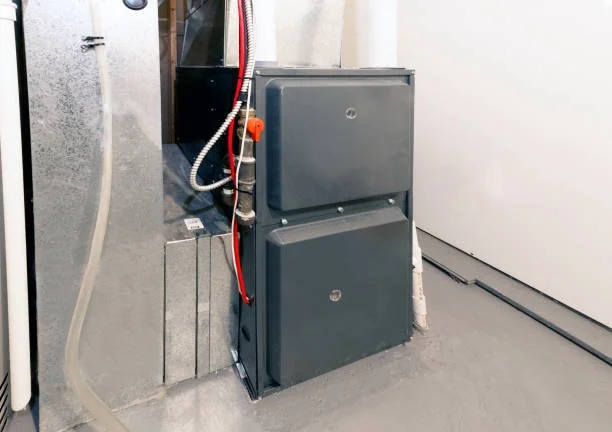
Whether you're considering purchasing a new furnace to combat cold weather or need a replacement, choosing the right one involves carefully considering your home's specific needs, budget constraints, and long-term goals. Homeowners must evaluate these factors and explore available options to make an informed decision that ensures comfort and efficiency throughout the colder months. Here are a few factors to consider when selecting the best furnace for your home and needs.

Understanding Your Heating Needs

Before diving into furnace options, it is essential to assess your specific heating needs. Think about the size of your property, the climate in your area, and any specific requirements you may have. As a general rule, larger homes or those in colder climates might benefit from a high-capacity furnace, whereas smaller homes situated in warmer climates may find a more moderate option sufficient for their needs.

Types of Furnaces: Gas, Electric, or Oil?

Homes in the USA are heated up in four primary ways: natural gas, electricity, propane, and fuel oil. In turn, there are different types of furnaces to choose from, each with its pros and cons. Gas furnaces are popular for their efficiency and cost-effectiveness, with electric and oil furnaces being viable alternatives. Electric furnaces are generally more straightforward to install, while oil furnaces may be preferred in areas where oil is readily accessible.

Upfront and Operational Costs

Those who are careful about their budget need to consider both the upfront and operational costs when selecting their new furnace. Gas furnaces often have lower upfront costs compared to electric or oil furnaces. However, operational costs should also be factored in. While electric furnaces may have lower upfront costs, they could lead to higher monthly bills depending on where you live and your utilities provider. Consider the long-term cost implications to make an informed decision that complements your long-term financial goals.

Ductwork Compatibility

Before committing to a specific furnace, assess your home's existing ductwork. If you already have a duct system in place, it might be more cost-effective to choose a furnace that is compatible with it. However, if you're open to making changes or upgrades, ensure the furnace suits your ductwork requirements.

Future Maintenance and Warranty

Maintenance requirements and warranty coverage for your chosen furnace are important considerations. Regular maintenance is necessary for optimum performance and longevity. Look for furnaces that come with comprehensive warranties, as they provide peace of mind and can save you money on potential repairs in the long run. If you do need professional assistance, make sure you consult a licensed technician. Those in need of a Salt Lake City furnace repair can reach out to one of the many services in the area. Any of the professional businesses will have a fully qualified team that will be able to deal with any of your furnace needs.

Consider Efficiency Ratings

For eco-conscious homeowners, efficiency is a key factor to consider when choosing a furnace. Look out for the AFUE (Annual Fuel Utilization Efficiency) rating. This rating is an indicator of the percentage of fuel the furnace converts into heat. Higher AFUE ratings signify better efficiency.