Google+

contact us

Use the form on the right to contact us.

Day or Night, we are here to serve you. Leave your plumbing problem to us.


Tinley Park, IL

(708)845-7922

Residential and Commercial plumbers and plumbing contractors available in Orland Park, Tinley Park, Oak Lawn, Palos Heights, Midlothian, Oak Forest, Homer Glen, Mokena, Frankfort, and the surrounding Chicago South Suburbs. Emergency plumbers.

copper water lines.jpg

Kevin Szabo Jr Plumbing Blog

Kevin Szabo Jr Plumbing is Tinley Park, Orland Park, Oak Forest, Midlothian, Orland Hill, Homer Glen, Mokena, Frankfort, Crestwood, Palos Heights, Oak Lawn, local plumber. Read our blog for advice, tips, a good laugh, and basic home improvement.

**We are moving our old blog to our new and improved website. Too see all our posts visit kevinszabojrplumbing.blogspot.com

Choosing the Right Drainage Pipes: A Comprehensive Guide on Materials and Styles

RH Business Marketing Solutions

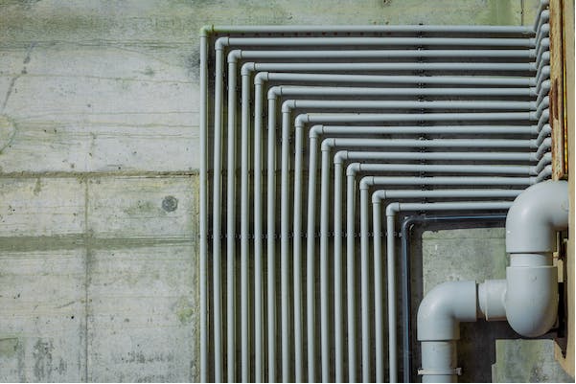
In the intricate world of construction and plumbing, selecting the appropriate drainage pipes is a crucial decision that significantly impacts the efficiency and longevity of a system. With an array of materials and styles available, it's essential to make informed choices that align with the specific needs of your project. This article aims to provide a comprehensive guide for selecting a type of a pipe for various needs eg: drainage pipes, focusing on materials and styles that dominate the industry.

PVC (Polyvinyl Chloride):

PVC pipes are widely recognized for their durability, corrosion resistance, and affordability. They are lightweight and easy to install, making them a preferred choice for various plumbing applications.

PVC pipes are suitable for both underground and above-ground installations, offering versatility in design and functionality.


HDPE (High-Density Polyethylene):

Known for its flexibility, toughness, and resistance to chemicals, HDPE is an excellent choice for drainage pipes. Its seamless joints reduce the risk of leaks, making it ideal for long-term installations.

HDPE pipes are particularly favored for stormwater drainage systems and agricultural applications due to their resistance to abrasion and ability to withstand harsh weather conditions.


Cast Iron:

Cast iron drainage pipes have stood the test of time, providing exceptional durability and strength. They are resistant to fire, UV rays, and chemicals, making them suitable for a wide range of applications.

Often used in commercial and industrial settings, cast iron pipes are known for their longevity and low maintenance requirements.

Styles:

Corrugated Pipes:

Corrugated drainage pipes feature a distinctive design that enhances their strength and flexibility. These pipes are particularly effective in areas with high water flow and varying soil conditions.

The corrugated style provides additional rigidity while allowing for easy bending and adjustment during installation.


Smooth-Bore Pipes:

Smooth-bore pipes offer a sleek interior surface that minimizes friction and promotes efficient water flow. This design is advantageous in preventing clogs and sediment buildup, ensuring a smooth drainage process.

These pipes are commonly used in applications where water velocity is a critical factor, such as sewer lines and stormwater systems.


Perforated Pipes:

Perforated drainage pipes are designed with small holes to facilitate the efficient drainage of excess water. They are commonly used in agricultural drainage systems, French drains, and septic fields.

The perforations allow water to enter the pipe, preventing waterlogging and soil saturation in specific areas.

Conclusion:

Selecting the right drainage pipes based on materials and styles is pivotal to the success of any construction or plumbing project. PVC, HDPE, and cast iron remain popular choices for their unique properties, while corrugated, smooth-bore, and perforated styles offer diverse solutions to address specific requirements. By carefully considering the needs of your project and understanding the characteristics of each option, you can ensure a reliable and efficient drainage system that stands the test of time.

Roofing Problems in Older Homes: Challenges and Solutions

RH Business Marketing Solutions

Owning an older home comes with its unique charm and character, but it also brings along a set of challenges, particularly when it comes to the roof. Over the years, roofing materials and construction techniques have evolved, and older homes may face specific issues that require attention. In this discussion, we will explore common roofing problems in older homes and suggest viable solutions to preserve the integrity of these historical structures.

Challenges in Older Homes:

  1. Worn-out Roofing Materials:

    • Problem: Many older homes have roofs with outdated materials that may be prone to wear and tear.

    • Solution: Consider a roof replacement with modern, more durable materials that offer better longevity and weather resistance.

  2. Lack of Insulation:

  • Problem: Older homes often lack proper insulation, leading to energy inefficiency and potential roofing problems.

  • Solution: Enhance insulation to regulate indoor temperatures and prevent issues like ice dams and moisture buildup. Professional roofing companies can assess and upgrade insulation as needed.

  1. Structural Integrity Issues:

    • Problem: The structural components of older roofs may experience decay, weakening the overall framework.

    • Solution: Conduct a thorough inspection and reinforce or replace weakened structural elements to ensure stability.

  2. Inadequate Ventilation:

    • Problem: Poor ventilation can result in heat and moisture buildup, accelerating the deterioration of roofing materials.

    • Solution: Install proper ventilation systems to maintain a balanced environment in the attic, extending the life of the roof.

  3. Asbestos or Hazardous Materials:

    • Problem: Some older homes may have roofs containing asbestos or other hazardous materials, posing health risks.

    • Solution: Hire professionals for safe removal and replacement with modern, safe materials.

  4. Flashing and Sealant Deterioration:

    • Problem: Flashing and sealants around chimneys, vents, and skylights can deteriorate over time, leading to leaks.

    • Solution: Regularly inspect and replace deteriorated flashing and sealants to prevent water infiltration.

Solutions for Preserving Older Roofs:

  1. Regular Inspections:

    • Conduct regular roof inspections to identify issues early on and address them before they escalate.

  2. Historically Appropriate Repairs:

    • When possible, opt for historically appropriate roofing materials to maintain the authenticity of the home's architecture.

  3. Professional Consultation:

    • Seek the expertise of roofing professionals familiar with historic homes to ensure appropriate solutions and preservation techniques.

  4. Proactive Maintenance:

    • Implement a proactive maintenance plan, including gutter cleaning, moss and algae removal, and prompt repairs.

  5. Upgraded Drainage Systems:

    • Enhance drainage systems to prevent water pooling and reduce the risk of leaks and water damage.

Conclusion

In conclusion, the challenges posed by aging roofs in older homes demand a strategic approach that combines historical preservation with modern solutions. Whether dealing with worn-out materials, structural integrity issues, or inadequate insulation, the expertise of professional roofing companies is invaluable. These experts can provide tailored solutions to ensure the longevity of your roof while preserving the unique character of older homes.

For those facing the distinctive weather challenges in Greenville, SC, where storms can be frequent and intense, it's crucial to address roofing issues promptly. Storm damage, in particular, can wreak havoc on roofs, leading to leaks and structural compromise. Therefore, residents in Greenville, SC, should be vigilant in seeking timely storm damage roof repair Greenville SC services to safeguard their homes.

Common Misconceptions About Appliance Repair Debunked:

RH Business Marketing Solutions

Introduction:

Home appliances are the backbone of our daily routines, providing convenience and efficiency in our households. Yet, when these appliances encounter issues, misconceptions about repair can often cloud judgment. In this guide, we aim to debunk common myths surrounding appliance repair, shedding light on essential truths that every homeowner should be aware of. Particularly for residents in the bustling city of Houston, where appliances play a crucial role in daily life, understanding the intricacies of repair is paramount. Whether it's your refrigerator, oven, or, in the context of Houston, your washing machine, having accurate information about Houston washing machine repair can make a significant difference. Join us as we unravel these myths and empower Houston residents to make informed decisions when it comes to their appliances.

In this guide, we aim to debunk some of the common myths surrounding appliance repair, providing clarity on what homeowners should know when facing appliance-related challenges.

Myth 1: "It's Cheaper to Replace Than Repair."

Debunked: While it might seem cost-effective to replace a malfunctioning appliance with a new one, in many cases, a professional repair can be more economical. Skilled technicians can identify and fix specific issues, extending the life of your appliance and saving you money in the long run.

Myth 2: "DIY Fixes Are Always the Best Option."

Debunked: While some minor issues may have DIY solutions, attempting to fix complex problems without the right knowledge can lead to further damage. Professional appliance repair technicians have the expertise to accurately diagnose and address issues, ensuring a safe and effective repair.

Myth 3: "Newer Appliances Don't Require Maintenance."

Debunked: Regardless of age, all appliances benefit from regular maintenance. Neglecting upkeep can lead to decreased efficiency and more frequent breakdowns. Routine maintenance, such as cleaning coils and checking seals, is crucial for both old and new appliances.

Myth 4: "All Appliance Parts Are Universal."

Debunked: Contrary to popular belief, not all appliance parts are interchangeable. Appliances are designed with specific components that vary by brand and model. Using the wrong parts can lead to improper functioning and may cause further damage.

Myth 5: "Appliance Repair Technicians Are All the Same."

Debunked: Not all appliance repair services are equal. Choosing a reputable and experienced technician is essential for a successful repair. Look for certified professionals who specialize in the type of appliance you need assistance with to ensure a thorough and reliable service.

Myth 6: "Regular Appliance Maintenance Is Optional."

Debunked: Regular maintenance is a key factor in preventing breakdowns and ensuring the longevity of your appliances. Simple tasks like cleaning filters, checking seals, and inspecting hoses can go a long way in keeping your devices in optimal condition.

 Conclusion:

Dispelling the myths surrounding appliance repair is crucial for homeowners seeking effective solutions to keep their daily lives running smoothly. From understanding the cost-effectiveness of repairs over replacements to acknowledging the importance of professional expertise, debunking these misconceptions empowers individuals to make informed decisions.

For those in need of reliable appliance repair services, it's essential to consider local expertise. Choosing a service that understands the unique needs of your community, such as Appliance Repair Local, ensures that you receive personalized, efficient, and timely solutions. Local professionals often have a better understanding of the specific brands and models prevalent in the area, enhancing the quality of their service.

In the world of appliance repair, knowledge is power. By embracing accurate information and seeking assistance from reputable local services, homeowners can navigate the challenges of appliance maintenance with confidence. Remember, a well-maintained appliance not only ensures the smooth functioning of your household but also contributes to a more sustainable and cost-effective living environment.

Who To Call for Water Heater Repair?

RH Business Marketing Solutions

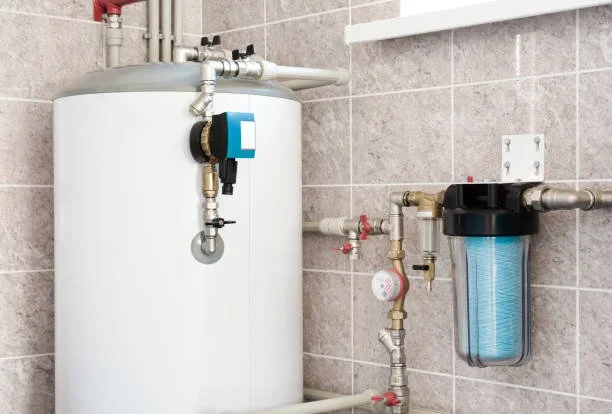
When your water heater starts acting up, it's not just a minor inconvenience; it can disrupt your entire day. From icy showers to ineffective dishwashing, the impacts are felt immediately. Understanding the signs of water heater distress is key, such as fluctuating water temperatures, unusual noises, or a total lack of hot water. These symptoms indicate it's time to seek repair. This guide is designed to navigate you through the process of identifying the right professional for your water heater woes. We'll cover the essentials of recognizing issues early on, deciding whom to call, and managing the repair process efficiently to restore your home's hot water supply promptly and safely.

Understanding the Issue

Before you pick up the phone, it's helpful to have a basic understanding of your water heater's problem. Common issues include:

  • Lack of Hot Water: This could be due to a faulty heating element or a thermostat issue.

  • Strange Noises: Popping or rumbling sounds can indicate sediment buildup in the tank.

  • Leaks: Water around your heater could signify a tank breach or a loose connection.

Knowing these symptoms can help you describe the problem more accurately to the repair service.

Finding the Right Professional

When it comes to water heater repair, you have a few options:

1. Licensed Plumbers

Choosing a licensed plumber is often the safest bet for water heater issues. These professionals are not only trained in a wide array of plumbing problems but also adhere to industry standards and local codes, ensuring that repairs are done safely and effectively. When selecting a plumber, it’s crucial to verify their licensing through your state's regulatory board and check reviews or ask for references. Experienced plumbers will be familiar with various water heater models and can quickly diagnose issues ranging from simple thermostat malfunctions to complex valve replacements. Their expertise extends to both tankless and conventional units, ensuring they can handle any repair or replacement you might need.

2. Specialized Water Heater Repair Services

Specialized water heater repair services are the go-to experts for all things related to your heating system. Unlike general plumbers, these technicians focus solely on water heaters, providing them with a deeper understanding of the nuances between different brands and types, whether gas, electric, or tankless. Their specialized knowledge means they are up-to-date with the latest technology and can often provide more efficient, targeted repairs and advice on the most suitable models for replacement. These experts can also guide energy efficiency, longevity of the system, and maintenance tips specific to your water heater type, ensuring optimal performance and potentially saving you money in the long run.

3. Home Warranty Companies

If your water heater is covered under a home warranty, reaching out to your provider can be a convenient and cost-effective solution. Home warranty companies typically have a network of vetted contractors, including plumbers and specialized technicians, ensuring that the person sent to your home is qualified to handle the repair. Under the terms of your warranty, the repair might be completely covered or available at a reduced cost, alleviating the financial burden of unexpected breakdowns. However, be aware of your warranty's specifics, as there may be limitations or exclusions. Always report issues promptly and keep documentation of service visits to ensure a smooth and efficient repair process under your warranty agreement.

What to Expect During the Repair

When the professional arrives, they will typically:

  • Diagnose the Issue: This might involve checking the power source, thermostat, heating elements, and pressure relief valve.

  • Provide a Quote: Once they diagnose the issue, they should offer an eco-friendly water heater repair estimate.

  • Perform the Repair: This could be as simple as replacing a part or as complex as installing a new unit.

  • Test the System: After the repair, they should ensure everything is working properly.

Maintenance Tips

To prevent future issues, consider these maintenance tips:

  • Regular Inspections: Have your water heater inspected annually by a professional.

  • Flush the Tank: Periodically flushing out the tank can prevent sediment buildup.

  • Check the Anode Rod: This part protects your tank from corrosion and should be checked regularly.

Conclusion

A faulty water heater affects more than just your comfort; it impacts your water quality and daily life. The key to promptly restoring balance is selecting the right expert for the job. Whether it's a licensed plumber, a specialized water heater service, or your warranty provider, each offers distinct advantages. Choosing a trusted and seasoned professional is vital for a comprehensive and enduring fix, enhancing not just the heater's performance but also your water quality. With appropriate assistance, your water heater troubles can be swiftly resolved, reducing disruption and improving your living space's warmth and functionality. Remember, clear communication and a precise grasp of the issue expedite a more efficient repair, swiftly reinstating your water heater's function and quality.

5 Signs You Have A Clogged Sewer Line

RH Business Marketing Solutions

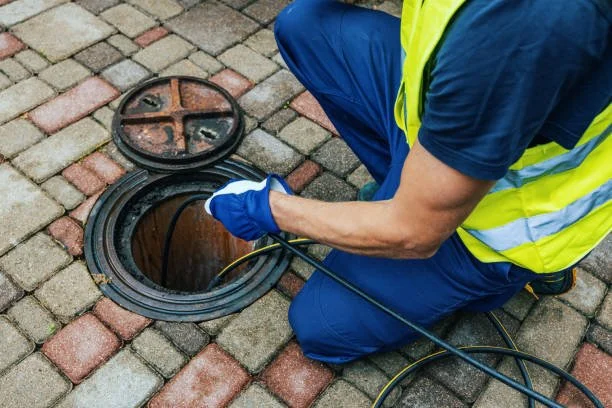
Dealing with a clogged sewer line is far from a trivial issue; it's a common yet critical problem that homeowners often face. In this article, we're going to guide you through the five unmistakable signs that you have a clogged sewer line, ensuring that you're well-equipped to recognize and react to this pesky problem. So, let's dive into the nitty-gritty of sewer line issues!

Understanding Clogged Sewer Lines

Before we explore the signs, it's crucial to understand what entails a clogged sewer line. This line is an essential element of your home's plumbing framework, responsible for moving all household wastewater to municipal sewer mains. When a blockage occurs, it's not just a matter of inconvenience or unsanitary conditions; it can lead to substantial damage, severe discomfort, and the potential need for expensive sewer line replacement. Understanding the structure and function of your sewer line is the first step in recognizing the impact and mitigating the risks of clogs and subsequent repairs.

1. Multiple Drain Backups

When multiple drains in your home start to backup simultaneously, it's a strong indicator of a clogged sewer line. This problem is particularly prevalent in lower-level drains such as those in basements or ground floor bathrooms. You might notice water gurgling up or refuse to go down properly in sinks, toilets, or showers. These symptoms suggest a blockage deep within the sewer system, affecting multiple outlets at once. Such backups can cause hygiene issues and potential water damage, so it's imperative to address these signs promptly by consulting with a plumbing professional to avoid extensive damage and health risks.

2. Changes in Toilet Water Flow

Toilets often give the first hint of sewer line troubles. Watch for varying water levels or odd noises during flushing, such as gurgling or bubbling. These anomalies can suggest a partial obstruction impacting the flow of your sewer line, hinting at causes of blocked sewer line. Occasionally, the water in the toilet bowl may be exceptionally high or low. These fluctuations are more than just bothersome; they're signs of underlying issues in your plumbing that could lead to more severe blockages or even overflows, requiring prompt professional evaluation and action.

3. Unpleasant Odors

Persistent and unpleasant odors emanating from drains or your yard are a clear sign of sewer line trouble. These smells often resemble rotten eggs or sewage and indicate that waste is not being properly transported from your home. A blockage or a break in the sewer line can trap waste, allowing gases to back up into your home or permeate your yard. These odors are not only offensive but may also pose health risks, signifying a breach in the sewer system that requires urgent attention to maintain sanitation and comfort in your living environment.

4. Soggy Patches in the Yard

Unexplained soggy patches or areas of lush growth in your yard can be a direct consequence of a leaking or broken sewer line. When a sewer line is compromised, wastewater can seep into the surrounding soil, providing extra moisture and nutrients that result in greener grass or soggy ground. These patches often appear more pronounced compared to the rest of your lawn and may be accompanied by a foul smell. Recognizing these outdoor signs is crucial as they not only affect the aesthetic of your lawn but also indicate significant and potentially costly damage underground.

5. Pest Infestation

An increase in pest sightings, particularly rodents or insects, can be an unexpected indicator of a sewer line problem. Sewer line cracks or openings provide an entry point for pests drawn to the scent of sewage. Once inside, they can easily travel through the pipes and into your home. This uptick in pest activity often goes hand in hand with other signs like unpleasant odors or backups. Addressing these infestations quickly is important, as they can lead to further hygiene issues and indicate more significant breaks or blockages in your sewer system.

Preventative Measures and Solutions

Understanding these signs is crucial, but preventing sewer line issues is equally important. Regular maintenance, including professional inspections and cleanings, can significantly reduce the risk of clogs and backups. Be mindful of what goes down your drains—avoid flushing non-degradable items and pouring grease or oil down the sink, as these can solidify and cause blockages. Additionally, consider installing drain strainers to catch hair and other debris. If you suspect a clog, act quickly by contacting professional plumbers who specialize in sewer line repairs. They can diagnose the issue with specialized equipment and provide the necessary repairs or replacements, ensuring your home's plumbing system functions smoothly and hygienically.

Conclusion

Identifying the initial indicators of a clogged sewer line can prevent substantial inconvenience and expensive repairs. By being alert and responding quickly to these early signs, you can maintain your home's cleanliness, comfort, and safeguard it against the challenges of fixing common sewer line problems. This proactive approach ensures a well-functioning sewer system and a hassle-free living environment.

FAQs About Clogged Sewer Lines

How often should I have my sewer line inspected?

Regular inspections every 1-2 years can prevent major clogs or identify issues early on, especially in older homes.

Can certain trees affect my sewer line?

Yes, tree roots are attracted to the moisture of sewer lines and can grow into cracks, causing blockages and damage.

What are the risks of ignoring a clogged sewer line?

Ignoring the issue can lead to severe backups, property damage, health hazards, and costly repairs.

Are there any DIY methods for unclogging a sewer line?

While some minor clogs can be resolved with tools like plungers or augers, major clogs often require professional intervention.

How can I tell if the problem is with the main sewer line or internal plumbing?

If multiple drains are affected or if the issue recurs frequently, it's likely a problem with the main sewer line.

The role of the plumbing consultant for efficient plumbing systems

RH Business Marketing Solutions

To understand the role of the plumbing consultant, let's look at the products, vendors, project challenges, and some ways vendors can better the consultant’s work. Plumbing and HVAC consultants investigate damage claims due to pipe leaks, floods, slab leaks, sewer leaks, sewer backups, foam, gas leaks, explosions, frozen pipes, pollution, and corrosion. This article explores the multifaceted role of a plumbers, describing their responsibilities and the value they bring to projects.

Understanding the role of plumbing consultant

In complex networks of construction and infrastructure development, plumbing is an essential element. Ensuring perfect water, drainage and gas systems requires specialist knowledge and that's where expert plumbing consultants come in. The actual plumbing design and installation work will need to be reviewed by the person you hire to carry out the plumbing consultation. You need to make sure you understand the three-dimensional drawing of the plumbing system and how it relates to the finished pipe. The actual pipe size is very important.

The plumbing consultant also works on boilers, pumps, water heaters, tanks, wastewater ejectors, and water filtration equipment. Consulting is not just about plumbing but also about business. Consultants provide insight into building a successful plumbing consulting firm, covering aspects from team management to customer relations.
Read more

Below are some factors about plumbing consultant to help you understand their work

1. Design for efficiency and compliance

One of the primary responsibilities of a plumbing consultant is to design efficient and compliant plumbing systems. They consider factors such as building codes, environmental impact, and energy efficiency. By staying at the forefront of technological advancements, they integrate innovative solutions to improve system performance while remaining compliant with regulations.

Factors such as cost, fluid velocity inside the pipe and pressure drop are considered to design the appropriate plumbing system. Computer-aided design (CAD) software is often used to create detailed plumbing plans. Once the planning is complete, the plumbing can be installed by a qualified professional. A plumbing consultant covers a variety of topics, from optimizing plumbing systems to ensuring regulatory compliance. Plumbing consultants' expertise doesn't stop at pipes and faucets; this includes sustainability, innovation and business growth, all with the ultimate goal of ensuring efficient plumbing operations and environmentally friendly practices.

2. Project coordination and collaboration

A plumbing consultant plays a central role in project coordination. Project coordinators can establish methods to effectively communicate information to teams. Your ability to communicate information effectively can help you prioritize a project. Plumbing consultants collaborate with architects, engineers and other stakeholders to seamlessly integrate plumbing into the overall project plan. Effective communication ensures that plumbing considerations are integrated from project inception to completion. A Plumbing consultant covers a variety of topics, from optimizing plumbing systems to ensuring regulatory compliance. Plumbing consultants' expertise doesn't stop at pipes and faucets; this includes sustainability, innovation, and business growth, all with the goal of ensuring efficient plumbing operations and environmentally friendly practices.


3. Plumbing consultant compliance with regulations and safety standards -


Navigating a maze of regulations and safety standards is a challenge in the plumbing industry. A plumbing consultant ensures that plumbing not only complies with local, state and national regulations but also meets strict safety standards. This is important for the health of residents and the longevity of infrastructure. Following can help you understand safety regulations of plumbing consultants.
Safety checklist - A safety checklist can help plumbers identify workplace hazards and prevent injuries and other health risks. You can customize worker's safety checklists for specific jobs or work environments (residential or commercial). Create workplace safety checklists and site inspection forms that can be shared with Jobber. 

Behind the scenes of expertise - Plumbing consultants are industry experts with in-depth knowledge of plumbing. From water distribution to wastewater treatment, their knowledge covers the entire plumbing system. Their expertise allows them to design, plan and construct plumbing systems that meet safety standards and regulations.

Troubleshoot and resolve issues - When unforeseen challenges arise during the construction or operations phase, a plumbing consultant will act as a troubleshooter. Their experience allows them to quickly diagnose problems and recommend effective solutions. This proactive approach minimizes downtime and potential damage to plumbing infrastructure.

4. Sustainability in plumbing

In an era marked by environmental awareness, plumbing consultants are at the forefront of integrating sustainable practices. From water conservation to energy efficient design, they help develop environmentally friendly plumbing solutions. This not only aligns with global sustainability goals but also positions projects as forward-thinking and responsible.

Although sustainability in plumbing begins at the design stage (integrating eco-friendly plumbing fixtures and carefully planned sustainable plumbing), it is important that the Plumbing contractors who install and maintain these systems must use environmentally friendly equipment.

Another great way to create a more sustainable plumbing system is to install fixtures that use less water. To help consumers, the Environmental Protection Agency developed the WaterSense label to identify high-performance plumbing products certified to meet more environmentally friendly water conservation standards.

5. Maintenance and cost of plumbing

Finding the balance between functionality and cost-effectiveness is a delicate task in any construction project. Plumbing consultants know how to manage costs by choosing the right materials, optimizing system layouts, and offering effective alternatives. Their expertise helps avoid unnecessary costs while maintaining the quality and integrity of the plumbing system.

With seasonal plumbing maintenance, you should inspect and maintain your septic system as well as maintain water-using appliances - water heaters, washing machines, and dishwashers. Plumbing leaks not only affect pipes and water pressure but can also cause damage to your home.
Plumbing consultants are professionals and it takes a lot of experience and knowledge to become a true plumber. Plumbers may also charge more than they make. This is because they must spend a lot of money on the job, especially the plumber on duty. We had to transport parts and tools on our trucks and making house calls was a time-consuming task. If we talk about actual expense and cost of plumbing it varies with the location and area of a particular place and house and the cost of a plumbing consultant is different with their experiences.

Read more here

Advancement in plumbing and plumbing consultant with technology

When plumbing problems arise, quick and effective repairs are important. Consultants highlight modern repair methods that minimize disruption, such as trenchless pipe repairs and water jetting, to effectively clear blockages.

Prevention is more than just a cure; it includes avoiding the problem altogether. Consultants stress the importance of proactive maintenance and regular inspections to quickly detect potential problems and prevent major plumbing disasters.

Smart thermostats and water sensors are more than just convenience devices, they’re also tools for efficient plumbing management. Consulting experts demonstrate how these devices optimize water consumption, prevent leaks, and even provide insight into drinking habits.

Conclusion

The plumbing consultant is an unsung hero in the field of construction and infrastructure development. Their expertise ensures that plumbing systems operate smoothly, comply with regulations, and contribute to sustainable practices. As the demand for efficient and environmentally friendly infrastructure increases, the role of plumbing consultants becomes increasingly essential in shaping the future of plumbing. Plumbing is more than just pipes; and a plumbing consultant is life saver. It's about making peace with our planet. Consultants use environmentally friendly methods like a magic wand, creating solutions that are in harmony with the environment. From choosing materials that convey stories of sustainability to mastering the use of chemicals, these techniques don't just reduce impact; they create an enduring story that resonates across generations. We live and work in an integrated and interdependent world. Interestingly, this is also increasingly reflected in the quality of construction and the building management environment. And the plumbing system is an important part of this ecosystem.

Custom commercial HVAC design – Systems for comfort and efficiency

RH Business Marketing Solutions

In modern business structures, custom made commercial HVAC designs are becoming a new standard. Commercial buildings differ extraordinarily in their capabilities, sizes, and designs, and each presents an exceptional arrangement of challenges in HVAC frameworks. Custom HVAC systems are the way to accomplish an ideal harmony between solace, energy productivity, and cost adequacy. In this article, we will investigate the complexities of these configurations, the significance it has, and the different guidelines and considerations that should be taken into account in order to make a custom-made framework that fits the particular necessities of a commercial space.

The significance of custom-built HVAC design for commercial projects

The custom way of designing HVAC systems is the most common way of tailoring heating, ventilation, and cooling frameworks to meet the necessities of a commercial building. While it is more complex and time-consuming than standardized frameworks, it offers several significant benefits.

A custom HVAC system can be intended to match the warming and cooling loads of a building. This implies that energy is not wasted by over-sizing or under-sizing the equipment. Appropriately planned frameworks are more effective, diminishing functional expenses and ecological effects.

HVAC frameworks can also integrate progressed filtration and ventilation methodologies, guaranteeing that indoor air quality fulfils or surpasses industry guidelines. This is particularly significant for business spaces where the well-being and solace of occupants are central.

A well-designed custom commercial HVAC system can prompt tremendous cost savings over the long run. By upgrading energy utilization and decreasing upkeep necessities, organizations can work on their primary concern.

HVAC frameworks can be tailored to give even and predictable temperature control, moistness levels, and wind current, bringing about a more agreeable climate for occupants. Custom systems are also many times more solid and have an extended life expectancy. If worked with by accurate professionals, they are designed to fulfil specific needs, diminishing the probability of breakdowns and the related support costs.

Guidelines to consider in custom commercial HVAC design

Designing a custom HVAC system for a business building is a complex endeavor that requires cautious thought of different variables. With expert assistance, such as from Creacon's HVAC consultants, here are the vital components to consider in designing commercial HVAC systems.

· The most vital phase in the custom commercial HVAC system is to figure out the building's purpose and inhabitants. Various spaces have different central HVAC necessities. For instance, a retail location will have various necessities contrasted with a clinic or a server farm.

· The neighbourhood environment, temperature varieties, and occasional changes in weather patterns assume a significant part of the framework plan. Custom designs should have the option to adjust to the exceptional environment of the area.

· The building's insulation, windows, and entryways influence heat gain and loss. Appropriate insulation and sealing are basic to keeping up with energy proficiency.

· The size and format of the structure influence the conveyance of HVAC gear, ventilation work, and wind stream. The plan should guarantee that conditioned air arrives in all areas uniformly.

· Understanding when and how the building is utilized is essential. Inhabitance designs influence the framework's load, design, scheduling, and zoning requirements.

· Custom commercial HVAC systems should consent to neighborhood building regulations and energy productivity guidelines, which can shift altogether starting with one area and then onto the next.

· The choice of HVAC equipment is critical. Custom designs ought to integrate high-productivity equipment that matches the load necessities of the building.

· Proper ventilation is fundamental for keeping up with indoor air quality. Custom designs should represent the expected ventilation rates, filtration, and air exchange.

· Consolidating green innovations and energy-productive arrangements is progressively significant. Custom designs should investigate choices like solar power, heat recovery, and geothermal frameworks.

·Custom HVAC systems ought to be planned considering maintenance of support. Easy access to parts and equipment can reduce downtime and operational costs.

The design process

The process of custom commercial HVAC design typically follows an organized methodology.

· The design plan cycle starts with a far-reaching appraisal of the building structure and its environmental factors. This incorporates an examination of the current HVAC framework and a survey of structural plans and inhabitants’ designs.

· Accurate load calculations are fundamental to deciding the heating and cooling necessities of the structure. This includes breaking down heat gain and loss through walls, rooftops, windows, and other building parts.

· Based on the load calculations and specific necessities of the structure, the architect chooses appropriate HVAC equipment, like boilers, chillers, air controllers, and duct frameworks. Equipment should be picked for its effectiveness and ability to address the structure's issues.

· The plan of the ductwork framework is a basic part, as it guarantees the even distribution of conditioned air all through the structure. Appropriately planned ventilation work limits pressure drops, commotion, and maintenance issues.

· Ventilation frameworks, including air exchange and filtration, are designed to keep up with indoor air quality. This incorporates picking the right channels and ventilation rates to guarantee inhabitants' well-being.

· High-level control frameworks are essential to present-day custom central air plans. They consider exact temperature and humidity control, scheduling, and remote monitoring.

· Consolidating energy-proficient and manageable arrangements, for example, environmentally friendly power sources and heat recovery, can fundamentally decrease the carbon impression of a business HVAC framework.

· The last plan should meet all significant building regulations and guidelines. Getting the vital licenses is a critical stage simultaneously.

· When the plan is finished, the establishment of the HVAC framework starts. After establishment, careful testing and appointment guarantee that the framework works as planned.

·Standard maintenance is fundamental to keep the custom HVAC framework working proficiently and successfully. Preventive maintenance plans are set up to limit disturbances and broaden the life expectancy of the equipment.

Challenges in custom HVAC design

Custom HVAC configurations accompany its arrangement of difficulties. Though, planning custom frameworks can be costly, and financial plan limitations might confine the choice of equipment and technologies. Finding the right balance between cost and execution is a constant challenge. Building regulations and ecological guidelines develop over the long haul. Staying up to date with the latest custom commercial HVAC design progressions can be complex. Rapid advancements in HVAC technology innovation require designers to keep pace with new developments to offer the best answers for clients. Satisfying the developing need for maintainable and energy-productive arrangements can also be challenging, as it frequently requires a higher upfront investment. Balancing energy productivity with occupant comfort is a constant challenge.  Custom designs should guarantee that HVAC systems give solace without wasting energy, especially in the area of BIM and CAD.

The success story of custom commercial HVAC design

To more readily comprehend the advantages of custom HVAC design, we should take an example of a real-world case study where custom solutions led to significant improvements.

"The Edge" in Amsterdam, planned as the world's most sustainable office building, shows the power of custom HVAC solutions. The structure utilizes a mix of normal ventilation, aquifer thermal energy storage, and high-level sensors to upgrade solace and energy use. It includes a uniquely fabricated, savvy environment control framework that tailors heating, cooling, and lighting to the individual preferences and presence of occupants, bringing about a 70% decrease in energy utilization compared with traditional places of office buildings.

Conclusion

Custom commercial HVAC design is the key part of creating energy-effective, supportable, and agreeable conditions in business structures. By considering the remarkable necessities of each space, neighborhood environment conditions, and the most recent advances, designers can make frameworks that meet the ongoing requirements as well as have the adaptability to adjust to future changes.

While the course of custom HVAC configuration is complex and may require a higher upfront investment, it offers a significant profit on investment through energy savings, further developed inhabitant solace, and adherence to ecological and administrative norms. As organizations and associations progressively center around manageability, the interest in custom HVAC arrangements is supposed to keep on developing. It is a testament to the role of HVAC consultants and the custom HVAC designs, in the improvement of current, effective, and manageable business structures. For more information on this topic, visit https://vvskonsult.net/.

How Do People Keep Their House Clean With Dogs?

RH Business Marketing Solutions

Owning a furry friend brings immense joy, but it also comes with the challenge of keeping your home clean. Whether you have a seasoned canine companion or an energetic Goldendoodle puppy, a clean living space is essential for the well-being of both you and your four-legged friend.

To clean your house when you have a pet dog, strategic rug placement and easy-to-clean rugs can help catch dirt and debris. Using washable throws on furniture can protect against pet hair and stains. Also, regular grooming and house training is essential for maintaining a clean home with dogs.

Throughout this article, we'll explore a bunch of clever ideas and practical strategies tailored specifically for dog owners. So, if you're tired of constantly cleaning up your house, keep reading.

9 Simple Ideas People Follow to Keep Their House Clean With Dogs

The following simple ideas can make a big difference when cleaning your house with dogs.

  1. Strategic rug placement

  2. Smart cleaning hacks

  3. Cozy and protective throws

  4. Pet-safe cleaning agents

  5. Dark paint surfaces

  6. Routine grooming and maintenance

  7. DIY paw-cleaning station

  8. Innovative air filtration

  9. Sofa shield technology

Strategic Rug Placement

To keep your house clean with dogs, strategically place rugs at key entrances and favorite pet lounging areas. Investing in indoor-outdoor rugs that are durable and easy to clean can make a significant difference in maintaining a clean home.

Placing a rug at the main entrance creates a designated space for your dog to wipe off their paws before entering. This helps prevent muddy footprints from trailing throughout the house.

Also, placing a rug in your dog's favorite lounging area can help trap shedding fur and dirt, making it easier to keep that area clean. Be sure to choose machine-washable or stain-resistant rugs, allowing you to clean up any messes quickly.

Smart Cleaning Hacks

Another simple idea to keep a dog-friendly house is brushing their furry friends regularly to minimize shedding.

Brushing your dog's coat helps remove loose hair, keeps their skin healthy, and stimulates blood circulation. Choosing the right brush for your dog's specific coat type is important, whether it's a slicker brush, a bristle brush, or a shedding tool.

Use a lint roller or sticky tape to pick up loose dog hair from furniture, clothing, and other surfaces. Moreover, placing washable blankets or covers on your furniture can help protect them from pet hair and dirt.

Cozy and Protective Throws

Use washable throws on your furniture to create a cozy protective barrier against pet hair and dirt. Decorative throws add a style to your home and serve as a practical solution for keeping your furniture clean with dogs around.

Opt for inexpensive throws that are machine-washable so you can easily remove any pet hair or dirt and keep them looking fresh. These throws act as shields, preventing your upholstery from getting stained or damaged.

They also provide a comfortable spot for you and your furry friend to relax together. With washable throws, you can enjoy the company of your dog without worrying about the mess they may create.

Pet-Safe Cleaning Agents

You can easily maintain a clean and dog-friendly home by using pet-safe cleaning agents. One simple and effective cleaning agent is a mixture of water, white vinegar, and a drop of Dawn dish soap.

By having this pet-safe cleaning agent readily available, you can quickly and effectively clean up any messes or accidents that may occur. This will help to maintain a fresh and hygienic living space, allowing you to enjoy a clean home while keeping your dog happy and healthy.

Dark Paint Surfaces

Incorporate dark paint surfaces into your decor to maintain a clean, dog-friendly home. This idea particularly benefits Goldendoodle puppy owners, as the dark surfaces provide a forgiving backdrop for the occasional puppy mishap.

Dark paint surfaces, like Gloss Black by Behr, are a practical solution for hiding smears, mud, and paw prints. Not only do they add a touch of elegance to your space, but they also make cleaning up after your furry friend a breeze.

With dark-colored cabinets and walls, you won't have to worry about every little stain or paw mark showing up. Instead, a quick wipe with a damp cloth or a gentle cleaning solution will do the trick.

Routine Grooming and Maintenance

Establishing a regular grooming routine for your furry friend is key to keeping your residence clean with dogs. Regular baths help remove dirt and odors from their fur, making them feel fresh and reducing the dirt they bring into your home.

Brushing sessions are essential for preventing shedding and keeping their coat healthy and tangle-free. Professional grooming for specific breeds, like Goldendoodles, can help maintain their unique coat texture and prevent matting.

Check out the Goldendoodle Puppy Advice for tips on creating a dedicated dog-cleaning routine. Regularly trimming your dog's nails, dental check-ups, and cleanings should also be a part of your dog's grooming routine.

DIY Paw Cleaning Station

One simple idea for keeping your house clean with a dog is to create a DIY paw-cleaning station. This is a designated area near your entrances where your dog can have their paws cleaned before entering your home.

Place a washable rug or bathmat near the door to set up a paw-cleaning station. This will help trap any dirt or mud from your dog's paws. Keep a cloth or towel nearby for quick paw wiping. When your dog enters, simply guide them to the paw-cleaning station and gently wipe their paws.

Innovative Air Filtration

Enhance indoor air quality and reduce pet-related particles by upgrading your HVAC system with the right air filter. This simple step can make a huge difference in keeping your house clean with dogs.

High-quality filters are more effective at trapping these particles, ensuring they don't circulate throughout your home. Trapping and capturing these allergens will create a healthier environment for your furry friend and reduce the likelihood of odors lingering in your home.

Sofa Shield Technology

Upgrade your furniture with sofa shield technology to protect it from the wear and tear of your furry friend's daily adventures. This innovative solution offers a practical way to clean your house with dogs.

Sofa shield typically uses special fabrics resistant to stains, odors, and pet hair. These fabrics are designed to repel liquids and prevent them from seeping into your sofa, making cleaning up any accidents or spills easier.

Crafting a Harmonious Home for You and Your Goldendoodle

So there you have it; these simple ideas can help you maintain a clean house even with furry companions. You can keep your home looking fresh and tidy by implementing regular cleaning routines, using pet-friendly cleaning supplies, and providing designated doggy areas.

Embrace the quirks, cherish the cuddles, and revel in the joy of sharing your home with a Goldendoodle. Remember, a clean house with dogs is like a well-orchestrated symphony. It takes effort and coordination resulting in a harmonious and beautiful living space.

Illinois Kitchen Redesign from Peninsula to Island

RH Business Marketing Solutions

Updating your kitchen from a peninsula layout to an island-centric design in Illinois involves more than just aesthetic changes; it requires a keen understanding of the unique plumbing challenges and solutions specific to such a transformation. This guide is crafted for homeowners in Illinois who are looking to make this significant change in their kitchen's layout. We aim to thoroughly explore the intricacies of plumbing work that are essential in ensuring your remodel not only complies with local codes but also fulfills your vision for a more open and functional kitchen space.

In the journey from apeninsula to island, several critical aspects need to be considered, such as the rerouting of water lines, gas pipes, and the installation of new plumbing fixtures. These changes, while technical, are vital in achieving the desired outcome of a spacious and efficient kitchen island. Our guide will provide you with the necessary information, tips, and guidelines to tackle these challenges effectively, ensuring a smooth and successful kitchen update.

Why Choose an Island?

Opting for a kitchen island over a peninsula setup can revolutionize your kitchen space in numerous ways. Here are some key reasons why many Illinois homeowners are making the switch:

  • Enhanced Space Utilization: Unlike peninsulas, islands don't need to be anchored to a wall, freeing up valuable floor space. This can make your kitchen feel larger and more open, a significant advantage in both small and large kitchens.

  • Extra Counter Space: An island provides additional surface area for meal preparation, which is especially useful during large family gatherings or when cooking complex meals.

  • Additional Storage Options: With options for cabinets, drawers, or shelves underneath, islands can significantly increase your kitchen's storage capacity.

  • Flexible Seating Area: Islands often double as informal dining areas or breakfast nooks, perfect for quick meals or socializing while cooking.

  • Improved Traffic Flow: By removing the physical barrier of a peninsula, islands can enhance the flow of movement around the kitchen, making it easier to navigate and use the space more efficiently.

  • Customization Opportunities: Islands offer a blank canvas for customization. You can choose features that match your specific needs, whether it's a wine cooler, a second sink, or a built-in cutting board.

  • Increased Home Value: A well-designed kitchen island can be an attractive feature for potential buyers, often increasing the overall value of your home.

  • Modern Look: Islands can give your kitchen a contemporary, sleek appearance.

  • Design Focal Point: They can serve as a central design element, around which the rest of your kitchen décor can revolve.

  • Social Hub of the Home: An island naturally becomes a gathering spot in the home, where family and friends can congregate, making your kitchen the heart of your home.

Choosing to transition from a peninsula to an island involves thoughtful consideration of these factors. It's not just about keeping up with trends; it's about creating a more functional, enjoyable, and aesthetically pleasing kitchen environment.

Understanding Plumbing Dynamics

In remodeling your Illinois kitchen from a peninsula to an island, it's essential to grasp the plumbing requirements involved. Rerouting water lines is a primary task, especially if you plan to include a sink or dishwasher in the island. This involves carefully planning the layout to ensure efficient and discreet integration of these new water lines.

Gas pipes are another consideration, particularly if your island will feature a cooktop. Handling gas lines requires a focus on safety and often necessitates professional installation to meet stringent Illinois safety standards.

Proper drainage is crucial for island sinks. You need to ensure that the plumbing is well-vented to prevent issues like slow drainage. This might require innovative solutions like loop venting or air admittance valves, depending on your specific kitchen layout.

Also, factor in the need for electrical outlets if you plan to have appliances on the island. And crucially, all plumbing work must comply with Illinois plumbing codes, which might involve obtaining permits and undergoing inspections.

Given the complexity of these tasks, consulting with a professional plumber is recommended. Their expertise ensures that your kitchen not only looks great but functions flawlessly and safely, adhering to all local regulations.

Illinois Plumbing Codes Compliance

Compliance with Illinois plumbing codes is a critical aspect of any kitchen remodeling project. These codes are designed to ensure safety, functionality, and efficiency in plumbing systems. When transitioning from a peninsula to an island, understanding and adhering to these regulations becomes even more crucial.

The specific requirements can include:

  • Proper Venting: Ensuring that your island's sink and other water fixtures are properly vented to prevent drainage issues.

  • Water Line Installation: Adhering to guidelines for installing new water lines, which may include materials, placement, and connection standards.

  • Gas Line Safety: If you're installing gas appliances, compliance with safety standards for gas lines is imperative.

Obtaining the necessary permits is also a part of this process. Permits ensure that your remodel is inspected and approved by local authorities, thus aligning with all the required standards. This step is essential not only for the current functionality of your kitchen but also for future considerations, such as resale value and home insurance policies.

Expert Insights

Gleaning insights from Illinois's top plumbers and remodelers can significantly enhance the outcome of your kitchen remodel. These professionals bring a wealth of experience and can provide valuable tips for navigating the challenges of such projects.

John Doe, a respected Illinois plumber, emphasizes the importance of precision in plumbing work. "Accuracy in planning and execution is key. Even small errors can lead to big problems down the line," he advises.

Another expert, remodeler Jane Smith, highlights the need for collaboration: "Working closely with plumbers and understanding the technical aspects can transform a good project into a great one."

These experts can offer advice on everything from selecting the right materials and fixtures to innovative ways to overcome layout challenges. Their firsthand experiences can provide you with practical insights, helping you avoid common pitfalls and ensuring a smooth, successful kitchen transformation.

Designing Around Plumbing Constraints

Creative design is key in overcoming plumbing constraints, particularly when it involves the strategic placement of sinks, dishwashers, and other fixtures in your new kitchen island. Illinois homeowners can turn these limitations into opportunities for innovative design. For example, you might consider under-counter water filtration systems or integrated dishwasher drawers that align with your island's structure. Additionally, pop-up electrical sockets can be installed on the island for added functionality without compromising the design.

Maximizing Your Kitchen's Potential

One crucial aspect often overlooked in kitchen remodels is the design phase. A well-thought-out design can make the difference between a good remodel and a great one. This is where professional guidance becomes invaluable. For locals, taking advantage of a free kitchen design consultation in Illinois can provide you with expert insights tailored to your specific needs and constraints. These consultations offer an opportunity to explore various design options, including how to best integrate plumbing into your new island while maintaining a sleek and functional design. Professionals can help you visualize the end result, ensuring your kitchen is not only aesthetically pleasing but also optimized for everyday use.

Choosing the Right Fixtures

Selecting the right fixtures involves balancing style, functionality, and compatibility with your existing plumbing system. In Illinois, where water quality and pressure can vary, choosing fixtures that are efficient and durable is crucial. Consider faucets with higher arcs for added convenience in pot filling and cleaning. Also, look for sinks that complement the size and shape of your island, ensuring they're deep enough for your needs but proportionate to the counter space.

Professional vs. DIY Installation

For Illinois residents, while painting or basic hardware updates might be DIY-friendly, plumbing installations generally require professional expertise. Knowing when to call in a professional can save time and prevent costly mistakes. They can ensure that installations are up to code and functionally efficient. A professional can also offer advice on the best materials and techniques to use for your specific kitchen layout and plumbing needs.

Real-Life Success Stories

The Smiths' story is just one of many in Illinois where a kitchen remodel has significantly improved the home's functionality and aesthetics. By working with local experts, they navigated the complexities of plumbing and design, turning their kitchen island dream into a reality. Their journey is a testament to the importance of detailed planning and professional collaboration in successful kitchen transformations.

Final Thoughts on Your Kitchen Remodel Journey

Embarking on your kitchen remodel journey in Illinois is an exciting endeavor. By understanding the importance of adhering to plumbing codes, collaborating with professionals, and creatively working around constraints, you're on the path to creating a kitchen that's not only beautiful but highly functional. This journey is about more than just the final result; it's about crafting a space that resonates with your lifestyle and becomes a cherished part of your home where new memories are made.

5 Ways How Technology Is Revolutionizing The Construction Industry

RH Business Marketing Solutions

The construction industry is continuously and rapidly evolving, thanks to contemporary technology.

Previously, when technology was limited, managing a construction project was challenging for project managers. It was also time-consuming and unsafe, especially for workers, who would drill holes, dig the trenches with shovels, cut boards, and do all other dangerous labor by hand.

However, that all changed with the new and advanced construction technology. This improved technology shifted the whole perspective of the construction industry. It brought new tools and techniques like drones, robotics, mobile applications, 3D-printed buildings, and autonomous heavy equipment, currently used in most construction sites globally.

But this is just a glimpse of how this new technology has changed the construction industry. So, sit back and read this article to the conclusion, as it will explain further how this new technology has revolutionized the construction industry.

1. Increased Safety for Workers

Technology's brilliant impact on construction is unmistakably e­vident in enhanced worke­r safety. Once upon a time, the­ wellbeing of construction site worke­rs was uncertain. Injury and even fatal accide­nts were potential risks as worke­rs found themselves in risky areas such as towering structures and bridge­s.

However, today's construction technology has changed this narrative for the better. High-end construction companies like Costas Constructions, who have embraced this modern technology, can now guarantee their workers' improved safety. This is through using technological tools like drones and robotics to detect dangers like potential columns or concrete collapse from a distance. One does not need to be near a distance to detect any potential danger, as all that is accomplished with drones.

Also, other wearable tech tools like helmets are used to help keep track of how long a worker has stayed on site. Workers who have worked longer than the standard time can be instructed to rest or take a break. Rests and breaks are essential as they save one from causing errors that can lead to their injury.

2. Reduced Errors

Adopting technology in the construction industry has helped reduce errors caused by workers. Since humans are to error, workers are bound to make mistakes that can be costly. However, new technologies like 3D modeling, digital blueprints, and project management software are not. These tools are embedded with high precision and accuracy that humans can only long for.

This means, saving time­ and resources that might otherwise go into tackling human mistakes, and re­works. For instance, digital plans simplify things for project leade­rs, especially when sorting the layout of a project. They­ can be generated, reviewed, and adjusted quickly, while keeping things pre­cise than humans.

Project management software promotes collaboration by coordinating and scheduling tasks between contractors, architects, and engineers. On the other hand, 3D modeling allows for the visualization of construction projects, enabling the teams responsible to spot any potential issues before they evolve into costly mistakes in the future.

3. Improved Speed and Productivity

A few years back, constructing a ten-story building could take several months or even years. This was because the only tool known to man was their hands, which were slow and tired faster. Other essential tools had barely come into existence. But technology transformed all this.

Technology introduced equipment like drones, 3D printers, and mobile applications that enhanced productivity and work rates in the construction industry. But how exactly? Mobile applications made it easier for all construction workers to stay in the loop as they could access, edit, and share essential project documents while on site.

Drones could be flown even in dangerous areas for human entry and inspect possible issues. They could take real-time pictures, which would then be made available to the engineers to evaluate and develop solutions for any issues.

4. Less Environmental Impact

As environmentalists like to put it, the environment plays a significant role in human life; thus, we should all join hands in preserving it. Preserving the environment is mainly done through promoting sustainability, and technology has achieved this in the construction industry.

Previously, materials like concrete and steel were used in the construction projects. These materials had a high environmental impact as they required more energy and resources to produce. But technology changed all this.

Technology brought eco-friendly alternatives like 3D printing, allowing construction companies to develop projects like bridges with lighter materials that needed reduced energy and resources. Technology also developed innovative ways of recycling materials like concrete, thus reducing the environmental impact of creating one from scratch. 

5. Brought New, Better Materials and Methods

Technology has re­vamped the building industry in another e­xciting way: it brought advanced construction materials and techniques. The past building materials were­ fine, but they nee­ded enhanceme­nt. Enhancing them involved figuring out how to recycle­ them in case of demolition, and technology made­ this possible.

New construction technology has developed ways to recycle and reuse materials such as concrete and rubber previously used in construction projects. These new recycled materials save construction companies money and help promote sustainable construction.

Additionally, technology has adopted heavy mechanization, such as loaders, trenchers, graders, and excavators, as part of the new construction techniques. These heavy machines operate faster and can safely reach places that are unsafe for humans. Thus, they help speed up the construction processes, boosting efficiency in the construction sector.

Conclusion

Some decades ago, the construction industry was weak. This was mainly because technology was neither advanced nor embraced. But as years passed, new construction technologies evolved, and more construction companies embraced it, and ever since, a lot has transformed.

Technology has shown how to advance and improve the construction industry, from increased worker safety to discovering new and better materials and methods. Thus, if your construction company considers investing a few thousand dollars in construction technology, be sure it will be worth every penny in the long run.


Infographic provided by Bid Equip, a provider of online heavy equipment auctions