Google+

contact us

Use the form on the right to contact us.

Day or Night, we are here to serve you. Leave your plumbing problem to us.


Tinley Park, IL

(708)845-7922

Residential and Commercial plumbers and plumbing contractors available in Orland Park, Tinley Park, Oak Lawn, Palos Heights, Midlothian, Oak Forest, Homer Glen, Mokena, Frankfort, and the surrounding Chicago South Suburbs. Emergency plumbers.

copper water lines.jpg

Kevin Szabo Jr Plumbing Blog

Kevin Szabo Jr Plumbing is Tinley Park, Orland Park, Oak Forest, Midlothian, Orland Hill, Homer Glen, Mokena, Frankfort, Crestwood, Palos Heights, Oak Lawn, local plumber. Read our blog for advice, tips, a good laugh, and basic home improvement.

**We are moving our old blog to our new and improved website. Too see all our posts visit kevinszabojrplumbing.blogspot.com

Perfect Dishwashing: What's The Best Time To Run a Dishwasher?

RH Business Marketing Solutions

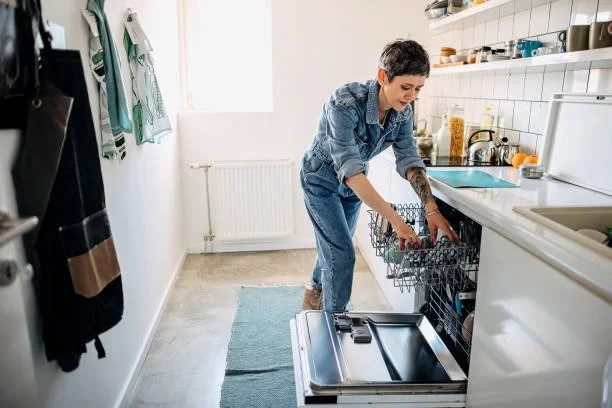
Dishwashers represent beloved workhorses dutifully tidying post-dinner wreckage into pristine sparkle again come the next mealtime. With energy costs rising and putting strain on household budgets, determining the best time to run the dishwasher is becoming more important. Thus, you need to find the right balance between energy efficiency, cost savings, and practicality when deciding when it's optimal to wash dishes.

Running the dishwasher overnight seems harmless. However, small optimizations can make a meaningful difference. Delaying the start cycle to use cheaper electricity rates at night, fully loading dishes, maximizing wash cycles, or upgrading to an EnergyStar dishwasher that conserves water and uses sensors can improve cost savings and energy conservation without sacrificing convenience.

This article summarizes key considerations around dishwasher technology enhancements.

1. Understand Energy and Water Usage Across Cycles

Modern dishwashers utilize a combination of hot water, detergent, and mechanical actions to strip grime and food particles from soiled utensils, crockery, and cookware. Several sequential stages work in tandem – the initial gentle wash loosens residue, and the main heavy wash blasts with concentrated detergent. At the same time, the heated dry phase evaporates any lingering moisture, preventing watermark spots on glassware.

When assessing machine efficiency, the critical metrics include:

·       Energy consumption measured in kWh determining electricity usage costs

·       Water consumption indicating water wastage/thrift impact

·       Cycle duration with faster runs limiting overall resource overhead 

Premium models utilize turbidity sensors gauging spoilage levels in real-time to modulate water pressure, temperatures, and cycle times. This prevents excessive water/energy waste when cleaning light loads. More affordable models rely on manual cycle selections but compensate through quicker run times and lower purchase costs.

If you're wondering what's the best time to run dishwasher, the answer may depend on your energy provider's pricing structure. Premium models with smart features can optimize their cycles during off-peak hours, potentially saving you more on utility bills.

2. Identify Household Usage Patterns

Before determining the best dishwasher timing, observe existing loading and unloading patterns. Large families generating multiple daily meal loads want flexibility in quickly restoring cleaned batches. However, professionals lacking home presence during work hours wish to delay end cycles till late evenings when sinks remain accessible, minimizing odors from wet, unemptied machines. 

For pro users, note usage peaks across working weeks and seasonal dining variations judging scale. Holiday periods see entertaining spikes, while summer offers more outdoor barbecues and minimizes dishes. Such demand analyses help balance efficient scheduling without jeopardizing practical convenience coping with real-world use.

Consideration of water and energy consumption is also crucial in optimizing dishwasher timing. Modern dishwashers come equipped with energy-saving features and eco-friendly settings. By aligning the dishwasher operation with off-peak utility hours, users can take advantage of lower energy costs and reduce their overall environmental impact.

3. Understand Off-Peak Electricity Savings Potential 

Utility electricity rates fluctuate over time, utilizing differential pricing nudging consumption towards off-peak night periods through tempting discounts. In most regions, overnight tariffs between 10 pm and 5 am run dramatically cheaper compared to daytime peak rates. This intends to direct flexible high-wattage appliances usage like water heaters, AC, and dishwashing into the wee hours rather than soon after dinners when overall energy demand still rages high.

Assessing pricing differentials in your service area makes economic sense since finishing cycles by dawn exploits lower rate intervals that may run 30 to 50 percent cheaper. Even eliminating just one daytime wash and converting to overnight mode leads to notable savings compounding monthly. Service providers also offer programmable and Wi-Fi-enabled dishwashers, automating optimal start delays.

4. Account for Model Efficiencies and Incentives

With enhancing technologies and competitive consumer appliance markets, dishwashers deliver much-improved cleaning and conservation performance beyond traditional assumptions of inefficient water-guzzling and prolonged run times. Newer enhancements spanning soil sensors, precision spray jets, and inverter motor compressors further maximize cleaning efficacy and energy savings.

When purchasing replacements, examine EnergyStar certifications, EnergyGuide labeling, and yellow EnergyGuidestickers highlighting superior equipment economies and utility rebates upfront rather than fixating deals on appliance costs alone. With anticipated longer useful lifespans, modest upgrades pay compound energy and water savings over the years. Government-supported incentive schemes also periodically promote efficient appliance upgrades, accelerating adoption.

Furthermore, contemporary dishwashers contain additional options that are helpful for users in terms of comfort and uniqueness. Such smart dishwashers are outfitted with connectivity capability as well. It is worth noting that they also can integrate with home automation. The high levels of interactivity allow users to tailor settings, alert themselves remotely, and even troubleshoot problems using the convenience of their mobile phones, thereby enhancing the ease of usage.

Moreover, modern dishwasher designers have considered using sustainable materials for manufacturing as well as other ecological footprints related to the appliance. There are many producers now opting for recyclable wastes and eco-friendly practices, which go hand-in-hand with the rising consciousness about ecological influence among customers. Sustainable consideration for choosing an efficient dishwasher provides an environmentally friendly way of using the appliance.
5. Balance Twin Environmental Priorities

Dishwashers invoke a delicate conservation balance around two key objectives - limiting electricity consumed per wash, which minimizes associated fossil fuel emissions from the electric grid mix, and reducing water volumes wasted since freshwater equals a precious resource for future-proofing. 

Ideally, optimizing operations decreases energy and water overhead simultaneously, but real-world tradeoffs emerge like shorter cycles saving electricity yet demanding extra unloading diligence, preventing longer mold risks. Similarly, delaying full loads overnight saves water through batching but taps more of the grid supply. Work best within structural constraints rather than pursuing idealistic perfection.

Furthermore, the sensitive preservation equilibrium in dishwashing practice also permeates the selection of detergents and washing agents. The use of eco-friendly, phosphate-free detergents ensures environmental sustainability and prolongs the lifespan of the dishwasher as well. Harsh chemical detergent traditional products, which are tough on internal parts, will cause a reduction in overall efficiency of an appliance and its lifetime.

Sustainable dishwashing involves selecting eco-friendly detergents to lower the overall negative impact on nature and prolong the operation life cycle during this limited building space scenario.

Conclusion

Dishwashers will continue serving indispensable sanitary roles for generations. They keep families safe from bacterial infestations and mountainous unhygienic sink piles. But new 21st century priorities around energy, water, and emissions stewardship have emerged. Cost savings have also become an urgent priority.

Convenient operational optimizations can deliver major efficiency improvements. Useful optimizations include adjusting loading schedules, starting cycles overnight using timers, and proactively replacing aging models. Such optimizations greatly improve daily kitchen conveniences.

Kitchen conveniences like dishwashers were once considered mere utilitarian essentials rather than opportunities for conservation gains. However, perspectives are shifting to see appliances as pivotal touchpoints for sustainability progress through thoughtful use of optimizations and upgrades.


Tips For Screening Rental Applications From College Students

RH Business Marketing Solutions

Entering the realm of renting to college students? Brace yourself for a unique landlord-tenant dynamic that demands a nuanced approach to application screening. As the academic year kicks in, leasing to college students offers a promising avenue for landlords, but it comes with its own set of challenges. Fear not! This blog post is your go-to guide for effortlessly navigating the screening process. We've curated a collection of super easy-to-follow tips tailored specifically for screening rental applications from the college crowd. From deciphering limited credit history to understanding the significance of co-signers, our insights will equip you with practical strategies. Whether you're a seasoned property owner or dipping your toes into the world of renting, these tips will streamline your screening process, helping you secure responsible tenants and foster a positive landlord-tenant relationship. Let's unravel the secrets to screening success in the realm of college rentals!


Clear Application Requirements

Start by clearly outlining your rental requirements in your listing. This will help filter out applicants who don't meet your criteria from the beginning. Include details such as income requirements, rental history, and any specific rules or regulations unique to your property.


Request Co-Signers

College students often have limited credit history or income. To mitigate potential risks, consider requiring a co-signer for the lease. A co-signer, typically a parent or guardian, agrees to take responsibility for the rent if the student fails to pay. This adds an extra layer of security to your rental arrangement.


Verify Income Sources

While college students may not have a traditional steady income, it's crucial to assess their ability to pay rent. Request proof of income, such as part-time job pay stubs or financial aid documentation. This can help you gauge their financial stability and ability to meet rental obligations.


Check Rental History

Contacting previous landlords can provide valuable insights into an applicant's rental behavior. Ask about their payment history, adherence to lease terms, and any issues during their previous tenancy. This information will give you a better understanding of what to expect if you decide to rent to them.


Use a Comprehensive Rental Application

Design a thorough rental application that covers essential details, including personal information, rental history, references, and any additional requirements specific to your property. A comprehensive application helps you make informed decisions by providing a holistic view of the applicant.


Conduct a Credit Check

Run a credit check to evaluate an applicant's financial responsibility. A credit report reveals their credit score, outstanding debts, and payment history. While students may have limited credit history, a credit check can still provide valuable information about their financial habits.


Interview Potential Tenants

Consider conducting interviews with prospective tenants. This allows you to assess their communication skills, ask clarifying questions about their application, and get a sense of their character. A face-to-face or virtual meeting can provide valuable insights that may not be evident on paper.


Set Clear Expectations

Clearly communicate your expectations and house rules to prospective tenants. This transparency helps students understand what is expected of them, fostering a positive landlord-tenant relationship. Discuss noise restrictions, maintenance responsibilities, and any other rules unique to your property.


Trust Your Instincts

Sometimes, your intuition can be a valuable tool in the screening process. If something feels off or doesn't add up, don't hesitate to ask for clarification or additional information. Trusting your instincts can help you avoid potential issues down the line.


Stay Informed About Fair Housing Laws

Ensure your screening process complies with fair housing laws to avoid legal complications. Familiarize yourself with the relevant regulations and treat all applicants equally. Discrimination based on race, gender, religion, or other protected characteristics is strictly prohibited.


Conclusion

Mastering the art of screening rental applications from college students is a pivotal step toward a harmonious landlord-tenant relationship. By implementing the super easy-to-follow tips provided in this guide, you've equipped yourself with the tools necessary to make informed decisions. Remember, transparency is key—communicate your expectations clearly and address any concerns during the screening process. As you embark on this journey, the rental application form emerges as your ally, serving as a comprehensive tool to gather essential information. Whether it's verifying income sources, assessing credit history, or checking rental references, the rental application form streamlines the screening process, making it an indispensable asset in your landlord toolkit. So, go ahead, confidently sift through applications, secure reliable tenants, and create a rental environment that benefits both you and your college-bound occupants. Here's to seamless screening and successful tenancies!

5 Reasons Why Real Estate Plumbing Inspections are Important!

RH Business Marketing Solutions

Real estate plumbing inspections are a critical aspect of the home-buying process, offering potential buyers and homeowners an in-depth look at the property's plumbing system. This inspection covers the condition of pipes, fixtures, water heaters, and drainage systems. 

Here are five reasons why real estate plumbing inspections are important:


1.  Identification of Potential Problems

Hidden Issues

         a) Old or Corroded Pipes:

●      Age-Related Deterioration: Over time, pipes, especially those made from materials like galvanized steel, can corrode, affecting water quality and flow.

●      Risk of Breakage: Corroded pipes are more prone to breakage, which can lead to water damage within the property.


         b) Leaks:

●      Undetected Water Damage: Small leaks, often undetectable to the untrained eye, can cause significant water damage over time, impacting the structural integrity of the property.

●      Mold and Mildew Growth: Persistent dampness due to leaks creates an ideal environment for mold and mildew, which can have health implications.


         c) Blockages:

●      Sewer Line Issues: Blockages, particularly in main sewer lines, can lead to backups, which are not only unpleasant but also costly to address.

●      Efficiency Problems: Partial blockages can reduce the efficiency of the plumbing system, leading to higher water bills and reduced water pressure.

Safety Concerns

         a) Gas Leaks in Water Heaters:

●      Explosion Risk: Gas leaks can be extremely dangerous, posing a risk of explosion.

●      Carbon Monoxide Poisoning: A faulty water heater can lead to carbon monoxide leaks, which are particularly dangerous because the gas is odorless and colorless.


         b) Faulty Plumbing:

●      Water Contamination: Improperly installed or old plumbing can lead to contamination of the property's water supply, posing serious health risks.

●      Structural Damage: Leaks from faulty plumbing can weaken structural elements of the property, leading to long-term damage and expensive repairs.


2.  Cost Estimation for Repairs

Budgeting for Repairs

         a) Understanding Repair Costs:

●      Detailed Breakdown: A plumbing inspection report not only identifies issues but can often provide a detailed breakdown of the costs associated with fixing them.

●      Future Planning: This information is crucial for potential buyers to plan financially, especially if immediate repairs are needed after purchase.


         b) Prioritizing Repairs:

●      Critical vs. Optional: Inspections help in differentiating between critical repairs that need immediate attention and those that can be deferred, allowing for better financial planning.

●      Long-Term Maintenance Planning: Understanding the current state of the plumbing system aids in planning for future maintenance costs.


Negotiation Leverage

         a) Price Negotiations:

●      Adjusting Offer Prices: Knowledge of plumbing issues provides buyers with factual data to negotiate a lower purchase price to account for repair costs.

●      Seller Concessions: Buyers can negotiate for the seller to make repairs or offer concessions, which can be a percentage of the selling price, to cover repair costs.

         b) Informed Decision Making:

●      Walking Away from a Bad Deal: If repair costs are too high, buyers might decide that the investment is not worthwhile, saving them from a potentially bad deal.

●      Investment Protection: Ensuring the price paid reflects the property's true value, including its plumbing condition, protects the buyer's investment.

Additional Considerations

         a) Insurance Implications:

●      Reducing Insurance Costs: Addressing plumbing issues can sometimes reduce home insurance premiums, as the risk of water damage and related claims decreases.

●      Insurance Coverage Eligibility: Some insurance companies require certain standards of plumbing to provide coverage, making the inspection findings crucial.

         b) Resale Value Impact:

●      Enhancing Property Value: Properties with well-maintained plumbing systems are often more attractive to future buyers, potentially enhancing resale value.

●      Transparency in Future Sales: A recent plumbing inspection can be a selling point in future, demonstrating due diligence and maintenance by the current owner.

3. Ensuring Compliance with Regulations

●      Code Compliance: Plumbing inspections ensure that the property's plumbing system adheres to local building codes and regulations.

●      Future Sale Implications: Compliance issues need to be resolved for legal occupancy and can impact future resale value.

4. Long-term Savings

●      Preventative Measures: Identifying and fixing issues early can prevent more severe problems, leading to significant long-term savings.

●      Efficiency: Inspections can also highlight areas where the plumbing system can be made more efficient, potentially reducing water and energy bills.

5. Peace of Mind

●      Confidence in Purchase: A thorough plumbing inspection provides peace of mind, knowing that the property's plumbing is in good condition or understanding what needs to be addressed.

●      Quality of Living: Ensuring a well-functioning plumbing system is essential for comfortable living and avoiding disruptions due to plumbing failures.

Final Word

In conclusion, real estate plumbing inspections are an essential step in the property purchasing process. They provide crucial information about the condition of the plumbing system, helping buyers make informed decisions and potentially saving them from future costly repairs. 

As you consider the intricacies of real estate plumbing inspections and their impact on property valuation and compliance, it's also beneficial to seek guidance from experienced real estate professionals.


If you're actively searching for the best real estate agents in Adelaide to assist with your property needs, I highly recommend giving this resource a look!

Personalized Service: The Advantage of a Hometown Plumber

RH Business Marketing Solutions

Having a dependable and trustworthy plumber on your side can make all the difference when it comes to plumbing services. Although there are numerous large plumbing companies available, there is a special benefit to hiring a local plumber. We'll go through the advantages of hiring a hometown plumber in this in-depth guide, emphasizing the individualized care and local knowledge they can provide.

A Hometown Plumber: What Is It?

A hometown plumber is a licensed plumber who works either independently or as an employee of a small, locally owned plumbing company. They are also sometimes referred to as local or neighborhood plumbers. These plumbers frequently live and work in the same area that they service, and they usually work in a particular community or area. They have a close relationship with the locals they serve and their business is firmly established in the community.

The Benefits of Selecting a Local Plumber

  1. 1. Personalized Service: Getting personalized service is one of the biggest benefits of hiring a hometown plumber. These plumbers place a high value on developing trusting relationships with their clients and take the time to learn about your unique plumbing requirements and preferences. In contrast to bigger businesses that might treat you like another customer, hometown plumbers provide a more customized and careful approach.

  1. 2. Local Knowledge: Hometown plumbers are well-versed in the particular difficulties and problems related to plumbing that arise frequently in their community. They are aware of the local climate, water quality, and typical plumbing issues that locals deal with. Their proficiency in the area enables them to offer customized solutions that are ideal for the unique circumstances of your neighborhood.

  1. 3. Fast Reaction: Time is of the importance when dealing with a plumbing emergency, such as a burst pipe or a broken water heater. Local plumbers can respond to your urgent plumbing needs faster and are frequently more responsive. They can provide timely service when you need it most because of their close proximity to your location.

  1. 4. Trust and Reputation: Hometown plumbers mainly depend on their standing in the neighborhood. They are aware that positive word-of-mouth recommendations and trust are the cornerstones of their business. They are therefore driven to deliver excellent service and uphold a solid reputation, guaranteeing that you get the best plumbing care available.

  1. 5. Community Support: Selecting a hometown plumber also means that you are endorsing a nearby company that boosts the local economy. These plumbers frequently give back to the communities they serve, support neighborhood projects, and take part in local events.

The Variety of Services That Hometown Plumbers Provides

To satisfy the needs of their local clients, hometown plumbers provide a broad range of plumbing services. These offerings could consist of:

  • Emergency Plumbing Repairs: prompt resolution of pressing plumbing problems, such as burst pipes, clogs, and leaks.

  • Water Heater Installation and Repair: Installation, upkeep, and repair of water heaters, including tankless and conventional tank-style models, are included in this service.

  • Drain Cleaning: Drain cleaning is the process of unclogging drains and fixing blockages in sewer lines.

  • Fixture and Appliance Installation: Installing and maintaining fixtures, faucets, toilets, and plumbing appliances is known as fixture and appliance installation.

  • Pipe Replacement and Repair: Repiping services as well as repairs for corroded or damaged pipes are included.

  • Plumbing Renovation and Remodeling Services for Kitchens and Bathrooms: This includes plumbing fixture installations and upgrades.

  • Water Quality Solutions: To enhance the quality of the water, water softeners and filtration systems can be installed.

  • Gas Line Services: Gas line services include the installation and maintenance of gas lines for water heaters and stoves, among other appliances.

  • Sump Pump Installation and Maintenance: By installing and maintaining a sump pump, you can prevent flooding in your basement.

  • Services for Septic Systems: Pumping and inspecting septic tanks as well as maintaining and repairing septic systems.

The Experience of the Hometown Plumber

Selecting a hometown plumber gives you more than just a plumbing expert—you're acquiring a reliable ally for the upkeep of your home's plumbing systems. What to anticipate from your hometown plumber experience is as follows:

  • Customized Assessments: Hometown plumbers take the time to evaluate your unique plumbing requirements and offer solutions that are tailored to your priorities and concerns.

  • Transparent Communication: Throughout the plumbing process, you should anticipate clear and honest communication. Hometown plumbers provide clear explanations of the scope of work, cost, and any required repairs.

  • Timely Service: Local plumbers prioritize being on time and work hard to finish jobs quickly, whether they're performing routine maintenance or an emergency repair.

  • Local Suggestions: In the event that your plumbing system needs to be upgraded or replaced, hometown plumbers can suggest nearby vendors and goods that are appropriate for the circumstances in your region.

  • Emergency Availability: Plumbers from Hometown are aware that plumbing issues can arise at any time. Many provide emergency services that are available around-the-clock to help with urgent needs.

  • Kind and Personable: Hometown plumbers are renowned for having a kind and personable manner. They take the time to respond to your inquiries and offer advice on upkeep and repair of plumbing systems.

Selecting the Appropriate Local Plumber

Take into account the following elements when choosing a hometown plumber for your plumbing requirements:

  1. 1. Reputation: Get referrals from neighbors, relatives, and friends who have worked with nearby plumbers. An understanding of a plumber's reputation can also be gained from online reviews and testimonials.

  1. 2. Credentials: Make sure the plumber has the necessary insurance, certifications, and licenses to carry out plumbing work in your community. Location-specific licensing requirements exist.

  1. 3. Experience: Find out if the plumber has dealt with plumbing problems comparable to yours before. Effective solutions are more likely to be offered by a skilled plumber like True Plumbing in Vancouver WA.

  1. 4. Pricing: To compare prices and services, get quotations or estimates from several local plumbers. Extremely low costs should be avoided as they could be a sign of poor quality work or additional costs.

  1. 5. Availability: Find out if the plumber provides emergency services and how quickly they can respond to a plumbing emergency.

  1. 6. References: To evaluate the dependability and caliber of the plumber's work, get references from previous clients.

  1. 7. Warranty: Find out if there are any guarantees or warranties available for the products the plumber installs or for their work.

In Summary

There are many benefits to hiring a hometown plumber, including individualized care, local knowledge, prompt response times, and community support. Selecting a local plumber means more than just working with a skilled plumber; it also means establishing a long-lasting relationship that puts the health of your neighborhood and your plumbing needs first. For dependable and amiable service you can rely on, contact us the next time you have a plumbing problem or require maintenance.

Home Defense: 7 Expert Strategies for Keeping Pests at Bay Permanently

RH Business Marketing Solutions

Your house may feel like a home to you. However, if you do not want it to be an oasis for pests, you need to put measures in place to help with preventative pest control. Whether you are dealing with existing pest infestation in your home or you wish to prevent infestation of pests, carrying out your research can save you money, energy, and time.

Pests are available in every shape and size-from cockroaches and ants to rodents and beyond. Interestingly, they are similar in their search for shelter and food. In order to modify the saying, "one man's trash is another pest's valuable", keeping a clean home is one of the best pest prevention techniques. In this article, you will find tips that will help keep pests at bay permanently.

7 Expert Strategies for Keeping Pests at Bay Permanently

Frequently Dispose of Trash

Always take the additional effort to remove trash from inside your house at the end of each day, as your trash can appear to be an all-you-can-eat buffet to pests. If you have a weekly trash service, you can have the large trash can kept outside or in the garage to reduce the possibility of pests crossing the threshold into your living space.

On the other hand, if you have open trash containers inside of your house, consider upgrading to containers that have lids. Besides, if trash appears to be your greatest problem with pests, you can always wash out food containers in the sink before placing them in the garbage. 

Block Exterior Holes

Pest infestations only occur when pests gain entrance into the home. Some potential pest entryways are glaring to modify, such as keeping the exterior doors shut and making use of screens in windows. In order to be proactive with control of pests, you should carry out frequent exterior and interior inspections of your home to check for holes or cracks.

In addition, pay rapt attention to the loose siding, foundation, roof and utility lines. As soon as you discover any fill or patch, you should fill them up immediately. This will not only keep pests out, but it will also prevent the openings from getting even worse.

Store Food Properly

If it appears like pests have superpowers to track down food sources, they actually for. For instance, ants have approximately five times as many odor receptors as the remaining insects, which enables them perceive any leftover food from quite a distance.

Therefore, you can permanently keep pests at bay by utilizing smell-blocking, securely sealed containers for your food.

Another way to keep pests at bay is by storing food in the freezer or fridge. Doing that will make it less attractive to pests and prevent them for infesting your home, as the cold temperature will prevent pests from getting to your food. Moreover, if you keep food in the pantry, make sure you observe it regularly for signs of pest infestation.

Thoroughly Clean Your Home

If you wish to prevents pests, it is vital that you deeply clean your home. When you wipe, mop, or vacuum down all corners of the house, you will be more likely to eliminate every source of something that could attract pests into your home.

Apart from cleaning up crumbs, deep cleaning the house will as well give you the possibility to find out and eliminate potential breeding grounds for pests. For instance, small flies flourish and multiply in abandoned drains. Yet, you can encourage stopping this by making use of drain cleaner.

Always Re-Examine Your Landscaping

While pests are a more obvious nuisance inside the home, it is not good to have them hanging around the exterior either. Occasionally, take a walk around your yard, while keeping an eye on whatever may be inviting pests to make themselves at home.

For instance, woodpiles should be kept away from your exterior walls. Gutters should also be regularly cleaned out. Likewise, grass should be trimmed down.

Even from the outside, pests can do a considerable level of damage to your home. Hence, you will want to monitor changes to the siding, foundation, or roofing that could have a pest to blame.

Sanitize Soft Surfaces

During the process of cleaning inside your house, you should go beyond wiping down the floors and counters. Couches, beds, rugs, and so on, can all develop safe havens for fleas and bedbugs. Note that whatever can fit inside the washing machine should get a frequent sanitizing rinse.

Meanwhile, as for cushions and mattresses, begin by properly vacuuming them down and making use of a disinfecting spray.

Maintain Your Lawn Space

Trimming your hedges and frequently mowing your lawn is another expert strategy to keep pests at bay in your home. Moreover, eliminate all dead leaves or debris that could tempt pests.

If there's a garden in your house, endeavor you always keep it free of weeds, as it will help to create a less attractive environment for pests.

A lot of people do not know that their yards are real estate for pests. For instance, if you have a bird feeder, you could be attracting rodents and other small animals that can fast become a nuisance.

Ensure you are observant enough for signs of pest infestation around your home. Search for burrows, plant damage, or droppings on the ground. The moment you notice any sign of infestation, ensure you act instantly to get rid of them (pests) before they get the opportunity to multiply.

Hire a Professional Exterminator When Necessary

Always take the additional effort to remove trash from inside your house at the end of each day, as your trash can appear to be an all-you-can-eat buffet to pests. If you have a weekly trash service, you can have the large trash can kept outside or in the garage to reduce the possibility of pests crossing the threshold into your living space.

On the other hand, if you have open trash containers inside of your house, consider upgrading to containers that have lids. Besides, if trash appears to be your greatest problem with pests, you can always wash out food containers in the sink before placing them in the garbage. 

Block Exterior Holes

Pest infestations only occur when pests gain entrance into the home. Some potential pest entryways are glaring to modify, such as keeping the exterior doors shut and making use of screens in windows. In order to be proactive with control of pests, you should carry out frequent exterior and interior inspections of your home to check for holes or cracks.

In addition, pay rapt attention to the loose siding, foundation, roof and utility lines. As soon as you discover any fill or patch, you should fill them up immediately. This will not only keep pests out, but it will also prevent the openings from getting even worse.

Store Food Properly

If it appears like pests have superpowers to track down food sources, they actually for. For instance, ants have approximately five times as many odor receptors as the remaining insects, which enables them perceive any leftover food from quite a distance.

Therefore, you can permanently keep pests at bay by utilizing smell-blocking, securely sealed containers for your food.

Another way to keep pests at bay is by storing food in the freezer or fridge. Doing that will make it less attractive to pests and prevent them for infesting your home, as the cold temperature will prevent pests from getting to your food. Moreover, if you keep food in the pantry, make sure you observe it regularly for signs of pest infestation.

Thoroughly Clean Your Home

If you wish to prevents pests, it is vital that you deeply clean your home. When you wipe, mop, or vacuum down all corners of the house, you will be more likely to eliminate every source of something that could attract pests into your home.

Apart from cleaning up crumbs, deep cleaning the house will as well give you the possibility to find out and eliminate potential breeding grounds for pests. For instance, small flies flourish and multiply in abandoned drains. Yet, you can encourage stopping this by making use of drain cleaner.

Always Re-Examine Your Landscaping

While pests are a more obvious nuisance inside the home, it is not good to have them hanging around the exterior either. Occasionally, take a walk around your yard, while keeping an eye on whatever may be inviting pests to make themselves at home.

For instance, woodpiles should be kept away from your exterior walls. Gutters should also be regularly cleaned out. Likewise, grass should be trimmed down.

Even from the outside, pests can do a considerable level of damage to your home. Hence, you will want to monitor changes to the siding, foundation, or roofing that could have a pest to blame.

Sanitize Soft Surfaces

During the process of cleaning inside your house, you should go beyond wiping down the floors and counters. Couches, beds, rugs, and so on, can all develop safe havens for fleas and bedbugs. Note that whatever can fit inside the washing machine should get a frequent sanitizing rinse.

Meanwhile, as for cushions and mattresses, begin by properly vacuuming them down and making use of a disinfecting spray.

Maintain Your Lawn Space

Trimming your hedges and frequently mowing your lawn is another expert strategy to keep pests at bay in your home. Moreover, eliminate all dead leaves or debris that could tempt pests.

If there's a garden in your house, endeavor you always keep it free of weeds, as it will help to create a less attractive environment for pests.

A lot of people do not know that their yards are real estate for pests. For instance, if you have a bird feeder, you could be attracting rodents and other small animals that can fast become a nuisance.

Ensure you are observant enough for signs of pest infestation around your home. Search for burrows, plant damage, or droppings on the ground. The moment you notice any sign of infestation, ensure you act instantly to get rid of them (pests) before they get the opportunity to multiply.

Hire a Professional Exterminator When Necessary

While the phrase "pest infestation" is applicable to some circumstances, some are worse than others and there will be the need for professional attention. For example, when wildlife control is required, the services of a professional exterminator could be needed.

If you are struggling with pests in and around your home, the initial step you should take is examining the type of pests, how widespread they are, as well as their location.

How to Set Your Kitchen Up For a Catering Event

RH Business Marketing Solutions

Catering events provide delicious food and drink for special gatherings without the hassle of cooking. If you cater from your own kitchen, advanced planning is key for success. Follow these steps so you can serve restaurant-quality dishes without a hitch when catering your next event.


What is Catering?

First, catering involves preparing cuisine for private functions held off-site from your food establishment. Common events include weddings, corporate parties, charity balls and more. As the caterer, you transport fully cooked food, beverages, serving items and decor to the event venue. This allows hosts to enjoy wining and dining their guests without kitchen prep and mess at their site. Catering allows you to showcase cooking skills for various audiences beyond everyday restaurant patrons.


Catering also requires providing exceptional service in addition to delicious fare. From initial menu planning with clients to timely delivery and artful presentation at the event, every detail matters. You must WOW guests with an elegant spread and consider dietary preferences like vegetarian, kosher, or gluten-free options. Essential logistics like reliable transportation, maintaining food temperatures in transit, attractive table decor and managing leftovers are your responsibility too. Impeccable cuisine quality simply isn’t enough. Catering means exemplary execution across the entire event scope - from the first bite through the final glass raised in celebration. Success means the hosts can actually relax and enjoy their function rather than stress over food and service. When done right, catering allows chefs to strut creative talents while forging lasting relationships with new clientele.


Set Up Your Kitchen for Safety and Organization

When using your kitchen for catering events, safety and organization should be top priorities during preparation. Clean all appliances, shelving, prep areas and tools before cooking to avoid cross contamination. Designate sections strictly for catering dishes to prevent confusing restaurant orders. Label ingredients by event as well so nothing gets mixed improperly. Store catering components together in sealed containers once cooked and cooled for simple loading at event time.


Establish structured protocols around preventing cross-contamination when handling various cuisine types. Keep produce, meat, seafood and other goods completely separated during prep, storage and cooking. Clean and sanitize surfaces, knives and hands thoroughly after working with higher-risk items like poultry before touching other ingredients. Code items with event labels as soon as they are prepped. This strict order ensures quality and guards guest health, which is paramount with off-site catering.


Organization also enables efficiently packaging components to transport. Group items requiring chilling versus ones that hold at room temp. Have serving tools and decor pieces packed separately too for easy access on site. Maintain a detailed loading checklist so nothing critical gets overlooked when departing, especially small items like garnishes, tongs or extra serving utensils. Keep extra transport bags, serving dishes, sternos, and decor on hand as well since replacement at event sites is difficult.


Strategically Streamline with Catering Stations

Strategically place catering supplies near cooking areas to assembly line the process. For example, keep service trays next to the fryer so you can easily transport rolls straight from oil to tray. Place utensils, piping bags and garnish next to platters where hot food moves after cooking. This seamless flow between prep, cooking, plating and boxing ensures high-quality presentation.

Consider setting up self-contained catering stations if you have the space. One station is purely for cold apps and sides, with designated chilling, plating and packing areas. Another for hot items complete with ranges, ovens and hot holding gear. A separate beverage bar for chilling wine, preparing coffees/teas, and arranging glassware. Dedicated stations prevent menu items from cross-contamination and allow your team to master nuanced preparation techniques. They also enable cooking specialty diets like gluten-free separately. Strategic kitchen zones streamline high-quantity output so plating remains elegant. Signage labeling stations prevent any ingredient mix-ups under catering pressures.


Invest in Reliable Transport Gear 

Dedicate transport containers solely for catering as well. Purchase durable commercial-grade pans that won’t spill or crack in transit. Metal racks hold items securely and can go straight into insulation bags. Invest in quality cold storage boxes that maintain safe temperatures if serving chilled dishes off-site. Having reliable gear guarantees your elegant creations still wow guests hours later at the venue.


Acquire Specialty Catering Instruments

Unique kitchen tools also help execute specialty catering with finesse. Culinary torches enable quick crusting and caramelization without lingering over a hot burner when pacing dozens of meals simultaneously. Piping tips create ornate shapes and decorative drizzles so hors d'oeuvres pop. Misters offer a fine, even olive oil dispersal over salads and pastas. Mandolins yield perfectly uniform vegetable cuts critical for upscale presentation. Having versatile yet precise instruments elevates catered cuisine above ordinary expectations.


Written by Taylor McKnight, Author for Arista Catering

6 Safety Precautions Every At-Home Business Needs

RH Business Marketing Solutions

If you're like most people who have recently started an at-home business, you're probably experiencing a mixture of excitement and trepidation. It's only natural to be excited after cutting yourself loose from the corporate rat race and striking out on your own, but by the same token, trepidation is also a normal feeling in this situation — and one that can be put to your advantage. By identifying the potential scenarios that foster trepidation in the first place, you and other fledgling business owners can hedge your bets against them coming to fruition, thereby protecting your business and your livelihood from harm.

Once you start taking proactive steps to safeguard the investment of your time and money, your anxiety levels will decrease, and you'll be able to focus on building your business. Following are six ways that you can integrate safety precautions into your business plan:


Create a Dedicated Workspace

Having a dedicated workspace creates a firm boundary between your personal and professional life. Although this may not seem to be a safety issue at first glance, keep in mind that creating and maintaining a defined workspace reduces the possibility of distractions and possible safety hazards. For instance, a child's toy left on the floor can result in slip-and-fall events, and allowing household members free access to your workspace may jeopardize your business-related materials and equipment.


Implement Proper Fire Safety Measures

Fire safety is an important component in keeping a safe home office. Ensure that your workspace is fully equipped with essential fire safety measures such as a working fire alarm, an easy-to-use fire extinguisher within reach, and a well-planned emergency exit strategy. Keep in mind that fire safety should never be an afterthought. Prompt detection and response to fires prevents property damage, injuries, and can even save lives.


Install Adequate Lighting and Ventilation 

Inadequate lighting and ventilation can create safety hazards in your at-home office. Ensuring that your workspace is well-lit helps to reduce eye strain and guard against accidents. Proper ventilation is essential for maintaining indoor air quality and preventing health issues associated with poor air circulation. If your workspace lacks natural light or adequate ventilation, consider using artificial lighting and fans or air purifiers as needed.


Address Ergonomic Concerns

Working from home often means spending long hours at your computer or desk. Neglecting ergonomic considerations can lead to discomfort and health issues. Invest in an ergonomic chair and adjustable desk to ensure proper posture and reduce the risk of musculoskeletal problems. Additionally, make sure to take regular breaks, stretch, and maintain good posture to prevent injuries such as back pain or carpal tunnel syndrome. Setting a timer can help you remain mindful of these breaks and ensure that you don't become too absorbed in your work for extended periods of time.


Secure Sensitive Information

Keep in mind that safety isn't just about making sure that physical hazards are minimized in your workspace — if your at-home business involves handling sensitive client or customer information, it's paramount to prioritize data security. Implement robust cybersecurity measures to protect your business from data breaches and cyberattacks. This may include using strong, unique passwords, installing antivirus software, and encrypting sensitive files. Additionally, consider investing in a secure, locked filing cabinet for physical documents containing sensitive information.


Invest in Premises Liability 

Premises liability for an at-home business is an important consideration for entrepreneurs operating from their residences. While the home setting provides convenience and flexibility, it also involves responsibilities concerning the safety of visitors, including clients, customers, or employees who may enter the property for business purposes. For instance, if someone is injured on your premises due to hazardous conditions or negligence, you could be held liable for medical expenses, legal fees, and other potential damages. Therefore, it's essential for at-home business owners to maintain a safe environment, address potential hazards, and carry adequate insurance coverage to mitigate the risks associated with premises liability.


Remember that running an at-home business is very similar to running a business in a commercial location — you'll still need to adhere to legal and regulatory requirements, manage finances in an efficient manner, and adapt to a continually evolving market. The primary difference lies in the setting, which presents unique opportunities and challenges, but also come with many advantages.


When you approach your at-home business with the same level of dedication, professionalism, and commitment as you would devote to a commercial location, you'll be well on your way to achieving your entrepreneurial goals from the privacy and comfort of your own home.


Written by Taylor McKnight, Author for Law Office of Cary Woods II

Navigating Permits: Understanding the Regulatory Landscape for Home Renovations

RH Business Marketing Solutions

Navigating permits is a crucial aspect of any home renovation project, as it ensures that your upgrades comply with local regulations and building codes. Failure to obtain the necessary permits can result in fines, delays, and even the need to undo completed work.

Here's a guide to help you understand the regulatory landscape for home renovations:

1. Research Local Regulations:

  • Municipal Codes: Each city or municipality has its own set of building codes and regulations. Visit the local building department or city website to access these codes.

  • Zoning Laws: Check zoning regulations to understand land-use requirements, property setbacks, and other restrictions that may affect your renovation plans.

2. Identify Required Permits:

  • Common Permits: Typically, renovations involving structural changes, electrical work, plumbing alterations, and changes to the building's footprint require permits.

  • Special Permits: Some projects, such as adding a new structure, may require special permits beyond the standard ones.

3. Engage with the Building Department:

  • Pre-Application Meetings: Schedule a pre-application meeting with the local building department to discuss your plans. This can provide valuable insights into potential challenges and permit requirements.

  • Ask Questions: Seek clarification on any regulations or procedures you don't understand. Building officials are there to help.

4. Prepare Documentation:

  • Architectural Plans: Detailed plans of your renovation project, prepared by a licensed professional, are often required for permit applications.

  • Specifications: Provide specifications for materials and methods of construction to demonstrate compliance with codes.

5. Submit a Complete Permit Application:

  • Forms and Fees: Complete all required permit application forms and pay the necessary fees.

  • Timely Submission: Submit your application well in advance of the planned start date to account for potential delays in the approval process.

6. Wait for Approval:

  • Review Process: The building department will review your application to ensure it complies with all relevant regulations.

  • Inspections: After approval, inspections may be required at various stages of the project.

7. Comply with Inspections:

  • Scheduled Inspections: Work closely with inspectors to schedule and pass required inspections at different project milestones.

  • Address Feedback: If issues are identified during inspections, address them promptly and seek re-inspection as needed.

8. Completion and Final Approval:

  • Final Inspection: Once the project is complete, a final inspection is typically required.

  • Certificate of Occupancy: Obtain a certificate of occupancy if applicable. This certifies that the renovation complies with all codes, and the space is safe for occupancy.

9. Keep Records:

  • Document Everything: Keep a comprehensive record of all communications, permits, inspections, and approvals.

  • Permit Closure: Ensure that all permits are officially closed once the project is finished.

10. Consult with Professionals:

  • Hire Professionals: Engage architects, contractors, and other professionals who are familiar with local regulations to guide you through the process.

  • Legal Advice: In complex situations, consider seeking legal advice to ensure compliance with all applicable laws.

11. Stay Informed:

  • Updates: Stay informed about any changes to local building codes or regulations that may affect your renovation plans.

  • Community Feedback: Attend local community meetings to understand any concerns or changes in the neighborhood that might impact your project.

12.Water Heater Repair Service of Little Rock:

·       Local Expertise: Consider consulting with a local water heater repair service of Little Rock to ensure that your water heater-related renovations meet local codes and standards.

13. Emergency Electrical Services:

 If your renovation involves electrical work, having access to a 24-hour electrician, such as those at 24hourelectrician.net, can be crucial for addressing unexpected issues promptly.

Remember that the specifics of the regulatory landscape can vary widely depending on your location, so always consult with local authorities and professionals to ensure compliance with the latest regulations.

What to Do to Make Your Farmhouse More Eco-Friendly

RH Business Marketing Solutions

Living out in the country can be a relaxing, rewarding experience. Making a home for yourself in the open, green nature away from all the commotion and pollution of a big city or the gradual loss of identity in some towns can be refreshing and offer a significant change of pace for those who are tired of urban living.

A farmhouse is one of the best abodes to live in out rurally, offering ample space and great functionality for you and your family. Although they don't need to be on a farm, living in one can make you feel like you're living a nature-connected farm life. 

However, while a farmhouse might sound like an environmentally friendly option by default, that isn't necessarily the case. Read on to learn the importance of environmental awareness and what to do to make your farmhouse more green.

Why Being Eco-Friendly Is So Important

Awareness and concern over the environment are a big part of modern life. Due to recent weather changes and increasing temperatures worldwide, more people than ever have become attuned to climate change and want to prevent it from progressing.

The most significant contributor to climate change is greenhouse gas, primarily carbon dioxide, or CO2. Although some greenhouse gas is necessary to prevent the earth from being frigid and desolate, when more carbon dioxide is produced than trees and plants can absorb, it causes global warming. 

A lot of things produce carbon dioxide, and that includes electricity usage. Most electricity is produced by burning fossil fuels rather than using a renewable, lower-impact source. Furthermore, plunging the planet's natural resources to make "new" things rather than recycling them contributes to CO2 emissions and tarnishes natural land.

However, there are active efforts to switch over to greener sources of energy and waste less resources. And you can help push for that switch by making some smart choices with your farmhouse. 

Things You Can Do

Use Eco-Friendly Wood 

Buying or making furniture made of sustainable wood is a great way to start making your farmhouse more environmentally friendly. Several different kinds of wood are great for this purpose.

Reclaimed wood furniture is an excellent option since it uses wood from demolished buildings or other pieces of furniture rather than cutting down another tree for its wood. Pinewood and driftwood are some standard options for reclaimed wood.

Durable wood options are also great since they won't need to be replaced as often. Teak wood and black cherry wood make excellent, long-lasting, low-waste furniture choices. 

Instead of Buying New, Consider Thrifting or Shopping Used

Another great way to reduce waste is to look at thrift stores, second-hand shops, or online resale marketplaces like eBay or Mercari for used furniture.

A shocking amount of unused furniture and decor go to waste in landfills, even if they're in fantastic condition. Choosing not to make everything you get something "new" can help prevent that and is resource-conscious.

Garage and estate sales are also excellent places to look for used furniture. Contacting friends looking to replace their furniture and see if they're willing to give or sell any of their old things to you is also a great idea.

If You Do Farm, Use the Right Grain System

Although not everyone who owns a farmhouse is a farmer, if you farm and work with grains, growing more sustainable varieties can help reduce your footprint on the world.

Purchasing seeds for perennial grains is a smart way to reduce the impact of your grain operations. Perennial grains such as Kernza grow and produce usable grains for two or more years, rather than traditional grains that only grow for a season and then need to be replanted.

Lighten Your Energy Usage With Smart Lighting Solutions

As mentioned above, electricity usage plays a big part in environmental issues. Putting windows in strategic places to maximize natural light can help reduce how much electricity you use for lighting.

As for lightbulbs, trading traditional bulbs for LED ones is the way to go, as LEDs provide more light with less power.

What to Take Away From All This

These are just a few ways you can make your farmhouse eco-friendlier. Other things, such as switching out older appliances with more energy-efficient ones, being smart with water usage, and nurturing the plants and other flora near your farmhouse can help, too.

When you make these changes, not only will you be doing your part to help support environmentally aware operations, but you'll feel better, too, as eco-friendly design has been shown to have health benefits.


Written by Taylor McKnight, Author for Summit Contracting

What You Might Have Forgotten in Your Bathroom Remodel

RH Business Marketing Solutions

Although you might believe that your bathroom is simply a functional space to wash, brush your teeth, and shower in, it is still important that this room is welcoming and easy-to-use. This can encourage your family to maintain their hygiene practices and ensure that your mood is not impacted whenever you step inside the bathroom. By renovating it, you might find that you are able to create a relaxing area of your home within which you can destress and pamper yourself. Read on to discover some areas that can be overlooked in a bathroom remodel.

Replacement Windows

You might have put a lot of energy into choosing your new taps and showerhead, as well as your sink and bath. However, you should also leave time and money to replace your windows. By replacing your windows, you will be able to insulate your bathroom and ensure that you do not encounter condensation problems. This can prevent the occurrence of damp and mold and can mean that your bathroom can stay looking good for longer. You might even choose frosted windows so that you feel more comfortable in your bathroom and so that you can increase your privacy. Then, you should look into companies that offer double glazing window replacement services.

Flooring

Flooring is one of the more basic aspects of your bathroom remodel that you will need to consider, especially if you plan to cover this floor with a bathmat. When choosing a floor for your bathroom, you need to make sure that it is water-resistant and durable enough to remain in good quality for years to come, or else you could find that your floor starts to decay within a few weeks or months. Many people choose laminate, vinyl, or tiles for their washrooms, and these, while long-lasting, can also give your bathroom the polished finish you are looking for.

Heating

It is important that you can heat your bathroom, or else you might find that this room is unbearable in winter. For instance, you might opt for floor heating. Floor heating can allow your feet to be toasty the instant that you step out of your bath and can mean that warmth is distributed more evenly around the room. You might also opt for a heater with a towel warmer, as these can dry your towels quickly and prevent your bathroom from being filled with bad odors throughout the day.

Entertainment

Entertainment might not be necessary, but it can make showering and bathing a more pleasant experience and start your morning off on the right foot. Although you might not be able to install video game consoles and TVs in your bathroom, there are many options when it comes to shower radios. These can often be attached to the bathroom wall tiles, allowing you to listen to music and talk shows while you wash. This can prevent you from rushing your daily routine and can prevent the silence of your bathroom from unnerving or boring you.