Google+

contact us

Use the form on the right to contact us.

Day or Night, we are here to serve you. Leave your plumbing problem to us.


Tinley Park, IL

(708)845-7922

Residential and Commercial plumbers and plumbing contractors available in Orland Park, Tinley Park, Oak Lawn, Palos Heights, Midlothian, Oak Forest, Homer Glen, Mokena, Frankfort, and the surrounding Chicago South Suburbs. Emergency plumbers.

copper water lines.jpg

Kevin Szabo Jr Plumbing Blog

Kevin Szabo Jr Plumbing is Tinley Park, Orland Park, Oak Forest, Midlothian, Orland Hill, Homer Glen, Mokena, Frankfort, Crestwood, Palos Heights, Oak Lawn, local plumber. Read our blog for advice, tips, a good laugh, and basic home improvement.

**We are moving our old blog to our new and improved website. Too see all our posts visit kevinszabojrplumbing.blogspot.com

The Value of Jumbo Reverse Mortgages: A Financial Lifeline

RH Business Marketing Solutions

In today's ever-evolving financial landscape, retirees and seniors are faced with unique challenges, particularly when it comes to managing their assets and ensuring a comfortable retirement. Among the financial tools designed to provide financial flexibility for seniors, the jumbo reverse mortgage stands out as a valuable option. In this blog post, we'll delve into the intricacies of jumbo reverse mortgages, their value, and how they can serve as a financial lifeline for eligible seniors.


Understanding Jumbo Reverse Mortgages

Before we explore their value, let's first understand what jumbo reverse mortgages are. While traditional reverse mortgages are backed by the Federal Housing Administration (FHA) and have lending limits, jumbo reverse mortgages are not subject to these limitations. They are designed for homeowners with higher-value properties and allow them to access a portion of their home's equity without needing to sell their home or make monthly mortgage payments.


Now, let's delve into the value they offer:

1. Access to Home Equity

One of the primary values of jumbo reverse mortgages is that they enable homeowners with substantial home equity to access those funds. This can be particularly beneficial for retirees who have a considerable portion of their wealth tied from up in their homes but need liquidity for various purposes, such as medical expenses, home renovations, or even to supplement their retirement income.


2. No Monthly Mortgage Payments

Traditional mortgages require regular monthly payments, which can be a financial burden for retirees living on fixed incomes. With jumbo reverse mortgages, borrowers are not obligated to make monthly mortgage payments. Instead, the loan balance accumulates over time, and repayment is typically due when the to borrower permanently leaves the home. This lack of monthly payments can free up a significant portion of a senior's budget.


3. Financial Flexibility

Jumbo reverse mortgages offer borrowers unparalleled financial flexibility. The funds received from the loan can be used for a wide range of purposes, including:

   - Covering medical expenses and healthcare costs.

   - Funding home modifications to age in place more comfortably.

   - Paying off existing mortgages or other high-interest debts.

   - Investing in income-generating opportunities.

   - Supporting daily living expenses, travel, or leisure activities.

This flexibility allows seniors to tailor the loan to their specific financial needs and goals.


4. Homeownership Retention

A common misconception about reverse mortgages is that they transfer ownership of the home to the lender. With a jumbo reverse mortgage, homeowners retain ownership of their homes as long as they meet their loan obligations, which typically include maintaining the property and paying property taxes and insurance. This means they can continue to live in their homes without fear of losing ownership.


5. No Income or Credit Score Requirements

Jumbo reverse mortgages are primarily based on the value of the home and the borrower's age. Unlike traditional loans, there are no income or credit score requirements. This makes them accessible to seniors who may not qualify for other types of loans due to their limited income or credit history.


6. Non-Recourse Loan

Jumbo reverse mortgages are non-recourse loans, which means that the borrower (or their estate) is not personally liable for any loan balance that exceeds the home's value when it is sold to repay the loan. This provides a level of protection for borrowers and their heirs, ensuring that they will not inherit the debt.


7. Loan Growth Potential

Another unique feature of jumbo reverse mortgages is the potential for the loan balance to grow over time. If the home's value increases, the loan balance can grow more slowly, leaving more home equity available for the borrower or their heirs whenn the loan is eventually repaid.


8. Estate Planning Considerations

For some seniors, estate planning is a critical concern. Jumbo reverse mortgages can be part of a strategic estate plan. They allow borrowers to access their home equity while preserving other assets for heirs. When the borrower passes away, their heirs have mthe option to repay the loan and keep the home or sell the property to settle the debt.


9. Competitive Interest Rates

Jumbo reverse mortgages often come with competitive interest rates, making them an attractive option for seniors looking to accessk their home equity without incurring exorbitant costs. These favorable rates can further enhance the overall value of the loan.


10. Peace of Mind

Ultimately, one of the most significant values of a jumbo reverse mortgage is the peace of mind it can provide to seniors. Knowing that they have a financial lifeline available to them in the form of their home equity can alleviate concerns about financial stability during retirement. It offers a sense of security and empowerment, allowing seniors to enjoy their retirement years to the fullest.


Conclusion

In an ever-evolving financial landscape where retirement planning can be complex and challenging, jumbo reverse mortgages emerge as a beacon of financial freedom for eligible seniors. They offer a multitude of benefits that go beyond simple access to home equity. These mortgages provide peace of mind, financial flexibility, and the assurance that retirement can be enjoyed to the fullest without the worry of financial constraints.


Here are a few additional considerations that highlight the enduring value of jumbo reverse mortgages: 

11. Housing Market Hedge

Jumbo reverse mortgages can act as a hedge against fluctuations in the housing market. If a senior's home appreciates in value over time, they benefit from the growing equity while maintaining the security of their home. This unique feature can serve as a valuable asset in a senior's financial portfolio.


12. Aging in Place

The ability to access home equity through a jumbo reverse mortgage empowers seniors to age in place comfortably. They can use the funds for home modifications, such as installing grab bars, ramps, or even an elevator, which allows them to remain in their familiar environment and avoid the potential challenges of moving to assisted living facilities.


13. Avoiding Portfolio Depletion

For retirees with substantial savings and investments, a jumbo reverse mortgage can be a strategic tool for preserving their investment portfolios. Instead of tapping into their investments to cover expenses, they can leverage their home equity, allowing their investments to continue growing or provide income for other purposes.


14. Managing Healthcare Costs

As healthcare costs continue to rise, seniors often find themselves facing substantial medical bills. Jumbo reverse mortgages provide a lifeline to cover these expenses, ensuring that seniors receive the healthcare they need without compromising their financial well-being.


15. Generational Wealth Transfer 

Jumbo reverse mortgages can be an integral part of generational wealth transfer planning. Seniors can access their home equity to enhance their own quality of life during retirement while knowing that they still have assets to pass on to their heirs. It's a strategic approach that balances financial security with a legacy for the next generation.

In conclusion, jumbo reverse mortgages are not just financial instruments; they represent a lifeline that can profoundly impact the quality of life for eligible seniors during their retirement years. They offer the freedom to access home equity, the flexibility to manage finances, and the reassurance of continued homeownership. As with any financial decision, seniors should consult with trusted financial advisors and experts to assess their specific needs and determine if a jumbo reverse mortgage aligns with their retirement goals. 

Ultimately, the value of a jumbo reverse mortgage extends far beyond the financial realm. It signifies the power of choice, the dignity of independence, and the ability to enjoy a fulfilling retirement without the weight of financial worry. It's an invaluable resource that empowers seniors to write their retirement story on their terms, where financial security and peace of mind are the leading characters.

Guest Contributor: Tara David

How to Achieve Net Zero Emissions

RH Business Marketing Solutions

Are you a business that wants to achieve net zero emissions?

If the answer is yes, then you have come to the right place.

One of the most important strategies in the fight against climate change is that it is possible for small and medium-sized businesses to achieve net zero emissions.

That being said, it will take a lot of hard work and determination to make this goal a reality.

Read on to discover the six steps that you need to take to ensure your net zero plan is guaranteed to be a success.

Step 1: Calculate your carbon footprint

The first step in reducing your carbon emissions is to calculate your current carbon footprint. This shows how many greenhouse gas emissions your business produces.

Make sure you include both your direct emissions, such as fuel burned on site, and indirect emissions, like those produced by your suppliers. If you do not know how to calculate your carbon footprint, you can use one of these carbon footprint calculator tools.

Step 2: Get your directors on board

If you are serious about achieving net zero emissions, you need to get everyone on board with your goal, especially board members and directors who can drive the most change.

Also, speak to your suppliers, stakeholders, and anyone else who is integral to your business, as they may be able to offer you advice on how to become a net zero business.

Step 3: Identify your trouble areas

If you are not sure where to start with becoming a net zero business, it can be a good idea to look at the areas where you are currently producing the most carbon emissions. From here, you can start to look at ways to reduce these, such as with carbon capture solutions, and make the most of your company’s time and resources.

Step 4: Create a clear plan

Reducing your carbon footprint can be a challenge, but eliminating 100% of your carbon emissions is even more difficult. Therefore, to have the best chance of success, you need to make sure you have a clear plan in place.

Within your plan, you should include your targets, current performance, and KPIs, all of which can be used to help you stay on track and on the path to success.

Step 5: Invest in training

To make sure that your staff are on the same page as you and able to implement your strategies, you need to invest in sustainability awareness training.

It can also be beneficial to implement suggestion schemes and toolbox talks to ensure that your employees feel involved in the process and motivated to help the company reach its goals.

Step 6: Seek out collaborative opportunities

If you find yourself struggling to reduce your carbon emissions, it can be useful to reach out to other companies who have similar goals to you.

When you start to adopt more sustainable practices, you will quickly find more opportunities to network with different suppliers and other businesses that have their own net zero strategies.

The Importance of Cybersecurity in Your Smart Home

RH Business Marketing Solutions

Adding smart home technology to your home is a wonderful way to increase both your comfort and your security. However, there are hazards to putting this technology to work in your space. Once your devices are interconnected, there is a risk that hackers will gain access to your information, including real-time feeds from cameras.


What is a Smart Home?

A smart home is defined as a residence that uses devices connected to the internet to monitor and control environmental tools, such as heating and lighting. With the right system and phone app, you can check and adjust the temperature in your home, turn lights on and off, and even your security alarm.

To use this technology to control the environment of your home, you will need a smart home hub. All information is routed through the hub. Amazon Echo and Google Home are popular smart home hubs.

Information to and through the smart home hub can be controlled via voice activation. Manual control through a smartphone app is also an option. With a voice activated receiver, you can control many aspects of your home simply by speaking to the system.

Smart home technology can be hard-wired or wireless. Depending on your budget, you can make a large investment in an expansive hard-wired system or start with a simple wireless system. Both can be at risk for hacking if the proper protections are not taken.

Proximity locks are an extremely useful example of smart home technologies. With the right tools on your phone, your front door and even your garage door will open as you approach it. Should you need to enter your home at speed, you can adjust the lock controls to relock the door once you enter the space. In your hands, these controls can add greatly to your personal security.

In the hands of a hacker, these controls could be used to the detriment of your person and your possessions. Worse, a hacker would have access to camera feeds that would tell them who is home and who is not. A hacker might be able to shut down your home security system before a malicious action.


What is Cybersecurity and How Does It Play a Role in Smart Homes 

Cybersecurity refers to the protection of your cyber data. The need for a cybersecure smart home becomes even more important if you have cameras inside and outside your home. For example, you may have a camera on your porch to let you know when deliveries occur, when your children get home from school or when you get a knock at the door.

If your smart home system is not secure and is hacked, then the hacker can view the camera feed. They may also be able to control when your lights come on and off, whether your AC is one or off, and the temperature of your refrigerator.

Even if a hacker is not interested in gaining direct access to your home or your person, they can engage in malicious behavior. They can also gain access to your most personal space by reviewing the cameras. For example, if your children are alone in your home for a time after school, hackers will know when they arrive and how long it is before an adult gets home.


The Importance of Cybersecurity In Your Smart Home

To gain access to your smart home controls, a hacker needs to hack into your router. Sadly, this may not even require a password. Once all your smart home technology is run through the router, any of the connected devices can be impacted by the hacker.

Even if no changes are made to the controls of your thermostat, refrigerator and lights, the hacker will have access to your camera feed. The risk to your security and comfort cannot be overstated.

However, there is a way to protect your router with encryption. Installing a VPN, or virtual private network, on your hotspot will add a layer of encryption to your smart home data. You can also add a VPN to your smartphone or tablet control tool to further guard your privacy and comfort. Such protections may also help you smooth out hazards that come from bugs in various smart home systems. As the technology expands and is corrected, your early security measures will increase the value of your smart home system.

Guarding your safety, comfort and privacy from hackers is still possible once you add smart home technologies. It is crucial to take this preliminary step before you are hacked to avoid a loss of data and control.


Written by Taylor McKnight, Author for Meritalk

How to Make Your Home More Eco-Friendly

RH Business Marketing Solutions

Being eco-conscious has never been more fashionable, with people falling over themselves to showcase their commitment to the natural world. If you’d like to make your home more eco-friendly but you’re not sure where to begin, then the blog below is just what you need.

Read on to discover four simple ways to lower the carbon footprint of your home, saving the planet and money in the process!


Shop locally

When it comes to buying items for your home, such as groceries, furniture, and renovation supplies, you should always try to buy from local merchants.

Although it can be a little bit more expensive when you buy locally sourced products, you’re helping to cut down on transportation, which, in turn, reduces harmful emissions. Furthermore, you’ll be supporting your local community and helping to keep local businesses afloat.


Consider renewable energy

If you’re open to making big changes to make your home more sustainable, then you might want to consider changing to renewable energy systems. Not only can these help the environment, but they can also help to reduce your energy bills. Some of the most popular types of renewable energy are:

·       Solar panels

·       Biomass boilers

·       Ground source heat pumps

·       Air source heat pumps


Harvest rainwater

The amount of water that households waste each year is shocking, and this has a knock-on effect on the environment.

If you’d like to dramatically reduce the amount of water that you use from your main water source, then a rainwater harvesting system is a great choice. With the ability to cut down your mains water usage by as much as 50%, these types of systems work by filtering collected rainwater and storing it below ground.

It can also be a good idea to look into ways to reduce the amount of water that you waste, such as opting for short showers over baths and not leaving the tap running when you’re brushing your teeth.


Invest in sustainable products and services

When you buy items for your home, always try and choose ones that are sustainable. This includes small purchases such as home accessories and toys for your kids, as well as larger items such as a new kitchen or furniture for your outside space.

There are some amazing products out there for your home and garden from companies like Ecomposite Products, which can help you to create a stylish and sustainable space for you and your family to enjoy.

It can also be beneficial to consider the services you use and how you could make more sustainable choices. For example, when you’re renovating your home, do you choose contractors that use eco-friendly materials?


The bottom line

Nobody said that making your home eco-friendlier would be easy, and it takes time, effort, and dedication to turn your household into a more sustainable one.

That said, even if you only make small changes, such as switching to a local grocery store or having daily showers instead of baths, you’re still making a difference.

Remember, Rome wasn’t built in a day, so don’t worry if it takes you a little bit longer to reach your sustainability goals.

Household Items You Should Leave Behind When Moving

RH Business Marketing Solutions

Moving to a new home is an exciting adventure, but it can also be quite overwhelming. Packing up your entire household and transporting it to a new location requires careful planning and organization. While you might be tempted to bring everything with you, it's essential to evaluate your belongings and decide what you should leave behind when moving. This simplifies the moving process and saves you time, money, and energy. Allow us to guide you through the process of streamlining your move by identifying the household items you should exclude from your packing list.


Outdated Electronics

One category of items that you should definitely leave behind when moving is outdated electronics. Old computers, VCRs, DVD players, and obsolete chargers can clutter your new space and make unpacking a nightmare. Moreover, they often contain hazardous materials like lead and mercury, making them environmentally unfriendly.


Unused Pantry Items

Moving is an excellent opportunity to declutter your kitchen. Check your pantry for rarely used food items. Leaving behind expired canned goods, spices that have lost their flavor, or kitchen gadgets you haven't touched in years will lighten your load and make unpacking your kitchen in your new home much more manageable.

If you have multiple kitchen gadgets that serve similar purposes or rarely used specialty items, it might be wise to pare down your selection. Keep the essentials that you use daily or weekly, and donate or sell the rest. This ensures that your new kitchen is efficiently equipped with the tools you genuinely need, making meal preparation in your new space a breeze.


Worn-Out Furniture

While sentimental value can be attached to old furniture, it's worth considering whether it's worth the effort and cost to move it. As suggested by Helix Move Northern Virginia, worn-out, damaged, or outdated furniture can be heavy and take up precious space in the moving truck. They say that it ultimately causes frustration and additional costs that are never welcome during such already tense and emotional events. If it's no longer functional or doesn't fit your new home's aesthetic, it might be time to part ways.


Clothes You Haven't Worn in Years

Clothing is another area where many people tend to overpack when moving. Go through your wardrobe and identify clothes you haven't worn in years. If they no longer fit or don't align with your current style, consider donating them or giving them away. This will reduce your moving load and benefit those in need.

If you come across special occasion clothing that you seldom wear, think about the practicality of holding onto them. While those formal dresses or suits may have sentimental value, consider the likelihood of future use. If the chances are slim, donating them to organizations that provide attire for job interviews or prom events can be a heartwarming way to give your unused clothing a new purpose and positively impact someone else's life.


Excessive Paperwork

Paper clutter can accumulate over the years, filling drawers and boxes. Take this opportunity to go through your paperwork and get rid of outdated documents, bills, and receipts that are no longer necessary. Shredding or recycling these items will save you space and keep your new home organized.


Unloved Decorations

Decorative items like vases, picture frames, and knick-knacks can accumulate over time. If you have decorations that no longer hold sentimental value or don't fit your new home's décor, it's wise to leave them behind. Simplify your new space and start fresh with decorations that truly enhance your living environment.


Excess Linens and Towels

Bed linens, towels, and blankets can occupy a surprising amount of space when packing and should be the items you leave behind when moving. Consider leaving behind any excess linens or towels that you rarely use. Keep only what you need for your new home to avoid overcrowding your storage space.


Bulky Exercise Equipment

Gym equipment that rarely sees any use is a prime candidate for leaving behind. Bulky exercise machines or weights can be challenging to transport, and you may have access to a gym or prefer outdoor activities in your new location. Save yourself the trouble and let go of these items.


Duplicate Kitchen Utensils

Do you really need two or three sets of measuring cups, spatulas, or cutting boards? Duplicate kitchen utensils can quickly clutter your new kitchen. Choose your favorite and most functional items to take with you, and donate or discard the rest.


Half-empty Cleaning Supplies

Lastly, evaluate what you truly need when it comes to cleaning supplies. Half-empty bottles of cleaning products or supplies that have seen better days can be left behind. Opt for fresh, full containers in your new home.


The Cleansing Power of Decluttering

One of the key benefits of decluttering is the opportunity it offers to pare down your belongings. Decluttering before a move can lead to a simpler, more organized life. By shedding excess possessions and focusing on what truly matters, you not only reduce the physical and emotional burden of unnecessary items but also create a more efficient living space. This process can result in reduced maintenance costs, lower stress levels, and the freedom to allocate your time and resources to experiences and items that truly enrich your life.


Caring for Unwanted Household Items: Dispose, Donate, or Sell?

When you've identified household items you're leaving behind during a move, it's essential to consider responsible ways to manage them.

·      For items that are no longer usable or in poor condition, consider proper disposal methods, such as recycling or arranging for bulky item pick-up services in your area.

·      For items in good condition, donating them to local charities, shelters, or thrift stores can be a meaningful way to help others in need.

·      Additionally, you can explore selling valuable items through online platforms like Craigslist and eBay or hosting a garage sale.

By taking these steps, you streamline your move, contribute to sustainability, and support those who may benefit from your unneeded items.


Conclusion: A Lighter Load for a Brighter Move

Moving to a new home provides an excellent opportunity to declutter your life and review items you should leave behind when moving that no longer serve a purpose or hold sentimental value. By identifying and excluding these unnecessary household items, you can streamline your move, reduce stress, and make settling into your new space smoother. So, as you embark on your journey to a new home, remember that sometimes, leaving certain items behind is the best way to move forward.

Guest Contributor: Sophia Perry

Can I Install New Glass Windows Myself?

RH Business Marketing Solutions

Introduction:

The allure of a home bathed in natural light has prompted homeowners to seek innovative ways to incorporate large windows into their living spaces. One such option is glass Sunbury windows, known for their ability to infuse rooms with brightness and an open atmosphere. For those eager to embark on a DIY journey, the question arises: Can I install glass Sunbury windows myself? In this article, we will delve into the steps, considerations, and challenges involved in installing windows, with a special focus on glass Sunbury installations.


The Appeal of Glass Sunbury Windows

Glass Sunbury windows, characterized by their expansive size and sleek design, have gained popularity for their ability to maximize natural light intake while offering a contemporary aesthetic. Their large panels of glass serve as portals to the outside world, creating a seamless transition between indoor and outdoor spaces. With the potential to elevate a room's visual appeal and energy efficiency, it's no wonder that homeowners are eager to explore DIY installation.


The Decision to DIY

Undertaking a DIY window installation requires careful consideration of various factors. First and foremost, one must assess their own skill level and comfort with tasks involving measurements, cutting, and structural adjustments. Installing windows demands attention to detail, precision, and adherence to safety protocols. It's essential to remember that improper installation can lead to drafts, leaks, and compromised insulation, which could ultimately negate the benefits of the glass Sunbury windows.


Steps for a Successful DIY Installation of glass Sunbury windows

1. *Measurement and Planning:* Accurate measurements are the cornerstone of a successful window installation. Prior to purchasing materials, measure the window opening's width, height, and depth. Consider the thickness of the glass and framing components when calculating dimensions.

2. *Selecting Materials:* When opting for glass Sunbury windows, the quality of the glass and framing materials matters. Choose high-performance, energy-efficient glass that suits your climate. Ensure the framing materials are durable and can support the weight of the glass panels.

3. *Preparation:* Clear the area around the window, both inside and outside. Protect furniture and flooring from dust and debris. Make sure you have all necessary tools, including a level, saw, measuring tape, screws, and safety equipment.

4. *Installation:* carefully follow the manufacturer's instructions for assembling the window frame. Position the window frame in the opening and use shims to ensure it is level and plumb. Secure the frame in place with screws, ensuring a tight fit.

5. *Sealing and Insulating:* Proper sealing and insulation are critical to prevent air and water leaks. Apply a high-quality sealant around the perimeter of the window frame and between the frame and the wall. Insulate gaps with appropriate materials to enhance energy efficiency.

6. *Glass Installation:* If the glass panels are separate, follow the manufacturer's guidelines for installing them securely. Ensure proper sealing to prevent drafts and moisture infiltration.

7. *Finishing Touches:* Once the window is securely in place, trim any excess shims and sealant. Test the window's functionality by opening and closing it several times.


Challenges and Considerations

While the allure of DIY projects is undeniable, it's important to acknowledge the challenges that come with window installation. A single mistake in measurements or improper sealing can lead to ongoing issues, such as energy loss and water damage. Additionally, some regions have building codes and regulations that must be followed when installing windows, and failure to adhere to these codes can result in fines or safety hazards.


Conclusion

The idea of installing glass Sunbury windows oneself is a tempting proposition, offering the satisfaction of a personal accomplishment and potentially saving on installation costs. However, it's crucial to approach the task with meticulous planning, accurate measurements, and a solid understanding of the installation process. For those lacking the necessary skills or confidence, enlisting the services of a professional ensures a safe and expertly executed installation, guaranteeing the benefits of natural light and aesthetic enhancement without compromising on quality.

Guest Contributor: Tara David
Enhance Your Home and Business with Stylish Window and Door Awnings

RH Business Marketing Solutions

In the world of design and practicality, window and door awnings stand as a unique fusion of form and function. These unassuming additions possess the power to elevate the aesthetics of your residential haven. Also commercial enterprise while offering a range of valuable benefits. They go beyond mere visual appeal, extending their influence into areas such as energy efficiency and protection from the elements.


Elevating Your Property's Visual Charm

Imagine the enchantment of elegant window and door awnings. Consider them as an attractive frame that improves the charm of your home or business. The possibilities are endless, with a dizzying array of styles, colors, and materials at your disposal.

Whether it's the timeless charm of a striped awning adding a nostalgic touch to a little café. The sleek sophistication of a metal awning gives an office building a modern edge. These modifications are to blame for the metamorphosis.


More Than Just Good Looks

But let us not limit the appeal of awnings to only looks. Their practical benefits are impressive, making them a very sound investment. Among these benefits is the gift of shade and relaxation.

Consider yourself relaxing on your covered patio, enjoying a refreshing beverage. Consider holding an important business meeting without the merciless sun glaring in your eyes - that is the sheer charm of awnings. For businesses, this means creating pleasant outdoor seating areas that easily attract visitors. Finally, a significant increase in revenue.


Beneficial Outcome for Both You and the Environment

Aside from their ability to provide shade, awnings are important players in the field of energy efficiency. Here's how: reduce the amount of direct sunlight that enters your location. They function as natural temperature controllers, keeping things cool throughout the hot summer months.

This, in turn, leads to significant savings on your cooling costs. But it doesn't end there; in the winter, they welcome the warmth of natural light. Reduced requirement for artificial illumination. It's a win-win situation for your cash and for environmental sustainability.


Guarding Your Investments

And here's an often-overlooked benefit. Awnings serve as sturdy protectors for your windows and doors. They are protected from the wrath of rain, snow, and errant debris. This protective hug prolongs the life of your property's critical components. Finally, you will avoid the financial strain of frequent maintenance and pricey replacements in the future.


Tailoring Awnings to Your Needs

What makes window and door awnings truly remarkable is their versatility. They can be customized to cater to your unique needs and style preferences. For businesses, awnings offer an exceptional branding opportunity. Imagine your company's name, logo, or colors proudly displayed on your awnings, creating a 24/7 advertisement that leaves a lasting impression.


Materials and Durability

When it comes to materials, you have a variety of options to meet your needs. Fabric awnings have a soft, inviting appearance and are available in a variety of colors and patterns. They are usually simple to clean and maintain, but they may require more frequent attention to avoid mold or fading.  

Metal awnings, on the other hand, are known for their durability and are ideal for businesses looking for a sleek, modern appearance. They are weather-resistant and require little upkeep. Awnings made of polycarbonate create a balance between style and durability. Allowing diffused light to penetrate while keeping rain and UV rays out.


Installation Process: From Vision to Reality

Awning installation is a simple operation. For a flawless fit, precise measurements are required. Professional assistance may be required for structural alterations depending on the kind and size of the awning. Awnings provide significant benefits to businesses. They improve visibility, offer appealing outdoor places that attract and retain clients, and provide branding opportunities.


Residential Appeal: Transforming Homes

However, it is not only enterprises that benefit. Homeowners can also enhance their residences with these stylish additions. Climate considerations play a role in choosing the right awnings. Homes in sunnier regions may benefit from ample shading. While those in cooler areas may prefer designs that allow more sunlight. Awnings instantly boost curb appeal, highlighting architectural features and adding character to any house.


Maintenance and Care: Ensuring Longevity

To ensure your awnings stand the test of time, regular cleaning and maintenance are essential. Fabric awnings may need occasional washing to remove dirt and debris. While metal and polycarbonate awnings can be kept clean with a simple hose-down. Periodically checking for tears, rust, or other damage is also crucial. Addressing concerns as soon as they arise can help to avoid more serious ones in the future.


In conclusion, stylish window and door awnings are more than just decorative additions; they are practical, energy-efficient, and transformative. Whether you're a homeowner looking to enhance your curb appeal or a business owner aiming to boost brand recognition, awnings offer a valuable solution. So, consider making this investment that not only improves the look but also the functionality of your property.

Navigating Wood Deck Maintenance in Vancouver: Is It a Challenge?

RH Business Marketing Solutions

Introduction

A wood deck can be a delightful addition to any home, offering a space for outdoor relaxation, gatherings, and enjoying the beautiful Vancouver scenery. However, the question often arises: Is a wood deck hard to maintain, especially in a city like Vancouver where weather conditions can be unpredictable? In this blog, we'll delve into the considerations of maintaining a wood deck in Vancouver and explore whether the upkeep is as challenging as it might seem.


1. *Weather and Its Impact*

Vancouver's climate is known for its rain and moisture, which can take a toll on wood decks. Constant exposure to rain, combined with occasional sun and changing temperatures, can cause wood to expand, contract, and ultimately, deteriorate over time. As a result, wood decks in Vancouver do require regular maintenance to withstand the elements.


2. *Regular Cleaning*

Cleaning is a crucial aspect of wood deck maintenance, especially in a city with frequent rainfall. Leaves, debris, and dirt can accumulate on the deck surface, promoting mold and mildew growth. Regular sweeping or blowing off debris and using a gentle cleanser to remove grime can help prevent deterioration.


3. *Staining and Sealing*

Applying a protective stain and sealant to your wood deck is essential for its longevity, particularly in Vancouver's climate. Stains not only enhance the deck's appearance but also provide a barrier against moisture, UV rays, and potential pests. Depending on the type of stain used, you might need to reapply every 2-4 years.


4. *Preventing Mold and Mildew*

Vancouver's damp conditions can encourage the growth of mold and mildew on wood decks. To prevent this, it's crucial to keep the deck clean and well-ventilated. You might need to power wash the deck occasionally to remove mold spores, followed by an application of mold-resistant sealant.


5. *Regular Inspections*

Frequent inspections are essential to catch any signs of wear and tear early. Check for loose boards, splintered wood, or protruding nails. Addressing these issues promptly can prevent accidents and ensure the deck remains safe and functional.


6. *Refinishing and Repairs*

Over time, wood decks will naturally fade and show signs of wear. To maintain the deck's aesthetics and structural integrity, you may need to periodically refinish or sand the surface. This process helps remove old sealant and stain, allowing you to apply a fresh protective layer.


7. *Professional Help*

While regular maintenance tasks can be handled by homeowners, some aspects of wood deck care may require professional expertise. If you're unsure about staining, sealing, or extensive repairs, hiring a professional in Vancouver who specializes in deck maintenance can ensure the job is done correctly and efficiently.


8. *Benefits of Wood Decks*

Despite the need for maintenance, wood decks offer unique benefits that make the effort worthwhile:

- *Natural Aesthetics:* Wood decks lend a warm, inviting look to outdoor spaces that other materials may not replicate.

- *Sustainability:* Wood is a renewable resource, making wood decks an environmentally friendly choice.

- *Customization:* Wood can be stained in various shades to match your aesthetic preferences.

- *Comfort and Durability:* Wood decks offer a comfortable surface to walk on and can be durable with proper maintenance.


Conclusion

Maintaining a wood deck in Vancouver does require effort, but it's not an insurmountable challenge. While the climate poses some unique challenges, regular cleaning, staining, sealing, and inspections can help you enjoy your deck for years to come. The benefits of a beautiful, functional outdoor space often outweigh the maintenance tasks, making a wood deck a valuable addition to any Vancouver home. By staying proactive and investing in proper care, you can ensure your wood deck remains a stunning and inviting oasis amid Vancouver's natural beauty.

Guest Contributor: Tara David

Why You Should Add a Lab Into Your Garage

RH Business Marketing Solutions

One thing that most houses have in common is the presence of a garage. However, most people don't use them for storing their vehicles anymore, which means they can be used for any number of other purposes.

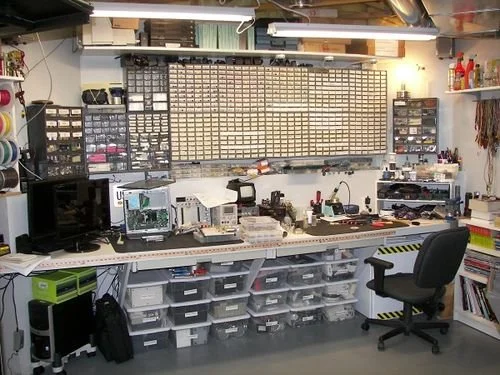
An example of this is a lab, also known as a laboratory, which is a term that refers to a room or other space designed for conducting experiments relating to science, like chemistry or physics.

Why Do People Set Up Garage Labs?

Some people might choose to set up a lab to teach their children about scientific concepts and conduct experiments. Others might choose to set up a lab because they want to change the world or make a discovery that will help not only themselves but people in their community or around the world.

Another great reason is that building a garage lab can be a fun and relatively inexpensive hobby that can provide hours of entertainment with a small amount of setup time. These are just a few of the many reasons why people set up science labs in their homes. 

Alternatives to the Garage 

If your home doesn't have a garage, there are many other places where a home lab could be placed, like a spare room or a guest bedroom that isn't used very often. If a guest does come over, the lab can simply be moved into a closet or another space until the room is available again.

If all else fails, even the kitchen table or a counter will probably work. The only real requirements are that the lab is out of the reach of unsupervised small children and that the lab won't disrupt the day-to-day functions of the home. Having a science experiment on the kitchen counter while someone tries to make dinner can be very inconvenient.

Setting Up Your Garage or Home Lab

Naturally, the first step in setting up a home lab will be choosing the location, which can be different based on the type of experiments you plan to conduct. If there's a chance it might have a bad smell, you might not want it in the kitchen, for example.

After choosing a location, the next step in setting up a home lab in the garage or another part of the house is getting the right equipment in the right place. Chemicals should be stored separately and in hard-to-reach locations, to avoid them being found by small children who could be seriously injured.

You'll also want plenty of tables or counter space, ideally enough to fit all the required materials in one location. Multiple surfaces can also be extremely helpful in specific situations. For example, if your experiments involve magnets, you might not want a metal table for the magnets to stick to - or maybe you do!

The lab room should also be well-lit and properly ventilated, especially if the experiments involve chemicals, smoke, smells, or anything else that could potentially be hazardous if it's spilled or inhaled.

Safety equipment, commonly called "personal protective equipment" or "PPE", is also a must. Everyone in the room should be wearing safety goggles, protective clothing or at least clothes that can get dirty (depending on the specific type of experiment being conducted), and gloves.

Another important consideration is access to water, especially if the experiment requires it or if harsh chemicals will be used that might need water to flush out the eyes if an accident happens. If there's no running water, empty two-liter soda bottles or a bucket can be used to store some.

Other than that, all you need are the materials necessary for your particular experiment, a plan as to what your experiment will demonstrate or accomplish, and proper safety measures in place to make sure everyone has fun while avoiding any injuries.

Final Thoughts

Garage labs can be a fun and exciting way to teach children about scientific concepts, test out a potential innovation to make your life easier, or even possibly change the world. They can be easily set up in almost any home or living space, whether it's the garage, a spare bedroom, or even the kitchen.

The most important thing to keep in mind when conducting experiments in the garage is that safety must always be the highest priority. Science can be fun and interesting but it can be dangerous or even deadly if proper precautions aren't taken in the laboratory.

Have fun, stay safe, and good luck!

Written by Taylor McKnight, Author for LOC Scientific

Designing Your Motorhome Interior for the Ultimate Travel Experience

RH Business Marketing Solutions

Embarking on a motorhome adventure is a dream come true for many travelers. The open road, the freedom to explore, and the comfort of a home on wheels create the perfect recipe for unforgettable journeys. To make your motorhome travel truly exceptional, it's essential to focus on interior design. This guide delves into the art of creating a motorhome interior that maximizes comfort, functionality, and style. Whether you're a seasoned road warrior or a novice explorer, these tips will help you elevate your motorhome experience.

Space Optimization

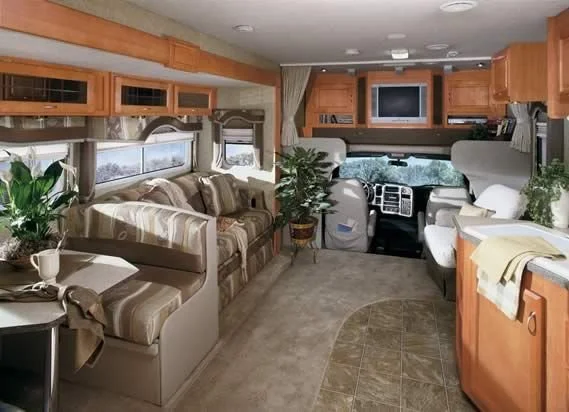
One of the key challenges in motorhome interior design is maximizing space. Start by selecting multifunctional furniture pieces that can serve multiple purposes. Murphy beds, convertible dinettes, and hidden storage compartments are excellent choices. Additionally, embrace vertical space with wall-mounted shelves and organizers. To create an open and airy feel, use light-colored cabinetry and mirrors to reflect light. By efficiently using every square inch, you'll have a more comfortable and spacious environment to enjoy while on the road.

Kitchen Bliss

The heart of any motorhome is its kitchen, where delicious meals are prepared. Equip your motorhome with a well-designed kitchen that caters to your culinary needs by investing in compact yet high-quality appliances like induction cooktops, convection microwaves, and pull-out pantries. You should also opt for durable and easy-to-clean materials for countertops and backsplashes. Consider adding a fold-out dining table to enjoy your meals with a view. A well-designed kitchen ensures that you can whip up gourmet meals even in the most remote locations.

Comfort and Coziness

Creating a warm and inviting ambiance in your motorhome is essential for an enjoyable journey. Choose comfortable seating and bedding options with memory foam mattresses and plush upholstery. Soft, warm colors and textiles like curtains, cushions, and rugs can add a cozy touch. Don't forget about temperature control. Invest in a reliable heating and cooling system to ensure comfort whenever you travel, and do plenty of checks to ensure that you are ready for all-weather motorhoming conditions. Personalize your space with decorative elements like artwork, throw pillows, and LED lighting to make it feel like home.

Efficient Use of Resources

Traveling in a motorhome requires careful management of resources such as water, electricity, and fuel. Consider installing water-saving fixtures and a high-capacity freshwater tank to extend your time off-grid. Solar panels and efficient battery systems can provide renewable energy to power your appliances and electronics. Implement smart energy management practices to reduce your environmental footprint and extend your boondocking capabilities. By prioritizing resource efficiency, you'll not only enhance your travel experience but also contribute to a more sustainable way of exploring the world in your motorhome.


Designing the perfect motorhome interior is a blend of creativity, functionality, and resource efficiency. You can transform your motorhome into a haven on wheels by optimizing space, creating a well-equipped kitchen, and prioritizing comfort and coziness. Efficient resource management, including water, electricity, and fuel, will extend your time off-grid and contribute to a more sustainable way of exploring the world in your motorhome. Remember, the goal is to make your motorhome travel experience as enjoyable and memorable as possible so you can focus on the breathtaking destinations and incredible adventures that await you on the open road.