Google+

contact us

Use the form on the right to contact us.

Day or Night, we are here to serve you. Leave your plumbing problem to us.


Tinley Park, IL

(708)845-7922

Residential and Commercial plumbers and plumbing contractors available in Orland Park, Tinley Park, Oak Lawn, Palos Heights, Midlothian, Oak Forest, Homer Glen, Mokena, Frankfort, and the surrounding Chicago South Suburbs. Emergency plumbers.

copper water lines.jpg

Kevin Szabo Jr Plumbing Blog

Kevin Szabo Jr Plumbing is Tinley Park, Orland Park, Oak Forest, Midlothian, Orland Hill, Homer Glen, Mokena, Frankfort, Crestwood, Palos Heights, Oak Lawn, local plumber. Read our blog for advice, tips, a good laugh, and basic home improvement.

**We are moving our old blog to our new and improved website. Too see all our posts visit kevinszabojrplumbing.blogspot.com

Running Plumbing to a Detached Commercial Garage: Considerations

RH Business Marketing Solutions

When managing a business from a detached commercial garage (such as an auto repair workshop or a pottery studio), running water can bring great convenience to such spaces. However, installing plumbing requires careful planning and understanding of the complexities involved.

Understanding Local Codes and Permits

Before starting, there are some things you'd better take care of in advance. Here are some helpful tips. 

  • Know your local codes 

  • Understand that different places have different rules

  • Get the right permits to avoid fines

  • Prevent problems later by complying with regulations

Statistics show that non-compliance can lead to financial losses. Penalties for failure to comply can range from a few hundred to thousands of dollars, according to HomeAdvisor.

Choosing the Right Professionals

When dealing with plumbing for a detached commercial garage (or any type of commercial plumbing for that matter), consider the following.

1. Avoiding DIY attempts

DIY solutions might seem attractive at the beginning, but they can often lead to unforeseen problems down the line. This not only ends up costing more in the long haul, but it may also lead to potential physical risks and property damage.

2. Dangers of Unqualified Assistance

Often, out of a desire to save money, it can be tempting to rely on inexperienced individuals. However, such a decision might end up costing you more in the long run due to inadequate or incorrect work.

3. Importance of Professional Experience

There's little substitute for professional, experienced plumbers when it comes to commercial projects. They possess specific expertise and know-how for each unique situation, ensuring the job is done right the first time.

4. Economic Advantage of Hiring Experts

Investing in expert plumbers can seem costly at first glance, but it provides substantial value in terms of quality, reliability, and the mitigation of potential risks.

The following data are part of the 2020 report by Angi, a trusted source for cost estimations of home service professionals.

  • The average cost of hiring a professional plumber lies between $45 and $200 per hour, depending on the complexity of the job.

  • This initial investment can save significant costs in future repairs and re-installations, providing a better return in the long run.

Thus, prudent decision-making in choosing the right professional can lead to exceptional results in your plumbing projects, effectively saving time, money, and unnecessary stress. Remember, smart investment can prevent significant headaches later.

Potential Legal Implications

Installing plumbing in your commercial garage might seem like a straightforward task, but you could find yourself in a legal labyrinth further down the road. Here are some things you should definitely keep in mind. 

  • Know your role: As the property owner, understanding your legal responsibilities is vital. Knowledge is power, and it can keep you out of trouble.

  • Transparent contracts: A well-drafted contract with your plumber that is unambiguous and specific can make all the difference. 

  • Disagreements: Should you encounter misunderstandings, these disputes can escalate to small claims court. In fact, small claims courts in the US are limited to civil cases with claim amounts under $10,000.

Keep an eye on these key points, and you'll be better equipped to handle any unforeseen legal issues that might surface during your plumbing project.

Cost and Material Considerations

When it comes to plumbing in your commercial garage, it's critical to be aware of the likely expenses that can crop up.

  • The cost of labor and materials is a given. Understanding the breakdown of these costs can help you manage your budget better.

  • Then, there are unexpected costs that sneak up on you. These are annoyances that can inflate your bill if you're not prepared.

You should also take into account that choosing the right materials that tailor-fit your needs can determine the overall longevity and functionality of your plumbing system.

  • PVC (Polyvinyl Chloride) is a popular choice because it's lightweight, cost-effective, and pretty straightforward to install. But, it lacks durability compared to its metal counterparts.

  • Copper is an ace player when it comes to strength and longevity. Added bonus: It resists corrosion. But, the fitting can be a bit of a challenge due to its price. Plus, its value often makes it a target for theft.

  • PEX (Cross-linked Polyethylene) is a malleable, leak-resistant option that's easy to install. However, PEX isn't fond of sunlight or UV rays, meaning it can't be exposed to these elements.

Interestingly, when it comes to pipes in residential homes, the usage is roughly around 45% Copper, 37% PEX, and 18% PVC. Choosing the right type for your space can significantly influence the ultimate cost and effectiveness of your plumbing system.

Maintenance and Future-proofing

New plumbing requires maintenance. Here is a checklist of things to keep in mind.

  • Use insulation to protect pipes from freezing

  • Create easy access points for potential repairs

  • Design the system to accommodate future expansions or upgrades

We recommend annual inspections of your plumbing system for proper maintenance.

Final thoughts

Proper planning is crucial for installing plumbing in your detached commercial garage. Adhere to local codes, hire experienced professionals, and maintain the system regularly. By doing so, you can avoid unforeseen troubles or costs and enjoy the convenience of running water in your garage-based business.

The Pros and Cons of Renting vs. Buying a Home

RH Business Marketing Solutions

The decision to rent or buy a home is one of the most significant financial choices an individual or family can make. It's a decision that affects not only your immediate living situation but also your long-term financial goals and stability. There are pros and cons to both renting and buying, and the right choice depends on various factors. To assist you in making an informed choice, we'll examine the benefits and drawbacks of each option in this post.

The Pros of Renting

Flexibility and Mobility

Flexibility is among the most important benefits of renting. Renting provides you with the freedom to move without the burden of selling a property. This is especially beneficial if you anticipate changes in your job, family situation, or if you simply enjoy exploring different neighborhoods.

Lower Upfront Costs

Compared to buying, renting often has fewer up-front fees. While buying a home often requires a substantial down payment and closing costs, renting usually only involves a security deposit and the first month's rent. This makes renting more accessible, particularly for those who may not have substantial savings.

Minimal Maintenance Responsibilities

You as a tenant are not responsible for major maintenance and repair costs. If a pipe bursts, the roof leaks, or the heating system breaks down, it's the landlord's responsibility to address these issues. This can provide peace of mind and save you from unexpected expenses.

 Access to Desirable Locations

Renting can grant you access to neighborhoods and areas that may be financially out of reach for homebuyers. If you've always dreamed of living in a trendy urban area or an upscale suburban community, renting can make that dream a reality without the high price tag of homeownership.

The Cons of Renting

 Lack of Equity Building

Perhaps the most significant downside to renting is that your monthly rent payments do not contribute to building equity or wealth over time. When you rent, you're essentially paying for someone else's investment, and you won't see a return on that investment.

 Rent Increases

Renters face the possibility of annual rent increases. Unlike homeowners with fixed mortgage payments, tenants may experience rising rents, making it challenging to maintain a stable budget. If rent becomes unaffordable, you may need to relocate.

Limited Control

As a renter, you have limited control over your living space. Lease agreements often restrict significant alterations or customizations. If you dream of renovating or customizing your home to suit your preferences, renting may not provide the creative freedom you desire.

The Pros of Buying

Equity and Wealth Building

One of the most compelling reasons to buy a home is the opportunity to build equity and accumulate wealth over time. When you make mortgage payments, you're not just covering the cost of housing; you're investing in an asset that can appreciate in value.

Stability and Control

Owning a home gives you security and control over your living environment. You can decorate, renovate, and personalize your home without needing permission from a landlord. This sense of permanence is particularly appealing to those looking to establish roots in a community.

Potential Tax Benefits

Homeownership can yield various tax benefits. In many countries, mortgage interest deductions and property tax deductions can reduce your overall tax liability, resulting in significant savings during tax season.

Property Appreciation

While the real estate market experiences fluctuations, properties in desirable locations tend to appreciate in value over the long term. This means that your investment in a home can yield substantial returns if you decide to sell in the future.

The Cons of Buying

High Upfront Costs

One of the primary barriers to homeownership is the high upfront costs. Unlike renting, which typically involves a security deposit and the first month's rent, buying a home requires a substantial down payment and additional closing costs. These costs can be daunting and require careful financial planning.

Maintenance and Repairs

All expenses for upkeep and repairs fall under the purview of the homeowner.  While this allows for customization and personalization, it also means that you are financially responsible when something goes wrong. From a leaking roof to a malfunctioning furnace, these expenses can add up.

Property Value Fluctuations

The real estate market is dynamic, and property values can rise or fall due to various factors. Economic conditions, neighborhood developments, and market trends can influence the value of your home. While there is potential for appreciation, there's also the possibility of depreciation, which can impact your overall wealth.

Ties to a Location

Homeownership can tie you to a location, potentially limiting your flexibility to move for career opportunities or lifestyle changes. Selling a home can be a time-consuming and complex process, and market conditions may not always be favorable when you decide to sell.

Financial Considerations

When comparing renting to buying, it's essential to consider the long-term financial implications. Renting is often seen as the more accessible option with lower initial costs. However, it's crucial to recognize that rent payments do not contribute to equity or wealth building. On the other hand, homeownership allows you to build equity over time through mortgage payments, and property values may be appreciated, increasing your overall net worth.

Another financial aspect to evaluate is the impact on your monthly budget. Rent payments tend to be more predictable, as they are typically fixed for the duration of the lease. In contrast, homeowners may face fluctuations in their monthly mortgage payments due to changes in interest rates or property taxes. It's crucial to assess how these financial aspects align with your budgetary needs and long-term financial goals.

Additionally, homeowners may benefit from various tax advantages, such as mortgage interest deductions and property tax deductions, which can reduce their overall tax liability. These potential savings can be a significant factor in the overall cost of homeownership.

Lifestyle Factors

The decision between renting and buying is not solely a financial one; lifestyle factors also play a crucial role. Consider your job stability and future plans. Are you likely to relocate for work or personal reasons in the near future, or do you desire a stable and permanent living situation?

Family size and future plans should also be taken into account. If you anticipate changes in your family structure, such as starting a family or becoming empty nesters, think about how your housing needs may evolve.

Furthermore, your personal priorities and aspirations should guide your decision. Do you value the creative freedom to customize your living space, or are you more focused on long-term financial security and wealth building? Your lifestyle preferences should align with the choices you make.

Market and Location Considerations

Real estate markets are not uniform; they vary from one location to another. Local market conditions can significantly impact the decision to rent or buy. Before making a choice, research the housing market in your desired location.

In some areas, it may make more financial sense to rent due to high property prices and low rental costs. In contrast, other markets may offer favorable conditions for buyers, such as affordable homes and low interest rates. Be sure to consider the current state of the market and how it aligns with your financial goals.

Location considerations also involve assessing the amenities and services available in a given area. Think about proximity to work, schools, public transportation, and other essential factors that impact your daily life.

Tips for Decision-Making

As we conclude this exploration, here are some valuable tips to guide your decision-making process:

Assess Your Financial Readiness: Take a close look at your savings, credit score, and ability to cover upfront costs.

Seek Professional Advice: Financial advisors and real estate experts can provide valuable insights and help you navigate the complexities of the housing market.

Evaluate Your Priorities: Consider whether you prioritize flexibility, wealth building, stability, or customization in your living situation.

Remember It's Not Set in Stone: The decision is not irreversible. You can rent for a period and transition to homeownership when your circumstances align better with that choice.

Conclusion

In conclusion, the decision to rent or buy a home is a significant and multifaceted one. Both options have their merits and drawbacks, and the right choice depends on your individual circumstances, financial goals, and lifestyle preferences.

Take the time to carefully evaluate your situation, seek advice when necessary, and remember that this decision is not one-size-fits-all. Whether you choose to rent or buy, make a choice that aligns with your long-term aspirations and ensures your financial well-being.

How to Choose the Best Plumbing Service for Your Home

RH Business Marketing Solutions

What is the most annoying problem that you face as a homeowner? That’s right. It is the plumbing issue.

Plumbing is perhaps the most important aspect of maintaining your property. Once something starts acting up, you have to take care of it at once. Not only is it inconvenient for the residents, but faulty plumbing can be a serious health hazard. Faulty plumbing can result in leakage, turning your property into a breeding ground for mold, viruses, mosquitoes, and other insects. All of this can pose a serious threat to your health and that of your loved ones’. In addition, ignoring plumbing issues can result in issues with your plumbing fixtures, such as leakage and low water pressure, compelling you to spend more money on your water bill. It will also cause your plumbing fixtures to wear out faster and damage your property in the long run.

This is common knowledge. The whole point of reiterating the obvious was just to emphasize the importance of plumbing maintenance. But here lies another critical question—whom should you trust with such an important job?

When it comes to selecting the right team to handle your plumbing needs, a name that stands out for its commitment to excellence is Clean Line Plumbing. With a reputation built on years of exemplary service, Clean Line Plumbing has proven itself as a reliable and skilled partner in plumbing maintenance. Their team of experienced professionals understands the intricacies of plumbing systems, ensuring that every issue is addressed promptly and efficiently.

Evidently, plumbing is a highly technical job. And given its importance to maintaining the health of your loved ones as well as your property, you cannot just pick a random person to take care of your plumbing system. You would want someone reliable, experienced, and, most importantly, skilled enough to do the job right. However, any plumber you contact will claim to be the best at the job. So, it is your duty to make sure that you are choosing the right company. But how do you do that?

This is exactly what this blog is going to help you with. Here you will find the best tips and guidance to choose the best plumbing company for your home and office. You will also learn about the different aspects that you should take into consideration while choosing a plumbing company. So, without wasting your valuable time, let’s jump right into the discussion.


What Services Can You Expect from A Plumbing Company?

Plumbing service is not just about fixing leaky pipes and changing fixtures. There are lots of other services you can expect from a good plumbing company. For example, you can hire a plumbing company to install water radiators, dishwashers, boilers, and other appliances. They can also help you with valve and toilet repairs. In addition, they offer renovation, maintenance, and repairs for drainage systems and sewage.

Some plumbing companies even offer more advanced services, such as pipe relining. In this process, they will help you fix leaky pipelines without digging up your backyard and removing the existing fixtures. They even use cutting-edge technology like CCTV cameras and robotic cutters to do this job.

Clearly, a qualified plumber can take care of several things for you. If you want the best results and the best value for your hard-earned money, make sure you are choosing the right person for the job.

Types of Plumbing Services

Different plumbing companies specialize in different areas of plumbing work. Therefore, to choose the best plumbing company, you first need to know what type of plumbing service you need.

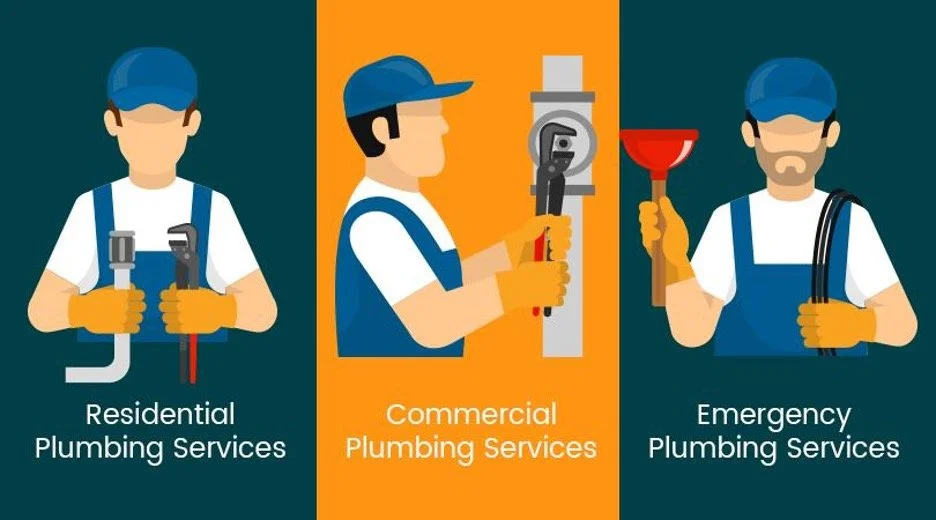
Plumbing services are generally classified into three categories:

Residential Plumbing Services

Most plumbing problems in residential buildings are caused by drainage obstructions, sewer line damage, and a lack of clean water. Plumbers providing home plumbing services mostly take care of these problems. They also offer pipe repair and installation services.

Residential plumbing services are further categorized into interior and exterior residential plumbing. However, most residential plumbers provide both types of services.

Some of the common plumbing services residential plumbers offer include:

●      Drain cleaning

●      Pipeline cleaning

●      Sewerage cleaning

●      Pipeline repair

●      Plumbing fixture repair

●      Maintenance of pipes, valves, and sewers

●      Water jet repair

●      Sewerage removal

●      Water softener, heater, and water filtration

●      Appliance (dishwasher, boiler, etc.) installation, maintenance, and repair

Commercial Plumbing Services

Commercial plumbers offer services mostly similar to home plumbing services, but for commercial properties. This requires techniques different from residential plumbing, mainly because, in some cases, commercial buildings use different plumbing systems than residential properties. For example, black iron pipes are often used in establishments like hotels to encourage better trade. In addition, commercial plumbers use more advanced equipment, such as rooters, robotic cutters, closed-circuit cameras, hydrojets, etc. Commercial properties may often face more extensive and unique plumbing issues as they have more users than residential properties. Therefore, it is important to choose the right plumber who has sufficient experience and skills to handle such issues.

Emergency Plumbing Services

Plumbing problems may occur at any time, be it in your home or office building. In that case, you may need a proper plumbing technician, even at odd hours. This is what emergency plumbing service companies offer their customers. As the name suggests, they are available 24/7 to diagnose and fix the problem efficiently and quickly, minimizing further damage and downtime. 

The first rule of choosing the right plumbing service provider is, therefore, to know what kind of plumbing problem you have. A residential plumber may not be able to diagnose complex issues in a commercial building. Similarly, you cannot expect a regular plumbing company to send a technician to your house without a prior appointment. In that case, you will need to contact an emergency plumbing service provider.

So, make sure you identify the problem properly and find out who provides the best service in that category.

Tips to Choose the Right Plumber

No matter what kind of plumbing service you need, chances are you will find several plumbing companies when you start looking for one. A simple search of “plumber near me” will yield at least hundreds of results. And all of them will describe themselves as the best in the area. To make sure you actually choose the best, here are some important things you must consider before you hire them.

1.   Licensure and Accreditation

Most states and cities require their plumbers to have proper licensure and certification. So, check if your chosen plumber fulfills that criterion before you hire them. Even if it is not a legal requirement in your area, it never hurts to get a licensed plumber to do the job, as they have proven recognition in terms of skills and experience.

2.   Experience

A reputable plumbing company should have several years of experience. The longer they have been in the trade, the more likely it is that they will provide quality service. Therefore, it is always advisable to go for the one that has more years up their sleeves in comparison to some plumbing company that has just begun, unless the latter has some rave reviews or offers some unique service that might benefit you.

3.   Warranty and Insurances

Unskilled or poor workmanship may result in property damage. In the event of an injury or damage to your property, the plumber should be covered by the necessary insurance and prepared to handle the situation.

4.   Reviews and Testimonials

Perhaps the best way to find out whether a plumbing company is reliable and efficient is to check out their reviews. You can go to online business listing sites like Yelp and find out what other customers are saying about them. There, you can find people who actually used their services. You can also visit their website and check out customer testimonials. But beware of companies that use fake testimonials to attract customers.

5.   Cost

One of the most important aspects to consider before hiring a plumbing company is their cost. Different plumbers may charge differently for the same job. Before you hire them, make sure their cost fits your budget. You should ask for a quote or an estimate before you hire them to get a clear understanding of what the service might cost you. But sometimes, premiere plumbing companies charge more than local competitors. In that case, you might make some compromises to get the best services.

6.   Tools and Equipment

Plumbing is a highly technical job that requires the right tools and equipment to get the job done perfectly. With the advent of modern technology, tools and equipment have also improved a lot. So when you hire a plumber, you might ask them what kind of plumbing tools they use. It is not advisable to go with a plumbing company that still uses outdated technology. 

In addition, plumbing companies that use advanced business software tools are preferable. Those who employ digital tools like plumbing business software or CRM software are likely to provide more efficient service and a better overall customer experience.

Final Thoughts

When you have a plumbing problem, selecting the right provider may not be at the top of your priority list. You're probably more concerned with getting the problem resolved as soon as possible at a reasonable cost. However, choosing the correct plumbing services for your home is not something you should take lightly. If you choose to work with a reputable plumbing service, chances are they will provide a long-term solution to your issue that is well within your budget. Not to mention that the transaction will be more enjoyable and operate more smoothly.

So, the next time you need a plumber, make sure you choose the best available in your area. Just follow the tips mentioned above, and you are most likely to get the best experience, as well as the best post-sales care for your plumbing system.


Author Bio:

My world is made up of codes. It is the central element that drives my universe. I am a self-taught, process-driven programmer with a creative bent of mind. Since I was an engineering student, I dreamt of creating something unique. To satiate my creative appetite, I took to coding. Blessed with abundant support and generous scholarships from my employers, I simultaneously worked full-time and pursued my dream. My passion and high productivity helped me in my journey as well. Finally, I created Field Promax to follow my drive of coding and streamlining processes; and do more of what I know best—coding.

Fireplace Revamp: Transforming Your Hearth for a Cozy Fall Ambiance

RH Business Marketing Solutions

Revamping your fireplace for a cozy fall ambiance is a fantastic idea to create a warm and inviting atmosphere in your home. Here are some steps and ideas to help you transform your hearth:

  1. Clean and Prepare: Start by thoroughly cleaning your fireplace, removing any ashes, soot, and debris. A clean fireplace is essential for a fresh start. Make sure the chimney is clear and functioning properly if you have one.

  2. Choose a Theme or Style: Decide on the theme or style you want to achieve. Are you aiming for a rustic cabin feel, a modern autumn look, or something else? This will guide your choices in terms of decor, colors, and materials.

  3. Mantel Makeover: If you have a mantel, consider giving it a makeover. You can repaint or stain it to match your chosen theme. Add decorative elements like fall garlands, faux pumpkins, and autumn foliage to create an inviting focal point.

  4. Paint or Reface the Fireplace: If your fireplace surround is outdated or doesn't match your desired style, consider giving it a fresh coat of paint or refacing it with stone, tile, or wood panels. This can instantly transform the look of your fireplace.

  5. Add Accent Tiles: If you're looking for a subtle change, consider adding accent tiles around the fireplace. Choose tiles that evoke fall vibes, such as earthy tones, warm oranges, and deep reds.

  6. Install a New Hearth: If your hearth is looking worn or outdated, consider replacing it with a new one. A stone hearth can add a rustic touch, while a sleek tile hearth can bring in a modern feel.

  7. Decorate the Surrounding Area: Enhance the cozy ambiance by decorating the area around the fireplace. Place plush throw blankets, comfy pillows, and soft rugs nearby to create a comfortable seating area. Consider using fall-themed fabrics and textures.

  8. Lighting Matters: Install soft lighting around the fireplace area. You can use table lamps, floor lamps, or even string lights to add a warm and inviting glow.

  9. Accessorize with Autumn Decor: Embrace fall with seasonal decor such as pumpkins, gourds, pinecones, acorns, and dried cornstalks. Arrange them artfully on the mantel, hearth, and surrounding areas.

  10. Incorporate Natural Elements: Bring the outdoors inside by incorporating natural elements like branches, leaves, and twigs. A decorative birch log bundle next to the fireplace can add a touch of rustic charm.

  11. Scented Candles and Potpourri: Use scented candles or simmer potpourri on the mantel to infuse the area with the delightful aromas of cinnamon, apple, and spices.

  12. Cozy Seating: Arrange comfortable seating around the fireplace, such as plush armchairs or floor cushions. This encourages relaxation and warmth during chilly fall evenings.

  13. Fall Artwork and Prints: Hang autumn-themed artwork, prints, or mirrors above the fireplace to further enhance the seasonal aesthetic.

  14. Fireplace Screen and Tools: If you have a wood-burning fireplace, consider upgrading your fireplace screen and tools. Choose ones that align with your new design and provide both functionality and aesthetics.

Remember, the key to a successful fireplace revamp is creating a cohesive and inviting space that reflects the cozy and welcoming spirit of fall. Experiment with textures, colors, and elements that resonate with you and your desired ambiance.

Tips & Tricks for Giving Your Home a Moroccan-Style Vibe

RH Business Marketing Solutions

Home furnishings decorated in the Moroccan style radiate a vibrant combination of hues, patterns, and textures that transport you to the mysticism of North Africa. This intricate design approach comprises vibrant colors, intricate geometric motifs, and opulent textiles. Your home can be instantly transformed into an exotic haven by adding Moroccan style to it. By incorporating these ideas and techniques, you can design a refuge with Moroccan influences that radiate coziness, grace, and appeal.

1.    Embrace Vibrant Color Palettes

Morocco's bustling marketplaces and sun-drenched landscapes provide a wealth of ideas for the exotic and vivid color palette used in traditional Moroccan interior design, which is widely known for its striking appearance. Imagine colors such as the rich blues of the Mediterranean Sea, the flaming reds of desert sunsets, and the earthy terracotta that mimics the clay buildings. To fully embrace this aesthetic, you should decorate your home with furniture, fabrics, and accessories that feature these colors. You can instantly infuse your area with Moroccan charm by adding richly-hued pillows, curtains, and carpets. These decorative elements capture the essence of the culture's enthusiasm for vibrant colors.

2.    Adorn with Intricate Patterns

Moroccan design is known for its geometric patterns, which capture the intricate details of Islamic art and architecture. Use intricate textiles, carved wooden furniture, and mosaic tiles to incorporate these patterns into your decor. Layering textiles with various patterns, such as paisley prints and geometric patterns, creates a visually appealing and genuine Moroccan ambiance. A magnificent centerpiece that grounds the space with cultural allure can be a tapestry with intricate patterns or a rug in the Moroccan style.

3.    Luxurious Fabrics for Drapery and Upholstery

Luxurious materials are essential to Moroccan interior design. The tactile richness of silk, velvet, and satin enhances the room's splendor. Consider dressing your windows with flowing drapes made of plush materials with elaborate needlework or tassels. Choose comfortable, elegant sitting with upholstered furniture and luxurious cushions. The opulent materials are incorporated seamlessly, heightening the sensory experience of your Moroccan-inspired sanctuary.

4.    Intricately Carved Furniture and Accents

Its elaborate carvings and meticulous construction distinguish Moroccan furniture. Add decorative wooden screens, hand-carved tables, and brass lamps to your decor to give your home a truly Moroccan feel. These items not only convey a feeling of history and artistry, but they also conjure up the atmosphere of classic Moroccan riads. A true link to Moroccan culture and style can be achieved by using these touches.

5.    Warmth of Moroccan Lighting

Moroccan interior design depends heavily on the interaction of light. A magical environment is produced by lanterns and lamps with elaborate metalwork casting beautiful patterns on the walls and ceilings. Include wall sconces, floor lamps, and pendant lights with intricate filigree motifs. A classic Moroccan courtyard can be reached in an instant due to the warm glow of these luminaries, which also conveys a sense of tranquility and cultural depth.

6.    Showcasing Moroccan Art and Artifacts

Consider adding genuine works of art and artifacts to achieve an authentically Moroccan look. Installing traditional Moroccan tapestries, or kilims, on your walls will imbue your home with the region's handicrafts. You could showcase hand-painted tiles, elegant ceramic plates, or brass trays as attention-grabbing focal points. You can look online to find Moroccan home décor that you like. Not only do these sculptures contribute to the overall design, but they also tell stories about the legacy and craftsmanship of the Moroccan culture.

7.    Create Cozy Lounge Areas

Moroccan interior design pays a lot of attention to making comfortable rooms for unwinding and mingling. Set aside inviting lounge areas with luxurious furniture and low-lying tables. Create a cozy conversation area by positioning floor cushions and poufs around a central coffee table. To improve these places' comfort and aesthetic appeal, incorporate colorful linens and ornamental cushions. This promotes a more connected and communal way of life, similar to Moroccan culture.

Conclusion

Bright colors, elaborate patterns, plush textiles, and cultural objects must all be carefully incorporated into your space to create a Moroccan-inspired sanctuary. By implementing these suggestions and tactics, you can give your living area an alluring appeal. Each component works together to produce a setting that captures the rich cultural legacy of Morocco, from the cozy warmth of elaborate lanterns to the extravagant beauty of carved furniture. As you begin this design adventure, keep in mind that Moroccan design is not just about décor but also a means to immerse yourself in the vibrant culture of North Africa without leaving the comfort of your own home.

Guest Contributor: Hannah Boothe

Warm and Inviting: How to Choose the Perfect Fall Color Palette for Your Home

RH Business Marketing Solutions

Choosing the perfect fall color palette for your home can create a warm and inviting atmosphere that reflects the cozy and comforting feelings of the season. Here are some steps and tips to help you select the right colors for your fall-inspired home decor:

1. Draw Inspiration from Nature:

Fall is known for its beautiful foliage, so take cues from the changing leaves, pumpkins, and other natural elements. Earthy tones like rich oranges, warm yellows, deep reds, and rustic browns can form the foundation of your color palette.

2. Consider Your Existing Décor:

Take a look at your current furnishings and decor items. Choose colors that complement your existing pieces. If you have neutral furniture, incorporating bold fall colors as accents can create a stunning contrast.

3. Start with a Base Color:

Choose a neutral color as your base, such as warm beige, soft taupe, or deep chocolate brown. This will provide a balanced backdrop for your chosen fall colors to shine.

4. Embrace Warm Tones:

Warm tones are the essence of fall. Incorporate shades like burnt orange, mustard yellow, and deep maroon for a cozy and inviting ambiance.

Source: Shegaveitago

5. Use Accents Thoughtfully:

While incorporating bold fall colors can be exciting, it's important not to overdo it. Use these colors as accents through decorative pillows, throws, artwork, and smaller decor items. This prevents the space from feeling overwhelming.

6. Balance with Neutrals:

Neutral tones like creamy whites, soft grays, and earthy tans can help balance out the vibrancy of fall colors. These neutrals create a harmonious blend and prevent the space from feeling too busy.

7. Explore Different Shades:

Don't limit yourself to just one shade of each fall color. Experiment with various shades and tones to create depth and visual interest. For example, mix lighter and darker shades of orange and brown.

8. Harmonize with Your Home's Architecture:

Consider your home's architectural elements, such as wood finishes, stone accents, and flooring. Ensure your chosen color palette complements these features.

9. Test Paint Samples:

If you're considering painting walls, it's a good idea to test out paint samples first. Paint a small section of your wall with the color you're considering to see how it looks in different lighting conditions.

10. Create a Mood Board:

Gather paint swatches, fabric samples, images from magazines, and other inspiration materials to create a mood board. This will help you visualize how different colors and textures work together.

11. Pay Attention to Lighting:

Lighting can greatly affect how colors appear in a room. Consider both natural and artificial lighting when choosing your color palette. Test your chosen colors under different lighting conditions.

12. Personalize with Metallics:

Adding metallic accents like bronze, copper, or gold can elevate your fall color palette. These tones add a touch of glamour and warmth.

13. Don't Forget about Greenery:

Incorporate some green elements to balance out the warm fall colors. Houseplants or decorative wreaths with green foliage can provide a refreshing contrast.

14. Create Cohesion:

Ensure that the colors you choose flow seamlessly from room to room. This creates a cohesive and harmonious feel throughout your home.

Remember, the goal is to create a space that feels comfortable and inviting to you and your family. Your personal preferences and style should be at the forefront of your decisions. Take your time, experiment with different combinations, and enjoy the process of transforming your home into a cozy fall retreat.

The Texas Security Deposit Law: What Landlords Should Know

RH Business Marketing Solutions

Greetings, property moguls and real estate aficionados! Today's expedition into the realm of property management takes us straight to the heart of tenant-landlord dynamics: the Texas Security Deposit Law. This is no ordinary legal jargon – it's your key to maintaining harmonious landlord-tenant relationships while safeguarding your investment. Whether you're a seasoned property pro or a fresh face in the field, mastering the ins and outs of this law is a non-negotiable step toward becoming a property management powerhouse. So, grab your metaphorical magnifying glass as we unravel the mysteries of the Texas Security Deposit Law together.


1. Purpose and Limitations of Security Deposits

Security deposits are intended to safeguard landlords against potential damages or unpaid rent at the end of a lease. In Texas, there are no legal limits on the amount landlords can charge as a security deposit. However, it's crucial to strike a balance between protecting your property and not burdening tenants unfairly.


2. Written Notice and Itemized List

Within 30 days of a tenant's move-out, landlords must provide a written notice along with an itemized list of deductions from the security deposit. This notice should be sent to the tenant's forwarding address and must include details about any withheld amounts and the reasons for the deductions.


3. Normal Wear and Tear vs. Damages

It's vital to distinguish between normal wear and tear and damages caused by tenants. Normal wear and tear includes minor deterioration that occurs naturally over time, such as scuffed paint or faded carpets. Landlords cannot deduct costs for these from the security deposit.


4. Deposit Refund Timeline 

Texas landlord-tenant law requires landlords to refund the security deposit within 30 days after the tenant vacates the property, assuming no deductions are made. If deductions are taken, the remaining deposit, along with an itemized list of deductions, must be provided within this timeframe.


5. Walk-Through Inspections

While not mandatory, conducting a walk-through inspection with the tenant before move-out can help establish the property's condition. This can prevent misunderstandings about damages and deductions later on. However, tenants have the right to decline participating in such inspections.


6. Deductions and Documentation

Landlords can deduct from the security deposit for unpaid rent, damages beyond normal wear and tear, and cleaning costs. Each deduction must be supported by receipts and documentation, which should be included in the itemized list provided to the tenant.


7. Security Deposit Disputes

In the event of a dispute over deductions or the return of the security deposit, both landlords and tenants have the option to pursue legal action in small claims court. This is why maintaining clear and thorough records of the property's condition before and after the tenancy is crucial.


8. Failure to Comply

If a landlord fails to adhere to the Texas Security Deposit Law, they could be held liable for up to three times the wrongfully withheld amount, plus attorney's fees. It's in both parties' best interest to follow the law meticulously to avoid unnecessary conflicts and legal repercussions.

9. Alternative Options: Surety Bonds

In Texas, landlords have the option to use a surety bond as an alternative to collecting a traditional security deposit. Surety bonds provide a way to cover potential damages without requiring tenants to provide a lump-sum payment upfront. However, this option requires careful consideration and clear communication with tenants.


Conclusion

As the curtains draw close on our exploration of the Texas Security Deposit Law, remember that knowledge is your most potent tool in the realm of property management. By embracing the intricacies of this law, you've elevated yourself from a mere landlord to a guardian of fairness and compliance. As you venture forth in your property management journey, armed with an understanding of security deposits, deductions, and tenant-landlord harmony, rest assured that you're setting the stage for a successful and ethically sound rental experience. Here's to informed decisions, thriving properties, and the dynamic world of property management that you're poised to conquer. Happy managing!

Guest Contributor: Amelia Brown

Building Your Real Estate Empire With the BRRRR Strategy

RH Business Marketing Solutions

Navigating the labyrinth of real estate investment can be daunting, but with the right strategy, it can be rewarding. One highly effective and scalable strategy is BRRRR (Buy, Rehab, Rent, Refinance, Repeat). This approach can yield significant returns if you're willing to learn its ins and outs. Let's unpack the elements of this method and how they can boost your real estate investment game.

Spotting Diamonds in the Rough

The heartbeat of the BRRRR strategy lies in uncovering undervalued properties. These are not just cheap properties; they are hidden gems that promise to increase in value over time. These properties provide an opportunity for substantial appreciation, whether it's due to location, renovation potential, or market trends. Investing in such properties can be a game-changer for your financial future.

Focusing on Emerging Neighborhoods

To find these hidden gems, consider looking at emerging neighborhoods. These are areas on the verge of development or gentrification. As popularity and infrastructure in these areas improve, so does the value of properties. A savvy investor who gets in early can witness the organic growth of their property's value. Additionally, investing in emerging neighborhoods can provide opportunities for diverse and vibrant communities to flourish.

Understanding Local Real Estate Dynamics

A successful BRRRR strategy requires a deep understanding of the local real estate market. Knowledge of market trends can help predict price changes and inform decisions about when to rent or sell your refurbished properties. It also aids in spotting promising up-and-coming neighborhoods. Additionally, staying informed about local regulations and tax incentives can further maximize your investment returns.

Renovating Strategically

Rehabilitating the property is a crucial stage in the BRRRR strategy. The aim is to increase property value without breaking the bank. Focus on high-impact improvements like structural repairs and kitchen or bathroom updates. These strategic renovations can speed up the selling or renting process and maximize your returns. Remember, investing time and effort into the right improvements will pay off in the long run.

Enhancing Property Value

Consider additional upgrades to enhance property value beyond essential repairs and updates. Aesthetic improvements such as fresh paint, landscaping, or modern fixtures can make your property stand out. Draw inspiration from this interior design resource to create a home that potential tenants or buyers can imagine themselves in. Don't forget to declutter and create a welcoming atmosphere that leaves a lasting impression.

Managing Budget and Timelines

Staying on top of your budget and timeline is vital for maintaining profitability in the real estate industry. While unexpected costs and delays are common, careful planning and management can minimize their impact. Discipline and adherence to your budget and timeline are key to keeping your project on track. Effective communication with stakeholders can also help mitigate risks and ensure successful project delivery.

Showcasing Your Success

Once the property is renovated, it's time to attract potential tenants or buyers. This is where your marketing skills come into play. Professional photography, effective staging, and compelling property descriptions can showcase your property in the best possible light and attract interest. Additionally, utilizing targeted online advertising campaigns can help reach a wider audience and increase visibility.

Crafting a Marketing Brochure

To attract high-quality tenants, equip yourself with a comprehensive brochure showcasing your property and customizing promotional materials. Highlight property features, local amenities, rental terms, and other information that might appeal to potential tenants. The more transparent and detailed you are, the easier it is for potential tenants to see the value of your property. Additionally, consider including testimonials from previous tenants to further build trust and credibility.

The BRRRR strategy can be a potent tool for wealth creation in real estate investment. It hinges on smart property selection, effective rehabbing, a keen understanding of the market, and top-notch marketing skills. With careful execution, this strategy can deliver impressive returns and pave the way to your investment success. Remember, real estate investing is more akin to a marathon than a sprint – take the time to understand, plan, and execute each step of the BRRRR strategy meticulously.

Guest Contributor: Sarah Velasquez

Smart Living, Smart Renovations: The Future of Home Improvement Apps

RH Business Marketing Solutions

Any home improvement or renovation project is a daunting task as it requires proper planning as well as execution. Fortunately, in this digital transformation era, where technology is constantly revolutionizing, mobile apps make the home improvement process a lot simpler. These app development software applications help to transform rooms, kitchens, and other spaces with just a few clicks. 

To make home improvement apps more futuristic & efficient, every mobile app development company starts incorporating the latest features and technologies that lead to highly immersive user experiences and seamless operations. In this blog, we are going to discuss advanced features of home improvement applications and their examples. Let’s get started. 

1. Augmented Reality & Virtual Reality integration

AR and VR is the modern technology that plays a big role in revolutionizing the entire mobile app development market. Integrating this technology into home improvement apps allows you to visualize your fully-furnished bedroom or kitchen before lifting hammers. Along with the virtual elements, the AR/VR integrated feature also offers an immersive experience to the app users. 

With these apps, you can easily check how furniture will fit into your room, how the decoration will enhance your kitchen space, how the paint will look on your walls, etc. As the AR/VR technology continues to grow, mobile app development companies create home improvement applications with more detailed and realistic features. 

2. AI integration for personalized recommendations

Artificial Intelligence is one of the key players in several domains, so home improvement & renovation is no exception. From design elements to materials, developers can integrate AI algorithms into home improvement app development software applications to deliver personalized recommendations to every user.

AI-driven apps can seamlessly user preferences and budget constraints to suggest relevant house renovation ideas that perfectly align with the user expectations. Apart from that, artificial intelligence also offers valuable insights into the feasibility of multiple projects that help users prevent common mistakes. In addition, these applications provide real-time pricing data as well as availability updates that lead to streamlined procurement processes.

With a present valuation of over 200 billion US dollars, the artificial intelligence business is poised for a significant revolution. It is anticipated to soar to an astounding two trillion US dollars by 2030, a tenfold rise in value. Six out of ten business executives are enthusiastically adopting generative AI in the midst of this AI revolution and intend to start pilot projects or incorporate it into their operations by 2024. Customers are still uneasy, though, with 70% of them voicing worries about companies utilizing AI, especially when it comes to product descriptions and reviews (sixty percent). Notwithstanding these misgivings, businesses are beginning to see the promise of AI across a range of industries; 56% of them are using it in customer service, and 51% are using it in cybersecurity and fraud management.

3. Smart home integration for smooth automation

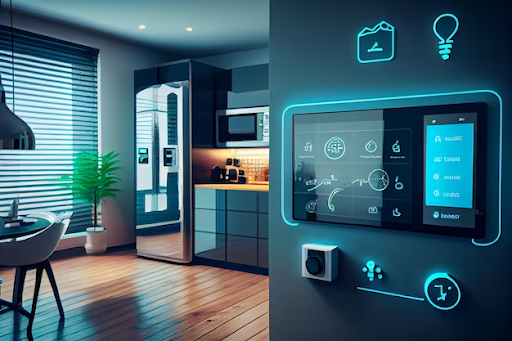
In recent years, smart home automation has gained a huge momentum as many households are adopting fully connected devices that provide energy efficiency, improved security, and convenience. Smart home improvement applications play a big role in incorporating intelligent automation technologies into house renovation projects.

For instance, if you want to install automated blinds, intelligent sound systems, or lighting, smart home integration will help you in many ways. Sophisticated apps not only help you choose the right options but also create a unique automation system operated from just one interface. This makes smart home improvement more accessible and helps to manage complex operations easily.

4. Communication and collaboration enhancements

Home improvement projects usually involve different stakeholders such as homeowners, architects, designers, contractors, etc. Transparent communication & collaboration are important to ensure that everybody is on the same path throughout the home renovation project. According to mobile app development services providers, advanced home improvement applications offer excellent collaboration features to streamline communication among everyone involved in the project. 

These apps are designed to enable instant messaging, file-sharing capabilities, and real-time updates. For example, with these apps users can smoothly upload progress images, share design ideas, and directly interact with contractors. This improved communication leads to faster decision-making, fewer misunderstandings, and successful home renovation projects.

5. Eco-friendly & sustainability solutions

As sustainability & environmental concerns effectively change consumer preferences, the future of home renovation applications is likely to incorporate a focus on eco-friendly mobile app development services. These apps make users environmentally conscious while choosing materials, appliances, and technologies for their home improvement. 

Apart from that, eco-friendly applications also provide real-time information on incentives, tax credits, and rebates for sustainable house renovations and improvements. Users can easily access information on the environmental impact that allows them to make well-informed decisions aligning with their core values.

5 best home renovation apps you must know

Whether you are planning for a complete home renovation or need to add small adjustments, these futuristic home improvement apps will meet all your expectations. 

1. Houzz: This is one of the popular apps designed for overall home renovation and interior design ideas. It offers high-quality images, and inspiration for several home renovation projects. Users can easily browse through several styles, save their preferred images, and connect with interior designers and professionals for expert assistance and suggestions. 

2. Houzz Pro: The Houzz Pro application is specially designed for home improvement professionals. It offers tools for client communication, project management, business growth, etc. With this application, house design experts and professionals can build 3D visualizations, estimate the overall costs of project development, and seamlessly collaborate with potential clients.

3. Magicplan: Magicplan is another popular application that allows you to create precise floor plans by taking pictures easily with any smartphone device. This app is extremely helpful for visualizing your space & effectively planning your home renovation projects. With the Magicplan app, you can build intuitive virtual floor plans by using the smartphone's camera. Moreover, this app also allows you to sketch your ideas smoothly.

4. Paint Tester: Paint Tester allows users to select the best paint option for house walls and also allows them to visualize diverse color shades in the space. As a user, you can easily upload images of your room and paint the walls digitally to see how they look. 

Final words

No doubt, intelligent home improvement applications have brought a number of possibilities. From AI-driven recommendations to AR/VR simulations, these mobile app development solutions are set to revolutionize the way people approach home improvement projects. With the integration of smart features and technologies, these applications help homeowners turn their dream home into reality.

How to Prolong the Lifetime of Tools & Other Equipment

RH Business Marketing Solutions

Tools and equipment are very valuable assets that often require large financial expenditures. Saving money is just one benefit of ensuring their lifespan; improving their productivity and efficiency are also important factors. A tool that has been properly maintained not only has a longer lifespan but also carries out its intended purpose with greater efficiency. This manual elucidates the procedures that must be taken to improve the longevity of tools and other pieces of equipment.

Ways for Preserving Your Equipment and Tools for Longer Use

Regular Cleaning is Paramount

Tool durability and performance suffer greatly when dirt, grit, and grime are exposed. Rust and corrosion form on uncleaned and moist metal instruments, reducing their usefulness and shelf life. Accumulated dirt can obstruct vents, which can cause electrical devices to overheat and malfunction. Maintaining the effectiveness of your instruments requires regular cleaning after each use, which is for more than simply hygiene. The instrument's integrity must be maintained, and accidental damage avoided at all costs; thus, choosing the right cleaning solutions and techniques is essential.

Storage Solutions Matter

How tools and equipment are kept in storage has a major impact on how long they last and how well they function. Many instruments can be damaged by being left out in the sun or exposed to dampness, so keeping them in a dry, cold area is essential. Toolboxes, cabinets, and specialty racks are all good options for storing tools safely and neatly out of the way. Temperature variations are harmful to battery health. Therefore, it's best to keep battery-powered devices in a temperature-controlled environment. The tools will last longer and be in top shape whenever they are required if they are stored properly.

Routine Maintenance Checks

Checking up on tools and machinery regularly is a preventative measure that ensures they stay in top shape. Lubricating moving parts regularly lowers friction and wear, and tightening any loose components helps avoid breakdowns in operation. Precision measuring and cutting instruments need regular calibration to maintain their accuracy. Power-dependent devices should have their cables checked for damage, batteries tested, and motors checked for proper operation regularly. These preventative maintenance inspections keep the equipment running well, protect users from harm, and save money on repairs.

Organizers and Separators for Tools & Equipment

Prolonging the lifetime of tools and equipment involves more than maintenance; it's about smart storage too. Incorporating organizers and separators can significantly contribute to longevity. By employing truck tool box accessories, such as compartmentalized trays and foam dividers, you can keep tools neatly arranged and well-protected during storage and transportation. This minimizes friction, impact, and exposure to elements, reducing wear and tear. Organizers also facilitate quick visual identification, preventing unnecessary handling and potential damage. By integrating these solutions into your maintenance routine, you optimize efficiency and ensure your tools and equipment remain reliable and functional over the long haul.

Stay Updated with Manufacturer Guidelines

Manufacturers often spend considerable time and energy researching the best ways to care for their items and then offering in-depth instructions. The purpose of these rules is to maximize the equipment's useful life and performance. Following these guidelines will assure the tool's or equipment's continued optimal performance and safety and increase its lifespan. Additionally, staying informed about manufacturer updates is crucial. This practice guarantees that consumers are always utilizing the most current and secure version of the product, thanks to the swift management of recalls, updates, or upgrades.

Training and Proper Handling

It is essential to teach people how to use things safely and effectively if you want them to last. Individuals can save money and time by properly caring for their equipment and avoiding careless actions like dropping or abusing them. The tool and the user's safety depend on proper maintenance and appropriate protective gear while working with potentially hazardous materials. In-depth training sessions can teach workers how to use and care for each device properly. Tools are more likely to be kept in good working order for longer if their users are properly trained to recognize and avoid accidentally damaging them.

Conclusion

A combination of careful maintenance, sensible operation, and well-informed choices may help extend the useful life of tools and machinery. It goes beyond simple upkeep; it's about safeguarding the value and usefulness that these instruments provide to the activities that are being carried out. Individuals and companies may guarantee that their tools continue to be functional and efficient by adopting the tactics mentioned above, providing many advantages in terms of both their productivity and their cost-effectiveness.

Guest Contributor: Stephanie Snyder