Google+

contact us

Use the form on the right to contact us.

Day or Night, we are here to serve you. Leave your plumbing problem to us.


Tinley Park, IL

(708)845-7922

Residential and Commercial plumbers and plumbing contractors available in Orland Park, Tinley Park, Oak Lawn, Palos Heights, Midlothian, Oak Forest, Homer Glen, Mokena, Frankfort, and the surrounding Chicago South Suburbs. Emergency plumbers.

copper water lines.jpg

Kevin Szabo Jr Plumbing Blog

Kevin Szabo Jr Plumbing is Tinley Park, Orland Park, Oak Forest, Midlothian, Orland Hill, Homer Glen, Mokena, Frankfort, Crestwood, Palos Heights, Oak Lawn, local plumber. Read our blog for advice, tips, a good laugh, and basic home improvement.

**We are moving our old blog to our new and improved website. Too see all our posts visit kevinszabojrplumbing.blogspot.com

6 Considerations Before Starting a Major Home Remodel

RH Business Marketing Solutions

Remodeling your home can be an exciting and rewarding process, but it is important to do your research and carefully weigh the pros and cons before embarking on a major project. Before you begin, here are six considerations that will help you determine if a major remodel is right for you. Weighing these factors can help you make an informed decision about the scope and cost of the renovation. Also, be sure to consult a professional contractor who can help you make a plan. So let’s get started!

1. Prioritize Your Needs

Every homeowner wants to create their dream space, but not all goals are realistic or even necessary. Prioritizing your needs will help you focus on the features that are most important to you while leaving out those that may be more of a luxury. Make a list of must-have features and rank them according to their importance so that you can make the best use of your budget. If you need to fix or replace your roof, that should be at the top of your list. Additionally, think about the long-term value of each feature before making a financial commitment. This will help you avoid overspending on features that will not increase the value of your home.

2. Consider the Cost

After you’ve prioritized your needs, you can start to think about the cost. The total cost of a remodel depends on many factors such as the materials used, the labor involved, and other additional expenses like permits. Research these costs in advance so that you have an idea of what to expect before starting the project. Additionally, make sure that you include a line item in your budget for unexpected expenses that may come up.

3. Assess Your Timeline

Once you’ve considered the cost, assess how much time you have to dedicate to the project. If you’re looking for a quick fix, then there are certain projects that can be completed quickly and with minimal disruption. However, if you want a full remodel or an extensive renovation, then it is important to factor in extra time for planning and construction.

4. Review Local Regulations

Each city has its own laws and regulations regarding remodeling projects so it is important to review any local ordinances before beginning work on a major remodel. This includes permits and other documents that must be filed before construction begins. Additionally, you may want to check with your homeowner’s association if you live in a regulated community.

5. Think About Resale Value

If you are planning to sell your home one day, then it is important to consider how the remodeling project will affect its resale value. While certain features can increase the value of your home, others may not recoup their costs when it comes time to list your property. Do some research on comparable homes in your area so that you have a good sense of which projects make financial sense and which don’t.

6. Hire Professionals

When it comes to major remodels, it is best to leave the work to the professionals. Not only will a contractor help with the planning and coordination of the project, but they can also ensure that all safety regulations are met. Additionally, they can offer advice on materials and design so that you get the best possible outcome for your investment. For example, a contractor may suggest high-quality materials that will last longer and require less maintenance in the long run. Or, if your budget is limited, they can suggest cost-effective alternatives that still offer a great look.

Extra Tip: Don’t Forget About the Insurance

Even if you hire a contractor, it is important to check that they have the proper insurance coverage. This will help protect your home in case something goes wrong during the renovation process. Additionally, some states require contractors to carry certain forms of insurance, so make sure to ask for proof before hiring someone. Furthermore, if you plan to do any of the work yourself, check that your own homeowner’s insurance covers any accidents or damages that may occur. This will give you peace of mind throughout the project and help ensure that your remodel goes as smoothly as possible. Finally, be sure to review your policy periodically so that you have the coverage you need in case of any unexpected repairs or replacements.

Remodeling your home is an exciting undertaking, but it is important to do your research before taking on such a large project. Prioritizing your needs, assessing the cost and timeline, reviewing local regulations, considering resale value, and hiring professionals are all important steps in ensuring that you get the most out of your renovation. Good luck!


Home Improvement 101: When Does A Knock Down Rebuild Make Sense

RH Business Marketing Solutions

A perfect home grows with you. As you live in it, you can improve your lifestyle and accommodate your needs. Sometimes, simple repairs and renovation might work. However, a knockdown rebuild makes significant layout and structural design changes more straightforward. 

A knockdown rebuild is an excellent option for homeowners looking for a long-term solution. It involves total demolition of the existing home to build a new one from scratch, allowing more design and construction method flexibility. 

If you're planning a significant home improvement, a knockdown rebuild makes sense when: 

1. Your Home Has Structural Issues 

Structural issues are common in old homes. A house eventually weakens due to a lack of maintenance or weather damage. While renovating it might work, a knockdown rebuild is more practical. 

The knock down rebuild process involves designing a more robust and long-lasting structure with the help of professional builders. Unlike renovation, rebuilding from scratch can prevent repeated repairs. Experts will use new building materials to create a home that withstands time and extreme weather conditions. 

Knockdown rebuild is also an excellent solution for water-damaged homes. Water damage causes severe structural issues that may not be visible. In some cases, it looks like superficial cosmetic damage. Therefore, hiring a professional for a complete house inspection is best. 

2. You Want To Change The Floor Plan 

Buying a home allows minor changes, such as re-arranging furniture, building new walls, or changing floors. However, renovation is often limited to cosmetic transformations. If you want to change the floor plan to increase efficiency, a knockdown rebuild makes more sense. 

Rebuilding a new home allows you to customize the floor plan according to your needs and preferences. When you hire a trusted knockdown rebuild company for this project, you can collaborate with their architects and designers to bring your visions to life. You can personalize every room to ensure it suits your lifestyle. 

3. You Love Your Location 

Some may struggle with finding a perfect home in their dream location. However, some have already settled in an ideal neighborhood but need help creating an efficient house. While moving is a good option, some may find it stressful and more expensive. 

A knockdown rebuild allows you to enjoy living in a brand-new house while staying in your beloved neighborhood. It offers the comfort of skipping the hassles of moving and adjusting to a new community. It allows you to cherish your ideal location and create more meaningful experiences in a place that feels like home. 

4. You Want A Modern Design 

An old home has its charm. However, some old properties might need to blend in with modern features you want to add, like solar panels or a rain collection system. One of the best solutions is knocking down the old structure to build a new and efficient one. 

Knockdown rebuild companies offer various modern house design options. They may build one from their catalog or create a brand-new one according to your taste.

5. You Need To Future-Proof Your Home 

A home that is functional adapts to your changing needs as you move ahead in life. When an individual's lifestyle alters, they may feel their current residence no longer suits them. While moving to a new house may seem like the best option, opting for a knockdown rebuild is a better alternative.

Rebuilding a brand-new home from scratch allows you to plan for the future. You can make adjustments to suit your lifestyle. You can make a house larger or smaller, even build a multiple-story structure, or use sustainable materials to minimize your carbon footprint. 

A knockdown rebuild lets you future-proof your new home. You may include multifunctional and convertible rooms to fit your needs. You may also talk to your builder about allowing flexibility for future expansion. 

6. You Need To Expand Floor Space 

As you upgrade your lifestyle and your family grows, you'll need a larger floor space to accommodate your needs. While a simple house expansion might work, the room you can add is limited. In this case, a knockdown rebuild makes a wiser choice. 

A knockdown rebuild allows you to create a larger, more functional home. Depending on your local code, you can build multiple stories to add more rooms while maintaining a large yard area. Since you're building from scratch, you can maximize your lot to construct the most spacious house possible. 

7. You Want To Maximize Your Budget 

Some homeowners are skeptical about a knockdown rebuild project since it may seem more expensive than renovations. While it may require a higher upfront cost, it's a wise investment for your property. 

A knockdown rebuild allows you to construct a brand-new and stronger home. While the initial budget may be high, you can save more in the long run. You can skip the extra expenses on frequent repairs and renovation projects. Plus, a modern structure significantly increases property value. 

Conclusion 

A knockdown rebuild can provide practical solutions to make home living more convenient and efficient. It's the perfect choice for homeowners looking forward to a significant lifestyle upgrade while staying in a place they cherish.


How to aware your kid's to be safe from electrical circuits

RH Business Marketing Solutions

As an adult, you definitely won’t stick a finger or fork into your electrical outlet, straighten your hair while sitting in a bathtub or blow dry your hair in front of the heater. Obviously, this knowledge does not come naturally to you; you learn it as you grow.

But your curious child may mistakenly fall in danger for fun. According to reports, 2,400 children in the US are treated for electrical outlet injuries yearly.

That’s why you must teach your kids electrical circuit safety tips. If you wonder how to do so, don’t worry. Here in this article, we’ll discuss how to aware your kid’s to be safe from electrical circuits.

Electrical accidents are a leading cause of injury and death in the United States. Children are especially at risk due to their curiosity and tendency to touch and play with electrical devices.

Furthermore, electrical accidents can occur in various settings, including homes, schools, and public places, so it's essential to be aware of the risks and take precautions to prevent them. Several measures of electrical safety for kids are suggested to reduce the risk of electrical accidents.

Here are some tips to help keep your kids safe from electrical accidents:

1.   Keep electrical appliances away from water

Using electrical devices near water can lead to many electrical accidents. So, you must teach your kid that water conducts electricity and it is dangerous to use devices near water suppliers.

It can include plugging hair appliances into bathroom outlets, charging tablets, or using a blow dryer near the bathtub.

The use of electrical devices near water increases the chance of electrocution. Water and electricity do not mix, and the combination can result in a serious shock or even death.

For these reasons, it is essential to avoid using electrical devices near water and to follow the manufacturer's instructions and safety guidelines when using these devices.

2.   Don't touch electrical outlets with wet hands

As said earlier, water carries electricity, and touching electrical outlets with wet hands is dangerous. Tell your child that when electricity and water are mixed, it will be a dangerous combination.

Today’s kids are so obsessed with mobile phones. So, even after they come from a shower, they will plug in the charger if their phone's battery is dead. And it can cause an electrical shock. Further, the area of high risk are hairdryers, toasters, blenders, power tools, and smart devices.

Furthermore, make your kid understand if the device makes noises, lights up, or moves; it must be kept away from water. When children find an electrical device in the water, make sure they alert an adult and never attempt to retrieve it on their own.

3.    Don't insert any object into electrical outlets

Kids can’t resist electrical outlets. Their curiosity often leads them to stick their fingers, fork tines, or keys into electrical outlets, which can cause an electric shock to them.

So, make your childproof by covering the unused plugs. You can place plastic covers to shield the unused outlets. However, they can pull the cover out. That’s why you must educate your child not to insert any object into the electrical outlets for extra safety.

But if you are still furious, you can close the outlets covered with furniture.

4.   Don't touch electrical wires or appliances with bare hands

Touching electrical wires or appliances with bare hands can be very dangerous and can result in electric shock or electrocution, sometimes even death. It's essential always to follow proper safety precautions when working with or near electrical equipment.  

And your children may not understand the dangers of electricity and may touch electrical wires or appliances without realizing the risk. So parents or caregivers must closely supervise them around electrical sources and teach them how to touch the wires.

5.   Don't play with electrical appliances

Electric appliances are not a thing that can be played with. They are very dangerous. But children have the habit of carrying everything and playing with it.


So, your children can unknowingly play with home electrical appliances, which can cause electric shock, burns, and heart problems. The electric current should not be used as a toy.

Since children's hearts are still developing, they are more susceptible to irregular heartbeats and cardiac arrests. And when the current passes through the child’s body, it can cause several unbearable burns.

That’s why you avoid the risk of an electric accident by teaching your children not to play with electrical appliances.

How to Teach Electrical Safety to Kids?

Most importantly, you must not frighten your children. Instead, you should teach your children to respect electricity. Electricity itself is not dangerous, but if you use it carelessly, it might harm you. So teach them how to use use it.

1.   Simple and age-appropriate explanations

Your child is not mature enough to understand the details of circuit breakers and GFIs (ground fault circuit interrupters). However, they can learn basic things. So, teach them simple and age-appropriate explanations.

You can set some simple ground rules to ensure their safety at home or while playing outside.

●      Don’t use electrical appliances by the sink, pool, bathtub, or other wet areas.

●      Not to play around with outdoor transformer boxes.

●      Ask parents before using electrical devices or unplugging anything.

●      Never touch the electrical equipment with wet hands.

●      Never insert objects into outlets.

●      Keeps electronics away from water.

●      It’s not good to fly kites, throw ropes, or climb trees near power lines.


2.   Role-playing activities

Teaching kids electrical safety can be exciting and engaging through role-playing activities. It’s because children love to ask how-to and why questions.

By incorporating role-playing activities into your electrical safety lessons, you can help kids understand and remember the importance of electrical safety in a fun and engaging way.

Here are some ideas for role-play activities that will help you teach kids electrical safety.

Safety Games

You can make interactive games that teach electrical safety to your children, like the game "What's Wrong with This Picture?" that allows them to identify and correct various electrical hazards in the room.

“What If” Scenario

Give your kids different scenarios where they come in contact with electrical appliances or equipment, and ask them what they would do in each situation.

Ask them to imagine each situation and then only reply. For example, What if you see a frayed electrical cord?” or “If the heater is smoking, what should you do?”

Safety Inspectors

You should divide your kids and other members into teams and tell them to act as safety inspectors. Here your children can use their brains, and you can see their understanding of electric appliances. Children can check the frayed cords, misplaced electrical equipment, or overloaded outlets.

3.   Visual aids (e.g., videos, images, and illustrations)

You can find abundant resources on the internet that will help teach your kids about electric safety practices. When you use visual aids, your children are more likely to understand and retain what they learn.

Search for the best videos on youtube or infographics on google related to electrical hazards and how electrical works. Sit down with your children together and play the video. It will also keep them informed about the science lesson.

There are many games available online that teach kids about electrical safety in a fun and interactive way. For example, you can play games that test kids' knowledge of electrical safety or games that teach them about the dangers of electrical shock.

4.   Hands-on activities (e.g., visiting a power plant or electrical museum)

You can teach electrical safety to your kids through hands-on activities in an exciting way. Take your child to a power plant or electrical museum. This is an excellent opportunity for kids to learn about electrical safety from professionals in the field. Your children can see real-life examples of electrical equipment.

So, if possible, you can organize a field trip to an electrical substation. In this way, your children can learn about the different types of electrical equipment and how they work and get a first-hand understanding of the importance of electrical safety. Further, they can learn how electricity is transmitted, generated, and distributed.

Common Electrical Hazards and How to Avoid Them

Lightning, low-voltage, and high-voltage electrocution are all relatively common forms of mechanical trauma. Mortality and morbidity rates are high for electrical injuries. There are almost no electrical injuries that aren't accidental or preventable.

In addition to immediate death, electrical injuries may cause multiple organ and tissue dysfunctions.

Some of the common electrical hazards that pose a risk to people and their property are electrocution, fire, burns, overloading, improper wiring, shock hazards, equipment malfunction, etc.

1.   Electrical fires

Electrical fires are the most common source of electrical hazards, which can be very dangerous and can result in significant property damage.

2.   Electrocution

Electrocution is a serious and often fatal hazard that can occur when a person comes into direct contact with a live electric wire.

3.   Electrical shock

Touching live electrical equipment or wire can result in electric shock, which can cause serious injury or even death.

4.   Electrical burn

Burns are a common hazard associated with electrical shock and can be caused by direct contact with live electrical wires or equipment.

How to prevent electrical hazards?

There are several steps you can take to prevent electrical hazards and ensure electrical safety in your home or workplace:

  1. Ensure that all electrical equipment you use, such as appliances, cords, and power strips, is in good working order and meets safety standards.

  2. Regular electrical equipment inspections can help identify any potential hazards, such as frayed wires, damaged plugs, or worn insulation.

  3. Overloading electrical outlets can create a fire hazard, so it's important to avoid plugging too many devices into a single outlet.

  4. Surge protectors can help to protect your electrical devices from power surges that can cause damage or create a fire hazard.

  5. Water and electricity can be dangerous, so it's important to avoid using electrical equipment in areas where it may come into contact with water.

  6. GFCIs are special electrical outlets that can detect electrical imbalances and quickly shut off power to prevent electric shock or electrocution.

  7. If you need to make any changes or repairs to your electrical system, it's important to hire a licensed electrician who is trained to work safely with electricity.

Conclusion

Parents restrict their children from using the gas or knife until they educate them on how to use it properly. Similarly to that, they must be careful with the electrical appliance.

Simply plugging in or unplugging an electrical cord carries the risk of electric shock. And if they touch the metal parts of a plug, a short circuit can occur and cause painful shock.

The main thing you can do to minimize hazards is to childproof your home. Place the electric devices somewhere they can’t find or touch.

You can cover your unused power outlets and prevent your children from sticking to their fingers, tongue, or other objects. Follow the tips mentioned above to keep your kids safe from electrical circuits.

Guest Contributor: Sophia

Key Considerations With Bathroom Renovations

RH Business Marketing Solutions

Planning on renovating your bathroom? This is one of the best upgrades that you can make to your home because it can simultaneously improve both your home and life. Additionally, a new bathroom can also add a lot of value to a property and make it more appealing to potential buyers should you ever decide to sell.

The bathroom is a space that can become worn, dingy, and unappealing over time, so looking to renovate this area could revitalize the space and make it somewhere that you are not embarrassed about when guests come over. There is a lot to think about with this project, though, so here are a few key considerations.


Budget & Financing

First, there are substantial financial considerations. The bathroom may be a small space, but renovation projects can be expensive when you consider the materials and labor. Therefore, it is a good idea to establish how much you are happy to spend on your bathroom renovation project beforehand, to prevent costs from spiraling. You also need to think about how you are going to pay for the work, whether this is savings, a credit card, a bank loan, or an equity release, just to name a few options.


Style

You also want to establish what overall style you want early on, because this will impact every decision that you make as the build progresses. There are many kinds of different styles to choose from these days, including:

-   Minimalist

-   Modern

-   Traditional

-   Tropical

-   Rustic

-   Scandinavian

-   Farmhouse

-   Industrial

It is worth spending some time exploring these different styles and then choosing one that you like the look of, which will suit the style of your house and will be a good fit for the space that you have for the bathroom.


Layout

It is also essential to take time and consider the layout. Keeping in mind, that if you want to change the placement of plumbing fixtures like the toilet, sink, or shower, this will create a lot more work and cost more money.


Choosing A Company

Renovating the bathroom is a job that is best completed by professionals. You want to use a professional company that will be able to design the best space and carry out all of the work for you. This will ensure that the end product is of the highest standard and gives you a lot less to worry about. Additionally, when it comes to things like plumbing and electrics, it’s actually illegal to perfom many of these works yourself, so it’s always best to leave this to the pros. Therefore, you want to find a company that specializes in renovating these types of areas. You should research options online, see customer reviews and compare quotes before making a decision.


Ventilation

One important factor which is often overlooked when designing a bathroom is ventilation. As bathrooms have components that provide running water and steam, it’s important to have sufficient ventilation to prevent mold and mildew growth, so you ideally need to have windows/skylights and/or a ventilation fan installed.


These are a few of the key considerations to keep in mind with a bathroom renovation project. A bathroom renovation can improve your home and life as well as add value, but these are also projects that can be complex and require careful planning.

5 Simple Solutions to Consider If Your AC Isn't Working Properly

RH Business Marketing Solutions

Summer is here, and with it comes the heat. As temperatures rise, it's important to make sure your air conditioning is working properly so that your home stays cool and comfortable. Unfortunately, at times, your AC may not work as it should. While this can be a cause for concern, there are a few simple solutions to consider that may help get your AC up and running again. Whether you're a DIYer or a homeowner looking for help from a professional, this easy-to-follow guide provides five simple solutions to consider if your AC isn't working properly. From inspecting the air filter to checking the thermostat, you'll learn how to troubleshoot and fix your AC in no time. So, don't let a malfunctioning AC ruin your summer. Follow this guide and get your AC back in working order so that you can stay cool and comfortable.

Inspect the Air Filter

The air filter located on the exterior of your unit is designed to remove dust and dirt from the air flowing into your home. When it begins to get dirty, your AC is getting blocked, causing your unit to work harder to cool your home. So, if your air filter is dirty, take a look at it to ensure that it's clean. Clean your air filter on a regular basis so that it can continue to remove air pollutants for you.

How to Clean an Air Filter

Pull up your air filter and clean it with a clean cloth so that dust particles are removed from the filter. Rinse your filter with water so that any remaining dust particles are removed. The more often you clean your air filter, the longer your filter will last. If your air filter is blocked, your AC unit will work harder to keep your home cool, which could lead to increased energy costs. The filter will also become less efficient over time.

Check the Thermostat

Your air conditioner is equipped with an electronic controller that is capable of balancing the temperature in your home. Every time you press the AC button on your remote, this controller receives the signal, which triggers your unit to kick on or off. However, if your remote isn't working, then the controller isn't receiving the signal. To check if the thermostat is malfunctioning, turn your AC off and check the wall socket that the remote is connected to. If it’s working, then the thermostat is likely not functioning.

How to Test a Wall Socket

Turn your AC unit off and unplug it from the wall socket. Turn the wall socket that’s connected to your unit’s air conditioner switch to “off.” If it stays on, then the socket is receiving power. Now, unplug your unit from the wall socket and turn it back on.

Check the Condenser Unit

The condenser unit located at the bottom of your air conditioner absorbs and temporarily stores heat. This is what makes your air conditioner work. If the condenser is damaged, it won't be able to absorb heat as efficiently, which means that your AC unit will work at a slower pace. The condenser unit will also be prone to clogging, which could result in it overheating and becoming damaged.

How to Check the Condenser Unit

Turn off your unit and unplug it from the wall socket. Next, remove the grille covering your unit on the exterior, so that you can check the unit’s interior components. Next, remove the unit’s fan by loosening the screws holding it in place. Now, using a screwdriver, remove the dust sleeve covering the unit’s motor so that you can see inside the unit.

Check the Refrigerant Lines

Your air conditioner is connected to the refrigerant lines located inside your unit. As your air conditioner compresses the refrigerant, it creates cold air, which is then evenly distributed throughout your home. If any of these lines become damaged or blocked, your air conditioner will work at a slower pace and could even cause your unit to overheat.

How to Check the Refrigerant Lines

Turn off your AC unit and unplug it from the wall socket. Next, use a flashlight to check the inside of your unit for any signs of damage. If you notice any broken or damaged lines, take immediate action to unclog the line so that your unit can get back up and running again.

Consider Professional Help

If none of these solutions work, then you may need to call a professional. Air conditioners are complex pieces of machinery that can break down for several reasons. When your unit isn’t working, you may notice a decrease in the temperature in your home. This could be a sign that your unit isn’t functioning properly. However, if the temperature is too low, it could be a sign that your unit is running too slowly and isn’t cooling your home properly. In this case, it’s best to call a home air conditioner repair technician to inspect your unit and get it back up and running as soon as possible.

Bottom Line

All homeowners know how important it is to have an air conditioner in their homes. However, it’s also important to check your unit once in a while and make sure it’s working properly. Follow these five easy steps to check your AC and get it back up and running as soon as possible.

Guest Contributor: Samantha Higgins

Sani Sticks: The Solution to Clogs and Odors in Kitchen Sinks

RH Business Marketing Solutions

If you're tired of dealing with clogged kitchen sinks and unpleasant odors, Sani Sticks could be the solution you've been looking for. These small, cylindrical sticks are designed to break down food particles, grease, and other debris that can cause clogs and odors in your sink. In this article, we'll introduce you to Sani Sticks and explain how they work.

What are Sani Sticks?

Sani Sticks are small sticks made of natural enzymes that are designed to prevent clogs and eliminate odors in your sink. When you place a Sani Stick in your sink, it starts dissolving and releasing its enzymes, which break down food particles, grease, and other debris. This prevents the buildup of material in your sink and keeps it clean and odor-free.

SaniSticks - How Do They Work? 

Sani Sticks work by breaking down the organic material that accumulates in your sink. The enzymes in the stick are activated by water, and they start breaking down the material. Over time, the enzymes dissolve the material, preventing it from accumulating and causing clogs. The sticks also release a fresh scent as they dissolve, eliminating any unpleasant odors in your sink. With regular use, Sani Sticks can keep your sink clean and odor-free.

Can You Use Sani Sticks With A Garbage Disposal?

Yes, Sanisticks also work with garbage disposals. Although garbage disposals can break down food waste, they may not be perfect, and larger pieces of food can still get stuck in the disposal, leading to clogs and odors. Sani Sticks can help break down those food particles and keep your disposal running smoothly. Plus, the enzymes in Sani Sticks can help control odors, which can be a major problem with garbage disposals. To use a Sani Stick in your garbage disposal, simply drop one stick into the disposal and turn on the water.

Sanistick Safety

Yes, Sani Sticks are safe to use in your kitchen sink. They are made of natural enzymes that are safe for your plumbing system and the environment. The sticks are also safe to use with septic tanks.

How to use Sani Sticks

Using Sani Sticks is easy. Simply place one stick in your sink each month, and let it dissolve over time. The stick will start working as soon as it comes in contact with water. You can also use Sani Sticks in other drains, such as your bathtub or shower, to prevent clogs and eliminate odors.

Sani Sticks Compared To Other Drain Cleaners

Sani Sticks are designed for regular maintenance, rather than for serious clogs. If you have a stubborn blockage in your drain, you may need something stronger than Sani Sticks to get the job done. However, for general maintenance, Sani Sticks can be a great option. They slowly dissolve over time and release enzymes that break down food, hair, and other organic matter that can build up in your drain. This can help prevent clogs and keep your drain smelling fresh.

One advantage of Sani Sticks over other drain cleaners is that they are easy to use. You simply insert the stick into your drain and let it do its thing. There's no need to measure out chemicals or worry about splashing anything on your skin. Another advantage is that Sani Sticks are relatively safe for your plumbing. They are made with natural enzymes and are free from harsh chemicals that can damage pipes or septic systems. However, it's still a good idea to follow the instructions and use Sani Sticks as directed. If you’re unsure of which drain cleaner or unclogger is right for you, check out this guide on Sani Sticks compared to other drain cleaners. It is important to choose the right product for your issue - Sani Sticks are best for clog prevention and odor elimination but won’t do much to unclog an already blocked drain.

Frequently Asked Questions 

What are Sani Sticks, and how do they work?

Sani Sticks are small, lemon-scented sticks that are designed to be placed in your drain. They slowly dissolve and release powerful enzymes that break down grease, hair, and other debris that can cause buildup and odor. The enzymes work to break down the organic material that has built up in your drain, leaving your pipes clean and free-flowing.

How often should I use Sani Sticks?

It's recommended to use one Sani Stick per drain per month. This will help prevent buildup and keep your pipes flowing smoothly. Using them too frequently could cause damage to your pipes, so it's best to stick to the recommended usage.

Are Sani Sticks safe for all types of pipes?

Sani Sticks are safe for use in all types of pipes, including PVC, copper, and iron pipes. They won't corrode or harm your pipes, making them a safe option for keeping your drains clean and odor-free.

Can Sani Sticks help prevent clogs?

Yes, using Sani Sticks regularly can help prevent clogs from forming in your pipes. By breaking down hair, grease, and other debris that can cause clogs, they help keep your drains free-flowing and prevent the need for costly and inconvenient plumbing repairs.

Are Sani Sticks environmentally friendly?

Sani Sticks are made from all-natural, non-toxic ingredients and are safe for the environment. They are also packaged in recyclable materials, making them a great choice for eco-conscious consumers.


In conclusion, Sani Sticks are an effective and easy-to-use solution for keeping your drains clean and odor-free. By using them regularly, you can prevent clogs and avoid the need for expensive plumbing repairs. They are safe for all types of pipes and are environmentally friendly, making them a great choice for anyone looking for a hassle-free way to maintain their plumbing system.


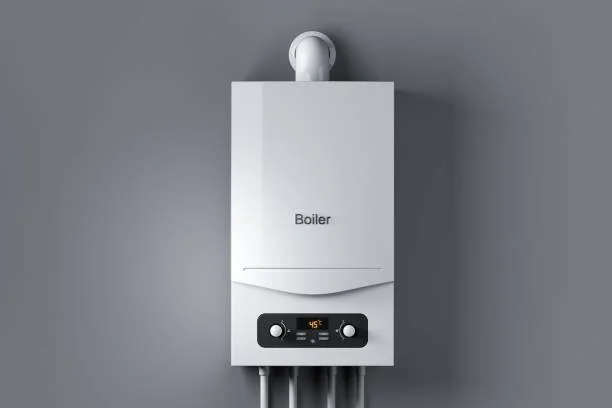
What are the best types of gas boilers?

RH Business Marketing Solutions

There is no single "best" type of boiler that is suitable for every situation, as the choice of boiler will depend on a range of factors, such as the size and layout of your home, your hot water and heating requirements, and your budget. However, here is a brief overview of some of the most common types of boilers and their characteristics:

Combi boilers

A combination boiler, or "combi" boiler, is a compact unit that combines a central heating boiler and a high-efficiency water heater in one. Combi boilers are typically more energy-efficient than other types of boilers, as they heat water on demand and don't require a separate water storage tank. 

Combi boilers are often a good choice for smaller homes with fewer occupants and are available in a wide range of models and outputs. Take a look at some fo the best combi boilers here as reviewed by Boiler Central.  

System boilers

 A system boiler works in conjunction with a separate hot water storage tank to provide hot water and central heating. System boilers are often a good choice for larger homes with higher hot water demand, as they can provide hot water to multiple outlets at the same time.

Conventional boilers

A conventional boiler, also known as a regular or traditional boiler, requires a separate hot water storage tank and is often used in older homes. Conventional boilers can be less energy-efficient than other types of boilers, but they may be a good choice for larger homes with high hot water demand.

Heat-only boilers

A heat-only boiler, also known as a regular or traditional boiler, provides central heating but requires a separate hot water storage tank. Heat-only boilers are often a good choice for homes with multiple bathrooms and high hot water demand.

When choosing a boiler, it's important to consider factors such as the size and layout of your home, your hot water and heating requirements, and your budget, and to consult with a qualified heating engineer or plumber who can help you make an informed decision.

Additionally, choosing a high-efficiency boiler and ensuring that it is properly installed and maintained can help you save money on your energy bills and reduce your carbon footprint.

What are the alternatives to gas boilers?

here are a number of alternatives to gas boilers for home heating and hot water. Here are a few of the most common options:

  • Heat pumps: Heat pumps use electricity to extract heat from the air or ground and transfer it to your home, providing both heating and hot water. Heat pumps are highly efficient and can be used in both new and existing homes, but they can be expensive to install.

  • Biomass boilers: Biomass boilers burn wood pellets, logs, or other organic materials to provide heating and hot water. Biomass boilers can be a sustainable and cost-effective option for homes with access to a local source of wood fuel.

  • Solar thermal systems: Solar thermal systems use energy from the sun to heat water, which can be used for heating and hot water. Solar thermal systems are a renewable and environmentally friendly option, but they can be expensive to install and are most effective in areas with high levels of sunshine.

  • District heating systems: District heating systems use a central boiler or other heat source to provide heating and hot water to multiple homes or buildings. District heating systems can be highly efficient and can use a range of low-carbon heat sources, such as geothermal, biomass, or waste heat.

  • Electric boilers: Electric boilers use electricity to provide heating and hot water, making them a potentially clean and efficient option if your electricity comes from renewable sources. However, they can be expensive to run if your electricity comes from fossil fuels.

It's important to consider the suitability, costs, and efficiency of each alternative when choosing a heating system for your home. A qualified heating engineer or plumber can help you assess the best options for your specific needs and circumstances.

Questions to Ask During a Plumbing Inspection

RH Business Marketing Solutions

In order to take full advantage of it, you need to know what questions to ask during a plumbing inspection! We are here to provide you with them, as well as explain why they are essential.


Are there any obvious problems you can spot?

The first of the questions to ask during a plumbing inspection should always be this. If a professional plumber or plumbing inspector can just walk into a home and immediately notice glaring issues, then you should walk away from purchasing the property. Or, if you own it already, seriously consider moving while the repairs are going on. Glaring issues with plumbing are never cheap or easy to fix, and they tend to take forever. Note that just because the answer to this question is no doesn’t mean there won’t be any serious problems uncovered later on during the inspection!

You can also ask about the quality of the home’s fixtures.

Is the water pressure okay?

The water pressure of a home can reveal a lot about the state of its plumbing. A home with low water pressure is very likely to have one of several serious problems. Chief among them is leaking or broken pipes. You might also have roots growing in your pipes, serious clogs, a problem with the main water line connection, or a host of other troubles. This is always one of the questions to ask during a plumbing inspection, even if you’ve lived in the house for a while, because bad water pressure can ‘sneak up’ on you. The decrease is often gradual, which means you might not even notice it is happening.

Pay attention to dripping faucets, too!

Are there problems with the drainage speed?

Similar to the previous question, drainage speed problems can be difficult to detect. An outside, professional observer will be able to reliably tell you whether there’s a problem with your drains. Slow drainage speed can be caused by a number of underlying issues, including clogs, problems with the sewage line, or even badly installed plumbing. Note that this can reveal some of the most serious problems with your plumbing. Even clogs, if not treated quickly and properly, can cause bigger issues such as sewage backup. And even the drains outside your home should be inspected! Having to figure out what to do when stormwater drains get blocked during winter is not very pleasant.


Is there a high level of humidity in the house?

There is a number of things that could be affecting the humidity in your home. Most, if not all, are unpleasant and need to be addressed. Of course, the biggest fear among all of them are leaks and burst pipes. Especially since smaller leaks can go undetected for a long time while dealing a lot of damage to your home, the longer a leak like that goes undetected, the more expensive the repairs will eventually be.


Are the pipes looking good?

It takes a lot of effort to inspect pipes thoroughly, but you should insist on it and pay the fees your plumbing inspector asks for, even if you incur additional costs! This is because the condition of a house’s pipes dictates whether it’s a good purchase. Whether you are buying or selling, this is invaluable information. Even if you are planning to continue living in a home, you still want to be properly informed since pipes whose condition is disregarded can cause some expensive problems down the line. Interestingly enough, if you are thinking about moving within the same street you currently live in, this is good information to have. It can indicate the condition of the plumbing in the entire block, and you needn’t bother learning how to pack for a move across the street and make your packing efficient if the answer you get is “no!”

You can also consult about the time it takes to fix the fixes.

What’s the condition of the water heater like?

Your plumbing inspector will also typically be able to provide you info on the condition of the water heater. This is definitely one of the questions to ask during a plumbing inspection considering the cost of replacing a water heater. Of course, a much bigger concern is electricity potentially mixing with water if your plumbing inspector uncovers serious faults in your water heater. In that case, it’s always better to quickly eat the costs and move on.


Is the home connected to the municipal sewer line or a septic system?

We can’t understate how important it is to include this among the questions to ask during a plumbing inspection. Just assuming a home is connected to the municipal sewer line leads to some nasty consequences. Mostly in the form of sewage backup and literal puddles of nastiness forming in your lawn if the septic system is not routinely emptied and maintained. If you’ve never lived in a home with a septic system, it’s best to pass on purchasing one with it.


Are there signs of water damage in the house?

Water damage often has an obvious source: leaks. Even if the leaks have all been patched up, this reveals an important piece of info about the property. That its plumbing isn’t in great condition; once pipes start leaking in a home, you can always expect the incident to repeat due to the aging of the plumbing system. You’d either have to replace it entirely or play to keep up with the maintenance.


What will the repair costs be like?

The final question to ask during a plumbing inspection should always be what it’d cost to fix every problem uncovered. Whether you live in the house or are thinking about buying it, the usefulness of this information is obvious. It also helps that a qualified plumbing inspector will always be able to offer you insight into the maintenance and remodeling of a home’s plumbing system. So, take full advantage of their expertise!


For a safe and inexpensive home to maintain

You need to leverage the questions to ask during a plumbing inspection in order to ascertain the home’s condition properly. If you notice a lot of negative feedback, nine times out of ten, you will regret purchasing that property. And if the property is yours already, you can, unfortunately, expect a hefty bill to get it all sorted out. Of course, know that ignoring plumbing problems will just lead to even more grief down the line!

Guest Contributor: Sophia Perry
How to Properly Maintain Your Septic System

RH Business Marketing Solutions

Having a septic system for your home or business is an important part of proper sanitation. If you don't take care of it, the consequences can be costly and even dangerous. To ensure that your septic system remains in good working order, it's important to regularly maintain it. We'll discuss some tips on how to properly maintain your septic system to keep it running smoothly and avoid any problems down the road - from regular inspection and maintenance schedules to common signs of trouble so you always know what to look out for. With these simple steps, you can make sure your septic system is always up-to-date and functioning properly!

Hiring Professional Services

A good place to start when it comes to septic system maintenance is hiring a professional service. This way, you can be sure that your system is properly inspected and maintained, and that any issues are caught early on before they become bigger problems. Consult with the Mountain septic services first to get a better understanding of what needs to be done and how often. And while some of the maintenance tasks can be done by you, it's best to leave more complex repairs and replacements to the experts.

Inspections

In addition to using a professional service for regular maintenance, it's important to have your septic system inspected at least once a year. Having an inspection will help ensure that all components of the system are in good working order and that there isn't any buildup or clogs in the pipes or drains. Make sure to keep records of when inspections take place as well as what was done during them so that you always know when your next one is due. For example, if you know that your septic tank was last inspected three years ago, then it's time to get another one scheduled.

Regular Maintenance

When it comes to annual or even monthly maintenance, there are a few things that should be done each year/month to keep your septic system running well. Initially, depending on how many people use the system and how much sediments collect inside the tanks, the tanks must be pumped out every two to four years. Additionally, check the filters and other components on a regular basis and replace them as needed - examine the drains on a regular basis to verify they are not clogged or have any other problems.

Warning Signs of Trouble

In addition to regularly maintaining your septic system, it's important to be aware of the warning signs that could indicate an issue. If you begin to notice a foul smell coming from the drain or if you see any water pooling around your yard, these are both signs that something may be wrong. Also, if there is a sudden increase in usage or if the toilets and drains become clogged more often than usual, this can be indicative of a problem.

You can rest assured that your septic system is in ideal working order for years to come by following these guidelines. Frequent maintenance and inspections are critical components of effective septic system care since they not only keep the system running correctly but also assist spot any concerns early on so they don't become greater problems later on. Also, keep an eye out for any warning indications of danger and call a specialist if you feel something is amiss.

The Top 6 Qualities to Look for in a Home Contractor

RH Business Marketing Solutions

Are you looking for a home contractor to help with your next project? If so, it’s important to take the time to find the right fit. While there are many qualified contractors out there, not all of them will have the qualities that you need in order to get the job done properly and efficiently. To make sure you hire someone who can handle your project, here are six qualities that you should look for in a home contractor.

1. Experience:

Home renovations, repairs, and other projects require a lot of knowledge and experience to be done properly. Before hiring a contractor, take some time to research their past work and make sure they have the necessary experience for your project. In addition, look for a contractor who is licensed and insured. This will help protect you from any potential liabilities. For instance, if something were to go wrong while they are working on your project, their insurance would cover the cost of any damages. Also, make sure to ask potential contractors for references and check them out before making your final decision.

2. Communication:

When it comes to home projects, communication is key. You want a contractor who will be able to communicate effectively with you throughout the entire process, from initial planning to final completion. Look for a contractor who is willing to answer all of your questions and explain their plans and processes in detail. This will help ensure that you are on the same page throughout the duration of the project. Moreover, it will help you determine if the contractor is a good fit for your needs. For instance, if you’re looking for someone to do a complex renovation project, make sure the contractor is able to explain each step of their plan in clear, concise language.

3. Timeliness:

Time can be of the essence when it comes to home projects. You want a contractor who is able to stick to deadlines and complete tasks in a timely manner. Ask potential contractors about their average turnaround time and what kind of timeline they are working with for your specific project. Moreover, look for a contractor who is willing to work around your schedule if needed. This will help ensure that the project stays on track without disrupting your daily life too much. Additionally, make sure the contractor will notify you if there are any delays and explain why they occurred.

4. Ask about what is included in their service:

Many home contractors offer additional services beyond the job at hand. Ask potential contractors about what is included in their service, such as cleanup or disposal of materials. Additionally, inquire about any extra charges or fees that may be associated with their work. This will help you budget accordingly and make sure you don’t end up paying more than expected for the project. For instance, if your house needs roofing services then ask about their roofing package and what it includes. If you are wondering how to get the right professionals when you need roofing service then you can find more information here so make sure you check it. This will help you get the most bang for your buck.

5. Flexibility:

Renovations and repairs often require changes or adjustments along the way, so you want a contractor who is willing to be flexible and think outside of the box if needed. For example, if there is an issue with the materials or supplies during the project, then your contractor should be able to come up with a creative solution that works for everyone involved. Additionally, look for a contractor who is open to making adjustments as needed in order to accommodate your needs and budget. This will help ensure that you get exactly what you need at an affordable price. Also, the contractor should be willing to provide you with updates throughout the project so that you can stay informed.

6. Payment:

Finally, make sure you discuss payment expectations before beginning any home renovation or repair project. Ask potential contractors about their preferred payment methods and see if they are willing to work within your budget. Additionally, if paying upfront isn’t an option then inquire about available financing options or other ways to pay in installments. Also, make sure to get everything in writing before signing on the dotted line. This will help protect both parties from any miscommunications regarding payments and ensure that all terms are clear from the start. Furthermore, ask for a detailed invoice after each job is completed so that there is a record of what was paid for.

Finding the right contractor for a home renovation or repair project can be daunting, but it doesn’t have to be. By following the tips outlined in this article—including asking questions about their process and past work, looking for timeliness, inquiring about what is included in their service packages, seeking flexibility from contractors when making changes along the way, and discussing payment expectations—you will be able to find a reliable professional who meets your needs and budget. With these guidelines on hand, you should feel confident that you are hiring an experienced contractor who will do quality work without any surprises down the line.