Google+

contact us

Use the form on the right to contact us.

Day or Night, we are here to serve you. Leave your plumbing problem to us.


Tinley Park, IL

(708)845-7922

Residential and Commercial plumbers and plumbing contractors available in Orland Park, Tinley Park, Oak Lawn, Palos Heights, Midlothian, Oak Forest, Homer Glen, Mokena, Frankfort, and the surrounding Chicago South Suburbs. Emergency plumbers.

copper water lines.jpg

Kevin Szabo Jr Plumbing Blog

Kevin Szabo Jr Plumbing is Tinley Park, Orland Park, Oak Forest, Midlothian, Orland Hill, Homer Glen, Mokena, Frankfort, Crestwood, Palos Heights, Oak Lawn, local plumber. Read our blog for advice, tips, a good laugh, and basic home improvement.

**We are moving our old blog to our new and improved website. Too see all our posts visit kevinszabojrplumbing.blogspot.com

RTA Cabinets: Things to Consider Before Buying Them

RH Business Marketing Solutions
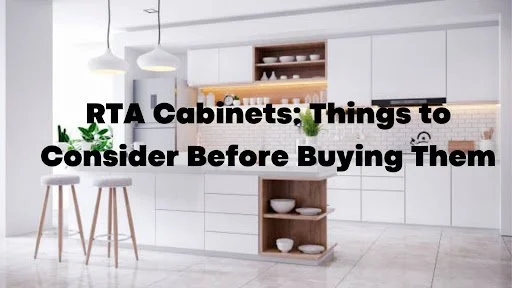
If you plan on remodeling your kitchen, you may already know that ready-to-assemble cabinets are among the options that you have. 

For many years now RTA cabinets have become popular. However, it is in recent times that their popularity has begun to grow rapidly. The rise in the passion for DIY home projects has contributed notably to the rise of RTA cabinets. 

According to statistics, the Global ready to assemble market value was at 4234.41 Million USD in 2020 and will grow with a CAGR of 7.27% from 2020 to 2027. 

What Are RTA Cabinets?

Ready-to-assemble as the name implies are products that come in a flat pack. They are cabinets that you can put together yourself, without messing it up. 

Everything has been prepared for you, including screws, hinges, and wood dowels. You won’t find yourself spending hundreds of dollars hiring someone to fix it. 

Every RTA cabinets with a brochure that can assist you with what to do with all the parts in the pack, that way it becomes less difficult. To make it simpler, some of them come with a short link to videos that can instruct you on how to do it. 

Things to Consider Before Buying RTA Cabinets

Are you interested in getting new kitchen cabinets? One of the easiest ways to improve your kitchen aesthetics is to install a set of high-quality cabinets. Listed below are some of the things to keep in mind before making that purchase. 

  1. Budget 

The first thing you should ensure thinking about before purchasing is your budget. If what you are buying is within your financial plan. 

Consider how much you want to spend on the project, with this in mind, you can go for RTA cabinets that are close to your budget. 

RTA cabinets are very helpful to homeowners. In contrast to custom cabinets, Ready-to-assemble cabinets are cost-effective. You can save a sizable amount of money because you are your labor, therefore no labor cost. 

Depending on your budget, you can select kitchen cabinets from as high as $750 to as low as $200. The price can also be determined by the design and materials used. 

2. Quality 

Everyone wants an alluring and pristine kitchen, RTA cabinets range from high quality to low quality. No matter the type of cabinet you get, you want to make sure that they have very good quality. 

According to statistics, if RTA furniture were to be made for the next 12 months, the result revealed that 41.8 percent of United State consumers would most like to purchase RTA furniture. 

You can find a strong and beautiful cabinet in the showroom. However, you need to be able to recognize inferior quality. To select a high-quality cabinet, you can look out for these: 

  • Solid wood drawers 

  • Drawers with full extension 

  • Solid plywood panels

  • Strong wood frames 

  • Coating applied 

It does not matter if you buy from an online store, make sure you check for these features to assure you that they can last for a long time. 

3. Assembly

Getting a standard cabinet always starts with a decision to get one. And if you are not sure of the type you want, you might end up going for what is available.

RTA cabinets have become so common because they are easy to put together. Most of them just need glue, screws, and wood dowels. All of these are included with the cabinet along with simple and clear instructions.

Most ready-to-assemble cabinets are around the same price range as long as they are around the same dimension and size. You can take a look at stores online to get an idea of the prices - this can help you in your decision-making process.

However, it is good to refer to online videos that can show you how your cabinets should be assembled. Demonstration videos can help prevent assembly errors. 

4. Tools
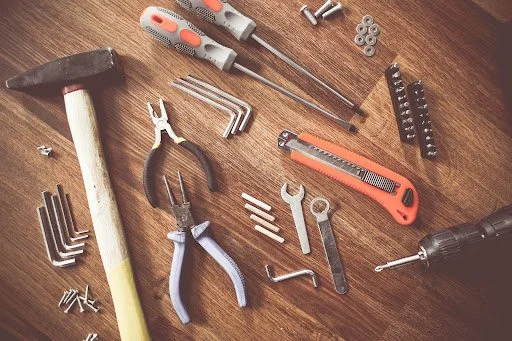
After browsing the internet and visiting stores, you have made your decision to get an RTA cabinet. You should also be aware that RTA cabinets are delivered in parts in a flat pack along with the instructions on how to assemble them. 

You will need to have the following tools to enable you to install your cabinet: 

  • Level

  • Screwdriver 

  • Table saw

  • Drill

  • Nail gun

  • Rubber mallet 

  • Plastic tarp 

5. Durability Longevity 

There are myths surrounding RTA cabinets that they are not durable. Well, like all other cabinets, you can also find quality products from good brands. 

They are very durable kitchen accessories and can last you a long lifespan. In case you are not fully convinced, constructors use solid wood and other materials in these cabinets which are very durable. 

Asides from this, another element that makes RTA cabinets durable is that they come with drawer fronts, maple fronts, and doors. Maple and hardwood are durable, they are also popular for their shock-resistance ability.

6. Style

The style of your RTA cabinet should always complement your kitchen theme and the décor of your kitchen interiors. The cabinet style embodies different aspects, such as the design, dimension, color, and layout of your cabinets. 

Things such as the number of shelves, drawers, and hardware, and the finished look you want must also be considered. 

7. Request Door Samples 

After you have finally picked a cabinet style and are thinking of placing an order. You should ask if the brand offers a sample before purchasing the entire cabinetry. 

This way, you can check the quality of your chosen cabinet before purchasing them. In addition, you can also check if the design complements your space. You can also notice if the cabinets go with other kitchen hardware. 

You can envision the overall ambiance and feel after fixing your cabinet once you can get a sample.  

Conclusion 

RTA cabinets do not take long to be delivered as against customs cabinets. Custom cabinets take longer to make, which means each one is handmade. Whilst ready-to-assemble cabinets have all the essential materials in stock. 
RTA cabinetshave become well known because of how effortless it is to put together. Their cost-effectiveness also places an important role for those on a tight budget. Ready-to-assemble cabinetsare available in different styles and sizes and can also be customized.

Guest Contributor: Daniel Martin

How To Successfully Repay Your Mortgage, A Helpful Guide

RH Business Marketing Solutions

Repaying your mortgage can be a daunting task, and it is important to have the right strategies in place. From understanding the different types of mortgages available to learn how to budget effectively, these steps will give you an edge when tackling one of life's biggest financial commitments. With careful planning, patience, and dedication, repaying your mortgage doesn't have to be a stressful experience!

1. Calculate How Much You Own

Staying on top of your mortgage payments is essential to successfully repay your loan. To begin, figure out exactly how much you owe and make sure that you know the terms of your mortgage agreement. This includes understanding the details such as interest rate, length of the repayment period, and any additional fees that may be associated with it. You can even use a mortgage repayment calculator to estimate your monthly payments. Checking in periodically to ensure accuracy is also important at this stage. This process can feel overwhelming at first but understanding the details will give you a good idea of how long it will take you to pay off your mortgage and what strategies are available for successful repayment. 

2. Budget Effectively

The best method to ensure you have enough money saved up to pay your mortgage each month and keep on schedule is to stick to your budget. Ensure that you are cognizant of all the expenses related to your house, such as taxes, insurance, and maintenance. Consider saving away additional money each month in case of unforeseen costs. When making significant purchases for your house, make wise choices. Any modifications or renovations should only be made after great thought and preparation to avoid placing an undue burden on your budget or affecting your capacity to make mortgage payments.

3. Research Your Options

Before you commit to any repayment plan, it's important that you research the different options available and find one that works for your situation. Consider factors like fixed or adjustable rates, term length, and prepayment penalties. You should also compare interest rates from multiple providers, so you can get the best deal possible. Additionally, look into government programs that may be able to reduce your monthly payments or provide other types of assistance. Finally, don’t forget to speak with a financial advisor to make sure you fully understand the terms of any agreement before making a commitment. 

4. Make On-Time Payments 

The best method to successfully repay your mortgage is to make on-time payments. You may be charged late fees or even have your interest rate go up if you make a payment after the due date. It's crucial to set up reminders for yourself and keep track of due dates to help guarantee that payments are made on time. Moreover, if you experience any payment difficulties, get in touch with your lender right away, so they can collaborate with you to resolve the situation before it worsens. This will help you avoid any unnecessary fees and maintain a strong credit score.

5. Investigate Refinancing Options 

Once you’ve built up equity in your home, it can be a good option to refinance your mortgage. This can help you get access to lower interest rates and longer repayment terms which could help lower your monthly payment. To determine if refinancing is the best option for you, speak with a financial advisor or look into online resources to explore the different loan options available to you. Make sure to take into consideration closing costs when deciding whether refinancing is the right choice for repaying your mortgage. 

6. Pay More Than The Minimum

Paying more than the minimum each month on your loan will help you pay off your debt sooner and reduce the length of the loan. It can also save you money in interest over the life of the loan. Additionally, if you’re able to make extra payments toward your principal balance, those payments are not included in the calculation for mortgage insurance premiums or other fees associated with the loan-this means that when you make extra payments, you may be able to reduce some of these additional costs as well.

Repaying your mortgage can be a daunting task but with the right strategies, you can make it happen. Make sure to budget wisely, research all of your options, and stay on top of any payments or fees. Additionally, pay more than the minimum each month if you’re able so that you can reduce the total length of the loan and save money in the long run. Finally, by considering all of your options and planning carefully, you can successfully repay your mortgage. With the right strategies, you can do it.

Signs That You Have a Pest Infestation

RH Business Marketing Solutions

For the inexperienced, pest infestations can be horrible. No matter what’s infesting your house it is guaranteed to make you feel anxious, uncomfortable, and restless. Fortunately taking action against pests is not as difficult as many people seem to think it is. Before action can be taken, however, identification is necessary.

If you suspect your house might be infested, an investigation must be conducted. Only after you have investigated can you confidently state that there is indeed an infestation.

This post will tell you about some obvious signs there is an infestation in your house:

Noticing Pests

The most obvious sign of an infestation is the pests themselves. If you take the time to visit this page you’ll know that some pests are more dangerous than others. If you have snakes or rats in your basement then a pest control company should be called out immediately. The same is also true if you have cockroaches, as they can transmit nasty illnesses. Pests like ants, on the other hand, are more of an annoyance than they are an emergency and as such do not require immediate treatment.

Pest Droppings

Some pests leave dropping around, or feces. Droppings are usually one of the very first things that people notice. The vast majority of people have absolutely no idea they are looking at pest droppings when they see small black or brown specks on the surface of their kitchen counters or in their cabinets. Recognizing pest droppings is important, however. If you do not recognize and identify them immediately, then the pests infesting your house will continue to breed, spreading to other areas of your house, and potentially causing serious damage.

Electrical Damage

Larger pests like rats and mice are prone to chewing through people’s electrical wiring. When pests chew through wiring, it can leave cables exposed, posing a serious threat to people’s homes. Exposed wiring significantly increases the risk of an electrical fire breaking out. It also increases the chances of somebody being electrocuted when poking around inside the walls of your home. If your home’s electrics cut in and out or stop working altogether, then reach out to an electrician. An electrician will be able to identify whether or not the cause of your issues is pests, and then recommend a pest control company to you.

Hearing Them

Again, larger pests like rats and mice can usually be heard. More often than not they run around inside the walls of people’s houses at night. If when you are in bed you hear scratching inside the walls, then it could be a mouse or worse, a rat. Bear in mind that while uncommon, these pests can bite people, transmitting diseases or causing infections. If you hear pests at night then reach out to a pest control agency right away. Delaying reaching out to a pest removal service will only increase the chances of your house getting damaged or family members getting bitten.

Pests in your house can make you feel sick, nervous, and uncomfortable. Taking action as soon as an infestation has been identified will boost your chances of getting rid of pests completely. The longer you take, the further they’ll spread.

Plumbing Safety: 21 Tips And Techniques For Keeping Your Home And Family Safe

RH Business Marketing Solutions

Your home's plumbing system plays an essential role in maintaining a clean and functional living space. However, it's important to keep in mind that plumbing accidents can occur at any time, posing serious risks to your family's health and safety. In this blog post, we'll cover some plumbing safety tips for you and your family to follow to help prevent accidents and maintain a safe home.

1.   Tips For Preventing Plumbing Accidents In the Home

Different accidents may occur while the plumbing work is going on in your house. It may cause severe damage to the physical property of your house or may harm your family. By following the below plumbing tips, you may be able to prevent such accidents.

a.   Regularly check your pipes and fixtures for leaks or damage

Leaky pipes can lead to water damage, mold growth, and other hazards. Regularly inspect your pipes and fixtures for signs of damage or leaks, such as dripping water, rust or corrosion, or strange noises. If you notice any problems, call a licensed plumber to repair or replace the affected components.

B.   Know where your shut-off valves are and how to use them

Shut-off valves are essential in stopping the flow of water in case of an emergency, such as a burst pipe or overflowing toilet. Make sure you know where your shut-off valves are located and how to turn them off. It's also a good idea to label your shut-off valves so everyone in your household knows where they are.

C.   Avoid flushing non-degradable items down the toilet

Flushing non-degradable items down the toilet, such as baby wipes, cotton balls, and feminine hygiene products, can clog your pipes and cause sewage backups. Only flush toilet paper and waste down the toilet to avoid potential plumbing accidents.

D.    Keep hazardous chemicals and materials out of reach of children

Many household cleaning and plumbing products contain harmful chemicals that can pose serious risks to your family's health and safety. Keep these products out of reach of children and store them in a locked cabinet or high shelf. Consider using non-toxic, eco-friendly cleaning products to reduce the risk of accidental exposure.

E.   Properly ventilate your bathroom and kitchen to prevent moisture buildup

Moisture buildup in your bathroom and kitchen can lead to mold growth, which can cause respiratory problems and other health issues. Properly ventilate these areas by opening windows or using exhaust fans to circulate air and reduce moisture levels.

How To Respond To Plumbing Emergencies: A Step-By-Step Guide For Your Safety

We are often confused and out of our minds when we have to face any mishap during plumbing work. Keep in mind below tips and techniques in such emergencies.

F.   Shut off the water supply to the affected area

In case of a plumbing emergency, such as a burst pipe or overflowing toilet, the first step is to shut off the water supply to the affected area. This will help prevent further damage and reduce the risk of flooding.

G.   Use a bucket or towels to contain water leaks

If there is a water leak, use a bucket or towels to contain the water and prevent it from spreading to other areas of your home. This can also help reduce the risk of slip and fall accidents.

H.   Call a licensed plumber for help with more serious emergencies

Online Assignment Writers UK concluded in their research paper for plumbing safety,

"If you're experiencing a more serious plumbing emergency, such as a gas leak or sewer backup, it's important to call a licensed plumber for help. They have the necessary tools and expertise to safely and effectively address the problem."

Homeowners from Post Falls, Idaho should call a trusted plumber in Post Falls, Idaho.

Regular Plumbing Maintenance For Preventing Safety Hazards

In order to avoid plumbing mishaps and accidents, one should always keep their house up to date.

I.    Have your pipes and fixtures inspected regularly by an experienced plumber

Regular plumbing maintenance can help prevent potential safety hazards, such as water leaks and sewage backups. Have an experienced plumber inspect your pipes and fixtures at least once a year to identify and address any issues before they become more serious.

J.   Schedule professional drain cleanings to prevent clogs and backups

Clogged drains can lead to sewage backups and other plumbing accidents. Schedule professional drain cleanings on a regular basis to help prevent clogs and keep your plumbing system running smoothly.

K.   Replace old or outdated plumbing

Outdated or deteriorating plumbing can pose serious risks to your home's safety and functionality. If you have an older home or suspect that your plumbing system is outdated, consider replacing it with newer, more efficient components.

Additional Plumbing Safety Tips For Your Family

Let's have a look at some more safety tips offered by Assignment Assistance, which will allow your family to stay safe while the plumbing work is going on.

L.     Teach children never to play with plumbing fixtures or pipes

Children are naturally curious and may be tempted to play with plumbing fixtures or pipes. Teach your children about the potential dangers of playing with plumbing components and make sure they know that they should never touch or tamper with them.

M.   Install anti-scald devices to prevent hot water burns

Hot water burns can cause serious injuries, especially in young children and older adults. Install anti-scald devices on your faucets and showerheads to regulate the temperature of your hot water and prevent accidental burns.

N.   Keep an eye out for signs of sewer line backups

Sewer line backups can pose serious health risks to you and your family, including exposure to harmful bacteria and viruses. Keep an eye out for signs of sewage backups, such as foul odors, slow drains, and unusual sounds, and call a licensed plumber if you suspect a problem.

O.      Communicate with the plumber

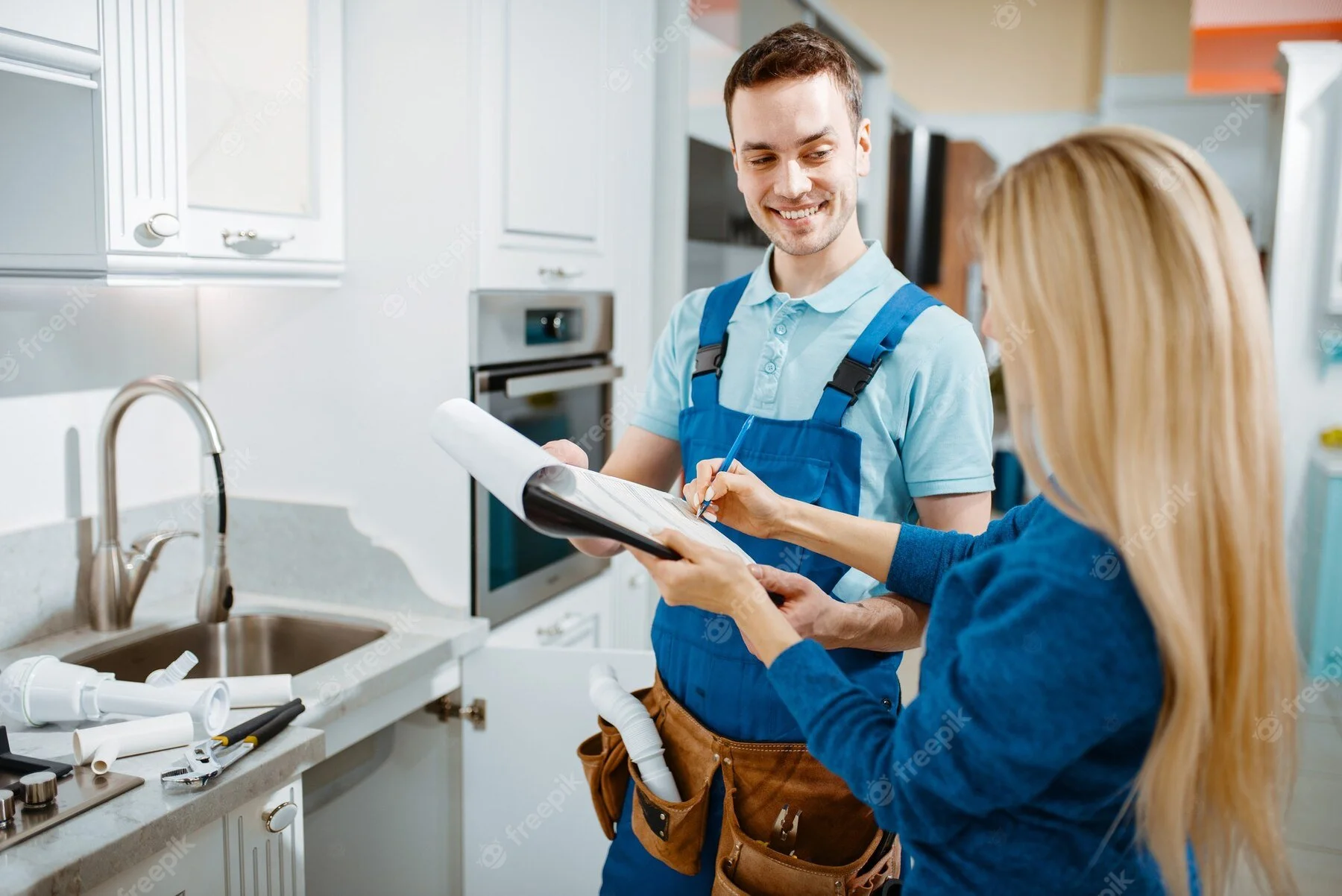
Before any plumbing work begins, make sure to communicate clearly with the plumber. Let them know about any concerns you have and ask any questions you may have about the work that will be done.

P.   Stay out of the work area

While the plumber is working, it's best to stay out of the work area to avoid any accidental injuries. If you need to be in the same room, make sure to stay a safe distance away from where the plumber is working.

Q.   Wear appropriate clothing

If you need to be near the work area, make sure to wear appropriate clothing. Avoid loose clothing, as it can get caught on plumbing fixtures or tools. Closed-toe shoes are also a good idea to protect your feet.

R.    Turn off the water

If the plumbing work being done requires shutting off the water, make sure to turn off the main water valve before the plumber begins work. This can help prevent any accidental flooding or water damage.

S.   Keep children and pets away

Children and pets can be curious and may want to investigate the work area. Keep them away from the work area to prevent any accidental injuries.

T.   Provide adequate lighting

Make sure the work area is well-lit so that the plumber can see what they're doing. This can help prevent any accidents or mistakes from happening.

U.     Follow the plumber's instructions

If the plumber gives you any instructions, such as turning a valve or shutting off a switch, make sure to follow them carefully.

By following these tips, you can help ensure that the plumbing work being done in your home is done safely and without any accidents or injuries.

While Summing It Up…

Your home's plumbing system is an essential part of maintaining a safe and functional living space. However, it's important to be aware of the potential hazards that can arise from plumbing accidents and take steps to prevent them. By following the plumbing safety tips outlined in this blog post, you can help keep your family safe and healthy and ensure that your plumbing system is running smoothly.

Author Name

Melissa Calvert

To Refinish Or Replace? Assessing The Scale Of Your Home Projects

RH Business Marketing Solutions

Homeownership comes with its joys and its challenges. One reality all owners must face is that, eventually, everything will need mending. As such, it pays to understand which factors will push you into either repairing an existing feature and those indicating a replacement is in order.


Let’s start with the flooring. Have you noticed wear and tear on the hardwood floors or tiles in the bathroom? These indicators could mean it’s time for a refinish. For hardwood floors, you’ll want to inspect the boards for scratches, dents, sun damage causing discoloration and water damage. If these seem manageable and mainly cosmetic, you could refinish the surface by hiring professionals to sand and apply a fresh coat of polyurethane.


However, if the floors show significant damage that cannot be patched or covered, especially if there is water damage affecting the baseboards, it may be time to replace. Another indicator that replacement is necessary is the height of the boards. Resurfacing requires a thick enough surface and if you’re down to the nails, sanding and refinishing just won’t be possible.


For further examples of home projects and how to assess the scale of work needed, please see the accompanying resource.

Refinish or Replace from Coldstream, a Cincinnati luxury vinyl plank installation company

How to Identify and Handle Different Types of Water Damage

RH Business Marketing Solutions

Water damage in your home or apartment can be a frustrating experience due to the problems that result from it, not the mention the health risks. Regardless of the cause, learning how to identify and fix water damage before it becomes a larger issue can save you time and money in the future.

What is Water Damage?

The term water damage broadly refers to any type of physical damage caused to a property that has come into direct contact with water. The specific cause of the damage doesn’t matter, as water damage can occur naturally due to hurricanes or floods, and it may occur non-naturally such as when a pipe breaks.

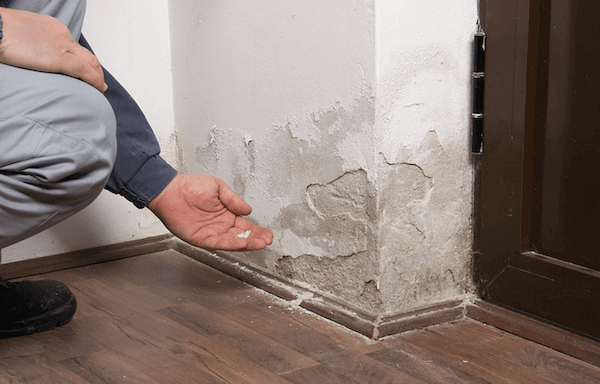
Just minutes after water damage begins to affect a home, the contamination will start to spread to the surrounding walls, floors, and ceilings. Water will be absorbed by these parts of the home, and they will begin to swell within a few hours while creating an unpleasant odor. Days after exposure to water, these parts of your home can develop mold and start to decay.

Finally, the health risk associated with water damage in a home may become so bad that you will be forced to leave your home until the property has been gutted and rebuilt from the inside out.

Common Signs of Water Damage

The average cost of restoring water damage is $2-3 per square foot, which goes to show the importance of spotting water damage before it starts to spread. To that end, learning the common signs of water damage can help you understand when to contact a professional. Below are some of the quick ways to identify if water damage has occurred:


·       Visible mold growth is occurring around areas in the home close to where water damage happened

·       Musty smells start to grow stronger over time, which can be a result of water damage in a dark, hidden part of the home

·       Paint and wallpaper beings to peel around the home after a storm or accident involving water

·       Your floors, walls, and ceiling being to warp over time

·       Your utility bills suddenly skyrocket for no apparent reason

6 Ways to Address Water Damage

Fixing issues related to water damage can seem challenging on the surface, but the following six tips can help you solve the issue quickly:

1.   Inspect for any molding

In most cases, mold will begin to start in the seams of floors and ceilings when water damage has occurred. If you notice a musty smell, consider opening all the doors and looking under all your furniture. Mold will enjoy growing in dark and damp places, so keep this in mind as you search your home.


2.   Dry out the affected area

If you know where the water damage occurred, such as a storm or burst pipe, immediately focus on drying out the area. Use towels, sunlight, or whatever you can to reduce the amount of water being soaked up by the surrounding area. Every bit you get dry will help reduce the risk of more damage occurring.


3.   Contact a professional for cleaning

If the water damage is far too extensive, don’t hesitate to reach out to a professional for help. Certified restorationists can successfully clear out the area and dry it quickly so that you don’t need to worry about long-lasting problems.


4.   Disinfect any remaining materials

Water damage can cause bacteria to build up in the walls, floors, and ceiling of your home. Disinfect any area that has been impacted by water damage to help ensure that any health risks are reduced.


5.   Replace any damaged wood

According to the United States Environmental Protection Agency, damp surfaces that are cleaned within 24-48 hours have a low likelihood of molding. However, if the wood in your home has been exposed to water damage for longer than this, it’s best to replace all of the wood with new slabs.


6.   Focus your attention on ceiling water damage repair first

Due to the effects of gravity, a water damaged ceiling can be the most dangerous part of a home. To avoid your ceiling collapsing from compromised wood, handle any water damage affecting the ceiling first.

Fix your household water damage today

Don’t settle for a home that is ruined by the effects of water damage. While dealing with this issue can seem frustrating in the moment, you’ll thank yourself later down the line due to all the money you’ll save. Reach out to a professional in your area if you think your home has water damage and want to get the problem solved sooner, rather than later.

Guest Contributor: Susan Melony

How To Save Up For Your Dream Renovation

RH Business Marketing Solutions

As homeowners, most of us certainly have a long list of upgrades and home improvements that we wish to get sooner or later – whether it's for the purpose of upping the resale value of your home or finally making your dream home into a reality. However, speaking of reality, home renovations can be expensive and time-consuming. It will take some saving and some sacrificing to make it happen. But the good news is that you can make it happen – and this article will list down a few ways to save up for your dream home renovation. Let's get started.

Ask around

Get a precise, realistic estimate of the total cost of your home improvement project. Consult with contractors and price out the materials you intend to use. If you are going to improve your heating or air conditioning, ask your contractor how to get an affordable HVAC system. Inquire with other homeowners in your area about their spending plans for similar projects. Once you've determined how much you need to save, leave some wiggle room for the inevitable surprises that always seem to occur.

Create a renovation budget

Creating a renovation budget is one of the ways to save money for house renovations. This entails calculating the cost of your renovation and then dividing that figure by the months remaining until completion. This will provide you with a monthly budget to help you plan your spending.

Your budget will be determined by the scope of your renovation (new bedroom versus a total house makeover). But here are some things to think about:

  • Any permissions? (especially for external works or heritage-listed properties)

  • The cost of hiring a plumber, electrician, carpenter, or painter

  • Removal of old materials and demolition

  • Skip hire (for throwing out heavy rubbish)

  • new fixtures (taps, handles, lights)

  • Cable management, especially if you plan to update or add new electrical or network cabling

  • brand-new appliances

  • Paint

  • Tiles for the floor and walls

  • Blinds and curtains

  • If you need to leave for a few days or weeks, you'd have to find temporary housing

You can also use your renovation budget to put money aside in a monthly savings account. This will ensure that you have the necessary funds when you need them and some elbow room if your costs get higher than expected.

Open a separate savings account

Home renovation is a financial goal you want to achieve strategically, and a good strategy is to open a savings account solely for your renovation expenses. A dedicated fund will allow you to keep track of your savings goals and progress and eliminate the temptation to use your savings for other purposes.

Set realistic goals

You're renovating a home, not a hotel. Gold faucets, chandeliers, and extensive landscaping would be visually appealing, but they are optional and realistic. Being realistic does not imply being boring, though. There are numerous creative solutions and cost-effective suppliers for outfitting your home – factory seconds and surplus stock clearance centers, to name a few.

Be patient

Don't feel obligated to renovate every room at a time. If you only have enough money to redo the bathroom and not the kitchen, resist the urge to go overboard.

You can also save money on materials and appliances by waiting for sales if you are not in a hurry. Major department stores, lighting stores, and plumbing and tile stores have regular deals that can help you stay within your budget.

Learn some new skills and prepare to DIY

While saving for your home improvement project, learn some DIY skills that will help you save money on contractors. For example, instead of hiring a professional painter, you could do the painting yourself or learn how to install tiles. Choose something that interests you, and you may discover a new hobby in addition to savings.

Manage your expectations on the costs

One of the most common mistakes homeowners make when renovating their homes is underestimating the project's costs. Everything, including architect fees, the cost of drawing up new plans, contractor costs, and the actual cost of any new fixtures and materials, must be factored into the price of the improvement. Is your architect using 3d visualizers? Do you need to pay for temporary storage for your furniture and appliances during the renovation? These are just some things you need to consider to ensure you get a more accurate estimate of the costs.

Final thoughts

If your savings plan does not work out as planned, despite your best efforts, you can always scale back your home improvement project and still benefit from some updates. Instead of replacing outdated kitchen cabinets, refinish them, or install new countertops instead of remodeling the entire kitchen. Instead of spending money on new fixtures, replace the bathroom floor and paint the walls. Take your project in stages and make minor improvements as your budget allows.

Guest Contributor: Bash Sarmiento

Key Areas to Focus on While Creating a Plumber Resume in 2023

RH Business Marketing Solutions

If you want to become a plumber, it is necessary to create the best resume showcasing your qualifications to help employers better understand how your expertise will help their company. By learning about the key areas and elements, you can create the best resume and easily acquire the plumbing position. This post will tell you about the things to add to your plumber resume and the best examples to build a quality resume to impress potential employers.

Skills Section

When writing the best plumbing resume, you will have to emphasize your skills, which are the greatest asset. Make sure to highlight your skills and show them off. The longer you stay in the field, the more competitive edge you will obtain. If you are an experienced plumber, the best option is to cherry-pick the skills you use often and position them at the top of the list. If you are well-experienced in a single area or you want to apply for a specific position, it is necessary to highlight these relevant skills and show your expertise in the field.

Hard Skills Vs. Soft Skills

There are two different types of skill sets you should highlight in the resume, such as:

Hard Skills

When it comes to plumbing jobs, the difference between hard and soft skills is clear. Hard skills need the tool or the specialized knowledge, whereas soft skills are the personality traits and strengths when working with others. Following are the hard skills you should highlight in your resume:

  • Installation, management, and cleaning of the sewer systems and the storm drains.

  • Installation and accurate measurement under the flooring and above metal, PVC, and copper pipe ceilings.

  • Welding, soldering, and adding adhesives, caulk, and sealants.

  • Replacement and installation of toilets, sinks, washing machines, and other appliances.

  • Cleaning, unclogging, and dislodging the objects from the toilets, pipes, and sinks.

Following are the soft skills to add to your plumber resume:

  • Great communication skills.

  • State building code compliant.

  • Good working stamina and physical fitness.

  • Excellent problem-solving and troubleshooting skills.

  • Follows all the safety regulations.

  • Dependable.

Employment History

Another key area to put more emphasis on is employment history. Hiring managers are looking for someone with previous experience assessing your field competency. After completing the apprenticeship will take some years of job experience before the plumber has mastered the skills. The employment history is proof of your skill sets; it is a great section where you can get into the details about your skills and what you do.

If you want to add the skills, use the reverse chronological order. In this, you will add your recent experience at the top. Adding some numbers will be the best way to strengthen your experience. How many hours and customers can you serve in a general week? During the new construction project, you should state how many plumbing fixtures you can install in a day.

Remember to add the complementary tasks you may have done, such as caulking, welding, repairing, and cutting the walls. Pay attention to details while offering additional value to your residential customers.

Education

Whether you have completed the apprenticeship or other training, plumbing education is another crucial aspect of the resume. Every municipality and state needs an exam and license process before you can officially work as a plumber. While the requirements vary from place to place, learning a trade via an apprenticeship program is among the common ways of preparing for an exam.

When it comes to being a plumber, the experience levels are divided into three labels such as apprentice, intermediate, and expert. The plumbing apprentice is someone who learns from a certified plumber. After completing the exam and getting the license, the apprentice will become a journeyman who can work without supervision.

Although the demand for plumbers is high, getting a job after completing an apprenticeship can be competitive. Many people are interested in the job and drop out of the program when things get tough. After the apprenticeship, you should commit to about 4-5 years of training. When making the resume, highlight your experience and how many hours of work you have devoted throughout your career.

Conclusion

After reading this article, you have learned to tailor your resume to the specific skills needed for commercial plumbing and how it can enhance your chances of securing a job. With these tips in mind, build the best plumbing resume or use the template to save time.


These Things Could Be Affecting The Humidity In Your Home

RH Business Marketing Solutions

Maintaining the humidity in your home will prevent damp, mold, and dust. You and your family are also less likely to experience respiratory problems. Studies have found that the ideal indoor humidity level is between 30 and 50%. But there are things you could be inadvertently doing that could be affecting the humidity in your home. So, what should you be aware of and how do you keep the humidity in your home just right?


There's a leak

A damaged or broken pipe will increase the moisture in your home. The Environmental Protection Agency (EPA) reports that the typical household wastes 10,000 gallons of water in leaks every year. Even if half of this wasted water makes it into your home, the humidity levels will soar. The first thing you should do is look in common areas for leaks, such as around the sink, shower, or washing machine. If you can’t determine the cause, call in a professional plumber. They’ll use their expertise to identify the source of the leak and repair the issue. You can then do things, such as opening the windows and running the air conditioning unit, to reduce the humidity in your home.


The air-con or heating is on too often

91% of US households have air-con. Air-con is good for reducing humidity levels, but it can also cause it to drop too low. On a hot day, it’s easy to leave the air-con running for hours in a bid to keep your home cool. But, the problem with this is that the humidity could drop below 30%. One way to maintain humidity levels while your air-con is on is to use a humidifier. Humidity levels can also drop too low when the heating is on for long periods. Heating dries out the air and puts you at risk of dry skin, scratchy throat, or allergy symptoms. A whole house humidifier can be attached to your ductwork to keep the humidity in your home stable and to tackle dryness. This will blow moist air into your home so you haven’t got to worry about your home being an unsafe environment.


Your showers are too hot

The hotter the temperature of your shower, the more the humidity will rise. Thankfully, there are lots of things you can do to control this. First of all, dropping the temperature a few degrees and shortening your shower by a few minutes can make all the difference. While you’re showering, open the window in your bathroom and run the extractor fan. When you’ve finished, wipe down all surfaces, including the tiles, floor, and shower screen, to remove as much water as possible.


Humidity is a tricky issue that people often find tough to get right. By adjusting your lifestyle, keeping an eye out for plumbing issues, and actively managing it with appliances and technology, you can ensure the humidity in your home is as stable as possible.

Guest Contributor: Alicia Rennoll

How to Write a Plumber Cover Letter in 2023?

RH Business Marketing Solutions

The resume is the must-have option when you are looking for a new job/project and want to be noticed by recruiters quickly. But there is one more essential thing you should do to speed up the job-looking process and get the project of your dreams. And this is a cover letter.

Usually, you have a few seconds to catch the attention of the recruiter reading your resume. Sending a cover letter says that you've shown great interest in the position, and it can become a decisive factor in the end.

Outlining that you're a good plumber and your skill set can make a good impression with a cover letter. We'll share with you everything you need to know to write the perfect cover letter that will get you an interview.

What do you need to write in a plumber's cover letter?

A cover letter is a document you add to your resume to explain how your skills and experience will benefit a future employer.

It is a good idea to include your fundamental competencies, work experience, and qualifications. Indicate what specific skills you possess: high school diploma, certification, professional training. Also, you should add relevant experience with different types of plumbing systems like writers from the best writing services reviews All Top Reviews note the pieces of content they work with, knowledge of drawings and building standards, good communication skills, and so on.

How to write a cover letter for a plumber?

Let's briefly examine what a cover letter should consist of.

  1. Introduction: a greeting and an opening paragraph. You need to attract attention and explain why you are applying for the position. This section consists of a title, a welcome message, and an opening paragraph.

  2. Main part: tell why you are the ideal candidate. Write a couple of paragraphs that highlight your relevant skills and specialized knowledge that you have and that are ideal for the position. Argue how you can solve the company's problems, show your enthusiasm, and that you will be a great addition to the team. Give specific facts and key figures to support the successes you've achieved.

  3. Conclusion: a call to action. Conclude your letter with a couple of laconic sentences, being thankful for reading the letter and offering to contact you—this is what we name a call to action. For example, write that you are happy to meet in person to fully discuss your expertise, experience, and what profit you can bring to the company. This part of the cover letter should be short and to the point.

The important tips for writing a plumber's cover letter

Use a cover letter to expand your resume rather than repeating it

The cover letter should be the icing on the cake of your professional business card. So don't repeat information from your resume, but explain in your own words why your qualifications make you the best candidate for a particular position. Use real facts to emphasize your skills and how your previous experience will benefit the company.

Check your writing spelling and grammar

First impressions are important, and a cover letter with spelling and grammatical errors can ruin it. The literate text indicates that the candidate is well-educated, attentive to detail, and a neat person. And it also shows basic respect. Do yourself a favor and be sure to check your cover letter through checking services like Grammarly, and let a friend or a professional editor from the writing services Trust My Paper read it.

Use no copies and templates

Let's be honest, most people who are writing a cover letter for the first time don't know how to do it properly, so they look for ready-made templates on Google. And that's normal practice, but there are a few nuances.

Imagine how many other candidates might take that same example from a search engine and send it to a hiring manager. Lots. So it's a failed tactic. Stick to the appropriate cover letter format as required by the company, but avoid standard text. If you use a template, it's for the structure, not the content. Try to tell your story originally.

Show your confidence

The end of your cover letter should be the most interesting part of the text. End it with an extravagant paragraph that demonstrates your passion for the job, motivation, and ability to benefit your future employer. That is, the recruiter should read it and weep with happiness because this should be the letter of the best candidate who shares the mission of the company.

To sum up

At first sight, it may seem that writing a cover letter is not an easy thing to do. But you just need to be honest and consistent about your best qualities as a professional worker, to establish yourself on the best side. We hope these tips will help you get the job of your dreams.

Guest Contributor: Frank Hamilton