Google+

contact us

Use the form on the right to contact us.

Day or Night, we are here to serve you. Leave your plumbing problem to us.


Tinley Park, IL

(708)845-7922

Residential and Commercial plumbers and plumbing contractors available in Orland Park, Tinley Park, Oak Lawn, Palos Heights, Midlothian, Oak Forest, Homer Glen, Mokena, Frankfort, and the surrounding Chicago South Suburbs. Emergency plumbers.

copper water lines.jpg

Kevin Szabo Jr Plumbing Blog

Kevin Szabo Jr Plumbing is Tinley Park, Orland Park, Oak Forest, Midlothian, Orland Hill, Homer Glen, Mokena, Frankfort, Crestwood, Palos Heights, Oak Lawn, local plumber. Read our blog for advice, tips, a good laugh, and basic home improvement.

**We are moving our old blog to our new and improved website. Too see all our posts visit kevinszabojrplumbing.blogspot.com

Useful Driveway Cleaning Tips From the Pros

RH Business Marketing Solutions

Your driveway is one of the most visible surfaces on your property. It has to endure the harshest elements, from the sun and rain to snow, dirt, and debris. Therefore, it's essential to do regular cleaning to keep your driveway looking its best. Here are some helpful driveway cleaning tips from the pros.

Prepare the Area

Before you begin cleaning your driveway, removing all debris from its surface is essential. This includes leaves, twigs, and other litter. It's also important to move any furniture or planters that may be in the way.

Remember to avoid destroying the nearby lawn or plants when prepping the area. For instance, if you need to move a patio table or planter, always use thick blankets or furniture movers to protect your lawn from damage.

Hire Pressure Cleaners

Getting rid of stubborn dirt and grime from your driveway is time-consuming and challenging. Pressure cleaners are the best way to get rid of those tough stains; they also have the advantage of reaching hard-to-reach areas.

You can hire Professional cleaning services at a reasonable cost, and they are equipped with the correct pressure cleaner for your driveway. They may also offer extra services, such as sealing and coating, to protect the surface from future damage. As you look for a pressure cleaner, focus on their level of exposure to their services. Focus also on the affordability of the service. For instance, while hiring a pro can be expensive, it may be cheaper in the long run than buying a pressure cleaner of your own.

Always Start from the Top

If your driveway is especially dirty, you may need to start with a pressure washer to remove any built-up dirt and grime. When using a pressure washer, always work from top to bottom. This will ensure that any grime and dirt you remove with the pressure washer doesn't simply run down onto the area you've already washed.

Besides a pressure washer, you can also use a garden hose with a spray nozzle for light cleaning. Some hoses even have an adjustable nozzle that allows you to customize the water pressure.

Wear Appropriate Protective Equipment

Your safety is everything when cleaning a driveway. Always wear protective eyewear, gloves, and a dust mask to avoid inhaling any cleaner fumes or debris kicked up while scrubbing the surface. Sometimes it is also necessary to wear a hard hat or protective boots when operating heavy machinery.

The chemicals and cleaning solutions used for driveway cleaning could be dangerous, so always wear gloves when handling them. It's easy to forget that a driveway comprises numerous materials; some may be hazardous or toxic when exposed to certain cleaners.

Choose the Right Cleaner

The type of cleaner you use will depend on the surface of your driveway. Mild detergents work great on concrete driveways, while stronger cleaning solutions may be needed for asphalt or brick driveways. Be sure to read the instructions on the cleaner and always follow them closely.

When choosing a cleaner, selecting one explicitly designed for the surface you're treating is essential. Some cleaners are too harsh and may cause damage or discoloration to the driveway.

Driveway cleaning can be a lot of work, but it can be manageable with the right tips and techniques. With the help of experienced professionals and the right tools, you'll ensure that your driveway looks its best for years to come. Remember to wear appropriate protective gear and choose cleaners specifically designed for your driveway's surface to ensure the best results.

What To Do If Your Basement Floods

RH Business Marketing Solutions

Flooding in your basement can be one of the most destructive things to deal with when it comes to your home. If you store a lot of things down there, even a small flood from a leaky pipe can force you to throw a lot of things away. Here are a few steps and tricks you should follow if your basement floods.

Turn Off The Electricity

If your basement floods, the first thing you are going to need to do is turn off the electricity in your basement. If you aren’t sure how to do this safely, call an electrician to do it for you. If you turn it off on yourself, make sure you have a flashlight or spotlight that is powerful enough so that you can safely make your way around the basement in the dark.

Take Photographs

Before you pump the water out or call a plumbing company, take photos of the flooded basement on your phone or with a camera. These will be essential if you plan to file an insurance claim, but they are always good to have even if you don’t. Take several photos and videos of the flooded area from the inside and outside of your home. If you file a claim, these photos will be very useful for the adjuster when they are assessing how much you should be paid.

Remove the Water

Once You have taken photos, you can begin the water removal process. When it comes to removing the water, you have two main options. Your first option is to rent a wet vacuum or gasoline-powered water pump. There are industrial tool rental groups all over the country that have this kind of equipment. If you don’t feel comfortable removing the water on your own or you cannot find a water pump rental company in your area, there are professional water removal and water damage restoration companies that can do it for you.

Eliminate Mold Growth

After removing the water, you want to get rid of anything that got wet and could attract mold. This includes bedding, clothes, paper products, cardboard, and more. If the flooding was caused by a natural disaster, you may have to get rid of more than just these kinds of items.


Flooding that is caused by a hurricane or terrible storm can contain debris, sewage, chemicals, and other dangerous substances. When this water surrounds appliances and belongings, you have to remember that it isn’t just water and that all of your belongings have now been partially or fully submerged in a mixture of water and other substances. Unfortunately, because of this, you will have to throw away most of the belongings that were damaged by the flood, even if they look and seem okay.

Dry Your Basement

After you have removed all of the water and thrown away anything that you can’t keep, you should begin working on drying your basement out. For this, you can use dehumidifiers and fans to remove the moisture from the air and anything you are keeping. This will also discourage any potential mold growth by moving the air around. If you use dehumidifiers, they will work best when placed about six to eight inches away from the walls.

Freeze Important Papers

If you have any important paperwork or valuable documents that got wet during the flood, you can throw them in the freezer to reduce the possibility of mildew and mold growth while you work on fixing the basement. Once you have sorted everything out with the basement, you can come back to the papers and salvage what you are able to.


Jenn Walker is a freelance writer, blogger, dog-enthusiast, and avid beach goer operating out of Southern New Jersey.


Keeping Your Home Safe During The Winter

RH Business Marketing Solutions

Winter is a rough time for most people, and if you live in an area where the temperature gets very cold and it snows often, your home is at risk for damage. During the winter, the two most important parts of your home to keep an eye on are the roof and siding. Snow and ice can damage these aspects of your home, and if you don’t get it fixed it could lead to even more damage.

The Roof

If you get a lot of snow and ice in the winter, your roof can be at great risk. Your roof is one of the home’s first defenses against the frigid air and icy snow, so it is important to understand how it can be affected during these winter months. This is especially important if you live in an area that receives a lot of snowfall during the winter. As snow piles up on your roof, it becomes a lot heavier than you might think, and the longer it sits there the more likely it is to experience stress. The weight of snow and ice can even cause your roof to cave in if it is too much for the roof to handle.

As the ice melts it can create what is known as ice dams, which are caused by melting snow that runs down the roof and then freezes at the edge. Ice dams can detrimentally damage your roof by causing cracks and making existing cracks larger. When the snow melts it can seep into the existing cracks, then when it freezes again it will expand and create an even bigger crack. Over time this can create serious problems and cause leaks in your roof.


This ice and snow can also weigh down and clog your gutters, which are an essential part of the roofing system. To be more conscious of the potential damage your roof is enduring during the winter, there are a few signs you can look out for including the following.

●      Missing or damaged shingles

●      Buildup of ice or snow in the gutters

●      Pooling water

●      Darker areas on the roof

●      Leaks

When you notice these signs, it is important to contact a roofing company to have it fixed as soon as possible. The longer you allow damage to go unfixed, the more complicated and expensive it is going to be to have it fixed, and it is much better to just call a roofer than also having to hire a plumber, painter, contractor, or more. 

Siding

As with your roof, siding is an important layer of protection for your home. There are various types of siding, and each one can become damaged from the snow, ice, and wind during the winter. The signs of damage can be different for certain materials like wood and vinyl. Wood siding has a coat of lamination, and heavy snowfall over time can wear this lamination away. Without the lamination, the wood is exposed to moisture which can lead to mold and rotting. If you don’t catch the rot soon enough, it can become a massive problem in the long run. Rotting wood siding can cause damage to the structure of your home, the roof, as well as the interior.


When it comes to vinyl siding, extremely low temperatures can make the siding brittle and cause it to crack and break. Once vinyl siding has been damaged like this it cannot be repaired and you will be forced to replace it. Not only will replacing it be expensive, but the cracks also allow cold air and moisture to seep into your home and for the heat to escape.


In some areas, winter storms can actually cause some parts of the siding to fall off, and without the siding fully intact the interior of your home becomes exposed to the elements. It is important to check your siding regularly to make sure none of the pieces have become dislodged, and if they have you should fix it as soon as possible. Getting these pieces fixed will help prevent them from coming off if a storm comes, and it will make your home more protected over time.


Jenn Walker is a freelance writer, blogger, dog-enthusiast, and avid beach goer operating out of Southern New Jersey.

9 Annual Home Maintenance Checklist To Increase The Value of Your Property

RH Business Marketing Solutions

Owning a house is undoubtedly rewarding. After all, it’s a piece of property that you can call your own. You can shape it to your liking without having to adhere to the rules and regulations of a rental agreement.

However, you're also the sole responsible party when it comes to maintenance and repairs. From changing the furnace filter to fixing a leaky faucet, there’s always something that needs to be done around the house. 

To avoid costly and time-consuming mistakes, follow the home maintenance checklist below. Checking your windows and doors, testing your smoke detectors, and examining your plumbing system on a regular basis will help you keep your home in tip-top shape.

This list is designed to help you track your home’s most important maintenance needs.

Inspect Windows and Doors

Windows and doors are the two main entry points for outside air and pests. Over time, the weatherstripping on these doors and windows can become worn down, allowing cold air to enter your home in the winter and hot air to enter in the summer. This can cause your utility bills to skyrocket.

To ensure that your windows and doors are properly sealed, conduct a quick inspection of all of the seals at least once a year. Here's what to look for:

●      Gaps around the perimeter of the door

●      Cracks in the door frame

●      Missing or damaged weatherstripping

●      Loose or damaged hardware

If you find any damage, make the necessary repairs as soon as possible, or contact a professional. If they determine that it’s time to replace a window or a door, don’t try to save money on it. Head to https://sunluxroofwindows.co.uk/24-flat-roof-windows or a similar website and choose what’s best for you and your house.

Organize Your Workshop

If you like DIYing and you have a dedicated space for your projects, chances are you’ve run into problems such as clutter and disorganization. This can lead to some problems such as not being able to find the tool you need, or not having enough space to work, not to mention a safety hazard.

To avoid such issues, make sure that your workshop is well-organized. Here’s what you should do:

●      Repair your tool and other equipment. Whether it's about new turning parts for your CNC machine, replacing a worn-out belt for your wood lathe, or even checking if your drill bit is still razor sharp, from time to time, you need to repair your tools. If you don’t have the time or the expertise, hire a professional to do it for you.

●      Identify the tools and equipment you use most often. Organize them based on the frequency of use. Keep the tools that are used less frequently in boxes or cabinets.

●      Sort your tools according to type. For example, keep all of your hammers in one place, and all of your screwdrivers in another.

●      Create a system of organization based on where you store each tool. For example, if you hang up your hammers, keep the ones that are used more often at eye level, while those that are used less often at the back of the workshop.

Check Smoke Detectors

Smoke detectors are an essential part of any home’s fire safety system. These devices should be tested monthly to ensure that they’re working properly.

To test a smoke detector, simply press the test button. If the alarm sounds, the detector is working properly. If the alarm doesn’t sound, replace the batteries and test again.

If your smoke detector is more than 10 years old, it should be replaced entirely.

Examine Plumbing System

Leaky pipes and clogged drains are never fun to deal with. To avoid these common plumbing problems, take a few minutes each year to inspect your home’s plumbing system.

Here are a few things to look for:

●      Leaks around fixtures or pipes

●      Slow-draining sinks or tubs

●      Discolored water

●      Unusual noises coming from the plumbing

If you notice any of these issues, contact a professional plumber as soon as possible. Ignoring these problems will only make them worse and lead to more expensive repairs down the road.

Service Your HVAC System

Your HVAC system is one of the most important appliances in your home. Not only does it keep your family comfortable year-round, but it also plays a vital role in your home’s overall energy efficiency.

To keep your HVAC system running smoothly, schedule a professional tune-up at least once a year. During this service appointment, a technician will clean the unit, inspect all of the parts, and make any necessary repairs.

While you’re at it, take a look at your home’s insulation and make sure that there are no gaps or holes. Proper insulation will help keep your home’s temperature consistent, which will reduce wear and tear on your HVAC system.

Clean Gutters and Downspouts

Gutters and downspouts play a vital role in protecting your home from water damage. These devices remove water from your roof and redirect it away from your home’s foundation. 

To prevent water damage, it’s important to keep your gutters and downspouts clean and free of debris. The best way to do this is to inspect them on a quarterly basis and remove any leaves, twigs, or other debris that you find.

If you live in an area with a lot of trees, you may need to clean your gutters more often.

Inspect the Chimney and Fireplace

If you have a fireplace, it’s crucial to inspect the chimney on a yearly basis. Creosote, a byproduct of combustion, can build up on the walls of the chimney and create a fire hazard.

To remove this buildup, hire a professional chimney sweep to clean your chimney once a year.

While you’re at it, take a look at the fireplace itself and make sure that there are no cracks in the firebox or damage to the hearth. These problems can be both unsightly and dangerous.

Check the Foundation

Foundation issues are some of the most costly repairs homeowners have to deal with, not to mention that they can even be dangerous. To avoid these problems, it’s vital to inspect your foundation at least once a year and be on the lookout for any cracks or other damage.

If you find any damage, contact a professional foundation repair company as soon as possible. Ignoring these problems will only make them worse and lead to more expensive repairs down the road.

Check the Roof

The roof needs to be in good condition to protect the rest of the structure and your belongings from the elements. To ensure that your roof is in good shape, inspect it at least once a year and look for any missing, damaged, or loose shingles.

As soon as a problem arises, you have to address it to avoid more significant damage in the future. Depending on the severity of the issue, you may be able to fix it yourself, or you may need to hire a professional roofer.

The Bottom Line

If you own a home, it’s your responsibility to keep it well-maintained. And so, it’s crucial to have a home maintenance checklist that you can refer to on a regular basis. By taking the time to inspect your windows and doors, test your smoke detectors, examine your plumbing system, and service your HVAC system, you can keep your home in good condition for years to come.


If you have any concerns about the maintenance or repairs that your home needs, don’t hesitate to contact a professional. They can help you assess the situation and determine the best course of action.

8 Kitchen Decor Ideas to Consider Trying

RH Business Marketing Solutions

A kitchen is where a lot of activity occurs, and it is, therefore, important to ensure that it looks good. Decorating your kitchen can be expensive, but there are some simple ways to make the space look better without spending too much money. Here are some ideas for how to decorate your kitchen without breaking the bank:


Printings and Artwork

Get some custom-made magnets if you're looking for something more permanent. You can choose from many different styles of magnets, like those with your photos printed on them or ones with humorous sayings on them. Get custom-made fridge wraps if you want to add flair to your fridge. These come in various designs and can be printed with your photos or artwork.


Find Unique Shelves

•           Look for shelves that are more than just a shelf. For example, you can find interesting shelving systems made from recycled materials like pallets or repurposed wood.

•           Decorative shelves are another option to add style and personality to your kitchen. Local artisans might handcraft these or mass-produce pieces that have been carefully designed to be both stylish and functional.

•           Functional shelves like these built-in kitchen cabinets allow you to save space by creating multiple levels for storing items on top of one another in different locations around the room. This means less clutter on the floor and more organization within each cabinet area!

•           Affordable options abound when shopping for unique kitchen decorating ideas, and finding affordable ones doesn't mean compromising quality; it just means knowing where to look!


Consider Unfinished Wood

The main thing to remember while choosing unfinished wood is that you can stain or paint it however you wish. Unfinished wood can be more durable than painted wood and is usually cheaper too!

Unfinished wood is the way to go if you're looking for an eco-friendly option. It's easier on your wallet and better for the environment because there isn't any paint used in the process.


Create a Kitchen Command Center

One of the ways to keep your kitchen organized and functional is by creating a kitchen command center. You can use any of the following to create such a space:

•           Magnet strip 

•           Corkboard

•           Pegboard

•           Bulletin board (tack paper or put up sticky notes)

•           Chalkboard or dry-erase board


Make The Most of Your Kitchen Window

•           Display your favorite collection. The kitchen is often the first room you see when you walk into the home, so why not make this space personal? You can do this by displaying a collection that's meaningful to you, whether it be vintage-inspired barware or collectible salt and pepper shakers.

•           Create a calendar display. If certain dates mean something to you, such as birthdays and anniversaries, a good way to put it in front of you each day is by putting up an inspirational quote or image that reminds you of those special days!

Choose a Non-Uniform Curtain Rod

Curtain rods can be made of metal, wood, or plastic and come in various sizes and finishes. You can even paint your own to match the color scheme of your room! If you want something more interesting than your standard black or white curtain rods, look for ones with an interesting shape or decorative details. You can also decorate them by adding beads or other decorations like flowers or feathers.


Update Your Cabinets With Copper Hardware

Copper can help you create a cohesive look across your kitchen. Copper is a great way to add modern touches to your home, but it can also be used to introduce vintage elements into the room. If you want to give your kitchen an industrial feel with a little rustic charm, consider switching out some brass or chrome knobs for ones made from this warm metal.


Hidden Accents

You can also decorate your kitchen with accents, which are a bit more subtle than a major overhaul. This could mean adding a few pretty cookbooks to the bookshelf or hanging colorful pots on the wall. If you're looking to add something extra to your kitchen without making it feel too stuffy or crowded, consider adding accent pieces that complement the rest of your decor but aren't too loud.


Conclusion

While the kitchen can be a place for fun and informal entertaining, it's also an important part of your home. It's where you cook and prepare, and serve meals to those you love. Hopefully, these ideas have inspired how to make your kitchen work better for your family and lifestyle.

Guest Contributor: Miranda Spears

6 Tips to Fix Your Home Safe after a Storm

RH Business Marketing Solutions

After a storm, your home looks like a disaster zone. The water damage is extensive, and the cleanup is time-consuming. How can you fix your home safely after a storm?

Storms are common occurrences during hurricane season, especially if you live in the South; you are aware of the harm a storm may cause to your house.

They cause flooding, power outages, and property damage. As soon as you and your family are secure, you should evaluate the damage and begin repairing and rebuilding.

Before a storm hits, you should prepare your home for the worst. Here are six ways to fix your home safe after a storm.

1.                  Always Put Safety First

If you live in an area prone to storms, ensure you have enough food and water supplies. Also, keep a flashlight with batteries nearby to see where you’re going when leaving the house.

Before beginning any cleanup, the CDC always advises using the appropriate safety gear. This calls for using heavy-duty gloves, a face mask, a hard cap, and tall, water-resistant boots. Until you are certain that you won't get wounded while fixing anything, you are not ready to do so.

Wait till the storm has passed and daylight has begun before doing any work. After a storm, the power is frequently down, making it dangerous to operate without lighting.

2.                  Be Sure to Inspect Everything 

After a storm, check your home for any signs of damage. Make sure everything is secure and safe. Look at the roof, windows, doors, and other areas vulnerable to wind and rain.

To completely comprehend what must be done, take a thorough walkaround of the inside and outside of your home. Be aware of damage to doors and windows, as well as flooding.

Look for wet carpets, as they can get mold quickly. Make sure to dry them as soon as possible to avoid any damage. You can speed up the carpet drying process by using a fan, air conditioning, or leaving them under the sun.

If you don't want lasting damage from water, you will have to replace everything. Always collaborate with a partner to watch for any hidden dangers.

 Remove plywood that has been installed to safeguard your home gently, gathering the nails along the way. Also, check your lawn for any sewage overflows; if there are any, you will need to call a professional to pump your septic tank.

3.                  Make Sure There Is No Secondary Damage 

If there is no visible damage, it’s time to consider secondary damage. This includes things like water damage, mold, and structural issues. You should also inspect for utility damage under the ground.

In addition to the apparent indications of damage, such as downed trees or a leaky roof, you should be vigilant for concealed threats. Electrocution can occur because of flood water. Keep an eye on any downed electrical wires near water, and contact your utility company immediately.

Hurricanes can cause chemical fires in your home. You should contact the fire service department immediately if there is a sudden fire. They will safely put out the fire and indicate when to enter your home.

Chemical fire can leave a long-lasting bad smell in your house. Toxic substances may also be present in addition to their bad odor. Never use water to put out a fire caused by grease or chemicals.

4.                  Be Sure Your HVAC Is Working

It’s important to check your home’s heating and cooling system after a storm hits. Ensure everything is operating correctly after the storm and make any necessary repairs.

It can be challenging to resolve flooding in your HVAC system. Almost any moist environment can result in dangerous mold growing within 24 hours. A moldy HVAC system may spread a fungal colony, which will send spores flying into every nook and crevice of your house.

If you require a complete replacement or only a few repairs, speak with your HVAC provider. They will assist you with what steps you should take to fix them. 

5.                  Take Photos For Proof

You must take photos of the damage before leaving your house during a storm to submit an insurance claim later on. Always document the damage with pictures to show your insurance company.

It will be much easier to deal with them when you need emergency repairs after the storm is gone. Also, if you are a tenant it will help you claim the repair cost from your landlord.


6.                  Be Prepared for the Next Emergency

After cleanup and repairs have been completed, it's time to start thinking about the next disaster. Be sure to prepare an emergency kit before an emergency strikes. Blankets, bottles of water, non-perishable food, fire extinguishers, solar or crank radios, batteries, and external phone chargers should be included in the emergency kit.

Prepare your home as well. Check that all your shutters are functioning to protect your home from flying glass, and invest in adequate insulation to keep your building watertight and prevent basement flooding. Even renovate your storm shelter so you have a place to be safe during the next storm.

You won't be able to predict with certainty when the next hurricane will strike, and you might need more time to prepare. Get ready right away, and you'll be grateful.

Conclusion

Even if you have no control over the weather, taking precautions and putting an emergency plan in place can shield your family and house from many storm-related damages.

To avoid feeling overwhelmed by the amount of labor, divide the chores into checklists based on the season and the needs. Consult with experts if you are unsure of how to prevent storm damage on your own; they will be able to provide you the best advice.

Why Should You Pay Extra Attention When Doing Floor Installation?

RH Business Marketing Solutions

It's no secret that a well-done floor installation can add tremendous value to your Perth home. Not only will it make your space more attractive and comfortable, but it can also increase the overall resale value of your property.

That's why it's so important to pay extra attention when doing floor installation - whether you're hiring a professional or doing it yourself. Here are four reasons why.

Poor Installation Can Lead to Water Damage

The flooring you install will be exposed to the elements, so it's important to ensure that it's properly sealed and installed correctly. If this is not done correctly, water can seep in and cause major damage to your property, resulting in costly repairs. For instance, if moisture gets beneath the flooring and causes mold or rot, this can spread to other areas of your home and damage the structural integrity of your walls or foundation.

When it comes to decking, it's also important to use the proper fasteners and concrete when fixing them into place. Additionally, architectural cladding for Perth homes and businesses is often made from composite timber that's designed to withstand the elements, like composite timber decking and cladding. So, it's important to make sure that you are using the right materials and techniques for installation as well.

It Can Reduce Energy Efficiency

When you're installing a floor, it's important to consider how this will impact the energy efficiency of your home. Poor installation can create air leaks, which will cause your heating and cooling systems to operate inefficiently and increase your utility bills. In addition, a poorly insulated floor can also allow moisture to seep in and cause mold growth, which can be hazardous to your health.

Therefore, it's important to ensure that all gaps are sealed properly and that the insulation is adequate for your needs.

It Can Increase Liability

If you're doing the installation yourself, it's important to be aware of your liability in case something goes wrong. Poorly installed floors can cause injuries, and if you're found liable for this, it could lead to legal action being taken against you. To avoid such issues, make sure that all safety precautions are followed when doing floor installation - both when working with a professional or on your own.

It Can Impact Resale Value

Finally, you should consider how floor installation will affect the resale value of your home because poorly installed floors can be an eyesore and decrease the appeal of a property to potential buyers. Furthermore, buyers may be wary of purchasing a home with a floor that has been installed incorrectly and could offer less money for it when the time comes to sell.

Additionally, if you are doing the installation yourself, it is important to use the right tools and materials for the job. For instance, certain flooring types may require special drill bits or saws, which can be costly if purchased incorrectly.

Ultimately, there are many reasons why you should pay extra attention when doing floor installation in your Perth home. From avoiding water damage and increasing energy efficiency to reducing liability and impacting resale value, taking the necessary steps will ensure that your floors look great and last for years to come. 

Moreover, hiring a professional to do the job may be the best course of action, as they will have the necessary skills and experience to install your floor correctly. 

With careful consideration and preparation, you can make sure that your floors look amazing while adding value to your home.

Are Bath Products Safe for your Plumbing?

RH Business Marketing Solutions

If you're like most people, you probably don't think too much about the products you put down the drain. But if you're using bath products that contain harmful ingredients, they could be putting your plumbing at risk. In this blog post, we'll explore some of the dangers that certain bath products can pose to your plumbing and offer some tips for avoiding them.

What are some of the ingredients in popular bath products that can be harmful to your plumbing system if they end up down the drain?

Popular bath products can be a great source of relaxation, but it is important to remember that some products contain ingredients which can cause damage if they make their way down the drain. So, are bath bombs safe for plumbing?

Common items such as soaps, gels, shampoos and conditioners have potential to harm the plumbing system if they are not disposed of correctly. Many of these items contain oils, alcohols and phosphates which can all make your pipes more susceptible to corrosion.

In addition, bubble bath products often include foaming agents like sodium lauryl sulfate which can cause build-up on the inside of pipes and clog drainage systems. To avoid any issues with your plumbing system when using bath products, it's best to purchase those without any harsh chemicals listed on the label and always dispose of used product properly in the trashcan instead of down the drain.

With this in mind, you should be able to enjoy safe and relaxing baths without disrupting your plumbing system!

How can you avoid these products and still get clean in the tub or shower without harming your pipes or septic tank system?

Cleaning yourself in the bath or shower doesn't have to involve harsh chemicals and products that may damage your pipes and septic tank systems. An all-natural approach is an effective and environmentally friendly option.

Start by using plain soap made from plant-based ingredients like coconut oil and shea butter, which are naturally antibacterial and nourishing for the skin.

Additionally, you can make your own body scrub to exfoliate with natural ingredients like sugar, sea salt, oats, coffee grounds, baking soda or coconut oil. For those looking for even more cleansing power, herbal infused oils are an excellent alternative to chemical soaps.

Additionally, using a periodic vinegar rinse or a non-toxic cleanser designed specifically for plumbing systems will help keep your pipes clog-free without the need for harsh chemical detergents. By combining a few simple strategies like these into your routine, you can feel clean in the bathtub or shower without compromising your plumbing system!  ​​​​​ ​ ​​​​

What are some tips for avoiding plumbing problems when using bath products

Plumbing issues are among the most frustrating and expensive problems homeowners can face. But with a few preventative measures, you can avoid plumbing nightmares caused by bath products.

First, always make sure any product like bubble bath or bath oils are used according to the distilled water restriction specified on the packaging. As soapsuds enter the septic system they will damage and clog if too much is used.

Additionally, it's important to check that your bathroom sink isn't blocked as this can stop liquids passing through easily and build up pressure in your plumbing system. Finally, ensure all cleaning devices such as tubs or showers have good drainage systems for excess water to exit quickly rather than pooling and damaging seals or pipes around joints that could down the line cause significant damages.

With a little bit of effort, you can keep your plumbing from becoming a costly pain due to improper use of bathroom products.

Are there any environmentally-friendly alternatives to conventional bath products that won't damage your plumbing but will still help you get clean?"

Everyone loves to take a nice, relaxing bath or shower, but it's important to remember that traditional bath productscan have negative environmental impacts. Many of them contain harsh chemicals and pollutants, which can damage sensitive plumbing systems and cause long-term damage to the environment.

Fortunately, there are a variety of environmentally-friendly alternatives available for those looking for an eco-friendly bathing experience. For instance, liquid castile soap is plant-based and all-natural, so it won't strip away natural oils from your skin like conventional products may.

Additionally, bamboo charcoal products are growing in popularity due to their ability to detoxify both skin and water as it runs down the drain. Lathers made with sugar or salt are also becoming increasingly popular—the sugar helps remove dirt while providing needed hydration, while salt can disinfect and soothe your skin without over drying.

Finally, solid shampoos are the perfect alternative if you're looking to avoid single-use plastic packaging altogether—you don't need many additional ingredients when using these compounds other than water!  

With all these options available, there's no excuse not to make an environmentally responsible choice when choosing bath products—your plumbing loves you for it & Mother Nature will thank you too!


Conclusion: While it's important to get clean in the shower or bath, it's also crucial to do so in a way that doesn't damage your plumbing system. By avoiding harmful ingredients in popular bath products and using environmentally-friendly alternatives instead, you can enjoy a squeaky-clean bathing experience without worrying about harming your pipes.

Guest Contributor: Peter Yordanov

15 Chic Loft Bedroom Design Ideas

RH Business Marketing Solutions

For those looking for more storage space, an extra bedroom, or even a home office, loft conversions are a great solution as well as being a good investment into your property. 

With their unusual layout and shape, designing and decorating a loft conversion can be challenging to get right, especially as you will want it to flow with the rest of your home’s style. You may be navigating your way around exposed brick, beams, pipework, and Velux windows with your new conversion which leaves less room for furniture and to be clever with your designs. 

We’re on hand with 15 loft bedroom design ideas that will help you transform your space, injecting your own personality into the room, in a practical yet stylish way, reminiscent of an interior designers touch that feels naturally luxurious.

Key summary

  • Loft conversions have some unusual shaped walls, make use of these by having built-in storage and shelving installed. You could use the eaves as cupboard space.

  • Using Velux windows or skylights will help to enhance lighting in dark loft spaces.

  • Retaining exposed beams and joists can work well for those wanting industrial styles or period charm in their loft bedroom. 

Loft conversion bedroom ideas

  1. Minimalist 

A minimalist loft conversion is a timeless style that allows you the chance to easily switch out décor accessories if you fancy a change. The skylight windows allow light into the room without overwhelming the space, and the addition of the recessed spotlights creates a gentle ambience. Keep furniture, bedding, and accessories simple to maintain the ultimate minimal style.

2. Earthy greens

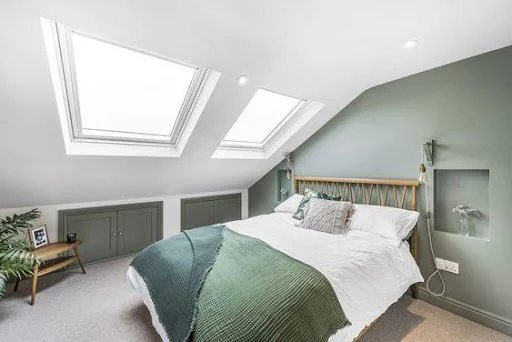
Green is having a moment in the interior design world, but by no means is this a one-hit wonder, as this classic colour will stand the test of time. The built-in storage within the eaves utilises every inch of the loft space to its full potential. Recessed walls make a great alternative to shelving and the double Velux windows leave the earthy tones of this room being lifted for the perfect balance between light and dark. 

3. Scandi-style

Scandi-style bedrooms have been a popular design in recent years, and this trend shows no sign of slowing down. If you are looking for loft conversion layout ideas that make the most of space, this built-in shelving behind the bed makes perfect use of an awkward shaped wall whilst also providing a functional storage solution. Small loft conversions often lack light, the addition of recessed lighting in the ceiling and large Velux windows helps to maximise brightness. 

4. Rustic

Rustic style loft conversion bedrooms utilise the wooden features that lofts often have before they are converted, creating a charming style that gives a charming nod to the room’s beginnings. A natural wood feature wall creates a warmth in the room that can be personalised with accessories and lighting. Make large windows a part of your design plans to lift the dark nature of rustic wood tones, if this is the bedroom décor style you desire. 

5. All-white

Loft conversions can often be darker than other rooms in the house, even with the addition of skylights, so keep your interior bright by using an all-white scheme. Add pendant lights on the slopes of the loft ceiling for added visibility on a dreary day.  

6. Monochrome

Monochrome can be an overwhelming colour palette to get right but this clean style creates a great loft bed aesthetic that really makes the most of the room’s features. Make a statement with a black feature wall which plays with the angular shapes of the room. By leaving the remaining walls white, as per this image, and with the addition of the large windows, the space becomes really open and maximises light within the bedroom. 

7. Grey

Grey is a versatile shade that has become a key colour within a modern neutrals colour palette. It works well if you plan to keep your furniture, bedding, and accessories in similar tones but equally, if you want to add in pops of colours, grey walls can accommodate this. Keeping the doors and frames white, with a natural wood flooring enhances the warm tones in this grey bedroom. The additional storage in the eaves will help to keep the space uncluttered, whilst painting the cupboards in the same shades as the wall keeps them discreet and hidden. 

8. Bold

Bold colours can seem scary at first, but use of strong bright shades can create a playful, happy aesthetic in a room. Make use of the sloped ceiling space by adding recessed and pendant light fittings on to support visibility in the room. Be mindful that darker colours can sometimes overwhelm tighter spaces, so if you have a small loft conversion stick to lighter bright shades such as a zesty yellow!

9. Cosy cottage

If you have a period cottage with a loft room, retain character by leaving the joists and beams exposed, as this loft conversion example shows. Your loft conversion construction company will be able to advise you on this.

 Keep the décor and furniture simple to allow the walls to do all the talking, bringing in some subtle floral prints on cushions and other soft furnishings to add to the cottage theme of the room. 

10. Urban

Industrial, urban styles are what many people may automatically think of when it comes to loft bedrooms, particularly as it lends itself well to the exposed brick walls and beams that can often form part of a loft conversion design.

Industrial style attic rooms are popular in America but are also becoming a more popular loft conversion idea in the UK, with furniture and accessories easily obtainable from home stores. Keep to dark woods and rustic metals to execute an urban style well. 

11. Neutrals

A classic style that will never fail, neutrals are a popular décor palette and it's easy to see why. The bright, airy nature helps to support the natural light in the room and stops the space from feeling overwhelmed. The rounded shape of the headboard in this loft conversion example counteracts the harsh, angular lines created by the walls. 

If you have an ensuite in your loft conversion bedroom, try to use similar tones throughout that keep a cohesive, gently flowing space. 

12. Traditional

For a more traditional property, you will want this style reflected within the design of your loft conversion bedroom, to make your entire home feel harmonious and balanced. Using a traditional style window, as per this image, as well as using more classic style furniture will help. 

The large rug used under this bed helps to make a feature of the classic bed frame placed below the cottage window. The suspended spotlights from the ceiling add a contemporary edge without disrupting the overall style. 

13. Colour Block

Make use of awkward spaces that can come from loft conversions by creating storage and shelving, as this image shows. Painting in a soft, pastel tone like this putty-coloured bedroom enhances the shape of the room and gives the illusion of space. If you are looking for inspiration and small loft conversion ideas, colour blocking is a straightforward yet stylish concept but be sure to add visual interest with texture. 

14. Modern

Keep your new loft conversion calm and clutter free with a modern style bedroom. Clean lines and soft, light neutrals give this room a relaxed feel. The glass bannister on the staircase into the room opens the space up further and helps to support the light flow. Light is important, especially in a modern bedroom, so the addition of a skylight in this mansard conversion keeps the space light and airy as well as being practical as it improves visibility.

15. Elegant

This dormer loft conversion offers light, open space with windows on multiple walls and plenty of headspace. The built-in wardrobes keep clothes and clutter neatly stored away without detracting from the rest of the space.

Summary

Loft conversions can be as stylish and comfortable as the rest of your home, and the styles we’ve listed go some way to demonstrating their versatility. There are plenty of clever ways to incorporate good lighting and storage spaces in the design of your conversion that won’t make it the struggle you may have feared it to be. 

Whatever your loft conversion ideas are, be it contemporary, traditional, or urban, this unique space can easily reflect the style of the rest of your interiors for a perfectly balanced home. Consider incorporating site plans into your design process to ensure every aspect of the conversion meets your expectations and flows seamlessly with your existing home.  

How To Raise Your Vibrations And Keep Your Home Clean

RH Business Marketing Solutions

The idea that your environment can affect how you feel is nothing new. It’s something that we’re all familiar with, even if we don’t realize it. It’s true that your home has a huge impact on how you feel. And it’s also true that the state of your energy can affect your home environment. The key is to find ways to keep yourself feeling good while also keeping your house clean and organized.

In this article, we’ll explore some of the ways that you can do just that. We’ll look at how to raise your vibrations so you feel good and then keep the energy flowing by keeping your home clean and organized. But first, what exactly are vibrations and how do they work?

What are vibrations?

Vibrations are the frequencies of energy that surround you, and everything around you. They can be positive or negative, and we can feel them when they surround us. The vibrations of our bodies, our emotions, and our thoughts are all interacting with each other all the time.

This makes it so important to be mindful of what we're sending out into the world. The energy that you send out are like seeds that will grow into either positive or negative outcomes for yourself.

Vibrations are also affected by their environment: if you put something with bad vibes into a space full of good vibes (like a home), the space will start to feel like what it's surrounded by.

People with negative energy often live in messy homes because the good vibes of cleanliness are replaced by bad feelings caused by those living there—and it shows.

In the same way that we can feel how a room feels, we can also feel how space and objects are affected by our own energy. If you put something into a space that already has positive vibrations, those good vibes will be amplified. Likewise, if you put something negative into a space full of positive vibes, it will amplify what's already there.

So, how can you achieve both a higher vibrational frequency and cleanliness in your home? Here are several ways you can do just that.

Allow for more natural light and fresh air.

Natural light has been proven to reduce depression, improve moods and energy levels, boost productivity at work and help you sleep better at night by resetting your internal body clock. It also helps cleanse the air in your home by filtering out harmful toxins that can cause allergies or asthma symptoms in sensitive individuals. Fresh air is also important for cleaning the air in your home, as it allows toxic gases to escape and helps circulate oxygen throughout the space.

By simply opening the blinds and a window when you can, you'll allow more natural light and fresh air in to your home. This can help cleanse the air of harmful toxins and improve your mood and vibration levels.

Declutter the home.

Decluttering the home is an important part of raising your vibration. It not only helps you feel less stressed and overwhelmed, it also makes your home look more beautiful and inviting. If you want to keep your home clean, one of the most important steps is removing clutter and unnecessary items from your life.

When you declutter, you can make more room for the things that are important to you. This will help you feel more organized and in control of your life. If you make a habit of decluttering and tidying your home regularly, not only will it improve your vibrations, but also keep the house clean.

It’s important to keep in mind that decluttering is more than just throwing away old items, it’s also about getting rid of things that are no longer useful to you. This can include anything from clothing and household items to old books and magazines.

If you have a garage sale or donate the items, this will help raise your vibration even more because it helps others as well.

Add plants.

Plants are one of the easiest ways to raise your vibrations and keep your home clean. They take in carbon dioxide and emit oxygen, which helps purify the air you breathe. Plants also absorb dust, allergens, and other particles that can make you sick. In addition to cleaning the air around them—and thus helping themselves—plants add a natural aesthetic to any room they occupy.

Plants also make great companions because they are living things that can give off positive energy. Plants are generally easy to care for and can help you feel more connected and grounded in your home. They’re also a great way to bring nature into your life.

Scented candles.

Scented candles are a great way to make your home feel cleaner. The warm, pleasant scent can help mask other odors and create an inviting environment for relaxation and sleep.

The right scented candle can help you relax, feel more positive and boost your mood. Scented candles are also a great way to bring the outside world into your home if you’re looking for a change of scenery.

The beauty of scented candles is that it lets you choose the type of mood you want to create, whether it’s calm and relaxing or upbeat and energizing. This can help you achieve the vibrations and energy that you desire.

Focus on yourself first.

Change should start with you. If you want to achieve higher vibrations that can help keep a more positive and cleaner environment, then start by cleaning up your own act. You can’t expect your home to be clean if you’re not taking care of yourself. Consider starting by maintaining a good standard of personal care, such as taking a shower, eating enough food, exercising regularly and learning continuously.

These simple things may seem insignificant, but they can make a huge difference in how you feel and the energy of your environment.

By first focusing on yourself, you’ll be better able to focus on other areas in your life. This will help you create the type of environment that supports a higher vibration.

Plus, the investment of time and energy you put into your well-being can be a source of enjoyment like how some people can think of plenty of reasons to love aerial yoga or find that personal development books help them improve and learn more about themselves.

Final Thoughts

It's important to keep your home clean, but it's also important to raise your vibrations. If you want to create a home that is supportive of your highest potential, then start by raising your own vibration. This will allow you to attract more positive energy into your life and help you reach new heights in all areas.

By following the steps outlined in this article, one at a time and with patience, you will gradually raise your vibration while simultaneously keeping your home clean.

Guest Contributor: Sophia Young