Google+

contact us

Use the form on the right to contact us.

Day or Night, we are here to serve you. Leave your plumbing problem to us.


Tinley Park, IL

(708)845-7922

Residential and Commercial plumbers and plumbing contractors available in Orland Park, Tinley Park, Oak Lawn, Palos Heights, Midlothian, Oak Forest, Homer Glen, Mokena, Frankfort, and the surrounding Chicago South Suburbs. Emergency plumbers.

copper water lines.jpg

Kevin Szabo Jr Plumbing Blog

Kevin Szabo Jr Plumbing is Tinley Park, Orland Park, Oak Forest, Midlothian, Orland Hill, Homer Glen, Mokena, Frankfort, Crestwood, Palos Heights, Oak Lawn, local plumber. Read our blog for advice, tips, a good laugh, and basic home improvement.

**We are moving our old blog to our new and improved website. Too see all our posts visit kevinszabojrplumbing.blogspot.com

How To Make Your Home More Green And Save Money

RH Business Marketing Solutions

Making your home green doesn't have to be complicated or expensive. There are a number of simple things you can do that will not only help the environment but also save you money. Here are some tips on how to make your home greener:

Add Solar Panels

A wonderful option to lessen your carbon footprint and save money on your energy bill is to install solar panels. Your home can be powered by solar panels, which turn sunshine into electricity. The initial cost of installing solar panels may be high, but over time you will save money on your energy bill. 

Additionally, solar panel systems can raise the value of your house. Make sure you work with a trusted solar panel installation company to ensure your system is installed correctly. For example, people that worked with solar panel installers in Virginia recommend getting at least three quotes before choosing a company. You can be confident you're obtaining the best deal in this way.

In addition to saving money, solar panels also have a number of environmental benefits. They reduce dependence on fossil fuels, which produce harmful emissions when burned. Solar panels also do not require water to generate electricity, unlike power plants that use fossil fuels such as coal or natural gas.

Create A Center For Recycling

You can help the environment and save money by creating a center for recycling in your home. This will allow you to recycle items such as paper, plastic, and metal. Recycling these materials reduces the amount of waste sent to landfills, and it also conserves resources.

To create a recycling center, start by setting up separate bins for each type of material you want to recycle. Label the bins clearly so everyone in your household knows what goes where. You can then take the recyclables to a local recycling center.

In some areas, you can also recycle items such as electronics and appliances. These items usually contain harmful materials that should not be sent to landfills. Recycling these items helps to reduce pollution and conserve resources.

Create A Compost Station

If you're looking to go green and save some money, one of the best things you can do is start composting. Composting is an excellent way to reduce your household waste, as well as create nutrient-rich soil for your garden.

Composting is relatively simple: it's just the process of decomposing organic matter, such as fruit and vegetable scraps, coffee grounds, and eggshells. The key to successful composting is creating the right conditions for decomposition to occur.

The first step in creating a compost station is finding a suitable container. If you have a small yard, you can use a plastic bin with holes drilled in the bottom for drainage. If you have a larger yard, you can use a wire mesh bin or even build your own compost bin out of wood.

Next, you'll need to add some organic matter to your bin. This can be anything from fruit and vegetable scraps to coffee grounds and eggshells. Once you've added your organic matter, it's time to add some microbes. These microscopic organisms help break down the organic matter, making it rich in nutrients.

You can get microbes from your local garden center or online. Once you've added your microbes, it's important to keep your compost moist but not too wet. The best way to do this is to cover your bin with a lid or piece of burlap.

Lastly, you'll need to turn your compost regularly. This aerates the compost and helps speed up the decomposition process. Once your compost is ready, you can use it in your garden to improve soil quality and help your plants grow.

Switch To LED Lightbulbs

You can find LED lightbulbs for just a few dollars each, and they last 10 times longer than traditional incandescent bulbs. They also use far less electricity, so you'll save money on your energy bills as well. Plus, LED bulbs don't contain any toxic materials like mercury, so they're much better for the environment.

Another great way to save money and be more eco-friendly is to install a programmable thermostat. This will allow you to set your heating and cooling system to only run when you need it, which can save you a lot of money on your energy bills. Many newer homes come with these installed, but if yours doesn't, it's a relatively easy and inexpensive upgrade.

In conclusion, there are many simple ways you can make your home greener and save money. By recycling, composting, and switching to LED lightbulbs, you can help the environment and your wallet. And, by installing a programmable thermostat, you can further reduce your energy consumption. So take some steps today to make your home more eco-friendly and save money at the same time.


How Small Details Can Give Your Home An Elegant Look

RH Business Marketing Solutions

It doesn't matter how big or small your home is, you can always make it look elegant with the right details. All it takes is a bit of creativity and some careful planning. We'll discuss some simple ways to add elegance to your home, no matter what your budget may be. We'll also provide some tips on how to choose the right details for your space. So whether you're looking to renovate your entire home or just give it a little facelift, keep reading for some ideas that will help you achieve the elegant look you desire!

Products For Organizing To Declutter

It’s easy for any home to become cluttered and disorganized over time. Even if you’re the tidiest person in the world, things have a way of piling up. It seems like every time you turn around there’s another toy on the floor or another piece of clothing thrown on the bed. If your home is starting to feel a little cluttered, it might be time to invest in some organizational products. There are a lot of different options when it comes to organization products, of which you can see more at Home & Living to get a better understanding of which products might be best for your home. You can find everything from storage bins to laundry baskets to organizers that will fit perfectly in your closet. No matter what your budget or needs may be, there’s sure to be an option that will work for you.

Renovating On A Budget

If you’re looking to give your home a more elegant look, but you’re working with a tight budget, there are still plenty of options available to you. One option is to focus on small details rather than big projects. This could mean something as simple as adding some new hardware to your cabinets or changing out the light fixtures in your home. You could also add a fresh coat of paint to brighten up the space. If you’re feeling ambitious, you could tackle a bigger project like refinishing hardwood floors or installing new countertops. Whatever route you decide to go, just remember to stay within your budget so that you don’t end up overspending. Additionally, if you’re not sure how to tackle a certain project, it’s always best to consult with a professional so that the job is done correctly and looks its best.

Choosing The Right Details

When it comes to choosing details for your home, it’s important to select items that fit your style. You also want to make sure that the items you choose are appropriate for the overall style of your home. For example, if you have a more traditional style home, you might not want to select extremely modern-looking light fixtures. Instead, you would want to find something that has a more classic look. It’s also important to think about functionality when selecting details for your home. For instance, if you’re adding new cabinet hardware, you want to make sure it’s easy to grip and use so that you don’t end up frustrated every time you try to open a cabinet door. Keep these things in mind as you shop for details and you’ll be sure to find pieces that you love and that fit well into your home.

Adding Glass For A Polished Look

If you’re looking for a way to add a touch of elegance to your home, consider adding glass. Glass can be used in a variety of ways, from glass tables to glass shelving. It can also be used to create interesting details like stained glass windows or leaded glass doors. No matter how you choose to use it, glass is sure to give your home a more polished and sophisticated look. Mirrors are also a great way to add a touch of class to any room. Placing a mirror in the entryway is a great way to create the illusion of a larger space. You could also use mirrors to accentuate other features in your home, like a piece of art or a fireplace. When placed strategically, mirrors can help to enhance the overall look of your home. Also, if you have a small space, using mirrors is a great way to make the space appear larger.

Whether you’re working with a big budget or a small one, there are plenty of ways to add elegance to your home. By focusing on small details and choosing items that fit your style, you can easily transform your space into the elegant oasis you’ve always wanted. So get creative and start planning your project today!

6 Awesome Kitchen Appliances Every Home Needs

RH Business Marketing Solutions

The kitchen is rightly referred to as the heart of the home. It's where we cook meals, eat breakfast, and gather with family and friends. That's why it's essential to have a well-stocked kitchen with all the right appliances. In this article, we'll discuss 6 awesome kitchen appliances that every home should have.

1. A Blender

This can be used to create smooth, textured, and volumetric foods and beverages - and it achieves this by merging various ingredients. A blender can help you make healthy smoothies, juices, shakes, and soups quickly and easily. It's great for those who want to experiment with different flavors and textures in their cooking - plus, cleanup is a breeze.

You can get some smoothie ideas and recipes by visiting specialist sites on the internet. The people who visit www.BlendTopia.com show how keen folks are for smoothies that are certified organic, vegan, dairy-free, soy-free, gluten-free, and non-GMO. They also want detox smoothies, ones for energy, immunity smoothies, and those suitable for keto diets.

2. A Microwave

Microwave ovens work by using electromagnetic waves to heat water molecules in food, resulting in faster cooking times than traditional methods. They can be used for reheating leftover food, cooking quick meals, and defrosting frozen food. It's the perfect option if you want to make popcorn, bake potatoes, cook pasta, and more.

Additionally, microwave ovens typically use less energy than other methods of cooking, making them more efficient and environmentally friendly.

3. A Dishwasher

This is a machine for cleaning dishes, typically using water and detergent. Dishwashers are more effective at cleaning than hand washing because they use high temperatures and strong jets of water to remove dirt and grime. If you have a large family or entertain often, it can be an invaluable addition to your kitchen appliances. Also, they use less water than washing by hand, and they can reduce your energy consumption.

Dishwashers come in a range of sizes, so choose one that'll fit in your kitchen and that can accommodate your needs. They also come with a variety of features, such as adjustable racks, delayed start timers, and built-in water softeners. Dishwashers range in price from budget models to high-end appliances.

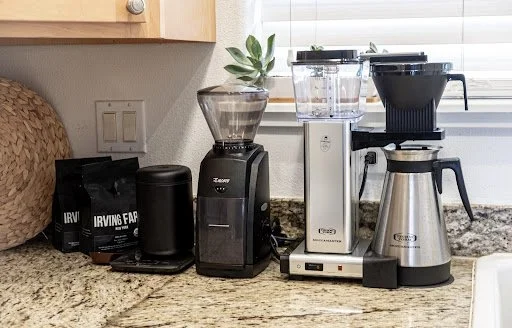
4. A Coffee Maker

Coffee makers make it easy to brew delicious cups of coffee at home, and there’s nothing better than starting your day with a fresh cup of joe. You can save money by making your own coffee instead of buying it from a cafe every day. This makes it ideal for when you're entertaining guests because you won't need to leave the house to get some.

Some coffee makers have built-in grinders, while others have filters. Drip coffee makers are the most popular type, and they come in a variety of sizes and price points. If you want to make iced coffee at home, there are also machines that can do that. Or, if you’re looking for a more high-end option, you could buy an espresso machine.

5. A Food Processor

This is used to facilitate various tasks, such as chopping, pureeing, mincing, and kneading dough. They're also equipped with various attachments for performing different tasks such as shredding and slicing. Common features include a bowl, a blade, and multiple settings.

If you find yourself doing a lot of cooking (or if you simply want to make life easier for yourself), investing in a good food processor is definitely worth it. With this appliance, you'll be able to quickly and easily chop up vegetables, fruits, nuts, and more. You can also use it to make sauces, dips, and spreads.

6. A Toaster Oven

This is a small appliance that can be used for baking, broiling, and toasting food. It usually has a capacity of six slices of bread or a 12-inch pizza. You can cook a variety of food in a toaster oven, such as chicken, burgers, vegetables, and cookies. A toaster oven can be more energy-efficient than a regular oven because it uses less electricity. It also heats up faster, so you can start cooking your food sooner. And since it's smaller in size, it's easier to keep clean.

On the downside, toaster ovens can be expensive and they don't have all the features of a regular oven. Having said that, they're quite versatile and can save you time and energy.

No doubt one or two of these appliances have appealed to you. So why not do some more research and shopping right now? With the right purchases, you'll enjoy cooking as never before, and all your household will reap the benefits.


6 Tools Every Skilled Handyperson Needs to Have in Their Arsenal

RH Business Marketing Solutions

Are you starting or continuing your journey as a skilled handyman or woman? If you are, you know that having the right tools is essential to success. There are some basic tools that every skilled handyperson should have in their arsenal. These tools will allow you to complete a wide variety of big and small tasks. Here is a list of the six essential tools you need to start.

Pliers

Pliers are one of the most versatile and important tools in a handyman's or woman’s arsenal. They can be used for gripping, twisting, pulling, and cutting wire. There are different types of pliers, so it is important to choose the right type for the job you are working on. For instance, these adjustable pliers are great for gripping and cutting wire. They are also useful for holding objects in place while you work on them.

When choosing pliers, some factors to consider are the size, type of jaws, and the material they are made from. Most pliers are made from carbon steel, which is durable and easy to grip. Some pliers have rubber or plastic handles, providing a better grip. Choose the right type, depending on the task you need to complete.

Screwdrivers

Every carpenter or electrician will require a screwdriver. Screwdrivers come in various shapes and sizes to fit different types of screws. You can use them to loosen or tighten screws. They are also useful for prying open objects or removing nails.

Choose a screwdriver set that includes a variety of sizes and shapes. This will allow you to complete any task, big or small. It is also important to choose the right type of screwdriver for the job. For instance, Phillips head screwdrivers are used to tighten or loosen Phillips head screws, while flathead screwdrivers are used for flathead screws. If possible, get a set that includes both types of screwdrivers.

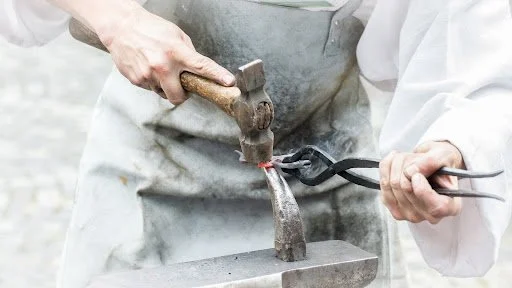
Hammer

Any handyman or woman will need a hammer. It can be used to drive nails, remove nails, and pound screws into place. Hammers come in different sizes and weights, so choose one that is comfortable for you to use. For most tasks, a 16-ounce hammer will suffice.

When choosing a hammer, you should also consider the type of head. The two most common types are claw hammers and ball peen hammers. Claw hammers have curved heads that can be used to pull nails out of surfaces. Ball peen hammers have a flat head that is useful for pounding nails and screws into place. Ensure to get a hammer that has a comfortable grip.

Utility Knife

A utility knife is a versatile tool that can be used for various tasks, such as cutting wood, trimming carpets, or slicing through packaging. Utility knives have sharp blades that can be retracted into the handle when not in use. This makes them safer to use than traditional knives.

When choosing a utility knife, consider the type of blade you need. For instance, some blades are designed for general use, while others are designed for specific tasks, such as carpet cutting or wood carving. You should also get a utility knife with a comfortable grip and a retractable blade. This ensures your safety when using the knife.

Tape Measure

Do you need to measure a space before starting a project? If so, you will need a tape measure. Tape measures are used to measure length, width, and depth accurately. They come in various sizes, so choose one that is appropriate for the task. For most tasks, a 25-foot tape measure will suffice.

Some factors to consider when choosing a tape measure are length, accuracy, and durability. You should also get a tape measure that is easy to read. This will ensure accuracy when measuring surfaces. For instance, ensure that the tape measure has two or more measurements, such as inches and centimeters.

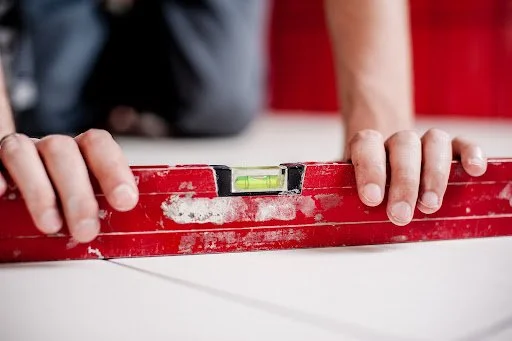
Level

A level is a tool used to ensure that surfaces are level. It is an essential tool for any handyman. Levels come in different sizes, so choose one that is appropriate for the task at hand. For most tasks, a 24-inch level will suffice. If you are a mason, you can consider getting a longer level.

When choosing a level, you should consider accuracy and durability. You should also get a level that is easy to use. This will ensure accuracy when measuring surfaces. For instance, some levels have vials that can be read from both sides. This makes it easier to take accurate measurements.

The above are just some tools every skilled handyman or woman should have in their arsenal. With these tools, you can complete any task, big or small. When finding these tools, ensure to get ones that are of good quality. This will ensure durability and accuracy. With these tools, you can tackle any project with ease.

13 things to consider when buying a house

RH Business Marketing Solutions

Buying a house is an emotional decision because you choose a place that will become special and contain all the emotions and moments of your life.

But your decision must also take into account your rational needs. A house must guarantee reliability and safety over time. Especially if you take out a mortgage to buy the property as it becomes a long-term commitment.

Naturally, we wonder what to look for in a property when looking to buy. Here are 13 essential things you need to take into account.

1. The average cost of houses in the area

Before buying a house, analyze the trends in the local real estate market:

  • Find out the average square footage of the apartments in your areas of interest.

  • Discover the average price of properties per square foot.

  • Monitor the local market performance to check if it’s a favorable moment to buy a house in this location.

This information will allow you to evaluate all available proposals realistically, understanding if they align with your personal needs or if it’s better to focus on researching a different area.

2. House condition

If you’re already interested in a property, organize a thorough inspection that will give you insights into its condition. Get help from competent professionals who can provide you with technical answers regarding different aspects of the house, such as:

  • The electrical system may be old and have lost its insulation capacity, and you may have to redo it. Rely on a technician for the appropriate checks.

  • Plumbing system: check externally and internally if there are leaks in the pipes and ducts and if the pressure and color of the tap water seem fine.

  • Stability of the house: check if it has large cracks that could compromise the safety of the home.

  • The general condition of the structure: check the state of the floors, doors, windows, fixtures, and tiles. Any damage may result in extra costs that you can report when negotiating the final price.

  • Air and light: if the air can circulate well in the house, there won’t be problems with humidity, mold, and pests. Also, visit the house during the day, checking how much natural light comes in and how bright it is.

    3. Necessary documents

Check that all the property documentation is in order. Some crucial papers to consider include:

  • Property title – a document that certifies ownership and traces changes in ownership over the years. Ensure that the last owner stated in the paper is the seller.

  • Seller's identity documents. Verify the identity of the seller and their right to sell the property. 

  • Building permits that guarantee that any changes to the property are legal. When you purchase a property, you also take over the responsibility for unpermitted modifications.

  • Purchase agreement – the contract between the buyer and the seller.

  • Home inspection report, which describes the condition of the house in detail.

  • Energy Performance Certificate (EPC) certifies the house's energy efficiency. This document contains information on the property's typical energy costs and advises on reducing energy consumption to make the property more efficient and eco-friendly.

    4. Renovation

If a house fits your needs but needs updates, repairs and improvements, make sure you have the time and budget for a renovation.

Additionally, building codes may have changed over the years, so the house may need some changes to adapt to the new regulations. A real estate agent can help you get this information.

5. Appliances

Evaluate the current appliances in the house and if they need replacements.

These can be expensive to replace, but upgraded appliances can be more functional and sustainable, consuming less energy.

This is a fundamental step to reducing the environmental impact of your home.

6. Homeowner's Association Details

A knowledgeable real estate agent can also help you determine if a Homeowner's Association (HOA) or other similar associations exist in your area. If so, read their requirements.

HOAs can impose many rules or monthly fees.

For example, if you want to change something in your future house, you should first check with the local HOA if it is allowed.

7. Garage or parking space

A garage adds value to a property. It keeps the car safe and adds additional square footage that you can use to build a home gym or as storage. Alternatively, a private parking spot also provides comfort in easily parking your car.

If your house does not have a garage or a parking spot, look around the area to understand if it is difficult to park there. Looking for a place to park can be stressful and time-consuming every time you return home.

8. Location and neighborhood

The location of the house is crucial, and so is the neighborhood. You should check whether the setting is family-friendly and quiet day and night.

As you walk around the neighborhood, try to meet some neighbors to ask for more information about the facilities and people in the area.

Look for a home with friendly neighbors and a good residential atmosphere.

9. Infrastructure

Consider the neighborhood transportation network and how easy it is to get there by road or public transport. 

You must also check for reliable phone and internet coverage, sufficient water supply, street lighting, etc.

The more accessible your neighborhood, the more comfortable it is to live there.

10. Parks and green areas

Parks and green areas are vital assets to every neighborhood. They bring enormous benefits to everyday life, such as purifying the air and lowering the temperature inside cities. They also help us stay in contact with nature, and in urban areas, parks may be the only option for residents to enjoy nature and stay active.

A case in point is the Kitsilano Community Center, located within Connaught Park in Vancouver, which offers many services to residents. The Center contributes to the community's identity and provides active and passive recreational opportunities for all ages.

It offers various programs, from health and fitness to arts and culture, in single classes or day camps. Participants of all ages can build connections within their community while pursuing personal development and enjoying their leisure time.

11. Schools and Colleges

Parents or couples looking to have a family should also confirm whether there is a good school in the neighborhood. This will make travel easier and faster, simplify everyday life, and ensure quality education for children.

The schools' presence also facilitates communication between families in the same community, creating relationships of trust and support.

In addition, some high schools nowadays offer services that improve residents' health and well-being by creating community centers.

12. Facilities in the neighborhood

A functional neighborhood must have certain shops and services.

These facilities include grocery stores, pharmacies, a bakery, a bookstore, and gyms

Other convenient facilities to have nearby are restaurants, bars, clothing stores or shopping malls, a car mechanic, and a laundry

Having these services close by will limit travel outside of the neighborhood.

13. Crime

One aspect that should not be underestimated is the crime rate. Make sure the house you want to buy is in a quiet, clean, and well-maintained neighborhood where you don't need to install a burglar alarm immediately.

You can check the crime rate in the neighborhood online. Taking a tour around the area can help you get an idea of ​​what to expect.

Final thoughts

Now you know the main things to consider when buying a new home. You have the information to find the right fit in a neighborhood that covers all your needs.

If you need help, you can contact a real estate agent and communicate your requirements.

Enjoy your research!

Author bio

Alice Ibba has graduated in Architecture and is working as a freelancer, combining her passions for interior design, holistic wellness, sustainability, psychology, and graphic design. She defines herself as a multipotentialite. You can get in touch with her on LinkedIn.

Tips on What to Do When Your HVAC System Needs Maintenance

RH Business Marketing Solutions

It's the winter season again, and your HVAC system could be on the verge of a breakdown. Understanding what to do when your HVAC system needs maintenance is imperative to ensure that you avoid a hefty repair bill later on. This article will teach you when it's time for maintenance and how to complete it safely.

1. Why Do I Need Maintenance?

Before rushing out to buy a new system, remember that there are a lot of benefits to getting the old one serviced. For one, if it breaks down mid-winter, you'll need a service provider to fix it immediately. If your unit is under warranty, it will take less time for a professional to diagnose and fix the problem, saving you money on new equipment.

Additionally, regular HVAC maintenance helps save energy use over time – which could make all the difference in the cost of your HVAC system. According to a U.S. Department of Energy report, most equipment breaks down because of poor maintenance – not just because the unit has reached its end of life. Regular maintenance can help eliminate this problem by ensuring your system is always working efficiently.

2. How Do I Know When Maintenance is needed?

The best way to tell if your HVAC unit needs maintenance is to look for signs of poor performance in your system. These signs can include:

•The system running is a sign that there's something wrong with the system and that your unit could need maintenance.

•Loud noises or unusual smells are coming from your system – this could indicate a problem with the unit. The noises may be the sound of something not working properly – for example, an air handler clattering against each other when it should be quiet. The smells could be from a leaking part or corroded elements.

3. How Do I Complete Maintenance Properly?

There are many ways that you can complete your maintenance requirements. Since it's best to have a professional with experience with HVAC systems complete the work, many people trust their local HVAC Company to do this.

Preventative maintenance is one of the most important parts of maintaining your HVAC system. Preventative maintenance often involves replacing filters, checking ducts, and performing tune-ups on electrical components of the system. If you want to keep your system running efficiently and safely, you should set up a schedule for preventative maintenance. Call an HVAC technician each season, especially if your system is older and you haven't had any major issues with it in the past. Doing this will ensure that the entire unit is running at optimal performance.

It would help if you also had regular tune-ups performed by an HVAC technician. Tune-ups include cleaning out the condenser, checking all of the capacitors and moving parts of the unit, and performing a leak test on all of the gas components of the system. This can be performed annually or every other year, depending on your location, but experts recommend doing it at least once every other year for optimal performance.

Part of taking care of your system includes keeping it lubricated. If you notice that the system is running louder than usual or is less efficient, you can have it serviced. This will protect your unit from damage and help extend certain components' life. An HVAC technician will carry a can of lubricant with them and apply it to the various moving parts of the system during a tune-up. If you've been having noise issues for a long time, you may need to have this done more than once before the source is found and resolved.

It would help if you always were looking for leaks in your HVAC system. Use a flashlight to check your pipes and electric components for spots of moisture or condensation. If you find any, you may need to call an HVAC technician. Depending on the leak's source, you may also need to call a plumber. These leaks can result in mold or other damage that is hard to fix without professional help.

Conclusion

Your HVAC system is an important investment in your home's comfort. It's important to keep it running properly for your and your family's safety. Performing preventative maintenance is a great way to keep it running properly and protect it from damage. If any of your unit's components start malfunctioning, or if you notice that something has changed about the way the unit is functioning, you should call an HVAC technician right away. They can help you diagnose problems and suggest ways to improve your home's performance to save money while maintaining comfort.

Guest Contributor: Hannah Boothe

7 Subtle Signs That Your Sewer Line is in Need of Replacement

RH Business Marketing Solutions

Sewer lines are one of those things you hope never go bad, as the results can be catastrophic when it does. A broken sewer line can damage foundation, contaminate drinking water, and backing up sewage are some of its possible effects.

The good news is that a few warning signs can let you know it is time for sewer line installation before it becomes a major problem. Read this article to know the signs to look out for.

Calling a professional to examine your sewage line and provide a replacement cost estimate is necessary if you see any of these signs. A new sewage line installation is a small price to pay for peace of mind, so don't wait until it's too late!

#1. The slow draining of water

Every home has a main water line that supplies fresh, clean water and a sewer line that removes wastewater to the septic tank or main sewer line outside. When you start noticing that the water is not coming out with as much pressure as it should in your shower, it is a sign that you have a main water line issue.

On the other hand, if you notice that the water drains more slowly than usual, you may have a sewage line issue that is still draining. Get a plunger to unclog your drain. If the wastewater is still draining slowly, there is a possibility that you have blockage down the sewer line. Again, it is a problem that a plumber should handle. Never attempt to do it yourself.

#2. Visible signs of mold growth

Another telltale sign of a major sewer line problem is mold growth along the walls of your home. If you see this, along with water trail marks on the ceiling and walls, it could signify seepage somewhere in your home. But, again, you should call a professional plumber to help you with this issue before it becomes a serious problem.

Molds thrive in a moist environment, and they can spread rather quickly. It also posed a dangerous threat to your health. Immediately addressing this issue will prevent any further damage.

#3. An awful sulfuric smell

Don't be alarmed because there is no evil spirit in your house. However, if you frequently smell something like sulfur in your house, it may come from the sewer line since the septic tank is supposed to be airtight. A smell emanating from it means that there is a leak somewhere. You don't have to worry about calling an exorcist. Instead, call a company that is an expert in sewer line installation.

#4. Bubbling toilet water

When you notice that the waste kind of bubbles back in the bowl instead of going down the drain every time you flush, it is a sign that your sewer line is clogged. If you see this problem, you could be dealing with a serious issue. It could be caused by something as simple as toilet paper buildup obstructing the sewage system.

#5.A soaked yard

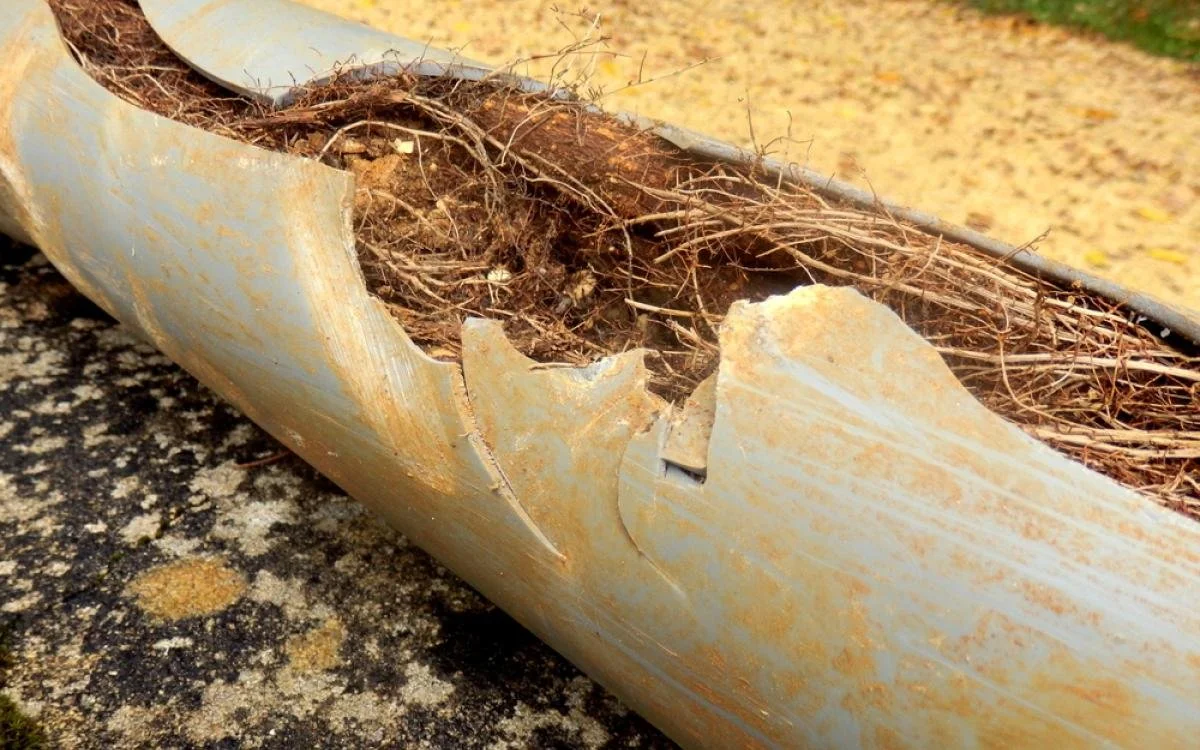
A soggy lawn is one of the less visible indicators of a broken sewage line. The reason for your soaked yard could be a damaged sewage line next to a tree root instead of the sprinkler. The filth absorbs the extra water from the sinks, toilets, and other plumbing fixtures.

Usually, the yard would gradually become saturated, making the issue difficult to see. But, on the other hand, you could one day discover the grass to be abnormally wet and perhaps have puddles close to the underground pipes in your yard. In either scenario, you must contact a plumber right away.

#6.Unusual gurgling sounds

Your sewer system could be problematic if your sinks or toilets produce strange noises like gurgling. Since noises might appear for various reasons, this is one of the more inconspicuous indications of a collapsed sewage line. But because there is a problem, it makes sense to call a plumber.

Not only your toilet, but other fixtures may produce odd noises. Your bathtubs, sinks, and faucets may also make unsettling noises that trigger warning alerts to your common sense.

#7. Pest infestation

The emergence of critters inside your home is one more warning sign to look out for whenever there is a problem with your sewer line. These are pests like flies, scorpions, cockroaches, and ants. Rats, snails, worms, lizards, and even snakes are included. If you find these animals and are certain that other possible points of entry are sealed, they may have entered through your sewage line. There could be a break somewhere wide enough for animals to squeeze through.

Conclusion

You could also consider other indicators, such as lush grass areas in your yard. Don't hesitate to ask a professional for assistance if you discover any issues with your sewage line other than the above. You can create a strategy to fix your sewer line with their advice before it develops into a bigger issue. In some cases, a sewage line installation is also necessary.


About the Author:

Merrie is a Marketing Manager for the Rooter Ranger brand. Her focus is on results driven strategic marketing efforts that deliver sales and profit growth. In her spare time she enjoys the outdoors and traveling the world.

Bed Bug DIY Mistakes You Should Never Do at Home

RH Business Marketing Solutions

Bed bugs have always been a looming problem in both residential and industrial areas. While both business owners and homeowners have been shown bed bug removal methods they can do by themselves, doing the wrong thing could lead to mishaps.

DIY isn’t entirely wrong, but it should be well-informed and done right so as to avoid hazardous issues. But just to be on the safe side and avoid further mishaps, the best option for treating bed bugs is to contact a professional that can do bed bug heat treatments in Sacramento, CA.

Here is a rundown of some bed bug DIY mistakes that should never be done at home.

Using the wrong pesticides

Of course, pesticides are highly toxic and hazardous. Even the ones that are registered by the US EPA (Environmental Protection Agency) have been linked to multiple health problems such as acute poisoning, certain types of cancer, hormone disruption, asthma, neurotoxicity, organ damage, and more. The use of these pesticides are more dangerous than their benefits.

That’s why it’s important to check with a professional exterminator. After assessing the infestation, they will come up with a proper treatment plan to deal with the bed bugs in your area. They also have the right tools and equipment to carry out these treatments.

Not buying a vapor steam cleaner

Nowadays in the cleaning industry, steam cleaners are one of the fastest growing technologies. We’d even go as far as saying that these are a heaven-sent item for anyone that’s wary about bedbugs. Vapor steam cleaners look similar to a vacuum, but they are much more powerful. Steam cleaners use water and electricity to clean, disinfect, and deodorize any surface. These are safe for use in homes since they don’t need any kind of chemicals. 

Vapor steam cleaners are great for maintaining a bed bug-free environment because they generate  a tremendous amount of heat, eliminating pests from clothes, furniture, and beddings. The steam vapor can also reach nooks and crannies, just where bed bugs like to hide most. If you’re trying to steer clear of bed bugs, vapor steam cleaners are worth an investment.

Not using a bed bug monitor

Bed bug monitors/interceptors have been one of the most useful devices ever invented for bed bug monitoring and management. These devices are usually shaped like a plastic dish with an outer shallow part designed to catch and contain bed bugs. They function on the assumption that bed bugs do not have the ability to climb slippery, vertical surfaces. So with these things, you can breathe easy for a bit knowing bed bugs won’t reach your pillows.

Other uses for a bed bug monitor and interceptor include the following:

●      Keeps bed occupants from bed bugs

●      Sees and counts bed bugs present

●      Assess the effectiveness of certain bed bug treatments

●      Serves as an early detection system for bed bugs in hotels, apartments, houses

●      Used as part of a DIY bed bug management practice

Not prepping the rooms prior to treatment

Most, if not all, pest control companies will require homeowners to do significant preparations prior to the start of a treatment. These requirements may differ based on the type of treatment as well as the type of residence. Unfortunately, some clients don’t think this is necessary, leading to a myriad of problems that pest control companies are all too familiar with.

The actions they require Below is a sample checklist for clients to complete before their bed bug service begins.

Below is a list of the preparations homeowners should take note of before having exterminators begin their treatment:

●      Lift mattresses and box springs out of the bed frame

●      Empty all closets, dressers, drawers

●      Wash and dry all clothing within the room on high heat

●      Bag all personal items that cannot be laundered

●      Empty all luggage and travel bags into untied bags

●      Remove all sofa, chair, and other upholstered furniture cushions and accessories

●      Remove all sheets, blankets, pillowcases, and other bed coverings from the mattress and box spring and dry for at least 50 minutes on high heat

●      Thoroughly vacuum your mattress, box spring, inside of dresser drawers, all carpeting throughout your entire home, floors, area rugs, sofas, futons, recliners, upholstered furniture, and physical bugs you may see

●      Remove and dry all curtains and window dressings on high heat

●      Inspect items that cannot be washed such as books, electronics, picture frames, and plastic toys

●      Place them into plastic bags only if you do not find bed bugs on these items

●      Reduce clutter under your bed and around the room

●      Encase your mattress using specialized mattress encasements

Unless homeowners do these themselves, technicians will leave the room just as it is. This results in a lot of mishandling in materials that could spread bed bugs throughout your home, or even destroy your beddings and belongings. Neglecting proper preparation could prolong the whole treatment process.

Bed bugs are tough, but you have to be even tougher

Dealing with bed bugs takes so much time and energy, but that’s why there are pest control companies that can help. These companies have exterminators that are properly trained and equipped with the right tools for carrying out bed bug heat treatments in Sacramento, CA. DIY methods may be cheaper, but these may not be as effective and some mistakes can even cost you more money instead.

Awesome Home Improvement Ideas for Dog Owners

RH Business Marketing Solutions

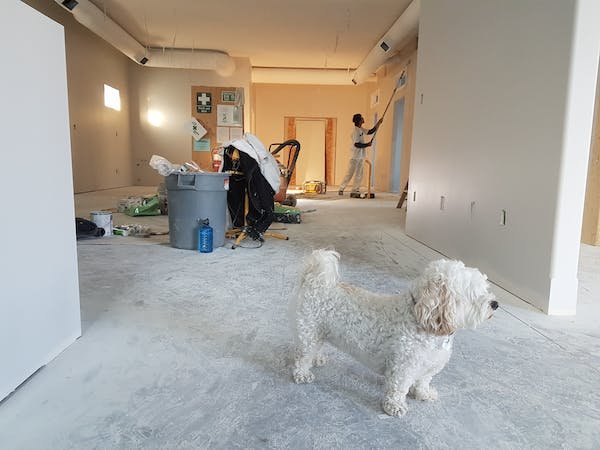
Our dogs are our family members, and every family member deserves to feel comfortable, safe and welcome in their own house. So if you’re planning to conduct some home improvements in the future, don’t forget to surprise your pup with some improvements for their own comfort. If you need dog-friendly renovation ideas, you’ll find plenty here:

Install dog-friendly flooring

Let’s start your renovation from the bottom up by installing new flooring. If you have an indoor pup, choose the flooring that’s easy to clean and resistant to slips. For dogs, concrete, tile and hardwood floors are the best choices that can’t be damaged by your dog’s claws and accidents. And consider installing heating under the floor—this will feel so good on your senior dog’s joints and bones.

Built-in doggy doors

Suppose you don’t like the open space concept, then you know how annoying it can be to constantly go around the house, opening the doors for your pup. Well, you can make your life much easier with built-in doggy doors. There are costly but super-practical sliding doggy doors that are built into the walls, but those that install on your regular doors are a great option too.

Build a mud room

If you regularly walk your dog or let them into your yard (as you should), you know how much dirt your furry friends can drag inside. This can be solved with a practical mud room. This small room is usually built near the entrance of the house and can be used to leave dirty clothing and shoes, as well as wipe your dog’s paws and store their personal items. If you have space to work with, you can also install a small dog shower in your mud room and have a practical grooming station in a safe and easy-to-clean place.

Build a doggy sanctuary

Dogs usually love to be surrounded by people, but sometimes even they need some peace and quiet. When there’s a lot of noise and chaos in your home, or when you have visitors over, your dog will love to retreat to their sanctuary and avoid over-stimulation. You can easily designate a corner under the stairs or in your catch-all closet to make a cozy dog nook. Make this place soundproof, and boost the comfort with a cozy dog bed for sweet dreams and relaxation. The best bed options are doggy cots which are lightweight, easy to move and wash. Providing your dog with a safe space will create a calm and secure dog without stress and anxiety.

Create a designated dog feeding area

If you want to additionally boost comfort for both you and your dog, then build a designated feeding area. This doggy dining room will ensure they get all the privacy they need while eating without taking away any space in their kitchen or living room. A practical solution for a feeding station is a pull-out drawer with bowls for feeding. Next to it, you can build a cabinet with kibble bins for easy access. Since these cabinets and drawers close after use, they prevent the spreading of any dog food odors and allow you to avoid spillage.

Stylish gates

We usually allow our dog access to all the parts of the house, but sometimes, we just need to limit their access to certain rooms, either for their safety or for the safety of other people. What most people resort to are baby gates, but these can be very ugly and short. A better solution is a sliding half-door with a metal railing resistant to scratching and biting. These are easy to build between the kitchen peninsula and the wall, on top of the staircase or between rooms.

Include easy access for senior dogs

Some dogs are very susceptible to joint and spine issues, especially in their senior years. To make your pup easier to navigate their home, you can consider building ramps to your entrance, couch or first floor. This can often be a very cheap improvement that will mean a lot to your pup.

Surprise your dog with a view

Don’t worry, you’re not a bad dog parent if you sometimes leave your dog alone at home—this is a sad necessity for many of us. However, you can also expect your dog to get bored while you’re not there. One thing that can give them something to do is look outside the window. Build a practical window seating for your pup so they can get a nice view outside, keep an eye on the intruders and watch squirrels play around outside—it’s like a blockbuster for dogs!

Like any family member, your dog deserves to have their needs met at home. With these practical home improvement ideas, you’ll not only make your dog’s life better, but also make your house easier to clean, maintain and keep beautiful and stylish. You’ll get to spend less time stressing over your house and more time cuddling with your dog!

Guest Contributor: Diana Smith

How To Self-Install Your New Internet Service

RH Business Marketing Solutions

Have you ever wondered how to self-install your new internet service? You can usually achieve this by following the instructions given to you by your service provider. 

It's often a simple process that involves plugging in the modem and router to a central location of the home and signing onto the network using a default password before updating it to a password of your choosing.

While it might seem overwhelming to take on such a technical task, we've done it before and have helped many others complete their own internet self-installation, so you can do it, too.

Below, we share how to self-install your new internet service with step-by-step instructions. While details may vary depending on your service provider, these instructions should help you get up and running.

Make Sure You're Eligible

Before you begin the process of self-installing your new internet service, it's crucial to check that you're eligible to do so. Your eligibility is typically indicated by whether or not you were given (or offered) a self-installation kit when you signed up for the service.

If you don't have a self-installation kit, that usually means you're not eligible to self-install and will need to wait for a technician to do it for you. Waiting for a technician can take days or even weeks. If you're eager to get online, self-installing is your fastest option.

Some addresses may not be eligible for self-installation if there has never been internet provided at that address by the provider before. You can find out if you're eligible by entering your street address as you order your internet online. Another option is utilizing chat or their customer service phone number to check.

Other providers may not offer a self-installation option. Some popular providers that do offer this option include:

  • At&T

  • Century Link

  • Google Fiber

  • Cox Communications

  • Spectrum

  • Verizon

  • Xfinity

If you're eligible for self-installation but still prefer to have someone do it for you, that's possible, too. However, you'll need to wait longer for an available technician.

Also, if you have a provider like Verizon, your self-installation might be a bit harder. Here is an extra resource on this

Order a Self-Installation Kit

If you're eligible to self-install your new internet service, you should have received (or been offered) a self-installation kit. Your kit will include everything you need to get online, including the:

  • Modem

  • Router

  • Coaxial cables

  • Ethernet cables

  • Printed instructions or a link to access online instructions

If you didn't receive a self-installation kit, don't worry. You can try ordering one from your internet service provider's website or customer service line. They may even send one to you overnight so you can get started as soon as possible.

You may need to return your old equipment before they ship you a new self-installation kit if you're upgrading your internet speed and need a new modem that's compatible with the higher speeds.

Follow Instructions as Provided

Once you have your self-installation kit, it's time to get started. The first thing you'll want to do is read through the instructions provided. Either read the printed material that came with your kit or follow the link to online instructions.

It's crucial to follow the instructions since they are specific to your service and equipment. Don't try to shortcut the process, as it could result in problems later.

If you have questions about the instructions, don't hesitate to contact your internet service provider's customer service department for help.

Find a Central Location To Install

One of the first things you'll need to do is find a central location to install your modem and router. A good location should be somewhere near an outlet and close to where your main computer or TV is located. 

You don't want to place it on either end of the house, as the WiFi signal may not reach the other side. Try to find a place that's in the middle of your home so it can reach every room. It's also important that the location has enough ventilation to help keep your equipment cool.

If you're not sure where the best place to install your modem and router is, take a walk around your home and look for potential locations. Once you've begun the installation process, you can try doing a test WiFi connection from that location to double-check the strength of your signal from various spots in the house.

Install the Modem

Once you've found the best location for installation, it's time to set up your modem. Start by plugging the power cord into an outlet and then connecting it to the back of the modem.

To do this, take the modem out of the box and use the cord to plug it into the wall. You may be plugging it into a:

  • Phone jack

  • Coaxial jack

  • Optical or Ethernet jack

The specifics will vary for different providers, so refer to your specific provider's instructions.

Connect Modem and Router

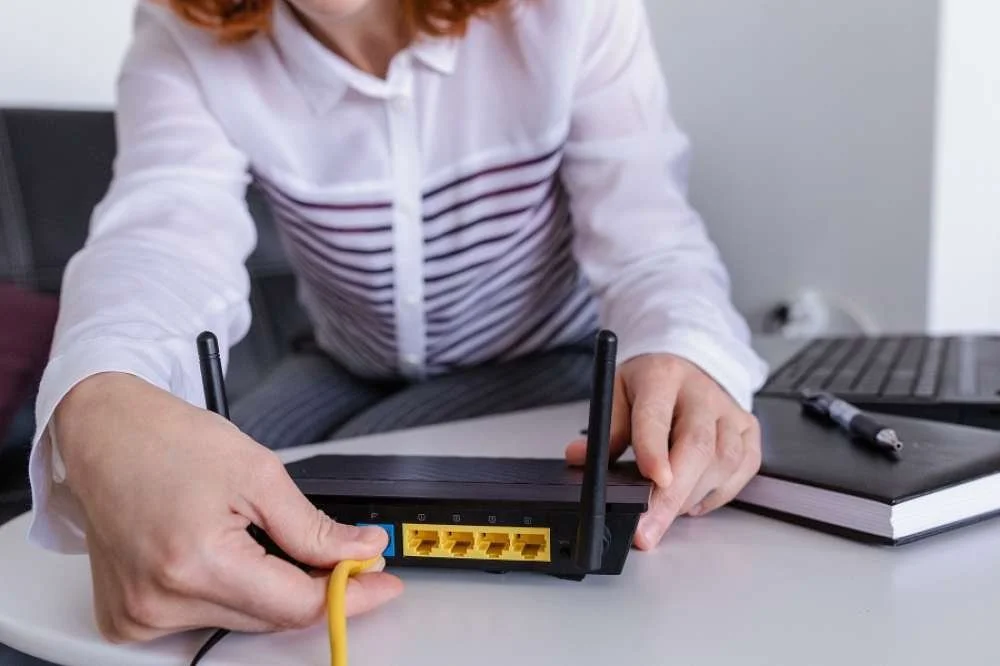
Now, plug your modem into your router to connect the two using an Ethernet cable.

Plugin Router

Plug your router in so that both devices are plugged into the wall and connected to each other.

Wait for a Light Indicator

After about 30 seconds to 1 minute, check the light status on your modem and router. They should be blinking or solid, depending on your provider's instructions.

Locate Network Default Password

Check the back of the router or the box it came in for a network default password. You'll use it to sign on to your WiFi for the first time.

Connect To WiFi From Your Devices

Using your default password, connect to your WiFi network. Once you're connected, you should be able to follow the instructions given to you by your provider to change the password to something you'd prefer.

Wrapping Up

By following these simple instructions, you should know how to self-install your new internet service without any problems. 

If you have any trouble along the way or run into issues, don't hesitate to reach out to your provider's customer service department for help. They'll be more than happy to assist you.

Guest Contributor: Andreas Grant