Google+

contact us

Use the form on the right to contact us.

Day or Night, we are here to serve you. Leave your plumbing problem to us.


Tinley Park, IL

(708)845-7922

Residential and Commercial plumbers and plumbing contractors available in Orland Park, Tinley Park, Oak Lawn, Palos Heights, Midlothian, Oak Forest, Homer Glen, Mokena, Frankfort, and the surrounding Chicago South Suburbs. Emergency plumbers.

copper water lines.jpg

Kevin Szabo Jr Plumbing Blog

Kevin Szabo Jr Plumbing is Tinley Park, Orland Park, Oak Forest, Midlothian, Orland Hill, Homer Glen, Mokena, Frankfort, Crestwood, Palos Heights, Oak Lawn, local plumber. Read our blog for advice, tips, a good laugh, and basic home improvement.

**We are moving our old blog to our new and improved website. Too see all our posts visit kevinszabojrplumbing.blogspot.com

Home Improvement Checklist

RH Business Marketing Solutions
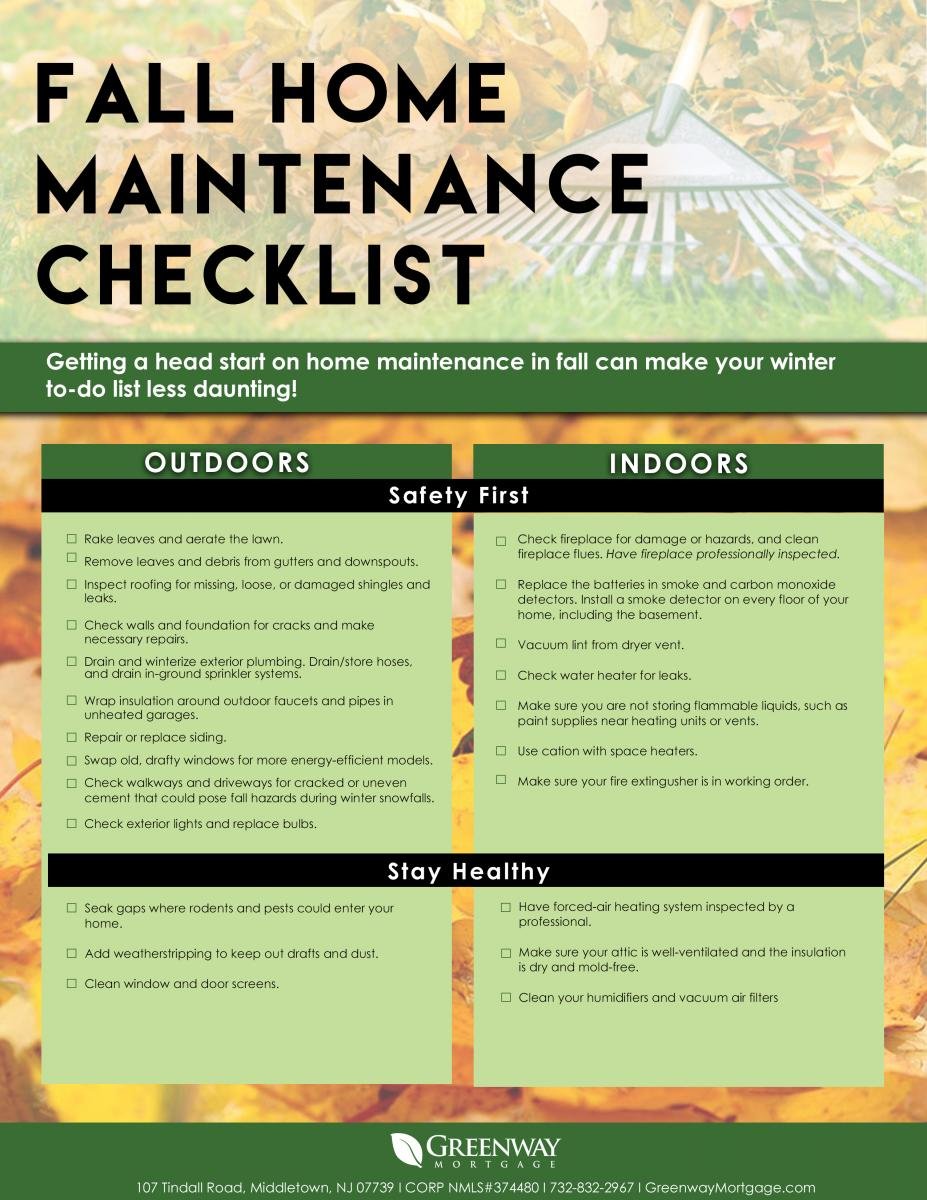
When doing a home improvement project, there are things to consider first before having to spend some money or have something in your house be replaced. First, identify what you want to change in your home’s current design. For example, living room setup, kitchen equipment, bathroom shower, and many more. Next, after you identify the areas you want to improve, you would want to list down what are the things you want to change or upgrade in that area. Another example is if you want to change the design of your sofa.

There are two categories that need to be considered which are functional and aesthetic. But for home improvements, both of these factors are needed. Here are some checklists for Home Improvement projects.

1. REPLACE BROKEN UTILITY

Functionality of the house is very important. It should be the top priority of every home. Every homeowner should have maintenance to their plumbing system, electrical wiring, water supply, etc. The aesthetic of your house is also important. There are several ways to add aesthetics to your utility tools such as having more modern showers, modern faucets, and even light switch plates that can now be decorated. Although the light switch cover doesn’t get much attention, it is actually great to have designs even in the smallest details.

 2. REARRANGGING FURNITURE AND APPLIANCES

To have more creativity and uniqueness in your home, consider having rearrangements in your home. To avoid having a boring and somehow repetitive layout in your house, try changing the things in your house from time to time to add a new perspective.

3. PAINTS

Paint jobs are also one of the factors to add to the checklist for home improvements. If there are signs of paint chips, faded colors, cracked, peeling, or when you no longer like the color of your paint. Consider having your house repainted so your walls will be protected. Having a new paint job can also have your house look elegant instantly. When choosing the right color of paint, choose the color that you really like to match your personality.

4. NEW MATTRESS

If you are no longer comfortable in your bedroom, consider buying a new mattress. When choosing  a mattress, it should be made from a high-end material that gives comfort and coziness. Choose a mattress that gives both durability and comfort at the same time. Since you will be using your new mattress for a really long time.

5. NEW TOOLS

Tools can also have an expiration date, if you are using a microwave for a really long time, it might not work perfectly as it was before. Buying out new tools for your home can also avoid you from getting infections and bacteria. For example, if you still use the same kitchenware for years, some of its properties might peel off and be included in your food. So it’s best to change it from time to time. Another examples are knives, when it becomes dull, it is time to change it. Appliances are also included in this list since it becomes a tool that you use every day. Having functional home results in an elegant home.

6. EXTERIORS

Exterior walls also need to repaint, pathway and walkways also need cleaning maintenance from to time, and windows needs to be treated. The roof also needs to be checked from time to time, especially if there is bad weather. It's better to spend some money on repairs rather than getting wet from leakage when it's raining.


In conclusion, for every household, there will be a different checklist for home improvement. The lists that were mentioned earlier are just an example. Home improvements vary for each individual. So to have the right checklist, always identify the things that you wanted to improve first from your house and create a list on what you want to do after figuring out what are the areas in your home that needs improvements.

How to Pimp Your Living Room Without Spending Too Much

RH Business Marketing Solutions

Living Room is one of the most noticeable areas in a house. Homeowners usually spend a lot of their time in the living room. Since entertainment is usually found in the living room and this is the first room a person goes to when entering a house. If there are visitors to a house, they are also more likely to spend their time in the living room. There are times that you might feel insecure about the design of your living room. However, it is perfectly normal.

 Improving the setup of your living room can be difficult if you are on a tight budget for decorations. Fortunately, there are several ways that your living room can have a high-end appearance without having to damage your budget a lot. Here are some ideas for homeowners that want to upgrade their living room setup without spending a lot of money.

1. Affordable Furniture

Most homeowners feel that the need to spend for a piece of new furniture is not a great choice and they tend to buy cheap once instead but regret it later on. In reality, when buying cheap furniture you are spending a lot of money instead. Low-cost furniture is also low quality since they are poorly built. On the other hand, furniture speaks for its price it is expensive because the process of building it is high quality. But furniture is still expensive to buy, that is why if there’s a sale in malls, discount stores, or secondhand stores, grab the opportunity to buy your new furniture as it will have a lower price but you can ensure that the quality is high and it will last for a long period of time.

2. Appliances

If you want to have a big flat screen television, PlayStation, surround sound, a working heater, or an air conditioner but are afraid to spend your money, worry not. There are several ways to have new appliances in your living room. Just like buying a piece of furniture, seek opportunities if there is a sale in stores or you can buy online for a lower cost. Since there must be entertainment in the living room, it is great to have new appliances.

3. Centrepiece

In a living room, usually has a center table that you can decorate with for example a flower vase. One of the most inexpensive ways to decorate your living room is having a centerpiece in the middle of the living room. You can get a plant or a flower, or put some books and magazines to add more texture to your living room.

4. Pillows

Adding a pillow to your sofa is a great way of tidying up your living room. It provides a cozy and friendly vibe in it. It can also serve a purpose. As an example, if your house does not have a guest room, your guests can sleep on the couch instead. Using a pillow in your living room gives your guests extra comfort. And, pillows add more elegance to the room and make it look more aesthetic.

5. Ventilation

Make sure that your living room is well ventilated so it will be relaxing to stay there even for a long period of time. Just like humans, a house also needs to breathe and proper ventilation will keep the air fresh and easier to breathe.

6. Adding more plants

Plants and flowers give an aesthetic of which room you’ve put it into. Having plants also give the room fresh air to breathe. It also balances the appliances’ radiation so even if you spent a lot of time watching television, the plants will decrease the radiation in the room.

7. Adding tiny details

Accessories to your living room like small cabinets, wallpapers, posters, and one of the least common decorations that a homeowner can do is to change the switch plates. Though it is just for utilities, having this least popular part of the house has a decoration that can really pimp up your living room. To make it look more expensive, there are brushed copper switch plate covers that look really elegant but it comes at an affordable price. So having these tiny details that don’t get noticed much can surely add more texture to your living room.

8. Windows

For windows, you would want to change see-through materials if you are using it. If you don’t have yet a budget for a tinted window, you can use rack curtains as a cover. It is highly recommended to have privacy in your living room. If you want a more modern approach, you can also use blinds that are made of bamboo or wood.

9. Rearranging the positions of your furniture

When rearranging furniture, gives you more creativity as you can experiment with what position is the best for your furniture and appliances. It is also a great exercise to do as it helps your mind relax while rearranging your living room. By also doing it from time to time, you can avoid having boring and repetitive arrangements in your living room.

10. Cleanliness

The last step is totally free and every homeowner will be able to do it. Avoid hoarding a lot of unnecessary things in your living room. If it can no longer be used, throw it in the trash or donate to someone else. Freeing up some space in your living room can make it more spacious and if you are into minimalistic designs, it's best to clean up your living room.


The best way to pimp up a living room is to have the best comfort that it can offer. Expensive things aren’t primarily needed when you want to improve your home. You can just start simply by cleaning up your living room and rearranging the positions of your furniture to make it look new. As long as it gives you satisfaction, expensive stuff is not necessary for home beautification.

What are 5 of the Most Commonly Noted Home Inspection Items?

RH Business Marketing Solutions

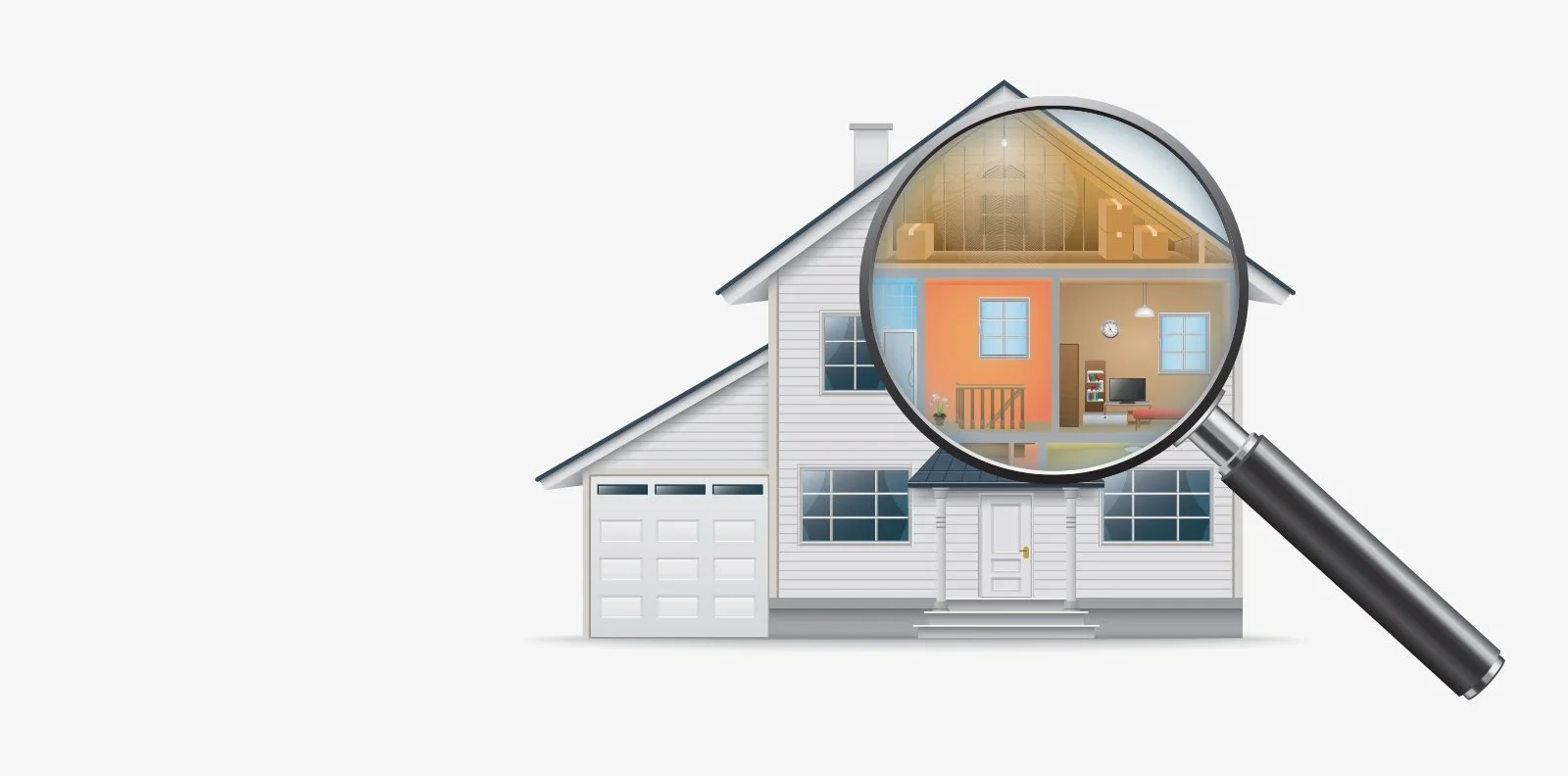
The process of purchasing a new home can be both exciting and stressful. Numerous issues with your new home will need to be addressed throughout this process, including potential issues with the appliances, fixtures, foundation, construction, electricity, plumbing, etc. Fortunately, there is home inspection, an easy and practical approach to make sure your new house isn't a disaster.

Significance of Home Inspections

A home inspection is considered a crucial step in the purchasing process. It is comparable to taking your new home for a trial run or test drive, wherein your home gets to be thoroughly assessed and examined so that any problem or defect within the property is spotted.  However, to have a new house undergo a home inspection, the prospective owner has first to engage the services of an expert who is trained and experienced for the position. You can find a licensed and competent inspector via the American Society of Home Inspectors (ASHI), a long-standing non-profit organization for inspectors in America. ASHI sets the bar for quality home inspections.

The inspector will perform a comprehensive inspection of the home, pointing out any faults that the buyer would want to discuss with the seller in order to have the issues fixed as well as any serious problems that might cause them to reconsider making the purchase. If you want to be referred to a truly capable home inspector in Philadelphia, you can contact ASHI or go straight up to Eagle Inspections, one of the finest home inspections in Philadelphia.

Checklist of Home Inspection Items

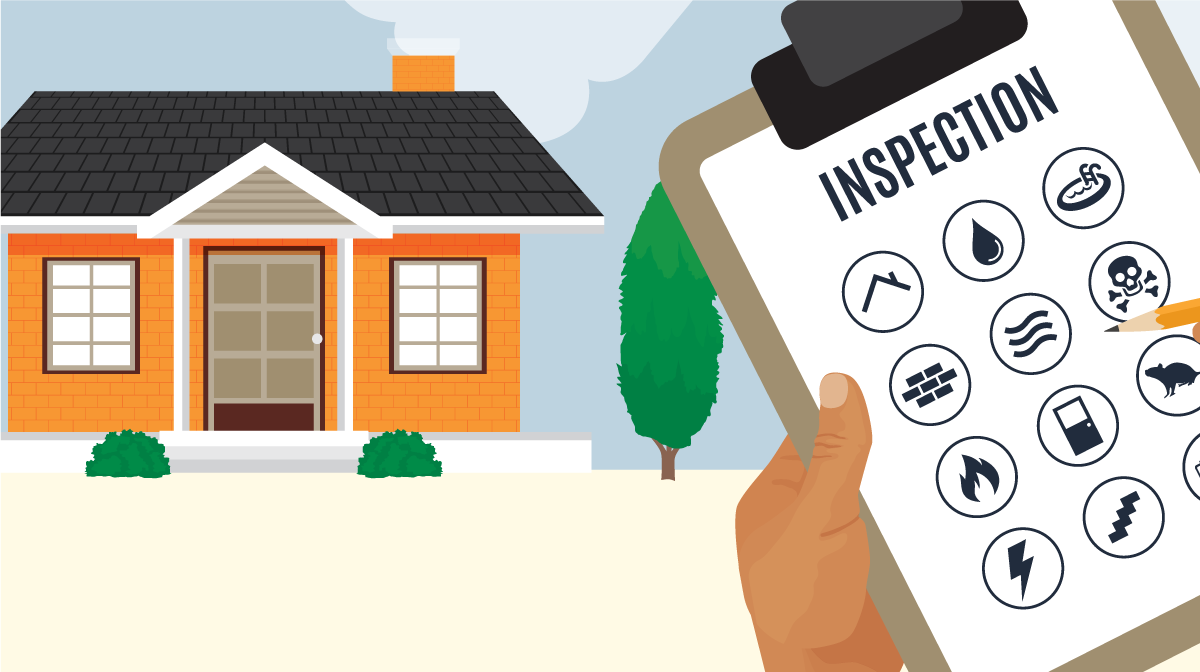
Following the inspection, a home inspector will provide a report that lists down the home's key characteristics, provides an overview of each main living area, and details any issues. Of course, the home buyer is an essential component of the inspection process; therefore, he or she must familiarize himself/herself with the process. By reading through the list of the items that every house inspection checklist should have, homebuyers may become comfortable with the procedure. So, here five of the most commonly noted home inspection items:

1.    Ground and Exterior

A home inspector should start by assessing the property's general state and the outside parts of the home during an inspection. Damages to the garage, deck, stairs, patio, or driveway, presence of leaks and standing water, grading and drainage, stability of siding and foundation, and health of exterior house paint and landscaping are the things to look out for.

2.    Doors, Windows, and Roof

A home inspector should thoroughly assess the quality and anticipated lifespan of the roof, doors, and windows components because repair and replacement of these items are among the most expensive. He will look for defects such as poor caulking, cracks, faulty installation, rot and decay, and other issues when evaluating windows and doors. When inspecting the roof and attic, the inspector will probably pay particular attention to gutters, shingles, soffits, exterior vents, chimneys, and flashing among others.

3.    Interior Rooms

Interior areas can expose serious structural problems, so you need to be concerned about them. Internal doors, windows, walls, ceilings, floors, outlets, insulation, lighting and switches, temperature control, paint and trim, and fireplaces should all be included on the inspection checklist.

4.    Attic and Basement

Many potential homebuyers frequently disregard the attic. In the attic, the inspector will make sure he doesn't discover insulation install flaws, inadequate ventilation, damages to structure, or nearby plumbing issues. In the basement, the things the inspector will search for include signs of pest infestation, moisture, faulty insulation, structural damages, and foundational problems.

5.    Plumbing, electrical, and major systems

The plumbing, electrical, and HVAC systems must all be thoroughly inspected as part of any house inspection, but first, the inspector should determine and note how old these components already are and how long they will last. He will then make sure the water heater and pump are operating properly and check the plumbing system for issues like leaky or damaged pipes. Presence of dangerous gasses, ventilation, airflow, flue quality, filters, and ductwork are all included in the HVAC system inspection, while for the electrical systems, the inspector will look at cables, wiring, fuses, main service panels, and breakers.

Home Inspections Philadelphia

Surprise expenses from unexpected repairs can easily overshadow the thrill of moving into a new house. In Philadelphia, you can reduce the likelihood of future repairs by hiring a certified home inspector. Doing so will help you acquire the knowledge you need to make the best choice for your future. Keeping this checklist close at hand can also help you be ready for the home inspection.

References:

https://www.rocketmortgage.com/learn/home-inspection-checklist

https://www.bobvila.com/articles/home-inspection-checklist/

Home Inspection Checklist 2022

RH Business Marketing Solutions

It can take months to buy a home and it can be challenging to know what to look for when thinking about potential future repairs. That is why, prior to moving in, you have to hire someone trained to conduct a home inspection. A house inspection can help you make sure you have made the right choice  and give you an indication of the kind of maintenance you can anticipate for your new home. You can avail of full home inspections in Philadelphia.

What Home Inspection is Like

When a house undergoes home inspection, everything in and around it, including the foundation and roof, is thoroughly assessed by a strained inspector to assure the prospective homeowner that the abode is livable and that all its systems are operating properly. The home inspection is conducted following the seller’s approval of the buyer’s offer and before closing on the property.

In order to prevent consumers from unintentionally purchasing a house that will only bring potentially danger to residents, home inspectors help make known the weaknesses in the structures or systems. Thus, homebuyers can ultimately save money since, if any issues are discovered, they can discuss with the seller about the repairs and then bargain for a reduced sale price. Additionally, after knowing the flaws or weak points of the property , the buyer can decide not to proceed.

Long List of the Items to Inspect

Arie van Tuijl of Home Inspector Secrets provides a detailed list of all items that home inspectors examine during house inspection.

A. Exterior

  1. Roof

    1. Shingles

    2. Flashing

    3. Gutters

    4. Soffit Vents

    5. Structural

  2. Exterior Walls

    1. Caulking

    2. Wood Trim

    3. Siding

    4. Stone/Brick

  3. Deck, Exterior Doors, Windows

 B.  Grounds

  1. Driveway and Walkways

  2. Lot

  3. Trees and Shrubs

C. Electrical System

D. Home Interior

  1. Bathrooms

    1. Sink

    2. Toilet

    3. Exhaust Fan

    4. Drywall

  2. Plumbing System

    1. Pipes

    2. Main water line

    3. Water Pressure

  3. Interior Doors

  4. Windows

  5. Electrical System

    1. Panel Box

    2. Outlets

  6. Bedrooms

    1. Wall

    2. Light Fixtures

    3. Closet

  7. Kitchen

  8. Garage

  9. Attic

  10. Smoke and Carbon Monoxide

  11. HVAC System

  12. Basement/Crawl Space

Home Inspectors Philadelphia PA

The cost of a home inspection is an additional expense, but it almost always pays off. By identifying issues early on, when they are still at the expense  of the seller, you can avoid having to pay for expensive repairs. You will also become aware of expected maintenance through an inspection. Although you can’t expect inspectors to catch everything, taking this extra step will give you peace of mind and the assurance that you move into a home that won't cost you a lot in maintenance and repairs up front. That being said, we recommend Eagle Inspections for your full home inspections in Philadelphia. Eagle Inspections provides Philadelphia homeowners and buyers with the best inspections available by utilizing the most recent technology and training. We evaluate the status of your house using the most up-to-date tools (i.e. digital moisture meters and radon detectors). Our skilled home inspectors in Philadelphia, PA can locate and identify any problems with your house using these equipment.


References:

https://homeinspectorsecrets.com/home-inspections/home-inspection-checklist/

https://www.consumeraffairs.com/finance/home-inspection-checklist.html

https://learnandserve.org/home-inspection-checklist/

6 Tips That Will Help You Do Basic Maintenance Repairs Around The House

RH Business Marketing Solutions

Doing some basic maintenance and repairs around the house can save you a lot of money in the long run. If you know how to fix a leaky faucet, change a light bulb, or tighten a screw, you can take care of many common problems yourself. In this blog post, we will provide 6 tips that will help you do basic maintenance and repairs around the house. Keep these tips in mind the next time something goes wrong!

Basic maintenance repairs around the house - 6 tips to do them properly

Home maintenance is something every homeowner deals with whether they like it or not. It’s the responsibility that comes with owning a home and if you don’t keep up with it, things will start to fall apart. But, there is good news! You can save a lot of money by doing some of the basic repairs and maintenance tasks yourself. With a little know-how, you can fix many common problems without having to call in a professional. Moreover, professionals working on garage door installation Schaumburg IL projects say that even something as simple as keeping your garage door tracks clean can make a big difference. More importantly, it is crucial that you know how to prevent a disaster, instead of just fixing the problem after it’s already happened. Here are six tips that will help you do basic repairs and maintenance around your house:  

1. Tighten up

Loose screws, nails, and bolts are not only unsightly, but they can also be dangerous. Over time, they can work their way out and cause all sorts of problems. Check all the screws, nails, and bolts in your home on a regular basis and tighten them up if they are loose. This is especially important for any furniture that gets used often, such as chairs and tables. Tightening up loose screws will also help to prevent squeaks. If you don’t know how to tighten a screw, bolt, or nail, there are plenty of resources available online that can teach you. All you have to do is do your own research and learn everything that you want to know.

2. Clean your gutters

The gutters around your home protect it from potential water damage. They channel water away from your roof and foundation, so it’s important to keep them clean and free of debris. If you live in an area with a lot of trees, you may need to clean your gutters more often. Once the leaves start to fall, make sure you clean them out so they can do their job. You can choose to hire a professional for this, or you can decide to do it on your own, it is up to you. Cleaning your gutters will also help to prevent mosquitoes from breeding in standing water. If you don’t feel comfortable doing this yourself, you can always contact a local contractor and learn more about gutter maintenance.

3. Check your smoke detectors

Your smoke detectors are one of the most important safety devices in your home. They can save your life in the event of a fire, so it’s important to check them regularly and make sure they are working properly. Most smoke detectors need to be replaced every ten years or so. If you’re not sure how old your smoke detectors are, it’s a good idea to replace them. You can buy smoke detectors at most hardware stores. Just make sure you get the right type for your home. If you have any questions, the staff at the store will be able to help you.

4. Test your carbon monoxide detectors

Carbon monoxide is a gas that you can't see or smell, but it can be very dangerous. That's why you need to have a carbon monoxide detector in your house. These devices will sound an alarm if there is carbon monoxide present in the air. You should test your carbon monoxide detectors monthly and make sure they are working properly. Carbon monoxide detectors can be bought in the vast majority of hardware stores around the country. Just like smoke detectors, you need to replace them every few years. If you have any questions, the staff at the store will be able to help you.

5. Fixing the leaks

Even the smallest of leaks can cause the biggest of issues and damage to a home. Water can seep into walls, floors, and ceilings, causing mold and rot. If you have a leak in your home, make sure you deal with it right away. Many leaks can be fixed with a simple patch kit. These kits are available at most hardware stores. If you’re not sure how to use one, the staff at the store will be able to help you. If you have a more serious leak, you may need to call a professional.

6. Structural repairs and maintenance

Finally, it’s important to do some basic maintenance on the structure of your home. This includes things like checking for cracks in the foundation, fixing loose shingles, and painting the exterior of your home. These types of repairs can be done by a professional or you can do them yourself. Just make sure you know what you’re doing before you start.

If you follow these tips, you’ll be able to do basic maintenance and repairs around your home. These tasks may seem daunting at first, but they will become easier with practice. Just remember to stay safe and always call a professional if you’re not sure how to do something.

6 House Projects That You Should Hire An Expert For

RH Business Marketing Solutions

There are some house projects that are best left to the professionals. If you're not sure whether or not a project is one of them, read on for a list of six projects that you should hire an expert for. From roofing to plumbing, these projects can be difficult and dangerous for the average homeowner to attempt on their own. So if you're thinking about taking on a home improvement project, it's important to know when to call in the experts!

1. Roofing

Roofing projects can be extremely dangerous, and even a small mistake can lead to serious injury. If you're not experienced in roofing, it's best to leave this project to the professionals. Roofers have the training and experience necessary to safely and effectively work on your roof. So if you need a new roof or even just some repairs, be sure to call a roofing contractor.

A good example of when you should hire a professional roofing contractor is if your roof was damaged in a storm. Roofing contractors have the experience and knowledge necessary to properly assess the damage and make the necessary repairs. They will also be able to advise you on whether or not you need to replace your entire roof.

2. Setting up garage doors

Another project that you should hire an expert for is setting up garage doors. This is a project that requires precision and expertise, and it's important to make sure that the door is installed correctly. Garage doors are very heavy, and if they're not installed properly, they can cause serious injury. 

So if you're not experienced in installing garage doors, it's best to leave this project to the professionals. Garage door installation is a two-person job, and it's important to have someone help you who knows what they're doing. Namely, the experts for garage door opener installation carmel say that it’s important that the springs are properly tensioned. Otherwise, the door could come crashing down, which could seriously injure someone. This is a tricky process, and if you're not experienced in doing it, you could seriously injure yourself. So be sure to hire a professional garage door installer to get the job done right.

3. Electrical Work

Electrical work can be extremely dangerous, and even a small mistake can lead to serious injury. If you're not experienced in electrical work, it's best to leave this project to the professionals.

Electricians have the training and experience necessary to safely and effectively work on your electrical system. They also have the proper equipment to get the job done right. So if you need new electrical work or even just some repairs, be sure to call an electrician.

4. HVAC

HVAC systems are complex, and even a small mistake can lead to big problems. If you're not experienced in HVAC, it's best to leave this project to the professionals.

HVAC technicians have the training and experience necessary to safely and effectively work on your HVAC system. They also have the proper equipment to get the job done right. In case you need a new HVAC or even just some repairs, be sure to call an expert. When it comes to anything complex, always go with someone who knows what they're doing!

5. Painting

Painting may be difficult, and even a minor blunder might create major issues. It's best to leave this work to the professionals if you're not skilled in painting. Painters have the training and experience needed to do the job safely and effectively. They also have the appropriate equipment to get the task done correctly. So, if you need new paint or simply some maintenance, contact a professional painter immediately.

In addition, painters will often clean up after themselves and haul away any old paint, which can save you a lot of time and effort.

6. Landscaping

Landscaping may be tough, and even a little mistake might result in major problems. If you're not an expert in landscaping, it's better to leave the job to the pros.

Landscapers have the training and experience necessary to safely and effectively work on your landscaping. They also have the proper equipment to get the job done right. So if you need new landscaping or even just some repairs, be sure to call a professional landscaper. You'll be glad you did.

Hiring a professional for these six house projects can save you time, money, and stress in the long run. So if you're not sure whether or not you can handle a project on your own, it's always best to err on the side of caution and call in an expert.

Is there a proper way to hang wall art?

RH Business Marketing Solutions

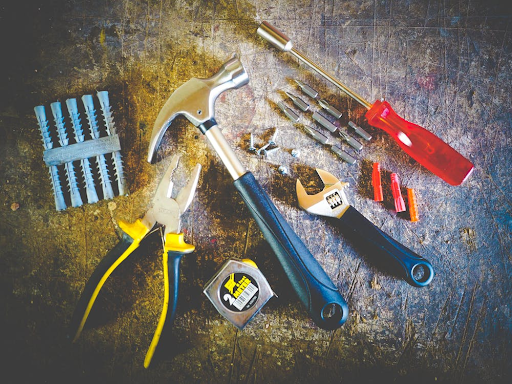
The short and sweet answer is probably not, however there are a number of guidelines, rules, hints and suggestions to help make the displaying of a favorite art piece a pleasing experience! You will need a few tools, the right anchoring system and a good eye. The location of your wall art is partly a matter of scale. You probably won’t want to place a small, detailed watercolor on a giant living room wall, where it might be difficult to approach because of the placement of furniture and light fixtures. Your hanging wall art should not be difficult or challenging to view. Conversely, a giant canvas on a wall in a small room might actually be scary and overwhelming. Proportion is the name of the game.

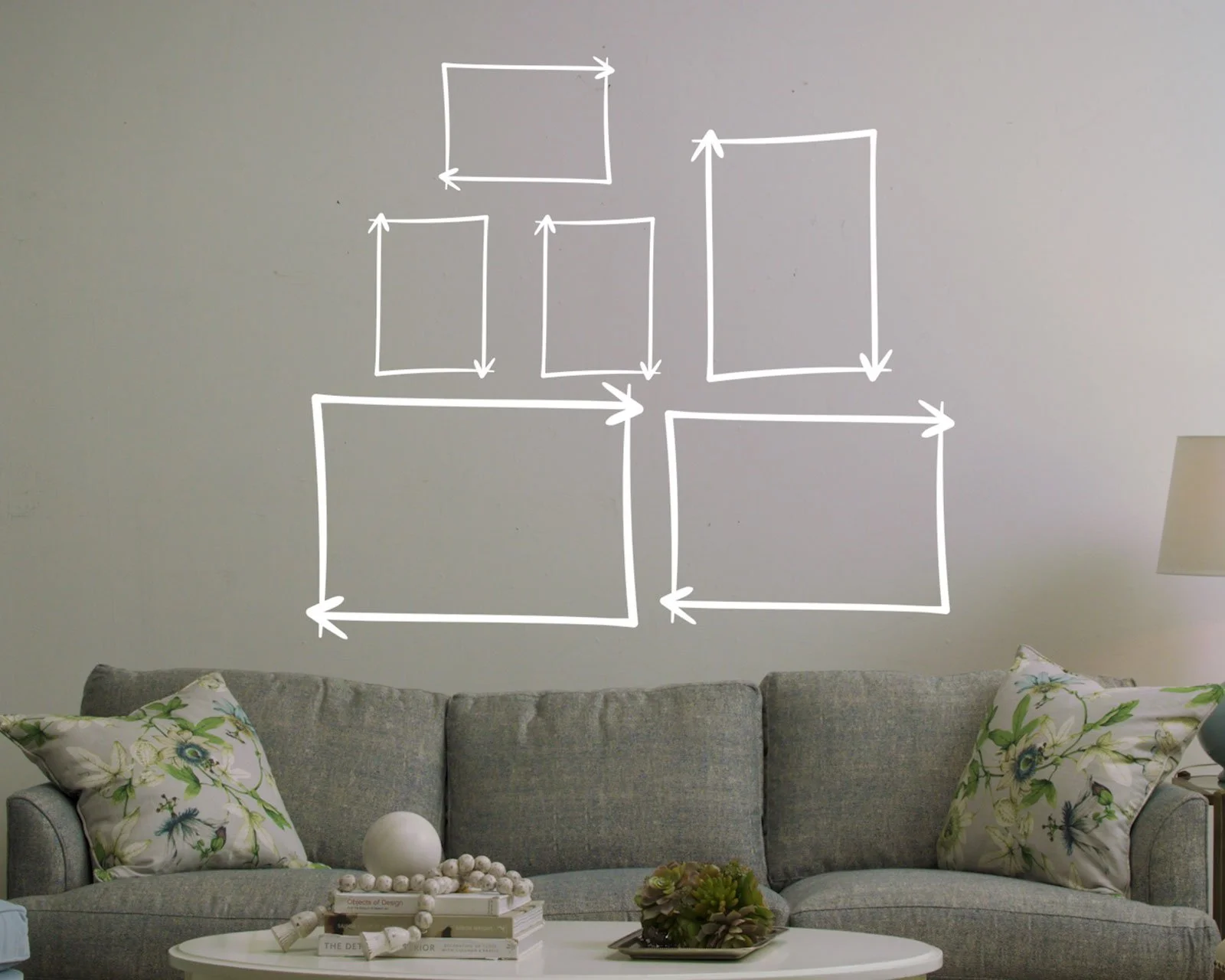
You can also hang a small piece of wall art in the middle of an art cluster of other works, where it’s prominent, central location will draw the eye to it, accentuate the other pieces in the surround and vice versa. This will help compensate for any proportional disparity and allow you to display a greater number of art pieces.

Another alternative is to use a hallway as a gallery for painting and photographs. Hallways are often narrow and bare, so a cluster of wall art will make the space more interesting and open up additional possibilities for collecting and displaying wall art.

Keep in mind, 57 to 60 inches seems to be the preferred height for hanging wall art, but this too is a guideline. It’s your artwork, so the height is up to you, but remember your art should be easy for you to view and enjoy. A cluster of wall art pieces may require you to ballpark the viewing heights.

The available lighting may or not be adequate to properly display your chosen piece of wall art. Unfortunately, ceiling light may be limited (especially to us renters) and expensive to modify or change. After all, we are hanging a piece of wall art! Ideally, you want the available light to hit the center area of your wall art. If you are determined, the good news is there are an almost unlimited number and types of lighting fixtures designed specifically for wall art. They have a fairly broad price range.

Once all this has been mapped out, a proper anchoring system is on order. You may simply pound a nail into the wall and hit a stud, keeping in mind that the wire used to hang the frame may drop the wall art a few inches, so please adjust before you take hammer to wall. If you rent and hope to get your security deposit back, consider one of the many adhesive-based systems available just about anywhere. Weight is a key issue; heavy art pieces may not be amenable to the adhesive systems and anchor screws may be necessary.


Author bio-

Darwin José Lau manages all aspects of operations at Homekor. He joined Homekor in 2019 and worked through the launching process of its website. Darwin José believes that art is not a commodity but a self expression of who we are. Besides work at Homekor, Darwin José enjoys spending time with his family, watching documentaries, and learning and developing new technical skills for DIY projects at home.

Types of Water Damage Situations and How to Restore Them

RH Business Marketing Solutions

The severity of water damage depends on the condition of your house. If it’s poorly maintained, then expect a ton of repair costs. There are numerous ways to prevent water damage from consuming your home, but sometimes extraneous factors beyond our control, such as the devastating effects of natural disasters, can ruin our home despite us taking the right preventive measures. However, an EMS specialist will tell you to not lose hope as there are also effective ways on how to counter such damaging situations. If you don’t know them yet, here are common types of water damage and useful ways on how to deal with them.

1.    Sewer Backup

Did you know that 500,000 sewer backups happen every year as per the Association of California Water Agencies? That’s enough problem to ruin your finances and list of priorities. This type of problem happens mostly due to bad plumbing habits. This is when subsurface water comes up due to the constricted flow of wastewater. DIY solutions are not that effective when it comes to complicated situations like this. Therefore, it’s best to contact your preferred restoration or plumbing company immediately to avoid wastewater from penetrating your home and creating further structural damage.

2.    Frozen pipes

Aside from clogged and obstructed pipes, frozen pipes also give you similar problems. This could result to burst pipes or pipe leaks as the ice inside tends to expand, resulting in a nasty water damage to your floors and walls. You can easily prevent frozen pipe-related problems by insulating your pipe system so your pipe system won’t be affected by any weather conditions. If you have a minor frozen pipe problem, you can apply heat to thaw the ice with an electric pad or hair dryer. However, things get complicated when your internal pipes (in hard-to-reach areas) are affected. A professional plumber can inspect the problem and come up with the right solution.

3.    Mold damage

Note that you have 24 to 48 hours to prevent molds from growing uncontrollably. As long as there’s moisture, molds will thrive. Also, molds exude certain amounts of toxins which could easily compromise your health. To deal with mold infestations, the best thing you can do is to dry the wet areas using a heavy-duty fan or dehumidifier. Know that just because you don’t notice any mold infestation upon inspection doesn’t mean it’s not there. Have your home inspected by an EMS specialist and get 24/7 water damage repair service in Paola.

Be flexible

When complicated situations brought by water damage get in the way despite taking preventive measures, it’s always smart to come up with alternative and effective solutions. Devastating events require you to stay in the right headspace. In the case of water damage, there are a lot of factors you need to consider before you continue with the restoration process. With the help and recommendations of an EMS company, you’ll be guaranteed to get the best service and save more time on other important matters.

Safe Water Damage Clean-up Tips

RH Business Marketing Solutions

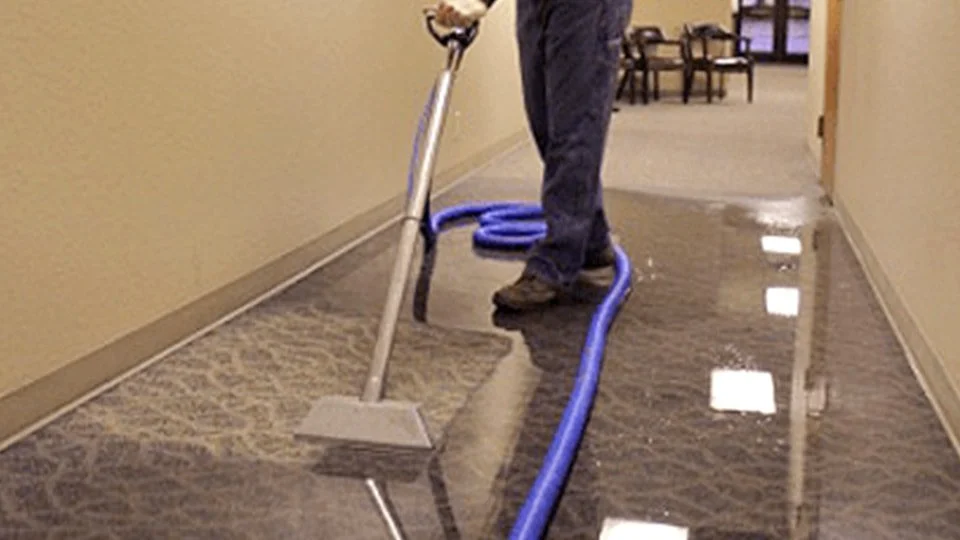
You house need the right care it deserves. If you continue bad maintenance habits, it will surely take its toll on your living situation. Water damage, for instance, affects your quality of life as this leads to an unhygienic environment, a decrease in property value, electrical damage, etc. As a responsible homeowner, you should know the right approach to house maintenance to avoid the adverse effects of water damage in the future. If you don’t know where to start, here are useful water damage clean-up tips that you should remember.


1.    Process your insurance claim

Water damage repair can cost you a lot more than you might expect, depending on the severity of the damage caused. To lessen your expenses, you can check with your insurance company if water damage is covered in your plan and whether you are eligible for an insurance claim.  One thing you can do is to document the place where the water damage is evident. Water damage is inevitable, and by being proactive in dealing with your finances, you’d be able to pay for any repair costs for water damage without added difficulty in the future.

2.    Improve ventilation

Damp areas are conducive to mold growth and can serve as a breeding ground for different pests. A good way to regulate the moisture levels in your home is to improve your ventilation. Take note that molds love moisture and  if you ignore any signs of mold infestation, you’ll encounter dire consequences in the long run especially if they’re hidden. If you’re situated in a place with a humid climate, dehumidifiers can help lessen the moisture levels in your home. This makes sure water seepage is avoided especially in walls and ceilings or other porous materials in your home.

3.    Disconnect appliances from power outlets

When there is water seepage within your walls, chances are your power outlets are also affected by it. Water is a good conductor of electricity, and if you don’t unplug appliances that are connected to the affected outlet, you might experience a short circuit. This could lead to an explosion or damage your electronics, which can be both dangerous and expensive on your part. To be safe, turn off your main power supply before unplugging the electronics or appliances.

4.    Get professional assistance

Sometimes, we can get away with DIY solutions but we all know they are not beneficial in the long term. Instead of saving extra money with cheap alternatives, you’ll end up paying more for expensive repairs. The best thing you can do is to get a proper inspection for water extraction. If you don’t know who to contact, start looking up water damage contractors in Paola and ask for the right advice and recommendations for your home. 

Take proactive measures

As they say, prevention is better than cure. As much as possible, prevent water damage from ruining your home, and never hesitate to get the right emergency mitigation service (EMS). It’s always good practice to invest in proper house maintenance and educate yourself on how to effectively manage issues like water damage in the future. Better yet, consult an EMS specialist for advice and know the right mitigation plan for your home.

How to Prevent Flood Damage in Your Home

RH Business Marketing Solutions

Flooding is one of the major causes of water damage nowadays which greatly affects your floors, appliances, and walls. In addition, it also increases your exposure to diseases and illnesses as well as toxins from mold infestations that could lead to respiratory issues. Flood damage can be mitigated effectively with the right approach, but the best we can do is to avoid it in the first place. After all, prevention is better than cure. Follow these tips to prevent flood damage as soon as possible.

1.    Install flood detection systems

The best way to detect flooding in your home immediately is to partner with technology. To date, there are state-of-the-art water detectors and flood alarms you can install in your home and get prompted with texts and alerts once the water sensor is triggered. The best thing about it is that you’d still get notified even when you’re out of town. This makes sure you tend to the problem before the flood water level rises uncontrollably and take the necessary steps to alleviate the situation.

2.    Take care of your drainage system

Poor flow of wastewater is another culprit of flooding. Food particles, dirt, grease, and other materials travel through such narrow passageways, thus restricting water flow. To avoid this, the most intuitive way to do is to be conscious in what you put down the drain. For storm drain surfaces, keep them clean and away from leaves and hard objects that can potentially clog your drainage system. Also, do not flush random items down the toilet (e.g., baby wipes, cotton buds, floss, cardboard, grease). It pays to be proactive and responsible. Cut off bad habits that lead to further damages in your home. 

3.    Use sandbags

In worse-case scenarios, if the floodwater has already penetrated your house, what you can do is to put sandbags around places where water can potentially go through. They act as a water barrier to easily divert the direction of the waterflow. Although they’re not an all-around solution for all types of floods, it sure does help reduce the amount of water coming in your house.

4.    Install a sump pump

Another effective way to keep the flood water from penetrating your house, especially your basement, is to install a sump pump. This device works by pumping out groundwater and redistribute the collected water in its sump basin through a pipe to some place far away from your property. It’s innovative, effective, and easy to use!

5.    Call an EMS specialist

In some situations, flood damage can be dealt with by applying a DIY approach. Sadly, you won’t be able to get the same long-term effect and protection from water damage as compared with getting professional mitigation services. An EMS specialist has a step-by-step process during restoration. They will inspect your house for damages, identify the areas that need repairs, and start the restoration. If you need help with the restoration process, contact a reliable water damage company in Overland Park now!

Be mindful of your habits

To effectively prevent the drastic effects of flooding, the best proactive approach is to improve your house maintenance habits. Cut off bad habits that lead to expensive house repair costs and make sure your getting quality advice and recommendations from a reputable water damage company. It’s always good to invest in your living situation in order to avoid irreversible structural damages in the future.