Google+

contact us

Use the form on the right to contact us.

Day or Night, we are here to serve you. Leave your plumbing problem to us.


Tinley Park, IL

(708)845-7922

Residential and Commercial plumbers and plumbing contractors available in Orland Park, Tinley Park, Oak Lawn, Palos Heights, Midlothian, Oak Forest, Homer Glen, Mokena, Frankfort, and the surrounding Chicago South Suburbs. Emergency plumbers.

copper water lines.jpg

Kevin Szabo Jr Plumbing Blog

Kevin Szabo Jr Plumbing is Tinley Park, Orland Park, Oak Forest, Midlothian, Orland Hill, Homer Glen, Mokena, Frankfort, Crestwood, Palos Heights, Oak Lawn, local plumber. Read our blog for advice, tips, a good laugh, and basic home improvement.

**We are moving our old blog to our new and improved website. Too see all our posts visit kevinszabojrplumbing.blogspot.com

Trying To Track Down A Leak? Here Are Some Helpful Tips

RH Business Marketing Solutions

If you've been experiencing water damage in your home, it's likely that you're trying to track down the source of the leak. This can be a difficult task, especially if you lack experience and are not certain about the place you should start looking. In this blog post, we will provide some helpful tips on how to find and fix a water leak. We'll also discuss some common causes of leaks and offer some advice on how to prevent them from happening in the future.
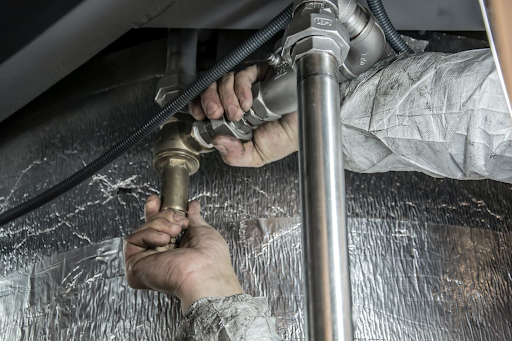
Tracking down a leak - How to do it properly

Leaks are one of the most common and costly problems faced by homeowners. If you suspect that you might have a leak, it's important to act quickly to minimize the damage. In fact, professionals working with www.inthelightcontracting.com say that a leaky faucet can waste up to 20 gallons of water per day. These are not small numbers and if you have a bigger issue, the consequences could be devastating. In case your home has a leak, it will be crucial to find and fix the issue as quickly as possible. Delaying the repair will only make things worse and the problem will spread. So, what can you do to find a leak? 

Check all of the obvious places where water might be leaking

This includes checking under sinks, around toilets, and near any appliances that use water. You can also check your water bill to see if there has been a sudden spike. This could be an indication that you have a leak. Some of the most common places for leaks are toilets, sinks and faucets, water heaters, and washing machines. Essentially, the primary goal is to check all places where water enters and exits your home. 

Check for mold or mildew

Mold and mildew are often telltale signs of water leakage. If you see any signs of mold or mildew, it's important to investigate further to see if there is a leak. Mold can grow anywhere there is moisture, so be sure to check in all of the places where mold is commonly found, such as in the bathroom, basement, or laundry room. Furthermore, if you notice any musty smells, this could also be an indication of a leak. 

Look for stains on walls or ceilings

Leaks can often leave behind stains on walls or ceilings. If you see any suspicious stains, it's important to check for a water leak. Keep in mind that some stains may not be immediately apparent, so it's important to conduct a thorough inspection. Once you've located the source of the leak, it's time to take action to fix it. 

Listen for any unusual sounds

If you hear water running when all of the faucets are turned off, this is a good indication that you have a leak. Another sound to listen for is a hissing noise, which could be an indication of a gas leak. If you hear either of these sounds, it's important to call a professional immediately. Some of the most common causes of leaks are faulty plumbing, cracked pipes, and leaky appliances.

Strange smells could also be an indication of a leak

For example, if you smell mold or mildew, this is likely due to water leakage. If you notice a gasoline smell, this could be an indication of a gas leak. If you smell any of these, it's important to call a professional immediately. 

Fixing the leak

Once you've found the source of the leak, it's important to take action to fix it as quickly as possible. Depending on the severity of the leak, you may be able to fix it yourself or you may need to call a professional. If the leak is small, such as a dripping faucet, you may be able to fix it yourself by replacing the washer or seal. For more serious leaks, such as a cracked pipe, you'll likely need to call a professional. In some cases, you may need to replace the entire pipe. 
Preventing future leaks

The best way to avoid having to deal with a leak is to prevent it from happening in the first place. This means regularly inspecting your home for any signs of water damage, such as stains on walls or ceilings, mold or mildew, or unusual sounds.

In conclusion, if you think you may have a leak, it's important to take action immediately. The sooner you find and fix the problem, the less damage will be caused. Be sure to check all of the obvious places for leaks, such as under sinks and around toilets. You can also check for mold or mildew, which are often telltale signs of a leak. If you notice any stains on walls or ceilings, this could also be an indication of a leak. Finally, if you hear any unusual sounds, such as water running when all of the faucets are turned off, this is another good indication that you have a leak. If you think you may have a leak, don't hesitate to call a professional for help.
How To Use Metal To Enhance Your House Design

RH Business Marketing Solutions

Metal has always been used in construction because of its strength and durability. Traditionally, metal has been utilized for roofing, siding, and strengthening building structures. But over the years, it has found its way into home décor as well. 

As a construction material, metal has become quite popular in home design because of its versatility, as well as ability to match multiple architectural styles and tastes. Perforated metal used in reinforced glass can also be used in ventilation grilles and chimney fire screens, for example. 

Metals come in different styles: they can be rustic, luxurious, classy, or the like. In other words, having metals in your home design can easily enhance the sophistication and detail of your property. 

If you’re thinking of trying out this neutral decorative tool, here are some ways you could use metal to enhance your home design: 

Rustic Appeal

You could use metal to enhance your rustic house design. One way to do this can be by using bare metals designed to keep aging with time. Also, you could use iron poles and sheets painted with warm colors to give your home a countrified and friendly atmosphere.

Modern Design

Most designers prefer metal for interior décor because it can manipulate natural light to produce a clean, modern design with open spaces. Metal can also be used to create a classical interior design. For this, you could use some galvanized steel and other interior metals.

Industrial Look

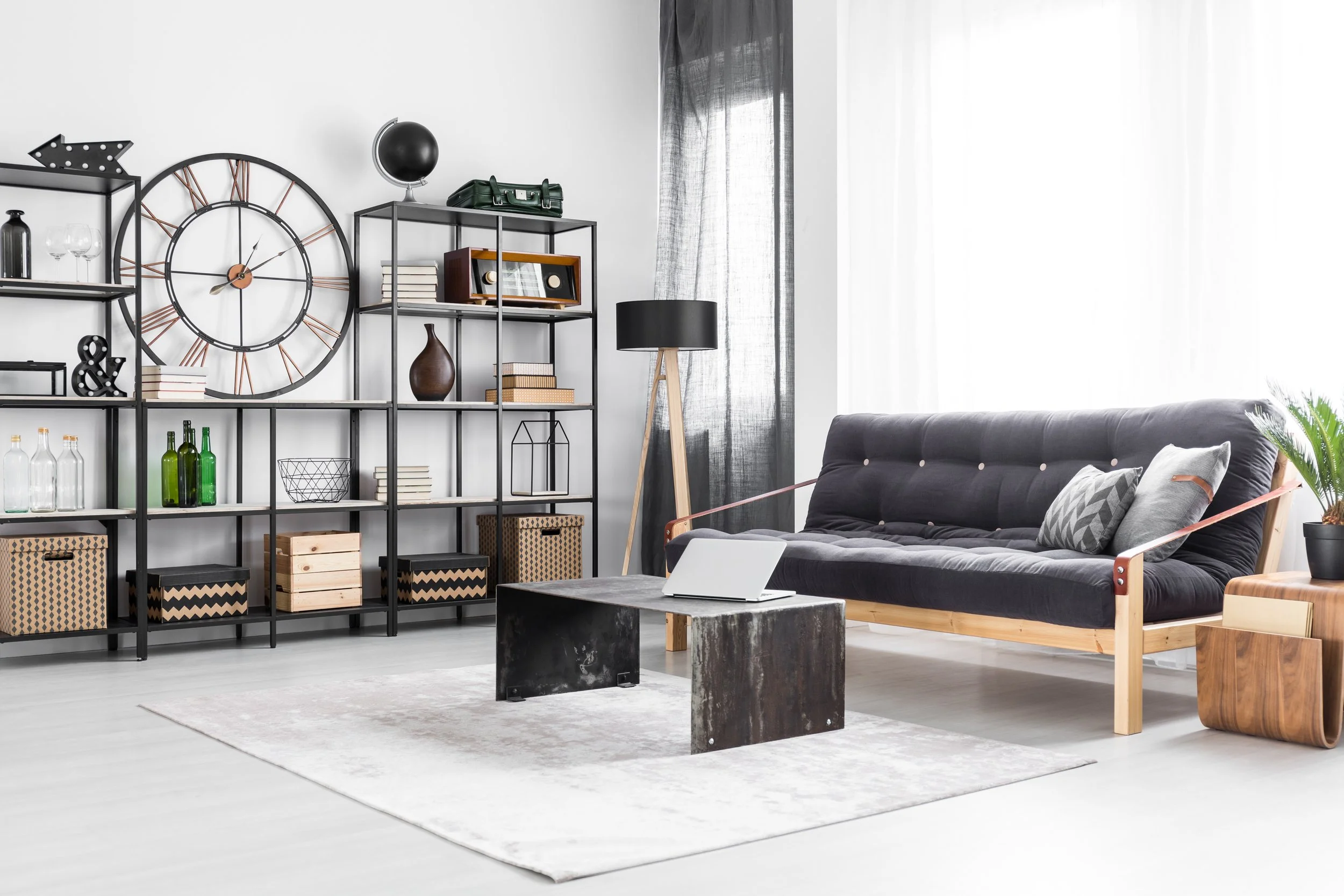
You could also consider giving your house an industrial look. Some raw metal could be used to create a unique industrial design fit for your home. Metal tables and cupboards with metallic colors could also turn your kitchen into a food lover’s marvel. 

To enhance the designs mentioned above, here are nine ways you could use metal to enhance your house’s design:

1. Furniture

Metal comes in many different forms and shapes. Apart from just focusing on using metal for construction projects, you could use different metal types to make some first-rate pieces of furniture. For example, you could design and create a state-of-the-art table, headboard, or shelving for your house. The sky is the limit if you have the suitable material for your creative idea.

2. Window Treatments

Traditional window treatments seem to be slowly taking second place to the tin valance. Iron window valance offers an excellent aesthetic for those creating clean, minimalistic designs. Metal curtain rods, for instance, are simpler and stronger. They can be fitted in any room in your house. Moreover, they’re less bulky than the traditional pelmets and useful in small spaces. 

3. Storage

For an industrial design, you could also utilize some metal lockers. These can be turned into the dining room, kitchen, or bedroom storage. With the right coat of paint, metal lockers can be used to create vintage designs. All you need to make it work is a creative mind and a house to design and decorate.

4. Surfaces

For some practical home décor, you could try metal tables and counters. Metal surfaces come with various advantages. They’re solid and durable, easy to clean, heat and water resistant, and so forth. 

5. Walls

Another creative way to use metal to enhance your home design is by incorporating it into your wall designs. Over the years, metal sheets have been used in shower rooms. But recently, metal sheets have been used to replace wallpaper for some extra-bold statements. Metal wall panels come in different profiles to suit your taste. 

6. Ceilings

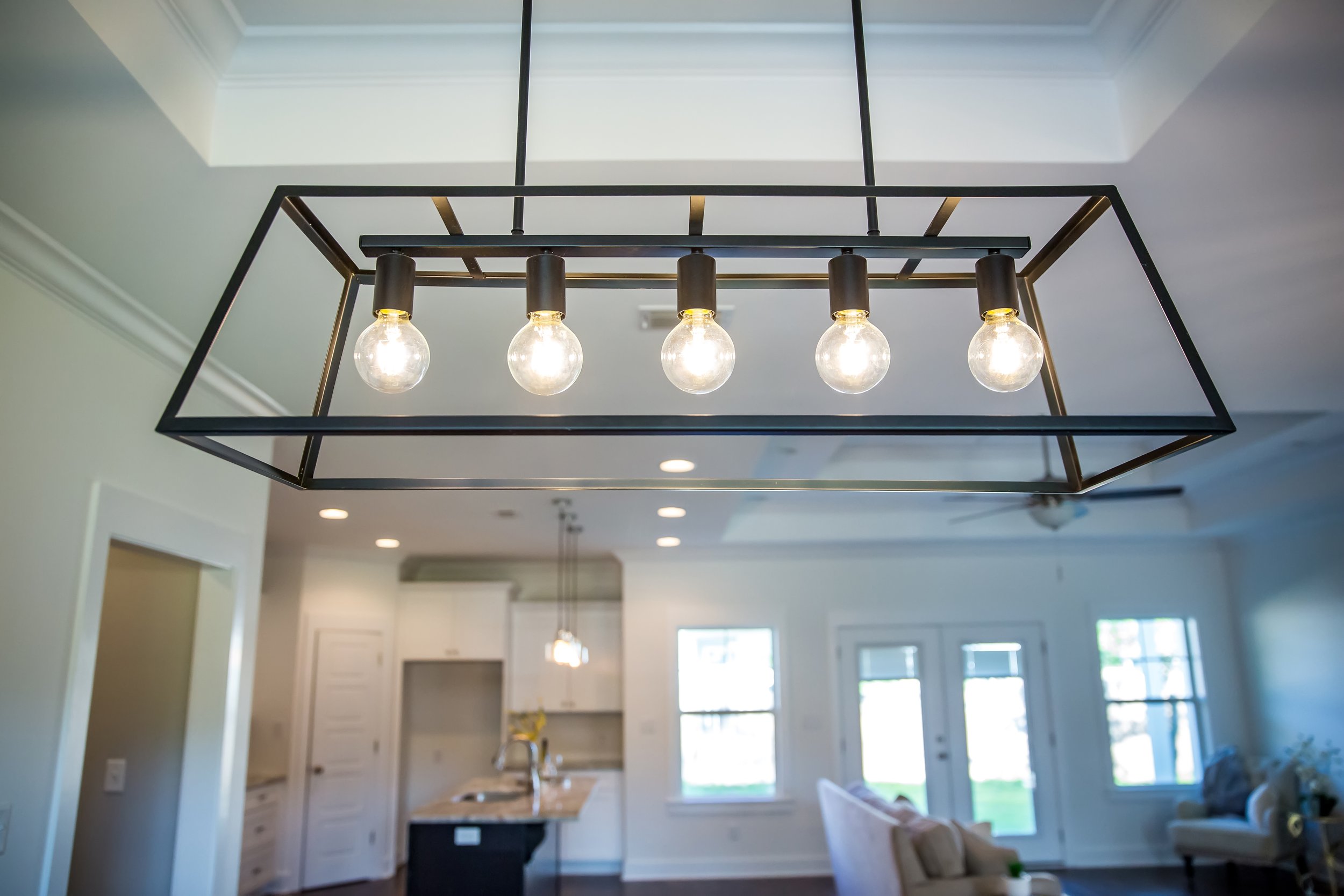
Did you know that you could use metal tiles not only on walls but also on ceilings? You could add a metal chandelier backdrop or a pendant light for a superb vintage home design to create a unique classic charm. 

7. Railings

Metal is one of the common materials used to make railings. Whatever theme you want your interior décor to go with, metal can be used to create some exclusive railings to suit your home design. Although railings offer the primary purpose of providing safety, you could customize them to suit your overall home décor.

8. Ornaments

You could use metal ornaments and silverware to enhance your house design too. Ornaments create cozy, intimate settings when used in home design. For example, you could use them to create a cozy farmhouse look in your house. 

Silverware is often handed from one generation to another, which can be sentimental and become family heirloom pieces in the future. 

9. Sinks

You could consider using metal sinks if you plan to renovate your bathroom or laundry room. If installed well, metal sinks could also create a fine industrial design in the kitchen area. 

Conclusion

Metal is a neutral decorative tool that can create any finish. Whatever your preference: chrome, silver, gold, or copper, metal can bring it to life. All it takes is the right creativity and a splash of paint. There are many ways to use metal to enhance your home design. The few ideas discussed here are just a scape on the surface. With some bold creativity, the sky can be your limit.


5 Smart Ways To Reduce Water Heating Costs

RH Business Marketing Solutions

Heating a house is not inexpensive, and neither is warming water. You've probably already attempted to cut your household’s expenses, but your monthly bill for vital services or utilities is still sky-high than you'd wish; your water heater might be the source of the problem. It's worth mentioning that heating water contributes to a sizeable chunk of your utility cost. In fact, second to heating and maintaining a cool atmosphere, your water heating cost is likely to be the second major expenditure in your house. 

Consequently, adjusting your water heater system and tracking your consumption can lead to big savings. Fascinated? Continue reading to find out how you may reduce your water heating bills. Here are five smart, cost-effective water heating ideas that will undoubtedly assist in reducing your high-water heating bills:

1. Install A New Hot Water Heat Pump

Suppose your water heating bills give you sleepless nights, and you're presently using demand-type or instantaneous water heaters. Why not consider buying a new hot water heat pump, especially if the water heater you're currently using has been in use for more than a decade? Your present water heater is probably reaching the end of its useful life; nevertheless, new models are more economical and productive than the last-generation water heaters used in households. 

Find out more here about how wasteful an old water heater is and how you can own a new hot water heat pump and run or operate it for free.

2. What About A No-cost Custom Or Routine Change?

Inside The Bathroom: Nothing beats more than a hot shower after a long day at work. However, a sumptuous hot bath can significantly increase water heating costs, especially if you prefer to fill your tub to the brim. 

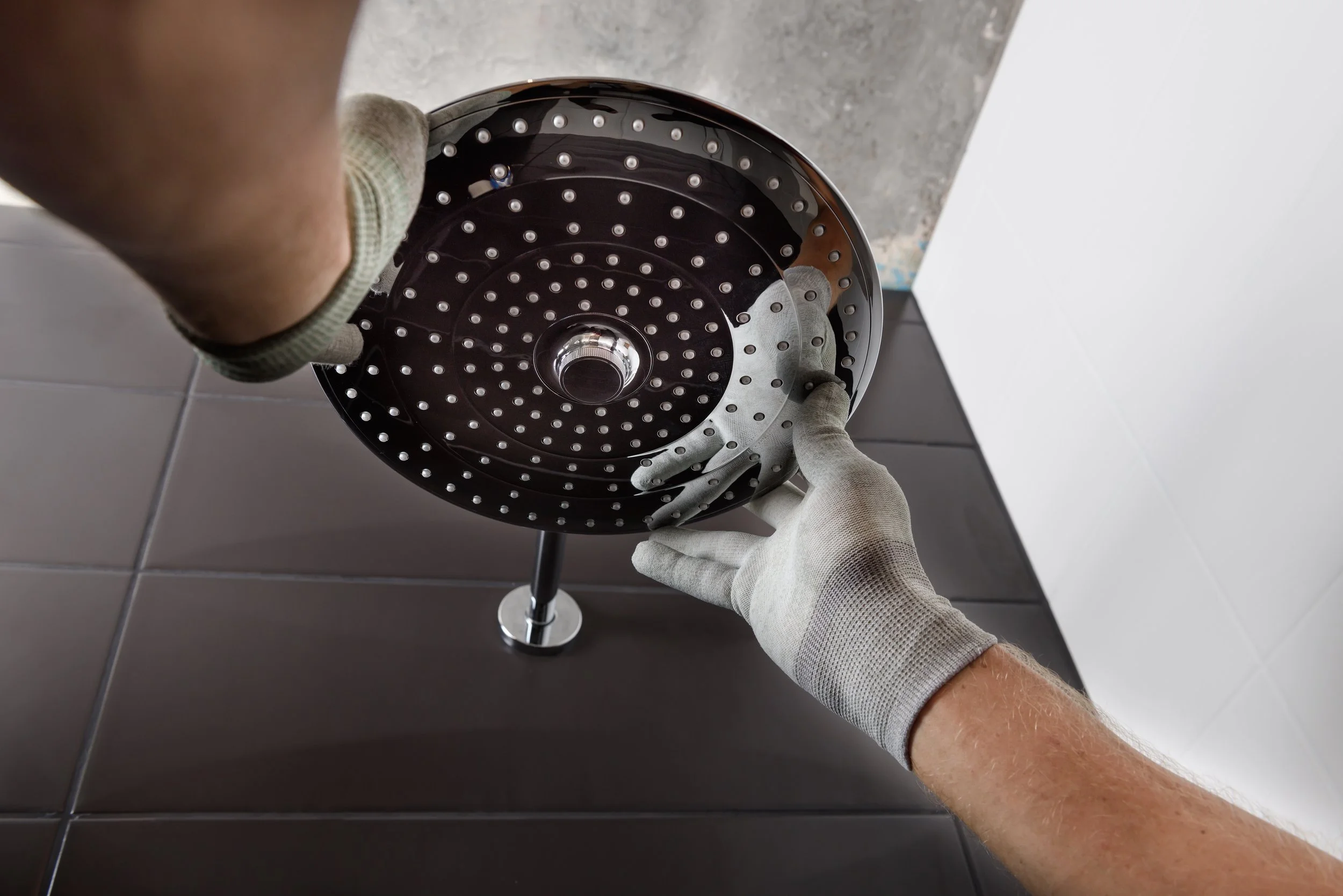
Installing a showerhead, particularly a low-flow showerhead, will help to reduce your water heating expenses significantly. A low-flow showerhead uses significantly less water; consider that a showerhead emits sprays of water, which means that during a ten-minute shower, you will use fewer gallons than you would for filling a bathtub.

When Doing Laundry: Unless you have a lot of dirty clothes, you don't need to use hot water to clean them. If you use warm water rather than hot water, you may reduce the energy consumption of the load by half; cool water, on the other hand, has nearly zero or no expenses.

Take note that several washing powders on the market work effectively in cold water. As a result, if you use hot or warm water, you may rinse your clothing with cold water to conserve electricity.

3. Regulate Your Thermostat

Many water heater thermostats are factory set at 140°F, but a normal household only requires around 120°F. As a result, make the adjustment before having a shower; you won't notice a major variation in temperature. This minor change can help you save money while reducing boiling and slowing mineral formation and rust in your heater and tubes.

4. Remove The Dregs From Your Tank

As you use your water heater, dregs accumulate; these sediments must be eliminated. Many experts suggest performing this simple maintenance twice a year, although it's best to do it quarterly. So, why should you do this regularly? This is because sediments force your water heater to work like a Trojan, resulting in a high-water heating expenditure and a short lifetime for your water heater. Doing it quarterly will go a long way to saving you a lot of money in bills and high maintenance costs. Hey! Please don't postpone; it will take less than twenty minutes to perform this preventative maintenance task

5. Fixing Leaks Can Be The Magic Wand You've Been Looking For

Have you established that there's no leaky faucet, shower head, or pipe? You may be dipping into your savings to pay your water heating expenses for water that is practically going to waste. Consider this: one drop of water every second down the drain may easily amount to more than 1,000 gallons annually, which might set you back around $30 annually based on your rates. Fixing a leaking faucet could be as simple as changing a rubber or plastic ring or a shower head; it might be something you can do yourself. 

If the leak is behind the walls, you'll have to involve a plumber.  A stuffy odor, mold, or dampness on the walls indicates a leakage.

Final Thoughts

Turning off the water while soaping up, especially when taking a shower or washing your hands, are two ways to save money on water heating. If these seem unattractive, you're in luck since you've learned about various ways to save money without sacrificing comfort, ranging from easy do-it-yourself home repairs to significant investments that pay back with time.

How To Adapt A Home For An Overweight Person

RH Business Marketing Solutions

If you have an overweight family member, you may be wondering how to adapt your home to make them more comfortable. This can be a difficult task, but it's important to make sure that your loved one feels safe and secure in their own home. In this blog post, we will discuss some ways that you can make your home more accommodating for an overweight person. We hope that this information will be helpful for you! So, let's get started

Change Your Toilet

One of the first things that you can do to adapt your home for an overweight person is to change your toilet. As explained by the team behind https://clearlylarge.com/, an average person spends 30 minutes a day in the bathroom and for this reason, it is essential that the space is functional and comfortable. A standard toilet may not be able to accommodate an overweight person, so it's important to find a model that will be comfortable for them. You may also want to consider installing a grab bar in the bathroom to help your loved one get on and off the toilet.

Buy a Wiping Brush

Another important thing to consider when adapting your home for an overweight person is to buy a wiping brush. This can be used to help clean up after using the toilet, and it will make it easier for your loved one to stay clean. Overweight people often have a difficult time reaching certain areas, so having a brush that can help them clean those areas will be very helpful. Luckily, nowadays you can find a wide variety of wiping brushes on the market, so you should be able to find one that meets your needs.

Make Sure Your Shower Is Wide Enough

When it comes to accommodating an overweight family member, many people think that the only thing you need to do is buy them bigger clothes. But in reality, there are many other things you can do to make their life easier and more comfortable. One of those things is making sure your shower is wide enough. A standard shower is usually about 60 inches wide, but if you have an overweight family member, you may want to consider buying a shower that is at least 72 inches wide. That will give them plenty of room to move around without feeling cramped or uncomfortable. Plus, it will make it easier for them to wash themselves.

Buy an Electric Shower Brush

Another great way to make sure your overweight family member is comfortable in the shower is to buy an electric shower brush. This type of brush can be used to reach all those difficult-to-reach areas, and it will make it easier for your loved one to stay clean. There are a variety of different electric shower brushes on the market, so you should be able to find one that meets your needs.

Make Sure the Entrance Is Wide Enough

Another interesting thing to consider when adapting your home for an overweight person is to make sure the entrance is wide enough. This may seem like a small detail, but it can actually make a big difference. If the entrance to your home is too narrow, it can be difficult for an overweight person to get through. Especially if this person uses a wheelchair or walker. So, it's important to make sure the entrance to your home is wider. That way, your loved one will be able to get in and out of the house without any problems.

Install a Stair Lift

If you have stairs in your home, another great way to adapt your home for an overweight person is to install a stair lift. This can be a great way to help your loved one get up and down the stairs without any difficulty. There are a variety of different stair lifts on the market, so you should be able to find one that meets your needs. However, there are some key things you need to keep in mind when choosing a stair lift. First, you need to make sure the stair lift is wide enough to accommodate an overweight person. Second, you need to make sure the stair lift has a weight limit that is high enough for your loved one. Lastly, you need to make sure the stair lift is easy to use. 

So, there you have it. These are just a few of the things you can do to adapt your home for an overweight person. By taking these steps, you can make your loved one's life much easier and more comfortable. And that's what really matters.

Questions to Answer When Planning a Replacement Window Purchase

RH Business Marketing Solutions

Before you go through the process of installing replacement windows in your home, you should consider answering some questions in order to make an informed decision.  These answers will guide you to the right windows to buy and the right people to hire for the job.

Window replacement is likely on your to-do list if you're planning on undertaking a home renovation. But with all the different types and styles of home windows replacement available, it can be tough to know where to start.

Here are a few questions to answer that will help you narrow your options and make the best decision for your home.

1.  Do You Know What Kind Of Window You Are Looking For?

Before shopping for replacement windows, you need to know what kind of window you are looking for.

There are many different types of windows on the market, and each has its benefits and drawbacks. Do some research to find the best replacement windows for your home renovation project.

2. What's Your Budget?

Your budget is one of the first questions you need to answer when planning your replacement window purchase. Depending on the size and number of windows you need and the type of windows, replacement windows can be pretty expensive.

You don't want to overspend on your windows, but you also don't want to skimp and end up with cheap replacement windows that won't last. There are many great options for replacement windows Louisville, Newburg, and many other states of the United State that will fit any budget. 

Depending on the size and style of your windows, the average cost of replacement windows ranges from approx. $200 to $1200. And it is a pretty suitable amount if you desire comfort and quality simultaneously.

3. Do You Have Any Windows In Mind?

Home renovation can be a big project. But with the correct planning, it can also be a smooth and successful process. To get the most out of your home improvement, you'll want to take some time to plan what you want the new windows in your home to look like.

When looking at replacing windows, you need to know what you want. You can start by considering the areas of your home that need the lightest ventilation. You can also think about your budget and how much you are willing to spend.

4. Do You Know Your Options?

When installing replacement windows in your home, there are a few different options to choose from. You can go with the traditional wood frame windows or opt for the more modern vinyl or fiberglass windows.

There are also energy-efficient windows that can help save you money on your energy bills. So, before you start shopping for home replacement windows, know your options.

5. Why Are You Replacing Your Windows?

Windows are a significant part of a home renovation. They allow natural light and airflow into a home and offer protection from the elements.  Windows may become outdated as homes age and need replacement. 

Here are some reasons why you might want to replace your windows:

  • Your windows may no longer be able to provide the desired level of insulation or air conditioning functionality.

  • Windows can be damaged by weather conditions such as rain, snow, or wind.

  • Windows can also become stained or discolored from the sun and other elements.

    6. What Size Windows Do You Need?

It's not always easy to know what size windows will fit in a particular space. You might want to consider the size of the windows when planning your home renovation. Here are some tips:

  • First, figure out how much natural light you need. You'll need a large window frame if you have a large window.

  • Next, think about the type of insulation your windows will need. For example, if you have double-pane windows, you'll need special insulation on both the inside and outside of the window.

  • Finally, think about your budget. You might be able to get windows that are smaller than what you planned, but they might not be as energy efficient or as sturdy.

    7. What Type Of Window Frame Material Do You Want?

Window frame materials are an essential part of any home renovation. There are many different types of window frame materials to choose from.

Each has its benefits and drawbacks. Here are the three most common types of window frame material: metal framing, wood framing, and vinyl framing.

8. Which Type Of Glass Should Be Used In The Windows And Doors?

Many decisions must be made if you are considering a home renovation project. Which type of glass should be used in the windows and doors?

Window glass can add beauty and functionality to your home. When buying, consider the climate where you live.

In cold climates, window glass can help keep your house warm in the winter, but it can also let in the cold wind in the summer. In hot climates, window glass can help regulate air conditioning or prevent bugs from entering your home.

9. Have You thought About Weather Stripping?

Weatherstripping is an essential but often overlooked aspect of replacement window installation.

It helps to keep draft and moisture out and can save you money on your energy bills. Plus, the correct type of weather stripping will help reduce the noise from wind and rain.

10. How Many Windows Are You Replacing?

When considering replacing your windows, think about how much energy you want to save and how much money you want to spend.

Before replacing any windows, check the condition of the window and evaluate if it needs replacement.

11. What Window Features Do I Want?

When it comes to Home Renovation, one of the first things you might want to do is update your windows.

If you're looking to make a significant impact on your home's look and function, here are some features to consider when choosing your windows:

  • Style: Whether you want traditional or contemporary windows, various options are available to match any style.

  • Functionality: Make sure the window you choose can meet your needs, including ventilation and insulation.

  • Cost: Don't forget to factor in the cost of your windows before making a decision.

Conclusion

When planning a replacement window purchase, consider the type of window you need, the size and style of your home, your budget, and the installation process.

By doing your research and asking the right questions, you can be sure to find the perfect windows for your home.

How To Remodel A Shower On A Budget

RH Business Marketing Solutions

After some time, every shower requires a remodel that boosts its functionality and aesthetic. And with the shower being one of the essential parts of your bathroom, remodeling will set a tone for your bathroom. But just like any remodeling process, you might need to spend some amount on making changes.

If you are working with a tight budget, there are different ways to stick to your target. Begin by going through helpful resources that set your price expectations. These ideas might range from buying discount items to repurposing materials to stick to your budget. In addition to money-saving ideas, you might need to incorporate more updates to different parts of your bathroom for a better outlook. 

So, to avoid overspending on your shower update, consider going through some of the ways discussed in this article. Get remodeling!

Consider The Do-It-Yourself Method

Getting professionals to help with your shower remodeling might cost you more than your budget allows. As a result, if you can't spare enough for professionals, you can work on the remodeling yourself and save money.

Doing your remodeling might require learning new skills to make the job easier. Alternatively, you can buy the materials and get a professional to do the rest of the job. However, if you can't trust yourself to do a proper job, consider getting professional help. This way, you get to save on what you might need to spend on fixing problems in the future.

Find Alternative Similar Materials, Cheap And Of Great Quality

Materials used in showers tend to vary, with the expensive ones being higher quality and the cheaper ones being low in quality. So, if you have several replacements for your shower, try alternative fixtures that are cheaper but of great quality. 

A great way of finding alternative materials is by looking for prefabricated versions of the expensive option. The second option won't be as pretty but will get as close as you intend.

Update Old Plumbing Fixtures

Plumbing fixtures are easy to forget when it comes to remodeling your shower. But like everything else in your bathroom, plumbing fixtures tend to get rusty, green with oxidation, and worn out after some time. And with the wear and tear being substantial, the only way to improve it is to replace them. 

New plumbing fixtures have several benefits that can be cost-saving in the end. Updating old plumbing fixtures might lower your utility bills, eliminate plumbing problems, and improve functionality. New plumbing fixtures are also much cheaper and don't cost a lot. 

Buy Second-Hand Goods

Second-hand goods aren't the first choice for most shower remodels. However, if you try to stick to a budget, it's possible to find great used shower materials. Take time and work through garage sales, surplus stores, thrift stores, or go to a flea market. 

In addition, consider going through online resources where people sell their second-hand goods. Check your local plumbing stores for shower hardware and accessories that are on sale or have a reduced price to reduce your spending. 

Remodel In Stages

If you have other things to save for and are strapped for cash, you need to realize that remodeling doesn't have to be done in one go. You might have to do it in stages and take time with the process. The first step has to be coming up with two stages. In the first stage, pinpoint what's essential and needs immediate remodeling. Next, write down what can wait for later when you get extra cash. 

Settle For Affordable Flooring Options

A new shower floor can elevate the look of your bathroom. But not every flooring option can work for your shower. You need to find affordable flooring options that are also waterproof. Some of the best choices have to be tile and laminate.

Although tiles look amazing on bathroom floors, they are expensive compared to laminate or vinyl flooring. So, go for laminate or vinyl that matches your bathroom theme. But before choosing to replace your flooring, consider polishing and shining your floor tile. 

Paint Your Walls

A fresh coat of paint on your shower wall is a good way of breathing new life into your shower. Consider learning how to apply paint from different learning resources online. After knowing all the tips and tricks, choose the colors and number of coats you want. Paint your walls, bathroom ceiling, trim, and even doors. Once you're done with painting, wait for the outcome and correct it where necessary.   

Bottom Line

You must find ways to cut back on costs when looking to remodel your shower on a budget. So, this might mean giving up your favorite materials for cheaper alternatives. Also, remodeling your shower might mean remodeling your bathroom if you have some money to spare. Take time and research cheaper options and where to get all these materials.


How To Design A Home That Suits Your Lifestyle

RH Business Marketing Solutions

Trends can greatly influence the design of your home, even though they shouldn't. So, before settling on a design and layout, ensure that it's what's best for you and your lifestyle. By considering your lifestyle, you'll end up with a functional, aesthetically pleasing space. 

It's important to note that the designing process of a home tends to be very demanding. As a result, you must choose a great design that's guaranteed to turn your vision into reality. 

A great home design can save you a lot of time and money as you won't need to change the layout after a short time. In addition, a home designed to suit your lifestyle and needs can improve the general quality of life. For instance, if anyone in the family has a disability, you might settle for a design that makes access easier. So, with all that in mind, this article looks at the best ways of designing a space that feels right and suits your lifestyle. 

Examine Your Needs

Take a look at all the needs you have and want from your home. Considering your needs is instrumental in narrowing down your options and finding what works for your lifestyle. For instance, plan for growing a family by settling on a well-sized home design. 

Take time and thoroughly think about the way you live your life. Examining your needs might also mean considering the number of bedrooms and bathrooms you might need. The kitchen and living room type should also match your lifestyle and reflect the design. 

Make A Wish List

After examining your needs and meeting your expectations, consider making a wish list for every feature and replacement you need. The wish list you end up with helps you remember everything you need to be included in the design.

You can consider every feature necessary to make your home unique on the wish list. This process of listing down every feature that boosts your lifestyle might lead you to list your wants and needs. 

List every room in your home and come up with the needs and wants of every room before compiling everything. For instance, if you want heated floors for your bathroom, you can list it under want and consider it if your budget is flexible. 

Choose An Appropriate Floor Plan

When building a home, one of the most important steps is choosing a floor plan that fits seamlessly into your lifestyle. Luckily, numerous plans are available to choose from, and all you need to do is consider the function of every space. 

Next, understand the needs within each space and sketch out a basic plan that helps you decide where every element needs to go. For instance, choose a child-friendly and safe plan if you have young children. 

When choosing a floor plan, settle for one that allows your home to change with time. A layout that will allow for change when your lifestyle and requirements change will save time and money.

Consider Any Additional Replacement

After settling on an appropriate floor plan, consider all the additional features that can boost your lifestyle. Some of these features can also boost the general aesthetics of your home. For instance, if you love having natural lighting, consider having a large window added to the design. For your impressive shoe collection, consider including additional storage that can be creatively incorporated into your home. 

Get The Right Builder

Finding the right builder has a lot of benefits when it comes to designing and building your home. For starters, you'll get expert knowledge as experienced builders tend to know everything about the local home-building market and follow the local regulations. 

The right builder also offers you the flexibility of customizing your design based on your specifications. If you don’t like a design element, you get a chance to tweak the design. 

Your builder will also find quality materials that suit your budget without undermining the design you opt for. Your resources will also be well managed without the safety of your house getting compromised. 

Bottom Line

A house that suits your lifestyle can make life so much better. So, with all the different designs you can access, settling for the one that suits your lifestyle is vital. As seen above, you'll need to establish your lifestyle by writing down every aspect of your life that needs to be considered in the design.

Finally, take time when designing a home as it's a significant investment. By taking your time, you'll be considering all your design needs which helps you end up with a completed home with a functional look and feel.


How to Create a Safe Outdoor Space for Your Cat

RH Business Marketing Solutions

It is no surprise that people enjoy going outside on nice days. But did you know that your feline friends also prefer the outdoors?

Even though your cat is domesticated, it has a natural desire to hunt. Watching and stalking potential prey allows your feline to get the mental stimulation and physical exercise it needs to thrive. As a pet parent, you can fulfill your cat’s wild side by creating a secure outdoor environment. Here are some ways to let your furry feline explore the outdoors safely.

Install a Fence

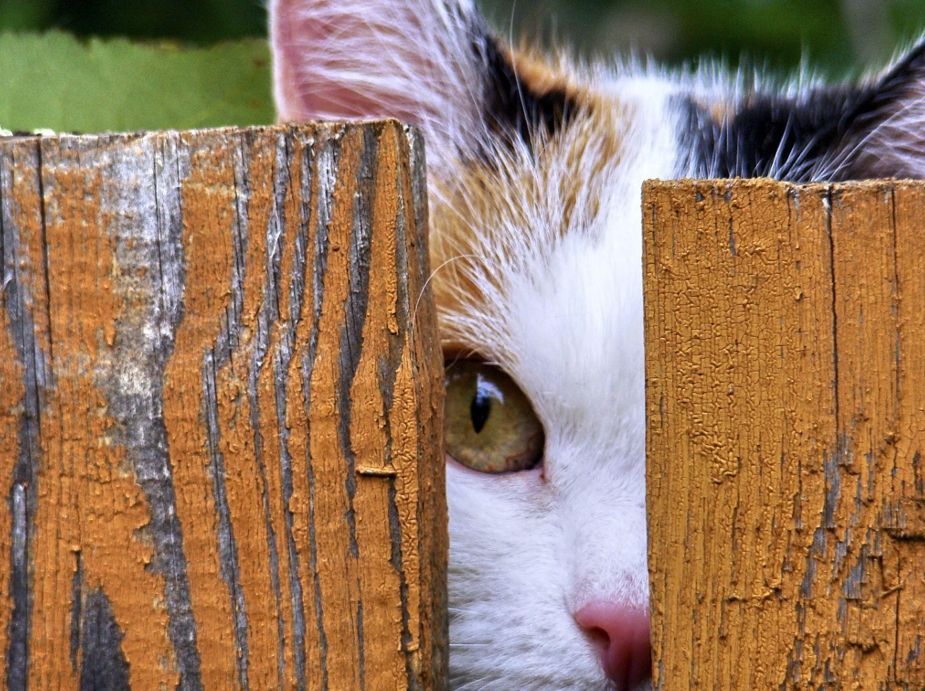
If you don’t mind giving your cat access to a large portion of your yard, consider putting up a cat fence around the perimeter. Cats and other small creatures can squeeze through traditional wood fences, so it’s better to go with mesh netting strung between metal pools. You can even install durable mesh over an existing fence. As long as the border is at least six feet tall, you can prevent your cat from jumping over it.

However, if you have an overly athletic feline, you may want to install a mesh barrier facing inward at the top of the fence to ensure your cat can’t climb over. It’s essential to keep your cat in your yard, as there are many dangers it can face if it ventures outside the fence, ranging from predators to toxins to car accidents.


Add an Enclosure

Perhaps your yard is too small to fence in, or you simply don’t want a full-time barrier. A cat enclosure works well for either scenario. Most of these structures have metal mesh-style roofs and are usually open at the bottom, allowing your cat to play in the grass. They are generally large enough for you to add cat trees and other toys, all of which will help keep your furry feline occupied for hours.

Remember that cats get hot in the sun and need coverage from wind or rain. Consider putting a tarp on at least half of the pen to supply shade and shelter.


Build a Catio

Catios are one of the most versatile outdoor spaces for cats. You can mix and match accessories to meet your cat’s needs. Add stairs, tunnels, or ledges throughout the enclosure to appease even the most active felines.

This enclosure type can go through the yard or attach to a window and run along your house’s siding. You can make it any size or shape, ensuring it fits perfectly in limited spaces.


Put Up a Tent

If you don’t want to add a permanent structure, a mesh cat tent might be the right choice for your furry feline. This structure lets your cat get a 360-degree view of nature and can be set up on the lawn or deck, which means you can always keep your cat near you, even if you’re entertaining guests.

Cat tents are easy to assemble and generally have available attachments, allowing you to create a larger enclosure. You can connect two structures with a collapsible tunnel, giving your cat the proper room to work out a case of “the zoomies.” Don’t forget to add a comfortable bed so your feline can take a nap after a hard day of playing.


Make Your Cat’s Wellbeing a Priority

Your cat’s safety should come first when you design its outdoor oasis. First and foremost, you should ensure there aren’t any toxins your feline can get into in the designated location. For example, some plants are poisonous to cats, such as daffodils, azaleas, and rhododendrons. Do your research to ensure the greenery in your yard is pet-friendly.

Also, since your cat will be outside, it’s more likely to face hazardous situations. Make sure you take appropriate steps to counteract potential dangers. Consider implementing the following before letting your furry feline go outdoors: 

●      Use a collar with an identifying tag.

●      Make sure your pet has updated vaccines.

●      Utilize flea and tick prevention products.

Without proper precautions, the outdoors can be a scary place for your furry feline. If you create a safe, stimulating environment, you can protect your cat while giving it the outdoor freedom it deserves.

Guest Contributor: Julia Nikolaus

Most Common Plumbing Problems in Old Houses

RH Business Marketing Solutions

Owning an old house can be quite an extraordinary experience. The charms of an old house are numerous, and they certainly have attracted many people over the years. Those charms may be set aside when maintenance and repair bills come in. Many neglected old houses lose their "reputation" quicker than the new ones. Neglecting to do the proper maintenance can lead to many problems. One of them is undoubtedly the plumbing problem. Many old houses are suffering from just that. To make things even worse, there is no guarantee that another issue like this will arise shortly after you have taken care of it. This article will discuss some of the most common plumbing problems in old houses and how to deal with them.

Most common plumbing problems

There are many plumbing problems that "plague" old houses. As the house is older, the chances it is going to be susceptible to plumbing problems arise. Before we head deeper into talking about a single problem, let's take a look at an overview. Here are some of the most common ones:


●      pipe leakage

●      faulty sewer lines

●      pipe corrosion

●      old fixtures

●      improper installation


These are some of the most common plumbing problems in old houses and certainly one of the toughest to handle. Depending on your house's age and state, you can face one or many of these problems. Experts at kevinszabojrplumbing.net suggest you should act fast in reacting to the early signs of any of these problems. To avoid any further damage and to be able to fix the problem quickly, this can prove to be a sound strategy. Also, investing in a solid pipeline is something worth your time and money.

One of the most common plumbing problems in old houses are pipe leakages

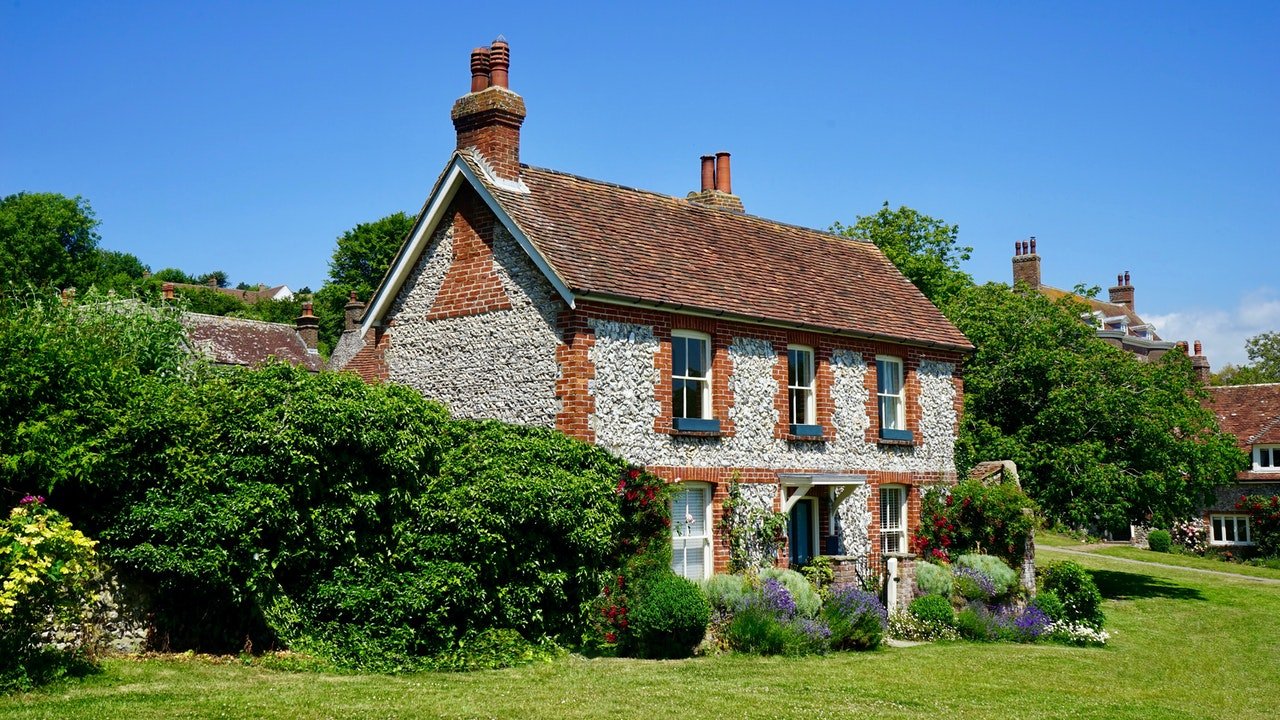
Every owner of a house encounters a pipe leakage problem. Even more so if your house is old. Many homes, especially ones from the 70s and 80s, were fitted with now old pipes made out of outdated material. Due to the years of service and rust that is inevitably forming, these pipes are prone to crack and break. Leaving your house completely flooded and wet. To make things worse, it damages other parts of your home, such as walls, electricity cables, and furniture. Galvanized steel and polybutylene pipes came out of fashion in the 90s, as they were very unstable, prone to cracks and rust, and could break more easily. There is a way to identify the cause of leaks in your home through routine inspections. They can be an excellent tool for spotting any possible rusted pipe that can pose a problem in the near future.

Faulty sewer lines in old houses

Faulty sewer lines are one of the most common problems in old houses. Sewer lines suffer if you neglect to maintain them. They are built for draining the water away from your sinks, bathtubs, and toilets. This is one of the main reasons they are very susceptible to clogging. The amount of clogging also depends on the age of sewer lines and maintenance.The damage that faulty sewer lines can cause is vast, so it is for the best to take regular line inspections and maintenance so it would not come to over clogging and leakage. Repairs after the leakage and clogging are pricy and tricky, and that's why all of the experts at Helix Transfer & Storage will always tell you to do checks and maintenance often. When it comes to old houses, this becomes even more important.

Pipe corrosion is also a common plumbing problem

Pipe corrosion is one of the most common problems of old houses and is very connected to pipe leakage. As mentioned before, way back in the day, in the early 60s, pipes were made out of lead. Lead was cheap and easy to come by but has proven to be very weak and fragile, making pipes a liability. After that, galvanized and polybutylene pipes went out of fashion in the 90s because they were wrongly reacting with chemicals in municipal water. Corrosion is still a problem in modern pipes even today and is considered one of the top things that can mess up your plumbing system. Early signs of corrosion are most commonly discolored water, discolored pipes, rising monthly bills without usage increase, and many more. It can be in your best interest to spot them early on and react fast so the damage can be mitigated.

Old fixtures 

Part of the charm of the old houses is their stylized faucets and fixtures. Although they bring a certain appeal and vintage look, they are also very susceptible to corrosion and rust. Even though you take good care and do all of the necessary maintenance, these fixtures will not last forever. In actuality, they are one of the most fragile points in old plumbing. The fact is that the older the fixtures, the harder it will be to repair them in the future. Even a tiny leakage in the beginning, if left unchecked, will grow into a big problem over time. Spotting old fixtures can be through broken knobs, sinks and showers, various leaks, and restricted water flow. According to experts, acting as soon as possible lowers the chance this minor fix can grow to be a headache.

Moving because of the plumbing problems in the old house

Moving away from the house is a challenging and stressful process. Even more so when it comes to the flooded house due to the water leakage. Last-minute moving is extremely difficult; there is no doubt about it. Packing in these situations may seem like a desperate act. Experts in the field state that the best thing to do in these situations is not to panic. Another good tip would be to pack bare essentials. For example, if you have to stay somewhere else, it can be very useful to check with nearby motels and hotels if none of your friends or families are available to help you.

The most common plumbing problems in old houses are many. Most of them are really easy to spot, even in the early stages. To avoid further complications and damage, every expert plumber will always tell you to tackle those issues as soon as possible. Regular checks and maintenance programs will keep you aware and up to date with potential problems for those that are harder to spot.

Guest Contributor: Sophia Perry

10 Telltale Signs Your Home Heating System Needs Repair

RH Business Marketing Solutions

As autumn turns to winter, you will rely on your heating system to ensure you stay warm and cozy indoors. Your heat pump or furnace is the heart of your home's heating system. Regular upkeep is required for your heating system to stay in peak shape and work effectively.

While modern heating systems have a longer life expectancy and are more reliable, they can break down unexpectedly without routine maintenance. The last thing you want is to get emergency HVAC system repairs in the middle of winter.

To avoid any inconvenience, you must also be aware of the warning signs that your heating system needs repair before a complete breakdown occurs. If you notice any of the following red flags, make sure to call in a professional before your heating system goes out on you completely:

1. High Power Bills

When your utility bills are outrageously high, a malfunctioning heater can be the likely culprit. If you also notice a drastic gas bill spike, it can indicate a heater problem. When your power bills skyrocket drastically, have your heating system checked and assessed by an experienced professional.

2. Burner Flame Turns Yellow

When the burner flame turns yellow instead of blue, something is likely wrong with your heater. Often, yellow flames can indicate the presence of carbon monoxide in the home. In excess, carbon monoxide can become a metabolic poison. If you notice the furnace flame turning yellow, get heater repair services immediately.

3. Strange Noises

Old heating systems are prone to periodic creaking, banging, and rattling. However, if your heating system makes strange noises constantly, you need to schedule an appointment with a heating professional. Often, strange noises are caused by problems with the system's motor bearings. Left unattended, this can lead to other costly heating issues..

4. Constant Thermostat Adjustment

If you need to adjust your thermostat frequently, something might be wrong with your heating system. If you can't get the temperature right after multiple attempts, the problem likely stems from your heating system and not your thermostat. Ensure you address this type of problem asap as it can worsen quickly.

5. Too Many Replacements

If you have been replacing several components too soon, you likely have an undetected heating issue. Unfortunately, replacing parts all too often is not good for your wallet. Have a trusted heating professional check your system and ask if you can benefit from a heating system upgrade.

6. Short Cycles

Short cycling refers to your heater going on and off intermittently. Your thermostat works by regulating your home's temperature. If the heating system goes on and off repeatedly, you likely have a serious heating system problem. Have this checked immediately to ensure you won't endure a winter that's chillier than usual.

7. Poor Indoor Air Quality

When your air at home gets too hazy or stuffy without good reason, something might be wrong with your heating system. Problematic furnaces circulate mildew, spores, dust, and other allergens. If there's a significant spike in respiratory issues within the family, your heater is one of the likely culprits.

If you suspect your air quality indoors is poor, you can check if the furnace filter needs to be changed. If it needs to be changed, this is something you can take on without needing to call a professional.

As a general rule of thumb, checking your filter every month is recommended. When you don't see any problem with the filter, it would be best to leave the matter to the able hands of professionals.

8. Pilot Light Turns Yellow

A heater that's working accordingly will have a blue pilot light flame. A yellow, purple, orange, green, or red pilot light should be a cause for concern. Those colors indicate that your heater has too much rust and tar. These condensates can compromise your heater's efficiency. More importantly, they can pose health risks as well.

9. Heat Too High

You likely have a heater problem if you need to crank up your heat just to stay warm. The need to constantly turn the heat up too high indicates your furnace is not working as efficiently as it should. Arrange for furnace repair immediately before the system becomes inefficient and your utility bills get too high.

10. Cold Spots and Uneven Temperatures

Uneven temperatures and cold spots are definite red flags. This can be attributed to several reasons ranging from ductwork issues to improper insulation. Whatever the cause may be, you need to have it checked by a professional as soon as possible.

Final Thoughts

The importance of knowing the warning signs cannot be overstated. When not addressed promptly, some of the problems above may cause your heater to stop working abruptly. Also, don't wait until winter to get your system inspected. Routine inspections are imperative to a fully functioning heating system.