Google+

contact us

Use the form on the right to contact us.

Day or Night, we are here to serve you. Leave your plumbing problem to us.


Tinley Park, IL

(708)845-7922

Residential and Commercial plumbers and plumbing contractors available in Orland Park, Tinley Park, Oak Lawn, Palos Heights, Midlothian, Oak Forest, Homer Glen, Mokena, Frankfort, and the surrounding Chicago South Suburbs. Emergency plumbers.

copper water lines.jpg

Kevin Szabo Jr Plumbing Blog

Kevin Szabo Jr Plumbing is Tinley Park, Orland Park, Oak Forest, Midlothian, Orland Hill, Homer Glen, Mokena, Frankfort, Crestwood, Palos Heights, Oak Lawn, local plumber. Read our blog for advice, tips, a good laugh, and basic home improvement.

**We are moving our old blog to our new and improved website. Too see all our posts visit kevinszabojrplumbing.blogspot.com

3 Myths About Stainless Steel Plumbing Products

RH Business Marketing Solutions
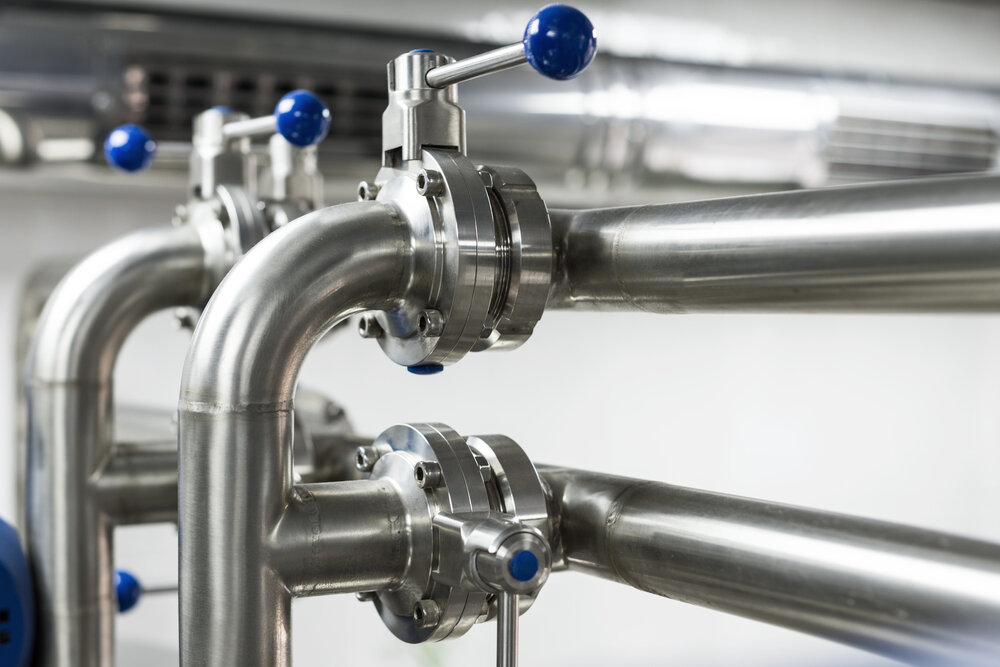
Stainless steel is a typical material for many products because of its strength, corrosive-resistant properties, versatility, and cost-effectiveness. Found in many items, the demand for this material is always high, especially in construction-related products. It is not a surprise that the plumbing industry has a particular liking for this material. 

Due to the rising expense of alternative materials, stainless steel fittings, nipples, clamps, and other goods are becoming more popular in traditional plumbing applications. Stainless steel's qualities are becoming more valuable to contractors. It is the reason why it has become a necessity to possess knowledge about various plumbing products. Let's explore three common myths about stainless steel plumbing products.

Myth #1: Stainless Steel Fittings Are All the Same

Stainless fittings are not all created equal. There are numerous configurations to consider, and it is critical to be aware of them. Knowing this information is essential for performing a proper comparison.

The word "stainless steel" is now a household term. It's critical to recognize that there are many different stainless steel varieties since the type of stainless steel utilized will play a role in deciding the best use of the material for a particular application. The most typical grades of stainless steel used in the plumbing industry are 304 and 316. These numbers represent the chemical make-up of each.

Corrosion resistance is the fundamental difference between these two grades. The 316 stainless fittings are substantially more corrosive resistant than 304 stainless fittings, making them ideal for industrial, commercial, and other applications. 304 is a more traditional stainless steel which one could see in "every day" plumbing. 304 is still far more corrosion resistant than other metals like brass or galvanized steel.

The variable that needs consideration is the thickness or design of the fitting. There are around five different patterns that you may encounter. These will deliver different pressure ratings, and the larger the pattern's pressure rating, the thicker it will be. There may be a 15% price variation between two fittings, mainly because of pattern differences or stainless-type differences.

Just a quick tip, if you find it difficult to access your plumbing area or you want to hide them because it ruins the aesthetics of your design, consider installing stainless steel access doors and panels. It will provide you with a safe and convenient way to gain entry to your plumbing areas and protect them from potential damages.

Myth #2: Stainless Steel Nipples and Fittings Are Sealed the Same

The most common criticism about stainless steel is that it is difficult to work with and does not seal well. The main reason for this is that individuals don't realize that sealing stainless steel requires a different approach than brass. Because of the hardness of the material, the sealing needed is distinct.

The use of standard PTFE tape does not function well since the stainless threads cut the tape. It can effectively fuse the fitting and pipe, making it difficult to separate and preventing a good seal. The seal in Stainless steel should be using nickel-based tape. This material will strengthen and prevent it from being cut when tightened.

The use of the tape should also be with stainless pipe dope. It will ensure a tight seal while also allowing you to separate the threads if necessary. Working with Stainless Steel Fittings and Nipples is relatively simple once you understand how to secure them properly. It may lead you to become an expert in no time if you have the appropriate guidelines and products.

Myth #3: High-Quality Stainless Steel Is More Magnetic

There are many misunderstandings about this idea because pre-worked Austenitic Stainless Steels are non-magnetic. Even though the quality and alloy specification have not changed, once the stainless undergoes being cold handled in the manufacturing processes, it will become magnetic. To be clear, the degree of magnetism does not indicate the corrosion resistance of a material.

This "magnet" test will not provide a definitive answer to the grade or quality of stainless steel used in plumbing items. It's important to understand that lesser-grade stainless steels, such as the 200 series, have a lower magnetic attraction than the 300 series, which is significantly more corrosion resistant. The 301 stainless steel, for example, is far more corrosion resistant, although it becomes magnetic when cold worked.

It doesn't matter how intense the magnetic attraction is. The alloy composition of stainless steel is critical, especially the proportion of chromium, which creates an oxide layer on the steel's surface known as the passive layer. The addition of molybdenum to 316 stainless gives superior overall corrosion resistance than Grade 304, with augmented resistance to crevice and pitting corrosion in chloride conditions.

In high-chromium stainless steel, the nickel content is also crucial. Nickel improves oxidation and corrosion resistance while also increasing impact strength and toughness. An alloy analyzer is the only way to be sure of the quality. It will reveal the alloy's specific chemical composition and the quality and corrosion resistance of the material.

Conclusion

No one can control someone's opinion about a particular material. But it's always helpful to share verified facts that can help with decision-making for an upcoming project. The best course of action is to consult a professional who can advise and direct them to a better option to succeed in their endeavors.

Guest Contributor: Chris Jackson
7 Tips for Pet-Proofing Your Plumbing

RH Business Marketing Solutions

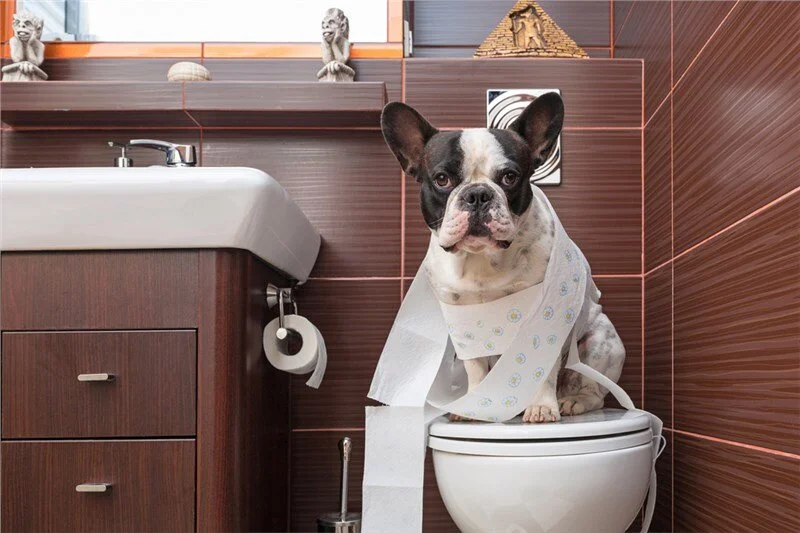
To prevent unwanted repairs, taking care of your plumbing system is a must. For homeowners who have those lovely pets, it involves extra precautions to ensure that they do not undermine the diligent upkeep. However, installing wall access panels flangeless can help secure the main control valve of the plumbing system away from pets.

Check out some valuable tips that will help to pet-proof your plumbing systems. Incorporating these practices can help keep both pets and pipes safe in the long term so you can enjoy your pets without worrying about your plumbing system. These tips could also be beneficial for pet safety as well.

Tip #1: Keep Toilet Lids Closed

Although this practice might not be a natural habit in every household, it is worth adopting for your pet's safety. And it is a well-known fact for cat and dog owners: pets can be notorious for sneaking sips from the toilet bowl. While other owners might regard this behavior as a funny and endearing quirk, it can lead to serious illness from ingesting water from the toilet. 

It is not only for obvious sanitary reasons, but the chemicals from the toilet cleaning products can remain in your toilet bowl for weeks. Therefore closing the toilet's lid will keep your pets safe.

Tip #2: Avoid Flushing Cat Litter

Although various cat litter brands claim to be flushable, deciding to flush kitty litter through the pipes can cause many problems and damage the plumbing system. The design of cat litter is to absorb more moisture and increase up to 10 times more into its original shape and volume. When flushing cat litter in the toilet bowl, it will naturally expand and lead to clogging and blockage in the plumbing system. 

Additionally, the waste litter might contain parasites like Toxoplasma Gondii that can infiltrate the water supply. Therefore it is highly recommended that pet waste is placed in designated trash bins and not flushed down into the plumbing pipes.

Tip #3: Cover The Floor Drains 

It is essential for pet owners who usually bathe their cats and dogs at home, to cover floor drains or use drain guards. Especially if the pet is prone to shedding, it is essential to catch the pet's fur in drain stoppers to prevent it from clogging the pipes. 

Tip #4: Install Water Temperature Balancing Valves

While we are grooming and bathing pets at home, ensuring the water temperature stays balanced can make bath time more manageable. It can be jarring to touch or be hit by freezing or scalding hot water while in the middle of a bath; it can also traumatize your pet so that they are afraid the next time you attempt to bathe them. 

Tip #5: Cover Exposed Piping

Pets sometimes are curious, and they won't hesitate to dig or find out what that piping under the sink is in the cabinet. They might bite or scratch these pipes to satisfy their curiosity, resulting in injury and irreparable damage to your plumbing. Either way, it's wise to cover exposed piping to avoid vet or plumbing expenses down the road.

Tip #6: Don't Allow Digging

As a general rule, it is necessary to discourage your pets from digging around pipes. If your pet has a passion for digging, it's best to nip it in the bud. Digging will not only ruin a yard but can lead to sewer or water line damage. 

Tip #7: Bathe Pets Outside

It is best to bathe your pet outside. If the pet's fur is soiled and you try to wash it in the sink or bathtub, clumps of matted hair can lead to clogged up drain pipes leading to unavoidable repairs. 

Be sure to pet-proof your plumbing system! It will keep your plumbing system clean, protect those lovely pets from injury and illness, and allow you to continue enjoying the services of your well-maintained plumbing system. 


Guest Contributor: Chris Jackson
Resource-Saving Tips for a Green Kitchen

RH Business Marketing Solutions

With all the green veggies, leafy plants, fresh herbs and fruits, one might think that your kitchen is already green. However, there are ways you can save even more resources and make your kitchen eco-friendly and energy-efficient. Here are a few tips on saving resources, reducing waste and turning your kitchen into a completely green space:

Invest in quality cookware

One of the easiest ways to make your kitchen more sustainable is to invest in quality cookware that will stay with your family for generations. Unfortunately, this means you have to say goodbye to Teflon—it’s debatable whether it’s good for human use, but it definitely doesn’t have the best lifespan. On the other hand, cast iron and stainless steel are very durable, even though a sizable investment.

Also, choose quality utensils instead of cheap plastic and wooden ones—these can break, rot and melt if you leave them on the stove for too long. Investing in handmade knives you can sharpen at home and using washable cloth dishtowels instead of paper towels is also a great idea.

Be energy-efficient with appliances

Many of us have old refrigerators and freezers in the basement or garage. While practical, these old appliances eat electricity like crazy. Reconsider how much extra space you need for meat and veggies and upgrade to newer models of appliances. And maybe you don’t even need any extra freezer space so you can be greener than ever and save a lot of money—one large fridge/freezer usually needs less energy than two smaller ones.

Wash dishes the right way

Did you know that washing dishes by hand wastes over 30% more water than using a dishwasher? Well, rejoice because numbers don’t lie! You can additionally green up your dishwashing process by using completely natural dishwashing balls from well-equipped Shoppster website and get them delivered to your doorstep. These are powerful in removing grease and food from dishes, friendly to the environment and hypoallergenic. If you wait to have a full load of dishes to run your dishwasher, you can save even more energy and water than running two half-loaded dishwashers.

Cook greener

Your big oven is good for big roasts and casseroles but if you’re preparing a smaller dish, switch to a toaster oven or a slow cooker which use 30% less energy. According to estimates, microwaves use even less energy—with them, you can save around 50% of electricity than using a regular oven. If you need to heat a larger meal, using a stove is usually more efficient, though. In the summer, using a microwave is even smarter because it doesn’t release too much heat so you need to blast your AC.

Repurpose and recycle

Save those jars that come with your purchase of pickles, salsa and spaghetti sauce and repurpose them easily and efficiently. Take off the labels and fill them with pasta, rice, spices and whatever you can buy in bulk. This will minimize your trash and take you closer to zero-waste living. You can also sort your garbage and recycle all the plastic, cans and glass bottles you don’t need anymore. If you want to take it a step further, setting up a composting station is also possible, especially if you have a lot of leftovers from cooking.

Bring your own bag

Being green in the kitchen starts at the supermarket, so instead of choosing plastic or paper bags, bring your own reusable canvas bags (keep them in your car or backpack). When you unload your groceries, place empty totes in the hallway and take them with you to your car the next time you’re leaving somewhere. Even plastic or paper bags can be reused, so don’t throw them away.

Use green kitchen cleaners

If you look at the list of chemicals and toxins that go into regular dishwashing liquids, detergents, floor cleaners and degreasers, you will realize why they are so harmful to the environment. However, there are companies that produce natural cleaners, but you can also take a DIY route and make your own with everyday ingredients like vinegar, baking soda and essential oils.

Being green in the kitchen will not only do wonders for the environment but also save you some money in the long run. Plus, you’ll be inspired to eat better and experiment more with your homemade recipes. In a blink of an eye, you’ll lead a much healthier and eco-friendly life.

Guest Contributor: Diana Smith

How To Impress Your House Guests With Modern Sinks

RH Business Marketing Solutions

Sinks are some of the must-have things in every home today. But then, many people do not think about getting creative with sinks when looking to decorate their homes. However, the reality is that besides being functional, sinks can spruce up outdated bathrooms and kitchens.

There are different modern sink designs that you can use to enrich your home. The sink you settle on needs to meet your requirements in terms of functionality and budget. This article looks into some of the modern sink designs that you can use for inspiration and guidance.

Let’s get started.

1. The Under Mount Sink

One of the best sink designs that you can consider is the under-mount sink. This type of sink has a sleek look that will add a unique look to your home. Besides its distinctive features, the under-mount sink is one of the easiest to install. It is also easy to use and clean as residues do not get stuck on gaps or edges.

Undermount sinks get installed from below the countertop, leaving a flawless countertop surface. This helps highlight the beauty of the materials used to make the sink. For example, imagine how your kitchen or bathroom will look with an under-mount sink and a countertop made from granite or marble. It looks elegant and well put, right?

2. Pedestal Sinks

Pedestal sinks are also known as free-standing sinks because of their designs. A pedestal sink is an excellent option for limited spaces. But then, many people include them in their homes because of the trendy and neat look that they bring in whatever space they get installed.

This type of sink is worth considering if you are looking for small bathroom sinks. They fit well into every bathroom theme and home décor. Pedestal sinks are also cheap, easy to assemble, and easy to remove. However, you need to choose your pedestal sink carefully as there are different options available.

3. DIY Concrete Sink

As mentioned earlier, you can get as creative as you want when it comes to sinks. For instance, you could be looking to take the extra challenge of building your sink at home. You only need to find the right materials and a guide to making the type of sink you want.

An excellent example of a material that you can use is concrete. You can then look for a tutorial that will guide you on how to make concrete sinks for guidance. You can also check out some best concrete sinks online and choose the concrete sink design that will be a perfect fit for your home before starting to build it.

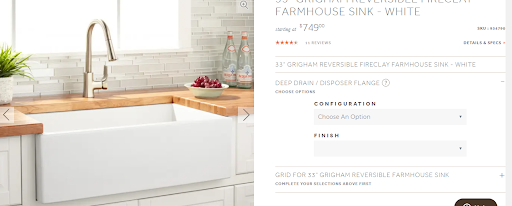
4. The Farmhouse Sink

Another popular sink design you can consider today is the farmhouse sink. It is a simple option that creates a rustic modern appearance to the place. Traditionally, farmhouse kitchen sinks came white, but then they have evolved, and it is easier to find a color that blends with your home décor today.

The elegant look that farmhouse sinks bring into a home is why they are trending among homeowners. The good news is that you can also effortlessly make a DIY standing farmhouse sink at home. It is a great pick for you if you’re looking to build a farmhouse or rustic-style kitchen.

5. Vanity Sinks

You cannot talk about modern sink designs without mentioning vanity sinks. This type of sink is among the most luxurious options that you can consider. But then, vanity sinks require a lot of space to put up and are therefore not ideal for apartments but are excellent for spacious homes.

They come with a vanity unit or table that consumes a lot of space. However, you also get massive amounts of storage beneath the sink, meaning there’s no wastage of space. Besides, vanity sinks come in different designs. For example, it can be in the form of an under-mount or self-rimming sink.

6. Self-Rimming Sinks

Self-rimming sinks make up some of the best small bathroom sinks you can find in the market. It is also one of the easiest to set up and use in the bathroom. You can install a self-rimming sink on a countertop or a vanity unit in your kitchen. Of course, this depends on how you have designed your kitchen.

You can install self-rimming sinks over any material. They are also fairly easy to clean, making them one of the best picks for homeowners. Self-rimming sinks can wow your house guests with their simple yet appealing design. They will also not give you a hard time if you ever want to replace them.

7. Semi-Recessed Sinks

This type of sink can be a great option for you if looking for bathroom sinks. Semi-recessed sinks sit in front of the countertop and vanity. The best thing about them is that they do not consume a lot of space. You should think about furnishing your bathroom with them if you have limited space.

Semi-recessed sinks make good use of the little space they consume. This is because they have storage spaces underneath that you can use to keep different items. The only downside of semi-recessed sinks is that you have to deal with water spills as there’s no countertop around the basin.

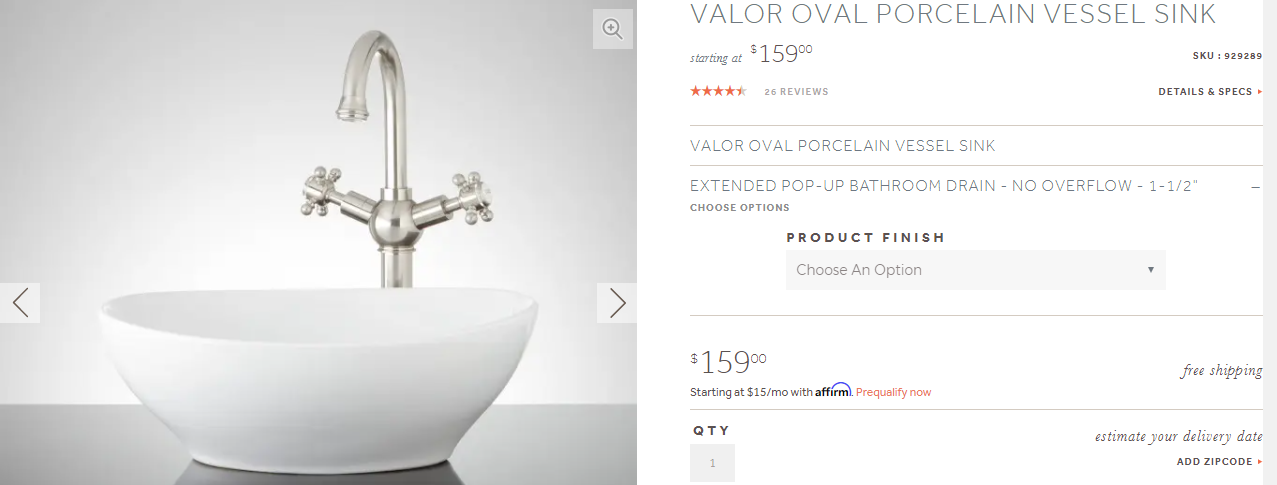
8. Vessel Sinks

This type of sink adds a unique modern look to anywhere it gets installed. It is bowl-shaped and gets installed above countertops. You can also partially fix it on the countertop to make it sturdier. The best thing about using vessel sinks is that they do not consume a lot of space like most sinks on this list.

Besides, a vessel sink can help you showcase the beauty of your counter space to your guests. You can choose different materials when buying vessel sinks. Some options include stone, ceramic, crystal, and mosaic. You also can use countertop material that matches your home décor for the best results.

9. Dual Faucet Sinks

One of the most trending types of sinks is the dual faucet sink. The best way to describe this type of sink is by referring to it as a two-in-one sink. It comes with one wide basin with two faucets installed on it. This makes it look unique from the many types of sinks we have already discussed in this article.

Besides looking good, dual faucet sinks can help you save a lot of time. It can prove helpful if you have many guests who need to get ready at the same time. A dual faucet sink is also perfect for small spaces. If you have limited spaces, having two faucets in one sink can be a great idea.

Conclusion

As mentioned earlier, the sink you choose for your home will depend on various factors. An ideal sink should be more than visually appealing. Everything from the materials used and the design of the sink should meet your needs. In short, it should serve the purpose that makes you buy it.

We have already looked into some of the modern types of sinks that you can consider today.  You may also have to decide whether to buy manufactured sinks or make concrete sinks at home. Now you have an idea of some of the modern sinks that you can consider for your home.

Guest Contributor: Daniel Martin

Best Practices When Cleaning Out Your Gutters

RH Business Marketing Solutions

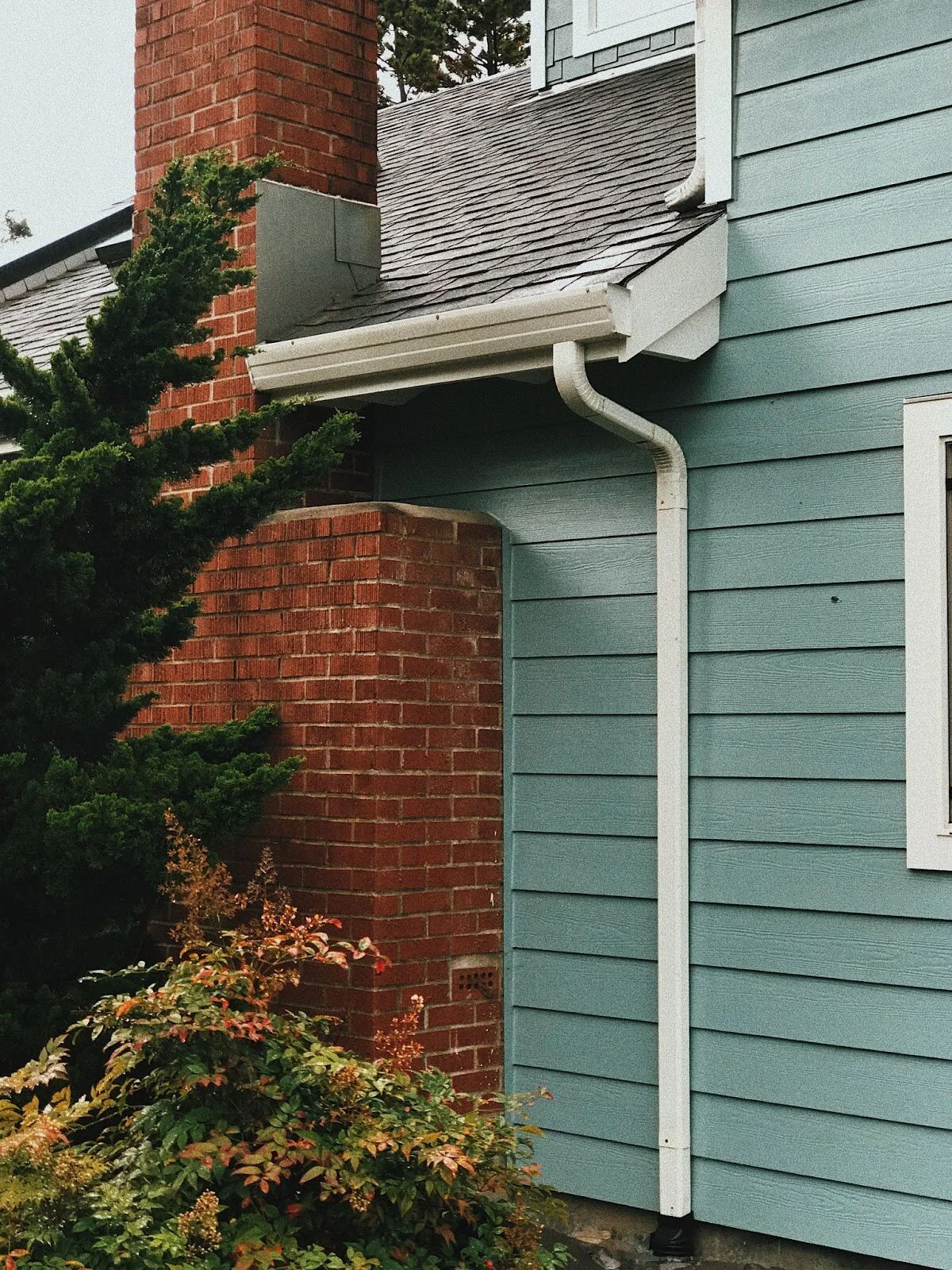
Roof gutters are more important than many homeowners think. They take gallons of rainwater and carry it down through their spouts. This prevents waterfalls from pouring off of your roof during heavy rainfall. Without gutters, water can pool around your property and cause damage over time. 

How do you maintain gutters? Clogged and dirty gutters are particularly problematic. They require maintenance throughout the year, especially if you live in an area with a high volume of trees. Leaves are one of the most common things to clog gutters. Now, let’s dive into keeping your gutters functioning properly throughout the year.

The Need for Gutter Cleaning and When to Do It

The main aim of cleaning gutters is to ensure rainwater from the roof flows freely through the gutters and down through the spouts. Cleaning gutters is much cheaper than the repairs associated with not doing the clean-up. When should you clean your gutter?

The most appropriate time is right before the rainy season begins. All gutters should be cleaned at least once a year but you may need to get up there more often if you have trees nearby. It is recommended that you clean gutters every spring and fall in preparation for rains and snow. Special gutter cleaning is required after a storm, before a forecasted storm, and after strong winds that may have blown leaves and debris into the gutter.

The Gutter Cleaning Steps

1. Assemble all the items you will need.

2. Wear a long-sleeved shirt and wear rubber gloves.

3. Get an extendable ladder with standoff stabilizers to avoid placing it directly on gutters. Put the ladder on a spot that you put in the gutter.

4. Carefully move up the ladder with a waste bag in hand.

5. Pick up all debris carefully placing it in the bag. If there is some litter on the roof, start by removing this because if you don’t it will all end up in the gutter when it rains.

6. Use a small plastic scoop to remove any gunk.

7. Use a garden hose to clean and flush the gutter.

8. Unclog the downspouts if they are clogged and test their effectiveness by spraying water from the hose pipe at full speed. Repair any leaks you may notice.

Important Safety Measures

Cleaning gutters has more to it than just getting up there and cleaning away. You need to do it safely. Actually, there are thousands of people who get injured cleaning gutters every year. You can avoid these injuries by adhering to a few safety precautions.

The ladder you use should be strong and preferably, four-legged. This provides the support to hold your weight up there. Clean a small area, come down, and move the ladder to clean another portion. Avoid overstretching because you can easily fall off the ladder.

Wearing protective gear is very important. Wear rubber gloves to protect your hands from the dirt and germs in the debris. Eye protection is also necessary. Wear goggles to protect your eyes from aerosols from bird droppings on the roof as well as stings from insects like wasps and bees that may have made a home on your roof. The right kind of shoe for gutter cleaning is rubber shoes. These will give you a proper grip so you do not easily slide.

Conclusion

With the right practice, gutter cleaning can be done safely. Bear the above tips in mind the next time you carry out this important activity. Remember gutter cleaning is very important because clogged gutters can cause you to lose a lot of money in repairs.

Alex Capozzolo is a partner of Better House Buyers, a home buyer based in Georgia. He has been writing for the real estate industry for several years. Alex enjoys writing on real estate investing, home improvement, and interior design.

Guest Contributor: Mary Anderson

How to Prep Your Home for a House Party This Summer

RH Business Marketing Solutions

Summer is the perfect time to catch up with friends while enjoying the nice weather. However, you may need to tidy up your house so guests are comfortable. Follow these tips to get your home party-ready. 

1. Start by Cleaning the Most Important Rooms

Before getting started, write down a list of what areas you need to clean, including entryways and coat closets. Having a list will help you stay more organized. Start with essential locations, such as the living room and bathrooms. 

Your guests are most likely to gather in your living room to socialize, so it should look clean and inviting. Vacuum your carpets and mop your floors to get rid of any dirt or dust. Also, dust off commonly used surfaces, such as tables. Removing dust allows your friends with allergies to breathe easier. 

Your guests may also want to access your bathroom, especially if you provide refreshments. Start by scrubbing your toilet and sink surfaces. Instead of using costly cleaning products, consider using a mix of baking soda and ammonia to get rid of soap scum and grime. Remember to sanitize your toilet tank to prevent the buildup of rust or mildew. 

Also, mop your floors and remove any mold from your shower curtains. If you plan to leave your curtains open, give your shower stall a quick wash. 

To clean more efficiently, start from the front of your house and work your way through. Take note of the areas your guests are most likely to congregate in. 

2.  Clear Your Clutter 

It’s vital to get rid of any clutter. This is especially important if there are children’s toys lying around the house. Also, unplug any electronic cords to clear floor space so guests can move around easily. Consider using a junk drawer or container to hide away items until after the party. 

You can divide these items into separate categories for further organization, such as put away or donate. 

To make the decluttering process go by quicker, consider asking your family to pitch in. This can save you time and teach your kids a valuable lesson in responsibility. 

3. Take Shortcuts 

To make the preparation process simpler, focus on areas you know your guests will be. If they will only be downstairs, you can skip cleaning the upstairs bedrooms. Simply close your kids’ doors to signal to your friends not to enter.

Another area to take shortcuts is the dining ware. If it’s a laid-back party, then use paper plates. This can save you time on washing dishes or buying fancy bowls. 

4. Add Finishing Touches

Once you are done cleaning, you can then focus on the fun stuff. Consider giving your home a few personal touches to make it more inviting. You might want to add floral arrangements, photos or candles. If it’s a themed party, put up your decorations. These added touches can also serve as talking points for the party. 

Here are some other summer decorating ideas to make your home more welcoming: 

  • Add beach-themed decor and hues of blue

  • Hang up artwork

  • Spruce up your outdoor space with comfortable seating and lights

  • Purchase colorful accent dishes

  • Incorporate floral fabrics

Along with adding decorations, consider rearranging your furniture. Keep in mind that you want to limit your seating. Too many chairs can clutter up the space and make it harder for guests to move around easily. Also, face your furniture toward each other to encourage conversation. 

5. Prepare for Minor Cleaning Emergencies 

With multiple people moving around your house, spills are likely to occur. This is why it’s vital to prepare ahead of time. 

Before the party starts, stock up on stain removal products. You may also want to buy additional napkins and paper towels for water spills. 

Having emergency supplies allows you to take care of messes right away and enjoy your party stress-free. It also saves you time during the post-party cleanup. 

Getting Ready for Summer Festivities

Summer is a busy time for parties and festivities, so you want to make sure your house is ready for your friends and family. Consider these tips to prepare your home for your next event.

Guest Contributor: Rose Morrison

2021 Sunroom Ideas to Enjoy Year-Round

RH Business Marketing Solutions

(Photo By © Yongyuan/Getty Images)

Sunrooms are the perfect place to begin and end your day in. In the morning, you can bask in the sun’s early rays as you sip on your favorite caffeinated beverage. At dusk, you can unwind with a glass of wine or tea while admiring your landscape or reading a new book. Sunrooms add sophistication to your house and can be installed in several different ways. 

Below are several sunroom ideas to help inspire your next home renovation or DIY project.

Meditative Sunroom Ideas

These sunroom ideas below will help you enjoy the natural light and relax throughout the day.

1. Install a fireplace 

Installing a small fireplace is a great way to enjoy your sunroom during the wintertime. The warmth of the fireplace contrasted against the cold window panes will make for a pleasant and cozy environment. 

2. Design a Cabin-Style Sunroom

A cabin-style sunroom is perfect for houses in densely forested areas. An easy way to do this is to use dark-stained wood planking inside the sunroom and on the exterior beams.

3. Create a Sunroom Studio

If you’re passionate about working out via yoga, cycling, or doing online classes then consider creating a sunroom that also serves as a fitness studio. Pro-tip: if you’re using weights in the sunroom, consider installing gym floor mats. 

4. Invest in Dimming Lights

Dimming lights are that much more expensive than regular light bulbs. It’s worth it though to adjust the lights to correlated with the outside’s natural light.

Shed-Turned Sunrooms

If you have an unused shed in your backyard, it’s the perfect place to create a gorgeous extra living space by transforming it into a sunroom. Here are several shed-turned sunroom tips and ideas.

5. Protect Your Garden

A shed-turned sunroom can be a place to both relax by surrounding yourself with plants. Even better, these plants will be enclosed, protecting them from insects and critters. Your shed will serve as a greenhouse and a relaxing place to hang out. 

6. Add on an Additional Office Space 

Perhaps you’re a remote worker and sometimes your home is too noisy to work in. If so, then look to turn your unused shed into a small office sunroom. The natural light will help keep you awake and energized throughout the day. 

7. Construct an Additional Guest House

Give your guests more privacy away from the house by transforming your shed into a sunroom guest house. Your guests will look forward to visiting as they fall asleep under the stars. To make sure they have a working bathroom, use our plumbing services

8. Create an Additional Meal Space

If you love entertaining others, then create an additional meal space with a great view. If you’re short on space in your shed, consider placing a long counter bar against the window with the best view. 

Guest Contributor: Chi Whitley


5 Tips for Deciding Which Contractor Is Right for You

RH Business Marketing Solutions

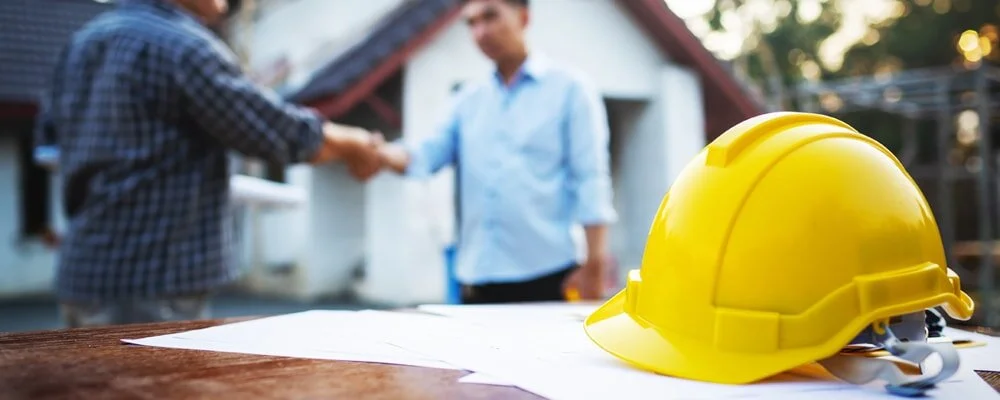
Your home isn’t only your castle — it’s probably your biggest investment. The work you have done significantly impacts its resale value, and you don’t want to entrust the job to just anyone who hangs out a construction shingle. Here are five tips for deciding which contractor is right for you.

1. Read the Contract Terms

It should go without saying that you should get all contracts in writing. However, that alone isn’t enough. You need to read the fine print. At a minimum, your contract should clearly state all terms, including the project’s scope, estimated time for completion, and a thorough breakdown of who is responsible for which contingency costs.

Sit down with your contractor and iron out the terms together to avoid any confusion later. You’ll both feel more comfortable proceeding with the project when you’re clear about who is responsible for what.

2. Shop Around

When you want a project completed quickly, it’s tempting to press forward with the first quote you receive. However, remember that your home is a significant investment — it pays to protect the value by doing your due diligence. You might also save some money.

Should you consider unlicensed contractors? It’s probably not worth the risk. You will have a hard time establishing standing to sue for damages. Many such individuals carry insufficient liability insurance to cover damages if they shoot a nail through a pipe or electrical line.

3. Ask for Recommendations

You could do a Google search for contractors in your area, but this approach is hit or miss. You can hire someone with more confidence when you know they’ve completed quality work for other people in your network.

Therefore, put your social media feeds and in-person connections to work. Ask your friends and family who they used in the past and would recommend. Many contractors rely primarily on word-of-mouth advertising, and some quality smaller operations might not have much of a web presence yet. That doesn’t mean they won’t do impressive work.

4. Read Online Reviews

However, the internet is another source of information you can turn to if you still feel unsure who to hire. Sites such as Houzz and Homestars offer insights from many other users who are willing to share their experiences.

Exercise judgment — some people do use the anonymity of the internet to vent their frustrations. Look for patterns. One negative review among a sea of five-star ratings isn’t a cause for concern, but multiple similar complaints should give you pause.

5. Trust Your Instincts

Personal safety expert Gavin de Becker writes this of intuition: “It is always in response to something. It always has your best interest at heart.” Sometimes, you perceive things that signal your “something’s wrong” trigger, even if you can’t articulate what it is at the moment.

Maybe your contractor candidate didn’t slur their words, but your nose detected a slight hint of whiskey. Perhaps something in how they eyed your fine china collection when providing a free estimate raised a red flag. Please keep in mind that the crew you hire will have substantial access to your home and family. If something seems off, keep searching, if only for peace of mind.

Choose the Right Contractor for You With These 5 Tips

Choosing the right contractor is a challenging decision. Follow this guide to find the help you need to get your project done right the first time.

Guest Contributor: Rose Morrison

Moving your kitchen to another room

RH Business Marketing Solutions

A typical kitchen remodel done when moving your kitchen to another room.

A typical kitchen remodel done when moving your kitchen to another room.

Of all the home remodeling projects you can think of, moving your kitchen to another room is definitely on the list of the challenging ones. Why would someone consider want to move kitchen to a different room, you might ask. Well, the kitchen is an essential part of any home. You want it to be operational, spacious, and it needs to serve a daily purpose. Furthermore, transferring your kitchen to another room creates lots of opportunities to change the layout of all the equipment. Also, kitchen upgrades are quite often, so let's see how to tackle this project with ease!

Get all renovation permits

Whether you live in a house or an apartment, you will need renovation permits, especially if you plan to tear down walls. Thoroughly check state or municipal rules because they might be different from place to place.

Furthermore, if you have contractors coming over to do the renovation, they also need to have valid permits.

To sum it up, you will need:

  • a building permit (covers any structural changes to your home);

  • a plumbing permit (for drainage and water inlet);

  • mechanical and electrical permits (for heating, energy supply, and ventilation);

No matter what kind of home remodel you want to do, you need to acquire different permits.

No matter what kind of home remodel you want to do, you need to acquire different permits.

Once you get all the permits, it is time to start moving your kitchen to another room.

How much will everything cost?

The golden rule is that the entire project will be as costly as you make it. The more you complicate, the more money and time is required to complete the job. Besides doing all the electrical wiring and plumbing, you will also have to tidy up the old kitchen room.

With that out of the way, it is crucial to plan what changes you want to make precisely. Put everything on paper, get a quote from your contractor, and see if everything fits into your budget. If the remodel seems too expensive, see how you can simplify it to avoid overspending. Consider some cost-effective kitchen interior designing ideas.

How to plan this project?

The first step of the plan is to empty the designated room for the new kitchen. You need to make space for all of the changes. It is a good idea to consider getting a self-storage unit for this. If you have no idea where to put all the furniture and other things, find the right unit for your items and store them until the new kitchen is done. This is a good approach because it creates more space to work with. If you live in a small place, you can avoid making a mess by piling up all of the stuff in one room.

Do all the plumbing and electrical installations before moving in kitchen equipment to the new room.

Do all the plumbing and electrical installations before moving in kitchen equipment to the new room.

Before you start moving all of the stuff from the kitchen, it is crucial to make all the necessary changes. Do your plumbing, electricity, and other installations. Furthermore, perform any structural changes to the new kitchen area.

Consider the airflow setup

Every kitchen must have good airflow. You don't want the food smell to spread across the entire place. If you have large windows, you might even reduce air conditioning costs this summer because you won't have to use the HVAC system or the extractor fans to get the smell out of the house.

Clean the new kitchen

Before you start moving in things, clean the room thoroughly, especially the areas where large appliances will go. If there are no other changes to make, it is best to clean everything.

Prepare the old kitchen for the transition

While the contractors are working on the new kitchen area, you can spend that time packing your kitchen for the transition. Good preparation makes things easier, so do not rush it.

Clean all the appliances, and start packing the glassware and the cutleries. If you have cabinets with pots and other kitchen utensils, see if you can move them without taking everything out. If not, pack everything into boxes so you can move the cabinets.

Keep in mind that your refrigerator and freezer need to work all the time. To move them, you have two different approaches to consider:

  • wait for the new kitchen to be finished, take out all of the food, move the appliances immediately and return everything inside;

  • if you don't have a lot of food, you can take everything out and defrost and clean the units. Use a mini-fridge to keep the food fresh.

Moving in the kitchen to the new room

When all of the changes are done, and the new room is clean, you can start moving in your stuff. Start with the largest items, like cabinets and electric appliances. If some things cannot pass through the door, you will have to take them apart. Think about it in advance, and disassemble everything.

When all of the cabinets and appliances are in place, connect the freezer and fridge first, and then the stove and other electrical devices.

Moving your kitchen to another room is worth it if you finally get the kitchen you always dreamed of.

Moving your kitchen to another room is worth it if you finally get the kitchen you always dreamed of.

When all of the more oversized items are in place, you can move all the kitchen utensils.

Cleaning up the old kitchen space

After your new kitchen is up and running, you can slowly start to clean the old place. If you have any electrical or plumbing installations that need to be removed or sealed, do it while the room is empty.

It is a good idea to plan in advance what you want to do with this space. That way, you will avoid potential delays while thinking about what to do with the room.

Moving your kitchen to another room made easy

As you can see, moving your kitchen to another room is a challenging process. It will cost money, so know what your budget is. The main idea is to plan everything in advance so that the contractor can finish the project on time. Even though it might take some time, it is all worth it if you finally get the kitchen you have always wanted!

Guest Contributor: Sophia Perry

Ways to Beat the Summer Heat Without Breaking the Bank

RH Business Marketing Solutions

Time flies so fast, and summer is here before you know it. This means only one thing: scorching heat! Depending on where you live, temperatures can be shooting up as early as May. Unfortunately, the most effective way to keep cool is also the most expensive—running the air conditioner round the clock.

The good news? There's no shortage of ways to stay cool during the summer without spending a fortune. The following are some of the best and cost-effective ways to beat the summer heat:

1. Invest in a New AC Unit

If you have an old air conditioning unit, it would be best to get rid of it and invest in a new AC unit. While purchasing a new AC unit will involve spending money upfront, it is considered a wise investment, especially if you choose a certified Energy Star model. Undeniably, a certified Energy Star model uses less energy compared to conventional models.

2. Tune-Up Your Central Air Systems 

If you have a central air conditioning system at home, it is recommended that you ensure it functions accordingly by having an HVAC specialist check it during spring. This can help guarantee it runs at maximum energy, helping you save energy as a result. 

You can also do a DIY tune-up of your HVAC system by changing the filter and vacuuming the compressor coils. Keep in mind that every kind of air conditioner, from portable A/C systems to window units, can benefit from a good cleaning.

3. Install a Programmable Thermostat

It would be impractical to keep cooling your home if you are not around. This is especially true if you leave the house for a holiday. Fortunately, this is where a programmable thermostat can come in handy.

Programmable thermostats are affordable and can be instilled easily, even without professional help. Set the thermostat only to come on when you are at home. Smart thermostats can offer energy savings by as much as 10 to 20 percent.

4. Shade Your Compressor Unit

If your central air system has an outdoor compressor, you can help ensure it works as efficiently as possible by keeping it in the shade. If it's situated on the north side of your property, you can place some shrubs strategically. Providing some shade for your unit can keep the hot air away so your unit won't have to work overtime to keep you cool.

5. Try Using an Evaporative Cooler

If the place you live in has low humidity, it might be a good idea to use an evaporative cooler. Evaporative coolers work with just a fan and water. When the water evaporates, it can drop the air temperature instantly. The fan will also push the cool air into your room. 

 6. Use a Dehumidifier

If you reside in a humid climate with hot, sticky summers, it might be a good idea to try sucking out some of the moisture so you can feel more comfortable. When the weather gets too humid, the body can't cool itself by sweating alone since it won't evaporate into the air that's already saturated. Drying out the home using a dehumidifier can make it feel cooler. You may even have to run your air conditioner less. 

7. Change Your Light Bulbs

At times, making small changes can already make a massive difference in your comfort during the summer months. For instance, if you are using incandescent light bulbs or halogen, you can keep cool (and lower your energy bills significantly) by switching to LEDs or CFLs. Said bulbs are also more efficient and won't make as much electricity on heat loss. 

Conclusion

Beating the summer heat does not have to cost a fortune. If you want to stay cool and save money simultaneously, the tips laid out above can help you achieve both objectives.

About the Author

Rachel Watson is the Senior Content Editor of New AC Unit. Aside from heading the company's content marketing strategies, she writes articles about how to stay fit and energy-efficient home living.