Google+

contact us

Use the form on the right to contact us.

Day or Night, we are here to serve you. Leave your plumbing problem to us.


Tinley Park, IL

(708)845-7922

Residential and Commercial plumbers and plumbing contractors available in Orland Park, Tinley Park, Oak Lawn, Palos Heights, Midlothian, Oak Forest, Homer Glen, Mokena, Frankfort, and the surrounding Chicago South Suburbs. Emergency plumbers.

copper water lines.jpg

Kevin Szabo Jr Plumbing Blog

Kevin Szabo Jr Plumbing is Tinley Park, Orland Park, Oak Forest, Midlothian, Orland Hill, Homer Glen, Mokena, Frankfort, Crestwood, Palos Heights, Oak Lawn, local plumber. Read our blog for advice, tips, a good laugh, and basic home improvement.

**We are moving our old blog to our new and improved website. Too see all our posts visit kevinszabojrplumbing.blogspot.com

What Should Be In A Modern Kitchen

RH Business Marketing Solutions

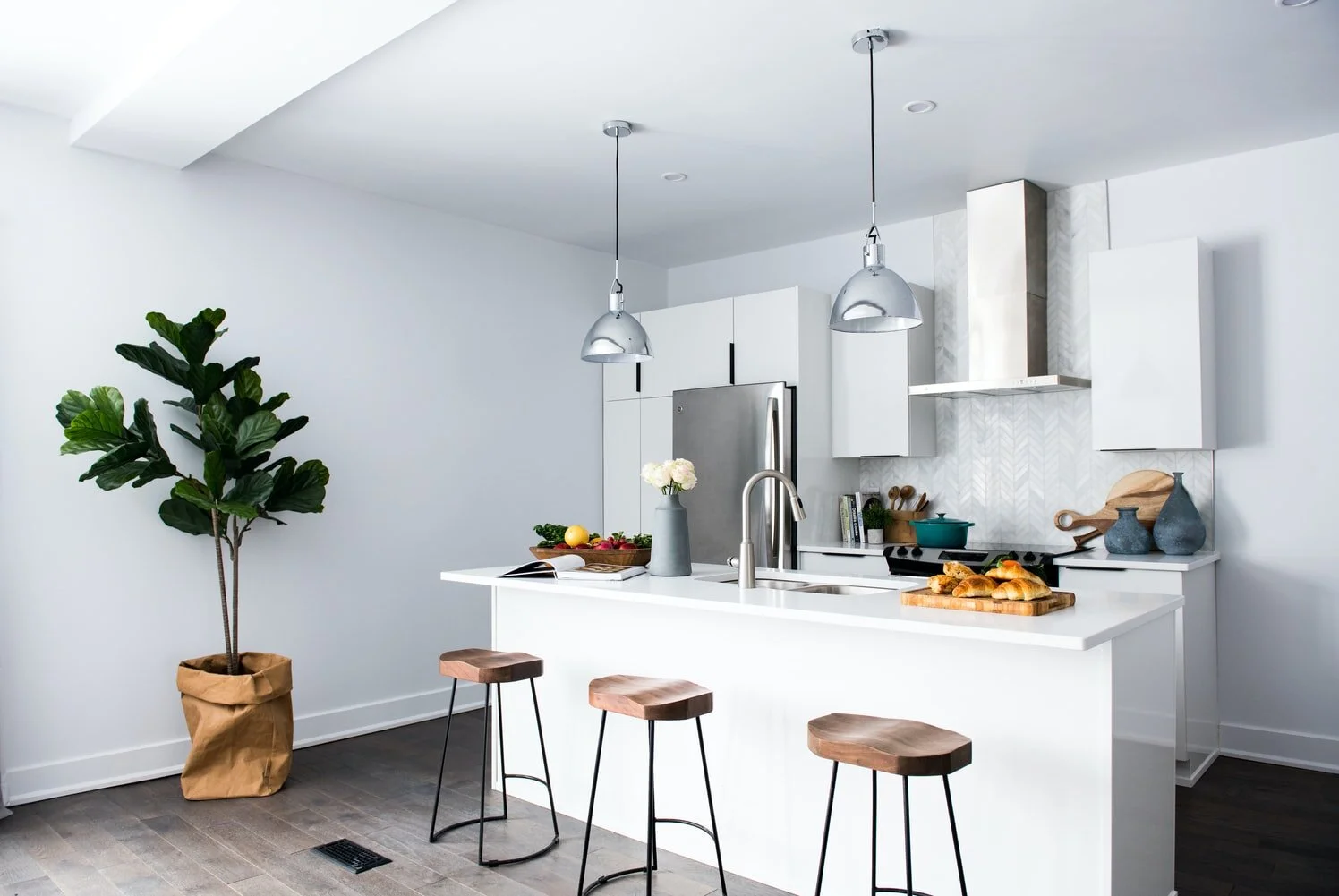
Modern kitchen design is simplicity, versatility and harmony. These are the main criteria for arranging the premises today. At the same time, modern kitchen design focuses on manufacturability, convenience of cooking. The room becomes not only a place for culinary experiments, but is conducive to communication, relaxation, filled with an atmosphere of comfort.

Storage system

Which one to choose depends on your needs:

Pull-out systems are a sure way to use the entire shelf space;

Special cabinets such as bottle holders, large crockery compartments or pull-out corner cabinets optimize storage;

Railing Systems - with their help it is convenient to keep in sight spices, knives or measuring cups

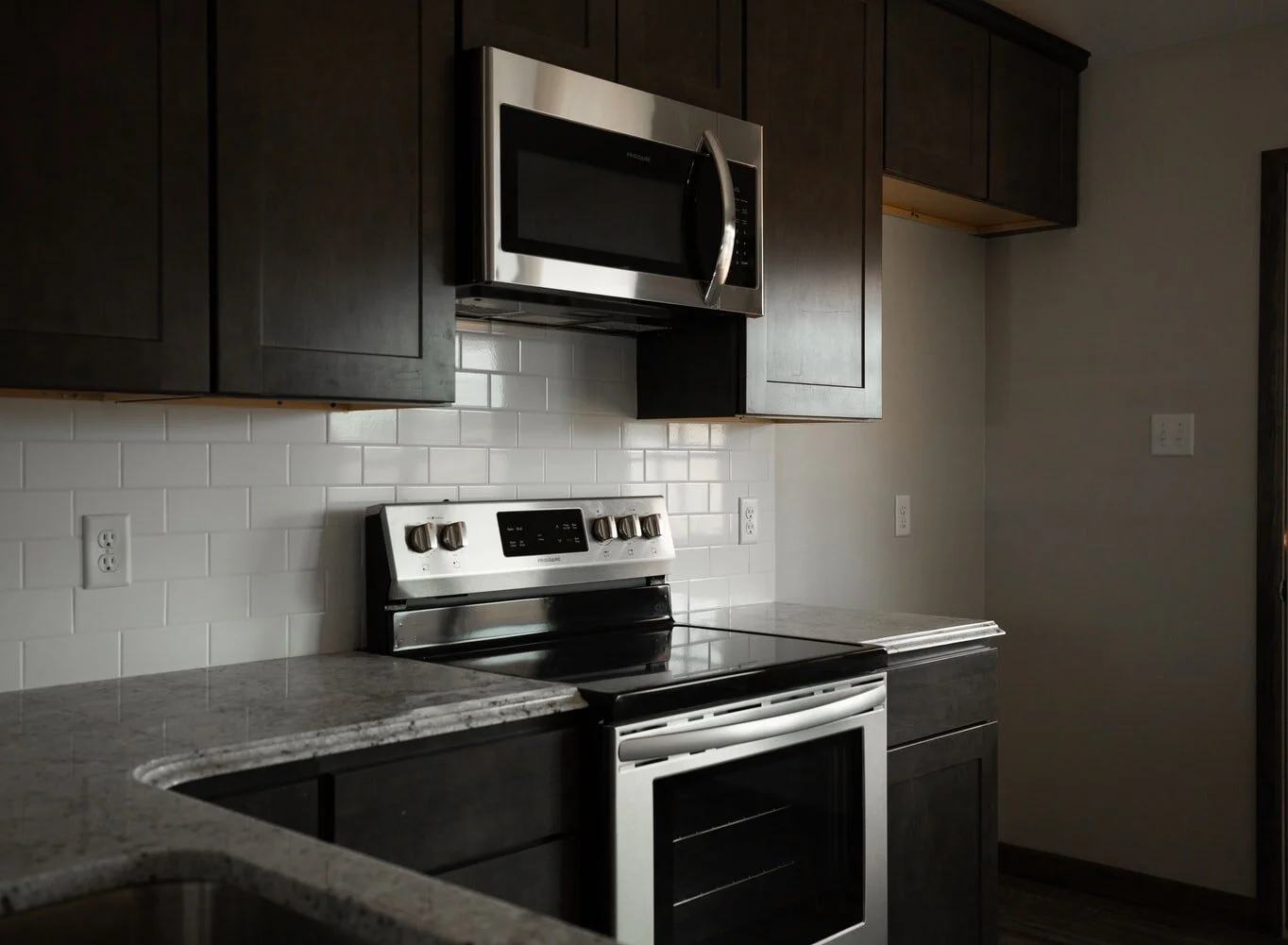
Oven

What could be easier than cooking food in the oven? All you need to do is cut the food and season it with spices, and the technique will do everything for you. All the more modern - now the ovens can choose the cooking program themselves, just pressing one button.

For example, in the Gorenje by Karim Rashid oven, created on the principle of a traditional wood-burning stove, hot air, thanks to the arch, is concentrated in the ceiling and ensures even baking of dishes on several levels.

Hob

photo-1477240683898-7799e52eefba.jpeg

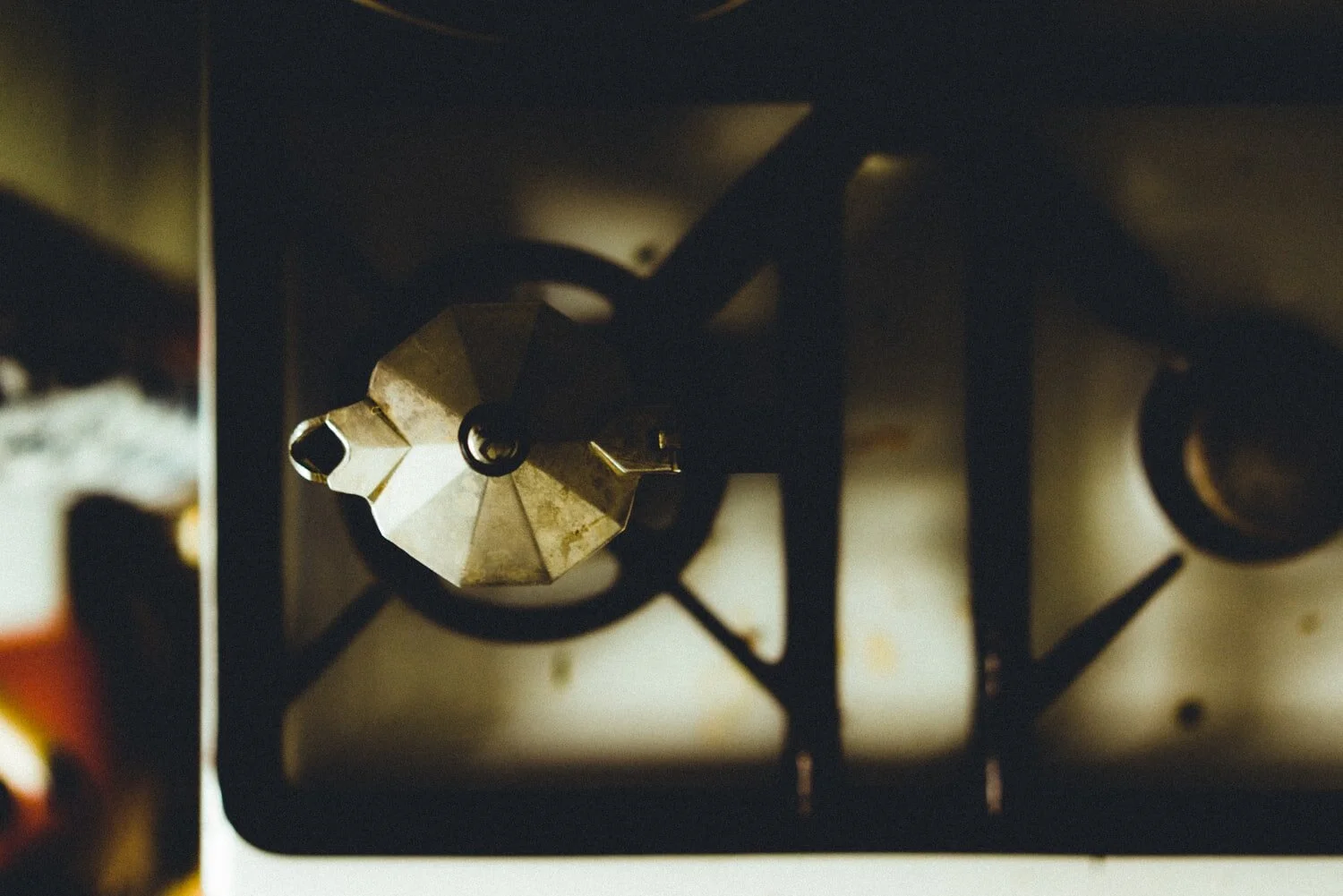
With a modern gas hob, the wok burner makes it easy to cook better Asian food than you would in a restaurant.

And in addition, the hotplates of the smart hob, thanks to the increased power, cook faster and with less energy.

Dishwasher

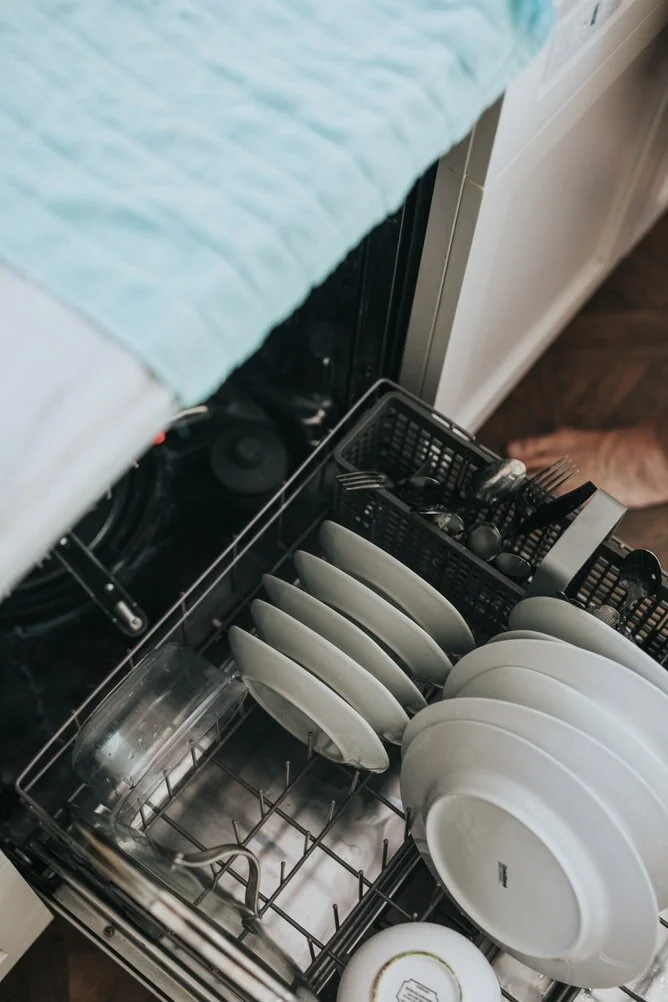
Russian designers are trying to find a place for a dishwasher even in the smallest kitchen - it is really very convenient, especially for large families.

Dishwashers of the new generation can determine the mode themselves - for example, if you only need to rinse a crystal set, and not start a full cycle, the technique will easily do this.

Coffee Maker

A coffee maker is a type of home appliance installed in the kitchen.  As MyFriendsCoffee  says, coffee maker provides the preparation of various types of coffee drinks in an automatic mode, which is its main difference from conventional coffee makers. Only minimal control of the machine is allowed.

Other than that, there are also coffee makers that come with a built-grinder which provides an exceptional bean to cup experience without the need for any extra effort from your end. Just add some quality beans and it will grind and brew itself to make you a soul-touching cup of coffee. You can also visit this article, for A Complete Coffee History

Types of coffee makers

The general principle of the coffee machine is to pass steam or hot water through the ground coffee powder. Thanks to this, the brewing of the drink takes place. However, there are different types of these units, which are fundamentally different in their design and operation. We list these types in order to decide for ourselves which coffee machine to choose for the home, read reviews about different types of machines, find out their pros and cons

Capsule

This type of coffee machine uses ready-made prepackaged capsules with various types of coffee to prepare coffee. Each capsule is packed in a plastic or foil container that is pierced inside the coffee machine. Hot water flows through the capsule and brews coffee. One capsule is required to prepare 1 cup of beverage. Now such devices are gaining popularity due to several reasons. They are convenient, quickly prepare drinks, you can choose any type of coffee

Automatic

If you do not know how to choose a coffee machine for the home with the maximum number of useful functions, then give preference to the automatic model, which fully justifies the name "coffee machine" and is its main representative. However, keep in mind that the cost of such devices is the highest.

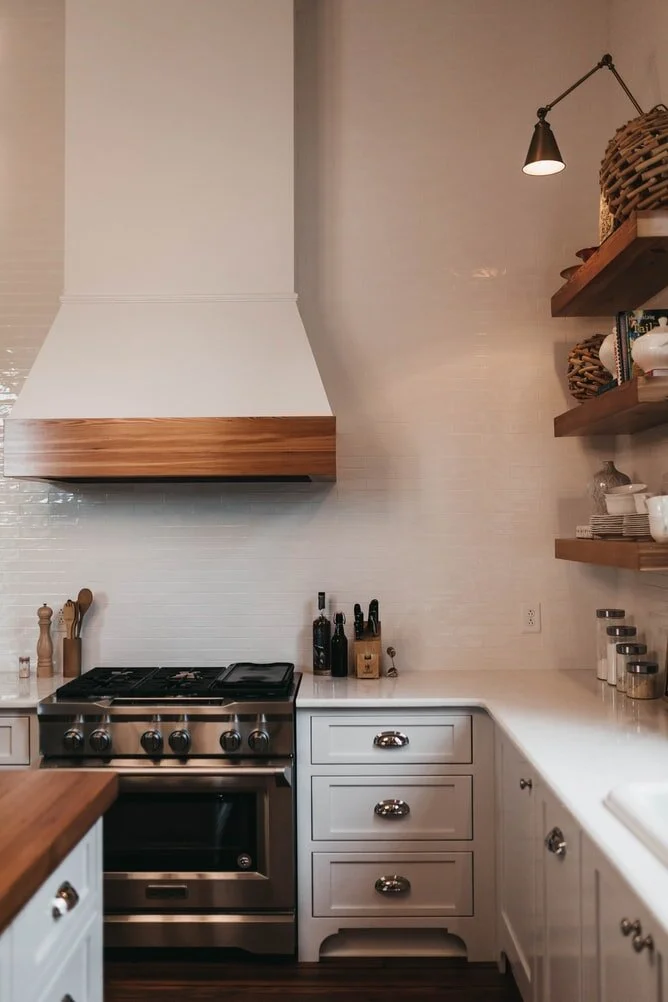
Powerful hood

In modern hoods, the air intake system is not located in the center, like in previous generation models, but along the perimeter. They work quietly and purify the air more efficiently.

And even with the installation of the hood, you can save on electricity. The built-in backlight additionally illuminates the hob and the work area, and LED bulbs consume much less electricity compared to conventional ones.

New Generation Microwave Oven

Modern microwave ovens have also changed - today, a microwave oven evenly heats, defrosts, cooks itself according to preset recipes and saves energy.

Some models are equipped with a grill - you can save on the purchase of additional equipment. For example, the Gorenje by Karim Rashid microwave oven comes with a grill grate.

Guest Contributor: Emma Harrington

How to Pack for a Move: A Complete Checklist

RH Business Marketing Solutions

e8f12760-6f08-11e8-a5e3-7d1e2afa2917-packing-checklist-1.jpg

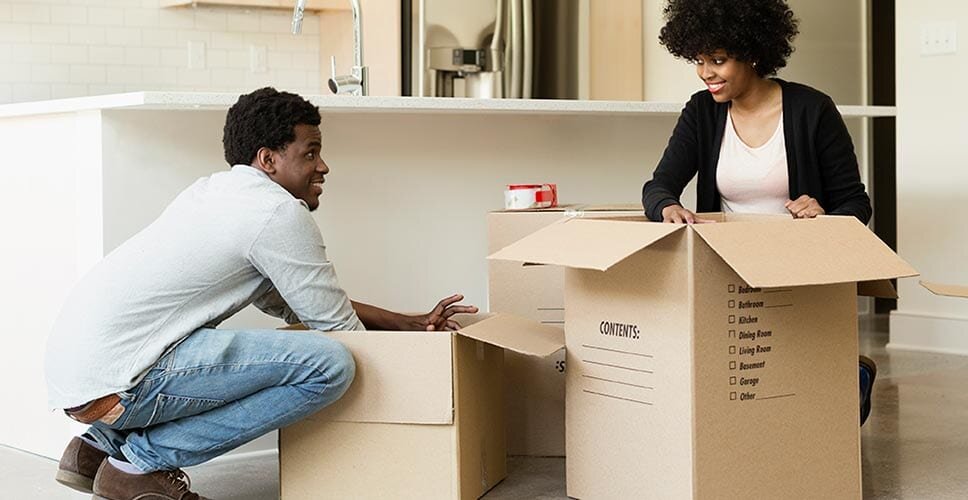
One of the most stressful aspects of moving is packing. When considering how to pack for a move, a smart approach is first to gather the moving supplies you’ll need and then systematically go room-by-room until the job is done. Follow MYMOVE’s checklist for moving to make the process more manageable and creates less stress.

General packing tips

Packing is one of the most crucial phases of moving. By organizing items based on common functions, room use, or other factors, it makes it easier to keep track of your belongings during transport and unpack at your new place.

Here are some easy packing guidelines: 

  • Pack like items together. Start packing each box with a layer of padding – it can be newspapers, bubble wrap, or household goods, like blankets or towels. Then, put the heaviest items into the box first.

  • Label each box by room and by its contents.

  • Pack a box of essentials. Must-have items like: screwdrivers, hammers, snacks, drinks, toothbrushes, a change of clothes, paper plates, plastic utensils and cups, a first-aid kit, medications, etc.

  • Refrain from filling boxes to the brim. This prevents boxes from becoming super heavy and reduces the likelihood that they break or are dropped during transit.

That settled, let’s move from room to room with packing checklists and tips.

Start by gathering your moving supplies

To ensure a successful move, you’ll need the following moving supplies:

  1. Gather cheap or free packing and moving boxes: Use websites like NextDoor Neighbor to search for used boxes or ask your friends and family. Gather a variety of sizes and make sure the packing boxes are in good condition.

  2. Buy bubble wrap (or try to find it for free): Bubble wrap keeps your items protected during the move. And best of all, you can buy it at office supply or department stores inexpensively or find it free on Facebook Marketplace.

  3. Rent a dolly: Carrying boxes between places becomes taxing and could lead to drops. To prevent them from happening, rent a dolly from a home improvement store or moving company as it makes moving much easier.

Go room-by-room with a packing checklist

Start by making an inventory of the items you plan to take. Do this based on each room — this will help you organize faster and keep track of your valuable possessions. From there, gather moving supplies such as packing and moving boxes, padding, tape, and blankets — everything you’d need to protect your things during transit.

When you go to pack your items, try to combine them based on function — for example, pack kitchen supplies together.

Lastly, don’t forget to mark your moving boxes so you know exactly where it goes in your new home. On the top and sides of your box note the room name, the contents of the box, and whether or not items inside of the box are fragile. For example, a box you packed from the kitchen could say: “kitchen/everyday dishes/fragile.”

MM_Room-by-Room-Packing-Checklist_Infographic_Comp1.png

Here are some additional packing checklist items for each room of the house:

The kitchen

  1. Defrost the refrigerator: At least 48 hours prior to moving out.

  2. Organize dishes: Packing dishes for moving isn’t as hard as you might think. Just make sure to pack them carefully by wrapping them in bubble wrap. And refrain from overpacking boxes. Overpacking will make it more difficult to move the boxes and if a box incurs damage, you could lose a whole grouping of plates.

  3. Use sectioned boxes for your glasses: It’s a simple, secure way to transport them.

  4. Pack small appliances: Start by removing any blades or loose components. Tape the cord around the appliance, tape any additional parts to it, and be sure to include the instructions.

  5. Pack dry goods: Tape paper or bubble wrap around seasonings and pack jars containing spices or food on the bottom so they don’t move around during transit.

  6. For refrigerated goods: Store them in coolers with ice.

The dining room

  1. Roll up the rug: Secure in plastic or use a rope.

  2. Pack chairs: By removing the legs and placing them in moving boxes with the nails/casters in a labeled plastic bag.

  3. Secure kitchen table: By wrapping it in a blanket and placing it in an area where it doesn’t slide around.

  4. Pack decorations (this includes lamps, pictures, artwork, etc.): By wrapping any items containing glass or ceramics in paper or bubble wrap.

The living room and den

  1. Secure electronics: For TVs and computers, secure the screens using a blanket and unscrew the base (if the device has one). Tape the screws and base to the back of the TV.

  2. Pack furniture: Place furniture into the moving truck before packing moving boxes. Remove the legs off couch and chairs to make them easier to maneuver into your new home.

  3. Keep electronic components organized: Tape the power cables to each electronic component along with the HDMI or audio auxiliary cables and remote control.

  4. Handle artwork and mirrors carefully: Wrap them in blankets or bubble wrap.

  5. Prepare your coffee table for transport: Put furniture sliders under the legs so you don’t scratch the floors when you move it. Cover the top of the table with a blanket to prevent scratching.

  6. Remove bulbs and lampshades from lamps: Store in boxes, and cushion carefully. Wrap the base of the lamp in bubble wrap if it’s fragile.

  7. Pack your books, CDs, and DVDs in separate boxes: Don’t make boxes too heavy or they’ll break.

The bedrooms

  1. Pack casual clothing: Fold them and place them in moving boxes. For formal wear, consider buying wardrobe boxes that allow you to keep the clothing on hangers during transport.

  2. Organize jewelry: Put all valuables in a container you keep on you at all times during the move.

  3. Pack mattresses: Put them in bed bags that will keep the mattress protected from the elements during the move.

  4. Keep all bedding and pillows clean: Put them in trash bags to keep out dust and place them in labeled moving boxes.

  5. Pack your home office: For crucial files, keep them in a safe or locked file box.

The bathroom

  1. Pack toiletries together: Make sure to have easy access to them for your new home. The bathroom will likely be the first room you unpack.

  2. Organize towels: Pack towels, toilet paper, soap, and more in one box for each bathroom your new home has.

The laundry room

  1. Move appliances: First, unplug the washer and dryer. Next, disconnect all components including the dryer vent and washer hose, and tape the power cords to each appliance.

  2. Throw away detergents and fabric softener: They’re dangerous to transport.

  3. Use laundry hampers/baskets as moving boxes: Pack hampers with socks, T-shirts, and more for an easy move.

The garage/storage shed

  1. Pack lawn furniture cushions: Put them in boxes or trash bags.

  2. Dispose of hazardous materials: Get rid of any paint, fertilizer, or weed killer — these are hazardous to move.

  3. Pack tools: Put them in a tool chest. For items like a saw or hammer, wrap them in towels then pack them in boxes.

  4. Drain the items requiring gas: For your grill or mower, drain the gas before transporting the item. Remove the gas tank from the grill (if applicable) and turn it in before moving.

  5. Deflate pool toys: This will make it easier to pack them in boxes. s.

  6. Take your bike with you: Use a bike rack on your car or SUV for safe transport.

Frequently asked questions

What packing supplies do I need for moving?

When considering how to pack for a move, you’ll need to buy or find items such as boxes, tape, blankets, a moving truck or trailer, and rope for securing loose items.

Where can I get free packing and moving boxes and supplies?

Moving is a common reality for many of us, which means once someone completes their move, they won’t need their supplies any longer. Websites such as Facebook Marketplace or Freecycle are filled with people giving away free moving supplies. Make sure to check these out a few weeks before Moving Day.

How do you pack dishes for a move?

Layer the bottom of the boxes with packing peanuts or paper. From there, wrap each plate in a layer of bubble wrap then stand the dishes up in the box. This is the best way to keep them secure. And once tightly packed, don’t forget to write “FRAGILE” on the box.

How do I organize items before moving?

A great tip is to go room by room and organize items in each into three categories: Items you plan to keep, items you plan to donate, and stuff that goes into the garbage. Organizing before a move makes it much more manageable, as you only take the items you need.

How should I pack a moving truck?

You’ll want to pack the heaviest items such as furniture and appliances into the truck first. Secure them with fasteners so they don’t slide around. Next, add in the bulkiest remaining items before filling the truck with boxes. And for luxury/fragile items or electronics, it’s ideal to pack them into your vehicle where they remain more secure.

Contributor: MyMove.com

Plumbing Checks To Do Before Moving Into A New Home

RH Business Marketing Solutions

So, you've found a house that you really like? Congratulations! However, just because it looks good, it doesn't mean that all the internals of it are in great shape. And this can't be more true when it comes to plumbing, since the old pipes and faulty installations are the easiest things to hide with a new facade. Therefore, even if you're already in love with your potential place, there are some plumbing checks to do before moving into a new home.

Why Plumbing Checks Are Necessary?

You likely don't know when was the last time that the previous owner had the plumbing system checked. For all you know, it could have happened years or even decades ago. And as we all know, if they're not maintained properly, pipes can easily get damaged. Then you'll end up with leaks, which bring more damage to your home.

Since that's something we want to avoid at all costs, it's important to have regular boiler checks. Therefore, if you just bought a new home, or preparing to buy one and aren't sure about your plumbing system, be sure to keep reading. We've prepared a list of things for you to consider and pay attention to. You'll learn what are the most commonly occurring problems and how to overcome them.

Plumbing checks to do before moving into a new home are an important thing to do to avoid any bigger expenses later on. 

Leaky Toilets And Taps

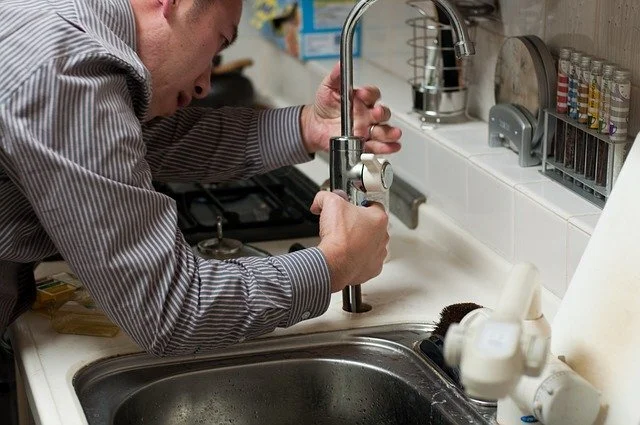
The first is probably not only one of the most common plumbing problems, but also the most annoying one. Especially when you're trying to sleep at night and the water keeps dripping and making the loudest sound possible. It may seem like a minor thing, but remember that a dripping tap can actually raise your water bill if left unchecked. So, that's why this is one of the plumbing checks to do before moving into a new home. With time, it worsens and the costs rise, so be sure to address it on time.

The story is pretty much the same when it comes to running toilets. This happens when the float is set too high. If this is happening, water spills into the overflow tube after the toilet is flushed, so it won't allow the fill valve to shut down. 

And since the toilets are the main sources of water usage in homes, leaving it running continuously will make your water bill skyrocket. Luckily, this is a common problem so it's easily fixed by a professional plumber.

Are There Any Lead Pipes In Your New Home?

Today, many people are leaving the city and settling down in a quiet small town in search of peace and escape from the city bustle. However, houses in these smaller towns are usually very old, which brings the possibility that lead pipes were used for its plumbing. At the time, it was a cost-effective solution and it seemed that they're extremely sturdy. Unfortunately, as time progressed, people have discovered how toxic lead is to humans, and how easily the drinking water can be contaminated if it runs through such pipes.

Lead in a high enough quantity can be a cause of death. So, if you're thinking about buying a house that predates the 1970s, be sure to call a plumber and have everything checked right away.

Make sure that you don't have any lead pipes in the house you're planning to buy. 

Make Sure That All The Pipes Are Insulated

If you live in a cold place, your pipes can easily freeze up during the winter months. Therefore, it's extremely important to check if the pipes have been properly lagged and protected from natural elements. Additionally, check if the boiler or the hot water tank is properly insulated as well.

If you find yourself in a situation where your pipes have frozen, you should try to defrost them. Most people call a professional at this point as they simply don't know what to do. However, you can achieve a lot with the things you have laying around the house. Using a hairdryer for the task is probably one of the best home maintenance tips there is. It will take some time, but it works and that's all you need.

Check For Water Damage

Next on our list of the plumbing checks to do before moving into a new home is looking for water damage and damp walls. Damp areas are a serious problem if you find them in your home, so many owners try to hide them in any way they can. So, be sure to take a good look at every corner when performing a home inspection.

The most probable locations for finding mold and damp walls are home extensions. These usually occur when they're done by builders that aren't professionals or when something is improperly fitted.

We don't have to explain to you that mold and mildew can be serious health hazards. Especially if someone in your family suffers from respiratory issues. Therefore, check hidden places such as behind the wall cavities, lofts, basements, and garages. While you're there, check for problems caused by leaky roofs or if there is any kind of water damage to the property.

It's worth mentioning that leaky pipes also can be the cause of water damage. So, not everything is a red flag, but you should be as careful as possible.

Mold and water damage aren't always alarming things, but they should be checked out. 

Find the internal stop tap

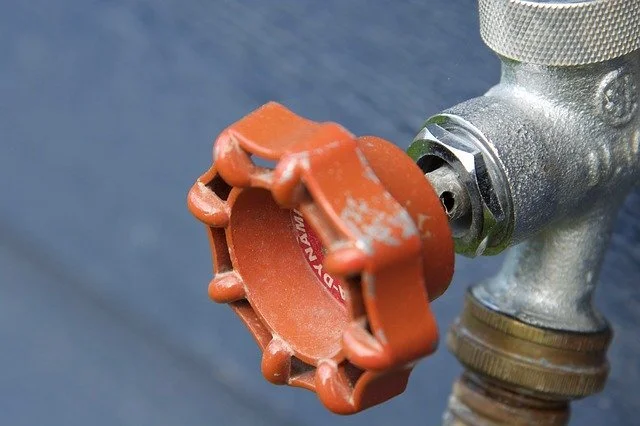
The final thing you need to know is where exactly your internal stop tap is. This is the only thing that can completely stop the water flow in your home, so it's very important in case of a problem. During a leak or flooding, this may be the only way to save most of your home. Therefore, it has to be operational and hopefully easily accessible at all times.

In general, it acts as an emergency stop button for your water system. Make sure to inform your family about its location, just as a precaution.

And there you have it - these are all the plumbing checks to do before moving into a new home. Call a professional plumber and let him check everything beforehand. If he tells you it's alright, you'll know that you're good to go.

Guest Contributor: Sophia Perry

6 Ways To "Spice" Your House Up For Fall

RH Business Marketing Solutions

blog.jpg

Fall is coming around the corner, which means it is time to start decorating and showing off the bright yellows, oranges and reds. There are numerous ways to make your house appealing by adding decorations to portray the beautiful season of fall.

Fall is full of bold and bright colors, adding them to your home is sure to make it festive and pop. There are numerous things you can add to your house, such as pumpkins, leaves, haystacks, yellow, orange or red flowers, signs, etc. The options are endless, but the way to make it pop is the way you display the colors.

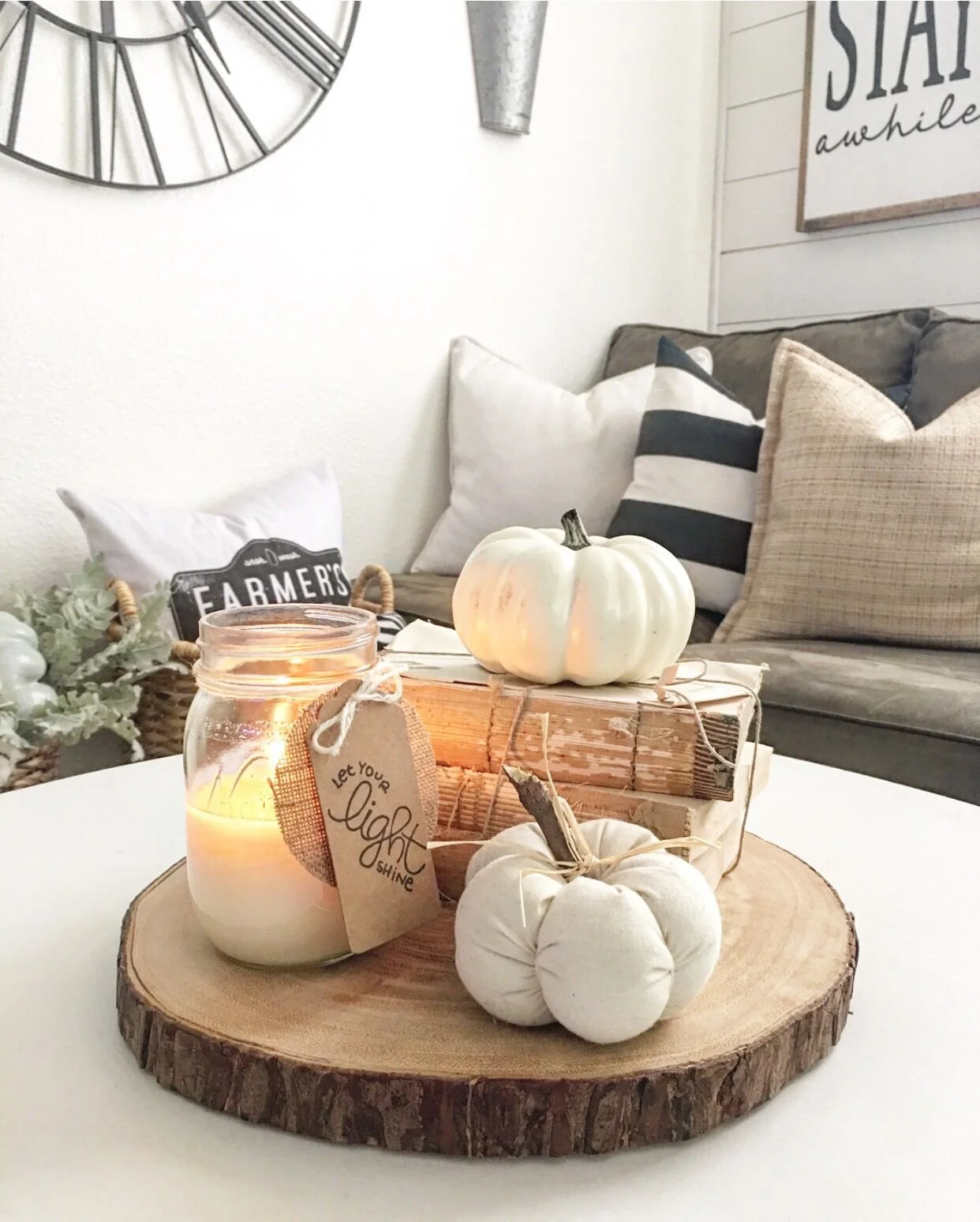
Keep it simple with a white farmhouse theme.

Keep it simple with a white farmhouse theme.

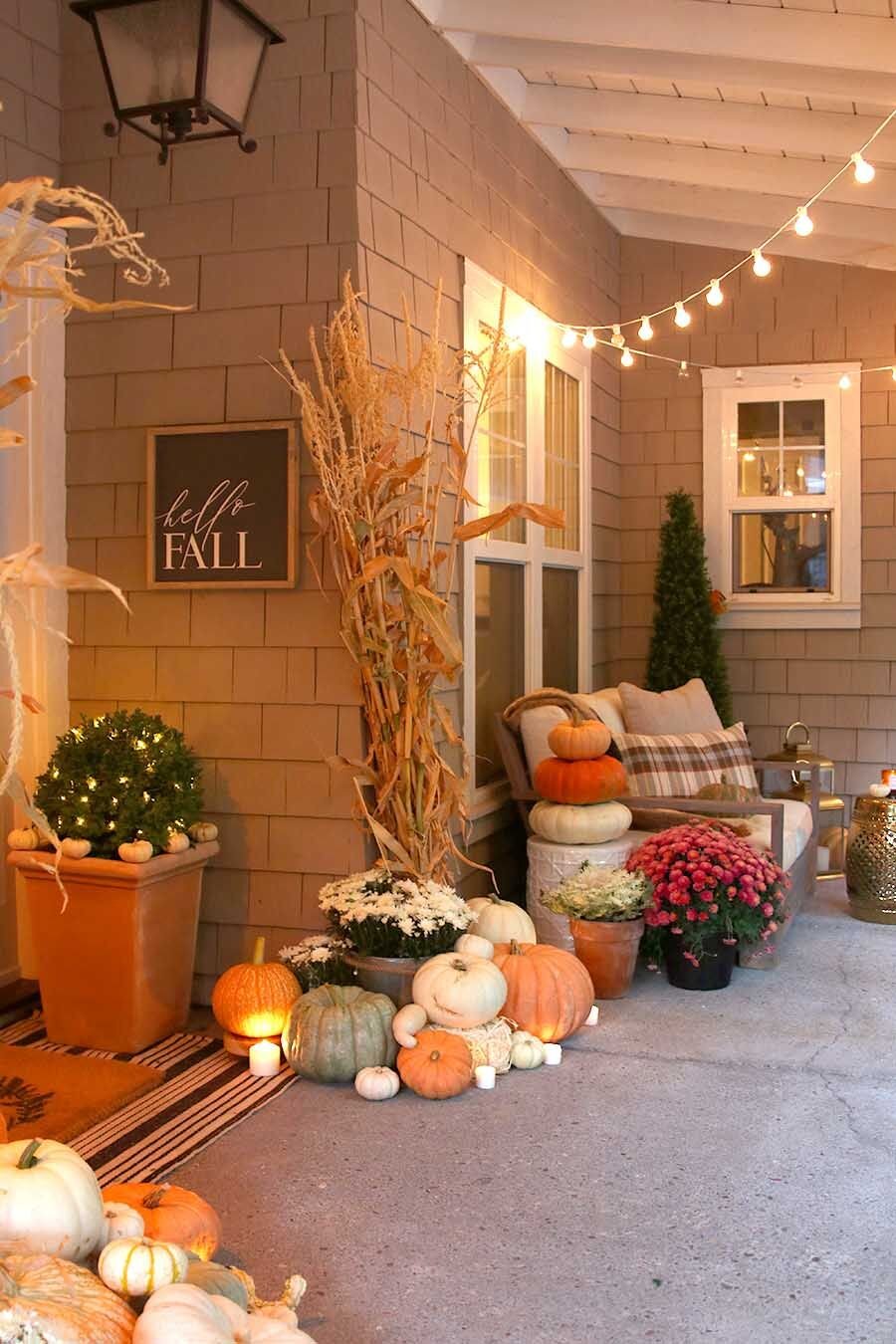
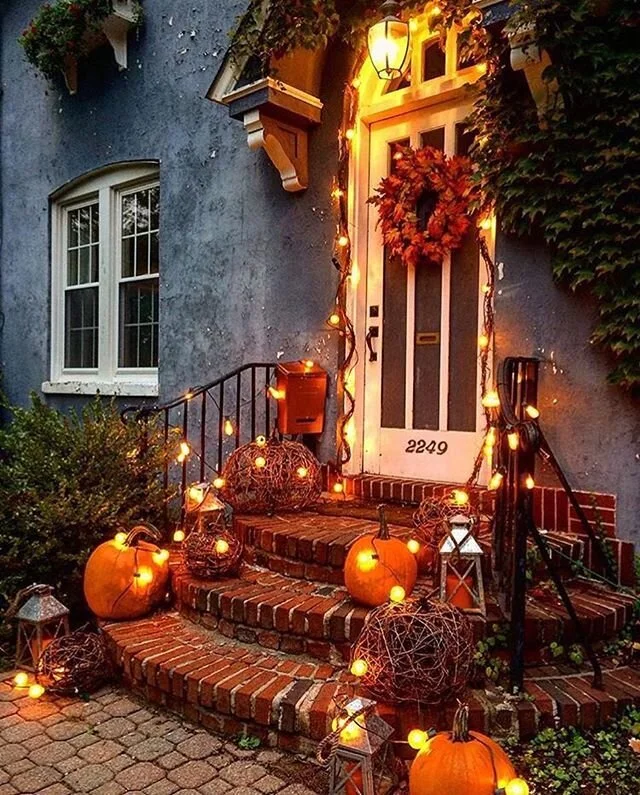
Decorate your porch with pumpkins and lights to make it pop from street view.

Decorate your porch with pumpkins and lights to make it pop from street view.

Lots of leaves will give off the Fall vibes, and will eventually match the leaves that fall.

Lots of leaves will give off the Fall vibes, and will eventually match the leaves that fall.

Lights will make your house pop and make everything glow, enhancing the colors.

Lights will make your house pop and make everything glow, enhancing the colors.

You can keep it simple and fill your porch with fall related plants instead of the traditional pumpkins.

You can keep it simple and fill your porch with fall related plants instead of the traditional pumpkins.

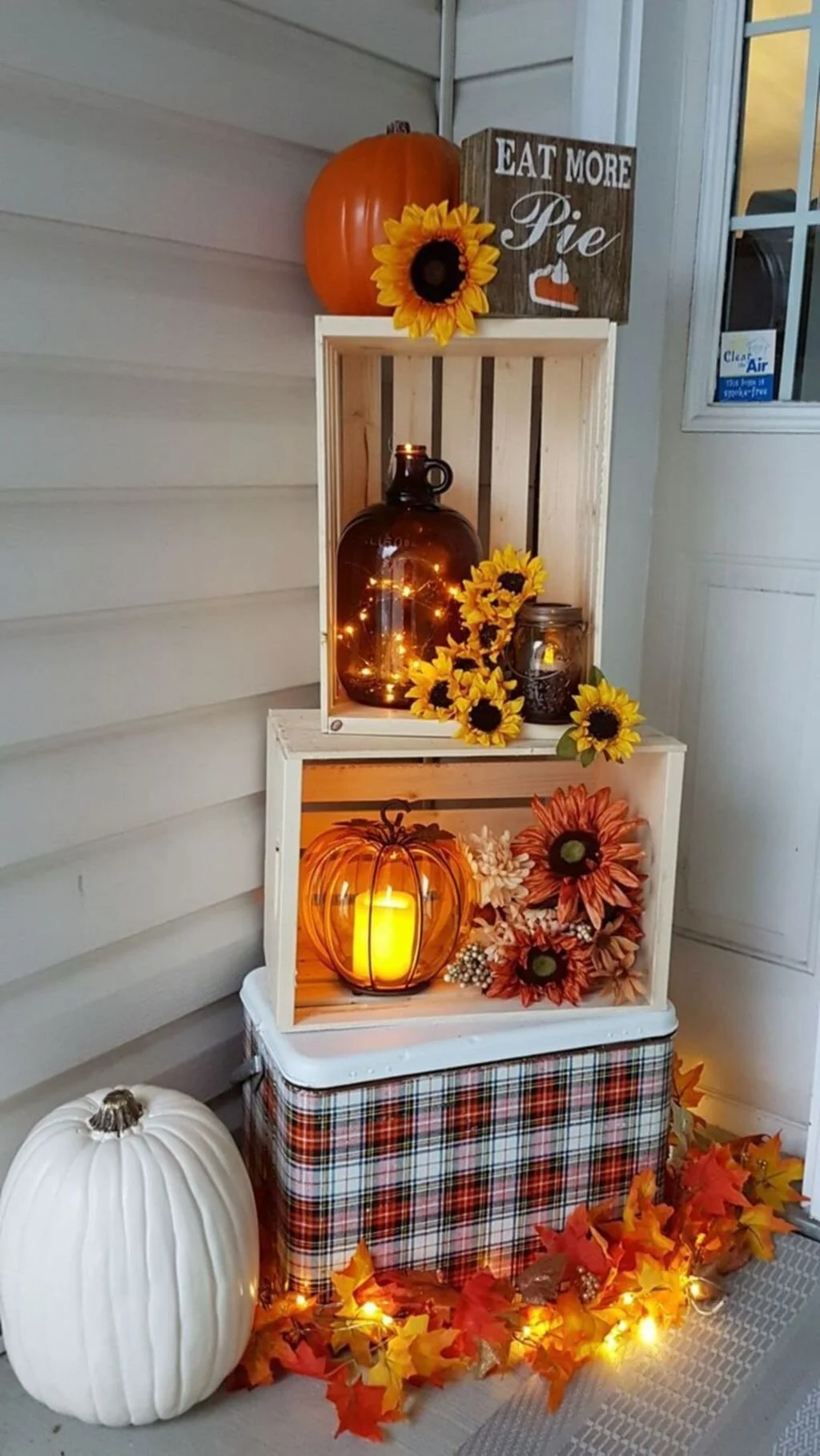
Keep it simple and use household items you can repurpose into a beautiful small fall decoration.

Keep it simple and use household items you can repurpose into a beautiful small fall decoration.

Guest Contributor: Tiffany Powell

Innovative Roofing Material Options for Your Home

RH Business Marketing Solutions

residential-roofing-in-southfields-NY-1600x708.jpg

Not all roofs are created equal, especially when it comes to sustainability.

A decade or so ago, asphalt shingles were the most popular roofing material, but recent innovations in roofing technology lead to the development of more eco-friendly roofing choices.

If you’re planning to replace your old roof, you’d be surprised at the range of newer options available. The roofing market has plenty of innovative offerings that will make you want to consider lesser-known but more sustainable alternatives to conventional roofing materials.

Aside from being eco-friendlier, most of these innovative roofing materials can outlast asphalt shingles and may even help lower your monthly energy consumption.

Here’s a list of available eco-friendly roofing options to choose from:

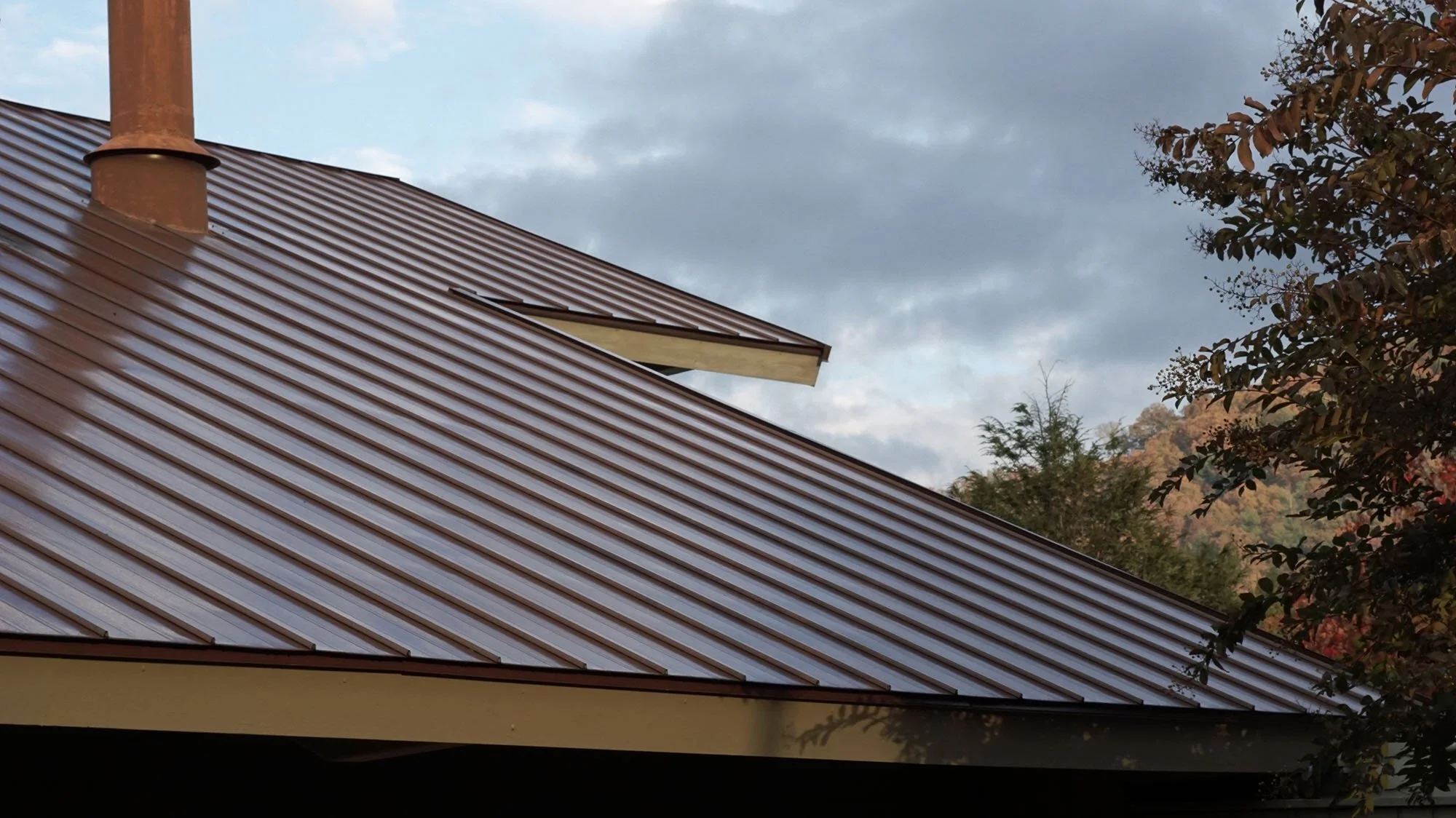
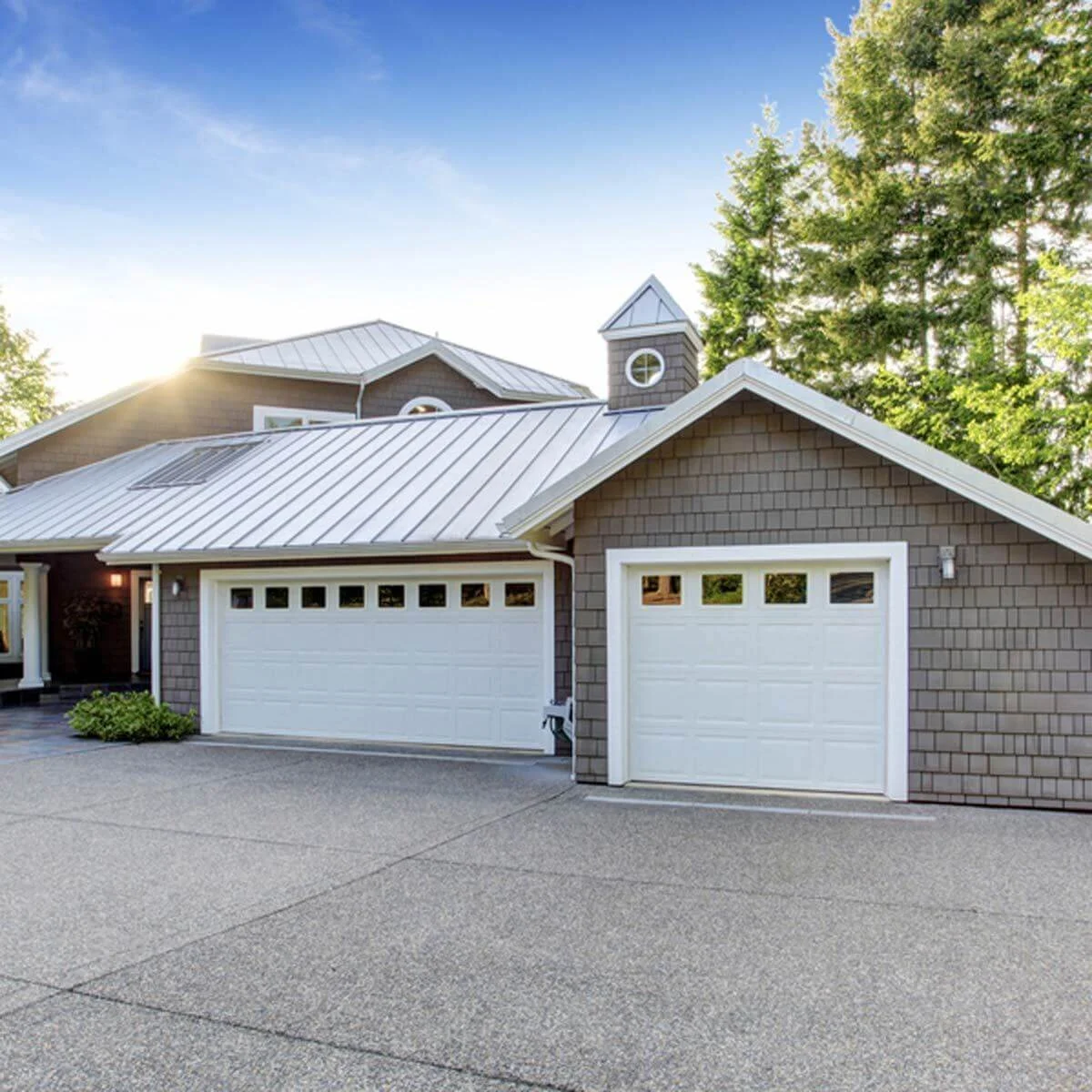
Metal Roofing: Where Style Meets Durability

Metal roofs are becoming more popular because they tend to last for a very long time. With proper care and maintenance, you won’t have to change your roof for at least 50 years.

One of the best things about this roofing option is that you can recycle them when it’s time to have them replaced. And then, you can further help the environment by buying a new roof made from recycled metal!

Metal roofs also reflect sunlight instead of absorbing it, which helps cool your home on the hotter months of the year. They are advantageous for homes in snowy areas too, as they help regulate the temperature during the winter season and prevent ice-dam formation because of their slippery surface.

Those who are aiming for a more polished look should go for a standing seam metal roof. 

Solar Shingles is The Future of Sustainable Roofing

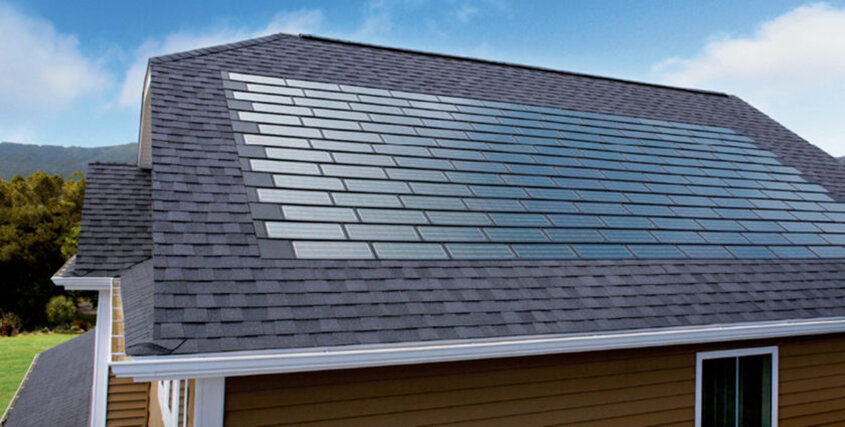
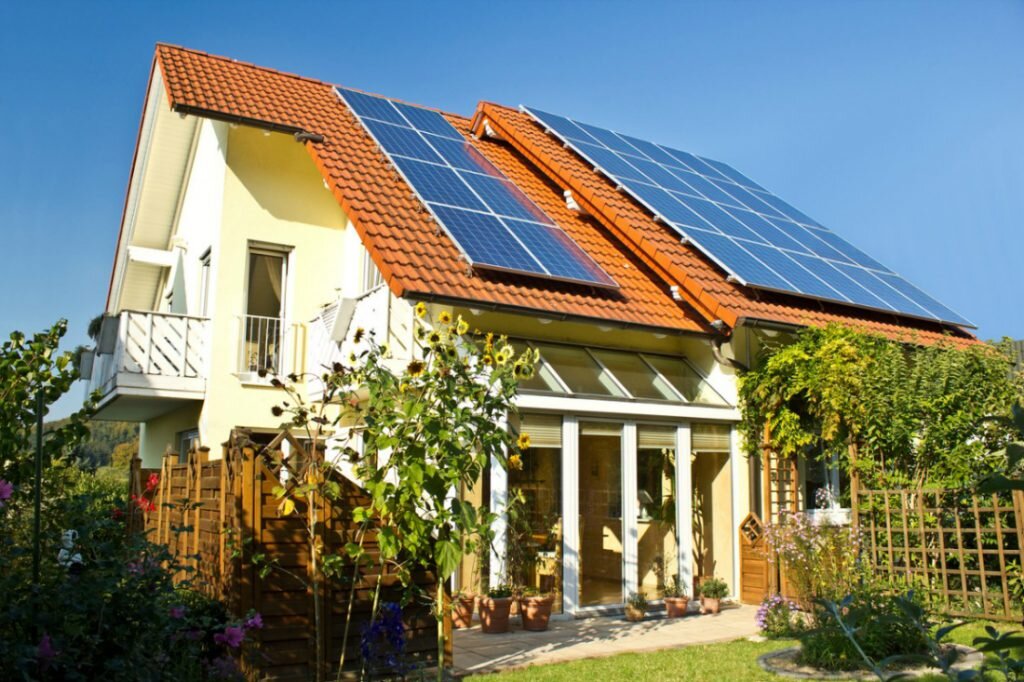
Solar shingles serve a dual purpose – that of roofing material and solar panels. Earlier versions of solar shingles used thin solar films, but the latest ones are made from tempered glass or other similarly rigid materials.

The tougher make up of these newer types of solar shingles allow them to perform almost the same as conventional roofing materials. They are also easier to install, often without the need for specialized crew or equipment.

Obviously, the greatest advantage of using solar shingles is that your roof generates electricity during daytime, which helps cut household energy consumption costs. Solar shingles may require a bigger financial investment than other types of roofing materials, but it starts paying for itself as soon as it is installed.

maxresdefault.jpg

Going Green with Green Roofs

A recent roofing innovation, green roofs, uses a waterproof membrane or layer to absorb water and allow planting of foliage or creating a garden on top of a home or building. Green roofs are not only unique and aesthetically pleasing; they are also very efficient insulators. They keep your place cool in the summer and warm in winter.

Aesthetically, green roofs add a unique appeal to your property and create a tranquil space for relaxation that also benefits the environment.

Roofs Made from Recycled Rubber

You may not have expected to find rubber in this list of eco-friendly roofing, but here it is.

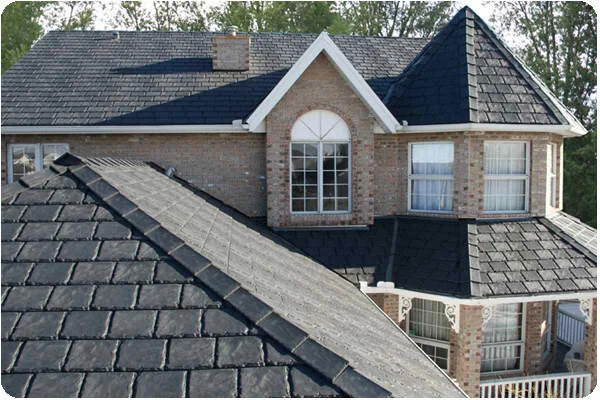
Reinforced rubber shingles are made from recycled rubber – typically steel-belted tires, reducing rubber waste. They are coated with ground slate to improve their texture.

Because rubber is flexible and easy to work with, these shingles come in different styles and colors. They can mimic the look of traditional roofing materials such as wood, slate, and tiles.

Rubber roofs are also very durable. They can stand extreme weather conditions and can last up to 50 years.

White Roof – The Cool Roof

The color of your roof also affects its sustainability. Those who are living in the hotter areas of the country should consider a white-colored roof. White roofs are called cool roofs because they reflect most of the sun's rays, resulting in a cooling effect on the home.

Cool roofs help regulate the temperature, especially during the summer months, so you don't have to use or turn up the air conditioner as much as you used to. This contributes to a significant reduction in energy bills.

Roofing with Eco-friendly Materials

Homeowners who wish to improve their home’s sustainability will find themselves with plenty of options for eco-friendly roofing.

If you think one of these innovative options is right for you, make sure to consult and hire professionals with roofing contractors insurance and experience in installing the roofing material of your choice.

Working with a reliable like Mighty Dog Roofing West Nashville lessens the risk for mistakes and ensures that you get your money’s worth.

Guest Contributor: Rachel Porter

Preventative Maintenance And Why It's Important

RH Business Marketing Solutions

750px.png

Most of us like to enjoy our time at home putting our feet up and relaxing, letting the day or weeks stress melt away as we take some hard-earned time off. What we do not want to have to do is deal with faulty appliances and services that only serve to add more stress to the brief moments of brief calmness in our lives. The best way to avoid unexpected catastrophes at home is to perform preventative maintenance, this can be done yourself if you know what you are doing, or alternatively, you can hire a professional to do it for you for a small fee.

What is preventative maintenance?

Preventative maintenance is, shockingly, exactly what the name implies. It is the practice of inspecting your home to find anything that could cause potential issues in the future and taking care of them before disaster strikes. This can mean anything from a crack in a wall that would eventually grow, or a dripping pipe that could one day become a leak capable of flooding the surrounding area. A little bit of work every weekend can help to prevent serious problems around your home that can be both damaging to your property and mental health, but also expensive to fix.

Studies have even proven that dealing with minor and easily fixed issues immediately can save you roughly ten percent on your monthly bills. These savings should really be more than enough to justify a short house check or a quick service call from your plumber.

Now, as we mentioned above, you can perform these household checks yourself, but be sure to do your research first or you may be in danger of missing important checks that result in expensive mistakes. Overall, we find that simply calling your plumber and having them take care of it is the easier route as they will not only catch things you may miss, but they may even be able to fix small issues right then and there, not giving them a chance to get worse.

The different services that require maintenance

Now that we have gone over what preventative maintenance is and why it is important, let’s next look at the different services that require it. Some are obvious, for example, the plumbing inside your home, but there are also others that many of us would not readily think about. Below are the most important services that require preventative maintenance, and what kind of work needs to be done on them.

Mechanical Plumbing:

Mechanical plumbing is plumbing that services the mechanical parts of appliances like air conditioning units, heaters, and ventilation systems in general, and in large buildings, mechanical plumbers may also service things like elevators and escalators. Basically, mechanical plumbing covers anything from interpreting plans and blueprints, designing plumbing systems, and installing, repairing, and maintaining a vast array of appliances ranging from space heaters and waste stacks to heating ducts, ventilation systems, and hot and cold water systems. In addition to these general services, mechanical plumbers are also responsible for installing and maintaining essential services like sprinkler systems. In short, they do an awful lot so you may be beginning to see why it may best to hire a professional to check your home rather than doing it yourself.

A final note regarding mechanical plumbers that is worth mentioning is that they will be aware of any local regulations that your town or city has in place, these are things that many homeowners will not know and so are very easy to miss when doing a DIY inspection.

Electrical:

Electrical services cover any of the internal wires in your home as well as electrical components of your other services. A thorough electrical inspection will look out for any potential electrical hazards, any exposed, damaged, or outdated wiring and will also cover the testing of any power points, lighting, and fuse boxes. Electrical inspections will also ensure that things like smoke and CO2 detectors are in working order while also ensuring, similarly to plumbing, that your home complies with the local regulations set by your town, city, or government.

If you plan to perform an electrical inspection yourself it is extremely important that you do your research regarding both what you need to check and how to do so. Failing to notice something like an exposed or damaged wire can lead to the loss of your property, your belongings, and your life. In addition, ensuring that you know exactly what to do is critical because when dealing with electricity a small mistake can be harmful to your health and potentially even fatal.

Electrical inspections are something that we highly recommend getting a professional to do simply due to the amount of damage that can occur if one is done incorrectly.

Heating:

On a less dangerous note next up are heaters, an average water heater should last roughly a decade, depending on a few factors such as how well taken care of it is, how much it is used, and even the quality of water running through it. For example, a house in a cold area will need heating more, meaning it will wear out faster, and poor-quality water in your area can cause internal issues that are important to take care of with regular maintenance. If you are performing your own inspection you need to look at the factors surrounding your water heater. Is it near carpet or hardwood floors or drywall that would be vulnerable to damage if a leak were to occur? Even if your heater is outside of your house, for example in your garage, how close is it to the walls, and could water make it through to damage your house. It is common practice for heaters to be located out of the way since they are often loud and not exactly easy on the eyes, however, this, unfortunately, means that they are in places that could be devastated should an issue occur. If you find that your heater is placed in such an area, it is a good idea to have it replaced or relocated as soon as possible to avoid any potential damage.

Finally, another thing to look out for when checking your heater is its size. If you recently bought your home, you may find that your water heater is significantly undersized for things like your bathtub or even just general use by your family. This can happen due to a few reasons, for example, perhaps the previous owners’ children moved out and they no longer needed such a large heater, in order to save money, they had it replaced with a smaller one. An undersized water heater will simply not fit your needs and you will end up with either a cold house or frequently cold water due to the heater being unable to handle the load that is being asked of it, so you may find it necessary to replace it with a larger one more capable of suiting your needs.

General Appliance Maintenance

Most of the following advice will relate to your main bathrooms and kitchen as they are often the only places with things like sinks, tubs, and toilets, however, even if you have guest bathrooms that are rarely used it is equally important to also check them.

Toilets:

Toilets are full of working parts and unfortunately, all of those parts are prone to wearing down and causing issues. Luckily, toilets are also one of the easiest appliances to fix should you want to give it a try yourself and there are a few easy tests you can do to check if you have problems.

Firstly, you can remove the tank lid on your toilet and flush it, if it doesn’t stop running once the flush cycle is finished then you have a problem and are wasting water.

Second, you can remove the tank lid and drop a little food coloring into the water of the tank, leave it alone for about 10 minutes then come back to check on it. If you have any color in your toilet bowl then you have a leak.

Lastly, we have the most obvious test, sit on your toilet and check the floor around it, if your toilet is rocking or if you see water around the base, the seal on your toilet base has potentially worn out and needs to be replaced.

Drains:

Whether they be in your shower, your sink, your bathroom, or your kitchen, drains are prone to get clogged by things like hair and soap. To avoid these clogs becoming a serious blockage, we advise that you occasionally clear out drain traps and clear any debris using a plumbing snake.

Faucets:

These are, again, everywhere and should be checked regularly for leaks, worn washers, and worn cartridges. While it is sometimes obvious that you have a leak, something to look out for is a sudden drop in water pressure. If you feel like your water pressure has gotten worse then you may have a leak somewhere in your house causing damage as well as ruining your showering experience.

Faucets are also frequently the victim of calcium build-up around the aerators, causing erratic spray patterns. To remedy this, you simply need to remove the aerator and clean it by soaking it in vinegar.

Caulk seals:

Caulk is essentially the glue around your appliances that stops water from getting in your walls and under your floors. It’s common for caulk to wear out so be sure to regularly check all of your caulk seals carefully to avoid what can be devastating damage. This is something you can do yourself and it’s a good idea to keep some fresh caulk in the house for when you need it.

Finally, even if your caulk looks fine, it is worth going through your house every few years completely removing any old caulk and re-applying a fresh seal.

Guest Contributor: Phil M. Osborne

7 Essential Tools for Your Garage Workshop

RH Business Marketing Solutions

65ba7ac7502efc643723a92b4ac62d20.jpg

You would never imagine how much DIY home improvement you can do with a well-equipped garage workshop. Before this is possible though, you need to know the most essential tools for a garage workshop and make sure you have them ready.

There are a number of things you can repair and build from scratch when you have the right tools at home. These tools do not necessarily have to be the most expensive in the market. Keeping essential tools such as the ones below will take you a long way already.

1. Table Saw

While you can always just go for the traditional hand saw, since it could also do the cutting efficiently with patience, upgrading to an electrical or a power saw will make building DIY projects more convenient.

A table saw is also a convenient option because it allows precise cutting at a faster speed. There are several good table saw options available for less than you think. 

2. Power Drill

A power drill is also a must-have when you have a garage workshop. While most power drills are corded, many brands now produce battery operated drills.

Power drills have a lot of uses and they vary in size, speed, and power. They can be used in different applications, from simple woodwork to metalwork. They simplify drilling as well as hammering screws into their places. 

3. Hammer

There are different types of hammers such as a brick hammer, block hammer, and brass hammer. However, for a garage workshop, it is recommended that you have the claw hammer around. 

A claw hammer is mainly used for woodwork with one blunt side and fork on the other. It is used to pound and extract nails. A framing hammer may also be considered if you want to speed up the job. It has a bigger head therefore reducing the number of hits when you pound a nail to place.

4. Screwdriver

A screw driver should also be inside any garage. The tool is used to remove screws easily. There are many types of screwdrivers as there are different kinds of screws. Instead of buying one piece at a time, you can go for a set.

You can get a set for just $3, but quality brands like Craftsman or Stanley are worth more investing into.

5. Pliers

Pliers help in all twisting, bending and pulling with strong grip. Some types of pliers have a movable fulcrum allowing the user to adjust the jaws according to application. Others are fixed with flat gripping surfaces ideal for twisting and gripping cables. 

Another type of pliers is the bent nose, which is designed with long bent jaws, used for accessing hard to reach areas. There are also types of hammers ideal for plumbing repairs and basement renovations

6. Safety Gears

It is a must that you have safety gears in the garage workshop. It does not matter whether you are doing a small repair or building a cabinet from scratch. You have to be protected with a pair of gloves and safety glasses. 

You would never know when your eyes would catch a flying splinter of wood or whether your hands will handle all the stresses of powerful strikes. It is best to wear safety gears to avoid injuries.

7. Socket Wrench

Like screwdrivers, you can get a socket wrench set so you can take advantage of its different sizes. The most common type is the ratcheting socket wrench, which is more commonly known as a ratchet. socket wrenches are used to uninstall nuts and bolts quickly.

Conclusion

Getting the right essential tools for your workshop garage will take you a long way. You do not necessarily need power tools for simple DIY tasks at home, but still you can make bigger projects when you have basic pliers, a saw, a hammer, and all the other tools listed above.

Guest Contributor: Allen Michael

5 Surprising Reasons to Regularly Wash Your Windows

RH Business Marketing Solutions

Screen Shot 2020-08-31 at 1.26.58 PM.png

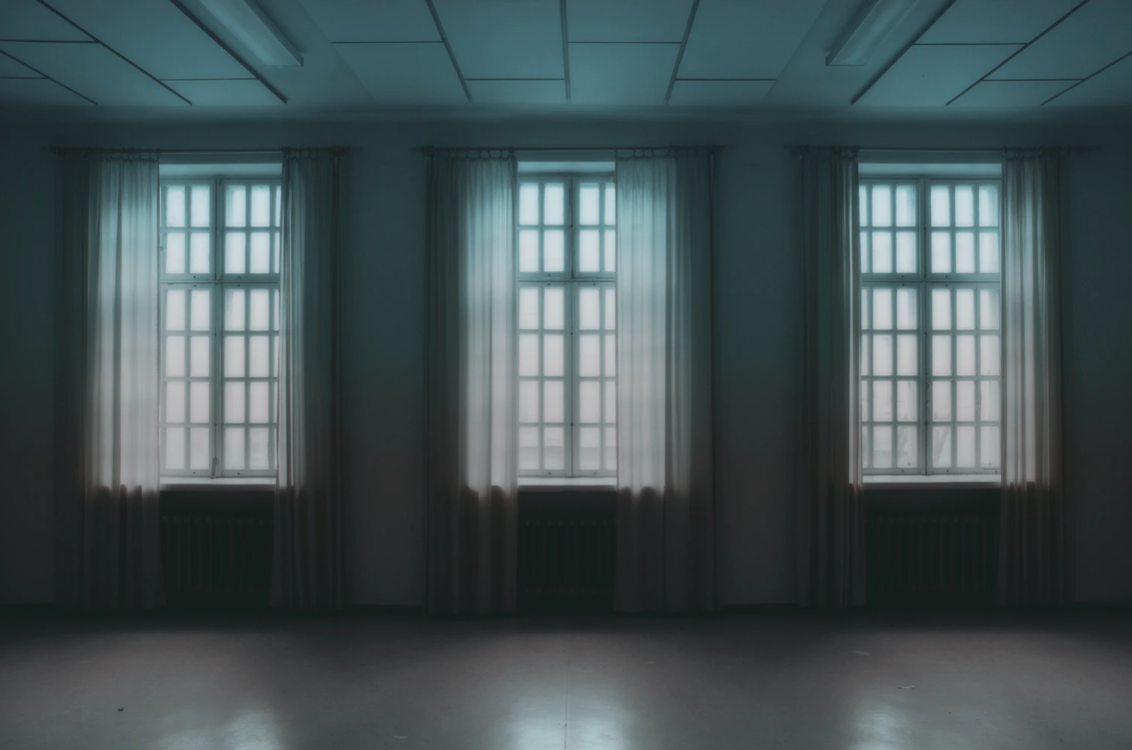
Windows play an integral role in not only the value of your home, but to how you interact with the world around you. Windows let in the sunlight, and allow you to look out at your surroundings. 

But dirty windows not only look unsightly, but they can actually cause lasting damage to your home and health. So while cleaning your windows does wonders for making your home look its sparkling best, regularly washed windows also come with the following surprising benefits.  

Clean Windows Improve Your Curb Appeal

If your windows are dirty, they’re one of the first things prospective home buyers will notice about your house. That’s not a good thing. If you’re concerned about maintaining your home’s value, “curb appeal”, or how your home looks to an outside observer, is a hugely important factor. 

Just as an unkempt lawn might lead people to undervalue your home, dirty windows similarly stop your home from showing its best version. But if your windows are cleaned with regularity, your home can look bright and welcoming to everyone stopping by.  

They Keep Your Home Warm

You might be wondering, how can clean windows help warm up your house? During cold months, though it might not feel like it, sunshine coming through your windows naturally heats up your home’s interior, lowering heating bills and bringing with it a natural warmth.

The dirt and grime from dirty windows can block out parts of your window, allowing less sunlight to enter, and thus robbing you of that natural heating. Keeping your windows cleans ensures that you get all the natural sunlight you can, which is great news for your thermostat and your wallet. 

Clean Windows Mean Clean Air

While you tend to assume that you need to open your windows to bring fresh air into your home, a clean window, while closed, can actually help improve your air quality. When dirt builds up on windows, and sills, they often work their way into your home, lowering your air quality.

Even worse, dirt build up  occasionally can bring in mold, which can cause a host of health problems. By cleaning your windows regularly, you keep these bad particles out, and keep clean air in. 

Regularly Washing Your Windows Increases Window Life

Repairing windows that have been worn down or damaged can be an unfortunate and wanted expense. Thankfully, you can keep your windows for longer by regularly washing them. 

Dirty windows build up grime and dirt that can penetrate the glass, which can stain and weaken your window and cause permanent damage. Even when you can’t visibly see debris on your window, consistently washing your windows clears the glass of microscopic imperfections that can lower the lifespan of your windows. 

By just washing your windows regularly, you can keep your windows shining for years! 

Guest Contributor: Jeff Good

5 Changes You Can Do to Make Your Home More Eco-Friendly Today

RH Business Marketing Solutions

solar-home-1024x682.jpg

It’s more important now than ever for people to do all that they can to save the environment. From years of carelessness, our environment is suffering irreversible damages; however, it’s not too late to stop these damages before they worsen. If every person made small efforts to save the environment, it’s likely that the ecosystem would see outstanding benefits, preserving the environment and the organisms that inhabit it. The best ways for people to make small efforts to save the environment can be done in the comfort of their own homes. Your home is one of the places that cause vast environmental damage without you even realizing it. This post will detail 5 ways to make your home an eco- friendly place so that you can do your part in saving the environment.

How Can I Make My Home More Eco-Friendly?

Making your home eco-friendly doesn’t have to be complicated or expensive. With minimal effort, you can make a large impact on the ecosystem. Here are 5 ways to make your home more environmentally savvy. 

  • Utilize Solar Energy

Solar energy is an outstanding way to make your home more eco-friendly. The most popular form of solar energy is solar panels. Solar panels absorb sunlight and convert it into electricity that can be used to power your entire home. A specialist from a company that sells solar panels in Cherry Hill pointed out that solar panels can save homeowners thousands of dollars in electricity bills per year as solar panels are a sustainable energy source. 

Solar panels can be a bit costly, and though they are an investment worth making, if you can’t afford solar panels, you should consider investing in solar lighting fixtures. These lighting fixtures work the same way, storing sunlight and converting it into electricity in order to provide light to your home. 

  • Install a Smart Thermostat

Smart thermostats are an important energy-saving invention to incorporate into your home. Smart thermostats work the same way as regular thermostats, however, you will now have the option to adjust them from an app on your mobile device. Smart thermostats allow you to turn your heating and cooling systems down or off when you leave the house, then back on when you are on your way home. 

Smart thermostats will save you energy and money because they no longer need to be left on when you aren’t home. You can control the temperature of your home from remote locations, allowing you to still come home to a comfortable temperature without leaving your heating or cooling system on all day. 

  • Use LED Lighting

Lighting fixtures use copious amounts of energy which is not only harmful to the environment, they can also end up costing you hundreds of dollars in electricity bills each month. To conserve energy when it comes to lighting fixtures, consider installing LED light bulbs. LED light bulbs use only a fraction of the electricity that standard light bulbs do and have a much longer lifespan. In addition to their minimal electricity use, LED bulbs will create less waste because of how infrequently they need to be replaced. And like smart thermostats and solar energy, LED bulbs will ultimately save you money; therefore benefiting both you and the environment. 

  • Create a Compost Pile

Compost piles are a free and easy way to give back to the environment. Compost piles are created to be used as natural soil in gardens in order to help plants grow. To make a compost pile, instead of disposing of food and waste that is organic and natural, such as fruits and vegetables, put it in a pile outside and let it decompose. After it decomposes, you will be able to use it as soil to give your plants top-notch nutrients.

You will be providing the ecosystem with natural resources to help the organisms within it thrive. And the best part? Compost piles will not cost you a dime; consider creating one in a corner of your yard or in a garbage can on your deck. Be sure not to add processed foods or dairy products to your pile as these foods will ruin it and cause it to smell.

  • Repurpose Old Furniture

Repurposing old furniture is a simple, easy, and fun way to make your home eco-friendly. Instead of buying new furniture, consider repurposing your old furniture. Repurposing furniture will allow you to have the exact piece of furniture you have been looking for and will allow you to reduce waste. Try making this environmentally savvy task a family affair; you can repaint, refinish, or repair pieces of furniture with your significant other and/or with your children.

If you don’t have any furniture around the house that you can repair, consider buying furniture from a second-hand shop, or buying used furniture from online and repurposing that. You will be doing your part to save the environment by reducing somebody else’s waste. 

Your Small Efforts Will Play A Part in Your Future

The small efforts you make at home now will have a huge impact on the future of the environment. It’s important for all humans to do their part to save the environment before it’s too late. By doing the small efforts such as the ones listed above, a bright future for the ecosystem is possible. Consider making these small changes to your home today, you won’t regret it, in fact, you will likely benefit too. Make some changes today. 

About the Author

Jennifer Bell is a freelance writer that works with All American Plumbing, a plumber in Sicklerville. Jennifer is also a blogger, dog-enthusiast and avid beachgoer operating out of Southern New Jersey

Guest Contributor: Jennifer Bell

5 Creative DIY Basement Renovation Projects

RH Business Marketing Solutions

adam-winger-_kifxaMv2QY-unsplash.jpg

The best houses put every inch of space to good use, from the powder room all the way up to the master bedroom. However, basements are often overlooked. Maybe it’s because they lack natural light, or because they tend to be a little cooler in temperature. Another reason might be that many newly built homes are sold with unfinished basements. Whatever the reason is, basements tend to be neglected as viable and useful spaces.

The truth is, however, that any finished or unfinished basement has the potential to provide untapped utility. The best part is, you might not even have to hire an expert or break the bank to do it. With a little bit of creativity, you can convert this underused and underappreciated space into a private oasis.   

Here are 5 creative DIY basement renovation projects you can take on.

Home Theatre

You don’t need a 100” flat screen television or an elaborate surround sound system to create a home theatre that’s fun and cozy. Because of the lack of natural light, basements are the perfect place for a home theatre, even one that’s built on a budget. To start, installing a projector on your ceiling is as simple a drill and a few screws. You can also install a motorized or non-motorized projector screen over a wall that doesn’t have to cost a lot of money. Even simpler, if you have an unfinished basement with exposed concrete walls, you can paint one of the walls white to make it a screen.

Workshop

With some lumber, simple tools, and a little bit of handiness, you can build your own heavy-duty workshop in your basement. Some items you might want to put together include a workbench and a shelving unit for storage. You can also drill holes in a shelf as a way to store different kinds of screwdrivers. As well, a store-bought peg board and some hooks provide a great way to store your tools while showing them off. Extra touches could include a whiteboard for jotting down notes, and a work stool.

 Storage Area

Basements are the perfect place to store items you don’t need readily at hand every day. With either built-in or freestanding shelves, clothing racks, and closets, you can effectively store a lot of belongings you don’t want to look at every day. If you have an unfinished basement with exposed studs, you can easily install shelves in between these studs to create very usable storage space. You can also convert your area under the stairs that might have otherwise gone unused into storage for larger seasonal items like Christmas decorations.

thomas-litangen-SP9HcRASMPE-unsplash.jpg

Art/Music Studio

It doesn’t take much to turn the basement of your home into a loft-style space that fosters creativity. If you’re a visual artist, laying down some area rugs, placing some comfortable spaces to sit, and creating storage for your materials can transform your space into a studio. If you’re a musician, you can improve the acoustics and create a home studio feel with foam egg cartons or real acoustic paneling.

Home Gym

Looking to stay out of the gym while staying in shape? Your basement could make a great home gym without a huge investment. To make it a safe space, lay down some padded flooring, which is often as simple as cutting it with a pocketknife. From there, things like a chin-up bar and free weights are readily available online.


About The Author: Alex Capozzolo is the owner of the Brotherly Love Real Estate blog and a content writer for the real estate industry. We buy houses in Philadelphia, PA. Our focus is on helping people through one of the most important investment decisions of their lifetime by seamlessly providing fast, honest, and professional real estate services.

Guest Contributor: Alex Capozzolo