Google+

contact us

Use the form on the right to contact us.

Day or Night, we are here to serve you. Leave your plumbing problem to us.


Tinley Park, IL

(708)845-7922

Residential and Commercial plumbers and plumbing contractors available in Orland Park, Tinley Park, Oak Lawn, Palos Heights, Midlothian, Oak Forest, Homer Glen, Mokena, Frankfort, and the surrounding Chicago South Suburbs. Emergency plumbers.

copper water lines.jpg

Kevin Szabo Jr Plumbing Blog

Kevin Szabo Jr Plumbing is Tinley Park, Orland Park, Oak Forest, Midlothian, Orland Hill, Homer Glen, Mokena, Frankfort, Crestwood, Palos Heights, Oak Lawn, local plumber. Read our blog for advice, tips, a good laugh, and basic home improvement.

**We are moving our old blog to our new and improved website. Too see all our posts visit kevinszabojrplumbing.blogspot.com

Filtering by Category: May 2024

DIY Pest Control for Your Plumbing: What Works and What Doesn't

RH Business Marketing Solutions

By Teri Silver

The heart of your home isn’t the kitchen or the living room — it’s the plumbing. Pipes, faucets, water heaters, and drains are what keep everything working together, giving us the convenience of comfortable home living.  

Insects, mice, mold, and other pests sneak their way into plumbing systems. The slimy crud buildup in pipes, complete with food and nesting material, is a perfect place for a breeding ground.

Rectify these issues with a little DIY pest control. Here are some effective ways to keep unwanted invaders from crawling into the plumbing system of your Illinois home.  

Inspect the Plumbing

One strategy for maintaining a clean and healthy home is to frequently inspect the plumbing. Dampness and wet pipes draw insects and rodents to their moisture. Inspect the crawlspace, laundry room, garage, basement, attic, storage closets, and utility spaces to find and seal anything that’s leaking. Repair, replace, or tighten faucets to keep them from dripping. 

What Works: Clean the Drains

Insects live in drains and feed on the debris that sets in. Clogged drains have food waste, dirt, grease, hair, soap, cat litter … you name it. Whatever is clogging up the pipes, it must come out, not only to ward away insects but to keep the system working properly.  

Remove hair, soap scum, food scraps, and other gunk that prompts bugs to procreate in sink and bathtub drains. Mosquitoes breed in stagnant water, even indoors, and you certainly don’t want those hatching in your tub!

With various methods of drain cleaning, you can choose which may be the easiest DIY project for you. A plumber’s snake or drain auger may work in your system, but you need to know how to use it. Plunging is useful for clearing toilet clogs and cutting through blockages in sink and shower drains.

What Works: Chemical Cleaners

Chemical products are most effective for many bug problems, and you can easily find them in garden and home improvement stores … and just about everywhere else.

Chemical-based pest control products may not be considered “eco-friendly,” but they get the job done, especially during heavy infestations of roaches, mosquitoes, ants, ticks, and spiders. Select from aerosol or pump sprays, gels, and foggers.

What Works: Fill the Holes

Mice and rats tunnel their way through tiny cracks and larger crevices. Patch up doors, windows, and vented openings with caulk, liquid foam, or cement.  Weather stripping keeps them from coming in under windows and doors.

Wrap roof vents and drain pipes with screen mesh to defend against squirrels, rats, skunks, and other crawling critters. Replace torn window screens.

Hit or Miss

So-called “natural” pest control products that work for your home’s plumbing system truly are hit or miss, but if you’ve already cleaned out the drains, chances are better that you’ll have a positive result.

If you can handle the smell, try a home remedy by flushing pipes with hot water and a half cup of baking soda mixed with one cup of vinegar.

Emitting a nicer fragrance, cinnamon oil kills adult insects and mosquito eggs. Blend cinnamon oil with water and spray the affected areas. 

Setting baits and glue traps around drains catches the little buggers in the act. Baits attract insects toward a meal and the glue keeps them there.  

Diatomaceous earth is a dusty collection of fossilized aquatic remains. Sprinkle it in cracks and crannies where bugs get in. 

Set up a dehumidifier in the basement and crawlspace, especially near water pipes. Maintain a 40 percent level and sweep out cobwebs whenever they appear. The number of spiders should start to dwindle after a few weeks.   

Plumbing pipes bring water to your family, but they’ll bring it to unwanted buggy visitors, too. Clean, fix, tighten, and wipe up damp fixtures and drains for your best DIY pest control solution. 

Teri Silver is a journalist and outdoor enthusiast. She and her husband live on 5 acres with a vast lawn, three gardens, a farm, a pond, many trees, and a lot of yard work! The best parts of the year are summer and fall when home-grown veggies are on the dinner table.


4 Innovative Ways to Reduce Your Household Water Footprint

RH Business Marketing Solutions

The average American household uses more than 300 gallons of water each day, and 70% of that is used indoors. With strains on the water supply, monitoring your water usage is an important part of minimizing your ecological footprint. 

There are many ways to reduce your water footprint, and it doesn’t have to mean being uncomfortable in your own home. Simple adjustments can make a big difference, and you’ll not only help with water shortages, you’ll save money on your utility bills. 

Install Water-Efficient Appliances

Making your home more sustainable doesn’t have to mean you take extreme measures. Simple steps like using eco-friendly materials in your home, considering solar panels, insulating your home properly, and using efficient appliances can make a big difference.

Given that 70% of home water use is indoors, having water-efficient appliances such as low-flow toilets, high-efficiency dishwashers and clothes washers, low-flow faucets, performance showerheads, and automatic turn-off mechanisms can make a significant dent in your water usage. 

You can also install eco-friendly plumbing behind the scenes, such as sustainable pipes, recyclable materials, tankless water heaters, and more. That means lower utility bills and better peace of mind about the planet — and you’ll barely notice the difference.

You can also invest in recirculating systems for hot water, which may earn you tax breaks while helping you make a smaller impact on the environment. 

Be Vigilant About Water Leaks

Water leaks account for thousands of gallons of water per household each year—water that isn’t used or enjoyed; it’s just wasted. Proper plumbing maintenance and inspections can help detect leaks so they can be fixed right away before thousands of gallons of water are lost. 

Alongside regular maintenance, smart plumbing solutions can detect leaks using flow and pressure sensors, AI algorithms, and other detection technologies. If something unusual happens, water in that area can be shut off automatically, preventing damage while also preventing water waste. Best of all, you’ll save money on utilities and avoid expensive water damage repairs. 

Smart plumbing systems can also make your water heater more efficient, help you understand water usage, prevent frozen pipes, and more. 

Reconsider Lawn Care

We all love lush, green, healthy lawns, but keeping them that way usually requires a lot of water, chemicals, and other strategies that don’t help the planet long-term. 

Instead of focusing on having a stereotypical suburban yard, consider eco-friendly lawn care instead. Skip the chemicals and use natural fertilizers, mulch, and companion planting. Choosing native plants is a great way to have a beautiful outdoor space with far less watering, and you can collect and reuse rainwater rather than using your home plumbing. 

You might also think about having something other than a grass lawn on your property. You can turn your lawn into a food garden, landscape with clover or other plants native to the area, or even have a moss garden. These unique, attractive options give you good curb appeal and a nice outdoor space without the water and chemicals that a grass lawn requires.

Clean Outside With Less Water

Keeping your sidewalks and driveway clean often means getting out the hose or powerwasher a few times a year. However, you don’t have to use water to clean — a simple push broom requires a bit more effort but uses no water. 

As often as you can, use manual cleaning methods or limited water — a bucket instead of a hose — for outdoor cleaning tasks. You can also clean outside on rainy days, taking advantage of the rain to reduce the water you need to use. Biodegradable water-saving soap options also require less water and are better for the environment.

Taking these steps helps keep your property clean while significantly reducing the amount of water your family uses each year.

Encourage the Whole Family to Join the Fun

Finding ways to save water can be fun and encourage creativity in your family. Consider watching educational shows and documentaries about the impact of water use, and create fun challenges to help everyone get on board with saving water. A fun prize, like choosing a family weekend activity, can encourage everyone to participate. 

You can also work together as a family on water-saving projects, such as creating rain barrels, planting native plants in the yard, or installing water-efficient fixtures. This helps everyone feel invested in the effort and proud of the impact they’re making.

It’s easy to look around and find other people or organizations that are impacting the planet more than we are, but we can’t control them. Instead, we can take ownership of our own actions and reduce our personal water footprint. With the strategies above, and turning water-saving actions into fun activities for the whole family, you can make a difference. 

How to Handle Disputes Between Landlords And Tenants in Nebraska?

RH Business Marketing Solutions

Navigating disputes between landlords and tenants in Nebraska can be a daunting task, but with the right approach, resolution is achievable. Whether it's a disagreement over rent payments, maintenance issues, or lease terms, effective communication and understanding of legal rights are essential for both parties. In this blog post, we'll delve into practical strategies and resources to help landlords and tenants address disputes calmly and constructively. From knowing your rights under Nebraska's landlord-tenant laws to seeking mediation services and legal advice when needed, each step plays a crucial role in finding a fair and satisfactory resolution. By fostering open dialogue, documenting interactions, and staying informed about proper procedures, landlords and tenants can navigate disputes with confidence and preserve the integrity of their rental relationship. Let's explore how to handle disputes between landlords and tenants in Nebraska with clarity, empathy, and a commitment to mutual resolution.


1. Know Your Rights and Responsibilities

Before addressing any dispute, it's crucial for both landlords and tenants to understand their rights and responsibilities as outlined in Nebraska's landlord-tenant laws. Familiarize yourself with the Nebraska Residential Landlord and Tenant Act, which covers key aspects such as lease agreements, rent payments, repairs, and eviction procedures.


2. Open Communication

Effective communication is the cornerstone of resolving disputes amicably. Encourage open dialogue between landlords and tenants to discuss concerns, clarify misunderstandings, and explore potential solutions. Ensure that all communications, whether written or verbal, maintain a tone of respect and professionalism.


3. Document Everything

Keep thorough records of all communications, agreements, and interactions related to the dispute. Documenting conversations, emails, letters, and maintenance requests can provide valuable evidence in case of escalation or legal proceedings. Having clear documentation helps to avoid misunderstandings and protects both parties' interests.


4. Mediation Services

Consider utilizing mediation services provided by local government agencies or nonprofit organizations. Mediation offers a neutral and confidential environment for landlords and tenants to discuss their issues with the assistance of a trained mediator. Mediation can often lead to mutually acceptable resolutions without the need for litigation.


5. Seek Legal Advice

If a dispute escalates or becomes complex, seeking legal advice from a qualified attorney specializing in landlord-tenant law is advisable. An attorney can provide guidance on your rights and options, review lease agreements, and represent your interests in negotiations or court proceedings if necessary.


6. Follow Proper Procedures

Ensure compliance with all legal procedures and requirements when addressing disputes, such as eviction notices or repair requests. Failure to follow the correct procedures could result in legal consequences and further complications. Familiarize yourself with the specific timelines and steps outlined in Nebraska law for various types of disputes.


7. Stay Professional and Objective

Maintain professionalism and objectivity throughout the dispute resolution process. Avoid personal attacks or emotional responses, and focus on finding practical solutions that benefit both parties. Remember that disputes are a normal part of landlord-tenant relationships, and approaching them with a calm and rational mindset can lead to more positive outcomes.


Conclusion

Effectively managing disputes between landlords and tenants in Nebraska requires a proactive and collaborative approach. By adhering to the principles of open communication, documentation, and knowledge of Nebraska landlord-tenant law, both parties can navigate disagreements with confidence and clarity. Remember, seeking mediation services or legal advice can provide invaluable support in resolving complex disputes while preserving the integrity of the rental relationship. Whether it's addressing maintenance concerns, rent disputes, or lease violations, a commitment to respectful communication and adherence to legal procedures is paramount. By working together towards amicable solutions, landlords and tenants can uphold their rights and responsibilities under Nebraska landlord-tenant law while fostering a positive rental experience for all parties involved. Let's strive to handle disputes with empathy, understanding, and a commitment to mutual respect, ensuring a harmonious rental environment for landlords and tenants alike.

Navigating the Challenges of Aging Infrastructure: A Look at Renovation Trends

RH Business Marketing Solutions

Aging infrastructure has degrading effects on its integrity. Critical systems built decades or even centuries ago are increasingly unable to meet the demands of modern usage and environmental stresses, compromising their functionality and safety.

Now, a new wave of infrastructure renovation is emerging. They’re driven by sustainability, technological advancements, and a commitment to building resilience. Let's explore these trends and how they pave the way for a more robust and sustainable future.

Effects of Infrastructure Degradatio

Poor infrastructure accelerates wear and tear on essential structures and equipment. It compromises safety and efficiency. In aviation, for instance, aging facilities can strain ground support equipment, shortening its lifespan. Addressing infrastructure issues is important for maintaining operational integrity and minimizing repair costs.

Here are some of the effects of infrastructure degradation:

Increased Risk of Failures and Accidents 

As infrastructure ages and deteriorates, the risk of structural failures and accidents increases significantly. This includes the potential for bridge collapses, road cave-ins, and dam failures, which can have catastrophic consequences for public safety and economic stability.

Environmental Concerns 

Older infrastructure often lacks the design considerations for minimizing environmental impact. Unupgraded infrastructure suffers from energy inefficiency, leading to higher emissions and excessive water use. Furthermore, failing sewage systems can contaminate water bodies, affecting ecosystems and public health.

Economic Disruptions

Frequent breakdowns and service disruptions caused by aging infrastructure can negatively affect businesses and industries. Transportation delays, power outages, and water shortages can all lead to lost productivity and financial losses.

More reliable infrastructure is needed to encourage businesses to invest in a particular region. Companies are hesitant to locate in areas with frequent power cuts, water shortages, or congested roads. This hinders economic growth and job creation.

Social Disruptions 

The unreliability of aging infrastructure can lead to widespread social disruptions. For instance, frequent power outages disrupt daily life and can affect access to critical services like healthcare and education. Similarly, water main breaks or transportation failures can cause significant inconveniences and safety risks to communities.

Current Trends in Infrastructure Renovation

The landscape of infrastructure renovation continues to improve because of the development of innovative materials and construction methods. Here are some renovation trends that cater to the challenges of aging infrastructure we can expect:

Sustainable Materials and Practices

Modern renovation prioritizes the use of sustainable and eco-friendly materials. Recycled steel, low-emission concrete, and reclaimed timber are becoming more common. This reduces the environmental impact of construction projects. Sustainable construction techniques are also being widely adopted to minimize the carbon footprint of infrastructure development.

Integration of Smart Technologies

Integrating smart technologies plays a critical role in enhancing the efficiency and resilience of infrastructure systems. Sensors and Internet of Things (IoT) devices enable real-time monitoring of infrastructure health. 

This data allows for proactive maintenance practices, preventing failures, and optimizing resource allocation. Smart traffic management systems and adaptive street lighting exemplify how technology is reshaping infrastructure management. 

Resilience Building 

Due to the rise of climate change and natural disasters, resilience building is a crucial aspect of modern infrastructure renovation. This involves designing and upgrading structures to withstand extreme weather events and changing environmental conditions. 

Regulatory and Policy Advancements

Governments are actively revising regulations and policies to incentivize infrastructure renovation. This includes measures such as offering incentives for using green technologies, streamlining permitting processes, and establishing higher energy efficiency standards. These policy changes aim to create an environment that fosters substantial infrastructure improvements.

The Role of Community Participation in Infrastructure Renovation

Community participation is a significant part of infrastructure renovation. Involving local residents and stakeholders enhances the success and sustainability of projects. It also ensures that the infrastructure serves the community’s specific needs.

This is how community participation is shaping the future of infrastructure renovation:

  • Local Knowledge: Residents possess valuable insights into the existing infrastructure's strengths and weaknesses. Their firsthand experience with traffic patterns, pedestrian needs, or environmental concerns can inform project planning and ensure the final design better serves the community's needs. 

  • Enhanced Ownership and Acceptance: When communities are actively involved in the planning process, they feel a sense of ownership over the project. This can lead to greater acceptance and support for the renovation efforts, minimizing potential disruptions and fostering a collaborative environment. 

  • Identification of Unforeseen Issues: Residents may be aware of potential challenges that engineers or planners might miss.  Their input can help identify potential obstacles or uncover local nuances that could impact the project's feasibility or effectiveness. 

  • Prioritization of Needs: Infrastructure resources are often limited. Community engagement helps prioritize which renovations are most critical for the community's well-being. Public forums and surveys can provide valuable data to guide decision-making and ensure the project caters to the most pressing local needs.

The Bottom Line

While the challenges of aging infrastructure are significant, the solutions are within reach. Embracing innovative trends and fostering collaboration can help transform our aging infrastructure into a robust network.  

The commitment to infrastructure renewal will pave the way for a future where our infrastructure goes beyond functionality. It also showcases collective responsibility that shapes a more sustainable future for future generations.

How to Help Prevent Flooding in Your Home

RH Business Marketing Solutions

Preventing flooding in your home is crucial for protecting your property and ensuring the safety and well-being of your family. From heavy rainfall to plumbing leaks, various factors can contribute to indoor flooding. This guide will explore effective strategies and practical tips to help prevent flooding in your home, offering valuable insights and recommendations to safeguard your property against water damage and costly repairs.

1. Maintain Your Gutters and Downspouts

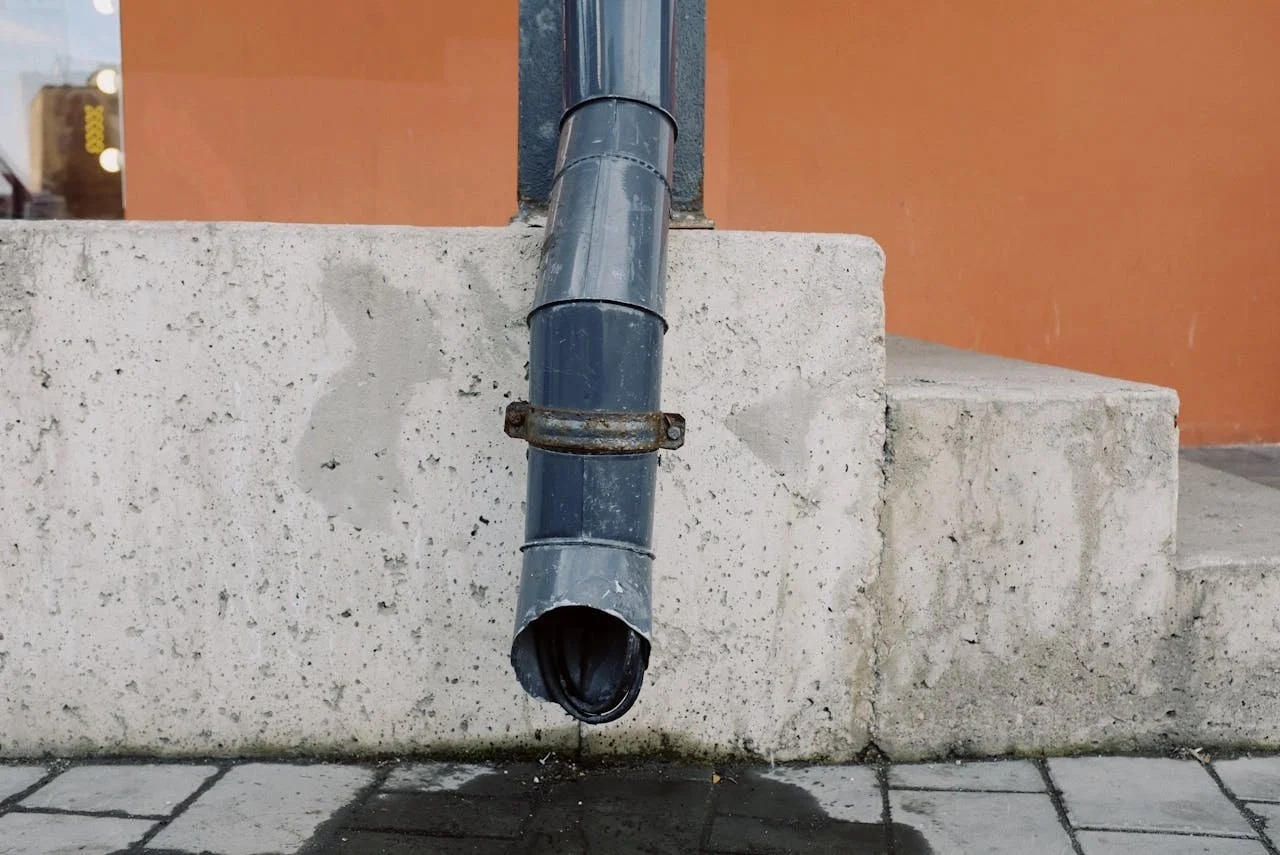
Keep your gutters and downspouts in good repair to lessen the likelihood of flooding in your house. Overflowing water from blocked gutters may erode your home's foundation and even cause floods. By clearing debris such as leaves and twigs from your gutters and ensuring that downspouts are free-flowing, you can redirect rainwater away from your home and prevent water buildup. Additionally, consider installing a window well drain service to efficiently manage water accumulation around basement windows and prevent seepage into your home. By taking proactive steps to maintain your gutters and downspouts, you can minimize the risk of flooding and protect your home from water damage.

2. Install a Sump Pump

A sump pump is a valuable investment for homes located in areas prone to flooding or with basements below the water table. Install a sump pump in the lowest point of your basement or crawl space to remove excess water and prevent flooding during heavy rainfall or groundwater seepage. Choose a sump pump with a backup battery or water-powered backup system to ensure continuous operation in the event of a power outage. Test your sump pump regularly to ensure it is functioning correctly, and consider scheduling annual maintenance to keep it in optimal condition.

3. Seal Cracks and Gaps

Sealing cracks and gaps in your home's foundation, walls, and windows is essential for preventing water infiltration and reducing the risk of indoor flooding. Inspect your home for cracks, gaps, and openings where water could enter, such as around windows, doors, and utility penetrations. Use caulking or sealant to fill cracks and gaps in the foundation, walls, and joints to create a watertight barrier. Consider applying waterproofing paint or sealant to basement walls and floors to provide an additional layer of protection against moisture intrusion.

4. Elevate Electrical Systems and Appliances

Elevating electrical systems and appliances, such as electrical panels, HVAC units, water heaters, and washing machines, can help prevent damage in the event of indoor flooding. Install electrical panels, outlets, and switches at least 12 inches above the projected flood level to minimize the risk of electrical shock and equipment damage. Elevate appliances such as water heaters and washing machines on sturdy platforms or stands to keep them above potential floodwaters. Consider relocating HVAC units to higher ground or installing flood vents to allow water to flow freely through the crawl space during a flood event.

5. Landscape with Proper Grading

Proper grading of your landscape is essential for directing rainwater away from your home and preventing water from pooling around the foundation. Ensure that the ground slopes away from the foundation on all sides of your home to encourage water runoff. Grade soil and landscaping features such as flower beds, driveways, and walkways prevent water from collecting near the foundation. Consider installing French drains or swales to redirect water away from the house and towards a drainage area or storm sewer.

6. Install Backflow Prevention Devices

Backflow prevention devices are crucial for preventing sewage backups and contamination of your home's plumbing system during heavy rainfall or flooding. Make sure sewage doesn't back up into your house by installing backflow prevention valves on floor drains and sewer pipes. Consider installing check valves on plumbing fixtures such as toilets, sinks, and showers to prevent contaminated water from entering your home. Test backflow prevention devices regularly and schedule professional inspections to ensure they are functioning correctly and comply with local building codes.

Conclusion

Preventing flooding in your home requires proactive measures and careful planning to mitigate the risk of water damage and protect your property. From maintaining gutters and downspouts to installing sump pumps, sealing cracks and gaps, elevating electrical systems and appliances, landscaping with proper grading, and installing backflow prevention devices, there are various strategies you can implement to safeguard your home against indoor flooding. By taking steps to prevent flooding and water infiltration, you can minimize the risk of costly repairs, protect your belongings, and ensure the safety and well-being of your family for years to come.

A Quick Guide to Capturing Incredible Landscape Photos from Different Perspectives

RH Business Marketing Solutions

From serene sunsets over rolling hills to majestic mountain vistas, landscape photography lets you capture real estate images that amaze and inspire anyone who looks at them. When you’re using your photographs to sell real estate, knowing how to properly capture a landscape using perspective is vital.

Perspective affects how the viewer sees and feels about the scene. You can successfully show depth, scale, and mood by using different points of view, which give you different angles and compositions. It gives the picture more depth and interest and tells a story, which increases its effect on the viewer and makes it more interesting to look at. It also makes land more saleable and gives potential buyers a feel for the space.

Let’s have a look at what perspectives to explore when you’re taking landscape photographs.

Atmospheric Perspective

Atmospheric perspective is an important part of landscape photography because it lets you capture the natural effect of how the weather makes faraway objects look lighter, less detailed, and slightly hazy. This effect makes it seem like you can see farther away, which gives photos more depth and volume.

Value, color chroma and temperature, edges, and texture are some of the visual tools artists can use to give a landscape an atmospheric perspective.

Diminishing Size Perspective

When you take pictures of landscapes, diminishing size perspective is a great way to stress distance and scale. You can show depth and breadth by putting subjects in the frame that are different sizes, so those closer look bigger and those farther away look smaller. This method gives the impression of spatial relationships and shows how big the area is. For outdoor and indoor real estate photography, this is an essential marketing tool as it gives buyers a real feel for the land they could invest in.

A great way to capture this kind of perspective is to use a wide-angle lens. Wide-angle lenses make features look longer and make subjects close up look bigger,  while those farther away look smaller in the picture.

Far Perspective

When taking pictures of landscapes, "far perspective" refers to the objects that are further away in the scene, like mountains, valleys, or areas in the distance. Taking pictures with far perspective gives the picture depth and scale, making it seem grand and huge.

You can show how big the environment is by including subjects that are far away. Far perspective makes the foreground and background seem farther away, setting up a visual hierarchy that leads the viewer's eye through the scene.

The focal length of a telephoto lens is usually more than 200mm, which makes it ideal for taking pictures of features that are far away. For properties with incredible vistas, this perspective can be a major selling point.

Forced Perspective

In landscape photography, forced perspective is a creative method that changes how we see objects to create optical illusions. You can change the scene's size and depth by putting subjects that are different sizes or distances from the camera in a planned way.

Using this method often means adding something to the foreground that looks bigger than it really is while making objects or features in the background look smaller. This makes the feeling of distance and scale stronger. This is a common technique when photographing property, as it enhances the actual space for sale without requiring any editing or image manipulation.

Height Perspective

In nature photography, taking pictures of scenes from a higher-up perspective gives you a unique point of view. From a building or atop a hill, this vantage point gives you a big picture of the landscape, showing patterns, colors, and landforms that you can't see from the ground.

Drones are popular with real estate landscape photographers as they give you a unique "bird's-eye view". This can help you get pictures that you wouldn't be able to get any other way, like the flow of a river or the way a road winds around. Showcasing these features isn’t always possible otherwise, and they’re excellent marketing opportunities.

Linear Perspective

Linear perspective is a powerful compositional method for landscape photography. It uses convergent lines to create depth and draw the viewer into the scene. By adding objects like roads, fences, or trees that get more distant, photographers can give the picture a sense of scale and space, making it look more three-dimensional.

Linear perspective leads the viewer's eye through the picture, drawing attention to the main subject and giving the impression of movement. This makes the image more lifelike and creates a connection with the viewer.

Near Perspective

In landscape photography, near perspective focuses on objects in the foreground to give the picture depth and closeness. You can make objects look bigger and more detailed by putting them close to the camera. This draws the viewer into the picture and gives them a sense of scale. The close-up viewpoint makes the scene seem more real and powerful, highlighting the landscape's details.

Near perspective makes visual storytelling better by giving the scene more meaning and character and drawing attention to the connection between the viewer and the surroundings.

Overlap Perspective

Layering, which is another name for overlap perspective, is a way to add depth and features to a landscape shot. By putting points of interest in the center in front of objects in the background, photographers create layers in the frame that give the impression of depth and distance.

By adding more visual complexity to the picture, this method makes people want to look deeper into the scene.

A Perspective To Suit Every Photograph

To take great landscape photographs that suit your needs, you need to work with different perspectives. If you’re taking photos for real estate purposes, it’s a good idea to try a number of different perspectives until you determine which ones work the best for what type of land.

You can create your own real estate portfolio and update it with new photographs as your skills improve and you identify which images attract the most attention. In doing so, you can attract your target audience and increase your chances of a property sale. You may even be able to sell your photographs to prospective buyers, so it’s a double win.