Google+

contact us

Use the form on the right to contact us.

Day or Night, we are here to serve you. Leave your plumbing problem to us.


Tinley Park, IL

(708)845-7922

Residential and Commercial plumbers and plumbing contractors available in Orland Park, Tinley Park, Oak Lawn, Palos Heights, Midlothian, Oak Forest, Homer Glen, Mokena, Frankfort, and the surrounding Chicago South Suburbs. Emergency plumbers.

copper water lines.jpg

Kevin Szabo Jr Plumbing Blog

Kevin Szabo Jr Plumbing is Tinley Park, Orland Park, Oak Forest, Midlothian, Orland Hill, Homer Glen, Mokena, Frankfort, Crestwood, Palos Heights, Oak Lawn, local plumber. Read our blog for advice, tips, a good laugh, and basic home improvement.

**We are moving our old blog to our new and improved website. Too see all our posts visit kevinszabojrplumbing.blogspot.com

Filtering by Category: July

Keeping Your Home Mold-Free: Here Are 10 Common Spots To Check For Mold Growth

RH Business Marketing Solutions
You may not even know it but probably one of the most common living organisms on earth may have invaded your precious home. These are molds that can grow wherever moisture and organic matters are present. Mold is the most common name for thousands of different types of fungi. It may not be visible but it can be deadly and dangerous. Molds can cause nasal numbness, throat and eye irritation, coughing or sneezing, and worst skin and respiratory allergies. People with these allergies or certain kinds of respiratory illnesses are especially vulnerable to the deadly effects of mold. The worst part is that mold can grow just about anywhere, especially in places you can't see or don't even think about cleaning. I have written in this article a list of places where mold might be nesting in your home.

1. Down the Sink 

Mold lives in a moist and dark environment like the one down your kitchen and bathroom sinks. Inspect the faucet or pvc under the sink for plumbing leaks and immediately contact  a licensed plumber. Dry the interior of the cabinet under the sink with bleach or any cleaning solution to prevent mold from spreading.
2. Toothbrush Holder 

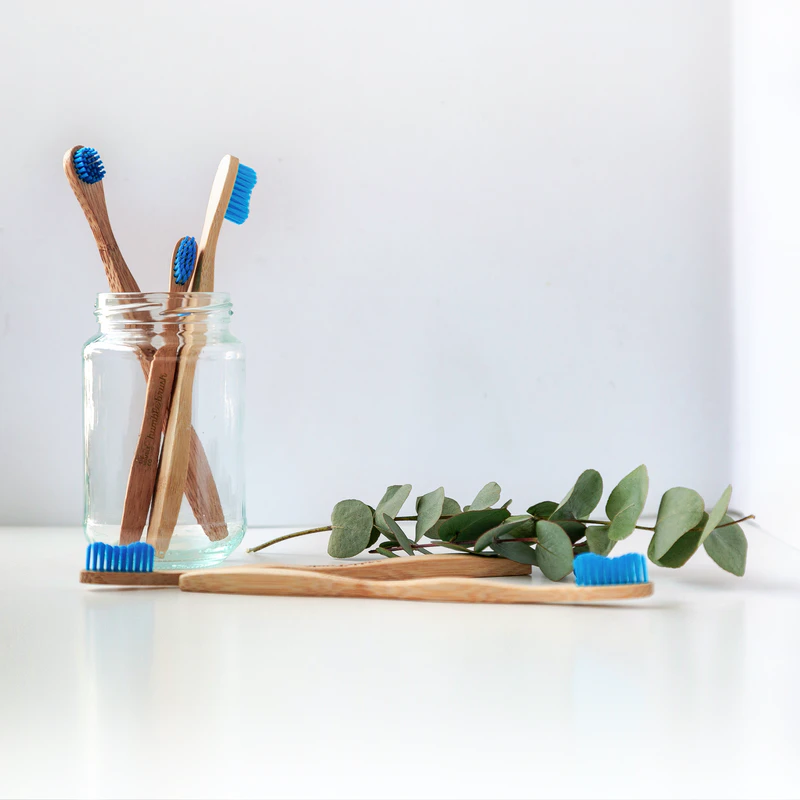
Probably the most disgusting place you would ever imagine is your toothbrush lying on a holder with molds. Glasses, plastics, or ceramic containers on your bathroom sink are a convenient spot to store a toothbrush. However, it is also a perfect habitat for mold which thrives on the water coming from the toothbrush dropping to the container. To prevent mold from growing, rinse and dry well your toothbrush caddy everyday. Don't forget to wash the soap dish and the underside of it as well. 

3. Filing Cabinet  

Paper files could be damped and paper is made from wood pulp which is an organic feast for mold spores. Once it has been contaminated with mold, there's no stopping it from permanently damaging your files so the best option is to prevent it from spreading. Try not to store things in damp boxes, attics and basements and run a dehumidifier in your home to avoid the mold from growing.
4. Shower and Bathtub 

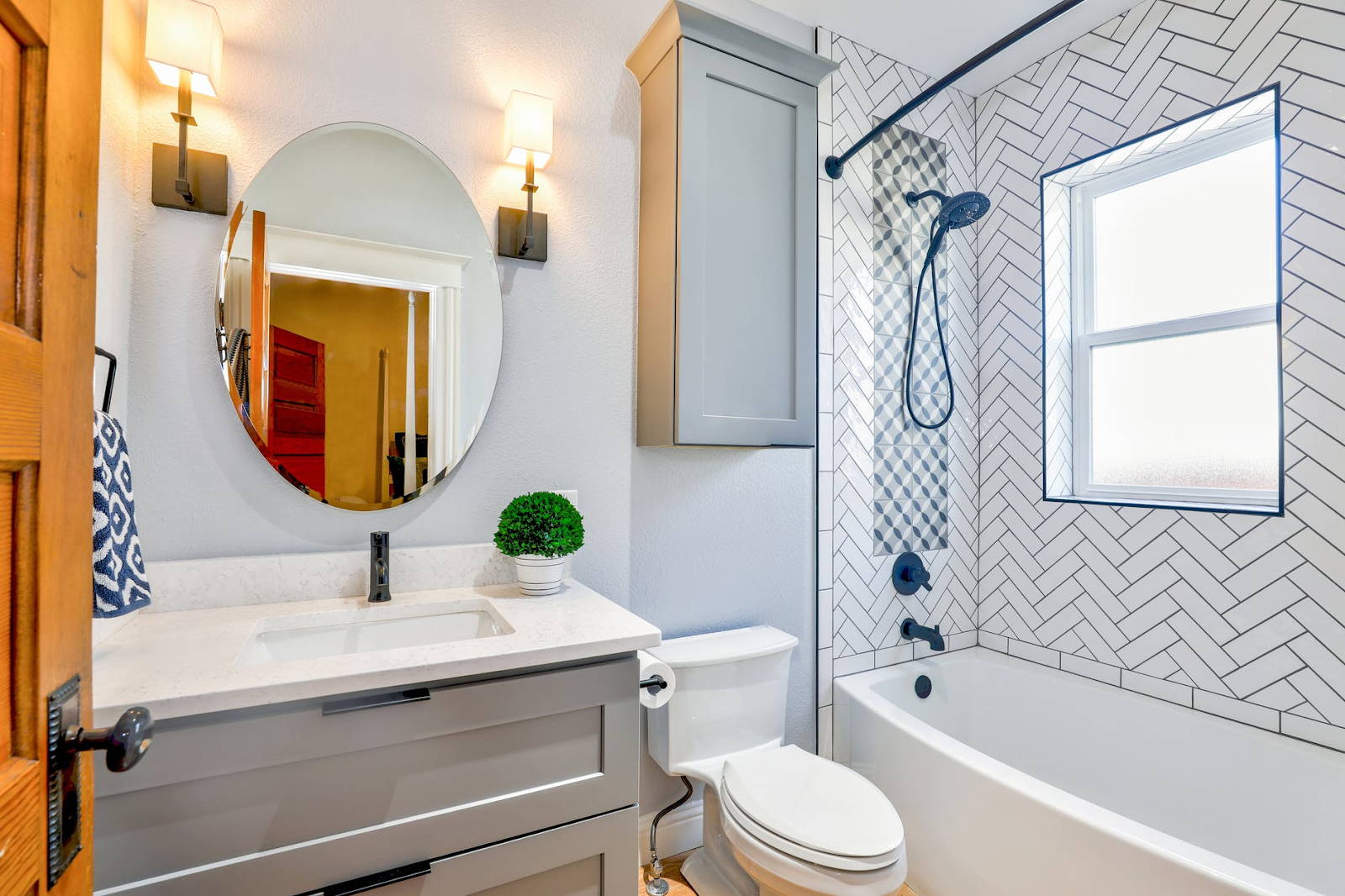
Probably the dampest area in your home where you can find mold. Bathrooms also need proper ventilation and mold will thrive without air. Since mold isn’t always visible, it will be best to check for mold on your shampoo bottles, towels and loofahs, shower curtain and faucets  and tile grout. 

5. The refrigerator and pantry 

Expired food can cause mold so your refrigerator should be free of old food. Make sure to wipe down the surfaces of the pantry regularly. Always clean and sanitize your refrigerator so no molds would grow. 

6. Toys 

Big and small toys can get dirty and can accumulate bacteria and moisture just enough to let the mold grow. These molds may be swallowed by children since they put everything in their mouths. Be sure to clean and dry the toys your children are using to avoid contamination and poison. 

7. Floor Mats

Doormats are great for scraping mud, grass or snow off your shoes but daily exposure to dirt traps moisture in and under the mat which is a perfect habitat for molds to grow. To kill molds, rinse and sundry your mats regularly and remove them from the doorstep once in a while to give the floor space a chance to dry.
8. Carpets and Upholstery 

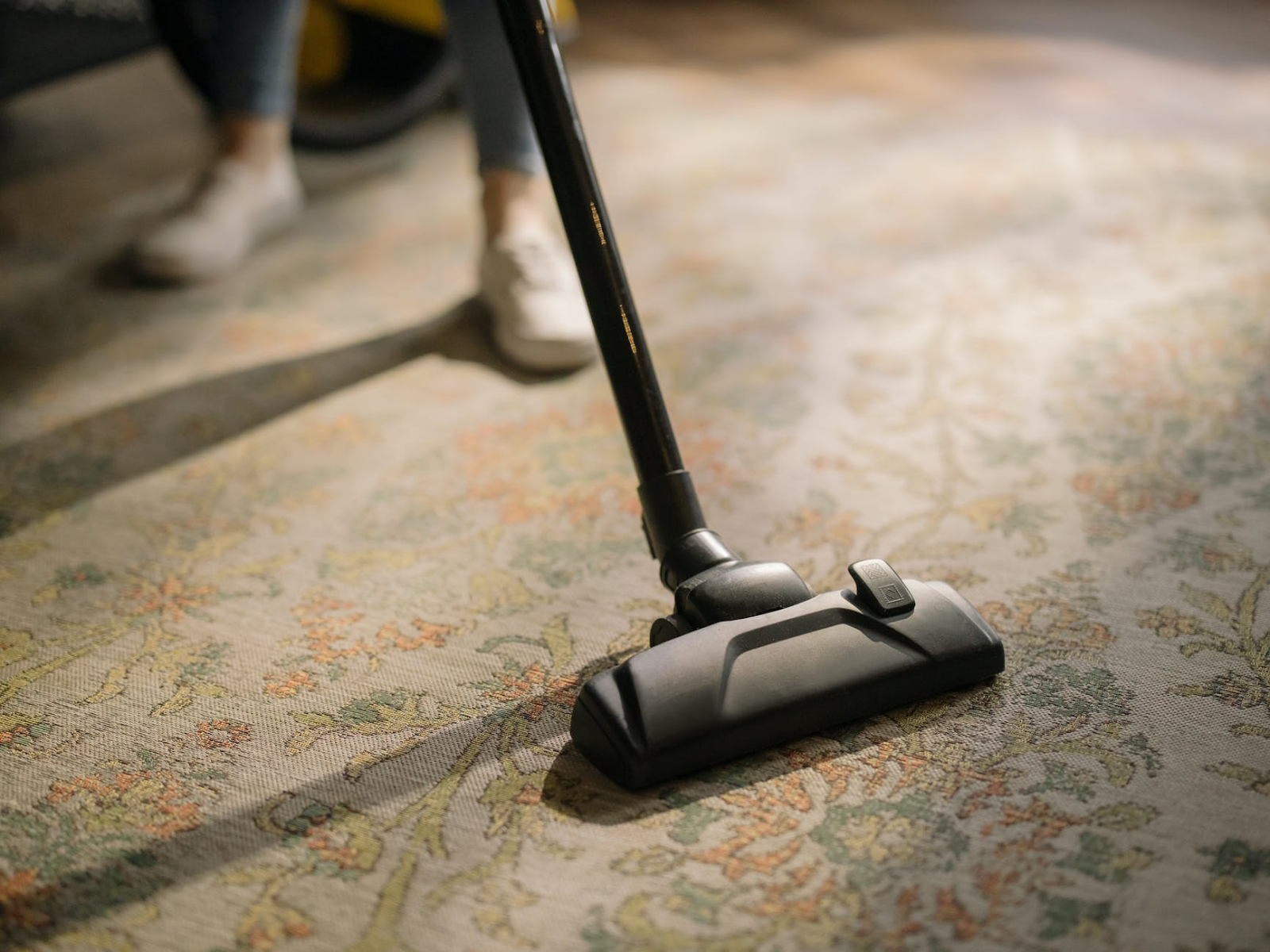
Upholstery and carpets trap a lot of dust, dirt and skin cells. Vacuum your carpets regularly and wash them with mold cleaning solutions thoroughly after every spill. Sundry to kill the fungi.

9. Boilers and water heaters

Drains can become clogged or rusted with continued use. This prevents the liquid from coming out of the heaters encouraging molds to grow and multiply. It will be best to inspect and clean your HVAC units regularly to guarantee that they are working fine. You might want to consider running a dehumidifier in rooms where moisture tends to collect and become the nest of molds.
10. Dishes 

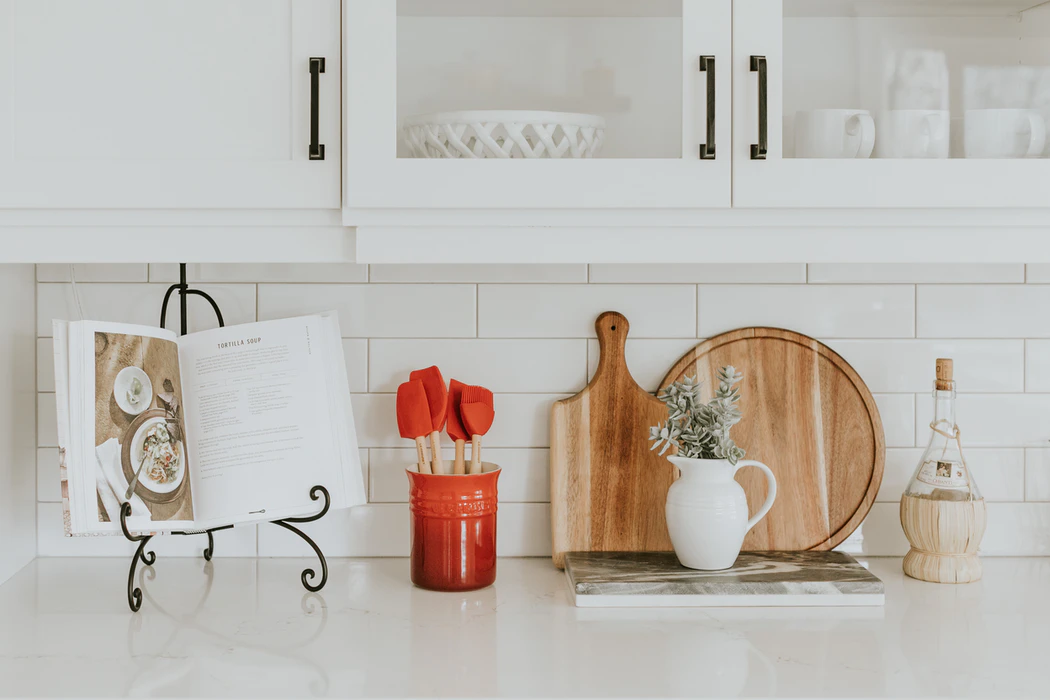
When you skip drying dishes, you could be inviting molds in your kitchen. Yes, everyone wants to save time and money and plates need to be thoroughly dry before you stack them in the cupboard. Tempting not to dry the dishes anymore to cut off on energy and bills, however, it could be inviting mold in the kitchen. If not properly washed and dry, you might find mold growing in between those stacked plates.

Now that you're done reading this article you can conclude that molds will live wherever it can find dark, damp places. You might want to consider checking molds and mildews on the agreement for your new home if you’re into home buying in the next few days, months or years. In the meantime, it's up to you to clean up wet spots and rigorously clean nooks and crannies around your home which is the secret to keeping your home mold-free and prevent it from feeling welcomed. 


About The Author:
Katreena is a scientist and a life hack specialist. She's authored scientific journals on biotechnology and molecular biology. To take a break from scientific journals, she puts her mind into writing about lifestyle, health, and sustainability. She strongly believes that kindness makes the world go round.
3 Carpet Maintenance Tips You Should Know About

RH Business Marketing Solutions

Keeping a carpet spotless at all times is impossible. No matter how many times you clean it, carpets are bound to get dirty, especially if heavy foot traffic is involved. As a result, having carpet flooring requires extra maintenance and housekeeping.

Although carpet cleaning can be tedious and time-consuming, it keeps your carpets lush and free of dirt. Not to mention, it makes them look brand new. There are several ways you can keep them clean and free of debris and it doesn’t involve deep cleaning your carpets daily.

In this article, we will discuss three tips you need to know about keeping your carpets in mint condition. Check out carpets in Dubai for more information.

  1. Repair Leaks and Cracks Immediately

Your home needs to be maintained at all times. The reality is that buildings and houses, no matter how strong they are, often succumb to issues such as leaks and cracks. When these things are left untreated, water can seep into your home and cause water damage.

Homes with carpet flooring can suffer from extensive water damage and mold growth if leaks and cracks aren’t treated immediately. So, it’s essential to address these issues as soon as you discover them.

Leaks can also come from appliances such as refrigerators or washing machines. It’s highly recommended that you look after your appliances and check for signs of wear and tear or leakage before the problem grows worse, especially if they are placed near carpet flooring. 

2. Vaccum Weekly

Vacuuming your carpets regularly is essential in keeping them in excellent condition. However, this doesn’t mean you should vacuum them every single day. Vacuum cleaning carpets once a week or twice a week is more than enough to keep them clean and in great shape.

Your vacuum cleaner is the best weapon against dust and debris. Investing in a durable and solid vacuum cleaner is worth it in the long run. Other than making cleaning a bit easier, they’ll help you keep your home clean.  So, keep one on hand to help maintain your carpets and keep them free from dirt and germs. You should also address stains as soon as you can. The longer stains are left on carpets, they can be harder to get out. 

So, regularly clean your carpets and keep an eye out for any spots or stains to avoid them from becoming permanent. The key to maintaining your carpets is consistency and a good eye. 

3. Deep Clean Your Home Periodically

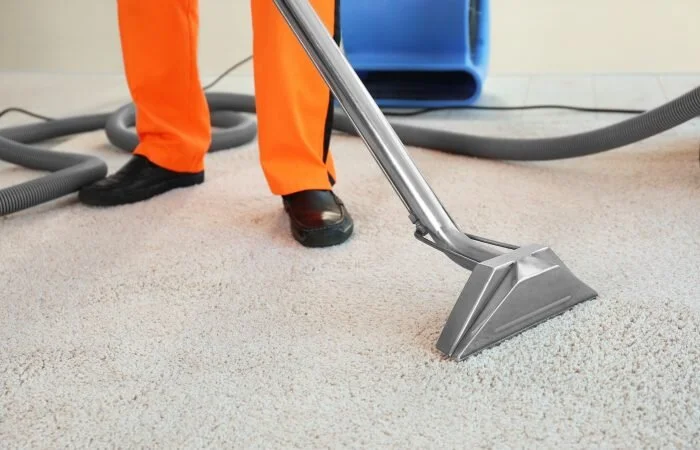
Sometimes, your carpets will need to be deep cleaned. This process is different from vacuuming. Cleaners will use a hot water extraction process or steam cleaning to clean your carpets. This process thoroughly cleans your carpets in a way that normal vacuuming won’t be able to do.

Although this process might make your carpet seem damp, you don’t have to worry. A little bit of air will dry out the clean carpet and make it look brand new. Due to its steep price, deep cleaning by professional cleaners is only needed every 12-18 months.

Conclusion

Carpets are designed to be durable and last you years. However, this isn’t possible if you don’t take good care of them and take the necessary steps to maintain them. Keeping them in great shape isn’t impossible. Next time you need to clean your home, keep these carpet cleaning tips on your to-do list. Simply keep an eye out for signs of moisture such as leaks or cracks to prevent water damage, vacuum your carpets every week, and get a professional to clean your carpets every year. 

Guest Contributor: Diana R.

How to spruce up your home in a mindful and comfortable way

RH Business Marketing Solutions

Our homes represent true safe heaven, it's the place where we should feel tranquil, cozy, and secured. Nothing can top up that undeniable feeling of returning to your comfortable home after a long and tedious day to a place that can utterly uplift your state of mind the moment you enter. So, how to maximally spruce up your home and make it even more comfortable to improve your mood and give you that much-needed energy boost? Read on to discover.

Set up soothing lighting

Even though natural light is the best option when you strive to improve your mood, setting calming lighting features will have a huge impact on your wellbeing and health as well. Use soft night lamps for the bedroom, or incorporate mild salt lamps or dimmable lights which give out nice and soothing light. You can light a few aromatherapy candles that are perfect for sore eyes, plus the magnificent fragrant will additionally calm your nerves and make you feel even more chill in your home.

Carefully choose the furniture

Creating a relaxing place or corner in your home where you can retreat after a tiring day is what will uplift your mind and spirit. Select furniture pieces that are comfortable and invigorating at the same time. Plush pillows, fluffy rugs, or cotton throws are in handy, but also colorful beanbags are a welcoming option. There’s no better and calmer feeling than sinking into your beanbag and let out all the stress that’s been piling up. Check out the Boss bean bags site to find your very best relaxing solution.

Place lavish greeneries

Adding plants to your interior will immediately help you reconnect with nature, and they will immediately help you revive your mood. Placing some lavish plants around your home will firstly improve your air quality, and secondly, make you feel much happier. Not only that, but besides beautifying your ambient, plants also help improve your health as the purified air will boost your sleep and make you wake up more tranquil and beautiful.

Add personalized accents

If you get surrounded with details that make you whole as a person, you’ll surely feel much better. No home is thoroughly complete without warm accessories that represent the person who lives there. Hang pictures of your family and friends, place meaningful motivational quotes on the shelves, add small details like souvenirs and presents that are sentimental for you. Once a home has a soul, it becomes more open, and whoever enters will feel positively uplifted.

Declutter

Coming home to a wrecked room will only make you feel more agitated. Hence, if your goal is to alleviate stress and not feel anxious once you step into your loving home, then clear out the clutter asap. An organized and clean home will enable you to find things easily, improve your mood, and make the entire space comfortable and inviting. Decluttering is a great first (and most lucrative) step to implement into your home renewable to eliminate stress and make your home a comfortable place to spend time in.

Embrace aromatherapy

Besides sight, our smell intensifies once we enter our homes, and to maximally get a refreshing vibe you can incorporate various fragrance fresheners. To make your home feel nice and your temper calm, place some diffusers around to home that give out the fresh scents of lavender, rose, or vanilla. Moreover, you can use rattan reed diffusers, aromatherapy candles, or merely place fresh flowers for your home always to feel and look fresh and clean and smell nice. Just don't forget to open the window every once and a while to let the fresh air in.

Tone down

Various unpredictable items and things can impede us from adequately enjoy the comfort of our home. Noise is the worst culprit of them all. Spruce your home's spirit by diminishing all the sounds that make you feel edged. For instance, turn off the tv or computer when you're not using them, if possible moderate the sounds of washing and drying machine or simply place them further from your sitting area. Last but not least, from time to time mute your smartphone and just unwind in the comfort of your ambient.

Use and enliven each of your senses to make your home feel more comfortable and intimate. The most important thing is to set up an environment where you would feel your best.

Guest Contributor: Mike is an Australian business consulting specialist. He’s working with companies that outsource their IT maintenance. He often writes about technology, business and marketing and is a regular contributor on several websites.

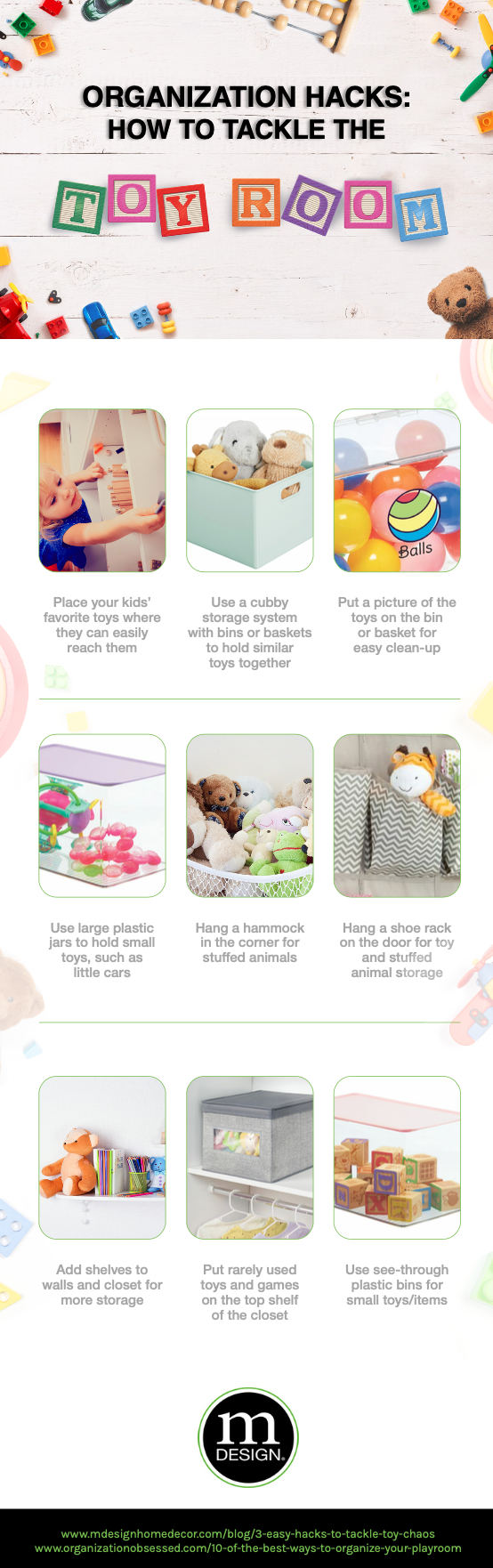
Organization Hacks: How to Tackle the Toy Room

RH Business Marketing Solutions

Guest Contributor: www.mdesignhomedecor.com

How to Incorporate Interior Design in Construction

RH Business Marketing Solutions

Guest Contributor: https://www.lornagross.com/

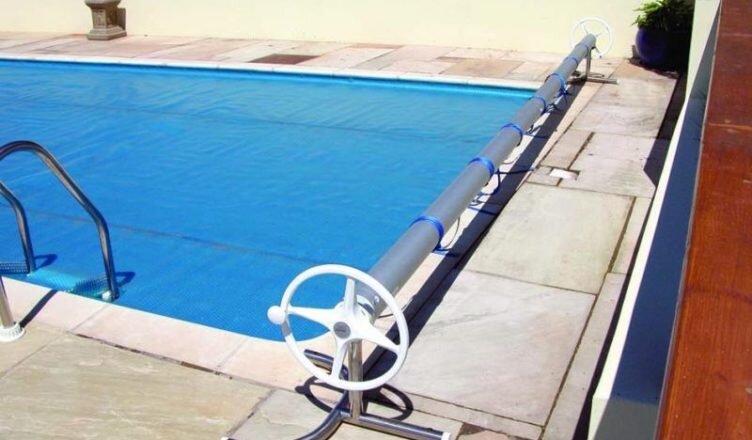
Common Types Of Pipes For Pool Installation

RH Business Marketing Solutions

The pool is a common feature when it comes to homes in Australia. Many houses around Australia have one installed and it is increasing in popularity. There are many options when it comes to the type of pool one can install. The two main options include the in-ground one and the overground one. Homeowners can also choose from various materials to make the pool like fibre, concrete, etc. The in-ground pools happen to be very popular in Australia and homeowners have the opportunity of selecting the size and shape of their choice. There is more to a swimming pool than just the building material; it also involves using several electrical units like a heater, motor, pump, filtration system and the installation of pipes that make the plumbing system.

It is important to put some thought into the type of material to use for the pool, it is also a good idea to do your research on the various options for pipes prior to the installation as well. This article explains the three popular options for the pool plumbing system.

Types of Pipes for Pool Installation

The pool plumbing is what ensures your swimming pools remain filled with water. It also assures the water is clean and also involves the installation of the pipes, valves, filtration system and more. There are many types of pipes, ones that are used to recycle the pool water for refilteration (the suction pipes), those that return water to the pool after being treated (pressure pipes), etc. Besides this, there is also the valve system that controls the water flow direction and is necessary for the swimming pool pumps in Sydney Listed here are some of the common types of pipes:

  • Black Poly Pipe: This is a flexible pressure pipe that is commonly used for in-ground plumbing. This type of poly pipe is joined together with the help of barbed insert fitting. This type of connection is secured using a stainless steel clamp. This type of pipe is insect-proof and can also withstand freezing temperatures. It also tends to show good resistance to chemicals, bacteria and will not be affected by ground movement.

  • Rigid PVC Pipe: The typical pipe for pool plumbing is this PVC pipe that is 2 inches in diameter to be able to hold a pressure of 166 PSI. There is also the option of using thicker ones than can handle 243 PSI. The rigid PVC pipe happens to be long lasting and is highly beneficial for your pool.

  • Flexible PVC Pipe: This is a very popular pipe when it comes to swimming pool plumbing. This too will usually have a similar diameter to the rigid one; like 2 inches. The benefits of using this one include lesser labour, cutting and measuring. It also means the cost of installation will be below as well. However, the more flexible the pipe is the greater the cost. Besides which it can also easily get crushed or punctured. It is best to use this type of pipe since they are also more energy efficient. Intense UV rays can damage the PVC pipes which will cause them to weaken over time.

Finding the right professionals for the job

It is important to find professional pool installers, those that also offer pool maintenance in Sydney. The one you select should ideally also offer pool maintenance services like pool cleaning, repairs, and assistance with ensuring you can maintain the proper chemical balance. Pool chlorination is an essential part of ensuring the pool is safe to use. The electrical equipment and filtrations system also requires regular maintenance. This is something you should look for in a professional pool installer.

Guest Contributor: Sam Moore

How to Reduce Hazardous Waste in Your Home

RH Business Marketing Solutions

With constant warnings about the state of our environment, it’s easy to forget that every household can do a small part in its recovery. Inflammable, toxic, corrosive, and unstable substances are common parts of products. Their use not only endangers the planet, but also the health of humans, animals, and plants living under one roof.    

To reduce hazardous waste in your home, you have to find a way to replace these chemicals, stop using them, or at least lessen their application. So, here are tips for how to do it to lead a healthier and more eco-responsible life. 

Don’t use commercial plant-caring products

As a gardener, you face many challenges, and some of them are pests, insects, weeds, and barren soil. Unfortunately, commercial additives, like herbicides, pesticides, and insecticides can harm plants in your garden besides taking care of your problems. You can look for environmentally approved and organic options, or make your own products with tea, soap, and neem oil.

Fertilizer plays an integral part in having a healthy and thriving garden, but you don't have to buy products that contain toxic ingredients that can poison the soil and enter the groundwater. Instead of throwing away some of your leftovers, like fruit peels, tea bags, and used coffee grounds — turn them into compost. Foliage, grass clippings, and branches from the backyard, eggshells, newspaper, and cardboard should also find their way into your future fertilizer. 

Switch to NPE-free detergents

Nonylphenol ethoxylates (NPEs) is a common ingredient of laundry detergents, although it has other industrial and domestic applications. After use, it’s eliminated from the household through the drain, ending up in the wastewater treatment plants or septic systems. Because it can’t be degraded and is known to become more potent when in contact with bacteria, NPEs released into the waterways are highly toxic to aquatic ecosystems.

The market offers many green alternatives that are equally efficient in keeping your laundry clean and don’t pollute the environment. When you go to the store, take your time to check the labels for the presence of NPEs. Some of the best non-toxic brands may also have products with NPEs and other harmful substances, so always read the ingredient list to make sure. 

Make your own cleaners

Household cleaning products can contain dangerous chemicals, like sulfuric acid and petroleum distillates. If used without gloves or a face mask, contact with these products can cause chemical burns and irritations to the skin and eyes. When vapors are inhaled, they can cause difficulty in breathing which may lead to hospitalization. 

Homemade cleaners are just as efficient as commercial ones, only without these safety issues. The chances are you already have all the ingredients in the house to make them, like lemon juice, baking soda, vinegar, borax, and pure soap. Moreover, you can use them to wash dishes, clean countertops, mop floors, and even do the laundry.  

Replace asbestos in your home

If you live in an old house that hasn’t seen any renovations or repairs in a while, you may want to check the state of your asbestos-containing areas. When undisturbed, asbestos is not a problem, but if there’s any damage releasing it into the air, you need to deal with it immediately. Freed fibers can enter the lungs and digestion system leading to serious health problems, so professional asbestos removal is the only option to avoid this. 

Any sign of water, physical, or any other damage that can disturb asbestos should be taken seriously. Moreover, if you plan remodeling, renovations, or minor changes that require drilling, sawing, cutting, and other works, it's best to replace asbestos completely first. Even the smallest amount of friable asbestos can end up in the air and then your body, increasing risks for asbestosis, lung cancer, and mesothelioma.  

Stop using highly toxic drain cleaners

Clogged drains are uncomfortable and annoying events that will have you reaching for anything efficient in clearing the way. However, drain cleaners contain highly toxic chemicals, harmful to the environment once they are flushed. Not to mention that coming in contact with these substances or inhaling their gasses can put you in the ER or, worse, a hospital bed.

For eco-friendly and healthy solutions, try baking soda and vinegar poured down the drain with some hot water. Pouring boiling water a few times a month may also prevent clogging, as well as using a plunger or sewer snake. The best solution is also the most unpopular one – not throwing greasy and clog-inducing leftovers down the drain, but in the trash or a compost bin.  

Don’t throw batteries in the trash

The thing with batteries is that they have cadmium and mercury, highly toxic heavy metals that can end up in the environment. Some countries have regulations that prohibit the removal of batteries via trash to prevent them from ending up in landfills and releasing lead and sulfuric acid. 

As an alternative, you can buy rechargeable batteries that are suitable for recycling when the time comes, but until then, they can serve you for a couple of years. Make sure to check your local area for hazardous waste disposal units to properly dispose of the batteries and not throw them in the trash.

Use eco-friendly paints and polishes 

Paints and polishes contain lots of toxic chemicals, like phenols, toluene, and perchloroethylene dangerous to inhale or swallow. These are known as volatile organic compounds or VOCs and can lead to nausea and headaches, but also liver, kidney, and CNS damage. 

To avoid this, use low-VOC or zero-VOC paints, although it’s best to opt for the latter. Additionally, look for eco-friendly paints to minimize your exposure to harmful chemicals. Water-based paints are healthier than oil-based since they don’t use thinners and solvents considered to be hazardous waste.     

All in all

Efforts to reduce hazardous waste in your home can have a large impact on your health and the state of the planet. Some chemicals pollute the air, others the soil, but they are all endangering living beings occupying water, land, and the sky. Since alternatives exist, like homemade cleaning products, it’s a small change for you, but a huge one for the environment and ecosystems it includes.

Mike is an Australian business consulting specialist. He’s working with companies that outsource their IT maintenance. He often writes about technology, business and marketing and is a regular contributor on several websites.

Guest Contributor: Mike Parsons

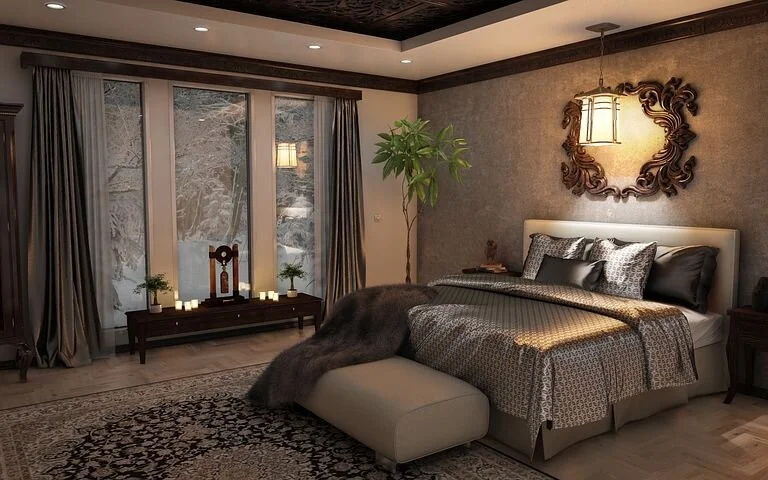
7 Modern Luxury Bedroom Decoration Trends of 2021

RH Business Marketing Solutions

Here’s our belief: if you want to live a luxurious life, it is essential to start with the bedroom. If you wake up in luxury and go to bed in luxury, this refinement will enrich other parts of your life as well.

Hence, here are the most elegant bedroom decor trends dropping this year that can help you accentuate your posh life.

Natural Luxury

Show your taste and refinement by taking style inspiration from the picturesque displays of nature. We’re talking about rich colors, patterns, and exotic materials.

Invest in textiles as wall art. In fact, you can even get your walls upholstered, or covered from floor to ceiling with matching similarly upholstered furniture pieces if you’re willing to push your style boundaries.

Display rare and antique pieces you’ve picked up in your travels. And most of all, appreciate excellent craftsmanship through handmade or hand-carved furniture. We always get taken away by these kinds of focal pieces. 

Bold Trim and Ceilings

We are going to see more and more bold outlines this year, starting with trims and ceilings. They will frame not just your wall displays, but the entire room as a work of art. 

This trend applies to your headboard as well. After all, framing your bed will put it as the central focus of your design, which should be the case. Your bed should be the highlight of your bedroom.

Are the lines too straight and they somehow put you on edge? Then explore undulating lines as well. Wavy patterns will definitely lend an interesting silhouette, especially when placed on your headboard and other decor elements. 

Another way to accentuate trims and ceilings aside from harsh lines are strong contrasting colors. Just imagine what a black trim will do to an all-white space. Dramatic, right?

Bright Monochromatic

We always see monochromatic colors in pale, more subtle hues. That’s so last decade. It’s time to bring out the colors. 

We’re talking about jewel tones like rich cobalt blues, decadent emerald greens, and exciting aubergines. They’re daring, show a lot of personalities, and definitely luxurious.

Combining Old and New

Veering towards antique pieces will make your bedroom look tired and dated. Remember, the only reason why nobles had their homes designed that way centuries ago was because that style was in vogue.

Put them in your position and they’ll definitely lean towards new styles as well. But we also don’t want to make a space look too modern and avant-garde.

The challenge is being able to balance the old and the new. To pay homage to the classics of the past, while also incorporating trends that are on point and relevant to this new decade.

Carpets and rugs are great decorative pieces since they can easily tie these eras together. Push the boundaries by learning how to layer them as well, and take advantage of their stunning patterns and textures.

Colors Will Become The New Neutrals

As mentioned, gone are the days of minimalistic and muted neutrals. Colors will become the new neutrals now. 

Don’t be afraid to experiment with exciting palettes. Just make sure that they fit your personality and preferred shades. 

Earth Tones

We understand, though, if you find colors and patterns overwhelming or too stimulating. After all, it is going to be for your bedroom, a place that should be your sanctuary of rest and relaxation.

Hence, another trendy alternative is earth tones. They can still be rich and bright with warmer shades of red. Or be calm and collected with cooler shades of charcoal.

Another reason why we love these palettes is they serve as an excellent backdrop to accent other decorative elements, like your carpets, wall art, beddings, and furniture.

The natural materials will also look right at home with these earthy hues.

Multifunctional Spaces

Finally, not because your bedroom is luxurious, it doesn’t mean that you should be wasteful of your space.

Keep things realistic and practical by incorporating multifunctional spaces. For instance, whoever said that you can only enjoy a jacuzzi in a bedroom when you’re in a hotel? That’s definitely not in our style handbook. 

With proper placement, you can certainly invest in this arrangement with a paradise-like appeal.

You can also turn one wall into a study by building a floor-to-ceiling library and a hand-carved freestanding desk. You can create a classic vignette on the table with a vintage lighting piece and curated desk essentials.

A leather chair would also add to the appeal and unify the aesthetic that you’re going for.

Guest Contributor: Leila Amber

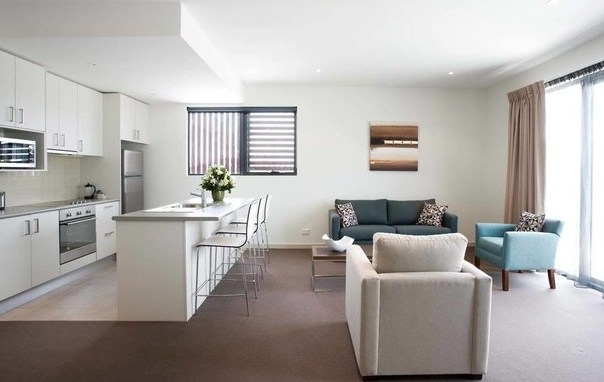
What you need to know about ergonomics: 9 tips on home improvement

RH Business Marketing Solutions

What you need to know about ergonomics: 9 tips on home improvement

Even a small apartment will be comfortable if its ergonomics are thought out. Place the furniture in the living room, calculate the size of the headset and household appliances - with our advice, it is easy to do it yourself.

Ergonomics is not just a list of rules for arranging furniture in your apartment or house. Its goal is to improve working and leisure conditions, to create comfortable conditions for a healthy and productive life. Not sure how to apply its basic principles to your life? You may always benefit from our tips.


Avoid obstacles

When choosing a place for this or that piece of furniture, pay attention not only to how they look next to each other, but also to sufficient space for the passage. Give up fragmented drawers and file cabinets in the hallway in favor of a single headset along the wall - the width of the passage will be the same everywhere. In the living room, make sure that the coffee table does not block the approach to the sofa - otherwise you will constantly stumble over it. Check if cabinets or appliances are interfering with opening doors.

Set up a comfortable point of entrance 

The main secret of a pleasant going back home is a comfortable entrance hall, where all objects are in their places: here we leave our shoes, raise our hands and put our hat on the shelf, take off our coat and stretch for our pleasure - our elbows are not resting on anything. A wardrobe or an open hanger, a shoe rack and a shoe cabinet should be mandatory. We also advise you to provide shelves or a chest of drawers where you will put your keys, gloves, bag. You may need a couple more hooks for a shoe horn, umbrella, and dog leash.

Watch the height of the furniture 

Consider the height of the hangers and shelves in the hallway and bathroom, taking into account the height of the family members - you may need an additional row of hooks for the children. Keep in mind that furniture can be divided into three groups in height. The first is used for sitting, changing shoes, cleaning shoes - its height from the floor is 40-50 cm. The height of the second group of furniture does not exceed 200 cm - it includes elements with drawers, shelves, mirrors. The third category is furniture for long-term storage. Its height is limited only by the height of the ceiling.

Don't sit close to the TV 

A sofa and a TV-set are the basic requirements of a modern person to furnish a living room. Keep in mind that the safe distance from the TV does not depend at all on the width or length of the room, but on the size of the screen. For example, the distance to a 35-40 "HD screen should be at least 1.8 meters, and for a 50-60" diagonal, this parameter should be increased to 2-2.5 meters.

Don't move the bed against the wall 

No matter how tempting it is to expand your bedroom by placing the bed against the wall, try not to do that. Please note that the distance from the edge of the bed to the wall or wardrobe with sliding doors should be at least 70 cm - such a passage will allow you to undress and lie down comfortably. Making the bed and changing the bed will also be easier in this case. 

If the room does not allow such a layout, there should be free space at the end of a bed: so that the person sleeping by the wall does not have to climb over his partner, disturbing his sleep. 

Don't force the bathroom 

It is not enough to beautifully place all the furniture in the bathroom; you need to do it as comfortably and safely as possible for a person. 75 cm is the distance that should be between each piece of plumbing equipment, as well as between the equipment and a wall or door. Don't try to fit all the items in a small bathroom at once: look at things realistically. Sometimes it makes more sense to give up a large bathroom in favor of a shower unit in order to carve out space for additional storage or a washing machine. And, of course, there is no need to squeeze a separate dryer into a typical bathroom, when there is an alternative - a washer and dryer in one. 

Use the working triangle rule 

When it comes to kitchen layout, knowledge of the correct working triangle is indispensable. Ideally, the path when moving from the refrigerator to the work surfaces, then to the sink and stove should be minimal - no more than 6 meters. Maintain a distance of at least 40 cm between the stove and the sink to prevent splashes of water from extinguishing the fire. This space can be occupied by a tabletop. And do not put the refrigerator close to the stove: this may impair its performance.

Remember the "opening zone" 

Free movement and convenient use of household appliances are an important requirement for kitchen layout. For example, to work with an oven or a dishwasher, leave at least 110 cm in front of them, but in front of a kitchen cabinet with drawers, you can put a table after 90 cm - it will be comfortable to bend even to the lower drawers. 

Same with other storage systems 

It is not enough to simply "squeeze" a chest of drawers or a wardrobe into the space of a room - it is imperative to provide a place for their comfortable use. In front of the chest of drawers, you need to leave space for free opening of the drawers and for the passage - for standard furniture it is 100-150 cm. When installing the cabinet, check whether the doors rest against the bedside table or the bed itself: if there is very little space, replace them with sliding ones, like in wardrobes.

Guest Contributor

Melisa Marzett is a freelance writer who has been writing since she was a little girl. She is an author of many works who is currently writing for https://writing-help.org/, which is a custom paper writing service, providing services on college editing and writing assignment of any difficulty level. So, if you are a student who desperately needs help or any kind of academic writing assistance, feel free to go online and ask melisa. Meanwhile, she lives in Bali, Indonesia and keeps writing, exploring the local beaches, doing yoga and meditation. 


Things that affect your water pressure

RH Business Marketing Solutions

Most people don't give too much thought to the water pressure in their homes. When it works – it works; no need to think about it at all. However, once the pressure starts fluctuating, that's when the problems start. It's only then that everyone remembers to call the professional Illinois plumber or schedule an inspection. However, although pressure fluctuations are frustrating, in most cases, the problem isn't as bad as it seems. Still, there are many things that affect your water pressure. So, today, we'll take a look at some common culprits and what to do when they emerge.

Check if you actually have water

Yes, we know this is quite obvious. However, when you're stressed out and frustrated, even obvious things can slip your mind. Therefore, the first thing you need to do is is check the water meter. A glance will tell you if your water supply provider is doing its job. If not, you’ll have to give them a call and discuss the issue with them.

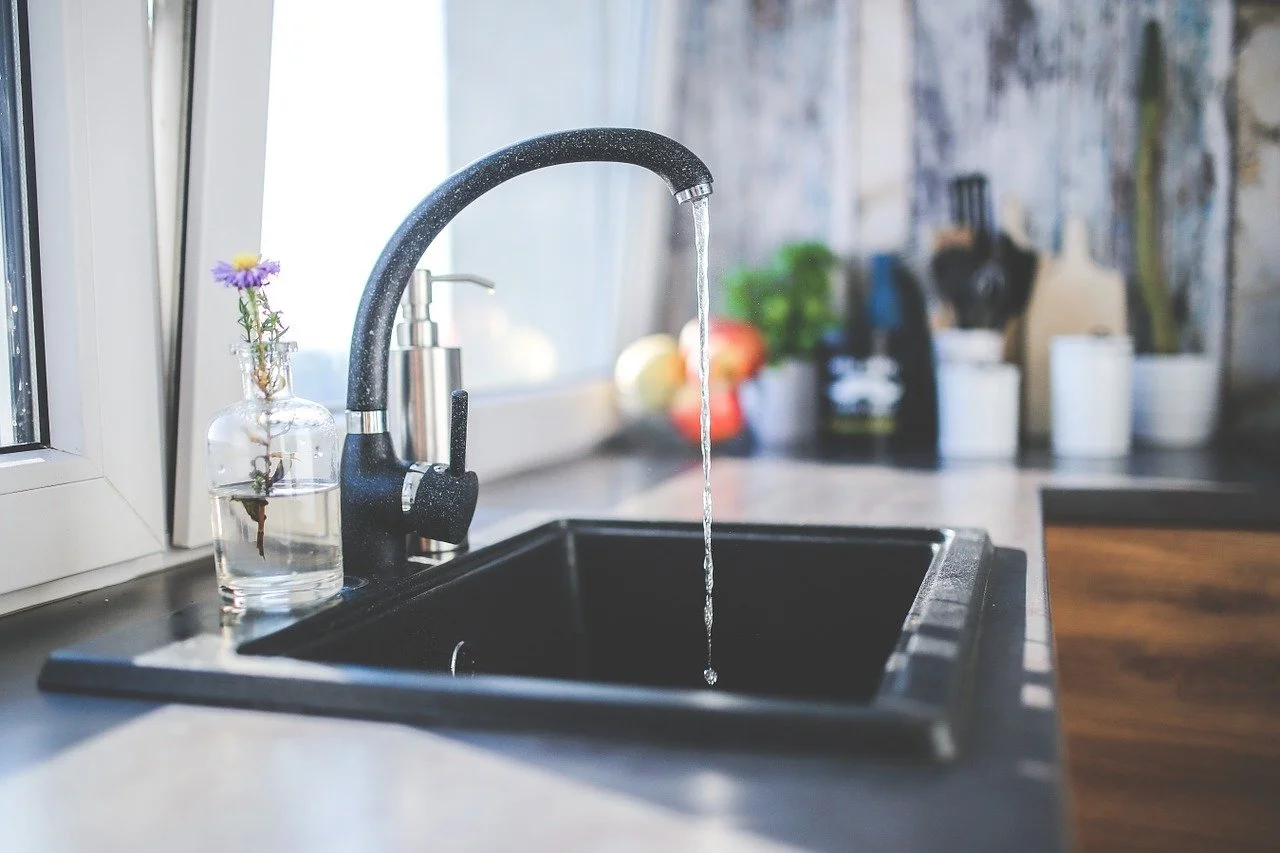
If the majority of your neighbors enjoy long baths at the same time as you, it can cause your water pressure to drop.

If the majority of your neighbors enjoy long baths at the same time as you, it can cause your water pressure to drop.

The time of day matters

Another common cause of low water pressure is Peak Usage Time. This refers to a time of day when most people in your neighborhood use water all at once. So, pay attention to see if the water pressure keeps dropping around the same time each day. If it does, then this is a likely cause of low water pressure in your home. Sadly, you cannot do much about it except trying to work around the Peak Usage Time. But, if you don't mind tweaking your habits a bit, this won't remain a problem for long.

Water heater malfunction

Imagine this scenario. It's a fantastic day! You found excellent movers that made your relocation a breeze. Everything is off the moving truck, unpacked, and ready for use. Movers you found through bestlongdistancemovers.com tip their hats and bid you farewell. Now, it’s time for some much-needed R&R.

So, you jump in the bathtub, crank the taps to a pleasant, steamy temperature... and then jump out with a “Yee-haw!” that would put any cowboy to shame. The water is ice cold! You check again – cold water flows fine. But, hot water is barely dripping. This unfortunate scenario is the result of a malfunctioning water heater. There's only one solution to this problem: you need to call a professional to service it. That, or you can head out and buy a cowboy hat and a lasso. It won't fix the issue, but at least you'll look cool. Almost as cool as the water you'll shower with.

Check the pressure regulator

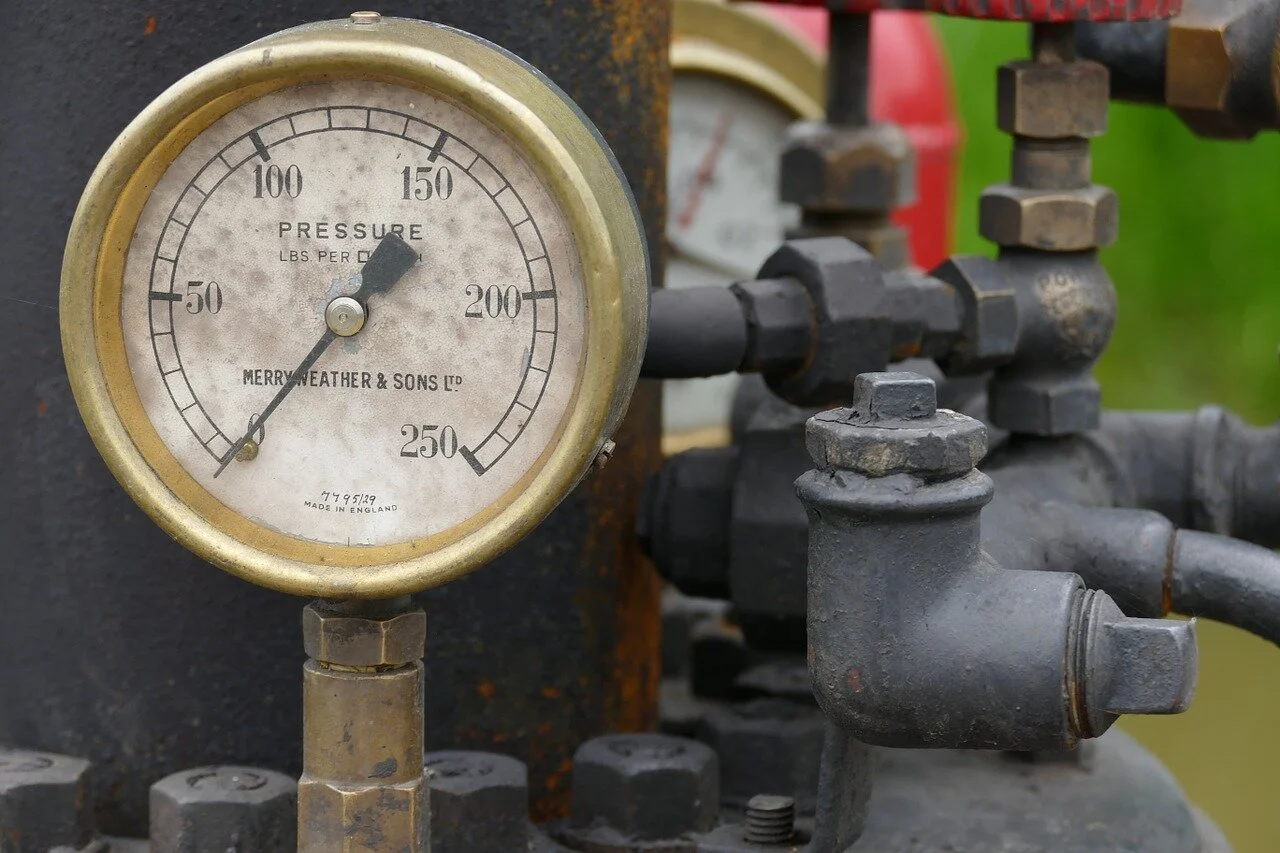
A pressure regulator is an essential part of every home. This device ensures that your pipes and fixtures take no damage by adjusting the pressure once city water reaches your home. But, when it malfunctions or isn't set to an optimal value, it can cause low water pressure in the entire house. So, the next step: check your pressure regulator. Optimal PSI values should range from 50PSI to 80PSI. If it’s below or above these values, you’ll have to do some adjusting. Fortunately, this is easy. Simply locate your pressure reducing valve (PRV) near the main water shutoff, and set the pressure to the optimal value. However, if the problem persists, then there’s a high chance your PRV is damaged and needs replacing.

Sometimes, fixing low water pressure is easy. Just remember to check the regulator and adjust the PRV.

Limescale buildup

This is one of those things that affect your water pressure that you can't fix at its root. Over time, hard water causes limescale buildup that clogs pipes, taps, and showerheads. To mitigate these adverse effects, you can:

1. Periodically dismantle and clean taps and showerheads. Be aware that this is just a temporary solution. Furthermore, it doesn’t do anything for pipes. So, the problem will only grow;

2. A much better and permanent option is to install a water softener. It will increase the lifespan of your pipes and fixtures. And, it only needs maintenance approximately once every five years.

Debris buildup

Debris in water lines is a potentially major issue. The buildup can cause clogging and reduce water pressure in your home. Left unattended, it can lead to significant problems, such as leaks and burst pipes. Therefore, it's imperative to have a professional plumber do a regular inspection and flush the pipes every once in a while.

High water pressure

Extremely high water pressure isn't such a common problem. Still, this doesn't mean you should ignore it when it occurs. It can still cause a variety of issues, damage faucets or water heaters, and even cause pipes to burst. But, if you have read through this text, you already know how to fix the issue. Remember the PRV we have mentioned? Simply use it to lower the water pressure, et voila – you’re all set! Again, you will need plumbing services if this doesn't solve the problem.

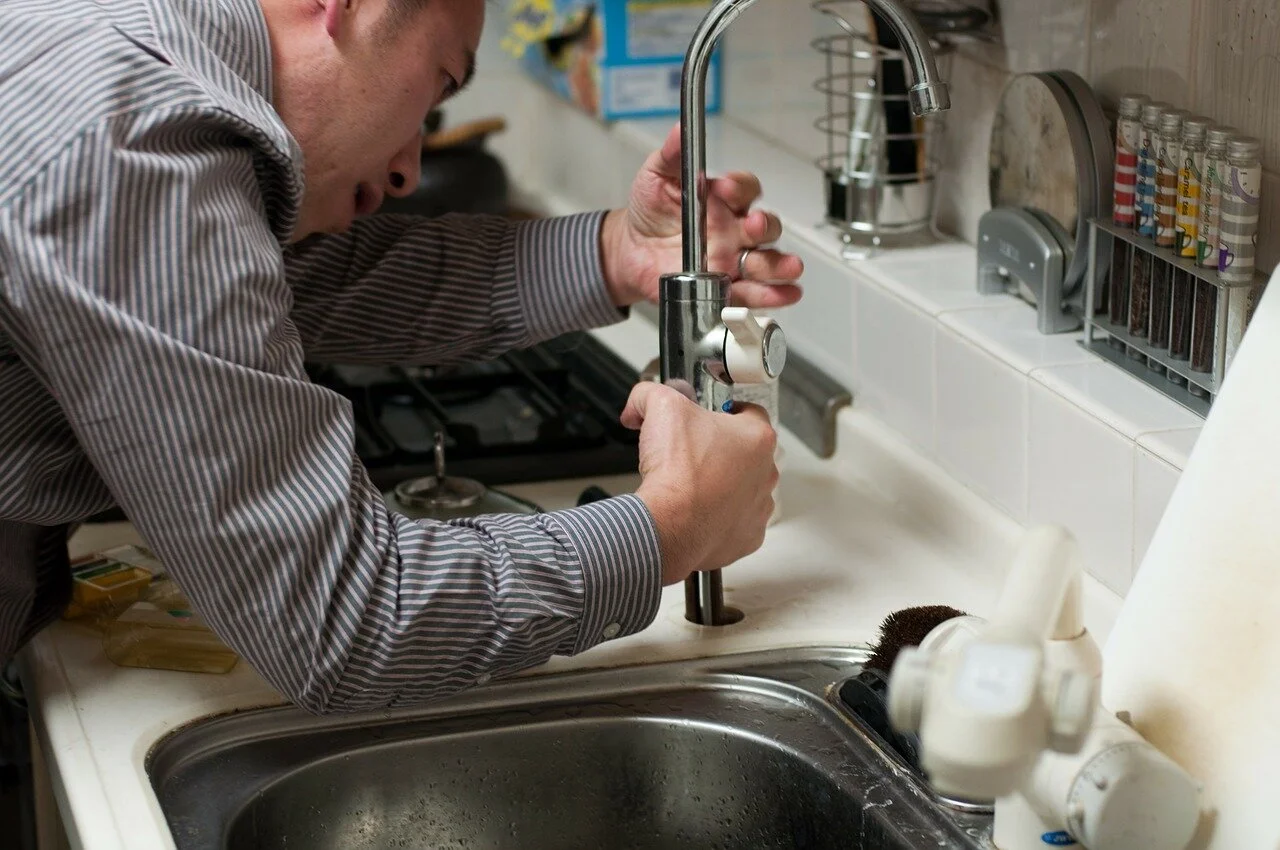
 A regular inspection can prevent many issues.

Prevent things that affect your water pressure to ruin your day(s)

Moving to your new Illinois home is undoubtedly an exciting time. But, it's also difficult. There are many things to take care of from a moving standpoint alone. Add to that all the things you need to keep in mind when buying a house, and you're looking at a challenging undertaking. As such, the last thing you need is to arrive at your new place and find it less than optimal. So, before you hire movers and relocate to a new city or town, be sure to schedule a thorough inspection of your new home. It will save you a lot of stress in the long run, especially if you have to do some remodeling.

Call the pro’s

The solution to the majority of the above problems is as simple as twisting a knob. Still, you can't handle some issues alone. At least, not without proper training and tools. Furthermore, trying to DIY can only make the matter worse. Therefore – don’t risk it. Turn to the professional plumbers and ensure the things that affect your water pressure won’t misbehave anytime soon.

Guest Contributor: Sophia Perry