The Daily Hazards of Plumbing: Understanding the Risks and Challenges
RH Business Marketing Solutions
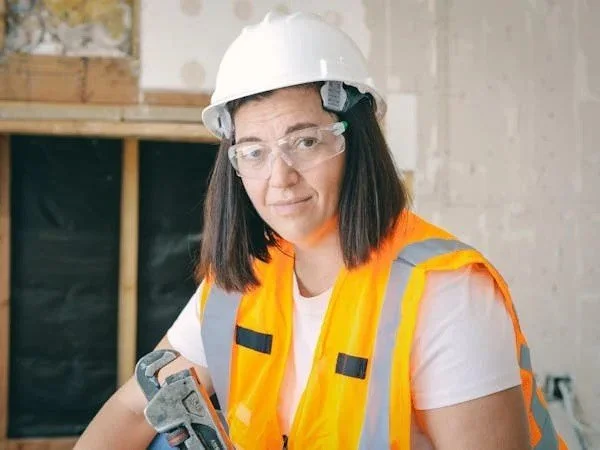
Plumbers play a crucial role in maintaining the safety and functionality of our homes and businesses. Their daily tasks involve a variety of complex and physically demanding activities, which come with their own set of risks. From working in confined spaces to handling hazardous materials, plumbers face several challenges that can affect their health and safety. Understanding these risks is essential for appreciating the vital work they do and for ensuring proper safety measures are in place. In this article, we explore the common hazards plumbers encounter daily and the measures they take to mitigate these risks.
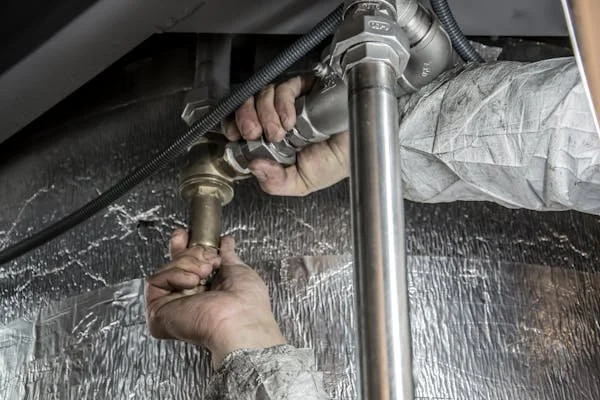
Exposure to Hazardous Materials
Plumbers frequently work with materials that can be harmful if not handled correctly. This includes asbestos, lead pipes, and chemicals used in pipe cleaning. Asbestos, often found in older buildings, poses a risk of respiratory issues if its fibers become airborne. Lead exposure can occur during the replacement of old pipes and fittings. Plumbers need to use personal protective equipment (PPE), such as gloves and masks, and follow strict safety guidelines to handle these materials safely. Regular training on the proper handling and disposal of hazardous substances is crucial for minimizing health risks.
Physical Strain and Injuries
One of the most significant risks plumbers face is physical strain. The job often requires lifting heavy equipment, bending, and working in awkward positions, which can lead to musculoskeletal injuries. Repeatedly carrying heavy pipes or crouching under sinks can cause back pain, strains, and sprains. To mitigate these risks, plumbers must use proper lifting techniques, and ergonomic tools, and take regular breaks to avoid overexertion. Implementing workplace safety protocols and proper training can significantly reduce the risk of these injuries, but don’t forget to talk to reputable workers compensation lawyers from Brisbane in case something happens to you.
Confined Spaces and Restricted Access
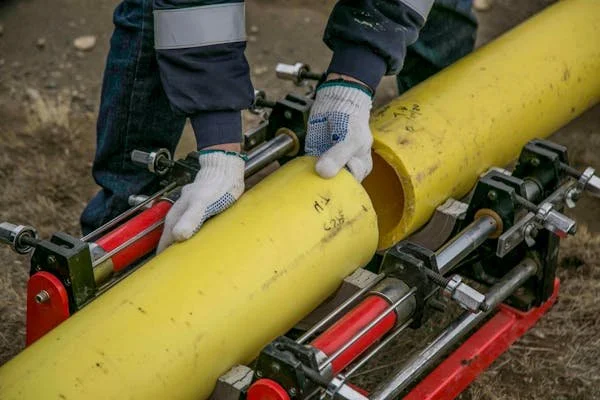
Working in confined spaces is another common risk for plumbers. Tasks such as repairing pipes under sinks, in crawl spaces, or within walls require plumbers to navigate tight and often uncomfortable areas. These conditions can lead to injuries from accidental falls, limited mobility, or prolonged exposure to poor ventilation. To address these risks, plumbers must be trained in confined space entry procedures and use appropriate safety equipment, such as harnesses and ventilation systems, to ensure their safety while working in restricted areas.
Electrical Hazards
Plumbers often work in areas where electrical systems are present, such as when installing or repairing fixtures that require electrical connections. The proximity to live wires and the potential for water contact create significant electrical hazards. Accidental electrocution or electrical burns are severe risks that plumbers must be aware of. To minimize these dangers, plumbers should always turn off power sources before starting work, use insulated tools, and be familiar with electrical safety procedures. Regular inspections and maintenance of electrical systems can also help reduce the risk of accidents.
Exposure to Biohazards
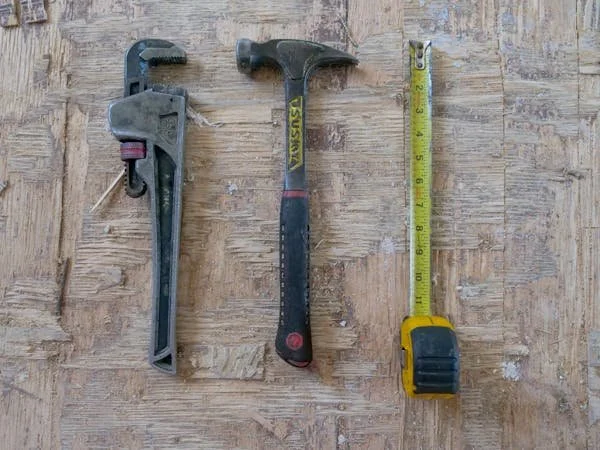
Plumbing jobs sometimes involve dealing with biohazards, such as sewage and contaminated water. Exposure to these substances can pose serious health risks, including infections and diseases. Proper hygiene practices, including the use of PPE such as face masks, gloves, and eye protection, are essential to safeguard against these biohazards. Additionally, plumbers must be knowledgeable about the safe handling and disposal of waste materials to prevent contamination and protect their health.
Psychological Stress
The nature of plumbing work can also contribute to psychological stress. Tight deadlines, emergency repairs, and dealing with difficult or unsanitary conditions can be mentally taxing. The pressure to solve problems quickly while ensuring safety and quality can lead to burnout and stress. Plumbers need to have access to mental health resources and support systems to manage stress effectively. Encouraging a healthy work-life balance and providing stress management training can help plumbers cope with the psychological demands of their profession.
Plumbing is a vital profession that comes with its own set of risks and challenges. From physical strain and exposure to hazardous materials to confined spaces and electrical hazards, plumbers face numerous daily dangers. Understanding these risks and implementing safety measures are essential for protecting the health and well-being of plumbers. By prioritizing safety protocols, proper training, and mental health support, the plumbing industry can ensure that its workers remain safe and healthy while continuing to provide essential services.