Important Considerations for DIYers: Installing Your Bathroom Vanity and Sink
RH Business Marketing Solutions
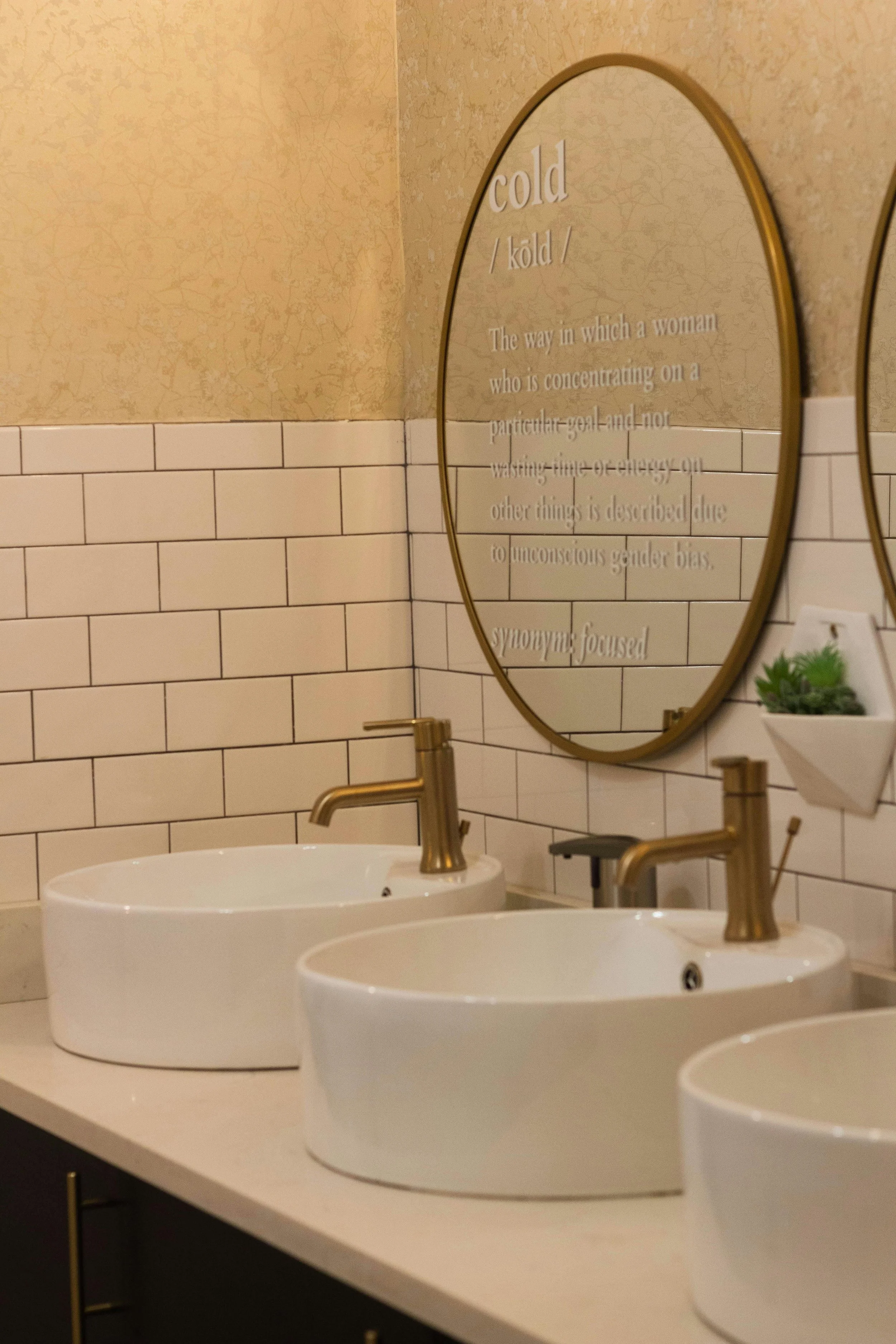
Few DIY projects can bring style, function, and added value to a bathroom like a vanity replacement. Of all the tasks involved with a bathroom remodel, this project ranks just behind a tub or shower replacement as the most complex.
However, with the right planning — understanding the tools you need, the prep work involved, and anticipating any problems — even the most inexperienced DIYer can successfully install a new bathroom vanity.
Just some of the benefits of installing a new vanity by yourself include:
Cutting costs: You’ll save hundreds of dollars by skipping the contractor. Materials and labor cost an average of $1,500 - $2,000 for vanity installations, depending on vanity type, total contractor hours, bathroom accessibility, etc. Do it yourself, and you can easily slash those expenses in half.
The satisfaction that comes with every DIY project. Go ahead and pat yourself on the back once you’re done. It’s natural to take pride in your handiwork!
Your own design style, front and center. With a bathroom remodel, specifically a vanity replacement, you can go with any aesthetic you like. Want a more modern look? Try an Art Deco or contemporary vanity. Is tradition more your thing? Country casual or rustic are great choices. When it comes to a new bathroom vanity, do some research and find your inspiration.
The confidence to tackle more complex DIY initiatives. Once you’ve completed a new vanity installation, what’s to stop you from replacing that old water heater or laying a new garage floor?
And much more
Ready to get started? Let’s review the key steps involved.
First Things First: Materials & Tools
For tools, the minimum you’ll need include:
Crescent/adjustable wrench
Utility knife
Hammer
Pry bar
Flat-head and Phillips screwdrivers
Level
Wall stud finder
Power drill
Tape measure.
Supplies are also essential; you’ll need:
4-inch drywall screws
Nails
Plumber’s putty or tape (just in case)
Shims
A bucket (more on that later)
A caulking compound.
Oh, and don’t forget the new vanity and sink! Some vanity installations may require specialized tools, so be sure to check the installation manual before starting.
Get Accurate Measurements – Twice!
Nothing ruins a new bathroom remodel quite like a vanity that doesn’t fit. Always pre-measure your bathroom vanity area to ensure proper fit — then measure again to double-check! Most vanities are 16 to 772 inches wide.
Pro tip: Mark the walls with the replacement vanity’s dimensions.
Choose Your New Vanity
Your new vanity is the centerpiece of your bathroom, so you can accessorize around the new vanity style or choose a vanity that already integrates with the existing décor if you’re swapping out the vanity and leaving the rest of the bathroom as-is.
Another important step is design, fit, and accessibility considerations. Let’s say you’re going with a double vanity (typically 72 inches) for your Jack & Jill bathroom, which has a regular-size vanity. In this case, you’ll need extra room for the countertop, plumbing fixtures, and more. Similar planning is required when replacing a traditional vanity with a wall-mounted floating vanity.
Disconnect Old Plumbing
The first step is to shut off the water supply to your existing vanity sink. Close the cold and hot water lines, then turn on each faucet to empty the lines. Next, remove the drain trap (the U- or S-shaped plumbing directly underneath your sink. Make sure you have your bucket ready as you clean any hair and debris from the trap.
Now, it’s time to detach each line from your old sink. With your wrench, remove the nuts directly underneath your sink to free up the top of each line. Keep your bucket ready to catch any remaining water. On the other side of the lines, near the main supply, detach each line, wipe clean, and apply plumber’s tape to prep for the new vanity sink.
Remove Old Vanity
With the water lines taken care of, you’re ready to remove the old vanity. Be careful during this step, as you can easily peel plaster and other wall material as the vanity is removed. It helps to run your utility knife along the edge of the vanity before removing it. Many vanities are “hung” in place with metal brackets, so gently lift the sink when removing. A pry bar comes in handy here. Once the sink is free, carefully lift off the base and set aside. Do the same with the old vanity.
Take Time for Touch-Ups
From slight wall damage to additional floor tiles, do any necessary touch-ups to prepare for the new vanity.
Next: Install New Vanity & Drain
Your new vanity is ready to install! Align the vanity using the marks you made beforehand with the new dimensions. Locate the wall studs (for the next step), and ensure the new vanity is perfectly straight with a level (if necessary, use small shims to level out).
Anchor Vanity to the Wall
Consult the installation directions to get the right mounting configuration. With your drywall screws, carefully mount the vanity to the wall, and ensure you drill into the wall studs.
Secure the Vanity Top
The vanity is ready to receive the vanity top. Carefully place the top on the vanity and wedge it back so it’s directly against the wall. Use your caulking compound on the rear face of the vanity top. Your vanity may require additional compounds, fasteners, or material for a secure fit and installation.
Reconnect Plumbing Fixtures
You’re almost there! The final step is to reconnect the plumbing fixtures. Tighten the sink drain and trap first, then reconnect the cold and hot water lines to the new sink faucets. Go back and slowly tighten the drain and trap until they’re firmly in place. Turn the water supply back on for each line. Place the bucket underneath the new faucet fixtures and trap, and slowly turn on the new sink faucet.
Check for leaks, and if you’re unsure about your handiwork, it’s highly recommended to call a professional plumber.