Bring Your Field Service Business On The Map With Real-Time Location Tracking
RH Business Marketing Solutions
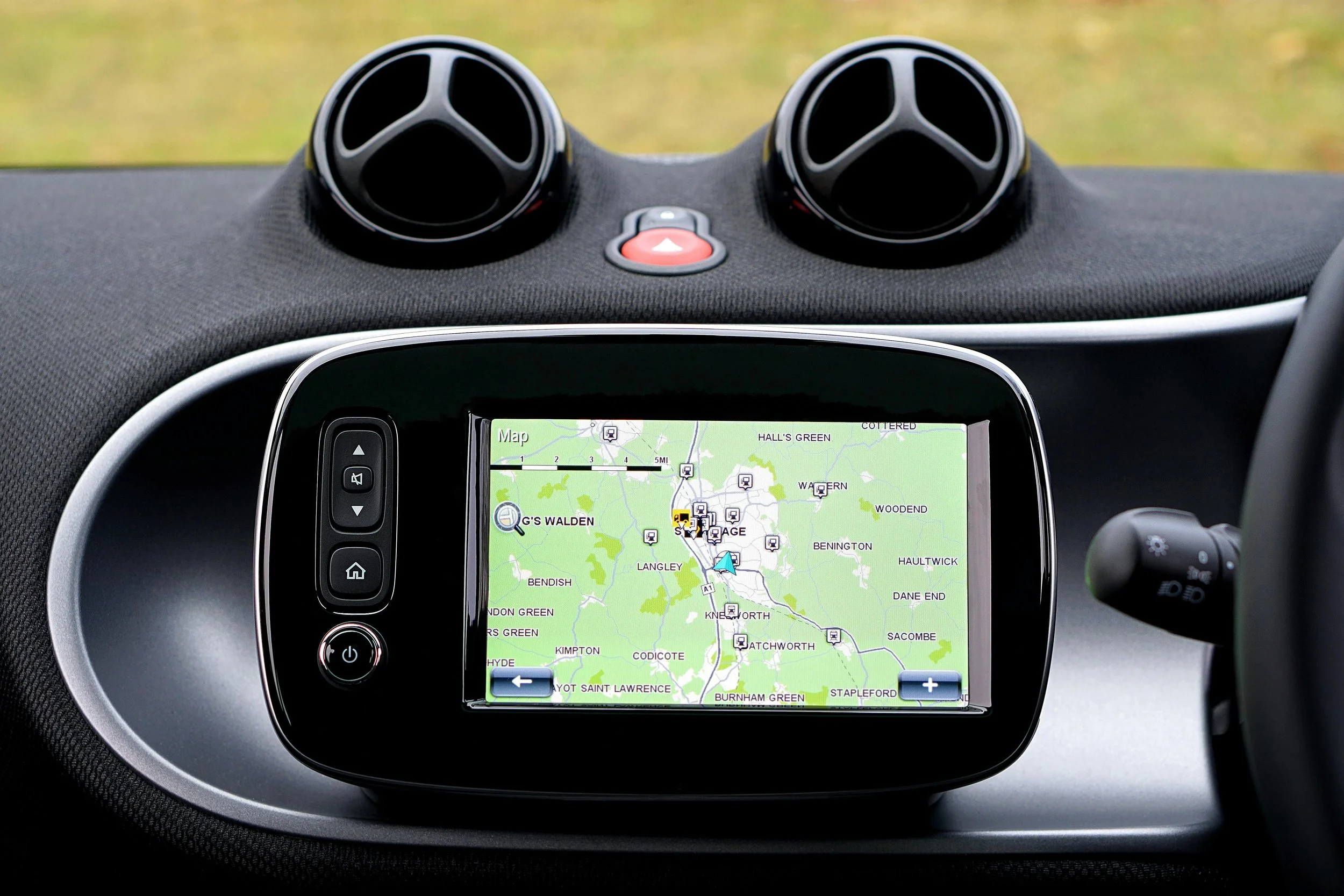
When you don’t plan routes for your field service technicians, then you’re running your businesses almost blindfolded. You’re either relying on outdated information from phone calls or guesswork to align your jobs and workers.
With simple GPS-enabled features with your field service management software, you can automate your route planning tasks to keep them on auto-pilot. In this article, we help you understand how to implement real-time location tracking to optimize route planning workflows.
What is route planning in field service management?
Some tasks in field service management require a lot of traveling from one job location to another. Manually taking care of their routes can get confusing and you may develop inefficient routes that do not take into account the latest traffic data.
Route planning involves the strategic organization and optimization of routes for field service technicians or vehicles tasked with delivering goods, providing services, or conducting inspections at multiple locations.
Here are the various steps involved when you do it manually:
First, you identify all the service locations
Check available field service technician skillsets and match them with the jobs
Consider real-time traffic data to find suitable routes
Consider resource constraints or specific customer delivery instructions
Take care of emergencies or urgent requests
Doing all this manually can become a nightmare where your team will get stuck in multiple phone calls, or worse, not be able to contact the workers en route.
This is where the real-time location tracking feature in FSM software helps.
This feature uses GPS technology to track the location of assigned workers or vehicles and plan their routes. The routing algorithms make your business adaptive — where it considers customer requests, any job changes, traffic conditions, and more constraints to dynamically update routes.
5 ways real-time location tracking automates route planning
Real-time location tracking helps you increase revenues and improve scheduling and dispatching efficiency, here’s how:
1. Cater to more jobs en route
When there is more demand, there are high chance you’ll get service requests that may lie on the existing route of an already assigned job. With real-time location tracking, you can know the feasibility of assigning these jobs to dispatched technicians and re-route them to service more clients.
2. Traffic monitoring and avoidance
Real-time location tracking allows businesses to monitor live traffic conditions. It can also integrate with GPS route software which can help enrich data and identify potential congestion or road closures along planned routes.
By integrating this data into route planning algorithms, field service businesses can automatically reroute vehicles to avoid traffic hotspots. Thus, you can deliver an uninterrupted service and minimize delays.
3. Dynamic ETA updates
Real-time location tracking provides accurate estimates of arrival times (ETA) for each service appointment or delivery stop.
As vehicles progress along their routes, FSM software will continuously update ETAs via notifications to the customer and managers. This simple notifying workflow will make your field service businesses proactively communicate with customers and manage expectations effectively.
4. Handle reschedules effectively
Sometimes, a customer may send a reschedule or cancellation request when the assigned worker is already en route to the job site. Manually handling this situation meant making the technician come back to the office. Real-time location tracking and FSM scheduling features will help identify opportunities to add or reschedule tasks. The assignment is based on the proximity of vehicles or technicians to service locations – thus ensuring the travel time spent isn’t wasted and they complete other jobs.
5. Geofencing and geo-tagging integration
Real-time location tracking can incorporate geofencing technology to automate route planning further. With geofencing, you can place virtual boundaries for your job site or service area. Every worker or vehicle that enters or exists on these sites gets tracked and triggers any potential assignment of job for them.
Geo-tagging can also help with route planning.
For example, a property maintenance company can use geo-tagging to mark service locations with details such as past maintenance history, equipment requirements, or customer preferences. When you dispatch technicians and they reach these locations, they are well-equipped to find these tags and get the required details to perform the job.
Choose FSM software with real-time location tracking features
Zuper’s field service management software not only helps with route planning but also provides access to advanced features like geo-fencing and geo-tagging. Its routing algorithms ensure your business is always ‘on track and on time’ — book a demo to learn more.