Google+

contact us

Use the form on the right to contact us.

Day or Night, we are here to serve you. Leave your plumbing problem to us.


Tinley Park, IL

(708)845-7922

Residential and Commercial plumbers and plumbing contractors available in Orland Park, Tinley Park, Oak Lawn, Palos Heights, Midlothian, Oak Forest, Homer Glen, Mokena, Frankfort, and the surrounding Chicago South Suburbs. Emergency plumbers.

copper water lines.jpg

Kevin Szabo Jr Plumbing Blog

Kevin Szabo Jr Plumbing is Tinley Park, Orland Park, Oak Forest, Midlothian, Orland Hill, Homer Glen, Mokena, Frankfort, Crestwood, Palos Heights, Oak Lawn, local plumber. Read our blog for advice, tips, a good laugh, and basic home improvement.

**We are moving our old blog to our new and improved website. Too see all our posts visit kevinszabojrplumbing.blogspot.com

What Are the Legal Requirements for Hauling in Your State?

RH Business Marketing Solutions
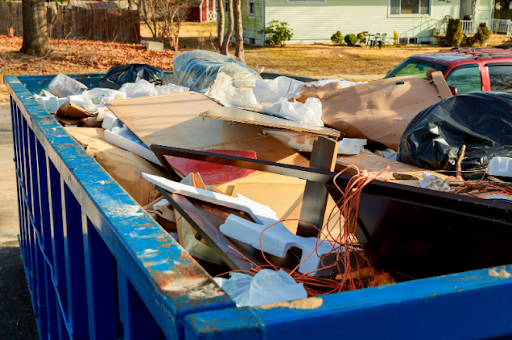
Hauling, whether it involves significant amounts of trash, construction debris, or even hazardous materials, requires adherence to both state and federal regulations. These laws ensure the public's safety, protect the environment, and maintain order on the roads. The specific requirements can vary significantly from state to state, making it essential for businesses and individuals engaged in hauling activities to be familiar with the regulations applicable in their jurisdiction.

If you are dealing with the aftermath of property clearance, such as an eviction, it is crucial to responsibly manage the disposal of unwanted items. Many experienced companies offer specialized services like eviction cleanup help, which ensures that materials are disposed of in compliance with local regulations.

But before that, read on to learn the legal requirements for hauling in your state. 

Licensing and Vehicle Requirements

One of the fundamental aspects of hauling regulations includes the need for proper licensing. Typically, commercial haulers must obtain a commercial driver's license (CDL), primarily when operating vehicles above a certain weight threshold. Additionally, specific endorsements might be required depending on the nature of the materials transported, such as hazardous substances.

Vehicle requirements also play a crucial role. This encompasses the maintenance of the 

vehicle, adherence to safety standards, and the installation of necessary equipment like mirrors, lights, and warning labels. In some states, the requirements extend to the type of trailers used, their weight capacity, and their compliance with federal and state guidelines.

Permits and Documentation

Transporting materials, especially hazardous ones, often requires various permits. These permits can dictate the routes taken, times of travel, and specific vehicle requirements. Each state has its own set of rules for permit issuance, usually managed by the Department of Transportation or an equivalent agency. 

Documentation is another critical area. You must keep detailed records of your loads, including the type of material, its origin, and its destination. Additional documentation, such as manifest forms, must be meticulously completed and followed in hazardous waste cases.

Safety Regulations

Safety regulations in the hauling industry are rigorously enforced to prevent accidents and mishaps. State and federal guidelines dictate specific speed limits that must be adhered to, which vary based on the type of cargo and the roads traveled. Hours of operation are also tightly controlled, with regulations mandating the maximum number of driving hours per day and requiring rest periods to prevent driver fatigue. 

Training programs are also essential, particularly for those transporting hazardous materials, to equip drivers with the necessary skills to handle emergencies effectively. These comprehensive measures ensure that safety remains a top priority in hauling operations.

Environmental Compliance

Adherence to environmental regulations is essential in the hauling field to mitigate the impact of transport activities on nature. States enforce stringent rules regarding the transportation and disposal of materials, particularly hazardous waste. These regulations ensure that such materials are only transported along approved routes and handled at specially designated facilities equipped to manage their disposal safely and sustainably. 

The goal is to prevent air, water, and soil contamination, safeguarding ecosystems and public health. Compliance with these laws requires vigilant operational practices and ensures that environmental stewardship is a fundamental aspect of your business model.

Insurance Requirements

Insurance coverage is a critical requirement for haulers, designed to mitigate financial risks associated with cargo transportation. Operators must maintain policies that cover potential damages or accidents that may occur during transit. This includes general liability insurance, which covers bodily injuries and property damage, as well as cargo insurance for the goods transported. 

Additionally, many states require environmental liability insurance to cover potential environmental damage, especially if you haul hazardous materials. These insurance policies protect the hauling company's financial interests and ensure compensation for affected parties in the event of an accident, thereby upholding public and environmental safety.

Penalties for Non-Compliance

The consequences for non-compliance with hauling regulations can be severe, reflecting the importance of these laws in maintaining public safety and environmental integrity. Penalties vary widely depending on the nature of the violation but can include substantial fines, revocation of operating licenses, and even criminal charges. Legal penalties can extend to imprisonment for serious infractions, especially those involving hazardous materials. 

To avoid such outcomes, hauling companies must stay informed about regulatory changes and invest in compliance programs. Regular training, diligent record-keeping, and adherence to safety and environmental protocols are crucial in preventing violations and ensuring smooth and lawful operations.

Conclusion

The legal requirements for hauling are designed to protect everyone—drivers, the community, and the environment. While these regulations can vary widely across states, the fundamentals of safety, environmental responsibility, and compliance remain constant. For businesses involved in activities like eviction clean-outs or heavy hauling, understanding and adhering to these rules is a legal obligation and a commitment to safety and quality. Ensuring compliance can help maintain a positive business reputation and avoid legal complications.


Transform Your Space with Retractable Screen Doors: A Modern Home Solution

RH Business Marketing Solutions

When looking for modern and comfortable living spaces, residents often consider using various innovations like screen doors. These designs are the epitome of functional and beautiful doors that are quite convenient for various types of houses in the contemporary world. Here in this blog, you will learn the different advantages of using these screen doors, their different types, how they can be installed, and how to maintain them.

Advantages of Having Retractable Screen Doors

Retractable screen doors have several benefits, and this is why people consider installing them in their homes. They not only increase the ease of using your living space but also make it look more pleasing to the eye.

1. Versatility and Convenience

Another aspect that residents and homeowners like about these screen doors is that they can work anywhere. Unlike most screen doors, which can be restricting or invasive, retractable screens are easy to pull out of sight when not in use. This convenience is valuable, especially to the homeowner who wishes to retain an intermittent view or has large items that require comfortable movement through the doorway.

2. Improved Ventilation and Natural Light

They provide the best form of screening, and the best ones can make your home cool and breezy during summer. They also allow warm light into your space, so there is no need to switch on the artificial sources of light once you have opened the windows or doors. 

3. Enhanced Aesthetic Appeal

This feature means that you can find these doors in different designs and finishes that best suit your house. One can choose from a contemporary style, where the screen door is neatly installed within a sleek aluminum frame, or a conventional style. 

4. Insect Protection

One of the main uses of screen doors is to provide an insect-free environment while allowing in fresh air. These screen doors perform well in protecting the house from pests without compromising on comfort and visibility.

5. Space-Saving Design

Screen doors have been a common type and come with certain inconveniences, like the recoiling door taking up space. Retractable ones are mounted on a roll and are usually housed in a canister when not in use, which makes it ideal for small doorways or areas that may be slightly congested.

Types of Retractable Screen Doors

Retractable screening doors come in different types, and this makes it complex since each type is meant for a certain use or preference. Knowledge of these alternatives will enable you to make the right decision regarding your house.

a. Single-Door Retractable Screens

These fit well with standard single doors and are a simple solution for those willing to install a screen door for their home’s entrance. It’s easy to operate and also forms part of the existing door.

b. Double Door Retractable Screens

As the name suggests, these screens are ideal for French doors or even large doors and are twice the size of the normal ones. They also enable one to have a bigger opening for a grander entry while protecting from insects and allowing air circulation.

c. Sliding Door Retractable Screens

These are designed to be used in sliding patio doors; they only move up and down, which is in harmony with the existing door’s design. They are a splendid invention for those who like to spend some time in the woods but do not like to suffer because of it.

d. Garage Door Retractable Screens

If they want to implement the garage as an additional functional room, then the special screens for garage doors can help. They allow fresh air in and prevent insects from coming in when you are working, playing, or even relaxing in the garage.

e. Custom Retractable Screens

They can be adjusted to fit any kind of doorway in your home, or if you have special needs, custom retractable screens can be made to order. This option guarantees you the right screen door that matches your requirements and personality.

f. Installation Process

These screen doors can be put up quite easily, but the homeowner must pay attention to some things. The following is a brief description of activities that typically occur during installation.

g. Measuring Your Doorway

Proper measurements of the body are significant to the way the clothes will fit the individual. Get the measurements of the doorway, including any features that can hinder the installation of the door and the addition of voids that can cause any problems. 

h. Choosing the Right Screen

Based on the sizes you’ve chosen and the choices you have, we recommend you purchase the ideal retractable screen door. Options include the type of door, color, and special features like ultraviolet protection or a pet door.

i. Preparing the Installation Area

Now stip the area around the doorway, and if any existing door knobs or home decor items could hinder the door's installation, remove them. Also, the surface on which the kit will be installed should be clean and flat for the easiest installation process.

j. Mounting the Housing

This is normally fixed on the side or above the house's doorway for the retractable screen door. According to the manufacturer’s instructions, fix the housing to the vehicle in a level and correctly aligned fashion.

k. Installing the Tracks and Guides

For some screen doors, you may require a track or guide on the sides or bottom of the door. Some of these components assist in gently directing the screen and locking it in the desired position when pulled out.

l. Attaching the Screen

After the housing and the tracks are assembled, the screen tension or alignment can also be made at this stage. Perform the test on the door under various circumstances so that it meets the expected standards.

Conclusion

In conclusion, these screen doors are portable, convenient, and aesthetically pleasing products that most homeowners will find useful. They can increase ventilation, bring about aesthetics, and offer easy insect solutions, so people should invest in them if they want to remodel their homes. These doors have a relatively long service life and, when installed properly and maintained, can provide comfort to your home for quite many years.

5 Home Patio Essentials You Need This Summer

RH Business Marketing Solutions

Summer is the perfect season to enjoy the outdoors, and there's no better place to do that than in the comfort of your own patio. Whether you're hosting a BBQ, enjoying a quiet evening with a book, or simply soaking up the sun, having the right essentials can transform your patio into a summer haven. Here are five must-haves to elevate your patio experience this summer.

Comfortable and Inviting Outdoor Seating

At the heart of any great patio is comfortable and inviting seating. Investing in high-quality, weather-resistant furniture ensures that your outdoor space is not only stylish but also welcoming and cozy. Comfortable seating encourages relaxation and creates a pleasant environment for guests to unwind. When selecting outdoor furniture, consider materials such as wicker, teak, and aluminum, which are known for their durability and ability to withstand the elements. Cushioned sofas, lounge chairs, and hammocks are excellent options that provide both comfort and style, making your patio a go-to spot for leisure and social gatherings.

Effective Shade Solutions for Comfort and Protection

While basking in the sun can be delightful, having a shaded area is crucial for those sweltering summer days. Shade solutions not only provide comfort but also protect you from harmful UV rays, allowing you to enjoy your patio without the risk of sunburn or overheating. There are several options to consider when it comes to creating shade on your patio, each offering different benefits and aesthetics. One excellent option is a cantilever patio umbrella. Cantilever patio umbrellas are versatile and stylish, providing ample shade without the need for a central pole. This design allows for unobstructed space beneath the umbrella, making it ideal for placing over seating areas or dining tables. Patio umbrellas are a versatile and affordable way to create shade, available in various sizes, colors, and styles, making it easy to find one that matches your patio décor. For a more permanent solution, consider installing a pergola.

Creating a Perfect Outdoor Dining Area

Summer is synonymous with alfresco dining, so having a dedicated outdoor dining area is essential for making the most of the season. Whether you prefer a formal dining table or a casual picnic setup, ensure that your space accommodates your dining needs and enhances your outdoor culinary experiences. Choosing a dining table and chairs made from weather-resistant materials like teak, metal, or treated wood will ensure longevity and durability, allowing you to enjoy meals outside for years to come. Make sure the table is large enough to accommodate your guests comfortably, providing ample space for food, drinks, and conversation. Good lighting can set the mood for evening meals, so consider incorporating string lights, lanterns, and candles to create a warm, inviting atmosphere. Solar-powered lights are an eco-friendly option that provides soft illumination without the need for electrical outlets.

Establishing a Functional and Attractive Grilling Station

No summer patio is complete without a dedicated grilling station, an essential feature for anyone who loves to cook and entertain outdoors. Whether you prefer the traditional flavors of a charcoal grill or the convenience of a modern gas grill, having a well-organized area for cooking can significantly enhance your outdoor entertaining experience. Choosing the right grill depends on your cooking style and available space. Gas grills offer convenience and quick heating, making them ideal for spontaneous BBQs, while charcoal grills provide that classic smoky flavor that many people love and associate with summer. In addition to the grill itself, having a prep area nearby can make cooking more efficient and enjoyable. A small outdoor kitchen or a portable cart with storage for utensils, marinades, and grilling tools can keep everything you need within reach, streamlining the cooking process and allowing you to focus on creating delicious meals.

Enhancing Ambiance with Thoughtful Decor and Lighting

Creating the right ambiance is key to enjoying your patio to the fullest, transforming it into a personal oasis where you can relax and entertain. Elements like lighting, music, and decor can significantly enhance the atmosphere, making your outdoor space feel cozy and inviting. Incorporating various light sources throughout your patio can add a magical glow, perfect for evening gatherings and late-night relaxation. Tiki torches, pathway lights, and LED candles can enhance the atmosphere, while fairy lights strung across the patio or wrapped around trees create a whimsical and enchanting environment. Music can also play a significant role in setting the mood for your patio. A portable Bluetooth speaker or an outdoor sound system can provide the perfect soundtrack for your summer gatherings, whether you're hosting a lively party or enjoying a quiet evening under the stars. You can opt for waterproof and weather-resistant models to ensure durability and reliability, allowing you to enjoy your favorite tunes without worrying about the elements.

Conclusion

Transforming your patio into a summer retreat doesn't require a major overhaul—just a few essential items can make all the difference. Comfortable seating, effective shade solutions, a well-equipped dining area, a functional grilling station, and thoughtful ambiance enhancers will ensure that your patio is ready for any occasion. By investing in these essentials, you can create a welcoming outdoor space that you, your family, and your friends will enjoy all summer long. Whether you're hosting a festive BBQ, enjoying a peaceful afternoon with a book, or simply soaking up the sun, these patio essentials will help you make the most of the season, turning your patio into the ultimate summer haven.

Why Crane Tree Removal is Best Method for Removing Tall Trees

RH Business Marketing Solutions

Removing tall trees is no small feat. With the potential hazards and complexities involved, it's crucial to choose the safest and most efficient method. Enter crane tree removal-the gold standard for handling towering trees.

Here's why crane tree removal stands above the rest in managing this demanding task.

Increased Safety

One of the main benefits of using a crane for tree removal is the increased safety it offers. When removing tall trees, there is always a risk of branches or trunks falling in the wrong direction and causing damage.

With a crane, the tree can be lifted and placed down in a controlled way, which reduces the chance of accidents. This method also keeps workers away from dangerous cutting zones, making the whole process much safer for everyone involved.

Minimal Property Damage

Another important benefit of using crane tree removal is the minimal property damage it causes. When traditional methods are used, tree branches can fall and damage roofs, fences, and gardens. However, with a crane, each piece of the tree is carefully lifted and moved to a safe area.

This controlled approach means there is less risk of things getting broken. Additionally, safety concerns are greatly reduced because the crane keeps the heavy pieces away from homes and other structures. This ensures that your property stays safe and intact during the removal process.

Ideal for Limited Space

Crane tree removal is also perfect for areas with limited space. In tight spaces, it can be hard to cut down a tree without hitting something nearby.

But with a crane, the tree can be taken out piece by piece. This means there's no need to worry about branches falling on small yards or narrow paths. Each part of the tree is gently lifted and moved to a safe spot. This makes it a great option for places where space is tight. If you need this service, consider tree service in Maple Valley.

Precision and Control

Crane tree removal offers superior precision and control during the tree cutting process. By using a crane, workers can carefully lift and move each section of the tree.

This means that each part of the tree is handled with care and placed exactly where it needs to go. This method ensures that there are no unexpected falls or damage to nearby property. The controlled lifting helps keep everyone safe and the area clean. Overall, using a crane gives better results and makes the tree removal process much smoother.

Quick and Efficient Process

When it comes to removing trees, using a crane makes the job faster and easier. This process takes less time because the crane can lift and move big pieces of the tree quickly.

Workers spend less time on the ground cutting, which speeds up the whole task. By using a crane, the tree removal gets done more smoothly and with fewer hassles. This means less waiting and quicker results for everyone involved.

Find the Best Crane Tree Removal

In conclusion, crane tree removal stands out as the safest, most efficient, and least damaging way to handle tall trees. This method ensures that the process is quicker, with better control and precision, and minimizes risks to both people and property. For any challenging tree removal task, crane assistance is clearly the best choice.

Visit our blog for more!

Harmonious Haven: Multigenerational Organization For A Happy Home

RH Business Marketing Solutions

The beauty of multigenerational households lies in the vibrant tapestry of ages and experiences. However, navigating shared living spaces can sometimes present organizational challenges. Creating a well-organized and functional home environment is key to fostering harmony and ensuring everyone feels comfortable and safe.


Tailored Zones and Shared Spaces

Divide your home into designated zones that cater to individual needs. Personalize bedrooms and work areas with storage solutions that reflect each person's preferences. For shared spaces like the kitchen and living room, implement a system of labeled communal storage, ensuring easy access for everyone.


Prioritizing Safety and Accessibility

Safety is paramount in a multigenerational home. Install non-slip flooring in high-traffic areas like bathrooms and kitchens. Ensure ample lighting throughout hallways, staircases, and common areas. Consider upgrades like grab bars and pull-out drawers for bathroom cabinets containing cleaning supplies or medications, making them easily accessible while minimizing the risk of reaching for high shelves.


Maintaining Order Through Decluttering

Regular decluttering sessions are essential for preventing clutter build-up. Schedule time for everyone to sort through belongings and donate unused items. Establish a designated area for donations to streamline the process.


From creating designated activity zones to implementing smart storage solutions in every room, you can be equipped with the tools to transform your home into a haven that fosters comfort, safety, and a sense of belonging for all ages. The accompanying resource offers a detailed breakdown of multigenerational organization solutions.

Discover the Best Community Living Options for You

RH Business Marketing Solutions

Are you or a loved one considering transitioning to a community living environment? The choices can be overwhelming, but finding the right fit is essential for a fulfilling and comfortable lifestyle.

This guide is designed to help you explore the best community living options, understand what to look for, and make an informed decision that meets your unique needs.

Read on!

Evaluate Your Lifestyle and Needs

It's important to begin your search for a community living environment. Do this by evaluating your current lifestyle and needs. This will help you determine what type of community will best suit your preferences and requirements.

Consider factors such as your:

  • level of independence

  • social interaction preferences

  • medical needs

  • budget

Are you able to live mostly independently or do you require assistance with daily tasks? Do you value a strong sense of community and enjoy participating in group activities? Are there any specific medical conditions that need to be taken into account?

By carefully considering these aspects, you can narrow down the options. You can also focus on communities that align with your lifestyle. Anyone needing a caring companion, consider the pros and cons of hiring a home caregiver vs moving to a community living environment.

Research Different Types of Community Living

There are a variety of community living options available, each offering different levels of care and services. Some common types include:

  • independent living communities

  • assisted living facilities

  • memory care communities

  • continuing care retirement communities

Independent living communities are often designed for active seniors who want to maintain their independence while having access to amenities and social opportunities. Assisted living facilities offer assistance with daily activities such as:

  • bathing

  • dressing

  • medication management

Memory care communities provide specialized support for individuals with dementia or Alzheimer's disease. Continuing care retirement communities offer a range of services from independent living to skilled nursing care in one location.

It's important to research each type of community carefully and consider how it aligns with your lifestyle and needs. For example, if you require assistance with daily tasks, an independent living community may not be the best fit. Take note that elderly sitters are also available to help with daily tasks in the comfort of your own home.

Visit and Tour Potential Communities

Once you have narrowed down your options, it's crucial to visit and tour potential communities in person. This will give you a chance to see the facilities, meet staff members, and get a feel for the overall atmosphere.

Ask questions about the services offered, the cost of living, and any specific amenities that are important to you. Take note of the cleanliness and safety measures in place. It's also helpful to talk to current residents and get their perspective on living in the community.

Consider looking into the assisted living community in Collinsville or similar areas for the best fit. Additionally, make sure to schedule multiple visits to different communities to ensure you are making an informed decision.

Choose the Community Living Options

Transitioning to a community living environment can provide numerous benefits and improve overall quality of life. By following these tips, you can make an informed decision that meets your unique needs.

Remember to take the time to carefully consider all aspects. Choose from the many community living options available, and don't hesitate to seek the advice of professionals when needed.

To read more, visit our blog page. We do have more!

Basement Waterproofing Solutions: Top Methods to Keep Your Space Dry

RH Business Marketing Solutions

Basements can offer valuable extra space for storage or living, but moisture problems can quickly become a headache. Waterproofing solutions are essential to keep your basement dry, preventing rot, mold, and water damage that can compromise your home's structure. Understanding your waterproofing options is critical whether you're dealing with frequent standing water or just want to avoid potential issues.

Homeowners have several choices when it comes to basement waterproofing. From DIY fixes like applying waterproofing products yourself to more complex professional solutions, there's a method for every need and budget. Simple tasks like sealing cracks with hydraulic cement can tackle minor leaks, while more extensive measures might involve exterior excavation and professional installation of waterproof membranes.

Considering basement waterproofing?
Basement by Burke offers expert guidance and solutions tailored to your needs. Don’t hesitate to get in touch for more information on protecting your basement and keeping your home safe and dry. Knowing the proper steps to take can save you from costly repairs and give you peace of mind.

Importance of Waterproofing Your Basement

Waterproofing your basement is crucial for maintaining a healthy home environment and protecting your investment. Here are significant reasons why you should consider this important step.

Preventing Mold and Mildew Growth

Basements are prone to moisture, which can create an ideal environment for mold and mildew. These fungi thrive in damp conditions and can spread quickly. Mold spores can be harmful to your health, causing respiratory issues, allergies, and other illnesses.

Additionally, mold and mildew can damage your belongings stored in the basement. Items like furniture, clothes, and important documents can all be affected. Waterproofing helps to keep moisture out, creating a dry environment that discourages the growth of mold and mildew.

Protecting Your Investment and Home Value

A waterproofed basement can significantly protect your home’s structure and maintain its value. Water damage can weaken the foundation, causing cracks and structural issues. Repairing these damages can be expensive and might also require extensive renovation.

Moreover, a dry, clean basement enhances your home's resale value. Potential buyers are likely to pay more for a home that doesn't have water issues. Waterproofing can be seen as a wise investment that helps preserve the overall condition and longevity of your property.

Common Causes of Basement Moisture Issues

Basement moisture issues can stem from various sources, such as cracks in the foundation and pressure from groundwater. These problems can lead to damage if not addressed promptly.

Identifying Cracks and Foundation Problems

Cracks in the foundation are a common source of moisture. They can develop over time due to natural settling or poor construction. Water can enter through these cracks, especially during heavy rains.

Homeowners should regularly inspect the foundation walls for visible cracks. Both large and small cracks can allow moisture to seep in, leading to dampness and potential mold growth.

It's essential to seal these cracks with appropriate materials, such as epoxy and polyurethane injections, which are effective solutions. Ensuring proper drainage around the foundation can also help prevent water from entering through cracks.

Understanding Hydrostatic Pressure and Moisture

Hydrostatic pressure occurs when groundwater builds up in the soil around the foundation. This pressure forces water through cracks and other openings in the basement walls and floor.

This pressure can be caused by heavy rainfall, poor drainage, or high water tables. During wet conditions, water accumulates around the foundation, creating significant pressure.

To combat this, homeowners should ensure proper grading around their property to direct water away from the foundation. Installing a sump pump can also help manage and remove excess groundwater. Effective drainage systems, such as French drains, are also useful in alleviating hydrostatic pressure.

Top Waterproofing Methods for Basements

A dry basement is essential for the safety and longevity of one's home. The key methods to keep it moisture-free include sealants and barriers, as well as installing sump pumps and French drains.

Interior and Exterior Sealants and Barriers

Sealants and barriers are crucial for keeping water out. Interior sealants are applied to inside walls and are designed to stop moisture from seeping in through cracks. These products, including waterproof paints and coatings, can be DIY-friendly.

Exterior sealants, on the other hand, offer a more extensive solution. This method involves applying a waterproof membrane on the outside of the foundation. It usually requires excavation and is best handled by professionals. Exterior sealants are more effective for long-term prevention of water infiltration.

Installing Sump Pumps and French Drains

Sump pumps are machines placed in a sump pit at the lowest part of the basement. They pump out any water that collects in the pit, sending it away from the house. This is vital in areas prone to flooding.

French drains are another effective solution. They involve a trench filled with gravel or rock containing a perforated pipe, which redirects water away from the foundation. French drains can be installed inside or outside and effectively handle groundwater. They are especially beneficial when used together with a sump pump.

Hiring a Professional for Waterproofing

Hiring a professional for waterproofing your basement ensures thorough and reliable results. Professionals use advanced techniques and materials to protect your home from water damage effectively.

Benefits of Professional Waterproofing Services

Professionals bring experience and expertise to the table. They can assess your basement's specific needs and recommend the best solutions. Preventing water damage is crucial to maintaining your home's structural integrity. Professionals have access to specialized tools and high-quality materials that DIY methods often lack.

Hiring a professional saves time and reduces stress since they handle all aspects of the project from start to finish. Additionally, professionals often offer guarantees for their work, providing peace of mind that the job has been done right. This can also prevent future costly repairs and damage to your property.

Professional services also address issues like mold growth, a common problem in damp basements. By using proper waterproofing methods, professionals ensure a healthier home environment. Their comprehensive approach covers all bases, including drainage systems, sealants, and foundation repairs, giving you a durable solution.

Why Basement by Burke is the Best Choice

When considering hiring a professional, Basement by Burke stands out due to their extensive experience and strong reputation. They provide waterproofing services throughout Northeastern Pennsylvania, specializing in both basements and crawl spaces. This regional expertise means they understand the local climate and common water issues better than many competitors.

Basement by Burke focuses on customer satisfaction, offering personalized solutions tailored to each home. Their team of experts is trained to handle various waterproofing challenges with efficiency and precision. They use only top-quality materials to ensure long-lasting results.

Customers appreciate their transparent pricing and detailed quotes, helping homeowners plan their projects with confidence. By choosing Basement by Burke, you are investing in skilled craftsmanship and dedicated customer service to protect your home against water damage.

Frequently Asked Questions

Understanding basement waterproofing involves examining the methods, feasibility, advantages, recommended products and choosing the right contractor. These points will help homeowners make informed decisions.

What is the best method for waterproofing a basement?

The best method often includes a combination of interior and exterior solutions. Exterior methods might involve excavating the foundation and applying waterproof coatings. Interior methods often use French drains and sump pumps to manage water.

How can you permanently waterproof a basement?

To permanently waterproof a basement, ensure proper drainage systems are in place. Use footing drains, install effective downspouts and extensions, and apply moisture barriers like encapsulation. Regular maintenance is also crucial.

Is it feasible to waterproof a basement on your own?

While DIY waterproofing is possible with minor issues, significant problems require professional expertise. DIY solutions may include sealing cracks or applying waterproof paints, but complex situations may need excavation and professional systems.

What are the advantages of exterior compared to interior basement waterproofing?

Exterior waterproofing prevents water from entering the basement, reducing the risk of interior damage. It also protects the foundation. Interior solutions manage water that enters, preventing it from causing issues but don't address exterior sources.

Which products are recommended for effective basement waterproofing?

High-quality waterproof paints, polyurethane sprays, and reliable sump pumps are recommended. French drains are effective for interior water management, while exterior membranes protect the foundation.

What are the critical factors to consider when choosing a basement waterproofing contractor?

Consider experience, reputation, and customer reviews when choosing a contractor. Ensure they offer warranties and use proven methods and materials. Transparent pricing and clear communication are also key.

4 Ways to Make Home Upkeep Easier and Faster

RH Business Marketing Solutions

Maintaining a home can often feel like a full-time job, but with the right strategies, it doesn’t have to be overwhelming. From organizing your cleaning tasks to leveraging technology, there are many ways to simplify the cleaning process. For instance, adopting a few key habits and using the right tools helps you keep your home in top shape with less effort and more efficiency. Furthermore, simple changes in routine can lead to significant time savings. Streamlining your approach to maintenance can also improve the overall functionality of your living space.

1. Create a Cleaning Schedule

A cleaning schedule is one of the most effective ways to keep your home tidy without feeling overwhelmed. By breaking down tasks into daily, weekly, and monthly chores, you can manage your time better and ensure nothing gets overlooked. For daily tasks, focus on activities that prevent messes from building up, such as wiping down kitchen counters, doing the dishes, and a quick vacuum or sweep of high-traffic areas. Weekly chores can include deeper cleaning tasks like scrubbing bathrooms, mopping floors, and dusting surfaces. Monthly tasks might involve cleaning windows, washing curtains, and organizing closets. Using a planner or a digital app to set reminders can help you stay on track. The key is consistency. By sticking to a routine, cleaning becomes a manageable part of your daily life rather than a daunting task.

2. Declutter Regularly

Clutter not only makes your home look messy but also adds to the time it takes to clean. By regularly decluttering, you can significantly reduce the amount of stuff you need to clean and organize. Start by tackling one room at a time. Go through drawers, closets, and shelves, and decide what items you no longer need. Donate or sell items in good condition and dispose of the rest. Consider adopting a “one in, one out” policy: for every new item you bring into your home, remove an old one. Storage solutions like bins, baskets, and shelves can help keep items organized and out of sight. Labeling containers can also make it easier to find things quickly, reducing the time spent searching for misplaced items.

3. Embrace Technology

Technology can be a powerful ally in simplifying home upkeep. From smart home devices to handy apps, there are numerous tools available to help you efficiently manage your household tasks. Smart home devices like robotic vacuum cleaners can take care of daily floor cleaning with minimal effort. Programmable thermostats can optimize heating and cooling, reducing energy usage and maintenance needs. Smart lighting systems can be scheduled to turn on and off, ensuring lights are never left on unnecessarily. Home management apps can also streamline your maintenance tasks. These apps allow you to create to-do lists, set reminders, and even track maintenance schedules for appliances and systems. By leveraging technology, you can automate and simplify many of the repetitive tasks associated with home upkeep.

4. Invest in Low-Maintenance Solutions

Opting for low-maintenance materials and solutions can save you a lot of time and effort in the long run. One example is finding artificial turf installation in Tulsa or your city, which eliminates the need for mowing, watering, and fertilizing your lawn. It stays green and lush year-round with minimal upkeep. Inside the home, consider installing durable flooring materials like laminate or vinyl, which are easy to clean and resistant to scratches and stains. In the kitchen and bathroom, opt for surfaces like quartz countertops, which are non-porous and require less maintenance compared to natural stone. Incorporating easy-to-clean furniture and fabrics, such as leather or microfiber, can also reduce the time spent on cleaning. Choosing appliances with self-cleaning features, like ovens and dishwashers, can further minimize your workload.

Conclusion

Keeping your home in order doesn’t have to be a time-consuming or stressful task. By creating a cleaning schedule, decluttering regularly, embracing technology, and investing in low-maintenance solutions, you can make home upkeep easier and faster. These strategies not only save you time but also help maintain a clean and organized living environment, allowing you to enjoy your home more and worry less about its maintenance. Moreover, implementing these tips can transform your approach to home care, making it a seamless part of your daily routine. A well-maintained home can also enhance your overall quality of life, providing a comfortable and pleasant living space.

How Artificial Grass Impacts Our Environment?

RH Business Marketing Solutions

Artificial grass, also known as synthetic turf or fake grass, is man-made grass that impacts our environment in several ways. The attention of people to artificial grass is increasing continuously, and the stats show that the global market for artificial grass reached £4.4 billion in 2023. 

The trend of synthetic turf is increasing due to its low maintenance; however, it offers various other benefits and harms as well. So, let’s delve deep into them one by one. 

The Green Side of Artificial Grass

Here is how artificial grass helps our environment and planet. 

1. Saves Water

Water is the major resource of our planet, and artificial grass does not need it. Unlike green grass, which requires a lot of water to stay healthy, artificial grass stays green without the need for water. This shows that we can save water for other important tasks, such as growing food, drinking water, and various other ways. Hence, artificial grass preserves our water resources.

2. Reduces the Use of Chemicals

Artificial grass does not need fertilizers, herbicides, and pesticides to avoid herbs and pests. Chemical fertilizers are no doubt good for the growth of plants and provide them with essential nutrients, but synthetic fertilizers have various harmful effects, which are often neglected. 

Chemical fertilizers contribute to greenhouse gasses, which are continuously causing global warming to our planet. Moreover, they reduce soil fertility and affect kids and pets. The use of synthetic fertilizers ends with artificial grass, so the chance of global warming also decreases.

3. Not Dangerous for Wildlife

For real grass, the use of artificial fertilizers has become a necessity, which makes animals and birds sick. However, for artificial grass, no chemicals that might harm birds and insects are used. Due to the endless benefits of artificial grass, you can contact Artificial Grass Pros for its installation with their expert services.  

4. Long-Lasting 

Artificial grass is a long-lasting option despite continuous care and attention. Real green grass needs constant attention because it can die in hot weather, while artificial grass stays green all year round. 

5. Can be Recycled

Artificial grass lasts for many years, and if it wears out after 10-15 years, it can be recycled. Recycling companies turn old grass into new and better grass, which is a good way to reduce waste for a cleaner planet. 

6. Safe for Kids and Pets

The biggest advantage of artificial grass is that it is safer for adults and children. Whether you want to spend family time or have guests, you can sit there and easily play games with them. It will not give you the constant need to worry about mud and dirt. Moreover, it does not require any chemicals, so it’s safe for your pets and children. They can play on it and jump on it to enjoy the fresh air outside. 

7. Cost and Maintenance

Artificial grass costs more than natural grass but saves money in the long run. You do not need a gardener to take care of it continuously; it does not require synthetic fertilizers, no use of water, and no need to buy lawn care equipment. It also lasts for years, which saves you time and money in the long run. 

The Black Side of Artificial Grass

Here is how artificial grass is impacting our environment negatively:

1. Production Process Causes Global Warming

No doubt, artificial grass does not cause direct global warming, but its production process releases the emission of greenhouse gasses beyond our imagination. More than 400 kg of CO2 is released while producing 60 square meters of artificial grass. Now, you can imagine how much it affects our ecosystem.

2. Causes Microplastic Pollution

Although artificial grass is safe for kids as it does not require fertilizers, it damages our environment in the long run. It is made of polyethylene, polypropylene, and nylon, which causes microplastic pollution on water surfaces. Microplastic enters the food chain and disturbs aquatic life. 

Conclusion

Artificial grass is a great alternative to green grass as it saves water resources, reduces greenhouse gas emissions, eliminates the use of synthetic fertilizers, and, in return, provides a safer environment to spend family time with kids. Whether you choose natural green grass or artificial grass, it is our duty to protect our environment and make it a greener and healthier place. The Outdoor Living Pros provides the best artificial grass to transform your outdoor space according to your needs and desires. You can contact them for hussle free artificial grass installation.

Washington State Rental Property Maintenance Laws: Landlord Obligations

RH Business Marketing Solutions

Maintaining rental properties is a critical responsibility for landlords, ensuring that tenants have safe and habitable living conditions. In Washington State, specific laws govern landlord obligations for property maintenance. Understanding these laws is essential for compliance and for fostering a positive landlord-tenant relationship. Here’s an in-depth look at what landlords in Washington State need to know about their maintenance obligations.


1. Habitability Standards

Washington State landlord-tenant law mandates that landlords must maintain rental properties to meet basic habitability standards. These standards are designed to ensure that tenants live in safe, healthy environments.


Structural Integrity

The property’s structure, including walls, floors, and ceilings, must be safe and sound. Landlords need to ensure there are no leaks, structural damage, or other hazards that could endanger the tenants.


Weather Protection

Properties must be weatherproofed with proper insulation, roofing, and windows to protect against the elements. This includes ensuring that doors and windows are secure and in good working condition.


Plumbing and Sanitation

Landlords are responsible for maintaining functional plumbing systems. This includes providing hot and cold running water, ensuring proper sewage disposal, and maintaining sanitary facilities. Bathrooms must have a working toilet, sink, and bathtub or shower.


Heating

Rental units must have a functioning heating system capable of maintaining a reasonable temperature during cold weather. Landlords must ensure that heating equipment is in good working order and safely installed.


Electrical and Lighting

Electrical systems must be safe and functional, with adequate lighting in all living areas. Landlords need to address any electrical hazards and ensure that all outlets, switches, and fixtures are operational.


Safety Features

Landlords must install and maintain essential safety features, such as smoke detectors and carbon monoxide detectors. These devices must be tested regularly to ensure they are in working condition.


2. Repairs and Maintenance

Regular maintenance and timely repairs are crucial for keeping rental properties in good condition. Washington State law outlines specific responsibilities for landlords regarding repairs and maintenance.


Routine Maintenance

Landlords must perform routine maintenance to keep the property in good condition. This encompasses tasks like cleaning gutters, maintaining landscaping, and servicing HVAC systems.


Timely Repairs

When a tenant reports a maintenance issue, landlords are required to make necessary repairs promptly. Washington State law provides specific timelines for different types of repairs:


●      Emergencies: Immediate response is required for urgent issues that pose a health or safety risk, such as gas leaks, major plumbing failures, or electrical hazards.

●      Non-Emergency Repairs: For non-emergency issues, landlords typically have up to ten days to address the problem. This includes repairs such as fixing a leaky faucet or replacing a broken appliance.


Tenant Responsibilities

While landlords have significant maintenance obligations, tenants also play a role in maintaining the property. Tenants are responsible for: 

●      Keeping the Property Clean: Tenants must keep their rental unit clean and free of garbage.

●      Preventing Damage: Tenants should avoid causing damage to the property and report any issues promptly.

●      Routine Tasks: Tenants may be responsible for minor maintenance tasks, such as replacing light bulbs and changing HVAC filters.


3. Entry for Repairs and Maintenance

Washington State law requires landlords to provide notice before entering a rental unit for repairs or maintenance.


Notice Requirements

●      Standard Notice: Landlords must provide at least 48 hours’ written notice before entering the rental unit for non-emergency repairs.

●      Emergency Entry: In emergencies, landlords may enter the unit without notice to address immediate threats to health or safety.


Reasonable Hours

Entries for repairs and maintenance should occur during reasonable hours, typically between 9:00 AM and 6:00 PM, unless the tenant agrees to a different time.


4. Tenant Remedies for Maintenance Issues

If a landlord fails to address maintenance issues, tenants have several remedies under Washington State law.


Rent Withholding

Tenants may withhold rent if the landlord fails to make necessary repairs within the required timeframe. To do so legally, tenants must provide written notice of the issue and allow the landlord a reasonable period to address it.


Repair and Deduct

Tenants have the right to pay for necessary repairs and deduct the cost from their rent. This remedy is available if the landlord fails to make repairs within a reasonable period after receiving written notice. The amount deducted cannot exceed one month’s rent.


Legal Action

Tenants can take legal action against landlords who fail to meet their maintenance obligations. This may involve filing a complaint with local housing authorities or pursuing a lawsuit for damages.


5. Preventative Maintenance

Preventative maintenance is essential for avoiding major repairs and ensuring the long-term habitability of rental properties. Landlords should implement a regular maintenance schedule to address potential issues before they become serious problems.


Seasonal Inspections

Conducting seasonal inspections helps identify and address issues related to weather changes. This includes inspecting the roof, gutters, HVAC systems, and weatherproofing.


Regular Servicing

Regularly servicing key systems, such as plumbing, electrical, and HVAC, helps prevent breakdowns and extends the lifespan of these systems.


Tenant Communication

Encouraging open communication with tenants can help identify maintenance issues early. Tenants should be encouraged to report problems promptly and participate in maintaining the property.


6. Legal Compliance

Staying compliant with Washington State’s rental property maintenance laws is crucial for landlords to avoid legal issues and ensure tenant satisfaction.


Regular Updates

Landlords should stay informed about any changes to rental property maintenance laws. Regularly reviewing and updating maintenance policies ensures ongoing compliance.


Legal Advice

Consulting with a legal professional can help landlords navigate the complexities of maintenance laws. This can prevent potential legal issues and ensure that maintenance practices are fair and legal.


Conclusion

Maintaining rental properties in compliance with Washington State law is essential for landlords to provide safe, habitable living conditions for tenants. By understanding and fulfilling their maintenance obligations, landlords can ensure tenant satisfaction, avoid legal issues, and protect their investment. Regular inspections, prompt repairs, and clear communication with tenants are key components of effective property maintenance, fostering a positive rental experience for all parties involved.

Understanding Washington State landlord-tenant law is crucial for landlords to meet their responsibilities and provide high-quality rental housing.