Google+

contact us

Use the form on the right to contact us.

Day or Night, we are here to serve you. Leave your plumbing problem to us.


Tinley Park, IL

(708)845-7922

Residential and Commercial plumbers and plumbing contractors available in Orland Park, Tinley Park, Oak Lawn, Palos Heights, Midlothian, Oak Forest, Homer Glen, Mokena, Frankfort, and the surrounding Chicago South Suburbs. Emergency plumbers.

copper water lines.jpg

Kevin Szabo Jr Plumbing Blog

Kevin Szabo Jr Plumbing is Tinley Park, Orland Park, Oak Forest, Midlothian, Orland Hill, Homer Glen, Mokena, Frankfort, Crestwood, Palos Heights, Oak Lawn, local plumber. Read our blog for advice, tips, a good laugh, and basic home improvement.

**We are moving our old blog to our new and improved website. Too see all our posts visit kevinszabojrplumbing.blogspot.com

The Impact of Water Quality on Plumbing Systems: Plumber Insights

RH Business Marketing Solutions

Water, an essential element of life, flows through our homes, nourishing us and powering our daily activities. Yet, its quality often remains overlooked until plumbing issues arise. As a plumbing professional with years of experience, I've witnessed firsthand how water quality can significantly impact plumbing systems. In this exploration, we delve into the intricacies of this relationship, shedding light on the challenges and insights gained from years of navigating the depths of plumbing systems.

1. Understanding Water Quality

Water quality encompasses a spectrum of factors, including chemical composition, pH levels, hardness, and microbial content. These elements collectively determine the suitability of water for various purposes, from drinking to industrial use. For plumbing systems, the focus often lies on factors such as hardness, which refers to the concentration of minerals like calcium and magnesium. High hardness levels can lead to mineral buildup in pipes, affecting water flow and causing blockages over time.

2. Effects on Pipelines and Fixtures

One of the most noticeable impacts of water quality on plumbing systems is seen in pipelines and fixtures. Hard water, common in many regions, leaves behind mineral deposits that gradually narrow pipe openings, reducing water pressure and potentially leading to pipe corrosion. Fixtures such as faucets and showerheads may also suffer from mineral buildup, causing them to clog or malfunction. The aesthetic appeal of fixtures can also be compromised by stains or discoloration caused by water impurities.

3. Corrosion and Longevity

Water quality plays a crucial role in the corrosion process within plumbing systems. Corrosion, often accelerated by acidic or alkaline water, can weaken pipes and fittings, leading to leaks or ruptures. Additionally, certain chemicals or contaminants in water can react with metal components, hastening corrosion and shortening the lifespan of plumbing infrastructure. Regular water quality assessments and appropriate treatment measures are essential in mitigating these risks and preserving the longevity of plumbing systems. 

4. Health and Safety Concerns 

Beyond its mechanical impact, water quality directly affects human health and safety. Contaminants such as lead, arsenic, or bacteria pose significant risks if present in drinking water. Plumbing systems act as conduits for delivering water to our taps, making them critical in safeguarding water quality. Proper filtration, disinfection, and monitoring are imperative to ensure that water is free from toxic substances and adheres to regulatory standards for safe consumption. 

5. Maintenance Challenges and Solutions 

Maintaining plumbing systems in environments with varying water quality can be a challenging task. Routine inspections, cleaning procedures, and water testing are fundamental practices for identifying issues early and implementing corrective measures. Water softening systems, filtration units, and corrosion-resistant materials are among the solutions employed to combat the adverse effects of water quality on plumbing infrastructure. Collaboration between plumbing experts, water treatment specialists, and homeowners is key to developing comprehensive strategies for long-term system health.

In the intricate network of plumbing systems, water quality emerges as a pivotal factor shaping performance, durability, and safety. As a plumber in Kansas City, KS, navigating these complexities involves not only addressing immediate concerns but also advocating for proactive measures to improve water quality and preserve system integrity. Through ongoing education, innovation in technology, and collaborative efforts, we can navigate the depths of water quality challenges, ensuring that homes and communities thrive with reliable and sustainable plumbing solutions.

Discover the crucial role of water quality in plumbing systems with insights from Quick Relief Plumbing. From drain cleaning to system longevity, call (913) 207-0779 for expert guidance and solutions.

The Role of Technology in Modern Plumbing Repair Solutions

RH Business Marketing Solutions

Technology has revolutionized every aspect of our lives, including the field of plumbing rehabilitation. Modern advancements in technology have led to more efficient, accurate, and sustainable plumbing restoration solutions. From smart leak detection systems to innovative pipe repair methods, technology plays a crucial role in enhancing the effectiveness and reliability of these plumbing services. This article delves into the various ways technology is shaping modern plumbing restoration solutions.

 1. Smart Leak Detection Systems

One of the significant advancements in plumbing technology is the development of smart leak detection systems. These systems use sensors and algorithms to detect leaks and water damage in real-time. They can pinpoint the exact location of leaks, whether they are hidden behind walls or underground. Smart leak detection systems not only prevent water waste but also help homeowners avoid costly water damage by detecting issues early. 

 2. Video Inspection Tools

Video inspection tools, such as sewer cameras, have revolutionized the way plumbers diagnose and repair plumbing problems. These cameras can navigate through pipes and drains, providing visual feedback on the condition of the plumbing system. Plumbers can identify blockages, cracks, or other issues without invasive methods, allowing for more targeted and efficient repairs. Video inspection tools save time, reduce guesswork, and minimize disruption to the property.

 3. Hydro-Jetting Technology

Hydro-jetting is a high-pressure water jetting technology used to clear stubborn clogs and debris from pipes and drains. This method is environmentally friendly and highly effective in removing grease, roots, scale, and other buildup. Hydro-jetting restores the flow and functionality of plumbing systems without the need for harsh chemicals or extensive digging. It is a preferred choice for both residential and commercial plumbing rehabilitation projects.

 4. Pipe Relining and Trenchless Repair

Traditional pipe repair methods often involved digging trenches and replacing damaged pipes, leading to disruption and costly repairs. However, with trenchless repair technologies, such as pipe relining, plumbers can repair pipes without extensive excavation. In this process, they insert a flexible liner with resin coating into the damaged pipe, which cures in place to create a durable new pipe within the old one. Trenchless repair methods save time, money, and hassle for property owners.

 5. IoT (Internet of Things) Enabled Plumbing Fixtures

Internet of Things (IoT) technology has entered the realm of plumbing with smart plumbing fixtures. These fixtures, such as smart faucets, toilets, and water heaters, are equipped with sensors and connectivity features. They can monitor water usage, detect leaks, adjust water temperature, and even provide remote control via smartphone apps. IoT-enabled plumbing fixtures promote water conservation, improve efficiency, and enhance user convenience.

 6. Predictive Maintenance Software

Predictive maintenance software utilizes data analytics and machine learning algorithms to predict potential plumbing issues before they occur. By analyzing historical data and patterns, this software can identify trends and anomalies that may indicate underlying problems in the plumbing system. Plumbers can then proactively address these issues, preventing costly repairs and unexpected downtime for homeowners.

 7. Water Purification and Filtration Systems

Advanced water purification and filtration systems have become integral parts of modern plumbing solutions. These systems remove contaminants, chemicals, and impurities from the water supply, ensuring clean and safe drinking water. Technologies such as reverse osmosis, UV sterilization, and activated carbon filtration provide homeowners with peace of mind regarding their water quality and health.

Technology continues to drive innovation and improvement in the field of plumbing repair in Glendale, AZ, offering efficient, sustainable, and reliable solutions for homeowners and businesses alike. From smart leak detection systems and video inspection tools to trenchless repair methods and IoT-enabled fixtures, the role of technology in modern plumbing restoration is undeniable. Embracing these technological advancements not only enhances the effectiveness of plumbing restorations but also promotes water conservation, reduces environmental impact, and improves overall quality of life. As technology continues to evolve, we can expect even more innovative solutions to enhance the plumbing industry further.

Discover how technology revolutionizes drain cleaning! For cutting-edge plumbing solutions, contact Plomero en Phoenix at (602) 730-4663.

Energy-Efficient Lighting Solutions: Advice from an Electrician

RH Business Marketing Solutions

In today's world, energy efficiency is not just a trend but a necessity. As concerns about environmental impact and energy costs continue to rise, homeowners and businesses are increasingly turning to energy-efficient lighting solutions. Whether you're looking to upgrade your home's lighting or enhance the efficiency of your business premises, understanding the options available can make a significant difference. In this article, we'll explore expert advice from electrical professionals on energy-efficient lighting solutions to help you make informed decisions.

1. LED Lighting: The Go-To Choice

LED (Light Emitting Diode) lighting has revolutionized the lighting industry with its efficiency and longevity. Anexperienced electrician in Big Lake, MN, recommends LED lights for their energy savings of up to 75% compared to traditional incandescent bulbs. They also last much longer, reducing replacement frequency and maintenance costs.

2. Understanding Light Bulb Labels

When shopping for energy-efficient lighting, pay attention to labels such as ENERGY STAR® and Lighting Facts. These labels provide important information on a bulb's energy efficiency, brightness (in lumens), color temperature (in Kelvin), and estimated yearly energy costs. Choosing bulbs with high lumens and lower wattage can maximize efficiency without sacrificing brightness.

3. Color Temperature Matters

Color temperature affects the ambiance and functionality of a space. For example, warmer temperatures (2700-3000K) are suitable for living areas and bedrooms, creating a cozy atmosphere. Cooler temperatures (4000-5000K) are ideal for task lighting in kitchens and offices, providing bright, focused light.

4. Dimmers and Controls

Installing dimmer switches and smart lighting controls can further enhance energy efficiency. Dimming lights reduces electricity consumption and extends bulb life. Smart controls allow you to adjust lighting remotely, schedule on/off times, and integrate with home automation systems for optimal energy management.

5. Energy-Efficient Outdoor Lighting

For outdoor spaces, consider LED fixtures with motion sensors or photocells. These features ensure lights are only activated when needed, enhancing security while minimizing energy usage. LED landscape lighting can also highlight architectural features and landscaping without excessive energy consumption.

6. Upgrading Fixtures and Retrofits

Older lighting fixtures may not be compatible with energy-efficient bulbs. Consider upgrading fixtures to accommodate LEDs or retrofit existing fixtures with LED retrofit kits. This approach retains the aesthetic appeal of your space while maximizing energy savings.

7. Daylighting and Natural Light Integration

Utilizing natural daylight through windows, skylights, and light tubes can reduce reliance on artificial lighting during daylight hours. When supplementing with electric lighting, consider daylight sensors that adjust artificial light levels based on available natural light, further optimizing energy use.

8. Consider Long-Term Savings

While initial costs may be higher for energy-efficient lighting solutions, the long-term savings are significant. LEDs consume less energy, require fewer replacements, and contribute to lower utility bills over their extended lifespan. Investing in quality products and professional installation ensures optimal performance and reliability.

Choosing energy-efficient lighting solutions reduces environmental impact, provides cost-saving benefits, and enhances the comfort and functionality of your space. They will encourage homeowners and businesses to explore the diverse options available and prioritize electrical repair in Big Lake, MN.

Ready to upgrade to energy-efficient lighting? Consult with experienced electricians at Professional Mechanical Services at (612) 655-9101 to explore customized solutions for your home or business.

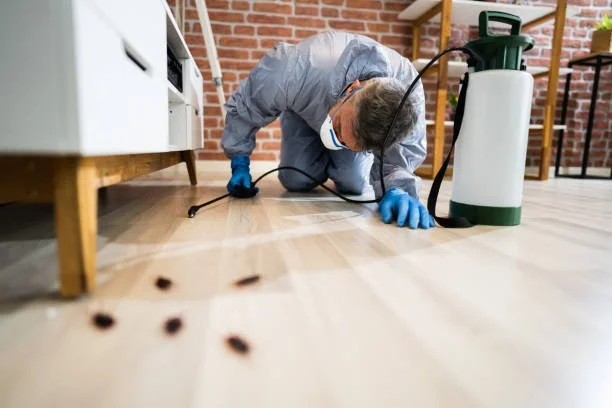
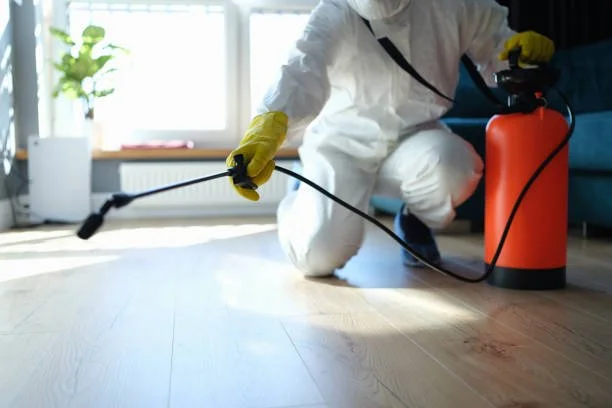
Insect Pest Control: Preventing and Treating Infestations in Homes

RH Business Marketing Solutions

Insect pests can be a significant nuisance and pose health risks to homeowners. Preventing and treating infestations requires a combination of proactive measures and targeted treatments. This article explores effective strategies for insect pest management to help homeowners safeguard their homes and families.

 1. Understanding Common Insect Pests

Before implementing pest control in Lakeland, MN, measures, it's essential to identify the common insect pests that may infest homes. These can include cockroaches, ants, termites, bed bugs, fleas, mosquitoes, flies, and spiders. Each type of insect pest requires specific treatment methods, so accurate identification is crucial.

 2. Implementing Preventative Measures

Preventing insect infestations starts with implementing preventative measures. This includes:

- Sealing Entry Points: Inspect and seal cracks, gaps, and openings around doors, windows, pipes, and utility lines to prevent insects from entering the home.

- Proper Waste Management: Keep garbage bins tightly sealed, dispose of food waste properly, and clean up spills promptly to eliminate food sources for pests.

- Reducing Moisture: Fix leaks, ensure proper ventilation, and use dehumidifiers in damp areas to reduce moisture levels that attract pests like cockroaches and termites. 

- Regular Cleaning: Maintain cleanliness by vacuuming, sweeping, and dusting regularly to remove crumbs, debris, and potential hiding spots for insects.

 3. Using Natural Remedies

Natural remedies can be effective for controlling insect pests without resorting to harsh chemicals. Examples include: 

- Essential Oils: Peppermint, lavender, and tea tree oils have insect-repelling properties and can be used as natural sprays or diffused indoors.

 - Diatomaceous Earth: This natural substance can be sprinkled in areas where insects frequent, such as cracks and crevices, to kill pests like ants and fleas.

- Citrus Peels: Place citrus peels, such as lemon or orange, near entry points to deter ants and spiders. 

 4. Professional Pest Inspections

Regular inspections by professional pest mitigation experts are essential for detecting early signs of infestations and implementing targeted treatments. Pest management professionals can identify problem areas, recommend preventative measures, and provide treatment options tailored to specific insect pests.

 5. Targeted Treatments

When insect infestations occur, targeted treatments are necessary to eliminate pests effectively. This may include:

- Insecticides: Professional-grade insecticides can be applied indoors and outdoors to target and eliminate insect pests. 

- Bait Stations: Bait stations are effective for controlling ants, cockroaches, and termites by luring pests to consume toxic bait.

- Traps: Sticky traps, pheromone traps, and light traps can be used to capture and remove flying insects such as flies and mosquitoes.

 6. Integrated Pest Management (IPM) Approach

Integrated Pest Management (IPM) combines multiple strategies to control insect pests effectively while minimizing environmental impact. This approach includes:

- Monitoring and Inspection: Regularly monitor for signs of insect pests and conduct thorough inspections to identify infestations.

- Preventative Measures: Implement preventative measures, such as sealing entry points and reducing food sources, to deter pests.

- Physical Controls: Use physical barriers, traps, and exclusion methods to prevent pests from entering the home.

- Biological Controls: Introduce natural predators or parasites to control insect populations, such as using nematodes to control garden pests.

Insect pest management is a crucial aspect of maintaining a healthy and pest-free home environment. By understanding common insect pests, implementing preventative measures, using natural remedies, scheduling professional inspections, and employing targeted treatments, homeowners can effectively prevent and treat infestations. Integrated Pest Management (IPM) offers a comprehensive approach that combines various strategies for long-term pest control success. Regular monitoring, proactive measures, and prompt action are key to keeping insect pests at bay and ensuring a comfortable living space for you and your family.

For reliable insect pest control, trust Prompt Action Pest Control's commercial pest control services in Lakeland, MN. Contact (877) 877-6678 for effective prevention and treatment solutions today!

The Importance of Seasonal AC Maintenance for Commercial Properties

RH Business Marketing Solutions

Maintaining a comfortable and conducive environment is crucial for employee productivity, customer satisfaction, and overall business success in commercial properties. One key element in achieving this is ensuring the proper functioning of the air conditioning (AC) systems. Seasonal AC upkeep plays a pivotal role in this regard, offering a range of benefits that extend beyond mere comfort. This article delves into the importance of seasonal AC care for commercial properties and why it should be a priority for businesses.

1. Enhanced System Efficiency and Performance:

Regular seasonal AC maintenance in Pasadena, CA, is essential for optimizing the efficiency and performance of commercial HVAC systems. Over time, dust, debris, and other pollutants can accumulate within the system, leading to reduced airflow, strain on components, and decreased cooling capacity. Maintenance tasks such as cleaning coils, checking refrigerant levels, and calibrating thermostats ensure that the AC system operates at peak efficiency, resulting in lower energy consumption and utility costs.

2. Improved Indoor Air Quality:

Commercial properties often host a large number of occupants, which can lead to indoor air quality issues if the HVAC system is not properly maintained. Seasonal maintenance includes cleaning or replacing air filters, removing microbial growth in ducts, and ensuring proper ventilation. These measures help eliminate allergens, pollutants, and pathogens from the indoor air, creating a healthier and more comfortable environment for employees, customers, and visitors.

3. Prevention of Costly Repairs and Downtime:

Neglecting AC upkeep can lead to unexpected breakdowns and costly repairs, disrupting business operations and causing revenue loss. Seasonal maintenance allows HVAC technicians to identify and address potential issues early on, preventing major breakdowns and the need for emergency repairs. This proactive approach not only saves money in the long run but also minimizes downtime, ensuring uninterrupted business continuity. 

4. Prolonged Lifespan of Equipment:

Commercial HVAC systems represent a significant investment for businesses, and extending the lifespan of this equipment is essential for maximizing ROI. Seasonal maintenance helps prolong the lifespan of AC units by reducing wear and tear on components, preventing overheating, and addressing minor issues before they escalate. This proactive maintenance approach can add years to the lifespan of HVAC equipment, delaying the need for costly replacements.

5. Compliance with Regulatory Standards:

Commercial properties are subject to various regulatory standards and guidelines related to indoor air quality, energy efficiency, and environmental sustainability. Seasonal AC upkeep ensures that HVAC systems comply with these regulations, avoiding potential fines or penalties. Additionally, maintaining energy-efficient systems contributes to a positive environmental impact by reducing carbon emissions and conserving resources.

6. Optimized Comfort for Occupants:

A well-maintained AC system provides consistent and reliable cooling throughout the commercial property, creating a comfortable environment for occupants. This is particularly important during hot summer months or in regions with extreme climates, where indoor temperatures can impact productivity, customer satisfaction, and employee morale. Seasonal maintenance helps prevent temperature fluctuations, humidity problems, and uneven cooling, ensuring optimal comfort for everyone inside the building.

7. Tailored Maintenance Plans for Specific Needs:

Each commercial property has unique HVAC requirements based on factors such as building size, occupancy, usage patterns, and climate conditions. Professional HVAC service providers offer tailored maintenance plans that address these specific needs. These plans include scheduling seasonal tune-ups, conducting thorough inspections, and recommending upgrades or improvements to enhance system performance and efficiency.

In conclusion, seasonal AC care is a fundamental aspect of maintaining optimal comfort, efficiency, and functionality in commercial properties. From enhancing system performance and indoor air quality to preventing costly repairs and ensuring regulatory compliance, the benefits of regular maintenance are extensive. Businesses that prioritize seasonal AC upkeep not only reap immediate cost savings but also enjoy long-term advantages such as extended equipment lifespan and improved occupant satisfaction. Partnering with a reputable HVAC service provider like Purified Air Heating and Air Conditioning in Pasadena, CA, ensures that commercial properties receive comprehensive maintenance solutions tailored to their specific needs, ultimately contributing to a healthier, more productive, and sustainable work environment.

Are you looking for a reliable service company for AC repair in Pasadena, CA? Optimize your commercial space with Purified Air Heating and Air Conditioning experts. Call 310-810-5050 for expert seasonal maintenance and enhanced comfort!

Pest Control for Gardens and Outdoor Spaces: Keeping Pests at Bay

RH Business Marketing Solutions

Maintaining a thriving garden or outdoor space can be incredibly rewarding, but it often comes with the challenge of dealing with pests. Whether you're growing vegetables, cultivating flowers, or simply enjoying your backyard, pests like insects, rodents, and other critters can quickly become a nuisance if left unchecked. However, with proper pest management strategies, you can protect your plants and outdoor areas while promoting a healthy and vibrant environment.

1. Understanding Common Garden Pests

The first step in effective pest control in Green Bay, WI, is understanding the types of pests that commonly plague gardens and outdoor spaces. Insects such as aphids, caterpillars, and beetles can damage plants by feeding on leaves, stems, and fruits. Rodents like mice and rats may also pose a threat, especially if they start gnawing on plants or digging up bulbs. Additionally, wildlife such as deer, rabbits, and birds can cause significant damage to gardens if not properly managed 

2. Prevention Measures 

Prevention is key to pest eradication. Start by maintaining a clean and tidy garden or outdoor space, as clutter and debris can attract pests. Regularly remove fallen leaves, weeds, and other organic matter that can provide hiding spots for insects and rodents. Implement proper sanitation practices, such as storing compost in sealed containers and disposing of food waste properly, to deter pests from congregating near your plants. 

3. Natural Pest Management Methods

For eco-conscious gardeners, natural pest reduction methods offer effective alternatives to chemical pesticides. Introduce beneficial insects like ladybugs, lacewings, and predatory mites, which can prey on harmful pests without harming your plants. Planting pest-resistant varieties and companion plants can also help deter pests. For example, marigolds can repel nematodes, while garlic and chives can deter aphids and other insects. 

4. Mechanical Control Techniques

Mechanical control techniques involve physical barriers or traps to keep pests away from your garden or outdoor space. Install fences or netting to protect plants from deer, rabbits, and birds. Use row covers to shield plants from insect infestations while allowing sunlight and water to reach them. Additionally, set up traps for rodents and other small pests, making sure to regularly check and dispose of captured animals in a humane manner.

5. Chemical Pest Mitigation Options

While chemical pesticides should be used as a last resort due to their potential environmental impact, they can be effective against severe pest infestations. Choose pesticides that specifically target the pests you're dealing with and follow the instructions carefully to minimize risks to beneficial insects, pets, and humans. Consider organic or low-toxicity pesticides as safer alternatives, and always apply them sparingly and responsibly. 

6. Integrated Pest Management (IPM)

Integrated Pest Management (IPM) combines various pest prevention methods to achieve long-term pest extermination while minimizing environmental impact. Start by identifying the pests present in your garden or outdoor space and monitoring their populations regularly. Use cultural, biological, and mechanical control methods as the first line of defense, reserving chemical pesticides for serious infestations only. By integrating multiple strategies, you can maintain a healthy balance between pest mitigation and environmental sustainability.

Effective pest control is essential for maintaining healthy and productive gardens and outdoor spaces. By understanding common pests, implementing prevention measures, and utilizing a combination of natural, mechanical, and chemical control methods, you can keep pests at bay while promoting a thriving and sustainable environment. Remember to prioritize environmentally friendly practices and adopt an Integrated Pest Management approach for long-term success. With diligence and care, you can enjoy the beauty of your garden without the interference of unwanted pests.

Discover the ultimate guide to pest management for gardens and outdoor spaces! For further clarification, contact the professionals at Prompt Action Pest Control at (877) 877-6678.

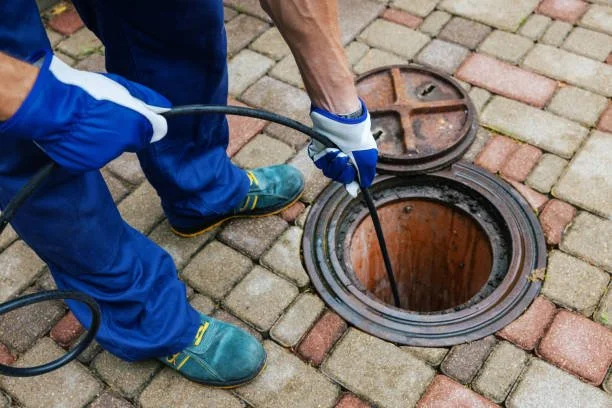
Expert Insight Into How Often Should You Schedule Drain Cleaning

RH Business Marketing Solutions

Maintaining clean and functional drains is crucial for the smooth operation of any home or business. Regular drain line cleaning not only prevents clogs and backups but also extends the lifespan of your plumbing system. However, determining how often you should schedule drain and sewer cleaning can vary based on several factors. In this article, we'll explore the importance of regular drain services and provide insights into establishing an optimal schedule.

1. Understanding the Importance of This Process 

Drains accumulate debris, grease, soap residue, and even hair over time, leading to blockages that can disrupt water flow. Regular drain cleaning in Dallas, TX, prevents these buildups from causing clogs, which can be costly and inconvenient to resolve. Moreover, clean drains contribute to a healthier indoor environment by reducing the risk of odors and mold growth associated with stagnant water.

2. Frequency Based on Usage

The frequency of cleaning often depends on how heavily your drains are used. For households with several family members or high water usage, such as frequent laundry or dishwashing, more frequent cleaning may be necessary. On the other hand, a vacation home or a property with minimal occupancy may require less frequent maintenance.

3. Type of Plumbing System

The type of plumbing system you have can also influence the cleaning schedule. Older homes with aging pipes may accumulate debris more quickly than newer, PVC-based systems. Different materials react differently to cleaning methods, so understanding your plumbing's material composition is crucial for effective maintenance planning.

4. Signs That Your Drains Need Cleaning

Recognizing the signs of impending drainage issues can help you schedule cleaning before a major problem occurs. Slow drainage, gurgling noises from pipes, unpleasant odors emanating from drains, or water backups in sinks or showers are all indicators that your drains may need attention. Addressing these signs promptly can prevent more significant issues down the line.

5. Professional vs. DIY Cleaning

While DIY methods like using plungers or chemical cleaners can provide temporary relief, they often fail to address underlying issues effectively. Professional services utilize specialized equipment such as hydro-jetting or augers to remove buildup without damaging pipes thoroughly. Hiring a professional ensures thorough cleaning and can help identify potential problems before they escalate.

6. Seasonal Considerations

Seasonal changes can impact drain performance. For instance, autumn leaves and debris may accumulate in outdoor drains, while winter can lead to frozen pipes and subsequent blockages. Adjusting your cleaning schedule based on seasonal demands can help maintain optimal drainage throughout the year. 

7. Preventative Maintenance Programs

Many plumbing companies offer preventative maintenance programs that include regular drain inspections and cleanings. These programs can be customized to fit your specific needs and provide peace of mind knowing that your plumbing system is being regularly monitored and serviced by professionals.

8. Monitoring and Adjusting Your Cleaning Schedule

Establishing a baseline cleaning schedule is a starting point, but it's essential to monitor your drains regularly and adjust the frequency as needed. Factors such as changes in household occupancy, renovations, or shifts in water usage patterns should prompt a reassessment of your cleaning regimen.

Regular cleaning is a fundamental aspect of maintaining a functional plumbing system and preventing costly repairs. By understanding the factors influencing cleaning frequency and recognizing the signs of potential issues, you can establish an effective cleaning schedule tailored to your home or business needs.

Ready to ensure your drains are clean and flowing smoothly? Contact a plumber from NTX Plumbing to schedule a professional service. The experts can assess your plumbing system and recommend a personalized cleaning schedule to keep your drains in optimal condition. Don’t wait for a clog to disrupt your day—take proactive steps to maintain your plumbing system's efficiency and longevity.

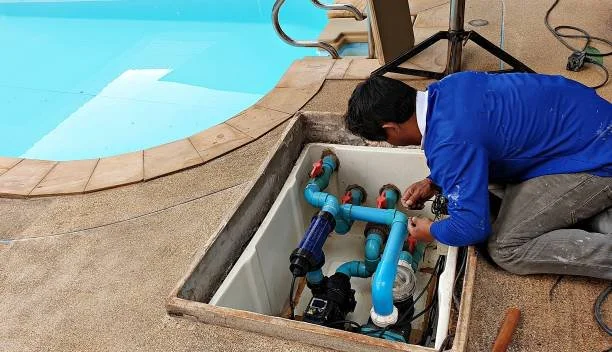
DIY Pool Maintenance vs. Professional Pool Services: Pros and Cons

RH Business Marketing Solutions

Owning a pool is a luxury that brings enjoyment and relaxation to many homeowners. However, the maintenance required to keep a pool clean, safe, and operational can be significant. When it comes to pool maintenance, the decision between DIY (Do-It-Yourself) and hiring professional services can greatly impact your experience and the longevity of your pool. In this article, we'll explore the pros and cons of each approach to help you make an informed decision that best suits your needs.

1. Cost Effectiveness

DIY Pool Maintenance:

One of the primary reasons homeowners opt for DIY pool maintenance is cost savings. By handling the cleaning, chemical balancing, and minor repairs yourself, you can avoid monthly or seasonal service fees charged by professional pool companies. Initial costs involve purchasing pool maintenance equipment, testing kits, and chemicals, but these expenses are usually spread out over time.

Professional Services:

While hiring professionals typically incurs higher upfront costs, it can be cost-effective in the long run. Professional pool services in Broward County, FL, often provide comprehensive maintenance that includes regular cleaning, water testing, equipment inspections, and seasonal care. They can also catch potential issues early, preventing expensive repairs down the road.

2. Skill and Expertise

DIY Pool Maintenance:

Maintaining a pool yourself requires a certain level of skill and knowledge about water chemistry, filtration systems, and pool equipment. Homeowners who choose this route must educate themselves through resources like online guides, workshops, or consulting with pool supply stores.

Professional Services:

Pool service professionals are trained and certified in pool maintenance. They possess the expertise to handle chemical treatments, adjust water pH levels, and troubleshoot equipment problems effectively. Their experience ensures that your pool is properly maintained and safe for swimming.

3. Time Commitment

DIY Pool Maintenance:

Managing pool maintenance on your own demands a significant time commitment. This includes routine tasks such as skimming debris, vacuuming, brushing pool walls, and testing water quality. Additionally, you must allocate time for troubleshooting and addressing any unexpected issues that may arise.

Professional Services:

Outsourcing pool maintenance to professionals saves homeowners valuable time. Service providers adhere to a regular schedule, performing tasks efficiently and ensuring that your pool remains clean and well-maintained throughout the year. This allows homeowners to focus on enjoying their pool rather than maintaining it. 

4. Quality of Maintenance

DIY Pool Maintenance:

The quality of DIY pool maintenance largely depends on the homeowner's diligence and attention to detail. Inconsistent maintenance or improper chemical usage can lead to water imbalance, algae growth, or equipment malfunction. Regular education and adherence to best practices are crucial for effective DIY maintenance. 

Professional Services:

They offer consistent and thorough maintenance. They use professional-grade equipment and products to achieve optimal water balance and cleanliness. Moreover, service providers conduct regular inspections to identify potential issues early, ensuring that your pool operates efficiently.

5. Equipment and Supplies 

DIY Pool Maintenance:

Homeowners performing DIY pool maintenance must invest in essential equipment such as pool brushes, vacuum cleaners, skimmers, and testing kits. They are also responsible for purchasing chemicals, including chlorine, pH balancers, and algaecides, to maintain water quality.

Professional Services:

They arrive equipped with all necessary tools, including advanced cleaning equipment, pool chemicals, and spare parts for repairs. They have access to high-quality products that may not be available to the general public, ensuring effective maintenance and longevity of pool equipment.

6. Convenience and Peace of Mind

DIY Pool Maintenance:

While DIY maintenance offers flexibility in scheduling tasks, it requires homeowners to assume responsibility for all aspects of pool care. This can be stressful, particularly during peak swimming seasons or when unexpected pool issues arise.

Professional Services:

Hiring professionals provides peace of mind. They handle all aspects of pool maintenance, including routine cleaning, chemical treatments, and equipment checks. Homeowners can relax knowing that their pool is in capable hands and enjoy worry-free swimming throughout the season.

7. Emergency and Specialized Services

DIY Pool Maintenance:

Handling emergencies, such as equipment breakdowns or sudden water chemistry imbalances, can be challenging for homeowners without expertise. DIYers may need to seek professional assistance for complex issues beyond their skill level.

Professional Services:

Pool repair professionals offer emergency services and specialized treatments such as algae removal, leak detection, and equipment repairs. They have the knowledge and tools to resolve issues promptly, minimizing downtime and ensuring uninterrupted pool enjoyment.

Choosing between DIY pool maintenance and professional services depends on factors such as budget, time availability, expertise, and desired convenience. DIY maintenance can save money and offer flexibility but requires significant time and effort. On the other hand, professional services provide expertise, consistent quality, and peace of mind, albeit at a higher cost. Assess your priorities and evaluate the long-term benefits to determine the best approach for maintaining your pool. 

Ready to ensure your pool receives expert care? Contact Master Touch Outdoor Living at 561-567-0317 today to learn more about our professional services and how they can help you maintain a pristine and enjoyable swimming environment year-round. Take the first step toward hassle-free pool maintenance and maximize your pool's longevity and performance.

Plumber Tips For Preventing Frozen Pipes in Winter: Proactive Steps

RH Business Marketing Solutions

Winter brings chilly temperatures and with it, the risk of frozen pipes. Frozen pipes can lead to costly damage, inconvenience, and disruption of water supply. However, with proactive measures and expert tips, homeowners can prevent frozen pipes and avoid potential plumbing disasters. This article discusses essential tips from plumbing specialists to protect your pipes during winter and ensure a smooth plumbing system throughout the cold season.

 1. Insulate Exposed Pipes 

One of the most effective ways to prevent frozen pipes is by insulating exposed pipes, especially those in unheated areas such as crawl spaces, basements, and attics. Use foam pipe insulation to wrap pipes and provide a barrier against freezing temperatures. Pay special attention to pipes near exterior walls or windows, as these are more susceptible to cold drafts.

 2. Keep Interior Temperatures Consistent

Maintaining consistent interior temperatures helps prevent pipes from freezing. Set your thermostat to a consistent temperature, even when you're away from home or at night. Avoid drastic temperature changes, as rapid fluctuations can stress your plumbing system and increase the risk of frozen pipes.

 3. Allow Faucets to Drip

On extremely chilly nights, let faucets connected to weak pipes drip slightly. This continuous flow of water can prevent pipes from freezing by relieving pressure and keeping water moving. Focus on faucets located along exterior walls or in unheated areas of your home.

 4. Seal Air Leaks

Sealing air leaks around doors, windows, and foundation walls helps keep cold air out and warm air in. Use weatherstripping, caulking, or insulation to seal gaps and cracks that allow cold drafts to penetrate your home. This helps eliminate frozen pipes and improves energy efficiency.

 5. Disconnect and Empty Outdoor Hoses

Before winter arrives, unfasten and drain outdoor faucets and hoses. Water left in outdoor hoses can freeze and back up into interior pipes, leading to potential blockages and damage. Store hoses indoors or in a shed to protect them from freezing temperatures.

 6. Open Cabinet Doors

For pipes located in cabinets under sinks, open the cabinet doors during cold spells to allow warm air to circulate around them. This extra warmth can help prevent freezing, especially in kitchens and bathrooms, where pipes are frequently exposed to cold air.

 7. Consider Pipe Heating Cables

In areas with severe winter weather, consider installing pipe heating cables on vulnerable pipes. These cables provide consistent heat to prevent freezing and can be controlled with a thermostat for optimal energy efficiency. Consult with a plumber in Kerrville, TX, to determine the best type of heating cable for your specific needs. 

 8. Know Your Shut-Off Valve Location

In case of a frozen pipe or plumbing emergency, it's essential to know where the main shut-off valve is located. Familiarize yourself with how to turn off the water supply to your home quickly to minimize potential damage from burst pipes.

 9. Schedule a Plumbing Inspection

Before winter arrives, schedule a plumbing inspection with a licensed plumbing personnel. A professional inspection can identify potential issues, such as insufficient insulation, leaky pipes, or vulnerable areas prone to freezing. Addressing these issues proactively can prevent frozen pipes and ensure a well-functioning plumbing system throughout winter.

 10. Have a Winter Emergency Kit

Prepare a winter emergency kit with essential supplies in case of a plumbing emergency. Include items such as a flashlight, pipe insulation materials, heating tape, a wrench for shut-off valves, and the contact information of a reliable plumbing expert. Being prepared can help you respond quickly and effectively to frozen pipes or other plumbing issues.

Preventing frozen pipes during winter is essential to maintain a functioning plumbing system and avoid costly damage. By following expert tips such as insulating exposed pipes, keeping interior temperatures consistent, allowing faucets to drip, sealing air leaks, disconnecting outdoor hoses, opening cabinet doors, considering pipe heating cables, knowing your shut-off valve location, scheduling a plumbing inspection, and having a winter emergency kit, homeowners can protect their pipes and ensure peace of mind throughout the cold season. Proactive measures and preparation are key to a smooth winter for your plumbing system.

Protect your pipes with Kerrville Plumbing Plus! Get expert tips for preventing frozen pipes this winter. For Kerrville, TX, sewer and drain service, call (830) 896-0111 now!

AC Installation for Commercial Spaces: Factors to Consider

RH Business Marketing Solutions

Installing an air conditioning (AC) system in a commercial space requires careful planning and consideration of various factors. Unlike residential settings, commercial environments often have unique requirements and challenges that must be addressed during the installation process. From sizing and capacity to energy efficiency and zoning, understanding these factors is crucial for ensuring optimal comfort and functionality. This article delves into the key factors that businesses should consider when planning air conditioner installation for commercial spaces.

 1. Space Size and Layout

The first factor to consider is the size and layout of the commercial space. The AC system must be appropriately sized to cool the entire area effectively without being over- or undersized. 

- Square Footage: Calculating the space's square footage helps determine the required cooling capacity of the AC system.

- Zoning: For larger spaces or multi-level buildings, zoning the AC system allows for targeted cooling in different areas based on usage and occupancy.

 2. Occupancy and Usage Patterns

Understanding the occupancy levels and usage patterns of the commercial space is essential for designing an efficient AC system.

- Occupant Density: Spaces with high occupant density, such as offices or retail stores, may require higher cooling capacities to maintain comfort.

- Usage Hours: Consider the space's operational hours and whether cooling needs vary throughout the day or week.

 3. Energy Efficiency and Sustainability

Commercial spaces often consume significant amounts of energy, making energy efficiency a critical consideration for AC installation in Tampa, FL.


- SEER Rating: Choose AC units with high Seasonal Energy Efficiency Ratio (SEER) ratings to minimize energy consumption and operating costs.

- Green Building Standards: Align AC setup with green building standards and sustainability initiatives for long-term environmental benefits.

 4. Ductwork and Ventilation

Proper ductwork design and ventilation are crucial for ensuring even cooling distribution and air quality in commercial spaces.

- Duct Design: Optimize duct design to minimize air leaks, improve airflow, and reduce energy waste.

- Ventilation Requirements: Consider ventilation needs, especially in areas with high humidity or indoor pollutants.

 5. Integration with Building Automation Systems

Many modern commercial buildings utilize building automation systems (BAS) for centralized control of HVAC systems, lighting, and other building functions.

- Compatibility: Ensure that the AC system is compatible with existing BAS or can be integrated seamlessly for centralized control and energy management.

- Smart Controls: Explore options for smart thermostats and controls that offer scheduling, remote monitoring, and energy optimization features.

 6. Maintenance and Serviceability

Proper maintenance and serviceability are key factors in the long-term performance and reliability of the AC system.

- Scheduled Maintenance: Establish a maintenance schedule for regular inspections, filter changes, and system tune-ups to ensure peak performance.

- Access for Servicing: Design the AC system layout to facilitate easy access for servicing and repairs, minimizing downtime and disruptions.

 7. Compliance with Regulations and Codes

Compliance with building codes, regulations, and industry standards is non-negotiable when installing AC systems in commercial spaces.

- Permits and Inspections: Obtain necessary permits and schedule inspections to ensure compliance with local codes and regulations.

- Environmental Regulations: Adhere to environmental regulations regarding refrigerants and disposal practices during AC setup and maintenance.

Air conditioner installation for commercial spaces involves a comprehensive assessment of various factors to achieve optimal comfort, energy efficiency, and compliance. From sizing and layout considerations to energy efficiency, ventilation, integration with building automation systems, maintenance planning, and regulatory compliance, each factor plays a crucial role in the success of the installation. By addressing these factors thoughtfully and working with experienced HVAC professionals, businesses can ensure a comfortable and productive environment for employees, customers, and visitors while maximizing energy savings and sustainability.

Explore the factors to consider when installing an air conditioner in commercial spaces with John's Air Conditioning and Heating Service. For AC maintenance in Tampa, FL, call (813) 689-2722 today!