Google+

contact us

Use the form on the right to contact us.

Day or Night, we are here to serve you. Leave your plumbing problem to us.


Tinley Park, IL

(708)845-7922

Residential and Commercial plumbers and plumbing contractors available in Orland Park, Tinley Park, Oak Lawn, Palos Heights, Midlothian, Oak Forest, Homer Glen, Mokena, Frankfort, and the surrounding Chicago South Suburbs. Emergency plumbers.

copper water lines.jpg

Kevin Szabo Jr Plumbing Blog

Kevin Szabo Jr Plumbing is Tinley Park, Orland Park, Oak Forest, Midlothian, Orland Hill, Homer Glen, Mokena, Frankfort, Crestwood, Palos Heights, Oak Lawn, local plumber. Read our blog for advice, tips, a good laugh, and basic home improvement.

**We are moving our old blog to our new and improved website. Too see all our posts visit kevinszabojrplumbing.blogspot.com

How to Maximize Your Property’s Scrub Storage

RH Business Marketing Solutions

If you decide to invest in a medical career, you'll need to have scrubs. These uniforms protect your body against bodily fluids from others, provide optimal movement throughout your work day, identify you as a medical worker, and provide a highly-quality fabric that can withstand regular washings. Since you'll likely need to switch scrubs regularly due to contamination issues, it only makes sense to maximize the amount of scrub storage your property can handle.


Change Out Hangers For Pull-Out Storage Boxes

When you picture a closet, you likely see clothes on hangers. While having clothes on hangers can look nice and organized, they don't really maximize your closet space. By swapping out those hangers for pull-out storage boxes, you can hold more of your scrubs in your closets. Consider having separate pull-out drawers for tops and bottoms so that you can easily locate whatever type of clothing you need quickly.


Consider Multi-Purpose Trunks

Trunks can be a great way to provide you with a nice, stable surface. Whether it's for sitting or propping up your feet, they're highly functional. They're also a great place to store some of your scrubs out of sight. Consider having a trunk at the bottom of your bed or along one of your walls. It will not only make a great feature piece of decor but also help you maximize your scrub storage in an enclosed environment.


Underbed Storage

One place that you likely don't use at all is the space underneath your bed. Why not use this space for scrub storage? You can use simple, clear storage bins to place folded scrubs under your bed. Or, you can opt for a more aesthetically pleasing option of getting pre-constructed under-bed drawers that perfectly fit the open space your bed provides.


Consider Open Storage With a Bookcase

If you have a bookcase that simply isn't getting used, it can be a great place for additional scrub storage. You can opt for folding sets of scrubs in an easy-to-grab location. You can even use this as an accent piece for your home by pairing various colors next to one another. Consider an array of pink, purple, blue, and even green.


Utilize Corners

If you look at the various room corners throughout your home, you'll likely notice that many of them simply don't get used. These spaces are the ideal area to include more storage for your scrubs. Consider adding floating corner shelves, a simple clothes rack, or even a round ceiling hanger.


Add Dressers and Armoires 

When you want to maximize your home's storage space, think of dressers and armoires. These enclosed storage spaces are great for keeping your scrubs nice and clean for a lengthy period of time. Assess various areas of your home that have unutilized space. This space could be at the end of a hallway, in your foyer, or even on an open wall in your living room. Dressers can be great for adding an accent piece while providing an extra surface for added decor.


Consider Wall Hooks

When it comes to your favorite scrubs, consider adding some wall hooks to your bedroom. These can allow you to easily hang up those regularly used scrubs without taking up much space. The best part is that hooks come in a variety of sizes, colors, and designs, so you'll be able to select the perfect ones to accent your existing room's aesthetics.


Storage Headboard

If you're like most people, you don't utilize the wall space above your bed. This space is perfect for helping to create more storage space for your scrubs. Consider adding some wall cabinets around the wall that has your bed on it. This can create a stylish headboard effect while maximizing your enclosed storage.


Garage Shelves

If you have a garage, it can create more space for your clothes storage. Unlike indoors, where you can store your scrubs exposed to the environment, you'll want to do things a little differently in the garage. Opt for enclosed shelves, dressers, and similar items. This way, your scrubs are kept clean from the outdoor elements.

While you may be feeling overwhelmed with all of the scrubs that you have, you don't have to. The above are just some of the many tips that you can implement to help maximize the amount of storage space you have for your scrubs. We're sure once you get started implementing some of these tips, your eyes will open to even more great ways to maximize your scrub storage.


Written by Taylor McKnight, Author for Scrubtastic Medical Uniforms

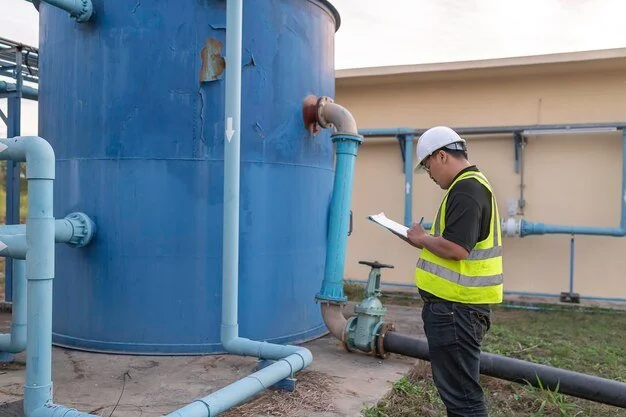
Choosing the Right Water Tank Installation Service for Your Home

RH Business Marketing Solutions

Installing a water tank in your home is a significant investment that can provide long-term benefits, such as ensuring a reliable water supply and reducing utility bills. However, choosing the right water tank installation service is crucial to ensure the job is done correctly and efficiently. Here’s a comprehensive guide to help you select the best service for your needs.

1. Assess Your Needs

Determine Tank Type and Size: Before looking for an installation service, determine the type and size of the water tank you need. Consider factors like your water usage, the purpose of the tank (rainwater harvesting, backup water supply, etc.), and the available space for installation.

Consider Water Quality: The quality of the water in your area can influence the type of tank you choose. For instance, some materials are better suited for certain water qualities to prevent contamination and ensure longevity.

2. Research Potential Services

Look for Experience: Experience is a critical factor when choosing a water tank installation services. Look for companies with several years of experience in installing the type of tank you need.

Check Credentials: Ensure the service provider is licensed and insured. Proper credentials indicate professionalism and a commitment to quality work.

Read Reviews and Testimonials: Customer reviews and testimonials can provide insight into the service quality and reliability of the company. Look for reviews on independent websites and social media platforms.

3. Evaluate Services Offered

Site Inspection and Consultation: A reputable installation service should offer a thorough site inspection and consultation. This helps in assessing the best location for the tank, identifying potential challenges, and providing a detailed quote.

Custom Solutions: Every home has unique requirements. Ensure the service provider offers custom solutions tailored to your specific needs, including tank type, size, and installation method.

After-Sales Support: Check if the company offers after-sales support, including maintenance services and warranties. This can save you from potential issues in the future.

4. Compare Quotes

Get Multiple Quotes: Obtain quotes from multiple service providers to compare prices and services. Ensure the quotes include all aspects of the installation, such as materials, labor, and any additional costs.

Understand the Costs: Be clear about what is included in the quote. Some companies might offer lower initial quotes but have hidden costs that can add up later. Look for transparent pricing.

5. Check for Compliance

Local Regulations: Ensure the installation service complies with local regulations and building codes. Non-compliance can lead to legal issues and additional costs down the line.

Permits and Approvals: Check if the service provider assists with obtaining necessary permits and approvals for the installation. This can save you time and hassle.

6. Inspect Installation Process

Installation Team: Inquire about the qualifications and experience of the installation team. Skilled and experienced installers are more likely to complete the job efficiently and correctly.

Timeline: Discuss the expected timeline for the installation. Ensure the company can complete the project within a reasonable timeframe without compromising on quality.

Safety Measures: Ask about the safety measures they implement during installation. Proper safety protocols protect both the workers and your property.

7. Evaluate Customer Service

Communication: Effective communication is key to a successful installation. Choose a company that is responsive and provides clear, detailed information.

Problem Resolution: Check how the company handles potential problems or issues during and after installation. A reliable service provider should have a clear process for addressing customer concerns.

Conclusion

Choosing the right water tank installation service for your home involves careful consideration of various factors, including the company’s experience, services offered, compliance with local regulations, and customer service. By conducting thorough research and comparing multiple service providers, you can ensure a successful installation that meets your needs and provides long-term benefits. A well-installed water tank can be a valuable addition to your home, offering reliable water supply and potential cost savings.

The Silent Guardian: How Siding Protects Your Home And Your Health

RH Business Marketing Solutions

While a beautiful roof and charming windows might steal the spotlight, a home's siding plays a vital role in safeguarding your indoor environment. Beyond aesthetics, siding acts as your primary defense against the elements, including moisture – a key factor in mold and mildew growth.


The statistics around mold in homes are startling. Studies reveal that a mere 11% of bedrooms and only 8% of kitchens are entirely mold-free. Exposure to mold and mildew can lead to a variety of health problems, including respiratory issues, allergies, and even asthma. The health costs associated with mold exposure are significant, with estimates suggesting 21% of U.S. asthma cases linked to mold and billions of dollars spent annually on related healthcare.


So how exactly does siding contribute to a healthy home environment? Your siding acts as the first barrier against moisture intrusion. By keeping water out, it effectively discourages the growth of mold and mildew, which thrive in damp environments. While various siding materials offer effective protection, vinyl and fiber cement siding are particularly lauded for their moisture resistance. However, proper installation is paramount. Even the most advanced siding material can be compromised if not installed correctly, allowing moisture to seep in and create the perfect breeding ground for mold.


Considering new windows and siding for your home can be a smart investment in your health and well-being. The accompanying infographic delves deeper into the science behind mold prevention and the role siding plays. It also explores different siding materials and emphasizes the importance of proper installation and ongoing maintenance to keep your home's exterior looking beautiful and your indoor environment healthy.

Why a Security System is Vital For Your Home

RH Business Marketing Solutions

What is a Security System?

A home security system protects your family and property from intruders and break-ins. They contain an array of different parts that all collaborate to protect your home.

A security camera is a vital part of all modern home security systems. Modern cameras typically hook up to a Wi-Fi network, allowing you to view the footage from your computer or smartphone. Along with allowing you the ability to observe what is going on around your home, a well placed security camera can also act as a deterrent to potential intruders.

Motion sensors and entry sensors are also vital parts of the system. They can detect activity in areas such as entry ways and walk ways. Sirens are another vital component. Their piercing shriek can alert you of danger and scare away intruders. Security systems are typically controlled by a keypad, which can be mounted on a wall in your home.

The keypad enables and disables the system. Some systems also include a panic button. Panic buttons can be installed virtually anywhere in your home. They are a quick and easy way to contact emergency services.

The base station acts as a central hub for your security system. All of the interconnected devices are synced together so that they work in harmony. It allows the various components to communicate, which enables the system to send notifications and alerts.

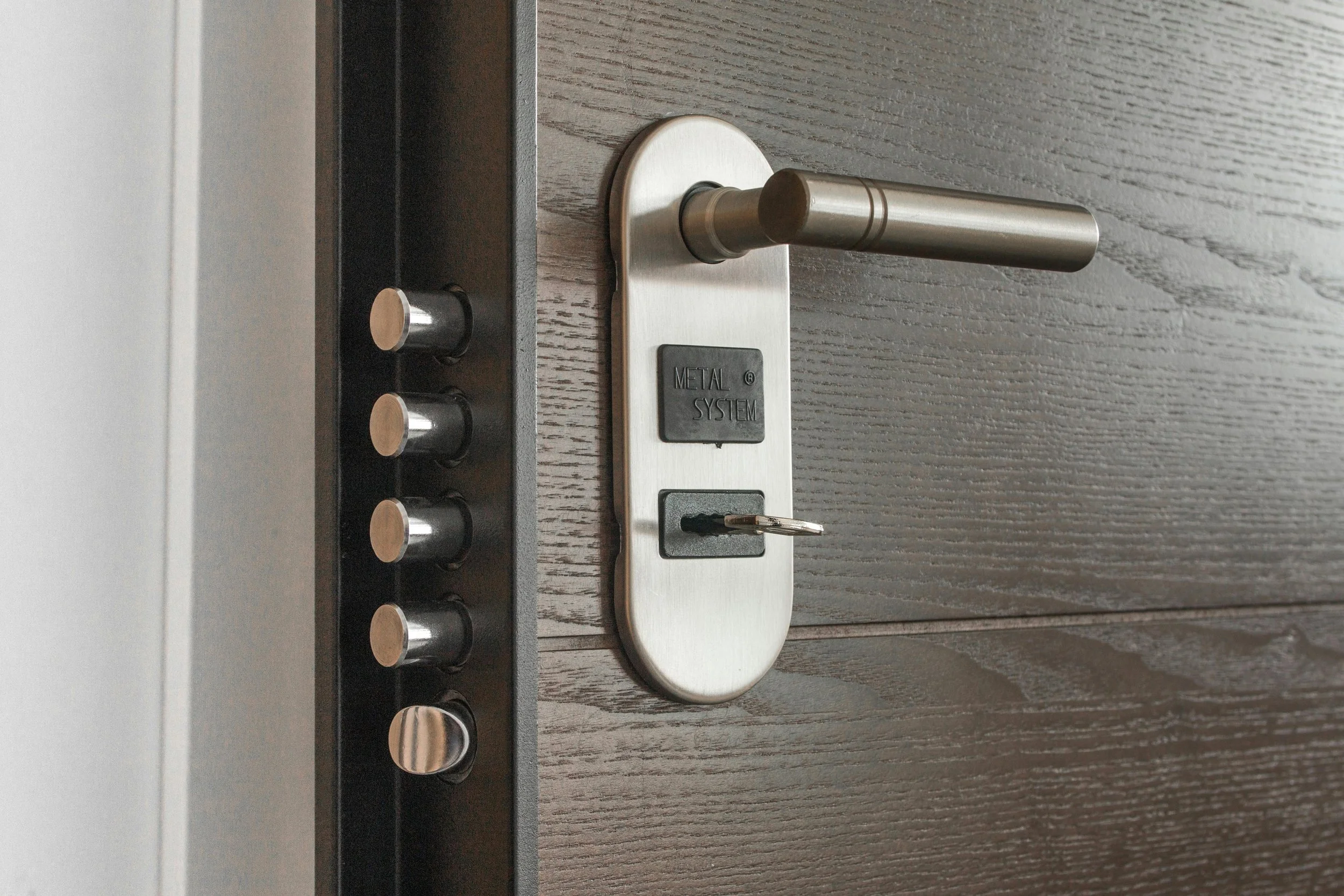
Smart locks are a key part of many security systems. With a smart lock, you never have to worry about accidentally leaving your doors unlocked and providing burglars with an easy opportunity. You can use your Wi-Fi network to remotely lock your doors from anywhere.

One of the simplest and most overlooked, yet surprisingly effective, parts of a security system is the yard sign. The sign notifies visitors and passerby that your home is protected. It acts as a strong deterrent for potential burglars. The sign should be placed in a prominent area in your front yard.


Why a Security System is Vital For Your Home

There are many important reasons to purchase a home security system. They can detect a wide variety of threats, including water damage, CO2, smoke, and fire. Most people think of security systems as anti-burglary devices. This is true, but they are much more than that.

One of the best part of cutting edge modern systems is the ability to control your home remotely. You can view live security camera footage, lock and unlock doors, turn lights on and off, and even adjust the thermostat. You can also receive notifications for important situations like fire, smoke, carbon dioxide, or broken glass.

As previously mentioned, home security systems are significant deterrents for criminals. They are significantly less likely to target a home that is protected. Security systems protect your valuables. If you have valuable items stored inside your home, you can rest easy if you have a security system installed.

Some homeowners worry about the cost of purchasing and installing a home security system. However, these products can actually save you money in multiple ways. This is because security systems can reduce homeowner insurance rates. Since protected homes are less likely to be broken into, insurance companies charge less to insure them. Security systems can even save you money on your electricity bill by reducing home electricity use.


What To Know About a Security System

It's important for homeowners to understand the basic procedures needed to get the most out of their home security system. First of all, they must decide how to monitor their system. They could choose to self monitor for alerts. Some choose to invest in professional monitoring. Security companies can constantly monitor systems for alerts, and act quickly if there is an issue.

Homeowners will need to create a password that they can remember. They also will need to understand how to use the key pad in order to enable and disable the system when needed. If you are struggling with technical issues, there is help available. Most security companies have tech support who can assist.

Homeowners must know that their home security system must be connected to their Wi-Fi network. Homeowners will need to download the security app that is used to monitor any potential threats. Again, representatives can help you with any issues that arise.

The most important thing to know about a home security system is that it will give you peace of mind. Knowing that your family and property are protected is invaluable. This will enhance your happiness, reduce stress, and increase your quality of life. 


Written by Taylor McKnight, Author for Safe & Sound Alarm Systems, Inc

What to Know About Having a Home By a Lake

RH Business Marketing Solutions

Whether you've recently inherited a home on a lake or you're considering your next real estate purchase, fully understanding the advantages and disadvantages of such a move is important. Consider all of the elements and how they impact the specific lakefront property that you're considering.


Advantages

Permanent Vacation Home

One major perk of a lakefront property is that you don't have to rack your brain figuring out where to take the family on vacation every summer. Whether you want to bring the kids on a trip or have a weekend away with your friends, the lakefront house will always be an option. You could go on a solo journey for some peace and quiet as well.


Access to Nature

Living by a lake means that you have access to the beauty of nature throughout the four seasons. Spending more time in nature can help both your physical and mental health. You can enjoy these benefits whether you live by the lake year-round or you take breaks from your city job to come to your second home. If you have children, raising them in a beautiful natural setting can also help them to develop a greater appreciation for wildlife and the environment.


Rental Property

The lakefront house could also act as a rental property. You might vacation there yourself sometimes, but you can rent out the house the rest of the year. Having a rental property is a good way to generate some additional income. In fact, you might decide not to live in the home at all and to, instead, rent out the property all of the time. A large property could turn into an apartment or possibly even a hotel.


Built-in Recreation

A home by the lake means that you'll have plenty of recreational options. Water sports, such as fishing, boating, and swimming, are right at your fingertips. Instead of paying to install a pricey pool, you can go for a dip in the lake on hot days. The shore is also a calming place for journaling, reading, or simply relaxing.


An Investment

Buying a lakefront property is making an investment. Depending upon the condition of the house, you may need to put in some work. However, you are likely to be able to sell the house for a suitable price in the future. Many buyers on the real estate market are looking for lakefront properties as vacation homes, so you can attract those shoppers and make a lucrative sale.


Disadvantages

Safety Concerns

Living on a lake means you have to teach your children about the dangers of drowning. Even if you and your loved ones are strong swimmers, accidents can occur. Also, some lakes are home to certain species, such as alligators, that will attack humans and pets. Make sure you are aware of the particular dangers associated with the lake on which you're planning to purchase a property.


Flooding

If you live near any body of water, it's important to recognize that floods can happen. Before purchasing a lakefront home, you should familiarize yourself with the typical weather patterns in the area. Some areas are simply more prone to flooding than others. Keep in mind that floods can be destructive. Even more minor floods could lead to electrical issues and mold growth.


Higher Costs

Getting flood insurance is a smart idea for homeowners who live on a lake. In fact, this type of insurance might even be required. Flood insurance is typically an additional cost. Also, a home on the lake may be higher in price than other houses due to its appeal. You could end up spending more money than you originally budgeted for.


Fewer Jobs and Educational Opportunities

Many lakefront properties are located in rustic, rural settings. Commuting the distance to your current job might not be a feasible option, and you might not find too many possibilities for other work. Working at home could be an option. Keep in mind, though, that the service in rural areas is sometimes spotty or unreliable. Your children may also have a longer commute to their schools.


More Maintenance

Due to Mother Nature's elements, a lakefront property may require more maintenance. For example, you might have to deal with more pests, such as bugs, in the house. Also, if you aren't going to live in the house at some point of the year, you still have to protect the property. You might have to hire a property manager to take care of the house, or you could end up needing to winterize the property.

Owning a home on the lake is a dream that many people have. This type of property has some distinct advantages and disadvantages. Fully considering the situation before you make an offer on a lakefront house is important.


Written by Taylor McKnight, Author for Roche Realty Group

Home Theater Tips to Acknowledge

RH Business Marketing Solutions

Since way back in the 1920s, Americans have been obsessed with providing a great home viewing experience for their favorite movies. While room stylings and movie visuals have enhanced tremendously over the years, the same main desire of home viewing drives homeowners throughout the nation to construct their very own home theaters.


What is a Home Theater?

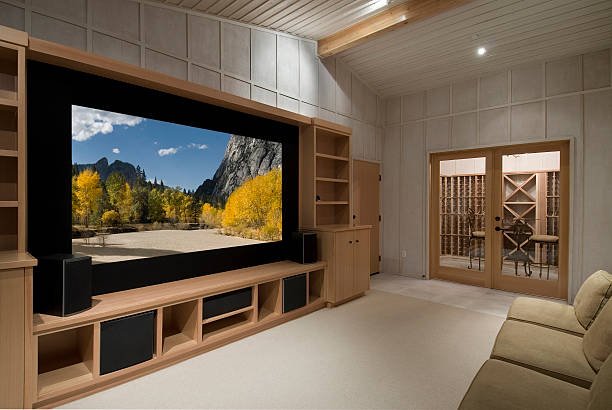
A home theater is a room specifically designed to mimic the atmosphere of going to a traditional movie theater. It will have various pieces of audiovisual equipment to ensure a crisp and audible viewing experience for everyone in the room. If you're looking for a way to enjoy an evening out at the theater without leaving the many comforts of your own home, then building a home theater may be the ideal option for you.


Components of a Home Theater Setup

To give your family and other guests a true movie theater experience, there are various components that your theater room will need. The quality of these components and the overall atmosphere you create is going to be highly dependent on your budget and personal preferences.


Television

Obviously, the one feature that makes a home theater a real theater is having a great television. You can opt for a traditional LED television or you can invest in a projector. Typically, televisions are only recommended for small cinematic viewing experiences as they can get quite costly to purchase much larger screens. If you're looking for the big picture viewing experience, then investing in a projector is the way to go.


Speakers and Receiver

The whole beauty of the traditional theater experience is that the movie is played on surround speakers that can give you the feeling as if you're right there in the movie. To ensure you bring that feeling to your home theater, you'll want to invest in surround speakers and a quality receiver.


Source Component

You're going to need a device to get the movies you want to play on your television or projector screen. It's very common to opt for a streaming source component, such as Roku, that allows you access to online streaming. However, you can still opt for Blu-ray and DVD setups if you so choose.


Lighting

To ensure an optimal viewing experience and everyone's safety throughout the movie, lighting is an absolute must. However, you need to be strategic with the type of lighting that you use as too much of it pointed in the wrong direction can cause a glare on your screen. To prevent glaring, overhead ambient lighting, under-seat lighting, and behind-the-screen lighting are fairly popular options.


Furniture

No great viewing experience is possible without the right, comfortable furniture for your home theater. You want comfortable pieces that allow people to relax while taking in the show. Consider recliners that have cupholders and other feature options. If you want to go all out, consider investing in seating that has built-in speakers.


Tips For Maintaining Your Home Theater

One of the most frustrating issues you may run into over time is dust. It can seem like there's nothing worse than when you turn on a movie and all you see are dust particles floating through the air. To prevent excess dust in your theater room, there are a few things you'll want to do. First, opt for keeping the door shut as much as possible. Second, invest in an air purifier that can run around the clock to help control airborne particles.

Protecting the integrity of your viewing experience all starts with the appropriate cleaning of your electronic equipment. If you use a projector, you'll want to ensure that you put the lens cap back on after every viewing experience. Invest in a quality office equipment vacuum specifically designed to be gentle on the equipment and a hand blower to remove excess dust from the lens and filter. If you rely on a television for your home theater, you'll want to invest in a lint-free cloth and a specialized screen cleaning compound to avoid those nasty streaks.

A home theater can be a great investment to enjoy spending more time with family and friends in the comfort of your home. Truly mimicking that one-of-a-kind theater experience all starts with choosing the right equipment, lighting, and furniture. By sticking to our instructional list above, you'll be well on your way to creating the optimal home movie theater that you and your family will be sure to love for many years to come.

Written by Taylor McKnight, Author for Rio Low Voltage

Finding a Plumber to Help with Groundwater Flooding

RH Business Marketing Solutions

The short answer is to immediately contact a licensed plumber with experience in handling groundwater flooding issues. A professional plumber will have the expertise and equipment necessary to assess the situation, identify the root cause of the flooding, and implement effective solutions to prevent further damage. It's crucial to act swiftly to minimize water damage and ensure the safety of your property.

Expert Help for Groundwater Flooding - Act Fast!

When faced with groundwater flooding, time is of the essence. It's crucial to act swiftly and decisively to minimize damage and prevent further issues. In such emergencies, seeking expert help from a professional plumbing service can make all the difference in effectively addressing the situation. These professionals have the knowledge, experience, and tools necessary to assess the extent of the flooding, identify underlying causes, and implement appropriate solutions tailored to your specific needs.

Professional Assessment of Water Damage

When assessing water damage, it is crucial to understand the extent of the issue. Professional plumbers can use specialized tools such as moisture meters and thermal imaging cameras to determine the full scope of water infiltration within your property.

The presence of groundwater flooding can lead to serious structural issues if not addressed promptly. It is essential to have a professional assessment conducted to identify potential risks and develop an effective mitigation plan tailored to your specific situation.

The Pros & Cons of Groundwater Flooding Solutions

Pros

1.  Effective in preventing property damage

2.  Can help reduce the risk of mold growth

3.  Provides a long-term solution to groundwater flooding

4.  Protects the structural integrity of buildings

5.  Helps maintain the value of the property

Cons

1.  Installation can be costly

2.  Requires professional expertise for proper implementation

3.  May disrupt landscaping and outdoor aesthetics

4.  Ongoing maintenance may be necessary

5.  Not always feasible for all properties

Identifying the Root Cause of Flooding

Identifying the root cause of flooding in your home is crucial to effectively addressing the issue. Common causes include heavy rainfall, poor drainage systems, clogged gutters, or foundation cracks. By inspecting these areas thoroughly, you can pinpoint the source of the problem and take appropriate action.

It's essential to check for any leaks in your plumbing system as they can contribute to indoor flooding. Inspect pipes under sinks, around toilets, and behind appliances regularly for signs of water damage or moisture buildup. Addressing any leaks promptly can prevent extensive water damage and mold growth within your home.

Another common culprit of flooding is a malfunctioning sump pump. Ensure that your sump pump is in good working condition by testing it regularly and keeping up with maintenance tasks. A failing sump pump can leave your basement vulnerable to groundwater seepage during heavy rains.

In some cases, landscaping issues such as improper grading around the foundation of your home can lead to groundwater pooling near walls and causing leakage into basements or crawl spaces. Correcting these grading problems by sloping soil away from the house can help mitigate future flooding risks significantly.

Preventive Measures and Solutions

When it comes to preventing groundwater flooding, maintaining a functional sump pump is crucial. Regularly inspecting and testing your sump pump ensures that it will effectively remove water buildup in case of heavy rainfall or rising groundwater levels. Additionally, installing a battery backup for your sump pump can provide extra protection during power outages, ensuring continuous operation when you need it the most.

Another important preventive measure is to properly seal any cracks or gaps in your foundation walls and basement floors. By addressing these openings promptly, you can prevent water seepage into your home during periods of heavy rain or high water tables. Moreover, considering the installation of a backwater valve on your sewer line can help prevent sewage backups into your basement during times of intense rainfall or flooding.

Specialized Equipment for Mitigation

When dealing with groundwater flooding, having access to specialized equipment for mitigation is crucial. High-capacity pumps are essential for efficiently removing large volumes of water from affected areas. These pumps can significantly speed up the process of water extraction, helping to prevent further damage to the property. Additionally, moisture meters play a vital role in assessing the extent of water intrusion and monitoring the drying progress accurately.

Dehumidifiers are another key piece of equipment that aids in reducing humidity levels and accelerating the drying process after groundwater flooding. By extracting excess moisture from the air, dehumidifiers help prevent mold growth and secondary water damage within structures. Furthermore, industrial-grade air movers are instrumental in promoting airflow and ventilation throughout damp spaces, facilitating rapid evaporation of remaining moisture content.

Restoration Services for Property

Restoration services for property encompass a wide range of specialized solutions tailored to address the aftermath of various disasters, such as fire, water damage, mold infestations, and more. These services are crucial in restoring properties to their pre-loss condition efficiently and effectively. Professional restoration companies utilize advanced techniques and equipment to mitigate damages, remove contaminants, deodorize spaces, and ensure structural integrity is restored.

Timely intervention by restoration experts can significantly minimize further damage caused by unforeseen events like floods or fires. By swiftly initiating the restoration process after an incident occurs, property owners can prevent secondary issues like mold growth or structural deterioration. Restoration specialists not only focus on repairing visible damages but also conduct thorough assessments to identify hidden problems that could lead to long-term complications if left unaddressed.

Navigating Insurance Coverage

When dealing with groundwater flooding issues, understanding your insurance coverage is crucial. Homeowner's insurance typically doesn't cover flood damage caused by rising water levels from the ground. However, it may cover some water damage resulting from leaky pipes or plumbing issues within the home. To ensure you are adequately protected, consider purchasing a separate flood insurance policy to safeguard your property against groundwater flooding.

DIY Tips for Immediate Action

When faced with groundwater flooding, it's crucial to act swiftly. Start by locating the source of the water and shutting it off if possible. Then, prioritize safety by turning off electricity to avoid any risk of electric shock. Remember to wear protective gear like rubber boots and gloves before entering flooded areas.

Once you've ensured your safety, begin removing excess water using a wet-dry vacuum or pump. You can also speed up the drying process by opening windows and using fans to improve ventilation. It's essential to remove any affected carpets or furniture from the area as soon as possible to prevent further damage and mold growth.

Inspect walls for water damage and consider cutting away wet drywall to facilitate airflow and prevent mold infestation behind the walls. Clean all surfaces thoroughly with disinfectants after drying out the area completely, paying special attention to hidden nooks where moisture may linger.

Post-flooding Maintenance Tips

After experiencing flooding, it is crucial to prioritize safety when re-entering your property. Ensure the electricity is turned off before entering any flooded areas to prevent the risk of electric shock. Additionally, wear appropriate protective gear such as rubber boots and gloves to minimize exposure to contaminated water that may contain harmful bacteria or chemicals.

Once you have safely re-entered your home post-flooding, start by removing any standing water using pumps or wet vacuums. Thoroughly dry out affected areas by opening windows, using fans, and dehumidifiers to prevent mold growth. Discard any items that cannot be salvaged due to extensive water damage and sanitize surfaces with a mixture of bleach and water.

Ensuring Safety and Property Protection

When faced with groundwater flooding, ensuring safety and protecting your property are paramount. To safeguard yourself and your home, it's crucial to prioritize personal safety by avoiding contact with the flooded area if there is a risk of electric shock. Turn off the main power supply to prevent any electrical accidents in water-damaged areas. Additionally, be cautious when walking through flooded spaces as unseen hazards may lurk beneath the surface.

To protect your property from further damage caused by groundwater flooding, consider contacting a professional plumber immediately for assistance. A skilled plumber can evaluate the extent of the water damage and provide expert guidance on mitigating risks to your plumbing system and overall property structure. By addressing plumbing issues promptly, you can minimize potential long-term effects such as mold growth or structural deterioration due to prolonged exposure to excess moisture.

FAQ

What should I do if my basement is flooding due to groundwater seepage?

If your basement is flooding due to groundwater seepage, it is crucial to contact a professional plumber immediately to assess the situation and implement necessary measures to prevent further damage.

How can I prevent groundwater flooding in my home?

To prevent groundwater flooding in your home, ensure proper sealing of foundation cracks, install a sump pump, and maintain clear gutters and downspouts.

Is it safe to attempt DIY solutions for groundwater flooding, or should I call a professional immediately?

It is generally safer to call a professional immediately for groundwater flooding issues to ensure proper assessment and effective resolution.

What are the potential long-term consequences of ignoring groundwater flooding issues?

Ignoring groundwater flooding issues can lead to structural damage to buildings, mold growth, and contamination of drinking water sources.

Are there any warning signs that indicate an impending groundwater flooding situation?

Yes, warning signs of impending groundwater flooding include water pooling around the foundation, damp or musty odors in the basement, and sudden increases in water bills.

How can a plumbing expert help mitigate the effects of groundwater flooding on my property?

A plumbing expert can help mitigate the effects of groundwater flooding on your property by assessing the situation, implementing proper drainage solutions, and repairing any damaged pipes or fixtures to prevent further water intrusion.


How to Clear Up Cloudy Pool Water Quickly

RH Business Marketing Solutions

There's nothing more frustrating than looking out at your pool on a sunny day and seeing murky, cloudy water instead of a sparkling blue oasis. Cloudy pool water is not just unsightly; it can also indicate issues with your pool’s balance and cleanliness. Fortunately, clearing up cloudy water is a manageable task with the right approach. This guide will provide you with practical steps to restore your pool’s clarity swiftly. Follow them, and you'll be able to dive back into a refreshing and inviting swimming environment in no time.

Identify the Cause

The first step in clearing up cloudy pool water is to identify the underlying cause. Cloudiness can result from several factors, including improper pH levels, inadequate filtration, or the presence of algae and other contaminants. Testing your pool water using a reliable test kit will give you insights into your pH, alkalinity, and chlorine levels. If the test indicates imbalances, adjust the chemical levels accordingly. Knowing the root cause helps you apply the most effective treatment, saving time and resources.

Check and Clean Your Filtration System

A well-functioning filtration system is crucial for maintaining clear pool water. Start by inspecting your pool filter and pump for any signs of wear or blockages. Clean the filter according to the manufacturer’s instructions, whether it’s a sand, cartridge, or DE filter. Regularly backwashing the filter can also help maintain its efficiency. If the filtration system isn’t working correctly, it might be time to replace parts or consider professional maintenance. Keeping your filtration system in top shape is essential for continuous water clarity.

Shock the Pool

Shocking your pool involves adding a high dose of chlorine to eliminate bacteria, algae, and other organic matter that regular chlorination might not handle. Follow the instructions on the shock treatment product for the correct dosage based on your pool size. It’s best to perform this process in the evening to allow the chlorine to work overnight without being degraded by the sun. After shocking, run the pool pump for at least 24 hours to ensure thorough circulation. This method is highly effective for quickly clearing up cloudy water.

Use a Pool Clarifier 

Pool clarifiers are chemical agents designed to bind small particles together, making them large enough for your filter to capture. Add the recommended amount of clarifier to your pool, then run the filtration system continuously. The clarifier will coagulate the fine particles causing cloudiness, helping the filter remove them more efficiently. Within a day or two, you should notice a significant improvement in water clarity. Using a pool clarifier is a simple yet effective way to enhance your pool’s appearance.

Maintain Proper Water Balance

Consistently maintaining the correct water balance is key to preventing and addressing cloudy water. Regularly test and adjust the pH, alkalinity, and chlorine levels to keep them within the recommended ranges. High pH levels can reduce the effectiveness of chlorine, leading to cloudy water. Similarly, high levels of calcium hardness can cause scaling and cloudiness. Keeping a log of your water testing results can help you track changes and address issues promptly.

Brush and Vacuum the Pool

Physical cleaning is just as important as chemical treatment in maintaining clear pool water. Brush the walls and floor of your pool to dislodge any algae or debris that may contribute to cloudiness. Follow up with a thorough vacuuming to remove the loosened particles. Regular brushing and vacuuming prevent buildup and promote better water circulation, supporting overall pool hygiene. These actions complement chemical treatments and enhance their effectiveness.

Consider Professional Help

If your pool water remains cloudy despite following these steps, it might be time to consult a professional. A pool service company has the expertise and tools to diagnose and treat persistent water clarity issues. They can perform a comprehensive assessment of your pool’s filtration system, chemical balance, and overall maintenance routine. Utilizing professional services ensures that any underlying problems are addressed correctly, restoring your pool to its pristine condition. Professionals can also provide tailored advice on preventing future issues, ensuring long-term pool health and clarity.

Dive Into Crystal Clear Waters

Clearing up cloudy pool water doesn’t have to be a daunting task. By identifying the cause, maintaining your filtration system, balancing chemicals, and using clarifiers, you can achieve crystal clear water quickly. Regular maintenance and occasional professional assistance can keep your pool looking its best all season long. Armed with these tips, you’re ready to transform your cloudy pool into a sparkling oasis. Enjoy the satisfaction of diving into crystal clear waters, knowing your pool is clean, safe, and inviting.

Top 9 Key Elements Affecting Home Prices

RH Business Marketing Solutions

Understanding the factors that influence home prices is crucial for both potential homebuyers and sellers. Several elements come into play when determining the value of a property, ranging from location and economic conditions to property specifics and market trends. Here, we delve into the top key elements that affect home prices, offering insight into what drives the real estate market.

1. Location

The adage "location, location, location" holds significant truth in real estate. The geographic location of a home is perhaps the most critical factor in determining its value. Proximity to amenities such as schools, parks, shopping centers, and public transportation can greatly enhance a property's desirability and, consequently, its price. Additionally, homes in safe neighborhoods with low crime rates typically command higher prices. Scenic views, accessibility to major cities, and the overall appeal of the area also play a substantial role in influencing home values.

2. Market Trends

Current market trends and seasonal fluctuations can also impact home prices. In a booming market with rising prices, buyers may be willing to pay more to secure a home quickly. Conversely, in a slow market, sellers might have to lower their asking prices to attract buyers. Seasonal trends also play a role; for instance, home prices often peak during the spring and summer months when the weather is more conducive to house hunting and moving. When considering home purchases, platforms like Inhabit Property offer valuable insights into market trends and property values.

3. Economic Conditions

The broader economic environment is another major determinant of home prices. When the economy is strong, employment rates are high, and consumer confidence is boosted, more people are likely to buy homes, driving up prices. Conversely, during economic downturns, unemployment rises, and fewer people can afford to buy homes, leading to a decrease in home prices. Interest rates, influenced by the central bank's monetary policies, also affect home affordability and, thus, home prices. Lower interest rates make borrowing cheaper, increasing demand for homes and pushing prices up.

4. Supply and Demand

The real estate market operates on the principles of supply and demand. When there are more homes available for sale than there are buyers (a buyer's market), home prices tend to decrease. Conversely, when there are more buyers than available homes (a seller's market), prices typically rise. Population growth, migration patterns, and changes in household size can all influence supply and demand dynamics. For instance, a growing population in a city can lead to increased demand for housing, driving prices up.

5. Property Condition and Age

A home's age and condition have a big impact on how much it is worth. When compared to older properties that can need extensive repairs or renovations, newer or well-maintained residences usually command greater rates. Modern updates, energy-efficient features, and high-quality construction materials can also enhance a property's value. Buyers are often willing to pay a premium for homes that are move-in ready and do not require immediate attention.

6. Size and Layout

A home's layout and square footage measurements have a big impact on how much it is worth on the market. Greater value is typically found in larger homes with more bedrooms and baths. However, the usability of the space and the flow of the layout are also important. Homes with open floor plans, ample storage, and functional spaces are often more attractive to buyers. Additionally, properties with unique features such as a home office, a finished basement, or outdoor living spaces can command higher prices.

7. Similar Revenue (Comps)

Similar sales, or "comps," are a common tool used by appraisers and real estate salespeople to estimate the value of a house. Comps are recent sales of similar homes in the same area. They provide a benchmark for pricing, helping to ensure that a property is neither overpriced nor underpriced compared to similar homes. Factors considered in comps include location, size, age, condition, and features of the homes. This comparative analysis helps in setting a competitive and realistic price for a property.

8. Government Policies and Regulations

Government policies, such as tax incentives for homebuyers, subsidies, and zoning laws, can influence home prices. For example, a reduction in property taxes or the introduction of first-time homebuyer grants can increase demand for homes, driving prices up. Conversely, stringent zoning laws that limit new construction can reduce supply, increasing prices in the long term.

9. Interest Rates

Mortgage interest rates are a crucial factor in determining home affordability and, by extension, home prices. When interest rates are low, borrowing costs decrease, making it easier for people to finance home purchases. This increased affordability boosts demand and can lead to higher home prices. Conversely, when interest rates rise, the cost of borrowing increases, potentially dampening demand and leading to lower home prices.

In conclusion, a multitude of factors influence home prices, from location and economic conditions to property specifics and market dynamics. Understanding these elements can help buyers, sellers, and investors make informed decisions in the complex world of real estate. By keeping a close eye on these key factors, individuals can better navigate the market and optimize their real estate investments.

Understanding Dehumidifiers and Their Effect on Room Temperature

RH Business Marketing Solutions

Maintaining a comfortable living environment is essential for health and well-being. Humidity levels play a significant role in indoor comfort, as high humidity can make a room feel warmer and more oppressive. Many people wonder, does a dehumidifier cool a room? In this article, we will explore the function of dehumidifiers, how they affect room temperature, and the specific features of the Abestorm Dehumidifier.

How Dehumidifiers Work

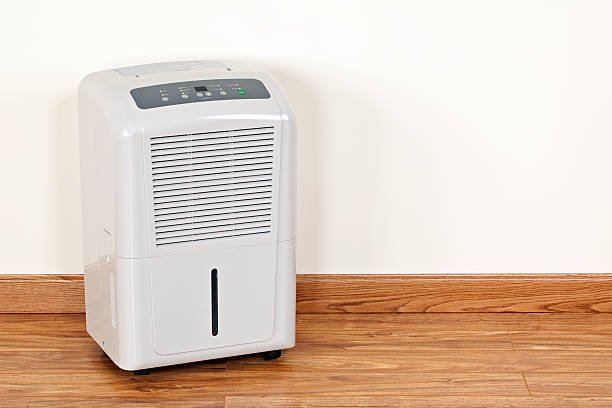
Dehumidifiers are designed to remove excess moisture from the air, helping to maintain an optimal humidity level within a room. Here's a brief overview of how they operate:

  1. Air Intake: The dehumidifier draws in moist air from the room through a vent.

  2. Cooling Coils: The air passes over cooling coils, which cause the moisture in the air to condense into water droplets.

  3. Water Collection: The condensed water is collected in a tank or drained away through a hose.

  4. Dry Air Release: The now dehumidified air is reheated and released back into the room, lowering the overall humidity level.

Does a Dehumidifier Cool a Room?

The primary function of a dehumidifier is to reduce humidity, not to cool the air. However, by lowering the humidity level, a dehumidifier can make a room feel cooler and more comfortable. Here’s how:

  • Perceived Temperature: High humidity levels make the air feel warmer than it actually is because the moisture in the air hinders the evaporation of sweat from your skin. By reducing humidity, a dehumidifier can make the air feel cooler.

  • Improved Comfort: Lower humidity can improve overall comfort, making it easier to breathe and reducing the stickiness associated with high humidity.

  • Enhanced Air Conditioning Efficiency: Dehumidifiers can also assist air conditioners in cooling a room more efficiently. Air conditioners often struggle with high humidity because they must remove moisture from the air before cooling it. A dehumidifier can lighten this load, allowing the air conditioner to work more effectively.

Abestorm Dehumidifier Features

The Abestorm Dehumidifier is a top choice for those looking to control humidity levels effectively. Here are some of its key features:

  1. High Capacity: Designed to handle large spaces, the Abestorm Dehumidifier can remove significant amounts of moisture from the air, making it ideal for basements, crawl spaces, and other areas prone to dampness.

  2. Energy Efficiency: The unit is built to be energy-efficient, ensuring that it operates effectively without driving up your electricity bills.

  3. User-Friendly Controls: With easy-to-use controls and settings, you can quickly adjust the humidity levels to your preference.

  4. Durability: Constructed with high-quality materials, the Abestorm Dehumidifier is designed to last, providing reliable performance over time.

  5. Continuous Drain Option: For convenience, the dehumidifier includes a continuous drain option, allowing you to set it up and forget about emptying the water tank.

Practical Tips for Using a Dehumidifier

To get the most out of your dehumidifier, consider the following tips:

  • Proper Placement: Place the dehumidifier in a central location within the room to ensure even moisture removal. Avoid placing it against walls or in corners where air circulation might be restricted.

  • Regular Maintenance: Clean the air filter regularly to maintain efficiency. Empty the water tank as needed, or set up the continuous drain option if available.

  • Optimal Settings: Set the humidity level between 30-50% for most indoor environments. This range is typically comfortable and helps prevent mold and mildew growth.

  • Monitor Humidity: Use a hygrometer to monitor humidity levels in different areas of your home. This can help you determine where a dehumidifier might be most needed.

Dehumidifiers and Health Benefits

Reducing indoor humidity not only improves comfort but also offers several health benefits:

  • Prevents Mold and Mildew: High humidity levels can lead to mold and mildew growth, which can trigger allergies and respiratory issues. A dehumidifier helps keep these issues at bay by maintaining a drier environment.

  • Reduces Dust Mites: Dust mites thrive in humid conditions. By lowering humidity, a dehumidifier can help reduce dust mite populations, improving air quality and reducing allergy symptoms.

  • Protects Home Interiors: Excess moisture can damage wooden furniture, floors, and other materials in your home. A dehumidifier helps protect your investment by preventing moisture-related damage.

Conclusion

While a dehumidifier does not directly cool a room, it plays a crucial role in creating a more comfortable living environment by reducing humidity levels. The perceived temperature drop and improved air quality can make a significant difference, especially in humid climates. The Abestorm Dehumidifier stands out for its high capacity, energy efficiency, and user-friendly features, making it an excellent choice for managing humidity in your home. For more details and to explore their range of products, visit Abestorm. Embrace a drier, more comfortable living space with the right dehumidifier.