Google+

contact us

Use the form on the right to contact us.

Day or Night, we are here to serve you. Leave your plumbing problem to us.


Tinley Park, IL

(708)845-7922

Residential and Commercial plumbers and plumbing contractors available in Orland Park, Tinley Park, Oak Lawn, Palos Heights, Midlothian, Oak Forest, Homer Glen, Mokena, Frankfort, and the surrounding Chicago South Suburbs. Emergency plumbers.

copper water lines.jpg

Kevin Szabo Jr Plumbing Blog

Kevin Szabo Jr Plumbing is Tinley Park, Orland Park, Oak Forest, Midlothian, Orland Hill, Homer Glen, Mokena, Frankfort, Crestwood, Palos Heights, Oak Lawn, local plumber. Read our blog for advice, tips, a good laugh, and basic home improvement.

**We are moving our old blog to our new and improved website. Too see all our posts visit kevinszabojrplumbing.blogspot.com

Renting vs. Buying Property in Dubai: Pros and Cons

RH Business Marketing Solutions

Dubai's real estate market is known for its quick expansion and property diversity, which appeal to various interests and budgets. As the city grows, newcomers must explore the differences between renting vs. buying property in Dubai and evaluate their options. After all, investing in real estate greatly influences financial security, lifestyle, and long-term aspirations. Therefore, understanding the advantages and disadvantages of each choice is very important, and that’s what we’ll discuss in this article.

Financial and Personal Consideration

It is critical to assess your financial situation, especially when considering acquiring property, as this is a significant commitment. Calculate your financial potential in terms of the initial payments you must make, including the down payment and any associated costs. Furthermore, financial security is essential for timely mortgage payments and unexpected expenses, like plumbing emergencies.

Likewise, long-term planning is crucial in deciding between renting vs. buying property in Dubai. Consider how long you want to stay in Dubai and if your career and other parts of your life are conducive to a long stay. Renting may be a better option if you expect to travel around or change employment frequently.

It is also necessary to consider market conditions based on the most recent data. Study the real estate market and identify how property values are changing and what the market needs are. Of course, the best solution here is to consult a Dubai real estate agent who knows all the insights. Other factors like interest rates and mortgages directly influence the affordability of buying property; hence, ensuring you are well-informed will assist you in making a good decision.


Renting Property in Dubai

Renting property in Dubai offers several benefits, making it an attractive option for many. It provides flexibility and can be a cost-effective solution for those not ready to commit to a long-term investment. Here are the pros of renting property in Dubai:

·       Flexibility and mobility: Easily relocate as needed without being tied down.

·       Lower upfront costs: Avoid hefty down payments and mortgage fees.

·       Access to premium locations: Rent in high-end areas that might be unaffordable to buy in.

·       Maintenance handled by landlord: Repairs and home maintenance issues are the landlord's responsibility.

However, renting also has some drawbacks that you should consider. It might not offer the same security and financial benefits as owning a property. Here are the cons:

·       No equity build-up: Monthly rent payments do not contribute to ownership.

·       Potential for rent increases: Landlords can raise rent periodically.

·       Less stability and security: Lease terms are temporary and can be terminated.

·       Restrictions on property modifications: Limited ability to personalize or renovate the space.

If you eventually decide to rent a property in Dubai, you must consider the logistics. Luckily for you, movers in Downtown Dubai are always available to assist you with your relocation. They offer reliable and affordable services and guarantee the safe transportation of your belongings, leaving you nothing to worry about.


Buying Property in Dubai

Owning a property in Dubai presents a solid investment opportunity, appealing to those looking for long-term benefits. Ownership provides stability and the chance to build wealth through real estate. Here are the pros of buying property:

·       Building equity over time: Increase your net worth as you pay off the mortgage.

·       Potential for property value appreciation: Benefit from the rising market prices.

·       Freedom to modify property: Customize and renovate to suit personal preferences.

·       Stability and long-term investment: Secure a permanent residence and invest in your future.

However, owning property comes with its own set of challenges. It's essential to be aware of these potential downsides before deciding. Here are the cons:

·       High upfront costs (down payment, fees): Significant initial financial outlay.

·       Responsibility for maintenance and repairs: All upkeep costs fall on the owner.

·       Potential for property value depreciation: Market fluctuations can decrease property value.

·       Long-term financial commitment: Mortgage obligations span several years or decades.

If you buy a home in Dubai and move here from another country, we advise you to hire gimoversuae.com. This moving company specializes in local and international relocations and can handle everything for you. In addition, they also offer furniture installation and handyman services that will come in handy once you reach your new home.


Conclusion on Renting vs. Buying Property in Dubai

Choosing between renting vs. buying property in Dubai is a big choice that needs to be well thought out. By assessing your financial state, long-term aspirations, and current market circumstances, you can make an informed decision that aligns with your personal and financial objectives. Whether you choose the freedom of renting or the stability of owning, knowing the pros and cons will allow you to navigate Dubai's changing real estate market effectively.
Transform Your Backyard with a Poolside Bar

RH Business Marketing Solutions

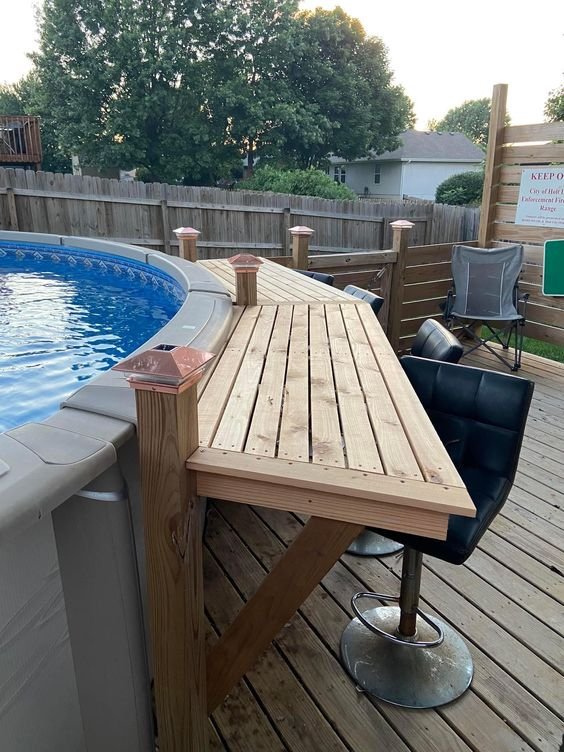
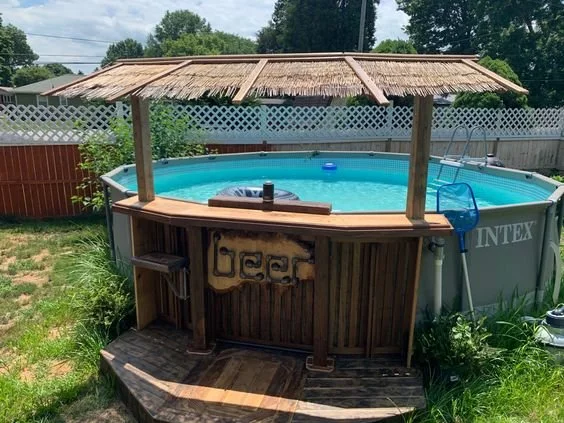
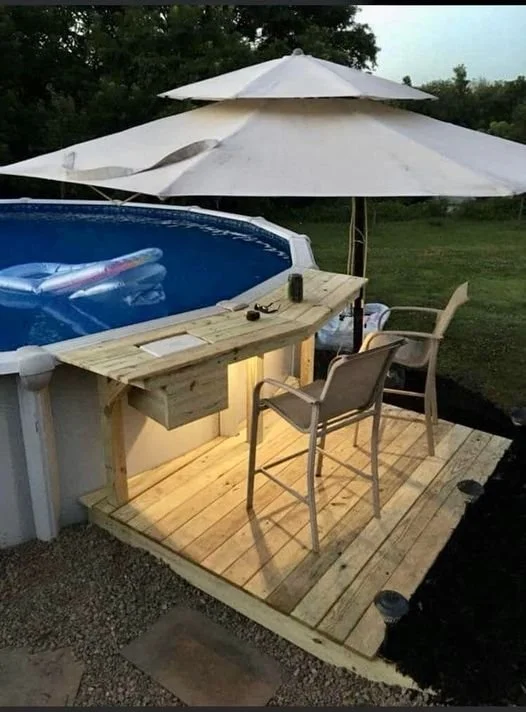
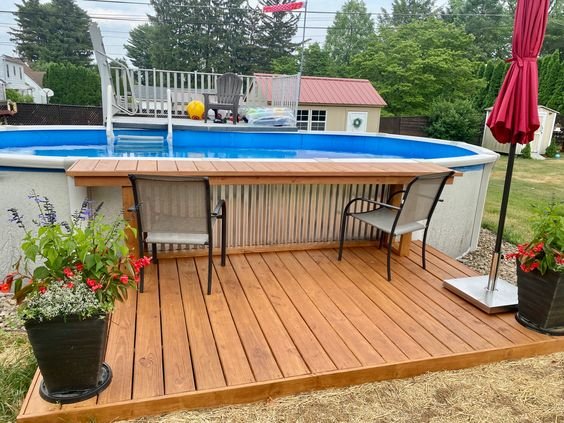
Having a poolside bar right in your backyard can elevate your outdoor entertainment experience to the next level. Picture this: lounging by the pool on a hot summer's day, sipping on a refreshing drink without ever having to leave the comfort of your home.

Design

When planning to install a poolside bar, consider the design that best complements your outdoor space. You can opt for a tiki-style bar for a tropical vibe or a sleek modern bar for a more contemporary look. Make sure to choose materials that are durable and weather-resistant to withstand outdoor conditions.

Functionality

Ensure that your poolside bar is not only aesthetically pleasing but also functional. Include storage for drinkware, beverages, and bar tools. A built-in sink and mini fridge can also enhance the convenience of your outdoor bar setup.

Seating

To create a social hub in your backyard, provide adequate seating options around the poolside bar. From bar stools to lounge chairs, the seating should encourage relaxation and mingling among guests.

Ambiance

Incorporate lighting, sound systems, and decor to set the desired ambiance. String lights, lanterns, and outdoor speakers can transform your backyard into a lively entertainment space, perfect for hosting gatherings and events.

Maintenance

Regular maintenance is key to keeping your poolside bar in top condition. Clean the bar surface, check plumbing connections, and ensure that all components are functioning properly to prolong the life of your outdoor oasis.

Conclusion

With a well-designed poolside bar, you can create a resort-like atmosphere in your own backyard. Get ready to impress guests, enjoy relaxing evenings by the pool, and make lasting memories in your outdoor entertainment haven.

Is Birch Plywood OK For Outdoor Use? What You Need To Know

RH Business Marketing Solutions

Birch plywood is a popular material known for its strength, aesthetic appeal, and versatility. It is widely used in interior applications, from furniture to cabinetry, and for various DIY projects. But when it comes to outdoor use, the suitability of birch plywood becomes a topic of debate.

This explains why people have one common question on their minds - is birch plywood okay for outdoor use? The answer depends on several factors, including the type of birch plywood, the conditions it will be exposed to, and how well it is treated and maintained.

This post highlights these factors to give you a comprehensive understanding of whether birch plywood can be a viable option for your outdoor projects.

-       Understanding Birch Plywood

Birch plywood is manufactured from layers of birch veneers, glued together with the grain of each layer running perpendicular to the previous one. This cross-graining technique imparts high strength and stability to the plywood. Birch plywood is valued for its fine grain, smooth texture, and light colour, which makes it an attractive choice for various applications. 

-       Types of Birch Plywood

Before diving into its outdoor suitability, it's important to understand the different types of birch plywood available:

1.    Interior Birch Plywood: Designed for indoor use, this type is commonly used for furniture, cabinetry, and other interior applications. It is not treated to withstand outdoor elements.

2.    Exterior Birch Plywood: Also known as WBP (Water and Boil Proof) birch plywood, this type is bonded with phenolic resins that make it more resistant to moisture and weather conditions than interior-grade plywood.

3.    Marine Birch Plywood: The highest grade of plywood, marine birch plywood can withstand prolonged exposure to moisture. It uses waterproof glue and has fewer voids in the layers, which prevents water penetration.

-       Factors Affecting the Suitability of Birch Plywood for Outdoor Use 

Several factors need to be considered to determine if birch plywood can be used outdoors:

1.    Moisture Resistance: Interior birch plywood is susceptible to moisture. Prolonged exposure can cause the layers to delaminate and the wood to rot. Exterior and marine grades offer moisture resistance, but they should be properly sealed and maintained to withstand outdoor conditions.

2.    Weather Conditions: The climate and weather conditions where the plywood will be used play a crucial role. In areas with high humidity, frequent rain, or extreme temperature fluctuations, birch plywood might not hold up well unless it's marine-grade and properly treated.

3.    UV Exposure: Prolonged exposure to sunlight can degrade the wood and its finish. Birch plywood exposed to direct sunlight needs a UV-resistant coating to prevent it from breaking down and losing its aesthetic appeal.

4.    Protective Treatments: Applying proper sealants and finishes can enhance the durability of birch plywood outdoors. Waterproof sealants, paint, or varnish can protect the wood from moisture, UV rays, and other environmental factors. 

-       How to Prepare Birch Plywood for Outdoor Use

If you decide to use birch plywood for an outdoor project, here are steps to enhance its durability:

1.    Choose the Right Grade: For better moisture resistance, opt for exterior or marine-grade birch plywood. These grades are designed to handle outdoor conditions better than interior-grade plywood. 

2.    Seal the Edges: The edges of birch plywood are susceptible to moisture penetration, which can lead to delamination and rot. To protect against this, apply a high-quality edge sealer or epoxy. This creates a waterproof barrier that prevents water from seeping into the plywood layers. Properly sealed edges are crucial for enhancing the durability and longevity of plywood in outdoor applications.

3.    Apply Waterproofing Treatments: Coat the surface of the plywood with a waterproofing sealant to enhance its durability. Options like polyurethane, spar varnish, or exterior-grade paints offer robust protection against moisture and UV rays. These treatments create a barrier that prevents water penetration and sun damage, which is essential for maintaining the plywood's integrity and appearance. Regularly applying these treatments is crucial for outdoor use, ensuring the plywood remains resilient against environmental elements.

4.    Regular Maintenance: Outdoor plywood requires consistent upkeep to ensure its longevity. Reapply sealants or paint as needed to maintain a strong protective barrier against moisture and UV damage. Regularly inspect the plywood for signs of wear, damage, or deterioration. Promptly addressing issues will prevent damage and help the plywood withstand outdoor conditions effectively.

5.    Proper Installation: Ensure that the plywood is installed in a way that promotes drainage and minimises direct contact with water. For example, when using plywood for outdoor furniture, avoid placing it on the ground where it can wick moisture.

-       Alternatives to Birch Plywood for Outdoor Use

If the potential challenges of using birch plywood outdoors seem daunting, consider these alternatives:

1.    Marine Plywood: Designed for prolonged exposure to water, marine plywood is an excellent choice for outdoor projects. It’s more expensive but offers superior durability and longevity. 

2.    Pressure-Treated Plywood: This type of plywood is treated with chemicals to resist rot and insects. It’s commonly used for outdoor construction and can be a good alternative to birch plywood.

3.    Composite Materials: Materials like PVC or composite wood are designed to withstand outdoor elements without the need for frequent maintenance. They can be a cost-effective and durable option for various outdoor applications.

4.    Cedar or Redwood: These natural woods are inherently resistant to moisture and decay, making them ideal for outdoor use. They can be more expensive than plywood but offer a natural aesthetic and long-lasting durability.


-       Conclusion

Birch plywood can be used for outdoor projects, but it requires careful selection, treatment, and maintenance to ensure its longevity. Choose exterior or marine-grade birch plywood, apply appropriate sealants, and commit to regular upkeep for best results. While it may not be as durable as other materials like marine plywood or treated lumber, birch plywood can serve well in many outdoor applications with the proper care. Consider the specific requirements of your project and weigh the benefits and drawbacks before making a decision.

Top 10 Home Decor Ideas for Home Improvement

RH Business Marketing Solutions

Transforming your living space into a haven of comfort and style doesn’t have to be a daunting task. With a bit of creativity and strategic planning, you can achieve a stunning home improvement that reflects your personality and enhances your living experience. Here are the top 10 home decor ideas to inspire your next makeover.

1. Embrace Minimalism

Minimalism is all about creating a clean, clutter-free space that exudes calm and order. Opt for a neutral color palette with pops of color in the form of accessories like throw pillows, artwork, or rugs. Choose furniture with sleek lines and ensure that each piece serves a purpose. This approach not only makes your home look more spacious but also promotes a sense of tranquility.

2. Add Greenery

Plants can breathe life into any room. They purify the air, add a touch of nature, and enhance the aesthetic appeal of your home. Consider incorporating a mix of large potted plants, small succulents, and hanging plants. Position them near windows where they can get natural light. This simple home improvemente can make a big difference in your living space.

3. Create a Gallery Wall

Personalize your home by creating a gallery wall. Choose a mix of your favorite photographs, artworks, and prints. Frame them in varying sizes and styles for a more eclectic look. Arrange them on a prominent wall in your living room, hallway, or staircase. This not only adds visual interest but also tells a story about your tastes and experiences.

4. Upgrade Your Lighting

Lighting plays a crucial role in home decor. It can set the mood, highlight architectural features, and make spaces feel more inviting. Consider installing dimmers to adjust the ambiance according to different times of the day. Mix different types of lighting such as ambient, task, and accent lights. Statement chandeliers, modern floor lamps, and elegant table lamps can significantly elevate your home improvement.

5. Incorporate Textures

Adding various textures can make your home feel more dynamic and cozy. Think about using textured throw blankets, cushions, rugs, and wall hangings. Materials like wool, faux fur, linen, and woven fabrics add depth and warmth to your decor. This tactile approach to home improvemente ensures your space is not only visually appealing but also comfortable.

6. Repaint Your Walls

A fresh coat of paint can instantly transform a room. Choose colors that complement your furniture and overall decor theme. Soft pastels can create a serene environment, while bold colors can add energy and vibrancy. For a modern twist, consider an accent wall in a contrasting color or a trendy wallpaper. This is a relatively simple home improvement that can have a dramatic effect.

7. Revamp Your Furniture

Sometimes, all it takes is a little DIY to give your furniture a new lease on life. Reupholster chairs, paint wooden furniture or add new hardware to cabinets and drawers. These small changes can refresh your decor without the need for a complete overhaul. This form of home improvement allows you to keep your favorite pieces while giving them a modern update.

8. Utilize Mirrors

Mirrors can make a room appear larger and brighter. They reflect light and create the illusion of more space. Place a large mirror opposite a window to maximize natural light. You can also create a statement with a decorative mirror in your entryway or living room. This simple home improvement trick can enhance the overall feel of your home.

9. Declutter and Organize

A cluttered home can feel chaotic and stressful. Take the time to declutter and organize your belongings. Use stylish storage solutions like baskets, shelves, and boxes to keep things tidy. Implementing a regular decluttering routine not only improves the look of your home but also contributes to a more serene and organized living environment.

10. Personal Touches

Finally, infuse your personality into your home decor. Display items that have sentimental value, such as souvenirs from travels, family heirlooms, or handmade crafts. These personal touches make your home unique and meaningful. Incorporating them into your home improvement projects ensures that your space truly reflects who you are.

According to Picuki Blog, By embracing these home decor ideas, you can achieve a stunning home improvement that enhances both the beauty and functionality of your living space. Remember, the key to successful home decor is to balance aesthetics with practicality, ensuring that your home is not only stylish but also comfortable and livable.

Finding Harmony In Your Backyard Oasis: Balancing Hardscape And Softscape

RH Business Marketing Solutions

Transforming your backyard into a personal sanctuary requires a harmonious blend of natural beauty and functional design. This balance is achieved through the strategic use of hardscape and softscape elements. Hardscape encompasses the permanent, non-living features of your landscape, such as patios, walkways, and retaining walls. Softscape, on the other hand, refers to the living elements – plants, trees, flowers, and shrubs – that bring life and color to your outdoor space.


Striking the Right Balance

The key to a successful backyard design lies in striking the right balance between hardscape and softscape. For instance, a vibrant flowerbed bursting with colorful blooms can be beautifully accentuated by a low brick border. Similarly, a strategically placed water feature adorned with aquatic plants creates a visually captivating focal point.


Merging Functionality with Beauty

Hardscape elements not only enhance the aesthetics of your backyard, but also serve specific purposes. A sturdy walkway seamlessly connects different areas of your yard, and a retaining wall can create additional space for planting or add definition to a sloped landscape. The beauty lies in finding hardscape elements that can serve multiple functions.


Infuse Your Personality

While functionality is important, don't forget to infuse your personal style into your backyard oasis. Explore different hardscape materials, such as natural stone, brick, or pavers, to create a look that complements your home's architecture. Remember, your local turf equipment and supply store can be a valuable resource for selecting the right plants and materials to bring your backyard vision to life.

The accompanying infographic offers a visual guide to achieving a balanced blend of hardscape and softscape elements in your backyard haven. From understanding key elements to practical tips for creating a harmonious space, empower yourself to craft a backyard retreat that's both beautiful and functional.

How to Navigate the Challenges of Managing a Construction Company

RH Business Marketing Solutions

Running a construction company is no easy feat. There are many hurdles to overcome to finish projects on time and keep the business growing. This includes everything from managing finances to following all the rules. Rest assured, this article has everything you need! Here are several key strategies that construction company managers can use to tackle these common challenges.

Strategic Financial Planning

In the construction business, things do not always go according to plan. To handle this uncertainty, successful companies put a lot of thought into their finances. This means carefully planning their budgets, figuring out exactly how much each project will cost, and keeping a close eye on how much money is coming in and going out.

By predicting income and expenses as accurately as possible, construction managers can avoid financial problems and make sure they have enough cash on hand to keep running smoothly and finish their projects on time.

Efficient Project Management

Getting a construction project done right depends heavily on how it is managed. This means having clear communication between everyone involved, a detailed plan from the start, and keeping a close eye on how long things take and how much they cost.

There is also special software that can help out by making everything more organized, encouraging teamwork, and giving everyone up-to-date information on how the project is going. By sticking to the schedule and making sure everything is built to standard, construction managers can avoid delays and stay on budget, which keeps clients happy and makes the project more profitable.

Navigating Regulatory Requirements

The world of rules and regulations for construction companies can be tricky, but understanding them is key to avoiding trouble. Construction companies need to make sure they have all the right permits, follow safety guidelines, and keep up-to-date on environmental rules.

By setting up a strong system to follow the rules and regularly checking their work, construction companies can stay on the right side of the law and build a good reputation in the industry.

Embracing Technology and Innovation

In the construction industry, using new technologies and ways of doing things can give you a big advantage. This is because things like Building Information Modeling (BIM) software, which creates detailed models of projects, and drones for surveying land can make everything run more smoothly and accurately.

These technologies can also help save money. Being environmentally friendly in construction is also important. It helps the planet, and it can also attract clients who care about the environment.

Talent Acquisition and Retention

The construction industry places significant reliance on skilled workers, making the acquisition and retention of competent employees essential. In order to attract and hold onto the best people, construction companies need a strong hiring plan, competitive pay and benefits, and opportunities for workers to learn new skills and advance in their careers.

Additionally, creating a positive work environment that focuses on safety, includes a variety of people, and looks out for employee well-being can boost productivity and reduce turnover. By doing these things, construction companies can keep growing and succeeding.

Adaptability and Risk Management

In construction, rapid changes are common, underscoring the importance of flexibility and adaptability for achieving success. This means thinking ahead about possible problems like material delays, bad weather, or economic downturns.

Having backup plans, keeping everyone informed, and dealing with issues quickly helps avoid major setbacks and keep the project moving forward. By taking a proactive approach to managing risk, construction managers can ensure their projects are completed on time and within budget and are better prepared for whatever surprises come their way.

Contractor Mentoring Programs

Contractor coaching programs are a game-changer for construction companies. These programs provide contractors with personalized training and advice, helping them become better at delivering projects on time, meeting quality standards, and keeping clients happy. This translates to fewer delays, fewer costly mistakes, and a stronger reputation for reliability. By investing in ongoing learning and development for their contractors, construction companies can ensure smoother projects, boost efficiency, and stand out from the competition in a competitive industry.

Conclusion

Running a successful construction company involves a lot of moving parts. To thrive, you need a well-rounded plan that covers your finances, managing projects effectively, following regulations, using the latest technology, building a great team, and reducing risks as much as possible. By doing all these things, construction company managers can streamline their operations, avoid problems, and keep their businesses on top in this ever-changing and competitive field.

Kickstart Your Home Renovation with a Kitchen Makeover

RH Business Marketing Solutions

There's a certain magic in a kitchen makeover. It’s not just about new cabinets or shiny countertops. Picture this: a space where culinary creativity thrives, where friends and family gather, and where every detail reflects your personal style. A kitchen renovation can breathe new life into your entire home, turning it into a place of warmth, beauty, and inspiration. Ready to ignite that spark?

Assessing Your Current Kitchen

Before diving into a kitchen makeover, take a step back and assess your current space. Begin by evaluating the existing layout and identifying how it serves—or hinders—your daily activities. Is there enough counter space for meal prep? Are the appliances conveniently located, or do you find yourself constantly moving from one end of the kitchen to the other?

Next, identify the pain points. The cabinets may be outdated and lack sufficient storage, making it difficult to keep everything organized. The lighting may be inadequate, casting shadows over your workspace and making cooking difficult. You might even have a quirky layout that feels cramped and uninviting. By pinpointing these issues, you can start to visualize the changes needed to transform your kitchen into a more functional and enjoyable space.

Taking the time to thoroughly assess your current kitchen provides a solid foundation for your renovation, ensuring that the end result not only looks stunning but also works seamlessly with your lifestyle. If you're considering professional help, this assessment phase can also guide you in selecting the right provider to modernize your kitchen with a new design, ensuring that both aesthetic and practical needs are met.

Setting Your Goals and Budget

Define your objectives. What do you hope to achieve with this makeover? Perhaps you want to create a more open and inviting space for entertaining guests, or maybe you're looking to improve the functionality and efficiency of your kitchen for everyday cooking.

Setting a budget is equally important. Renovations can quickly become expensive, so it's crucial to determine how much you're willing to spend and prioritize your expenses accordingly. Consider the costs of materials, labor, and any unexpected expenses that might arise during the renovation process. Research average costs for kitchen remodels in your area to get a realistic idea of what to expect.

As you outline your budget, it's helpful to categorize your expenses into must-haves and nice-to-haves. Must-haves are essential elements that you can't compromise on, such as new appliances or updated plumbing. Nice-to-haves are items that would enhance your kitchen but aren't critical to the overall functionality, like high-end finishes or luxury lighting fixtures.

Designing Your Dream Kitchen

With your goals and budget in place, the next step is to design your dream kitchen. Start by choosing a style that reflects your personal taste and complements the overall aesthetic of your home. Popular kitchen styles include modern, rustic, minimalist, and traditional. Whether you prefer sleek lines and contemporary finishes or a cozy, farmhouse vibe, selecting a cohesive style will guide your design choices. To achieve the look you desire, consider investing in the best kitchen cabinets that align with your chosen style, providing both functionality and visual appeal.

The layout of your kitchen is crucial for both functionality and efficiency. One of the most important concepts to consider is the kitchen work triangle, which involves positioning the sink, stove, and refrigerator in a triangular layout to optimize workflow. This design minimizes unnecessary movement and makes cooking more enjoyable. If your current layout is awkward or inefficient, consider consulting with a professional to reconfigure the space.

When selecting materials and finishes, balance durability with aesthetics. Choose cabinetry and countertops that are not only visually appealing but also capable of withstanding the daily wear and tear of a busy kitchen. For instance, quartz and granite are popular choices for countertops due to their durability and low maintenance. Similarly, solid wood or high-quality engineered wood can provide both beauty and resilience for cabinets.

Don’t overlook the importance of lighting. A well-lit kitchen is essential for both safety and ambiance. Incorporate a mix of task lighting, such as under-cabinet lights for food preparation areas, and ambient lighting to create a warm, inviting atmosphere. Stylish fixtures can also serve as statement pieces that enhance the overall design.

Finally, consider the kitchen appliances that will best suit your needs. Investing in energy-efficient, high-performing appliances can improve the functionality of your kitchen while reducing long-term costs. Look for features that match your cooking habits and lifestyle, whether it's a high-capacity refrigerator for a large family or a state-of-the-art oven for gourmet cooking.

Wrapping Up

Starting a kitchen makeover is an exciting journey that can transform the heart of your home. By thoughtfully assessing your current space, setting clear goals, designing with intention, and selecting high-quality materials and appliances, you can create a kitchen that perfectly blends style and functionality. Whether you’re an avid cook or love to entertain, a well-planned renovation will enhance your daily life and add lasting value to your home. Ready to begin? Your dream kitchen awaits.

The 10 Most Helpful Pieces of Advice for Property Managers

RH Business Marketing Solutions

The 10 Most Helpful Pieces of Advice for Property Managers

Whether you are just beginning your property management career or you are a seasoned professional and have gained invaluable experience during the past few years working as a property manager, it is always good to enrich your knowledge and develop your skills further to become the best version of a property manager that your tenants and clients will love. 

To stay ahead of your competition in the dynamic real estate industry, especially the property management niche, you must learn to adapt to the new trends and quickly adjust your so-far-learned skills. This text will provide you with the ten best pieces of advice for advancing your property management career.

1. Establish a good relationship with the tenants

You can only be a good property manager if you build a good relationship with the tenants in your rental units. When they feel involved and valued and their voice is heard, they will respect the property and you and will obey the rules. To establish such a good relationship, you need to host regular community events where you can give space to tenants to express their thoughts and opinions about the management or anything related to the community they are a part of. 

Also, you need to ask for feedback through questionnaires and suggestion boxes to improve your managing methods. Finally, you must offer amenities that fully satisfy their needs and interests. If you do all these things, you will see how positive changes happen in your relationship, leading to a better and more harmonious living environment.

2. Communication is vital

The very high second place on this list as the essential thing that you as a property manager should master is communication: effective and transparent communication with your tenants and the property owner. 

Clear communication will help you avoid misunderstandings, and will help you run smooth operations. To communicate perfectly with your tenants and property owner, send monthly newsletters to update everyone on the property news, and leverage social media channels or emails, SMS, texts, and community boards to voice the announcements. Finally, meetings should be held several times yearly to address concerns and provide updates.

3. Property maintenance should be a regular priority

Think of it as preventive maintenance that must be done regularly to retain the property's value and attract quality tenants. To do so, conduct regular inspections to discover potential issues, address the repairs urgently, avoid further damage, and invest in the property's curb appeal to wow potential clients with first impressions. Most importantly, check out the HVAC system regularly to ensure it is in optimal condition.

4. Collaborate with top service professionals

Build your network of connections with professionals who have already built their reputation in their industry because quality service will reflect your commitment to excellence. Dive deep into the backgrounds of your contractors to make sure they meet your standards, require recommendations and referrals from them, and always put on your negotiation cap to get the best value without compromising quality.

5. Plan for the long run

Having a long-term strategy will ensure the property's sustainability and growth. The strategy should include financial projections that will help you make informed decisions. You should also consider all future market trends so you can plan your upgrades appropriately. Last but not least, you must reevaluate the strategies every year to ensure they are aligned with your goals.

6. Finding quality tenants

As a property manager, one of the best characteristics you have that will help you get chosen and hired for the job by a property owner is your ability to find and screen quality tenants. To find the right tenants, you should do thorough background checks, offer competitive rental rates to attract quality tenants, and maintain honest and transparent communication during the leasing process.

7. Build a community

When living in a neighborhood shared with other renters, everyone wants to feel that they belong to it. To foster such a community, you need to promote tenant-led initiatives and celebrate milestones and achievements for the whole community.

8. Be reliable

To build trust and confidence among the tenants, you need to be transparent about any changes or disruptions to the community, address any concerns by the tenants promptly, and maintain regular office hours so that they can easily reach you.

9. Adapt to changes

When the seasons change, you must also change because each season brings its own challenges and opportunities. For example, when winter is coming, you must be prepared for timely snow removal and heating checks. Before summer comes, you need to optimize the pool maintenance and landscaping. And, all year round, you should offer seasonal promotions to attract new tenants.

10. Stay up to date with property management trends

Last but not least, you need to stay updated with all the trends that emerge in the property management industry. Keeping up with the changes in the industry will help you stay ahead of the curve and stand out from your competition. To do so, you must attend industry seminars to learn from experts, subscribe to property management publications to get the latest news, and implement new technologies to streamline the operation process further.

Conclusion

Being a property manager requires a lot of dedication, learning, and persistence. You are the median between the landlords and the tenants, and you must take care of the whole rental property. To succeed, you need to follow the advice outlined in this text with confidence and work independently on your soft skills to further excel in your career. Good luck!

Starting Your Career: Becoming A Certified Domestic Electrician

RH Business Marketing Solutions

Today homes depend on electricity to power everything from lights to machines. Behind the scenes licensed home electricians ensure this vital resource always runs safely and efficiently. As a home electrician you can expect a busy and fulfilling job with chances to learn new skills and grow in your work. This piece talks about how to become a trained residential electrician. It discusses the schooling skills required and steps to getting licensed and qualified.

Understanding The Role Of A Domestic Electrician

Domestic electricians are the most essential part of home electrical systems. They ensure that homes can safely and reliably connect to power. Their job includes many different tasks such as installing wires and electrical parts, fixing problems and performing regular maintenance to keep things safe. Professional electricians who work in businesses and factories do more extensive jobs but household electricians only work in homes.

Because they are specialized they learn how to deal with home electrical systems' unique problems and needs. Domestic electricians are essential for keeping homes safe and powered whether wiring a new home replacing old electrical panels or installing energy efficient lights.

Educational Requirements And Training

Most people need to complete both classroom work and hands-on training to become qualified residential electricians. The minimum schooling required to become an electrician is a high school graduation or the equivalent but many people who want more experience go through trade training programs or internships.

These programs teach students everything they need about electricity theory safety and building rules. They also allow students to work with experienced experts in the real world.

Apprentices learn how to read plans, use specialized tools and equipment and fix common electrical problems by doing the work themselves. This mix of classroom learning and hands-on practice prepares people to pass certification tests and get the licenses they need to work as residential electricians.

Skills And Qualities Needed

Domestic plumbers who are good at their jobs have a special mix of professional problem solving and people skills. They need to have a good idea of how electricity works and be able to read technical drawings and plans correctly. It is important to pay close attention to the little things because even small mistakes in wiring or fitting can have big effects.

Troubleshooting electrical problems is something that all residential electricians must be good at. They must use logic and critical thinking to find and fix issues quickly. Electricians must also be good at talking to people because they work closely with homeowners, builders and other workers to ensure projects run smoothly and customers are happy. Lastly, if you want to be successful in this field for a long time you need to be able to shift and be willing to keep up with changes and trends.

Building Experience And Expertise

Getting real world practice is very important for people who want to become home engineers. Apprenticeships are great because they let people learn from more experienced workers while building their confidence in their skills. As they get better at their job electricians may focus on certain types of home electrical work like home automation green energy systems or safety checks.

By specializing, electrical contractors can stand out in the market and look for higher paying jobs. Professional growth and continuing education are also significant for building knowledge. For example engineers must keep up with changes in safety rules, building codes and new technologies to give their customers the best service possible.

Licensing And Certification Process

Getting the proper permits and qualifications is integral to becoming a licensed home electrician. Different places have different rules but in most areas electricians must pass a written test that checks their understanding of electrical theory laws and safety procedures. In some places you may also have to take tests to show you know how to do basic electrical jobs.

Electricians may need to take continuing education classes to keep their licenses and keep up with business changes. Following the rules and regulations is vital to ensure electricity systems are safe and protect people from possible dangers.

Finding Employment Opportunities

Domestic electricians can work for companies such as private building firms, electrical contracting firms and upkeep units. Electricians can find job openings and advance their careers by networking and making connections in the field.

Electricians can work on their projects and build their name in the field by thinking about going into business for themselves or as freelancers. Many people will need skilled electricians because of all the new building and repair projects and the need to update old electrical systems in homes that are already built.

Advancement Opportunities And Career Growth

Making progress in home electrical work opens up many chances to grow and improve. Electricians with extensive experience may focus on certain areas like making homes more energy efficient, automating them or installing green energy systems. Specialization can lead to jobs that pay more and more people needing services.

Electricians can become supervisors or managers which means they are in charge of projects from start to finish and teams of electricians. To stay competitive in your area and take advantage of new job growth chances you must keep learning and growing professionally.

Conclusion

Becoming a home electrician can lead to a satisfying career with job security room for growth and the chance to make a real difference. Electrician Islington is a trustworthy business that provides well known electrical services to owners, real estate agents and businesses.

Our team of skilled electricians and constant dedication to quality ensure that we can reliably and effectively meet your electrical needs. For professional help, visit us at 21 White Conduit St, London, N1 9HA, UK. You can also email us at electrician-islington.com or call us at +447517635975.

Electrician Islington

Electrician Islington offers a comprehensive range of industry recognised electrical services to landlords, estate agents, and other commercial clients. With our team of skilled electricians and commitment to quality, we ensure reliable and efficient solutions for all your electrical needs.

21 White Conduit St, London, N1 9HA, UK
+447517635975

Essential Maintenance Steps to Secure Your Home After a Storm

RH Business Marketing Solutions

In the aftermath of a storm's fury, ensuring your home's safety and security becomes a top priority. While the storm itself may have passed, potential dangers can still lurk.

You must identify and address any damage, prevent further issues, and create a safe environment for you and your family.

The National Weather Service describes a dangerous thunderstorm in which the wind blows at a speed of 58 mph or more. It also produces 3/4 inch hails or larger, or it can be a tornado. The NWS reports more than 1,00,000 thunderstorms each year in the US. Out of these, only 10% are dangerous or severe.

In this article, we will guide you through essential maintenance steps to secure your home after a storm.

1. Inspect and Repair Roof Damage

The National Centers for Environmental Information has reported a loss of $10.8 billion each year due to severe storms. The major cause of roof damage is the big hail stones.

Following a storm, a thorough inspection of your roof is crucial. Look for damaged or missing shingles, cracks, or any areas that appear loose. If water stains or leaks are visible in your attic, it is a sign of a breach.

Don't attempt repairs on a steep or wet roof yourself. Call a professional to analyze the damage and make the required repairs to safeguard your roof's integrity and prevent further water intrusion.

2. Assess and Address Window and Door Damage

If you live in an area prone to hurricanes and storms, you must install hurricane-proof windows as suggested by Forbes. The average price of a hurricane-proof window is between $90 and $400. These windows are constructed to withstand Category 5 storms or winds up to 200 mph. If the labor cost is included the price falls between $80 to $400 per window.

After a storm's blow, your windows and doors become prime targets for further vulnerability. Carefully analyze the exterior and interior for cracks in the glass or frame and holes from debris impact. Also, check for any signs of warping that might avert a proper seal.

Try opening and closing the doors and windows to check for functionality – sticking or misalignment could indicate frame damage. If you find broken glass, protect your hands and eyes with gloves and sunglasses.

Board up the opening with plywood or a tarp to prevent further weather exposure and potential break-ins until proper repairs can be made.

3. Evaluate Plumbing Fixtures

After a storm's wrath, it's vital to assess your home's plumbing fixtures for potential damage. Check for leaks under washbasins, around toilets, and near the washing machine. Look for visible cracks in pipes or fixtures themselves.

Turn on faucets to monitor water pressure and listen for unusual hissing sounds that might indicate leaks. If you notice a leakage, stop the water supply to that plumbing product and contact a licensed plumber to address the issue. A small issue can be a major problem suddenly, so prompt attention is key.

Stern-Williams advocates for high-caliber plumbing solutions tailored to both residential and commercial sectors, promoting benefits for individuals, environmental sustainability, and financial viability. They emphasize choosing products that prioritize ease of installation and operation, ensuring long-term reliability.

4. Check Electrical Systems

Following a storm, exercising caution around your electrical system is paramount. Avoid entering flooded areas or touching any downed power lines.

Leave electrical repairs to a qualified electrician. They can thoroughly inspect your wiring, outlets, and panel box for damage caused by power surges, lightning strikes, or moisture exposure.

According to Britannica, if a lightning flow enters an insecure residence, the voltage can cause sparks in the house wiring or appliances. The lightning enters through an electric power line and the voltage is too high. It creates a short circuit that ultimately causes a fire or damage to the power line or electrical appliances.

Look for signs of scorching on outlets or switches, and avoid using any appliances that get wet. Use them after a professional has checked them for safety. Prioritizing a professional inspection ensures your electrical system functions safely and prevents potential fire hazards.

5. Utilize Restoration & Cleaning Services

In the aftermath of a storm, the damage can be overwhelming.

For extensive cleaning and repairs, consider utilizing professional restoration & cleaning services. These companies possess the expertise and equipment to handle various issues, from flood water removal and dehumidification to cleaning debris and restoring damaged belongings.

Their services can significantly expedite the restoration & cleaning process, allowing you to concentrate on the emotional facets of recovery. These companies can also help you to get your insurance claim, as they often work directly with insurance companies.

Many people do not hire professionals to clean their homes just to save a few bucks, which is not good for your home. Disaster Masterz advises hiring professionals to clean your home after a storm for many reasons. The major reason is that they not only clean your home but also sterilize it making it germ-free. You and your family can enjoy your home for years to come.

6. Inspect and Clean Gutters and Downspouts

Pay attention to your gutters and downspouts after a storm. Clogged gutters overflowing with blockage can cause water to flow back under the roof shingles, potentially leading to leaks and interior damage.

Climb safely onto a ladder and visually inspect the gutters for signs of storm debris like leaves, branches, or blown-in objects. Always ensure proper footing and have someone stabilize the ladder while working.

Use a gutter scoop or wear work gloves to remove leftovers and clear any blockages. Once the gutters are clean, flush them with a hose to ensure proper water flows through the downspouts, away from your house.

Frequently Asked Questions

How do I know if my roof needs repairs after a storm?

Look for missing or damaged shingles, cracks in your roof's surface, or leaks or water stains in your attic. These are all signs that your roof may have been compromised by the storm and require repairs.

When should I call a plumber to inspect my home's plumbing after a storm?

Call a plumber if you suspect a leak, notice low water pressure or experience difficulty turning on faucets. These could signal damage from the storm that needs professional attention.

What are the benefits of hiring professional restoration services?

Professional restoration services offer several advantages after a storm. Their expertise can ensure proper repairs and minimize the risk of further damage. They also possess the equipment for flood water removal, dehumidification, and cleaning up debris efficiently. The Grand View Research estimates that 80% of American households with more than one income source will take up cleaning services.

On the ending note, we can say that while a storm may have passed, securing your home requires a proactive approach. By following these essential maintenance steps, you can identify and address any damage and prevent further issues. With little effort, you can ensure a safe and secure environment for you and your family.