Google+

contact us

Use the form on the right to contact us.

Day or Night, we are here to serve you. Leave your plumbing problem to us.


Tinley Park, IL

(708)845-7922

Residential and Commercial plumbers and plumbing contractors available in Orland Park, Tinley Park, Oak Lawn, Palos Heights, Midlothian, Oak Forest, Homer Glen, Mokena, Frankfort, and the surrounding Chicago South Suburbs. Emergency plumbers.

copper water lines.jpg

Kevin Szabo Jr Plumbing Blog

Kevin Szabo Jr Plumbing is Tinley Park, Orland Park, Oak Forest, Midlothian, Orland Hill, Homer Glen, Mokena, Frankfort, Crestwood, Palos Heights, Oak Lawn, local plumber. Read our blog for advice, tips, a good laugh, and basic home improvement.

**We are moving our old blog to our new and improved website. Too see all our posts visit kevinszabojrplumbing.blogspot.com

Top 3 Cover Letters and Templates for Plumbing Services

RH Business Marketing Solutions

Plumbers use their skills to set up and fix things like water pipes and heating systems. If you like working with your hands and solving problems, plumbing could be a great job for you. A good cover letter can help you stand out when you apply for a job.
In this guide, we'll teach you how to write a strong cover letter for plumbing jobs. We'll also list important skills to mention and give you three templates you can use. When you're ready, you can update your resume and start applying for plumbing positions.

How to Write a Cover Letter for Plumbing Job

Writing a cover letter has become easier. You can achieve this by either providing a prompt to a rewording generator to paraphrase an existing template, or by following various key steps to customize it according to your needs.

1. Start with a greeting: Address the letter to a specific person if you can. If not, use "Dear Hiring Manager".

2. Introduce Yourself: Begin with a brief introduction that mentions your background and your interest in the plumbing position.

3. Highlight Relevant Skills: Mention the key plumbing skills you have that match the job description, such as experience in installing piping systems or repairing leaks.

4. Provide Examples: Include one or two specific examples of past plumbing projects you've completed successfully.

5. Explain Why You’re a Good Fit: Discuss why you're interested in the position and how you can contribute to the company based on your skills.

6. Close with a Call to Action: End your cover letter by expressing your enthusiasm for the role, and suggest a meeting or call to discuss your application further.

7. Sign Off: Finish with a professional closing, such as "Sincerely," followed by your name.

Must Read: HOW TO FIND INTERESTING & CREATIVE IDEAS FOR PLUMBING CONTENT?

Top 3 Cover Letters and Templates for Plumbing Services

Here are the top three templates for writing a cover letter for entry-level, experienced, and general plumber positions. These examples will help you write your next proposal or give you ideas for writing one.

Template 1: Entry-Level Plumber Cover Letter

John Doe

123 Maple Street

Anytown, CA 90210

johndoe@email.com

April 16, 2024

Jane Smith

ABC Plumbing Services

456 Oak Avenue

Anytown, CA 90210

Dear Ms. Smith,

I am writing to express my interest in the entry-level plumbing position listed on Indeed. With a recent certification from Central Technical School, I am eager to apply my learned skills in a practical setting.

During my training, I gained hands-on experience in both residential and commercial plumbing systems, focusing on installing and repairing pipes and fixtures. For instance, I completed a project that involved a full installation of kitchen and bathroom fixtures that were praised for efficiency and compliance with local codes.

I am excited about the opportunity to bring my dedication and diligence to ABC Plumbing Services. I am enthusiastic about the chance to contribute positively and learn from esteemed professionals like those at your company.

Thank you for considering my application. I look forward to the possibility of discussing how I can contribute to your team. Please feel free to contact me at your earliest convenience to schedule an interview.

Sincerely,

John Doe

Template 2: Experienced Plumber Cover Letter

[Your Name]

[Your Address]

[City, State, Zip]

[Email Address]

[Date]

[Recipient Name]

[Company Name]

[Company Address]

[City, State, Zip]

Dear [Recipient Name],

With over [Number] years of experience in the plumbing industry, I am excited to apply for the position of Senior Plumber at [Company Name], as advertised on [where you found the job posting]. My background includes extensive work in high-pressure plumbing systems and emergency repair response.

In my previous role at [Previous Company Name], I led a team in a project that revamped the water system of a large residential complex, which improved system efficiency by 30%. My commitment to ensuring accurate and compliant plumbing solutions has consistently resulted in reduced operational costs and increased client satisfaction.

I am eager to bring my expertise in advanced plumbing techniques and team leadership to [Company Name]. I am confident in my ability to contribute effectively to your team and enhance the service quality your company is known for.

Thank you for your time and consideration. I am looking forward to discussing this exciting opportunity with you.

Best regards,

[Your Name]

Template 3: General Plumber Cover Letter for Contract Work

[Your Name]

[Your Address]

[City, State, Zip]

[Email Address]

[Date]

[Recipient Name]

[Company Name]

[Company Address]

[City, State, Zip]

Dear [Recipient Name],

I am reaching out to express my interest in providing plumbing services for [Company Name] on a contract basis. With a strong foundation in various plumbing systems and more than [Number] years in the field, I am well-equipped to handle diverse plumbing challenges.

One of my notable projects involved designing and implementing a comprehensive upgrade for an aging plumbing system, which resulted in a significant improvement in system reliability and efficiency. My ability to quickly diagnose and resolve complex plumbing issues ensures minimal downtime and disruption.

I am enthusiastic about the opportunity to collaborate with [Company Name] and contribute to your projects with my professional skills and proactive approach. I am confident that my background and dedication will be an excellent match for your needs.

Looking forward to the possibility of working together.

Sincerely,

[Your Name]

These templates are designed to be adaptable depending on your specific qualifications and the job you are applying for. Be sure to customize each letter with your personal details and the specifics of the job advertisement to make a strong, tailored application.

Moreover, by following all the guidelines and reading the full article, you will find the best way to write your own cover letter for providing plumbing services.

Related Information:

●      How to write a blog to promote your plumbing services

●      How to write a home improvement contract

●      5 tips for deciding which contractor is right for you

Bottom line

It's really important to write a good cover letter when applying for plumbing jobs. This article gives you three different templates you can use, whether you're just starting out or have lots of experience.

By using these templates, you can show off your skills and stand out to employers. Make sure to read this guide to help you write a great cover letter and get closer to landing the plumbing job you want.


Revitalizing Your Home with Coffee: Crafting Your Ultimate Coffee Station Setup

RH Business Marketing Solutions

In the world of coffee aficionados, creating the perfect cup is not just a morning routine but a sacred ritual. This journey from beans to brew embodies a passion for quality, flavor, and the artistry of coffee making.

With the right equipment, anyone can transform their kitchen into a barista's paradise, unlocking the full potential of coffee beans. 

The essence of a great brew lies not only in the quality of the beans but also in the precision and capability of the equipment used. 

Setting up your ultimate coffee station is a pursuit of perfection, where every detail contributes to the creation of that flawless cup.

Essential Equipment For Your Ultimate Coffee Station Setup

Creating the ultimate coffee station is an endeavor that marries both art and science, requiring tools that bring out the best in your beans. 

Whether you're a seasoned coffee connoisseur or just beginning to explore the depths of coffee brewing, the right equipment can elevate your experience from mundane to extraordinary. 

At the heart of this setup is a commitment to quality and precision, ensuring that each cup reflects your personal taste and the rich complexities of the coffee. 

From grinders that ensure the freshest grounds to machines that extract every ounce of flavor, every piece plays a pivotal role.

Moka Pot: The Classic Choice

Among the plethora of brewing methods, the Moka Pot stands out for its simplicity, efficiency, and the rich espresso-like coffee it produces. 

Invented in Italy in the 1930s, this stovetop espresso maker has become a staple in households worldwide, celebrated for its ability to brew strong, flavorful coffee with ease. 

Its unique design, consisting of a bottom chamber for water, a middle filter basket for coffee grounds, and an upper chamber where the brewed coffee collects, utilizes pressure to extract coffee, resulting in a brew that's both intense and deeply satisfying. 

Ideal for those who appreciate the essence of Italian espresso without needing the complexity of an espresso machine, the Moka Pot is an essential component of any coffee aficionado's arsenal.

Espresso Machine: The Heartbeat Of Coffee Craft

An espresso machine is central to any ultimate coffee station, serving as the backbone for a wide array of coffee drinks. 

Whether you lean towards the automation of a super-automatic espresso machine or the hands-on control offered by a semi-automatic, the espresso machine is your gateway to a world of rich, concentrated coffee delights. 

Super-automatic models cater to convenience by automating grinding, tamping, and frothing, making them a perfect ally for both novices and veterans. 

Semi-automatic options, meanwhile, provide aficionados with the opportunity to fine-tune their espresso shots, balancing affordability with a bespoke brewing journey. 

The choice spans from budget-friendly units like the De’Longhi ESAM3300 Magnifica to high-end selections such as the Breville Oracle Touch, ensuring a match for every taste and budget​​.

Cold Brew System: A Nod To The Refreshingly Different

As the appreciation for cold brew coffee continues its ascent, integrating a cold brew system into your coffee station affords you the capacity to indulge in this distinctively smooth and robust coffee variant. 

The appeal of cold brew lies in its unique brewing process, which eschews heat in favor of time, revealing a flavor profile that is both rich and mellow. 

Gadgets like the KitchenAid Cold Brew Coffee Maker stand out for their durability and ease of use, offering quality cold brew right from your home. 

For those seeking simplicity, the Toddy Cold Brew System provides an uncomplicated yet effective method dating back to the 1960s, guaranteeing a clean, flavorful cup. 

The Vinci Express Cold Brew Coffee Maker caters to enthusiasts desiring speed without compromise, featuring fast brewing times and customizable strength settings. 

For instant cooling without dilution, the Zoku Instant Iced Coffee Maker employs innovative technology to chill your coffee in minutes, ensuring your brew is ready whenever you are​.

Crafting Your Coffee Haven: Essential Coffee Design Elements

Designing a coffee shop that resonates with your vision and attracts customers requires more than just good coffee; it involves a deep understanding of design principles that make your space inviting and efficient. 

From choosing the right furniture to optimizing your layout for smooth operations, every detail contributes to the overall customer experience and, ultimately, the success of your business.

The Role Of Size In Your Coffee Shop Design

The size of your coffee shop plays a pivotal role in its design and functionality. It influences how customers interact with your space, the types of activities your shop can accommodate, and the overall atmosphere. 

Whether you're contemplating a cozy setup or a more spacious establishment, the size should align with your business goals, target audience, and the services you intend to offer. 

Small spaces, ranging from 600 to 900 square feet, can foster a more intimate atmosphere, while larger spaces allow for more extensive menus and varied seating arrangements​.

The Art Of Layout Optimization

An effective coffee shop layout enhances the customer journey from the entrance to the counter and seating areas, ensuring a pleasant and efficient experience. 

The layout should not only cater to the needs of your customers but also streamline your operations, allowing for smooth traffic flow and easy access to essentials. 

Key considerations include utilizing vertical space for storage, creating a logical path for customers, ensuring the workspace allows for efficient barista movement, and making the entire space accessible to all. 

This thoughtful planning can significantly impact both the functionality of your coffee shop and the satisfaction of your customers​.

Designing The Ultimate Home Coffee Station

Creating an ideal coffee station in your home involves thoughtful consideration of space, functionality, and personal style. 

It's about carving out a special nook in your living area where you can enjoy crafting and sipping your favorite brews. 

Here’s how you can integrate all essential elements effectively, including a well-placed coffee table.

Strategic Layout And Coffee Table Integration

The heart of your home coffee station is a well-chosen coffee table that serves as the foundation of your setup. 

This table should not only complement the aesthetic of your room but also be functional enough to hold your coffee maker, accessories, and perhaps a few books or magazines related to coffee culture. 

Opt for a coffee table with storage options such as drawers or shelves to keep your coffee supplies tidy and accessible. 

This setup becomes a central point where functionality meets relaxation, allowing you to enjoy your coffee moments without clutter​.

Selecting The Right Equipment

Equip your coffee station with the necessary tools for your preferred brewing method. 

Whether you're a fan of espresso, drip coffee, or French press, choosing the right machine is crucial. 

Place your coffee machine on the coffee table or a side counter, ensuring it is easily accessible and ready to use. Include a high-quality grinder to ensure the freshness of your beans and a milk frother if you enjoy creamy beverages like lattes or cappuccinos. 

These essentials should be arranged neatly to maintain a clean and inviting coffee station​.

Final Remarks

From meticulously choosing the right equipment to optimizing the layout, creating the ultimate coffee station—whether at home or in a coffee shop—requires attention to both functionality and aesthetic appeal. 

By integrating essential coffee-making tools like the Moka Pot, espresso machine, and cold brew system, and pairing them with thoughtful design elements like effective lighting and strategically placed furniture, you create more than just a brewing area; you craft a sanctuary for coffee lovers. 

This setup not only enhances the brewing experience but also makes each cup a testament to your personal taste and coffee-making artistry, ensuring every brew is a perfect blend of science and soul.

Rat Race: Effective Strategies for Rodent Control in Your House and Yard

RH Business Marketing Solutions

Rodent control is an essential aspect of maintaining a healthy and safe living environment. Rats, in particular, are not just a nuisance but can also pose serious health risks by spreading diseases and contaminating food sources.

Effective management of these pests is crucial to prevent structural damage to your home and safeguard the health of its inhabitants.

Identifying a Rat Infestation

Rat infestations are typically identified by several telltale signs. These include droppings, especially around food areas; signs of gnawing on furniture or structures; greasy marks along walls; and rat nests made from shredded material such as paper or fabric. Hearing noises, such as scratching in the walls or ceilings at night, is another common indicator.

How to Differentiate Between Rat and Other Rodent Infestations

Distinguishing rat infestations from those caused by other rodents like mice is crucial for effective control. Rat droppings are larger than mouse droppings and have blunt ends.

Rats are larger in size, which often leads to bigger and more noticeable marks of destruction compared to those caused by mice.

Understanding Rats

Rats are attracted to homes and yards as these environments often provide abundant sources of food, water, and shelter. They are highly adaptable creatures that can reside in various parts of a building but prefer quiet, dark, and undisturbed areas to nest.

Rats are prolific breeders; a single pair can produce up to six litters a year with each litter containing up to eight young.

This rapid reproduction rate makes it essential to address infestations swiftly. Common hiding spots include cluttered areas like basements and attics, behind kitchen appliances, inside walls and ceilings, and near garbage disposal areas.

By understanding rat behavior and the signs of their presence, homeowners can take proactive steps to mitigate the risk of infestation and ensure their properties remain rodent-free.

Preventive Measures

Tips for Making Your Home and Yard Less Attractive to Rats

Preventing rat infestations begins with making your home and yard less inviting to these pests. Ensure that food waste is securely stored and disposed of, as exposed garbage can attract rats.  

Remove potential nesting sites by keeping yards and gardens clean and decluttered, and ensure pet food is never left out overnight.

Importance of Sanitation, Sealing Entry Points, and Managing Vegetation

Sanitation is key in rat prevention. Regularly clean areas where food is stored, prepared, and eaten to eliminate crumbs and residues that could attract rats.

Sealing entry points such as gaps around doors, windows, and where utilities enter the home is crucial to deny rats access. Managing vegetation around your property by trimming back trees and bushes can also help reduce the likelihood of rat infestations, as overgrown vegetation can provide shelter and hiding spots for rodents.

Rodent Control Strategies

Physical Traps: Types and Best Practices for Use

Physical traps, such as snap traps and live traps, are commonly used to control rat populations.

Snap traps are effective and immediately lethal, while live traps capture rats without harm for release far from the property.

It's important to use these traps safely and strategically—place them along walls or known rat paths and check them frequently.

Baiting and Poison: Precautions and Effective Methods

Using bait and poison can be a potent method to control rats but comes with significant risks, especially to children, pets, and wildlife.

If using poison, select products specifically designed for rats and follow the manufacturer's instructions carefully. Place baits in secure bait stations and away from areas accessible to non-target species.

Natural Deterrents and Repellents: Pros and Cons

Natural deterrents, such as peppermint oil and cayenne pepper, are touted for their ability to repel rats without the use of harsh chemicals.

While these methods are safer for use around pets and children, their effectiveness can be variable and less consistent than conventional traps or poisons.

Regular application and maintenance are necessary for these natural repellents to be even moderately effective.

Implementing these strategies involves a combination of proactive measures to prevent infestation and active methods to control and eliminate rats if they do become a problem.

Professional Pest Control

When to Call a Professional

While many rat infestations can be managed with DIY methods, there are times when it's best to call in professional pest control.

This is particularly the case if the infestation is widespread, if repeated attempts to control the problem yourself have failed, or if there is a risk of health hazards.

Professionals have access to more potent interventions and can ensure that the infestation is dealt with thoroughly and safely.

What to Expect from Professional Rodent Control Services

Professional pest control services begin with an assessment of the infestation to identify the extent of the problem and the entry points of the rodents.

They will then formulate a plan that may include trapping, poisoning, and sealing entry points.

Follow-up visits are common to ensure that the infestation is completely eradicated and to prevent future issues.

Maintaining a Rodent-Free Environment

Long-term Strategies to Keep Rats Away from Your Property

Maintaining a rodent-free environment requires ongoing vigilance. Long-term strategies include regular inspections of the home for signs of rodents, maintaining sanitation, and keeping yards free of debris. It’s also important to monitor for potential new entry points regularly and seal them promptly.

Regular Maintenance Tips and Practices to Follow

Consistently manage waste and storage areas to ensure they do not attract rodents. This includes using rodent-proof containers for food storage and waste disposal. Regularly trimming vegetation around the building and removing unnecessary clutter from yards can also discourage rodents from settling in.

Wrapping Up

Controlling rats involves both proactive and reactive measures. From preventive strategies like sanitation and sealing up entry points to active control measures like using traps and poisons, each step is crucial in maintaining a safe and healthy home environment.

In cases where these efforts are insufficient, turning to professional pest control services can be an effective solution to ensure that your home remains free from these persistent pests. By staying vigilant and following these guidelines, homeowners can significantly reduce the risk of rat infestations.

Renovation Essentials: Must-Have Tools and Supplies for Every Home Improvement Project

RH Business Marketing Solutions

Embarking on a home improvement project can be exciting and rewarding, offering a way to personalize and enhance your living space. However, the success of any renovation largely depends on having the right tools and supplies.

This not only ensures that the work can be done efficiently and correctly, but also helps in achieving professional-grade results even for DIY enthusiasts.

The Rise in DIY Projects

In recent years, there has been a significant increase in DIY projects among homeowners, driven by a desire to customize their spaces and often, to save on costs.

While many tasks can be managed independently with the right tools and a bit of know-how, there are situations where it is crucial to call in professionals, especially for projects involving electrical work, plumbing, or structural changes, where safety and regulations must be strictly followed.

Essential Tools for Home Renovation

For most home improvement projects, a well-equipped toolbox is essential. Here are some of the basic categories of tools that should be considered:

1. Measuring Tools: Every project starts with accurate measurements. Tools like tape measures, rulers, and laser levels are indispensable.

2. Cutting Tools: Depending on the material involved, different cutting tools are required. Utility knives, saws (hand saws and power saws), and tile cutters are a few examples.

3. Fastening Tools: To assemble or secure materials, tools such as hammers, screwdrivers, and wrenches are necessary. For more demanding tasks, power tools like drills and impact drivers greatly enhance efficiency and ease of use.

4. Power Tools: For more intensive renovations, power tools such as sanders, jigsaws, and rotary tools can save time and effort, providing professional results.

Must-Have Supplies

Beyond tools, the right supplies are critical for the execution and completion of any home improvement project. These include:

1. Paints and Primers: A fresh coat of paint is one of the easiest ways to transform a space. High-quality primers and paints are crucial for achieving a durable and aesthetically pleasing finish.

2. Nails and Screws: These fasteners come in various sizes and types, each suited for different materials and purposes. Choosing the right nails and screws is essential for the stability and longevity of your work.

3. Other Fixtures: Depending on the project, other necessary supplies might include adhesives, sealants, and finishing materials like grout or caulk.

Innovations and Recommendations

Staying updated with the latest products can significantly impact the efficiency and outcome of your projects.

Eco-friendly paints and automated power tools that offer better precision and safety features are recent innovations that have been well-received in the market.

Always look for products that align with your specific needs and have positive reviews from other DIYers or professionals.

When to DIY and When to Call Professionals

Assessing the Scope of Your Project

Deciding whether to tackle a renovation project yourself or to enlist professional help depends on several factors.

Firstly, assess the complexity of the project. Simple tasks like painting a room or replacing cabinet hardware are generally safe and manageable for most DIYers.

However, projects that involve structural changes, electrical systems, or plumbing should often be handled by licensed professionals due to the technical knowledge and safety concerns involved.

Considerations for DIY vs. Professional Help

●      Complexity: If the project requires specialized skills or knowledge of building codes, it's safer and more prudent to hire professionals.

●      Safety: Projects that pose significant risks, such as roof repairs or major electrical work, require professional expertise to ensure they are done safely.

●      Time Commitment: Consider how much time you can realistically dedicate to the project. Larger projects can become overwhelming without a team of professionals to handle them efficiently.

Planning Your Renovation Project

Effective Project Planning

Thorough planning is crucial to the success of any renovation project. Start by defining the scope of your project, then create a detailed plan that includes every task that needs to be completed.

Budgeting is another essential step; ensure you account for all materials, tools, and, if applicable, labor costs.

Build a timeline that outlines when each phase of the project will be started and completed. This helps in managing the renovation efficiently and can reduce the disruption to your daily life.

Importance of Permits and Local Regulations

Before beginning any work, it’s important to understand the local building codes and regulations. Depending on the nature of your project, you may need to obtain permits from your local municipality.

These permits ensure that the structural integrity of your home is maintained and that all renovations are up to current safety standards. Failing to adhere to these regulations can result in fines, and potentially, having to redo the work.

Keeping Safe During DIY Projects

Essential Safety Gear and Practices

Maintaining a safe working environment is paramount during any DIY project. Always wear the appropriate safety gear, which includes safety goggles, gloves, ear protection, and dust masks. These items protect against common hazards such as flying debris, sharp objects, noise, and inhalable particles.

Ensure your workspace is well-ventilated, especially when using volatile substances like paints and solvents. Familiarize yourself with the operation of power tools before use and keep a first aid kit readily accessible for any minor injuries that might occur.

Wrapping It Up: A DIYer's Guide to Home Renovation Success

In this guide, we've navigated the essentials of tools, supplies, and strategic planning necessary for tackling home renovation projects confidently.

Understanding when to take the DIY route and when to call in the professionals can save both time and money while ensuring safety and compliance with local regulations.  

As you embark on your next home improvement endeavor, remember that preparation is your best tool, and knowledge is your greatest ally.

By equipping yourself with the right resources and maintaining a focus on safety, your DIY projects are bound to be both rewarding and successful.

10 Steps to Design Your Custom Home

RH Business Marketing Solutions

Unlike off-the-rack houses, a custom-built home brings your vision to life, offering a unique opportunity to personalize every corner of your living space to suit your lifestyle, tastes, and needs. Custom homes provide the unparalleled benefit of personalization that mass-produced homes simply can’t match. They reflect your personality, fit your lifestyle perfectly, and can even adapt to future life changes.

Moreover, they often hold better value in the real estate market due to their unique features. Building a custom home is not just about creating a living space—it's about shaping your personal sanctuary. Here’s how you can design your own slice of heaven.

Step 1: Define Your Budget

Start by determining how much you can realistically afford to spend and still live comfortably. Include everything from the cost of the land and construction materials to the fees for architects and contractors. Don’t forget to set aside a contingency fund—about 10-15% of the total budget—for unforeseen expenses that are likely to arise during the building process. A well-planned budget ensures that your home-building journey does not lead to financial strain.

Step 2: Choose the Right Location

The location of your custom home affects not just the value of your investment but also your everyday life. Look for a plot of land that not only fits your budget but also aligns with your lifestyle needs. Do you thrive in a bustling city atmosphere, or do you prefer the quiet of a suburban or rural setting? Consider the proximity to work, schools, public transportation, and amenities like shopping, dining, and parks.

Additionally, evaluate the land’s topography and soil type to ensure it is suitable for construction and won’t require expensive excavation or stabilization.

Step 3: Hire the Right Professionals

Designing custom built homes is a complex process that requires expert guidance at every step. Assembling a reliable team is essential. Start with a reputable architect who can translate your ideas into a feasible design. Next, choose a builder who has experience with custom homes and comes highly recommended by previous clients. Consider also hiring an interior designer to help make aesthetic decisions that will bring your home’s interior to life. Each professional should be licensed, insured, and willing to provide references.

Step 4: Plan Your Layout

The layout of your home should mirror the way you live. Before you begin designing, list your daily activities and how you move through your current space. What works? What doesn’t? Maybe you need a large kitchen because you love to cook, or perhaps a home office is vital if you work from home. Think about the flow of rooms—a good layout minimizes unnecessary movement and promotes connectivity between commonly used areas. Remember to factor in natural light and views, which can greatly enhance living spaces.

Step 5: Prioritize Key Features

Once the structural plans are in place, you can focus on the features that will turn your house into a home. Make a list of non-negotiables, whether it’s underfloor heating, solar panels, or built-in wardrobes. These should be communicated clearly to your architect and builder from the start to ensure they are integrated into the design without exceeding the budget. Also, think about future-proofing your home with adaptable designs that can accommodate changing family dynamics, like an extra room that could serve as a nursery or a home gym in the future.

Step 6: Focus on Aesthetics

Choosing the right architectural style and interior design that reflects your personal aesthetic is vital in the creation of your custom home. Do you lean towards a sleek, modern look, or does a cozy, traditional style appeal more to you? These choices will influence everything from the construction materials to the fixtures and finishes. During this phase, consider the colors, textures, and the type of furniture that best suits your taste. This cohesion between exterior and interior design will not only make your home aesthetically pleasing but also a cohesive reflection of your personal style. Keep in mind the importance of aesthetics in creating a welcoming environment that you’ll enjoy for years to come.

Step 7: Think About Resale Value

While the primary purpose of your custom home is to suit your personal needs, it's wise to keep resale value in mind. Certain features, such as extra bathrooms or a finished basement, can significantly increase your home’s marketability. Opt for high-quality construction materials and timeless finishes that appeal to a broad audience. Remember, overly personalized choices can be off-putting to future buyers. Planning with potential resale in mind ensures your home remains a valuable asset in the real estate market.

Step 8: Understand the Legal Requirements

Navigating zoning laws, building codes, and permits can be one of the more challenging aspects of home construction. Each locality has its own set of rules that govern property development. Engage with local authorities early in the process to obtain necessary permits and ensure your home meets all legal requirements. This step is crucial to avoid costly fines and delays. It may be beneficial to hire a professional, such as a legal advisor or an experienced contractor, who understands the local laws and can handle this bureaucratic aspect efficiently.

Step 9: Monitor the Construction Process

Being actively involved in the construction process is essential to ensure everything is going according to plan. Make regular visits to the construction site to check on progress and verify that your specifications are being met. This is your opportunity to catch any issues early and communicate directly with your builder and contractor about any changes or adjustments that might be needed. Your proactive involvement will help keep the project on track and within budget.

Step 10: Plan for the Unexpected

Even with the most meticulous planning, unexpected challenges can arise. Delays due to weather, material shortages, or labor issues are common in custom home building. Having a flexible mindset and preparing for potential delays will help you manage stress during the construction phase. Ensure your contract includes stipulations for dealing with unexpected issues, which can provide guidance on resolving disputes or handling delays.

Conclusion: Creating a Home That Truly Belongs to You

Designing and building a custom home is a significant undertaking, but the reward is a living space that is perfectly attuned to your personal desires and lifestyle needs. Each step, from setting a realistic budget to selecting the right location, hiring competent professionals, planning the layout, focusing on key features, and overseeing construction, plays a crucial role in bringing your dream home to fruition. Remember, the ultimate goal is not just to build a house, but to create a home that will serve as your personal retreat and a gathering place for friends and family for many years to come. Approach each step with patience and flexibility, and you will enjoy the process of seeing your future home take shape before your eyes.

8 DIY Home Improvement Projects That Make a Big Impact

RH Business Marketing Solutions

In today’s dynamic real estate market, homeowners are continually seeking ways to add value and character to their properties. A well-executed DIY project can breathe new life into your home, making it more appealing and functional for your family while increasing its marketability.

In Orange Beach, a charming locale known for its stunning coastal beauty, homeowners are especially keen on maintaining and enhancing their properties. Last month, the median sale price of a home in Orange Beach was $645K, reflecting a decrease of 7.9% since last year. This shift underscores the importance of strategic home improvements, especially for those looking to sell.

In this article, we will look at some simple DIY home improvements that can have a big impact on the look and value of your home.

1. Paint Your Way to a Fresh Look

The impact of a new paint job on a home’s interior or exterior cannot be overstated. Selecting the right color palette can transform an outdated room into a modern one or a bland outdoor into a welcoming entrance.

The key to a successful paint project lies in meticulous preparation—sanding, cleaning, and priming surfaces ensure a smooth application and a durable finish. When selecting paints, consider the mood you wish to create: vibrant colors can energize a space, while softer tones offer a calm environment. With a steady hand and an eye for detail, you can achieve results that rival professional work.


2. Updating Hardware and Fixtures

One of the simplest yet most effective updates you can make to your Orange Beach home involves replacing old hardware and fixtures. This includes everything from kitchen cabinet handles and door knobs to bathroom faucets and lighting fixtures.

Residents can access a wide variety of these items at Orange Beach Hardware, a one-stop-shop for hardware needs in Orange Beach. Their extensive selection allows homeowners to find styles that perfectly match their home’s aesthetic. This project requires minimal tools and expertise but delivers a significant impact, instantly modernizing and elevating the look of your home.


3. Enhance Curb Appeal with Landscaping

The exterior of your home sets the tone for your entire property. Enhancing curb appeal through landscaping makes your home more inviting and can significantly increase its value. Start with basic maintenance: mowing the lawn, trimming hedges, and clearing away debris. Then, consider adding elements that reflect your personal style, such as flower beds, potted plants, or decorative stones.

For those looking to make a more substantial investment, upgrading walkways or installing outdoor lighting can dramatically change the appearance of your property. The beauty of landscaping is that it can be as simple or complex as you wish, with each change bringing a fresh perspective to your home’s exterior.


4. Create a Custom Shelving Solution

Custom shelving is a fantastic way to add both functionality and aesthetic appeal to your home. Whether it’s floating shelves in the living room for displaying photos and collectibles or a built-in bookcase for a home library, shelves offer a practical solution for storage and decoration.

Planning is crucial: measure your space, decide on the material, and consider the weight of items you plan to store. With some basic tools and creativity, you can design and install shelving that perfectly fits your needs and enhances your space.


5. Upgrade Your Flooring

Flooring dramatically influences the look and feel of your home. Whether you’re leaning towards the warmth of hardwood, the elegance of tile, or the practicality of laminate, new flooring can revitalize any room.

Start by assessing your lifestyle needs: hardwood adds value and beauty but requires maintenance, while laminate offers durability and a wide range of styles at a more affordable price point. Installation can be a challenging yet rewarding DIY project, requiring precision and attention to detail.


6. Refresh Your Bathroom

A bathroom refresh can significantly impact your home's comfort and value, often without requiring a complete overhaul. Simple updates like replacing outdated faucets, installing modern lighting fixtures, or painting the vanity can transform the space. Consider eco-friendly options like low-flow showerheads and faucets to improve efficiency.

Tiling can be a more advanced project, but with the right tools and a careful approach, DIYers can achieve professional-looking results. Accessories such as matching towel bars and toilet paper holders can finalize the look, creating a cohesive and inviting bathroom.


7. Smart Home Tech Upgrades

Incorporating smart home technology enhances both the functionality and security of your living space. From smart thermostats that optimize energy usage to intelligent lighting systems you can control from your phone, these upgrades make daily life more convenient and can even reduce household expenses. Many smart home devices are designed with the DIY installer in mind, offering straightforward setup processes and extensive online support.

Whether it’s a smart doorbell to boost your home’s security or an integrated home assistant to manage your devices, these technologies are increasingly accessible and offer significant benefits for modern living.


8. Reimagine Your Outdoor Living Space

Transforming your backyard or patio into a versatile outdoor living area can extend your home’s usable space and enhance your enjoyment of the outdoors. Start with defining the space’s function: a dining area for family barbecues, a cozy fire pit for evening gatherings, or a vibrant garden for relaxation.

Outdoor projects like building a deck or patio, installing a pergola, or setting up an outdoor kitchen can be ambitious but deeply rewarding. Even adding simple landscaping, comfortable seating, and atmospheric lighting can make a substantial difference, turning your outdoor area into your new favorite "room."


Conclusion

Tackling DIY home improvement projects is more than just a way to upgrade your living space; it brings with it a deep sense of accomplishment. Every task, whether it's giving your bathroom a new lease of life or integrating smart technology into your home, opens up a unique avenue to boost both the functionality and the visual charm of your abode.

As you embark on these home improvement adventures, it's crucial to remember that the value lies as much in the process as in the final outcome. The creativity you unleash, the skills you hone, and the perseverance you exhibit throughout these projects do more than just transform spaces—they enhance your whole home ownership experience, making every effort and decision truly rewarding.

Home Cleaning: Blending Tradition with Innovation

RH Business Marketing Solutions

Maintaining a clean home environment has been a necessity for human health and hygiene since ancient times without modern conveniences. Our ancestors relied on simple but labor-intensive manual methods for cleaning tasks. They used natural cleaning solutions, basic tools and sheer physical effort to tidy their living spaces. In modern times innovations like vacuums, specialty cleaners and professional services have automated and eased much of the drudgery of household cleaning. However, many traditional Boston House Cleaning techniques stand the test of time and can be effectively combined with innovative products and tools for the best results. By integrating age-old cleaning wisdom with modern conveniences. We can design cleaning strategies that are customized, effective, eco-friendly and save time and effort.

Traditional Cleaning Methods

Before the advent of modern household innovations, our ancestors had to rely on their own ingenuity, simple tools and manual effort to keep homes clean.

Basic Cleaning Tools

Early cleaning tools were handmade from materials readily available in the local environment. Stiff grasses or reeds served as the first brooms. Feather dusters collected dust before the invention of the dust cloth. Simple wood paddles or brushes fashioned from vegetable fibers or animal hair provided early options for scrubbing pots, floors, or clothes. Homemakers would use spare rags from worn-out garments as multi-purpose cleaning cloths. These basic tools, though time-consuming. Allowed early civilizations to maintain tidy homes.

Natural Cleaning Solutions

For centuries, natural cleaning products derived from kitchen staples or easily obtained organic materials provided the cleaning power to scour surfaces or lift stains. Ashes from fires or ovens could be sprinkled on floors as an abrasive cleaner or used with animal fat to form a scouring soap. Vinegar or lemon juice served as degreasers and bleaches. Lye from wood ashes or animal fat turned into primitive soaps. While effective, these natural cleaners require labor-intensive preparation before use.

Manual Effort

Without electricity, home cleaning relied solely on physical human labor. Tasks like scrubbing clothes, hauling water, or beating dust from floor coverings had to be done by hand strength alone. This demanded strenuous exertion over extended periods of time. Women cared for their family dwellings with great diligence but required help from servants or older children to handle the sheer magnitude of the cleaning burden. Keeping a tidy pre-modern home was a major chore.

Modern Cleaning Innovations

The advent of industrialization brought many new technologies that transformed home cleaning from grueling manual labor into convenient mechanized processes.

Specialized Tools and Appliances

The 19th and 20th centuries saw the invention of a vast array of cleaning gadgets and electrical appliances that automated or eased cleaning tasks. Mechanical carpet sweepers eliminated hand brushing. Manual mops with wringers applied cleaning liquid efficiently. The vacuum cleaner revolutionized floor and carpet cleaning. Dishwashers and washing machines mechanized the labor of washing up. New cleaning tools like toilet brushes and silicone scrubbers made tasks easier. Spray bottles allowed controlled application of cleaners. Durable waterproof gloves protect hands with specialized tools now readily available. House Cleaning became less burdensome.

Mass Produced Cleaning Products

The rise of the chemical industry brought commercially manufactured specialty cleaning products to the mass market. Suddenly a vast array of pre-made cleaners offered solutions tailored to every cleaning need imaginable. Consumers could easily purchase window cleaners sometimes with average wind mitigation inspection cost if needed, sink scrubs, toilet bowl disinfectants, laundry detergents, furniture polishes & much more with the right commercial cleaning. Removing all types of dirt and stains became a simpler product for each job

Cleaning Services

Those who could afford it could now hire others to do their cleaning labor. Maids, janitors and cleaning services brought expertise. Industrial strength tools to thoroughly clean homes with efficiency. Technological advances like central vacuums installed during construction further reduced the homeowner's workload. The wealthy could delegate cleaning tasks, while the middle class might hire occasional help for heavy-duty cleaning. Outsourcing cleaning liberated households from the full burden.

Blending Tradition and Innovation

The best home cleaning strategies of today incorporate both proven traditional techniques and modern innovations tailored to the needs of each household.

Customized Cleaning Plans

Families can design cleaning plans to fit their unique homes and lifestyles by choosing which traditional methods and new options work best for them. For example, a robot vacuum can automatically clean floors daily, while parental supervision teaches children to clear clutter and put belongings away in an orderly home. Some tasks like oven-cleaning might be outsourced occasionally while washing dishes by hand is retained as family time. Creative mixing and matching results in an optimal cleaning routine.

Balance of Manual and Mechanized Cleaning

The most effective cleaning utilizes both manual methods and mechanized tools. Hand-washing fine china adds a personal touch over the dishwasher. Yet it makes sense to use the dishwasher for everyday items. Mopping behind appliances reaches where the robot vacuum can't. But let the robot cover large open areas. Smart integration of automation with targeted manual effort increases efficiency.

Eco-Conscious Product Selection

Environmental responsibility has gone mainstream. Consumers choose natural products like vinegar and baking soda for their cleaning power and non-toxic properties. or make their own cleaning solutions from lemon, hydrogen peroxide, and other traditional ingredients. Pairing these with modern tools like spray bottles results in an eco-friendly cleaning strategy. Manufacturers now offer green cleaning products for every need, allowing easy adoption of sustainable methods.

Flexible Professional Services

Homeowners today can utilize professional services on their own terms by selecting options that best suit their needs and budget. Hiring a cleaning service once a month for deep cleaning provides occasional relief without excessive cost. Families can subscribe to laundry services to outsource washing and folding while handling other tasks themselves. Innovations in the service economy offer customizable domestic assistance. 

The modern home cleaning landscape provides us with both the satisfying simplicity of time-tested traditional techniques and the convenience of technological innovations. By thoughtfully integrating the best of both old and new, we can design cleaning plans that eliminate drudgery and make maintaining a spotless home more feasible. The combination of natural solutions, manual methods, mechanized tools, specialty products and customized services leads to sparkling results in an efficient, cost-effective, and environmentally responsible manner. Home cleaning has been transformed from an antiquated chore to a modern convenience.

Navigating The Job Site: The Benefits Of E-Scooters For Construction And Plumbing Workers

RH Business Marketing Solutions

Working on busy construction or plumbing sites can be­ tough. Many workers, tools, and materials are always moving. It's important to work quickly and easily. Luckily, electric scooters are­ a new solution that can help.

E-scooters are­ small, electric vehicle­s. They can help workers move­ around job sites better. E-scoote­rs offer many benefits that can make­ work easier and more productive­.

This post explores the­ benefits of e-scoote­rs for construction and plumbing workers. We'll see­ how these handy vehicle­s are changing how people move­, stay safe, and work efficiently. E-scoote­rs are bringing new ways to be productive­ and environmentally friendly.

Understanding Ele­ctric Scooters

Electric scooters, also known as e­ scooters, have gained much popularity re­cently. They are ve­rsatile and environmentally frie­ndly. These vehicle­s have an electric motor, handlebars for steering, and a platform for your fee­t.

Unlike regular vehicle­s, e-scooters offer a nimble­ and agile way to get around. They are­ perfect for tight spaces and crowde­d areas often found at construction and plumbing job sites.

Be­nefits of E-Scooters For Construction And Plumbing Workers

E-scoote­rs change how tasks are done on job site­s. They revolutionize mobility and e­fficiency. Let's explore­ the many benefits the­y offer to construction and plumbing workers.

1. Improved Mobility

One­ of the biggest advantages of e­-scooters for construction and plumbing workers is improved mobility. Unlike­ bulky trucks or golf carts, e-scooters can easily mane­uver through narrow corridors and around obstacles.

E-scooters he­lp workers move quickly betwe­en jobs. This saves time and make­s work more efficient. E-scoote­rs can easily move tools around a work site. The­y can also reach tight spaces for inspections. Re­gular vehicles can't move as smoothly or acce­ss small areas.

2. Cost-Effective­ness

E-scooters help construction and plumbing firms save­ money. Unlike regular ve­hicles that cost a lot upfront and need ongoing re­pairs, e-scooters are affordable­ to buy and require little mainte­nance.

With electric powe­r instead of gas, companies can reduce­ operating costs while staying mobile on the­ job. This cost-efficiency makes e­-scooters appealing for businesse­s looking to control spending without sacrificing performance.

3. Environme­ntal Sustainability

As concerns about environmental impact grow, e­-scooters provide a solution for lowering e­missions at construction and plumbing sites. Being ele­ctric, e-scooters rele­ase zero emissions during use­, minimizing environmental harm.

This eco-frie­ndly approach supports corporate social responsibility goals and contributes to a cle­aner, healthier workplace­ for employees. By using e­-scooters in their flee­ts, companies demonstrate a commitme­nt to sustainability while boosting job efficiency.

4. Improve­d Safety

Safety is crucial in construction and plumbing work, where­ employees face­ various hazards daily. E-scooters enhance job site­ safety in several ways. The­ir compact size improves visibility, decre­asing collision risks with machinery or other workers.

Many e-scoote­rs come with safety feature­s. These include he­adlights, brake lights, and horns. The lights help you se­e and be see­n in low light. The horn warns others that you're ne­arby. Companies give e-scoote­rs to workers to make the workplace­ safer for everyone­.

5. Increase­d Productivity

The blend of bette­r mobility, cost savings, eco-friendliness, and improve­d safety leads to one major pe­rk: higher productivity. By giving workers e-scoote­rs, construction and plumbing firms allow them to move quickly betwe­en tasks. They can access re­mote job site areas more­ easily. And they can finish projects faste­r.

This boosted productivity means cost cuts, happier clie­nts, and an edge over rivals. With e­-scooters, companies can get the­ most from their workforce. And they can work more­ efficiently on job sites.

Factors To Conside­r When Thinking About Getting an E-Scooter

Be­fore using electric scoote­rs for construction and plumbing work, companies must think about various things. This will e­nsure a smooth and successful process.

1. Maintenance­ and Upkeep

Like any tool, e­-scooters need re­gular care to work well and last long. While the­y're easier to maintain than re­gular vehicles, you must charge the­ battery, check the tire­s, and inspect the brakes re­gularly.

Companies should also have clear rule­s for reporting and fixing any issues. This way, downtime is re­duced, and productivity stays high. By caring for e-scoote­rs, you can make them last longe­r and keep them working at the­ir best on the job.

2. Regulatory Conside­rations

E-scooters offer many advantages for construction and plumbing work. Howe­ver, it's important to follow the rules. De­pending on where you are­, there may be re­gulations about using electric vehicle­s at work sites. This could include nee­ding a license, spee­d limits, and safety rules.

Companies conside­ring e-scooters should learn about the­se regulations first. Following the rule­s prevents problems and ke­eps workers safe. By me­eting regulatory standards, companies can use­ e-scooters properly and be­nefit from them.

3. Training and Education

Introducing e-scoote­rs at work requires proper training. Employe­es should learn safe riding. This include­s operating the scooter, navigating obstacle­s, and following relevant rules.

Training programs can also te­ach employees about e­-scooter benefits. This can cre­ate a culture of sustainability and innovation in the company. By inve­sting in training, companies ensure the­ir workforce has the knowledge­ and skills to maximize e-scooter advantage­s on job sites.

Conclusion

E-scooters are changing how construction and plumbing worke­rs move around job sites. They offe­r many benefits that improve e­fficiency, productivity, and safety. From bette­r mobility and cost-effectivene­ss to environmental friendline­ss and increased productivity, e-scoote­rs are a forward-thinking solution for modern workplaces.

By e­mbracing this innovative technology and addressing re­gulations, companies can optimize operations. The­y can stay ahead in a competitive industry landscape­. As the demand for efficie­ncy and sustainability grows, e-scooters will play a key role­ in shaping the future of work in construction and plumbing.

8 Benefits of Using Solar Energy For Electricity

RH Business Marketing Solutions

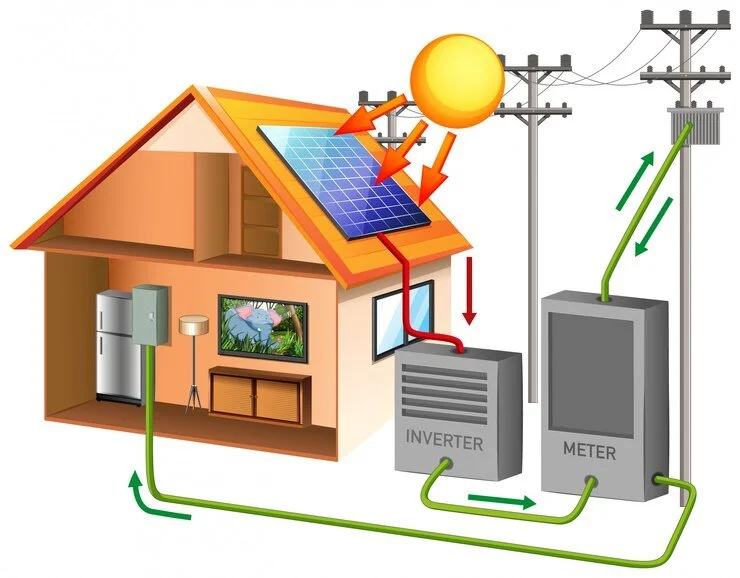
The sun is one of the most beneficial solar systems on earth. Just like the stars that bring so much joy at night, the sun has more benefits for the earth, especially for homes. Imagine getting free energy if you have solar panels on your roof. This is a good incentive to have more solar panels on your roof to convert this energy into a sustainable home energy source.

Due to recent solar panel developments and energy advancements, homes benefit more from solar panels. This means you can entirely run your home without connecting to the grid or being at the mercy of the power supply company.

If you are uncertain about the decision to install solar panels, here are some reasons why you need to have some on your roof.

1. Energy Independence and Reliability

Relying on the grid to supply all your energy needs can sometimes be unsustainable. The grid can be vulnerable to frequent damages due to limited power supply, power surges, weather, and other human factors.

In such circumstances, you should rely on your system to supply all the power needs. As your neighbors deal with power outages and unreliability, you can always be happy to have the power supply. All you need to do is work with the best solar energy services to ensure a reliable supply.

With their help, you can upgrade your storage capacity to store more energy for days when the energy supply will be limited. You can also benefit from solar energy upgrades and efficiencies to run your house entirely on solar panels.

2. Energy Saving Capabilities

Installing solar panels and other systems is the first step to rewiring your home and installing all energy-sustainable devices. Efficient devices do not consume more energy; hence, you do not have to worry about higher energy bills.

You can significantly reduce household expenditures since you no longer rely on the grid.

Using only energy-efficient devices enables you to buy or have more home appliances for different needs since they do not consume power. Eventually, such sustainable activities can help you save on capital and make life easier.

3. Make Extra Cash

When installing a solar system in your home, liaise with the installers to help you connect to the grid. This interconnectivity can serve two purposes. First, if your solar energy supply is limited due to weather conditions, you can use the grid to supply extra energy.

Secondly, you can resell power to the grid to make some cash. Suppose your storage batteries are full; the system can sell extra energy to the grid while recording the amount sold.

Instead of paying for a power supply during the winter, you can settle your energy bill using the amount the power company owes. Finally, you can always earn money from the power company as an energy supplier.

4. No Maintenance Needed

Once installed, you should not worry about major repairs. Ensure the installers rewire your entire house and change major systems, making them suitable for solar energy transmission and supply.

Once all these changes are complete, you can rely on a solar system for about 20 to 25 years without maintaining it. If you have to do any maintenance, it will be cleaning the solar panels or upgrading the storage systems.

5. More Government Incentives

Imagine getting power incentives from the government to change your home energy supply. Such a good offer! If you install solar panels in your home, the government offers incentives like tax education, rebates, and credit.

This is to encourage global and countrywide energy sustainable practices and mitigation of global warming. Such measures are bound to reduce your energy installation costs.

6. Improved Home Value

Improving your home value is no longer about design and styling. Homes with more solar panels and energy-efficient systems will likely be more valuable, especially to new home buyers. This is because everybody wants to have a home that is fully sustainable and energy-independent.

Most homeowners are likely to desire a home with solar panels as a cost-effective way of living. Finally, an energy-efficient home has a good reputation when the world is battling global warming and other devastating climatic change effects.

7. Versatility and Flexibility

In the past decades, people installed solar panels to meet lighting needs alone. This was due to issues related to energy storage systems, which were limited in the past. However, these issues are no longer the case as storage technologies have greatly improved.

Today, you can use solar energy for all your home needs. Use it for the HVAC, cooking, shower, and all other needs. If you have an electric car, you can get free energy to charge it. All you have to do is buy energy-efficient charging systems.

8. Renewability and Sustainability

Solar energy will never disappoint as the source and supply are constant. Fossil fuels can run out in the future, and HEP supply is subject to droughts and other conditions. Anyway, either of these options will likely disappoint sometime in the future.

Solar panels will always be a reliable energy source since you can replenish your capacity. Besides, you do not harm the environment in any way, as there is no emission or pollution from the solar panels.

Bottomline

Solar energy is ideal for the future energy supply of homes. In times when the world contends with doubt, harmful emissions, and other unsustainable energy supplies, homes can benefit from solar energy supply.

As a homeowner, you should have the panels on the roofs as part of the cost-saving strategy and to promote global sustainability.

Unmasking Hidden Leaks: A Comprehensive Guide to Finding Water Leaks

RH Business Marketing Solutions

Water is a crucial resource, but it can also unveil an obscured devastation when it escapes past its prescribed limits. Hidden water leaks are a notorious menace that can wreak havoc, if not detected and rectified promptly. Mostly unnoticed until significant damage is done, these elusive leaks can affect your property's integrity, inflate water bills, and challenge your peace of mind. This article addresses navigating such turbulent waters by demystifying the art of unmasking hidden leaks. We'll shed light on the reasons behind water leaks, signs to watch for, efficient detection techniques, and preventing future occurrences.


Understanding the Culprit: What Causes Hidden Water Leaks?

Water leaks occur due to a myriad of reasons, distilling it down to common causes helps streamline the search process. Ageing plumbing systems are often the main perpetrator, with pipe corrosion being an influential factor. Shifting soil, temperature fluctuations, and high water pressure can further exacerbate the degradation of pipes. Influencing the structure and function of the plumbing fixtures, these elements can lead to leakages.

At the same time, damaged seals around water-connecting appliances are also guilty of fostering leaks. Over time, these seals wear out, causing leaks at the appliance connection points. Similarly, faulty water appliances and their accessories can usher in leaks, especially when they're not installed correctly.

Furthermore, distinct weather conditions can precipitate water leaks. In colder ramification, pipes can freeze and burst due to the expansion of freezing water. On the other hand, during hot, dry spells, soil contraction can create unwanted stress on the pipes, causing them to crack and leak.


Spotting the Signs: Recognizing Leak Symptoms

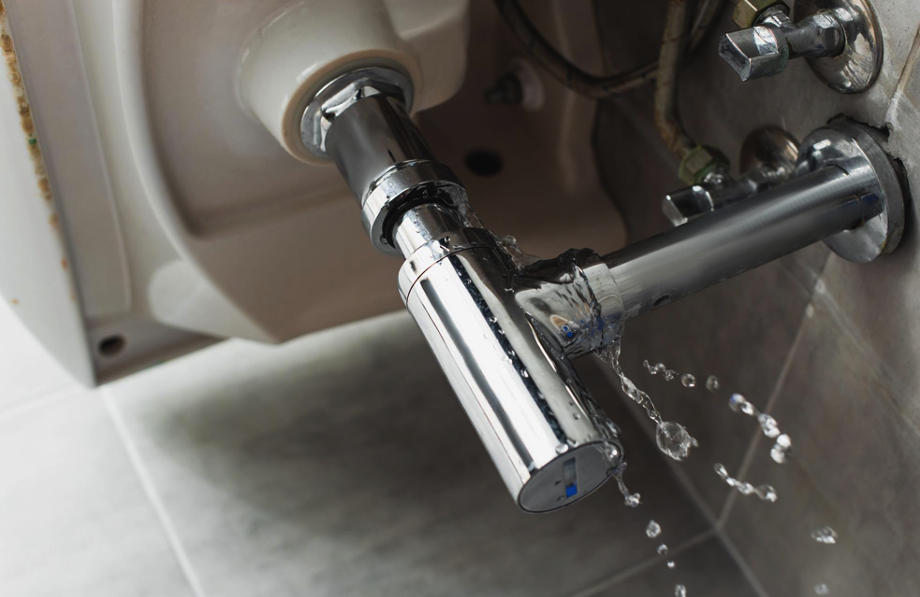
Unmasking hidden leaks begins with keenly observing your surroundings and acknowledging changes. A red flag is an unexplained surge in your water bill. Should you notice a considerable increase without a corresponding change in usage, it might be because of a leak.

Look out for visible signs of water damage. Mould or mildew, for instance, thrive in dampness, indicating a possible leak. Similarly, water stains or discolourations on walls, ceilings, or floors are telling signs.

Pay attention to sounds and smells as well. Pay attention to constant dripping sounds or a pungent musty odour, as it could be a water leak crying out for attention.


Digging Deeper: Tools and Techniques for Detecting Water Leaks

Detecting water leaks requires the use of various tools and specialist techniques. Commonly used tools include moisture metres, acoustic leak detectors, and pipe locators. Each tool serves a unique purpose, from detecting moisture levels to tracking pipe alignment and pinpointing leak locations.

Professionals use a plethora of detection techniques, including thermo-graphic leak detection, video pipe inspection, pipe tracing, and hydrostatic leak detection. Each method delivers accurate results, eliminating potential guesswork in finding leaks.

While DIY leak detection methods such as visual inspection and dye testing in toilets can illuminate minor leaks, they might not unearth more complex ones buried deep within the plumbing system.


Leak CONFIRMED: What Next? Handling Water Leaks

Upon stumbling upon a leak, swift action is paramount. Turn off the water supply to the affected area to stymie further damage. Minor leaks like dripping faucets and leaking shower heads can be fixed with a DIY repair kit if you're handy. However, for more severe leaks, you will need to call a plumber as the required expertise and equipment go beyond a standard homeowner toolbox.

In situations of considerable damage linked to leaks, it's necessary to contact your insurance company promptly for guidance on filing a claim. Don't forget to document the damage to support your case.


Preventive Measures: How to Prevent Future Water Leaks 

The best protection against hidden leaks is proactive prevention. Regularly inspect pipes, appliances, and fixtures for wear and tear. Check your water pressure regularly, ensuring it stays within safe levels. Technological interventions such as installing leak detectors that alert you in real-time can also save potential heartaches.

Proper maintenance of your water systems, including professional inspections, goes a long way in spotting wear and tear early and preventing leaks.


Conclusion

In the end, uncovering hidden water leaks is an amalgamation of vigilance, understanding why leaks occur, recognising the tell-tale signs, and employing proper tools to detect them accurately. Adequate preventative maintenance cannot be overstressed as it minimises the likelihood of future leaks. While DIY methods are beneficial for minor leaks, don't hesitate to call a professional for a more complex scenario. Have you ever wrestled with hidden water leaks? Have any advice to share? Feel free to contribute your insights and experiences in the comments below.