Google+

contact us

Use the form on the right to contact us.

Day or Night, we are here to serve you. Leave your plumbing problem to us.


Tinley Park, IL

(708)845-7922

Residential and Commercial plumbers and plumbing contractors available in Orland Park, Tinley Park, Oak Lawn, Palos Heights, Midlothian, Oak Forest, Homer Glen, Mokena, Frankfort, and the surrounding Chicago South Suburbs. Emergency plumbers.

copper water lines.jpg

Kevin Szabo Jr Plumbing Blog

Kevin Szabo Jr Plumbing is Tinley Park, Orland Park, Oak Forest, Midlothian, Orland Hill, Homer Glen, Mokena, Frankfort, Crestwood, Palos Heights, Oak Lawn, local plumber. Read our blog for advice, tips, a good laugh, and basic home improvement.

**We are moving our old blog to our new and improved website. Too see all our posts visit kevinszabojrplumbing.blogspot.com

5 Elements for Creating a Cozy Home Décor

RH Business Marketing Solutions

Creating a cozy home decor is about more than just aesthetics—it's about cultivating a warm and inviting atmosphere that makes you feel comfortable and relaxed. From soft textiles to warm lighting, several elements can be incorporated into your home decor to achieve that cozy vibe. This guide will explore five essential elements for creating cozy home decor, providing you with inspiration and tips to transform your living space into a snug sanctuary where you can unwind and recharge.

1. Soft Textiles and Fabrics:

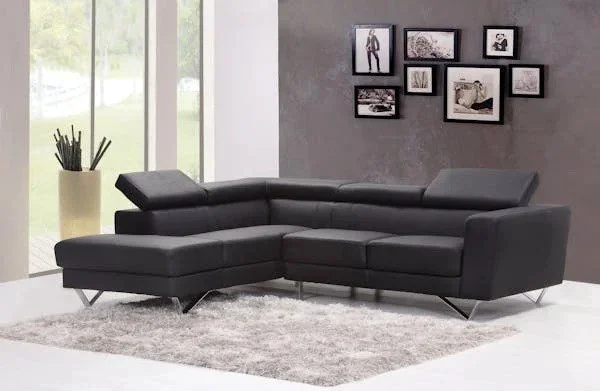
Soft textiles and fabrics play a crucial role in creating a cozy home decor ambiance, particularly if embracing the warmth and comfort of Moroccan home decor. Incorporating plush throws, fluffy pillows, and luxurious rugs adds layers of texture and tactile appeal to your living space, inviting relaxation and serenity. Opt for natural materials like cotton, wool, and linen to enhance the tactile experience and evoke a sense of organic comfort. This home decor often features intricately woven textiles and richly patterned fabrics that infuse rooms with exotic flair and tactile richness. By layering soft textiles throughout your home, you can create a welcoming retreat where you can unwind and enjoy moments of tranquility amidst the hustle and bustle of everyday life.

2. Warm and Ambient Lighting:

Proper illumination has a profound effect on a room's ambiance and helps to create a cozy feeling inside. For a cozy ambiance, use warm and ambient lighting like table lamps, floor lamps, and string lights. Consider installing dimmer switches to adjust the brightness of overhead lighting fixtures and create a more intimate ambiance in the evenings. Enhance the cozy atmosphere with the flickering glow of candles or flameless LED candles placed strategically throughout the room. By layering different lighting sources and incorporating warm hues, you can create a cozy and inviting environment that exudes warmth and comfort.

3. Natural Elements and Greenery:

Bringing elements of nature indoors can add a sense of tranquility and warmth to your home decor, enhancing its coziness. Incorporate natural materials such as wood, stone, and rattan into your furniture, accessories, and decor accents to create a connection with the outdoors. Introduce houseplants and greenery into your living space to add freshness, texture, and color while purifying the air and creating a calming ambiance. Choose low-maintenance indoor plants such as succulents, ferns, or snake plants that thrive in indoor environments and require minimal care. By integrating natural elements and greenery into your home decor, you can create a serene and inviting atmosphere that evokes the beauty of the great outdoors.

4. Cozy Seating Areas:

Creating cozy seating areas is essential for fostering relaxation and comfort in your home decor. Arrange furniture in intimate groupings to encourage conversation and interaction, such as placing sofas and armchairs around a central coffee table or fireplace. Invest in comfortable seating options with plush cushions, supportive padding, and ergonomic designs to ensure optimal comfort for lounging and relaxing. Consider incorporating multifunctional furniture pieces such as ottomans, poufs, or window seats that provide additional seating and storage options while enhancing the cozy ambiance. Personalize your seating areas with throw pillows, blankets, and decorative accents that reflect your style and personality, creating inviting spaces where you can unwind and enjoy moments of tranquility.

5. Personal Touches and Sentimental Decor:

Adding personal touches and sentimental decor to your home is a powerful way to infuse it with warmth and personality, creating a cozy and inviting atmosphere that feels uniquely yours. Display family photos, artwork, and cherished mementos that evoke fond memories and bring joy to your space. Incorporate handmade or DIY decor elements that reflect your creativity and add a personal touch to your home decor, such as knitted blankets, framed artwork, or handmade ceramics. Mix and match vintage finds with modern pieces to create eclectic and charming vignettes that tell a story and spark conversation. By infusing your home decor with personal touches and sentimental items, you can create a cozy and welcoming environment that feels like a true reflection of your life and experiences.

Conclusion:

Creating cozy home decor is all about cultivating a warm and inviting atmosphere that makes you feel at ease and at home. By incorporating soft textiles and fabrics, warm and ambient lighting, natural elements and greenery, cozy seating areas, personal touches, and sentimental decor into your living space, you can transform it into a snug sanctuary where you can relax, unwind, and recharge. Whether you're curling up with a good book, enjoying a cup of tea with loved ones, or simply taking a moment to yourself, your cozy home decor will provide the perfect backdrop for creating cherished memories and moments of comfort and tranquility.


6 Types of Pools to Consider Before Breaking Ground

RH Business Marketing Solutions

A pool is the ultimate home upgrade. Whether you're envisioning a serene retreat for relaxation or a bustling hub for entertaining guests, selecting the right pool is crucial. Before breaking ground on your dream backyard oasis, it's essential to explore the diverse array of pool options available. From classic inground pools to innovative designs, the choices are endless. 

This comprehensive guide delves into pool types to consider, ensuring you make an informed decision tailored to your needs and preferences. It explores the benefits and features of various pool types, providing insights to help you navigate the decision-making process with confidence.

With the expertise of pool installers and the versatility of inground pools, the possibilities for creating your ideal aquatic escape are limitless. Read on as this guide takes you into the world of pool options, empowering you to turn your backyard vision into a reality you will enjoy for years.

Inground Pools

A popular swimming pool type perfect for family enjoyment is an inground pool. Installing an inground pool can cost anywhere from $28,000 to $55,000, or even more, depending on materials and customized features. Three materials (concrete, vinyl, and fiberglass) are available for an inground pool.

A fiberglass pool is usually the most expensive to construct but the least expensive to maintain. Fiberglass pools are easy to install, although they can't be wider than 16 feet, and their shapes are not configurable. 

The least expensive pool to install is a vinyl pool, which you can customize to any size or form. Every five to ten years, you must replace a vinyl liner because of the material's brittle nature, which makes it susceptible to damage from pets, falling branches, and rough-housing kids.

You can construct concrete pools at any specification but they cost the highest in the long run and need the longest installation time (three to six months). Finishes come in various hues and include paint, plaster, and specialist coating materials like Pebble Tec. They endure the longest but are also the hardest to maintain.

You can build most in-ground pools to fit any size or shape of the yard and to meet your unique requirements, including diving or fitness training depth. It is easy to design them so they blend in with the surroundings. They also have numerous features and extras, like slides, diving boards, water activities, waterfalls, and custom lighting.

On the other hand, the cost and duration of construction for in-ground pools are usually higher. Furthermore, there may be a higher safety risk for small children or pets in in-ground pools due to the water's proximity to the ground.

Above Ground Pools

Above-ground pools represent the possibility of owning a swimming pool. They can also be suitable in areas with harsh winters where it can be challenging to maintain an in-ground pool during the winter. 

This type comes in both hard-sided and soft-sided choices. If you build a raised deck or frame around the edge of the pool, some of these pools can nearly be mistaken for far more expensive in-ground pools. In many regions, in-ground pools are emptied, dismantled, and stored during the seasons when they are not in use. Soft-sided above-ground swimming pools are the ideal choice in this situation.

Assembling an above-ground pool is not too challenging for do-it-yourselfers. Constructing an above-ground pool costs around $3,000 in the United States, but if you want to add features like built-up decking, the cost might go up to $20,000 or more. Above-ground pools need filtering and cleaning in addition to maintaining water chemistry, but they are less complicated to maintain than huge in-ground pools.

Indoor Swimming Pools

A swimming pool indoors is simple: It's indoors, covered by a roof, and typically shielded from the elements by one or more house walls. Most indoor pools have straightforward geometric designs and are intended for year-round swimming or exercise, particularly in colder regions. 

Typically, indoor swimming pools have an ordinary in-ground pool (average cost: $55,000) and a built-in glass enclosure (extra: $10,000–$30,000). However, you can also use the same method to enclose an above-ground pool.

An indoor heated pool's maintenance costs can occasionally be less than those of an outdoor pool. The pool room keeps its heat longer than outdoor pools because it has protection against the weather. Additionally, the enclosure minimizes the need for cleaning by keeping leaves and other particles out of the pool.

Infinity Pools

Infinity pools are typically built to accentuate a view; they have one or more walls with disappearing edges that end slightly below the waterline. As a result, water can flow over the wall and have the impression that it is infinite. 

This pool features scenery of mountains, water bodies, and other breathtaking surroundings and is frequently installed on sites with a steep drop-off. The construction and upkeep of infinity pools can be expensive due to their unique design specifications.

Plunge Pools

Small, cold-water pools known as plunge pools were well-liked by the ancient Romans and have been utilized in Chinese medicine for thousands of years. Many athletes and swimmers enjoy cooling off in a pool of cold water following a hot workout, sauna, or spa treatment because they read that it has healing properties.

Plunge pools can be connected to a bigger in-ground pool or they can stand alone. Despite their seemingly average appearance, a cautious toe-dip in the pool will show you differently.

Lap Pools

A lap pool may be a good purchase if your primary motivation for having a pool is fitness. Long, thin, and usually rectangular, these in-ground pools are made especially for swimming laps. Lap pools use very little room, perfect for tiny yards. 

Most lap pools include at least 40 feet of uninterrupted, straight swimming space to reduce the frequency of turns. A lap pool's width might be as short as 8 feet for an individual swimmer. Like other in-ground pools, there are similar building considerations.

Choosing the Perfect Pool Type

The various pool types offer boundless opportunities for creating your perfect aquatic haven. Whether it's the timeless elegance of inground pools or the versatility of above-ground options, each choice presents unique benefits to suit your lifestyle and preferences. 

By considering factors such as budget, space, and intended use, you can confidently select the ideal pool type to transform your backyard into a cherished retreat for relaxation, recreation, and endless enjoyment.

How to Protect Glass Surfaces Around Your Home

RH Business Marketing Solutions

The beauty and brightness of glass surfaces enhance any house, but they are also vulnerable to damage from various sources, including stains, scratches, and weather variables. Glass surfaces need to be protected to maintain their aesthetic appeal and use over time. This article will go over seven doable strategies for protecting the glass panes in your home.

1.   Use Protective Coatings:

The use of protective glass coating is one of the best strategies to preserve glass surfaces. These coatings form a barrier that prevents stains, scratches, and other types of harm to the glass. Select a premium protective coating made especially for glass surfaces, then apply it according to the manufacturer's directions. Glass surfaces may be kept cleaner and more easily maintained with the aid of protective coatings. Furthermore, certain coatings provide other advantages like water repellency and protection from environmental contaminants, which improve the security that your glass surfaces offer.

2.   Install Window Films:

Another great choice for shielding glass surfaces—particularly windows and doors—is to use window films. These films give the glass extra strength, increasing its resistance to fracture and impact damage. Furthermore, window coatings can filter out damaging UV rays, which lessens the possibility of interior furniture withering and discoloring. To get the most out of window films, pick ones that offer both UV protection and thermal insulation. Window films come in a variety of hues and patterns that let you personalize the appearance of your windows while giving your glass surfaces more protection.

3.   Use Furniture Pads and Mats:

Use furniture cushions and mats to protect glass tabletops, counters, and other surfaces from scratches and damage. To stop ornamental items, Vases, and other things from damaging the glass surface, place these protected accessories below them. To further shield glass surfaces from spills and stains from hot or cold beverages, use coasters and placemats. Purchasing furniture cushions and mats of superior quality helps maintain the value and aesthetics of your furniture in addition to protecting your glass surfaces.

4.   Clean Regularly and Gently:

Glass surfaces require routine cleaning to preserve their integrity and aesthetic appeal. They should be cleaned with a soft microfiber towel and a mild glass cleaner. Avoid rough items or harsh cleansers that might damage or etch the glass. Glass surfaces should be cleaned as soon as possible to avoid accumulation and future harm. To achieve streak-free cleaning and keep your glass surfaces residue-free and crystal clear, try using a squeegee or lint-free cloth.

5.   Avoid Harsh Chemicals:

Steer clear of strong chemicals while cleaning glass surfaces since they may cause damage or corrosion. Choose gentle, non-abrasive cleaning solutions made especially for glass surfaces. Safe and efficient glass cleaning solutions include vinegar and water or dish soap mixed with warm water. Before using a cleaning solution on the whole glass surface, always test it on a tiny, discrete section of the surface. In addition, for sustainable cleaning supplies that are kind to glass surfaces, think about utilizing natural cleaning substitutes like baking soda or lemon juice.

6.   Trim Surrounding Vegetation:

Make sure that any external glass surfaces, including windows or glass fences, have regular trimming of the surrounding plants. Glass surfaces can be scratched or damaged by overgrown shrubs, vines, or branches, especially in windy weather. To avoid unintentional damage, keep plants clipped a safe distance away from glass surfaces. To further reduce the chance of damage, think about erecting protective barriers like fences or trellises to keep plants away from glass surfaces.

7.   Protect During Construction or Renovation:

Take precautions to prevent damage to glass surfaces when working on building or restoration projects that include them. To shield glass surfaces from scuffs, paint spills, and other debris, cover them with materials like cardboard, plastic sheeting, or plywood. Make sure that the glass surface is handled and safeguarded with care throughout the process by keeping in touch with contractors and laborers. To give an extra degree of protection during building, think about spending money on interim protective films or coverings made especially for glass surfaces.

Conclusion

Glass surfaces around your house need to be protected if you want to maintain their lifespan, attractiveness, and usefulness. You can effectively protect glass surfaces from stains, scratches, and environmental damage by adhering to these seven strategies. Whether you're shielding tabletops, windows, doors, or other surfaces made of glass, being proactive about safeguarding them can guarantee that they stay flawless for many years to come.

7 Steps to Prep Your Lawn for Spring

RH Business Marketing Solutions

As winter fades away and the weather starts to warm up, it's time to prepare your lawn for the upcoming spring season. Springtime creates a beautiful opportunity for you to start enjoying the outdoor areas around your home. Proper lawn care in the early spring sets the stage for a healthy and vibrant lawn throughout the rest of the year. Implement these seven simple tips for preparing your lawn for warmer weather.

1. Tidying Up

The first step in prepping your lawn for spring is to clean up any debris that has accumulated over the winter months. Remove fallen leaves, branches, and other debris from your lawn using a rake or leaf blower. Clearing away debris allows sunlight and air to reach the grass, promoting healthy growth and preventing the development of fungal diseases. Not only does cleaning up debris make your yard look better, but it also keeps your grass healthier!

2. Rake and Dethatch

After clearing away debris, rake and dethatch your lawn to remove dead grass, leaves, and other organic matter. Dethatching helps improve soil aeration, water penetration, and nutrient absorption, ensuring that your grass can thrive in the spring months ahead. Use a dethatching rake or power dethatcher to loosen and remove thatch buildup, being careful not to damage the grassroots.

3. Aerate Your Soil

Aerating the soil is a critical step in lawn care that helps alleviate soil compaction and promote healthy root growth. Use a core aerator to remove small plugs of soil from your lawn, allowing air, water, and nutrients to penetrate deep into the soil and reach the grass roots. Aeration also improves drainage, reduces thatch buildup, and promotes a healthy root system.

4. Overseed Bare Patches

Spring is an ideal time to overseed bare patches in your lawn to promote thicker, fuller grass growth. Choose a high-quality grass seed blend that's suitable for your climate and grass type, and distribute it evenly over bare or thin areas using a spreader. After overseeding, lightly rake the seed into the soil surface and water thoroughly to ensure good seed-to-soil contact and promote germination. Be sure that you continue to water and nurture these seeded areas throughout the springtime so it will look great when summer comes around.

5. Fertilize Your Lawn

Applying a balanced fertilizer to your lawn in the early spring provides essential nutrients that support healthy grass growth and development. This becomes increasingly important if you live in an area with high summertime temperatures that can wreak havoc on your grass.

Choose a slow-release or controlled-release fertilizer that's specifically formulated for spring application and contains a blend of nitrogen, phosphorus, and potassium. Fertilizing your lawn in the spring helps kickstart growth, improve color and density, and prepare your grass for the growing season ahead.

6. Control the Weeds

Spring is also the time to tackle weeds before they have a chance to take over your lawn. Apply a pre-emergent herbicide to prevent the germination of weed seeds and inhibit the growth of annual weeds such as crabgrass and dandelions. Follow the manufacturer's instructions carefully when applying herbicides, and be sure to water your lawn after application to activate the product and ensure proper uptake by the weeds. If you already have some weeds sprouting up, a post-emergent herbicide can neutralize them before they have time to spread.

7. Call In the Pros

Finally, consider scheduling a professional lawn care service to ensure that your lawn receives the care and attention it needs to thrive throughout the spring and beyond. A lawn care professional can provide a range of services, including fertilization, weed control, pest management, and seasonal maintenance, tailored to your lawn's specific needs and requirements. By partnering with a trusted lawn care provider, you can save time and effort while achieving a lush, healthy lawn that enhances the beauty and value of your property.

Conclusion

Preparing your lawn for spring is essential for promoting healthy growth, lush green grass, and a beautiful outdoor space to enjoy throughout the season. From cleaning up debris and dethatching to overseeding bare patches and scheduling professional lawn care, these simple steps will help you achieve the lush, green lawn of your dreams in the springtime months.

Mastering Carpet Care: Essential Habits for Long-lasting Cleanliness

RH Business Marketing Solutions

Carpets are more than mere floor coverings; they are investments in comfort, aesthetics, and the ambiance of a space. However, ensuring their longevity and pristine appearance requires more than sporadic cleaning efforts. It demands a consistent and proactive approach to maintenance. In this comprehensive guide, we will delve into a few essential habits that not only promise to keep your carpets clean but also preserve their allure for years to come. From regular vacuuming to strategic preventive measures, these habits are the cornerstone of effective carpet care.

Regular Vacuuming

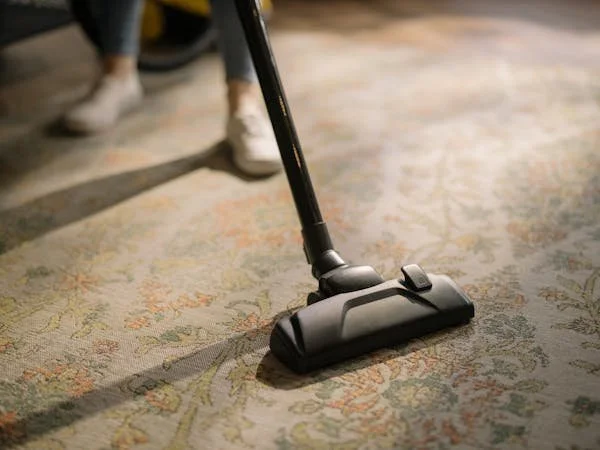
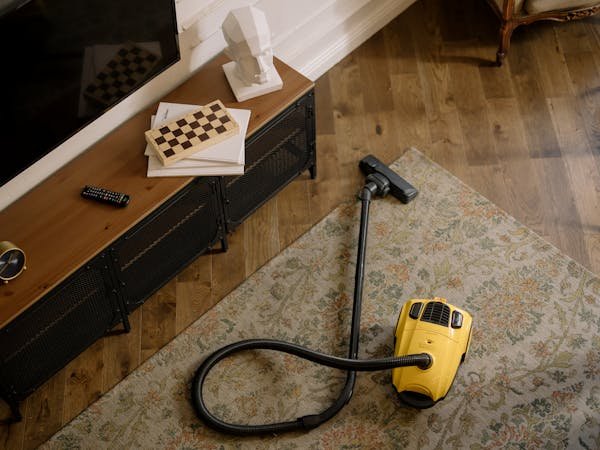
Regular vacuuming is the bedrock of carpet maintenance, serving as the first line of defense against dirt, dust, and debris accumulation. The frequency of vacuuming depends on factors such as foot traffic, indoor air quality, and the presence of pets. High-traffic areas may require weekly vacuuming, while less frequented spaces can suffice with bi-weekly sessions. Utilizing a vacuum cleaner with adjustable height settings and powerful suction ensures thorough removal of surface contaminants, preventing them from settling deep into the carpet fibers and causing premature wear.

Prompt Spot Cleaning

Spills and stains are inevitable, but their timely intervention can prevent lasting damage to your carpets. Having a stash of carpet-friendly cleaning solutions and tools readily available enables swift action when accidents occur. Blotting the affected area with a clean cloth or sponge, using gentle, dabbing motions, helps absorb excess liquid and lift the stain without spreading it further. Avoiding abrasive scrubbing minimizes the risk of damaging the carpet fibers or setting the stain permanently. Remember, the sooner you address a spill, the easier it is to remove.

Use Doormats and Shoe Racks

Preventing outdoor dirt and debris from infiltrating your home is key to maintaining clean carpets. Placing doormats at entry points and implementing a no-shoes policy indoors minimizes the amount of dirt tracked onto your carpets. Additionally, installing shoe racks near entryways encourages family members and guests to remove their shoes upon entering, further reducing the risk of soil accumulation. By proactively managing dirt ingress, you can preserve the cleanliness of your carpets and reduce the frequency of cleaning tasks.

Invest in Professional Cleaning

While regular vacuuming and spot cleaning suffice for day-to-day maintenance, professional carpet cleaning is essential to remove deeply embedded dirt, allergens, and stubborn stains. If you live in Australia, for instance, schedule a professional cleaning service with experts in carpet cleaning from Gold Coast at least once a year to ensure a thorough deep clean. Homes with pets, children, or individuals with respiratory conditions may benefit from more frequent cleanings. Professional cleaners utilize specialized equipment and cleaning solutions that penetrate deep into the carpet pile, rejuvenating its appearance and extending its lifespan.

Rotate Furniture Regularly

Heavy furniture can exert considerable pressure on carpet fibers, leading to indentations and uneven wear patterns over time. To mitigate this risk, periodically rotate your furniture to redistribute the weight across different areas of the carpet. This simple yet effective habit helps prevent permanent impressions and ensures that your carpets age gracefully. Additionally, using furniture coasters or pads under the legs of heavy items further minimizes the impact on your carpets, preserving their plushness and appearance.

Trim Pet Hair and Fuzz

Pet owners understand the struggle of dealing with pet hair embedded in carpets, which not only detracts from aesthetics but also poses hygiene concerns. Regular grooming of pets coupled with proactive carpet maintenance is essential for managing pet-related debris. Utilizing a vacuum cleaner equipped with a brush attachment or a specialized pet grooming tool helps remove loose hair and fuzz from the carpet surface. By staying vigilant and addressing pet hair promptly, you can maintain a cleaner, healthier indoor environment for both humans and pets alike.

Incorporating these seven essential habits into your carpet care routine is the key to preserving their longevity and appearance. From the foundational practice of regular vacuuming to the strategic use of preventive measures such as area rugs and carpet protectors, each habit plays a vital role in maintaining clean, healthy carpets. By prioritizing proactive maintenance and investing in professional cleaning when necessary, you can enjoy the luxurious comfort of your carpets without worrying about stains, odors, or premature wear. Start implementing these habits today and take pride in your impeccably maintained floors, knowing that they will continue to enhance your home's ambiance for years to come.

5 Reasons to Keep Your Bathroom Sanitized

RH Business Marketing Solutions

Maintaining cleanliness in your bathroom might seem like a mundane chore, but its importance cannot be overstated. Beyond just aesthetics, a sanitized bathroom is crucial for both your health and well-being. Here are five compelling reasons why keeping your bathroom sanitized should be a top priority.

Prevention of Illnesses:

The bathroom serves as a breeding ground for harmful bacteria, viruses, and fungi. Moist and warm environments are ideal for their growth and proliferation, making your bathroom an inviting habitat. Neglecting proper sanitation can lead to the spread of various illnesses, including gastrointestinal infections, skin infections, and respiratory issues.

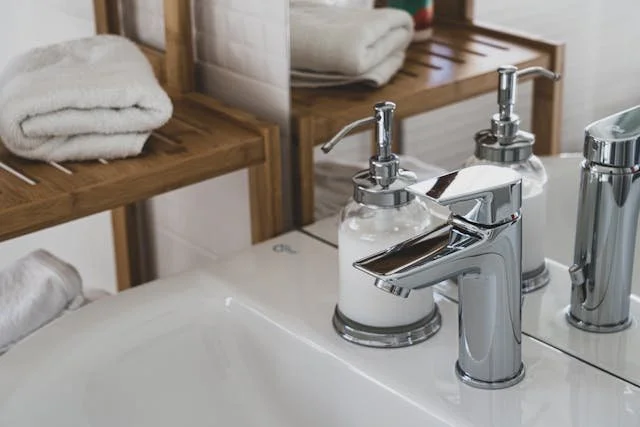
Bacteria like E. coli, Salmonella, and Staphylococcus aureus are commonly found in bathrooms, thriving on surfaces such as sinks, faucets, and toilet seats. These pathogens can cause severe health problems, particularly in individuals with weakened immune systems or pre-existing conditions. Regular sanitation practices, such as disinfecting surfaces and cleaning fixtures, are essential for minimizing the risk of illness transmission within your household.

Elimination of Odors:

Unpleasant odors are a common nuisance in bathrooms, often caused by the buildup of bacteria and mold. Urine, feces, and organic matter left behind after showering or bathing can decompose and emit foul smells if not promptly removed. Additionally, stagnant water in drains and hidden moisture in crevices can foster the growth of mold and mildew, contributing to persistent odors. Proper sanitation involves thorough cleaning and disinfection of all surfaces, including floors, walls, and fixtures. By eliminating the sources of odor-causing bacteria and fungi, you can maintain a fresh and hygienic environment in your bathroom. Using deodorizing products or natural remedies such as baking soda and vinegar can also help neutralize unpleasant smells, promoting a more pleasant experience for everyone using the space.

Prevention of Mold and Mildew:

Mold and mildew not only pose health risks but also cause structural damage to your bathroom over time. These fungi thrive in damp, poorly ventilated areas, making bathrooms susceptible to infestations. Shower stalls, bathtubs, grout lines, and silicone seals are common breeding grounds for mold and mildew, as they provide the ideal conditions for growth.

Regular cleaning and proper ventilation are essential for preventing mold and mildew formation. Wiping down surfaces after each use, using exhaust fans during and after showers, and fixing any leaks promptly can help reduce moisture levels in your bathroom.

Enhancement of Hygiene Practices:

The bathroom is where essential hygiene practices take place, such as handwashing, bathing, and oral care. However, if the environment itself is unclean or unsanitary, these practices become less effective in preventing the spread of germs and maintaining personal cleanliness. A sanitized bathroom encourages proper hygiene habits and reinforces the importance of cleanliness in daily routines. Providing readily accessible soap, hand sanitizer, and clean towels encourages regular handwashing, which is crucial for preventing the transmission of infectious diseases. Moreover, a clean and organized bathroom promotes a sense of well-being and self-care, motivating individuals to prioritize their health and hygiene. Additionally, incorporating advanced hygiene technologies such as UV room sanitizers can offer an extra layer of protection against harmful pathogens. UV room sanitizers utilize ultraviolet light to disinfect surfaces and air, effectively eliminating bacteria, viruses, and fungi.

Preservation of Aesthetic Appeal:

Beyond its functional aspects, the bathroom is also a space for relaxation and rejuvenation. A clean and well-maintained bathroom enhances the overall aesthetic appeal of your home and provides a more pleasant experience for occupants and guests alike. Stained tiles, grimy grout lines, and water spots on fixtures detract from the visual appeal of your bathroom and create an unwelcoming atmosphere. Regular sanitation and upkeep ensure that your bathroom remains a visually pleasing and inviting space. From sparkling clean surfaces to neatly organized toiletries, attention to detail in cleanliness enhances the ambiance of your bathroom and promotes a sense of tranquility and comfort. Whether you're preparing for the day ahead or unwinding after a long day, a sanitized bathroom provides a serene sanctuary for personal care and relaxation.

Conclusion

In conclusion, maintaining a sanitized bathroom is essential for safeguarding your health, preserving hygiene practices, and enhancing the overall quality of your living environment. By prioritizing regular cleaning, disinfection, and moisture control, you can create a safe, pleasant, and inviting space that promotes well-being and comfort for everyone in your household. Remember, a clean bathroom is not just a luxury but a necessity for a healthy and happy lifestyle.

Innovative Technologies for Repairing Old Sewer Pipes

RH Business Marketing Solutions

Sewer pipes are like the unseen heroes of our homes. They quietly take away wastewater and keep our living spaces sanitary.

Unfortunately, these pipes can get old and break. This can cause issues such as sewage backups and water damage. But fear not! Some really smart solutions can fix these pipes without causing a big mess.

Ready to find out about these groundbreaking fixes? Buckle up, as we take a tour through the futuristic side of underground plumbing!

Trenchless Technology

One of the coolest inventions in fixing sewer pipes is something called 'trenchless technology.'

Before, if you had a broken pipe, you'd have to dig up the ground above it to reach the pipe and replace it. This meant destroyed roads, loud machinery, and a big mess.

Now, experts use a method where they make a small entry point and then fix the pipe from the inside. This means less mess and less hassle!

Using a house plumbing system diagram, technicians can accurately pinpoint where the issue lies and address it directly, which is much quicker and more convenient.

Pipe Bursting

Another nifty method is called pipe bursting. Imagine you have an old tree that you want to replace. You could try to fix up each branch, or you could plant a new tree right where the old one stood. That's what pipe bursting does.

A powerful head is sent down into the sewer line. It breaks apart the old pipe and pulls a new one into place behind it.

This modern technique is fantastic for replacing pipes that are too damaged to fix.

Robotic Cutters: High-Tech Plumbing Helpers

Robots aren't just for science fiction movies; they're also becoming super handy in fixing pipes. Tiny robots can go into pipes, cut away roots or other blockages, and even repair holes.

They're controlled by operators who watch everything on cameras, making it a pretty smart way to handle tricky issues without major construction.

For tough blockages, going for the best drain snake service here is an efficient way to clear out any obstructions that these high-tech gadgets can't manage.

Cured-in-Place Pipe Lining

Sometimes, you don't need a whole new pipe, just a fresh lining. The 'cured-in-place' method lets workers create a new pipe inside the old one.

They put in a liner soaked with a special resin, which then hardens, almost like putting a strong sock inside your pipe. It seals up holes and makes the pipe as good as new.

Drainage company experts favor this method as it reduces the need for excavation and can be completed within a day, thereby minimizing disruption to your daily life.

Sewer Camera Inspections

Finally, experts now use cameras to peek inside pipes and see what's going wrong. This is much easier than guessing where the problem might be.

With sewer camera inspections, drainage services can quickly assess the condition of the sewer pipes and plan out appropriate rectifications.

Exploring Cutting-Edge Solutions for Aging Sewer Pipes

Innovative technologies for repairing old sewer pipes have revolutionized the way we handle sewer system maintenance. With advanced methods, the process has become faster, more cost-effective, and environmentally friendly.

So, what are you waiting for? Embrace modern techniques and schedule a pipe inspection today!

Want to learn more about modern solutions for your home? Check out our blog for more tips and tricks.

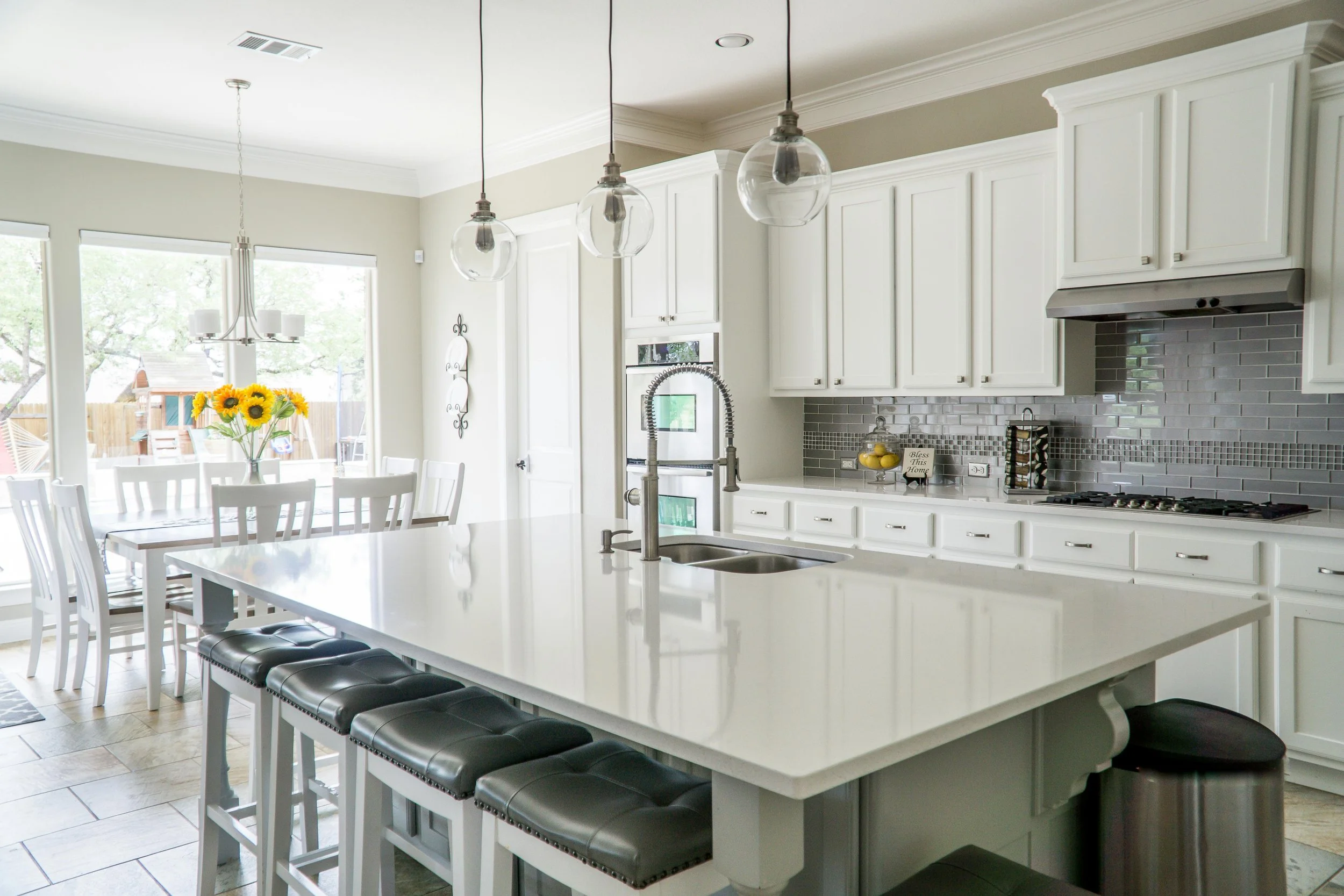
Upgrading Your Kitchen: 12 Things to Consider

RH Business Marketing Solutions

Embarking on a kitchen overhaul is an adventure in creativity with practicality, promising to breathe new life into an outdated space. This process, while exciting, is layered with decisions that extend beyond aesthetics, touching on functionality, budget management, and future needs. A well-executed kitchen upgrade not only enhances the visual appeal of your space but also boosts its utility, making every culinary endeavor or gathering more enjoyable. As you prepare to transform your kitchen, it's essential to approach the project with both inspiration and strategic planning. The following considerations are designed to guide you through the initial stages of your kitchen renovation, ensuring that your project is grounded in clarity, foresight, and an understanding of what truly matters to you and your home.

1. Define Your Vision and Goals

Begin by clarifying your vision for the upgraded kitchen. What prompted this desire for change? Are you aiming to resolve functional flaws, seeking to increase your home’s resale value, or simply craving an aesthetic refresh? Defining your primary goals will anchor your project, influencing every choice from layout adjustments to material selections. A clearly defined vision ensures that the end result aligns with your lifestyle and brings you closer to the home of your dreams.

2. Set a Realistic Budget

Financial pragmatism is the backbone of a successful kitchen upgrade. Kitchen renovations can quickly escalate in cost, making it imperative to establish a realistic budget from the outset. This budget should account not only for the obvious expenses like cabinetry and appliances but also for often-overlooked costs such as labor, permits, and the unexpected. Incorporating a contingency fund of 10-15% will give you the flexibility to handle surprises without compromising the project's integrity.

3. Choosing the Right Professionals

The expertise of a kitchen remodel contractor can profoundly impact the success of your renovation. This professional should not only possess the technical skills required but also demonstrate a clear understanding of your vision and objectives. Look for a contractor with a solid portfolio, positive client testimonials, and a communicative approach. Their experience and insight can be invaluable, especially when navigating the complexities of design choices, project timelines, and budget constraints.

4. Layout and Functionality

The core of kitchen design lies in its functionality. A well-thought-out layout enhances efficiency, safety, and enjoyment. Consider the classic work triangle between the stove, sink, and refrigerator, and tailor it to fit your cooking habits and space requirements. Beyond the basics, think about how you entertain, your storage needs, and how the kitchen's flow fits within the broader context of your home. Additionally, incorporating a kitchen sink workstation can greatly enhance versatility by including built-in accessories, making everyday tasks more streamlined and convenient. A functional kitchen is one that supports your lifestyle, making everyday tasks smoother and more pleasant.

5. Style and Aesthetics

Your kitchen’s style should be a reflection of your personal taste while seamlessly blending with the overall aesthetic of your home. Whether you’re drawn to sleek, modern designs, the warmth of traditional styles, or the eclectic charm of a bohemian space, your chosen style will dictate the materials, colors, and finishes used throughout the kitchen. Consider incorporating stone sinks, a unique and durable option made from natural stone materials for a natural and elegant touch. Consistency in style contributes to a cohesive home environment that resonates with your unique sense of beauty.

6. Quality of Materials

The materials you select for your kitchen upgrade play a critical role in both its appearance and durability. High-quality materials may come with a higher upfront cost, but their longevity and aesthetic appeal often justify the investment. From the countertops that withstand daily use to the cabinetry that holds your essentials, choosing materials that marry durability with beauty ensures that your kitchen remains a key feature of your home for years to come.

7. Appliances and Technology

The selection of appliances is a critical aspect of any kitchen upgrade. Modern appliances offer a blend of high efficiency, enhanced functionality, and sleek design that can significantly impact the overall usability of your kitchen. Smart appliances, which can be controlled via smartphone or voice commands, add a layer of convenience and innovation. Consider energy-efficient models that not only reduce utility bills but also contribute to a more sustainable household.

8. Lighting Design

A well-lit kitchen is essential for both functionality and ambiance. Effective lighting design encompasses three types: ambient for overall illumination, task lighting for work areas, and accent lighting to highlight architectural features or decor. Natural lighting should be maximized wherever possible to create a welcoming, airy space. The right lighting can transform the kitchen from a mere workspace to a focal point of home life.

9. Storage Solutions

Adequate storage solutions are pivotal in maintaining an organized and clutter-free kitchen. Innovative storage options, such as pull-out pantries, corner drawers, and custom cabinetry, can maximize space and improve accessibility. Designing storage with your specific needs in mind ensures that everything has its place, from utensils and cookware to appliances and pantry goods, facilitating a more efficient and enjoyable cooking experience.

10. Flooring Options

Choosing the right flooring for your kitchen is about balancing aesthetics with practicality. The flooring should be durable enough to withstand heavy foot traffic and potential spills while complementing the overall design of the kitchen. Materials like hardwood, porcelain tile, or luxury vinyl offer a range of styles and durability levels to suit various preferences and budgets. Consider comfort and ease of cleaning in your selection process.

11. Backsplash and Accent Features

The backsplash is not only practical, protecting walls from splashes and spills, but it also offers a significant opportunity for creative expression. Materials like ceramic tile, glass, or natural stone can introduce color, texture, and pattern. Similarly, accent features such as decorative hardware or unique light fixtures can add personality and refinement, tying the room’s design together.

12. Permits and Regulations

Navigating the regulatory aspect of a kitchen upgrade is crucial to ensure that your project complies with local building codes and safety standards. Obtaining the necessary permits before commencing work can prevent legal complications and ensure that all modifications are legally sound and safe. This step, often overlooked in the excitement of design and selection, is fundamental to the project’s success.

Conclusion

Upgrading your kitchen is a comprehensive process that encompasses far more than aesthetic changes. It’s about crafting a space that resonates with your personal style, enhances your home’s functionality, and meets the demands of daily life. From choosing state-of-the-art appliances and designing efficient storage solutions to selecting durable flooring and obtaining necessary permits, each consideration plays a crucial role in the project’s outcome.

By approaching your kitchen upgrade with thorough planning, attention to detail, and a focus on quality and functionality, you pave the way for a transformation that goes beyond the surface. The result is not just a kitchen that looks beautiful but one that elevates your home's overall atmosphere, making it a more inviting and enjoyable space for cooking, gathering, and living.

A Homeowner's Guide on Weatherproofing Your Home

RH Business Marketing Solutions

Starting the process of weatherproofing your house is a proactive way to protect your investment and guarantee a cozy place to live. Knowing the value of weatherproofing is essential if you're a homeowner looking to shield your property from the weather. By following this thorough guide, you'll learn important tips and strategies for successfully weatherproofing your home, increasing its resilience and longevity for many years to come.

Evaluating the Vulnerabilities of Your House:

The process of evaluating your home's vulnerability comprises locating potential damage-causing weather spots. Foundations, doors, roofs, and windows are frequently weak points. By doing routine inspections, you can find early indicators of wear and tear, like cracks, leaks, or drafts. By taking immediate action to address these risks, you can help stop additional damage and preserve the structural integrity of your house. In the long term, keeping an eye on these places can save you money by preventing expensive repairs brought on by weather-related damage. Proactively identifying vulnerabilities can also improve your home's general safety and comfort for you and your family.

How to Seal Doors and Windows:

It's critical to seal windows and doors to stop drafts, moisture, and energy loss. In order to properly seal gaps and cracks, weather stripping, caulking, and sealants are used. Regularly checking your windows and doors will help you find any areas that require maintenance. Weatherstripping, which is usually composed of felt, rubber, or foam, seals tightly around the moving components of windows and doors. While sealants are used to offer extra protection to outside surfaces, caulking is utilized to seal stationary components like window frames and door jambs. You may increase your home's overall comfort level and energy efficiency by sealing your windows and doors.

Insulation and Upkeep of Roofs:

Frequent roof inspections help locate and resolve problems like leaks, chipped shingles, or decaying flashing. Enough attic insulation keeps the inside temperature under control, reducing the strain on your HVAC system. In the winter, good insulation inhibits heat from escaping, and in the summer, it keeps your house cooler. Furthermore, proper insulation and roof upkeep can help you save energy over time and prolong the life of your roof. Maintaining your insulation and roof prevents weather-related damage and improves your home's overall efficiency and comfort.

Gutter Maintenance and External Surfaces:

To prevent weather damage to your home, you must protect its external surfaces. Siding, brickwork, and stucco can all be made more durable by applying waterproof paints and coatings. By forming a barrier against moisture infiltration, these coatings stop problems, including degradation and the formation of mold. In addition, adequate drainage of precipitation away from the exterior of your property depends on having clean gutters and downspouts. Water damage is less likely when gutters are cleaned and inspected on a regular basis—often by a qualified gutter company—because water flows freely and does not build up close to the foundation. You may successfully weatherproof your property and maintain the structural integrity of your building by shielding external surfaces and keeping gutters clean.

Basement and Foundation Waterproofing:

Water seepage into the foundation of your home can be stopped by using waterproofing procedures, including grading, constructing appropriate drainage systems, and applying waterproofing membranes. Grading lowers the possibility of water gathering around the foundation by ensuring that water flows away from it. Drainage systems that direct water away from the foundation, like French drains or gutter extensions, help prevent moisture buildup. When waterproofing membranes are put to the outside walls of the foundation, they form a barrier that keeps water out. You may prevent future water damage to your home's basement and foundation by putting these waterproofing techniques into place, providing a dry and solid living space.

Conclusion:

Sensitive areas like windows, doors, roofs, and foundations need to be inspected and maintained regularly to guarantee adequate weatherproofing. It is also important to maintain enough insulation, cover gaps and cracks, and shield external surfaces to prevent moisture damage and energy loss in your home. Additionally, keep in mind how important gutter cleaning is to prevent water from getting at the foundation of your home. Waterproofing your basement and foundation is essential to preventing structural damage and moisture seepage into your house.

Revamp Your Home, Boost Your Value: Top 9 Remodeling Ideas in Aurora, IL

RH Business Marketing Solutions

For Aurora, Illinois, homeowners, home improvement isn't just about aesthetics; it's about creating a space they love while making a smart financial move. Whether you're dreaming of a gourmet kitchen or a relaxing basement retreat, there are plenty of remodeling projects that can significantly enhance your property's value. Let's delve into some of the top renovations that promise to transform your living space and bring a handsome return on investment.

1. Kitchen Magic: Modernize for Function and Appeal

The kitchen is often considered the heart of the home, and a kitchen upgrade can dramatically impact your home's marketability. Consider integrating energy-star appliances that not only impress eco-conscious buyers but also translate to lower utility bills. Modern countertops and stylish cabinets can instantly brighten the space, making it a more inviting hub for meal prep and family gatherings. Upgrading your kitchen isn't just about aesthetics; it's a smart investment that enhances your daily life and significantly increases your home's resale value. A well-executed kitchen renovation is a marriage of functionality and beauty, making it a win-win for both you and potential buyers.

2. Roof Right: Beyond Curb Appeal, Lies Protection

The roof, though often overlooked, plays a vital role in both the structural integrity and visual appeal of your home. A new roof isn't just a cosmetic upgrade; it's a functional investment that safeguards your home from the elements and enhances its value. Aging or damaged roofs can lead to a cascade of problems, from leaks and water damage to compromised insulation, driving up energy costs. A roof remodel tackles both issues and it secures your home and boosts its curb appeal. Opting for durable, modern materials can further improve insulation, leading to long-term savings on heating and cooling.

3. Bathroom Bliss: From Functional to Luxurious

Even a small bathroom can significantly influence a home's appeal. Refreshing this space with modern fixtures, efficient lighting, and sleek tiles can transform it to an aesthetic bathroom from a utilitarian space bathroom. For homes with just one bathroom, adding another can dramatically improve daily life and make your property more attractive to potential buyers. Bathroom renovations can range from simple aesthetic upgrades, like new hardware, to full-blown additions like a soaking tub. Each upgrade, big or small, contributes to a significant increase in your home's value.

4. Expand Your Horizons: Decks and Patios for Indoor-Outdoor Living

Outdoor living spaces are no longer an afterthought; they've become an extension of our homes. Adding a deck or patio not only expands your living area but also offers a serene escape for quiet mornings or a vibrant space for weekend barbecues. This addition can significantly enhance the functionality and aesthetic appeal of your home, making it more enticing to potential buyers. A well-constructed deck or patio becomes a cherished extension of your living space, promising a return on investment through improved quality of life and increased property value.

5. Basement Bonanza: Unfinished Space, Untapped Potential

An unfinished basement presents a golden opportunity to add significant value and usable square footage to your home. By converting this underused area into a functional living space, be it a home theater, gym, or an extra bedroom, you not only enhance your family's living experience but also increase your home's marketability. A finished basement effectively expands the usable space of your property, offering flexibility and catering to a wide range of needs for future homeowners. This versatile improvement makes it a universally appealing upgrade that significantly boosts your home's value.

6. Energy Efficient Windows: A Smart Investment for Comfort and Savings

Investing in energy-efficient windows is a smart move that benefits both your wallet and the environment. Not only do they play a crucial role in reducing heating and cooling costs, but they also enhance the overall comfort of your home. Drafty, outdated windows can lead to significant energy loss, causing inconsistent indoor temperatures and higher utility bills. With energy-efficient models, you can maintain a more comfortable living space while saving money on your energy bills. Additionally, these windows add a modern touch to your home's exterior, improving its aesthetics and environmental footprint. As buyers increasingly prioritize sustainability and efficiency, installing energy-efficient windows can significantly boost your home's appeal and value.

7. Landscaping Marvels: Curb Appeal that Makes a Lasting Impression

The first impression of your home is often formed well before anyone steps inside, making landscaping a crucial component of your home's overall appeal. Professional landscaping can transform your home's exterior from bland to beautiful, creating an inviting atmosphere that draws in potential buyers. Strategic planting, attractive outdoor lighting, and well-designed walkways can dramatically enhance your home's curb appeal. Not only does professional landscaping make your

home more enjoyable for you to live in, but it also increases its value, making it more attractive to buyers looking for a move-in-ready property with a touch of charm and character.

8. Brushstrokes of Brilliance: Interior Painting for a Quick Refresh

A fresh coat of paint is one of the simplest and most cost-effective ways to breathe new life into your home. Neutral colors can make spaces appear larger, brighter, and more inviting, appealing to a broad range of tastes. This update can refresh the look of your home without the need for major renovations, making it an ideal project for homeowners looking for a quick value boost. Whether you're updating a single room or giving the whole house a new look, interior painting is a straightforward improvement that can significantly enhance the appeal and value of your home.

9. Timeless Elegance: Hardwood Flooring for Beauty and Durability

Hardwood floors are a highly sought-after feature for many homeowners and buyers alike. Renowned for their durability, ease of maintenance, and timeless beauty, hardwood floors can elevate the style of any home. Replacing old carpets or dated tiles with hardwood not only improves the aesthetic appeal of your home but also increases its market value. Hardwood floors offer a clean, allergen-free alternative to carpeting, making them especially appealing to buyers with health concerns. This upgrade can significantly impact your home's appeal, making it more attractive to potential buyers and increasing its resale value.

Parting Words

The quest to improve your home's value through remodeling projects is a rewarding journey that pays dividends in both personal satisfaction and financial return. Aurora, Illinois, homeowners who embark on these renovations can enjoy the dual benefits of a more beautiful, functional living space and a notable increase in property value. From the practicality of energy-efficient windows to the allure of hardwood flooring, each project contributes to making your home more appealing to potential buyers. As the real estate market continues to evolve, these updates remain timeless investments that not only enhance daily living but also secure a home's future marketability. For those looking to unlock the full potential of their home, these remodeling projects offer a roadmap to increased value and appeal, ensuring that their investment is both enjoyable and wise.