Google+

contact us

Use the form on the right to contact us.

Day or Night, we are here to serve you. Leave your plumbing problem to us.


Tinley Park, IL

(708)845-7922

Residential and Commercial plumbers and plumbing contractors available in Orland Park, Tinley Park, Oak Lawn, Palos Heights, Midlothian, Oak Forest, Homer Glen, Mokena, Frankfort, and the surrounding Chicago South Suburbs. Emergency plumbers.

copper water lines.jpg

Kevin Szabo Jr Plumbing Blog

Kevin Szabo Jr Plumbing is Tinley Park, Orland Park, Oak Forest, Midlothian, Orland Hill, Homer Glen, Mokena, Frankfort, Crestwood, Palos Heights, Oak Lawn, local plumber. Read our blog for advice, tips, a good laugh, and basic home improvement.

**We are moving our old blog to our new and improved website. Too see all our posts visit kevinszabojrplumbing.blogspot.com

Tips & Tricks for Replacing the Roof of Your House

RH Business Marketing Solutions

Replacing the roof of your house is a significant home improvement project that can enhance your home's appearance and protect it from the elements. It's a big undertaking, but with the right preparation and knowledge, it can go smoothly. This guide will walk you through the essentials of roof replacement, providing tips and tricks to ensure the process is as hassle-free as possible. Each step described below is crucial in the journey towards a new roof. Along the way, you'll learn how to make informed decisions that balance cost, aesthetics, and longevity, turning a daunting task into a manageable and rewarding project.

Choose the Right Materials

The first step in replacing your roof is selecting the right materials. Consider factors like durability, climate suitability, and aesthetics. Common roofing materials include asphalt shingles, metal, clay, and slate, each with its own advantages and price points. Research the lifespan and maintenance requirements of each option. It's also a good idea to check local building codes and neighborhood association guidelines, as there may be restrictions on certain materials.

Find Reliable Roofing Professionals

Choosing the right contractor is crucial for a successful roof replacement. Look for a reputable roofing services company with good reviews and a solid track record. Ask for recommendations from friends or family who have had their roofs done recently. Ensure the contractor is licensed, insured, and offers a warranty on their work. A trustworthy contractor will provide a clear estimate and timeline, and they'll communicate effectively throughout the project.

Plan Your Budget

Roof replacement can be a significant investment. Plan your budget carefully, considering both the materials and labor costs. It's wise to get quotes from several contractors to compare prices. Don't forget to set aside a contingency fund for unexpected expenses. Sometimes, underlying issues like structural repairs can be uncovered during roof replacement, leading to additional costs.

Consider the Timing

Timing can be a critical factor in the roof replacement process. Ideally, plan your project during a season when the weather is most predictable and mild. In many regions, late spring to early fall offers the best conditions for roofing work. Avoid scheduling during rainy or snowy seasons, as poor weather can cause delays and affect the quality of the installation. Additionally, consider the contractor's availability and book well in advance to ensure you get your preferred dates, as the best contractors often have busy schedules.

Prepare Your Home

Before the roofing work begins, take steps to prepare your home. Remove any items from your attic that could be damaged by dust or debris. Cover any important items with a cloth or plastic sheet. Outside, move vehicles, patio furniture, and potted plants away from the work area. Inform your neighbors about the upcoming work as a courtesy, as roofing projects can be noisy and disruptive.

Understand the Process

Knowing what to expect during the roof replacement process can reduce stress. The old roofing material will be removed first, followed by an inspection of the roof deck. Necessary repairs to the underlying structure are made before installing the new roofing material. The project's duration can vary based on the size of your roof, weather conditions, and the complexity of the job. Communication with your contractor is key to staying informed about the project's progress.

Maintain Your New Roof

Once your new roof is in place, regular maintenance is important to extend its lifespan. Inspect your roof regularly, especially after severe weather. Keep gutters clean and free of debris to prevent water damage. Trim any overhanging tree branches that could damage the roof. Scheduling an annual inspection with a professional can also help catch minor issues before they become major problems.

Conclusion

In conclusion, replacing the roof of your house is a significant project, but with careful planning, it can be a smooth experience. Remember that the right preparation and maintenance can extend the life of your new roof, protecting your home for years to come. By following these tips and tricks, you’ll be well on your way to a successful roof replacement project. Treating this project as an investment in your home's future, not just a repair, will help you appreciate the value and comfort it brings to your living space for many years. Happy roofing!

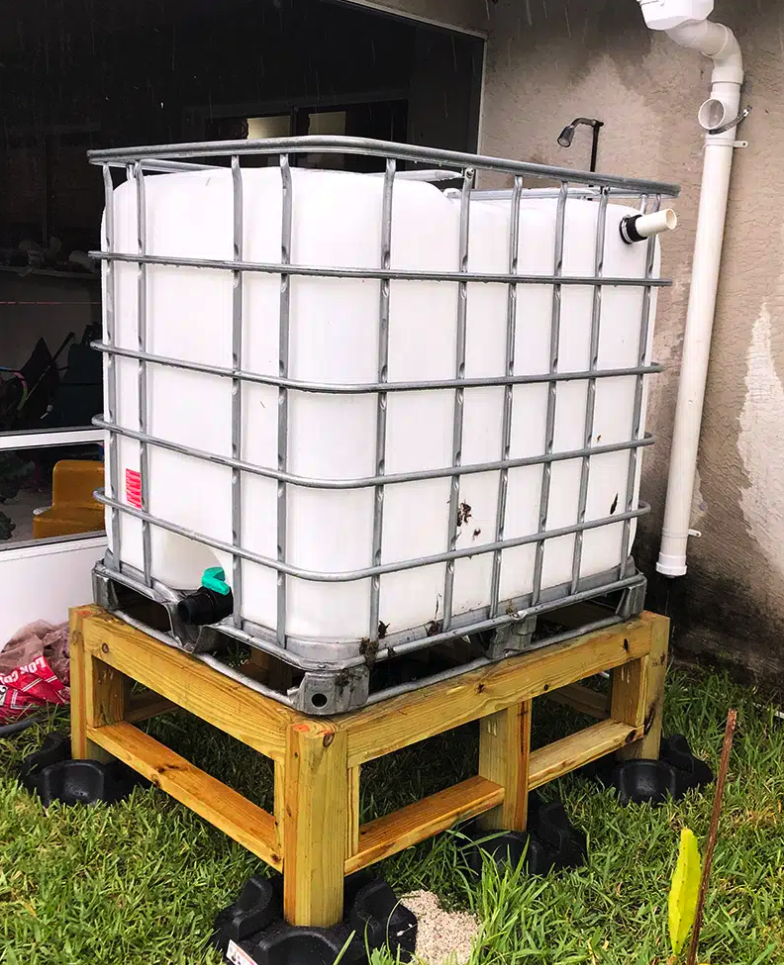
How To Make An Ice Bath From IBC Totes

RH Business Marketing Solutions

Are you looking for an affordable and effective way to create an ice bath for recovery or other purposes? If so, you're in the right place! In this blog post, we'll walk you through the process of making an ice bath using IBC totes. Not only will this save you money compared to commercial ice bath options, but it's also relatively easy to set up. So, let's dive into the details and get started!


What You'll Need

Before we get into the step-by-step guide, let's gather the necessary materials: 

●     IBC Tote: You can find these large containers at various places, but for a high-quality option, check out Verdetrader.com. They offer a range of IBC totes suitable for different purposes.

●     Water Source: You'll need access to a water source, whether it's a garden hose or another water supply.

●     Ice: Depending on the size of your IBC tote, you'll need a significant amount of ice. You can either purchase bags of ice or use ice packs.

●     Thermometer: To monitor the water temperature and ensure it stays in the desired range.

●     Stirring Implement: A large paddle or stick for stirring.

●     Tarp or Insulation (optional): To help maintain the temperature of the water during longer sessions.

How To Make An Ice Bath From IBC Totes

Now that you have everything ready, let's proceed to the step-by-step instructions.

Step 1: Clean the IBC Tote

Start by thoroughly cleaning the IBC tote to ensure it's free from any contaminants. Use a hose and scrub brush to clean both the inside and outside. Rinse it well and let it dry completely.

Step 2: Fill the IBC Tote

Position the clean IBC tote in the desired location, preferably outdoors or in a well-ventilated area. Connect it to your water source and begin filling it with water. Keep an eye on the water level as you fill it to ensure you fill it appropriately.

Step 3: Add Ice

Once the IBC tote is filled with water, it's time to add the ice. The amount of ice you need will depend on the desired temperature of your ice bath. Aim for a standard cold plunge at around 50-60 degrees Fahrenheit (10-15 degrees Celsius). Stir the water and ice thoroughly to distribute the cold evenly.

Step 4: Monitor the Temperature

Use a thermometer to monitor the water temperature. You can adjust the temperature by adding more ice if it's too warm or letting some ice melt if it's too cold. The goal is to maintain a consistent temperature for your ice bath.

Step 5: Optional Insulation

If you plan to use the ice bath for an extended period, consider insulating the IBC tote with a tarp or insulation material. This will help prevent the water from warming up too quickly.

Step 6: Enjoy Your Ice Bath

Once the temperature is to your liking, it's time to enjoy your homemade ice bath! Whether you're an athlete looking for post-workout recovery or simply want to experience the benefits of cold immersion therapy, your DIY ice bath will serve you well.

Conclusion

Creating an ice bath from IBC totes is a cost-effective and practical solution. With the right materials and a little effort, you can have your very own ice bath ready for use. Remember to check out Verdetrader.com for high-quality IBC totes to get started on your ice bath journey. Stay cool and enjoy the benefits of cold therapy at your convenience!

How to Get Started With Hard Money Lending: A Comprehensive Guide

RH Business Marketing Solutions

Embarking on the Hard Money Lending journey opens doors to a dynamic realm where your capital becomes a catalyst for lucrative opportunities. If you've pondered the path to leveraging your funds for real estate ventures or business expansions, you've found your compass. This guide is your passport to unraveling the intricacies of hard money lending – a refreshingly unconventional approach to financing that transcends traditional norms. Whether you're a seasoned investor or a beginner eager to dive into alternative financing, this roadmap simplifies the landscape, making hard money lending an accessible and profitable venture. Join us as we navigate the nuances and demystify the process, empowering you to confidently step into the world of hard money lending.


Understanding Hard Money Lending

Hard money lending involves using the value of a property as collateral for a short-term loan. Unlike traditional loans, hard money lenders focus less on the borrower's credit history and more on the property's value and potential profitability. This makes it an attractive option for real estate investors, flippers, and those in need of swift capital.


Step 1: Educate Yourself 

Before diving into hard money lending, it's crucial to understand the ins and outs of the industry. Familiarize yourself with the terminology, regulations, and risks associated with this form of lending. Resources such as online articles, books, and educational courses can provide valuable insights and help you navigate the complexities of hard money lending.


Step 2: Build a Strong Financial Foundation

Hard money lending often involves substantial amounts of capital, so it's essential to have a strong financial foundation. Ensure that your personal finances are in order, and you have a clear understanding of your risk tolerance. Consider consulting with a financial advisor to assess your financial readiness and develop a strategy that aligns with your investment goals.


Step 3: Identify Your Investment Goals

Define your investment goals before entering the hard money lending market. Are you interested in funding fix-and-flip projects, supporting real estate developers, or providing short-term loans for various purposes? Clearly outlining your objectives will guide your decision-making process and help you identify the most suitable opportunities.


Step 4: Build a Network of Professionals

Establishing connections with real estate professionals, mortgage brokers, and other investors can be instrumental in your hard money lending journey. Networking provides valuable insights, potential investment opportunities, and access to a pool of trustworthy collaborators. Attend industry events, join online forums, and engage in conversations to build a strong professional network.


Step 5: Research and Choose Reputable Hard Money Lenders

Carefully research and select reputable hard money lenders with a track record of successful transactions. Look for lenders who are transparent about their terms, fees, and processes. Read reviews, seek recommendations, and verify their licensing and credentials to ensure they adhere to industry regulations.


Step 6: Understand the Loan-to-Value (LTV) Ratio

In hard money lending, the Loan-to-Value (LTV) ratio stands as a pivotal element. This ratio signifies the percentage of the property's value that the lender is open to financing. Understanding the LTV ratio helps you assess the risk and determine the feasibility of a particular lending opportunity. Different lenders may have varying LTV requirements, so be sure to inquire about this before proceeding.


Step 7: Conduct Due Diligence on Potential Borrowers

Thoroughly vet potential borrowers before entering into any lending agreements. Evaluate their financial stability, experience in real estate, and the viability of their projects. Request detailed project plans, budgets, and exit strategies to ensure they align with your risk tolerance and investment objectives.


Step 8: Perform Property Inspections

Before finalizing any lending agreements, conduct thorough inspections of the properties involved. Assess the condition, market value, and potential for profitability. A comprehensive property inspection helps mitigate risks and ensures that the collateral adequately secures your investment.


Step 9: Draft Clear and Comprehensive Loan Agreements

Work with legal professionals to draft clear and comprehensive loan agreements that outline the terms, interest rates, repayment schedules, and any other pertinent details. A well-drafted agreement protects both parties and minimizes the risk of disputes during the loan term.


Step 10: Monitor and Manage Your Investments

Once your hard money lending journey begins, actively monitor and manage your investments. Stay informed about market trends, assess the performance of your loans, and be prepared to adapt to changing conditions. Regular communication with borrowers and staying proactive in managing your portfolio is key to long-term success.


Conclusion

As we conclude this comprehensive guide on getting started with hard money lending, it's time to unleash the power of strategic financing and elevate your investment game. Armed with the knowledge gained from these insights, you're now equipped to navigate the diverse landscape of hard money lending confidently. Remember, this financial avenue is not just a path less traveled; it's a route that leads to unparalleled opportunities. Whether you're eyeing real estate ventures or entrepreneurial pursuits, your understanding of hard money lending positions you as a savvy investor ready to seize lucrative possibilities. As you embark on your journey, keep these key principles in mind, stay informed, and let the world of hard money lending become a cornerstone of your financial success. Here's to your prosperous and strategic investing future!

Soffit Trends That Are Changing the Face of Home Exteriors

RH Business Marketing Solutions

When it comes to home exteriors, every detail matters and one often overlooked yet impactful element is the soffit. Soffits not only serve a functional purpose in providing ventilation and protecting your home, but they also contribute significantly to the overall aesthetic appeal. In this post, we'll delve into the latest trends in soffit design and installation, exploring the popular colors, textures, and styles that are reshaping the exteriors of modern homes.

1. The Rise of Dark and Bold Colors

In recent years, homeowners have shifted away from traditional neutral tones for their soffits. Dark and bold colors are gaining popularity, adding a touch of drama and sophistication to home exteriors. Deep blues, charcoal grays, and even blacks are becoming go-to choices, creating a striking contrast against lighter siding materials.

2. Textured Soffits for Dimension and Interest

Smooth, flat soffits are taking a back seat as textured options are gaining traction. Textures, whether subtle or bold, add depth and visual interest to the exterior. Embossed patterns, wood grain textures, and even geometric designs are being incorporated into soffit materials, turning them into statement pieces that elevate the overall look of a home.

3. Modern Materials for Contemporary Elegance

Traditional materials like wood and aluminum are being reinvented with modern twists. Engineered wood soffits that mimic the look of natural wood but with enhanced durability are increasingly popular. Aluminum soffits are now available in sleek, minimalist designs, contributing to a more contemporary and streamlined appearance.

4. Soffit Interior: Extending Style Beyond the Exterior

While soffits are primarily an exterior feature, some homeowners are taking the style indoors. By extending the soffit design into interior spaces, a seamless and cohesive aesthetic is achieved. This trend is particularly popular in open-concept homes, where the transition from exterior to interior design elements creates a harmonious flow. For a deeper dive into incorporating soffit style within your home's interior, you might want to check out this insightful post by Hardie Boys. Their exploration of interior soffit design provides valuable inspiration and practical tips for those looking to embrace this emerging trend.

5. Sustainable Soffits for Eco-Friendly Homes

With environmental consciousness on the rise, sustainable and eco-friendly soffit options are gaining prominence. Recycled materials and energy-efficient designs are becoming key considerations for homeowners looking to minimize their ecological footprint while enhancing their home's curb appeal.

6. Integrated Lighting for Ambiance and Security

Soffits are no longer just passive elements; they're now integrated into the home's lighting scheme. Homeowners are opting for soffit lighting to enhance the architectural features and provide ambient lighting for outdoor spaces. LED strips or recessed lights can be seamlessly incorporated into soffit designs, offering style and functionality.

As we witness a transformative period in home design, soffits are emerging as essential players in shaping the modern aesthetic. From bold colors and textured surfaces to sustainable materials and integrated lighting, the options are diverse, allowing homeowners to express their individuality. Whether you're looking to make a statement or create a subtle, timeless look, the current trends in soffit design offer a spectrum of possibilities to transform your home's exterior. So, when it comes to your next home improvement project, don't underestimate the power of a stylish and trend-forward soffit.

Electrical Safety for Plumbers: Navigating Potential Hazards on the Job

RH Business Marketing Solutions

Whether installing a new plumbing system or repairing a burst pipe, plumbers resolve a variety of problems. When most people think about plumbers, they imagine people working around water. However, due to the nature of their work, plumbers often also work around electricity.

According to data from 2023, nearly 30,000 electrical workplace injuries happened annually. Severe electrical injuries can also result in death. Fortunately, you can help prevent injuries caused by exposure to electricity.

Here’s a closer look at common electrical hazards plumbers face and how they can avoid them.

Shutting Off Power to Your Working Area

As homes and businesses depend on running water, they also need electricity. Because of that, electrical wires and circuits run throughout most buildings. These properties also feature circuit breakers or something similar, allowing someone to control what rooms receive power.

Before beginning work in any room, make sure to find this building’s breaker and turn off power to where you’ll be working.

Watching Out for Standing Water

Plumbing problems often lead to water pooling up in homes or businesses. The result of this situation is standing water. Besides the potential flooding hazards, standing water creates an immediate hazard if you need to use any electrical devices. Resolve this situation by clearing standing water before further work begins.

Checking Your Cables and Cords

Plumbers use a variety of tools during a typical day. Many of these tools require cords connected to a nearby power source. Several examples of these tools include power drills, drain augers, and heat guns.

As you prepare for an upcoming plumbing job, ensure your tools and equipment have attached cords in optimal condition. You should also thoroughly inspect any extension cords you plan on using. Ensure you don’t see any exposed wires, which can send electricity throughout your body.

Keeping Everything Grounded

Grounding is a vital step to take when working around electricity. Properly grounding a plumbing system, wire, or other part of a working area minimizes your risk of receiving a severe shock. You’ll also protect yourself from shock by having a reliable electrical tester handy. An electrical tester lets you instantly check faulty outlets and wiring.

The importance of grounding also extends to your drain-cleaning machines. These types of equipment should feature a ground fault current interrupter, commonly abbreviated as a GFCI. Having a GFCI built into your machine’s electrical cord drastically reduces your risk of electrical-related injuries.

Wearing Personal Protective Equipment

Plumbers can come into direct contact with water, sewage, and dirt. Fortunately, personal protective equipment (PPE) can help minimize unwanted substances getting on a plumber’s skin or clothing. Fortunately, PPE can also keep plumbers protected from electrical-related injuries. 

Most types of PPE for electrical damage contain rubber. That’s because rubber doesn’t conduct electricity. Rubber boots help protect a plumber if they step on a live wire or water with electricity flowing through it. Gloves containing rubber help protect a plumber’s hands. Outfitting yourself with protective plumber, HVAC, and electrician clothes can also help you avoid scrapes and cuts while working.

Switching Off Power at Source Locations

Plumbers must often work outside of a customer’s home or business. These jobs typically involve digging into the ground to work on underground pipes. Unfortunately, these tasks can quickly become dangerous when you unknowingly work near active power lines.

You can avoid this nerve-wracking situation by contacting your local power company before your work begins. This call allows a utility professional to mark utility lines. Having this information helps you avoid accidentally digging or cutting into electrically charged cables and wires.

Knowing When to Walk Away

Electricity is often unpredictable. If you follow the previous steps and receive an unexpected jolt of electricity, it’s time to get away from this area. Having an electrician determine what’s going on and resolving the issues lets a plumber return to a safe working environment.

Plumbing jobs sometimes have plumbers working around electricity. Before starting any plumbing-related project, ensure you’re within a safe working area. Also, make certain that your tools and equipment are in proper working condition. These steps might take a little extra time, but following our precautions could prevent you from electrical-related injuries.

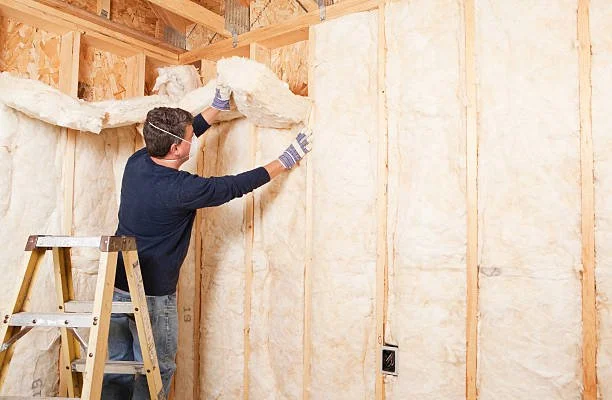
5 Reasons Why You Need Insulation in Your Bathroom Walls

RH Business Marketing Solutions

So, you’re planning to renovate your bathroom. You’ve hired an incredible interior designer and bought the most exclusive bathroom materials to give it a luxury vibe. But have you considered insulating your bathroom wall?

If your answer is no, it’s high time you consider that. While some people consider it as an option, you should consider it as a necessity for the well-being of you and your family.

If you’re wondering why, this article will show you five reasons why insulation is a must for your bathroom walls.

5 Reasons Why You Need Insulation in Your Bathroom Walls

If you’re concerned about the health and comfort of your family, you must opt for bathroom insulation. There are tons of articles out there on how to insulate your bathroom and why you should go for it. Here are our 5 favourite picks on why you need it:

Keeping the room temperature comfortable 

Bathrooms tend to be warmer and more humid than other rooms in the house. If you don’t use insulation on the wall this can spread to your other rooms - not pleasant at all!

The right insulation material can help keep the moist, warm air from traveling to other areas of the room.

Besides, if you live in a colder area, insulation can keep your bathroom warm and more comfortable to use.

Reducing energy costs

With the increasing energy bills in recent years, it has become crucial to make moderate use of home appliances, especially the heating and cooling systems.

Insulating your bathroom wall can help keep the heat in, meaning that your HVAC systems won’t have to work hard to maintain the proper temperature. Doing so will eventually reduce your energy bills and save you a lot more money in the long term.

Preventing mold and mildew

Exposure to mold and mildew can cause several health issues, especially for people who are allergic to mold or have asthma. 

Due to the warm and moist air, the bathroom is the prime place for mold to grow. Proper insulation can create a barrier between the moist, warm air in the bathroom and the cool and dry air outside the wall, which prevents molds and mildew from growing.

Being a health-conscious person, the last thing you want is mold in your bathroom. So, insulation is the first thing you should opt for while remodelling your bathroom .

Increasing comfort

Nothing is more discomforting than stepping into a bathroom that’s either too warm and humid or super cold to use. Besides a humid bathroom tends to stink after a certain time. 

Since insulation can help keep the air dry and at a comforting temperature, it becomes easier for everyone to use the bathroom.

Reducing noise

Let’s be honest, bathroom sounds are best kept inside the bathroom! It can sometimes get noisy in there, and that may create awkwardness, especially if you have guests in the house.

Insulations can come as a rescuer here. By adding insulation to the wall, you can significantly reduce the amount of sounds that escape, avoiding a very embarrassing encounter.

How to Tell If Your Bathroom Walls Are Insulated

If you’re new in this house, you may not know if the walls in your bathroom are well insulated or not. However, you can easily find it by looking into some factors. A dead giveaway is that if it’s colder than the other rooms, it’s not well insulated.

You can also look for the following signs to figure out if you need to go for insulation.

Check the walls and ceiling for any gaps or cracks

If there are any gaps or faults in the ceiling or walls, cold air from outside will make its way into the bathroom, making it more uncomfortable to use. 

Make sure you check both the walls and ceilings for any faults, and if you feel any breeze consider it’s poorly insulated.

Feel around the doors and windows for any drafts

If the bathroom door and windows have any draft or gap, it will let the cold air from outside, especially during the winter season. Carefully check around the windows and doors to look for any drafts.

Check the floor around the edges of the room

Another way to find if your bathroom is well insulated is to check if you sense a draft sneaking in from the edge of the floor. If yes, consider it a clear indicator that your bathroom lacks proper insulation.

Once you notice these signs, there are a few things you can do to improve the insulation:

  • Take some expanding foam and try to fill the gaps.

  • Install weather stripping around the doors and windows. 

  • While the experts are working on insulation, make sure they install it around the edges of the room.

Conclusion

Whether you’re in a new home or an old one, insulation is a must for the bathroom. While a proper insulation can ensure comfort, peace, and safety for you and your family, a poorly insulated bathroom can be a warehouse of germs and disease. Nothing is more uncomfortable than coming home and entering a wet and humid bathroom.

While opting for insulation, it’s crucial to find the right insulation contractors. The right contractor will know which material to use and how much. They will also provide you with suggestions on proper maintenance after the insulation is done.


Also, make sure to check the insulation regularly and keep the surrounding area clean and dry to prevent molds on the insulation.

How Deep Should Sprinkler Lines Be

RH Business Marketing Solutions

Demystifying Sprinkler Systems: A Beginner's Guide

Welcome to the world of sprinklers, where understanding the basics of irrigation system repairs can transform your garden into an oasis of greenery. Today, we dive into the mechanics of these systems, an often overlooked but crucial part of any efficient garden irrigation setup.

Essential Insights into Sprinkler System Mechanics

Let's start with a simple question: What exactly do sprinkler lines do? Think of them as the silent heroes in your garden, efficiently transporting water to where it's needed most. They are the hidden veins that bring life to your lawn, operating quietly beneath the surface.

Choosing the Ideal Material for Durability

Choosing the right material for these lines is more than a practical decision; it's about ensuring longevity. PVC stands out as a top contender. Why PVC, you ask? It's not just about durability against wear and tear. PVC is resistant to corrosion, making it a steadfast ally against the elements.

Key Factors in Selecting the Perfect Pipe Size

Now, size does matter when it comes to pipe diameter. It's tempting to think bigger is always better, but that's not the case here. A minimum size of ¾ inch is often recommended, but this isn't just a random number. This size strikes a perfect balance, providing enough flow to keep your garden lush without wasting water. It's about ensuring every drop counts.


The Critical Role of Burial Depth in Irrigation Efficiency

Let's delve into something often overlooked but incredibly vital in the world of irrigation: the importance of the depth at which you bury your sprinkler lines. This isn't just about digging a hole and calling it a day. The depth of your irrigation lines plays a pivotal role in the long-term functionality of your sprinkling system.

How Deep Installation Impacts Maintenance

First up, let's talk maintenance. Burying your lines too shallow can turn a simple lawn care activity into a nightmare of accidental line damage. By placing them at the right depth, you create a protective layer that not only makes maintenance easier but also reduces the risk of unexpected breakages. It's like giving your sprinkler system an invisible shield.

Avoiding Unforeseen Sprinkler Line Damage

Next, consider the unpredictable elements of daily life in a garden. Kids playing, gardening tools, and even the occasional misstep can spell disaster for superficially laid lines. A properly buried line is safe from these everyday hazards, ensuring that your sprinkler system remains an unseen, yet integral part of your garden's ecosystem.

Protecting Your Irrigation in Winter

But here's an often-missed point: depth is a champion against the cold. In colder climates, frost can penetrate the ground and wreak havoc on pipes. By burying your lines deeper, you're essentially tucking them in away from the icy grip of winter, safeguarding your system against freeze damage.


Ideal Depths for Sprinkler Lines

Navigating the depths for your sprinkler lines isn't just about digging trenches; it's about tailoring them to your specific climate. Yes, where you live plays a huge role in how deep your sprinkler lines should go. It's like choosing the right outfit for the weather – you wouldn't wear a parka in the desert, right?

Ideal Depth for Warm Climates

Let's break it down by climate. In warm climates, where the sun is a constant companion, a depth of 8 inches is usually sufficient. This depth keeps the lines safe from the occasional gardening mishap. It's the sweet spot where your sprinkler lines stay protected, yet accessible enough for any necessary tweaks.

Optimal Depth for Mild Climates

Moving on to milder climates, where the weather is a bit more of a mixed bag, we recommend going a bit deeper – about 10 inches. Why the extra two inches? It's a buffer, a little extra insurance against those unexpected cold snaps and the varied activities that come with transitional weather.

Maximum Depth Needs for Cold Climates

For those in cold climates, where winter is more than just a chill in the air, you'll want to aim for 12 inches. This depth is your frontline defense against the deep freeze. It's like burying your lines in a cozy blanket, keeping them safe from frost and ensuring that when spring rolls around, your system is ready to go without any frostbite.


Mastering the Art of Trenching for Your Sprinkler System

Alright, let's roll up our sleeves and dive into the nitty-gritty of trenching for your new sprinkler system. This isn't just about digging; it's about smart, strategic trenching that sets the stage for a top-notch irrigation setup.

How to Avoid Utility Lines and Prevent Disasters

First things first, safety is key. Before you even think about breaking ground, it's crucial to mark all utility lines. Imagine starting to dig, only to hit a gas line – yikes! Marking utility lines helps you avoid these kinds of disasters. It's like having a map that says, "Here be dragons," guiding you away from potential hazards.

Mapping Your Irrigation Blueprint

Now, onto mapping the placement of your irrigation lines. This isn't about drawing a few lines on a piece of paper. It's about envisioning how your garden will be hydrated, ensuring every flower, shrub, and patch of grass gets the right amount of water. Think of it as plotting a secret underground network that will bring your garden to life.

A Root Removal Guide for Smooth Trenching

Encountering roots while trenching? It's a common hurdle. But here's a pro tip: using a chainsaw can turn a daunting task into a walk in the park. It's about slicing through the challenge, quite literally, to keep your trenching on track. Just remember to handle the chainsaw with care – safety glasses and gloves are your best friends here.

Techniques for Effective Soil Compaction Around Pipes

Finally, let's talk about soil compaction around the pipes. This might seem like a minor detail, but it's actually a critical step. Proper compaction prevents soil from settling unevenly and keeps your pipes stable. It's like tucking them in snugly, ensuring they stay put.

4 Most Common Swimming Pool Plumbing Problems & How to Prevent Them

RH Business Marketing Solutions

Whether you have a swimming pool in your own home or you are responsible for a commercial pool, plumbing problems can be a headache you could do without.

Sometimes, pool plumbing issues are easily rectified and don’t even require the assistance of a professional, whereas other complications need a little bit more time and money to fix.

Read on to discover four common pool plumbing issues, plus, how to prevent and fix them quickly and with minimal expense.

1.   Pump problems

One of the most common issues for swimming pool owners is a problem with their system’s pump. Occasionally, air can get caught in your pool’s circulatory system, making it harder to move water. This, in turn, can cause the water in your pool to turn cloudy or dirty.

If left untreated, this problem will only get worse and could result in the pump overheating and bursting. Fortunately, if you have your pump looked at by a plumber as soon as you notice the issue, then you will not need to pay for a replacement.

2.   Build up of dirt and debris

As you might suspect, a build-up of dirt and debris is not good for your pool’s plumbing system and can cause a whole host of problems. Most commonly, when dirt and debris enter your pool’s filtration system, clogs may form, which can prevent it from working properly.

You can avoid this issue by skimming your pool with a net daily to remove any debris and making sure pool users shower before swimming.

3.   Pool leaks

Leaks are fairly common in swimming pools, causing highly inflated water bills and becoming increasingly costly to fix the longer they are left to their own devices.

If you suspect that your swimming pool may have a leak, then the sooner you have it looked at the better. Get in touch with a local plumber who specializes in pools as quickly as possible, as they will be able to determine what type of leak you have and how it can be fixed.

4.   Filter pressure issues

There are two types of swimming pool filter problems: pressure rises and pressure drops. The former can be caused by algae blocking the filter, whereas the latter is likely to result from blocked suction lines or faulty equipment.

If your filter issues are caused by algae or blockage, these can be easily remedied. However, if the problem is faulty equipment, then you will likely need to invest in new pool supplies or a pool flow meter for your pool.

If you are in any doubt about what is wrong with your swimming pool or you are worried about a particular plumbing problem, it is always a good idea to get in touch with a professional plumber for advice. Although you may think it would be more cost-effective to try to resolve an issue yourself, this can prove to be a lot more expensive in the long run, especially if the issue is severe.

Navigating the Legal Complexities of Being a Landlord

RH Business Marketing Solutions

The role of a landlord goes beyond mere property management; it involves a deep understanding of legal intricacies to maintain a harmonious relationship with tenants and ensure compliance with laws. This article delves into various aspects of being a landlord, from understanding landlord-tenant law, screening tenants legally, to handling rent and eviction procedures, and dealing with abandoned property. Each section aims to provide landlords with comprehensive insights to navigate their responsibilities effectively and legally.

Understanding Landlord-Tenant Law

Landlord-tenant law forms the foundation of rental property management. It outlines the rights and responsibilities of both landlords and tenants, varying significantly from state to state. A thorough understanding of these laws is crucial for landlords to ensure they are not inadvertently violating tenants' rights or their own. This body of law covers a range of topics, including lease agreements, security deposits, maintenance responsibilities, and the conditions for eviction.

When it comes to maintenance, landlords often question the extent of their obligations. For instance, if a window in a rental property breaks, who is responsible for the repair costs? Does the renter’s insurance cover broken windows? This is where renter's insurance and landlord-tenant law intersect. Generally, renter's insurance covers personal property and liability, but not structural damages, which usually fall under the landlord's responsibility. However, if the damage is due to the tenant's negligence, the landlord may seek compensation from the tenant's insurance.

This scenario underscores the importance of landlords understanding insurance policies. While renter's insurance doesn't typically cover structural repairs, it can protect landlords from liability claims and reduce out-of-pocket expenses in certain situations. Therefore, landlords should encourage tenants to have renter's insurance and understand the specifics of these policies.

Landlord-tenant law also governs lease terms, setting the framework for what can and cannot be included in a lease agreement. Understanding these legal boundaries is essential for landlords to avoid potential disputes with tenants. Security deposit regulations, another critical aspect, dictate how much landlords can charge and the timeframe for returning the deposit. Landlords must familiarize themselves with these rules to avoid legal pitfalls.

Regular property inspections and maintenance are a landlord's responsibility and key to preserving the property's value. Knowing the legal requirements for entering a rental unit for inspections or repairs is vital to respect tenants' privacy rights. Furthermore, landlords must be aware of their obligations regarding habitability standards, ensuring the property is safe and livable.

Landlord-tenant law outlines the legal process for eviction. Eviction can be a complex and sensitive issue, requiring landlords to strictly adhere to legal procedures. Understanding these procedures helps landlords navigate this process smoothly, respecting tenants' rights while protecting their property.

Tenant Screening: Legal Guidelines and Best Practices

Tenant screening is a critical step in property management, but it must be conducted within the bounds of the law. Fair housing laws, at both federal and state levels, prohibit discrimination based on race, color, religion, sex, national origin, disability, or familial status. Landlords must ensure their screening process complies with these laws to avoid legal repercussions and promote fairness.

Developing a consistent screening criteria for all applicants is the first step to lawful tenant screening. This criteria should include credit history, rental history, employment verification, and criminal background checks. It's crucial for landlords to apply these criteria uniformly to all applicants to prevent accusations of discrimination.

Credit and background checks are valuable tools in assessing a potential tenant's reliability. However, landlords must obtain written consent from applicants to conduct these checks and use the information responsibly and legally. Ensuring privacy and security of applicants' personal information is not only a legal requirement but also builds trust.

Employment verification and income checks help landlords determine an applicant's ability to afford rent. Landlords should have clear income requirements, such as a minimum income threshold, which is a standard multiple of the monthly rent. This practice helps in selecting financially stable tenants and reducing the risk of future rent defaults.

Interviewing potential tenants is an often-overlooked aspect of the screening process. This step provides an opportunity for landlords to ask pertinent questions, within legal boundaries, to gauge the tenant's suitability. However, landlords must be cautious to avoid questions that could be perceived as discriminatory under fair housing laws.

Handling Rent Payments and Increases Legally

Handling rent payments efficiently and legally is a vital aspect of being a landlord. Establishing a clear and consistent rent collection policy is the first step. This policy should outline the acceptable payment methods, due dates, and consequences for late payments. Landlords must ensure this policy is clearly communicated to tenants and consistently enforced to avoid misunderstandings and legal issues.

Late rent payments are a common challenge for landlords. It's important to handle these situations with a balance of firmness and understanding. Landlords should establish a standard procedure for dealing with late payments, including any late fees, as dictated by state laws. Communication is key in these scenarios; reaching out to tenants to understand the reason for the delay can often lead to amicable solutions.

Rent increases are a natural part of property management but must be handled delicately and legally. Landlords must understand the regulations governing rent increases, which can include notice periods and caps on the amount of increase. Providing tenants with a clear and reasonable explanation for the rent increase can help maintain a positive landlord-tenant relationship.

Implementing a system for recording rent payments is crucial for legal and financial reasons. This system can be as simple as providing receipts for cash payments or maintaining digital records for electronic transactions. Accurate record-keeping helps resolve disputes and is essential for tax purposes.

Handling rent defaults requires a careful legal approach. In cases where tenants fail to pay rent, landlords must follow the legal process for eviction, which varies by state. This process often involves serving a notice to pay rent or quit, followed by legal proceedings if the tenant fails to comply. Landlords must avoid taking matters into their own hands, such as changing locks or shutting off utilities, as these actions can lead to legal repercussions.

Understanding the tax implications of rental income is crucial for landlords. Rental income is taxable, and landlords must report it on their tax returns. However, landlords can also deduct certain expenses related to rental property, such as maintenance, repairs, and property taxes. Consulting with a tax professional can help landlords navigate these tax obligations effectively.

Eviction Procedures: Legal Process and Tenant Rights

Eviction is a legal process that requires landlords to carefully follow state laws to protect both their rights and those of the tenant. The first step in any eviction is to have a legitimate reason, such as non-payment of rent, violation of lease terms, or damage to the property. Landlords must understand the specific grounds for eviction allowed in their state.

The eviction process typically begins with providing the tenant a formal notice, such as a "pay or quit" notice in cases of unpaid rent. This notice must be delivered in accordance with state laws, which may specify methods of delivery and waiting periods before further action can be taken. It's crucial for landlords to comply with these requirements to avoid invalidating the eviction process.

If the tenant fails to remedy the situation, the landlord can proceed with filing an eviction lawsuit. This legal process involves going to court, and landlords may benefit from legal representation to navigate the complexities of eviction law. Throughout this process, it's important for landlords to maintain professionalism and avoid personal confrontations with the tenant.

During the eviction hearing, landlords must present their case, including evidence of the lease violation or unpaid rent. It's important for landlords to keep detailed records and documentation to support their case. Tenants also have the right to present their defense, and the court will make a decision based on the evidence presented.

After a court orders an eviction, landlords must follow legal procedures for removing the tenant and reclaiming the property. This often involves coordinating with local law enforcement to ensure the eviction is carried out legally and safely. Landlords must refrain from self-help measures, such as changing locks or removing tenants' belongings, as these actions can lead to legal penalties.

Handling Abandoned Property and Tenant Belongings

When tenants leave or are evicted from a rental property, they sometimes leave personal belongings behind. Handling this abandoned property is a legal matter that landlords must approach carefully to avoid liability. State laws vary on how landlords must deal with abandoned property, including notice requirements and how long to hold the items before disposing of them.

The first step is to determine whether the property is indeed abandoned. This often involves assessing the circumstances under which the tenant left and whether there has been a clear relinquishment of property. Landlords should document the condition and inventory of the left-behind items for legal and record-keeping purposes.

Providing notice to the tenant is typically the next step. This notice should inform the tenant of the found property and outline the procedure and timeframe for claiming it. The method of delivering this notice is usually specified by state law and may include mailing it to the tenant's last known address or posting it on the property.

If the tenant does not claim the property within the legal timeframe, landlords must decide how to dispose of it. This can include selling, donating, or discarding the items, depending on their value and condition. Proceeds from selling abandoned property may be used to cover any costs incurred by the landlord, such as storage or unpaid rent, but this is governed by specific state laws.

Landlords must keep detailed records of how they handled the abandoned property, including notices sent, inventory lists, and receipts for any expenses or income related to the property. These records can be vital in case of disputes or legal inquiries regarding the handling of the property.

Navigating the legal complexities of being a landlord requires diligence, knowledge, and a commitment to fairness and legal compliance. From understanding the intricacies of landlord-tenant law, conducting legal tenant screening, handling rent payments and increases, to dealing with evictions and abandoned property, each aspect presents its unique challenges. By staying informed and adhering to legal requirements, landlords can foster positive relationships with tenants, protect their investment, and maintain a reputable and successful rental business.

The Advantages of Using Professional Cleaners in Liverpool for Your Home

RH Business Marketing Solutions

Nestled along the Mersey River, the historic city of Liverpool is known for its rich cultural heritage, vibrant music scene, and spirited community. Amidst this bustling backdrop, maintaining a clean and orderly home can be a challenging task for its residents. This is where the services of professional cleaners in Liverpool come into play, offering a multitude of benefits that go beyond mere cleanliness. Let’s explore these advantages in detail:

1. Specialized Cleaning Expertise

Professional cleaners in Liverpool possess a wealth of knowledge and expertise in handling a variety of home environments. Their understanding of different cleaning methods and products ensures that every aspect of your home, from antique furniture to modern appliances, receives the best care possible.

2. Time-Saving and Convenient

In a fast-paced city like Liverpool, time is a valuable asset. Professional cleaners take on the burden of housekeeping, freeing up your schedule. This extra time can be spent enjoying Liverpool's many attractions, pursuing hobbies, or simply relaxing with family.

3. Tailored Cleaning Plans for Homes

Cleaners in Liverpool offer bespoke cleaning plans that cater to the individual needs of your home. Whether you live in a compact apartment near the city centre or a sprawling suburban house, they adapt their services to fit your space, lifestyle, and cleaning preferences. This personalization ensures that your home receives the exact care it needs.

4. Advanced Cleaning Techniques and Equipment

Utilizing the latest in cleaning technology and high-grade products, professional cleaners in Liverpool can tackle even the most stubborn stains and dirt. This level of cleanliness and hygiene is often hard to achieve with regular household products.

5. Healthier Living Environment

Regular, thorough cleaning by professionals plays a crucial role in maintaining a healthy living space. It significantly reduces the accumulation of dust mites, pet dander, and other allergens, which is particularly important for individuals with respiratory issues.

6. Stress Reduction and Enhanced Well-being

Outsourcing your cleaning duties to professionals can significantly alleviate stress, contributing to a more peaceful and harmonious home environment. This mental relief is as important as the physical aspect of cleaning, especially in a bustling city like Liverpool.

7. Improved Home Aesthetics

A clean and well-organized home is more visually appealing and inviting. Professional cleaners in Liverpool ensure that every room in your home shines, from sparkling bathrooms to dust-free living areas, enhancing the overall aesthetics of your space.

8. Preservation of Home Value

Maintaining a well-kept home is vital for preserving or increasing its market value. Regular professional cleaning helps protect various surfaces and materials from wear and tear, ensuring your home remains in top condition.

9. Flexibility to Fit Your Schedule

Professional cleaners in Liverpool offer flexible scheduling to accommodate your busy life. They can arrange cleaning sessions that align with your timetable, ensuring minimal disruption to your daily routine.

10. Supporting Local Businesses

Choosing professional cleaners in Liverpool not only ensures a pristine home but also significantly supports the local economy and community growth. When you opt for local cleaning services, you're investing in your community, boosting the local economy by keeping your money within the Liverpool area and creating vital job opportunities. This financial circulation is essential for the economic health of the city and contributes to community development, as thriving local businesses often invest in community projects and initiatives.

11. Eco-friendly Cleaning Options

Many professional cleaners in Liverpool now offer eco-friendly cleaning options, using products that are safe for the environment, your family, and pets. This approach aligns with the growing global emphasis on sustainability.

12. Expert Handling of Delicate Items

Professional cleaners have the expertise to handle delicate items such as heirlooms, fine art, and antiques. Their skilled approach ensures these items are cleaned and preserved without risk of damage.

13. Reduction in Long-term Costs

Regular professional cleaning can actually be cost-effective in the long run. By maintaining the cleanliness and integrity of your home and its contents, you can avoid costly repairs and replacements that might arise from neglect.

14. Enhanced Mood and Productivity

A clean and organized home environment can significantly boost your mood and productivity. In the serene ambience of a well-kept home, you’re likely to find that you’re more focused, relaxed, and able to enjoy your time at home to the fullest.

Conclusion

The advantages of employing professional cleaners in Liverpool for your home are extensive. From the luxury of having more free time to the comfort of living in a healthier environment, the benefits are far-reaching. In today’s fast-paced world, professional cleaning services offer a practical, efficient, and effective solution for maintaining the beauty and comfort of your Liverpool home, allowing you to enjoy the city life without the added stress of home maintenance.