Google+

contact us

Use the form on the right to contact us.

Day or Night, we are here to serve you. Leave your plumbing problem to us.


Tinley Park, IL

(708)845-7922

Residential and Commercial plumbers and plumbing contractors available in Orland Park, Tinley Park, Oak Lawn, Palos Heights, Midlothian, Oak Forest, Homer Glen, Mokena, Frankfort, and the surrounding Chicago South Suburbs. Emergency plumbers.

copper water lines.jpg

Kevin Szabo Jr Plumbing Blog

Kevin Szabo Jr Plumbing is Tinley Park, Orland Park, Oak Forest, Midlothian, Orland Hill, Homer Glen, Mokena, Frankfort, Crestwood, Palos Heights, Oak Lawn, local plumber. Read our blog for advice, tips, a good laugh, and basic home improvement.

**We are moving our old blog to our new and improved website. Too see all our posts visit kevinszabojrplumbing.blogspot.com

Clean Hands, Healthy Living: Understanding 3 Key Benefits of Hand Sanitizers

RH Business Marketing Solutions
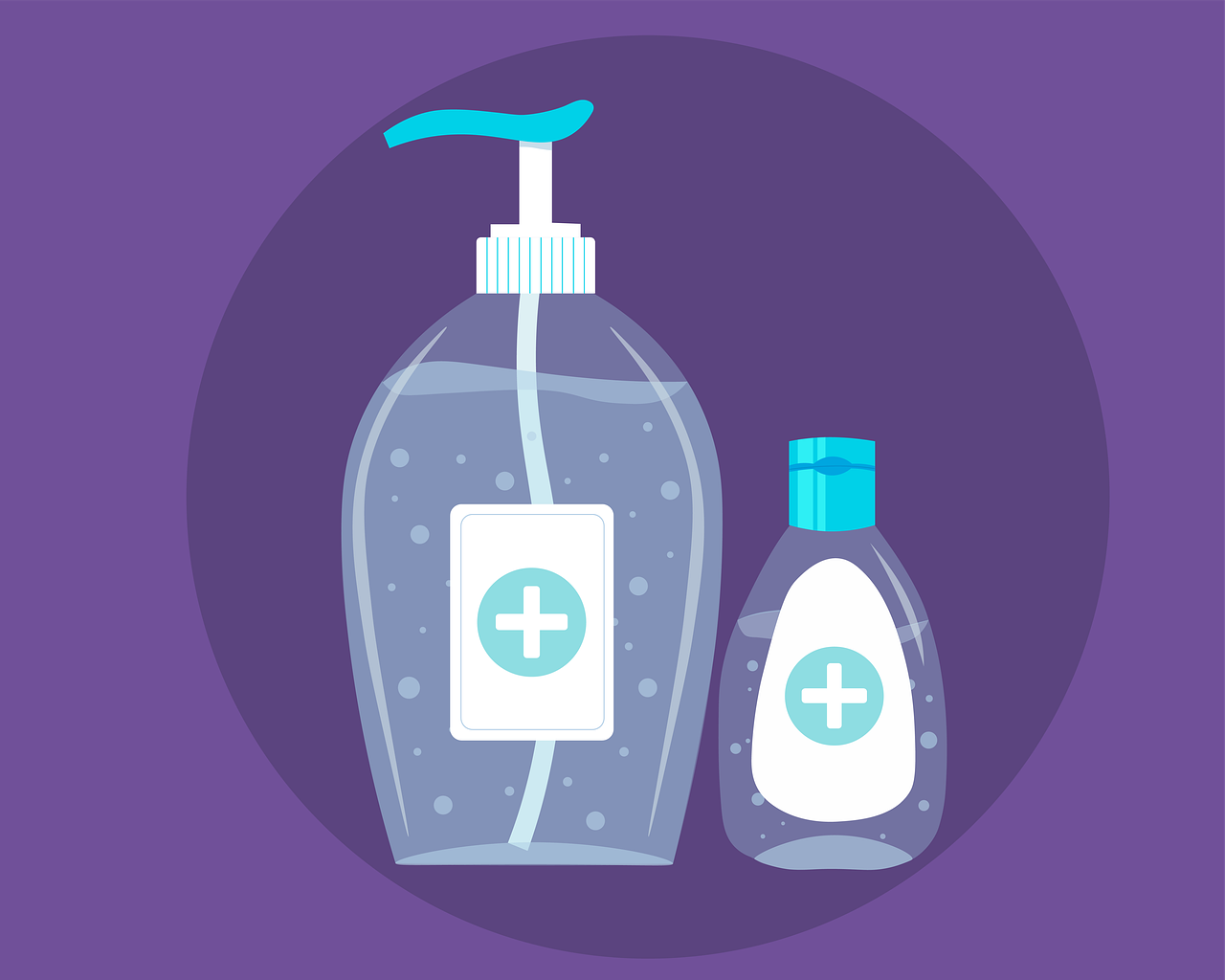
Cleaning your hands is the first way to promote healthy living. Hands contaminate germs that lead to viral and bacterial infections like nothing else. See, you use your hands to touch cell phones, toilet seats, light switches, and computer keyboards, all of which contain germs if dirty.

You can't avoid touching such surfaces in any way, and it's no surprise that infections like diarrhea continue to rise.

The best control to all this is washing your hands regularly and, most notably, with a hand sanitizer. However simple it sounds, washing your hands is a proven way to protect your wellness and those around you.

Proper handwashing has been shown to significantly reduce respiratory conditions like flu and colds by 20% and diarrhea by 30%, as studied by the CDC Center for Disease and Prevention.


Let’s get started.

In the past, it was logical to clean hands using water and soap, and it's still effective today. But with the fast-evolving lifestyles, you are unlikely to find running water and soap anywhere to clean your hands. That's the reason hand sanitizers came to be because you can go anywhere with them and sanitize every often.

World Health Organization acknowledges their effectiveness in such a time you aren't near running water because:

·      Hand sanitizers are gentle on the skin, especially than soaps

·      They prevent bacteria growth since they kill germs

·      They are effective

Now, let's discuss the three key benefits of hand sanitizer further.

1. Hand Sanitizers are Highly Effective

When you clean your hands, you must use effective supplements, and a hand sanitizer is a great enhancer. Hand sanitizers can kill germs by up to 99.9% or almost every germ you may have contacted, far beyond what soap and water can do. Not that soap and water aren't effective, but especially because many people aren't aware of the effective handwashing process, the water and soap end up not helping as much.

But with a hand sanitizer, the application is easy and simple and will ultimately kill all germs. In addition, hand sanitizers exist in various forms, such as gels, mists, sprays, and foams, so the coverage of the product to every part of your hands remains uncompromised.

Moreover, hand sanitizers are more accessible on the go than water and soap, where you must be a nearby water source. Ideally, you can carry a travel hand sanitizer and antibacterial gels everywhere as they are usually sizable, making them portable in a pocket, bag, or car. So, whether you're in a public place where you can easily contaminate germs, hand sanitizer can surely help.

2. Gentler than Soap

Soap is the primary alternative to sanitizers when cleaning hands, but that's often too harsh on the skin, especially when used excessively. It's not the case with hand sanitizers, though, because they are ideally made with a basic formula that's much gentler and better for the skin. Many people use hand sanitizers, improving their skin compared to liquid hand wash, soap, and water.

Another thing is that there are multiple types of hand sanitizers in the market, so you can purchase the one that is best for your skin. If your skin is sensitive, you'll want to take the one with fewer ingredients and fragrance-free to mind irritations.

Besides, you can purchase one without alcohol, especially if you have children, to protect your whole family. The high flexibility of hand sanitizers ensures that you can get a gentle product for your skin without any variability.

3. Prevents Bacteria Growth and Risk of Illness

Bacteria cause illnesses like skin conditions, stomach, etc. So, it's logical to prevent bacteria rather than dealing with health conditions later. A hand sanitizer disrupts cell membranes using its chemicals, and no bacteria can withstand it anymore. It does this without physically hurting you but keeping your hands clean and healthy.

How a Hand Sanitizer Works

Alcohol and benzalkonium chloride are typical ingredients of a hand sanitizer. They typically destroy any germs you may contact when you spread them correctly on the surface of your hand.

When applying, ensure that all parts of your nail beds and hands are thoroughly wet for effective outcomes. To check whether you use enough of it, time the amount of time it remains visible on the surface of your hands. You can know you've used less if it takes less than 15 seconds.

The Best Hand Sanitizer to Use

Age, lifestyle, career, skin type, and personal preference are some of the factors that determine the hand sanitizer you can use. So, there's no better sanitizer than the other ones. The one you choose is well-made and effective in killing pathogens.

It's also nice to consider where you purchase a package to know the results; consider customer reviews and the shop's reputation.

How Often to Sanitize

There is no rule on how often you should sanitize because the ultimate goal is to protect your hands from germs. The product lasts minutes, so sanitize whenever you feel like it or fear you've contaminated a germ. You can also combine your hand cleaning routine with water and soap for more optimistic results.

Conclusion

You've learned why clean hands matter concerning health, right? Moreover, the role of hand sanitizer in cleaning hands, its benefits, how it works, how to get the best one, and how often you should use it.

Now, we can't help but recommend shopping from reputable sellers. This ensures you get the right product that upholds everything discussed in this post and works in your best interest. Whether you want a regular hand sanitizer or one suitable for children or sensitive skin, there’s always one. Clean your hands, and live healthily!

6 Kitchen Remodeling Tips for a Stunning Result

RH Business Marketing Solutions

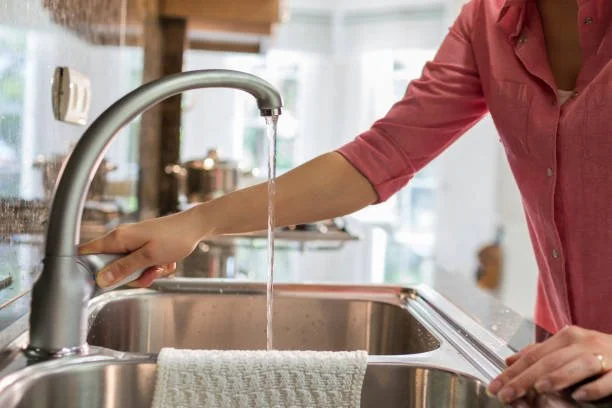
Revamping your kitchen can dramatically enhance your home's appeal and functionality. Each detail, from color schemes to fixtures, plays a pivotal role. Smart remodeling not only boosts the value of your home but also reflects your personal style. In this guide, we'll explore six essential tips to transform your kitchen into a stunning, efficient space. Embark on this journey with us to create a kitchen that's not just a cooking area, but a centerpiece of your home.

1. Maximizing Space and Functionality

Maximizing space and functionality is essential in kitchen remodeling. Smart storage solutions, such as pull-out cabinets, corner drawers, and vertical dividers, optimize underutilized areas, making them highly efficient. Integrating multi-functional islands not only offers additional workspace and storage but can also serve as informal dining areas. Choosing appliances that fit your space and needs is crucial; avoid oversized units that crowd the kitchen. Strategic layout planning is key, with the ‘kitchen triangle' rule enhancing movement efficiency between the sink, stove, and refrigerator. Incorporating such thoughtful design elements ensures a kitchen that's not only visually appealing but superbly functional and adaptable to your daily life.

2. Choosing the Right Color Palette

Selecting the right color palette is pivotal in kitchen design, influencing mood and spatial perception. Neutral tones offer a timeless, versatile base, easily adaptable to changing trends. Brighter colors can energize the space, while darker hues bring a sophisticated touch. Consider the natural light in your kitchen, as this affects how colors appear. Balancing colors with kitchen elements, like countertops and cabinets, creates a cohesive look. This thoughtful color selection not only personalizes your space but also enhances its aesthetic appeal.

3. Investing in Quality Countertops and Cabinets

Investing in quality countertops and cabinets is a wise decision for lasting kitchen functionality and style. Durable materials like granite or quartz resist wear and enhance aesthetics. Custom cabinets offer tailored solutions to your storage needs, maximizing space efficiency. Soft-close hinges and drawer slides add a touch of luxury and prevent wear. The right choices in these areas not only uplift the kitchen's look but also boost its resale value. Remember, quality in these key elements lays the foundation for a timeless and functional kitchen.

4. Incorporating Efficient Lighting Solutions

Incorporating efficient lighting solutions is key to elevating the ambiance of any kitchen. Layered lighting, combining task, ambient, and accent lights, creates a dynamic space. LED options offer energy efficiency and longevity, crucial for sustainable luxury kitchen lighting. Under-cabinet lighting enhances functionality, illuminating workspaces without shadowing. Pendant lights over islands or dining areas add a stylish focal point. This approach not only brightens the kitchen but also contributes to its overall energy efficiency and aesthetic appeal.

5. Selecting Durable and Stylish Flooring

Selecting the right flooring is crucial for a kitchen's functionality and style. Durable materials like porcelain or hardwood withstand heavy foot traffic and spills. Modern vinyl flooring offers both resilience and a variety of aesthetic options. Choose a texture and color that complements your kitchen's overall design. Non-slip finishes are important for safety, especially in high-moisture areas. Investing in quality flooring not only enhances the kitchen's look but also ensures longevity and ease of maintenance.

6. Adding Personal Touches with Accessories and Decor

Personalizing your kitchen with accessories and decor adds warmth and character. Use decorative elements like vases, artwork, or unique light fixtures to reflect your style. Open shelving can display cherished dishware or cookbooks, adding a personal touch. Incorporating plants or fresh herbs brings life and color, enhancing the overall ambiance. Choose accessories that complement the kitchen's color scheme for a harmonious look. These small details make the kitchen feel truly yours, transforming it into a welcoming and personalized space.

Conclusion

Your kitchen's transformation is a blend of art and practicality, reflecting your unique taste and lifestyle. These tips ensure a balance of aesthetics and functionality, creating a space that's both inviting and efficient. Remember, every choice you make weaves into the story of your home. As you embark on this remodeling journey, cherish the process of crafting a kitchen that resonates with your dreams. Ultimately, the result is a kitchen not just built, but lovingly curated by you.

Guest Contributor: Hannah Boothe

Maximizing Water Efficiency: Innovations and Practices for Commercial Plumbing Systems

RH Business Marketing Solutions

Welcome to a journey where pipes aren't just conduits but guardians of a vital resource: water. In this article, we'll discuss water efficiency in commercial plumbing systems—uncovering the significance, tools, and groundbreaking innovations that promise a more efficient and sustainable future.  

Importance of Water Conservation in Commercial Settings 

Environmental Impact: Caring for Nature 

Water is vital not just for businesses but for the environment, too. Plumbers, more than just fixing pipes, play a crucial role in protecting nature. 

1. The Ripple Effect on Local Water Sources: Using too much water in commercial spaces affects local rivers and lakes. Plumbers see this impact as it strains water sources. This strain harms the balance of nature and can make freshwater scarce. 

2. The Domino Effect on Environmental Sustainability: Plumbers prevent a chain reaction of problems caused by using too much water. They protect not only pipes but also the overall health of the environment. 

3. Plumbers as Environmental Stewards: Plumbers take on the role of environmental protectors. By promoting water-saving methods, they help businesses make choices that are good for the environment. 

In short, using water wisely in businesses isn't just about saving money. Plumbers, builders, and designers are like nature's helpers—ensuring we don't harm the environment as we go about our daily activities. 


Economic Implications: Saving Money with Water Wisdom 

Plumbers go beyond fixing leaks; they're financial experts when it comes to water use in businesses. 

1. Rising Water Costs: Water isn't free, and its price keeps going up. Plumbers know that using less water saves money. By adopting water-efficient ways, businesses can cut costs in a big way. 

2. Potential Regulatory Issues: Governments care about water use. Plumbers help businesses follow the rules, avoiding fines. Using less water isn't just about saving money; it's about being a good community member. 

3. Business Sustainability: Smart businesses think ahead. By promoting water-saving tricks, plumbers help companies to stay strong and eco-friendly. Using less water saves money and makes businesses look good for caring about the planet. 

Saving water isn't just good for the planet; it's a smart financial move. Plumbers guide businesses to make wise choices that benefit their wallets and the environment. 


Assessing Water Usage in Commercial Settings  

Water Audits 

Water audits are similar to a plumber channeling their inner Sherlock Holmes. In pinpointing water-intensive processes and setting a baseline for consumption, plumbers become essential detectives—uncovering inefficiencies and steering businesses toward more intelligent water utilization. 


Monitoring Tools 

Smart meters and sensors provide real-time data. With a keen eye on water patterns and anomalies, plumbers can diagnose issues swiftly, enabling proactive problem-solving and efficient water management. 


Best Practices for Water Efficiency in Commercial Plumbing 

Upgrading Fixtures and Appliances: Saving Water, Saving Money 

Plumbers have a powerful trick up their sleeves for water efficiency in businesses: upgrading fixtures and appliances. It's not just about shiny new gadgets; it's a smart move towards using water wisely. 

  • Low-flow Fixtures: Plumbers love low-flow faucets and toilets. These small changes make a big difference. Low-flow faucets control water use without sacrificing function, ensuring businesses use the right amount. Low-flow toilets are efficiency champions, using less water per flush without compromising performance. 

  • Water-Efficient Dishwashers and Washing Machines: For places like kitchens and laundry rooms, plumbers suggest water-efficient dishwashers and washing machines. These appliances get the job done without guzzling water. By making this upgrade, businesses save water and cut down on energy costs linked to heating excess water. 

In short, upgrading fixtures and appliances isn't just about looking good; it's about saving water and money and taking steps toward a more sustainable future. Plumbers are the architects of this water-wise transformation, making businesses efficient and eco-friendly. 


Regular Maintenance and Leak Detection: Keeping Things Smooth and Leak-Free 

Plumbers have a crucial duo for water efficiency: regular maintenance and leak detection. These aren't just fixes; they make sure everything runs smoothly without wasting water or money.  

  • Importance of Timely Maintenance: Plumbers stress the need for regular check-ups on commercial plumbing. It's like giving the plumbing system a health check. Doing this helps catch problems early, avoiding sudden breakdowns and fixing issues before they become big headaches. 

  • Swift Response to Leaks: Leaks are sneaky water-wasters. Plumbers are like detectives, quickly finding and fixing big or small leaks. Fixing leaks quickly saves water and stops businesses from facing expensive repairs and damage. 

  • Environmental and Financial Impact: Regular maintenance isn't just about keeping things running; it's also about being kind to the environment. A well-maintained system uses only the water it needs, reducing waste.  

  • Choice of Materials Matter: Stainless steel access doors offer durability, corrosion resistance, and a sleek appearance. These benefits of using stainless steel access doors for plumbing jobs enhance the efficiency of plumbing systems and contribute to the longevity of maintenance practices. This minimizes the need for frequent replacements and repairs. 

Regular maintenance and leak detection are essential to water efficiency. Plumbers make sure businesses not only save water but also steer clear of unexpected costs. It's a smart strategy that keeps water and budgets flowing smoothly for a sustainable plumbing future. 


Technologies Driving Water Efficiency 

Smart Irrigation Systems 

Plumbers embrace smart irrigation systems that use sensors and weather data to optimize watering schedules. By adopting these technologies, plumbers contribute to lush landscapes without wasting a drop. 


Greywater Recycling Systems 

Greywater recycling transforms used water from sinks and showers into a reusable resource. Plumbers, equipped with advanced treatment technologies, champion sustainability by closing the loop on water consumption. 


Trends and Innovations 

Advanced Materials in Plumbing 

Plumbers are at the forefront of embracing innovative pipe materials that enhance durability and water efficiency. Coupled with water-saving building designs, these trends redefine the landscape of commercial plumbing. 


Integration of IoT in Plumbing 

Plumbers become digital architects as the industry embraces the Internet of Things (IoT). Connected systems enable real-time monitoring, allowing for data-driven decisions and automated adjustments based on demand. 


Wrapping It Up 

In the ever-changing currents of commercial plumbing, water efficiency is not just a responsibility; it's an opportunity. Plumbers, builders, and designers hold the keys to a sustainable future where water is cherished, not wasted.  

As we navigate these waters together, let's turn the tap on efficiency and let it flow into a greener, more sustainable tomorrow. 


Guest Contributor: Chris Jackson

Unlocking the Secrets: Resolving Top 10 Queries Plumbing Access Panels

RH Business Marketing Solutions

Plumbers, welcome to a comprehensive guide on mastering plumbing access panels—the unsung heroes responsible for maintaining a smoothly functioning plumbing system.  

In this article, we'll dive into the definition, purpose, and importance of access panels. We'll explore common uses, understand their components, and then delve into resolving your top 10 queries. 

Understanding Plumbing Access Panels 

Definition and Purpose 

Plumbing access panels are the gateway to the hidden world behind your walls, ceilings, or floors. They serve as secret doors, allowing plumbers to access concealed plumbing components without needing a sledgehammer. Their primary purpose is to simplify maintenance and repairs. By providing a designated entry point, they make the plumber's job more efficient and less intrusive. 


Importance in Plumbing Systems 

Access panels are not mere conveniences; they are integral to the functionality of plumbing systems. Access panels become the backbone of proactive maintenance in commercial settings, where complexity and interconnected systems are the norm. Quick and easy access to pipes, valves, and other components ensures businesses can run smoothly, minimizing downtime and unexpected disruptions. 


Overview of Common Uses 

Access panels are versatile and serve various purposes in both residential and commercial settings.  

In homes, they are often strategically placed in areas like bathrooms, kitchens, and utility rooms, providing access to crucial plumbing components.  

In commercial spaces, where plumbing systems can be intricate, access panels are strategically positioned in restrooms, kitchens, and service areas—catering to the diverse needs of the building. 


Top 10 Queries Explained and Resolved 

Query 1: What Is the Purpose of a Plumbing Access Panel? 

Plumbing access panels exist for accessibility. They allow plumbers to reach hidden components swiftly, whether it's fixing a leaky pipe or performing routine maintenance. Think of them as backstage passes to the inner workings of a plumbing system. 


Query 2: Where Are Plumbing Access Panels Typically Located? 

In homes, panels are commonly found in areas with essential plumbing, like bathrooms and kitchens. Commercially, you'll find them strategically located in restrooms, kitchens, and service areas, ensuring accessibility to critical plumbing points. 


Query 3: What Are the Different Types of Plumbing Access Panels? 

There are various types, each designed for specific needs. Wall-mounted panels are common in homes, while ceiling-mounted panels are frequently used in commercial spaces with complex plumbing layouts. 

On the other hand, floor access panels are employed in residential and commercial settings where access from below is necessary. 


Query 4: How Are Plumbing Access Panels Installed? 

Installation involves cutting an opening, securing the frame, and attaching the panel. It's a straightforward process, but precision is crucial to ensure a snug fit. Always adhere to manufacturer guidelines, particularly in commercial installations where compliance with regulations is paramount. 


Query 5: Can Plumbing Access Panels Be Used in Wet Areas? 

Water-resistant and waterproof panels are intentionally crafted for use in wet environments, rendering them well-suited for applications in bathrooms, kitchens, and other areas prone to moisture, both in residential and commercial settings. 


Query 6: Are There Specific Materials Recommended for Access Panels? 

Materials vary, offering options like plastic, metal, and fire-resistant choices. In commercial spaces, where safety is paramount, opting for fire-rated panels can be a prudent choice to meet regulatory standards. 


Query 7: Do Plumbing Access Panels Require Regular Maintenance? 

While the panels themselves don't demand much attention, ensuring they are easily accessible by removing any obstacles is crucial. Regular checks guarantee they're ready when needed, preventing delays in both residential and commercial scenarios. 


Query 8: Are There Code Requirements for Installing Plumbing Access Panels? 

Absolutely. Building codes dictate specific requirements for access panels, especially in commercial buildings. Compliance with these regulations ensures not only the functionality of the plumbing system but also the safety of a building's occupants and users. 


Query 9: Can Access Panels Be Painted or Customized? 

Yes. You may paint or customize many different panels to blend seamlessly with their surroundings. This is particularly relevant in commercial spaces where aesthetics matter, and a well-integrated panel contributes to the overall ambiance. 


Query 10: How Do Plumbing Access Panels Contribute to Energy Efficiency? 

When properly installed, plumbing access panels contribute to energy efficiency by maintaining the integrity of the insulation. They help prevent energy losses by ensuring that insulation around pipes and plumbing components remains intact, especially in commercial buildings where energy costs are a significant consideration. 


Insights and Recommendations 

Best Practices for Maximizing the Lifespan of Plumbing Access Panels 

Insight: Regular checks and prompt repairs are the keys to extending the lifespan of access panels. Prevention is always better than cure, especially in commercial settings where disruptions can have significant ramifications. 


Recommendation: Establish a routine inspection schedule, focusing on potential issues like loose panels or damaged frames. 


Tips for Troubleshooting Common Issues 

Insight: Quick identification and resolution of issues are vital for maintaining a smoothly functioning plumbing system, especially in commercial spaces with high traffic and complex plumbing configurations. 


Recommendation: Train your team to recognize common issues and equip them with the necessary tools and materials for on-the-spot repairs. 


Recommendations for Selecting the Right Access Panel for Specific Applications 

Insight: The environment, local regulations, and aesthetic requirements all play a role in selecting the right access panel, particularly in commercial installations where functionality and appearance are equally important.  

Recommendation: Consult with clients to understand their specific needs and preferences, and always stay informed about the latest developments in access panel technology. 


Wrapping It Up 

In conclusion, plumbing access panels are the unsung heroes of the plumbing world, offering seamless access to vital components. For plumbers, mastering these panels is not just a skill; it's a necessity.  

Whether you're working in a cozy home or a bustling commercial space, these hidden doors are your allies in maintaining efficient plumbing systems.  


So, stay informed, follow best practices, and embrace innovation—your plumbing success depends on it.

Guest Contributor: Chris Jackson

7 Questions to Ask Yourself When Purchasing a Home

RH Business Marketing Solutions

One of the most important financial and lifestyle choices someone can make is buying a house. Throughout the home-buying process, it's important to ask yourself a number of relevant questions to make sure you make the proper decision. The following seven crucial inquiries can help you along the path to becoming a homeowner:

1.   What Can I Afford?

The first and most important stage in the process of buying a house is figuring out your budget. Take into account not just the mortgage payment but also any other expenses like upkeep, homeowners’ insurance, and property taxes. To create a realistic budget that fits your lifestyle and financial objectives, use online calculators and financial advisor consultations. In addition to providing direction for your house search, a thorough financial analysis will provide the groundwork for a stress-free and long-lasting homeownership experience.

2.   What are my Priorities in a Home?

Make a note of the things that are essential and unacceptable. Consider your requirements both now and in the future. Take into account elements like facilities, size, arrangement, and location. To make sure the house you select satisfies both your short- and long-term needs, prioritize these factors according to what is most important for your lifestyle. You may facilitate a focused and effective house-hunting experience, expediting your decision-making and raising the possibility of discovering your dream home by outlining your goals clearly.

3.   What is the Neighborhood Like?

Your choice of neighborhood, especially when considering new homes in Harrisburg, PA, for example, has a big influence on how you live. Examine the neighborhood, schools, security, and accessibility to facilities. To have a thorough grasp of the area, visit it at various times of the day. Make sure it fits your interests and way of life by interacting with the locals and getting their thoughts. In addition to improving your quality of life, knowing the dynamics of the neighborhood may help the property appreciate over time, making it an even more secure and worthwhile investment in the burgeoning community of Harrisburg.

4.   Is the Timing Right?

When it comes to real estate, timing is everything. Take into account the interest rates, economic statistics, and market circumstances at the moment. Evaluate your situation, including employment security and life transitions. By carefully considering when to make your purchase, you may negotiate better terms and make sure that you buy when it makes sense for your life as a whole. You may maximize the advantages of your home purchase by making educated judgments by keeping an eye on the housing market and your timetable.

5.   What is the Resale Potential?

Even though buying a house is a long-term investment, you must take its potential for resale into account. Because life is unpredictable, things might change. Examine past sales patterns in the neighborhood as well as prospective new construction to determine the property's resale value. This kind of insight can be useful since it gives you future flexibility. If you opt to dispose of or upgrade in the future, considering the resale possibility not only protects your investment but also creates prospects for possible financial advantages.

6.   Have I Conducted a Thorough Home Inspection?

Invest in a thorough house inspection before completing any transaction. Making an educated judgment can be aided by a skilled inspector's ability to see any problems. Be mindful of the plumbing, electrical, and structural integrity, as well as any possible maintenance requirements. When discussing repairs or price modifications for the purchase, an inspection report is a useful instrument. Setting aside time for a comprehensive home inspection reduces the possibility of unpleasant and expensive shocks later on by ensuring you are knowledgeable about the state of the property.

7.   What is the Long-Term Financial Plan?

Consider the long-term financial effects of homeownership in addition to the original purchase. Create a strategy for addressing prospective improvements, increasing equity, and controlling continuing costs. Being aware of the associated costs guarantees that you are ready for the obligations that come with being a property owner. You may make use of your property for many years to come with a stable and satisfying homeownership experience, which is made possible by a well-thought-out financial strategy that safeguards your investment.

Conclusion

In conclusion, you will be more equipped to make an informed choice when buying a property if you ask yourself these seven questions. To guarantee that your experience purchasing a house is fruitful and fulfilling, take the time to carefully evaluate your priorities, investigate the market, and think through the long-term effects.

Guest Contributor: Hannah Boothe

Useful Tips when Starting a Brand New Plumbing Business in 2024s

RH Business Marketing Solutions

Plumbing, an indispensable facet of maintaining our built environment, plays a pivotal role in ensuring the seamless functionality of both residential and commercial spaces. The journey you are about to embark upon entails not only the mastery of intricate technical skills but also the art of navigating the nuanced landscape of business. This comprehensive guide aims to illuminate the crucial steps necessary for laying the foundation of a plumbing business that not only survives but thrives in the dynamic market.

Understanding the Plumbing Industry

Before setting sail in the entrepreneurial seas, it is imperative to delve deeply into the multifaceted nature of the plumbing industry. Plumbing services span a wide spectrum, encompassing residential, commercial, and industrial domains. A nuanced understanding of local regulations, adherence to industry standards, and a keen awareness of emerging trends are paramount for strategically positioning your plumbing business. This foundational comprehension is the bedrock upon which you can build a resilient and adaptable business model.

Acquiring Technical Proficiency

At the heart of any flourishing plumbing enterprise lies a comprehensive grasp of plumbing principles. The bedrock of this understanding is the acquisition of necessary qualifications, certifications, and licenses pertinent to your geographic location. Recognizing that the plumbing industry is ever-evolving, a commitment to continuous learning and staying abreast of technological advancements becomes not just a virtue but a necessity. Technical proficiency not only ensures the competence of your services but also serves as a cornerstone for building a reputable brand in the competitive market.

Crafting a Comprehensive Business Plan

A meticulously crafted business plan is akin to a detailed map guiding your plumbing business through the labyrinth of challenges and opportunities. Beyond the rudimentary elements of outlining business objectives and defining your target market, a robust plan delves into the intricate details of the competitive landscape, financial projections, and operational strategies. It serves not only as a guiding document for your endeavors but also as a persuasive tool when seeking the trust and support of potential investors and lenders. In essence, a well-thought-out business plan is the architectural blueprint for a successful plumbing business.

Building a Strong Brand Presence

In a market teeming with competition, the development of a robust brand becomes a strategic imperative. Using a reliable company name generator can offer a creative edge in crafting a memorable and impactful brand identity. Beyond the mere creation of a logo, establishing a professional website and cohesive marketing materials are critical steps in crafting a brand identity that resonates with your target audience. Digital marketing strategies wielded judiciously can amplify your online visibility, extending your reach far beyond geographical confines. A strong brand presence not only attracts customers but also contributes to the sustainability and growth of your plumbing business. Also, explore traditional marketing ideas as well, and check out those appealing banners from NZ that will help everyone in your area learn about your new business.

Legalities and Licensing

As you tread into the realm of entrepreneurship, navigating the legal intricacies becomes a paramount consideration. Acquiring the necessary licenses and permits is not merely a legal formality but a cornerstone in establishing your plumbing business on a solid foundation. Compliance with safety standards and regulations not only ensures legal standing but also fosters trust with clients. Collaborating with legal professionals to align your business structure with long-term goals becomes an essential step in mitigating risks and fortifying your enterprise against potential legal complications.

Providing Exceptional Customer Service

At the heart of any service-oriented business lies the axiom that customer satisfaction is not just a goal but the lifeblood of sustained success. Prioritizing and delivering exceptional customer service is an art that transcends mere transactions. Timely responses to inquiries, transparent communication, and a commitment to going above and beyond to exceed customer expectations form the crux of a customer-centric approach. In a competitive landscape, a satisfied customer becomes not just a source of repeat business but a beacon for positive word-of-mouth that can exponentially amplify your plumbing business's reach and reputation.

As you step into the challenging yet promising arena of starting a plumbing business, remember that it's not just about fixing leaks and unclogging drains. It's about weaving together technical prowess, business acumen, and a relentless commitment to customer satisfaction. This journey demands not only dedication but a relentless pursuit of improvement in a dynamic and essential field. In this ever-evolving landscape, the foundations you lay today will not only sustain but propel your plumbing enterprise to new heights of success.

Guest Contributor: Diana Smith

Addressing Your Plumbing Needs: A Comprehensive Guide to Home Plumbing

RH Business Marketing Solutions

Introduction:

The plumbing system is the unsung hero of any home, working tirelessly behind the scenes to provide essential services like clean water supply, drainage, and sewage disposal. While it's easy to take a functional plumbing system for granted, addressing your plumbing needs proactively is crucial for maintaining a comfortable and efficient home. In this comprehensive guide, we'll explore various aspects of plumbing needs, from common issues to preventive measures and the importance of professional assistance.

Common Plumbing Issues:

  1. Leaky Faucets and Pipes:

    • A dripping faucet or a small leak may seem minor, but over time, it can lead to water wastage and increased utility bills. Promptly fix leaks to conserve water and prevent potential water damage.

  2. Clogged Drains:

    • Accumulation of debris, grease, and hair can lead to clogged drains. Regularly clean drains using eco-friendly solutions or seek professional plumbing services for thorough cleaning.

  3. Running Toilets:

    • A continuously running toilet can waste a significant amount of water. Identify and fix the issue promptly by checking the flapper, fill valve, or the flush handle.

  4. Low Water Pressure:

    • Low water pressure can be caused by mineral deposits, pipe issues, or problems with the water main. Professional plumbing inspection can pinpoint the cause and provide effective solutions.

Preventive Plumbing Maintenance:

  1. Regular Inspections:

    • Conduct periodic checks of visible plumbing components, including pipes, faucets, and exposed joints. Look for signs of corrosion, leaks, or wear.

  2. Water Heater Maintenance:

    • Flush the water heater regularly to remove sediment buildup, which can affect its efficiency. Inspect for leaks and ensure the pressure relief valve is functioning.

  3. Pipe Insulation:

    • Insulate exposed pipes, especially in colder climates, to prevent freezing. Frozen pipes can lead to bursts and extensive water damage.

  4. Proper Disposal Practices:

    • Avoid flushing non-biodegradable items down the toilet, and use drain strainers to prevent hair and debris from entering drains.

Importance of Professional Plumbing Services:

  1. Swift Issue Resolution:

    • Professional plumbers have the expertise to quickly diagnose and address plumbing issues, preventing further damage.

  2. Knowledge and Skill:

    • Plumbers are trained to handle a wide range of plumbing systems and components. Their knowledge ensures effective and lasting solutions.

  3. Emergency Repairs:

    • Plumbing emergencies can occur at any time. Local plumbing services offer emergency repairs to minimize damage and restore functionality.

  4. Upgrades and Installations:

    • Whether you're remodeling or upgrading fixtures, professional plumbers can ensure proper installation, compliance with regulations, and optimal performance.

In conclusion, attending to your plumbing needs is a fundamental aspect of homeownership. From proactive maintenance to addressing common issues and seeking professional assistance, a well-maintained plumbing system contributes to the overall comfort, efficiency, and longevity of your home. When facing plumbing challenges, don't hesitate to reach out to local plumbing experts who can provide tailored solutions to meet your specific needs.

Why a Rent Ledger is Essential For Landlords?

RH Business Marketing Solutions

In the dynamic realm of landlordship, where precision and clarity reign supreme, the rent ledger emerges as an unsung hero, silently steering the course of successful property management. Beyond its apparent role as a numerical repository, the rent ledger stands as an indispensable pillar, ensuring financial transparency, operational efficacy, and the seamless execution of a landlord's multifaceted responsibilities.

Envision a scenario where rent collection becomes a symphony of precision, disputes find resolution through incontrovertible evidence, and financial planning transforms into a strategic endeavor. The rent ledger doesn't merely document numbers; it evolves into a guardian of financial integrity, a proactive companion in identifying outstanding balances, and a steadfast guide to legal compliance. 

As we embark on a journey through the intricacies of property ownership, this guide seeks to illuminate the profound significance of a meticulously maintained rent ledger. Far from a mundane administrative tool, it emerges as a strategic asset, propelling landlords toward financial success, tenant satisfaction, and a harmonious property management expedition. Join us in unraveling the transformative potential of the rent ledger—a silent force that propels landlords into a future defined by financial acumen and operational mastery.


Guardian of Financial Integrity

At its essence, a rent ledger is the guardian of financial integrity. It meticulously logs every financial transaction related to your rental property, from rent payments to security deposits. This organized record provides a clear snapshot of your property's financial health.


Efficiency in Rent Collection

Imagine a seamless rent collection process where due dates and payment histories are readily available at your fingertips. The rent ledger acts as the conductor orchestrating this efficiency, minimizing the risk of missed or delayed payments.


Solid Evidence in Disputes

Disputes between landlords and tenants can arise, and in such instances, the rent ledger transforms into a potent piece of evidence. It offers an indisputable account of all financial transactions, providing clarity and aiding in swift dispute resolution.


Proactive Tracking of Outstanding Balances

Identifying tenants with outstanding balances is crucial for maintaining a healthy cash flow. A well-maintained rent ledger empowers landlords to take a proactive approach, promptly addressing payment issues before they escalate.


Legal Compliance and Risk Mitigation

Compliance with legal standards is not just a best practice; it's a necessity. Many jurisdictions require landlords to maintain accurate records, making a rent ledger an essential tool for risk mitigation and legal compliance.


Financial Planning Hub

For landlords wearing the financial planner hat, a rent ledger becomes a hub for effective financial planning. It provides insights into revenue streams, helping landlords make informed decisions about property investments, upgrades, and other financial commitments.


Simplified Tax Filing

Come tax season, a meticulously maintained rent ledger simplifies the often daunting process of filing taxes. It offers a comprehensive overview of income and expenses related to your rental property, streamlining the reporting process.


Crucial Documentation for Loan Applications

Aspiring landlords seeking expansion or financing for real estate ventures find a rent ledger to be a crucial piece of documentation. Lenders often require such records as evidence of a property's income-generating potential, aiding in loan approval.


Trust-Building with Tenants

Transparency is the cornerstone of a healthy landlord-tenant relationship. Sharing a summarized version of the rent ledger with tenants fosters trust by showcasing a commitment to fair and accurate financial dealings.


Time and Energy Savings

Time is a precious commodity for landlords juggling various responsibilities. A rent ledger proves to be a time and energy saver by consolidating all financial information into one organized space. This efficiency allows landlords to focus on strategic aspects of property management.


Conclusion

In the dynamic landscape of property management, where financial acumen and transparency are paramount, a rent ledger emerges as an unsung hero. Beyond its administrative functions, it stands as a powerful tool for landlords, offering a roadmap to financial success, legal compliance, and tenant satisfaction. Embracing the power of a rent ledger is not just a recommendation - it's a fundamental step toward navigating the complexities of property ownership with confidence, clarity, and efficiency. It's time to acknowledge the rent ledger's pivotal role and leverage its benefits in steering your rental property toward sustained success.

Tips to Renovate a Home Without Breaking the Bank

RH Business Marketing Solutions

Do you want to upgrade your house to create a cosy haven without going over budget? You are at the right place. This article will guide you through some incredible, budget-friendly tips to renovate a home that will allow you to have the home of your dreams. By keeping these suggestions in mind, you may make affordable home improvements. So, let’s get started and learn how to improve your home on a budget without compromising quality and style. Now, let's begin with the top advice for creating the house of your dreams.

Top 9 Tips to Renovate a Home Affordably

Here are some of the greatest tips to renovate your home within a budget.

Lowered Living Room

Creating sunken spaces for living room sofas is a current trend in house remodeling. In addition to making the living room appear much larger than it is, it tends to give spaces a more personal sense. Try this tip for a creative home renovation solution if you're trying to alter a whole room or space.

Utilise the Area Below the Stairs

Avoid underusing the spacious area beneath the staircase when redesigning a home with a staircase. Bookworms and music lovers may build a sophisticated wine rack and furnish their own snug space by adding shelves to showcase their bookshelves or record collections. You may even create your dreamy hidden reading nook in a little space inspired by your childhood wish to live like Harry Potter.

Upgrade Kitchen and Bathroom

Your home's overall appearance is greatly influenced by the design of your kitchen and bathroom. Using the kitchen as a minibar is a terrific method to improve the layout of the room. You can put drinking glasses on racks above the counter and store alcohol in storage below. Additionally, patterns give the backsplash its texture and liven up the space. Consider painting or staining your kitchen cabinets as a quick and reasonably priced kitchen makeover suggestion, depending on the state of the cabinetry. The bathroom space should also have top-notch plumbing installed for convenience. While this may be expensive, you can use LOOMY Home Promo Codes to get the job done without breaking the bank.

Install Baseboard Drawers

We frequently neglect to clean the area beneath the cabinets and bed. But by doing this, useful storage spaces are being wasted. Rather than letting this area remain vacant, consider installing low baseboard drawers to organise the house and store additional trinkets that you find lying around. This is particularly useful when renovating a mobile home since you have to make the most of the limited space available.

Work on the Exterior

Your home's outside is equally as significant as its inside. Thus, to make your house look cosy and friendly, don't forget to include a few accent items when you renovate a home. Adding a garden, updating your mailbox, adorning your front door with bright, colorful pieces, and enhancing your window area with shutters, window boxes, or plants are a few easy ways to improve your exterior.

Make Usable Space

Making extra useable space out of your current furniture by optimising your designs is another fantastic home renovation concept. For instance, installing a bar rail on your deck might provide a lovely seat for alfresco dining. Moreover, take advantage of this home improvement project to construct pull-out cabinets rather than standard built-in cabinets. This will give your home extra countertop and storage space while also giving it a distinctive appearance. This is particularly useful if you're seeking inexpensive home improvement ideas because you're enhancing areas and items you already own rather than beginning from scratch.

Try Different Shapes

You don't have to limit yourself to furniture with conventional rectangular forms. You can tailor your house makeover to your own preferences and the available space. Replace the standard rectangular couches with an expansive L-shaped couch; alternatively, experiment with curved tables and worktops to provide more workspace. However, it's crucial to ensure that these design concepts don't take up any additional room and still provide simple movement throughout your house.

Install open Shelves

One of the best tips to renovate a home is to install open shelves to give it an additional visual depth. You just need a few shelves to showcase your antiques, trinkets, and other items. You can opt to leave them fully exposed or cover them with glass doors. Shelves can also be adorned with baskets, books, or any other kind of home décor.

Choose the Right Colors’

Make sure to carefully select a colour scheme that complements your intended style since different paint colour combinations will offer your house distinct sensations. Use a stark contrast of colours in your home makeover for a more dramatic effect. Choose an all-white colour scheme for a tidy, elegant aesthetic that is simpler and more structured. Bright and brilliant colours that bring you delight are ideal for creating a sense of a welcoming and lively living space. Accent walls are a fantastic way to provide colour and depth to a space.

Wrap UP!

These are some of the best tips to renovate a home affordably. This blog includes everything you need, whether you want to remodel your house or are just interested in the various styles and concepts available. With these pointers, you may make over your living area without breaking the bank. Recall that what matters most is how imaginatively you redesign your house, not how much money you spend.

Author Bio: Sophie Ostar is a content marketer who works for Affiliate Marketing - Discount and Coupon Codes Providing Platform. A writer by day and a reader by night; She is striving to make the most of the new opportunities that comes in his way and excels in everything she does.

The Importance of Preventative Maintenance for Your Home

RH Business Marketing Solutions

Owning a home comes with the joy of creating a haven, but it also entails responsibilities. One of the most critical responsibilities of owning a home is preventative maintenance. Preventative maintenance refers to a proactive and systematic approach to identifying, addressing, and preventing potential issues before they escalate into more significant problems. The goal is to preserve the value of the home, extend the lifespan of its components, and minimize the need for costly repairs or replacements. This approach involves regular inspections, routine tasks, and timely repairs to ensure that the home operates efficiently, remains in optimal condition, and provides a safe and comfortable living environment.

Preserving Your Home's Value

Preserving the value of your home is a primary objective of preventative maintenance. By consistently investing time in upkeep and addressing minor issues promptly, your property is more likely to retain or increase its value over time. This strategic approach becomes particularly advantageous if you're considering potential future sales or refinancing opportunities. During the sales or refinancing process, an appraiser will assess your home's value. A well-maintained home gives real estate agents, appraisers, and potential buyers a positive impression.

Long-Term Cost Savings

Although preventative maintenance costs money, this investment can prevent larger expenses later on. Deferring maintenance can lead to more expensive or emergency repairs. Delaying small repairs also can create damage in your home. Taking care of minor repairs and inspections can help homeowners avoid escalating problems. You may prevent substantial and costly repairs or replacements. Including preventative maintenance in your budget can help you save money. You also can avoid the added stress associated with unexpected and sizable expenditures.

Extending the Lifespan of Your Home's Systems

Regular preventative maintenance guards against wear and tear of your HVAC, plumbing, and electrical systems. HVAC preventative maintenance in Chandler, or your area, can help you avoid uncomfortable temperatures and humidity levels in your home. You also can extend the lifespan of your home's systems. This proactive approach to maintenance ensures that each element operates efficiently, reducing the need for premature replacements. The cumulative effect is a home that stands the test of time with optimal performance and reliability.

Enhancing Energy Efficiency

Efficiency is a hallmark of a well-maintained home. Routine checks on insulation, weatherstripping, and HVAC systems contribute significantly to energy savings. Adequate insulation helps your home stay comfortable during extreme temperatures. A clean, well-maintained HVAC system doesn't need to run as long to maintain your desired temperature. Homeowners who prioritize preventative maintenance find themselves with lower utility bills, making their living spaces environmentally friendly and economically efficient. These benefits highlight the interconnected relationship between home maintenance and sustainability.

Improved Indoor Air Quality

The air quality inside a home is a crucial factor influencing the well-being of its occupants. Preventative maintenance directly contributes to improved indoor air quality. Tasks such as changing HVAC filters regularly, cleaning ducts, and addressing mold or mildew issues create a healthier living environment. For homeowners with pets, clean filters and ducts are important for removing pet dander from the area. For people with allergies or asthma, a well-maintained home helps maintain clean, breathable air.

Minimizing Emergency Repairs

Preventative maintenance can minimize the need for emergency repairs. By identifying and addressing potential issues before they become urgent, homeowners can avoid sudden and costly problems that often demand immediate attention. You can save money in the long run. Preventative maintenance also provides a sense of security, knowing that the home is less likely to present unwelcome surprises. The proactive approach of preventative maintenance establishes a buffer against the stress associated with expensive and disruptive repairs.

Conclusion

Preventative maintenance is a necessary part of home ownership. From preserving home value to minimizing emergency repairs, each aspect contributes to a comfortable and sustainable living environment. By investing time and resources in regular checks and minor repairs, homeowners save money and stress. This practice also creates a safe, efficient, and harmonious haven for residents. Consider preventative maintenance not as a burdensome task but as a strategic investment that pays dividends over the long term. You will ensure the enduring quality of your cherished home.