Google+

contact us

Use the form on the right to contact us.

Day or Night, we are here to serve you. Leave your plumbing problem to us.


Tinley Park, IL

(708)845-7922

Residential and Commercial plumbers and plumbing contractors available in Orland Park, Tinley Park, Oak Lawn, Palos Heights, Midlothian, Oak Forest, Homer Glen, Mokena, Frankfort, and the surrounding Chicago South Suburbs. Emergency plumbers.

copper water lines.jpg

Kevin Szabo Jr Plumbing Blog

Kevin Szabo Jr Plumbing is Tinley Park, Orland Park, Oak Forest, Midlothian, Orland Hill, Homer Glen, Mokena, Frankfort, Crestwood, Palos Heights, Oak Lawn, local plumber. Read our blog for advice, tips, a good laugh, and basic home improvement.

**We are moving our old blog to our new and improved website. Too see all our posts visit kevinszabojrplumbing.blogspot.com

Flooring Ideas When It Comes to Your Home’s Interior

RH Business Marketing Solutions

The Importance of Flooring in a Home

The main role of flooring is to provide a safe foundation for walking and standing indoors. Your flooring also needs to be able to support your furniture. Therefore, it is very important inside your home. Hence, it must be durable enough to withstand heavy weight and foot traffic without buckling under the load.

It also needs to be slip-free to avoid accidental falls. In the meantime, flooring that resists water and sun damage helps prolong its life for a savvy investment. And since certain flooring also helps balance temperatures in your home, it can also be important for keeping your home naturally warm or cool throughout the seasons, which helps lower utility bills.

However, as practical as flooring is for your home, your options for it are anything but boring. In fact, you have many styles, materials, patterns, and colors to choose from to also enhance the look of your room. Many manufacturers also offer custom options for unique spaces or to help your rooms stand out.


Flooring Ideas When it Comes to Your Home’s Interior

Flooring ideas for your home's interior run far and wide, from bold-colored, eye-catching decorative vinyl, tile, or carpeting in the kitchen, bath, and entryway for a more modern look to more playful, relaxed, vintage patterns in the living room for a Bohemian vibe. However, for a more neutral look anywhere in your home, you may consider a warmer, more rustic style flooring, such as natural stone, wood, or marble in gray, white, or blonde, which adds a contemporary look while also spewing old-warm charm.

They can also be used to provide a blank canvas for decorating a room or to simply create a uniform look throughout your home. A subtle pattern, such as herringbone, can also be added to them for a touch of sophistication, which looks especially inviting in the entryway or kitchen. Or, you could even opt for a wide wood plank

layout to make your floors stand out.

There are also many synthetic flooring options designed to mimic the look and feel of natural wood, stone, and more without the high cost and maintenance associated with them. Therefore, they are also popular styles for home interiors as an alternative to natural flooring materials.

For instance, porcelain tile provides the upscale look of marble and stone, but it has a water-resistant and stain-resistant surface that's easy to keep clean, which makes it perfect for bathrooms and other wet areas.

Another common trend in flooring is reclaimed wood flooring, which imparts a distressed but rich look that works well in industrial and vintage-style homes.

As for carpet ideas, cut and loop carpet has a versatile pattern and texture that works well in any area to create a bold or stylish look. However, for a more casual feel to your space, consider shag-style carpeting, which is also trending, as is Berber carpet for its durability and style.


What Else Your Home’s Interior Needs?

Once you have settled on the perfect flooring to bring out your space, you might next focus on adding the right lighting to complete the ambiance. For instance, decorative scones and table and floor lamps with shades incorporated into the living room create the perfect environment for relaxing and unwinding at the end of the day.

However, for more recreational spaces, such as the kitchen, family room, or movie room, you will need to incorporate bright lighting, such as ceiling lights or built-in lights that provide you with a clear view of the activity at hand. You can also add dimmers to the lights to allow you to lower them for a softer ambiance when watching movies, etc. 

Meanwhile, in the bathroom, framing the mirror with LED lights and adding ceiling lights will also enable you to brighten up the space for applying makeup, shaving, and more.

But to really add extravagance to your space, consider hanging a chandelier in the master bath, kitchen, or entryway, or you could even hang pendant lights for a wow factor.

Adding window treatments to your windows will allow you to enjoy an abundance of natural light during the day and block out light during peak sun hours. Just be sure to choose colors that match your décor so they do not look out of place.

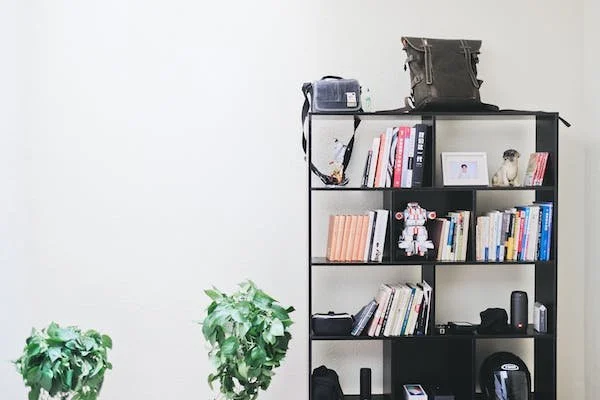
You may even consider adding built-in shelving in your office, living room, and more to display your prized possessions, as well as adding artwork to the walls to showcase your personal style.

Lastly, adding area rugs to your rooms will not only help protect your new flooring from furniture scuffs and other damage, but you can also use them to create sections within the space.


Written by Taylor McKnight, Author for At Home Flooring

9 Garage Door Maintenance Tips

RH Business Marketing Solutions

Maintaining your garage door is essential for ensuring its longevity, safety, and efficient operation. Often overlooked, this significant part of your home requires regular care to function properly. Neglect can lead to inconvenient breakdowns, costly repairs, or even safety hazards. This guide provides practical maintenance tips for your garage door, helping you keep it in top shape year-round. By following these simple steps, you can extend the life of your garage door, enhance its performance, and ensure it remains a safe, functional part of your home.

1.    Regular Cleaning and Inspection

Regular cleaning and inspection are fundamental to garage door maintenance. Start by cleaning the door with mild soap and water to remove dirt and grime, which can prevent corrosion, especially in metal doors. Pay attention to the rollers and tracks, clearing any debris that might impede smooth operation. During your cleaning routine, conduct a visual inspection of the door. Look for signs of wear and tear such as rust, cracks, or dents. Check the cables and springs for fraying or damage. This routine inspection helps identify potential issues early, preventing them from escalating into more significant problems. A clean and well-inspected door ensures optimal performance and longevity.

2.    Checking and Maintaining Garage Door Openers

The smooth operation of your garage door largely depends on the condition of the garage door openers. Regularly check these mechanical parts for signs of wear or damage. Listen for unusual noises or erratic movements, which might indicate a problem. Ensure that the opener's safety features, like the auto-reverse mechanism, are functioning correctly. This feature is crucial for preventing accidents, as it forces the door to reverse if it encounters an obstruction. Also, check the opener's alignment and chain tension, adjusting as necessary. Properly maintained garage door openers not only enhance the door's functionality but also contribute to the overall safety of your garage system.

3.    Lubricating Moving Parts

Lubrication is a key aspect of garage door maintenance. Regularly lubricate the rollers, hinges, and tracks with a suitable lubricant. This reduces friction and wear, ensuring smooth and quiet operation. Choose a lubricant specifically designed for garage doors, such as a silicone-based or lithium grease product. Avoid using heavy oils or WD-40, as they can attract dirt and gum up the works. Apply the lubricant sparingly; too much can lead to a messy build-up. Focus on pivot points and bearings, and wipe away any excess. Proper lubrication prevents rust and corrosion, prolonging the life of these moving parts and ensuring your door operates smoothly.

4.    Testing the Door Balance

An appropriately balanced garage door is crucial for ensuring that it opens and closes smoothly and doesn’t strain the opener. To test it, disconnect the opener and manually lift the door halfway. A balanced door will stay in place without your support. If it falls or rises, the springs may need adjustment. It's important to note that adjusting torsion springs can be dangerous and is best left to professionals. Regularly checking and maintaining the balance of your garage door ensures that the opener doesn't work harder than necessary, reducing wear and extending its lifespan. A balanced door also operates more quietly and efficiently.

5.    Checking and Replacing Weatherstripping

Weatherstripping plays a vital role in protecting your garage and its contents from the elements. Inspect the weatherstripping around the door for cracks, tears, or brittleness. Damaged weatherstripping can lead to water infiltration, drafts, and pest intrusion. If you find any issues, replace the weatherstripping promptly. Make sure to choose a material that can withstand your local climate conditions. In addition to maintaining the door's seal, check the bottom seal for wear and replace it if necessary. Keeping the weatherstripping in good condition not only improves energy efficiency by preventing drafts but also protects the interior of your garage from water damage and pests.

6.    Ensuring Safety Features Work Properly

Safety should always be a priority when it comes to garage door maintenance. Modern garage doors are equipped with safety features like auto-reverse mechanisms and photo-eye sensors. Regularly test these features to ensure they are functioning correctly. Place an object like a roll of paper towels under the door; it should automatically reverse when hitting the object. Also, check the alignment of the photo-eye sensors — they should be at the same height and facing each other. If these features aren't working, it could lead to serious injuries or damage, so address any issues immediately.

7.    Inspecting and Tightening Hardware

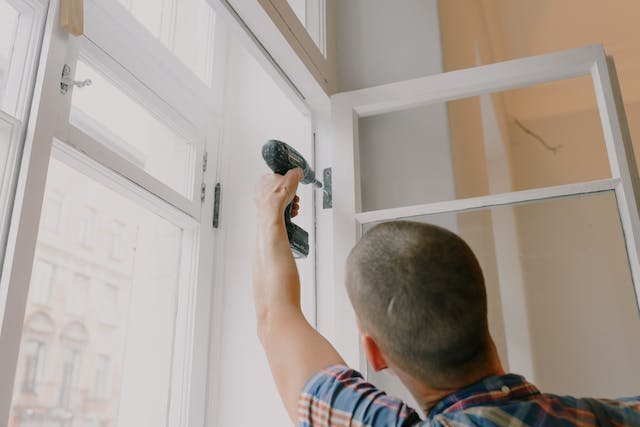
The constant motion of opening and closing the garage door can loosen its hardware over time. Periodically inspect and tighten all bolts, screws, and brackets that hold the garage door mechanism together. Pay special attention to the roller brackets and bolts that secure the rail to the support brackets. Use a socket wrench or a similar tool for tightening. This simple step can prevent a lot of potential issues caused by loose components, such as misalignment or uneven movement, and can significantly enhance the door's stability and longevity.

8.    Checking the Door Alignment

Misaligned garage doors can lead to inefficient operation and strain the opener. To check alignment, observe the door as it moves. It should travel smoothly and stay level. Look for gaps between the rollers and the track, which indicate alignment issues. If the door appears to be off-track or rubs against the frame, it needs adjustment. Misalignment can be caused by various factors, including worn tracks or loose hardware. While minor adjustments can be a DIY task, significant realignments are best handled by professionals to ensure the door operates safely and efficiently.

9.    Scheduling Professional Inspections

While many aspects of garage door maintenance can be handled DIY, it's advisable to schedule professional inspections periodically. Experts can identify and address issues that might not be obvious to the untrained eye. They can perform comprehensive checks, including spring tension, opener operation, and overall door balance and alignment. Regular professional maintenance can prevent major malfunctions and extend the life of your garage door. Consider setting up an annual or bi-annual appointment with a reputable garage door service to ensure your door remains in optimal condition.

Conclusion

Regular maintenance is key to ensuring your garage door operates safely, efficiently, and reliably. By following these simple tips, you can prevent common issues, extend the life of your door, and ensure it continues to function as an integral part of your home. Remember, while many maintenance tasks can be done on your own, don't hesitate to call in professionals for more complex issues. Proper care of your garage door not only saves you from future expenses but also ensures the safety and security of your home.

10 Things You Should Know Before Replacing Windows at Home

RH Business Marketing Solutions

The journey of replacing windows at home involves more than just selecting new fixtures. Understanding crucial factors can make this endeavor smoother and more rewarding. Energy efficiency, professional installation, and warranty coverage are essential elements that can impact your home's comfort and longevity. In this guide, we delve into key considerations to equip you with the knowledge needed to make informed decisions, ensuring your window replacement enhances both the aesthetics and functionality of your home.

1. Window Types and Materials

Understand the diverse landscape of window options by exploring various types and materials. Common options include casement, sliding, and double-hung windows, each of which has unique benefits. Evaluate the materials available, such as vinyl, wood, and aluminum, considering factors like durability, energy efficiency, and maintenance requirements. Vinyl windows are a popular option because of their low maintenance requirements and energy efficiency. Wooden windows provide a classic aesthetic but may require more upkeep. Windows made of aluminum are strong and impervious to corrosion. Make well-informed choices based on the particulars of every kind and material of window to make sure they complement your tastes and the architectural design of your house.

2. Energy Efficiency Matters

Assess the windows' energy performance through features like Low-E coatings and gas fills between panes, which contribute to reduced heat transfer and enhanced insulation. Windows with higher energy efficiency ratings can lead to substantial savings on utility bills by minimizing heating and cooling costs. This not only positively impacts your finances but also creates a more environmentally friendly home. Prioritize windows that align with energy efficiency standards, ensuring your investment provides long-term benefits for both your wallet and the planet.

3. Local Building Codes

Prioritize compliance with local building codes and regulations when contemplating window replacements. Learn about the particular regulations in your area to help you stay out of trouble with the law. Local building regulations establish regionally specific standards for window installations in order to protect your home's safety and structural integrity. There could be fines or expensive changes required if these codes are broken. Check with local authorities or consult a professional to guarantee that your new windows meet the necessary standards, providing peace of mind and assurance that your home is in line with local regulations.

4. Professional Installation

Ensure the longevity and functionality of your replacement windows by prioritizing professional installation. Employing experienced professionals is crucial for the proper fitting and sealing of windows, guarding against issues like air leaks and water infiltration. A knowledgeable installer will maximize the performance of your new windows by adhering to industry best practices. To further add to the peace of mind, expert installation frequently comes with assurances or warranties. Choosing an expert ensures that the windows are securely in place, promoting energy efficiency and preventing potential problems that may arise from improper installation.

5. Cost Considerations

Determine the overall budget for your window replacement project, considering various cost factors such as materials, labor, and potential unforeseen expenses. Request quotes from multiple contractors to compare prices and choose a cost-effective option that aligns with your financial plan. When assessing costs, it's essential to prioritize quality and expertise over solely considering the bottom line. Verify the contractor's reputation and track record of delivering dependable services. It may be beneficial to explore reputable options among the best window replacement companies in Houston, Texas, or near your area, as their expertise and customer reviews can be used to make an informed decision aligned with both budgetary constraints and quality standards.

6. Warranty Coverage

Prioritize a thorough understanding of warranty coverage when considering window replacements. Research the warranty offerings from different window manufacturers, paying close attention to the duration and coverage details. A comprehensive warranty can assure defects in materials or workmanship. Keep detailed records of the warranty terms, understanding the conditions that may void the warranty. Be aware that warranty coverage can vary, so selecting windows with robust warranties ensures long-term protection and potentially saves costs on future repairs or replacements. To protect your investment in new windows and to make an informed selection, take this into account in addition to other criteria.

7. Maintenance Requirements

Consider the maintenance needs of different window materials as a crucial factor in your replacement decision. Vinyl windows are renowned for needing little upkeep—just an occasional cleaning—and for being low maintenance. Wooden windows, while offering a classic aesthetic, may demand more attention to prevent issues like rot and warping. Although aluminum windows are strong and impervious to corrosion, they may require routine cleaning in order to keep their aesthetic. Align your choice with your lifestyle and willingness to commit to maintenance tasks, ensuring that the selected windows not only meet your aesthetic preferences but also align with your capacity for regular care, thus promoting their longevity and performance.

8. Features for Reducing Noise

To reduce outside noise and make your home quieter, choose windows with double pane or laminated glass. These features provide an additional layer of insulation, reducing the transmission of sound into your home. Assess the acoustic properties of different window options, especially if you reside in a noisy area or near high-traffic zones. While noise reduction capabilities may vary, selecting windows designed to mitigate sound can significantly enhance the comfort of your living space, contributing to a more serene and enjoyable atmosphere within your home.

9. Aesthetics and Design

Select window styles, hues, and finishes that go well with your home's architectural design. Double-hung windows offer a classic look, while casement windows provide a modern touch. The color and material of the frames can impact the visual appeal, with options ranging from traditional wood finishes to contemporary aluminum. Keep in mind that the design choices should align not only with personal preferences but also with the existing aesthetic of your home. By carefully selecting windows that harmonize with your home's architecture, you can achieve a cohesive and visually pleasing result that enhances both the interior and exterior aspects of your living space.

10. Permits and Approvals

Local authorities often require homeowners to obtain permits for such projects, ensuring compliance with safety and building standards. Failing to obtain the necessary licenses could lead to fines and other legal issues. Before starting the replacement, confirm the specific regulations in your area and submit any necessary documentation to obtain the required permits. By adhering to these procedures, you not only avoid legal issues but also ensure that your window replacement project aligns with local building codes and safety standards, contributing to the overall integrity and compliance of your home.

Conclusion

From understanding the nuances of different window types to being mindful of local regulations, your informed decisions can lead to a seamless and successful project. Prioritizing energy efficiency, professional installation, and warranty coverage ensures not only immediate benefits but also long-term comfort and peace of mind.

Sources:

https://houstonwindowexperts.com/

https://www.jerseycoastwindows.com/blog/top-10-things-know-replacing-windows/

https://www.qwdbarn.com/2020/06/01/10-things-to-consider-when-replacing-windows/

Can You Use Water Softener And Filter Together?

RH Business Marketing Solutions

 When it comes to improving the quality of your household's water supply, there are a variety of options available. Two common methods of water treatment include water softening and water filtration. While each of these techniques has its own benefits, many homeowners wonder if it is possible to use these systems together. The answer is yes, and when used in tandem, water softening and filtration can provide a comprehensive solution for all of your water needs. Understanding the roles these devices play, their compatibility, and how to choose the right combination can significantly improve the overall quality of your water.


Understanding Water Softeners

Water softeners are devices designed to tackle hard water issues caused by an excess of minerals, primarily calcium and magnesium. Hard water can lead to scaling on plumbing fixtures, reduced soap effectiveness, and appliance damage over time. Water softeners work by exchanging calcium and magnesium ions with sodium ions through a process called ion exchange, effectively softening the water.


Understanding Water Filters

Water filters are an essential tool for ensuring safe and clean drinking water. They work by removing impurities, bacteria, and harmful substances from tap water, making it safe for consumption. Understanding how water filters function and the different types available is crucial for choosing the right one for your needs. There are various types of water filters, such as activated carbon filters, reverse osmosis filters, and ultraviolet filters, each with its own unique way of purifying water.

Can Water Softener and Filter be Used Together?

Yes, water softeners and filters can definitely be used together to provide your household with the cleanest and healthiest water possible. Water softeners are designed to remove hard minerals such as calcium and magnesium from your water, while filters are meant to remove impurities and contaminants such as bacteria, chemicals, and sediment.

By using both a water softener and filter, you can effectively treat different types of water issues and improve the overall quality of your water. The combination of these two systems ensures that your water is both soft and free of harmful pollutants.

Additionally, using a water softener and filter together can extend the lifespan and efficiency of your appliances, plumbing, and water-using devices by reducing the build-up of mineral deposits and reducing the strain on your pipes and fixtures. Not only do these systems work well together, but they also complement each other by targeting different aspects of water treatment.


Choosing the Right Water Softener and Filter Combo

When it comes to ensuring the quality of our drinking water, choosing the right water softener and filter combo is crucial. Not only does it improve the taste and smell of our water, but it also removes harmful contaminants. However, with the variety of options available in the market, it can be overwhelming to find the perfect combination for your home. The first step is to analyze your water source and identify the specific issues you want to address, whether it's hard water, sediment, or chemical contaminants. This will help narrow down your search and determine the type of water softener and filter you need.

It's also important to consider factors such as the size of your household, water usage, and budget. Water softeners come in different sizes and have varying capacities, so it's essential to choose one that can handle your household's water demands.

Additionally, consider the maintenance requirements and ongoing costs of the system. Look for trusted brands with good warranties and customer reviews to ensure you are investing in a durable and efficient product.

Shell Water System is a highly reputable and trusted brand known for their top-notch water softener and filter combos. Utilizing cutting-edge technology, their systems efficiently eliminate minerals like calcium and magnesium, which cause hard water, while simultaneously filtering out impurities including chlorine, bacteria, and sediment.

Installation and Maintenance

Installing a water softener and filter combo is an essential step to ensure the quality of your household water. The installation process requires a few simple steps that can easily be completed by a professional or with the help of a user-friendly installation manual. First, the main water pipe needs to be shut off, and the water supply needs to be drained. Then, the softener and filter unit can be connected to the main water supply using valves and adapters. This will effectively divert the water flow through the unit, where it will be softened and filtered before flowing into the household water system.

Regular maintenance of the water softener and filter combo is crucial to ensure its optimal performance. This involves replacing the filter cartridges and resin beads, as well as periodic cleaning of the system. Proper maintenance will not only improve the overall quality of your water but also extend the lifespan of the unit.

With the right installation and maintenance, a water softener and filter combo can significantly enhance the quality of your household water, providing you and your family with fresh and clean water for everyday use.


Conclusion

Combining a water softener and filter is a smart strategy to address both hard water and impurities, providing comprehensive water treatment for your household. Understanding the functions of each system, choosing the right combination based on water quality analysis, and ensuring proper installation and maintenance will result in improved water quality and the longevity of your water treatment equipment. Invest in the right water softener and filter combo to enjoy the benefits of clean, soft water throughout your home.

The Pros and Cons of Hiring an Eviction Attorney in California

RH Business Marketing Solutions

Navigating the eviction process in California can feel like traversing a legal labyrinth, prompting many landlords and tenants to ponder a crucial question: should they enlist the expertise of an eviction attorney? In the dynamic landscape of the Golden State's real estate laws, understanding the pros and cons of hiring legal help is paramount. This blog post aims to shed light on the decision-making process, breaking down the complexities into bite-sized pieces. Whether you're a seasoned property owner or a tenant facing an eviction, the considerations surrounding legal assistance are pivotal. Join us as we explore the advantages and drawbacks, providing you with insights to make an informed choice on whether to embark on the eviction journey solo or with the support of a legal ally in California.


Pros of Hiring an Eviction Attorney

●      Legal Lingo Decoded: Eviction laws can be confusing, but with an attorney, you gain a partner who speaks the language of the law. They can break down complex terms and guide you through the legal maze.

●      Paperwork Peace of Mind: The paperwork involved in an eviction is notorious. An experienced attorney ensures that all necessary documents are not only completed accurately but also submitted on time, giving you peace of mind.

●      Local Law Insights: California's eviction laws vary across regions. An attorney familiar with local regulations can provide tailored insights, ensuring you're well informed about the specific rules in your area.

●      Time-Saving Superpower: Eviction processes can be time-consuming, but attorneys have a knack for cutting through red tape. With their expertise, you can expect a more efficient resolution, getting your property back sooner.

●      Legal Protection Shield: Legal disputes can complicate matters. Having an attorney acts as a protective shield, minimizing the risk of errors that could lead to delays or complications in the eviction process.


Cons of Hiring an Eviction Attorney

●      Financial Considerations: Let's address the budget elephant in the room – hiring an attorney comes with a cost. While the investment can be valuable, it's essential to weigh the financial implications against the potential benefits.

●      DIY Possibilities: In straightforward cases, some landlords and tenants successfully navigate the eviction process without professional help. Assess the complexity of your situation to determine whether an attorney is necessary.

●      Communication Challenges: Attorneys might prefer to take the lead, which could lead to communication challenges if you want to be more hands-on. Select an attorney who values and encourages your input throughout the process.

●      Uncomplicated Cases: If everyone involved agrees on the eviction terms, hiring an attorney might seem excessive. Evaluate the specifics of your situation to decide whether legal assistance is warranted.

●      Emotional Toll: Evictions can be emotionally charged experiences. While attorneys handle the legal aspects, the emotional toll may still be significant for both landlords and tenants.


Conclusion

In the intricate realm of California eviction laws, the decision to hire or forgo an eviction attorney rests on a delicate balance of considerations. As we wrap up this exploration of the pros and cons, it's clear that each situation is unique. Whether you choose the expertise of a legal professional or opt for a DIY approach, understanding the nuances of your circumstances is paramount. The legal landscape in the Golden State can be challenging, but armed with the knowledge presented here, you're better equipped to make an informed choice. Remember, an attorney can be a guiding compass through the complexities, ensuring you navigate the eviction process with confidence. On the other hand, for uncomplicated cases, the solo route might prove just as effective. Whichever path you choose, may it lead you to a resolution that aligns with your goals and complies with the intricacies of California eviction laws. As you embark on this journey, consider this guide a companion, offering insights to navigate the legal terrain with clarity and purpose.

Clearing Blocked Drains: Understanding the Root of the Issue

RH Business Marketing Solutions

Your home, beautiful as it is, occasionally grapples with a fairly common problem that's all too familiar - blocked drains. While we've often struggled with managing this predicament, have we ever stopped to consider what's truly causing these drain blockages in our homes? Knowing the cause can, in fact, make the process of clearing blocked drains much simpler.

Let's unlock this "drainy" mystery, shall we?

Potential Culprits of Blocked Drain

Here are the most common causes of blocked drains to be aware of:

Hair

Hair is one of the primary culprits, often causing a blocked pipe or two. It might take a shower drain hostage, building up over time until the water flow nearly stops. Regular cleaning of hair traps can help keep your shower drains hair-free and flowing.

Tree Roots

Tree roots, in search of water and nutrients, can expand into your drain pipes, causing severe blockages. This phenomenon is technically referred to as 'tree root intrusion' which can be avoided with occasional plumbing checks.

Food Debris and Grease

Food waste, especially fibrous food debris like coffee grounds, coupled with greasy substances, can result in sticky blockages. The solution? Never pour cooking oil directly into the drain, and dispose of solid food scraps properly.

Soap and Sanitary Products

Soap residue, especially traditional bar soaps, combined with minerals in water, can leave a hard residue in pipes, known as soap scum. This, along with sanitary products, may cause a clogged drain.

Foreign Objects

Accidental flushing of foreign objects like toys or toilet paper piles can result in stubborn blockages. Precaution is the best approach here. Ensure your bathroom is child-proof and practise mindful flushing!

Blocked Gutters and Downpipes

Debris like leaves and twigs can block gutters and downpipes, leading to water overflow, especially during rainy seasons. Reliable gutter guards could be your answer here.

Does DIY Work?

We've all heard of the legendary DIY plumbing tricks—the go-to solutions like the combination of baking soda and vinegar, followed by boiling water to clear blocked drains. You might even have heard of a DIY drain snake.

Pouring boiling water is often the first line of defence against a blocked drain. If successful, the hot water decomposes the solid blockages, and just like that, you have your drains flowing smoothly again.

Regrettably, this method can falter in the face of stubborn drain blockage, even with outdoor drains. For instance, drains jammed up with cat litter or wet wipes may defy the boiling water remedy. The caustic cleaners are another DIY option. However, note that they damage both your precious PVC pipes and metal or ceramic pipes.

Professional Plumbers to the Rescue

In hindsight, the DIY approach can clear minor blockages, but it's seldom a match for more severe blockages. Here, you might want to consider calling in a professional plumber, who has the ability to identify signs of a blocked drain and effectively clear a blocked drain.

From interpreting gurgling sounds to conducting drainage system assessments and addressing burst pipes, their expertise extends to advanced solutions like the use of a drain camera, pipe relining, drain auger, plumber's snake, and more.

Preventing Blocked Drains

Ensuring that our drains do not clog is a collective responsibility. Simple steps, such as the following, can go a long way in keeping your drains in top shape.

Think Before You Flush

Only human waste and toilet paper should go down your toilet. Other items, even those labelled as "flushable," such as wet wipes, sanitary napkins and cotton buds, can cause massive blockages. Educating your family on this fundamental rule is a significant first step in preventing blocked drains.

Be Mindful of What You Wash Down the Drain

Everyday items like coffee grounds, hair, and soap residues can build up and block your drain. Always dispose of these materials in a bin rather than washing them down the drain wherever possible.

Use Sink Strainers

Use strainers in your kitchen sink to catch food scraps and other solid waste. This way, you avoid food debris from making its way down your drain and sticking to the pipe walls, leading to a clog.

Dispose of Grease Properly

Grease, oils, and fats solidify when they cool and can stick to your pipe, leading to a blockage over time. Instead of pouring them down the sink, it's better to allow these substances to cool and solidify, then scrape them into a bin.

Install Gutter Guards and Drain Grates

Installing gutter guards can prevent leaves and other debris from blocking your gutters and downpipes. Similarly, grated drains are incredibly beneficial in bathrooms, ensuring larger items can't make their way down your drain.

Regular Drain Cleaning

Maintaining a regular cleaning routine can prevent the build-up of debris in your drain hole. Natural cleaning solutions such as vinegar and baking soda are suitable for this, as chemical ones end up eroding the pipe over time.

Check Your Pipes

Keep an eye on your pipes for any minor leaks or damage signs. Early detection can save you from a fully blocked drain in the future.

Plant Trees Wisely

If you're planning on landscaping, be mindful of where you plant trees. Planting them away from any water lines can help avoid any potential drain blockages due to root intrusion.

And while they say the way to a person's heart is through their stomach, the way to a long-lasting, efficient drain is through its pipe!

Living with Drains

Simple steps such as periodically pouring boiling water down the drains, strategically using baking soda and vinegar, along with hot water can help maintain clear drains. Preventive measures like gutter guards, periodic plumbing checks, responsible flushing and waste disposal can go a long way towards ensuring that drains in your home keep functioning optimally.

Remember, when the situation gets daunting, professional plumbers are just a call away. Let's live better with our drain! After all, a smooth-draining home is a happy home.

Useful Tips to Make Moving into a Smaller House Easy

RH Business Marketing Solutions

Moving into a smaller house is a significant life change that demands careful consideration and strategic planning. It's a process that, when approached thoughtfully, can bring about not just a change of residence, but a transformation in lifestyle. Whether you're downsizing due to a change in circumstances, such as empty nesting or a desire for a more minimalist lifestyle, or simply seeking a cozier, more manageable space, the key to a successful transition lies in effective organization and execution. Therefore, here are a few practical ways to go through this process effectively, so check them out ASAP.

Assess Your Belongings

The initial step in making the move into a smaller house is a meticulous assessment of your belongings. Take the time to go through every item you own, evaluating its necessity and emotional significance. This process is not just about decluttering; it's about curating a collection of possessions that truly enhance your life. Consider donating items that no longer serve a purpose, selling those with value, and discarding anything that no longer aligns with your lifestyle. This intentional approach ensures that you carry with you only the things that truly matter, making your move more efficient and meaningful.

Prioritize Essentials

Once you've assessed your belongings, the next step is to identify and prioritize your daily essentials. These are the items you use regularly and are crucial to your daily routine. Kitchen essentials, clothing, personal hygiene products – these are just a few examples. By prioritizing these essentials, you ensure that they are easily accessible during the move and immediately available when you settle into your new, smaller space. This strategic approach not only streamlines the unpacking process but also ensures a smooth transition into your day-to-day life in the new home.

Embrace Smart Organization

Effective organization is the linchpin of a well-functioning smaller space. Once you select all the things you’ll keep in your new home, start getting rid of everything you don’t need. You can call professionals or do that on your own, and if you live in Australia, for instance, you can check out practical skip bin hire in Brisbane and make the most of this idea. After that, you should embrace smart organization by incorporating storage bins, baskets, and shelving units into your home. Implement a systematic approach to categorizing your belongings, making both the packing and unpacking processes more efficient.

Create Multipurpose Zones

In a smaller house, versatility is essential. Define specific zones within your home based on functionality. For instance, designate a corner of the living room as a home office or transform a compact dining area into a multifunctional space for various activities. This strategic approach allows you to make the most of every square foot, creating a home that is not just smaller but also more adaptable to your diverse needs.

Utilize Wall Space

In the realm of smaller homes, wall space is a valuable asset that is often underutilized. Consider installing shelves and hooks to capitalize on vertical storage opportunities. By keeping items off the floor and creating visually appealing displays on the walls, you not only add a touch of personality to your new space but also maximize storage without sacrificing precious square footage. This thoughtful use of wall space is a game-changer in optimizing the overall functionality of your smaller home.

As you embark on the journey of moving into a smaller house, remember that it's not just about downsizing your physical space; it's an opportunity for a holistic lifestyle change. Downsizing becomes more than just a logistical process – it's a chance for a fresh start, a more intentional way of living, and a realization that a smaller space can offer a richer, more fulfilling life.

Guest Contributor: Diana Smith

Deck the Halls: Transforming Your Bedroom into a Christmas Oasis

RH Business Marketing Solutions

The holiday season is upon us, and what better way to embrace the festive spirit than by turning your bedroom into a cozy and magical wonderland? Decorating your sleeping sanctuary for Christmas not only spreads joy and cheer throughout your house but also ensures that you wake up each morning surrounded by the enchantment of the holiday season. So, let’s bring on the tinsel, twinkling lights, and all things jolly and bright as we explore how to decorate your bedroom for Christmas.

1. Start with a Festive Color Palette

To create a cohesive holiday ambiance, choose a color palette that exudes Christmas vibes. Traditional shades like deep reds, forest greens, and rich golds can instantly evoke feelings of nostalgia and warmth. Complement these colors with white accents, evoking a shimmering snowscape. Consider incorporating additional hues like silver, navy blue, or even playful pops of pink, depending on your personal style.

2. Bedeck Your Bed with Holiday Beddings

Give your bed a Christmas makeover by swapping out your regular linens for ones that speak to the season. Opt for cozy flannel sheets adorned with images of reindeer or snowflakes for a rustic touch. Adding a faux fur or knitted blanket on top not only offers warmth during chilly nights but also brings a cozy, cabin-like feel to the space. Finish it off with holiday-themed throw pillows and a festive quilt or duvet cover to truly capture the Christmas spirit.

3. Illuminate with Magical Lighting

String lights are a must-have for any Christmas decor, and your bedroom is no exception. Drape fairy lights along your headboard or wind them around your bed frame to create a soft, magical glow. You can also hang them across your windows, giving the room a cozy and inviting feel. For an extra touch of elegance, consider swapping out your regular bedside lamps with ones that have shades featuring holiday motifs or glittering metallic accents.

4. Deck the Walls and Windows

Transform your bedroom walls and windows into festive canvases by hanging Christmas-themed artwork, wreaths, or garlands. Opt for cheerful and whimsical prints or paintings that capture the essence of the holiday season. Invest in a beautiful wreath adorned with ornaments and ribbons to hang above your bed or on your door. To add a touch of coziness, drape garlands consisting of pinecones, berries, or even candy canes along your curtain rods.

5. Infuse the Scent of Christmas

To truly immerse yourself in the Christmas spirit, don't forget to fill the air with the delightful aroma of holiday-scented candles or diffusers. Fragrances such as pine, cinnamon, gingerbread, or fresh-baked cookies can transport you straight to a winter wonderland. Just remember to practice candle safety and never leave them unattended.

6. Create a Cozy Reading Nook

If you have some extra space in your bedroom, why not create a cozy reading nook where you can indulge in your favorite holiday stories? Add a plush armchair or a comfortable bean bag, adorned with a fluffy blanket and festive throw pillows. Display a small Christmas tree nearby, adorned with ornaments that reflect your literary penchant. This charming corner will provide a tranquil retreat during hectic holiday days.

7. Don’t Forget the Final Touches

Complete your Christmas bedroom transformation by sprinkling little touches of holiday cheer throughout the space. Add small decorative items like Christmas stockings hanging from a mantel or wall hooks. Hang ornaments or small wooden signs on doorknobs or drawer handles. Place a tray on your bedside table adorned with holiday trinkets or a vase filled with seasonal flowers. Incorporating your own personal style and sentimental items will make your bedroom feel even more special this festive season.


Remember, decorating your bedroom for Christmas is an opportunity to express your creativity and infuse the space with joy and wonder. So, gather your favorite decorations, don your holiday spirit, and let the magic unfold as your bedroom becomes a cozy and enchanting retreat during this special time of year.

5 Perfect Additions to Add to the Everyday Ranch

RH Business Marketing Solutions

A ranch is a large farm that occupies at least 440 acres for small ranches and 1,400 acres for large ranches, located mostly in the countryside. People use ranches for raising cattle, sheep, horses, and other livestock or crops. Although cattle ranchers mainly own ranches, nowadays, even growers use them as well. Besides animals, you find scattered houses on the ranches that host the ranch owners' families.

Five perfect additions to add to the everyday ranch


1.         Buildings

One of the things that you should install and add to your everyday ranch is buildings. You should construct a house for your family if you intend to live on the farm or for your ranch workers. Besides a house, you might need some stalls for keeping animal foodstuff and essentials, pens, and stables, depending on the type of animals you're holding on your ranch. You can build temporary or permanent structures depending on the kind of leasehold of the farm.


2.         Animals

Many people lease and keep ranches for raising farm animals. So, you should add farm animals ranging from cows, sheep, horses, poultry, pigs, and goats to the ranch. You can either keep one or two types of animals on a large scale or combine a number in different sections of the farm.

In most cases, most ranch owners specialize in one or two animals or poultry for business. Some rear millions of chickens for meat or eggs, and others cows, sheep, and goats for meat and large-scale milk production. So, you can add animals of your choice to your everyday ranch.


3.         Crops

Besides animals, if you have a big ranch, you consider crop farming for commercial business. You can either grow corn, barley, fruits, and various cereals. In most cases, many farmers owning ranches specialize in increasing one or two types of crops on their ranch, making them large-scale farmers. They are also in farmers’ association groups that help them sell their produce locally and internationally.


4.         Employees

Another addition that you should consider in your everyday ranch is employees. Depending on the size of your ranch and the type of farming, you might need hundreds of employees. The employees range from groomers, farmers, pickers, tractor drivers, veterinary doctors, cleaners, plumbers and electricians. The employees can go from skilled to semi-skilled, depending on their roles in the ranch. Having such employees will ease your work and make farming enjoyable and doable.


5.         Security Cameras

As a ranch owner with managers and hundreds of other employees, you still need help to monitor every activity that goes on in your ranch buildings. Investing in surveillance cameras can make work easy since you can watch the proceedings wherever you are. 

You can even have a team of CCTV watchers to help you keep up with ranch proceedings. This way, you stand a chance of keeping theft and malicious behaviors at bay in your ranch. You can install cameras inside and outside the buildings and even include motion-activated lights for better security. Note that some long-range surveillance cameras can monitor up to 20-50 feet so that you can survey your ranch up to that length.


Other Additions

Alarms and Alerts

Another addition you can install in your ranch buildings is alarms and notifications on the animals, equipment, cars, trucks, doors, and window panels. When a strange activity trigger such, the alarms switch on, and you receive a notification for your needed action. This helps you track your ranch animals, employees, equipment, and building proceedings, ensuring top-notch security of everything and everyone on the ranch.


Modern Farming Equipment

To own a ranch, you must invest in modern ranch equipment such as tractors, ploughs, harrows, broadcast spreaders, and harvesters. Tractors will help you mechanize farm tasks from product distribution to field preparation. If you have specialized in crop farming, a plough will help you turn over the ranch soil and bring the fresh layer of soil to the surface.


Constant Water Supply

Running a ranch needs a lot of water for cleaning, drinking, and quenching your crops during dry seasons. Therefore, you should have plenty of water from public and private suppliers. Alternatively, you can dig your borehole and pump water to the ranch field and buildings. If need be, you can even build a dam if your state government can allow you.


Solar power backup

Electrical power and lighting are paramount when running a ranch, especially in the buildings. And even more crucial when rearing delicate poultry such as broiler chickens. The chicks need lighting 24/7 and running of other ranch equipment such as feeders, HVAC, and security cameras. Sometimes, power from the main grid systems can fail, and that's where you need solar power backup for a 24/7 power supply.


Written by Taylor McKnight, Author for Astro Buildings

Top 5 Gas Heater Maintenance Tips for Winter

RH Business Marketing Solutions

As the winter chill sets in, there's nothing more comforting than the warmth of a gas heater. However, to ensure your home stays toasty throughout the season, it's essential to pay attention to the maintenance of your gas heater.

Neglecting heater maintenance can result in reduced efficiency and pose potential safety risks. Remember, a well-maintained gas heater not only keeps you warm but also contributes to a comfortable and welcoming winter haven for you and your loved ones. In this article, we'll explore the top five gas heater maintenance tips to keep you warm and worry-free during the coldest months.

1. Maintain a Regular Cleaning Routine

Just like any other household appliance, your gas furnace requires regular cleaning and inspection. Over time, dust, debris, and even pet hair can accumulate in and around the heater, obstructing airflow and reducing its efficiency. Before the winter season kicks in, make it a habit to clean the blower and other components of your gas heater.

Begin by turning off the gas supply and unplugging the heater. Carefully remove the front panel, taking note of any specific instructions in the user manual. Use a soft brush or vacuum cleaner to remove dust and debris from the blower, valve, burners, duct, vents, and fans. Pay close attention to the pilot light and thermocouple, ensuring they are free from any obstructions.

Inspect the gas lines for leaks by conducting a soapy water test. If you notice bubbles forming, it indicates a gas leak, and you should immediately contact a professional technician for repairs.

2. Check and Replace Your Filters

Gas heaters often come equipped with air filters that trap dust and allergens, preventing them from circulating in the air. These filters, however, can become clogged over time, hindering the heater's performance. A clogged furnace filter reduces efficiency and forces the heater to work harder, increasing energy consumption.

To maintain optimal efficiency, check the filters regularly and replace them as needed. This is a simple yet effective way to ensure your gas heater operates smoothly throughout the winter season. Refer to the user manual for guidance on the type of filters your heater uses and the recommended replacement schedule.

3. Inspect the Thermostat

The thermostat serves as the command center for your gas heater, regulating the temperature and ensuring your home stays at the desired warmth. To avoid sudden breakdowns or inefficient heating, it's crucial to inspect and calibrate the thermostat before the onset of winter.

Start by checking the accuracy of the thermostat's temperature readings. You can use a separate thermometer to compare readings and adjust the thermostat accordingly. If your thermostat is programmable, take advantage of its features to create a heating schedule that aligns with your daily routine.

4. Scan for Proper Ventilation and Airflow

Proper ventilation is essential for the safe and efficient operation of gas heaters. Ensure that the vents and flues are clear of any obstructions such as bird nests, leaves, or debris. Poor ventilation can lead to the accumulation of carbon monoxide, a colorless and odorless gas that poses a severe health risk.

Additionally, check for any drafts or leaks around doors and windows that could compromise the efficiency of your gas heater. Proper insulation and sealing gaps can go a long way in maintaining a warm and energy-efficient home during winter months.

5. Hire Professionals for Maintenance

While regular cleaning and inspections can significantly contribute to the proper functioning of your gas heater, it's advisable to schedule professional furnace maintenance service at least once a year. A certified technician can perform a thorough inspection, identify potential issues, and conduct necessary repairs.

Professional maintenance ensures the longevity of your gas heater and provides peace of mind, knowing that it's operating safely and efficiently.

Conclusion

In the quest for a warm and cozy home during the winter, gas heater maintenance should be a top priority. By incorporating these five essential tips into your routine, you can enjoy a good-as-new furnace heating while minimizing the risk of malfunctions and safety hazards. Remember, a well-maintained gas heater contributes to a comfortable and welcoming winter haven for you and your loved ones.


About the Author

Hazel Hale is the Content Marketing Strategist of Annette Hale’s Indoor Comfort Systems, the most trusted provider of heating and AC repair services in Huntsville, AL and the surrounding areas. When not working, she enjoys photography, digital art and watching her son's soccer games.