Google+

contact us

Use the form on the right to contact us.

Day or Night, we are here to serve you. Leave your plumbing problem to us.


Tinley Park, IL

(708)845-7922

Residential and Commercial plumbers and plumbing contractors available in Orland Park, Tinley Park, Oak Lawn, Palos Heights, Midlothian, Oak Forest, Homer Glen, Mokena, Frankfort, and the surrounding Chicago South Suburbs. Emergency plumbers.

copper water lines.jpg

Kevin Szabo Jr Plumbing Blog

Kevin Szabo Jr Plumbing is Tinley Park, Orland Park, Oak Forest, Midlothian, Orland Hill, Homer Glen, Mokena, Frankfort, Crestwood, Palos Heights, Oak Lawn, local plumber. Read our blog for advice, tips, a good laugh, and basic home improvement.

**We are moving our old blog to our new and improved website. Too see all our posts visit kevinszabojrplumbing.blogspot.com

2023 Best Halloween Decorated Houses

RH Business Marketing Solutions

2023 Best Halloween Decorated Houses

in The Chicago South Suburbs

**Please be respectful of their neighbors

SHARE WITH YOUR FRIENDS

Dress warm, get coffee, and have a great time together.

I’ve personally have been working on this list since 2017 with my kids. It started out as something fun we did with our son’s best friend. The following year we had several friends join us. Throughout the years it grew from one car, a van, to us filling up an entire school bus visiting the Best Halloween Decorated Houses in the South Suburbs.

We’ve added a few new ones that everyone raved about. I hope you enjoy them.

Happy Halloween

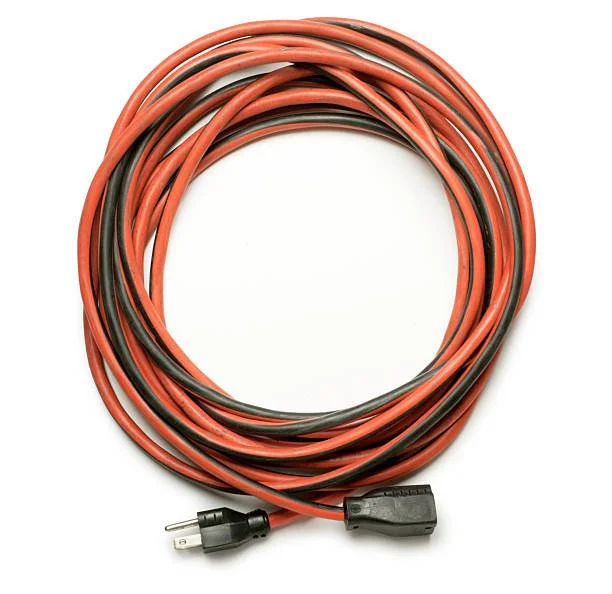
Safety First: Tips for Choosing and Using Extension Cords for your new home

RH Business Marketing Solutions

When you need more outlets around the house, extension cords often become necessary to reach appliances and electronics in far-off rooms. Extension cords give a fast, simple fix for getting power anywhere it's required.

However, mishandling these handy cords brings electrical hazards. It's essential to pick extension cords appropriate for your purposes and handle them with care.

Choosing the suitable cable and following the correct safety tips enables efficient utilization of devices and keeps the family and entire home away from dangers such as fire due to faulty electric cords.

Therefore, this article explores ways one can use when choosing the right extension cord. Some of these tips that render an extension cable safe and an effective solution to electricity risks are as follows:

Amperage Rating

The amperage or amp rating indicates how much electric current a cord can handle.

Appliances and devices have amp requirements based on their electrical load. Plugging in an apparatus that draws more amps than the cord is rated for can lead to overheating.

This creates a severe fire risk. Always check the amp rating of extension cord and ensure it meets or exceeds the appliance's requirements.

Cord Length

Longer extension cords because voltage drops, which can damage appliances and electronics. The longer the cord, the greater the voltage drop across the length of the wire. This results in devices getting lower voltage than needed. Choose the shortest cable reaching the outlet to minimize voltage drop issues.

Cord Thickness

A wire gauge indicates extension cord thickness. Lower gauge numbers mean thicker cords. 14-gauge and 12-gauge cords are best for household uses. The thicker wire allows them to handle more amps safely.

Thinner extension cords like 16-gauge often can't provide enough power for appliances.

Outdoor Rating

Any extension cord used outdoors must have a designation for outdoor use. Outdoor cables are designed to withstand exposure to weather elements and temperature extremes. Using an indoor-rated cord outside can lead to premature wear and damage to the wiring.

If needed, you can safely deliver power where required by selecting the right cord length, gauge, amp rating, and outdoor rating. Taking the time to choose the proper extension cord prevents electrical issues.

Inspecting Extension Cords

Before using any extension cord, inspect it thoroughly to spot any potential problems. Damaged and worn cords pose serious fire and shock risks. Check the following areas:

·      Cracks or cuts in the cord insulation

·      Fraying wires at the plugs or along the length

·      Loose plug blades or cracked plastic housing

·      Exposed copper wiring

·      Signs of melting or burn marks

·      Kinks in the cord

Avoid using cords with any damage. Worn insulation and exposed wires can energize the cord surface, shocking anyone who touches it. Loose plugs also cause overheating, sparking, and fires.

In addition to inspecting before each use, periodically check cords for any signs of wear. The repeated flexing of a cord in use slowly breaks down insulation over time.

Outdoor extension cords require extra inspection attention. Check for cracking or dry rot on outdoor cables. Weather and sun exposure can degrade cord jackets. Replace outdoor cords at the first sign of damage to maintain safety.

Safely Using Extension Cords

Safe usage steps are vital after selecting the right cord and inspecting the condition. Follow these guidelines when using extension cords:

·      Completely unfurl cords rather than leaving them coiled - This prevents overheating.

·      Use cord covers or tape down cords - Contain tripping hazards.

·      Avoid overloading cords - Do not exceed rated amp capacity.

·      Never run cords under rugs or tightly against walls - Allows heat dissipation.

·      Do not string multiple extension cords together - Daisy chaining raises fire risk. 

·      Keep outdoor cords clear of moisture - Prevents electrical shorts/shocks.

·      Position cords safely away from foot traffic - Eliminates tripping hazard.

·      Unplug appliances before resetting tripped breakers - Reduces shock risk.

·      Do not attempt to repair a damaged cord yourself - Hire an electrician to replace worn cords.

Also, never remove the ground pin from a 3-prong cord to fit an older 2-prong outlet. This defeats the grounding protection. Use an adapter or hire an electrician to replace the outdated outlet instead.

Following the manufacturer's instructions when using any extension cord is also critical for safety. Read labels carefully and adhere to all listed precautions. Never override built-in safety features.

With safe usage habits, extension cords can provide much-needed reach without electrical mishaps. Being mindful when handling and positioning cords prevents accidents and injuries.

Frequently Checking Cord Condition

In addition to inspecting before each use, check the condition of extension cords regularly. Repeated use of subjects' cords for bending and handling that breaks down insulation over time. Periodic inspections find issues before they escalate into significant hazards.

Develop a maintenance schedule for examining extension cords based on frequency of use. Cords used daily or weekly should be checked monthly. Those used only occasionally may only require inspection every six months. Mark your calendar to ensure you remember.

Conclusion

Extension cords provide a quick way to add outlets instantly in your home. However, caution must be taken when running these flexible cables to avoid electrical hazards.

Choose cords with adequate amp ratings for appliances and the shortest length possible. Inspect thoroughly for damage before each use. Never overload cords or use them in ways that can cause overheating.

Invest in quality extension cords and replace them when worn. Make cord safety a priority through careful inspection and use. Take simple precautions like fully unraveling cords and securing cables away from foot traffic.

Periodically check the condition and discard damaged cords promptly. Follow safety guidelines consistently; cords will provide flexibility without compromising your home's electrical integrity.

How Wall Calendars Help to Create Lasting Impression?

RH Business Marketing Solutions

Despite the discoveries and innovations occasioned by cutting-edge technology, one would have thought that wall calendars would need to be put in the right place - forgotten!. But, who needs wall calendars these days? What are the usefulness of wall calendars?

With calendars and scheduling apps available on your smartphones, what purpose does it serve to have a wall calendar?

How time flies! In the recent past, wall calendars were the only effective tools for keeping track of events, dates, and schedules. They were powerfully designed to create significant impressions in people’s lives and also used as all decors.

But, how relevant are they in today's fast-paced digital environment? If some of these questions are agitating your mind, this article will provide meaningful insights into the importance of wall calendars and resolve doubts about their objectives.

How Wall Calendars Help Create Lasting Impression

Wall calendars need no introduction. They’ve been around for decades if not centuries. They play more significant roles now than formerly. The only difference is that they were the only sources of events and date scheduling, unlike these days when they play a more complementary role.

Wall calendars help to create lasting impressions in various ways. Their importance can be seen from their presence in many offices and homes.

Creating a lasting impression with company wall calendars for 2024 is a smart way to stay ahead of time. Using a custom promotional wall calendar will earn you referrals throughout the year. Here are some of the ways they are utilized to enhance business planning in the modern day.

Enhance Planning And Scheduling

Wall calendars are extremely useful tools for businesses and companies that have regular appointments and schedules. They’re great and valuable tools to keep track of dates and appointments.

With a wall calendar in your office, you can have a comprehensive view of all the upcoming events and appointments at a glance. They provide a clear picture of the multiple commitments that you must attend to in real-time.

A visual representation of wall calendars keeps a sustainable impression while serving the objective of offering flawless planning and coordinating of your upcoming events.

By streamlining planning and scheduling, wall calendars help to effectively plan and execute meetings, enable you to meet or beat deadlines, and avoid clashing of appointments which may lead to missing important meetings and appointments.

Enhancing Aesthetics In The Home Or Office

The office is not just a workplace, it has become an extension of the home. People spend much of their time in the workplace, therefore, it’s convenient to transform your office space into a warm and welcoming environment.

Wall calendars provide a personalized and unique finesse to any space. A well-designed wall calendar can be utilized to make a statement about your company’s ethics.

With beautiful and insightful images and artwork, wall calendars can be both decorative and functional and play a crucial role in your office or home decor.

Effective Organizational Tool 

To prevent fragmented schedules, enhance effective communication, and a collaborative and inclusive work environment, wall calendars are undoubtedly a powerful resource for effective organizational tools.

A wall calendar can serve as a rallying point for employees to work together to coordinate and excellently execute scheduled tasks to ensure that deadlines and milestones are achieved.

Wall calendars can be used to provide visual aids for and assign time-based tasks for respective employees. By viewing the calendar every day to ascertain the day’s activities, wall calendars leave an indelible impression on staff and visitors.
A well-coordinated approach to wall calendars gives room for flawless planning, effective coordination, and enhanced work culture, and promotes a healthy work environment. This helps to provide a stress-free business environment.

Enhanced Productivity

According to the popular saying - time is money; effective time management improves work efficiency and boosts productivity. A wall calendar can be a veritable tool to allocate time to employees to keep them productive.

Another way of improving productivity is by motivating staff through recognizing their birthdays and important occasions and anniversaries. An employee is likely to be inspired knowing that their birthdays and anniversaries are given significant consideration through rewards and perks.

Finally, wall calendars can be a great tool for goal setting, monitoring milestones, and measuring success among employees. By keeping track of workers' progress, a calendar can be used to drive productivity and ensure business overall success.

Conclusion

The fact that more companies and businesses are still producing eye-catching wall calendars is proof that they are still relevant today. Even with the digital calendars available on smartphones, wall calendars still serve practical purposes.

They’re powerful instruments both in the home and corporate environment to keep track of essential events and dates. Proper use of wall calendars can help you attain your company’s lofty objectives.

By displaying wall calendars in your home or office, you will quickly discover some obstacles and administrative bottlenecks, stay ahead of your schedules, and achieve your organization’s goal.

Companies looking to stay organized and functional can utilize wall calendars to create lasting impressions both in the home and office.

What To Do if Your Home Has a Leak

RH Business Marketing Solutions

Your home relies on water to serve you, but you always assume that the water in your home is contained safely in the pipes, water heater, proper appliances, or various kitchen and bathroom fixtures. Water quickly turns from friend to foe if it gets the chance to start going where you don't want it, and that's when it might start hurting your home and possessions. Even newer homes can suffer plumbing leaks, and that's why you need to know how to identify plumbing leaks, how fast they can hurt your home, and what to do about them.

If you find that your home has a severe leak requiring urgent attention, then the first thing you need to do is to switch the water off. The specific location for this might vary with each home, but a stop valve or cock is often located near or in a bathroom or kitchen so you can cut the water off for your entire home. If there's a lot of water in your home, you might also want to turn off the electricity and gas supplies if you can do so safely.

Next, find out where the leak is. Plumbing runs throughout a home, so there are plenty of potential sources. That, unfortunately, makes finding a leak location hard to do. Leaks can happen at pressure points, on your roof, or even on a neighboring property. Depending on the size and scope of the leak, applying emergency sealant might stop the leak until you can get a plumber in.

Remove any extra water that has pooled together. The longer water is left to sit in your home, the more damage can result. You might be able to clean up puddles with towels and bed sheets, but more considerable flooding might need a wet-dry vacuum or even a pump.

Start drying things out as soon as possible, and contact a plumber. Mildew and mold can happen within just a day or two of flooding, so promptly starting the drying-out process is crucial to minimizing water damage. A plumbing professional can determine the true source of leaks and address them so they don't hurt your home again. Ask about using sealant throughout the home to reinforce joints and pipes, so they're less likely to leak in the future.


How a Leak Can Damage a Home if Left Unattended 

Water is necessary for health and survival, but it can also be destructive. It can soak everything it touches in just the first 24 hours of a leak or flood. That ranges from books and photos to drywall, furniture, and window frames. 

If left for a week, the damage to your home's physical structure can worsen. Mold can form in 48 hours or less and turn into a biohazard in the place you call home. Wood and metal surfaces can both wind up suffering corrosion.

When water is in place for over a week, the costs and work involved with restoration go up exponentially. Even if your home and possessions can be saved, it might not be worth it. After enough time, your home might not even be safe to stay up.


What To Check if You Find the Leak in Your Home

If you suspect a leak in your home, there are certain things you can check to verify. Your family's water usage might be pretty consistent from one month to the next, which means that changes in your water bill could indicate something is amiss. If you have access to your live water meter, you might see it moving even when no fixtures or appliances are used. Check your yard for any patches of grass greener than the rest that might be growing faster because of a buried leak. Other potential clues include dripping sounds, wall discoloration, bulging wallpaper, and bubbling paint.


Protect Your Property

Once you get a professional plumber on the scene, let them take over fixing the leak itself. Dry and deep-clean any possessions that you can salvage or replace what is past worth saving. Keep an eye on your water bill moving forward to be sure the leak is fixed, and make checking around fixtures and appliances for the sight or sound of water a regular part of your lifestyle and home maintenance. If you suspect another leak is happening, deal with it as quickly as possible. Consider using sealant everywhere to keep your home safe now and in the future.


Written by Taylor McKnight, Author for Uni-Grip Inc.

Exploring the Benefits of Toolant Gloves in the Workshop

RH Business Marketing Solutions

In today's fast-paced world, workshops are bustling hubs of creativity and productivity. Whether you're a professional tradesperson or a DIY enthusiast, the right tools and equipment are essential for a successful project. One often-overlooked but crucial aspect of workshop safety and efficiency is the use of proper hand protection, and that's where toolant Gloves come into play.

Table of Contents

  • Introduction

  • What Are toolant Gloves?

  • The Importance of Hand Protection

  • Features of toolant Gloves

  • Enhanced Grip and Dexterity

  • Durability and Longevity

  • Comfort and Fit

  • Protection Against Hazards

  • Versatility in Workshop Applications

  • Easy Maintenance

  • Cost-Effective Solution

  • User Reviews and Testimonials

  • Where to Buy toolant Gloves

  • Frequently Asked Questions (FAQs)

  • Conclusion

Workshops are dynamic environments where hands-on tasks and creativity meet. Ensuring your hands are adequately protected is paramount. This article delves into the numerous benefits of toolant Gloves in enhancing safety, productivity, and comfort in workshop settings.

What Are toolant Gloves?

toolant Gloves are a specialized type of work glove designed to provide optimal hand protection while maintaining dexterity. These gloves are crafted from high-quality materials, making them a valuable addition to any workshop.

The Importance of Hand Protection

Before we explore the specific advantages of toolant Gloves, let's first understand why hand protection is so crucial in a workshop. Your hands are your most valuable tools, and safeguarding them should be a top priority.

Features of toolant Gloves

toolant Gloves offer a range of features that set them apart from regular gloves. These features are tailored to meet the unique demands of workshop activities.

1. Enhanced Grip and Dexterity

One of the standout features of toolant Gloves is their exceptional grip. Whether you're handling tools, materials, or intricate tasks, these gloves provide the grip you need to work confidently.

2. Durability and Longevity

Workshop environments can be harsh on gloves, but toolant Gloves are built to last. Their durability ensures they can withstand the rigors of daily use.

3. Comfort and Fit

Comfort is key during long hours of workshop work. toolant Gloves are designed to provide a snug and comfortable fit, reducing hand fatigue.

4. Protection Against Hazards

Workshops can be hazardous places, with sharp objects, chemicals, and electrical components. toolant Gloves offer protection against these potential dangers.

5. Versatility in Workshop Applications

toolant Gloves are versatile and suitable for various workshop applications, from carpentry and metalwork to plumbing and electrical work.

6. Easy Maintenance

Cleaning and maintaining toolant Gloves is a breeze, ensuring they stay in optimal condition for longer.

7. Cost-Effective Solution

Investing in quality hand protection like toolant Gloves is a smart move. They offer long-term cost savings by reducing the need for frequent glove replacements.

User Reviews and Testimonials

Don't just take our word for it. Read what others have to say about their experiences with toolant Gloves.

Where to Buy toolant Gloves

Discover the best places to purchase toolant Gloves and start experiencing the benefits for yourself.

Frequently Asked Questions (FAQ’s)

Q1: Are toolant Gloves suitable for all workshop tasks?

A: Yes, toolant Gloves are versatile and can be used for a wide range of workshop activities.

Q2: How should I clean and maintain my toolant Gloves?

A: Cleaning toolant Gloves is easy; simply follow the manufacturer's instructions for best results.

Q3: Do toolant Gloves come in different sizes?

A: Yes, toolant Gloves are available in various sizes to ensure a comfortable fit for everyone.

Q4: Are toolant Gloves resistant to chemicals?

A: Yes, toolant Gloves are designed to offer protection against common workshop chemicals.

Q5: Can I use toolant Gloves for outdoor projects?

A: Absolutely, toolant Gloves are suitable for both indoor and outdoor workshop tasks.

Conclusion

In conclusion, toolant Gloves are an invaluable addition to any workshop. Their exceptional grip, durability, comfort, and protection against hazards make them a must-have for anyone who values safety and productivity in their workshop endeavors. Don't compromise on hand protection; equip yourself with toolant Gloves today!

We thank you for reading our article and investing your time on this page. In this article, we have covered everything in detail. You have to read this article till the end so that you know everything. 

We have also given FAQ’s which you can read and clear your doubts about.

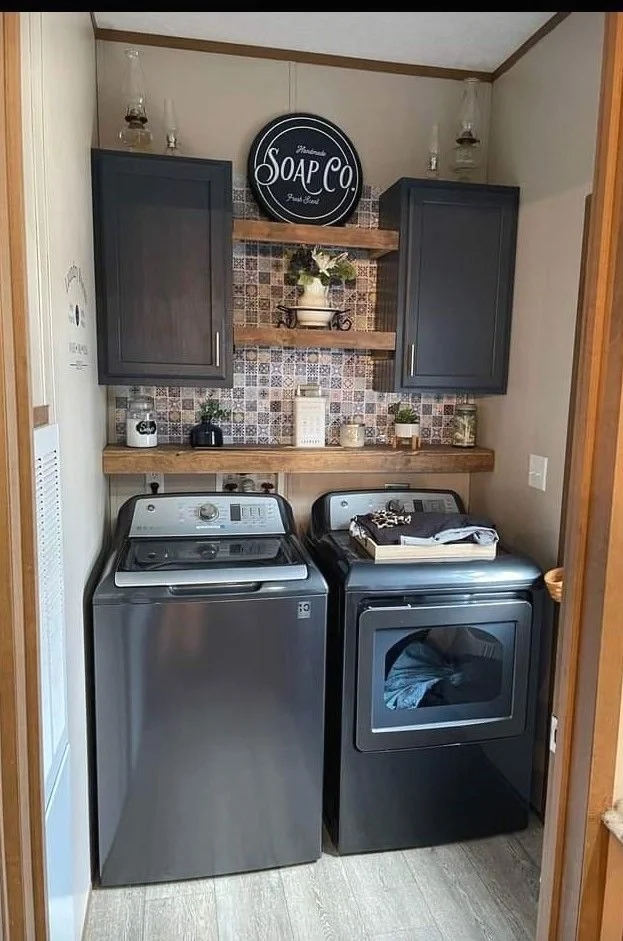
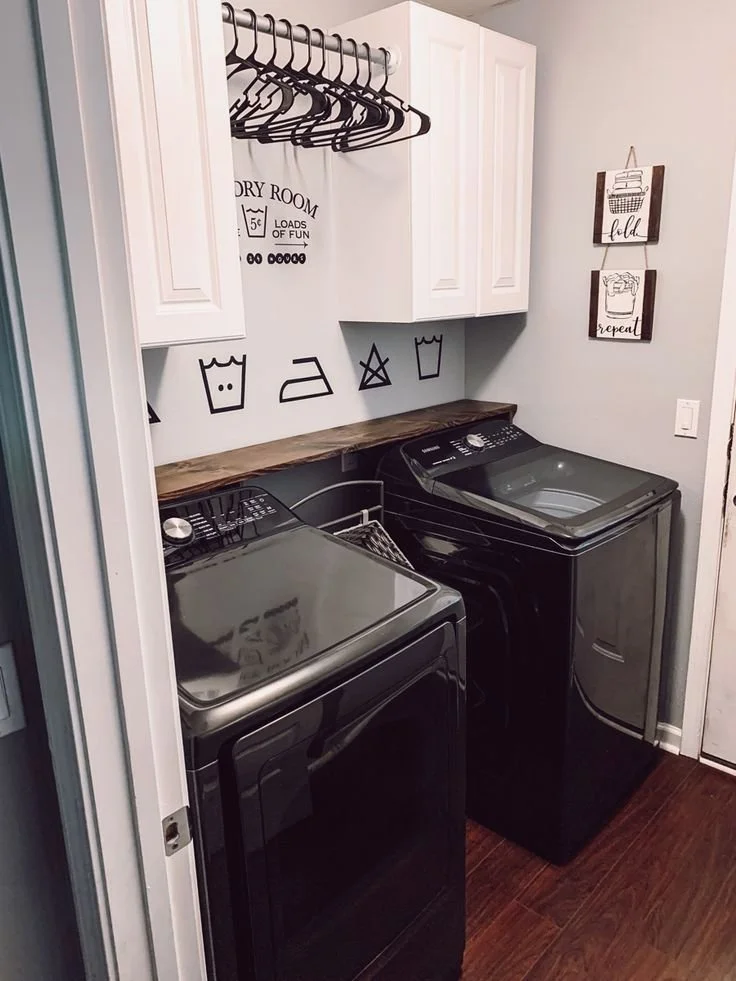
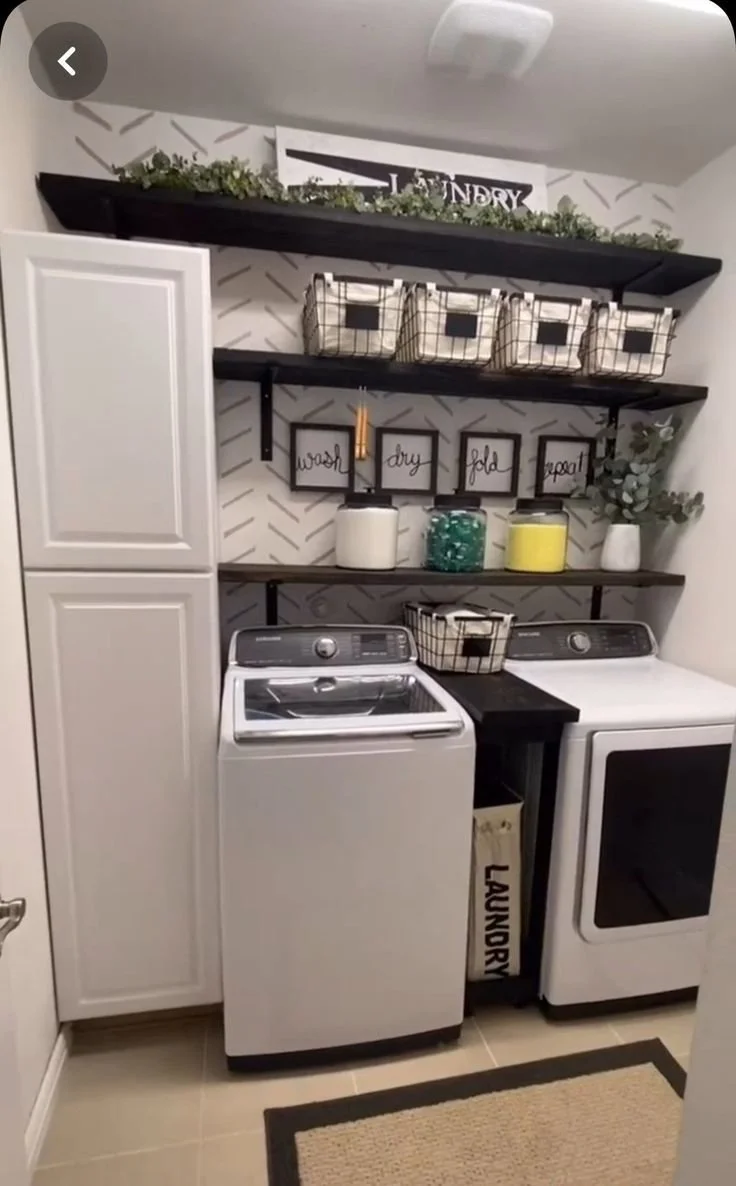
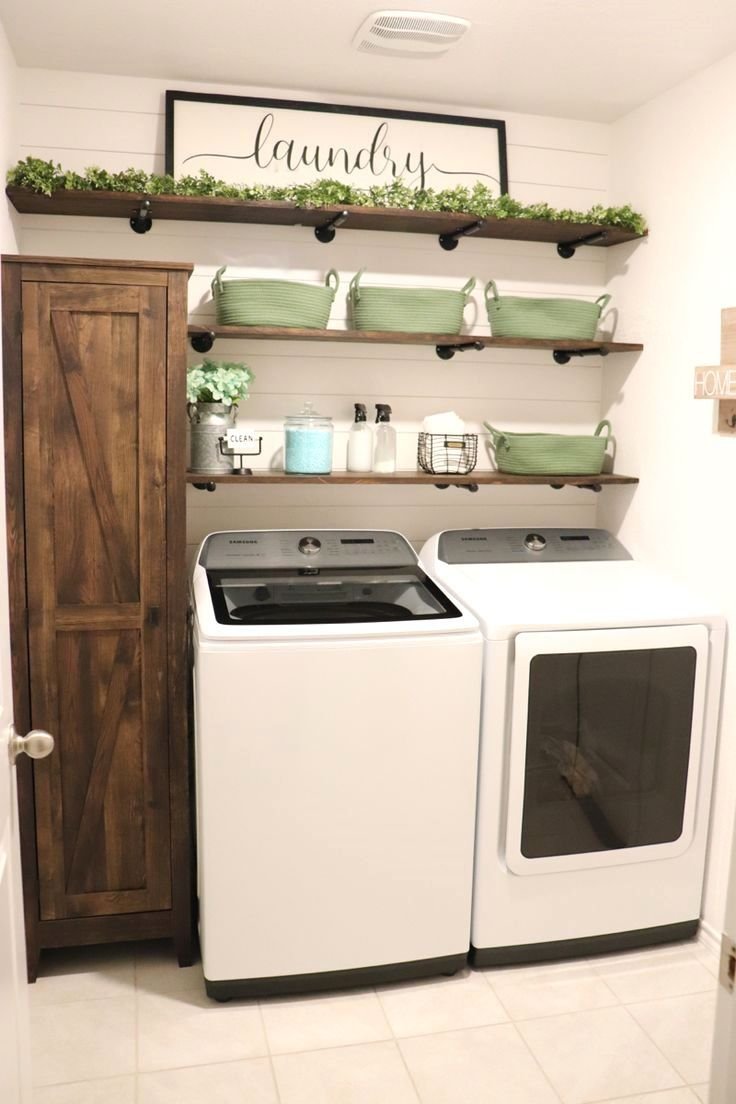
The Top-Loader Laundry Room: Pros and Cons

RH Business Marketing Solutions

Introduction

When it comes to setting up a laundry room, one of the primary decisions you'll need to make is whether to go for a top-loading or front-loading washing machine. Each option has its own set of advantages and disadvantages. In this article, we'll focus on the top-loader laundry room, exploring its pros and cons to help you make an informed choice for your home.

Pros of a Top-Loader Laundry Room

1. Accessibility and Ease of Use:

Top-loading washing machines are known for their user-friendly design. They are generally easier to load and unload, making them an excellent choice for people with mobility issues. You won't have to bend as much to access the drum, which can be a significant advantage for those who may have difficulty kneeling or bending.

2. Quick Loading and Unloading: In a busy household, speed matters. Top-loaders typically have larger openings, allowing for quick loading and unloading of laundry. This can save you time and energy on laundry day, as you won't need to spend as much time fussing with the laundry.

3. Fewer Maintenance Requirements: Front-loading machines often require more maintenance to prevent mold and mildew growth around the rubber gasket. Top-loaders, on the other hand, are less prone to these issues, making them easier to maintain. Additionally, their design reduces the likelihood of unpleasant odors in your laundry room.

4. Durability: Top-loading washing machines are known for their durability and longevity. The design of the agitator and drum tends to experience less wear and tear compared to front-loading machines. This can result in a more extended lifespan for your appliance.

5. Affordability: Top-loaders are often more budget-friendly than their front-loading counterparts. If you're looking to save money upfront, a top-loader might be the right choice for you. They also tend to have lower repair costs in the long run.

Cons of a Top-Loader Laundry Room

1. Water and Energy Consumption:

Top-loaders generally use more water and energy per cycle than front-loading machines. This means they may not be as environmentally friendly or cost-effective in the long run, particularly if you do a lot of laundry.

2. Limited Capacity: The agitator in a top-loading washing machine can take up significant space in the drum, reducing its capacity. This might not be ideal for larger households with substantial laundry needs.

3. Less Efficient Cleaning: Front-loading machines are often considered more effective at cleaning clothes, as they utilize gravity to tumble clothes through a shallow pool of water. Top-loaders rely on agitators to clean the laundry, which can be harsher on delicate fabrics and potentially result in less effective cleaning.

4. Noise and Vibration: Top-loading washing machines tend to be noisier and produce more vibrations during the spin cycle. This might be a drawback if your laundry room is close to a living space, or if you prefer a quieter environment.

5. Incompatibility with Some Laundry Room Layouts: The top-loading design requires extra clearance above the machine to open the lid fully, which may not be suitable for all laundry room layouts. Ensure you have enough space for the lid to open without obstructions.

Conclusion

The choice between a top-loader laundry room and a front-loader ultimately depends on your specific needs and preferences. Top-loading washing machines offer ease of use, durability, and accessibility, which can make them a great choice for some households. However, they may consume more water and energy, have a smaller capacity, and be noisier compared to front-loading machines. To make the best decision for your laundry room, consider your laundry habits, available space, and long-term goals for energy efficiency and environmental impact.

5 Ways To Boost Office Efficiency With Self-Inking Company Rubber Stamps

RH Business Marketing Solutions

When thinking about improving business efficiency, business owners mainly concentrate on the ‘big things.’ They ignorantly disregard the little things that may be the game changer.

If you want to enhance your business operations, you must look critically into those minute things that can change your business perspectives. One such seemingly insignificant thing is self-inking company rubber stamps.

A self-inking company rubber stamp is a handy tool that can help you standardize your business operations. Rubber stamps are as old as documentation. Their usage dates back to decades ago.

The good news is they’re returning to the business environment more powerfully. Away from the traditional rubber stamps, the self-inking company rubber stamps have transformed into a contemporary business tool.

Self-inking Company Rubber Stamp, An Overview

There’s a little difference between self-inking rubber stamps and pre-ink rubber stamps. While both can make great impressions on documents, the self-inking stamps are more versatile because they work faster and are better for rapid tasks.

Self-inking rubber stamps are creative stamps designed to enhance office efficiency. They help to execute repetitive office tasks such as creating forms, labeling documents, and authenticating and validating documents.

Companies and businesses wanting to transform their visions into reality can visit kiasuprint.com for high-quality self-inking and pre-inking company rubber stamps.

Ways Rubber Stamps Help To Boost Office Efficiency

There are various ways in which self-inking company rubber stamps can boost office efficiency. Some of them can be summed up as follows.

1. Saves Time and Money

In an office where you must repeatedly sign off documents, it would be time-consuming to write on every document. It would also require energy to do such a routine repeatedly.

Self-inking stamps can help save you valuable time by allowing you to stamp your document instead of having to write all the details such as the name of your company, address, date, and time over and over again.

You can quickly fill in the blank spaces provided by the rubber stamps to make your work quicker and easier. Rubber stamps are a creative way to save time on repetitive tasks that consume time and effort.

Self-inking rubber stamps are highly cost-effective. Unlike other office tools, you don’t need to buy rubber stamps every time. One rubber stamp can serve your company for ages. Above all, they are almost free of or have low maintenance costs.

2. Increase Accuracy and Eliminate the Risk of Errors

If you have to sign each document every time, there is the likelihood of errors and inaccuracy or irregularity in the process.

Stamping your important documents with self-inking rubber stamps is the best way to increase accuracy and eliminate the risk of errors. It is common to see documents with unclear and unreadable hand-written words.

Writing multiple times on each document can lead to inconsistencies and errors. As a professional company, using rubber stamps can help to reduce mistakes, avoid cancellations, and make your document more legible.

Good quality self-inking rubber stamps will help you to deliver a clear and concise message in a clear and accurate manner.

3. Boost Efficiency

Apart from saving precious time, rubber stamps can significantly help to improve efficiency in the workplace. Employees who use rubber stamps are happy because they take away stress and fatigue from them.

With self-inking rubber stamps, you don’t need an inkpad that makes work cumbersome. This way, you eliminate stress and have sufficient time to stamp as many documents as possible.

Stamping on documents is much faster and better than writing. Rubber stamps help to streamline your workflows, making your company more efficient and increasing productivity.

4. Create Standardize Documents

These days, professionalism matters a lot. Companies want to stay organized and competitive. Therefore, they seek ways to improve on their set standards.

It is improper for a company’s official documents to appear inconsistent. Make your company’s important documents speak for you anywhere they are seen. Companies where employees have to fill forms regularly need to do it professionally. You can use self-inking rubber stamps to create uniformity and standards for all your documents.

This is another excellent way of presenting your company in conformity with your standards. Company rubber stamps are a unique way to make a bold statement through your documents.

5. Customize Your Business

You can create a niche for your company by making it outstanding in many ways. You want to add a unique touch to your brand by being different from the crowd.

Enhance your company’s documents by customizing and branding. You can add specific details to your documents to personalize them.

Adding such unique features as logos, and special information like address, dates, etc. Depending on the nature of your business, you can add emojis to your rubber stamps. This way, you can give it a unique feature tailored to your needs.

Branding helps to promote your business. Customizing your rubber stamps is a great way to boost the efficiency of your business.

Conclusion

Self-inking company rubber stamps are a game changer for boosting office efficiency. Rubber stamps can boost your office efficiency in the following ways.

Any company looking to increase productivity by reducing the time spent writing and signing documents, eliminating errors, standardizing their documentation process, and customizing their official business documents can leverage self-inking company rubber stamps to bring innovation into their business.

Why You Need a Carbon Monoxide Detector

RH Business Marketing Solutions

Unraveling the Need for Carbon Monoxide Detectors

In the labyrinth of our modern homes, within the interwoven fabric of our lives, an often overlooked yet menacing adversary dwells. Carbon monoxide, the unassuming, tasteless, and odourless gas that dons the invisible cloak, tiptoes silently within the confines of our abodes, leaving a trail of destruction in its wake. A strategically stationed carbon monoxide detector serves as a watchful guardian, alerting us to the presence of this insidious assailant. In this cryptic chronicle, let us delve into the complex realms of CO and decipher the whys and wherefores of enlisting the protection of a carbon monoxide detector.


CO: The Hidden Enemy That Lurks Amongst Us

How Carbon Monoxide Strikes

Carbon monoxide is a deceptive master of disguise. This escaped convict from incomplete combustion can strike with a lethal bite with the slightest misstep. Appliances powered by natural fuels like gas, wood, oil, or coal nearly always produce carbon monoxide as a byproduct in small, controlled doses, which pose minimal harm. However, when the combustive process runs amok, or these appliances are improperly installed, unventilated, or poorly maintained, the generation of CO escalates to dangerous heights. Thus, the unseen villain comes alive, poised for infiltration.


Signs of Carbon Monoxide Poisoning

The onslaught of carbon monoxide poisoning carries deceitful symptoms: headache, dizziness, nausea, and disorientation, which cleverly mimic those of a common ailment. Unsuspecting victims often ignore these warning signs, which further compounds the risk.


It is worth mentioning the lethal potential of such symptoms; they can escalate from mild discomfort to life-threatening situations, depending on the amount of CO present and the duration of exposure.


Reasons Why You Need a Carbon Monoxide Detector

In the world of household safety, an enigmatic yet dangerous intruder exists. Carbon Monoxide, that infernal, virtually invisible raider, can silently infiltrate your spaces, leaving devastation in its wake. Can you feel a chill climbing up your spine just thinking about it? The inscrutable CO detector is an ironclad guardian, a knight in shining armour against this phantom peril. Hence, in our brief journey today, let's delve into the mysterious depths of carbon monoxide detection and uncover the rationale behind its paramount importance.


The Invisible Threat of Carbon Monoxide

Picture this: you're in the sanctuary of your home, blissfully ignorant of a stealthy invader creeping throughout your space. Carbon monoxide – a tasteless, colourless, odourless gas born from incomplete combustion – accomplishes the perfect deception. When fuel-burning appliances fail to burn their fuel supplies completely, the resulting carbon monoxide can silently infiltrate your space. And without our trusty CO detector, you might only realise its presence when it's too late.


Fending Off Carbon Monoxide Poisoning

Picture now a brave defender, standing stalwart against insidious carbon monoxide. Our CO detector isn't one for grand speeches; it acts with an ear-piercing alarm that signals danger. When harmful levels of carbon monoxide sneak past your defences, your guardian sounds the warning, offering you the opportunity to evacuate to safety or refresh the air on your premises.


Forestalling Appliance Disasters

A poorly performing stove, a gas furnace failing at its duty, a fireplace unable to do its job – all potential sources of excessive carbon monoxide. The bad news? You might not notice it until things go awry. But with a robust CO detector on your side, you get an early warning of malfunctioning appliances. Hence, you have the time to rectify the issues or ring up your devoted professionals.


Protection During Power Blackouts

Picture yourself trapped in a power outage and resorting to that backup generator for respite. But alas, without proper ventilation, it might just churn out a nefarious dose of carbon monoxide. Here comes your CO detector to the rescue yet again, providing a crucial safety layer in these disconcerting times.


Adhering to the Mandatory Measures

Envision opening your mail -- surprise, a fine for not complying with the government’s mandate! Yes, in many regions, it’s a legal requirement to have a carbon monoxide detector installed, particularly in residential homes. Adhering to these regulations keeps you safe and spares you potential legal nuisances.


Enjoying Peace of Mind

Even when you’re asleep or away, the silent vigil held by your CO detector offers you unruffled serenity. Moments of panic triggered by the phantom peril dissolve into confidence. An extra safety layer emerges, ensuring the protection of you and your loved ones.


User-Friendly Soldier: Easy Installation and Maintenance

Our valiant guardian, the CO detector, doesn't require epic quests to install or maintain. It’s relatively affordable, easy to set up, and adds little to your usual household maintenance routine. Regular checks, battery replacements, and occasional testing aren't too much to ask for to secure your safety.


Shields Up for Every Gathering

True heroes know no bounds, and our CO detector is no different. Residential homes, commercial complexes, hotels – any gathering is a potential covert battleground against carbon monoxide. But have no fear; a trusty carbon monoxide detector can keep this phantom adversary at bay.


In this puzzling and sometimes volatile dance with the invisible peril of carbon monoxide, the CO detector emerges as an invaluable companion. It's not just a device; it's a trusted ally, a vigilant protector, and sometimes, a lifesaver. If you haven’t yet enlisted the service of one on your premises, now’s the time because when it comes to the safety of yourself and your loved ones, no measure is too much.


How the Detector Alerts You

A carbon monoxide alarm functions as your unflinching sentry, capable of discerning the presence of this insidious foe. Upon recognising increased CO levels, the device promptly raises the alarm with an ear-piercing call to arms, alerting the residents of the impending danger and allowing prompt action.


The Strategic Deployment: Where and How to Install

Proper positioning of these stalwart devices is paramount to ensure maximum efficiency in safeguarding your fortress.


Height Matters

Unlike their smoke-detecting brethren, carbon monoxide detectors are agnostic to height, as CO is roughly the same weight as air. You may place the device anywhere between floor level and the ceiling: affixed to the wall, on a shelf, or on a table.


Spacing for Safety

Adhere to a safety margin with each detector installed. Place one on every level of your home, outside each sleeping area, and near potential CO sources like fuel-burning appliances.


The Guardian's Watch: Maintenance and Care

Regular maintenance and periodic replacement are crucial to sustain the vigilance of your carbon monoxide detectors. Follow the manufacturer's guidelines and test the device every month. Replace the batteries once yearly and the device every 5-7 years.


The Everlasting Embrace: Evade the Carbon Monoxide Menace

A carbon monoxide detector in your corner keeps the silent perpetrator at bay. Stay vigilant with routine inspection of your appliances, adequate ventilation, and unwavering detector maintenance. The shadow of CO, though ever-looming, need not cast its dark spell upon your home. Contact a professional gas fitter for installation and assistance regarding your carbon monoxide detector.


While a CO detector is neither a panacea nor a shield against this nefarious gas, it undoubtedly plays a critical role in warning you of its presence. Coupled with preventive measures and adherence to safety guidelines, you can guard your sanctuary against this treacherous foe and ensure the well-being of your loved ones.

How Students Can Improve and Decorate a Home Study Zone

RH Business Marketing Solutions

The significance of a well-organized and inspiring study zone cannot be overstated. It serves as the cornerstone of academic success and personal growth for students of all ages. A study zone that is thoughtfully designed and tailored to individual needs can greatly enhance focus, productivity, and the overall learning experience. It provides a dedicated space for studying, enabling students to separate their academic pursuits from the distractions of daily life. Such an environment fosters a sense of purpose and motivation, making it easier to dive into the world of knowledge and excel in one's educational journey.

Students looking to enhance their home study zones and make them more conducive to learning can find valuable insights in the essay at OxEssays. Creating an ideal study space is not a task solely entrusted to parents or educators; students themselves play a pivotal role in shaping their study environment. It's a process that empowers them to take charge of their education and personal development. Students are the ones who understand their unique learning styles, preferences, and the specific challenges they face when studying. They can actively contribute to the design and organization of their study zones, tailoring them to meet their needs and aspirations. This sense of ownership instills a profound sense of responsibility and commitment to their educational goals.

Choosing the Right Location

When selecting the perfect location for your study zone, it's essential to begin by assessing the available space within your home. Whether you have a dedicated room or need to carve out a corner in a shared space, understanding your spatial constraints is the first step. Consider factors such as the size of the area, its proximity to common distractions, and its accessibility. An effective study space should provide enough room to accommodate your essential study materials, but it should also be tucked away from high-traffic areas to minimize interruptions.

Natural light and noise levels are critical elements to ponder when choosing the right location for your study zone. Seek out spaces with ample natural light, which not only creates a welcoming atmosphere but also enhances your mood and concentration. Conversely, keep an eye on noise levels. Try to select a spot that is relatively quiet and isolated from household noises. If that's not possible, consider using noise-cancelling headphones or incorporating soft furnishings to absorb sound.

Once you've identified a suitable location, it's time to personalize your study zone to align with your individual preferences. Personalization is key in creating a space where you feel comfortable and motivated. This might involve choosing a color scheme that resonates with you, adding plants to bring a touch of nature, or incorporating personal mementos that inspire you. Your study zone should be an extension of your personality, a place where you genuinely enjoy spending time and engaging with your coursework.

Selecting the Essential Furniture and Supplies

Your desk and chair are the backbone of your study space. When selecting these pieces of furniture, prioritize comfort and ergonomics. Your desk should be spacious enough to accommodate your study materials and allow for an organized workspace. The chair should offer good back support and be adjustable to suit your height. Ergonomic choices here are crucial for maintaining physical health during long study sessions.

When seeking guidance on ways to enhance and beautify their home study zones, students can discover helpful tips and insights in an OxEssays review. Organization is paramount for an efficient study zone. Identify storage solutions that work for you. Shelves, bookcases, drawers, or even simple desktop organizers can help keep your books, supplies, and materials neatly arranged. A clutter-free environment not only reduces stress but also makes it easier to find what you need, enhancing your overall productivity.

Consider the specific tools and accessories that are essential for your study needs. These might include a good quality lamp for well-lit reading, a whiteboard for jotting down quick notes, or a digital device for research and note-taking. Your choice of tools should cater to your preferred learning methods and study routines, ensuring that you have everything at your fingertips to support your educational journey.

Personalizing the Study Space

Personalizing your study space is an art, a way to make it uniquely yours. Consider the decorative elements that reflect your personal style and motivation. Are you drawn to a minimalist, clean look, or do you thrive in a more vibrant, colorful environment? The choice of colors, patterns, and textures can all convey your personality and set the tone for your study sessions. Surround yourself with items that resonate with you, be it posters of your favorite artists, photographs of cherished moments, or decorative pieces that inspire you. This personal touch can infuse your study space with positive energy and a sense of belonging.

Incorporating inspiring artwork, quotes, or vision boards into your study zone can be a powerful source of motivation. Choose art or quotes that resonate with your goals and aspirations. A vision board, filled with images and words that represent your dreams, can remind you of your ambitions and keep you focused on the bigger picture. It's a constant visual cue that can pull you back into your study zone, rekindling your determination and enthusiasm even during challenging moments.

Creating an environment that fosters productivity requires a strategic approach. Consider the layout of your study zone. Ensure that it's organized and free from distractions. Use storage solutions to keep materials within reach, eliminating the need to constantly search for what you need. Maintain a clean workspace – clutter can be mentally distracting. Invest in good lighting to reduce eye strain and fatigue. Lastly, incorporate some greenery; plants not only add beauty but can also improve air quality and provide a calming presence. Creating a productive environment is about fine-tuning your space to optimize your focus and efficiency.

Organization and Time Management

Setting up an effective study schedule is crucial for making the most of your study zone. Determine the hours when you are most alert and focused and allocate those for your most challenging tasks. Create a routine that balances study time with breaks and leisure. Having a well-structured schedule not only maximizes your productivity but also reduces the stress associated with last-minute cramming. 

Time management is an essential skill for students. Utilize tools like calendars, to-do lists, or digital apps to keep track of assignments and deadlines. Learn effective time management techniques such as the Pomodoro technique, which breaks your work into manageable intervals with short breaks in between. These strategies can help you stay on track and avoid procrastination. 

To maintain a clutter-free study zone, it's essential to develop habits that prioritize organization. Implement a regular cleaning routine to keep your space tidy. File away or recycle unneeded papers promptly, so they don't pile up. Avoid eating at your desk to prevent crumbs and spills. Finally, practice the "one in, one out" rule – for every new item that enters your study zone, remove an old or unnecessary one. A clutter-free environment fosters mental clarity and allows you to focus on your studies.

Ergonomics and Comfort

Ergonomics is paramount for students who spend long hours studying. Your chair, desk, and computer setup should be designed to support your posture and comfort. Maintaining a good ergonomic setup reduces the risk of physical strain and discomfort, ensuring that you can study effectively without unnecessary distractions.

Take the time to adjust your furniture for maximum comfort and good posture. Ensure that your chair provides proper lumbar support and that your desk is at the right height to prevent strain on your wrists and shoulders. Proper ergonomics can make a significant difference in your ability to study for extended periods without discomfort.

While your study zone is crucial, remember the importance of taking breaks and incorporating physical activity into your routine. Regular breaks allow your mind to recharge and maintain focus. Consider short walks, stretching, or brief exercises to invigorate your body and mind. Physical activity can help you stay alert and reduce the mental fatigue that often accompanies long study sessions.

Technology Integration

In today's digital age, technology integration within your study zone is both a necessity and an opportunity. To make the most of it, proper cable management and device setup are essential. The tangled mess of cables can be both frustrating and unsightly. Invest in cable organizers and management systems to keep your cords neat and orderly. Ensure your devices are set up ergonomically, with your computer or tablet at eye level to reduce strain on your neck and eyes. A well-organized tech setup not only enhances the aesthetics of your study space but also streamlines your workflow, making it a more efficient and enjoyable experience.

Technology is a powerful tool for productivity and learning. Leverage software and apps that assist you in note-taking, time management, and research. Virtual libraries and online resources can be a treasure trove of information, allowing you to expand your knowledge at the click of a button. However, it's crucial to strike a balance between technology and traditional study methods. Embrace the advantages of digital tools while not forgetting the value of handwritten notes and face-to-face interactions when the opportunity arises.

While technology is a valuable asset in education, it's essential to balance screen time with other activities. Prolonged exposure to screens can lead to digital fatigue and hinder overall well-being. Designate specific periods for screen-based learning and set boundaries to ensure you engage in physical activities, social interactions, and leisure pursuits that are equally important for your holistic development. Technology should complement your study zone, not overshadow the richness of life beyond the digital realm.

Maintaining the Study Zone 

Maintaining your study zone is a commitment that involves regular cleaning and organization. Clutter can accumulate over time, affecting your ability to concentrate. Develop a routine to declutter your space, whether it's clearing away unnecessary papers, tidying up your desk, or organizing your bookshelves. A clean and organized study zone creates a sense of order and tranquility, allowing you to focus without distractions.

As you progress in your academic journey, your needs and preferences may evolve. It's crucial to periodically evaluate and update your study space to align with these changes. Perhaps you require more storage, a larger desk, or a different layout to accommodate new study materials. Adapting your study zone to your evolving requirements ensures it remains an optimal environment for learning and personal growth.

Maintaining a study zone isn't just about the physical aspects; it's also about sustaining motivation and focus. Implement strategies to keep your motivation levels high, such as setting achievable goals, rewarding yourself for milestones achieved, and connecting with fellow learners for mutual support. Additionally, employ focus-enhancing techniques like the Pomodoro method or meditation to maintain concentration during your study sessions. Your study zone should be a place where you feel inspired and encouraged, and these strategies will help ensure it serves that purpose effectively.

6 Ways to Make Sure Your Home is Provided the Best Internet Experience

RH Business Marketing Solutions

Home Internet is one of the most important utilities to have as a consumer today. Undoubtedly, it keeps you connected to the world with instant news and entertainment. In addition, the Internet also keeps you safe with connections to security cameras, alarms and local police enforcement. As a result, learn about how you can ensure top-notch performance from your Internet service by trying these tricks of the trade.


1. Research Local Providers

The best Internet experience starts with a reputable provider. Although one provider might be dominant in your community, look further for cable, fiber optic and 5G services, reports CNET. Each company should have an extensive list of features, specials and speeds on their respective websites.

Undoubtedly, each company will have promotional prices to draw you in. Although they might be attractive offers, be aware of the real price after the promo period. Truthfully, some companies have huge price hikes after one or two years of service. For this reason, base your decision on reputation and customer reviews rather than price alone. In the end, a good deal can turn out to be a poor connection every day.


2. Consider Router Location

Your router creates the Wi-Fi signal throughout the home so that you have a wireless connection to the Internet. Ultimately, every router requires an open space for signal projection. If you place the router in a tight corner, for example, the location hampers the signal's strength. Alternatively, locate the router in a centralized area of the home. Then, the signal can reach every device.

Also, consider any other obstructions, such as walls, poles or doors. Wi-Fi signals bounce off these materials, which leads to poor connectivity. Ultimately, concrete walls will block more signals than drywall interiors. Because your home will have a unique layout, carefully plan out the router's position before installation.


3. Be Aware of Provider Limitations

The best Internet experience might include data limitations. For example, data caps are common in rural areas where entire communities must share a provider's services. If you don't stream too much content, then the caps may not be an issue. However, busy households streaming and downloading a lot of content would generally require an unlimited plan.

In reality, data caps don't translate to service outages until the next billing cycle. Instead, the provider throttles the speeds so that any data movement is slow. Luckily, most urban providers offer unlimited data. Reading the fine print helps you determine which provider has these caps in the long run.


4. Stay on Top of Cybersecurity

The National Security Agency suggests using a mixture of cybersecurity resources for the best Internet experience. For example, make sure your Wi-Fi has WPA3 or WPA2 security features. Verify this information with your provider so that you know the system is protected.

In addition, there might be integrated firewalls built into the provider's modem and router. Because providers want their customers to have a secure experience, they typically keep up with the latest security measures. At home, you can stay secure by updating any software when necessary. Procrastinating with software updates leaves the system open to hacking and potential identity theft.


5. Try a Wi-Fi Repeater 

With all your best efforts, the best Internet experience may still lack coverage in the household. Boost your interior signal with a Wi-Fi repeater or extender, recommends WIRED. These devices plug into a standard outlet with your Wi-Fi device nearby. With the signal entering the repeater, it amplifies the Wi-Fi and sends it out to all your devices.

Ideally, repeaters work well in homes with multiple floors or concrete walls. Other homes may have a lot of wall obstructions, which makes a repeater a great investment. Although you can use multiple extenders on your Wi-Fi, it's better to rely on one extender for a single household.


6. Remove Unused Devices From the System

Many households have multiple devices per person. Naturally, they might all be attached to the Wi-Fi. In addition, security cameras, lights and other automatic devices may also be passively attached to the service. If you notice your service slowing down, too many devices may be the culprit.

Ideally, take stock of which devices must be on the system, such as smart TVs or doorbell cameras. Turn off Wi-Fi connectivity on devices not in use, such as tablets when kids are at school. The simple act of turning one or several devices off can make a huge difference in the Wi-Fi's speed. Alternatively, selecting a faster speed or wider broadband for your household might help with multiple devices being used simultaneously.


Truthfully, there will always be some outages and slow speeds with your home Internet. However, reputable providers strive for uninterrupted service 24 hours a day. Do your part to enhance your Internet signal at home so that you have connectivity with no delays.


Written by Taylor McKnight, Author for CMIT Solutions