Google+

contact us

Use the form on the right to contact us.

Day or Night, we are here to serve you. Leave your plumbing problem to us.


Tinley Park, IL

(708)845-7922

Residential and Commercial plumbers and plumbing contractors available in Orland Park, Tinley Park, Oak Lawn, Palos Heights, Midlothian, Oak Forest, Homer Glen, Mokena, Frankfort, and the surrounding Chicago South Suburbs. Emergency plumbers.

copper water lines.jpg

Kevin Szabo Jr Plumbing Blog

Kevin Szabo Jr Plumbing is Tinley Park, Orland Park, Oak Forest, Midlothian, Orland Hill, Homer Glen, Mokena, Frankfort, Crestwood, Palos Heights, Oak Lawn, local plumber. Read our blog for advice, tips, a good laugh, and basic home improvement.

**We are moving our old blog to our new and improved website. Too see all our posts visit kevinszabojrplumbing.blogspot.com

The Ultimate Guide to Finding a Reliable Plumber in Your Area

RH Business Marketing Solutions

Finding a reliable plumber in your area can feel like searching for a needle in a haystack. Whether you're dealing with a late-night plumbing emergency, planning a bathroom renovation, or in need of boiler repairs, the importance of having a trusted professional on speed dial cannot be overstated. This comprehensive guide aims to make your search easier by providing practical tips and insights into finding a reliable 'plumber near me'.

Specifically, we'll be taking a close look at the services offered by RM Plumbing & Electrical, a leading provider of plumbing and heating services in Cardiff, South Wales. This company prides itself on professionalism, reliability, and competitive pricing all of which are key considerations when choosing a plumber. So, without further ado, let's dive in and start our journey towards finding the perfect plumber for your needs.

Understanding the Role of a Plumber

Plumbers are the unsung heroes of our homes, ensuring our daily routines go smoothly by keeping our water flowing, our drains unblocked, and our appliances functioning perfectly. But there's more to a plumber’s job than just fixing leaky taps and blocked drains.

A highly skilled trade, plumbing involves an in-depth understanding of water systems, heating systems, and the intricate network of pipes that connect them all. Whether you're renovating a bathroom or installing a new dishwasher, your plumber's expertise ensures that waste pipes and taps are precisely where they need to be, allowing for optimal water flow and functionality.

A plumber's responsibilities include but are not limited to:

  • Installing and repairing appliances: From dishwashers to washing machines, plumbers make sure these appliances are correctly connected to the water system.

  • Bathroom and kitchen installations: Working in tandem with architects or specialists, plumbers help plan and implement the best location for your bath, shower, sink and toilet.

  • Detecting and repairing leaks: This includes both water and gas systems. Quick leak detection and repair can prevent extensive water damage and potential health risks.

  • Unblocking toilets and drainage systems: A blocked drain or toilet can cause serious disruption to your daily routine. Plumbers have the tools and know-how to tackle these issues efficiently.

  • Replacing old plumbing: Old, worn-out plumbing can lead to numerous issues down the line. A plumber can upgrade your system to modern standards.

Furthermore, plumbers are also adept at handling heating services. They install radiators, service boilers, and can manage any issues related to your central heating system. If you're experiencing issues with your boiler, especially during the cold winter months, a qualified plumber can be a real lifesaver.

Remember, if you're booking a plumber for a small job, it might also be worth having them do a boiler check. Regular maintenance can prevent future issues, potentially saving you a lot of time and money.

In essence, a plumber plays a crucial role in maintaining the comfort and functionality of your home. Whether it's an emergency repair or a planned installation, their expertise ensures that all your plumbing and heating systems operate smoothly and safely.

Importance of Hiring a Gas Safe Registered Plumber

When it comes to safety in your home, there's no room for compromise. This is especially true when dealing with gas appliances and heating systems. A Gas Safe registered plumber is not just a recommendation but a necessity when dealing with any gas-related installations, repairs, or maintenance.

What is Gas Safe? The Gas Safe Register is the official list of gas engineers who are legally allowed to work on gas appliances, including boilers, cookers, and fires. It replaced CORGI as the gas registration body in 2009. By law, all gas engineers must be on the Gas Safe Register, ensuring they have the required training and qualifications to work safely and legally on gas appliances.

Why is it crucial to hire a Gas Safe registered plumber? Simply put, safety. Incorrectly installed or poorly maintained gas appliances can lead to dangerous situations such as gas leaks, fires, explosions, and carbon monoxide poisoning. A Gas Safe registered plumber is trained to prevent these risks, ensuring that your gas appliances function safely and efficiently.

Not all plumbers are Gas Safe registered. It is crucial to check a plumber's Gas Safe credentials before hiring them for any work involving gas. When a tradesperson joins RM Plumbing & Electrical, their Gas Safe registration is checked, and only those who are Gas Safe registered are allowed to carry out gas work.

In addition to safety, hiring a Gas Safe registered plumber like those at RM Plumbing & Electrical can give you peace of mind. You can trust that they have the necessary training and experience to handle any gas-related work with the highest professional standards. They can also provide valuable advice on maintaining the safety and efficiency of your gas appliances.

In conclusion, the importance of hiring a Gas Safe registered plumber cannot be overstated. It's not just a matter of getting the job done, but making sure it's done safely and professionally. So, next time you're searching for a "plumber near me," ensure that they're Gas Safe registered. It's a small step that can make a big difference in your home's safety and your peace of mind.

How to Find a Reliable Plumber Near You

Finding a reliable plumber in your local area can seem like a daunting task. However, with a few strategic steps, you can discover a professional who can handle your plumbing needs with skill and efficiency. Here's how to go about it.

Using Online Platforms

The digital age has made it incredibly easy to find services near you. Online platforms such as TrustATrader and MyBuilder provide you with a list of local plumbers, complete with customer ratings and reviews. You simply enter your location and the type of service you need, and voila, you have a list of potential plumbers to consider. Remember to look for plumbers in your local area, such as 'plumbers in Cardiff' if you live in Cardiff.

Checking Qualifications and Insurance Coverage

Reliable plumbers are qualified and insured. They should have relevant training and certification, showing that they have the necessary skills to handle a range of plumbing tasks. For instance, if you need services related to your heating system or appliances, ensure the plumber is Gas Safe registered. This is a legal requirement for anyone working with gas in the UK, and it provides you with the assurance that they can safely and competently handle gas-related work.

Additionally, the plumber should have adequate insurance coverage. This protects you from being held liable for any accidents that might occur during the work.

Reading Customer Reviews and Ratings

Customer reviews and ratings are an excellent way to gauge the reliability and quality of a plumber's services. People who have used their services before will often leave reviews on the plumber's profile. Look out for positive comments about the plumber's punctuality, professionalism, quality of work, and customer service..

In conclusion, finding a reliable local plumber involves using online platforms, checking qualifications and insurance, and reading customer reviews and ratings. By following these steps, you increase your chances of finding a plumber who will meet your specific needs while providing a high level of service.

Cost of Hiring a Plumber

When it comes to managing your household expenses, understanding the cost of hiring a plumber is crucial to maintaining your budget. Whether you're dealing with a simple pipe leak or a more complex boiler repair, knowing what to expect cost-wise can save you from unpleasant surprises.

Hourly Rates vs Flat Rates

Depending on the plumber or the plumbing company you hire, the charging system could be either hourly or a flat rate. In the UK, plumbers often charge between £40 and £100 per hour. Some plumbers, may also offer a flat rate estimate, especially for more complex jobs. This is because some plumbing repair variables can make it hard to stick to an hourly rate. A flat rate can provide a more accurate estimate, giving you peace of mind knowing the total cost upfront.

Factors Influencing the Cost of Plumbing Services

It's also important to note that several factors can influence the cost of plumbing services. These include:

  1. Location: Where you live can greatly affect the cost of hiring a plumber. For instance, plumbing services in London may cost more compared to other parts of the UK due to the higher cost of living in the capital.

  2. Job Complexity: The complexity of the job is another significant factor. Simple tasks like unclogging a toilet or fixing a leaking tap may be less costly compared to more complex jobs like installing a new boiler or fitting a bathroom.

  3. Plumber's Experience: The level of experience of the plumber can also impact the cost. More experienced plumbers may charge more for their services, but they also often provide a higher quality of work.

Remember, while cost is an important factor, it should not be the only consideration when hiring a plumber. Ensure the plumber you choose is qualified, experienced, and Gas Safe registered for safety and efficiency.

Tips for Hiring a Plumber

Choosing the right plumber for your needs can feel like a daunting task, but with the right approach and a little knowledge, it can be made much more manageable. Here, we provide key tips for hiring a plumber, from asking for quotes to checking compliance with building regulations and understanding planning permission and conservation regulations.

Asking for Quotes

The first step in hiring a plumber is to ask for a quote. A reputable plumber will provide a clear and detailed estimate of the cost for the work you need, whether it's installing a new shower unit or repairing a leaky radiator. This gives you a good idea of what you can expect to pay and allows you to compare prices from different tradespeople.

Checking Compliance with Building Regulations

The next step in the process is to ensure the plumber you're considering hiring complies with building regulations. These are standards set by the government to ensure the health and safety of those in and around buildings. The plumber should understand these regulations and be able to explain how they will adhere to them in carrying out your work.

For example, any work that involves altering the existing drainage or supply of water for your home requires compliance with building regulations. This can include installing a new bathroom, extending a property, or changing the use of a building. If the plumber is unaware or dismissive of these regulations, it's a red flag.

Planning Permission and Conservation Regulations

If you live in a listed building or a conservation area, you may need planning permission to carry out certain types of work. This can include changes to the internal layout of your home, such as installing a new bathroom or kitchen. Your plumber should be aware of these requirements and be able to guide you through the process.

In addition, if the work you require involves alterations to a building's exterior, such as installing a new drainpipe, you may need to obtain planning permission and comply with conservation regulations. Make sure your plumber knows about these requirements and is prepared to work within them.

Hiring a plumber can seem intimidating, but with these tips, you can ensure you find a reliable and competent professional.

What Types of Damage Can Be Caused by Water?

RH Business Marketing Solutions

Water, essential for life and a vital component of our daily routines, can be both a blessing and a curse when it strays from its intended path. The effects of water damage can range from minor annoyance to serious structural deterioration due to broken pipes and leaking roofs.

This article shall dig into the complex realm of water damage, covering the many varieties and their effects. By the end, you will have a deeper understanding of how water can wreak havoc on homes and businesses and why water damage restoration is often necessary.

Flood Damage: Nature's Wrath Unleashed

When nature unleashes its fury in the form of floods, water damage becomes catastrophic. Flood water intrusion may seriously ruin buildings and goods inside homes and businesses. It damages structural integrity, erodes foundations, and creates several health risks. Commercial water damage restoration becomes essential in such cases to not only salvage what's left but also to ensure the safety of the affected area moving forward.

Structural Damage:

Water has a relentless ability to weaken and deteriorate the structural integrity of buildings. It can seep into foundations, walls, and ceilings, causing:

Foundation Cracks: Long-term contact with water can soak the ground close to a building's foundation, causing fractures and sinking. The stability of the entire building may be compromised as a result.

Wood Rot: Wooden structures and components are particularly vulnerable. Water damage can cause wood to swell, warp, and eventually rot, compromising the building's support system.

Mold and Mildew Growth

Water damage creates the ideal environment for mold and mildew growth. These annoying microbes proliferate quickly once they have a foothold and like moist, humid environments. In addition to causing harm to the surfaces they are on, mold and mildew also put people's health in danger. Mold infestations must be stopped quickly in order to prevent breathing in mold spores, which can lead to allergies and respiratory problems.

In addition to being unappealing, mold and mildew may be dangerous to your health. Residents who breathe in mold spores that have been discharged into the air run the risk of developing allergies, respiratory disorders, and other health issues.

Electrical Damage

Water and electricity don't mix well. Electrical fires, short circuits, and power outages can all result from water getting inside electrical equipment or systems. To guarantee safety, electrical damage should be repaired right away by trained personnel because it may be fatal.

Electrical damage resulting from water intrusion can have severe consequences. Because water carries electricity, it may cause short circuits, electrical fires, and power outages when it comes into touch with electrical parts.

Flooring and Furnishing Destruction

Waterlogged flooring and furnishings are common consequences of water damage. Water absorption can result in warping, staining, and degradation of carpets, hardwood floors, and upholstered furniture. Since replacing these products can rapidly get expensive, water damage restoration is more economical.

Waterlogged flooring and furnishings represent a significant financial burden for property owners. The carpets' saturation can cause warping, mold, and mildew inside the fibers. Hardwood flooring may become structurally unsound, necessitating pricey replacements.

Health Hazards

Water damage doesn't just harm structures and belongings; it can also jeopardize human health. Stagnant water can serve as a breeding ground for mosquitoes and other insects that spread disease. The moisture left over after a flood can also encourage the growth of germs and allergens, aggravating respiratory problems and harming the health of everyone exposed. Timely remediation is essential to ensure the well-being of occupants.

Foundation Compromises

In some cases, water damage can extend to a building's foundation. Water infiltration around a foundation can result in soil erosion and settlement, resulting in fractures in the foundation and structural instability. To stop future degradation, foundation damage is a critical worry that must be addressed immediately.

Foundation damage is a hidden danger of water infiltration. Water infiltration can cause soil erosion around a building's foundation, decreasing the structure's stability. The structural integrity of the entire structure may be compromised due to foundation slippage and crack growth. Foundation degradation may become a costly and dangerous issue if it is ignored.

Conclusion

In the face of water's destructive potential, it is essential to be aware of the damage it can cause. Water damage is a complex problem that should never be undervalued. It may cause harm to electrical systems, encourage mold growth, compromise the structural integrity of buildings, and pose health risks. Prompt and professional intervention, such as water damage restoration services, is the key to mitigating these risks.

Guest Contributor: Stephanie Snyder

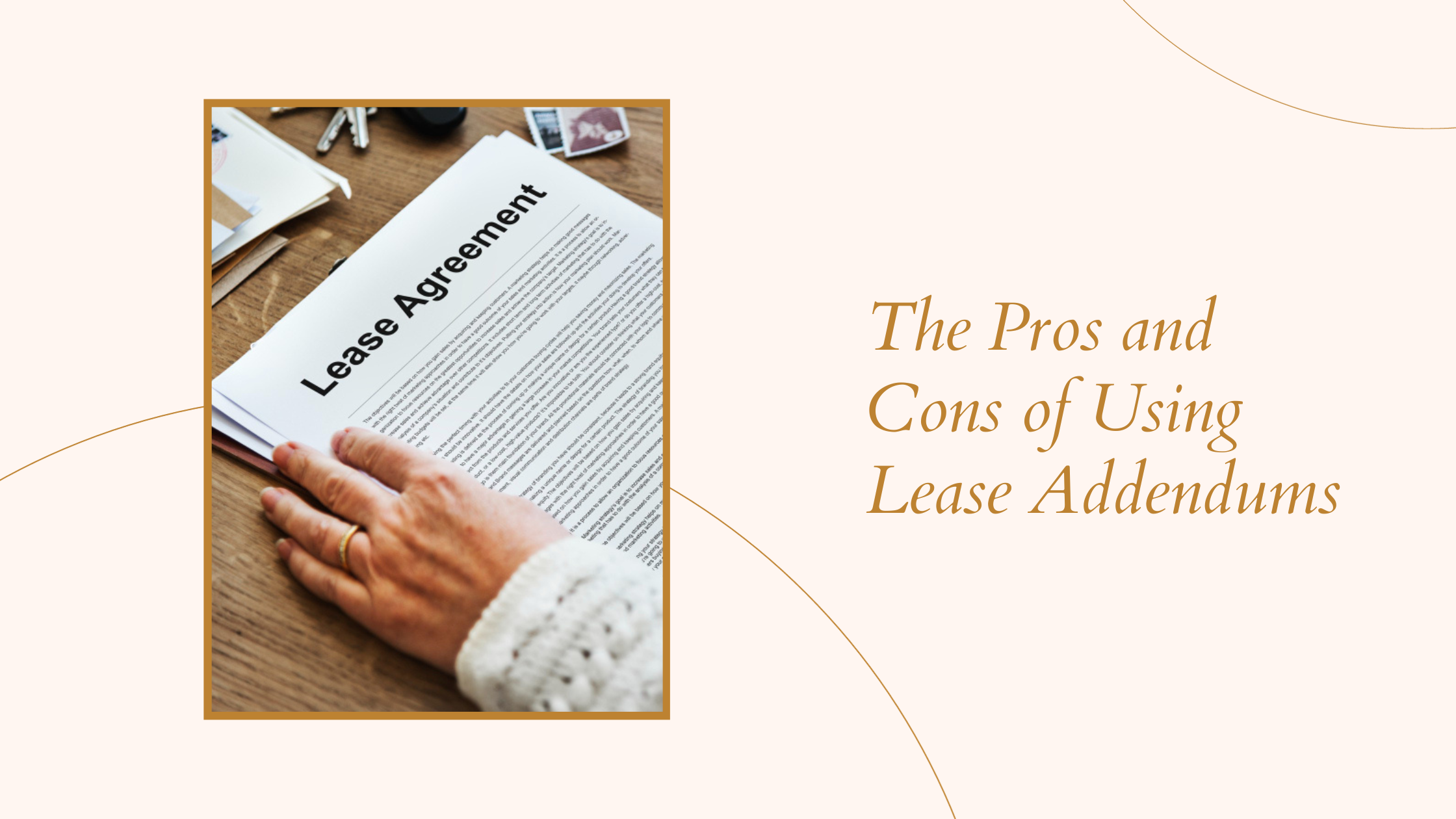
The Pros and Cons of Using Lease Addendums for Your Rental Properties

RH Business Marketing Solutions

Lease agreements are the cornerstone of landlord-tenant relationships, setting the terms, responsibilities, and expectations for both parties. However, the evolving needs and circumstances of landlords and tenants often lead to the use of lease addendums - supplementary documents that modify or add specific terms to the original lease. While lease addendums can be valuable tools for tailoring agreements to unique situations, they also come with their own set of advantages and disadvantages. In this guide, we'll delve into the pros and cons of using lease addendums in your rental properties, helping you make informed decisions that benefit both you and your tenants.


Pros of Using Lease Addendums:

●      Flexibility and Customization: One of the most significant advantages of using lease addendums is the flexibility they offer. They allow landlords and tenants to customize their lease agreements to address unique situations and requirements that may not have been covered in the standard lease.

●      Clarity and Specificity: Lease addendums provide clarity by explicitly stating additional terms, conditions, or rules that both parties agree to. This aids in averting potential misunderstandings and conflicts in the future.

●      Adaptation to Changing Circumstances: As circumstances change during a tenancy, lease addendums allow for the adaptation of the lease without the need to completely rewrite the entire agreement. This can save time and effort for both landlords and tenants.

●      Legal Protection: Lease addendums are legally binding documents, meaning that both landlords and tenants are bound by the new terms and conditions outlined in the addendum. This offers legal protection for both parties.

●      Tenant Satisfaction: By using addendums, landlords can address tenants' needs and concerns more effectively. This has the potential to result in heightened tenant contentment and an increased probability of lease extensions.


Cons of Using Lease Addendums:

●      Complexity and Length: Adding multiple addendums to a lease agreement can make the document longer and more complex. This may lead to confusion for both landlords and tenants.

●      Risk of Overlooked Terms: With multiple addendums, there is a risk that either party may overlook or forget specific terms outlined in these documents, potentially leading to disputes.

●      Future Modifications: If changes to the lease are made through numerous addendums, it can become challenging to track and manage these modifications, especially if the property changes ownership.

●      Inconsistencies: Multiple addendums can result in inconsistencies within the lease agreement. This can create confusion and potentially conflict if different addendums contradict each other.

●      Legal Review: Drafting and implementing lease addendums correctly requires a good understanding of landlord-tenant laws and regulations. If not done properly, they can be legally unenforceable.


Tips for Using Lease Addendums Effectively:

●      Be Selective: Use addendums sparingly and only for significant changes or unique situations. Avoid cluttering the lease agreement with unnecessary addendums.

●      Clear Communication: Ensure that both parties fully understand the terms of any addendum. Clear communication is key to preventing misunderstandings.

●      Proper Documentation: Keep meticulous records of all addendums, including dates, signatures, and the specific changes they entail. This helps with tracking and legal compliance.

●      Legal Review: Consult with a legal professional or real estate attorney to ensure that your lease addendums comply with local and state laws and regulations.

●      Regular Lease Review: Periodically review your lease agreements and any attached addendums to ensure they remain relevant and up-to-date.


Conclusion

Lease addendums can be valuable tools for tailoring rental agreements to specific needs and circumstances. They offer flexibility and customization while providing legal protection for both landlords and tenants. However, their complexity and potential for oversight or inconsistencies should be approached with caution. By using lease addendums judiciously, communicating clearly, and seeking legal advice when necessary, you can leverage their advantages while minimizing potential drawbacks in your rental property management. Ultimately, the goal is to create lease agreements that are fair, transparent, and beneficial for all parties involved.

Navigating the Rental Market: 6 Tips to Find Your Dream Home

RH Business Marketing Solutions

Many people dream of one day getting their home. As exciting as this can be, it can also be a daunting process. This makes it essential to plan well and do your research. Getting the perfect home is more than having an idea of the number of bedrooms and type of kitchen you need. If you search online, you will surely see beautiful listings and will want to attend every open house available.

However, there is more to getting the ideal house. The process can be as seamless as possible, provided you are willing to put in the effort. It may also take a long time, depending on your market.

No matter who you are: a first-time home buyer, or a getting your second house, this article contains a list of actions that can guide you in the right direction. To navigate the rental market successfully and find your dream house, do the following:

1.    Evaluate Your Needs and Wants

In trying to get a dream house, it's nice to have a list of "needs" and "wants." Of course, the difference between the two is clear. Knowing this can help you organize your list and get your priorities in line.

In defining your wants and needs, evaluate things that are important to you. For instance, view, garage, yard, location, etc. It can give you a good perspective on the rentals Nashville tn property that suits your style.


2.    Start by Getting Pre-Approval for a Mortgage

One of the tasks you need to tick off your box before embarking on your search is getting prequalified for a mortgage. No matter your market, a good grasp of your budget will let you know if your dream house is within reach. When you get pre-approved, you can narrow your search based on what you have and save time elsewhere.

Getting prequalified puts you a step ahead of the game. This is because a lender already pre-approved you for up to an amount of mortgage. Sellers like seeing pre-approved buyers, so you have a high chance of success.

The pre-qualification process involves contacting a mortgage broker. You will furnish the broker with some info about your finances, which will help determine the home loan amount you can get.


3.    Check out The Neighborhood

A house may tick all your boxes. However, if you don't like the neighborhood, you might be miserable while staying there. This makes it essential to see if the neighborhood fits your need and lifestyle.

Do you like going to the park and enjoying the vast expanse of green grass? Then, you don't want the nearest park to be 30 miles away. While driving around the house, ensure the neighborhood meets your needs. If you have kids of school age, you might not want them to travel for miles to get to school.

For someone still raising a family, check if the area is friendly to kids. The last thing you want is your kids playing in the street and getting run over by a drunk driver.


4.    Check the Size 

The size of your house also matters as it can determine if you will be miserable or love your new place. Your family’s habits and style can influence the property that fits your need.

For instance, if you like eating lots of home-cooked meals, you will likely prioritize a good and spacious kitchen with adequate amenities. Someone who works from home will probably need an extra room that can be configured into a home office.

A traditional family that values dinnertime with everyone present will need a spacious dining room. These factors will help ensure you have a functional space for your family.

5. Clean Up Your Finances

A house is a significant financial commitment; many people take up a mortgage. To be successful, get rid of other debts that affect your chances.

When you repay your debt, you build your credit score and reduce your debt-to-income ratio. With a higher credit score, your chance of pre-approval is high. Someone with lots of debt who direct a huge part of their monthly income to debt repayment might not appear attractive to potential lenders. With too much debt eating out of your paycheck, there is a huge chance that you will struggle to keep up.

This means you need to keep your debt-to-income ratio low. Your mortgage application will be denied if it exceeds a certain threshold. As a result, reduce and, if possible, get rid of all debts before embarking on a house purchase journey.


6. Check out the Property

The compound of the house should also reflect what you want in a house. Does the architecture of the house reflect your style? Do you like a fancy garage door that brings out your house's curb appeal? These are things you need to consider when trying to buy a house.

Also, the size of the property matters, as it will determine how much you will spend on property maintenance. For instance, someone with a large yard will need to think about monthly maintenance. If you have kids who will need to play around, a house with a small yard is out of the question.

What about a swimming pool? Are you ready for the extra commitment that goes into maintaining a pool?

Conclusion

Getting the perfect house doesn’t have to give you a sleepless night. You will have to invest time and effort, no doubt. This article has provided a headway on how you can successfully navigate the real estate market.

Rising from the Ashes: How to Thrive in a Fresh Cityscape

RH Business Marketing Solutions

Every so often, life has its way of pushing us into corners, leaving us feeling stuck and overwhelmed. However, life's low points often open doors to fresh starts, second chances, and a canvas to paint a renewed version of ourselves. Moving to a new city can be that canvas. A change of environment often facilitates a change in perspective, mindset, and opportunities. In this article presented by Kevin Szabo Jr Plumbing, we'll take a journey through the practical steps to embrace and make the most of a new beginning in unfamiliar territory.

Tap into Community Resources

One of the initial steps when settling into a new place is acquainting yourself with the local offerings. Everything from grocery stores to the neighborhood handyman becomes essential. If your home presents you with plumbing challenges, a quick visit to Kevin Szabo Jr Plumbing could provide a solution.

From House to Haven

It's more than just bricks and mortar; it's about creating an oasis. Personalizing your space with cherished photographs, vibrant colors, or a unique furniture arrangement can make all the difference. Even the little additions like familiar scents or curated playlists can cement the feeling of home.

The Sobriety Chapter

The emotional turmoil of a major change can sometimes amplify the allure of alcohol. However, remember that while a drink might offer temporary solace, it's not a long-term solution. If moderation becomes challenging, it might be time to consider the best rehab centers in the US that are good options for regaining control and balance. Spend plenty of time looking into these different rehab facilities to ensure you find one that can help with your issue.

Building Bonds Anew

In this digital age, it's simpler than ever to find communities of like-minded individuals. Attend local workshops, join hobby classes, or sign up for community events. Shared experiences not only help forge strong bonds but also provide solace in knowing you're not alone in this journey.

The Virtual Campus

If enhancing your professional skills is on the horizon, take a look at this: online education. An online degree can bolster your career without the constraints of a physical campus. From flexibility to a wide range of courses, the virtual world brings academia to your fingertips.

Unearth the City's Soul

Venturing out and exploring is more than just about knowing your bearings. Dive into local cultures, try out neighborhood cafes, and use local apps to unearth hidden spots. With each exploration, you're not just discovering the city, you're also reinventing your place within it.

The Power of Positivity

Shifts in life, particularly substantial ones, can be overwhelming and emotionally taxing. However, the key to navigating these changes often lies in adopting a positive outlook, which can serve as your guiding light through unfamiliar terrain. Incorporating simple, mindful activities into your routine, such as maintaining a gratitude journal or committing to morning walks, can have a profound impact. These seemingly small acts can create ripples of positivity, helping you adapt and thrive in your new environment.

The Purrfect Companion

While human connections offer emotional bonds, the companionship of a pet brings its own unique form of therapy. Whether you're drawn to the boundless enthusiasm of a puppy or the calm demeanor of a cat, pets serve as grounding forces in our lives. They offer not just unconditional love but also a unique way to alleviate stress and anxiety. The act of caring for an animal can also be an enriching experience, adding another layer of purpose to our daily routine.

Taking the leap to move to a new city, especially after a challenging phase in life, requires courage, resilience, and hope. While the road might be riddled with uncertainties and bumps, it's also filled with endless possibilities. Embrace the journey, for with every sunset, there's a promise of a new dawn. Let this guide be your companion in embracing and thriving in your renewed chapter.

Rewiring your house in the UK is an important decision for various reasons

RH Business Marketing Solutions

If the wiring in your home is over 20-year-old you should consider getting your house rewired for the following reasons.

Safety

One of the primary motivations for rewiring your house is safety. Older electrical systems may no longer meet current safety standards and could pose a fire hazard, while rewiring ensures your electrical system complies with codes and reduces your risk of electrical fires.

Compliance with Regulations 

UK electrical regulations are regularly revised in order to increase safety standards, so outdated wiring may no longer meet current regulations and requires rewiring to comply. Rewiring ensures your home meets all relevant legal obligations.

Increased Electrical Capacity
Older homes may not have electrical systems capable of keeping up with modern needs. If you have recently added appliances or electronics to your home, rewiring could increase its electrical capacity to meet these new demands and help prevent overloaded circuits.

Improved Energy Efficiency
New wiring and electrical components are designed to be more energy-efficient, so rewiring your house could potentially reduce waste energy and lower electricity bills.

Improved Functionality
Rewiring your home allows you to install updated electrical outlets, switches and lighting fixtures which will greatly improve its functionality and make using electrical devices and appliances simpler and more convenient.

Increased Property Value
Rewiring can dramatically increase a house's market value. Buyers tend to pay more for houses with modern electrical systems that reduce future maintenance expenses or upgrades.

Home Insurance Considerations
Some insurers may offer discounted premiums or coverage options to homes with updated electrical systems that meet safety standards, so rewiring could lead to cost-cutting on homeowners' policies.

Peace of Mind
Knowing your electrical system is safe and up-to-date can bring peace of mind for both you and your family, eliminating electrical issues or safety concerns as a worry for anyone involved.

Future-Proofing
Rewiring your home using modern materials and technologies can help protect it against future advances in technology and energy efficiency. By upgrading its electrical system with these innovations, rewiring ensures it can keep pace with future innovations that arise in technology or energy use.

Electrical Fault Diagnosis
Rewiring provides the opportunity to fully inspect and diagnose any existing electrical faults or issues in your home, giving you the chance to address potential future repairs as part of this rewiring project. Doing this may prevent future headaches.

Rewiring a house can be a complex and expensive project that should only be attempted under professional guidance. They will assess the condition of your current electrical system, offer suggestions, and safely and efficiently complete any rewiring work required. Furthermore, it may be wise to check whether your property insurance or local regulations mandate periodic electrical inspections and upgrades, as this requirement could vary depending on where your location falls.

What Are Electrical Regulations in UK 

Electrical regulations in the United Kingdom are designed to ensure the safety of electrical installations and appliances throughout residential, commercial, and industrial settings. According to my latest knowledge update in September 2021, key electrical regulations within the UK were dictated by several documents and standards:

1.The Electricity at Work Regulations (1989)

These regulations ensure that electrical systems used at, or associated with, places of work are regularly maintained to prevent danger, as well as being inspected at regular intervals for inspection purposes. These requirements apply to any piece of electrical equipment or system associated with that location.

2. IET Wiring Regulations

Commonly known as the Wiring Regulations, this standard outlines requirements for electrical installations in the UK. It addresses various aspects of work related to design, installation and inspection as well as any updates in technology or safety standards that might occur over time.

3. Part P of the Building Regulations

This part of the Building Regulations covers electrical safety in homes across England and Wales. It requires certain electrical works be notified to building control authorities or carried out by registered electricians to ensure compliance with safety standards.

4. Scottish Building Standards

In Scotland, electrical regulations are set forth in the Building (Scotland) Regulations which specify electrical safety requirements for buildings and dwellings.

5. Electricity Safety, Quality and Continuity Regulations

Also referred to as the Electricity Supply Regulations, these laws define requirements regarding safety, quality and continuity in electricity supply.

6. Portable Appliance Testing (PAT)

Portable Appliance Testing is an inspection and safety inspection practice intended to verify portable electrical appliances for their proper working order and compliance with legal obligations. While not regulated directly by law, organizations and employers often mandate such assessments.
Please keep in mind that regulations and standards can change over time, making it important to stay current on the requirements. Furthermore, electrical regulations may differ slightly between regions such as England, Scotland Wales and Northern Ireland so it's essential that you're familiar with those applicable in your location.

To stay compliant with electrical regulations, it's recommended that you hire a certified and registered electrician for electrical installation, maintenance, and inspection work. They will know about all of the latest regulations and can ensure your systems and appliances remain safe.

What Qualifications Do Electricians Require

Electricians in the UK are required to meet specific qualifications and certifications in order to legally perform electrical work, which are designed to ensure they possess all of the skills needed for safe, effective electrical systems work. As per my last knowledge update in September 2021, here are the key qualifications and certifications necessary for electricians:

Electrical Apprenticeship

Many electricians begin their careers as electrical apprentices. Apprenticeships typically last several years and combine on-the-job training with classroom instruction. Apprentices learn the fundamentals of electrical work such as wiring, circuitry, safety practices, and regulations during this period.

Level 3 NVQ Diploma in Electrotechnical Services (Electrical Installation) This qualification is often necessary to become a fully qualified electrician, and involves practical assessments which ensure individuals possess all of the skills required.

City & Guilds 2365 Diploma in Electrical Installations This qualification for electricians covers both theory and practical components of installation work.

Electrical Installation Condition Report (EICR) Certification

Electricians should be trained and certified to conduct Electrical Installation Condition Reports that assess the safety and condition of existing electrical installations, particularly during regular inspections or testing procedures. These reports assess existing safety regulations that must be observed within these systems.

Part P Competent Person Scheme Electrical contractors working on domestic installations in England and Wales often need to register with a Part P Competent Person Scheme in order to self-certify their work in accordance with building regulations. By doing so, electricians can self-certify their work.

Electricians must become acquainted with the 18th Edition Wiring Regulations (BS 7671), which sets standards for electrical installations across the UK.

Electrical Certification and Qualifications Depending on their specialty, electricians may take on additional certifications such as in solar panel installation, electrical testing or industrial work.

Health and Safety Training Electricians should receive adequate health and safety training, including first aid and working at height, in order to operate safely on the job site.

Electrical Contractor's Licensing or Registration

Electricians in certain regions or local authorities may need to obtain a license or register with the appropriate body in order to work legally

Checking the specific requirements and qualifications in your region is of utmost importance, as regulations can differ widely depending on where you reside. When hiring an electrician for electrical work, make sure they possess the appropriate certifications to ensure compliance and ensure safe installations. Ideally, they should continue professional development to stay current with changing technologies and regulations in the electrical industry.

Fall Fun at Siegel's Cottonwood Farm

RH Business Marketing Solutions

Nestled in the heart of Crest Hill, Illinois, this family-owned farm has become a beloved destination for families, friends, and thrill-seekers looking to embrace the spirit of fall. In this article, we'll explore the enchanting world of Siegel's Cottonwood Farm and the array of seasonal delights it has to offer.

Pumpkin Paradise

The heart of Siegel's Cottonwood Farm lies in its sprawling pumpkin patch. This isn't just any pumpkin patch; it's a pumpkin paradise. The fields are adorned with pumpkins of every size, shape, and color imaginable. Whether you're in search of the perfect carving pumpkin, a unique gourd for decoration, or a little pumpkin for a culinary creation, you'll find it here.

What truly sets this pumpkin patch apart is its family-friendly atmosphere. Children can enjoy pony rides, hayrides, a petting zoo filled with adorable farm animals, and even a pumpkin launcher that sends pumpkins soaring through the air.

Navigating the Corn Maze

The farm's corn maze is another highlight that draws visitors of all ages. Each year, the maze boasts a new theme, ensuring a fresh and engaging experience for returning guests. Navigating the maze's twisting paths, while deciphering clues and riddles, provides an exhilarating challenge.

The corn maze caters to a diverse audience, offering varying levels of difficulty. Whether you're a family with young children or a group of adventure seekers, the maze promises hours of excitement and teamwork as you navigate its twists and turns, ultimately emerging victorious.

Additional Attractions

Siegel's Cottonwood Farm goes beyond the pumpkin patch and corn maze, offering an array of attractions and activities:

  1. Hayrides: Embark on a scenic hayride around the farm, immersing yourself in the stunning autumn scenery.

  2. Farm Market: Browse the farm's market for fresh produce, homemade jams, and other seasonal treats, perfect for bringing a piece of the farm home with you.

  3. Country Kitchen: Indulge in homemade comfort foods, from apple cider donuts to warm apple pie, at the farm's inviting country kitchen.

  4. Fall Festival: Enjoy special events and festivities, including pumpkin catapulting and live music, during the annual Fall Festival.

Conclusion

Siegel's Cottonwood Farm is a testament to the beauty of autumn and the joy of family and friendship. Whether you're selecting the perfect pumpkin, navigating the corn maze, or indulging in the farm's delightful attractions, a visit to this enchanting destination promises cherished memories and a deep appreciation for the wonders of the season. So, embrace the autumn spirit, savor the crisp air, and make your way to Siegel's Cottonwood Farm for an authentic fall adventure.

Odyssey Fun Farm Pumpkin Patch & Corn Maze: A Fall Adventure for All Ages

RH Business Marketing Solutions

As the autumn leaves paint the landscape with hues of red and gold, one seasonal tradition stands out as a must-do activity for college students and families alike: visiting a pumpkin patch and corn maze. One such destination that offers an exceptional fall experience is the Odyssey Fun Farm Pumpkin Patch & Corn Maze, located in Tinley Park, Illinois.

Pumpkin Patch Extravaganza

Odyssey Fun Farm's pumpkin patch is a veritable paradise for anyone seeking the perfect pumpkin. Spread across acres of fertile soil, the patch boasts an impressive assortment of pumpkins, each with its unique shape, size, and color. Whether you're searching for a massive pumpkin to carve into a masterpiece or a petite one for a culinary creation, this patch has it all. What sets this pumpkin patch apart is its commitment to family-friendly activities. Children can enjoy pony rides, hayrides, and an engaging petting zoo, offering an educational experience that fosters an appreciation for agriculture and the rural lifestyle.

Navigating the Corn Maze

The Odyssey Fun Farm Corn Maze is a challenging and exhilarating adventure, ideal for testing your navigation skills. With a fresh theme each year, the maze offers a novel experience for repeat visitors. This maze caters to all ages, with varying levels of difficulty, making it accessible to children and maze enthusiasts alike. The maze also provides an opportunity for families and friends to bond as they collaborate to conquer its twists and turns. It's an experience that encourages teamwork and problem-solving while embracing the spirit of fall.

Additional Attractions

Odyssey Fun Farm goes beyond pumpkins and corn mazes to offer a plethora of other activities, including:

  1. Corn Cannons: Test your aim by firing ears of corn from a cannon at targets, a fun challenge for friends and family.

  2. Pig Races: Cheer on the racing pigs as they dash towards the finish line, providing plenty of laughter and excitement.

  3. Inflatable Fun: Kids and college students alike can bounce and play on a variety of inflatable attractions, from giant slides to obstacle courses.

  4. Concession Stands: Treat yourself to mouthwatering snacks like kettle corn, caramel apples, and freshly made donuts, perfect for satisfying those fall cravings.

  5. Nighttime Adventures: As Halloween approaches, the farm offers spooky nighttime activities, including haunted mazes and eerie hayrides, for those seeking thrills and chills.

Conclusion

Odyssey Fun Farm Pumpkin Patch & Corn Maze is more than just a seasonal attraction; it's a celebration of the beauty of autumn and an opportunity for families and friends to create lasting memories. Whether you're seeking the perfect pumpkin, navigating the corn maze, or enjoying a host of activities, a day at this farm promises an unforgettable autumn adventure that transcends generations. So embrace the crisp fall air, and head to Odyssey Fun Farm for a remarkable seasonal experience.

10 Tips for Someone Purchasing a New Home

RH Business Marketing Solutions

The journey to acquire a new home is a significant milestone, demanding careful consideration and informed decisions. Navigating the realm of real estate necessitates a strategic approach, ensuring a satisfying investment aligned with personal aspirations. Home purchasing involves many variables, from financial prudence to understanding market dynamics. This guide offers ten vital tips to aid in this process, shedding light on crucial aspects to empower a prospective homebuyer with the knowledge needed to make well-informed choices.

1. Assess Your Budget and Finances:

Begin by analyzing your financial standing and determining a suitable budget for your new home. To create a realistic financial plan, evaluate your income, expenses, and savings. Consider potential mortgage rates and loan options available to you. It's crucial to balance your desired lifestyle and financial capabilities, ensuring a stable and comfortable investment in a new property. Understanding your financial limits and opportunities will guide your search for a home that aligns with your monetary situation.

2. Research the Local Real Estate Market:

Invest time in thoroughly investigating the local real estate market dynamics to make an informed decision. Examine property values, trends, and available housing options within your desired area. Understanding the prevailing market conditions and fluctuations will empower you to negotiate effectively and gauge the suitability of potential purchases. Take note of neighborhoods, amenities, and upcoming developments, as these factors influence the value and desirability of a property. A comprehensive understanding of the local market sets the stage for a successful and beneficial home-buying venture.

3. Identify Your Needs and Preferences:

Define your specific requirements and preferences for a new home by listing essential features, location, and space needed. Prioritize factors such as proximity to work, school districts, or public transportation based on your lifestyle. Consider your family's size, potential future growth, and lifestyle expectations when outlining the specifications. Identifying these needs and preferences will streamline your search and ultimately lead you to a property that suits your unique requirements and lifestyle.

4. Get a Pre-Approval for a Mortgage:

Initiate the home-buying process by seeking pre-approval from a reputable mortgage lender. This preliminary step involves a thorough evaluation of your financial standing to determine the loan amount you can secure. A pre-approved mortgage enhances your credibility as a serious buyer, demonstrating to sellers that you are financially prepared for the investment. It also clarifies the budget within which you can comfortably explore potential homes, aiding in a focused and efficient property search. Understanding your mortgage options and securing pre-approval are pivotal steps toward a successful home purchase.

5. Choose the Right Real Estate Agent:

Selecting an experienced and trustworthy real estate agent is a critical decision in your home-buying journey. An adept agent provides valuable insights into the local real estate market, aiding in informed decisions. Their expertise in negotiation and understanding of legal aspects ensure a smooth transaction process. Look for real estate professionals who have a solid track record, stellar reviews, and in-depth local expertise. A competent real estate agent is your advocate, guiding you through the complexities of property transactions and enabling a successful acquisition of your new home.

6. Inspect Potential Homes Thoroughly:

When you are considering a home purchase, you need to inspect the prospective properties carefully. You need to check the structure’s overall condition, including the foundation, plumbing, electrical systems, and roof. The foundation is especially important in regions like Kansas City, where the soil and the climate can affect the structure’s stability. Foundation issues can cause cracks or uneven settling in the walls and floors, which can compromise the safety and value of your home. If you notice any signs of foundation problems, you should consult a professional inspector who can assess the extent of the damage and recommend the best course of action. Foundation repair service is a service that specializes in fixing foundation issues using various methods and techniques. Depending on the type and severity of the problem, foundation repair in Kansas City or your area may involve installing piers, braces, anchors, or epoxy injections to stabilize and restore the foundation.

7. Consider Future Resale Value:

An often overlooked aspect of purchasing a new home is contemplating its future resale potential. Opt for a property in a location with a history of property value appreciation and features that have wide market appeal. Elements like a desirable neighborhood, good school districts, proximity to amenities, and a stable real estate market can positively impact the home's resale value. A well-considered investment today can yield better returns when you decide to sell the property in the future, providing financial security and flexibility for what lies ahead.

8. Understand Homeowner’s Insurance and Other Costs:

Familiarize yourself with the comprehensive costs of homeownership, encompassing insurance, property taxes, maintenance, and utilities. An essential component that protects your investment from unforeseeable occurrences like accidents or natural disasters is homeowner's insurance. Additionally, grasp the property tax structure of your locality, as rates may vary based on location—factor in regular maintenance costs to maintain the property's condition and functionality. Moreover, anticipate utility costs, covering electricity, water, heating, and cooling, to accurately assess the total financial commitment associated with owning a home.

9. Negotiate Price and Terms Skillfully:

Master the art of negotiation to secure the best price and terms when finalizing a home purchase. Conduct research on the property's market value and comparable sales to establish a reasonable starting point. Present a clear and compelling offer, highlighting the property's merits and your readiness as a buyer. Accept counter offers with open arms and thoroughly analyze the conditions, such as the closing date and any potential repairs or enhancements. Negotiations can result in a win-win agreement if both parties show flexibility and make well-informed decisions, ensuring a smooth transaction for all parties.

10. Plan for a Smooth Move and Settle-In:

Effective planning for a seamless transition into your new home is essential. Organize the move well in advance, determining a relocation timeline and hiring reliable movers. Prepare a packing strategy, categorizing items for efficient unpacking and organization upon arrival. Ensure necessary utilities are set up at the new residence before moving day. If your address has changed, think about informing important parties like the postal office and service providers. A well-orchestrated move followed by a structured settling-in process will contribute to a smooth transition and a comfortable start in your new living space.

Conclusion

Don't forget to carefully evaluate your financial situation and rank your necessities and preferences. Investigate the neighborhood real estate market while looking for a knowledgeable real estate agent's advice. Carefully inspect potential homes, considering their future resale value and understanding associated costs. Skillfully negotiate prices and terms and plan meticulously for a smooth move. May these tips pave the way for a successful and gratifying venture into homeownership.

Guest Contributor: Hannah Boothe

How To Know Furniture Is Good Quality

RH Business Marketing Solutions

When it comes to investing in furniture, quality should be a top priority. High-quality furniture looks better and lasts longer, ensuring you get the most value out of your purchase. However, determining whether furniture is of good quality can be challenging, especially with so many options on the market.

In this article, we'll share key tips and insights to help you recognize and choose high-quality furniture for your home. Plus, we'll address common issues like Burrow sofa sizing problems.

Examine the Construction

The construction of a piece of furniture is a fundamental indicator of its quality. When evaluating furniture, look for these construction characteristics:

 ●     Solid Wood: Solid wood furniture, such as oak, maple, or cherry, is a sign of quality. Avoid pieces made from particleboard or MDF (medium-density fiberboard), as they are less durable.

●     Dovetail Joints: In drawers and casegoods, dovetail joints are a sign of quality craftsmanship. These interlocking joints are strong and long-lasting.

●     Corner Blocks: Well-constructed furniture will have corner blocks, reinforcing the corners of frames and providing added stability.

●     Sturdy Hardware: Check the hardware, such as drawer pulls and hinges. High-quality furniture typically uses sturdy and durable hardware.

Investigate the Upholstery

If you're shopping for upholstered furniture like sofas or chairs, pay attention to the upholstery quality: 

●     Fabric: Look for upholstery made from high-quality, durable materials like linen, cotton, or leather. These materials are not only comfortable but also resist wear and tear.

●     Stitching: Examine the stitching on upholstered pieces. Tight, even stitching is a sign of quality, while loose or irregular stitching may indicate lower craftsmanship. 

●     Cushioning: Test the cushioning for comfort and resilience. High-density foam or down-filled cushions are often found in quality furniture.

●     Springs: In sofas and chairs, consider the type of springs used. Eight-way hand-tied springs are a mark of quality and provide excellent support.

Check for Proper Joinery

The way furniture pieces are joined together can significantly impact their durability:

●     Mortise and Tenon Joints: These joints involve one piece having a projecting shape (tenon) that fits into a hole (mortise) in the other piece. They create a strong and durable connection.

●     Glued and Screwed or Doweled Joints: For additional stability, some furniture pieces use a combination of glued, screwed, or doweled joints.

 ●     Avoid Staples or Nails: Low-quality furniture may use staples or nails in its joinery, which can lead to wobbly or unstable construction over time.

Weight Matters

High-quality furniture tends to be heavier due to solid wood and sturdy materials. Lift and move the furniture slightly to gauge its weight. Lightweight furniture may indicate the use of cheaper materials and construction techniques.

Brand Reputation

Research the reputation of the furniture brand or manufacturer. Companies with a long history of producing quality furniture are more likely to provide well-crafted pieces. Reading customer reviews and seeking recommendations can also help assess a brand's reputation.

Addressing Burrow Sofa Sizing Problems

Speaking of brand reputation, it's crucial to consider potential issues specific to certain brands. For example, Burrow is known for its modular sofas, but some customers have reported Burrow sofa sizing problems. To avoid such issues, carefully review product specifications and measurements before purchasing. Take precise measurements of your living space to ensure the furniture fits comfortably and aligns with your needs.

Identifying good-quality furniture involves examining construction, upholstery, joinery, weight, and brand reputation. These factors will help you make informed choices and invest in furniture that looks great and stands the test of time.

While recognizing quality is essential, being aware of specific brand-related issues, such as Burrow sofa sizing problems, is essential to ensure a smooth and satisfying furniture shopping experience. Remember that investing in high-quality furniture is an investment in the comfort and aesthetics of your home for years to come.

Guest Contributor: Anil Baswal