Google+

contact us

Use the form on the right to contact us.

Day or Night, we are here to serve you. Leave your plumbing problem to us.


Tinley Park, IL

(708)845-7922

Residential and Commercial plumbers and plumbing contractors available in Orland Park, Tinley Park, Oak Lawn, Palos Heights, Midlothian, Oak Forest, Homer Glen, Mokena, Frankfort, and the surrounding Chicago South Suburbs. Emergency plumbers.

copper water lines.jpg

Kevin Szabo Jr Plumbing Blog

Kevin Szabo Jr Plumbing is Tinley Park, Orland Park, Oak Forest, Midlothian, Orland Hill, Homer Glen, Mokena, Frankfort, Crestwood, Palos Heights, Oak Lawn, local plumber. Read our blog for advice, tips, a good laugh, and basic home improvement.

**We are moving our old blog to our new and improved website. Too see all our posts visit kevinszabojrplumbing.blogspot.com

How to Make Sure You Have Service in Your Home

RH Business Marketing Solutions

Today's households rely on cellular and Internet connections for nearly every device. From smart refrigerators to your cellphone, these components must connect to a strong signal 24 hours a day. Take a close look at how you can make sure you have service in your home for optimal experiences.

Connecting to the World

Connecting to cellular and Internet sources is extremely important in the modern world. Certainly, you have information at your fingertips. From verifying a fact to checking local weather conditions, this data allows you to learn about the world and plan your day accordingly.

In addition, emergency alerts run through these platforms. Many people don't have landlines anymore, which means cellular connections cannot be constantly spotty.

Getting the Best Connections

The best way to have service in your home is by setting up an account with a local carrier. You can prepay for the services or sign up for invoicing, depending on a carrier's policy. As a result, you should have reliable service throughout the household.

However, every carrier has varying service quality. Consider these best practices for getting the best connection every time.

a. Look for Cell Sites 

Cellular connections depend on cell sites or towers. Most cities have several towers in a residential community. Ideally, look around your neighborhood for the closest tower. If you cannot spot one, your cellular coverage may be intermittent.

In addition, locating a cell tower may not guarantee good coverage either. In reality, your carrier must have access to each tower for optimal connection.

b. Consider Your Location

Your home's location can influence your cellular or Internet coverage, too. For example, homes residing on hills, within valleys or surrounded by trees have natural obstructions to cellular signals. Because these signals still rely on line of sight today, they may not reach your home even if you're close to the cell tower.

c. Install an Extender or Repeater

If you discover poor coverage at your home, boost weak signals with an extender or repeater. These devices work with a signal reaching the home. As a result, they create a stronger signal transmitted across the household. For example, a cellphone with spotty coverage in a basement can now easily connect when an extender or repeater is operational.

d. Keep Current With Updates

Strong connections also rely on updated devices. Inevitably, phones, repeaters or extenders running on old software will disconnect from service. To avoid disruption, check on any software updates each week. Additionally, activate automatic downloads on your device if possible. New software keeps connections with your service and protects the signals from potential hacks.

Troubleshooting Service Interruptions

Truthfully, some of the best carriers across the nation will have service interruptions. Verify if the interruption comes from an individual device or originates with the carrier. Try these troubleshooting tips to narrow down the outage cause.

a. Analyze Your Device

The outage might originate with your cellphone. Initially, turn the phone's airplane mode on and off. This feature disconnects and reconnects to your cellular service. If the phone connects and operates afterward, the device may have had a connection issue, not the carrier.

Next, verify that the phone has a charged battery. Using a phone with a low battery can create connection problems. Undeniably, any electronic needs enough power to sync with a service and remain connected.

b. Verify Outage With Carrier

With a fully operational phone, turn your attention to the service carrier. They may have a local outage. Subsequently, contact the carrier through their website or give them a call. Many carriers have outage maps on their sites, which allows you to pinpoint your connection problems without waiting on hold. Indeed, any reported outages usually have a resolution time or date for your convenience.

c. Be Aware of Bad Weather 

Weather can act as an obstruction, too. If you have a cloudy, rainy or foggy day, then cell signals may have trouble reaching your home. Consequently, you might turn to your extender or repeater to boost any received signal. However, some households may have to wait out the weather. Boosting devices need at least some signal source to enhance. Bad weather continues to be an issue for all carriers until cellular technology evolves once again.

As a last resort, switching carriers might be a valid choice if service remains spotty in your home. Indeed, carrier coverage may not be adequate in your area. Performing these troubleshooting tips and uncovering the strongest signal is how you can stay connected every day.


Written by Taylor McKnight, Author for Prepaid Bill

How to Blend Plumbing into Construction Planning

RH Business Marketing Solutions

Sometimes, there are some ways where you want your plumbing to behave and show up in specific ways in your home.

There are some instances where they may show up where you don’t want them to. In that way, consider blending your plumbing into your place through construction planning, which we’ll cover later. First, let’s cover the importance of construction planning.


Why Construction Planning Is Important

When you’re about to undertake any construction project, you need to do some construction planning before putting hammer to nail at any point. It lays the foundation for the successful and efficient execution of the project, ensuring that all aspects are carefully considered and organized.

Construction planning usually involves drafting up plans of what the construction project should be at its end. For example, you can even use tools like engineer construction software to help you draft a plumbing plan to bring out in conjunction with the blueprint for the house overall.

The importance of construction planning isn’t just for planning out what you’re going to build, but it’s most important to let you know how you’ll get there as much as possible.

It’s the proper foundation of the construction project, as without it, the construction team will be lost on what to build. Plus, the day-to-day logistics of a construction project will be chaotic without prior planning.


Ways To Integrate Plumbing Into Your Construction

Now that you know why construction planning is essential, let’s talk about how to fully incorporate the plumbing you want for your home into the construction process.


Hide the pipes behind furniture.

Although it might sound silly, critically positioning furniture pieces is an excellent approach to integrating your plumbing into how your home or place is constructed.

Placing appropriate furniture for whatever room it is in is a great way to hide the pipes you might not want people to notice.

There are many ways that you can make this work. For example, some people have put the right-sized potted plants beneath their sinks to hide the pipes behind furniture. Another common way would be by adding in waterproof cabinets so that the piping space is now also a storage space instead of just something you’re doing to hide something.


Build wooden boxes around the pipes.

Building wooden boxes around the pipes is an excellent strategy appealing to homes with minimalist wooden walls.

With this approach, pipes in more unconventional places will be more attractive, seamlessly blending in with the surrounding architecture. At the same time, since it’s just a wooden box with no severe enclosure, you can easily access the pipes if needed.

You can even paint over the box to match whatever color the walls are if you want them to disappear from view.


Hide with decorative covers 

Some people prefer to be proud of the piping around their home, especially if it matches the house’s theme. In that case, the preferred way to make the piping look more appealing is with the help of some decorative covers.

You can usually find decorative covers for your piping, and they come in simple, clean colors. However, that doesn’t mean you can’t be creative. You can use those decorative covers as protection so that the paint or whatever choice of design cover you add to it doesn’t harm the piping directly in any way.


Cover up exterior pipes with plants.

We already mentioned earlier that some people like to place plants underneath their sinks to cover away the piping in an attractive way. You can also do that approach for any other exterior pipes.

Having a clear idea of what plants are best for this purpose is a good idea. It would be best to opt for low-maintenance, evergreen varieties that withstand varying weather conditions. Select tall plants to hide the pipes while adequately complementing the overall landscaping design.

If you want a plant or vine crawling all over the piping, consider installing trellises or lattice panels near the pipes to provide a framework for climbing vines or trailing plants.

Don’t forget to check on the plants occasionally and ensure that their presence isn’t damaging your piping in any way.


Build a brick wall.

If you have a lot more piping that is present that you want to avoid people seeing, then consider walling it off while still having an access point for them.

This solution shouldn’t be your first go-to since it’s a lot more work and a lot more intrusive to the design of the home. However, it’s a pretty durable solution for when you have too much unattractive piping to hide away.

It’s an excellent solution for when you want to section off your plumbing into a dedicated boundary so that you can always get to it when you need it.


Use of soffit ceilings

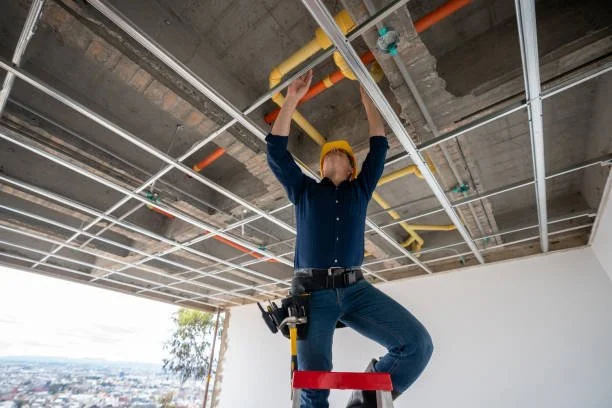
There may be some reasons you have plumbing up and running along your ceiling. If this is the case for your place and you don’t know how to cover them, then you should consider using soffit ceilings to decorate the space and make your ceiling enjoyable.

 At the same time, it’s a great way to easily cover long spans of piping on the ceiling if needed.


Install a cabinet or vanity unit.

An excellent choice for hiding piping in your place in the bathroom is installing a cabinet or some form of vanity unit. That way, it can cover the pipes and be a place with a purpose and actual use for you. You can store items or use them as a place to get ready.


Build a false wall.

If there are no better solutions to how you hide the pipes, then consider building a false wall. Instead, you (or a contractor) make a false wall made out of plaster. It would help if you also got a plumber to help you ensure that whatever other fixtures you may have fit well and appropriately with the false wall you make to hide the pipes.


Conclusion

These plumbing covering tips are all a great way to hide or embellish pipes. It all depends on how much you want to show the pipes around your home, so it’s a good idea to match your pipe cover approach based on the appearance of your place. Consider the options in this article to inspire you to find the best choice of pipe cover.

Understanding the Benefits and Limitations of Different Piping Materials for Commercial Plumbing Applications

RH Business Marketing Solutions

Piping materials play a vital role in commercial plumbing applications as they may help improve the building's functionality or disrupt the company's regular business operation. However, choosing a suitable material may be challenging. 

Read on and learn the different piping materials and their benefits and limitations to prevent leaks and structural damage.  


Piping Materials: Benefits and Limitations 

Do you need an effective and dependable plumbing system? If so, always check the material you will use when building your project. Know their benefits and limitations to create a solid foundation and sturdy plumbing structure. 

  • Copper 

Copper is by far the best piping material that you can use for your plumbing system. They are corrosion-resistant, which makes them ideal for commercial and institutional applications. 

Also, they are known to provide efficient heat distribution within your plumbing system. So, if you have a specific heating and cooling setup, you can utilize the copper-made pipes. By evenly distributing the heat, you also prevent your HVAC units from overdriving.  

However, the upfront fee for this material is relatively higher than its alternatives.  

  • PVC Piping 

PVC pipes offer various advantages. They are economical, lightweight, and at the same time flexible compared to steel, which makes them perfect if your next plumbing project requires cost-effective but highly efficient materials.  

However, along with its various advantages are its disadvantages. They are easy to break and have a limited lifespan. 

  • PEX Piping 

Another lightweight and flexible piping material is PEX, ideal for small and non-conventional areas. They are easy to bend and fit well in limited spaces. Their flexibility allows them to expand and hold the frozen water longer without breaking the pipe.  

Though they can serve their purpose, the PEX piping could be better for long-term use. They are still plastic-made and sturdy but cannot match what the copper and steel-made pipes offer.  

  • Steel Piping 

Steel is known for its stability, durability, and strength. They are corrosion-resistant and can maintain their shape without warping while under pressure. This is ideal for critical areas such as undergrounds and tunnels, requiring the material's reliability, durability, and functionality to last for decades. 

However, like every product, steel has limitations, too. One drawback of steel is that they are prone to rusting and corrosion. It means you need to maintain them to prevent rusting regularly. With access doors and panels like the FT-8040 recessed floor door, your service team can swiftly access the plumbing system to perform their tasks quickly and reduce downtime. 


Factors You Need to Consider When Choosing Piping Materials 

Knowing the material's advantages and disadvantages gives you a foot forward in creating the best plumbing system. However, knowing specific factors like the purpose, nature of the project, and weather conditions will help you make a more sound decision.  

  • Purpose – You need to determine where you want to use the pipes. Understanding the project's goal will help you select the most suitable material. 

  • Nature of the project – Depending on the project you are working on, you may need a specific material, such as steel, which is more durable enough to hold extreme pressure than PVC. 

  • Weather conditions – Another factor you need to consider is the weather. Do you need pipes for outdoor use that can endure the extreme summer heat? Or do you simply need a lighter material like the PVC-made pipes? 

  • Budget – The budget can directly impact the overall plumbing project. It must include provisions for any prospective regular upkeep and fixing that may be needed. You may also choose economical piping materials that can contribute to long-term cost savings.  


Comparing Piping Materials 

The piping materials play a vital role in the success of your plumbing system. However, it would help if you also considered different factors, such as the building's specific requirements and the local building codes for commercial plumbing scenarios you must meet.  

To make informed choices before buying one, consult a construction professional for a comprehensive comparison of piping materials. A construction professional or a plumber can give detailed information on the material's advantages and disadvantages, cost, environmental sustainability, and maintenance and repair processes.  


Conclusion 

Picking piping material for your next building project is pivotal. With suitable material, leaks could be good for your construction project and reputation. Thus, only choose those that best fit your plumbing system's needs. 

Always determine the purpose and installation area of the pipes before buying one. Knowing the needed pressure and the climate of the place where you will install the lines will help you decide which material best fits your plumbing system—steel for durability, copper for reliability, and PVC and PEX for those that need economical and lightweight materials.  

Whichever you prefer, always keep in mind that the advantages and benefits must outweigh the materials and installation costs of your plumbing system. 

Guest Contributor: Chris Jackson

Preventing Plumbing Emergencies: Tips for Regular Maintenance and Inspections

RH Business Marketing Solutions

Having a plumbing emergency can be stressful, inconvenient, and costly. However, many plumbing emergencies can be avoided with regular maintenance and inspections. Being proactive helps you catch minor issues before they become big problems. This article provides tips for preventing plumbing emergencies through maintenance and inspections. 

Inspect Faucets and Showerheads Regularly 

Faucet and shower leaks can account for a significant amount of household water waste. Even minor drips can waste hundreds of gallons over time. Inspect faucets and showerheads regularly. Look for drips or leaks and tighten connections if needed. If drips persist, replace washers or valves. Consider replacing showerheads occasionally to improve water efficiency. 

Check for Hidden Leaks 

If left undetected, leaks hidden in walls, under sinks, or underground can cause water damage or mold. Check under and around sinks regularly for wet spots or water stains. Listen for running water when fixtures are off. Also, review your water bill for higher use. As higher pressure increases leak risk, have your home’s water pressure tested occasionally. Remember that catching leaks early prevents major damage. 

Inspect Toilets Regularly 

Toilets make up a large percentage of water consumption inside the home. A single leaky toilet can waste gallons daily. Regular inspections help spot leaks, flapper valve issues, and clogs early. Check for water running after flushing and look for stains around the base. Test flapper valves by holding the lever down when empty. Replace flappers occasionally or valves that are over 10 years old. 

Clean Sink and Shower Drains 

Clogged drains lead to backed-up sinks, tubs, and showers. You can prevent clogs by cleaning drains regularly. For sinks, remove and clean the drain stopper thoroughly. Use a drain snake or wire coat hanger to loosen built-up debris. Flush drains with hot water. For showers, remove the drain cover and remove hair with tweezers or a zip-it tool. Prevent clogging by using drain catchers. 

Inspect Supply Pipes and Fill Valves 

Worn or cracked supply pipes and faulty fill valves are common but preventable issues. Inspect toilet and sink supply hoses regularly for wear, leaks, or kinks. Replace old braided steel hoses with newer reinforced polymer types that resist bursts. Check toilet fill valves occasionally and replace any old ones. Adjust or replace valves with audible hissing, which signals flapper leakage. 

Clean Hot Water Heaters Regularly 

Regular hot water heater maintenance improves efficiency and prevents issues. Drain some water from the tank using the drain valve. Flushing sediment extends tank life. Inspect the anode rod and replace it if worn. Check pressure relief valves for proper operation. Clean tanks occasionally with calcium, lime, and rust cleaner per product instructions. Consider replacing older heaters. 

Check for Gas Leaks 

Undetected gas leaks pose explosion and carbon monoxide risks. Check gas appliances and lines for leaks regularly with leak detector fluid. Apply the fluid and look for bubble formation, which signals a leak. If signs of a leak are noticed, turn off the gas line and promptly reach out to a qualified service technician for assistance. Never use matches or lighters or create sparks near gas leaks. 

Know Where Your Shutoff Valves Are 

Prevent extensive water damage by knowing the locations of your shutoff valves and ensuring they function. Use shutoffs to isolate leaks or before repairs. Exercise main shutoff and fixture valves regularly to keep them operating smoothly. Replace old galvanized steel valves, which corrode and freeze over time. Brass ball valves are durable, easy-to-use replacements. Keeping access doors operational makes isolating and repairing leaks faster and simpler. 

Locate and Maintain Access Doors 

Having accessible and operational access doors makes inspecting and repairing pipes much easier. Locate any plumbing access doors and open them yearly to inspect pipes and perform maintenance. Access doors may be in walls, ceilings, or foundation slabs. Ensure access doors open and close properly, with latches and seals intact. Repair or replace rusted, damaged, or missing access doors. Consider installing high-quality ones like the ‌BA-ADWT-SS airtight watertight stainless steel access door, which has an airtight/watertight gasket for a corrosion-resistant solution. Maintained access doors like this give technicians easy access to plumbing systems for preventative maintenance. 

Final Thoughts 

Being proactive with plumbing care saves you time, money, and headaches. It's easy to ignore a small drip or rattling pipe until it becomes an emergency. Take steps to handle issues before they become more problematic. Follow these maintenance tips now so you can enjoy water flowing smoothly through your plumbing system for years to come. 

When it comes to your home's plumbing, an ounce of prevention is truly worth a pound of cure. Investing a little time monthly in inspections and maintenance keeps minor issues from snowballing into huge problems. Your future self will thank you when you no longer have to deal with a major mess and repair bills from a pipe burst or overflowing sewer drain. Protect your most valuable investment—your home—by making plumbing care a priority today. 

Guest Contributor: Chris Jackson

Boosting the Professional Look of Your Plumbing Company

RH Business Marketing Solutions

In the highly competitive field of plumbing services, professionalism is a key factor that can set your company apart and instill confidence in potential clients. A professional image not only attracts customers but also fosters trust and loyalty. Whether you're a small plumbing business or an established firm, enhancing your company's professionalism is essential for long-term success. So, here are a few effective strategies and practices to make your plumbing company look more professional. From branding and customer service to employee training and online presence, these are the crucial elements that can elevate your company's reputation and standing in the industry.

Branding and Logo Design

One of the first steps in enhancing your plumbing company's professionalism is to invest in a strong brand identity. This begins with a well-designed logo that communicates trustworthiness and reliability. Your logo should be simple, memorable, and reflective of the plumbing industry. It's the visual representation of your company, so ensure that it appears on all your marketing materials, vehicles, and uniforms. Consistency in branding establishes a professional image and helps customers recognize your company easily.

Professional Behavior and Etiquette

Professionalism isn't just about appearance; it extends to behavior and etiquette as well. Train your plumbing technicians to be courteous, punctual, and respectful when interacting with customers. Effective communication is key—encourage them to explain the plumbing issue, the proposed solution, and associated costs clearly and patiently. These interpersonal skills leave a lasting impression and can lead to positive reviews and referrals.

Customer Service Excellence

Outstanding customer service is a cornerstone of professionalism. Train your team to prioritize customer satisfaction and go the extra mile when addressing plumbing issues. Responsiveness, reliability, and a willingness to accommodate customer schedules are crucial aspects of exceptional customer service. Encourage feedback from clients and use it to continually improve your services.

Employee Training and Certification

Invest in ongoing training and certification for your plumbing technicians. Ensure that they are up-to-date with the latest plumbing technologies, codes, and regulations. Certification not only boosts their confidence but also reassures customers of their competence and expertise. By demonstrating a commitment to continuous improvement, your company can solidify its professional reputation in the plumbing industry.

Uniforms and Dress Code

Uniforms play a vital role in creating a professional image for your plumbing technicians. Provide your employees with clean, well-fitted pieces that feature your company's logo, and if you want to save money while doing that, check out uniform wholesalers and get as many uniforms as you need. A consistent dress code not only promotes a sense of belonging but also conveys a unified and professional appearance to customers. Additionally, require your technicians to wear appropriate safety gear to demonstrate a commitment to their well-being and the safety of your clients' homes.

Well-Maintained Vehicles

Your service vehicles are mobile billboards for your plumbing company. Keep them clean, well-maintained, and prominently branded with your company's logo and contact information. Organize tools and equipment efficiently within the vehicles to minimize clutter and create a professional impression when technicians arrive at a client's location. A well-organized vehicle demonstrates preparedness and professionalism.

Online Presence and Marketing

In today's digital age, your online presence is a crucial component of your company's professionalism. Maintain a professional website that is easy to navigate and showcases your services, customer testimonials, and contact information. Actively manage your social media profiles to engage with customers and respond to inquiries promptly. Regularly update online business directories and ensure that your contact details are accurate. Invest in online marketing strategies to reach a wider audience and reinforce your professional image.

Consistent Brand Messaging

Consistency in brand messaging is essential for creating a professional image. Ensure that your marketing materials, advertisements, and online content align with your company's core values and mission. Craft a clear and compelling company story that resonates with customers and underscores your commitment to professionalism, reliability, and quality service.

Making your plumbing company look more professional is not just about appearances; it's about building a reputation for trustworthiness, reliability, and exceptional service. From branding and employee training to customer service excellence and an online presence, every aspect of your business contributes to its professionalism. By consistently prioritizing professionalism in all areas of operation, you can differentiate your plumbing company in a competitive market, attract loyal customers, and establish a strong and enduring presence in the industry.

Guest Contributor: Diana Smith

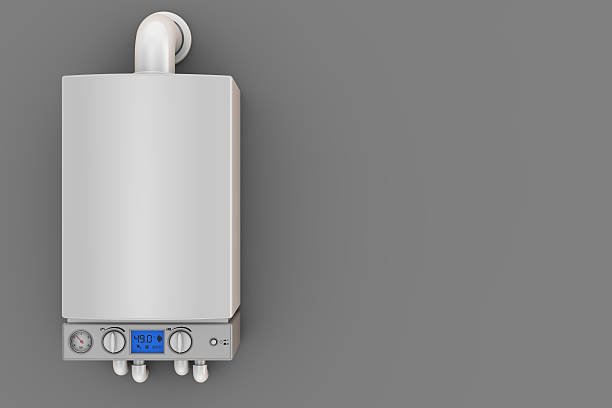
The Eco-Friendly Choice: Benefits of Installing a Tankless Water Heater

RH Business Marketing Solutions

Have you ever found yourself wrestling with the thermostat, trying to find that perfect balance between scalding hot and icy cold water while thinking about how much energy you're wasting? Imagine a world where you can have endless hot water on demand and save the planet simultaneously. It may sound like a fantasy, but it's entirely possible with a tankless water heater. Let's delve into the multiple benefits of tankless water heaters, from energy efficiency to water conservation, so you can decide whether making the switch is right for you.

Energy Efficiency

One of the most compelling benefits of tankless water heaters is their energy efficiency. According to a study published in Energy Efficiency & Renewable Energy, these engineering marvels can save up to 35% energy compared to their traditional storage tank counterparts. They accomplish this by heating water only when needed, eliminating the energy drain of keeping a water tank hot around the clock. In addition to energy savings, tankless water heaters can reduce greenhouse gas emissions by as much as 35%. For the eco-conscious homeowner, these numbers are hard to ignore.

Water Conservation

If you're concerned about water waste, a tankless water heater offers a practical solution. These devices can save up to 100 gallons of water per year compared to traditional storage tank water heaters, as the Natural Resources Defense Council (NRDC) reported. Furthermore, ScienceDirect says tankless systems can reduce water waste by up to 20%. They deliver hot water almost instantaneously, eliminating the need to run water while waiting to heat up. This helps to reduce water pollution by minimizing runoff—a win-win for you and the environment.

Cost Savings and Longevity

We all know how quickly utility bills can add up. Fortunately, tankless water heaters can offer relief. Studies by ScienceDirect indicate that homeowners can save up to $100 per year on energy bills with a tankless system. These units are built to last, providing service for up to 20 years compared to the 10-12-year lifespan of storage tank water heaters. This long lifespan means fewer replacements, reducing waste and reducing carbon footprint.

Space-saving and Improved Air Quality

Last but not least, tankless water heaters are an excellent option for those looking to save space in their homes. The Department of Energy reports that these systems are up to 99% energy efficient and far more compact than traditional storage tank models. But the benefits continue beyond there. Tankless water heaters can even contribute to improved indoor air quality by reducing the carbon monoxide emissions associated with conventional systems.

Switching to a tankless water heater is more than just a trendy move; it's a wise investment that pays off in energy savings, water conservation, and improved home value. From their remarkable energy efficiency, which can lead to up to 35% energy savings, to their ability to conserve water and reduce pollution, the benefits of tankless water heaters are multifaceted. Couple that with the potential for annual cost savings and their compact design, and you have a compelling case for making the switch. In a world increasingly focused on sustainability, adopting a tankless water heater is an eco-friendly choice you won't regret.

Choosing the Right Wood for Your Home Improvement Project

RH Business Marketing Solutions

Proper lighting can work wonders if you're looking to illuminate your garden, highlight architectural features, or simply boost your home's curb appeal. And when it comes to enhancing your living space, few projects can make as significant an impact as exterior lighting installation

However, before you get lost in the world of exterior lighting, laying a strong foundation for your project is essential. Choosing the right wood for your home improvement project is the first step towards creating a beautiful, lasting outdoor space.

Wood is a timeless choice for various home improvement projects, from decking and fencing to pergolas and outdoor furniture. Its natural beauty, versatility, and durability make it a preferred material for many homeowners. 

Nevertheless, selecting the appropriate type of wood can be daunting as various factors come into play. In this article, we will guide you through choosing the suitable wood for your home improvement project, ensuring that your exterior lighting installation stands the test of time.

Understand Your Project's Needs

Before you rush to the lumberyard, take some time to understand the specific needs of your home improvement project. Different outdoor projects require different types of wood due to variations in weather exposure, moisture levels, and usage patterns.

For decking projects, your primary considerations should include durability, resistance to decay and insects, and overall aesthetics. Cedar, redwood, pressure-treated pine, and tropical hardwoods like Ipe and Tigerwood are well-suited for this purpose. These woods offer varying degrees of resistance to the elements and a range of beautiful natural colors.

Regarding fencing, factors such as privacy, aesthetics, rot resistance, and maintenance requirements play a crucial role in wood selection. Cedar, redwood, pressure-treated pine, and cypress are among the top choices for fencing projects, offering a combination of beauty and longevity.

If you're planning to build a pergola, aesthetics, strength, and resistance to weathering become paramount. Cedar, redwood, pressure-treated pine, and Douglas Fir are excellent options for creating a visually appealing and robust outdoor structure.

For crafting outdoor furniture, the emphasis shifts to durability, weather resistance, and comfort. Teak, cedar, redwood, and white oak are favored choices, known for their ability to withstand the elements while providing comfort and style.

Regarding exterior lighting structures, your focus should be durability, ease of construction, and the ability to securely hold lighting fixtures. Cedar, redwood, pressure-treated pine, and cypress are suitable for ensuring your lighting fixtures are stable and long-lasting, making your outdoor space shine brightly.

Consider Durability and Maintenance

Outdoor wood structures are exposed to the elements, which means they must withstand harsh conditions like rain, UV rays, and temperature fluctuations. When choosing wood for your project, consider its durability and maintenance requirements.

Cedar and redwood are popular choices for outdoor projects due to their natural resistance to decay and insects. Pressure-treated pine is another option, treated to resist rot and insect damage. Tropical hardwoods like Ipe and Tigerwood are incredibly durable but come at a higher cost.

Remember that some woods may require regular maintenance, such as sealing, staining, or painting, to maintain their appearance and durability. Others, like teak, naturally weather to a beautiful gray patina without extensive maintenance.

Budget Considerations

Your budget is essential in choosing the right wood for your home improvement project. Some woods are more expensive than others in terms of initial cost and long-term maintenance.

Cedar and pressure-treated pine are often budget-friendly options for many outdoor projects. Redwood and tropical hardwoods can be more expensive but offer greater longevity. It's essential to balance your budget and your project's long-term needs. Investing more upfront in durable wood may save you money on maintenance and replacement costs.

Environmental Impact

Sustainability is a growing concern in the world of home improvement. Many homeowners are looking for eco-friendly options when choosing wood for their projects. If you're environmentally conscious, consider wood certified by organizations like the Forest Stewardship Council (FSC), indicating responsible forestry practices.

Additionally, you can explore alternative materials like composite decking, made from recycled materials and requires less maintenance, thus reducing its environmental impact over time.

Aesthetics and Style

The appearance of your wood is another critical factor. Different woods offer various natural colors and grain patterns, which can significantly influence the aesthetics of your home improvement project. Cedar and redwood, for example, have a warm, reddish hue, while pressure-treated pine is more neutral in color. Tropical hardwoods often boast rich, dark tones.

Consider the existing style of your home and outdoor space when choosing wood. Your selection should complement the overall design and ambiance you want to create. Some homeowners prefer untreated wood's weathered, rustic look, while others prefer the polished appearance of stained or painted surfaces.

Ease of Construction

If you plan to tackle the construction of your outdoor structure yourself, consider the ease of working with the chosen wood. Some woods, like cedar and pressure-treated pine, are relatively easy to cut and shape. Tropical hardwoods, on the other hand, can be more challenging to work with due to their density.

Choose a wood that aligns with your DIY skills and available tools. If you're uncomfortable with complex woodworking, it's wise to consult with a professional to ensure the successful completion of your project.

Compatibility with Exterior Lighting Installation

Returning to our initial focus on exterior lighting installation, selecting a wood that can securely accommodate lighting fixtures is essential. With their natural resistance to decay, Cedar and redwood are excellent choices for structures where lighting will be installed. Pressure-treated pine is also a reliable option.

Consider the ease of attaching lighting fixtures, whether wall-mounted, post-mounted, or integrated into the structure. The wood you choose should provide a stable and durable surface for installing lighting elements, ensuring they remain secure and functional over time.

Conclusion

Your home improvement project, especially when it involves exterior lighting installation, deserves the proper foundation, and choosing the appropriate wood is the key. You can make an informed decision by understanding your project's needs, considering durability, budget, environmental impact, aesthetics, ease of construction, and compatibility with lighting fixtures.

Remember that there is no one-size-fits-all answer when selecting wood for your project. Each project is unique, and the best wood choice will depend on your specific requirements and preferences. Ultimately, the suitable wood will enhance the functionality and beauty of your outdoor space and ensure that your exterior lighting installation continues to shine bright for years to come. So, go ahead, embark on your home improvement journey, and watch your outdoor space transform with the perfect wood choice.

A Comprehensive Guide to Building a Pergola

RH Business Marketing Solutions

Your backyard has the potential to be a haven of tranquility, a place where you can unwind, entertain, and connect with nature. One way to transform your outdoor space into an enchanting oasis is by adding a pergola. This elegant and versatile structure not only enhances the aesthetics of your property but also offers a shaded retreat that can be customized to suit your needs. In this comprehensive guide, we will take you through the detailed steps of building a pergola to elevate your backyard.

Planning and Design

Building a pergola begins with a well-thought-out plan and design. Consider the following aspects:

   a. Determine the primary function of your pergola. Will it serve as a shaded seating area, a dining space, or a picturesque frame for climbing plants?

  b. Measure your backyard space carefully to determine the appropriate dimensions for your pergola. It should blend harmoniously with your landscape without overpowering it.

   c. Select a pergola design that complements your home's architectural style and aligns with your personal aesthetic preferences. Popular styles include classic, modern, rustic, and Asian-inspired designs.

   d. Choose the materials that will bring your vision to life. Common choices include wood (such as cedar, redwood, or pressure-treated pine), metal (aluminum or steel), or vinyl. Your choice will depend on factors like budget, maintenance preferences, and desired aesthetics.

   e. Carefully consider the ideal placement of your pergola within your backyard. Ensure it is easily accessible and provides the desired level of shade and privacy. Think about the orientation to maximize shade during peak sunlight hours.

Check Local Regulations

Before diving into your project, check with your local building department to ascertain whether any permits or zoning restrictions apply to your pergola. Regulations may vary depending on factors such as size, location, and construction methods.

Gather Materials and Tools

With your design plans and necessary permits in hand, you can begin gathering the materials and tools required for construction. These typically include:

   - Lumber or metal beams and posts

   - Fasteners (screws, nails, bolts, etc.)

   - Concrete for footings (if necessary)

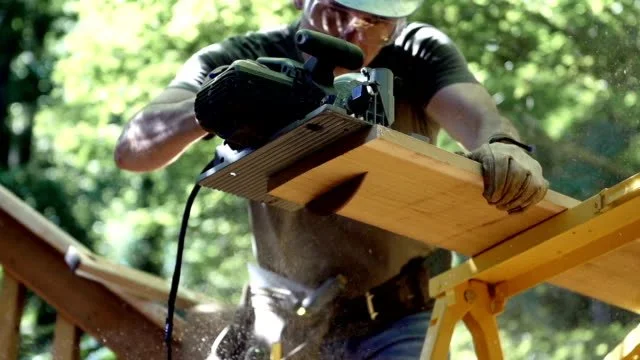
   - Power tools (circular saw, drill, etc.)

   - Measuring tape, level, square, and other measuring tools

   - Safety gear (gloves, safety goggles, etc.)

Foundation and Footings

If your pergola design calls for it, you'll need to dig holes for the footings. These should be deep enough to reach below the frost line in your region. Pour concrete into the holes and insert anchor bolts to secure the pergola's posts. Allow the concrete to cure for the recommended duration before proceeding. If you need help, don’t hesitate to reach out to your local Mr. Handyman franchise.

Frame Construction

The frame is the backbone of your pergola. Assemble the frame according to your design specifications, ensuring that it is level, square, and sturdy. During this phase, precision and attention to detail are paramount, as they will determine the overall stability and longevity of your pergola.

Rafters and Crossbeams

Attach the rafters and crossbeams to the frame, following your design plans. These components will create the lattice roof structure that provides both shade and visual interest to your pergola. Again, ensure that they are level and securely fastened.

Finishing Touches

With the basic structure in place, you can add the finishing touches to enhance the appearance and functionality of your pergola. This may include:

   - Sanding and staining or painting the wood to protect it from the elements and enhance its aesthetics.

   - Installing shade cloth or fabric to create a comfortable seating area.

   - Incorporating decorative elements such as lattice work, climbing plants, or outdoor lighting to add character and ambiance.

Furniture and Decor

Finally, furnish your pergola with comfortable seating, tables, and decorative elements. Consider adding cushions, potted plants, or outdoor curtains to create an inviting and cozy atmosphere. The choice of furniture and decor should reflect the intended use of your pergola, whether it's for relaxation, dining, or hosting gatherings.

Conclusion

Building a pergola in your backyard is a rewarding and transformative project that can elevate your outdoor living space to new heights. With careful planning, adherence to local regulations, and the right choice of materials and tools, you can create a beautiful and functional structure that not only adds charm but also increases the utility of your backyard. Embrace the shade, tranquility, and endless possibilities that your new pergola brings, whether it's for moments of relaxation, joyous entertainment, or simply basking in the beauty of your outdoor haven.

5 Different Ways You Can Store Things to Make More Room in Your House

RH Business Marketing Solutions

Keeping our homes tidy and well-organized has always been more significant to us than just a chore we put up with to give guests and visitors a good impression of ourselves. It also helps us psychologically, letting us keep our focus on our day-to-day routines and putting us in a good headspace to work from home. If there's clutter off to the side in your room, your mind will most likely be preoccupied with it on a subconscious level even when you're focused squarely on the project in front of you.

Even when you don't have anything important requiring your undivided attention, the feeling that your household goods aren't strewn about your floors will help reduce anxiety. Likewise, giving yourself the ability to simply walk through your hallways without having to step over items means having to expend less mental energy just living in your house. None of this is to mention that you might need to retrieve a particular item among the mess, but having to dig through piles of things to even find it might be a cause for worry that can otherwise be avoided.

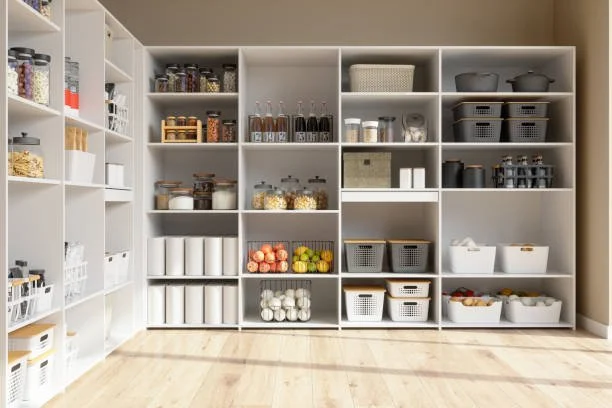
Well-organized forms of storage in your residence — and even outside it — both helps make your house easy to move around in and gives you places where you can reliably remember where you might have placed an item you need later. Here are five ways you can keep your items organized and your house free of clutter so that you can keep your daily routines running smoothly.


1. Hire a Household Storage Unit

Sometimes, you don't have an urgent need for your biggest items to be present inside your living space. For example, if you have large furniture that you don't need to set up in your house for a while, you can pay for a domestic storagefacility to temporarily keep it under lock and key. These external storage units can vary wildly in size and can be found as parts of apartment communities and as stand-alone structures, among other locations. They are also useful for items you may only need to bring out once a year, such as clothes for the holidays.


2. Install Shelves in Your Closet

Closets are among the most important amenities in the minds of many home purchasers when deciding which residence to move into. Some homeowners feel they can make do with storing everything in a disorganized pile in their closet, but many try to organize their belongings onto shelves inside it. Sometimes, there is enough space above the top shelf in a closet that another shelf can be installed above it, which would allow for the entire wall to effectively function as storage that the homeowner can easily retrieve goods from.


3. Allow Items to Hang From Your Garage Walls

The other especially common part of a house where homeowners keep their items stored is their garage, but cluttering up its floor is usually frowned upon. Much like with one's closet, attaching shelves onto the walls of the garage turns it into an orderly storage unit, but certain items such as bicycles can't fit on them. Installing hooks or other sturdy protrusions into the wall can allow for especially large items to be securely suspended above the ground in a way that they can be easily taken off the wall when needed.


4. Place Items on the Roofs of your Cabinets

If you have a large cabinet set up against a wall but find that it only offers so much containment space for your needs, you can still make use of its roof as an impromptu shelf for items you might only use rarely. These items will naturally take extra effort to retrieve once you do need them, and piling random items into these conspicuous spaces might ironically make your home come across to guests as more cluttered than it actually is. Putting them in decorative containers such as patterned baskets can alleviate this aesthetic issue.


5. Use Your Own Furniture as Storage

Certain sofas and couches are designed with compartments hidden underneath them. If you're using the space underneath your furniture to store items, you might as well turn that into more official "shelf space" that keeps those items organized. Sofas take up enough space in a house's living room that the space they occupy might as well pull double-duty and be used to prevent items from having to be kept out in the open.


Written by Taylor McKnight, Author for Portable Storage Box

Jack's Pumpkin Pop Up: A Chicago Fall Tradition

RH Business Marketing Solutions

As the leaves begin to change color and a crisp breeze fills the air, there's no denying that autumn has arrived in Chicago. And with the arrival of fall comes one of the city's most beloved seasonal attractions: Jack's Pumpkin Pop Up. Located in the heart of Chicago, Illinois, Jack's Pumpkin Pop Up is a fall wonderland that offers an array of activities, food, and, of course, pumpkins. In this article, we'll take a closer look at what makes Jack's Pumpkin Pop Up so special and why it has become a tradition for both locals and visitors.

A Magical Pumpkin Wonderland

The moment you step inside, you'll be greeted by the sight of thousands of pumpkins of all shapes, sizes, and colors. Whether you're looking for the perfect pumpkin to carve into a spooky jack-o'-lantern or a decorative gourd to adorn your home, Jack's has you covered.

Pumpkin Patch Extravaganza

The heart of Jack's Pumpkin Pop Up is its expansive pumpkin patch. Here, visitors of all ages can wander through rows of pumpkins, searching for the one that speaks to them. With pumpkins ranging from petite to colossal, there's something for everyone, making it the ideal spot for families, couples, or friends looking to make cherished memories together. Be sure to have your cameras ready for those Instagram-worthy moments amid the sea of pumpkins.

Family-Friendly Fun

Jack's Pumpkin Pop Up is a family-friendly destination, offering a wide range of activities that kids and adults alike can enjoy. From hayrides and corn mazes to bounce houses and face painting, there's no shortage of entertainment for the little ones. Parents will appreciate the safe and welcoming environment, making it the perfect place to spend quality time with the family.

Delicious Fall Eats

No fall outing is complete without indulging in some delicious seasonal treats, and Jack's Pumpkin Pop Up has you covered on that front as well. Food trucks and stalls serve up mouthwatering autumnal delights, from hot apple cider and pumpkin spice lattes to gourmet caramel apples and warm, buttery corn on the cob. It's the perfect opportunity to savor the flavors of fall.

Live Entertainment

To add to the festive atmosphere, Jack's Pumpkin Pop Up often hosts live music performances and other entertainment events. These live shows enhance the overall experience and give visitors even more reasons to stay and enjoy the autumnal ambiance.

Conclusion

Jack's Pumpkin Pop Up in Chicago, Illinois, is more than just a pumpkin patch; it's a celebration of all things fall. With its pumpkin-filled landscape, family-friendly activities, haunted experiences, and delicious treats, Jack's Pumpkin Pop Up has become a cherished tradition for Chicagoans and visitors from near and far. So, if you find yourself in the Windy City during the fall season, be sure to make a stop at Jack's Pumpkin Pop Up and immerse yourself in the magic of autumn. It's an experience you won't soon forget.