Google+

contact us

Use the form on the right to contact us.

Day or Night, we are here to serve you. Leave your plumbing problem to us.


Tinley Park, IL

(708)845-7922

Residential and Commercial plumbers and plumbing contractors available in Orland Park, Tinley Park, Oak Lawn, Palos Heights, Midlothian, Oak Forest, Homer Glen, Mokena, Frankfort, and the surrounding Chicago South Suburbs. Emergency plumbers.

copper water lines.jpg

Kevin Szabo Jr Plumbing Blog

Kevin Szabo Jr Plumbing is Tinley Park, Orland Park, Oak Forest, Midlothian, Orland Hill, Homer Glen, Mokena, Frankfort, Crestwood, Palos Heights, Oak Lawn, local plumber. Read our blog for advice, tips, a good laugh, and basic home improvement.

**We are moving our old blog to our new and improved website. Too see all our posts visit kevinszabojrplumbing.blogspot.com

Why Regular Maintenance is Key to Preventing Roof Damage

RH Business Marketing Solutions

As a homeowner, you know the importance of taking care of your home, including the roof. Your roof is likely your most significant investment and essential for keeping your family and possessions safe from weather conditions. Therefore, regular maintenance for your roof should be at the top of your list when it comes to protecting both texture and safety concerns! In this blog post, we’ll look at why it's so important - and easy - to perform routine maintenance on roofs and what that might include. We’ll also discuss how proper upkeep can prevent costly repairs down the road.
Extend the lifespan of your roof

It is especially important to check for damages, such as water-damaged shingles, missing flashings, and other potential problems. If you decide to regularly inspect your roof with www.roofrepairspecialist.com, or any local experts for that matter, they can help you detect any damage that might be present and save you money in the long run by avoiding more significant repairs down the road. On the other hand, if you don’t inspect your roof and address any issues, you risk letting small problems become much bigger ones that can cost a lot more money to fix. For instance, if caught in time, some water damage can be repaired before it causes major structural deterioration and replacement becomes necessary. Investing in regular maintenance of your roof will ultimately lead to a longer life expectancy and fewer costly repairs across its lifetime.

Cut down on expensive repair costs

After all, those steep bills only come around when small issues or wear and tear goes unnoticed and ends up escalating into serious damage! With consistent monitoring of your roof, you can identify any problem areas early and take action so they don’t become part of a costly emergency project down the line. This commitment to maintaining your roofing as needed is absolutely key if you want to reduce expensive repairs. Take control of your finances, save yourself some money (and stress), and make sure you keep up with regular roof inspections, so everything stays sound and secure for years to come.

Prevent water damage from leaks and cracks

To prevent water damage from leaks and cracks, regular maintenance of your roof is essential. Even minor problems can lead to much bigger issues if left unchecked. With just a little bit of routine care, your roof can be kept in good condition for years to come, helping you avoid costly repairs or replacements down the road. For this reason, contact an experienced professional for an inspection on a regular basis, and don’t hesitate to contact them with any concerns you may have. That way, you can rest assured that your roof is well taken care of and your home remains safe from water damage.

Eliminate the risk of mold or mildew growth

Regular maintenance of your roof ensures that any potential mold or mildew growth can be caught and remedied quickly before it causes lasting harm. Mold or mildew left unattended to can weaken the material of the roof, allowing water to get in, and making your home vulnerable to deformation and deterioration. By scheduling regular check-ups, you will be able to eliminate this risk of mold or mildew growth that can cause major long-term issues down the road. Don’t wait until it’s too late - make sure your roof stays in top shape with regular maintenance.

Detect any existing structural issues early on

It's important to utilize regular maintenance in order to detect any existing structural issues early on before they can cause extensive damage and cost a fortune in repair fees. Scheduling maintenance helps ensure that potential problems with your roof's foundation, fasteners, sealing, or other materials won't be overlooked. If a few minor details are taken care of responsibly on a regular basis, drastic and costly repairs could be avoided in the future. Furthermore, it is beneficial to have experts regularly inspect your roof and make sure everything is still functioning as it should be - because the sooner an issue is noticed, the better its chances of being fixed quickly and economically.

Enhance energy efficiency and lower energy costs

Keeping your roof in good shape is key to enhancing energy efficiency, which means saving money on heating and cooling costs. Regular maintenance is the best way to prevent deferred roof damage from becoming more costly in the future. Roofs that are inspected and maintained regularly can avoid problems such as leaks, mold growth, and higher energy bills! Ensuring your roof is properly maintained with regular inspections can help save energy as well as hard-earned cash. Make sure you're up to date on these essentials for maintaining the health of your roof, so it will keep working hard for you all year long!

Regular roof maintenance is a key factor in preventing potential roof damage and is an effective way to ensure your roof stays in optimal condition for its entire lifespan. Roof maintenance can save you from expensive repair costs, water damage from leaks and cracks, and even unhealthy indoor air quality that might be caused by mold or mildew growth. By regularly inspecting the roof, you can detect any current structural issues in the early stages, helping to increase the overall energy efficiency of your home. Not only will this improve your energy costs, but regular care may even improve the value of your home as well. The benefits are undeniable: taking the time to maintain your roof ensures it will stay strong and protect you and your family for years to come.
6 Pro Tips for Avoiding Air Conditioning Repair

RH Business Marketing Solutions

Air conditioning systems are an essential part of modern life, especially during the hot summer months. However, many homeowners overlook the importance of regular maintenance and proper usage, leading to frequent air conditioning repair needs. 

Fortunately, there are several ways to avoid costly and inconvenient repairs and ensure your air conditioning system runs smoothly throughout the year.

1. Regular Maintenance

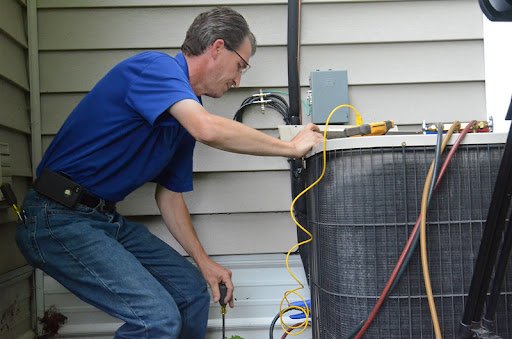
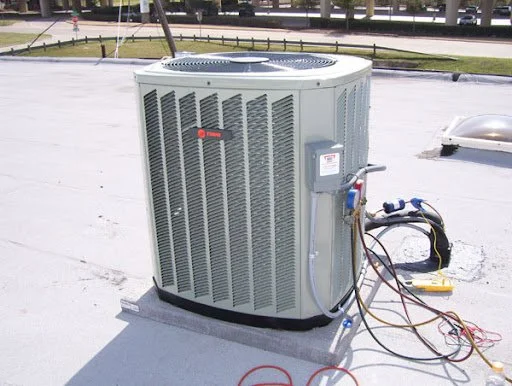
One of the best ways to avoid air conditioning repair is by scheduling regular maintenance appointments with a professional HVAC technician. During these appointments, the technician will inspect your system, clean the filters, check the refrigerant levels, and identify any potential problems before they become serious issues. Regular maintenance can also extend the lifespan of your air conditioning system, saving you money on repairs and replacements in the long run.

2. Keep Air Filters Clean

Dirty air filters are a common cause of air conditioning problems, as they can clog the system and reduce airflow, leading to reduced efficiency and increased strain on the system. To avoid this, make sure to clean or replace your air filters regularly, depending on the manufacturer's recommendations. This will improve the air quality in your home and ensure that your air conditioning system is working at its best.

3. Proper Usage

Proper usage of your air conditioning system is another key to avoiding costly repairs. Avoid turning the thermostat down too low, as this can cause the system to work harder than necessary, leading to increased wear and tear and higher energy bills. Additionally, be mindful of closing windows and doors to keep cool air inside, and avoid using the air conditioning system unnecessarily, such as when you are not home.

4. Adequate Insulation

Proper insulation is essential for maintaining a comfortable temperature in your home and avoiding air conditioning repairs. Poor insulation can lead to air leaks, which can reduce the effectiveness of your air conditioning system and cause it to work harder than necessary. Make sure that your home is adequately insulated, especially in areas such as the attic, where air leaks are common.

5. Address Issues Early

If you notice any issues with your air conditioning system, such as strange noises, reduced airflow, or uneven cooling, it's important to address them early. Ignoring these issues can lead to more significant problems and costly repairs in the future. Contact a professional HVAC technician as soon as possible to diagnose and fix any issues with your air conditioning system.

6. Upgrade to Energy-Efficient Systems

Upgrading to an energy-efficient air conditioning system can help you save money on energy bills and avoid costly repairs. These systems are designed to work more efficiently and use less energy than older models, reducing wear and tear on the system and extending its lifespan.

By following these tips, you can ensure that your air conditioning system runs smoothly and efficiently, providing you with comfortable temperatures throughout the year.

Easy Tips on How to Choose Your Next Interior Designer

RH Business Marketing Solutions

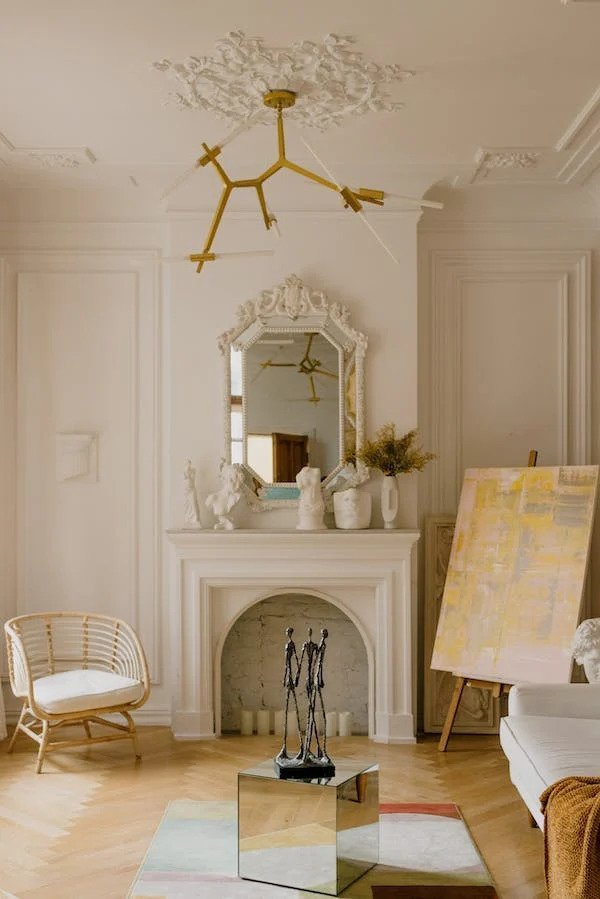
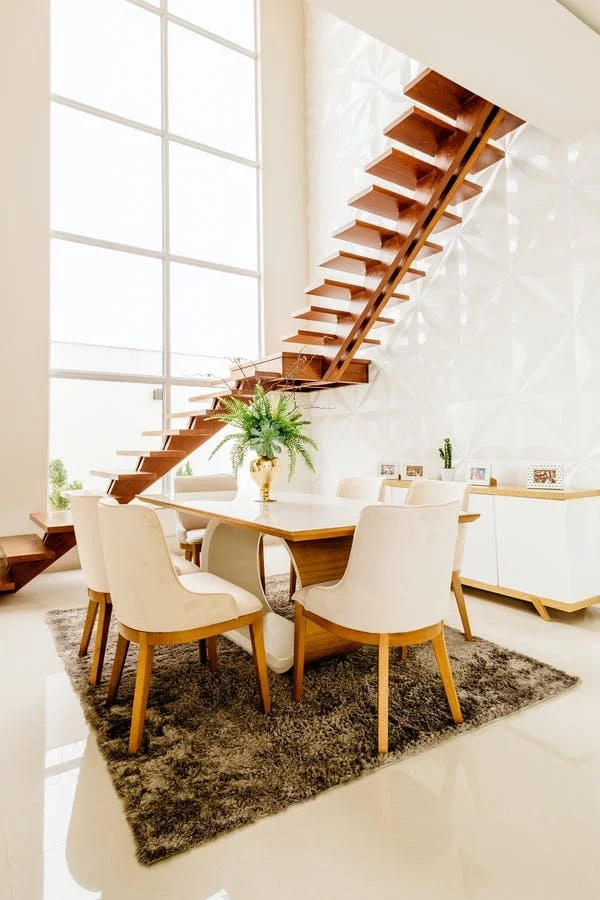
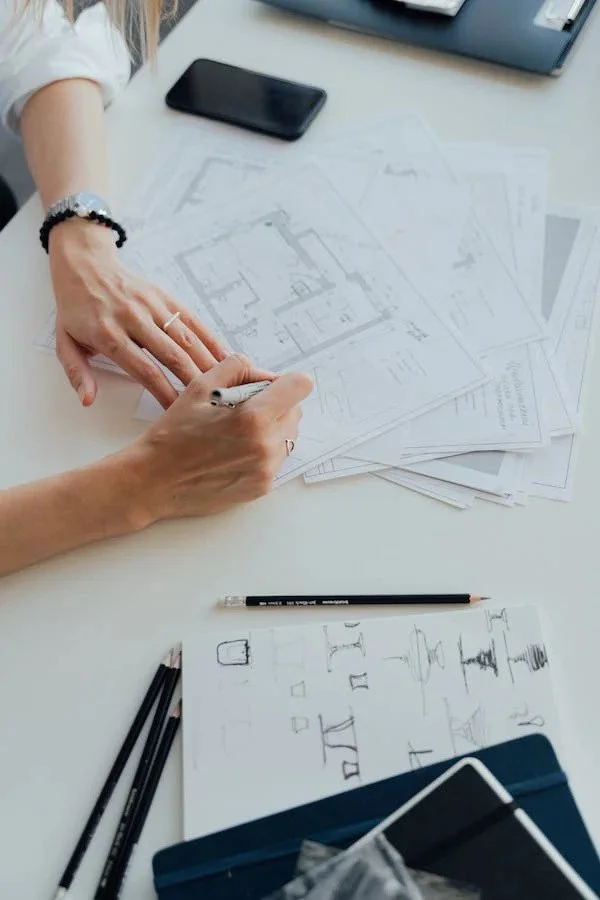
When it comes to transforming your living space, hiring an interior designer can be a wise choice. An experienced designer can help you bring your vision to life and make your home more functional, comfortable, and aesthetically pleasing. But with so many designers out there, how do you choose the right one for you? Here are a few tips to help you find the perfect interior designer.

Determine your style

Before you begin looking for an interior designer, it is crucial to have a clear idea of your personal style. This means considering the design elements that you find most attractive and that align with your personality and lifestyle. Do you prefer clean lines and modern aesthetics, or do you prefer a traditional style with ornate features? You should also think about color schemes and patterns that you like, as well as any specific themes or motifs that you would like to incorporate into your space.

Check their credentials

Interior designers should have a professional license, which demonstrates their competence and adherence to ethical standards. You can check their credentials on their website or with their state's Board of Architecture or Interior Design. It is also helpful to check if they have any professional affiliations, such as membership in the American Society of Interior Designers (ASID) or the International Interior Design Association (IIDA).

Look at their portfolio

Once you have a clear idea of your style, start looking for designers whose work reflects that style. Review their portfolios, which can often be found on their website, social media pages, or other online platforms. A designer's portfolio will give you an idea of their skills, experience, and the types of projects they have worked on in the past. It will also show you their range of capabilities, which can help you determine if they can bring your vision to life. This is why choosing the best option you can find is the most effective way to go. This is where people from InHaus Interiors can help you because they excel at everything from visually appealing designs to effective housing solutions that will help you get a home you have always wanted.

Read their reviews

One way to gauge the quality of an interior designer's work is by reading online reviews from previous clients. Check websites such as Yelp, Google Reviews, or Angie's List to see what people have to say about the designer's communication skills, ability to meet deadlines, and the overall satisfaction with their work. However, keep in mind that not all reviews are unbiased or accurate, so use your judgement and consider multiple sources.

Consider their experience

Interior designers with more experience have likely worked on a variety of projects and gained valuable knowledge and skills. They may have also established a network of trusted contractors and suppliers. However, newer designers may have fresh ideas and be more eager to prove themselves. When considering experience, it is also essential to consider their expertise in the specific type of project you are undertaking, such as a kitchen remodel, a new build, or a commercial space.

Discuss your budget

Your budget will have a significant impact on the scope of your project and the materials and finishes that you can afford. When selecting an interior designer, discuss your budget upfront to ensure that they can work within it. A professional designer should be able to provide you with a detailed estimate and help you allocate your funds in the most effective way possible. Keep in mind that a higher fee does not necessarily mean a better quality of work.

Look for good communication skills

Clear communication is crucial for a successful project, so make sure to select a designer who can communicate effectively with you. They should be able to listen to your needs and preferences and translate them into a design that meets your expectations. Additionally, they should be able to communicate with contractors and suppliers effectively, ensuring that your project stays on track and within budget.

Choosing the right interior designer for your project can make a significant difference in the final outcome. With these factors in mind, you can find an interior designer who can bring your vision to life while creating a space that reflects your personality and lifestyle.

Guest Contributor: Diana Smith

Simple Decluttering Tips to Achieve a Minimalist Home

RH Business Marketing Solutions

Living in a dirty and disorganized home can lead to stress, anxiety, and a struggle with creativity and productivity. On the contrary, by simplifying your living space, you can create a calming and peaceful environment that promotes relaxation and clarity of mind. Achieving a minimalist home doesn't have to be daunting; following a few simple tips for decluttering can create a space that reflects your values and brings you joy. 

In this article, Elizabeth Shields of FreshSpace Cleaning Service, a professional home cleaning company, shares expert decluttering tips to help you jumpstart your journey to a minimalist lifestyle.


Take baby steps

Trying to tackle your entire living space all at once can be overwhelming and make the process seem impossible. It's highly recommended that you declutter one room or area of your home at a time. For example, start with your closet or kitchen pantry. One of the best benefits of cleaning your home is the dopamine kick you get that instantly boosts your self-esteem and inspires you to continue.

In addition, instead of thinking you can get everything done in one sitting, break down the project into more straightforward, actionable steps. Dedicate every free weekend for a month to decluttering specific sections of your home. Complete the entire decluttering, sorting, cleaning, and reorganizing of a room before moving on to the next. 

Donate or sell what you don't need

If you have items still in good condition but no longer serve a purpose or spark joy, consider donating them to a local charity or selling them online. Aside from helping you create more space, it can also make you feel good about giving back and inspire you to become more sustainable and intentional about the things you bring into your home.

Create a capsule wardrobe with pieces you love 

Instead of holding onto clothes you rarely wear, create a capsule wardrobe with a few high-quality, versatile pieces you can mix and match. It will make getting dressed in the morning much easier and help you save time and money.


Declutter and digitize your paperwork

Instead of keeping stacks of paperwork and bills around your home, consider scanning them and storing them digitally. It will help you reduce clutter and make it easier to find what you need when you need it.

Limit your home decorations

Avoid filling your home with too many decorations and knick-knacks. Instead, choose a few high-quality pieces that you really love and display them in a way that brings you joy.

Practice the one-in, one-out rule

Decluttering isn't just a one-time thing; it's a continuous learning process that involves curation, creativity, and intentionally maintaining a minimalist living space. Whenever you struggle, always incorporate the one-in, one-out rule. For every new item you bring into your home, get rid of one you no longer need to keep a clutter-free home over time.

The Eco-Friendly Office Design Trends You Should Look Out For

RH Business Marketing Solutions

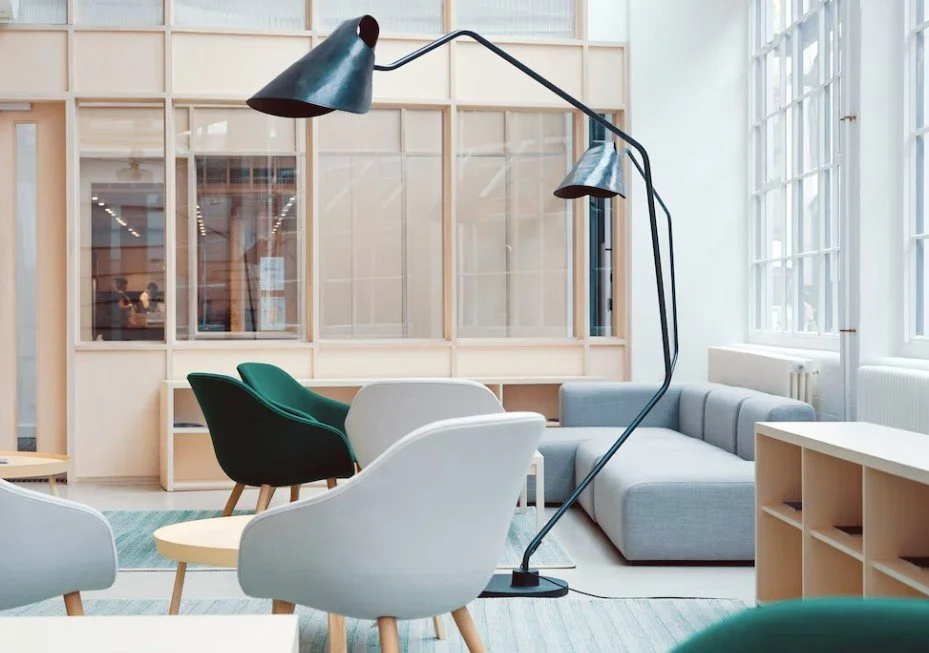
With climate change being a major concern for the planet, more and more businesses are taking a stand and incorporating eco-friendly practices into their operations. One such practice is eco-friendly office design. Not only does it help the environment, but it can also improve employee morale and productivity. In this article, we will explore some of the top eco-friendly office design trends that businesses can implement and what you should look out for.


1. Natural Lighting

Natural lighting is one of the most important aspects of eco-friendly office design. It not only saves energy, but it also improves employee well-being and productivity. Large windows, skylights, and open floor plans can help maximize the amount of natural light in the office.

2. Green Roofs

Green roofs are becoming increasingly popular in eco-friendly office design. Among many benefits, they also cool down the roof by as much as 40%. They help reduce energy consumption by insulating the building and providing a natural habitat for birds and insects. Green roofs also help reduce stormwater runoff, which can be a major problem in urban areas.

3. Sustainable Materials

Choosing sustainable materials is a key aspect of eco-friendly office design. From the flooring to the furniture, every aspect of the office can be designed with sustainability in mind. Materials like bamboo, reclaimed wood, and recycled plastic can be used to create beautiful and functional office spaces.

4. Energy-Efficient Appliances

Energy-efficient appliances can help reduce energy consumption and save businesses money on their utility bills. There are many ways to make the office more energy-efficient, from lighting to HVAC systems. Smart thermostats and occupancy sensors can help regulate temperature and lighting, reducing energy waste. One of the more popular energy-efficient additions to an office includes hydroponic systems. They provide you with all of the benefits of traditional gardens while minimizing the space they take up. So, be on the lookout for a quality hydroponic system for sale.

5. Waste Reduction

Waste reduction is an important part of eco-friendly office design. Recycling bins should be easily accessible, and employees should be encouraged to recycle as much as possible. Companies can also consider implementing a composting program for food waste and other organic materials.

6. Biophilic Design

Biophilic design is all about bringing nature into the office. This can be achieved through the use of plants, natural materials, and water features. Biophilic design has been shown to improve employee well-being and productivity, and it can also help reduce stress and anxiety.

7. Telecommuting

Telecommuting is becoming increasingly popular in today's world. Not only does it reduce the carbon footprint of employees, but it also saves businesses money on office space and utilities. With the rise of remote work, businesses can make their office spaces more flexible and adaptable.

8. Water Conservation

Water conservation is an important aspect of eco-friendly office design. Low-flow toilets, faucets, and showerheads can help reduce water consumption, and companies can also consider installing rainwater harvesting systems to collect and reuse rainwater.

9. Green Transportation

Encouraging employees to use eco-friendly modes of transportation can also contribute to an eco-friendly office design. Companies can offer incentives for carpooling, biking, or using public transportation, and they can also install bike racks and electric vehicle charging stations.

10. Collaborative Spaces

Collaborative spaces can help reduce the need for individual offices and cubicles, which can save space and reduce energy consumption. Open floor plans and flexible furniture arrangements can encourage collaboration and communication among employees.

11. Digital Communication

Digital communication tools can help reduce paper waste and energy consumption associated with traditional communication methods. Email, video conferencing, and project management software can help employees communicate and collaborate without the need for physical documents.

12. Local Sourcing

Sourcing materials and products locally can help reduce transportation-related emissions and support local businesses. Companies can also consider using recycled materials and packaging to further reduce their environmental impact.

13. Energy Monitoring

Regular monitoring of energy usage can help businesses identify areas where they can reduce energy consumption and save money on utility bills. Smart energy monitoring systems provide you with accurate and immediate data on energy usage and assist businesses with making researched decisions about energy-saving measures.

14. Sustainable Landscaping

Sustainable landscaping can help reduce water consumption, improve air quality, and provide a natural habitat for wildlife. Native plants and xeriscaping can help reduce the need for irrigation, and using organic fertilizers and pesticides can help reduce the use of harmful chemicals.


            Incorporating eco-friendly office design practices can have a positive impact on the environment and the well-being of employees. From natural lighting and green roofs to energy-efficient appliances and waste reduction, there are many ways to design an eco-friendly office. By incorporating these trends into their office design, businesses can reduce their carbon footprint, save money on utilities, and create a more productive and healthy work environment for everyone involved. Till next time!

Guest Contributor: Mike Parsons

Top Tips To Help You Transform Your Garden Space

RH Business Marketing Solutions

Are you looking to transform your garden space, but don't know where to start? Whether it’s a small balcony or a large backyard, there are plenty of ways to spruce up your outdoor area and create the perfect retreat. From adding furniture and decorations to planting flowers and trees, you can turn any outdoor space into an oasis. Here are some top tips that will help you make the most of your garden space!

1. Choose the right plants:

Whether you are looking to add greenery or flowers, carefully select the right plants for your garden space. Consider factors such as climate, pests, and disease when selecting plants that will thrive in your environment. Additionally, take into account the amount of sunlight in your garden and choose plants that do well in these conditions. Also, make sure to plan for the long term when selecting plants as these will stick around! For example, if you know that you won't have enough time to water and maintain a certain type of plant or flower, opt for something else.

2. Incorporate seating: 

Adding comfortable seating to your garden space is essential for creating the perfect outdoor retreat. You can either purchase readymade furniture or create custom pieces from recycled materials. If your space is limited, consider using folding chairs and tables that are easy to store when they are not in use. However, you can incorporate recliners, sofas, and other comfortable pieces of furniture to create a cozy atmosphere. Also, don't forget to incorporate outdoor cushions and fabrics that will create a stylish and inviting atmosphere.

3. Create a garden room: 

Using walls and other pieces of structure, you can create different areas in your garden and make it feel more like a room. This will help to maximize the space that you have and also create an area for relaxing and entertaining guests. Additionally, consider adding outdoor lighting fixtures to illuminate the various areas around your garden. String lights can also be used to add a unique atmosphere. There is a selection of garden rooms available online so make sure to find the best fit for your space. That way you can make the most of your garden and create an inviting atmosphere that you’ll want to spend time in. 

4. Accessorize: 

Adding accessories is a great way to spruce up your garden and make it unique. Incorporate colorful decorations such as flags, statues, and wind chimes that will help create a lively and inviting atmosphere. Additionally, consider using weatherproof furniture covers if you have any pieces outside that need protection from the elements. Adding bird feeders or nesting boxes can also attract wildlife into your space while plants like herbs can offer practical uses too! Whatever accessory you choose, make sure it is suitable for outdoor use so that it won't be damaged over time. In addition to this, adding accessories can also help to create a cozy and inviting atmosphere.

5. Add a water feature: 

A stunning water feature can really help to transform your garden space and create a tranquil atmosphere. Whether it’s a pond, waterfall, or fountain, incorporating this type of element will give your garden an extra bit of life. You can even get creative with the design, utilizing plants and rocks around the water feature to create a unique look. Just make sure that you choose a size that works well in your space and is easy to maintain!

6. Have fun and enjoy your space:

Finally, the most important tip is to have fun with your garden and make it a place that you can truly enjoy. Don't be afraid to experiment with different decorations and plants that will help create an atmosphere that you'll love spending time in! Designing a garden should be fun and there are plenty of ways to transform even the smallest outdoor spaces. So get creative and make sure to consult local professionals if you need help bringing your ideas to life.

Creating a beautiful, inviting garden space doesn't have to be difficult. With the right tips and tricks, you can transform even the smallest outdoor area into an oasis of relaxation. From selecting plants that suit your conditions to incorporating seating and accessories, there are plenty of ways to make sure your garden is one-of-a-kind! And don’t forget about adding water features or other elements like string lights for added charm. So get creative with designing your dream garden - it's worth all the effort when you're able to finally sit back and enjoy it!

Try These Smart Ideas And Improve Your Home

RH Business Marketing Solutions

Are you looking for ways to spruce your home without breaking the bank? You’ve come to the right place. You can transform your space into something truly special with just a few easy projects and some creativity. Here are a few innovative ideas that will help you improve your home without putting too much strain on your wallet. 

1. Retaining walls

Retaining walls are an excellent way to improve the look of your outdoor space. Whether you’re looking for a large retaining wall to hold back soil and create extra usable space in your yard, or just want to build smaller decorative walls that provide visual interest, there are plenty of options out there. You can make your retaining wall with bricks or stones, or you can buy pre-made kits from a home improvement store. Either way, these walls will add texture, dimension, and structure to your landscape. If you are confused about what is a retaining wall and how to go about building one, you can consult a professional landscaper. It is important to research the laws and regulations regarding retaining walls in your area, as they can vary from place to place.

2. Paint it up

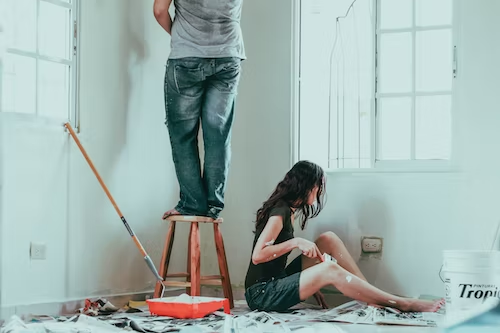
Painting is one of the most affordable ways to give any room a fresh new look. Choose light colors like pastels to open up small spaces and darker shades if you want to create a cozy atmosphere. If you are feeling daring, use bold colors for shocking visual impact. Painting is also an excellent way to update older furniture or woodwork; simply apply fresh coats of paint and sand down any rough spots to give the piece a new lease on life. There are even special paints that you can use to create decorative looks, such as faux marble or stone walls. 

3. Add texture with wallpapers

Wallpaper can add texture and interest to your walls without being too costly. Even if you’re not ready to commit to papering an entire room, you can still benefit from using smaller accents like borders or accent strips that will draw the eye around the space. Take some time looking through wallpaper catalogs or visiting home improvement stores to find something that complements your existing decor scheme. The great thing about wallpaper is that it can be removed and replaced whenever you feel like changing things up. 

4. Plant boxes and trellises

Plant boxes and trellises are a great way to add beauty and structure to your outdoor space. Plant boxes can be made from wood, metal, or plastic, depending on your budget and the look you’re going for. Try adding some climbing vines around your trellis to give it a more natural feel. Or use flower boxes to create eye-catching displays of color throughout the year. These projects will require some careful planning since they need to be installed correctly to last. It is also important to research the types of plants that are best suited for your climate and soil conditions.

5. Light it up

Lighting is often overlooked as a way to improve your home, but it can make a huge difference. There are many different types of light fixtures and bulbs that you can use to create the desired atmosphere in any space. Try installing LED lights in your kitchen or bathroom for a modern look, or opt for vintage-style sconces in your living room. If natural lighting is an issue, try using mirrors to reflect sunlight into dark areas during the day or add lamps with adjustable brightness levels for nighttime use. 

6. Install a fireplace

If you’re looking for a larger project, consider installing a fireplace. This can instantly add warmth and coziness to any room, not to mention value to your home. There are several types of fireplaces to choose from, ranging from traditional open-hearth models to modern gas or electric units. If you don’t have an existing chimney structure already in place, it may be best to hire a professional installer who will be able to ensure the job is done safely and correctly. 

Is it hard to improve your home on your own? 

No, it is not difficult to improve your home on your own. With a little research and planning, you can make some significant changes that will give your space a fresh new look without breaking the bank. Start by researching different ideas and materials that you can use to achieve the desired effect. Then, assess the amount of time and money that you have available for the project and get started with whatever fits within those parameters. Many DIY projects like painting walls or installing light fixtures are relatively straightforward tasks that almost anyone can complete with minimal effort. If you’re feeling more ambitious, consider bigger projects such as building retaining walls or installing plant boxes around your outdoor space.

These are just a few ideas that can help you improve your home without breaking the bank. With some careful planning and research, you’ll be able to find the perfect solutions for your space. And no matter what improvements you make, the result will be a home that is more comfortable, attractive, and enjoyable.  And all without breaking the bank!

Top 4 Tips And Tricks For Moving With Ease

RH Business Marketing Solutions

Moving can be a stressful and time-consuming process, but it doesn't have to be! With the right preparation and attitude, you can move with relative ease. There are many steps involved in the moving process, from packing up your current home to settling into your new place, each of which requires organization and diligence. 

To help make the transition smoother for you, here are our top four tips and tricks for moving with ease. From choosing the right movers to making sure you're adequately prepared mentally and physically, these tips will ensure that everything runs smoothly on your moving day!

1. Research moving companies

Picking the right moving company may seem like an overwhelming task. After all, there are a lot of factors to consider when it comes to sorting through the various available options. Budget constraints and specific requirements often make the selection process even more complicated. For this reason, it is wise to research extensively before choosing a moving company that best fits your budget and needs. 

Luckily, you can find some help online. All you need to do is search for a move out cleaning service in NYC or any other city you are in, check out the results, and compare your options. Also, look for customer reviews online as well as ask friends and family for first-hand accounts, in order to ensure you make an informed decision about who will transport your belongings safely and efficiently.

2. Organize your furniture in advance to make unloading easier

Doing this can be an invaluable timesaver when it comes to unloading and setting up a new living space. Doing things like arranging boxes by room and labeling furniture pieces can help simplify the moving process and reduce stress. Unloading furniture is a lot easier when you have a good plan in place, or even better when everything is already sorted into the right rooms. 

Knowing exactly which room each piece of furniture needs to go helps save time, energy, and frustration. This preparation ensures that your move will run smoothly – so don’t forget to organize your furniture in advance!

3. Pack essential items 

When traveling, packing and knowing what to bring can be a chore. To make it easier for yourself, it's best to get organized before you go. Pack essential items like toiletries, clothing, and a few kitchen items in a separate suitcase or bag for easy access during your trip. 

That way you don't have to unpack everything when you need something relatively basic. You'll save time and energy this way, so you can focus on enjoying the fruits of your travels!

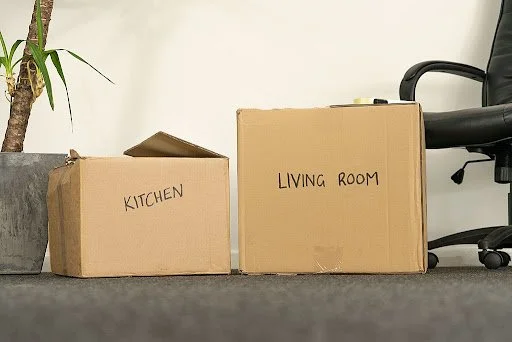
4. Label all boxes according to their destination room

Moving into a new home can be an overwhelming experience. Help make it much easier by doing one simple task: labeling all boxes that are being moved according to their destination room. Doing this will save you from the hassle of shuffling through boxes to find items for individual rooms. 

Instead, you can quickly and easily look for the label on the box indicating the room it is meant for, saving you time and energy in the long run. Not only will this make moving day a breeze, but it will also help keep your house orderly and clutter-free once you’re settled in!

Moving can be a daunting task, but there are effective ways to make sure it goes smoothly. With the right preparation and planning, you can ensure everything is done efficiently, safely, and with minimal stress.

Why HVAC Efficiency Regulations Matter for Homeowners

RH Business Marketing Solutions

As a homeowner, you probably don't spend too much time thinking about your HVAC (heating, ventilation, and air conditioning) system. But did you know that your HVAC system can account for up to 50% of your home's energy use? That's why it's important to pay attention to HVAC efficiency standards and why they matter for homeowners.

What are HVAC efficiency standards?

HVAC efficiency standards are regulations that set minimum energy efficiency requirements for heating and cooling equipment. These standards are set by government agencies such as the Department of Energy (DOE) and the Environmental Protection Agency (EPA).

For example, the DOE sets minimum efficiency standards for furnaces, boilers, air conditioners, and heat pumps. The standards are based on the Annual Fuel Utilization Efficiency (AFUE) for furnaces and boilers and the Seasonal Energy Efficiency Ratio (SEER) for air conditioners and heat pumps. The higher the AFUE or SEER rating, the more efficient the equipment is.

Why do HVAC efficiency standards matter for homeowners?

When selling and installing new equipment to homeowners, contractors are required to sell systems that are in compliance with new regulations for that region. There are still many options to choose from for equipment; however, the new minimum SEER2 rating is 14 in Northern parts of the United States, and 15 SEER in more southern regions of the U.S. Additionally, there are benefits to installing an efficient system.

Lower energy bills: When you have an efficient air conditioner or furnace system, it uses less energy to heat or cool your home. This means that you'll save money on your energy bills each month.

Environmental impact: Heating and cooling your home accounts for a significant portion of your home's carbon footprint. An efficient HVAC system can help reduce your environmental impact by using less energy and producing fewer greenhouse gas emissions.

Comfort: An efficient HVAC system can also provide better comfort for your home. When your furnace system or air conditioner is working properly, it can maintain a consistent temperature throughout your home and reduce humidity levels.

Longer equipment lifespan: Efficient HVAC systems also tend to have longer lifespans than less efficient systems. This means that you'll have to replace your equipment less frequently, saving you money in the long run.

How can homeowners improve their HVAC efficiency?

Regular maintenance: Regular HVAC maintenance is key to keeping your HVAC system running efficiently. This includes changing air filters, cleaning coils, and checking for leaks or other issues.

Upgrading equipment: If your HVAC system is old or inefficient, upgrading to a newer, more efficient model can make a big difference in your energy bills and comfort.

Programmable and smart thermostats: Programmable thermostats allow you to set your HVAC system to run only when you need it. This can help reduce energy use and save money on your bills. Smart Thermostats take it up a notch by automating the temperature adjustments based on your schedule. 

Insulation and air sealing: Proper insulation and air sealing can help keep your home more comfortable and reduce the workload on your HVAC system.

HVAC efficiency standards are an important consideration for homeowners. By paying attention to these standards and taking steps to improve the efficiency of your HVAC system, you can save money on your energy bills, reduce your environmental impact, and enjoy better comfort in your home.

5 Benefits of Standby Generator Installation

RH Business Marketing Solutions

A standby whole house generator is a powerful and reliable backup power source that is designed to provide uninterrupted electricity to your entire home in the event of a power outage. Unlike portable generators, which require manual setup and refueling, a standby generator is permanently installed outside your home and connected directly to your home's electrical system. Here are some of the benefits of standby generator installation.

1. Continuous Power Supply

One of the most significant benefits of a standby generator is that it provides a continuous power supply to your home. Power outages can be caused by a variety of factors, including extreme weather conditions, equipment failure, and even human error. Regardless of the cause, a power outage can be inconvenient and disruptive, particularly if it lasts for an extended period of time. With a standby generator, you can rest assured that your home will have power even during an extended outage.

2. Automatic Operation

Unlike portable generators, which require manual setup and operation, a standby generator is designed to start automatically as soon as a power outage is detected. This means that you don't need to worry about monitoring the generator or manually starting it up. Instead, you can relax and let the generator do its job, ensuring that your home has power even when you're not around.

3. Safety and Security 

A power outage can compromise the safety and security of your home. Without power, your home's security system may be disabled, leaving you vulnerable to intruders. Additionally, power outages can cause heating and cooling systems to malfunction, leading to uncomfortable temperatures and potentially dangerous situations, especially in winter. With a standby generator, you can ensure that your home's security systems, temperature control, and other critical systems remain functional, even during an extended power outage.

4. Cost-Effective

While a standby generator is a significant investment, it can actually be cost-effective in the long run. If power outages go on long enough, you’ll have to throw out refrigerated and frozen foods. With a standby generator, you can avoid these expenses ensuring that your home's electrical systems remain functional during an outage.

5. Convenience

A standby generator is designed to provide convenience and peace of mind. With a standby generator, you don't need to worry about manually starting up a generator or refueling it during an outage. Additionally, a standby generator is designed to seamlessly integrate with your home's electrical system, ensuring that you have power to all of your home's appliances and devices.


A standby whole house generator is a reliable and convenient backup power source that provides many benefits. From continuous power supply and automatic operation to safety and security and cost-effectiveness, a standby generator is an investment that can pay off in the long run. If you live in an area that experiences frequent power outages or want to ensure that your home remains functional during an extended outage, consider talking withgenerator installers to protect your comfort.