Google+

contact us

Use the form on the right to contact us.

Day or Night, we are here to serve you. Leave your plumbing problem to us.


Tinley Park, IL

(708)845-7922

Residential and Commercial plumbers and plumbing contractors available in Orland Park, Tinley Park, Oak Lawn, Palos Heights, Midlothian, Oak Forest, Homer Glen, Mokena, Frankfort, and the surrounding Chicago South Suburbs. Emergency plumbers.

copper water lines.jpg

Kevin Szabo Jr Plumbing Blog

Kevin Szabo Jr Plumbing is Tinley Park, Orland Park, Oak Forest, Midlothian, Orland Hill, Homer Glen, Mokena, Frankfort, Crestwood, Palos Heights, Oak Lawn, local plumber. Read our blog for advice, tips, a good laugh, and basic home improvement.

**We are moving our old blog to our new and improved website. Too see all our posts visit kevinszabojrplumbing.blogspot.com

How to Help a Loved One with Hoarding Disorder

RH Business Marketing Solutions

Hoarding is another disorder that has nothing to do with laziness or stupidity. According to science, most hoarders have emotional or psychological issues that may or may not be obvious. Some have even experienced something stressful in the past that has led them to this life of burying themselves alive in all sorts of stuff. You must be very careful if you want to help a loved one with hoarding disorder, you must be very careful. A wrong approach could make the situation worse. Here are some tips on how to deal with this problem the right way.

Be emphatic but don’t enable hoarding

No matter the topic, you should always be emphatic with the people you care about. No hoarder feels happy or proud about their behavior or about what their home looks like. The first step in helping them is listening to what they have to say without being judgmental. You can point gently towards the bad habits that are the culprit for the mess in their home. Also, try to put yourself in their shoes and understand their reasons.

However, trying to understand them doesn’t mean you should justify their actions. On the contrary, you should always avoid enabling their hoarding habits. That means when they tell you why they own 12 sets of coasters, you should say something like “Oh, I see.”, and not “Well, you’re right, I agree you should have that many of them.”. Also, don’t take a hoarder to places where they are likely to acquire more items to hoard. Those are usually flea markets, dollar stores, and antique shops. In that sense, treat them as if they were suffering from an addiction and don’t put them in the temptation to go back to it.

Be respectful of them and their belongings

It is of utmost importance that you show a lot of respect for these people’s belongings. They don’t want to get rid of them, and forcing or insulting them by saying it’s all junk will hurt them more. If they are especially reluctant to let go of all those items, suggest renting a storage unit. The moving and storage experts from Affordable Reliable Moving Company offer their clients with hoarders in their families their storage services that kill two birds with one stone. By putting a hoarder’s belongings into a storage unit, you can provide them with a clean home and the comforting thought of knowing their belongings are not lost. It is not a perfect solution but a step closer to solving the issue here.

To help a loved one with hoarding disorder consult a psychologist

In a considerable percentage of cases, hoarding is caused by one or more psychological issues that need to be addressed. Therefore, consult a psychologist for valuable advice on how to proceed. They may even be able to shed some light on the reason why this person began hoarding in the first place. That reason is the key to completely eradicating the problem, but it will take some time and a lot of work.

Make a plan with the hoarder, and don’t have big expectations

The hoarding issue will not be solved if the hoarder is not on board. Talk to the person in question and devise a solid plan. But make sure your plan is not overly ambitious. That problem requires patience and realistic if not low, expectations to work.

Plant a seed of hope for a better life in a hoarder’s mind

Offer a dream to the hoarders they could hold on to and use as the motivation to change their behavior. That could be living in a clean and functional home where they could invite friends whenever they want. Offer creative ideas on how to remodel their home to look better and more practical. Small spaces like kitchens can contain many items and still look neat with a space-saving hack. Hopeful dreams of a better life are always better for motivating people than threats and insults.

Offer help in terms of labor and emotional support

Not only does a hoarder need to part with their beloved belongings, but they have to work hard. For some, the latter is the main reason why they never start decluttering in the first place. For example, they might want to move to another place and get their life in order, but they don’t feel like starting with all that work. But you could give them a hand by being there for them emotionally and doing some work yourself or hiring experts for it. If you manage to take the stress out of the equation, chances are better that a hoarder will accept change.

Always start with removing what is junk first

Hoarding as a disorder can be more or less severe. The worse cases include gathering junk in various degrees. For a hoarder, it is challenging to let go of their stuff, but trash may be best to start with as their attachment to it is the weakest. Therefore, always start there. You can do it yourself or hire a junk removal company to do it for you. Either way, starting before tackling more complex issues is a good point.

Conclusion

You must be patient and understanding to help a loved one with hoarding disorder. Remember that you are there to help and not to criticize or intervene. As atrocious as the behavior may seem, it is the hoarder’s way of dealing with psychological or emotional issues. Be supportive and helpful without being hurtful and insulting. After all, you love them, and that is all you should do – offer love and support in all its positive forms.

Guest Contributor: Sophia Perry
Easy Tips on How to Notice Water Leaks

RH Business Marketing Solutions

Water leaks can be a significant problem for any homeowner. Not only can they cause significant damage to your property, but they can also be a drain on your wallet if left unchecked. Detecting a water leak can be challenging, particularly if the leak is hidden within your walls or underground. However, if you are observant and pay attention to the signs, you can detect a leak before it becomes a significant issue. So, here are the signs that can indicate you have a water leak and what steps you can take to address the problem.

High water bills

One of the most significant indicators of a water leak is a sudden spike in your water bill. If your water usage has remained constant, but your bill has increased significantly, there may be a leak somewhere on your property. It's essential to monitor your water bill regularly and investigate any unexplained increases. A leak can waste a lot of water and cause your bill to skyrocket. If you notice an unusual increase in your water bill, it's time to investigate.

Visible water damage

If you can see visible water damage in your home, such as water stains on the walls or ceilings, this is a clear indication of a water leak. Water stains are often accompanied by a musty smell, which can indicate mold growth. If you notice any water damage, it's essential to address the problem immediately before the damage worsens.

Dampness

If you notice that certain areas of your home feel damp or humid, this could be a sign of a water leak. Dampness can also contribute to mold growth and can lead to health problems for you and your family. If you notice any dampness, try to locate the source of the problem. It's possible that the dampness is caused by a leak in your plumbing or a leak in your roof.

Low water pressure

Another indication of a water leak could be if you observe a sudden drop in your water pressure. Water may not be flowing through your pipes as it should because of the leak. It's important to look into the reason for low water pressure because it may be a sign of a more serious plumbing issue. Try turning on every tap in your house if you detect a drop in water pressure to check whether it is related. However, make sure you don’t do this on your own, but call an experienced plumbing specialist who will examine if the pressure is still low and tell you how to avoid this problem in the future.

Unexplained sounds

If you hear unexplained sounds of running water in your home, it's possible that there is a leak somewhere. Even a small leak can create the sound of running water. It's essential to investigate the source of the sound to determine if there is a leak. The sound could be coming from a leaky faucet, a leaking toilet, or a hidden leak in your plumbing.

Wet spots

If you notice wet spots on your floors, walls, or ceilings, this is a clear indication of a water leak. Wet spots can also lead to mold growth, so it's essential to address the problem immediately. It's possible that the wet spots are caused by a leak in your plumbing or a leak in your roof.

Hot spots on the floor

If you notice hot spots on your floor, particularly in areas where there are pipes or plumbing fixtures, this could be a sign of a hot water leak. Hot water leaks can be particularly dangerous as they can lead to scalding water and can cause significant damage to your property. If you notice any hot spots on your floor, it's essential to address the problem immediately.

Detecting a water leak can be challenging, particularly if the leak is hidden. However, by paying attention to the signs, you can detect a leak before it becomes a significant problem. If you notice any of these signs mentioned and explained here, it's essential to address the problem immediately to prevent further damage to your property and to avoid wasting water. If you are unable to locate the source of the leak, it's essential to call a professional plumber to investigate.

Guest Contributor: Diana Smith

How to Renovate Your Dream House: Four Things You Must Know

RH Business Marketing Solutions

A dream house is where all your desires are met—the ultimate definition of perfection you always wanted to own. Take a moment to imagine what YOUR dream house should look like. You can convert your current home into the house of your dreams with some investment and proper knowledge. Building your custom home with the best home remodeling ideas is the best option to model everything you plan to have in your perfect place.

When tackling the challenge of remodeling your home to be your dream house, you must consider many things before diving into the real deal. Adding the right luxury furniture, beautiful ceilings, and excellent floor finishes, and other modern additions will flip your house into a completely different one.

It will help significantly if you know exactly what to expect and how to keep things moving smoothly to complete your home within months. Renovating your home always comes with a lot of surprises and hitches. The foremost thing you can do is brace yourself to face any challenge that might cross you off the road toward your dream house.

We are here to aid you in understanding what you must know before embarking on the journey of house remodeling. Read on for a better understanding.

Outline Your Goal

With clear goals and objectives, planning your home's renovation becomes easier. What are your personality and lifestyle? The perfect home addresses your personality and lifestyle needs in the best way possible. Your home shouldn't change your lifestyle, but you should remodel it to fit your personality. The build and decor of your home scream about yourself.

If you have family or a significant other, consider their needs and requirements before finalizing your goals. For instance, if your spouse loves luxury furniture, you can put that into your plan. If you have kids, a play area, an outdoor pool, or other entertaining additions should be one of your objectives.

You should also take into account the long-term value of your house. The land, structure, architecture, and investments in your home are vital. No matter how beautifully you design your home, it will be all for nothing if it doesn't stay intact for years to come.

To begin with, outline what you plan to do and how you want your house to turn out. You can also find inspiration for modern homes, and luxury living room furniture on social media platforms, home blogs, Pinterest posts, etc. So, sit at your table with a pen in your hand and write down all the goals you want to achieve in the end product of the whole process.

Plan Out Your Budgeting

After defining your objectives, the next step is determining how much you can spend on renovation. Building a home from scratch is difficult, but renovations are far behind. It takes much more budget to renovate a house than you can imagine. If money is not an issue for you, congratulations! You only need to determine the budget plan for each section of your home. 

As confirmed with authorities, the average cost of building a house in the US is around $150 per square foot. But if you wish to have a luxury house with modern architecture and luxury furniture, it will cost you around $300 to $600 per square foot. But renovating is different; the cost varies considerably based on the contractors and the degree of work done. 

On the other hand, if you have a limited budget but need the hour to renovate your home, do it thoroughly. Don't make the mistake of redeveloping here and there time and time again.  It will be uncomfortable and cost you much more than remodeling the whole house. 

Before starting, you must set a realistic budget that you can afford. Instead of going all out, you can look for the sideways that can save you money. The cost of material and labor covers almost 70% of the total, while the rest is wrapped up in taxes, decor, landscaping, furniture, modern tables, etc. You can save money with a smaller floor plan, getting the supplies on deals, managing the tax credits and logistics, etc. 

Contact The Right Contractor

Contractors play the most significant role when you invest your time, money, and efforts in realizing your dream house. Besides luxury furniture, a perfect home demands the hands of perfect people. From deciding on the exterior or interior to the modern tables to put in your living room, expert advice can help you improve your renovation plan. 

As the builders carry out the task for you, you must select the best ones in the field that will help you realize all your plans while staying within budget. Often, the contractors pocket loads of money from your banks and still need to complete the tasks on time. You should ensure the contractor you are hiring is professional. The best tips for finding the right contractors are:

  • Please carry out your research on the contracting agencies and find out about their projects and reviews.

  • Find the most experienced people and teams skilled in laying out the style you want for your home. 

  • Focus on the house styles and budgets of projects the agencies previously participated in.

  • If you need clarification, contact your connections, whose houses you find beautiful, and ask for the contractor's information.

The ability and skillfulness of the contractors can make or break your dream of a perfect house. So, please select the best one within your budget and check with them to determine the plan and how to execute it within the timeframe. 

Protect Your Possessions

House renovations bring multiple surprises that you should brace yourself for. The delays, shifts, and inspections can take longer than anticipated. It is better to protect your belongings beforehand to spare yourself unnecessary trouble. Moving supplies and renovations here and there can harm your valuable things.

Remember to lock up your valuable items like jewelry, electronic devices, and essential documents to keep them away from any threats of theft or harm. Also, if you are only renovating a portion of your home, it is better to seal off the rest of the rooms and places to avoid getting them messed up. Get some plastic sheets to seal off the doors and cover the doorways. 

Whether it is your modern luxury furniture or small, fragile decor items, you should store and move them out of the area under construction. Protect and organize your belongings before starting to create clutter throughout the house. You should also cover your floors and furniture with durable protective coverings.

Final Thoughts

After all their time, money, and efforts, all renovation plans have the owners aspired to have a perfect house—the plans to fit their home into the definition of perfection and boost their morals. But only thinking about the glorious living rooms with luxury furniture and radiating bathrooms won't do the trick. You must learn about all the necessary factors that must be considered before digging further into your home renovation.

With the few hacks mentioned above, you will get close enough to your fantasy of the best house. You must follow the proper steps at the right time and see your home become magnificent.


Guest Contributor: Daniel Martin

How to Budget for Unexpected Home Repairs

RH Business Marketing Solutions

Congratulations on your recent move into your new abode! You're excited about this new place—the location, the layout, and even how clean it looks. However, when it's time to budget for sudden home repairs, things can get tricky. It's easy enough to estimate how much money will go toward replacing old appliances or updating flooring, but what of unexpected expenses? What if there's an issue with mold in the basement? Or there may be cracks in the foundation. Depending on their severity, these issues can cost thousands of dollars (and sometimes more). And this can be challenging for homeowners and contractors alike! In this article, we'll talk about how you can set aside a budget to prepare for house maintenance, which, though unpredictable, is quite inevitable.

Top hacks to build your home repair budget

Explore these clever strategies to save up funds for your home's upkeep: 

1. Establish a home repair fund

Creating a dedicated fund is the first step to budgeting for unexpected home repairs. You can set up an account at your bank or credit union, especially for this purpose. It's crucial that you set aside enough money so that when an emergency arises, such as a broken pipe, you have ready cash on hand to cover the necessary costs. Use this fund only for house rehabilitation alone as much as you can help it. 

2. Research repairs and costs 

Next, find out what types of repairs you might need, how much they cost, and how long they will take. If you're unsure about the work your house requires, ask a real estate agent or contractor for advice. They can tell you what parts of the house will likely break down soon and give you a job estimate. In some instances, they might even tell you to delay getting your house mended.  

If only one thing needs fixing right now (like a leaky roof), you can call several specialist contractors. They can give quotes based on their experience working with similar homes like yours. You can then decide which is the best fit for the job.

3. Get insurance protection

Unsure about how much your insurance covers? Then it's best to talk to an insurance agent or representative. Or you can call your insurance company and ask them about what kind of coverage will benefit you the most. If there are gaps in your policy, they can also help find alternative solutions that will work for both parties.

4. Consider a home warranty 

Home warranties are an excellent way to shield yourself from unexpected repairs. They can cover both major and minor upkeep and can be purchased for new houses or existing ones.  Their principal benefit is that you're covered in case something goes wrong with your home's plumbing, electrical system, or other major components. 

5. Research financing options

While some repairs may be simple and straightforward, others can be more complex and require professional help. In such cases, it's best to hire a contractor who specializes in renovation projects. 

Suppose your budget allows for home rehabilitation at any time—then that’s great! But if not, you can look into loans and lines of credit. These are two common financing options available through banks or credit unions. They allow homeowners to borrow money against their property without having any collateral (like jewelry). The interest rate on home improvement loans tends to fluctuate based on market conditions. 

Note that most lenders require loan applicants to have good credit scores (above 700) before giving their approval. This indicates a decreased likelihood of loan default due to financial hardship, which can be caused by additional unexpected costs (like house repairs gone wrong).

6. Prioritize the most urgent repair jobs

Keep in mind that you don't have to do everything at once. Instead, prioritize the repairs that are most pressing and budget accordingly. It's also essential to save money regularly so that you're prepared for costly problems that may arise. 

Regular HVAC system repair and maintenance can prevent minor issues from turning into major problems. This also helps prolong the life of your system, helping you save funds in the long run. 


The bottom line

Budgeting for unexpected house repairs can indeed be overwhelming. But by applying these tips, you can take control of your finances and be prepared for anything that comes your way. Remember to research, prioritize, and save, and don't hesitate to seek professional help when needed. Your domicile is one of your most substantial financial commitments. After all, it could be your forever home! So taking care of it and ensuring that it's always in good condition is a must. 


For more professional tps and tricks to effectively tackle your house maintenance needs, visit the blog of Kevin Szabo Jr Plumbing today!

Guest Contributor: Sophia Young

4 Benefits of Hiring Pro and Trusted Plumber When Remodelling a Home

RH Business Marketing Solutions

Remodeling a house isn’t easy. One of the most challenging aspects of such projects is dealing with electrics and plumbing. Unless you are a trained electrician or plumber then you won’t be able to work on these areas of your house unsupervised. In all honesty, it’s unwise to go anywhere near them even with supervision because any mistakes you make will be your fault and you won’t get compensation for them. When a professional makes a mistake their insurance company will send them a compensation payment. This post will tell you why you should hire a professional plumber to help you with your home improvements instead of tampering with its plumbing yourself.

Professional Service

When you hire a plumber who has the experience, positive reviews and a good reputation you are guaranteed good service. The experts from Expand Group explain on their website that you need to hire a plumber you can trust. Trust is very important whenever any kind of work is undertaken in your home. If you are not totally confident in the hired workman’s abilities then you won’t be able to relax and won’t trust that the work has been completed properly, post-completion.

Insurance Coverage

As mentioned in the introduction to this post when you hire a plumber you are covered by their insurance, meaning you don’t have to pay for any mistakes they make yourself. If you are the one who’s repairing your home’s plumbing or performing improvements and you make any mistakes then you will have no choice but to make repairs yourself. Bear in mind that when you are performing jobs yourself if you damage your home’s plumbing then you could end up having to call out an emergency contractor anyway.

More Experience

Unless you went to a trade school you’ll have nowhere near as much knowledge or experience plumbing as an experienced plumber will. Tampering with your home’s plumbing when you do not know what you are doing is a very bad idea. Not only do you risk causing serious damage that will cost you a lot of money to repair but you also run the risk of hurting yourself. There are likely lots of gas pipes running through your house and if you accidentally break or damage one gas could begin leaking into your home and cause serious problems.

Resolving Problems

When plumbing work is being undertaken accidents sometimes happen. If you are not an experienced plumber and end up breaking something then you’ll have to call a professional out as you won’t be able to make repairs yourself. If a trained plumber breaks something or causes a problem they will be trained and proficient enough in plumbing to be able to make repairs on the spot. That said make sure you hire a plumber with experience and knowledge of plumbing so that the chances of mistakes being made are slim. A trained plumber will be able to repair accidental damage but it’s best to avoid it altogether.

Your home’s plumbing is very important. If it does not work properly then you will have no heat or hot water. People who attempt home improvements themselves often end up damaging their properties’ pipework. You can avoid damaging yours by hiring an expert.


Reasons Why You Might Want to Install Roof Windows

RH Business Marketing Solutions

It’s no secret that proper ventilation and natural light are essential elements of a comfortable, healthy home. But how can you ensure those things without undergoing extensive renovation to accommodate additions like extra windows? The answer might surprise you– by installing roof windows! Roof windows can be installed quickly, efficiently, and often relatively cheaply meaning they make an excellent choice for homeowners on any budget looking to reap the countless benefits associated with increased ventilation and natural light. Let's take a look at why it might be time for you to consider investing in roof windows for your home.

Roof Windows And Their Benefits

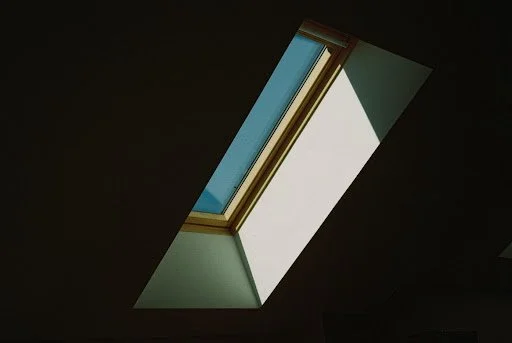
If you're looking to completely upgrade your home and add more style, value, and comfort along the way, it's time to consider installing roof windows. Roof windows are a great option for households who are looking to expand the limited amount of space within their homes without any major renovations needed. These windows not only let in more natural light, but they also allow fresh air to circulate throughout the house reducing any potential stale or musty smells. Not only that, but roof windows can be especially beneficial during warm summer months as they draw heat away from your home - providing increased ventilation and keeping temperatures level. Installing roof windows can be a relatively easy and cost-effective solution for upgrading and modernizing any household. By looking for the right supplier and installer of VELUX roof windows, you'll be making your first step towards an improved quality of living. Be sure to also choose the right size and materials.

How Roof Windows Enhance Natural Light In Your Home

Installing roof windows can create dramatic differences in the way natural light floods into your home, brightening and opening up even the darkest of spaces. Roof windows are not just highly functional, letting you take advantage of natural light to save energy and reduce electric lighting costs, but they also look fantastic - enhancing existing décor or adding a special touch to any room. Whether you’re in the market for added views or simple ventilation, roof windows should be an integral part of your home that allows for fresh air, long sunshine hours, and expansive night vistas - which makes for one heck of a relaxing environment.

Maximizing Your Views With Roof Windows

Looking for a way to maximize natural light and enjoy beautiful views in your home? Installing roof windows is an ideal solution! Roof windows will help you make the most of your space, allowing natural sunlight to enter and making existing windows look even more spectacular. You’ll have an immersive view of the sky or landscape, with all its changing colors and moments of brilliance—all while enhancing the interior décor of your home. Roof windows have a wide range of benefits: they lower heating bills by providing ample natural heat and light; they reduce condensation; they last on average 15 years; and they give any room a larger feel with their expansive views. So don't just admire from afar, make the most out of your view by installing roof windows today!

Reasons Why You Should Consider Investing in Roof Windows

Roof windows are a great investment for your home, and there are several reasons why you should consider getting them. For one, they can add significant aesthetic value to your property; roof windows bring more sunlight into a room, which usually creates an inviting atmosphere that can increase the resale value of the home. They also make a great addition to any living area as they provide increased air circulation and natural light. Additionally, they can be operated via a remote control or switch, so they could make life more convenient due to not having to use ladders or climb onto the roof yourself. Lastly, there are many sizes and shapes available when it comes to roof windows so no matter if you have a small room or eave space constraints, you’re sure to find something that fits your needs. So go ahead and take a look at different manufacturers and do some research - investing in roof windows could give you all these benefits plus much more!

Installing roof windows can not only brighten and expand your living spaces but also add value to your home. While there are certainly a variety of reasons you may want to install roof windows, it’s important to consider the advantages and best practices for a successful installation. Keep in mind that installing roof windows requires careful planning so as to make sure they are properly placed, secure, and appropriately insulated. Another important factor is cost, which can vary greatly depending on the size, material, and installation site of the window. With proper research and preparation, you’ll be able to find the right roof window that meets all of your needs while building confidence in your choice of both budget and design. Ultimately, if done correctly, installing roof windows is a wise decision that promises longevity in energy savings while providing a beautiful enhancement to your home.

What Can You Do To Get Rid Of Common House Pests?

RH Business Marketing Solutions

No one likes to find pests creeping around their home, apartment, or other property. Whether it’s ants riddling your pantry, wasps building nests in the eaves of your house, rodents nesting in the attic insulation, or any other common household pests, they pose both a nuisance and potential health hazards. Fortunately, numerous solutions for these pesky critters don't require expensive pest control services. In this blog post, we will discuss how to get rid of pests ranging from rats and mice to bed bugs and more using methods such as traps, poison baits, and foggers. Taking proactive steps can protect your living space without calling an exterminator - and with minimal effort!

Learn to Identify Common House Pests

If you find yourself kept up at night, it might be time to consider the possibility that your home is a haven for common household pests. Of course, if you have issues with sleep, you can always learn more and find the right solution. However, if the most common reasons you do not sleep well are those late-night chirps, squeaks, and rummaging noises, you may have a pest problem. Identifying which pests are causing you trouble is the first step in ridding your home of these pesky critters. Take some time to research typical house pests such as ants, spiders, rodents, and cockroaches. Knowing what you’re looking for will make it easier to get rid of the problem once and for all. You’ll thank yourself later when you can finally sleep soundly without those elusive visitors!


Get Professional Help if Necessary

It is important to know your limits when it comes to pest control solutions; if you have tried at-home methods or DIY solutions and you’re still not seeing the results you hoped for, then it might be time to invest in professional help. Professional pest extermination companies can attack the problem with their knowledge and specific tools, ensuring your home becomes free of insects and other pests quickly and effectively. Don’t wait too long - the longer you wait, the harder it will become to get rid of house pests. If all else fails, professional help is often the most reliable way forward.


Practice Integrated Pest Management (IPM) Strategies

IPM is a sustainable and preventive way to keep your home away from common pests like cockroaches, bedbugs, ants, and rodents without relying too heavily on pesticide applications. It involves inspecting the home for possible signs of infestations, using exclusion techniques to keep pests away such as caulking cracks in the walls and eliminating food sources, implementing traps and other mechanical practices, establishing good sanitation habits by getting rid of clutter, and keeping your home clean, and properly storing food items.


Use Traps

As a homeowner, you can purchase traps that are specifically designed to capture and eliminate insects such as cockroaches, ants, fleas, flies, and moths. Traps can also be used to trap large animals like rodents, squirrels, or raccoons. Setup requires placing the traps strategically and choosing bait that will attract the pests. Most traps are reusable so they will last long after your pest problem is gone. Before using any type of trap, make sure to read completely through the instructions provided on how to properly set up and use it for the best results.


Place Poison Baits

One common and efficient way to tackle an infestation of pests around your home is to place poison baits in the areas that they frequent. These special baits are designed to be attractive to most types of common household pests, such as rats, mice, cockroaches, or ants. Make sure that these traps are placed out of reach from children and pets, as they contain poison which can be dangerous if ingested. By doing this, you'll effectively eliminate the food source for any current infestations living in your home - gradually curbing their presence over time and restoring peace in your house!


Remove Food Sources and Water Sources for Pests

Therefore, one of the most important steps you can take when trying to get rid of them is removing their access to those resources. Seal any gaps or cracks around the outside of your home where pests might be able to enter. Inside, avoid leaving crumbs or other food items that could attract pests into your home. Clean up spills and other messes promptly and store food in tightly sealed containers whenever possible. Additionally, limit the water that’s available around your home as much as possible. Fix any leaks immediately and make sure you don’t have standing water or wet spots that attract these intruding critters!

Seal Off Potential Entry Points

Mice, spiders, beetles, and other critters can enter through cracks, crevices, and openings in your walls and windows, or even through dryer vents or utility lines. Spend some time walking around your house looking for any gaps that may be cause for concern - don't forget to check basements as well! Look closely at windowsills, door frames, and other openings. Sealing these spaces with caulk or expanding foam can create an effective barrier that reduces the chances of unwelcome guests entering your space, so it's worth taking the time to make sure you get into all the nooks and crannies.

It is imperative to tackle common house pests as soon as they are noticed. Taking small, but important steps like identifying common pests, practicing IPM strategies, and using traps and poison baits can help make sure pests don’t reproduce and become an even bigger problem. Remember, prevention is the key! Professional pest control technicians are available for areas with more severe infestations, which will require more intensive prevention and removal measures. In addition to all of the tactics already mentioned, never forget the power of simply keeping the area clean and well-ventilated. By following these steps, you can ensure that you will never have to worry about pesky house pests again!

How To Prepare Your Real Estate For Sale? Top Advice

RH Business Marketing Solutions

Selling a real estate property can be both an exciting and daunting experience. You may be ready to move on to the next chapter of your life or upgrade to a bigger space, but there are many things you need to consider when preparing your home for sale. From staging and repairs to pricing, it’s important that you make all the necessary preparations in order to maximize its value. To help get you started on this process, here is some top advice on how to prepare your real estate for sale.

1. Hire a Professional Real Estate Agent:

 A real estate agent can be your greatest ally in the home-selling process. They are experienced, and knowledgeable, and have access to resources that will help you get the most out of your property. They will also provide invaluable insight on how to price, stage, and market your home for sale. Also, the fees for a real estate agent are typically included in the closing costs of your home. For instance, the listing agent typically charges a commission that is paid for by the seller out of the proceeds at closing.

2. Rent self-storage units:

When selling a home, it’s important to de-clutter and depersonalize the space. This means that you may need to put some of your belongings in storage while the property is on the market. This means that when you rent self-storage units it can be an excellent solution as they are usually cheaper than traditional storage spaces, plus they offer more flexibility. So, if you’re looking for a cost-effective and easy way to store your belongings while you prepare your home for sale, self-storage is the way to go.

3. Invest in Repairs & Maintenance: 

It’s important to spruce up the property before listing it for sale, as this can help increase its value. Investing in repairs and maintenance will go a long way toward making sure that your home is presented in the best condition possible and will also help attract potential buyers. In addition, it is important to be aware of any current or upcoming code violations, and make sure that the property meets all requirements before listing.

4. Get Professional Photos: 

Professional photos can help your property stand out from the crowd and showcase its best features. Potential buyers will be more drawn to listings that have high-quality photos, so make sure you hire a professional photographer to capture the essence of your home. Also, make sure that the photos are taken at the best time of day, and include a variety of angles.

5. Stage Your Home: 

Staging can help attract potential buyers who may not be able to envision themselves living in your home. This means setting up furniture, accessories, and other items to create an inviting space that will draw in viewers as soon as they walk through the door. It’s important to keep things neutral and uncluttered while still providing visual appeal, so consider arranging furniture around focal points or creating visually interesting vignettes with props, artwork, or plants.

By following these tips on how to prepare your real estate for sale, you can increase its value and make it attractive to potential buyers. Remember to always consult with a professional before making any major decisions and be sure to take advantage of all the resources available to you in order to get the most out of your property. Good luck!

The Benefits of Using Panasonic Inverter AC for Your Home

RH Business Marketing Solutions

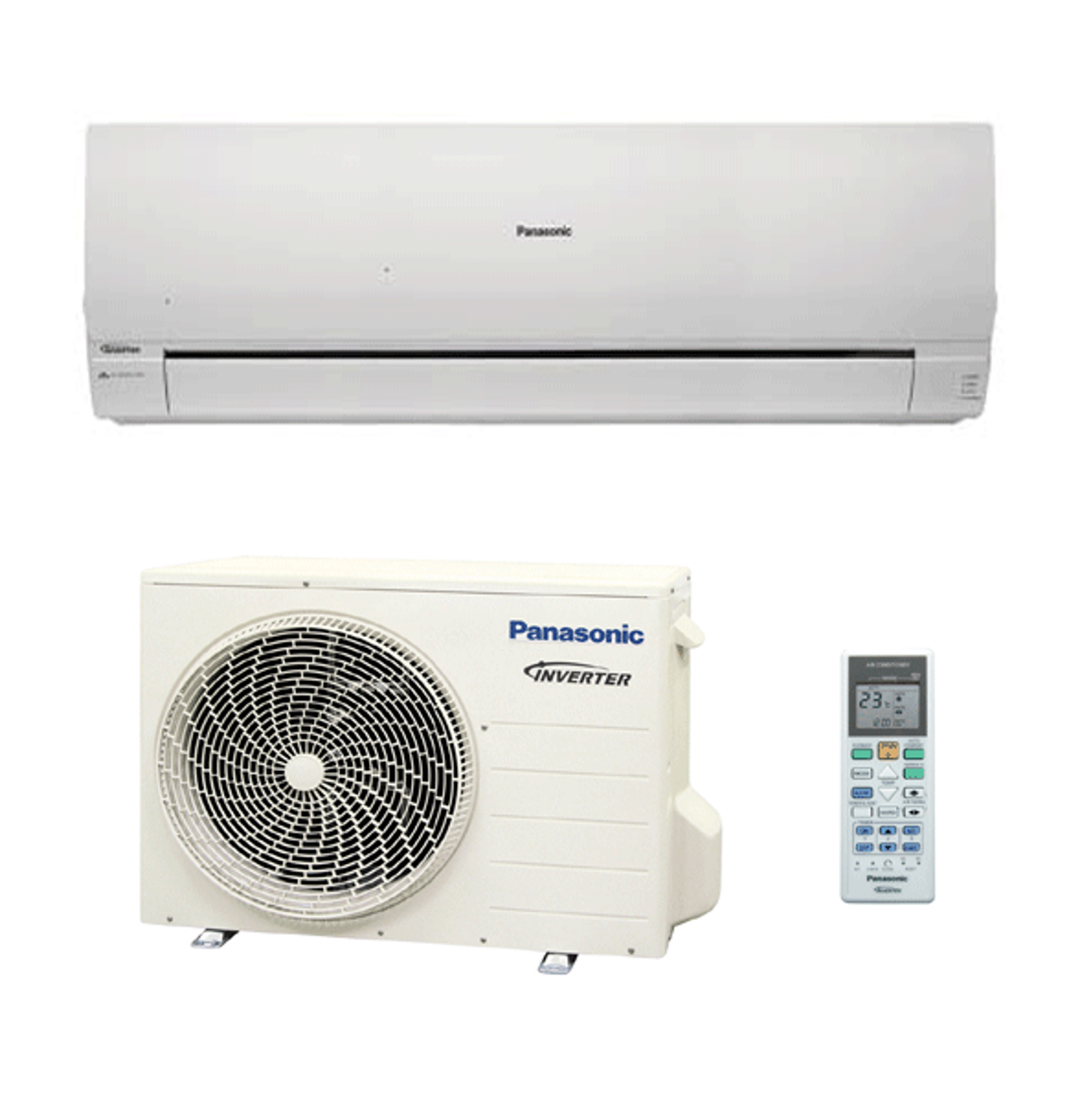
Panasonic Inverter AC is one of the finest air conditioners. It also has an inverter compressor that changes power according to the amount of heat being produced. One of the well-known companies in the Indian industry with a broad selection of high-quality goods is Panasonic. Temperature is changed in inverter-style air conditioners by altering motor speed rather than turning the motor on and off. Air conditioners with inverters have less power loss and can save energy compared to non-inverter type air conditioners. The Panasonic Inverter AC is by far the most energy-efficient. It uses less power than fixed speed air conditioners while operating more smoothly and economically. It is also better for the environment because of its variable speed compressor. A Panasonic Inverter air conditioner provides numerous additional advantages in addition to working effectiveness and consistent cooling. The indoor air quality of your house can be enhanced by any of our split, multi-split, ducted, and VRF air conditioners thanks to our bacteria-eliminating nanoeX technology or built-in air filters for some models.

How does Panasonic Inverter AC work?    

The DC inverter innovation is used by Orient air units. DC Inverter air conditioners have the ability to regulate their cooling (or warmth) by changing the electricity and compressor operation. Depending on the room's needs for heating or chilling, this run-power can be changed. In essence, Orient AC uses energy depending on the varying cooling or heating requirements of the room. Almost all DC air conditioners benefit from a cost reduction of roughly 60% thanks to this shift. The inverter switches on the air conditioner at full power when it turns on, rapidly raising the room's temperature to the desired level. The inverter maintains effective operation to minimize the change in the room temperature once the target temperature is achieved. This stops unnecessary energy use and maintains a comfortable temperature in the room. They can be integrated with our smartphone app. It enables you to control the unit from anywhere while also keeping track of energy consumption and costs.  They can further lower your operating costs by using sensors that are intended to detect activity in the room and adjust the unit's output accordingly.

Benefits of Using Panasonic Inverter AC

Fast Cooling

Global temperatures have been increasing steadily, and this trend is anticipated to continue. Indoor temperature will increase as outdoor temperatures do. You may feel uneasy and perspire a lot when outside. But that doesn't mean you have to continue to feel uncomfortable once you enter a building. When it's hot outside, Panasonic air conditioners' POWERFUL mode rapidly cools a room with strong airflow, offering an immediate reprieve. Infants, young children, and those with certain medical conditions are some individuals who have a lower tolerance for heat.  Provide quick comfort to these vulnerable groups so they can remain cool, particularly on hot days.

Panasonic Inverter AC Cools Your Room Faster

POWERFUL mode, as opposed to standard COOL mode, can cool your area more quickly after activation. Because it enables them to instantly experience cooling comfort after enduring high temperatures outside. It is the option that is advised for people who spend a lot of time working or exercising outdoors.

Reduce Energy Consumption

For better cooling, most of us will typically operate our air conditioners at 16 or 18, but this alone uses more energy. To avoid wasting additional energy, keep the setting of your air conditioner at constant all the time.

Electromagnetic

By chopping the power, electromagnetic noise is produced. There are laws that specify how much noise is permitted to be produced because this noise may cause electrical disturbances to other household equipment.  To remove the high frequency electrical noise, filters like capacitors and inductors are used. This raises the system's total cost.

Wider Power Output Range

An inverter can change the amount of power it requires to operate more readily than a non-inverter because it has a wider power output range. Accordingly, it offers a degree of comfort that is balanced for the number of people using a space. The compressor's rotation speed is slowed down when there are few people in a room to avoid over cooling, which consumes less power and saves energy. More heat is generated in the area when there are more people present. In order to reduce the temperature in the environment, the compressor turns faster and uses its full capacity. Whether you're relaxing or hosting family and friends,

Quiet Operation

An inverter air conditioner has a lower maximum decibel level than a non-inverter air conditioner. Because of the frequent on-off cycles that force the compressor to operate at a higher capacity and produce a lot more noise. Because there are fewer temperature fluctuations, an inverter air conditioner can keep its compressor running at a reduced speed. This results in a quieter environment because the compressor doesn't need to operate at a higher power to maintain a certain temperature. An inverter air conditioner's quiet operation won't distract you from your studies and enables you to get a good night's slumber.

Maintain a stable temperature after reaching a set temperature

A Panasonic Inverter AC uses less electricity by varying the speed of the compressor according to changes in room temperature. This lessens temperature fluctuations, which typically make your body feel uncomfortable from being too hot or cold repeatedly, and enables you to have continuous cooling.

10 Home Upgrades That Will Increase Your Home's Lifespan

RH Business Marketing Solutions

Ownership is a long-term investment that necessitates routine upkeep and periodic improvements to ensure the durability of the building. The improvement suggestions listed below can help you extend the life of your house.

What You Can Do for Interior Remodeling

Your home's interior is just as important as its exterior, and making improvements there can extend the life of your house. Here are some interior improvements that could help:

Kitchen Renovation

The kitchen is the center of the house; remodeling it can make it more useful and prolong its life. Upgrading its cabinets, countertops, and appliances can make your kitchen more effective and enjoyable.

Bathroom Renovation

Your home's value can go up, and it will be more comfortable to live in if you remodel the bathroom. Updating fixtures, tiles, and flooring can make your bathroom more functional and aesthetically pleasing.

Painting

Giving your walls a new coat of paint is one of the most affordable ways to update your interior. Your house can look and feel brand-new again with a few coats of paint. You can use a neutral color for a classic appearance or make a bold statement with a pop of color for a wall.

10 Home Improvements That Will Lengthen the Life of Your House

1.   Insulation

Insulation appropriately can help regulate temperature, reduce energy use, and reduce the strain on heating and cooling systems. Insulation can also aid in reducing moisture buildup, promoting mold growth and other types of water damage.

2.   Roofing

One of the essential parts of a house is the roof. Regular inspections and upkeep can aid in locating and addressing any damage or wear and tear before it becomes a severe problem. Switching to high-quality roofing material, like metal or tile, can extend your roof's lifespan.

3.   Windows

Windows that use less energy can help with temperature control and lower energy costs. Additionally, they can aid in reducing drafts and moisture buildup, which can harm nearby materials.

4.   HVAC unit

Your HVAC system can function more reliably and last longer with routine maintenance. A high-efficiency system upgrade can also lower energy costs and consumption.

5.   Water Heater

The energy needed to heat water can be reduced, and leaks resulting in water damage can be avoided by replacing an old or inefficient water heater. Consider replacing your current water heater with a tankless model, which can deliver hot water on demand and lasts longer than older tank-style heaters.

6.   Flooring

When appropriately maintained, high-quality flooring materials like hardwood or tile can last many years. Upgrade to a more resilient material that withstands high traffic and wear and tear.

7.   Siding

Your home's exterior is exposed to the elements and may sustain damage from weather, pests, and other elements. Its exterior can last longer if you switch to siding made of resilient materials that can withstand the elements, like fiber, cement, or vinyl. It’s recommended to us a fiber siding  that is  weather resistant. Your contractor can find quality  James Hardie siding in Denver online or by checking availability with local building supply stores.

8.   Gutters

Gutters that are working correctly can stop water from damaging your house's siding, roof, and foundation. Clogs can be avoided, and routine cleaning and maintenance guarantee water flow directed away from your home.

9.   Electrical system

Updating an old electrical system can improve the safety and effectiveness of your home's electrical system. To avoid electrical fires and guarantee that your home can support the demands of contemporary appliances and electronics, consider upgrading to modern wiring and circuit breakers.

10.        Landscaping

With the proper landscaping, your home can be shielded from environmental hazards like pests and weather damage. Strategically placing trees and shrubs can create shade and lower energy use. Additionally, landscaping can protect your home's foundation from water damage and erosion.

Cost Factors

Consider Different Cost Factors

In the long run, investing in improvements to your home that will lengthen its lifespan is a smart move, but it's essential to consider the costs. The price of these improvements can vary greatly depending on the size of your home, the materials used, and the amount of work needed.

Average Costs

Replacing an old water heater can cost between $800 and $2,500 while upgrading to a high-efficiency HVAC system can cost between $5,000 and $10,000. While upgrading to energy-efficient windows can cost anywhere from $200 to $1,000 per window, installing new siding can cost between $6 and $15 per square foot.

Set a Budget

Setting a budget and prioritizing the most significant improvements for your home's longevity and security is essential for cost management. Working with reputable contractors is also essential.

Conclusion

Making improvements to your home can extend its life and safeguard your investment. There are many options, from interior upgrades like kitchen and bathroom remodels to exterior upgrades like roof and siding replacements. Don't overlook maintenance improvements that can significantly increase the longevity of your home, such as waterproofing, insulation, and gutter installation. You can enjoy your home by making these upgrades.

 Guest Contributor: Regina Thomas