Google+

contact us

Use the form on the right to contact us.

Day or Night, we are here to serve you. Leave your plumbing problem to us.


Tinley Park, IL

(708)845-7922

Residential and Commercial plumbers and plumbing contractors available in Orland Park, Tinley Park, Oak Lawn, Palos Heights, Midlothian, Oak Forest, Homer Glen, Mokena, Frankfort, and the surrounding Chicago South Suburbs. Emergency plumbers.

copper water lines.jpg

Kevin Szabo Jr Plumbing Blog

Kevin Szabo Jr Plumbing is Tinley Park, Orland Park, Oak Forest, Midlothian, Orland Hill, Homer Glen, Mokena, Frankfort, Crestwood, Palos Heights, Oak Lawn, local plumber. Read our blog for advice, tips, a good laugh, and basic home improvement.

**We are moving our old blog to our new and improved website. Too see all our posts visit kevinszabojrplumbing.blogspot.com

Why Homeowners Need to Understand the Nature of Pests That Lurk at Home

RH Business Marketing Solutions

Homeownership comes with many responsibilities, and one of them is to protect your home from pests. While it can be easy to ignore the presence of pests in your home, understanding the nature of these creatures and what they do is essential for homeowners. In this article, we'll explore why it's important to understand the different types of pests that may lurk in your home, and how you can protect yourself from them.

Types of Household Pests

Household pests come in all shapes and sizes, from the tiniest of insects to the largest of rodents. While some pests are merely a nuisance, others can pose a serious threat to your health and your home. It’s important to be able to identify the different types of household pests so that you can take the appropriate steps to get rid of them.

The most common type of household pest is the insect. Insects like ants, cockroaches, and beetles are attracted to homes for food and shelter. While most insects are harmless, some can bite or sting, and some can transmit diseases. Be sure to research the different types of pests that may be in your home. For example, by knowing that the eyes of spiders indicate their species, you can determine which ones to be on the lookout for. Rodents like mice and rats are also common household pests. These animals carry a variety of diseases, including hantavirus and salmonella, so it’s important to take steps to get rid of them. Rodent traps and poison bait are two of the most effective ways to eliminate these pests from your home.

Birds can also be a problem in some homes, especially if they’ve nested in attics or chimneys. Birds in your home pose a health risk due to the droppings they leave behind, as well as being noisy and disruptive. To get rid of birds, try installing bird spikes on ledges or other areas where they may be roosting.

Other types of household pests include flies, fleas, bed bugs, mites, silverfish, moths, and even bats. It’s important to research the different types of pests that may be present in your home so that you can take the appropriate steps to get rid of them safely and effectively.

How Do Pests Enter Your Home?

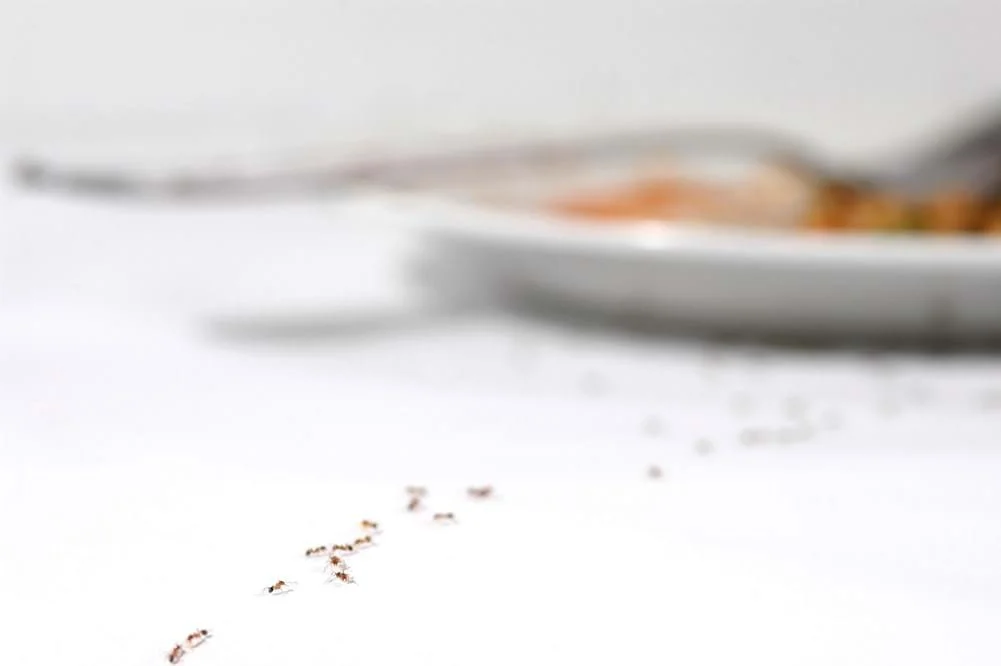
Pests enter your home in a variety of ways. Some, like rodents, can squeeze through tiny cracks and holes. Others, like cockroaches, can fit through spaces as thin as a quarter. And still others, like ants, can come in through doors and windows.

To keep pests out of your home, it’s important to seal up any cracks or holes that they could use to get inside. You should also regularly check screens on doors and windows to make sure there are no gaps or tears.

What Are the Dangers of Having Pests at Home?

Pests can pose a serious threat to your home and family if they are not controlled. Some of the dangers of having pests at home include:

• Pests can carry diseases that can be harmful to humans, such as Salmonella and Hantavirus.

• Pests can cause structural damage to your home by chewing through wood, drywall, and insulation.

• Pests can trigger allergies and asthma attacks in people who are sensitive to them.

• Pests can be a nuisance, making it difficult to enjoy your home.

Tips for Prevention and Control of Pests

-Pests are attracted to food, water, and shelter. So, keep your home clean and free of clutter. Store food properly and don't leave water or crumbs lying around. Repair any leaks or water sources that may attract pests.

-Inspect your home regularly for signs of pests, such as droppings or damage. Be sure to check cracks and crevices, behind appliances, and in storage areas.

-Seal up any openings that pests could use to enter your home. This includes cracks in foundations and walls, gaps around doors and windows, vents, and holes for plumbing or wiring.

-Use pest-resistant materials when building or repairing your home. This can include using tight-fitting screens on doors and windows, using caulk or sealant to fill cracks and gaps, using stainless steel wool or wire mesh to block openings, and choosing treated lumber for framing projects.

-Keep your yard clean and well-maintained. Remove debris, trim weeds and grass, and store firewood away from your home.

Homeowners must understand the different types of pests that may be present in their homes. This knowledge is important as it can help them identify and exterminate any pest problems quickly before they become serious issues. Additionally, understanding the nature of these pests also helps homeowners to create an environment that is less attractive for future infestations. By following these guidelines, homeowners can ensure that their house remains safe and healthy for years to come.
4 Types of Plumbing Problems That Should Never Be Ignored

RH Business Marketing Solutions

When you have certain plumbing issues, the easiest thing is to ignore them, but there are some plumbing problems that you shouldn’t avoid. Postponing these plumbing problems can have costly and damaging consequences, so call the plumber as soon as possible. It’s important to know that some plumbing issues are obvious while others can be difficult to spot, so take care of them.

Locate a Qualified Plumber

Few people know how to deal with plumbing problems, and the moment they occur, we realize the significance of an experienced plumber. For that reason, the folks at Provistaplumbing.com.au are among the plumbing experts who provide services like installation, repairs, and maintenance. Such a team of workers is committed to providing you with the highest quality work as well as dedication to the clients. In that way, you won’t have to worry about the possible consequences of some malfunction.

Clogged Drains

Clogged drains can cause a complete blockage, rendering your sink, shower, or tub completely useless until it's repaired. This problem usually begins with a slow drain and later results in clogged drains that can cause a catastrophe for you. Therefore, you can fix this problem yourself with a liquid drain cleaner because it can clear out some drains. Still, if this doesn’t solve the problem, you need to hire a professional who can tell you the real cause of the problem. For instance, the clog can indicate that there is damage to your plumbing, so you need to prevent it quickly.

Running Toilet and a Leaky Faucet

The most common plumbing problem is leaky faucets, which can be slightly irritating, and wastewater, so you should deal with them immediately. The truth is that it can result in gallons of clean water being wasted every day, so solve this quickly. Fortunately, a leaky faucet is easy and inexpensive to repair, and it takes a minimal amount of time. 

It saves you from higher water bills and persistent drips from the tap. A similar problem occurs with running toilets, which results in wasting water again. For that, you shouldn't postpone this repair, and you usually need to replace a fill valve or flapper, which isn’t costly or difficult.

Low Water Pressure

If you see that the water pressure in your house has dropped significantly, don’t ignore this problem for a long time. A temporary low water pressure can be related to some malfunction in the municipal water supply, but if this lasts for a long time, it indicates a major leak or burst pipe. If you notice unusually low water pressure, check each fixture in the house and see if some run better than others. If that is the case, you can easily pinpoint the location of your plumbing issue.

Considering the most common plumbing problems listed above, remember that it’s always in your best interest to take proper care of them. In many cases, a professional will be necessary, so don’t put off calling a plumber the moment you notice any of these issues in your home.


The Most Common Swimming Pool Plumbing Issues and Their Solutions

RH Business Marketing Solutions

Whether you're a new pool owner or you've been dealing with a pool for years, plumbing problems are inevitable. While some issues are minor and can be easily fixed, others can be more serious and require the help of a professional.

To help you troubleshoot your pool's plumbing issues, we've compiled a list of the most common problems and their solutions. From leaks to clogs, keep reading to learn more about what could be causing your pool's plumbing woes.

Other than plumbing professionals, hot tub services can also help you with your swimming pool plumbing problems. Hot tubs and pools both require effective water circulation for proper functioning. A hot tub service provider understands how water pumps, filters, and circulation systems work. 


This knowledge can translate to helping diagnose and address circulation problems in a swimming pool, such as poor water flow or insufficient filtration. So, if you live in Boise, Idaho, and can’t get a plumber’s appointment, you can look up the best hot tub service in Boise, Idaho, and ask for their help.

Clogged drains 

If a clogged drain is looking like it might be a problem in your beloved swimming pool, you're probably already feeling a little frustrated. However, take heart – clogged drains are actually one of the most common plumbing issues when it comes to pools and can easily be remedied. In fact, all you need is some patience, a plunger, and some elbow grease. To clear out any grime or dirt that might be blocking the drainpipe, use the plunger to force out any blockage and then scrub away at scale buildup afterward with some brushing – just make sure not to use anything too abrasive since that could damage your pool's surface. 

Leaks 

Another common issue many homeowners face with their swimming pool plumbing is leaks. Pool leaks can manifest in a variety of different ways, from seeing more water flowing through the skimmer baskets than usual to visible water seeping into the ground around your pool's foundation. Though not an enjoyable situation to be in, there are effective measures that can be taken to address any type of leak. 

To start, inspect the plumbing system regularly and check for visible signs of wear on components like hoses and pipes. If you notice an area of trouble, it might be worth having a professional plumber come out to provide an analysis and repair. Taking these precautions can help combat bigger problems down the line so that you can properly enjoy your swimming pool plumbing all summer long!

Dirt buildup 

Keeping your pool clean is an important part of pool maintenance, but dirt and debris can still build up without proper drainage. Fortunately, there are several options to help alleviate this issue. The most common is by running a pool cleaner to pick up any material from the pool floor and walls. In general, pool cleaners should be used once per week for best results, to ensure that no pesky particles roam free in your pool's water chemistry environment for too long. If the pool cleaner isn't helping after regular use, further steps must be taken to solve the problem of dirt buildup in the pool plumbing system.

Cracks in the pool 

If you notice a crack in your pool, chances are you're feeling a bit panicked. How serious is the damage? Should you call a professional? Fortunately, in most cases, these cracks can be fixed with relative ease. The most important thing to do is to establish whether the crack is in the surface of the pool or if it's an actual structural issue with the plumbing. Structural cracks should be tended to by a qualified professional who specializes in swimming pool repairs. 

Smaller cracks found on the surface may simply require some basic patching or caulking. Whichever option you go with, with swift and proper action, those unsightly flaws in your oasis won't be dampening your summer days.

Broken pipes 

Despite being durable, pipes within a swimming pool can still suffer a breakage due to weather changes and age. The harder the water within a pool, the more likely it is for mineral deposits to build up, eventually leading to pipe corrosion and corrosion-induced leaks. Fortunately, fixing broken pipes isn’t as difficult as one might expect. Start simple by running your hands along the pipe in your pool system; if you feel any leakage or indentations, then the pipe likely needs patching up with some cement or rubber sealant. If the problem is more severe than expected, professional help may be needed to replace or repair what’s been damaged. In either case, it’s important that this job be done right away – otherwise continued water damage might lead to costly maintenance down the line!

Poor water quality

Poor water quality is one of the most frustrating issues pool owners have to deal with. Beyond displaying an unsightly green hue, poor water quality can be damaging to the equipment running your pool's filtration system. Fortunately, there are several different ways to maintain the health of your pool's plumbing and ensure that you don't run into any major plumbing issues due to poor water quality. 

Some of these solutions include checking and maintaining proper chlorine levels, replacing broken or worn-out parts, periodically cleaning out the lint that builds up in pipes, unclogging drains regularly, and ensuring filters remain free of debris. With a little bit of attention and care, it's easy to keep your pool clean and well-maintained for many years to come.

High water bills 

Lastly, one of the most common plumbing issues associated with swimming pools is higher than normal water bills. If your swimming pool is continuously leaking or evaporation levels are too high, you may find that you're spending far more on the water than you should be. Thankfully, there are several products and techniques available to help maintain proper water levels within a pool, such as mesh covers to reduce evaporative losses and use alarms to alert owners if the pool’s water level becomes too low. With a few basic hardware upgrades and some routine maintenance tips, you can cut down on wasted water and protect yourself from skyrocketing costs in the future.

While plumbing problems with your swimming pool can be frustrating, there are solutions to almost every issue. With a little knowledge and understanding of how your pool works, you can fix many problems on your own. However, some issues will require the help of a professional. Whether you have a leaky pipe or a clogged filter, remember that there is always a solution to your problem. Have you ever encountered any of these common swimming pool plumbing issues? What did you do to solve the problem?

If You Have Been Injured on a Construction Site, These Legal Tips Can Save You

RH Business Marketing Solutions

There are 150,000 accidents on construction sites every year. While some of these accidents are minor, others can lead to lifelong disability or even death. 

If you’ve been injured on a construction site, you must take the correct steps to ensure you get the compensation you deserve. 

However, what are those steps? And, how do you keep other parties from getting away with not taking responsibility? 

Keep reading for tips on what to do if you’re involved in an accident on a construction site.

Research Lawyers Before an Accident

When you’ve been in a construction accident, you need to call the right lawyer to assist you. However, picking an attorney can be a challenge when you’re facing a significant amount of stress. 

If you work in the construction industry, start your research before an accident even occurs. Have a few names, and then when it’s time to use them, schedule a consult. 

Scheduling a free consultation with an attorney specializing in personal injury at construction sites is always a good idea. A lawyer that’s familiar with construction site injuries should also be familiar with the laws surrounding workman’s compensation. 

Not sure what to look for? This is a good example of a construction accident lawyer in Reno as they not only display their knowledge in the field, but also provide testimonials from past clients. Make sure you choose a lawyer with a good success rate and solid references.  

Know What Caused the Injury

Construction site injuries can be caused by various factors. While you’re often covered under worker’s compensation, you may also be able to file a civil lawsuit. You can do so if you can prove three things. 

First, you need to be able to prove that another person or entity had a duty to act in a safe and reasonable manner concerning you. Second, you need to be able to prove that they were negligent and failed to do so. Finally, you must prove that your injuries occurred because of that negligence. 

Some of the types of accidents you can run into involve the following.

Warning Signs Aren’t Erected Correctly

By law, construction sites are required to put up certain signs that warn people of danger. This is similar to stores being required to use wet floor signs to warn of slip hazards. Not having these signs can cause injury. 

Improper Barricades

Barricades can cause problems in a couple of ways. First, if the right barricades aren’t up, people can wander into the site accidentally. This can result in an injury. 

Second, if the barriers are too close to activities, it can cause an accident as well. 

Poorly Maintained Equipment

Next, poorly maintained or inspected equipment can cause issues. If this equipment malfunctions or fails, it can cause injuries to anyone in the surrounding area. 

Unsecured Tools

What happens if debris or tools fall from a location up high on your construction site? If they land on someone, it can cause injury or death. If they fall because someone failed to do their job properly, it could be negligence.  

Understand Liability on the Construction Site

The responsibility of an accident can fall on different people. It all depends on the circumstances. However, one thing remains true, anyone or any entity that has control over the construction site is responsible for the safety of anyone entering the site. Knowing who is responsible will help you work with your attorney to determine whether you have a civil case.  

This can include property managers, the owner, general contractors, and more. There’s a few ways to know who is liable in your circumstance. Here are some examples of who could get held liable: 

Property Owners

When you go onto a construction site, the property owner or manager has a responsibility. It’s their job to make sure that contractors, workers, customers, visitors, and tenants enter a property that’s safe.

Contractors or Employees From a Different Company

If you’re injured while working on a property with multiple contractors, another company could be held liable. If one of their employees is negligent it opens the door for you to sue the company for that negligence.  

Product Manufacturers

If the equipment on your site is maintained and inspected, but you still get injured due to a malfunction, it could come back on the product manager. You may be able to file a product liability claim in this circumstance. 

Architects and Engineers

What if it’s the construction plans that are incorrect or faulty? Architects and engineers have a responsibility to design safe buildings. If you’re injured because of a faulty plan, you can potentially sue them. 

Follow the Right Steps After a Construction Accident Injury

After an injury at a construction site; you need to follow the correct steps. The first step is to seek medical attention right away. Make sure you document any injuries and follow your doctor's recommendations. After that, you should follow these steps:

Report the Accident to Your Employer

While your employer may already know about the accident and your injury, you need to make it official. Make sure you fill out the necessary paperwork to report the injury and get the worker's compensation process started. 

Contact Your Lawyer

You want to make sure that your injuries get covered, and often worker’s compensation doesn’t cover everything. Working with a lawyer can help you get what you deserve. They’ll also be able to help you explore whether or not you can file a civil suit. 

Report the Accident to Your Insurance Company

If you have to use your personal insurance to cover the costs of medical care, make sure they know the circumstances. That way, they can place a lien on your settlement and recoup the money spent on your healthcare. 

Gather Evidence

Any evidence you can gather can be helpful. This can include witnesses and coworkers that were present at the time of the accident. If you’re able, get pictures from the accident too. Your attorney will be able to guide you on what type of evidence will be helpful. 

Follow These Tips for a Construction Site Injury

If you’ve been injured on a construction site, you shouldn’t have to worry about paying your bills. Contact a lawyer and work with them to determine who is at fault and how to move forward. 

Expert-Backed Tips to Make Moving Less Stressful

RH Business Marketing Solutions

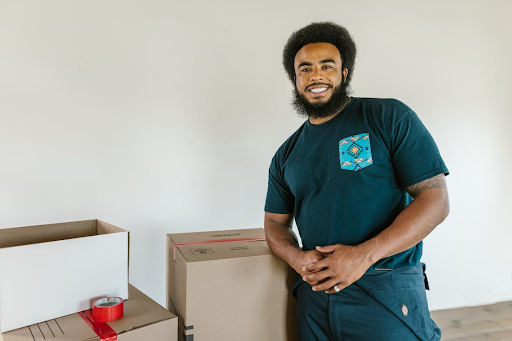
Any move is a major life event and can be incredibly stressful - but it doesn’t have to be. With the right preparation, planning, and attitude, you can make your moving experience much more successful. With that in mind, here are some expert-backed tips to help make your upcoming move as stress-free (or at least less stressful) as possible. 

Pack the right way

When packing, make sure you use the right type of boxes and containers durable enough to hold your items while transported. If choosing the right box or container becomes challenging, consider hiring professionals to pack. Empty boxes can be a thing of the past when movers in Montreal and other parts of Canada get into action. Movers have become experts at packing items efficiently, saving time and space during a move. This can reduce stress levels significantly, easing the transition into your new home.

If you do the packing, it’s best to pack by room. Label each box with its destination and ensure that all fragile items are marked outside the box. If possible, take pictures of any large furniture pieces before they are disassembled for easy re-assembly in your new home. Movers should also check which items cannot be moved (such as hazardous materials) and large or bulky items that require special moving equipment.

When packing, use quality materials such as sturdy corrugated cardboard boxes, bubble wrap, and packing paper for fragile items. Additionally, secure all items with tape and make sure that heavier items are placed at the bottom of the box. This will help to prevent breakages during a move.

Create an inventory list

Creating an inventory list is an often forgotten yet invaluable tool in making moving less stressful. By creating a comprehensive list of all the items you will be packing and transporting during your move, you can ensure that nothing gets left behind or damaged in transit. Not only does creating this list help keep track of what needs to be packed and moved, but it also serves as a reference when you need to unpack the items in their respective new homes or check for any damages incurred during transport. 

An inventory list provides peace of mind by helping reduce the overall stress associated with moving. According to experts, having a plan is essential for any successful move. Keeping track of every item through a detailed inventory list helps ensure that nothing gets lost or forgotten.  By making an inventory list before you start packing, you can be sure that the entire process will go more smoothly. The list is also useful if something goes wrong during the move and you need to file a claim with your insurance company as it serves as evidence of what was originally packed. In short, creating an inventory list helps make moving less stressful by providing a reference point throughout the process. 

Get organized

Organizing yourself and your belongings before moving is essential to the relocation process. It can help you save time, money, and stress in the long run. Moving can be a stressful and overwhelming experience, so being organized during this time will make it easier for you to stay on top of tasks and reduce stress levels. 

Experienced movers recommend taking the time to plan ahead when relocating. This means setting aside some time for sorting out your possessions – selecting only what you need to bring with you, donating or selling items you don't want in your new home, packing everything up properly, labeling boxes, making lists of what needs to go where as well as other important documents like contracts/leases, etc., and even setting up a moving budget. 

Start early

Starting early is one of the most expert-backed tips to make moving less stressful. A key benefit of starting early is that it gives you ample time to plan, pack and organize your belongings methodically, making moving day go much more smoothly. You can start by making an inventory list of everything you need to move and then creating a timeline to ensure that all tasks are done on time. Furthermore, by giving yourself enough time, you can take breaks when needed so that you don’t become overwhelmed during the process. When possible, delegate tasks such as packing clothes or furniture disassembly to other family members or friends willing to help—this will also reduce stress levels. Last but not least, if time allows, try to get your new home ready before moving day. This will make the transition easier and help you feel more comfortable in your new environment.

In conclusion, reducing stress during a move is possible with some preparation and organization! By following the above tips, you can make your transition much smoother and ensure everything goes as smoothly as possible! Don’t forget to take care of yourself throughout the process to keep stress levels at bay.

How to Buy a House In 2023: Everything You Need to Know

RH Business Marketing Solutions

Buying a house is a major milestone in life, and it can also be a complex and overwhelming process. With the right preparation and guidance, however, you can navigate the home-buying process with ease and find the perfect house for your needs. In this article, we'll take a look at everything you need to know to buy a house in 2023.

Understanding your finances

Before you start your house hunt, it's important to understand your financial situation. This includes knowing your credit score, your monthly budget, and how much you can afford to spend on a house. Your credit score is an important factor in determining your eligibility for a mortgage, so it's a good idea to check your score and take steps to improve it if necessary. Your monthly budget should take into account your monthly income, as well as your other expenses such as debt payments, utilities, and insurance. When determining how much you can afford to spend on a house, it's important to consider the ongoing costs of homeownership, including property taxes, home insurance, maintenance, and repairs.

Look into mortgages

In addition to understanding your finances, it's also important to understand the different types of mortgages that are available. There are several different types of mortgages and each type comes with its own pros and cons, so it's important to research your options and choose the one that best fits your needs. Getting pre-approved for a mortgage is an important step in the home-buying process. This means that a lender has reviewed your financial information and has determined that you are eligible for a certain loan amount. Having a pre-approval letter in hand can give you a better idea of your budget, and it can also give you a negotiating advantage when making an offer on a house.

Get some legal help

It's always a good idea to have some legal help during the home-buying process, especially if you're a first-time buyer. An attorney can review the contract and other legal documents to ensure that your rights and interests are protected. They can also help you to navigate any complex legal issues that may arise during the process. So, if you’re in Australia or somewhere close, find a law firm from Sydney straight away, and you’ll be moving into a new home in no time at all!

Find a real estate agent

Working with a knowledgeable and experienced real estate agent like Rampton Baseley can be invaluable when buying a house. An agent from Rampton Baseley can help you find the right properties to tour, negotiate the best deal for you, and guide you through the closing process. When choosing an agent, look for someone who has experience in your local market and who has a good reputation. A good real estate agent will be able to help you find properties that match your budget and requirements, and they can also provide valuable insights into the local housing market.

Visit homes and make offers

Once you have your finances in order and have found an agent, you can start the process of house hunting. Your agent will help you find properties that match your budget and requirements. When you find a house that you're interested in, your agent will help you make an offer and negotiate the terms of the sale. Making an offer on a house is a complex process that involves many factors, including the price, closing date, and terms of the sale. Your real estate agent will help you to determine the right offer price based on recent sales in the area and the condition of the property.

Close the deal

Once you have reached an agreement with the seller, the next step is to close the deal. This involves signing all of the necessary paperwork, paying closing costs, and transferring ownership of the property to you. Closing can take several weeks, so it's important to stay organized and communicate with your real estate agent and lender throughout the process.

Buying a house is a big step, but with the right preparation and guidance, you can make the process smooth and stress-free. By understanding your finances, getting pre-approved for a mortgage, finding the right real estate agent, and working with an attorney, you'll be well on your way to finding the perfect home for your needs. With these tips, you can ensure that your home-buying experience is a positive one.

Guest Contributor: Diana Smith

What are the Benefits of a Pressurized Hot Water Cylinder

RH Business Marketing Solutions

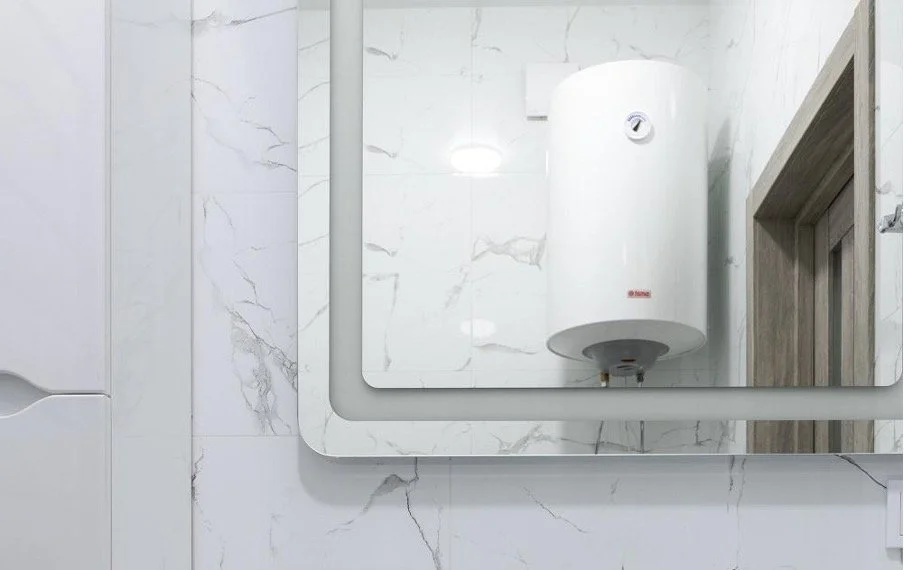
A pressurized hot water cylinder is a vital component of many homes and buildings that provides a steady supply of hot water for various purposes. The benefits of a pressurized hot water cylinder are numerous and can greatly improve the quality of life for those who use it. In this article, we will explore the benefits of pressurized hot water cylinders in detail.

1.   Increased water pressure:

One of the biggest benefits of a pressurized hot water cylinder is that it increases the water pressure in a building. This is particularly important for homes or buildings that are located at a higher elevation, where water pressure can be lower. With a pressurized hot water cylinder, like this one from Tradeplumbing, you can enjoy a steady and consistent flow of hot water, making it easier to take a shower, wash dishes, and do laundry.

2.   Energy efficiency:

 Another benefit of a pressurized hot water cylinder is that it is more energy efficient than other hot water systems. The cylinder is designed to store hot water, which means that it only needs to be heated once, and the stored hot water can then be used as needed. This can result in significant energy savings compared to continuously heating hot water on demand.

3.   Improved hot water supply:

 A pressurized hot water cylinder provides a continuous supply of hot water, which means you never have to worry about running out of hot water when you need it. This is particularly important for households with multiple people or for those who use a lot of hot water for various purposes.

4.   Space saving:

Pressurized hot water cylinders are typically smaller in size than traditional hot water tanks, making them ideal for homes or buildings with limited space. They can be installed in a variety of locations, including attics, basements, and closets, making them a versatile and practical choice.

5.   Increased lifespan:

 Pressurized hot water cylinders are designed to last longer than other hot water systems, providing homeowners with peace of mind and reducing the need for frequent replacements. This is because the pressurized hot water cylinder is made from high-quality materials that are built to withstand the high pressure and temperature of hot water.

6.   Improved safety:

A pressurized hot water cylinder is a safer option compared to other hot water systems. It is designed with safety features such as a safety valve, which prevents the cylinder from overheating and exploding. Additionally, the cylinder is designed to reduce the risk of leaks, which can cause water damage to the home or building and means either the use of boiler care or a plumber.

7.   Increased comfort:

Finally, a pressurized hot water cylinder can greatly increase the comfort of a home or building. With a steady supply of hot water, you can enjoy hot showers, warm baths, and comfortable washing up without having to wait for the hot water to heat up.

Final Thoughts

In conclusion, a pressurized hot water cylinder is an excellent investment for homes and buildings that require a steady supply of hot water. With increased water pressure, energy efficiency, improved hot water supply, space saving, increased lifespan, improved safety, and increased comfort, a pressurized hot water cylinder is a smart choice for those looking to improve the quality of life in their home or building according to expert plumbers.


Things to Know Before a Home Renovation

RH Business Marketing Solutions

If you're in need of an insured, bonded and licensed plumber, Kevin Szabo Jr. Plumbing is the perfect choice for you. Give us a call today at 708-845-7922 to find out more!

Things to Know Before a Home Renovation 

Contractor. Check. Date scheduled. Check. Excitement for your home makeover. Check. You have your bases covered, and you’re ready for your home renovation. However, there are a few things you should know before demolition begins. Today, Kevin Szabo Jr. Plumbing offers up a few tips and what you can expect throughout the process.


Some home renovations offer a better ROI.

According to Seattle Credit Union, some home renovations will add value to your property. These include things you might expect, like updates to the kitchen and new garage doors, but also a few things you might not have considered. Major remodels that incorporate elements of universal design are hugely popular, and adding smart home technology might make your home more desirable to a broader demographic if you choose to sell later.


Many renovations can pull double duty.

Some home renovations also boost your property’s intrinsic value, and the big one here is having a home office that doubles as a guest room. Your guestroom should be cozy and comfortable, but it should be instantly changeable so that you can work when you need to. In addition to having plenty of mirrors and storage space, consider buying a sleeper sofa, which works as a bed and a couch for when you’re entertaining clients.


You might want to buy a home warranty. 

Your home renovation is a major investment, and you want to protect each piece of it as well as you can. When you want to find out “is a home warranty worth it?” you should understand that a home warranty offers peace of mind when it comes to your HVAC, appliances, and some other systems while your home insurance may cover only structural issues. After construction, get a home inspection. This will help you identify potential issues so that you can have them fixed. It will also give you a better idea of the condition of your home's appliances, which can help you decide if you’re going to spring for a home warranty.


Your contractor will probably rely on technology.

Gone are the days when everything was done by hand. Today, your contractor is likely to rely on apps and software to help price, invoice, and track progress on your job. If you have an electrician on site, for example, they will probably give you an estimate on the spot using a program that plugs in common prices.


Most projects go over budget.

There are many reasons the projects go over budget. One of these is the ever-changing cost of raw materials and product acquisition. But, as CRD Design Build explains, it could be your taste in finishes. If you need to reduce your expenses, consider simplifying or planning your project in phases.


No two contractors are the same.

If you haven’t yet planned your remodel, you should know that you’re likely to get many different quotes that run the gamut in price from seemingly affordable to insanely expensive. Don’t let the initial pricing structure sway your decision. Read the fine print, and make sure that you’re comparing apples to apples. Does each quote include getting permits and legal compliance? Has your contractor built in a cushion so that you don’t have surprises at the end? Are they using quality paint/materials?


If you make changes, that changes everything.

No contractor can fully guarantee the condition of your home behind the walls unless it’s already exposed at quote time. Water damage, foundation cracks, and other problems can all cause extra work, which means a bigger bill in the end. But so too can even seemingly small changes to your project. Understand that something as simple as changing the color or timeline can add costs to your project.

When you’re facing a home renovation, don’t go into it blindly. There are many things you should know. A few of these, such as the addition of technology to your contractor’s arsenal of quoting tools, which projects offer a better ROI, and why some rooms should be renovated for a dual purpose, such as a home office/guestroom, you should know before your project begins.

Guest Contributor: Bob Shannon

How to Keep Your Kitchen Pest Free

RH Business Marketing Solutions

Kitchens are often the room in the home where everyone gathers. Whether you like to have your friends over for a cup of tea and some cake, enjoy large family meals together, or simply find that the kitchen is your favorite room in the house – there is usually someone in there bustling about.

That being said, it is not only humans that love to meet in the kitchen. No, there are several pests that also want in on the action of this bustling spot, especially because it is usually the place with food. Perhaps not so different to humans after all!

No one wants pests in the kitchen. At best, they are tolerated by softies who do not have the heart to deter them when they are not causing too much of an issue. At worst, they are going through all of your food, chewing holes in the upholstery, masonry, and often a favorite – electrical wires. They will also be leaving feces and urine everywhere and encouraging their little friends to come and join in the party, which can pose a big health risk to humans.

Because of this, many people have to take action against the little critters to ensure that their home remains safe and secure.

This piece is going to take a look at how you can keep your kitchen pest free and ensure it is a safe gathering space!

Read on for some top tips!

Clean Up After Yourself

There is not much a rodent loves more than the odd couple of crumbs that have been dropped from your breakfast pastry or the fragments of pizza that have found their way onto the floor after last night’s dinner.
In fact, rodents such as mice do not need too much to live on at all! Just a couple of crumbs can sustain them for a whole day, which means that they will keep coming back for a full day’s worth of food without you even having to try.

Every time you eat, be sure to clear away properly. This includes plates and other utensils that have been used for cooking food, and also any crumbs or spillages that have taken place while eating. The last thing you want to do is open up an all-day buffet!


Keep Your Kitchen Patched Up and Secure

One of the easiest ways to make sure these pests do not enter your home in the first place is to make sure you have everything possible patched up. Mice, rats, and cockroaches can squeeze their way in through the tiniest of holes, which means it is up to you to be alert to where there may be a gap in the masonry.

Steel wool can be an excellent tool to create a temporary quick fix if you need to do something immediately. However, depending on how many pests you have loitering and how many entrances you have in your kitchen, you might want to consider a full remodel to ensure it is rare that something like this happens again.

It might be that remodeling your kitchen is more cost-effective than trying to repair all of the damage you find, and it will also ensure that it keeps them out next time they try to get their next meal!

Head over to nonpareilsolutions.co.uk to discuss a new kitchen remodel that will not only keep the little scamps out of your home but will also look incredible too. A win all round!


Keep Food in Airtight Containers

It can be very easy to leave bags of cereal, dog food, or other grains opened in their original packaging and find that a little critter has managed to make its way into it. It would not require much effort since rodents' teeth can chew through concrete, and cockroaches appear to be indestructible. There are also little pests that you want to keep an eye out for too to prevent food contamination. Fruit flies, lice, mites, and weevils can make their way into your food and appear when you least expect it.

Not many people want a mouthful of bugs with their cheerios in the morning or to find that their baking supplies are infested. The best way to prevent this from happening is to invest in airtight storage containers for packaging that are safe from having a hole chewed through them.


Get Rid of Trash and Run Your Garbage Disposal Regularly

It makes sense that you do not want to leave your trash bags hanging around, as this is just an invitation for pests and other animals to tuck in. Not only can this encourage a mess in your yard that you will have to clean up, but it can also tip off the little critters to keep coming back to see what is available. Outside pests are not the end of the world, but it will most likely not be too long until they work out that the good stuff is on the inside.

Your garbage disposal can also omit some whiffs of what promises to be tasty treats to pests as well. Their sensitive noses are designed for moments like this, so make sure you run it regularly and clear it out to help prevent odors that act like a siren that says, “Food here!”.

Not only this, but it will also make sure that your garbage disposal avoids blockages and other issues that can cause you to have to replace it.

Invest in Natural Repellents That Are Safe for the Kitchen

Certain herbs and natural scents can act as a deterrent to pests in the home but cause them no harm or interfere with your food. Bay leaves are an excellent option as they have a pungent smell that is not appetizing to many animals. You can also use garlic, onion, and sage for similar reasons, but be careful where you put it, as you might end up only tasting and smelling these in your cereal or pantry foods!  

How to Protect Your Entire Home Against Pesky Pests & Creepy Crawlies

RH Business Marketing Solutions

Determined largely by the area in which your home is situated, different kinds of pests and insects may be the cause of annoyance, frustration, and in some cases, downright distress, either sporadically or else regularly.

So, whether you are currently experiencing a problem with pests in your property, or else are simply looking to ensure your home is protected as it possibly can be, then this article is for you.

Continue reading to learn how to protect your entire home against pesky pests and creepy crawlies.


Remove Any Bowls of Standing Water

Especially in the summer and indeed, all year round if you have a pet, there will be various bowls and pots of water scattered throughout the home.

Now, aside from the necessary fresh water for your animals, it is important to remove such tempting pools, as if left and even more so if they become stagnant, they will attract a wide range of pests, from cockroaches to mosquitos, the latter even more so in the summer month.

In addition, make sure to empty watering cans, empty plant pots and even bird baths if you are currently struggling with an infestation, as often, insects find their way into buildings due to being attracted to the garden first.


Swap Wooden Flooring for Carpets

Although a decidedly more drastic, not to mention more expensive, method of deterring and even, in an ideal situation, eradicating, infestations of woodworm, ants and spiders is to consider replacing your wooden or laminate flooring with carpet instead.

Search for a prestigious and renowned expert supplier, such as aflooringboutique.co.uk, who can advise on the best style, size, depth and overall framework of carpet design which will serve to protect your floors and at the same time, add desirable aesthetic impact too.


Check Your Entire Property for Signs of Damp

Condensation is the most common culprit which can cause moisture and patches of dampness in a building, and if your home seems to have an inordinate amount of condensation on the windowsills, doorframes, doors and windows, then it may well be that there is not enough ventilation within the structure of the property.

Common signs of dampness and excessive moisture include a musty odour in one or more rooms, excessive water drops on the sills and walls, darker patches in the corner of the floor or ceiling and damaged or rotting skirting boards.

In addition to encouraging unwanted pests and insects, particularly woodworm, into your home, even the beginnings of dampwalls, floors, and insulation can also cause the following problems, especially if left for a long time:

·       Permanently stain the walls and ceilings

·       Wet rot

·       Damage to the foundations

·       Problems with internal walls

·       Fungi growth

Regularly Empty & Clean Your Wardrobe

It may well be the case that you have never experienced an infestation of moths and are the proud owner of an array of different jumpers with absolutely no signs of unnatural wear and tear in the material.

However, if your home and specifically, your clothing, does seem to attract moths, then the most effective thing you can do to prevent another infestation is to regularly deep clean your wardrobe. Remove every item and take a damp cloth and material-specific cleaning products to the entire wardrobe, before checking each item of clothing and returning them to their hangers.

Moths are incredibly irritating anywhere in the home, but when you start to find your clothes disintegrating in your wardrobe, it is important to take action immediately. Invest in lavender bags to place in your drawers and wardrobe and remember to replace them when the scent has disappeared, throw away any older items of clothes you no longer wear. Always check second-hand furniture before you bring it into your home and hang cedar balls from the clothes hangers.


Inspect Your Home for Cracks & Holes

Perhaps somewhat logically, another way in which pests, in particular insects, are tempted inside your home is simply by the ease with which they can gain entry.

In the United Kingdom, the most common offender is the humble ant and although the odd ant who has lost his way is not exactly cause for concern, you will soon change your mind when confronted with an ants’ nest.

Fortunately, there are several ways to ensure that ants and other small insects do not simply file inside your property, with the most effective one being to take a thorough tour around your home and seal any cracks in the floor, walls, and skirting boards. If you do find any sizeable holes in the floor or walls, even in the attic, it would be best to contact a reputable professional to help you ensure the hole is covered properly.


Mice & Rats 

Saving the most alarming pest infestation until last, the final issue to tackle, especially if you have been a victim of this in the past, is to ensure that mice and their larger cousins cannot possibly gain entry to any part of your property.

Not only is the sight, or even the possible sighting, of a mouse incredibly alarming, but they can do a considerable amount of damage to the walls and internal structure of your home.

One main deterrent is to make sure that there are no dark areas of storage in the back garden which come too close to the door, such as outhouses, sheds, or even upturned plant pots. Additionally, if your bins are usually stored just outside the back door, you should move them to the other end of the garden or preferably, inside a secure garage.

Inside the home, ensure that all food is placed in airtight boxes and that your kitchen bin is never overflowing, rather emptied regularly. When you bring anything in from outside, especially larger items (including your watering can), inspect them thoroughly for any evidence of rodent droppings. Clogged drains are also exceedingly tempting for both mice and rats, so make sure your pipes are not leaking and that the drains are always kept as clear as possible.