Google+

contact us

Use the form on the right to contact us.

Day or Night, we are here to serve you. Leave your plumbing problem to us.


Tinley Park, IL

(708)845-7922

Residential and Commercial plumbers and plumbing contractors available in Orland Park, Tinley Park, Oak Lawn, Palos Heights, Midlothian, Oak Forest, Homer Glen, Mokena, Frankfort, and the surrounding Chicago South Suburbs. Emergency plumbers.

copper water lines.jpg

Kevin Szabo Jr Plumbing Blog

Kevin Szabo Jr Plumbing is Tinley Park, Orland Park, Oak Forest, Midlothian, Orland Hill, Homer Glen, Mokena, Frankfort, Crestwood, Palos Heights, Oak Lawn, local plumber. Read our blog for advice, tips, a good laugh, and basic home improvement.

**We are moving our old blog to our new and improved website. Too see all our posts visit kevinszabojrplumbing.blogspot.com

How to Choose the Perfect Porcelain Bathtub for Your Bathroom

RH Business Marketing Solutions

When remodeling a bathroom, homeowners want a touch of luxury and modern design that will transform the space into an oasis. One important piece that is integral to creating a spa-like retreat is the perfect porcelain bathtub.

From classic designs to intricate acrylic tubs, and waterfall accents, there are endless possibilities when selecting the best porcelain bathtub for your bathroom renovation. However, there are still a few things an individual should keep in mind when searching for a porcelain tub.

Size

Size plays an important role, as it directly affects the usability and comfort of the bathing experience. It would not make sense to install an oversized model if there isn't enough room for it. When homeowners are replacing an existing tub, measuring its dimensions can provide an idea of how much space is available in the bathroom.

Here are some more reasons why the size is a significant consideration:

Allows For Movement

A larger tub offers more room to move around, making it easier to thoroughly clean the area. On the other hand, if space is at a premium in your bathroom, then opting for a smaller tub can be ideal.

Smaller tubs require less space and provide exactly what is needed without taking up an excessive amount of square footage. However, homeowners may need to adjust their bath habits slightly to fit within its limited dimensions.

Personal Preferences

Everyone has specific needs for bathing, and personal preference is a key factor for choosing the perfect tub. Some are in search of luxury and prefer a larger, more generously sized tub with plenty of room for relaxing. Whereas, others may feel that this is excessive and opt for something smaller.

Additional Features

Some people are surprised to discover how much space additional features can take up when selecting a bathtub. For instance, a tub with whirlpool jets or air bubbles can add further bulk to the size of the appliance and should be taken into account when ensuring that the right selection is made.

Doing so will enable an individual to feel confident in their choice, as the tub will perfectly fit into the bathroom layout and match their needs. Furthermore, choosing a size suitable for these extras can provide added comfort during bathing sessions.

Material

When shopping around for a new bathtub, the material can be one of the most vital decision-makers. Porcelain bathtubs come in a variety of materials, all of which have their pros and cons.

For example, ceramic is both cost-effective and lightweight, but on the downside, it's not quite as durable as other materials like enamel, steel, or cast iron.

It is also crucial to pay attention to factors like staining and discoloration resistance - porcelain might be delicate when it comes to such issues so if that's a concern then homeowners may want to look into a more resilient material type.

Moreover, the enamel is a popular choice for bathtubs because it's both waterproof and highly resistant to staining, discoloration, and scratches. Steel baths are ultra-durable and can come with a range of stylish finishes from glossy white to bright colors.

Additionally, cast iron is quite expensive but worth the investment since its strength lasts for decades with minimal upkeep required.

Style and Design

There are several different styles and designs available in porcelain bathtubs.

Cast Irons Tubs

Cast iron tubs provide a classic look that is sure to make a statement in any bathroom. However, they can be very heavy and require professional installation. In addition, cast iron tubs tend to retain heat longer than other materials, making them more energy efficient but also less comfortable for lengthy baths.

Acrylic Bathtubs

Acrylic bathtubs offer an economical alternative with a modern design. They typically come pre-molded in various shapes and sizes and have a smoother texture than other materials. However, they may not last as long as some of the other types of tubs and may require more frequent cleaning.

Fiberglass Tubs

Fiberglass tubs are a lightweight and durable option that is easy to install. They come in various shapes, sizes, and colors, and can be customized with a variety of finishes. However, they may not be as resistant to wear and tear as other materials.

Stone Bathtubs

Stone bathtubs are another luxurious option for those looking for the ultimate spa-like experience in their bathroom. These tubs provide a timeless look and feel, but they tend to be heavy and expensive. In addition, they require professional installation and regular maintenance or sealing to prevent staining or discoloration due to moisture exposure over time.

It's imperative to consider the design of a bathtub when selecting, as this can significantly affect the overall aesthetic of the bathroom. Additionally, the design of the bathtub should be considered with the size of the bathroom. For smaller spaces, opting for a corner unit or drop-in model can save valuable floor space while still providing plenty of room to bathe.  

Wrapping Up

By taking into account the size, shape, material, and style of each tub available, an individual can confidently choose the perfect porcelain bathtub for their bathroom. Once installed, it will make an impressive addition to any home. 

Guest Contributor: Chloe Donian

Improve the Privacy of Your House in 5 Simple Ways

RH Business Marketing Solutions

Your house is your fortress, your safe haven, so it’s only natural if you want to make it as secure as possible. After all, nobody wants to deal with pesky passers-by and intruders.

Implementing external and internal security measures is essential to ensure your home provides maximum comfort and privacy. Fortunately, most of them do not require huge reorganisations or costly renovations and can be tackled on your own.

You can start with something small, like installing blinds and blackout curtains or adding a smart security system. Then, you can move on to more demanding tasks. For instance, installing sound and high fences, preferably in line with tall trees, can help you block out visibility and make you feel safer inside your four walls.

Other than that, consider getting tinted windows, growing hedges around the house, or installing window shutters to improve bathroom privacy.

If you’re unsure where to start, here is how to improve the privacy of your home in several simple steps:

Put Up Some Curtains or Blinds

Putting up some curtains is a straightforward way to improve the privacy of your residence, as they will make it more difficult for people to see inside your home. Doing so is especially important if you live in an urban area where your neighbours’ windows are close to yours.

On top of that, these curtains can help you keep your house cooler in summer and warmer in winter. It can significantly reduce your heating bill.

There are many different types of curtains and blinds to choose from, so you can pick the ones that best match the interior’s style and your preferences. If you want to reduce the amount of light that enters your home, consider getting blackout curtains. On the other hand, if you’re more interested in creating a cosy atmosphere, velvet curtains will do the trick.

There are also blinds explicitly designed for roof windows. If you have some of these windows in your house, they can come in handy. OptiLight Blinds, for example, come in various sizes and colours, and you can even get blackout or transparent blinds for better control over the amount of natural light you want to let in.

Install a Fence

If you live in a detached house, chances are good that your backyard is visible from the street or your neighbours’ yards. It can be annoying and lead to a loss of privacy. Installing a fence is an effective way to solve this issue and get more privacy in your backyard.

Fences are a great way to make your house more secure and private. If you want to create an intimate setting in your backyard, opt for a tall wooden fence. Conversely, if you’re interested in improving your home’s curb appeal at the same time, consider a white picket fence.

Either way, whether you go for a tall, wooden fence or a short, white picket fence, it should be sturdy enough to prevent anyone from trespassing on your land.

Invest in a Smart Security System

If you’re worried about intruders, installing a smart security system is a good idea. It will not only make it more difficult for burglars to break into your home but also allow you to keep an eye on what’s happening inside and outside your house.

The latest security systems are equipped with various sensors that can detect intrusions and send you an alert, whether you’re at home or not.

On top of that, some smart security systems come with cameras that can record footage of any incidents and even live stream it to your phone. This way, you can see what’s going on at home in real-time and take appropriate actions, such as calling the police.

There are many different types of smart security systems on the market, so do your research and pick the one that best suits your needs.

Grow Some Hedges

If you want to create a barrier between your house and the outside world, consider growing hedges around it. It is a simple and effective way to improve the privacy of your home, and it’s not as expensive as you might think.

Besides, hedges can serve multiple purposes. They make your house more private and shield it from unwanted attention from passers-by, but they can also add to its aesthetic value.

You should get evergreen hedges such as Boxwood or Laurel. Alternatively, you can invest in flowering hedges, including Hydrangea or Lilac, for a more decorative border.

Get Window Shutters or Tinted Windows

If you want to improve the privacy of your home and make it more energy-efficient at the same time, consider getting window shutters or tinted windows.

Window shutters are beneficial if you live in an area with a lot of sunlight, as they can block out the light and prevent your home from overheating. They are also a good choice if you’re concerned about bathroom privacy.

Nonetheless, it’s worth mentioning that adding window shutters can be a bit more challenging than other privacy solutions, as you need to ensure they’re correctly installed. If you’re not confident in your DIY skills, consider hiring a professional.

Tinted windows are also an excellent choice if you want to reduce the amount of light that enters your home and block the view from the outside. They are available in different shades, so you can adjust the level of tint as much as you want to.

In Conclusion

Improving the privacy of your home can be simple and inexpensive. All you need is a few ideas to get your creative juices flowing, which is why we wrote this article.

There are many simple and affordable ways to keep your property secure, such as installing curtains or blinds, adding a smart security system, or growing hedges around the house.

Of course, the best way to improve the privacy of your home is to implement a combination of different solutions. So, start small and proceed with those safety measures you deem necessary at the moment. Stay safe!

Guest Contributor: Nina Elliott

The ‘Should You Do It?’ Guide to Shifting to Green Energy

RH Business Marketing Solutions

Going green is a popular trend these days, but making the switch to renewable energy can be complicated. With so many options and factors to consider, how do you know if switching to green energy is right for you? This guide will help you understand the benefits of switching to renewable energy sources, explore different types of green energy systems, and decide if transitioning is right for you. Let’s get started! 

1. Solar powers

Solar power is one of the most popular forms of renewable energy and for good reason. Solar panels capture the sun's rays and convert them into electricity that you can use to power your home. This type of energy is easy to install, cost-effective and requires minimal maintenance once it is in place. Plus, solar power produces no pollution or greenhouse gases as a byproduct! The nature power solar panels are an increasingly popular way to generate electricity and reduce your reliance on the traditional power grid. It is important to note, however, that solar energy systems require a lot of space to operate efficiently and may not be an ideal solution for those living in apartments or in areas where there is limited sunlight.

2. Wind power

Wind power is another form of renewable energy that can be used to generate electricity for your home. This type of energy is produced by large wind turbines, which are usually located in open fields or near the coast where they can capture the most wind. Wind power is more consistent than solar energy, as it produces electricity even when there is no sunshine. It is also clean and sustainable, producing no air pollution or greenhouse gases during its operation. The downside to this type of renewable energy system is that it requires a significant amount of space and may not be suitable for those living in urban areas. Additionally, while the upfront cost of installing a wind turbine can be expensive, these systems are becoming increasingly affordable over time.

3. Geothermal energy

Geothermal energy is a renewable energy source that harnesses the heat from deep within the earth to generate electricity. This type of energy can be used to both heat and cool homes as well as provide a reliable source of electricity. Unlike solar or wind power, geothermal systems don’t require large amounts of space and can be installed in small areas such as backyards or rooftops. Additionally, these systems are considered among the most efficient forms of renewable energy since they produce almost no waste or air pollution during operation. The main downside to geothermal energy is that it requires a significant upfront investment since drilling wells and installing the necessary equipment can be costly.

4. Hydropower

Hydropower is a renewable energy source that relies on the power of falling or flowing water to generate electricity. This type of energy system can be used to provide both electrical and mechanical power, making it an ideal choice for those living in areas with rivers or streams. Hydropower is also clean and sustainable since it doesn’t produce any air pollution during its operation. The main downside to hydropower is that it requires a significant upfront investment since building dams and other infrastructure can be costly. Additionally, hydropower systems may not be suitable for those living in areas with limited water sources.

5. Biomass

Biomass is a renewable energy source that utilizes organic materials such as wood, crops, and animal waste to generate power. This type of energy is clean and sustainable since the materials used are often biodegradable or recycled. Additionally, biomass systems can be more affordable than other forms of renewable energy since they require no expensive equipment or infrastructure. The main downside to this type of energy is that it produces air pollution during its operation which can lead to health concerns in some areas. Additionally, biomass systems may not be suitable for those living in areas with limited sources of organic materials.

Why is it important to consider green energy?

Making the switch to green energy is an important step towards creating a more sustainable and environmentally friendly future. Green energy sources such as solar, wind, geothermal, hydropower, and biomass are all clean forms of renewable energy that produce no air pollution or greenhouse gases during their operation. This means that when you use green energy in your home or business, you are helping to reduce your carbon footprint and contribute to a cleaner environment. Finally, investing in green energy can help create jobs and stimulate economic growth in local communities by providing new opportunities for entrepreneurs and businesses.

As we saw, there are many advantages to making the switch to green energy, but it is important to weigh these benefits against any potential drawbacks. So, if you’re considering making the switch, it is important to do your research and consider all of the factors. Research different green energy sources available in your area, compare costs and efficiency ratings and talk with experts or contractors who specialize in green energy systems. Good luck!

8 Tips To Follow When Designing A Ventilation System

RH Business Marketing Solutions

Designing a ventilation system is an important step in ensuring the safety and comfort of building occupants. From controlling temperature and humidity to improving air quality, a properly designed ventilation system is essential for any commercial or residential property. In this blog post, we’ll discuss 8 tips to follow when designing a ventilation system. We will also talk about why it is important to have a ventilation system and how you can ensure that your system is properly designed. So, if you’re considering installing a ventilation system on your property, read on!

1. Consider Duct Fans

Duct fans are a great way to help improve air circulation in your property. They work by pulling fresh air into the system and pushing stale air out, helping to keep temperatures and humidity levels balanced. Additionally, duct fans can be used to introduce outside air into an existing ventilation system, reducing carbon dioxide concentrations and improving indoor air quality. Also, having a 6 inch inline fan is a must if you intend to connect multiple intake or exhaust ducts. This way, you can ensure that your system is both efficient and effective. For instance, if you use a duct fan to supply fresh air, it can also help reduce energy costs by making your system more efficient. Or, if you use a duct fan to increase air circulation, it can help reduce the risk of mold and mildew growth inside your property.

2. Choose the Right Ventilation System for Your Needs

When choosing a ventilation system, it’s important to select one that is best suited for your specific needs. For instance, if you are looking to improve air quality, a whole-house mechanical ventilation system may be the right choice. Alternatively, if you’re primarily concerned with controlling humidity levels and temperature, an exhaust-only system may be better suited for your property. Be sure to consider all of your options before making a decision so that you can ensure that your ventilation system meets all of your requirements.

3. Use Proper Insulation Materials

Proper insulation materials such as fiberglass and cellulose can help reduce energy costs in residences or commercial buildings by reducing heat transfer through walls and ceilings. Additionally, they can help reduce noise levels and improve air quality. When selecting insulation for your ventilation system, be sure to use the appropriate type and thickness for your space. For example, thicker insulation is typically needed for larger spaces. Additionally, you may want to consider using fire-resistant materials if your system is located in an area with a high fire risk. Furthermore, the insulation materials you choose should be durable and able to withstand moisture. This way, you can be sure that your system will last for many years and remain efficient. Finally, be sure to assess the effectiveness of your insulation by using a thermal imaging test. This test will show you where insulation is lacking, allowing you to make adjustments if necessary 

4. Pay Attention to Airflow Directional Markings

When installing ductwork in a ventilation system, it is important to pay attention to airflow directional markings that are typically stamped on the side of each pipe or fitting. This direction will indicate which way the air should flow through each component of the system in order to ensure proper operation. Be sure to consult your local building codes for specific requirements regarding airflow directions before beginning installation. They may also provide helpful tips on how to install a system properly. So, it is important to make sure that you follow the proper guidelines in order to ensure that your system works correctly.

5. Make Use of Natural Ventilation Solutions 

In some cases, natural ventilation systems can be used instead of mechanical ones. These systems take advantage of the natural movements of air currents and are often more energy efficient than their mechanical counterparts. However, they may not be suitable for all applications, so it is important to consult a professional before making any decisions regarding natural ventilation solutions.

6. Consider Exhaust Fans 

Exhaust fans can be used to remove stale air from a property and improve indoor air quality. They work by drawing stale air out of the room and replacing it with fresh air from outside. So if your ventilation system doesn’t include exhaust fans already, consider adding them in order to ensure maximum efficiency.

7. Set up Proper Maintenance Programs 

It is important to set up proper maintenance programs for your ventilation system in order to ensure that it is functioning optimally. This includes regularly checking and cleaning components, as well as replacing filters or other worn parts. Additionally, it is a good idea to have your ventilation system inspected by a professional at least once a year in order to ensure that it is running properly.

8) Consider Professional Assistance 

Finally, if you are feeling overwhelmed by all of the factors involved in designing and installing a ventilation system, it’s never a bad idea to consult a professional. A qualified HVAC contractor will be able to assess your needs and help you create an efficient and effective ventilation system that meets all of your requirements. Additionally, they will be able to provide valuable advice and guidance throughout the process. For instance, they may be able to suggest more energy-efficient alternatives or additional components that could help improve the performance of your system. Furthermore, they can provide ongoing maintenance and support in order to keep your ventilation system running optimally. This way, you can rest assured that your system is functioning as it should and that you will always have the support you need. Finally, they can also help you troubleshoot any issues so that they are solved quickly and efficiently. So, if you’re looking for a reliable and experienced partner in designing and installing your ventilation system, it may be worth consulting an expert.

By following these tips, you can ensure that your ventilation system is both efficient and effective. Remember to consult a professional for any questions or concerns regarding your system, as they will be able to provide the best advice for your specific situation. With the right setup and regular maintenance, you can rest assured that your property has adequate air circulation and quality!

5 Factors to Consider in Creating a Marketing Plan for an HVAC Company

RH Business Marketing Solutions

Marketing is a staple for the growth and success of any business in any industry. There were years when entrepreneurs vied for ad space on billboards and newspapers. Some had to pay a lot as their ads were featured on television and radio. It was expensive, but it was also a necessary investment for the improvement of their business.

Now, marketing has grown significantly and is no longer limited to the traditional method. The pandemic even forced its growth, making digital marketing a necessity for industries. From posting blogs on websites to collaborating with influencers, the possibilities are endless. Digital marketing will keep growing as the internet introduces new trends to the world.

HVAC contractor marketing is just one of the industries that benefits from digital marketing. They can still utilize traditional marketing strategies, but that won’t be enough anymore. Hence, we will discuss HVAC marketing tips and tools that will push your company ahead of its competition.

An HVAC Marketing Company’s Marketing Plan

If you want to market your HVAC services successfully, you’ll need to craft a marketing plan. HVAC contractor marketing involves outlining your business plans to reach your target audience. And it also includes the process by which you convert them into customers, preferably loyal ones. That’s because the plan details how you’ll achieve significant customer retention and other business goals.

An effective marketing strategy helps improve brand awareness, traffic, and leads. This means more prospects will be visiting your website and getting in touch with you. Ultimately, all of these factors will aid you in growing your HVAC business to greater heights.

There are a couple of things to keep in mind when creating a marketing plan for your HVAC service.

  • The first is to think about what makes you different from your local competitors. Building on that will help you establish and maintain an advantage through your marketing plan.

  • The second is to keep your audience's and customers’ perspectives in mind throughout the process. That should guide you in making decisions that will impact them and retain them as loyal customers in the future.

Planning with HVAC Marketing Tools: What to Consider

Putting your HVAC marketing plan into action requires research and a dedicated budget. You’ll need to look up HVAC marketing tips or an HVAC marketing company for professional help. 

Evaluate what kinds of platforms and avenues of marketing would suit your business best. Will traditional or digital methods work best if you’re targeting your local area? What kind of prospects are you targeting, and which platform are they most exposed to? Hence, let’s talk about these in more detail below so you can make informed business decisions.

1. The Seasonality of your Industry

As an HVAC service, seasonality is something you should consider when developing your marketing plan. While HVACs are a staple in homes nowadays because of extreme weather conditions, daily maintenance isn’t necessary. More often, you’d encounter bursts of service requests during certain times of the year.

Examples of these seasons are just before summer and winter, in preparation for the heat or cold. Customers would want to make sure their HVACs are cleaned and maintained before continuous use. 

The summer heat can be harsh, and people will be cooling themselves off as much as possible. But that also means they’ll be calling for maintenance again just before winter. It’s part of the winter preparations to ensure their heating system won’t be compromised. Hence, you can take advantage of these seasons in your marketing plan. Knowing how much HVACs are used during the winter, you can offer a special tune-up discount during.

As an HVAC marketing tip, timing the promotion of services with the season can remind them of what they need. It’s like how you don’t even consider having a seasonal dish until that season arrives. And then it reminds you of how much you like the seasonal dishes that don’t regularly cross your mind.

2. Determine your HVAC Contractor Marketing Budget

Of course, the most basic part of HVAC contractor marketing is allocating a budget for it. It’s naturally part of the marketing plan to allocate a budget where it is necessary. You can start by looking at the percentage of sales in each season. Your past revenue information can help determine how much you earn during the busy and slow seasons.

With a large amount of data to work with, you can determine whether you experienced sales growth each season. If you have, that’s a good sign that your success is growing, so press forward! Keep up the momentum and make the most of this opportunity.

If your company is relatively new, you can dedicate 4–6% of your sales every season to marketing. That should be a good starting budget if your business needs time to mature and build its reputation. 

3. Optimize your HVAC Website

Even if maintaining a website is uncommon in your industry, that way of thinking is about to change. Traditional marketing and the yellow pages aren’t enough to get things done anymore. Simply having a listing in the phone book won’t mean they’ll find your company. When people need services, they often search using Google and choose from the results.

That’s why a website is a valuable medium to display your work, credentials, and contact information. You can showcase your company’s value with images of your work. You can prove your expertise by posting blog articles and testimonies. Your website will serve as a digital brochure that explains what you can do for your future clients.

If you have job openings, feel free to post them on your website and explain the benefits you can provide. That way, you can attract qualified talent and applicants to your team. And imagine having customized email addresses because you have a domain. Sending emails with it will make your team look professional, which builds trust. You can use it for email marketing, which is one of the cheaper marketing alternatives.

But the main reason to maintain a website for your business is to generate organic traffic. It measures the number of people who find your website through Google or other search engines. By investing in SEO, your website can rank highly on Google results, even at number 1. You can opt for local SEO so you’ll rank first in search results related to your area. 

4. Use Social Media to Promote your Services

An important HVAC marketing tip is to use social media to promote your services online. As of 2022, on Facebook alone, India has 239.65 million users, while the U.S. has 179.65 million. Imagine how many quality leads you can get from that population. You don’t need to focus on the number of likes you get, but on the reach the platform provides.

You can set up a business page and regularly update it, letting users tag your business in their posts. That way, if anyone they know needs HVAC contractors, they can send them your page’s link. 

You can also write social media posts for your company’s content marketing purposes. You must strike a balance between posting serious content and posting humorous or eye-catching content. You can also post links to your website’s new blog article for the week. And it’s especially important to respond to people’s comments so they know you’re an attentive company. 

Keep in mind that the social media platforms you use depend on your target audience and niche. If you work on home HVAC systems, then Facebook might be a good platform for you. Meanwhile, you can choose LinkedIn if you work in a large industrial system. That way, you can find other business owners who have HVAC needs.

5. HVAC Software can Streamline your Marketing

When marketing, you can find ways to use assets you already have to support your efforts. If you were using HVAC software to keep customer records, you can use that data. Creating the most optimal marketing plan requires information on your consumers. Your software is just one of the HVAC marketing tools you can take advantage of to the fullest.

For example, you can send coupons to clients who have been with you for a year or more. That way, you can incentivize customer loyalty as long as the data is in your records. If there are numerous customers like this, you can send a batch email instead to save time. 

We recommend storing all of this information in a format that’s easy to reference. That way, you can find the trends among your customers that can improve your marketing efforts. Remember to remind your customers to provide feedback once your assignment is complete. That way, you’ll have more information to work with as you improve your marketing strategy.

Conclusion

Marketing is a constantly changing and evolving scene, and that forces industries to follow suit. It’s not a “set it and forget it” kind of deal when you market your products and services. A method might be working right now, but the trends change, and you need to be a step ahead every time.

That’s why you always need to consider your industry’s seasonality, business website, and budget. You need to factor in how these things can affect your sales and how to improve them. Social media is also a popular place to post content and reach out to your target audience. With all the tools and methods available now, you have a better chance of having an edge over your competitors.

Guest Contributor: Daniel Martin

Saving Money When Purchasing Medical Supplies For Your Plumbing Business

RH Business Marketing Solutions

As a plumber, you know that having the right medical supplies is important to your job. From protective gear to be safe and sanitary in your work environment to specialized tools for specific tasks, having the right medical supplies can make or break a successful plumbing project. But while having the necessary supplies on hand is vital, it's also important to be mindful of your budget and find ways to save money when purchasing medical supplies for your business. Here are some tips on how you can do just that.

Shop Around

Before committing to a particular supplier, make sure you shop around for the best price. Compare prices between different vendors and look for special offers or discounts. As highlighted by the team behind Saverite Medical, you can save more by switching to products that offer the same quality but are more affordable than top-of-the-line models. You may also be able to save money by purchasing your supplies in bulk, so if you know you’ll need a lot of a particular item, ask vendors what their bulk prices are like.

When shopping around, it is important to assess the quality of the products you are looking at. Don’t be tempted to go for the cheapest option if it doesn’t seem reliable, as this could cost you more in the long term. For instance, if you're looking to purchase protective medical equipment, be sure to check if the product meets the standards set by relevant regulatory bodies.

Look Online

Online shopping can often offer more competitive prices than brick-and-mortar stores. Before making a purchase, research what’s available online and compare the prices with those of your local suppliers. You may find better deals on certain items, so it’s worth looking into.

When shopping online, try to buy from reputable vendors with good customer service records. Check online reviews, read customer feedback, and make sure the website is secure before entering your payment details. You should also check delivery times and return policies, as this will help ensure you get the best deal.

Check for Coupon Codes and Discounts

Chances are you can find discounts or coupon codes when buying medical supplies online. If a vendor does not have any advertising on their site, contact them via email or phone to inquire about any offers they may have. You could also check third-party sites, which collect discounts and coupon codes from various vendors.

When using coupon codes and discounts, make sure to read the fine print. Some coupons may only apply to certain items, or you may need to meet a minimum purchase amount to redeem the discount. Be aware of any restrictions and ensure you get the best deal before making your purchase. Also, use the coupons and discounts strategically, as they are not always available, and you want to make the most of them when they are.

Check out Local Businesses

You may be able to save money by buying your medical supplies from local businesses, too. Ask around at local trade shows or contact businesses in your area to see if you can get a discount. You might be surprised at how much money you can save, especially if the business offers bulk discounts.

Shopping in local businesses also has other advantages, including building relationships with vendors and accessing better customer service. As an added bonus, it's good for the local economy and can help boost the visibility of your own business. You will also get your goods on time and not suffer shipping delays and costs.

Buy in Bulk

You may be able to save money by buying in bulk from a vendor. Bulk orders usually come with discounts and other promos, so it’s worth asking your supplier about any available offers. This is especially useful if you know you will need a lot of a particular item for your plumbing business over the next few months.

Always look out for discount programs, loyalty cards, and other offers that can help you save money. If you are a regular customer of a particular supplier, ask about any special discounts or deals they may have available. You never know how much money you could save by taking advantage of such perks.

Buy During the Low Season

Another way to save money when buying medical supplies is by shopping for them during the low season. For instance, if you know that a certain item won't be in high demand over winter or summer, try to get it during those times as this could mean better prices.

It’s also worth asking vendors what seasonal discounts they may have. Some suppliers may offer discounts during the holidays or other special occasions, so it pays to inquire about such deals before you buy your supplies. For instance, you can look for discounts on medical supplies during Black Friday or Cyber Monday.

There are many ways to save money when purchasing medical supplies for your plumbing business. Research online, use coupon codes and discounts, shop locally and in bulk, and buy during the low season to get the best deals. With a bit of savvy shopping and research, you can find great bargains on medical supplies that fit your budget.

How To Organize A New Production Facility?

RH Business Marketing Solutions

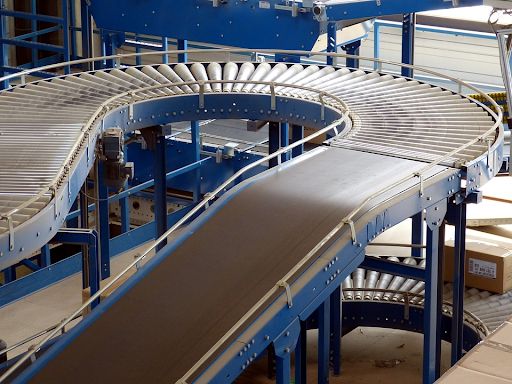
As businesses continue to grow, they'll inevitably require additional production facilities to accommodate the increased demand. Setting up a new production facility can seem like an overwhelming task, but it can be an efficient and exciting process with the proper planning. It requires organization, forethought, and detailed planning in order to get it up and running quickly and smoothly. In this article, you will learn the steps you should take when organizing a new production facility, covering everything from deciding the best location for your facility to selecting the right equipment and personnel for the job. Furthermore, it will discuss how to ensure the facility is optimized to increase efficiency, minimize costs, and maintain high levels of quality. By the end of this post, you'll have the tools and knowledge you need to get your production facility up and running as expediently as possible.

Design the Layout of the Facility

Organizing a new production facility begins with the design of its layout, which includes choosing the size and shape of the building, placing equipment, and deciding what departments to create. You should design the area to optimize efficiency and minimize waste in the production process from beginning to end. Plan ahead and think about how the production process will flow from beginning to end. Additionally, the layout should be suitable for the production process and the capability of the equipment. 

When designing the arrangement, you should also examine how you will keep track of your new equipment and how easy it will be to maintain them and keep a detailed maintenance record. One of the best options for this task is to use dedicated data plates for industrial use (vital to withstand use in industrial settings) that you can pin to each piece of machinery, replete with relevant data. Although this might not seem like a task related to designing the layout, you will need to consider where each piece of equipment will be located to see the data efficiently, reducing the chance of injury or damage.

Purchase Necessary Equipment

When you have determined the size and scope of your production facility, you need to purchase the appropriate equipment. The best products for your needs and budget need careful consideration and research, meaning that you should take into account the cost of both new and used equipment, as well as the cost of repair and maintenance. Additionally, you must consider the size and compatibility of the equipment with your production facility. Purchasing the necessary equipment requires a balance between quality and quantity that is both cost-effective and efficient.

Set Up Process Flows

In order to map out every step in the production process, you need to identify what operations your production facility must support. Process flow charts are the most effective way to map out each step. The process flow should include supplies required for each step, machines needed, people involved, and the expected outcomes. Doing so will allow you to visualize how the process should be performed and make changes as required. A process flow should also include checkpoints for quality assurance, which will help identify any issues with the process before they become more serious.

Establish Quality Controls

Having established the systems and processes, it is essential to establish quality controls. A quality control procedure ensures that the product meets the specified standards. You should inspect incoming materials and products tested during production, and finished products should be inspected and tested as part of quality control procedures. In order to ensure that these procedures are correctly and consistently followed, they should be documented. Any production facility worth its salt should regularly review its quality control procedures to ensure that they are relevant and up-to-date, which ensures that products are up to customer expectations and comply with various regulations.

Train Employees on Production Procedures

The training of employees on production procedures is another important step toward setting up an efficient, productive, and safe production facility. It is crucial that production employees be taught safe, efficient, and cost-effective procedures specifically tailored to the production process as part of any successful business. In addition to how to safely use equipment and tools, how to handle materials properly, and how to troubleshoot and resolve production-related problems, training should also include troubleshooting and resolving production-related issues. You should customize the training materials based on the specific production processes and procedures used in the new facility.


A well-planned layout, the right equipment, and a safe and comfortable working environment can ensure that your facility is capable of producing quality goods efficiently. In order to ensure that your production facility is up and running quickly and efficiently, you need to prepare and know what you're doing.

4 Basic Kitchen Essentials Every Homeowner Should Have

RH Business Marketing Solutions

For many, cooking is a fantastic way to spend time. It helps them unwind after a particularly long day at work and gives them satisfaction in knowing they've done something entirely on their own.

However, creating masterpieces in the kitchen can be difficult without the right tools for the job. As such, you might want to consider making some changes to your kitchen's design to make it more effective and efficient.

To help you streamline your cooking experience and make your kitchen more comfortable and enjoyable to work in, we've listed some kitchen products that should help you transform into an amateur chef. Read the article below and discover the four basic kitchen essentials every homeowner should have

Whipped Cream Dispenser

A kitchen without a cream dispenser is like a house without a roof. Cream dispensers are some of the most important tools for any kitchen, as they help you create frothy and creamy textures for your dishes and desserts. They are also great for making meringue and whipped cream frostings.

To use a cream dispenser, add whipping cream, milk, or water to the bottle and screw on the lid. Next, pump the handle up and down until the cream is thick and frothy. Finally, unscrew the lid and pour the cream into your dish or dessert.

Alternatively, you can use cream chargers — they help you make creamier and fluffier textures. Just make sure to purchase only high-quality products, such as mosa melbourne nangs, to guarantee the best results. After all, you don't want your cream to be lumpy or runny!

Knife Set

A handy knife set is indispensable if you want to create beautiful dishes with ease. It usually includes a variety of knives, such as paring knives, chef's knives, and bread knives. Thanks to it, you can choose the right one for the job.

When choosing a kitchen knife set, purchase one made from high-quality materials. Also, each knife should have a comfortable grip.

Look for a set that comes with a knife block or sheath, as this will help you keep your knives in good condition and protect your hands from accidental cuts. If you can't find a knife set that includes all the knives you need, you can always purchase them separately.

Kitchen Scale

A kitchen scale is a necessary addition to the kitchen of any baker or cook. With it, you can measure ingredients accurately, creating perfectly proportioned dishes every time.

Kitchen scales are available in a variety of styles and sizes, so you can choose one that fits your needs. Digital kitchen scales are the most accurate and easy to use, but they can be more expensive than their analog counterparts.

It's also important to consider the design of your kitchen, so you don't end up with an appliance that ruins its unique appeal.

To illustrate the point, vintage cookery inspired by the 1950s probably won't work all that well with a hyper-modern digital scale. In this case, you simply have to choose an analog scale to avoid ruining the look of your kitchen.

Meat Thermometer

The next product on our list is a meat thermometer. It is an indispensable kitchen gadget with a single use — it helps you measure the internal temperature of the meat so that you can cook it to perfection.

In other words, these handy tools can help you avoid overcooking or undercooking your meat, ensuring it is cooked to perfection.

Furthermore, they're much more accurate than using a timer or just guessing at what the ideal internal temperature of the meat should be. This factor makes them invaluable products when it comes to cooking meat properly. 

Meat thermometers are available in numerous styles, such as digital and analog, so you can choose the one that fits your needs. Most people opt for the former. A digital meat thermometer is essential for those who want to cook meat properly but don't want to spend a lot of time monitoring their food while it's cooking.

Make sure that your thermometer comes with a long probe. It will help you avoid accidental burns and ensure that the device works even in the most extreme settings of your oven.

In Conclusion

The kitchen is the heart of any home, as it's where we cook our meals and entertain our guests. That's why ensuring that your kitchen is equipped with all the necessary tools and gadgets is essential.

Above, we've listed some of the best kitchen products to help you become an amateur chef. They will help you create beautiful dishes and desserts and make your cooking experience more enjoyable.

From cream dispensers and kitchen knife sets to meat thermometers and food processors, there are plenty of kitchen tools you can choose from to elevate your cooking and make the whole process more manageable. And above all, remember — the most important thing is to have fun in the kitchen! Good luck with your cooking!

Guest Contributor: Nina Elliott

The 6 Benefits of Investing in Hurricane-Resistant Home Features

RH Business Marketing Solutions

As the climate continues to change and extreme weather events become more frequent, investing in weather-resistant home features is becoming increasingly important. Doing so can not only help protect your home from damage but also potentially save you money on energy bills over time. 

From installing impact-resistant windows and doors to using reflective roofing materials, there are a variety of ways that homeowners can make their homes more resistant to harsh weather conditions. Not only will these investments protect your home from storm damage or other forms of destruction, but they may also increase its resale value if done correctly. 

In this article, we’ll explore the different types of weather-resistant features available for residential homes as well as the potential benefits they offer in terms of both protection and cost savings.

It Can Increase The Value Of Your Home

Investing in weather-resistant home features can increase the value of your home in several ways. Contacting a hurricane protection company and investing in wind-resistant roofs, windows and siding can help protect against extreme weather conditions like snowstorms and hurricanes, which can cause significant damage to unprotected homes. Additionally, investing in energy-efficient features such as insulation or ENERGY STAR-rated appliances can reduce the costs associated with heating and cooling, allowing you to save money over time. Furthermore, investing in maintenance-free materials such as vinyl siding or composite decking can help reduce upkeep costs and increase the longevity of your home’s exterior. Finally, adding an aesthetically pleasing feature like a sunroom or patio to your home can create a cozy, attractive living space and can be an enticing feature to potential buyers.

It Can Protect You From Extreme Weather Conditions

Weather-resistant home features are especially important for families living in areas with extreme weather conditions. Investing in hurricane protection systems from a reputable company can help protect homes from strong winds and flooding. Homeowners living in extremely cold climates should invest in insulation, exterior cladding, and energy-efficient windows to prevent heat loss and protect against cold weather damage. Investing in these weather-resistant home features can save homeowners thousands of dollars on repairs in the long run. It can also help with energy efficiency, reducing energy bills significantly in the long run.

It Can Save Money

Investing in weather-resistant home features can help you save money in the long run. Weather-induced damage, such as water damage from flooding or roof and siding damage from high winds, can be costly to repair, and insurance may not always cover it. Investing in weather-resistant home features, such as robust windows and doors, high-quality roofing and siding, impact-resistant shutters, and sealing decks and patios can help reduce the likelihood of weather damage. This can save you money in the long run by helping to prevent costly repairs or replacements.

It Can Increase Comfort Level

Investing in weather-resistant home features can also increase your comfort level in your home. Weatherproofing your home can help reduce energy costs by keeping the air inside from being affected by outside temperatures. Windows, doors, and roofs are key areas to consider when improving energy efficiency in a home. Good insulation will also keep the house cooler in summer and warmer in winter while helping to reduce noise levels from outside sources. Additionally, waterproofing your basement can help prevent flooding and water damage. 

It Can Improve The Durability Of Your Home

Weather-resistant features can also improve the durability of a home. Quality roofing, siding, and other materials that are designed to withstand exposure to water, wind, and extreme temperatures will generally last longer than regular building materials. This not only helps protect the structural integrity of a home but also makes it more energy-efficient and cost-effective in the long run. Additionally, many weather-resistant features offer additional protection from extreme weather events such as hurricanes and tornadoes. 

It Can Protect Your Assets

In addition to protecting your family, weather-resistant home features can also help protect your assets. Fireproofing materials such as insulated drywall and fire-resistant paint can help reduce the risk of a house fire caused by extreme weather conditions. And investing in watertight windows and doors can help keep moisture out, preventing mold growth and other structural damage. Ultimately, investing in weather-resistant home features can help protect you and your family from extreme weather conditions while helping to safeguard both the comfort level of your home and the value of your assets.

For homeowners looking to increase the durability and energy efficiency of their homes while protecting their families and assets against extreme weather conditions, investing in weather-resistant home features can be an excellent option. From impact-resistant shutters to energy-efficient windows, there are a variety of options available for weatherproofing your home. By investing in appropriate weather-resistant home features, you can help protect your family and save money while increasing the value of your property.

Office Space For Rent: Tips And Tricks To Find The Best

RH Business Marketing Solutions

Having your own business is a dream for many. You can manage yourself, have more freedom and income, actualize your dreams, and leave a legacy. While you can start your business from your backyard or home office, you will need to rent an office as the business grows.

Renting office space gives an air of professionalism and makes it easy for your clients to reach you. A good office location can help grow your brand, attract new clients, and boost your business.

If you're looking for office space to rent, there are many things to consider. The process can be overwhelming, from the size and location to the amenities and price.

Renting office space is a great way to get your business up and running without spending much money. However, if you’re new to the process, it can be challenging to know where to start. 

To help you navigate this process, we've put together a list of tips and tricks to help you find excellent office space for rent.

1. Work With a Reputable Agent

The best way to find a suitable office space for your business is to work with a reputable agent who can help guide you through each stage of the search process. A good agent will be familiar with the market and know how to match your needs with available spaces. They'll also be able to negotiate on your behalf and provide competitively priced estimates.

Use reputable agents when renting an office space in competitive areas like Dallas if you want to avoid scams and bad deals. Work with someone who has experience in leasing out commercial spaces like yours.

When choosing a real estate agent, ensure you're working with one with a solid reputation for professionalism and experience. A good agent can help you find the best office space for rent so that you can be as productive as possible.

2. Location Is King When Renting an Office Space

Location is one of the most critical aspects of finding a new office space; it's where most businesses make money in any industry. The area of your new business will determine whether it's convenient for employees or customers and where other companies are located—both within walking distance and close by public transportation. 

While you might have an idea of where your new office is located, like Dallas, it's essential to consider factors such as the availability of parking and other amenities before renting an office space. You'll also want to take into account what type of clientele exists in the area so that your business will be able to thrive there.

If you live in a small town or city with limited options, the location might not be a problem. However, location will be an essential factor when picking the ideal office space for rent in Dallas if you work in an area with much more competition for office space, like Dallas. You should also consider convenience when assessing parking availability and accessibility to amenities like restaurants and shopping centers.

3. Ensure the Lease Is Good for You

Before signing anything with any property manager or leasing agent, ensure everything is set up correctly so your business can succeed from day one! This includes having all of the equipment in place (including computers and other technology), having the proper insurance coverage, and making sure there are no issues with any utilities or services — this is crucial when starting!

You must ensure you're getting a good deal when looking for Dallas office space for rent. The first step is to ensure that the lease is good for you because if there are any issues with it, they may come up later.

The new office should be consistent with what you want from an office space. Ensure that there are no hidden fees or costs associated with renting an office space that isn't disclosed during negotiations.

By checking out their website, you can ask your landlord about their policies and ensure they are in line with your needs. You can also contact other businesses that have recently leased space on the same block as yours and ask them how they feel about working with their landlord.

4. Accessibility

If you want peace, look no further than the suburbs or countryside; if you want access to public transportation and other amenities, consider how far from downtown each location is located — most customers don't want to commute long distances.

The most important thing to consider when choosing an office space is accessibility. You need an office that's close to your clientele and employees. Ensure that your preferred location is close to public transit and other amenities like restaurants, coffee shops, and grocery stores. Also, ensure that ample parking options are available for those who need them.

5. Have a Checklist of Must-Haves

You should have a list of must-haves before looking at any potential office space for rent. Make sure that whatever office you choose has enough room for your employees and equipment. These include parking, wireless Internet access, and proximity to major transportation hubs. 

Try to find an area with amenities such as coffee shops and restaurants nearby so you won't have to rely on your own supplies. From the size of the room to amenities such as Wi-Fi and conference rooms, having this information will help narrow down what may be out of your price range or just not right for you.

6. Look for Amenities and Perks

When choosing an office space to rent, look for any perks or extras that come with renting in that particular building. From a well-lit reception area to dedicated parking spots, a high-tech kitchen, and conference rooms, plenty of perks can make your business more efficient and pleasant.

Offices that offer amenities like on-site gyms or conference rooms are usually more expensive than those that don’t. But they may be worth the extra money if they help attract new clients or employees.

Regarding amenities and perks like free lunches or coffee, ask about what's included before signing up for anything! For those in Dallas, look for Dallas office space for rent with an elevator and many parking spaces. These amenities can be necessary if your business requires transportation to and from your office.

7. Choose a Budget That Works for You

One of the most important considerations is your budget. Renting an office can be hard to pull off if you’re looking at a large amount of money and don’t have a large savings account. Ensure you're comfortable with the price before signing a lease agreement or committing other financial resources to an office building.

It’s important to know what you can afford and ensure you have adequate resources to meet your needs. When it comes to office space, there are dozens of options available. The trick is to find the right fit for your company and budget. 

For example, if you're a start-up with limited resources, look for office space with a shared kitchen or bathroom. You'll also want to ensure there's an area where workers can socialize and collaborate.

If your business is growing rapidly, but you don't have enough money to lease an entire floor, consider renting a portion of a shared office in office space for rent in Dallas. Shared offices in Dallas offer flexibility and cost savings for small businesses just starting.

8. Compare Prices

Compare prices before choosing a building or facility to know what kind of deal you're getting into. Don't get caught up in sticker shock when comparing similar buildings or facilities across multiple locations!

Comparing price quotes can help you get a better deal by looking at limited options. For example, if you're looking in Dallas, compare price quotes for various types of rent office spaces in Dallas to find a space that not only fits your budget but also provides more value. 

9. Space Should Match Your Company’s Needs

You’re probably looking for office space because you want a place where your employees can work and get things done. You want to find a suitable space that’s both functional and affordable. Take a close look at your business and what office space best fits your needs.

If you're looking for office space, it's essential to consider the budget and availability of space. This can help you determine what type of office rental you'll need, whether a shared office or an entire floor.

Renting office space is a great way to start your business, but it can be a complex process if you don’t know how to find the best deal. If you have a large team of employees who need dedicated areas for meetings and brainstorming sessions, look for a building with some extra desks or conference rooms that can be reserved when needed.

Before picking an office space to rent, remember that it’s essential to measure the square footage of your workspace so you can choose the exact amount of storage space you need.

Final Thoughts

Finding a suitable space takes time and research, but it's worth it. Office space is one of the most important things you'll buy for your business, and you must get an office that works for you and your employees.

Finding an office space to rent can be a daunting task. You must consider many factors, including the lease terms, location, and other details. The tips and tricks above will help you find the best office space for your business.

When renting an office space, look for a property that has parking, is close to public transportation or other conveniences, is within walking distance of your clients and staff, and has easy access to the building. 

Ensure that the area around the property is safe and secure so that employees can feel comfortable outside during breaks or lunchtime. Ensure that your new office space will be a good fit for your business, which is why it is essential to use a reputable agent when renting an office space.

Guest Contributor: Daniel Martin