Google+

contact us

Use the form on the right to contact us.

Day or Night, we are here to serve you. Leave your plumbing problem to us.


Tinley Park, IL

(708)845-7922

Residential and Commercial plumbers and plumbing contractors available in Orland Park, Tinley Park, Oak Lawn, Palos Heights, Midlothian, Oak Forest, Homer Glen, Mokena, Frankfort, and the surrounding Chicago South Suburbs. Emergency plumbers.

copper water lines.jpg

Kevin Szabo Jr Plumbing Blog

Kevin Szabo Jr Plumbing is Tinley Park, Orland Park, Oak Forest, Midlothian, Orland Hill, Homer Glen, Mokena, Frankfort, Crestwood, Palos Heights, Oak Lawn, local plumber. Read our blog for advice, tips, a good laugh, and basic home improvement.

**We are moving our old blog to our new and improved website. Too see all our posts visit kevinszabojrplumbing.blogspot.com

Home Furnishings That Will Maximize Your Small Living Space

RH Business Marketing Solutions
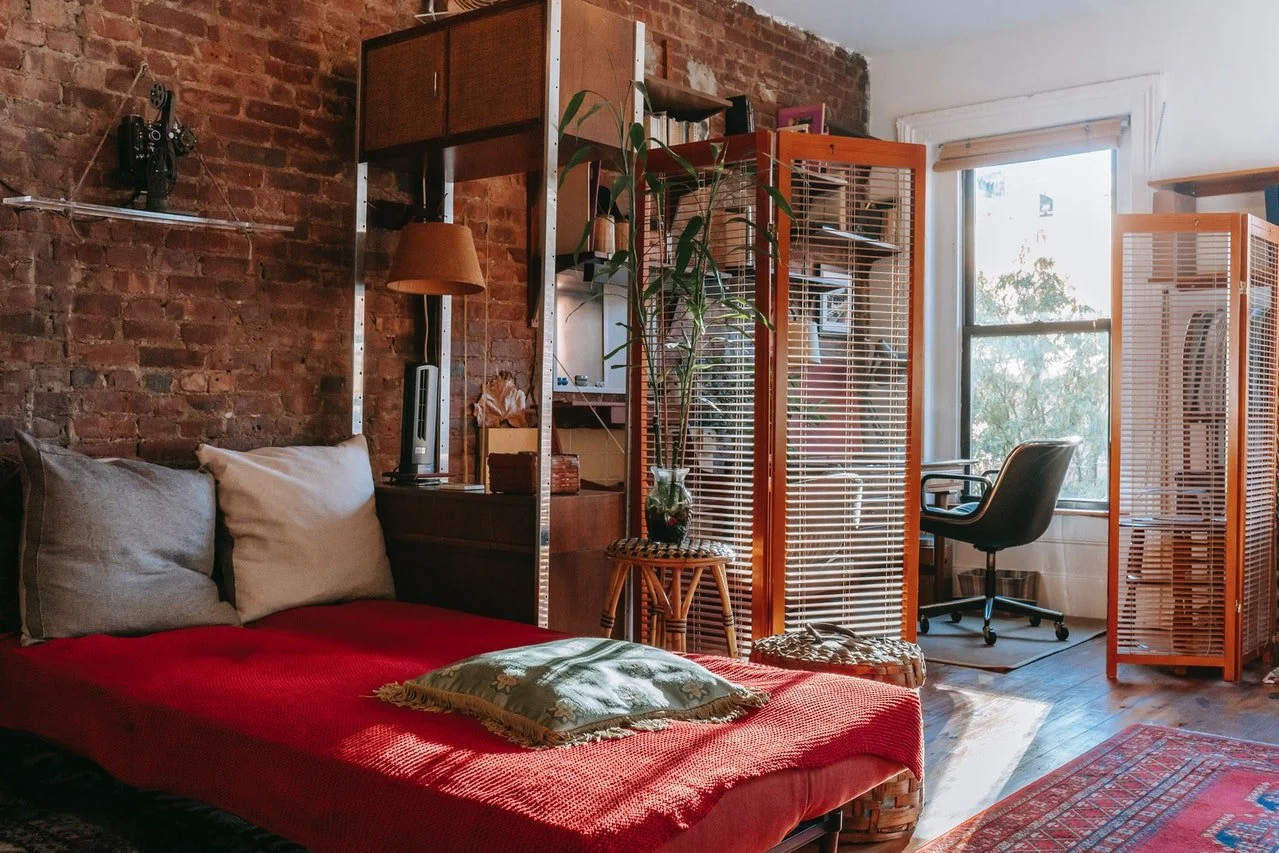
Living in a small space can be challenging, but it doesn’t have to be. Fortunately, you can use various ways to make the most of your small home without sacrificing comfort. Using innovative design, clever storage solutions, and creative layout tricks, you can transform your tiny house into a spacious, comfortable retreat that’s spacious enough for everyone to enjoy. The following home furnishings will help you make your home great.

Small Home Office Ideas

If you’re trying to maximize your small living space, it only makes sense to get a handle on your office. When you have an office in your home, you can also use it as an extra room. You can use the spare room in the house as a guest room or an overflow bedroom when you have guests to stay over at home.

Hanging Desk Organizers

These are easy, inexpensive ways to get more out of your small space. You can hang them across your dining table or your countertop to create a place for your essentials or hang up one or two on each side of your desk to keep them within reach. They can also be used on the wall to hold posters or another decor. For those with limited space in their kitchen or bathrooms, hanging organizers can be an excellent way to maximize their space.

Folding Chairs and Stools

Folding chairs are an easy way to add seating to a small space and come in handy for smaller spaces. You can also use them to create seating areas in gardens or garages or as a bench or seating for outdoor parties or events. For smaller rooms, you can also opt for folding stacking chairs, which stack compactly for easy storage. You can group them to create a seating area or use them individually for those who only want a smaller space to sit.

Multi Functional Furniture

Consider buying furniture that has multiple uses. You could add a sofa with a chaise or have a stand alone chaise. This piece can easily double as a seating area and bed by night. You can also consider investing in a sofa bed. This is a sofa that contains a fold out bed within the frame of the sofa. You can find these in various sizes from twin to even king sized beds. If you will be using this as your permanent sleeping space you’ll want to make sure you have a good quality sofa bed mattresses to ensure maximum comfort. This is a perfect piece to maximize space in studio apartments or shared bedrooms.

Storage Tricks

The best way to maximize your small space is to have a plan and use tricks and techniques to make the most of your room. When you have a small space, you can use vertical storage such as a ladder, bookshelves or a bookshelf, or wall storage like baskets or hanging storage. Vertical storage can be helpful for those with limited space, while wall storage can be an excellent way to get the most out of a small space. When you have a small space, it’s essential to use vertical storage such as a ladder, bookshelves, or a bookshelf. You can also use wall storage like baskets or hanging storage to help you maximize your small space.

Standing Desk Ideas

A standing desk is an excellent option if you’re looking for a way to maximize your small space. Standing desks, which you can use as a laptop stand, a monitor stand, a phone stand, or a game stand, are an excellent way to maximize your space. Standing desks can also be used as a monitor stand to hold your computer or television. You can also use the desk as a phone stand when you don’t want to keep your phone on the bed or the floor.

Invest In Storage Cubes

Storage cubes are a great way to maximize your small living space. They can be used for storage, as an additional seating option, or even for displaying artwork or a plant. You can use storage cubes as both indoor and outdoor furniture. You can place them anywhere in your home to create an additional seating area or use them to create an indoor seating area.

Conclusion

Investing in a smaller home, decorating ideas and upgrading your interior design to create more space can be one of the best ways to maximize your living environment. Even if you’re living in a smaller home, it doesn’t mean you can’t have everything you need. You need to know where to look and what kind of small home decorating ideas will work for your situation.

Guest Contributor: Regina Thomas
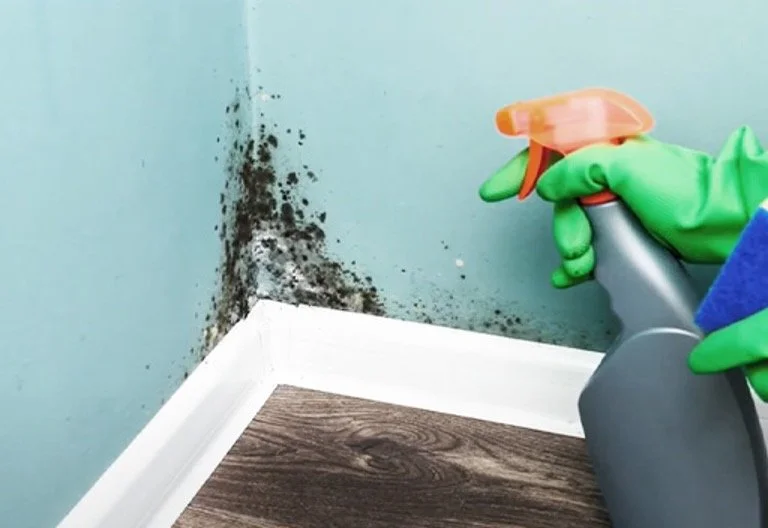
How to Prevent Mold from Taking Over in the First Place?

RH Business Marketing Solutions

Mold plays a vital role in the environment by destroying organic materials and enriching soil. But mold isn’t good for humans. In fact, when we are exposed to mold, it can cause us several health issues. That is why as a homeowner, you must prevent mold from taking over the house in the first place.

Why Should You Be Worried about Mold Formation in Your House?

Mold grows in damp places or in humid conditions. You can find mold in carpet, food, kitchen and bathroom sink, clothing, and even behind the drywall. But mold is very costly to eradicate from the house. Besides, in some cases, you cannot even eradicate them completely.

But why should you care about mold?

Mold is very hazardous and can cause serious health issues. For example, when there is mold in your house, especially inside the HVAC unit, it will lower the indoor air quality. Your home will be filled with a bad odor. Moreover, mold can trigger asthma symptoms and other respiratory illnesses. Furthermore, it is found that people can feel allergic when they are exposed to mold.

From this, it is clear that mold can cause severe damage to your health and degrade the environment of your house. So, it is always better to prevent mold from taking over in the first place.


5 Ways to Prevent Mold in Your House

1.  Keeping the Air Dry

By keeping the indoor air dry, you can stop mold formation in your space. For this, you can use an HVAC unit and a dehumidifier.

When you turn on your air conditioning unit, it keeps your space cool by removing excess moisture from your space. Thus, the indoor air becomes dry, and you can prevent mold formation. Apart from using an air conditioning unit, you can also install a dehumidification system and ensure regular air duct cleaning.

A dehumidifier will maintain a specific humidity level all the time, and thus, you can prevent mold growth in your house.

However, while using the HVAC system, ensure proper house insulation. Otherwise, this method of preventing mold growth won’t be effective.

2.  Ensure Maximum Ventilation

Usually, houses with poor ventilation systems are affected by mildew. Because when there is not enough air circulation in the house, indoor air will have more water content, resulting in rapid mold growth. On the flip side, when there is adequate air circulation in the house, outside dry air can enter your house and replace the wet air. Thus, you decrease the possibility of mold growth in your house.

Again, if there is not enough natural breeze, you can use a fan to circulate the air in your room.


Pro-Tip

During summer and high humid conditions, your closet can be the place where mildew will grow exponentially. To prevent mold growth in your closet, it is recommended to keep the closet door open. Besides, it is advised to hang all your clothes loosely so that the air can easily circulate in your closet.

3.  Repair the Water Leaks ASAP

As stated above, mildew grows in damp places or humid conditions. So, when there is a leak in the water pipe, it becomes the perfect condition for mildew to grow exponentially. That is why always check the drain lines and water pipes for leaks. As soon as you find any leak in them, repair them. Also, if your house has faced flooding recently, you must clean the house thoroughly. Otherwise, mold can worsen the house condition. For cleaning the house after flooding, you can call professional cleaning experts.

4.  Optimize the Outside of Your Home

If you want to prevent mold growth in your house, you will have to optimize the outside of your home as well. For example, you must check the roof for leaks. If you’re facing a dripping water issue in your house, it indicates that there is a leak in the roof. Here, you must call an expert and fix the problem ASAP. Again, if you find out there are one or two tiles missing on the roof, you must reinstall new tiles too. Thus, the condition of your roof will remain in good condition, and you can prevent mold growth in your house as well.

Apart from checking the roof, you should check the building’s foundation too. For several reasons, the foundation or walls in your home can have leaks, and if it is not fixed at the right time, they can lead to water leakage and damage the structure of the house. Besides, when there is water leakage, mold will grow exponentially.

5.  Keep the Bathroom and Kitchen Dry and Clean

The kitchen, bathroom, and shower areas are mold-prone areas. If these places are kept dirty, you will notice a mold outbreak. So, you must wash the bathroom and kitchen regularly. Also, if you find any leaks in these areas, you must fix them as soon as possible. Moreover, while cleaning the bathroom and kitchen, don’t forget to clean the bath towels, bath mats, and other clothing that absorb water.

Conclusion

Mold can make your house unlivable and spread diseases. Besides, when there is excess mold in your home, it will produce a foul odor. Moreover, if you have someone in your home with asthma or other respiratory illnesses, they can be severely affected by the mold. So, your goal should be to prevent mold rather than eliminate it.

Guest Contributor: Walter E. Bennett

6 Tips for Choosing the Best Plants for Your Garden

RH Business Marketing Solutions

If you're like most people, you probably enjoy spending time in your garden. It's a great way to relax and get some fresh air. But if you want your garden to look its best, you need to choose the right plants. If you're a beginner, that may seem like a daunting task. Thankfully, all you may need to do is this.

1. Get to Know Your Climate Zone

This is important because it will determine which plants will be able to survive in your area. For instance, if you live in a climate that is prone to droughts, you'll want to choose plants that are drought-resistant. You wouldn't want to choose a plant that needs a lot of water if you know it's not going to get it.

One of the best types of plants to choose from is native plants. They're already adapted to the climate and they don't require a lot of water or care. If you're not sure which plants are native to your area, you can ask a nursery worker or look them up online.

2. Consider the Amount of Sun your Garden Gets

This is important because some plants need more sun than others. If you have a shady garden, you'll want to choose plants that don't require a lot of sun. On the other hand, if you have a sunny garden, you can choose plants that need more sun.

One of the best plants for a sunny garden is succulent plants. They don't require a lot of water and they can tolerate a lot of sun. If you have a shady garden, you might want to consider a fern. If your garden doesn't get a lot of sun, that's okay. There are still plenty of plants that can thrive in low-light conditions, including begonias, impatiens, and coleus.

3. Think About the Size of Your Garden

This is important because you need to choose plants that are the right size for your space. If you have a small garden, you'll want to choose smaller plants. If you have a large garden, you can choose larger plants.

Some of the best plants for a small garden include violas, pansies and petunias. They don't take up much space and they add a lot of color to your garden. If you have a large garden, you might want to consider adding some shrubs or trees.

4. Don't Forget About the Soil and Diseases

This is important because different plants need different types of soil. For instance, some plants need well-drained soil while others need soil that retains moisture. One of the best ways to find out what type of soil your plant needs is to read the tag that comes with it. This will tell you everything you need to know about the plant, including how much sun it needs and what type of soil it prefers.

Plants that prefer loam soil include azaleas, rhododendrons and hydrangeas, and cannabis, which is particularly great for CBD enthusiasts with quality CBD seeds. Plants that prefer sandy soil include cacti, succulents, and some types of grass. There are also plants that prefer clay soil, including roses and some types of vegetables.

You should also choose plants that are disease and pest-resistant simply because you don't want your plants to get sick or be eaten by pests. Some of the best plants for this include, marigolds, petunias, and impatiens. They're not only resistant to diseases and pests, but they're also beautiful.

5. Don't Forget about the Seasons

This is important because you need to choose plants that will bloom in the season you want them to. For instance, if you want spring flowers, you'll need to choose bulbs that will bloom in the spring.

Some of the best spring-blooming bulbs include daffodils, tulips, and crocuses. If you want summer flowers, you'll need to choose annuals. Some of the best annuals for summer include impatiens, petunias, and marigolds.

6. Choose Plants that Are Easy to Care For

This is important because you don't want to choose a plant that is going to be a lot of work. If you're a beginner, you might want to start with some easy-to-care-for plants. Once you get the hang of it, you can move on to plants that are more challenging.

Some of the best easy-to-care-for plants include impatiens, petunias, and marigolds. They don't require a lot of attention and they're relatively low-maintenance.

Closing Thoughts

It's not easy to choose the best plants for your garden. There are a lot of factors to consider, including the amount of sun your garden gets, the size of your garden, and the type of soil you have. However, if you keep these tips in mind, you should be able to find the perfect plants for your space.

Guest Contributor: Tracie Johnson

5 Digital Marketing Strategy for Plumbing Services that Work

RH Business Marketing Solutions

Digital marketing has become part of an effective business strategy for both small and large businesses. Digital marketing can help plumbers easily develop their plumbing business more quickly because this method can reach a broader market.

If you can implement a digital marketing strategy into plumbing your business correctly, you can choose the right market and easily convert offers into purchases. Of all these advantages, there is no reason for you not to use digital marketing in your plumbing business.

This strategy will help your business compete in today's business world. Thus, digital marketing is the key to success, and it's easier than you might think. 

You've come to the right place if you still have not or are struggling to implement digital marketing strategies into your plumbing business. Here are six digital marketing strategies for plumbing services that work.

1. Optimizing Your Plumbing Website

In this digital era, many businesses still do not have a website, which is a big loss for them as most of the prospects come online, making your website the first impression that potential clients get from your business.

As a professional plumber, you need a professional, engaging, and easy-to-reach strategy. A website is one of the plumber digital marketing strategies you need, especially when dealing with emergency customers who need to find information about your business quickly.

That's why websites are must-haves for every business. For those who already have a website, you can optimize your website by adding videos from your YouTube Channel to your website, conducting keyword research, publishing valuable content, etc. Good content can help to promote the business, increase brand awareness, and attract new customers. Explainer videos, for example, are a great way to show off the company's work and highlight the benefits of using its services. When choosing an agency for explainer video production, it's essential to choose experienced ones who work in relative fields like yours.

2. Search Engine Optimization for Plumbers

SEO is one of the most popular techniques in digital marketing. SEO aims to optimize a business site on Google to be on the main search page. It is to make the business site easier to find so that the traffic to the site will be much greater.

With 75% of internet users never missing clicking the first page of results, reaching the top can be a game-changer for your business. So, SEO plays an essential role in your digital marketing strategy. 

However, it's not as easy as it sounds. It will require a lot of energy and time to be able to optimize your website's SEO so that it appears on the main page. 

There are several SEO techniques that you can do, such as creating article content and entering some keywords related to your plumbing business.

3. Leverage Video Marketing

Video marketing has become a popular marketing strategy among marketers. It is because video presents an engaging visual and easy-to-understand explanation that allows you to deliver critical messages to the audience.  

Thus, Adding engaging video marketing to your plumber marketing strategy can help boost your SEO, increase website engagement, add to your brand personality, and give you an edge against your competition.

Interestingly, you can add videos to your Google My Business listing, YouTube Channel, and other social media platforms. here are video marketing Tips for plumbers:

  • Keep your video short and simple

  • Focus on stories, not sales

  • Add your videos to your website landing page 

  • Target relevant audiences on social media platforms

Several best types of video marketing can bring your plumbing business to the next level, such as explainer videos, product videos, motion graphics, etc. 

Another great social media platform that could enhance your company's marketing is Tiktok. TikTok currently boasts 1.4 billion monthly active users and will reach 1.8 billion by the end of 2023.

Hiring a good video production company brings professionalism, creativity, technical expertise, and strategic guidance to your video marketing efforts. Their assistance can elevate the quality of your videos, enhance audience engagement, and ultimately contribute to the success of your marketing campaigns.

A reputable video production company has the expertise, experience, and equipment to create high-quality videos. They can produce videos with excellent visuals, clear audio, and smooth editing, giving your brand a professional image. High-quality videos are more likely to engage and impress your target audience, increasing the effectiveness of your marketing campaigns. They can also collaborate with you to develop a comprehensive video marketing plan aligned with your business goals.

4. Invest in Pay-Per-Click (PPC) Ads

Pay-Per-Click (PPC) is one of the most excellent marketing techniques for your plumbing business. This marketing technique is done by placing advertisements on certain media that provide PPC ads, such as Google, Facebook, Instagram, and others.

You need to choose the right media for your plumbing business and place an ad there so your target customers can easily see the ad. In this technique, you will pay for each click.

However, before you launch a PPC ad, you will be required to define specific keywords or phrases to help your ad appear to people actively looking for businesses that offer services like yours. It will allow you to increase conversion rate, brand awareness, etc.

5. Pick a Primary Social Media Channel

Social media is another excellent way to increase your online presence and engage with your audience. Social media users are increasing from time to time. Therefore, these platforms can be a fertile field for marketing, with the advantage of reaching consumers more personally.

Several things need to be considered before conducting successful social media marketing, ranging from audience research to identifying consumer characteristics, clearly defining marketing objectives, using measurable metrics, and studying competitors.

Additionally, you can make the most of social media marketing around your plumbing business with these best social media platforms, such as Facebook, Instagram, YouTube, Twitter, Snapchat, Quora, and so on.

6. Commit to Email Marketing

Email marketing is the most affordable strategy. Moreover, email marketing, with proper email verification, has a 122% return on investment (ROI). With this strategy, you can create welcome emails, special offers, newsletters, and other content related to business growth.

You need to create the correct email and send it to the right people (target market) so that they will open this email. It is crucial to build quality emails that can convince readers so that later visits to the business site can increase conversion sales.

To create good email marketing, you can personalize by mentioning usernames, creating concise content that audiences can access with mobile devices, and converting videos into .gif format to attract their attention.

Takeaway

In today's digital era, digital marketing is a must-have strategy in every business. 

You can implement the six digital marketing strategies mentioned above to help your plumbing business run successfully, starting from increasing conversion sales, building brand awareness, generating leads, etc.

A digital marketing strategy might take a lot of effort and time-consuming. However, once you have implemented your plumbing business strategy, you will be able to compete in today's digital business world. So, start to work on it and take your business to a higher level. Check out the most recent statistics in 2022 about social media marketing.

Author Bio

Andre Oentoro is the founder of Breadnbeyond, an award winning explainer video company. He helps businesses increase conversion rates, close more sales, and get positive ROI from explainer videos (in that order). 

Twitter: @breadnbeyond

Email: andre@breadnbeyond.com 

LinkedIn: Andre Oentoro

Learn How You Can Display Any Sort Of Visual Art In Your Home

RH Business Marketing Solutions

If you're like most people, you probably think of art as something that is hung on a wall in a fancy frame. However, there are many other ways to display art in your home. In this blog post, we will discuss some tips on how to do it the right way. We will also provide information on where to find beautiful pieces of art that will compliment your home perfectly!

Custom Picture Frames

If you're going to hang artwork on your walls, you'll need to get custom picture frames. The size and shape of the artwork will determine the size and shape of the frame. You can find these at any local craft store or online. With these custom picture frames, you can add a personal touch to your home. Try to look for frames that compliment the artwork and your home's décor. If you're looking for something luxurious opt for gold or silver frames. If you want something more rustic, go for wooden frames.

Choose Art That Compliments Your Home

The next step is to choose artwork that compliments your home. When you're choosing art for your home, you should pick pieces that compliment the overall look of your house. If you have a modern home, look for abstract or geometric pieces. If you have a traditional home, look for landscapes or portraits. You can also find art that reflects your interests and hobbies. For example, if you love nature, look for artwork with nature scenes. Or if you're a fan of pop culture, find artwork that features your favorite celebrities or TV shows. It's important to find pieces that fit in with the style of your home so that it looks cohesive.

Use Lighting The Right Way

Lighting is very important when it comes to displaying art. You don't want the artwork to be too bright or too dark. You also don't want the light to glare off the artwork. The best way to achieve this is by using track lighting. These will provide the perfect amount of light without causing any damage to the artwork. This will also allow you to adjust the light so that it's just right. You should also avoid using fluorescent lights as they can cause the artwork to fade over time. Accent lighting is also a great way to highlight specific pieces of art.

Don't Overdo It

When it comes to displaying art, less is definitely more. You don't want your home to look like a museum. Start with a few key pieces and build from there. You can always add more later on. Try to pick a few pieces that you really love and that will compliment your home. Once you have these, you can decide where to put them. Hang them in areas where they will get the most attention. You should also avoid overcrowding the artwork. Leave some empty space around each piece so that it can breathe. Also, make sure that the artwork is spaced out evenly on the wall. This will create a visually pleasing look.

How To Display Statues

If you're looking for a unique way to display art, try using statues! These can be placed on shelves or pedestals around your home. They also make great conversation starters. Look for statues that compliment your home's décor. You can find these at most home goods stores or online.

How To Find Art

If you're having trouble finding artwork for your home, try looking online. There are many websites that sell all kinds of art. You can also find a lot of great deals on used artwork. Another option is to commission an artist to create a piece specifically for your home. This is a great way to get something one-of-a-kind that is sure to impress your guests! There are many artists who specialize in creating custom artwork. You can find them by doing a quick search online.

No matter what your style is, you can easily find artwork that will compliment your home. With a little bit of effort, you can turn your house into a gallery! Just remember to use lighting the right way, don't overdo it, and choose pieces that fit in with the overall look of your home. With these tips, you'll be sure to impress all of your guests! Now that you know how to display art in your home, it's time to start shopping! With these tips, you'll be able to find the perfect pieces for your space. So get out there and start decorating! We hope this article was helpful!

7 Things Every House And Building Needs To Regularly Check Up On

RH Business Marketing Solutions

No one ever thinks about home maintenance until something goes wrong. By then, it's often too late and expensive repairs need to be made. It's important to have a schedule for checking on your home and fixing small problems before they turn into big ones. In this blog post, we will go over the seven most important things you should check up on every month!

The Roof

The roof is one of the most important parts of your home. It protects you from the elements and keeps your family safe. You should inspect your roof at least once a month for any damage. Look for missing or damaged shingles, cracks in the sealant, or any other signs of wear and tear. Experienced roofing contractors note that the lifespan of a typical asphalt shingle roof is 20-25 years. If your roof is too old, it might be time for a replacement.

The Foundation

The foundation is what keeps your home from collapsing. You should check the foundation monthly for any cracks or settling. Look for any cracks wider than a quarter of an inch, as these could indicate serious structural problems. If you notice any cracks, have them repaired immediately by a professional.  Small cracks can be filled with concrete sealant, but if the problem is more serious, you will need to call a professional.

The Windows And Doors

Your windows and doors are another important part of your home's structure. They keep the weather out and your family safe. You should inspect them monthly for any damage or wear and tear. You should check the seals around your windows and doors every month to make sure they are still intact. Look for cracked or broken glass, loose frames, or gaps that might let in air or water. If you find any, you can seal them with caulk or weatherstripping. If the damage is more serious, you will need to call a professional. 

The Insulation

Your home's insulation keeps it warm in the winter and cool in the summer. You should check it monthly for any holes or gaps. Look for any cracks in your walls or ceilings, or around your windows and doors. If you find any, seal them with caulk or weatherstripping. You can also add more insulation to your attic if needed.

The Paint

Paint protects your home from the elements and keeps it looking nice. You should inspect it yearly for any chips or cracks. If you find any damage, have it repaired immediately by a professional painter. They will be able to match the paint color so that it looks like new again. This way, you can avoid having to repaint your entire home.

Check For Mold

Mold is a type of fungus that can grow in damp places. It can cause serious health problems, so it's important to check for it regularly. You should look for mold in any dark or damp areas of your home, such as the basement, bathroom, or laundry room. Look for any dark or green spots on your walls, ceilings, or floors. If you find any mold, you should clean it immediately with bleach or a mold removal product. You can also call a professional to have it removed safely. They will be able to safely and effectively remove all of the mold from your home.

Check For Pests

Pests can damage your home and spread disease. You should check for them monthly, especially if you live in an area with a lot of insects or rodents. Look for droppings, holes in walls, or any other signs of pests. If you find any, you can call a professional to have them removed. They will be able to safely and effectively remove all of the pests from your home. Don't try to remove them yourself, as this can be dangerous. Pests can bite or sting, and some can carry diseases.

Regularly checking these things will help keep your home in good condition and prevent any serious problems from developing. By being proactive, you can save yourself a lot of time, money, and stress in the long run. So don't wait until something goes wrong to start checking these things! Your home will thank you for it. Make sure to add these monthly checks to your home maintenance routine. Your home will be comfortable for years to come. Remember to check for mold and pests, too! These can both cause serious problems if left unchecked. We hope this article has helped you out!

Pipe Relining: The Latest and Most Efficient Technique to Address Your Drain and Pipeline Problems

RH Business Marketing Solutions

Plumbing issues are arguably the most dreaded concern for any property owner. Therefore, the importance of timely plumbing work goes beyond saying. No matter whether you own a commercial property or a residential one, it is of prime significance that you conduct regular inspections and get the issues fixed at the earliest. Unattended plumbing problems will eventually affect the construction, resulting in various risks and a potential price drop for the property. But more importantly, faulty pipelines and clogged drainage systems will bring in a myriad of health concerns. However, plumbing inspection and maintenance is rather a specialized job and you should always rely on a reputable plumbing service provider who uses efficient plumbing service software for the task.


Like any other maintenance services, pipe inspection and maintenance have also evolved with the advent of modern technology. What was once a time-consuming and arduous process could now be carried out in minimum time and with the assurance of maximum efficiency. Instead of digging up your whole backyard and leaving the property to be fixed and repaired all over again, expert plumbers can do the job using high-end cameras and robotic technology. And this is pipe relining for you. You can say that it is the cutting-edge solution for damaged plumbing and sewer lines. Not only is this process significantly less time-consuming, but it is also more cost-effective compared to the traditional technique. So, the next time you feel like your drainage and pipes need a thorough inspection, you should definitely consider pipe relining.


Not sure what pipe relining is and how could it benefit you? Read through the blog and find all your answers right here.


What is Pipe Relining?

Pipe relining, also known as Cured-In-Place Pipelining (CIPP), is a specialized plumbing technique that fixes broken or leaky pipes from within, without having to dig up the structure. Essentially, the process results in creating a brand-new pipeline inside the existing damaged pipeline and thus, fixes the cracks. The sectioned relined sets perfectly against the rest of the structure and prevents leakage as well as further breakage. A special kind of epoxy resin is used for the process, which molds into the shape of your existing pipeline and develops into a new, stronger structure.


How Does Pipe Relining Work?

Pipe relining is a specialized plumbing job and the technique may vary from one service provider to another. There are plumbing services that develop their own epoxy resin composite and customize the installation process. However, the process involves a standardized methodology, which is explained below:


Inspection

The process starts with a thorough inspection and measurement of the damaged pipeline, just as it is done in traditional plumbing field service management works. The difference, however, is that pipe relining relies on advanced technology for this purpose. In this process, a high-end closed-circuit camera, known as the drain camera, went down the pipeline. It traverses through the pipe and checks for damages, leakages, and blockades, sending real-time footage of the findings. Thus, it helps diagnose the issue with your damaged pipeline. At the same time, it also measures the area that requires mending.


Cleaning

Once the camera detects any blockage, then a robotic arm consisting of a cutter is descended into the pipeline. It cuts through the solid obstacles blocking the line, such as tree roots. This robotic cutter is remote-controlled and operated by expert technicians. Once the obstacle is removed, the pipeline is further cleaned using a high-power hydro-jetting procedure. In this process, the high force of the water jet is used to clean out years of debris, scales, etc., and prepare the pipe for placing the inner lining.


Custom Inner Lining and Bladder

Once the pipeline is cleared and measured, plumbing technicians create a custom felt liner and an inflatable bladder to match the specifications of the existing pipe, including its joints and bends. Then, they are inserted into the pipe and pulled into the right position. Again, the CCTV camera ensures that the liner is placed correctly and covers the damaged area properly.


Filling the Liner

This is the most important part of pipe relining. The special epoxy resin prepared for the job is thereafter injected into the lining and around the bladder only to be left for a while. Once the epoxy dries and holds its shape, it becomes a secondary pipe within the existing pipeline. As soon as the bladder is removed, it starts acting as a pipeline on its own with the old structure still remaining on the exterior.


Final Inspection

To ensure the cracks are completely mended and the job is done properly, a final inspection is conducted again using the CCTV camera. Thus, you get a fully functional pipeline within just a few hours, which will last for many years to come.


Advantages of Pipe Relining

As it is evident from the process, pipe relining is far more effective than traditional pipeline repair. It comes with a plethora of advantages. Such as:


i) Hassle-Free. Traditionally, you will need your entire pipeline structure dug up to get the pipe extracted before the plumbers perform any inspection or maintenance tasks on them. And once the repair is done, you would need to put everything back in its place and cover up the surface, which requires additional maintenance. Besides, the traditional method does not only take up more time, effort, and money, but it also poses a serious risk of property damage. Considering pipe relining doesn’t need any digging, it mitigates those risks.


ii) Less Expensive: The cost of pipe relining is comparatively more affordable than traditional plumbing maintenance. Not just because you will have to cover up the ground, traditional repairing requires heavier machinery, more manpower, and more effort in clearing the structures that were dismantled.


iii) Less Time-Consuming: As it is evident, pipe relining takes far less time. You can get it done within the day, depending on the expertise and professionalism of your plumbing service agency.


iii) Longevity: Pipe relining is done with a specially developed epoxy resin that is built to last. It is highly durable compared to usual pipeline materials (e.g., PVC) and withstands wear and tear. At the same time, it reduces the chance of future damages, saving you more money.


iv) Environment-Friendly: With the growing concern for sustainability, pipe relining is a more environmentally friendly option for you. Leaking pipes are a potential environmental hazard. Not only does pipe relining prevent that, but it also uses eco-friendly material. Besides, the fact that it eliminates the digging results in lower energy consumption, generating a lesser carbon footprint compared to the traditional process.


What are the Signs That Indicates Pipe Relining is Needed?

Any time you feel like your plumbing system or sewer lines are compromised, you can call a plumbing professional and ask whether you need a pipe relining. Or else, if you encounter any of these symptoms, be sure it is time.

●      Water leakage

●      Sewage smell

●      Unusual noises from the pipeline

●      Clogged drains

●      Dampness in walls

●      Sewage seeping up from the ground

The signs, however, could result from a variety of problems. Therefore, it is important to consult a plumbing expert and take measures as soon as possible, before it turns into a costly affair.


Conclusion

Pipe relining, as it is clear from the discussion, is the most simple yet effective solution for damaged pipes and drains. However, it requires the expertise of the highest degree. So, before you hire a plumbing service agency, make sure they are a perfect fit for the job. Check out how much experience they have in pipe relining, enquire whether they use all the latest tools and the best software for plumbing business, make sure they deliver service on time, and most importantly, find out whether their services are within your budget. But again, don't compromise quality for a better discount, for plumbing is as important to your property as the vascular system is to our body.


Author Bio

My world is made up of codes. It is the central element that drives my universe. I am a self-taught, process-driven programmer with a creative bent of mind. Since I was an engineering student, I dreamt of creating something unique. To satiate my creative appetite, I took to coding. Blessed with abundant support and generous scholarships from my employers, I simultaneously worked full-time and pursued my dream. My passion and high productivity helped me in my journey as well. Finally, I created Field Promax to follow my drive of coding and streamlining processes; and do more of what I know best—coding.

Joy Gomez Headshot

Using Apps for a Stronger, More Productive Construction Business

RH Business Marketing Solutions

As a contractor, you understand the value of hard work. And you’ve learned that it pays to work smarter. The most successful general and independent contractors depend on apps to handle day-to-day operations and manage projects. Why not invest in apps when they enable you to tackle most of your tasks from your mobile device?

Of course, you must know what types of apps your team needs to take full advantage of the available technology. Below, Kevin Szabo Jr. Plumbing discusses some of the most crucial construction practices for using an app.

Project Management    

The casual observer might only think of the manual labor aspects of a construction business. However, you know how much project management is required to run a successful construction business as a contractor. You have to manage a range of fieldwork like commissioning, quality, safety, documentation, and building information management (BIM).

You also need to collaborate with your employees in the field and the office. Fortunately, there are many project management apps designed for contractors like yourself.

Look for software that helps you plan for production and resources while providing cloud-based collaboration for the field. Also, your project management app should let you work with the most recent documentation versions.

Cost Estimating       

If you’ve never used a cost estimating app, you’re missing out on some serious efficiency and possibly suffering financial consequences. You know how crucial it is to provide potential customers with accurate estimates. The right app will make it effortless to incorporate labor and material costs while factoring in taxes.

You’ll also be able to design a custom template that includes your logo, color scheme, and typography. And if your team sends an estimate and a customer doesn’t respond, the app will automatically send an email reminder. Research the market for pro-grade construction estimating software.

Auditing

When it comes to auditing, the best approach is to be as professional as possible. You can use a construction app to create quick, easy punch lists from your smartphone for audits, insurance claims, safety inspections, walkthroughs, and site walks.

All you have to do is make a list of all the tasks that need such as damage to structures, materials, or finishes. And you’re able to add notes and photos in the field while annotating images. You can even create PDF reports. Using this kind of tool can ensure you meet all of a contract’s specifications so you can get to work and make money.

Task Management

While project management software incorporates tasks, most PM tools broadly focus on projects. On the other hand, task management software breaks down projects into even more detail. You can use a free task manager app to access up-to-date blueprints and files while in the field.

Contractors can use these tools to create tasks by blueprints and locations. And they can assign priority levels and deadlines for various tasks.

Healthy and Safety Training   

Nothing is more important on the job site than keeping your crew safe and healthy. And there are apps on the market to help you do just that. Consider using a CITB test app to train your employees via behavioral case study questions. These apps cover a range of topics, including asbestos, personal protective equipment (PPE), first aid, legal, and environmental.

Blueprint Collaboration

Lastly, it’s essential to have a high-quality collaboration app that enables your team to work with your most recent drawings. The right app will let you incorporate markups and share them remotely with your design and office management teams.

Running a successful construction business requires you to work harder and smarter. Incorporating modern software can reduce stress and make your operations more efficient, ultimately freeing up your employees' time to focus on the most urgent tasks and keep your customers happy. Consider the apps above and research other ways to use digital technology to grow your company.

Would you like to read more helpful content or learn about our residential and commercial plumbing services? Visit KevinSzaboJrPlumbing.net today!

Guest Contributor: Patrick Young

What NOT To Put In A Septic Tank

RH Business Marketing Solutions

Septic System and Sewer Plumbing
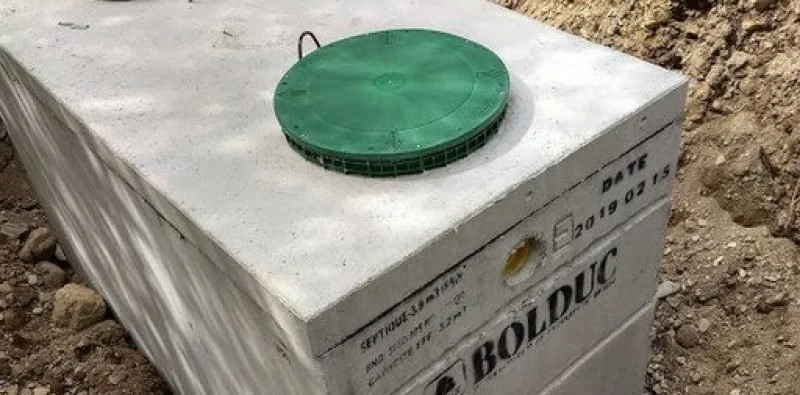
A septic system facilitates wastewater treatment on a site where a conventional city sewer system is unavailable. It consists of a septic tank and leach field. Septic systems dispose of wastewater from residential, commercial, and institutional buildings, including homes, cottages, cabins, churches, schools, restaurants, motels, and campgrounds.

A septic system is a self-contained treatment facility that uses the natural processes of decomposition and absorption to break down domestic sewage (wastewater) so that it can be safely discharged into the ground without contaminating groundwater or nearby streams. The treatment begins when wastewater flows through a septic chamber where the settling of solids occurs, and there is the formation of floating scum.

The middle layer contains mostly clarified liquid effluent. The clarified liquid effluent then flows through perforated pipes into an absorption field (or leach field), consisting of a series of trenches or mounds containing porous gravel or crushed rock (usually called drain rock). This layer provides an environment where bacteria can grow and break down the wastewater solids into soluble organic materials that are readily absorbed into the surrounding soil, which will eventually drain away, leaving clean groundwater behind.

On the other hand, sewer plumbing is in charge of directing wastewater from a site to a plant responsible for waste treatment. The plumper is responsible for the laying and repairing of sewerage systems. Local governments and private companies primarily operate such waste plants. The funding services are based on the payment of fees and taxes by the property owners and businesses served.

Items not to Flush Down a Septic System
Despite how small an object could be, one must be cautious about flushing it down a septic system. Some things people have to shun flushing down a septic system are as follows.

Feminine Products
People should not be flush products used by women down the toilet. These products include tampons and sanitary napkins. The products are not meant to be flushed down the toilet and can cause clogs and other problems.

Kitty Litter
Kitty litter is another product that is not meant to be disposed of in a septic tank. Kitty litter is made of clay, containing tiny particles that are too small for a septic system to handle.

Dental Floss
Dental floss is made of nylon or other plastic material, which will not break down in a septic system. It can cause blockages in the pipes and the whole system if flushed down the toilet regularly.

Napkins
Napkins are another product that one should not flush down the toilet because they contain multiple layers of materials that bacteria cannot break down in a septic tank or leach field.

Diapers
Diapers are made of multiple layers of material, which will not break down in the septic system. The outer layer of the diaper is a waterproof material, and the bottom is made of plastic. The septic system cannot break down these materials and can cause blockages.

Cotton Balls: Cotton balls are also made with multiple layers that bacteria in a septic system cannot break down. The cotton is wrapped in a paper or plastic shell that holds it together, and bacteria cannot break down both parts. These materials should not be flushed down the toilet regularly because they can cause clogs and other problems for homeowners.

Effects of Flushing Prohibited Items into the Septic System
Flushing prohibited items into the septic systems may result in an inefficient system. The following signs prove the inefficiencies.

The drains, water, and toilet sewage may flow back into the home, which could be a serious health hazard. The drain field may fail, and the sewage may leak and contaminate the soil. The leakage is an environmental hazard because it contaminates the water sources and soil, which causes ill effects on people and animals in the area.

The drainage in sinks, bathtubs and even showers may slow down due to the inefficiencies of the septic system. The slowing down is a sign that the septic tank has gotten full. When this happens, it is best to hire a professional who can clean your septic tank and repair any damages.

The health of the residents in the home may be at risk due to bad odors from bacteria coming from the septic system. The bad smell may irritate people living in the house. Blockages caused by the shunned objects cause a bad smell. A person in a house with a poor-smelling septic system will have difficulty concentrating on other activities and may have health complications such as headaches, nausea, vomiting, fever, and diarrhea.

The home may be infested with insects such as cockroaches, mosquitoes, and ants because dirt and feces around the house attract them. If there is no proper disposal of wastes, a blockage in the sewerage system will create an environment for insects to breed, thus making it necessary for you to use pesticides or insecticides to kill them off, which is costly.

Things to Flush in a Septic System
The septic systems have been designed for particular waste, and they are the ones to be flushed. Toilet paper and human waste are the primary solid waste for septic systems. Other things such as feminine products, condoms, rags, diapers, and other solid waste are not designed for the septic systems.


Written by Taylor Thompson, a Digital PR Specialist representing ADB Construction and Septic.

5 Reasons Disinfecting and Sanitizing Your Home is Important

RH Business Marketing Solutions

Keeping your family safe is your number one priority, and there are a few things you can do to ensure they are protected from harmful bacteria and viruses. One of the most important things you can do is disinfect and sanitize your home regularly.

1.   Create A Safer Environment

Disinfecting and sanitizing your home is one of the best ways to reduce the spread of illness and create a safer environment for your family. In essence, you are making it more difficult for bacteria and viruses to thrive. This can help to reduce the chances of illness, as well as create a safer environment overall. In addition, disinfecting and sanitizing your home can also help to reduce the spread of infectious diseases. By making it more difficult for germs to spread from person to person.

There are several ways to disinfect and sanitize your home, but one of the most effective methods is to hire an emergency cleaning service. These services are specifically designed to clean and disinfect homes in an emergency, such as a fire or flood. As a result, they have the experience and knowledge necessary to ensure that your home is as safe as possible.

2.   Keep Your Family Healthy

A clean home is a happy home - or so the saying goes. But there's more to it than that. A clean home is a healthy home. And when you disinfect and sanitize your home, you are essentially creating a barrier between your family and the outside world. This barrier can help prevent illnesses from spreading and keep your family members healthy overall. There are various ways to disinfect and sanitize your home, from household cleaners to ultraviolet light sterilizers. But perhaps the most important thing is to be vigilant and clean regularly.

3.   Reduce Foodborne Illnesses

Reducing the chances of foodborne illnesses in your home starts with disinfecting and sanitizing regularly. A foodborne illness is caused by consuming contaminated food or water. Symptoms can range from mild to severe and sometimes lead to hospitalization or even death. While there are many different types of foodborne illnesses, they share one common trait: they can be prevented by following proper food safety guidelines.

One of the essential steps in preventing foodborne illnesses is to regularly disinfect and sanitize surfaces in your kitchen. This includes countertops, cutting boards, utensils, and dishware. You should also clean your fridge and pantry regularly.

4.   Protect Your Belongings

We often think of bacteria and viruses as causing illness in humans, but they can also cause damage to our belongings. For example, bacteria can cause clothing to deteriorate or furniture to rot. Viruses can damage electronics, such as computers or phones. By disinfecting and sanitizing our homes, we can help prevent this type of damage.

Disinfecting surfaces helps kill bacteria while sanitizing help remove dirt and grime that can harbor bacteria and viruses. Both processes are important for preventing damage to our belongings. In addition, regular cleaning helps to remove potential food sources for bacteria and viruses, making our homes less inviting for these harmful microbes. By taking these simple steps, we can help to keep our belongings safe from harm.

5.   Protect Your Family

One of the most important ways to protect your family from harmful bacteria and viruses is to disinfect and sanitize your home regularly. There are a lot of different ways that bacteria and viruses can enter your homes, such as through food, water, or even contact with other people. By disinfecting and sanitizing your home regularly, you can help prevent the spreading of these harmful organisms.

You can disinfect and sanitize your homes using several different products, such as bleach, vinegar, or alcohol. You should always read these products' labels carefully to ensure that you are using them correctly. In addition, you should make sure to wash your hands often and avoid touching your face so that you do not spread bacteria or viruses to yourself or others.

There are many reasons to disinfect and sanitize your home. Germs, viruses, and bacteria can cause illness and make you and your family sick. It is important to clean surfaces regularly with disinfectants to kill these harmful organisms. In addition, proper sanitation can help reduce the spread of germs and keep your home healthy.

Guest Contributor: Maggie Bloom