Google+

contact us

Use the form on the right to contact us.

Day or Night, we are here to serve you. Leave your plumbing problem to us.


Tinley Park, IL

(708)845-7922

Residential and Commercial plumbers and plumbing contractors available in Orland Park, Tinley Park, Oak Lawn, Palos Heights, Midlothian, Oak Forest, Homer Glen, Mokena, Frankfort, and the surrounding Chicago South Suburbs. Emergency plumbers.

copper water lines.jpg

Kevin Szabo Jr Plumbing Blog

Kevin Szabo Jr Plumbing is Tinley Park, Orland Park, Oak Forest, Midlothian, Orland Hill, Homer Glen, Mokena, Frankfort, Crestwood, Palos Heights, Oak Lawn, local plumber. Read our blog for advice, tips, a good laugh, and basic home improvement.

**We are moving our old blog to our new and improved website. Too see all our posts visit kevinszabojrplumbing.blogspot.com

Top 6 Maintenance Services You Need for Your New Home

RH Business Marketing Solutions
Congratulations on your new house! Now that construction and the paperwork are in order, you’re ready to move into your new home.

But before you can get settled and begin living a peaceful life there, you must first plan for home maintenance.

Like people, your house needs regular check-ups for its upkeep. It is also crucial in maintaining efficiency in your home, not to mention it helps you save money from costly repairs down the road.

Moreover, maintenance increases property value, albeit indirectly. It is also crucial for your home warranties since those don’t usually cover wear due to neglect and lack of care.

In short, you need plenty of professional help in keeping your home in tip-top shape. Besides the occasional repairs, your home would fare better through the years with the top six maintenance services listed below:

1.  AC Servicing

Air conditioning is a godsend innovation, especially in countries with warm climates like the United Arab Emirates. This is because an AC not only helps keep you comfortable inside your home but it also enhances the quality of air you breathe indoors.

Besides enjoying its extensive benefits longer, maintaining your AC system supports better energy efficiency and reduces repair costs.

Ideally, you need to have your AC serviced every six months. Professionals who offer this type of service keep the air-conditioning system in good shape by performing the following tasks:

●      Assessing cooling efficiency

●      Checking and disinfecting air-conditioning components

●      Inspecting the condition of the thermostat

●      Evaluating airflow balance

●      Providing recommendations on repairs that may be needed

Take note that AC maintenance may need to be performed more frequently because of heavier use due to the warm weather. Likewise, HVAC filters must be replaced every one to two months during summer.

Besides AC maintenance check-ups, you may also require other services focused on the specific parts of your air-conditioning system, such as:

Duct Cleaning

Experts recommend performing monthly duct cleaning to maintain good airflow and AC efficiency. However, it can also be carried out if one or more of the following signs emerge before the scheduled maintenance:

●      Visible accumulation of dirt on the AC vents

●      Retention of foul-smelling odours inside the house

●      Allergy symptoms

●      Respiratory issues

Coil Cleaning

Besides the air ducts, the coils also need particular attention to ensure that your AC works optimally for longer.

Like the air ducts, they also affect how well the air conditioning system can eliminate foul odours, improve airflow and air quality, and ensure efficiency.

Some of the signs that indicate the need for coil cleaning are:

●      Insufficient cooling

●      Reduced airflow

●      Water leaks from the coil

●      Frozen evaporator coils

2.  Plumbing Services

Besides your air conditioning, another system you should remember to maintain in your new home is the plumbing.

A well-maintained plumbing system supports hygiene while ensuring efficient water use. In most cases, it also aids in reducing water consumption, especially in desert cities like Dubai.

Of course, it’s not just the amount of water used up that should matter. You also need to pay heed to the health of the water pipes and other plumbing components and watch out for any signs of leakage. If you find any in the toilet or sink, make sure to have those fixed immediately.

Also, check if water pressure is optimal because the plumbing connections, pipes, and appliances could get busted if it’s too high. Plus, having too-high water pressure can waste massive amounts of precious water.

3.  Water Tank Cleaning

You also need to have your water tank cleaned periodically – ideally once every six months. This will ensure optimal performance from your tank and pump system.

This expert cleaning service also prevents debris build-up and keeps your water clean and safe to drink. Also, it could potentially extend the lifespan of your water tank and reduce repair costs at the same time.

Some of the tasks included in water tank cleaning services include:

●      Inspection

●      Mechanical and pressure washer cleaning

●      Disinfection

4.  Handyman

Most handyman service providers cover a variety of tasks applied across the entire house. They can handle almost anything, including the occasional grout and caulking, repainting, repairs, and even appliance installation and furniture assembly right after your move.

Although there’s no set schedule for these tasks, having a professional handyman on your contacts list could prove useful when the time comes. This is especially true a couple of months to a year into your new home, when it’s time to regrout or replace your bathroom or kitchen tiles.

These experts can also help recaulk your bathroom, which prevents moisture damage to the walls and floor (or ceiling if the bathroom is on the upper floor).

Besides this, your trusted handyman can also help perform roof inspections to ensure that there are no damaged shingles or blocked gutters. This particular task should never be included in your do-it-yourself home projects, as it can be dangerous without the proper safety gear, skill, and experience that qualified experts have.

Some of these professionals also handle:

●      Inspection and repair of seals around windows and doors

●      Smoke alarm installation and maintenance

5.  Painting Services

Typically done during springtime, painting and repainting are vital aspects of house maintenance.

Covering cracks and peels with a fresh coat of paint keeps moisture at bay. As a bonus, it also refreshes your home and serves as an opportune time to update its appearance.

Repainting can be done every five years or so, but that would still depend on the condition of your house. To be sure, watch out for the following signs that indicate the need for a repaint:

●      Fading exterior or interior paint

●      Deep stains on the walls or ceilings

●      Peeling paint

Repainting is also a great way to boost the value of your property in case you plan to put it up for sale.

6.  Electrical Services

Many things in your house are powered by electricity, which means you’ll need a qualified electrician in your phonebook should repairs be needed.

Remember to leave electrical work to qualified professionals, as most of these tasks could be dangerous when performed without the skill and experience required for the job.

Among the things that merit a call to a licensed electrician include:

●      Power surges

●      Busted light fixtures

●      Lights that burn out frequently

●      Sagging voltage

●      Dead outlets

●      Circuit breaker trips

Live Comfortably in Your New Home

Like people, a house needs regular check-ups as part of its upkeep.

A well-cared-for home not only helps you save on repair costs but also allows you to live comfortably in it with your family.

Guest Contributor: Chiyako Ikeda
How Roof Inspections Are Done Throughout The Year

RH Business Marketing Solutions

Roof maintenance is vital for protection against harsh weather and to enhance the comfort of your home.

Given the functions and location, your roof faces a high exposure to the elements.Damage and deterioration are bound to happen over time. You don’t want to wait until you notice a significant hitch before calling a roof maintenance company.

We’ll explain what a roof inspection is, when it’s needed, and why you should consider getting one.

What Is a Roof Inspection?

A roof inspection is a series of checks that roofers perform to determine your roof’s structural integrity. After this process takes place, you’ll have a clear picture of several factors that include:

When Should You Have a Roof Inspected?

 Schedule reschedule inspections and maintenance with your roofers, even if you don’t suspect any problems. Some seasons and situations increase the need for assessment even if your roof isn’t due for a scheduled inspection. You should request a roof inspection before potential damages worsen and you’re on the hook for major repairs.

Roof work is often done in warm weather, so schedule your inspection before the cold weather sets in. Late summer and early fall are ideal times to repair a roof, so try to get an assessment around these seasons, unless you have an emergency. This way, you can ensure your gutters and roof are in good condition before winter begins.

Winter is associated with snow and ice dams that form on poorly insulated roofs or roofs that don’t shed water and debris properly. If your reason for inspection is to catch potential problems before winter, don’t wait until the onset of winter. 

Other than seasonal changes, several different situations can also call for a roof inspection.

After a Storm

Storms and their associated winds can damage your roof and roof components. Schedule a roof inspection from a professional inspector and your insurance company if you suspect this to be the case. You can get an accurate estimate of needed repairs as well as a report of the damage to file an insurance claim.

When Your Roof Is Old

The older your roof gets, the more the risk of severe damage increases. Older roofs call for more inspections and maintenance than newer roofs to be maintained properly.

If your roof is over 15 years, you’re likely due for a replacement. But some roofs can last longer than 20 years, so you should always request frequent inspections to determine when you need a replacement. 

Before You Sell Your House

When you want to sell a house, appraisers will inspect your roof systems’ conditions. If your roof has damage, you’ll have to make the necessary changes to abide by proper standards or have your home appraised for a higher value.

Buyers might also shy away from a property with underlying problems, such as a faulty roof. Issues such as mold and water damage decrease a home’s value.

What To Expect During Roof Inspections

Roof damage can occur in different ways. Your roofer will do an internal and external inspection to determine issues and their causes.

Ultimately, roof inspection is comprised of four faucets:

  • Materials

  • Interior

  • Artistry

  • Structure

Material Inspection

Materials that form your roof include:

  • Shingles

  • Flashings

  • Fasteners

  • Gutters

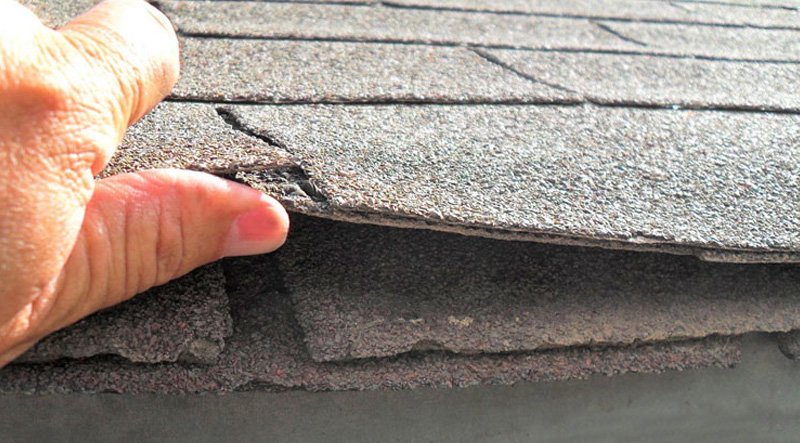
A material inspection involves checking the above parts for faults or misalignments. Roofers look for include mold, rust, curled or missing shingles, and deteriorated rubber seals (among other potential problems).

Interior Inspection

Most roof problems originate from the exterior but can affect your house’s interior. Besides the interior roof, some components like the ceiling and upper wall can also suffer from roof problems. For instance, roof leaks can damage the ceiling and walls and cause rot and mold growth.

Workmanship Inspection

Workmanship problems can increase the risk of leaks and future roof damage. Such issues include incorrect flashing around penetration like skylights and chimneys, all of which can be detected during an inspection.

Structural Inspection

Roofers look for sags and uneven roof planes during inspections. They then determine the conditions of the gutter, soffit, and fascia. 

The structural inspection also includes checking the attic’s vents. Improper vents can cause moisture and heat build-up, reducing your roof’s life expectancy.

What Do Roof Inspectors Look For?

Before hiring a roofing contractor, have a checklist of all roof components that you suspect need an inspection. You can only understand your roof’s overall condition if you get a report of all potentially damaged parts.

Below are the areas of a roof that contractors will typically inspect:

Gutters and Downspouts

Roof inspectors always inspect how your gutters are attached. That part of your roof should be free of still water. The downspouts should also be firm in place. Otherwise, rainwater and snow will leak to other parts of your house.

Skylight

Skylight replacement is an intrusive process for your roof. If your skylight works fine but is almost at the end of the life cycle, consider a skylight replacement alongside roof repairs. Otherwise, you may interfere with some parts of your roof if you do a separate skylight replacement.

Flashing

Flashing consists of metal, plastic, or other materials that divert water from the joint between the wall and the roof. Your flashing always has to be in perfect condition to prevent water damage, as the flashing is often the main entry point for water into a house.

Attic

During an inspection, roof experts look for common attic problems like ventilation issues and rotten wood . Stains and water damage are easy to spot on bare wood, hence you learn the exact point where the problem is occuring.

Chimney

The chimney is a roof component that calls for close-up inspection in order to catch problems early. For instance, if a roof cricket (also called chimney saddles, designed to divert precipitation and debris from your chimney) directs water away, your inspector will do a close check to identify the cricket. Otherwise, precipitation will trickle down your chimney and cause water damage.

Roof Penetration

Roof vents, vent pipes, and other installations create holes in your roof upon installation. Sealants, seals, flashing, and boots cover the gaps that are created. During an inspection, your roofer will check the conditions of both the penetrating material and the bonds.

Why Should You Have a Roof Inspection?

You should always conduct roof inspections regularly because your roof is a vital component of your home. Never gamble on a roof’s expected lifespan - the repercussions might cost you comfort, peace of mind, and high replacement or repair costs. 

With regular roof inspection, you also reap these benefits:

Early Identification of Roofing Issues

Some roofing problems that are ignored at their early stages can evolve into hazardous situations.

For example, one missing shingle doesn’t appear to be a big problem. But this small flaw exposes part of your roof to infestations and water damage. 

Frequent roof inspections will enable your contractor to spot such issues and do minor repairs right away. But if these issues are ignored for a long time, you will incur a costly repair and may need partial or total roof replacement.

Most roof problems arise from Mother Nature, some are caused by human behavior. A roof inspector can catch such issues early and suggest possible courses of action to reduce the risks of roof damage.

Enhanced Security

A weak roof is a target entry point for thieves, especially if the weakness is visible from the outside. Holes and open skylights are potential dangers that make it easy to cut through the roof. Roof inspection identifies all weak points of a roof so you can reinforce it for better security.

Professional vs. DIY Inspection: Which Is the Way To Go?

If your roof is still relatively new, you can check for noticeable signs of damage from the ground. You don’t have to go up the top to notice curled or missing shingles.

Nonetheless, roof maintenance doesn’t simply involve a hop on the roof or an inspection from the ground.A professional can catch problems you can miss if you only do a self-inspection. For example, granule loss and issues with the chimney may escape your eyes.

A DIY roof inspection also poses the danger of falls and other injuries, which you avoid if you hire a trained expert. If your roof is old or you have other known potential damages, hiring a professional is the right way to go.

What Happens After a Roof Inspection?

Once your roofer is through with the inspection, you get a detailed report also known as a roof analysis. The report details your roof’s structural integrity, any necessary repairs, and recommended roof maintenance tips.

Some people are scared of roof inspections because of the possibility of discovering that a massive repair or replacement needs to take place (resulting in a massive bill). If you’re in the category that is afraid of extensive repairs, understand that ignorance is never a solution. The longer you avoid the damage, the higher the chances of a hefty bill.

Besides, not all roof analyses will report problems. Your roof could be in perfect shape and a good roofer will not suggest unnecessary repairs. Many roofers offer a free inspection, so you don’t always have to pay unless you need a repair or replacement.

Final Thoughts on Roof Inspections

Your roof goes through a lot throughout a year, especially if you experience harsh weather conditions. With regular inspections, you avoid the hassle of significant inconveniences and costly repairs or replacements. Routine inspections and maintenance can help keep your roof and home in optimal condition for a longer period of time than if you just left it alone.


Louis Hanley

Community Manager

Baltic Roofing

Louis is a community manager for Baltic Roofing where they help the greater Chicago community with everything from high-quality roof replacements to skylight repairs. He is an expert on all things roofing and home improvement. Outside of work, he’s a huge Cubs fan and enjoys spending time with his dog, Roscoe.


Why it is Important to Get Your New Home Inspected

RH Business Marketing Solutions

The home buying experience is an exciting time for anyone. Once you have decided to buy a new home, you have already taken a huge step towards making your dream come true. After picking out the perfect house, most will go into purchasing their new home without conducting a thorough inspection. Conducting an inspection is quite important as it will help you avoid unforeseen costs and problems later on while living in your new home. As such, below are some important reasons why inspections should be conducted before purchasing a new home:

You Do Not Want to Buy a Money Pit

A money pit is any purchase that will cost more to maintain than the property's value. For example, if you buy a $100,000 house that needs $20,000 worth of repairs, it's still a great deal for you to buy it. It costs less than what you're paying for.

You may think about it another way. Imagine that you're buying a $100,000 house and have an opportunity to buy three other houses (all located in the same neighborhood) for $60k each. One of those properties needs $40k worth of repairs, and another needs $20k. Which do you think would be best? The one with no repairs or that needs some minor ones.

If your new home inspector finds something wrong with your new home before closing, they should immediately let the seller know. They can fix whatever issue before selling their property to someone else.

You Will Know if There are Safety Issues

When you are buying a home, there are many things that you need to consider before signing the dotted line. One thing that many people don't think about is getting the house inspected. When buying a home, you need to work with a professional inspector such as Clovis home inspectors to check all the systems in the house. This will include checking electrical and plumbing issues so they don't become an issue later.

It is important to make sure that any safety issues are addressed. Such can be very expensive if left unaddressed or ignored over time. Some safety issues might cause an inspector not to approve a property sale. This could lead them to lose money on their investment when trying to sell it later down the road. Such needs repairs before anyone else wants to buy or rent out this property.

Know the Estimated Lifespan of Certain Items

A home inspection will help you understand the lifespan of certain items in your new home. Your inspector can tell you if they are past their life expectancy and whether the item is still safe to use. This information helps you know how long it will take for those items to need replacement or repair.

For example, if the inspector finds that one of your window screens has tears and that water can get through them easily during a rainstorm, they might recommend replacing this screen immediately. There is no guarantee that it won't suffer more damage after heavy rains begin again next year.

It Can Put You at Ease

One of the most important reasons to inspect your home is to put you at ease. As you prepare to buy a home, you may worry about how much money it will cost. You may also be concerned about whether the house will need expensive repairs. A home inspection can help alleviate some of these fears by giving an idea of what work must be done on the house before closing the deal. They will let you know if any major safety issues need attention. They also provide valuable information about the lifespan of appliances and other items in your home. They also give insight into how long it takes for certain systems like heating/cooling, water pipes, or electrical wiring to break down over time.

Conclusion

No matter how much you want to speed through the process, an inspection of your new home is essential. It's a necessary step that ensures you do not get stuck with a building requiring significant repairs and modifications. A thorough home inspection can help put your mind at ease in knowing that every aspect of your home has been looked at by a professional inspector and approved for use.

Guest Contributor: Hannah Boothe

Southland's Best Plumber of 2022 Voting Open Now!!

RH Business Marketing Solutions

Please Vote For Us as Southland’s Best Plumber! Text 417 to 708-367-3293

You can vote everyday, till July 17th!!

Thank You, we love you guys!!!

Bathroom Remodeling Ideas to Inspire You

RH Business Marketing Solutions

Maybe you haven’t thought of it that way but your bathroom is the most important room in your house. It’s the place where you start and finish your day. It’s a place to relax and unwind from a stressful day at work, taking a long shower or enjoying a candlelight bath. It’s where you can temporarily escape from reality and give yourself some solitude. Therefore when you consider a bathroom remodelling you shouldn’t only focus on the functional part but also give attention to creating a pleasant ambience for you and your family to enjoy. 

Whether you are planning to make some minor changes or you are ready to go all in for a full renovation with foundation underpinnings, it will surely be a noticeable change and have a positive impact on your daily routine. Regardless of how big of a revamp you are considering, selecting the best and most suitable remodelling ideas is not always easy. Think about your current bathroom layout and if there is something which doesn’t work well for you and your family and see how you can change it. Start with the more practical side and after consider the details and accessories which add character to the room. 

With that in consideration, get some inspiration from the following bathroom remodelling ideas. 

The modern white and grey marble look

Envisioning that sleek and modern looking bathroom? Big white and grey marble tiles or marble effect bathroom panels are a great option to achieve the look without paying a fortune for real marble. Depending on your layout and how much natural light you have in your bathroom, you can leave a small wall to paint it dark grey. To finish off the modern look you can pair it with mat black/dark grey bathroom faucets and hardware accessories. If you don’t feel like adding some vivid colour, go for dark grey bath and face towels and some rolled-up white small hand towels placed around the sink. 

The nature lovers

Your new bathroom remodel can be the perfect way to bring nature into your home. One way to bring cosiness is to add wood accents to your space. These could be anything from wooden flooring, wood framed mirror, wooden storage shelves or units or live-edge vanity countertop. If you want to feel close to nature you should consider adding greenery. The Indoor Nursery recommend adding vining plants to the bathroom so that they grow toward the light of the window (if there is one). The humidity will keep them happy. 

Double sink and double showers

Do you have the same daily routine with your partner and you often fight over who will use the bathroom first? If that’s your case, consider making a bathroom remodel with two sinks and two walk-in showers to make life easier and more convenient and start your day at your own pace. If your space doesn’t allow for two vanity units, consider a stylish pedestal sink

Bohemian style bathroom

If you are a free-spirit aesthetic who likes natural earthy shades and organic materials, adopt boho style elements in your bathroom remodelling. Use rattan baskets for storage and nicely rolled-up hand towels, place an ethnic rug in front of your sink and add macrame accessories to complete the look. 

Visually enlarge your bathroom

One of the simplest ways is by adding large mirrors which gives the impression for greater depth. When placed in the right place, mirrors also reflect light so it makes the space brighter. For an ensuite bathroom you can remove the wall connected to your bedroom and install glass doors.

Conclusion 

There are endless design ideas you can find online or get inspiration from places you’ve visited and liked what you saw. Depending on the reason for you to initiate a bathroom remodelling project, whether your bathroom is outdated and dysfunctional for your current needs or whether you need plumbing services in order to fix some issues and you’ve decided to make some upgrades, do your search and outline your budget. Once you’ve discovered the style that reflects your preferences and provides you practicality go ahead and bring your dream bathroom home. When you’ve completed your remodeling project, take a long bath and enjoy it with bath bombs for senitive skin.

Guest Contributor: Luke Carlino

5 Repairs to Look Out For Once You Move Into Your New Place

RH Business Marketing Solutions

I'm delighted to hear that you've found a new home. The search for a new residence may be fraught with anxiety, and that's before you even start packing for the move. The good news is that there are certain actions to take to save costs associated with the relocation and some tried-and-true recommendations for what to do after you arrive at your new place.

It can seem like all the planning went into setting up for the relocation, but in reality, that stage of the process is not yet complete. Whether you hired an expensive moving company or opted for a less expensive service to transport your belongings, long-distance moving may be stressful, much alone when combined with moving into a new home.

Going a short distance, you won't run into this problem too often. Make use of this advice to ensure that you are prepared not only for the process of relocating but also for moving into your new home.

1. Get New Locks Installed

You do not know the exact number of persons who possess a copy of the keys. When a home is put up for sale, a large number of potential buyers can see it. In addition, there is no way to know to whom the former owners gave a spare set. If the home has an alarm system, be sure you alter the passcode. Also, keep in mind to close the garage door.

2. Determine the Location of the Shut-Off Valves

Locate the main water shut-off valve and determine whether or not you need any specialized equipment, such as a wrench or a key, to operate it. If you suddenly have a plumbing break and there's water rushing into your home, you need to be able to go to the valve and turn off the water immediately.

And no, the locations of these valves are not standardized from house to house. Sometimes the inspector can't even locate them." Look inside the house, in the attic, behind the house, and around the perimeter of the fence. If you still can't discover it, you should need the assistance of a plumber.

3. Ensure that the Smoke Detectors Have Fresh Batteries Installed

During a home inspection, smoke alarms and carbon monoxide detectors aren't routinely tested as part of the process. And even if they are, there is still a possibility that something will occur between the time of the inspection and when you move in. But that's a possibility.

To ensure that your smoke alarms continue to save lives, make sure all the batteries are replaced with new ones and have them inspected by a carbon monoxide testing company.

4. Have Your Heating and Cooling Filters Replaced

The price of a brand new disposable filter is around $4. What kind of harm might be brought on by using an outdated filter? A completely new system may set you back as much as $5,000. If you don't change the filter when it becomes dirty, it might reduce the system's effectiveness or, even worse, cause it to overheat.

Obtain the services of a trained technician to service the apparatus and devise a routine maintenance plan to be carried out once every three months. It's for the same reason that your car's oil should be changed every three thousand miles. If you do not properly care for the apparatus, it will eventually break down.

5. Paint

You can certainly do some decorating before you move in, so don't worry about that. Put your everything into the painting. According to Bowman, the advantages are beneficial in more than one way.

If you paint the home before you move in, it will have time to ventilate before you start living there, and you won't have to worry about your furniture getting in the way while you work. Some recommend that you wait to paint until after you have moved in (so that you can see how the light changes throughout the day).

But, if you spend some time in the new location performing the tasks on this checklist, you should have a good understanding of the space. It would be best if you painted several sample swatches on the walls and evaluated how you feel about them after some time has passed.

Closing Thoughts

The options for interior decoration in a new home may be quite exciting. The concepts for the organization! But before you start bringing in your goods and organizing your furniture, you need to ensure everything is secure and in working condition by checking off these necessary maintenance activities on the list.

Guest Contributor: Samantha Higgins

10 Types of Drainage Pipes Based on Material and Style

RH Business Marketing Solutions

Pipes have many uses, particularly in plumbing and sewage systems. Some transport potable water in and around a building, while others serve as channels to get rid of liquid waste. Those that transport the latter are called “drainage pipes.”

Besides handling the disposal of dirty fluids, drainage pipes also help prevent basement flooding, soil erosion, and damage to structures. They also prevent the occurrence of swamp-like conditions in and around a property by directing fluids to their proper destinations.

In this article, you’ll learn all about the 10 types of drainage pipes according to the materials used to make them and how they look.


Types of Drainage Pipes Based on Materials

All pipes – whether used for drainage or other purposes – are primarily categorized according to the type of materials they are made from. Plastics, metals, and even concrete offer varying levels of durability and versatility, making each a good choice for specific applications.


1.    Polyethylene

A by-product of the polymerization process of ethylene is used to make polyethylene pipes. Contractors usually use this type of plastic pipe in residential and commercial projects.

Polyethylene pipes also serve often as eco-friendly solutions to plumbing and drainage, thanks to their minimal impact on the environment.

Considered the most flexible plastic pipes, these pipes are also easy to install. They also fit well in applications involving small spaces, even those that are more difficult to access because of tight turns.


2.    PVC

One of the most commonly used pipes today, polyvinyl chloride or PVC pipes are made from a vinyl and plastic mixture. These pipes hold up well under heavy weight, intense pressure, and exposure to some chemicals.

Because of the material’s malleability, PVC pipe products come in a wide range of sizes. This makes them ideal for almost any application, drainage-related or otherwise.


3.    Concrete

The frequent choice for those who want inexpensive yet heavy-duty piping, concrete pipes serve as the best solution to drainage situations that require sound and steady liquid transport.

Concrete pipes also enhance other forms of drainage elements, serving as protective outer shells to boost the durability of less sturdy piping materials.

You can find this type of pipe in industrial applications, either open or closed. Contractors opt for open concrete pipes in applications where they need to be cleaned regularly to prevent blockage, like with gutter systems.


4.    Galvanized

Some plumbers and contractors also use galvanized pipes for drainage. This type of metal pipe is dipped in molten zinc to enhance its durability and rust resistance.

However, you may find galvanized pipes to be ‌pricier than plastic or concrete pipes. After all, the complexity of their manufacturing process raises the cost of making them. This explains why most residential and commercial structures opt for something far more affordable but equally durable, like PVC.


5.    Cast Iron

Cast iron pipes are not very popular in drainage or other residential applications because they aren’t resistant to rust. However, they look stylish and classic, which tends to add aesthetic value to a property if they are placed somewhere visible.


6.    Copper Pipes

Copper pipes are exceptionally durable and have high levels of heat resistance. However, contractors do not use them often for drainage purposes not only because of their high price but also because they cannot withstand acidic water.


Drainage Pipe Styles

Besides the material used, drainage pipes also come in several styles, each with unique advantages and specific applications. Read on to learn more about them.


7.    Corrugated Single Wall

Made from different materials based on the specific application, corrugated pipes offer highly flexible solutions for drainage. Contractors commonly use them in outdoor drainage systems because they come with lower prices and are easy to install.

However, they have one drawback: clogging. Because of their ridges and grooves, pipes like these need much steeper angles to drain properly than smooth pipes.

Best for: Highway underdrains, storm sewers, drainage outlets, roadway culverts


8.    Smooth Wall

Typically used for single-direction water transport, smooth-wall pipes have smooth interior surfaces that support the seamless flow of liquids. Unlike corrugated pipes, they don’t clog easily.

But because of their lack of grooves and ridges, pipes like this have a more rigid build than corrugated and other winding-style pipes. For this reason, contractors use other piping accessories when installing smooth-wall pipes.

Best for: Interior structure drainage


9.    Corrugated Dual Wall

Looking for a compromise between the smooth-wall and single-wall corrugated pipes? Corrugated dual-wall pipes are just what you need.

Though not as easy to install as their single-wall counterparts, this type of pipe has a smooth interior that reduces the risk of clogging. They do come with a higher price tag since they offer the combined advantages of smooth-wall and single-wall corrugated pipes.

Best for: Highway under-drains, storm sewers, drainage outlets, roadway culverts


10. Perforated

Perforated PVC pipes have holes in them that make them perfect subsurface and surface drainage systems. The perforations allow subsurface drainage in most waterproofing applications.

In other words, the holes help redirect water from the surface to the drainage system, thereby preventing standing water from seeping into the structure that may lead to moisture damage.

Wondering about the difference between corrugated perforated pipes? Some perforated pipes are also corrugated, though not all corrugated pipes are perforated.

Best for: Swimming pools, landscaping, irrigation


Find the Right Pipe for Your Drainage Project

Selecting a type of pipe for the drainage system requires knowledge of all the available options.

From material to style, make sure you understand the characteristics of the pipe you choose to make a wise decision.

Even if you do make a decision, consulting a professional would ensure that you have made the right choice. Experts can give you valuable insights that can lower your cost and increase efficiency. For instance, if you want to go for PVC pipes, it would be best to consult a plastic pipe, fitting, and valve distributor. 

Every drainage system is unique, and the requirements can vary depending on factors such as flow rate, soil conditions, building codes, and project specifications. A distributor can assess your specific needs and provide tailored recommendations, ensuring that you choose the right PVC drainage pipe for your application.


How to Inspect the HVAC System When Buying a New House

RH Business Marketing Solutions

Buying a new home in Illinios is a thrilling process, and there is no doubt about that. Every step brings a dose of excitement, from looking for properties trying to pinpoint the perfect home, envisioning your family in it, and daydreaming about your new life there to the signing of all the paperwork. However, there is also a different side of the medal. Some things in the home-buying process are not that enchanting. Still, you must get to them to ensure a successful purchase. For instance, you must inspect the property you are interested in so you know the house is in good condition. And the HVAC system is one of the points on the list of things to pay special attention to. Therefore, here is why it's crucial to do it and how to inspect the HVAC system when buying a new house.

Reasons to inspect the HVAC system when buying a new house

A considerable chunk of your energy bill goes to heating and cooling your house. Thus, it's essential to make sure everything functions properly, so you don't have to pay more than necessary. So, if you want to reduce your future energy bills, inspect the HVAC system in the house. You may discover some issues that affect its energy efficiency. Such things could also allow you to negotiate a lower price as you would have to repair the problem should you decide to purchase. Alternatively, you can arrange with the owner to fix the issue for you. 

Furthermore, during the regular home inspection, the inspector doesn't thoroughly inspect the HVAC system. Instead, they will turn it on and off to check if it works and that it is. Thus, they may miss some underlying issues that will cause you problems later. Knowing that purchasing a new residential HVAC system is costly and how a faulty system can affect your energy bills, proper inspection is essential. Also, it may be best to hire specialists to handle this for you, as they have the skill and expertise to uncover all possible pitfalls. 

Tips for inspecting the HVAC system when buying a new house

Here are some suggestions for examining the HVAC system in the home you like. You can do these yourself, but be advised that professional assistance is highly advisable.

Visually evaluate the HVAC equipment

Furnaces, boilers, and air conditioning units are typically hidden away from sight. Thus, you have to remember to take a look at them. First, check if the equipment looks good, although the appearance itself may not unravel any underlying problems. Look for cracks, water stains, rust, dents, and other damage. Then, pay special attention to any strange noises. Clanking and hissing often indicate there is an issue.

Ask the owner about the HVAC system's age

Like everything else, HVAC equipment, too, has a limited lifespan. Systems that are about 15 years old are due for replacement. So, you can negotiate a discount if you are still interested in the house. 

Know that heat pumps, furnaces, boilers, and air condition units can often work even longer than 15 years, especially if they have undergone regular maintenance. However, there are always new energy regulations, and we all know how quickly technology advances. So, more modern equipment will be more energy-efficient and more cost-efficient.

Ask to see maintenance records too

Regular maintenance for this type of equipment is essential. It keeps it functioning correctly. So, if you like the house, request the HVAC maintenance records. The owner shouldn't have trouble showing them to you if they have performed regular check-ups.

Pay special attention to the work that has been done. See if there have been any frequent repairs. Also, some extensive repairs like compressors and blower motors can indicate more serious problems in the future, especially if it's an older system. The team behind verifiedmovers.com argues that this is a common oversight people make when moving into a new home.

Check the ductwork

Aside from the equipment, you should also inspect the ductwork and make sure it's in good shape. Gaps, condensation, and loose connections are a sign of trouble. Also, this may sound a little nitpicky, but if you notice a fair amount of dust on the ductwork, it is a pretty clear sign that the owner hasn't maintained it properly and regularly. So, it may mean you will have to upgrade the system shortly after you have moved in. 

Moreover, if you notice that the air quality is good inside the house, it probably means that the owner has invested in some air-quality add-ons. For example, these can be an air purifier or a dehumidifier. And that is a very good sign. However, if the indoor air quality is less than great, you are in for HVAC cleaning, and you will likely have to invest in some additions to increase airflow.

Check which refrigerant the system uses

Older HVAC systems may use R-22. But, the Environmental Protection Agency (EPA) banned this substance, and since 2020, it's been illegal to produce it. So, even if the system operates well, you will have to upgrade it pretty soon.

Pay attention to comfort level throughout the house

As you tour the house, notice how comfortable you feel in every room. You will know there is a problem if the house feels stuffy and hot even with the AC working or if it feels chilly and the heating is on. But, if you notice that only some rooms feel uncomfortable, that is also a sign of trouble. There could be an issue with the delivery system. For instance, there could be a leak, or the ducts are not insulated. 

Inspect the HVAC system before you purchase a new house, even if you are moving long-distance

It may be tricky to inspect the HVAC system before purchasing a new house if you live far away. However, long-distance moves are challenging enough, and you don't need any unpleasant surprises when you arrive and start settling in. If you have found reliable and reputable help to get you to your new Illinois home, the whole relocation process will go smoothly. But to ensure the settling-in process goes just as well, make sure you check everything thoroughly. 

Final Words

It's essential to inspect the HVAC system when buying a new house. It will save you a lot of trouble later, both in terms of your nerves and finances. And again, if in doubt, or if you notice something that concerns you, you will be better off contacting professionals to inspect everything for you. 

 Meta: Learn how to inspect the HVAC system when buying a new house, so you can move in and start settling in without any unpleasant surprises.

Guest Contributor: Sophia Perry

Top 3 Reasons why a Professional Plumber is Essential for your Heat Pump Installation

RH Business Marketing Solutions

As a homeowner, you may be used to handling minor issues with your home on your own, and this might easily extend to your plumbing systems. There is no question that at some point in your life, you have been in a situation in which you needed to use some elbow grease and a plunger to unclog a toilet, or you needed to pull a hair blockage out of a drain or two. Many do-it-yourself enthusiasts with good intentions attempt more difficult plumbing repairs.

Standard heat pump installation in Orange County needs the appropriate expertise and necessary licensure to perform correctly. Even apparently basic improvements, such as stubborn clogs, might benefit from the attention of a professional plumber. If you try to save costs by doing plumbing repairs on your own rather than calling a professional, this might cost you more money in the long run. Here are the top three reasons why you should fight the impulse to self-diagnose and self-repair the plumbing issue in your home and instead contact a professional licensed plumber for assistance

Availability of More Capable Equipment:

It is true that the plumbing remedies available for purchase in stores are not only inexpensive but also "cure" a wide variety of plumbing issues. On the other hand, this almost always indicates that they use approximate measurements. That is to say, even if they provide a short-term solution to the problem in the form of a band-aid, they do not fix the issue altogether. Therefore, the identical problem may surface once again in the not-too-distant future. Consider the use of chemical drain cleaners as an example.

You may be aware that they "clear out" a clog, but were you also aware that they may accumulate in your system and cause obstructions there? Not only that, but the chemicals in these store-bought cleaners are corrosive, which means they can eat away at your plumbing, which will result in an expensive repair or pipe replacement when you could have called a plumber who has access to the tools to remove a clog and prevent it from occurring again effectively. Not only that but using these store-bought cleaners is a bad idea because they can eat away at your plumbing.

Adequate Instruction:

Unprofessional plumbers don't have to undergo the rigorous formal training our professional plumbers do to get their licenses. Similarly, most do-it-yourself plumbers, amateurs or homeowners, lack expertise. Because of this, it may be difficult for them to fix the issue, and it can also be difficult to identify the root of the problem accurately. In the best-case strategy, this may result in a significant amount of time and effort being lost, and in the worst-case scenario.

More harm might be done to your home's plumbing if this happens. However, if you employ a professional with the appropriate state licensure, you can be confident that they can correctly diagnose and fix a broad range of plumbing issues. This sort of training and the knowledge gained by dealing with cases comparable to yours every week assures that the repair session will be practical and correct.

Insurance:

When you try to do plumbing services on your own, one of the most significant drawbacks is that you are responsible for paying for any extra damage that may occur as a result of the repairs that you make. If anything goes wrong, or if you didn't effectively analyze the situation to begin with, it might wind up costing you far more money than you had anticipated it would.

On the other side, if you choose a licensed and bonded plumber, they will have the appropriate insurance, which means that your property will be protected if anything unforeseen occurs. Most competent plumbers give estimates in advance, so you know how much of a blow your wallet will take. On the other side, you could be pleasantly pleased to find out that the repairs will not be as expensive as you anticipated. Without having a skilled plumber handle your repairs, you won't be able to achieve this level of peace of mind.

Professional Heat Pump Installer can do What an Amateur Can't:

Accurate Measurements:

To overcome this critical challenge standing in the way of your comfort is the task of having a heat pump-sized. Incorrect sizing of your heat pump might cause it to suffer from short-cycling, ultimately breaking down much sooner than was initially expected. To accurately measure this, you will need specialized equipment that a trained specialist can only operate.

Higher Levels of Productivity:

When you hire a professional for your heat pump installation in Orange County, they will have the knowledge and expertise to do it effectively. We can install heat pumps more efficiently than amateurs since our business has provided us with many best practices and trade secrets. They may not appear like much individually, but when added together, they can add up to significant savings for homeowners working with a limited budget.

Ensuring that it is Functional:

Even if this feature of expert installation services could not strike you as very significant, having it is fantastic. Thus we remain to make sure that your system functions properly. When you sign up for professional service, you are guaranteed a system that works appropriately since your satisfaction directly affects your own.

The Warranty on the System:

The warranty on many heat pumps is contingent on the installation being carried out by a qualified professional; failing to do so may result in the guarantee being rendered null and invalid. Ensure that the most qualified specialists are hired to install your heat pump so that you don't put unnecessary pressure on yourself to succeed.

Conclusion:

Heat pumps are remarkable pieces of technology; nevertheless, if you believe that you can install your heat pump, you are seriously incorrect and should seek the assistance of a professional. We would want to have a more in-depth discussion regarding the advantages you may anticipate from installing a heat pump that a qualified specialist carries out. A professionally installed heat pump will provide you with peace of mind and help you avoid the need for costly repairs in the future. In extreme circumstances, a substandard heat pump installation in Orange County performed by an amateur might result in the market for a replacement in as little as two years.

Author Bio:- Angela Louise

Angela is a marketing manager at EZ Plumbing USA. She has a great interest in educating readers about various leakages that can happen in their home or offices through her articles. With extensive knowledge of water leak and slab leak detection techniques as well as HVAC systems, Angela wants to make readers aware about the warning signs indicating leakage and predictive AC and Heater maintenance and also how to fix them to refrain from dangerous and costly consequences.

Read articles to get more valuable information about detection and damages of water and slab leak repair, techniques to fix clogging, and installation and maintenance of AC & Appliance in San Diego. 

Facebook: https://www.facebook.com/EZPlumbingUSA/

Twitter: https://twitter.com/EZPlumbingUSA1

Bring A New Look To Your Home With These Simple Improvements

RH Business Marketing Solutions

Home is where the heart is. It's a place of comfort, relaxation, and personal expression. But sometimes, even the most loving homes can start to feel a little stale. If you require a fresh start, don't despair – there are plenty of simple ways to give your home a new lease on life. A few small changes can make a big difference, from brightening up tired walls to updating old furniture.

Making simple improvements to your home can greatly impact its overall look and feel. Whether you want to update the décor in a specific room or give your entire home a makeover, there are plenty of easy ways to do it. Here are some fresh ideas to get you started.

1. Give Your Walls a Fresh Coat of Paint

One of the quickest and easiest ways to transform any room is with a lick of paint. Whether you go for a statement wall or opt to paint the whole room, a new coat of paint can work wonders. If you're unsure what color to choose, why not try something neutral like white or grey? These colors are perfect for creating a blank canvas that you can then accessorize with pops of color.

You can also use paint to update old furniture. If you have a piece of furniture you're no longer in love with, give it a new life by giving it a fresh coat of paint. This is an excellent way to add a splash of color to your home without spending much money.

2. Change Your Window Treatments

Window treatments can make a big difference to any room. If you're tired of your curtains or blinds, why not try something new? There are many different options available, so you're sure to find something that suits your style. To learn about the many options, you can visit the site of your local hardware stores or craft stores. You could also try something unique, like a set of DIY fabric shades or bamboo blinds. Alternatively, you could opt for something classic like wooden shutters or more modern like roller blinds. 

Patterned curtains are another great option if you want to add a pop of color. And if you're looking to let in more light, consider replacing heavy curtains with lighter shades.

3. Update Your Furniture

Another easy way to give your home a new look is to update your furniture. If your furniture looks a little worse for wear, it might be time for an update. This doesn't mean you need to replace everything – simply rearranging your existing furniture can make a big difference.

And, if you are planning on buying new pieces, choose items that will stand the test of time. Opt for classic styles in neutral colors that will work with any future décor changes. A classic sofa or armchair can last for decades, so it's worth investing in pieces you'll love for a long time.

4. Bring in Some Greenery

Bring the outdoors in by adding some plants to your home. Adding some greenery to your home is a great way to liven things up. Plants not only look great, but they can also help purify the air and improve your mood. If you don't have a green thumb, there are plenty of low-maintenance options available or opt for artificial plants that look just as good as the real thing.

Scattered around the house, plants can help inject some life into any room. And, if you don't have a lot of space, you can always go for a potted plant that you can place on a windowsill or shelf.

5. Add Some Accessories

Updating your accessories is a quick and easy way to change the look of your home. From cushions and throws to rugs and artwork, there are plenty of ways to add personality to your space. And, if you're on a budget, don't worry – you can find plenty of affordable accessories at stores like Target or IKEA. Just a few simple changes can make a big difference to any room.

You can also add some personal touches by displaying family photos or heirlooms. This is a great way to add character to your home and make it feel more like your own.

So, there you have it – five simple ways to give your home a new look. Whether you're planning a big update or just want to make a few small changes, these tips will help you achieve the look you desire. With a little time and effort, you can bring new life to your home without breaking the bank. So why not try out some of these ideas and see the difference they'll make?