Google+

contact us

Use the form on the right to contact us.

Day or Night, we are here to serve you. Leave your plumbing problem to us.


Tinley Park, IL

(708)845-7922

Residential and Commercial plumbers and plumbing contractors available in Orland Park, Tinley Park, Oak Lawn, Palos Heights, Midlothian, Oak Forest, Homer Glen, Mokena, Frankfort, and the surrounding Chicago South Suburbs. Emergency plumbers.

copper water lines.jpg

Kevin Szabo Jr Plumbing Blog

Kevin Szabo Jr Plumbing is Tinley Park, Orland Park, Oak Forest, Midlothian, Orland Hill, Homer Glen, Mokena, Frankfort, Crestwood, Palos Heights, Oak Lawn, local plumber. Read our blog for advice, tips, a good laugh, and basic home improvement.

**We are moving our old blog to our new and improved website. Too see all our posts visit kevinszabojrplumbing.blogspot.com

Converting A Storage Into Your Tiny Home To Save Time And Money

RH Business Marketing Solutions

The cost of renovating or converting the main house is costly and time-consuming. On the other hand, the idle sitting storage shed can be renovated or converted to something else at a lower price and much more quickly. 

Out of a storage shed, one can renovate it and transform it into a study room, music room, art room, or even a smaller living home. The main house could be converted into a commercial or a personal gym with Best Used Gym Equipment for personal training or a hired trainer. With the gym outside the main house, one can efficiently work out with friends.

Acquiring quality gym equipment can be costly in purchasing, shipping, and installation. To cut down on the overall cost, one needs to understand the gym's needs and match them with the required equipment. Wholesale Gym Equipment will guarantee discounted prices and competitive shipping fees, saving money.

In the following article, we shall discuss some of the essential tips for converting a storage shed into a tiny home to save time and money.
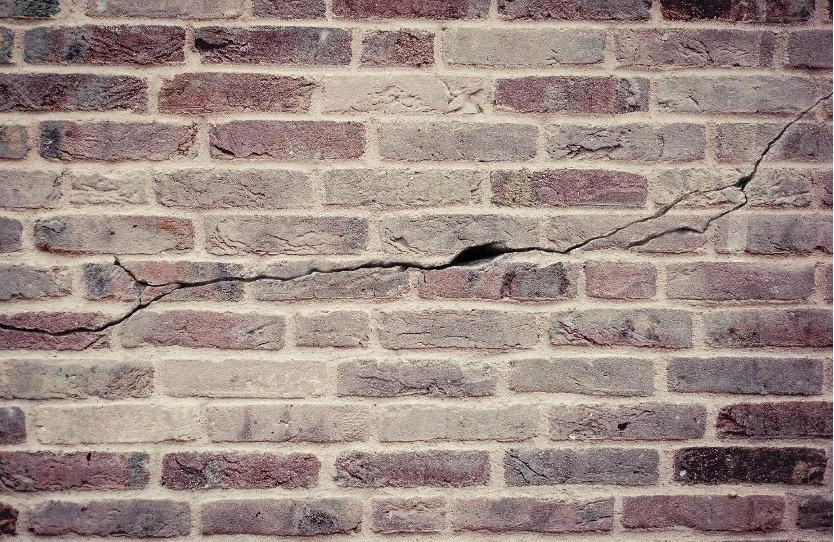
Seal All Cracks in the Tiny Home

Most storages are usually stand-alone and used for storing rarely used equipment. Cracks have become an inevitable phenomenon. Before moving in, the first step is to examine and correctly fix the cracks. Cracks on the wall can be a path for bugs and insects coming into the house. Fixing the wall cracks will also stabilize the Home.
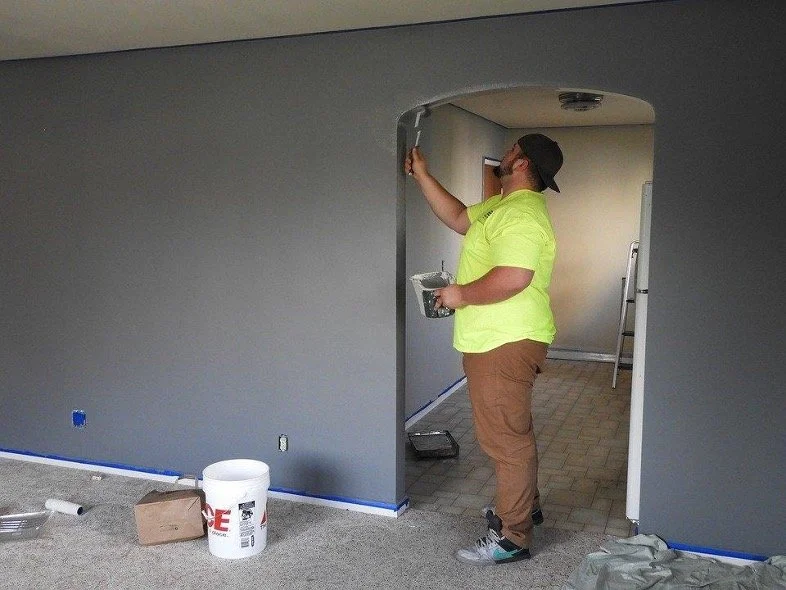
Paint the Tiny Home

Many times, we neglect the storage shed, especially the panting part. Painting is not the only application of paint on the wall, but there are benefits of painting.  It adds a glamorous look to the tiny home; it is advisable to add vibrant colors. The painting should be done on the inside and the outside. Or better use of wallpapers on the interior. The vibrancy of the interior makes it appear livable.
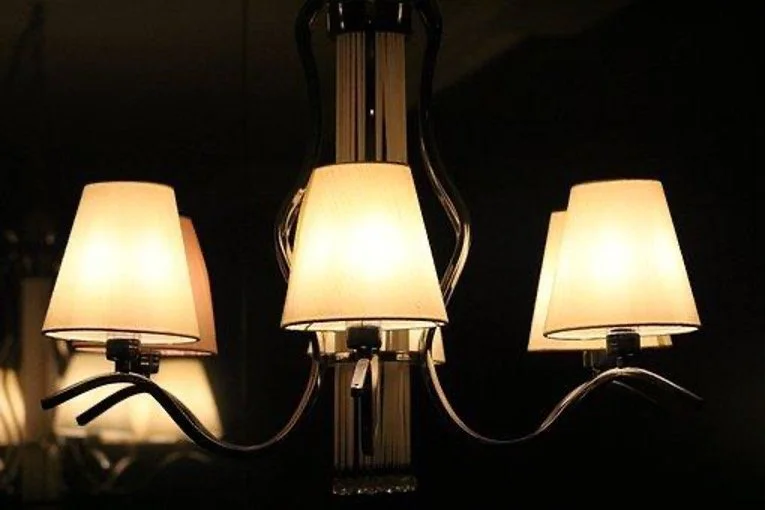
Increase Lighting in the Tiny House

A storage shed mainly uses a single bulb or a long fluorescent tube to illuminate it. After conversion to a tiny home, lighting becomes an essential part. The light lighting needs to be reconnected to cater to the small chambers cut out like the bedroom, living room, and bathroom.
Change the Tiny House Flooring

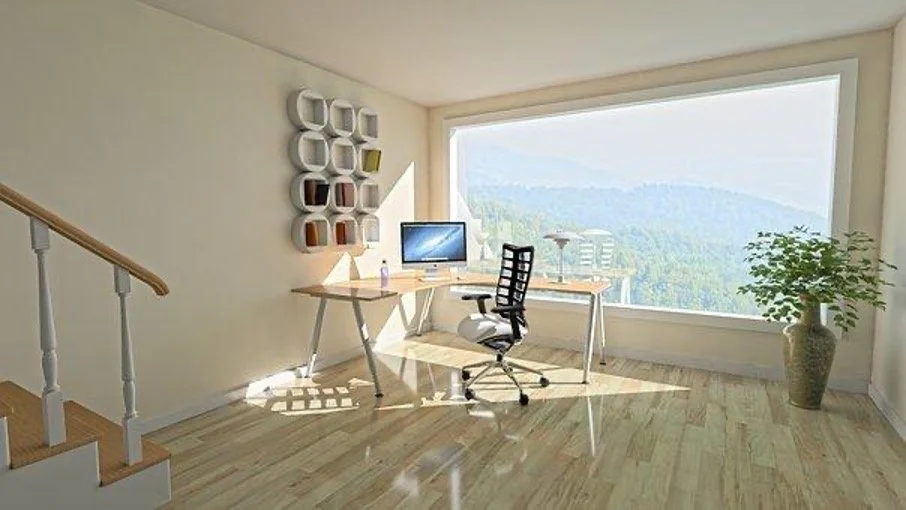
The original function of the shed requires a hard floor type that can withstand the pressure from the equipment stored there. Once converted to a tiny home, the flooring may be uncomfortable to bear. It's okay to add better and more comfortable flooring like rubber flooring. Choose the type of flooring that can be added on top of an existing floor. It will reduce the cost associated with the flooring.

A Skylight Window for the Tiny Home

A skylight window is a window on the roof meant to provide natural lighting; sunlight during the day and moonlight during the nights. It also plays an essential role in ventilating the tiny Home, especially when one needs to close the door for some private time. People install the skylight for different reasons.

Create Subdivisions in the Tiny Home

 The original state of a shed is hall-like to access all the needed equipment easily. Like a tiny house, subdivisions will be inevitable to create separate rooms. Some essential subdivisions may include a bedroom section, living room, kitchen, toilet, and bathroom connected to the sewer line. It will help in keeping the tiny Home well organized.
Build Shelves in the tiny Home

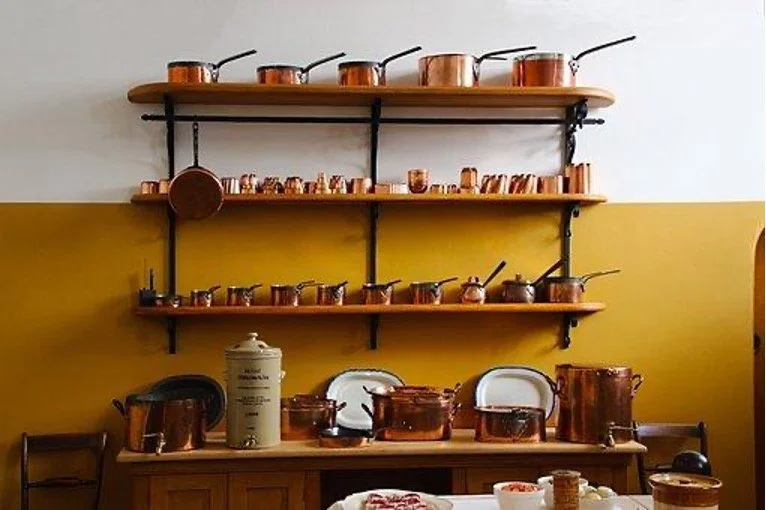
Modern and classy shelves will add glamour to the tiny house. They make the rooms look more arranged and organized. The rooms that most need the shelves are the kitchen to efficiently set the cookware, cooking ingredients, and cutlery. Also, the bedroom can use some shelves to arrange clothes and shoes. Bookshelves in the living room will accessorize the interior décor.

Change the Windows and Doors of the Tiny Home

The exterior of the tiny Home should resonate in attractiveness as the interior. Changing the door from a warehouse-like door to something more fashionable will make the former storage shed look like the current home and appear welcoming. The windows should also be easy to open and close and attractive. Security should never be given second priority when considering favorable doors and windows.
Installation of Ventilation in the Tiny Home

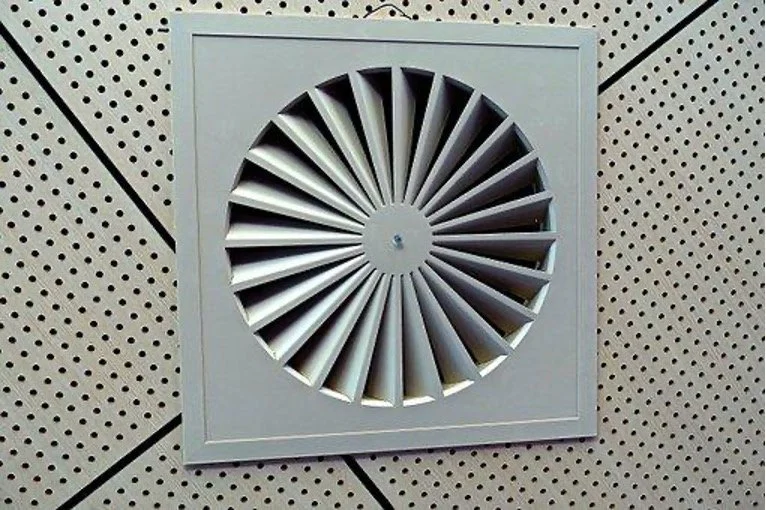
The benefits of ventilation at home are on an endless list. Since a tiny Home may experience high temperatures and aeration, installing sufficient ventilations. They help in keeping the tiny Home with enough fresh and clean air. Also, the installation of exhaust fun ensures that the tiny house's kitchen does not get smoky. The generated smoke during cooking is taken out through the exhaust fan. 
Have an Eco-friendly Tiny House

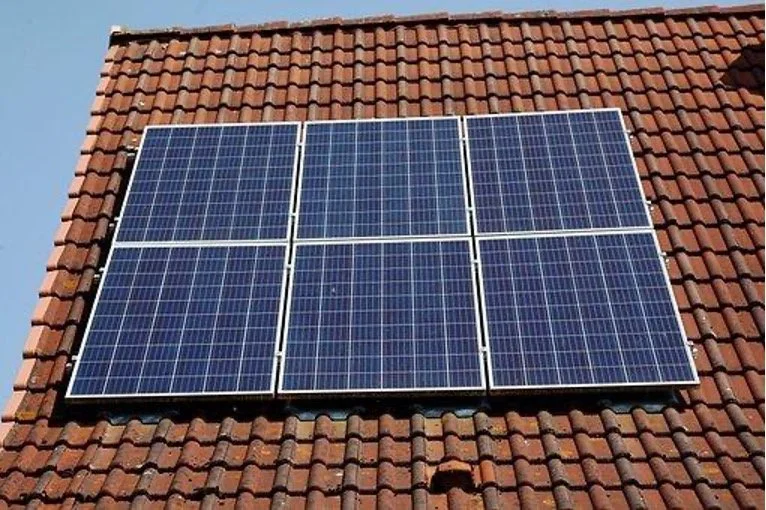
The main agenda of renovating and converting a storage shed to a tiny home is to downscale. Cutting the total home managing cost is intertwined with downscaling. Adopting an eco-friendly power source can go a long way in cutting the electricity bill and increasing savings. A kitchen garden can go a long way in cutting the cost of vegetable purchases.

In conclusion

Converting a storage shed into a tiny home may pose the challenge of bugs and other insects invading the tiny Home. It mainly happened because the shed did not have an active residence. To be safe, ensure the shed gets well and professionally fumigated before renovations and after. Creating flower gardens around the tiny Home will add elegance and create a buffer for rodents accessing the tiny home.

Guest Contributor: Peter Yordanov

An Easy Guide To Finding The Top Dredge Equipment

RH Business Marketing Solutions

It can be difficult to find the best dredge equipment for your needs. With so many options available, it's hard to know where to start. In this article, we will provide an easy guide to help you find the top dredging machines on the market. Follow these steps and you will be sure to find the right equipment for your business!

Decide What Type Of Dredging Machine You Need

The first step is to determine what type of dredging machine you need. There are many different types of dredges on the market, each designed for a specific purpose. Do some research and figure out which type of dredge will best suit your needs. Most dredge equipment stores have their website where you can learn more about the machines they offer. Depending on your project, you may need a more powerful dredge than what is available at your local store. In this case, you can always purchase one online. Also, be sure to check out the reviews of each dredge before making your final decision. This will give you a good idea of what to expect from the machine.

Research The Equipment You Are Interested In

Once you know what type of dredge machine you need, it's time to start researching the different options available. Read online reviews and compare prices between different stores. It's important to get a quote on the equipment you want before making a purchase. This will help you ensure that you are getting the best possible deal. Consider renting the equipment before you buy it to make sure it is the right fit for your needs. It's also a good idea to ask for referrals from friends or family who have used dredge equipment in the past. They may have some great insights that you didn't consider.

Compare Prices

Once you have done your research, it's time to start comparing prices. There are many ways to do this, but the easiest is to use an online comparison tool. This will allow you to compare prices from different stores in one place. You can also call each store and ask for a quote. Be sure to ask about any discounts or promotions that may be available. If you are renting the equipment, be sure to ask about any special rates that may apply. However, keep in mind that the price is not the only factor to consider when making a purchase. It's also important to consider the quality of the equipment and the customer service you will receive. In some cases, it may be worth paying a little extra to get the best possible service. However, if you are on a tight budget, it's still possible to find good-quality dredge equipment at a reasonable price.

Get A Quote On The Equipment You Want

After you have compared prices, it's time to get a quote on the equipment you want. This can be done by calling the store or visiting their website. In most cases, you will need to provide some basic information about your project to get an accurate quote. Be sure to ask about any additional fees that may apply. Once you have the quote, you can use it to compare prices from other stores. Consider the total cost of the equipment, including shipping and handling, when making your final decision. If you are renting the equipment, be sure to ask about any additional charges that may apply.

Make A Purchase

Once you have found the right dredge equipment for your needs, it's time to make a purchase. You can do this by visiting the store in person or ordering online. Be sure to ask about any warranties or guarantees that may be available. Also, be sure to keep your receipt in case you need to return the equipment. If you are renting the dredging equipment, be sure to ask about any special terms or conditions that may apply. Keep in mind that you will be responsible for returning the equipment in good condition.

Install The Equipment

After you have made your purchase, it's time to install the equipment. This can be done by following the instructions that come with the machine. In most cases, you will need to connect the dredge to a water source and then turn it on. Be sure to read all of the instructions carefully before starting the process. If you are having trouble, be sure to contact the store for help. Once the dredge is up and running, you can start using it to clear away sediment from your property. Be sure to monitor the process closely and make adjustments as needed. When you are finished, be sure to turn off the machine and disconnect it from the water source. Be sure to clean the equipment and store it in a safe place. If you are renting the equipment, be sure to return it to the store on time.

Finding the right dredge equipment can be a challenge. However, by doing your research and comparing prices, you can find the perfect machine for your needs. Be sure to ask about any warranties or guarantees that may be available. Also, be sure to keep your receipt in case you need to return the equipment. If you are renting the equipment, be sure to ask about any special terms or conditions that may apply. Keep in mind that you will be responsible for returning the equipment in good condition. With a little bit of effort, you can find the perfect dredge equipment for your needs.

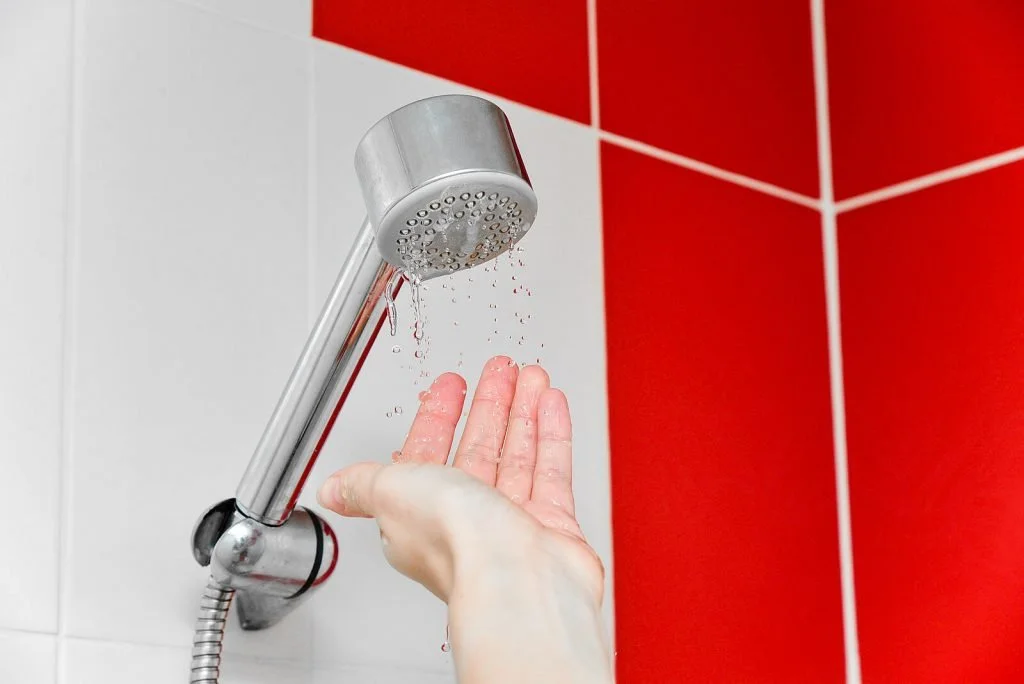
Are You Facing the Issue of Water Pressure in the Shower? Call the Local Plumber

RH Business Marketing Solutions

When you get the keys to your new house, it may be easy to jump into a decision. But before you start packing things to prepare for moving in, you should have a professional conduct an inspection of your home’s pipes, drainage systems and other plumbing issues. Otherwise, problems can turn into something huge that will be very expensive and disruptive without proper attention paid beforehand. For example, you can consider something as simple as your bathroom shower system. While baths have to be a refreshing and enjoyable experience, the slow stream of water can ruin everything. A typical routine can feel like a massive task, especially when you have critical appointments with someone significant to pursue.

In no time, your ritual will become a headache, and you may start cursing everything and anything that goes wrong from here on. So, what's the solution? Get in touch with a plumber plumberstkildamelbourne.com. They will investigate the shower and the other areas if necessary to fix your daily struggle forever. Before that, it can be worth checking the potential reasons behind such an occurrence.

Deposit buildups 

Sand, dirt and other types of debris can be the common culprit behind your slow running shower. They often sneak their way inside the pipes when the main water pipe suffers any damage. However, even if it hasn't fissured, there may still be something left behind, like mineral build-ups. Plus, water sometimes carries a small number of minerals that don't get entirely cleaned, and you might not have noticed it because they easily blend with everything else, causing blockages.

Corroded pipes

The standard galvanised steel pipes made for residential properties come with a life expectancy of between 15-and 20 years. Still, the best quality steel or galvanised water pipes are prone to corrosion internally over time, whether or not they appear damaged externally. So, due to this, you may not get enough water force from your shower.

Plumbing leaks

Leaks, or "seepages" as plumbers call them, are a menace for any household. Not only do they reduce the amount of water in your home and make things like showers uncomfortable, but they cause damage that often requires costly repairs.

Quality of water supply

Frequent water pressure issues can sometimes stem from problems with the old garden hose rather than structural issues inside your home. Or, it is perhaps the poor quality of water supply affecting your pipes and showers. Since you cannot detect the problem, click here to find a solution. 

A weak shower is only an example of how even a small plumbing fixture can become a source of stress and daily struggle in even someone's peace-loving home. Waiting for problems to accumulate to get everything fixed at a time can be risky. You don't know when leaks become so much bigger an issue that you have to undertake a larger renovation project to deal with them. So, avoid all this hassle and call your local plumbing professional to attend to your needs before things blow up and become out of proportion.

Guest Contributor: Sujain Thomas

7 Outdoor Upgrades to Create a Backyard Oasis

RH Business Marketing Solutions

Whether you’re about to move into a home and want to perform renovations or you’ve been living in the same place for a while and want a change, there are many different remodeling options that you can build on your property. Interior renovations can be expensive and require a large amount of thinking, but outdoor renovations provide you with a little more leniency, as you aren’t restricted by room space or other building limitations. But with this leniency, it can be difficult to think realistically about what you want to change in your yard. To help, here are seven outdoor upgrades that can assist you in creating a backyard oasis.

1. Outdoor Lighting

One of the most popular and easy upgrades for your outdoor space is adding lighting. Seeing as it’s outside, many people don’t think to add some light fixtures to their yard and instead opt for a fireplace or something similar. But adding lighting can create a more at-home feeling while allowing nighttime functions to be more comfortable.

You have a wide variety of choices when it comes to lighting- one of the more popular options being string lights. You can have lamp posts, and tiki lamps or you can add light fixtures onto grounded places outside as well. You have so many options that it’s beneficial for practically anyone’s backyard. You can personalize the lighting in your space to create a customized feel.

2. Water Features

Another great upgrade is adding a water feature. There are so many different water features and designs to choose from that you also have the same customizable feel as lighting fixtures offer you. Adding a water feature into your backyard can create an overall classy look while also providing your visitors with a calming feeling, as they can hear the water in the background. You can add a swimming pool, spa, or even pond fountains. Water features are both fun and aesthetically pleasing. Any one of these will upgrade your backyard.

3. Patio or Deck Space

Whether your house comes with a deck or patio already or not, it can be beneficial for you to create a more personalized resting place in your home backyard. By having an area to hang out, you can provide visitors and your family with a more comfortable backyard experience. If you already have deck space, then consider renovating it and improving it in a way that looks more put-together and personalized. And if you don’t, then consider your options on the materials and the overall design that you’d like your patio to represent.

4. Pathways

If you have a bigger yard, it can be beneficial for you to install pathways to make your yard not only look better but also provide more convenience as well. You can add stone or brick pathways that lead from door to door or just from one area to another. This can also be done as a DIY project, so it’s less expensive on your end.

5. Appliances

You’ll also want to add some appliances to your yard to offer the best h backyard hangouts for your family and others. You can install a grill to cook food and even a fire put to relax around when it gets darker outside. If you have an enclosed area, you may even want to consider a small refrigerator or cooler to store drinks and snacks.

6. Privacy Areas

Especially if your backyard isn’t enclosed, you can upgrade your space by adding places to relax more privately. You can do this by planting trees or adding plants to existing features to block out peering eyes. Not only that, but you can also add plants and flowers on the tops of hammocks or seating areas, as this will block out the sun on hot summer days.

7. Furniture

Lastly, if you’re looking for a more cost-effective upgrade, then consider adding certain furniture to your yard. The furniture market is very diverse, giving you the ability to customize your space as you please. Think about what kind of furniture pieces you want and also where to place them. Are they waterproof and weatherproof? Do the color designs match the vibe of the rest of your backyard?

Overall, creating your dream backyard can be challenging with all the time, planning, and money it requires. But with the right tools and expertise, you’re on track to finishing your outdoor transformation and enjoying your creation with friends and family. Consider these outdoor upgrades for your soon-to-be or your current home.

Guest Contributor: Sierra Powell

Smart And Easy Solutions To Common Pest Problems

RH Business Marketing Solutions

Pests are a common problem in both homes and businesses. While some pests may be simply annoying, others can pose serious health risks. Pest control is essential to keeping your property free of these unwanted guests. These are some smart and easy solutions to common pest problems.

1. Rat traps

One of the most effective ways to get rid of rats is to use traps. There are many different types of rat traps available on the market, so be sure to choose one that will work best for your particular situation. By using a rat trap, you can quickly and easily eliminate these pests from your property. Additionally, you can use the trap to keep other rats from entering your home or business. If you have a serious rat problem, you may need to use multiple traps. This will help to ensure that all of the rats are caught and removed. Its also important to clean up any droppings or urine that the rats leave behind, as these can contain the disease. Also, rats are known to chew through electrical wires, so be sure to check your wiring for damage. It's also important to seal any holes or cracks that rats could use to enter your property.

2. Insecticides

Insecticides are another effective way to get rid of pests. There are many different types of insecticides available, so be sure to choose one that is specifically designed to kill the type of pest you have. Insecticides can be sprayed around the perimeter of your property, as well as inside your home or business. Be sure to follow the directions on the insecticide label carefully. Additionally, you may need to reapply the insecticide on a regular basis, depending on the severity of your pest problem. If you have a serious insect infestation, you may need to call a professional pest control company. This will help to ensure that the insecticide is applied correctly and that all of the insects are eliminated. 

3. Chemical repellents

There are also many different types of chemical repellents available. These repellents work by creating a barrier that pests cannot cross. Chemical repellents can be sprayed around the perimeter of your property, as well as inside your home or business. Be sure to follow the directions on the repellent label carefully. Additionally, you may need to reapply the repellent on a regular basis, depending on the severity of your pest problem. If you have a serious pest infestation, you may need to call a professional pest control company. This will help to ensure that the repellent is applied correctly and that all of the pests are eliminated. 

4. Physical barriers

Another way to keep pests out is to create a physical barrier. This can be done by sealing any holes or cracks that pests could use to enter your property. You can also use screens on doors and windows to keep pests from entering your home or business. Additionally, you can use traps and baits to lure pests into an area where they can be caught and removed. If you have a serious pest problem, you may need to call a professional pest control company. This will help to ensure that the physical barrier is applied correctly and that all of the pests are eliminated 


5. Professional pest control

If you have a serious pest problem, you may need to call a professional pest control company. These companies have the experience and knowledge to effectively eliminate pests from your property. Additionally, they can provide you with advice on how to prevent pests from returning in the future. Professional pest control companies can also help to identify the source of your pest problem and recommend a course of action to eliminate it. It's important to choose a reputable and experienced pest control company to ensure that your pest problem is resolved quickly and effectively 

6. Sanitation

Another important way to prevent pests is to practice good sanitation. This means keeping your property clean and free of debris. It also means disposing of garbage properly and regularly. Additionally, you should fix any leaks or drips as soon as possible. These can provide pests with the water they need to survive. Good sanitation will also help to prevent the spread of disease. If you have a serious pest problem, you may need to call a professional pest control company. This will help to ensure that your property is cleaned properly and that all of the pests are eliminated 

There are many different ways to solve common pest problems. By using baits and traps, you can effectively remove pests from your property without having to resort to harsh chemicals. These were just a few of the most common pests that people deal with.

4 Smart Upgrades That Can Help You Save Money

RH Business Marketing Solutions

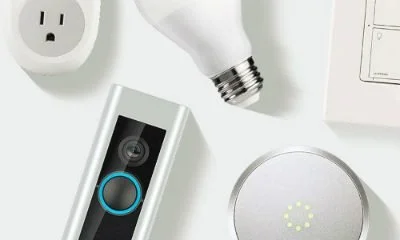
What once seemed like science fiction has now become totally commonplace. Everyday homeowners across the United States wake up to their smart alarms, drink a cup of coffee prepared by an automated machine, and walk into a room that illuminates once they arrive. We can turn music on and off with a simple voice command and program the settings of our home from our smartphones when we are not even there. 

But do all of these innovations add up to a simple convenience and form of amusement? Or is it actually possible that smart home gadgets can help you save money as well? 

While this is not a factor across the board, there are a selection of smart home upgrades that can cut costs and make your home more environmentally friendly in the process. Let’s take a look at four smart upgrades that can help you save money, in no particular order.

1. Smart Outlets

If AI-powered machines seem like something from the realm of science fiction, then energy vampires probably seem like the stuff of horror and fantasy.  But in fact, you probably have some in your home right now. What do we mean? 

An energy vampire is a device that continues to “suck” power out of your outlets, even with that device is turned off. Things like televisions, fans, gaming consoles, and speakers can consume “vampire power”, or “ghost energy” the entire time they are plugged in. Which means that not only are they consuming precious electricity, but they are also boosting your electricity bill. This can waste hundreds of dollars in electricity each year. 

Enter the smart solution. Smart outlets allow you to customize and control which devices are receiving electricity, when. With automatic detection features, your outlet can actually determine whether or not your plugged-in devices are consuming energy that they shouldn’t be. And that means your outlet can act as a guard against any unwanted currents flowing into devices that are powered off. And that means potentially saving you hundreds of wasted dollars. 

2. Smart Lights

Just like with the smart outlets, smart lighting helps to prevent wasted energy usage, and unnecessary hikes in your monthly electrical bills. It is very common for people to forget to turn off the lights in one room while they hang out in another, or even to leave the lights on in the bedroom or bathroom once they leave the house. If you have ever had one of those face palm moments in the middle of your workday, you know what we’re talking about. 

With smart lighting, you can customize and program your lights to adjust to your daily schedule. Like smart outlets, smart lights can automatically detect when they should not be in use. If no one has been inhabiting a particular room for a certain amount of time, the lights can turn themselves off by themselves. With the cost of electricity constantly on the rise, this can make a huge difference to your monthly and annual expenses. 

They typically run off of the home Wi-fi system, so make sure your internet is up to speed. And they sync with your smartphone and other devices via Bluetooth, so you can turn the lights on or off from the car, your office, vacation, or anywhere else you can think of. 

You can program your lights to dim or brighten depending on the time of day and type of tasks you need to get done, with brighter lighting helping to boost your productivity. Then warmer toned lights can help relax you in the evening. 

3. Smart Water Saving Appliances

Water waste is another major factor not only in keeping your home environmentally friendly, but also in wasting your hard-earned money each month. Smart shower heads control and regulate how much water is used during your daily wash. They come with fun features, like custom lighting and even programmable sound effects, so you can make shower time a party, while also lowering your bills. If you are nearing your desired water usage during a shower, the shower itself will alert you that you are close to the programmed amount. 

Smart toilets are another great option to cut down on monthly water waste and high utility bills. Smart toilets can automate the amount of water that gets used during each flush. Some brands save you double the amount by reusing and recycling shower water to flush the toilet. While it may not seem like a huge shift, the tiny costs you save each time you flush with a smart toilet can add up to hundreds of dollars by the end of the year. 

Smart sprinklers serve a similar function. If it rains and your lawn gets watered, that is a huge waste not only of water itself, but also of the money needed to pay for it. Smart sprinklers automatically detect and respond to weather conditions, so your lawn will never be overwatered or double watered. And they can be adjusted to water the plants differently depending on the time of year and day. So your smart sprinkler system will also keep your lawn in top shape and your plants happy and healthy. 

4. Smart Security Cameras

While they may not cut down on your monthly utility bills, smart security cameras can save you money in the long run- and potentially lower your home insurance rates. With high tech features like thermal imaging, automated movement detection, and 3D cameras, smart security cameras can keep your home as safe as can be. 

Advanced monitoring features allow you to check in on your doorstep from wherever you are. So even on vacation in another country, you will know exactly who has been visiting your front porch. You can watch live feed video streams of your home as well and keep an ongoing record of what’s happening where you live. So not only can you save money by lowering your home insurance premiums, but you can also forgo the house sitter when you go away. Just check in on your smart phone, tablet, laptop, or other device to see what’s happening at home from wherever you are. 

Final Thoughts

Whether you want to actively boost your savings by lowering your monthly utility bills or passively boost your funds by increasing your home security, there is a smart home gadget out there that can help you reach your goal. 

Do some research to find the make and model that best suits your needs and budget- within each category you can spend anywhere from $30 to $3000. So search around to find the smart gadget that works best for your money saving needs. From cutting back on energy and water waste to shoring up your home security, there is almost nothing that smart gadgets can’t do- including save you money. 

Guest Contributor: Victoria Standridge

How To Identify What is Wrong with Your HVAC System

RH Business Marketing Solutions

Your heating, ventilation, and AC (HVAC) unit is a critical component of your home. It maintains comfort throughout the year. Additionally, it keeps the air dry to minimize the risk of mold and mildew. However, there are times when it fails for one reason or another. Here are some ways to identify what's wrong with your HVAC system.

Get the Unit Serviced

You may not know anything is wrong with your HVAC system until you get it serviced. Air conditioner or furnace maintenance helps detect if there's an existing problem. It also allows the technician to see if any components are about to fail.

Service agreements normally come with a new HVAC unit. If your equipment is older, then it's a good idea to pay for a contract. Though there might be a significant cost at the start, your return on investment is enormous. The service plan gives you a sense of security that your furnace and air conditioner will run during extreme temperature highs and lows.

Check Your Air Filter

The air filter is used for your furnace and AC. Normally situated near the ventilation fan, it collects dust, dirt, and other debris as it lets clean air through. When this isn't cleaned, problems occur.

For instance, warmed air from the furnace won't reach the rest of the house if it can't get through the filter. Conversely, cooled air blocked by a dirty filter starts to freeze components like the condenser motor.

Needless to say, your air filter must be replaced every 30 days. This is especially true during the height of pollen season. Regular change-outs help to keep your HVAC components in good working order.

Check Your Outside AC Unit

Central AC is comprised of your home's ventilation system and an outside unit. This draws in and cools warm air for distribution through your home. If the unit's fan runs but the air is warm, then check some of its components.

The first place to look is the unit's air filter. Similar to the one in your ventilation system, it keeps capturing particularities. If it gets too full, then the condenser motor overheats and can break. So, make sure this air filter is regularly washed down with a hose.

Next, check for any leaks around the unit's base. Damp areas in an otherwise dry space could mean potential leaks or breaks in the cooling fluid hoses. Immediately turn off the unit if this is seen. Leaving it on without cooling fluid can destroy the condenser.

On top of these items, make sure the AC unit's fan starts up. Sometimes, though the motor seems to work, the blades don't move. This could either mean broken components or that the fan is stuck due to an object jammed in the space.

Examine the Thermostat

The other place to identify what's wrong with your HVAC system is your thermostat. This isn't a separate entity. The thermostat is directly wired to send signals to your furnace and AC. If nothing happens, then you need to troubleshoot.

Although the thermostat is wired into your home's electrical system it normally has a battery backup. When these power sources are drained it messes with the internal computer. Replacing the batteries should correct the situation.

If that doesn't work, then check the thermostat's programming. The heat or AC doesn't turn on if they're set to start at a certain time or temperature. Clear these items to see if the problems are corrected.

Should these two items not work, then pull the thermostat off the wall and examine the wiring. Broken or frayed connections could signify a short. For this, reach out to an HVAC technician to fix it. In the end, they may need to replace the thermostat altogether.

Conclusion 

If you keep this list of troubleshooting tips on hand, then you won't have much trouble identifying what's wrong with your HVAC system. Overall, it's best to have an HVAC service company work with you to get to the actual problem. If you're diligent with standard maintenance like air filter replacement, then the cost should be minor. On the other hand, if you let things go, the bill could be higher, or you might need a new HVAC system. Don't let it get that far.

Guest Contributor: Elizabeth Howards

Take Proper Care Of Your Lawn In 4 Easy Steps

RH Business Marketing Solutions

Many homeowners try to tend to their lawns as they give their homes curb appeal. As a homeowner, it is important to be knowledgeable about the types of grass that grow well in your region, what type of soil you have, what type of fertilizers and pesticides are best for your lawn, and how much water your lawn needs. You should also be aware of the height at which you should mow your lawn and the best time of year to seed or sod your lawn.

Taking care of your lawn can be a real challenge. You may find that you are not able to grow grass in some areas, or that you constantly have to fight weeds. However, there are four easy steps that you can take to make sure your lawn looks great all year long.

Help your grass grow

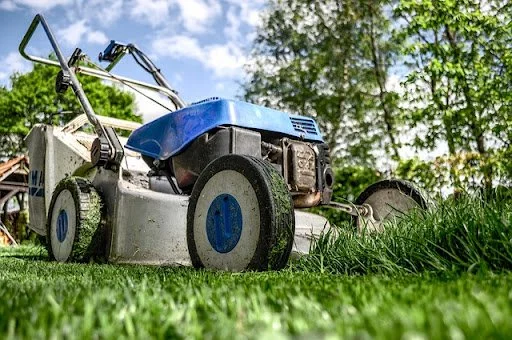
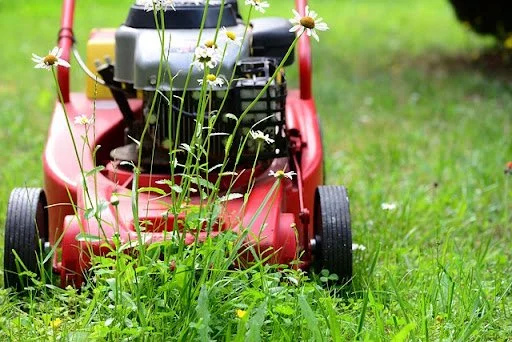
One of the biggest challenges that lawn owners face is that they can't always have evenly growing grass. There are several reasons why this might be the case, including poor soil quality, incorrect watering habits, or a lack of fertilizer. Without the proper nutrients, your grass will not be able to grow evenly, and you may find yourself with large patches of dead grass. So the first step to having a great and lusciously green lawn is to ensure the previously mentioned conditions so it can grow properly. After some time it can become quite tall and messy, making it more challenging to mow down. To efficiently tackle this problem cut tall grass with a reel mower, it is much easier on the lawn and will give a neater appearance. Reel mowers are becoming a more popular choice for homeowners looking to take care of their lawn. Unlike gas-powered mowers, reel mowers do not rely on any type of motor and instead use a set of blades to cut the grass. Because they are powered by human muscle, reel mowers are much quieter than gas-powered mowers and are also better for the environment. Reel mowers also have the added benefit of being lightweight, which makes them easy to maneuver.

Weed control

Weeds can be a constant battle for any lawn owner. They not only steal nutrients from your grass, but they also make your lawn look unmapped and untidy. The best way to fight weeds is to prevent them from germinating in the first place. This can be done by regularly applying a pre-emergent herbicide to your lawn. If you already have weeds, you can use a post-emergent herbicide to kill them. Be sure to read the labels carefully so that you are using the right product for the type of weed that you have.

It’s easy to be eco-friendly when it comes to your lawn, as many herbicides are safe for the environment. There is no one universal product you should use, but rather different products depend on what type of weed you have and where they grow. The best way to tackle weeds is by preventing them from germinating in the first place through pre-emergent herbicides or post-emergent herbicides if you already have them. Be sure to read the labels carefully so that you know which product will work best for your needs.

Watering

Another important factor in taking care of your lawn is watering. Grass needs about 1 to 1.5 inches of water per week. You can water your lawn with a sprinkler system, a hose, or a watering can. If you water with a hose, be sure to water in the early morning so that the grass has time to dry before nightfall. Watering in the evening can cause diseases such as brown patches. If you have a sprinkler system, be sure to set it on a timer so that you don't overwater your lawn.

Fertilizing

Fertilizing your lawn is important to help it stay green and healthy. The best time to fertilize your lawn is in the fall, before the first frost. This will give your grass the nutrients it needs to survive the winter and come back strong in the spring. Be sure to use a fertilizer that is specifically designed for lawns. Using too much fertilizer can damage your grass, so be sure to follow the directions on the label.

Composting is a great way to provide your lawn with the nutrients it needs to stay healthy. You can make your compost using leaves, grass clippings, and other organic materials. Be sure to mix the ingredients well and keep the compost moist. You can also add a small amount of fertilizer to the compost to help it along. The best time to add fertilizer to your compost is in the spring when you are preparing to fertilize your lawn.

Taking care of your lawn doesn't have to be difficult or time-consuming. By following these four simple steps, you can have a healthy and beautiful lawn all year long.

5 Useful Appliances to Have in Your Home Office

RH Business Marketing Solutions

The home office has become a popular option for those who wish to jump-start their careers. Those with aspirations of becoming entrepreneurs can create an effective office right at home. Having all the right equipment is crucial to making your home office run smoothly and efficiently so you can work without distractions.


1.   Paper Shredder

A paper shredder is a tool that allows you to dispose of papers and documents by cutting them into strips or fine pieces. Many businesses use them to prevent information theft and identity fraud because they cannot be easily reconstructed.

Paper shredders can be electric or hand-cranked. When it comes to security, both can do the job; however, electric ones are much quicker and easier to use if you have large amounts of documents that need disposing of. You simply insert the paper into the top, and as it runs through the blades, it is cut into small pieces or strips.


2.   Label Machine

A label machine is essentially a small device that's designed to print labels from an attached computer or from the label machine itself. Most machines come with their own software or program, which allows you to create the labels on your computer and then print them out as needed. The labels are then placed on file folders, important documents, and other items in order to keep them organized.

The process by which the label machine works depends on the type of label machine you have. A thermal printer uses heat-sensitive paper that turns black when exposed to heat, while inkjet printers use ink that sprays onto the paper in order to produce text or images on the paper itself. Other types of printers use dye that melts into the paper in order to produce text and images on your labels.


3.   Printer

A printer is a piece of external gear that converts electronic data saved on a computer or other device into a hard copy. It produces text and graphics on physical media such as paper and transparencies. All printers work differently, but each one has four main components: ink supply, ink delivery system, print heads, and media path.

The cartridge contains tiny nozzles for the ink to pass through, and the machine shoots drops of ink onto the page with such precision that it can produce millions of vivid colors. The toner powder used by laser printers works in much the same way, except that it's fused onto the paper via heat instead of drying as liquid ink.


4.   Air Conditioner/Heater 

An air conditioner is a type of appliance that regulates the temperature inside a room. These devices are typically used during the summer months when temperatures get hot. Air conditioners use refrigerants to cool and circulate air throughout a room. Not only do these devices control temperatures, but they also control humidity levels by removing warm and moist air from a space.

Air conditioners use electricity and refrigerants to cool a room. Once electricity enters an air conditioner, it powers a fan that makes the device's refrigerant gas move through its coils. As the gas moves through the coils, it absorbs heat from the room's air. This process causes the gas to become cold, which allows it to cool down a room's temperature as it circulates into the room's atmosphere.

A window unit or a portable ac heater is a must-have for people who work at home. One of the best air conditioning units is an ac heater combo, which allows you to keep warm in the winter and cool in the summer without having to buy multiple units.


5.   A Digital Scanner

A scanner is a device for capturing a real-world image that can be processed, stored, and transmitted on a computer. They are most commonly used for copying documents and images. A digital scanner uses a light source to illuminate an image. 

The image is then reflected onto mirrors which direct the light at the photosensitive drum. The light exposes the surface of the drum and produces an electrostatic charge that varies according to the amount of light received.

The charged areas then attract toner (a powder-like substance made from carbon black), which sticks to the drum's surface. The image is then transferred to paper by pressing it against the drum and heating it so that the toner melts into the paper's fibers forming a permanent image. Scanners are useful in many different situations, but they're most often used for digitizing old images or scanning documents or magazines to save or edit on a computer.

These appliances are both functional and affordable, which makes them great choices for anyone with a home office. From air conditioning to paper shredders, each appliance serves as a helpful addition to any home office.


Guest Contributor: Maggie Bloom

How to go About Fixing a Concealed Broken Pipe

RH Business Marketing Solutions

What Even Causes a Pipe to Break?

Concealed pipes have their pros and cons. One of the major criticisms addressed to concealed pipes is that when they crack or break, they cause a lot of mess around the place. In this article, we are going to first tell you about the main causes of pipe damage and then discuss the steps in fixing them. There are several reasons why your pipes might break:

• Corrosion 

No matter the materials that the pipes are made from, corrosion will happen. Even with materials like copper which are more corrosion-resistant, problems will occur down the line. Black patches will form around weak points and then create pinhole leaks.

• Rust

Iron pipes will significantly deteriorate after being exposed to water and oxygen without regular maintenance.

• Backup

Your pipes can clog up if you are flushing potentially wasteful materials down the toilet. The build-up of waste occurs near a joint and it results in water leaking from the pipes. 

• Freezing

When the pipes are exposed to really low temperatures, they tend to freeze and explode. This is the worst-case scenario that can happen with pipe problems.

How to Find Leaks and Burst Pipes

Surprisingly enough, when you see ice form around a pipe, it doesn’t necessarily mean that the damage is at that point of the pipe. The ice can simply be creating a blockage while the real problem occurs somewhere else, where the pipe is weakest. There are 3 ways to find the origin of the leak:

1) Look Over Exposed Pipes for Corrosion

A simple way of identifying a leak (or a potential one) is by looking at the state of the pipes. If you notice any corrosion, moisture, or mould, then it’s time for a repair to take place.

2) Look for any Signs of Water Damage

Examine the walls where your pipes are located at. See if you can notice any damage around them, once you have finished this, go back to the place where you saw the largest amount of damage done. Most of the time, this will be the spot where the leak is located at.

3) Find the Smell of Sewage

This might be an unpleasant way of finding the origin of the leak, but it is an effective one. A rotten smell of sewage that is coming from a pipe will not only tell you that you have a broken pipe, but also that it's a sewer pipe.

Possible Solutions

There are 2 ways of dealing with pipe issues:

• You can have some minor repairs take place

This usually means cutting into the wall and finding the broken pipe in question. Afterwards, you can replace the damaged part of the pipe (if it is contained in a single section of the pipe), or you can patch over the leak.

• You can replace them completely

For more severe and spread-out damages to the pipes, you will need to contact a plumber to replace them completely. This is the better option if your pipes are old and have the possibility of even more leaks or breaking down completely in the future.

The Cost of it All

The prices will vary from problem to problem. But, generally, the pricing depends on the type of pipes in question. 

• Gas Pipe Replacement

When gas pipes get broken and need to be replaced, it will cost anywhere from $120 - $1,400. Generally, most homeowners pay around $500 for gas pipe replacements.

• Water Pipe Replacement 

Water pipes are the most common ones that need replacing. The cost will depend on a variety of factors. Replacing/repairing water pipes usually costs around $150 - $350. If you do not know where the leak is located, you will need to pay around $100 more. Then comes the wall. Repairing the drywall (if it’s been significantly damaged) will cost you around $250 - $700. Obviously, the size and severity of the damage will impact how much it costs to repair the drywall. In the worst possible scenario, if a pipe has frozen and burst, you will need to pay anywhere from $350 to $2,100 to repair it.

• Sewer Pipe Replacement

Sewer pipes are a bit more tricky. When they leak, plumbers shouldn’t recommend small repairs (unless they want to leech you of your money). Doing a small repair will only delay the problem for a bit. The most optimal solutions are trenchless sewer repairs or conventional sewer repairs. Trenchless repairs cost around $60 - $250 per foot. The price will be influenced by how easy it is to navigate the pipe network, the state the pipes are in, and how accessible they are. Conventional repairs cost about the same. The price will really begin to increase as more and more repairs are needed, leading to a possibility of a $20,000 bill. This is why you want to have a solid foundation and high-quality house rendering, to avoid the possibility of such large-scale problems occurring down the line and costing you a small fortune.

Guest Contributor: Tim Tylor